All species › Hoopoes and hornbills › Hornbills
Hornbills | Bucerotidae
Neushoornvogels | Cálaos
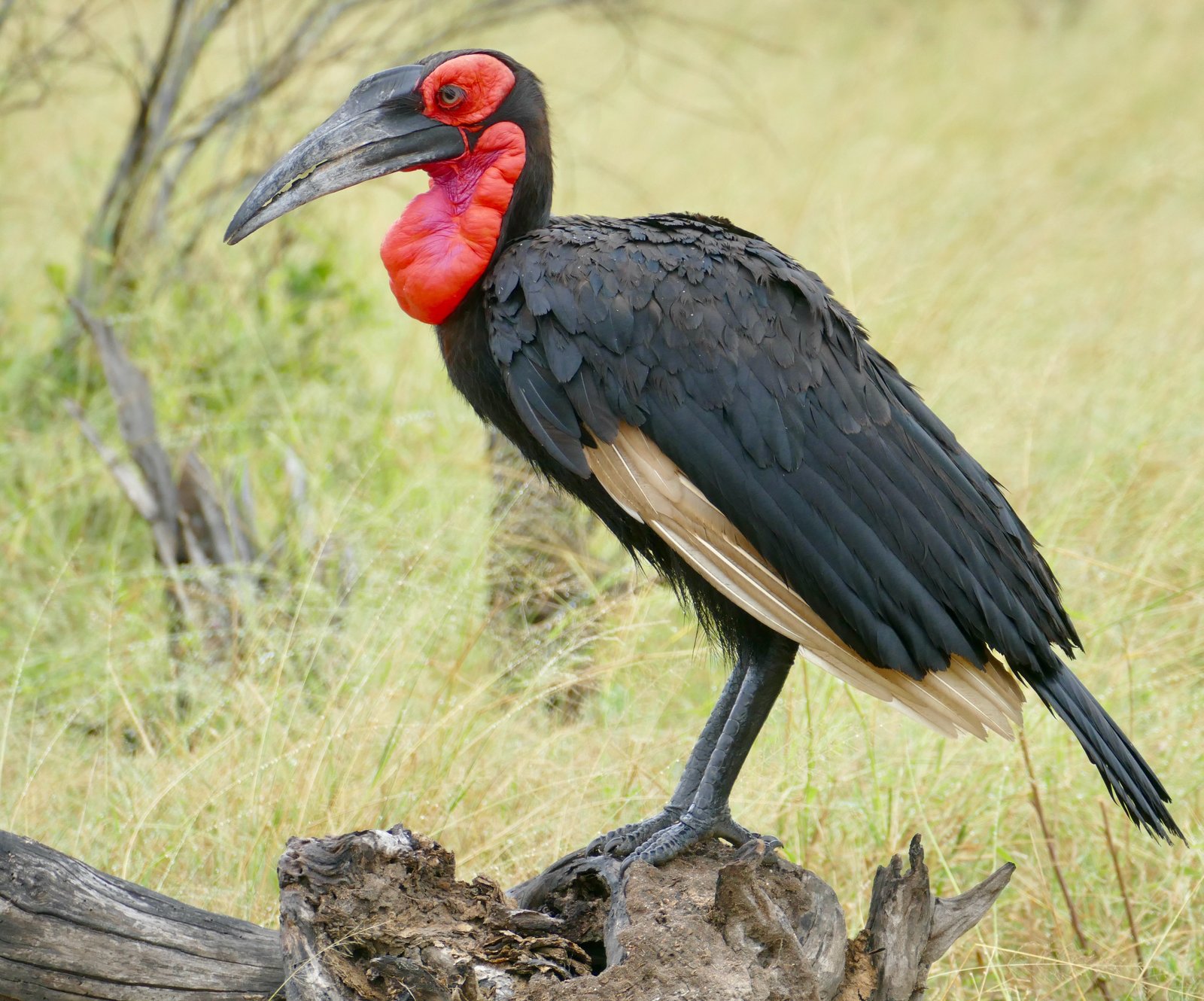
Medium-sized to very large birds with a long, downcurved bill topped in many species by a horny structure, the casque, which ranges from a low keel to a hollow crest and is kept light by internal air spaces. The head is narrow, so that the bird can see its own bill tip; the first two neck vertebrae are fused and the neck muscles and collarbones are reinforced to carry the weight of the bill, and the eyelids bear long, stiff lashes. The bill tip works as a pair of forceps: food is held between the mandibles, tossed into the air with a short jerk of the head and so delivered to the throat, the tongue being too short to work it back. In the tree-dwelling species the female walls herself into a cavity with a mixture of mud, droppings and fruit pulp until only a narrow vertical slit remains, through which the male feeds her and later the young; she stays there for weeks to months and in some genera moults flight and tail feathers all at once during that time. The ground hornbills depart from this: they do not seal the nest, forage on foot on the ground and breed in groups with helpers. The flight is heavy and in the larger species loudly whooshing, because the wing coverts do not fully close over the upper arm and the air beats through between the flight feathers.
Native species 15 species
Species that occur here by nature: breeding birds, winter visitors and passage migrants. They are arranged by genus, in the sequence of the list.
Bucorvus 1 species
Lophoceros 5 species
-

Crowned Hornbill
Lophoceros alboterminatus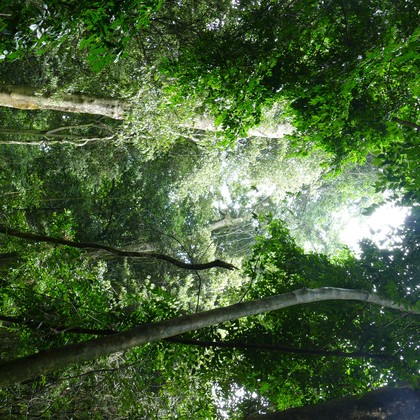 Subtropical lowland and coastal forest
 Riverine forest
 Afromontane forest
-

Bradfield's Hornbill
Lophoceros bradfieldi Mopane woodland
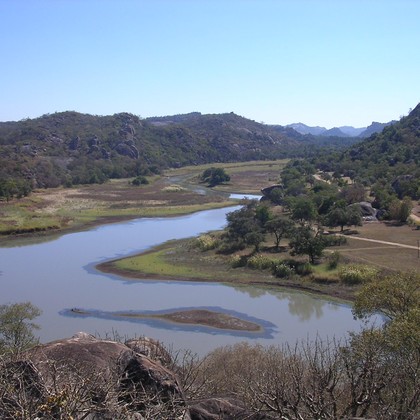 Mixed broadleaf woodland
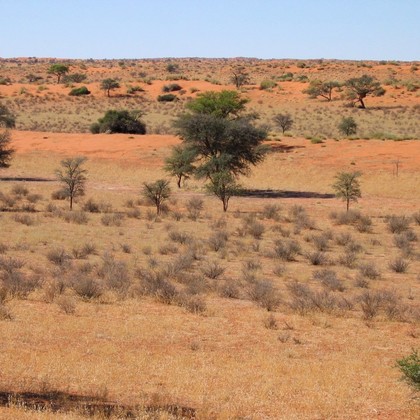 Kalahari thornveld
-

Congo Pied Hornbill
Lophoceros fasciatus- Subtropical lowland and coastal forest
- Riverine forest
-

African Grey Hornbill
Lophoceros nasutus- Mixed broadleaf woodland
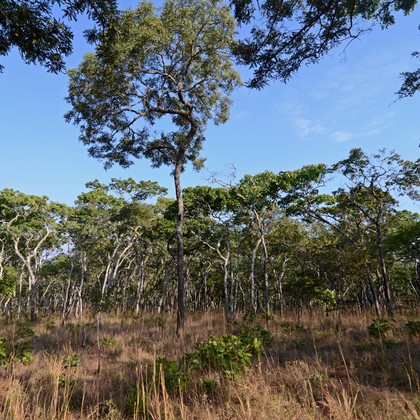 Miombo woodland
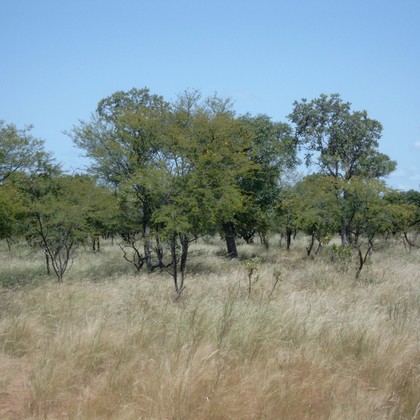 Acacia savanna and thornveld
-

Pale-Billed Hornbill
Lophoceros pallidirostris- Miombo woodland
- Mixed broadleaf woodland
Tockus 4 species
-
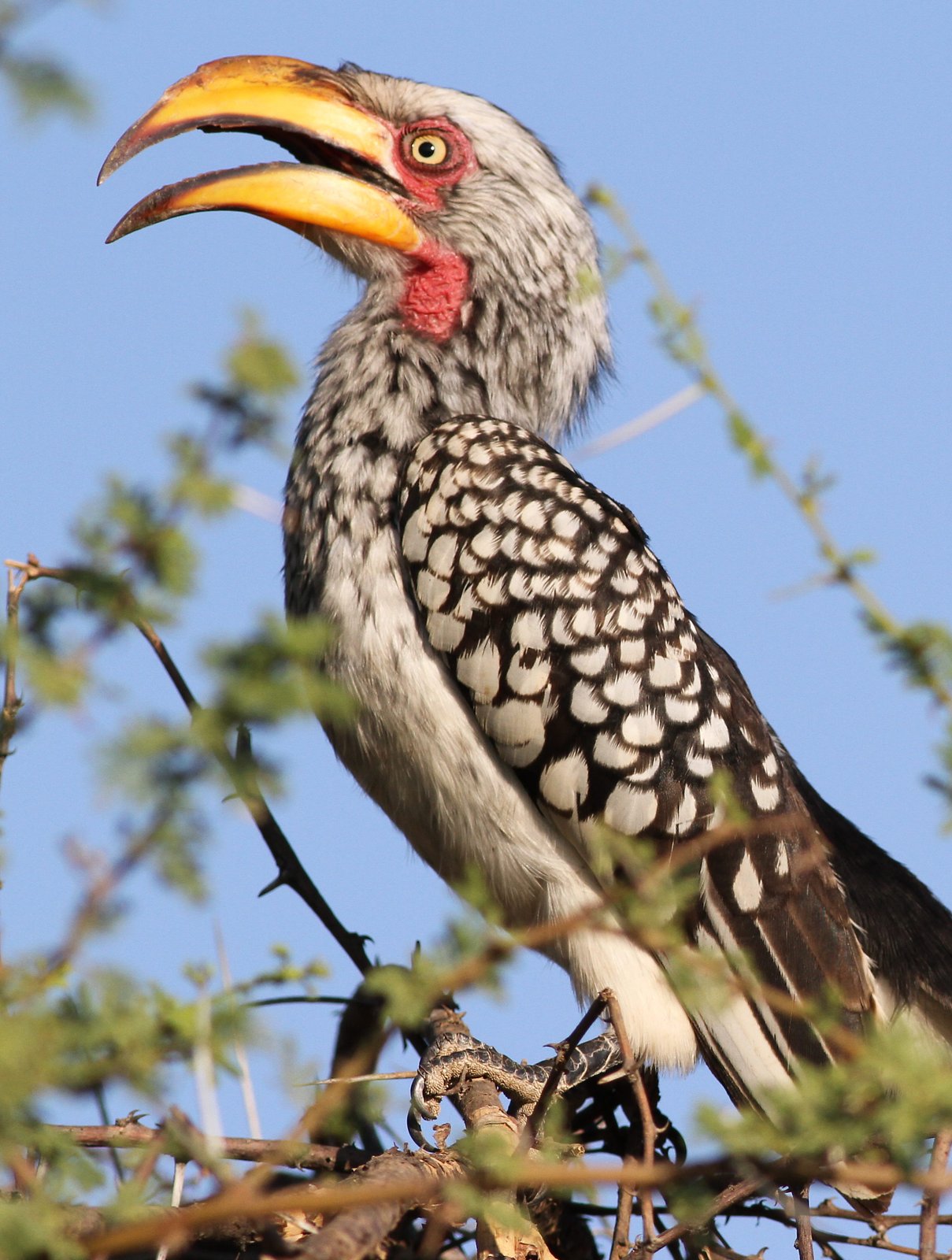
Southern Yellow-Billed Hornbill
Tockus leucomelas- Acacia savanna and thornveld
- Mopane woodland
-

Monteiro's Hornbill
Tockus monteiri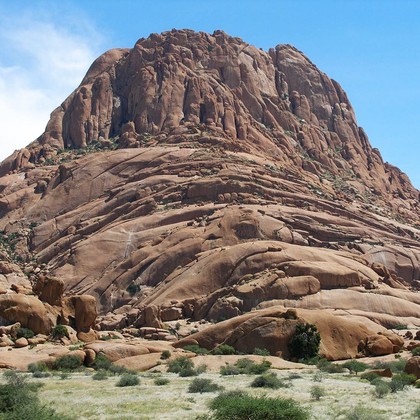 Mountains and rock outcrops
- Acacia savanna and thornveld
 Namib Desert
-

Southern Red-Billed Hornbill
Tockus rufirostris- Mopane woodland
- Acacia savanna and thornveld
- Mixed broadleaf woodland
-

Damara Red-Billed Hornbill
Tockus damarensis- Acacia savanna and thornveld
- Mountains and rock outcrops
Bycanistes 4 species
-

Silvery-Cheeked Hornbill
Bycanistes brevis- Afromontane forest
- Subtropical lowland and coastal forest
-
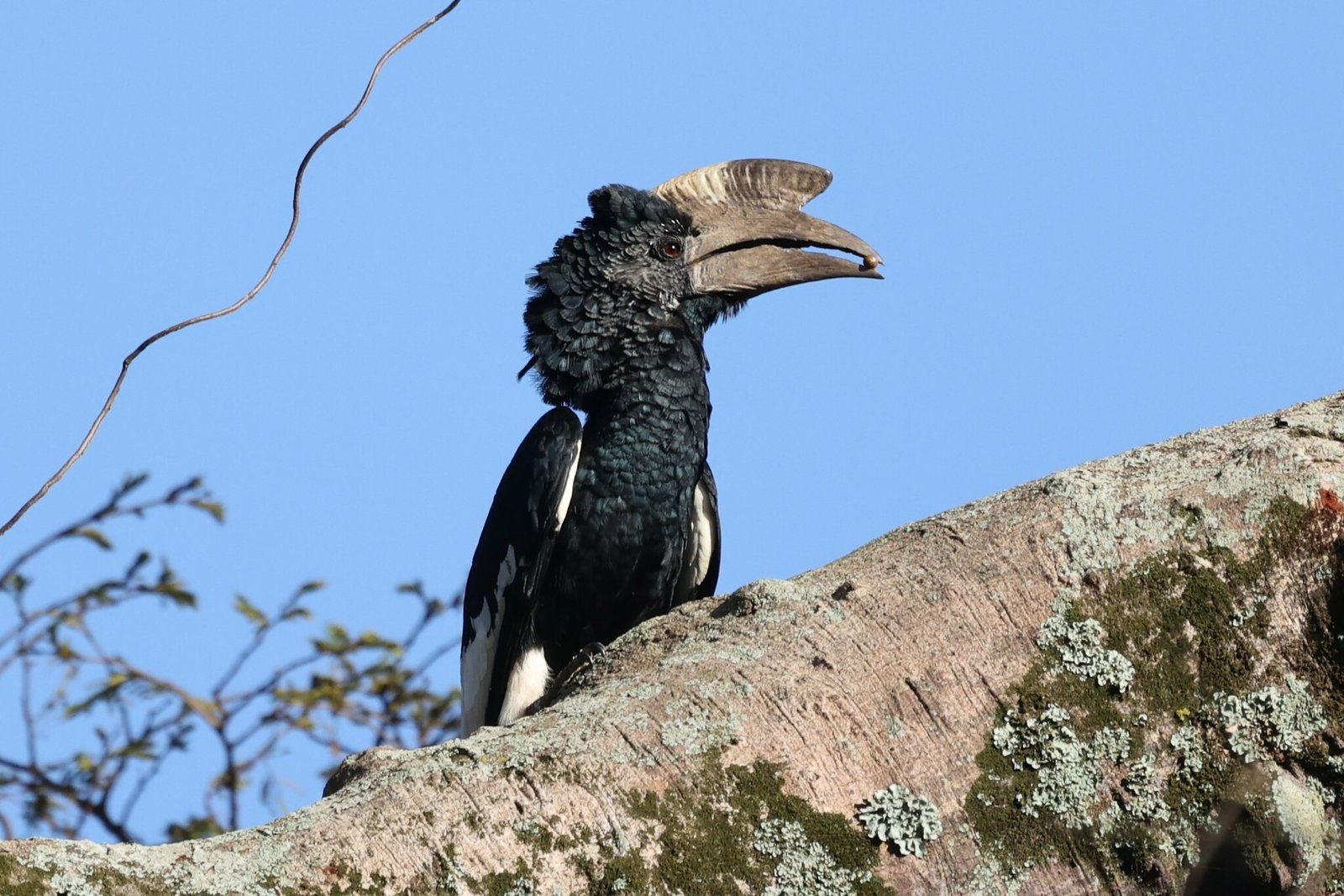
Black-and-White-Casqued Hornbill
Bycanistes subcylindricus- Subtropical lowland and coastal forest
- Riverine forest
-

Trumpeter Hornbill
Bycanistes bucinator- Subtropical lowland and coastal forest
- Riverine forest
-

Piping Hornbill
Bycanistes fistulator- Subtropical lowland and coastal forest
- Riverine forest
Ceratogymna 1 species
