All species › Waders, gulls and terns › Plovers and lapwings
Plovers and lapwings | Charadriidae
Plevieren | Chorlitos y avefrías
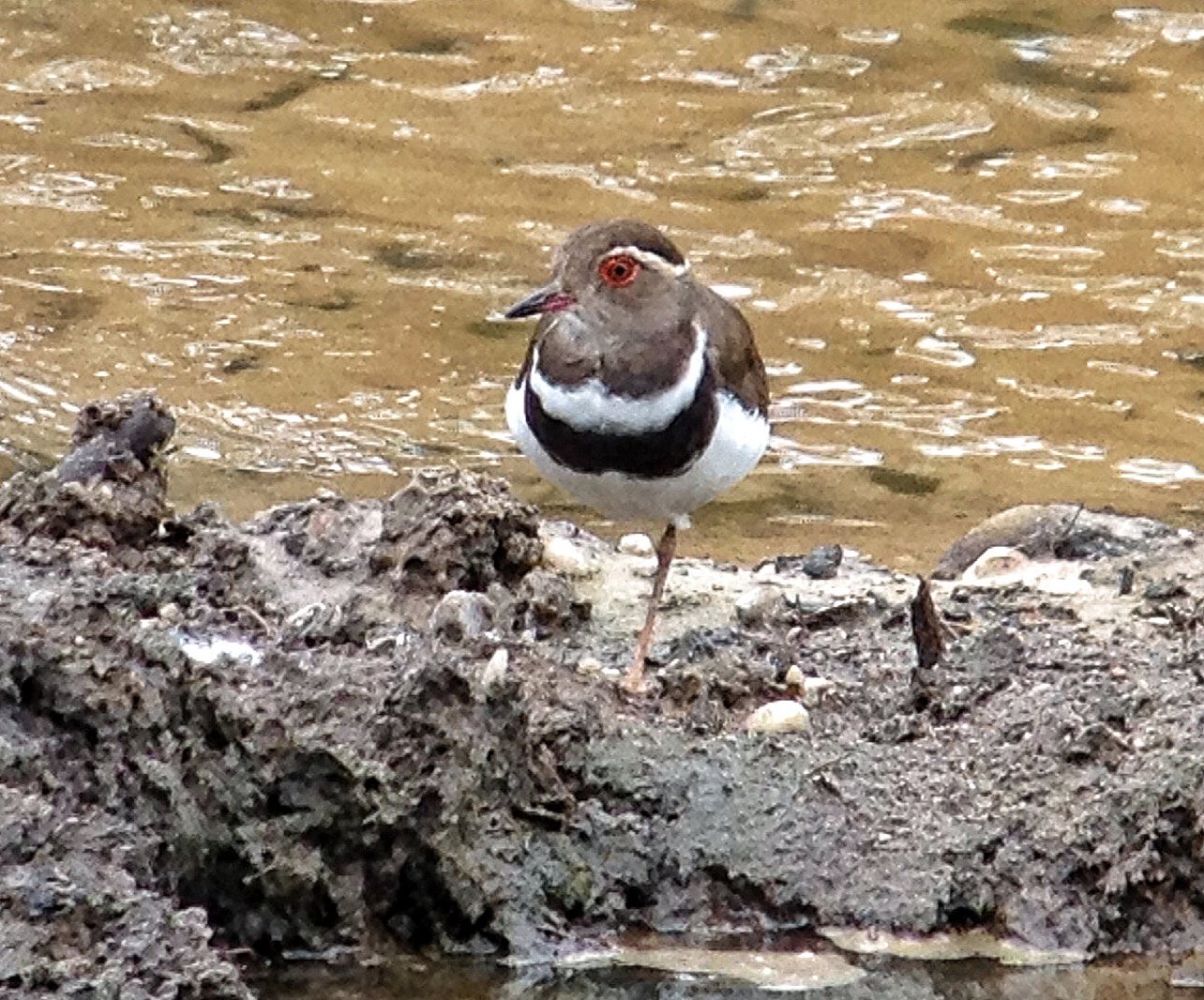
Compact birds with a large head, a short neck and a short bill thickened towards the tip — made for picking prey off the surface, not for probing into it. They feed with a characteristic pattern of run, stop and peck, also after dark, and many species tremble one foot on wet soil to bring prey to the surface. Black bands across breast and head break up the outline against bare ground, and the heavier lapwings often carry yellow wattles at the base of the bill and a sharp spur or knob on the bend of the wing, with which they strike at intruders near the nest. The clutch is almost always four pear-shaped eggs, points inwards in a scrape on bare gravel, saltpan crust or closely grazed grassland; when danger comes the parents lure the intruder away with a feigned broken wing. Wing shape varies within the family: long and pointed in the species that shuttle between Siberia and the African coast, broad and rounded in the resident birds of the interior, which gives them a slow, flapping flight.
Native species 19 species
Species that occur here by nature: breeding birds, winter visitors and passage migrants. They are arranged by genus, in the sequence of the list.
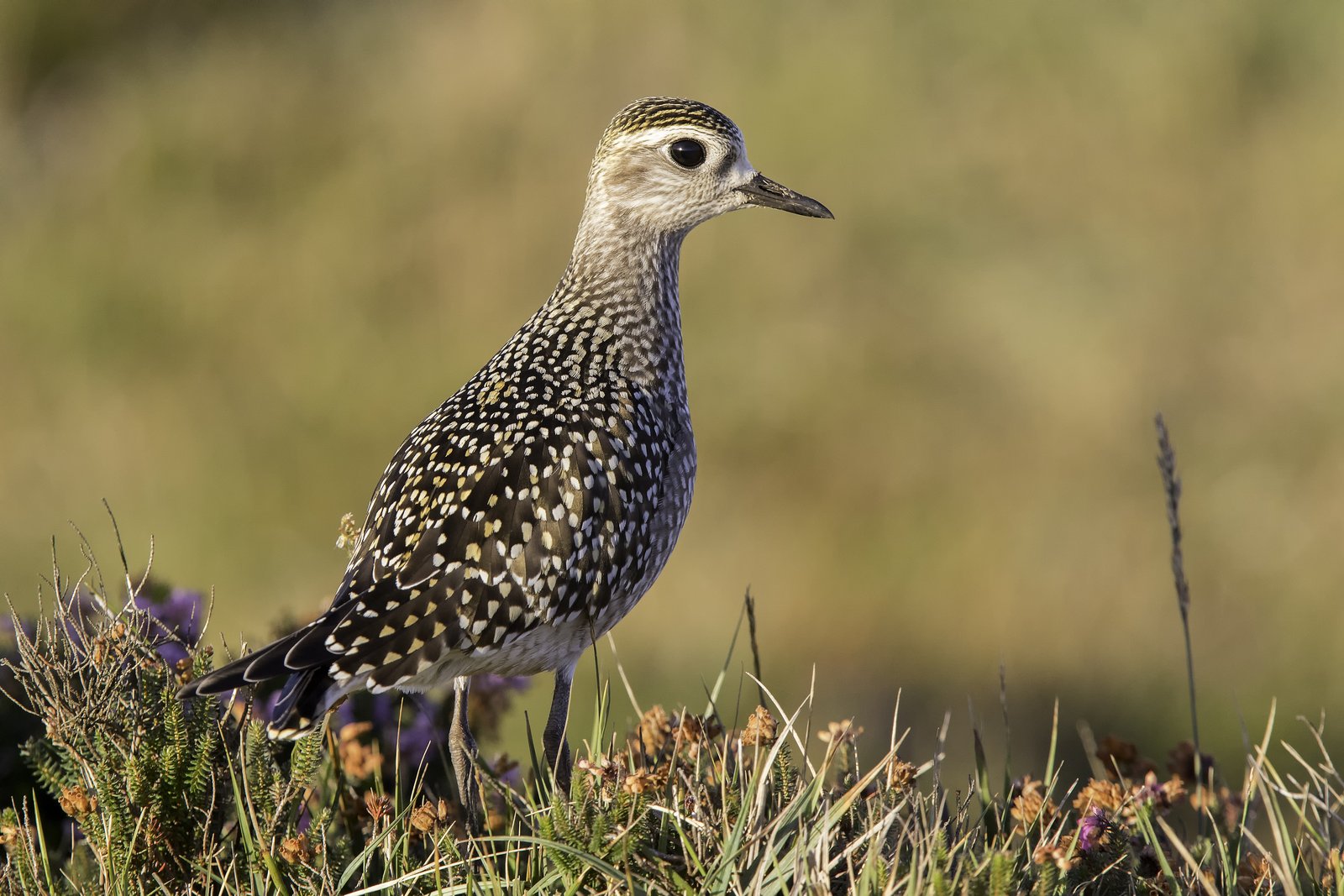
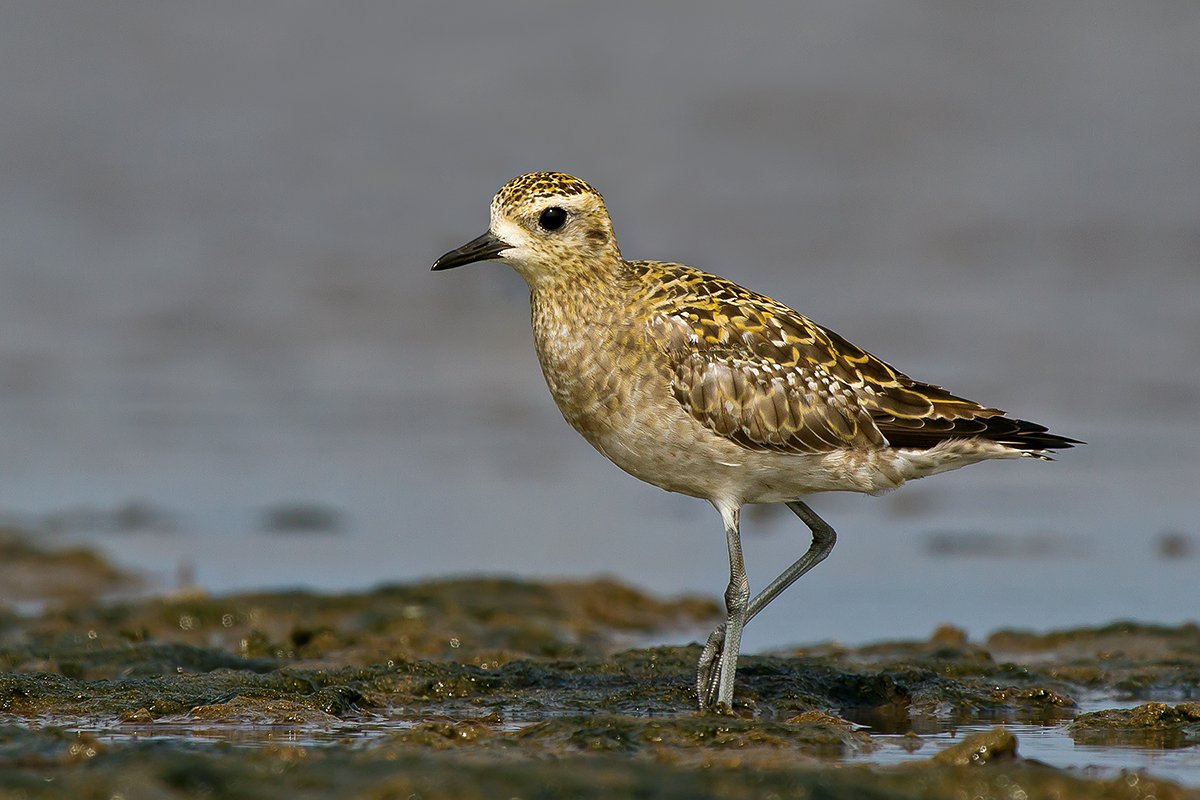
Pluvialis 2 species

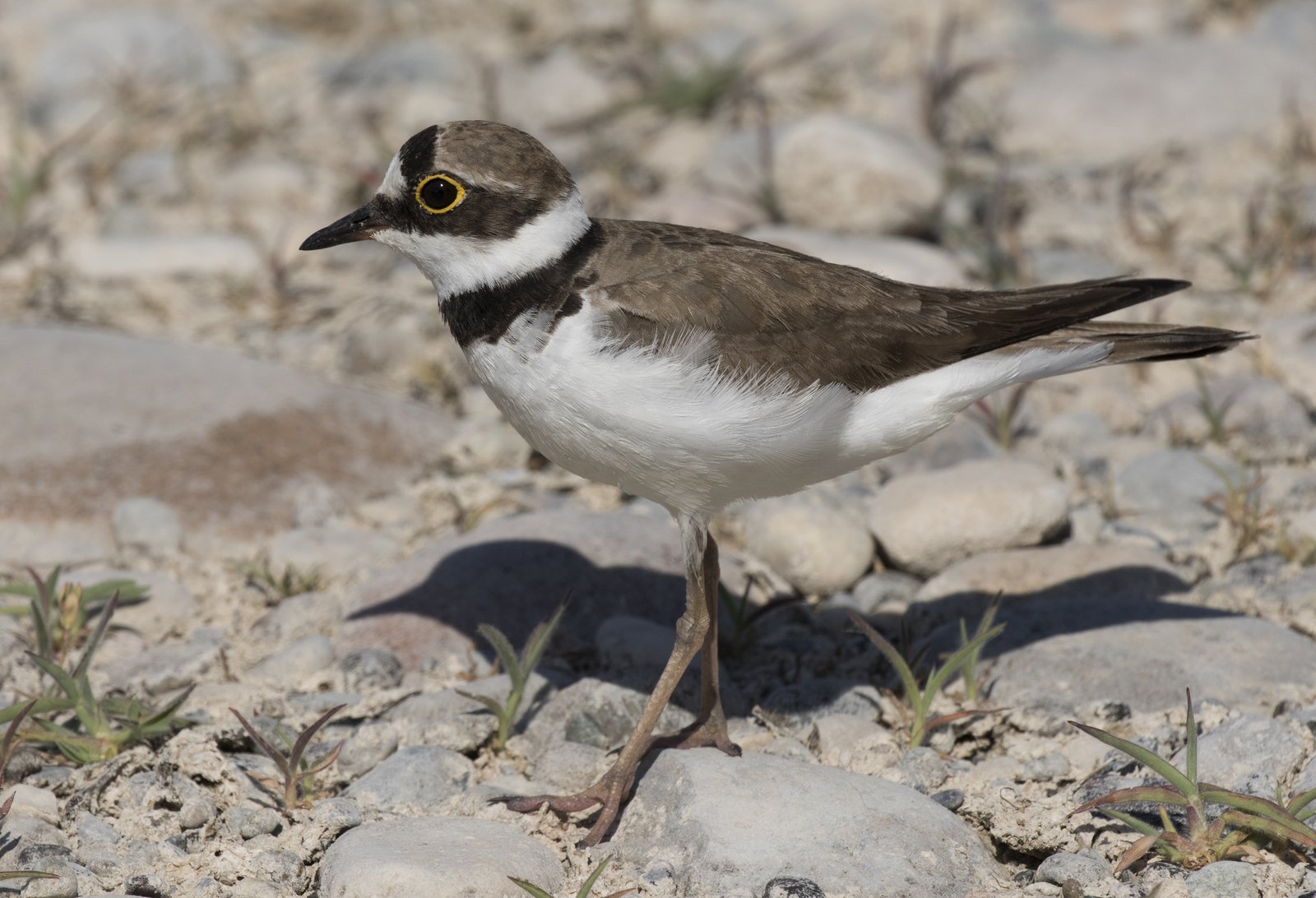
Charadrius 1 species

Anarhynchus 6 species
-

Caspian Plover
Anarhynchus asiaticus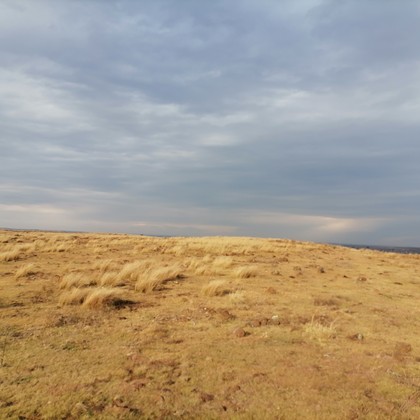 Highveld grassland
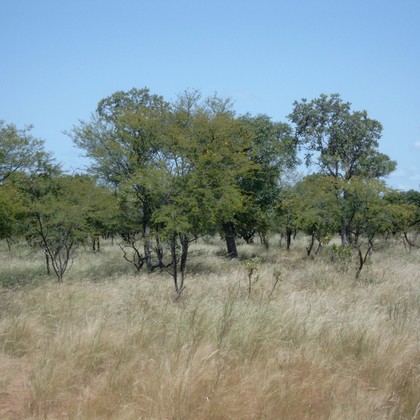 Acacia savanna and thornveld
-
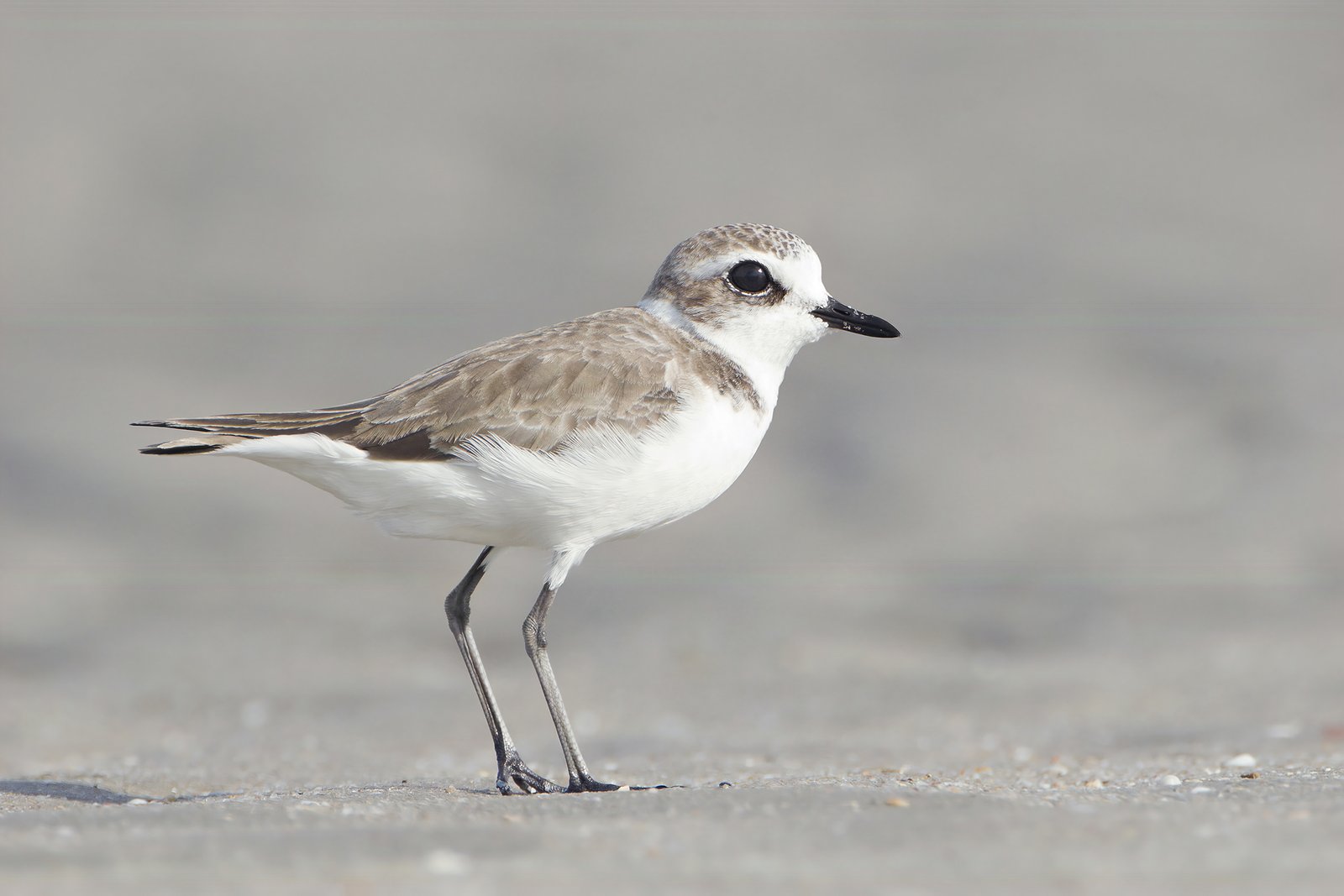
Siberian Sand Plover
Anarhynchus mongolus Mangrove and coastal marsh
-
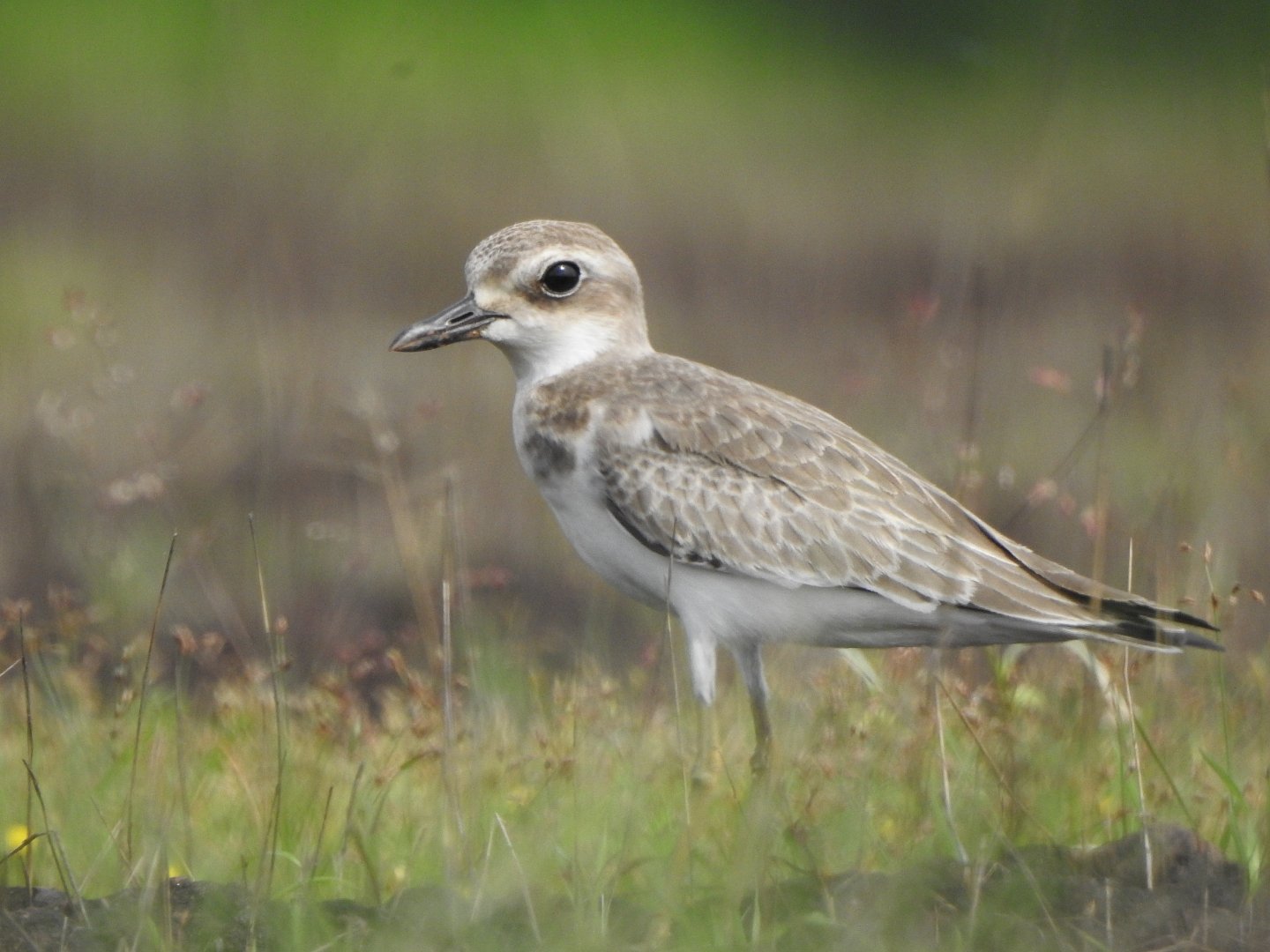
Greater Sand Plover
Anarhynchus leschenaultii- Mangrove and coastal marsh
-
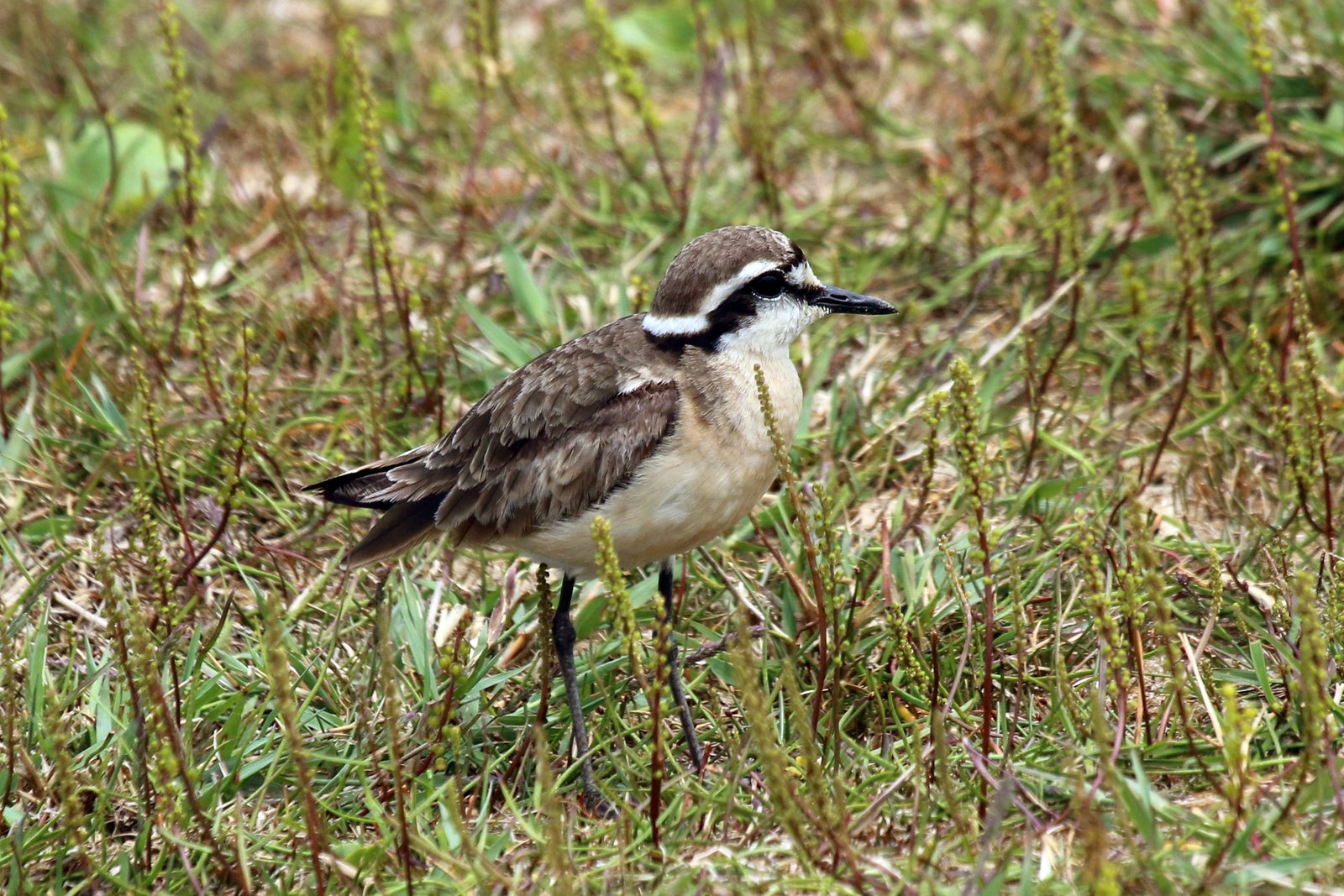
Kittlitz's Plover
Anarhynchus pecuarius Rivers, marshes and vleis
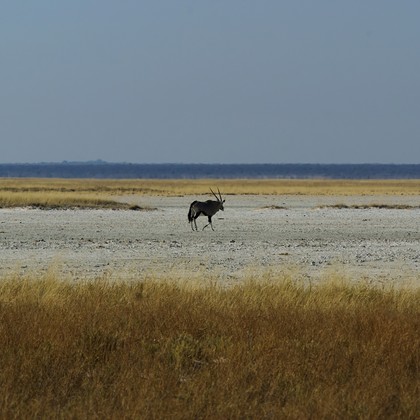 Salt pans
-
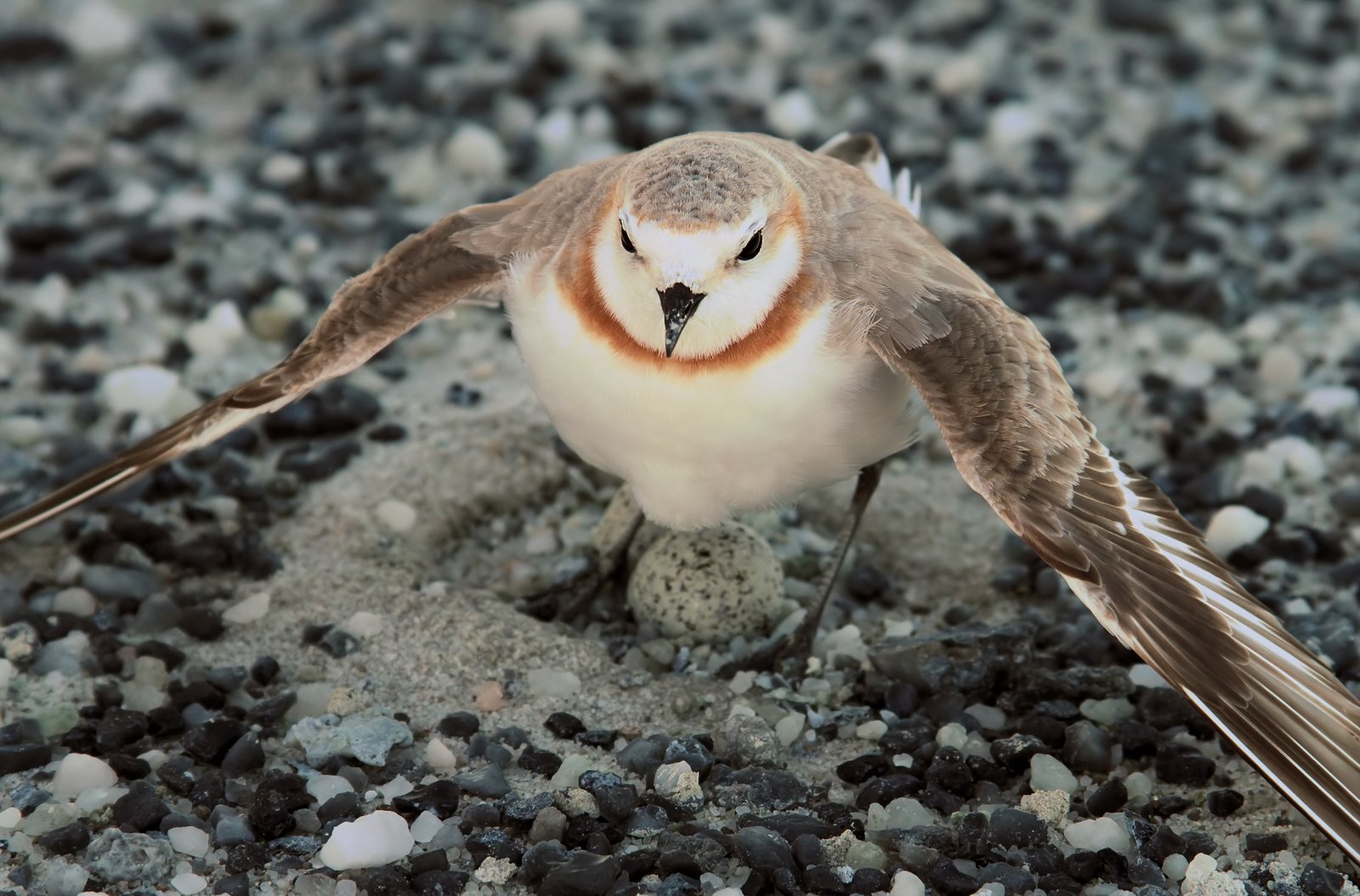
Chestnut-Banded Plover
Anarhynchus pallidus- Salt pans
- Mangrove and coastal marsh
-
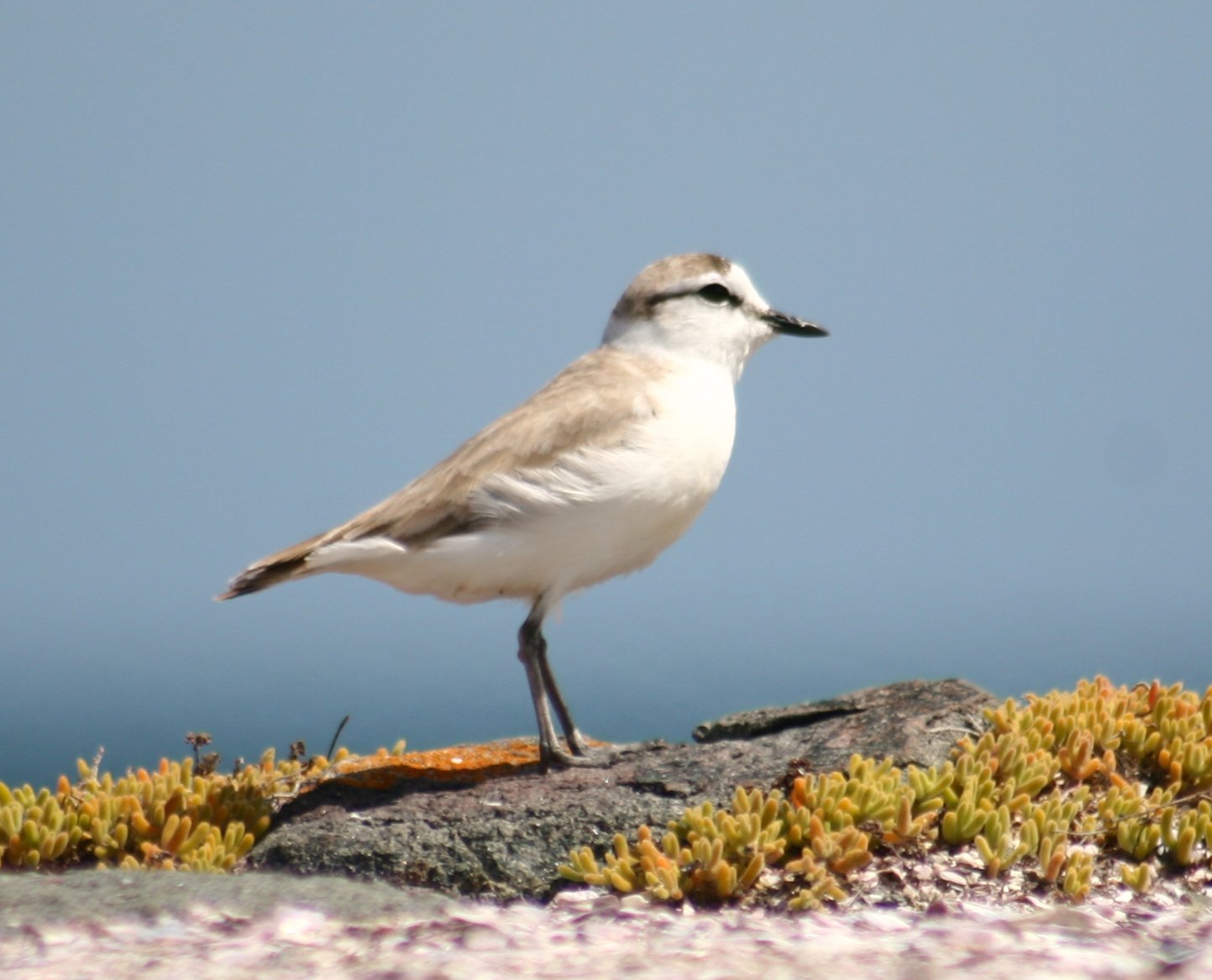
White-Fronted Plover
Anarhynchus marginatus- Mangrove and coastal marsh
- Rivers, marshes and vleis
Vanellus 8 species
-

Long-Toed Lapwing
Vanellus crassirostris- Rivers, marshes and vleis
-

Blacksmith Lapwing
Vanellus armatus- Rivers, marshes and vleis
-

Spur-Winged Lapwing
Vanellus spinosus- Rivers, marshes and vleis
-

White-Crowned Lapwing
Vanellus albiceps- Rivers, marshes and vleis
-

Senegal Lapwing
Vanellus lugubris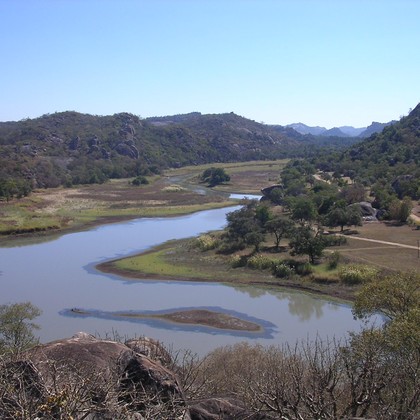 Mixed broadleaf woodland
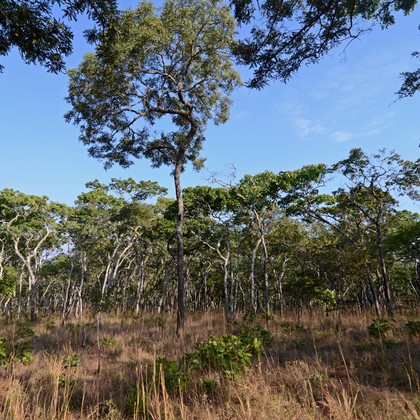 Miombo woodland
-
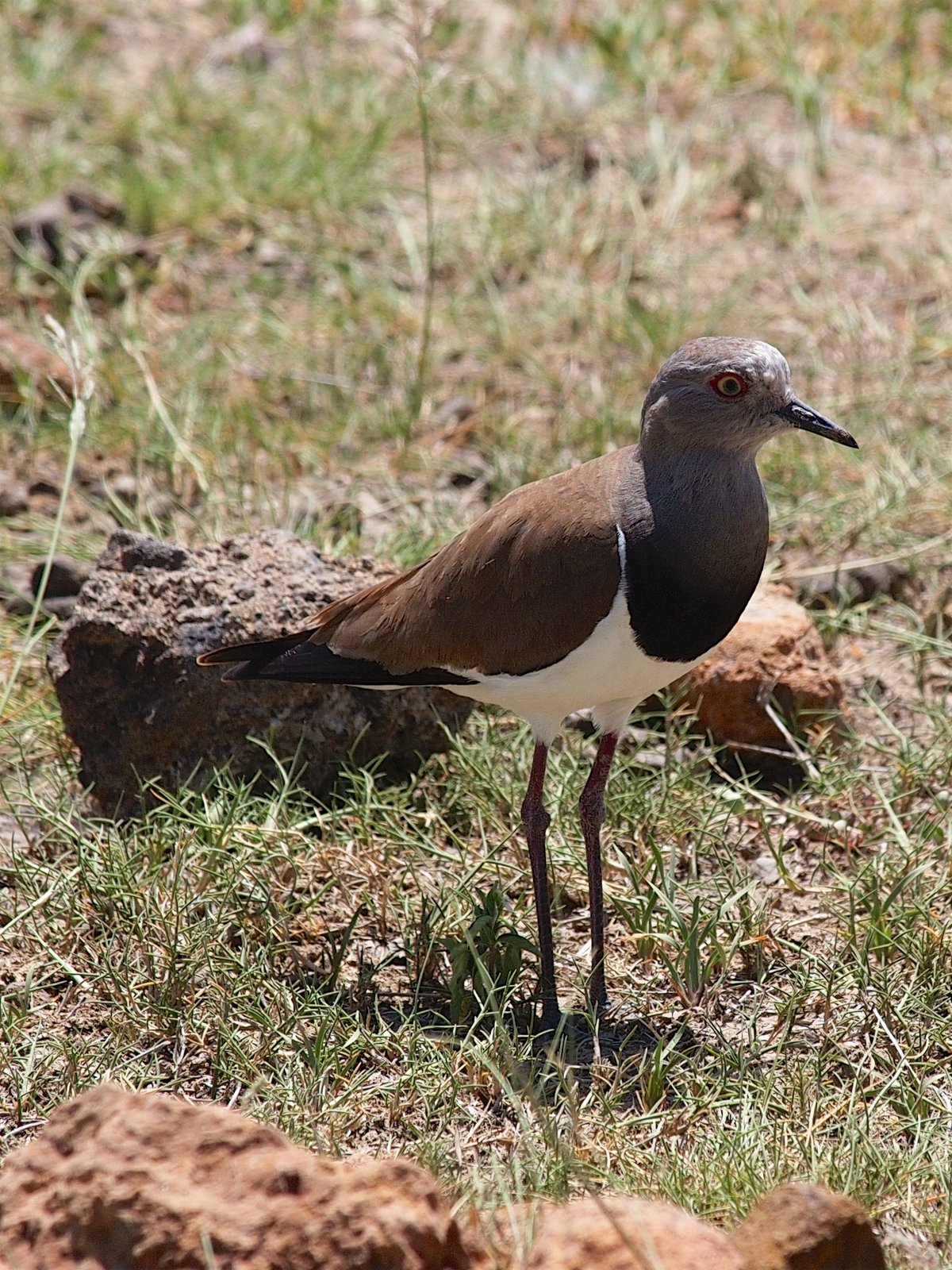
Black-Winged Lapwing
Vanellus melanopterus- Highveld grassland
 Drakensberg and montane grassland
-

Crowned Lapwing
Vanellus coronatus- Highveld grassland
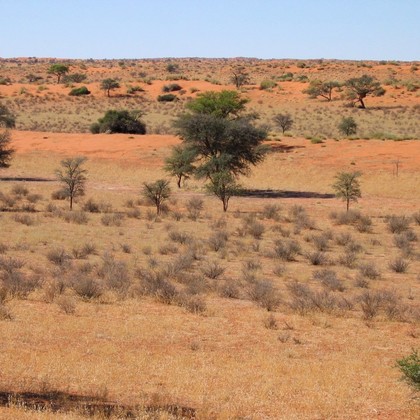 Kalahari thornveld
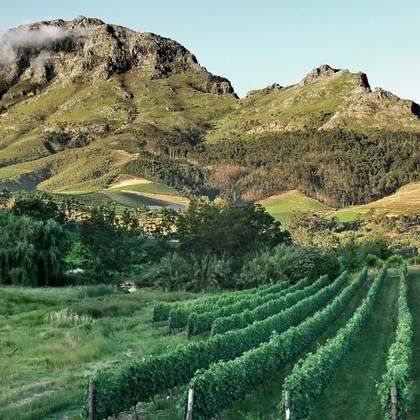 Farmland
-

African Wattled Lapwing
Vanellus senegallus- Rivers, marshes and vleis
- Highveld grassland

Vagrants 3 species
Birds blown in from other continents. They have no range here, and so no distribution map.