All species › Even-toed ungulates › Bovids
Bovids | Bovidae
Holhoornigen | Bóvidos
The horns are permanent: a bony core growing out of the frontal bone and covered for life by a sheath of horn that grows on from the base and is never shed. They therefore lengthen year by year and in many species carry rings marking the successive seasons; in part of the family the females carry them too. Every species chews the cud, and the upper jaw has no incisors: grass is cut between the lower incisors and a hard horny pad and later ground down by crescent-ridged cheekteeth. The hoof is a hard outer rim around a softer, springy sole — the climbing kit of the European representatives, nearly all of which are animals of mountain and rock: ibex, chamois and wild sheep on steep ground, and along the southern edge the gazelles and oryxes of steppe and desert. The wisent is the continent's only wild cattle, brought back from captive stock. One well-developed young is born.
Native species 18 species
Species that occur here by nature, including those released to bring back a population that had gone. They are arranged by genus, in the sequence of the list.
Cattle and bison | Bovinae
1 species



Antelopes, goats and sheep | Antilopinae
17 species
Gazella 5 species
-
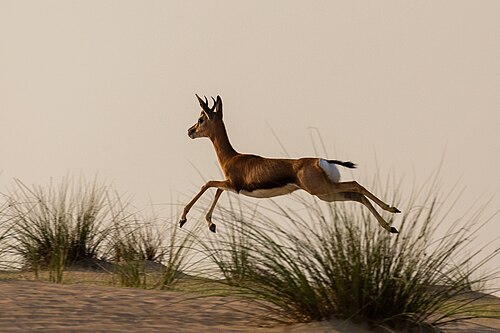
Arabian Gazelle
Gazella arabica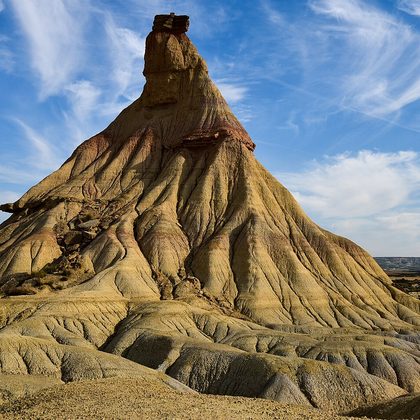 Miscellaneous inland habitats with sparse or no vegetation
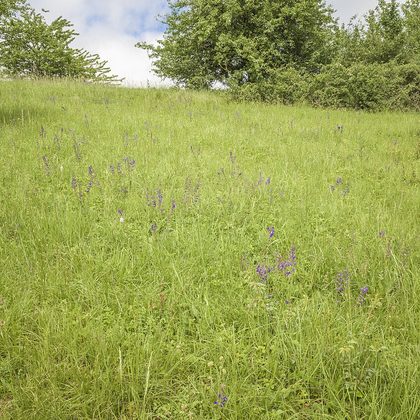
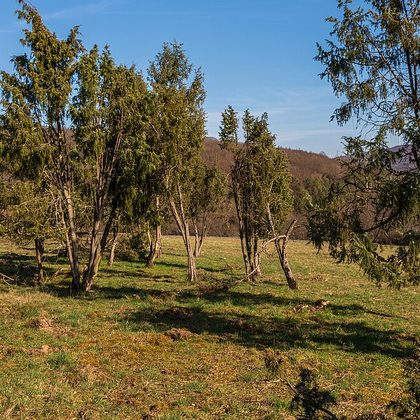 Dry grasslands
-
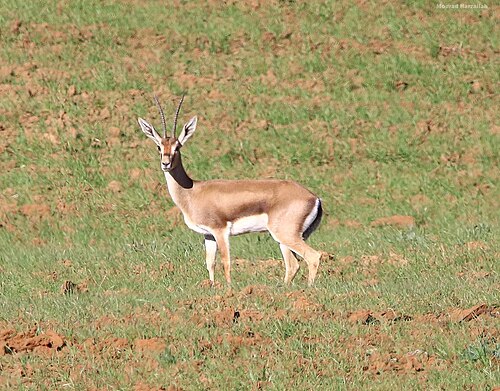
Cuvier’s gazelle
Gazella cuvieri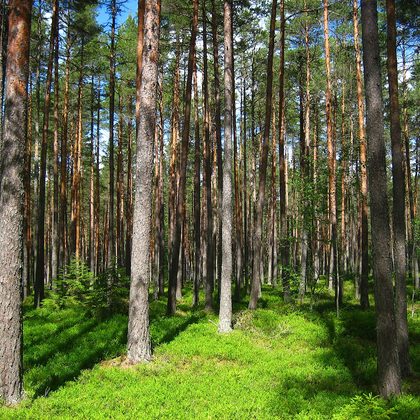 Coniferous woodland
 Maquis, arborescent matorral and thermo-Mediterranean brush
 Garrigue
- Dry grasslands
 Inland cliffs, rock pavements and outcrops
-

Dorcas gazelle
Gazella dorcas- Miscellaneous inland habitats with sparse or no vegetation
- Dry grasslands
-

Mountain gazelle
Gazella gazella- Dry grasslands
- Garrigue
- Maquis, arborescent matorral and thermo-Mediterranean brush
 Broadleaved evergreen woodland
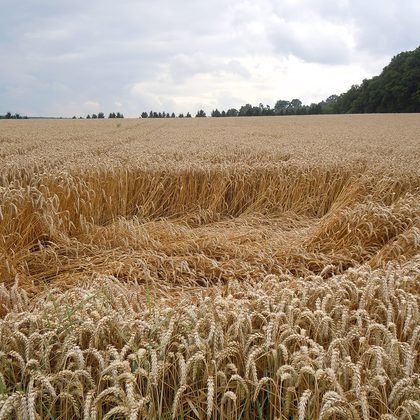 Arable land and market gardens
-
Slender-horned gazelle
Gazella leptoceros- Miscellaneous inland habitats with sparse or no vegetation
Nanger 1 species


Capra 4 species
-

Wild Goat
Capra aegagrus- Inland cliffs, rock pavements and outcrops
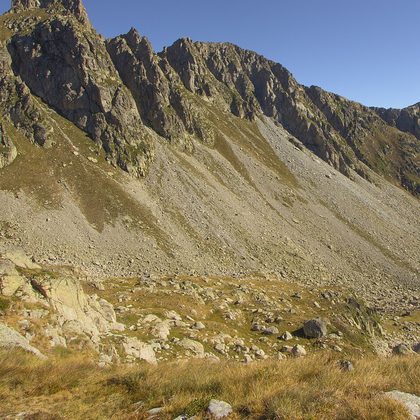 Screes
- Maquis, arborescent matorral and thermo-Mediterranean brush
 Spiny Mediterranean heaths
- Coniferous woodland
 Alpine and subalpine grasslands
-

Alpine Ibex
Capra ibex- Alpine and subalpine grasslands
- Inland cliffs, rock pavements and outcrops
- Screes
 Arctic, alpine and subalpine scrub
- Coniferous woodland
-

Nubian ibex
Capra nubiana- Inland cliffs, rock pavements and outcrops
- Screes
- Miscellaneous inland habitats with sparse or no vegetation
-
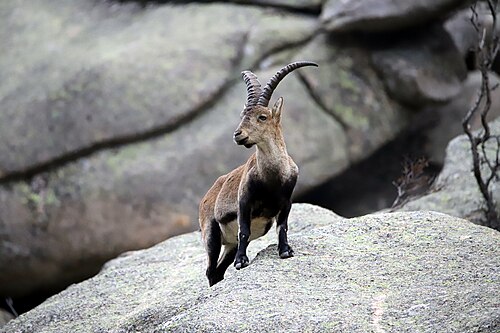
Spanish Ibex
Capra pyrenaica- Inland cliffs, rock pavements and outcrops
- Screes
- Maquis, arborescent matorral and thermo-Mediterranean brush
- Garrigue
- Coniferous woodland
- Broadleaved evergreen woodland
- Alpine and subalpine grasslands
Ovis 2 species
-
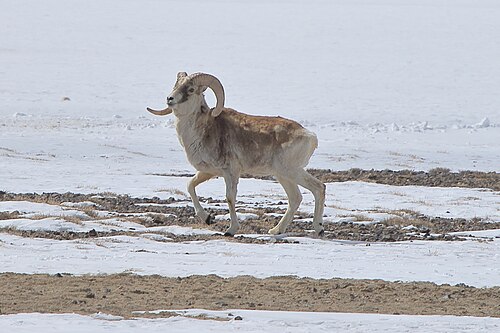
Argali
Ovis ammon- Dry grasslands
- Alpine and subalpine grasslands
- Inland cliffs, rock pavements and outcrops
- Screes
-

Mouflon
Ovis gmelinii Broadleaved deciduous woodland
 Mixed deciduous and coniferous woodland
- Broadleaved evergreen woodland
- Maquis, arborescent matorral and thermo-Mediterranean brush
- Dry grasslands
- Inland cliffs, rock pavements and outcrops
- Garrigue
Rupicapra 2 species
-
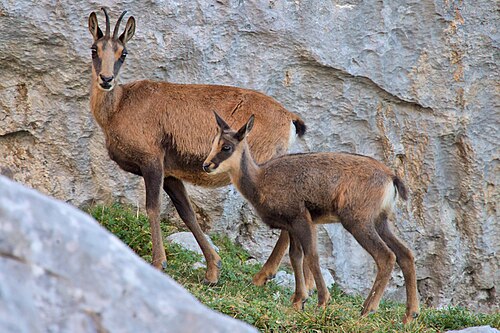
Abruzzo Chamois
Rupicapra pyrenaica- Alpine and subalpine grasslands
- Screes
- Inland cliffs, rock pavements and outcrops
- Arctic, alpine and subalpine scrub
- Broadleaved deciduous woodland
- Coniferous woodland
- Mixed deciduous and coniferous woodland
-

Chamois
Rupicapra rupicapra- Alpine and subalpine grasslands
- Screes
- Inland cliffs, rock pavements and outcrops
- Arctic, alpine and subalpine scrub
- Coniferous woodland
- Mixed deciduous and coniferous woodland


Introduced species 1 species
Species that do not occur here by nature but were brought in or escaped and have held on since. They follow the sequence of the list, not the genera.


