All species › Rodents › Squirrels and marmots
Squirrels and marmots | Sciuridae
Eekhoorns en marmotten | Ardillas y marmotas
One body plan, used three ways in Europe. The tree squirrels have a long densely furred tail that serves as balance beam, rudder in a leap and blanket in sleep, sharp curved claws, and an ankle joint that can turn the hind foot through half a circle, so that they come down a trunk head first. The ground squirrels and marmots are stockier and shorter-tailed and dig with heavy forelimbs; they live in colonies, warn one another with sharp whistles and hibernate deeply on autumn fat. The flying squirrel stretches a furred fold of skin between wrist and ankle, held out by a cartilage rod at the wrist, and glides on it from tree to tree, steering with the flattened tail. Cheek pouches serve the chipmunks and susliks to carry seed. The whole family is active by day — unusual among rodents.
Native species 14 species
Species that occur here by nature, including those released to bring back a population that had gone. They are arranged by genus, in the sequence of the list.
Tree and flying squirrels | Sciurinae
4 species
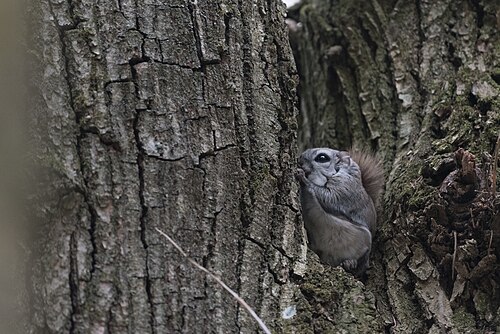
Sciurus 3 species
-
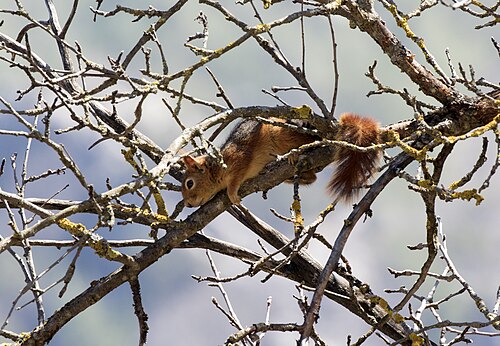
Caucasian Squirrel
Sciurus anomalus Broadleaved deciduous woodland
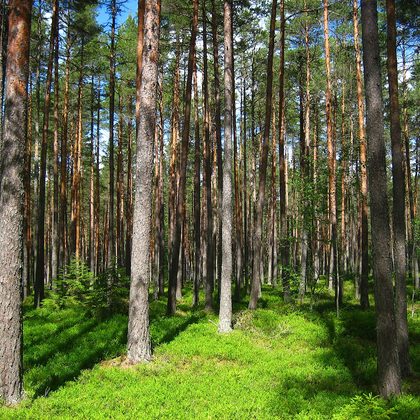 Coniferous woodland
 Mixed deciduous and coniferous woodland
 Broadleaved evergreen woodland
 Maquis, arborescent matorral and thermo-Mediterranean brush
 Shrub plantations
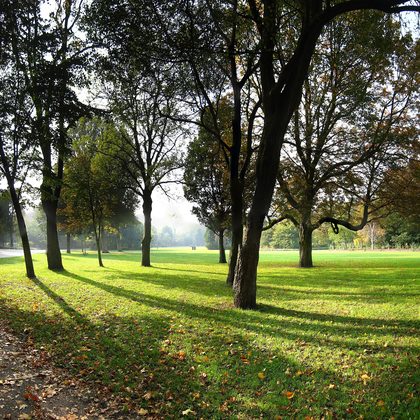 Cultivated areas of gardens and parks
-

Calabrian Black Squirrel
Sciurus meridionalis- Coniferous woodland
- Broadleaved deciduous woodland
- Mixed deciduous and coniferous woodland
 Lines of trees, small woods, felled and early-stage woodland
-
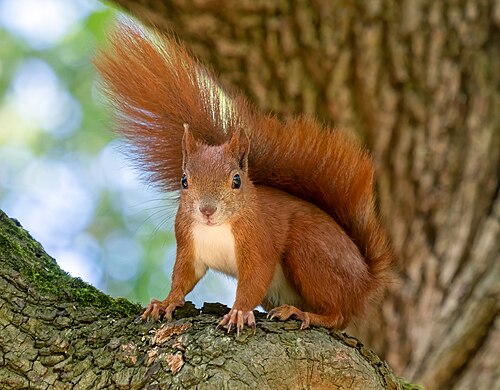
Eurasian Red Squirrel
Sciurus vulgaris- Coniferous woodland
- Broadleaved deciduous woodland
- Mixed deciduous and coniferous woodland
- Broadleaved evergreen woodland
- Lines of trees, small woods, felled and early-stage woodland
- Cultivated areas of gardens and parks
Ground squirrels and marmots | Xerinae
10 species
Marmota 2 species
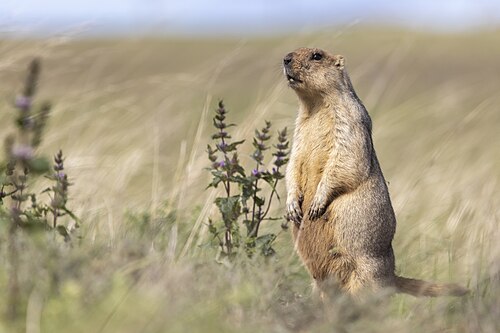
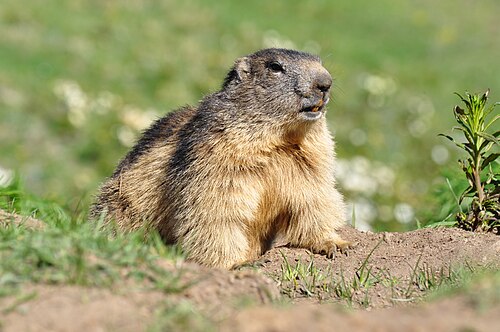

Spermophilus 7 species
-
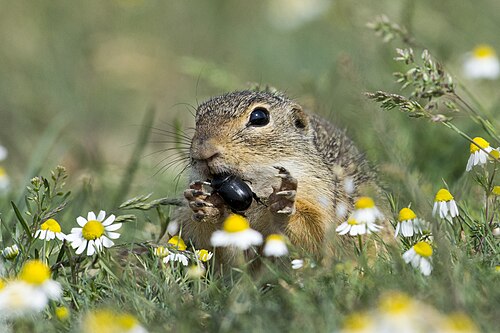
European ground squirrel
Spermophilus citellus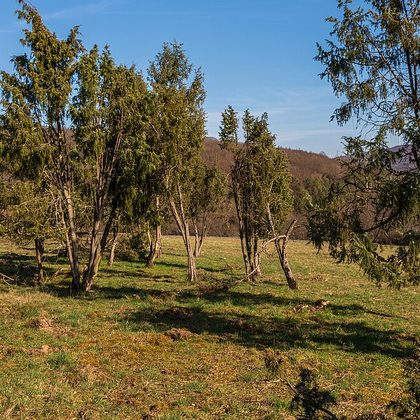 Dry grasslands
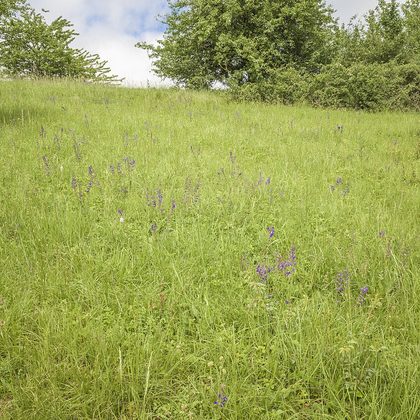 Mesic grasslands
 Alpine and subalpine grasslands
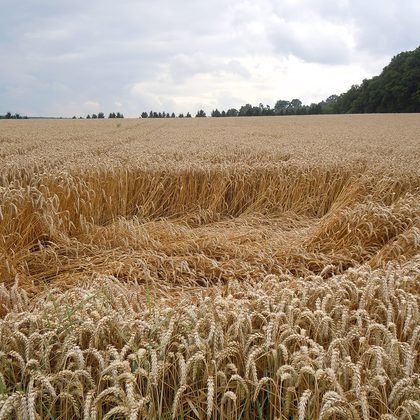 Arable land and market gardens
- Cultivated areas of gardens and parks
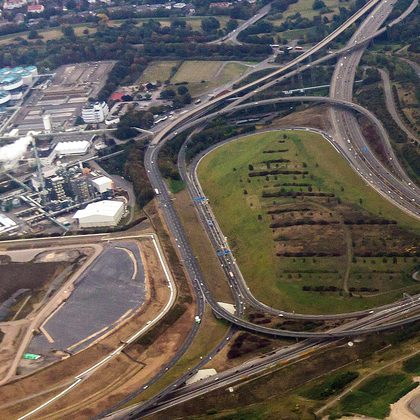 Transport networks and other hard-surfaced areas
-
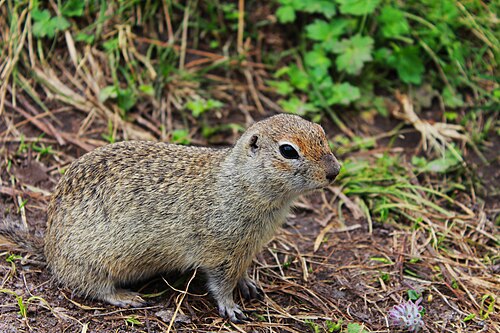
Caucasian Mountain Ground Squirrel
Spermophilus musicus- Alpine and subalpine grasslands
- Dry grasslands
- Mesic grasslands
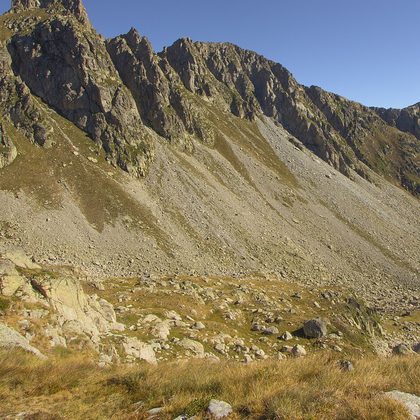 Screes
 Inland cliffs, rock pavements and outcrops
- Arable land and market gardens
-

Podolian Ground Squirrel
Spermophilus odessanus- Dry grasslands
- Mesic grasslands
- Arable land and market gardens
- Transport networks and other hard-surfaced areas
-
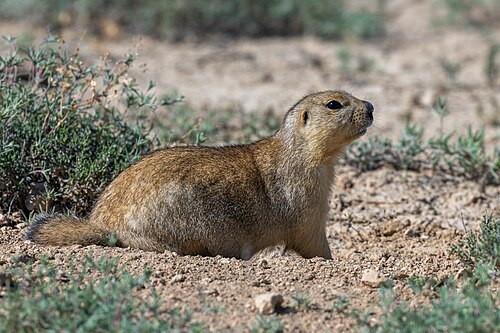
Little Ground Squirrel
Spermophilus pygmaeus- Dry grasslands
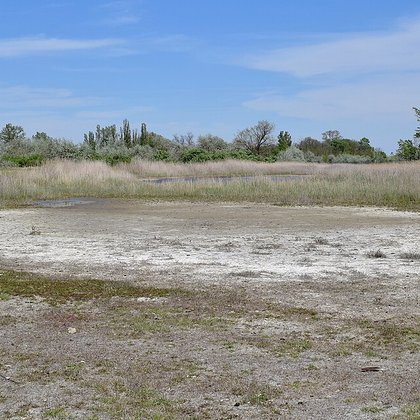 Inland salt steppes
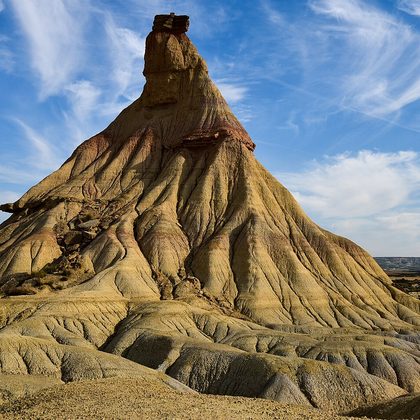 Miscellaneous inland habitats with sparse or no vegetation
- Arable land and market gardens
- Transport networks and other hard-surfaced areas
-
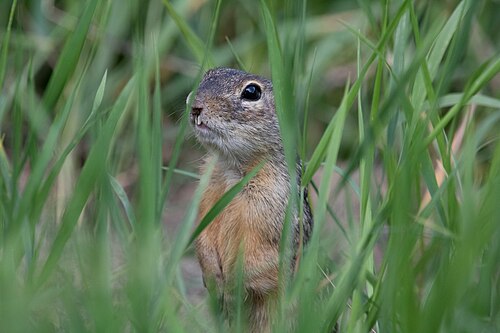
Speckled Ground Squirrel
Spermophilus suslicus- Dry grasslands
- Mesic grasslands
- Arable land and market gardens
- Transport networks and other hard-surfaced areas
-

Tauren Ground Squirrel
Spermophilus taurensis- Dry grasslands
- Alpine and subalpine grasslands
- Screes
- Inland cliffs, rock pavements and outcrops
-

Anatolian ground squirrel
Spermophilus xanthoprymnus- Dry grasslands
- Alpine and subalpine grasslands
- Screes
- Inland cliffs, rock pavements and outcrops
- Arable land and market gardens

Introduced species 7 species
Species that do not occur here by nature but were brought in or escaped and have held on since. They follow the sequence of the list, not the genera.
-
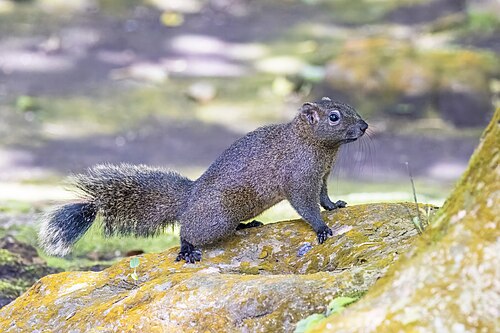
Pallas's Squirrel
Callosciurus erythraeus- Broadleaved deciduous woodland
- Lines of trees, small woods, felled and early-stage woodland
- Cultivated areas of gardens and parks
 Buildings of cities, towns and villages
- Mixed deciduous and coniferous woodland
- Broadleaved evergreen woodland
-

Finlayson’s Squirrel
Callosciurus finlaysonii- Broadleaved deciduous woodland
- Broadleaved evergreen woodland
- Lines of trees, small woods, felled and early-stage woodland
- Maquis, arborescent matorral and thermo-Mediterranean brush
- Cultivated areas of gardens and parks
- Buildings of cities, towns and villages
-

Tamias sibiricus
Eutamias sibiricus- Broadleaved deciduous woodland
- Coniferous woodland
- Mixed deciduous and coniferous woodland
- Lines of trees, small woods, felled and early-stage woodland
 Temperate and mediterranean-montane scrub
- Cultivated areas of gardens and parks
-

Eastern Gray Squirrel
Sciurus carolinensis- Broadleaved deciduous woodland
- Mixed deciduous and coniferous woodland
- Lines of trees, small woods, felled and early-stage woodland
- Cultivated areas of gardens and parks
- Buildings of cities, towns and villages
- Coniferous woodland
-
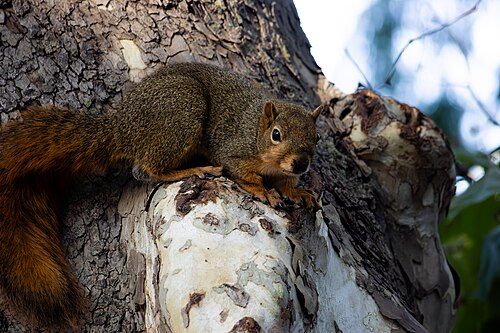
Eastern fox squirrel
Sciurus niger- Broadleaved deciduous woodland
- Lines of trees, small woods, felled and early-stage woodland
 Sparsely wooded grasslands
- Cultivated areas of gardens and parks
- Buildings of cities, towns and villages
- Coniferous woodland
-
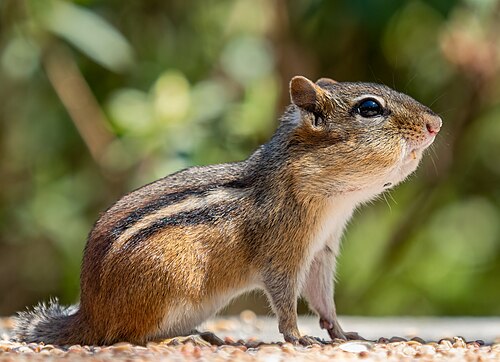
Eastern chipmunk
Tamias striatus- Broadleaved deciduous woodland
- Mixed deciduous and coniferous woodland
- Lines of trees, small woods, felled and early-stage woodland
- Cultivated areas of gardens and parks
- Buildings of cities, towns and villages
- Screes
-
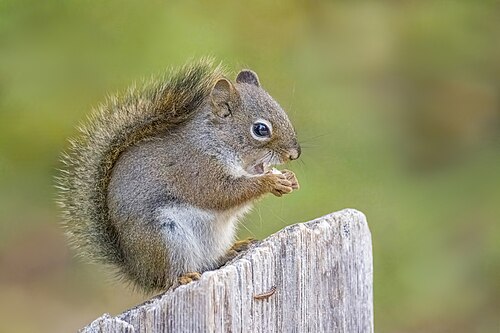
American red squirrel
Tamiasciurus hudsonicus- Coniferous woodland
- Mixed deciduous and coniferous woodland
- Broadleaved deciduous woodland
- Lines of trees, small woods, felled and early-stage woodland
- Cultivated areas of gardens and parks
- Buildings of cities, towns and villages