All species › Waders, gulls and terns › Plovers and lapwings
Plovers and lapwings | Charadriidae
Plevieren | Chorlitos y avefrías | Plovers and lapwings
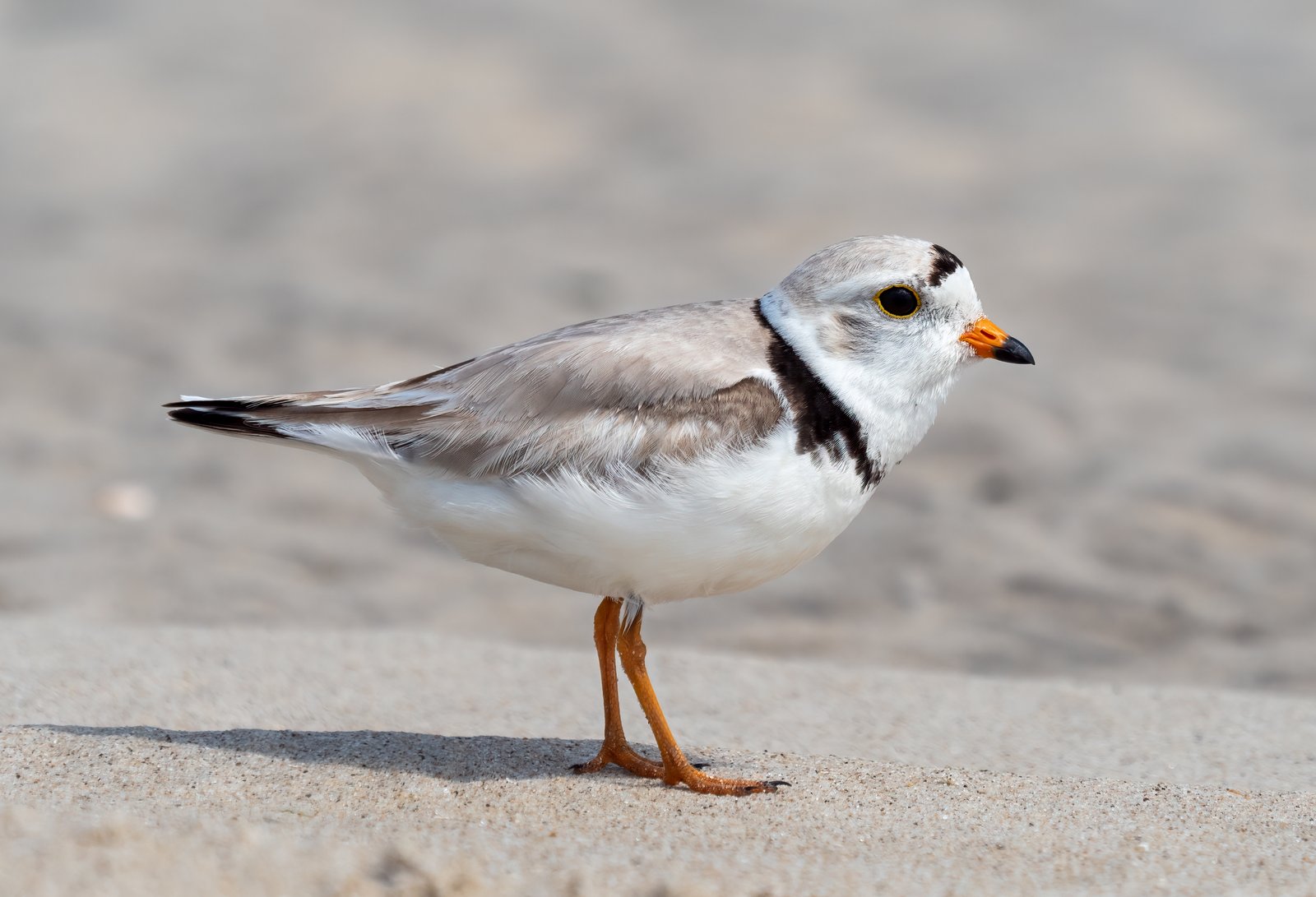
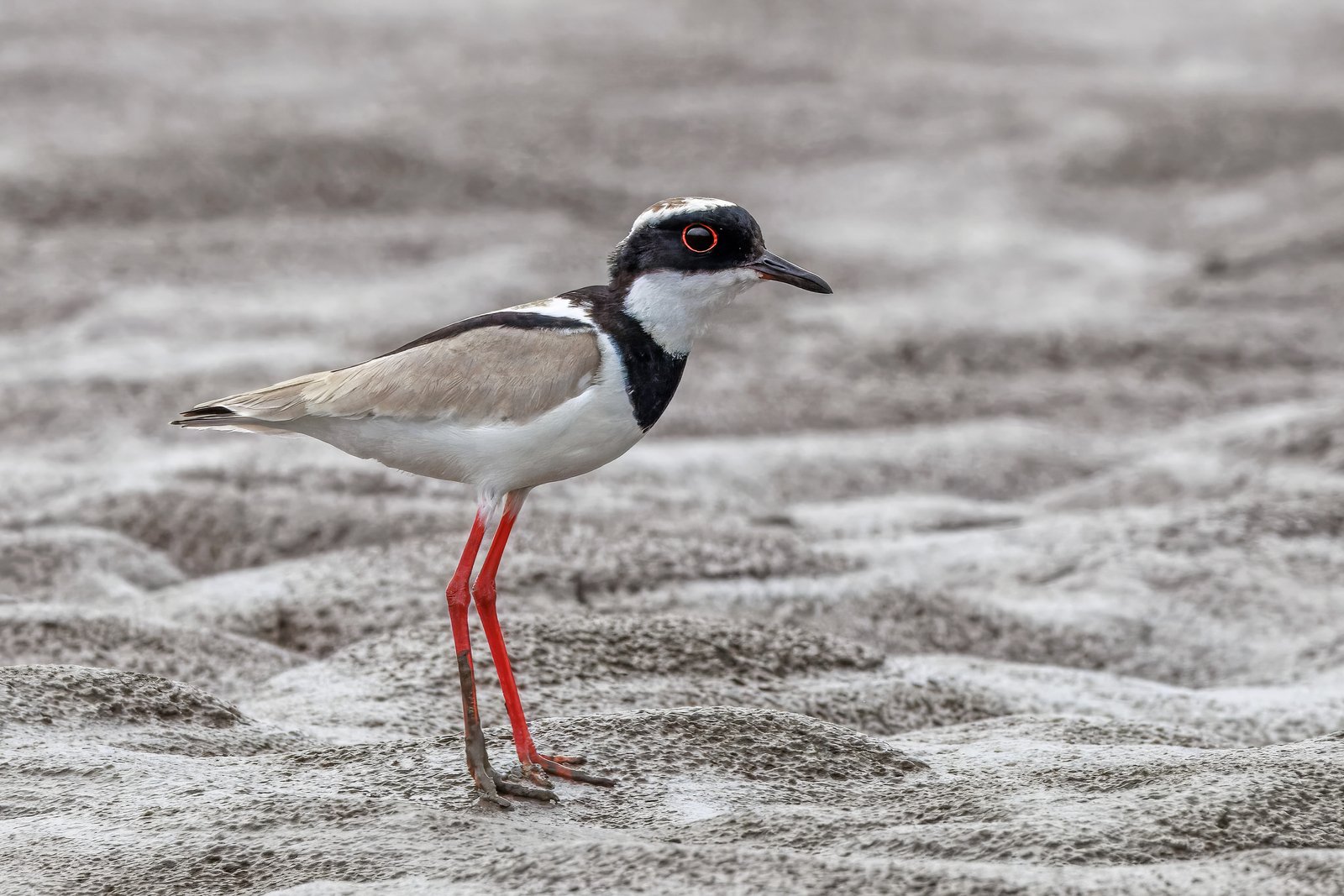
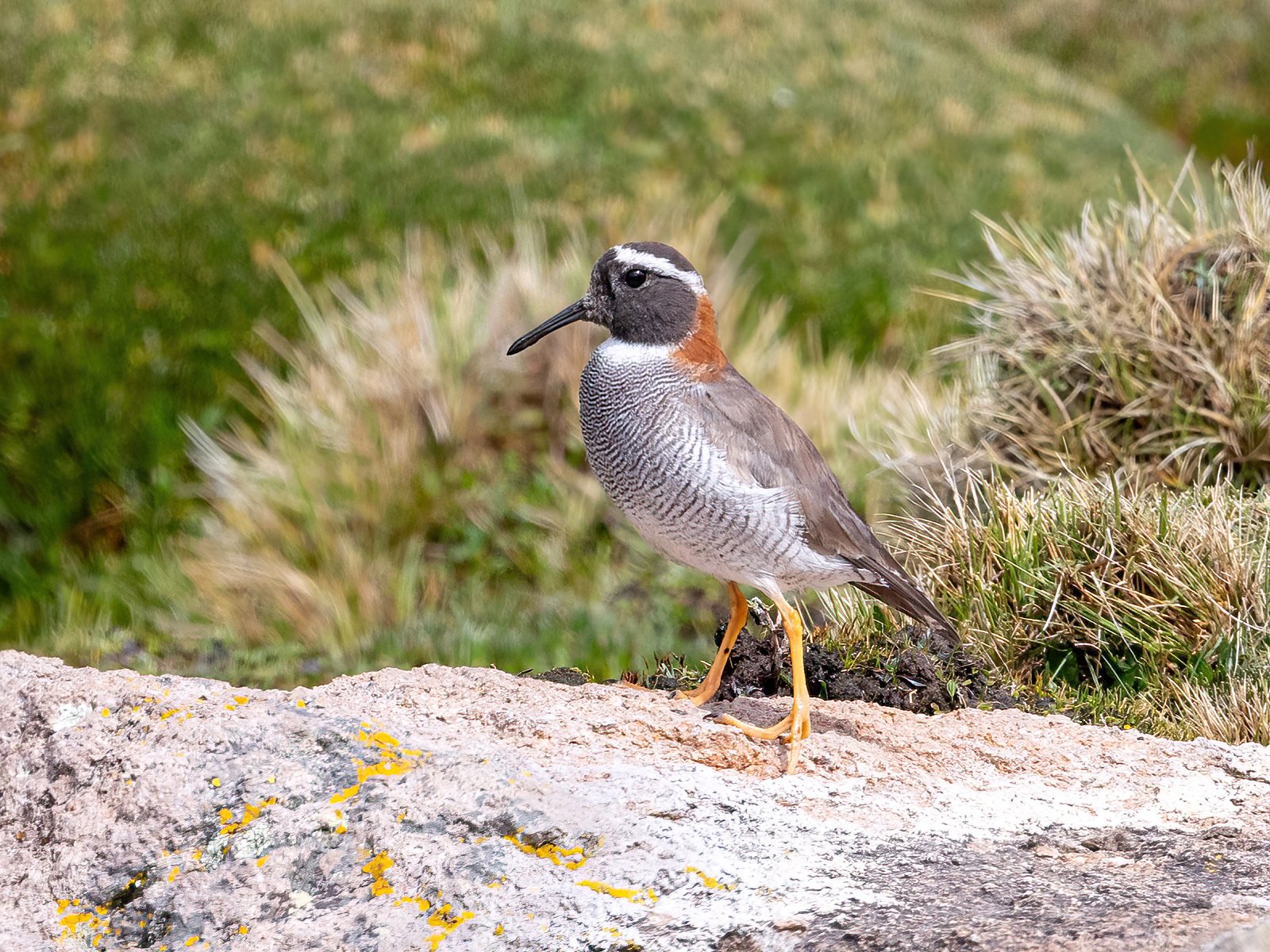
Eighteen species in eight genera occur in this guide. Compact birds with a large head, short neck and a short bill thickened towards the tip, made for picking prey from the surface rather than probing into the ground. They feed with a characteristic run, stop and peck pattern, also in the dark, and some species patter one foot on wet ground to bring prey to the surface. Black bands across breast and head break up the outline on bare ground. The clutch usually consists of three or four pear-shaped eggs in a scrape on bare sand, gravel or short-grazed grassland; when danger threatens the parents lead an intruder away with a feigned broken wing. Some species are resident here: the Andean Lapwing on wet grassland and marshes of páramo and puna, the Diademed Sandpiper-Plover in high Andean bogs, the plovers of the sandy beaches and salt flats along the Pacific coast, the Pied Lapwing on sandbars along the rivers of the Amazonian lowlands, and the Southern Lapwing, which carries a sharp spur at the bend of the wing and noisily attacks anyone who approaches its nest. Others are migrants from the far north that winter here or pass through, with long, pointed wings for the flight from the tundra.
Native species 15 species
Species that occur here by nature: breeding birds, winter visitors and passage migrants. They are arranged by genus, in the sequence of the list.
Pluvialis 2 species
-
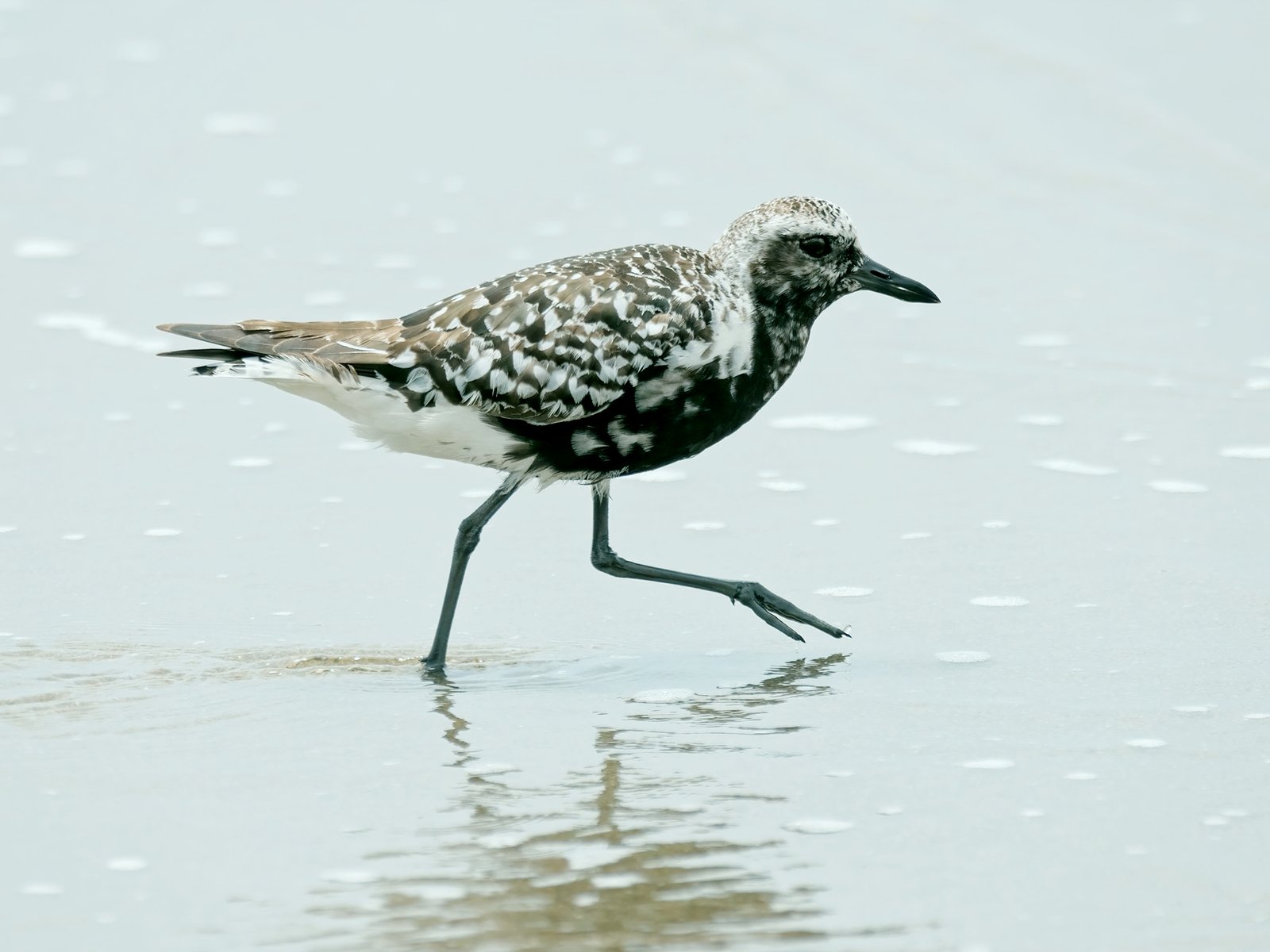
Grey Plover
Pluvialis squatarola Tidal flats, lagoons and estuaries
 Sandy beach and dunes
 Salt marsh and salt pans
 Rocky shore and sea cliffs
 Mangrove
 Galápagos coast and lava fields
-
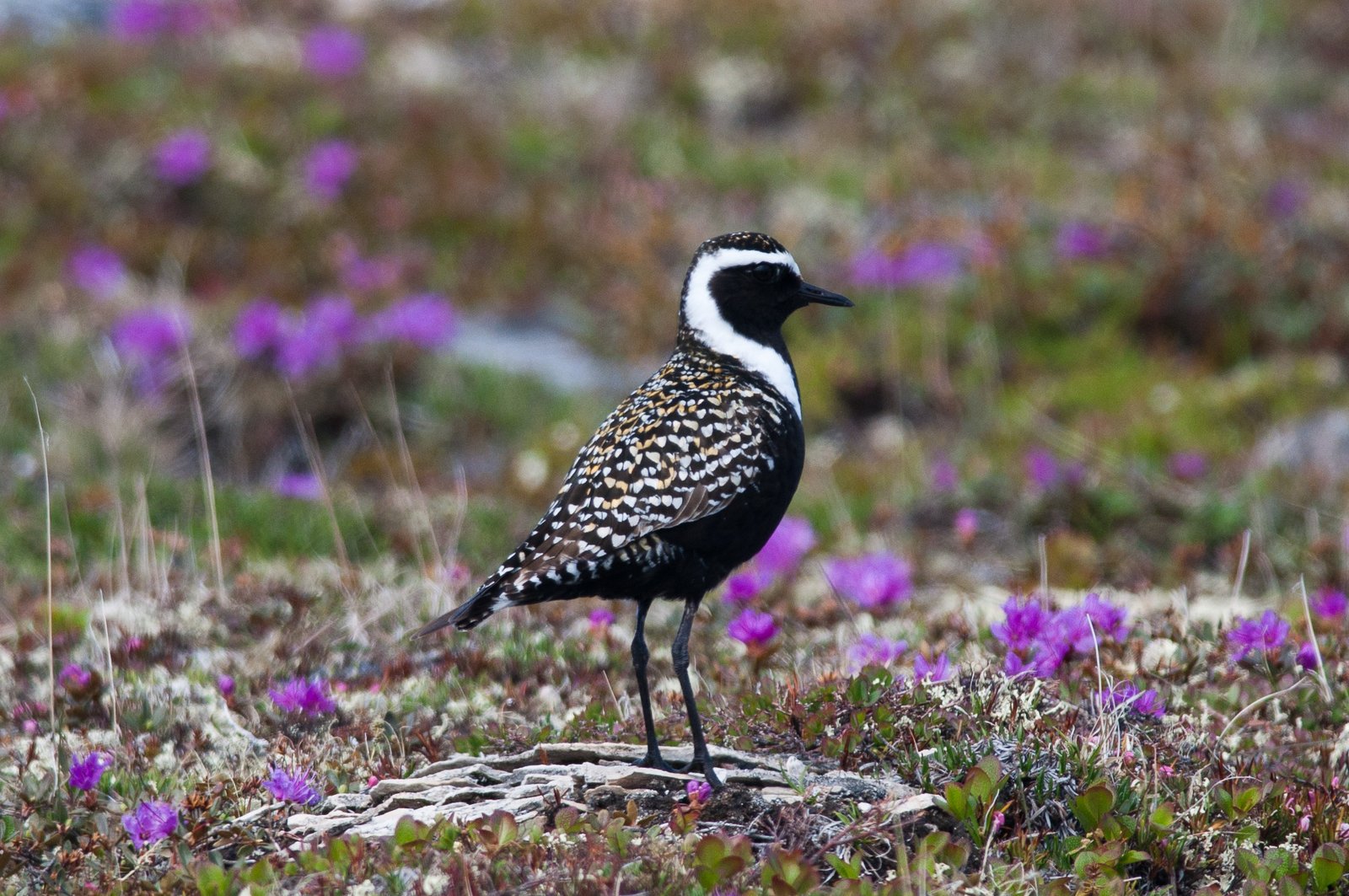
American Golden-Plover
Pluvialis dominica Humid puna
 Dry puna and altiplano
 Andean bogs and bofedales
 Lowland rivers and sandbars
 Lowland marshes and wet meadows
 Pasture and ranchland
Oreopholus 1 species
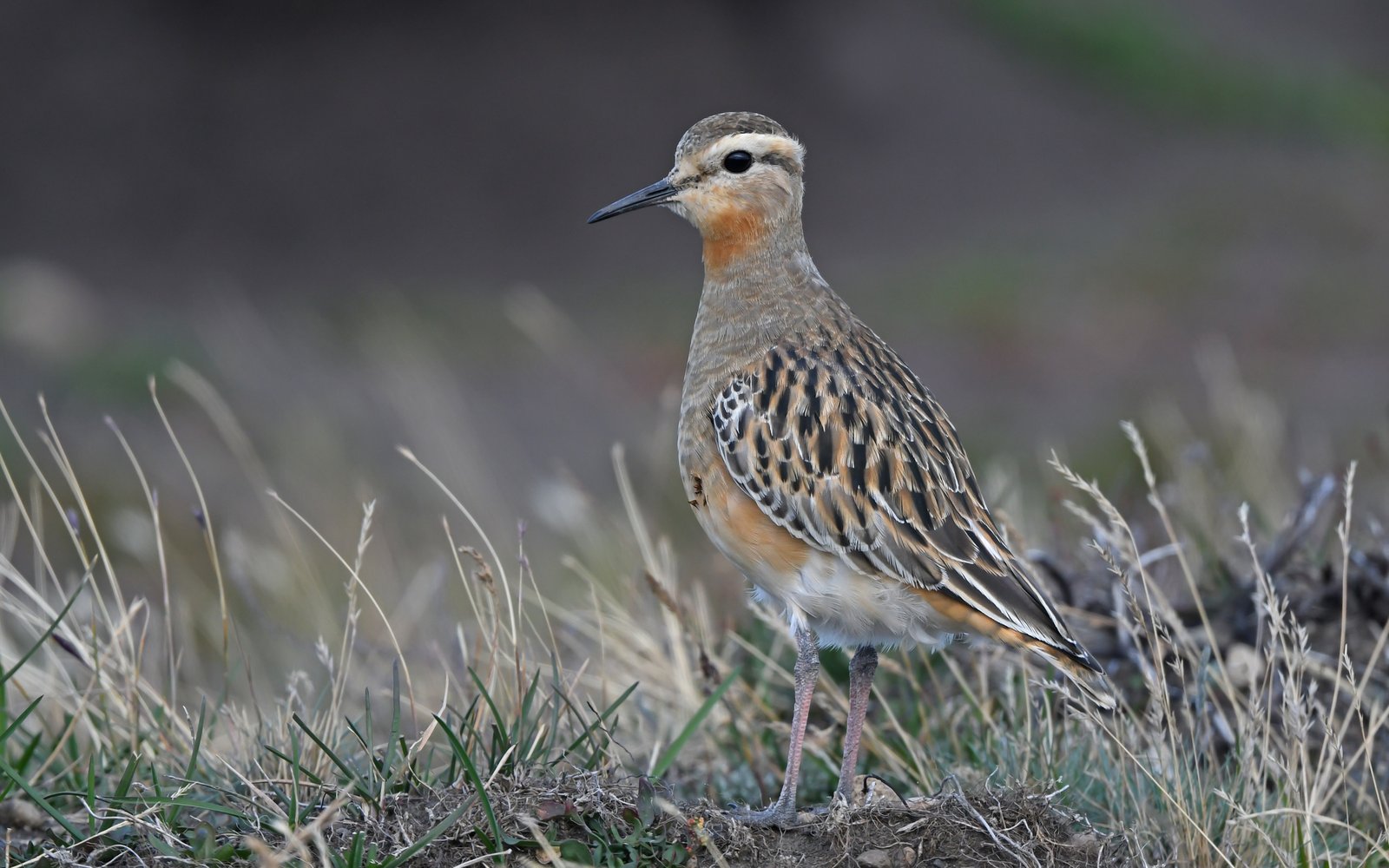

Hoploxypterus 1 species

Phegornis 1 species


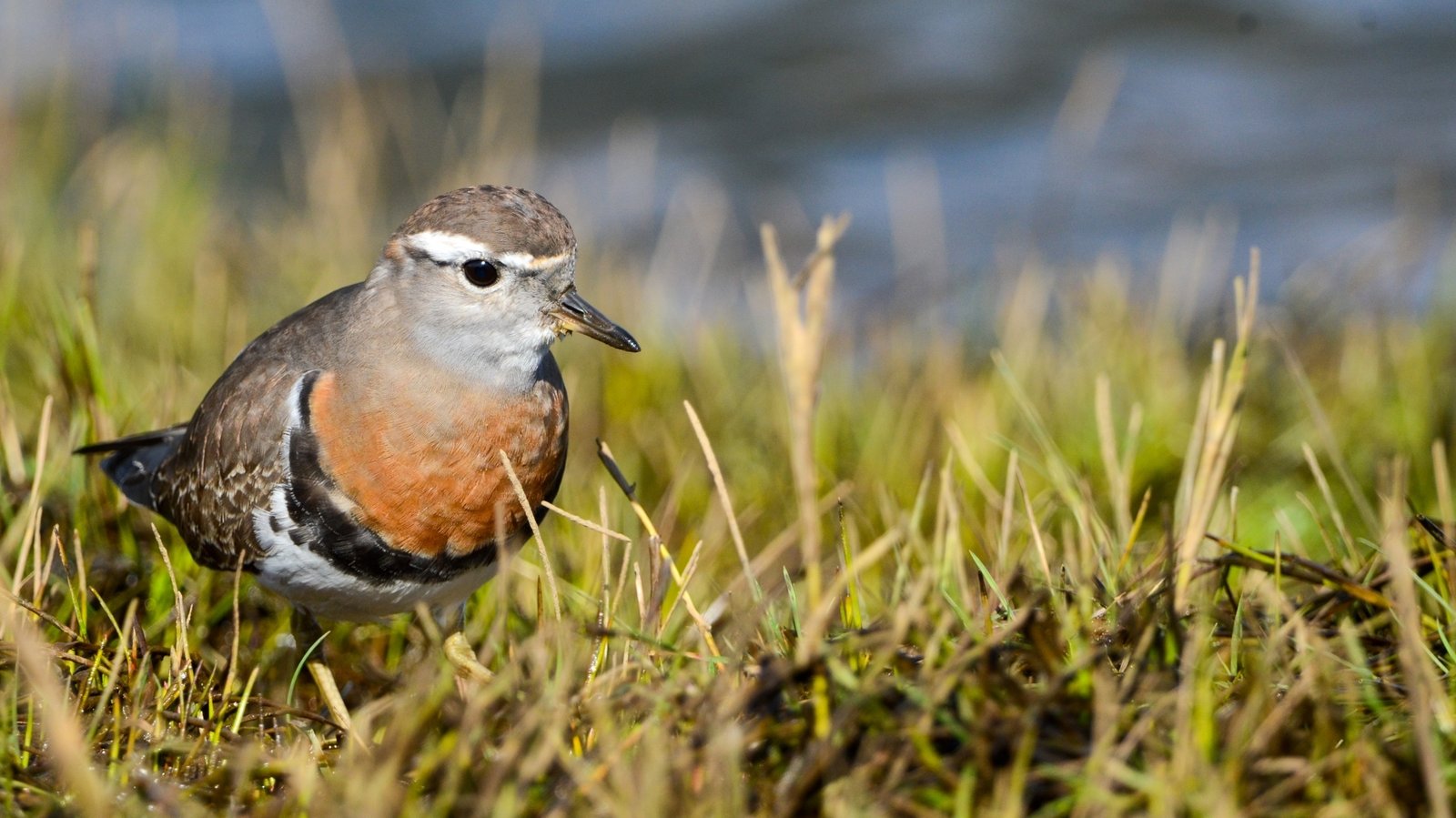
Zonibyx 1 species
Charadrius 2 species
-
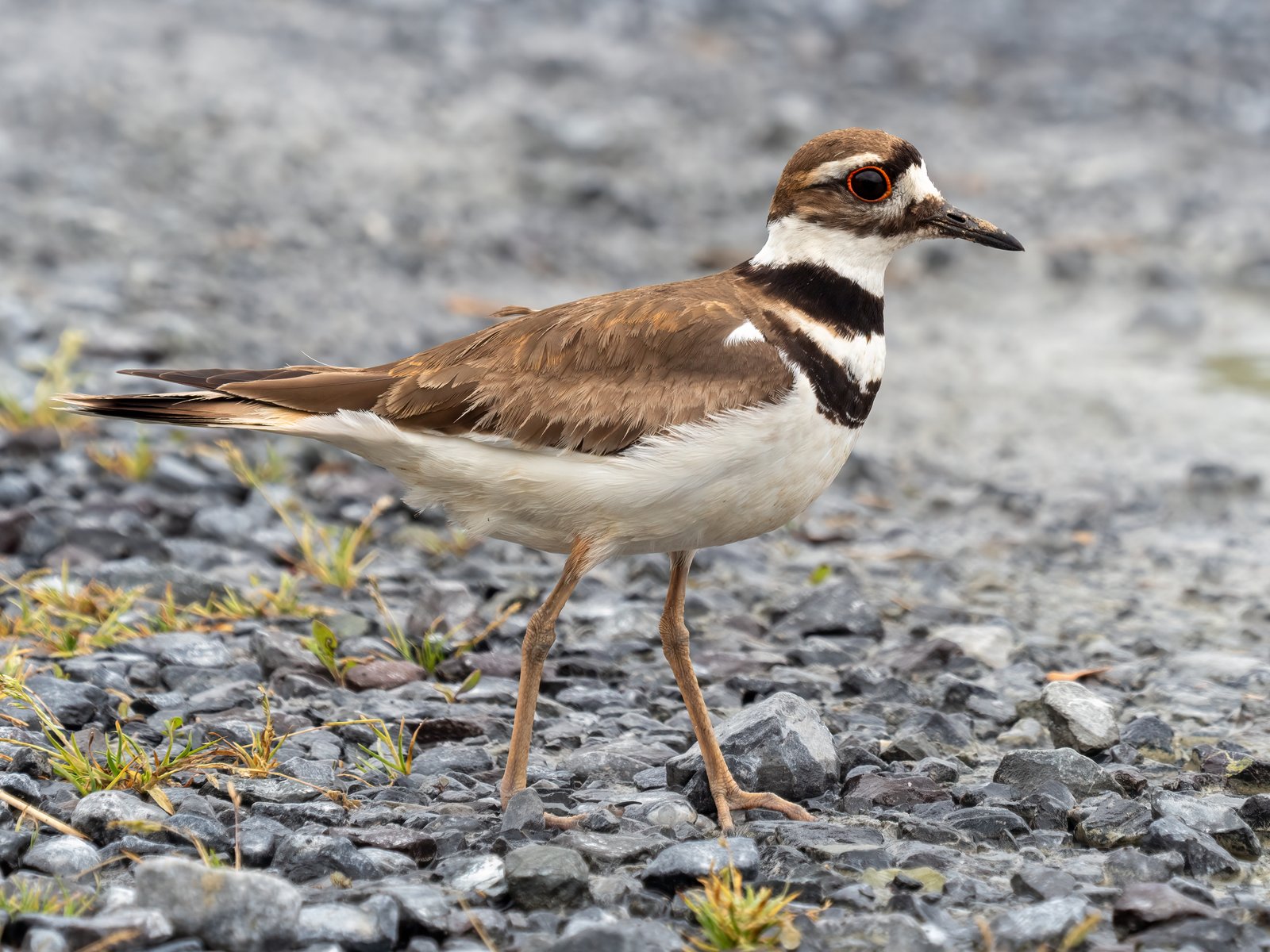
Killdeer
Charadrius vociferus- Pasture and ranchland
 Irrigated farmland and rice fields
- Lowland rivers and sandbars
- Tidal flats, lagoons and estuaries
 Coastal desert
 Towns, cities and parks
-
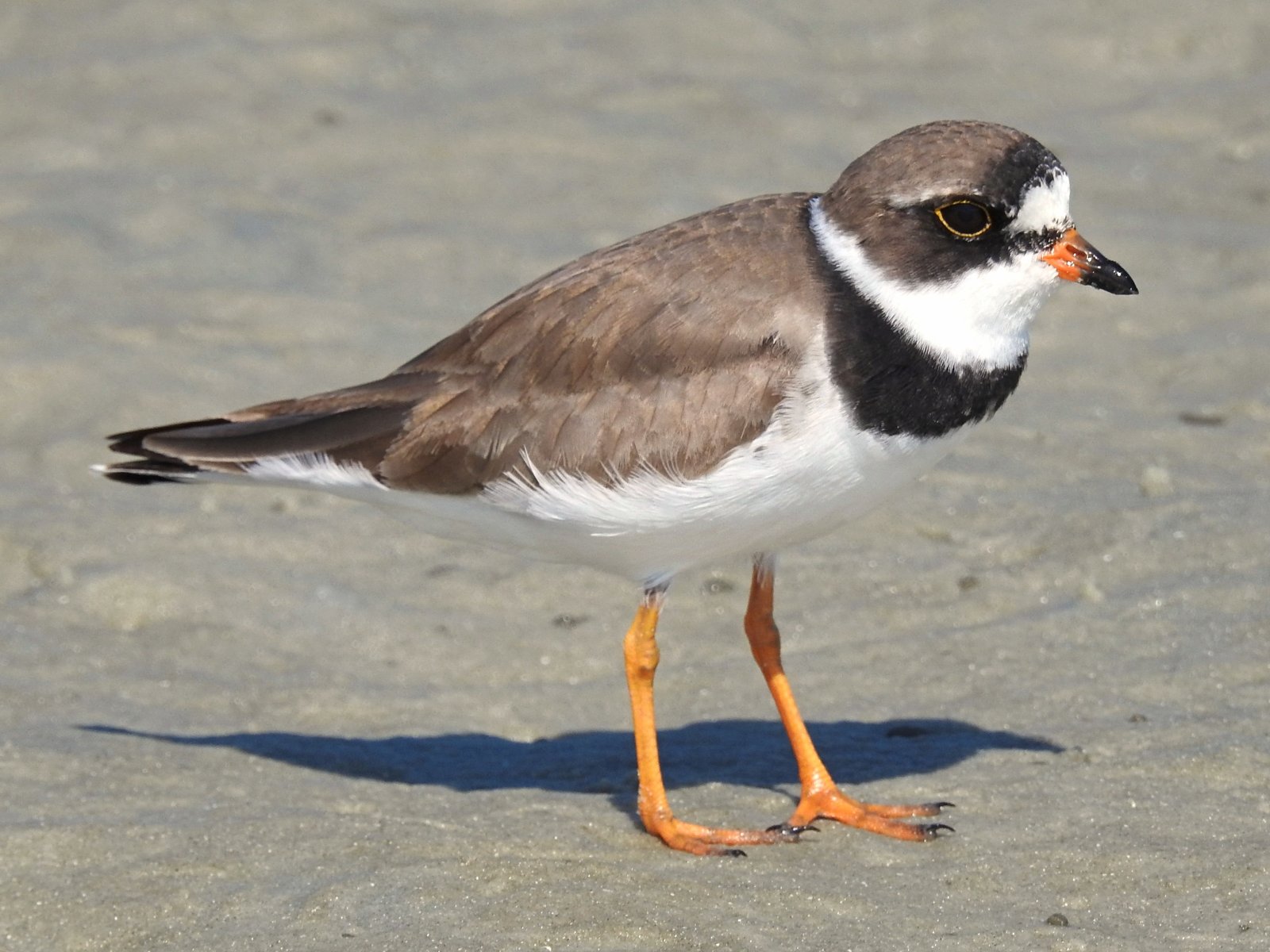
Semipalmated Plover
Charadrius semipalmatus- Tidal flats, lagoons and estuaries
- Sandy beach and dunes
- Salt marsh and salt pans
 Harbors, dumps and fish ponds
- Lowland rivers and sandbars
Vanellus 2 species
-
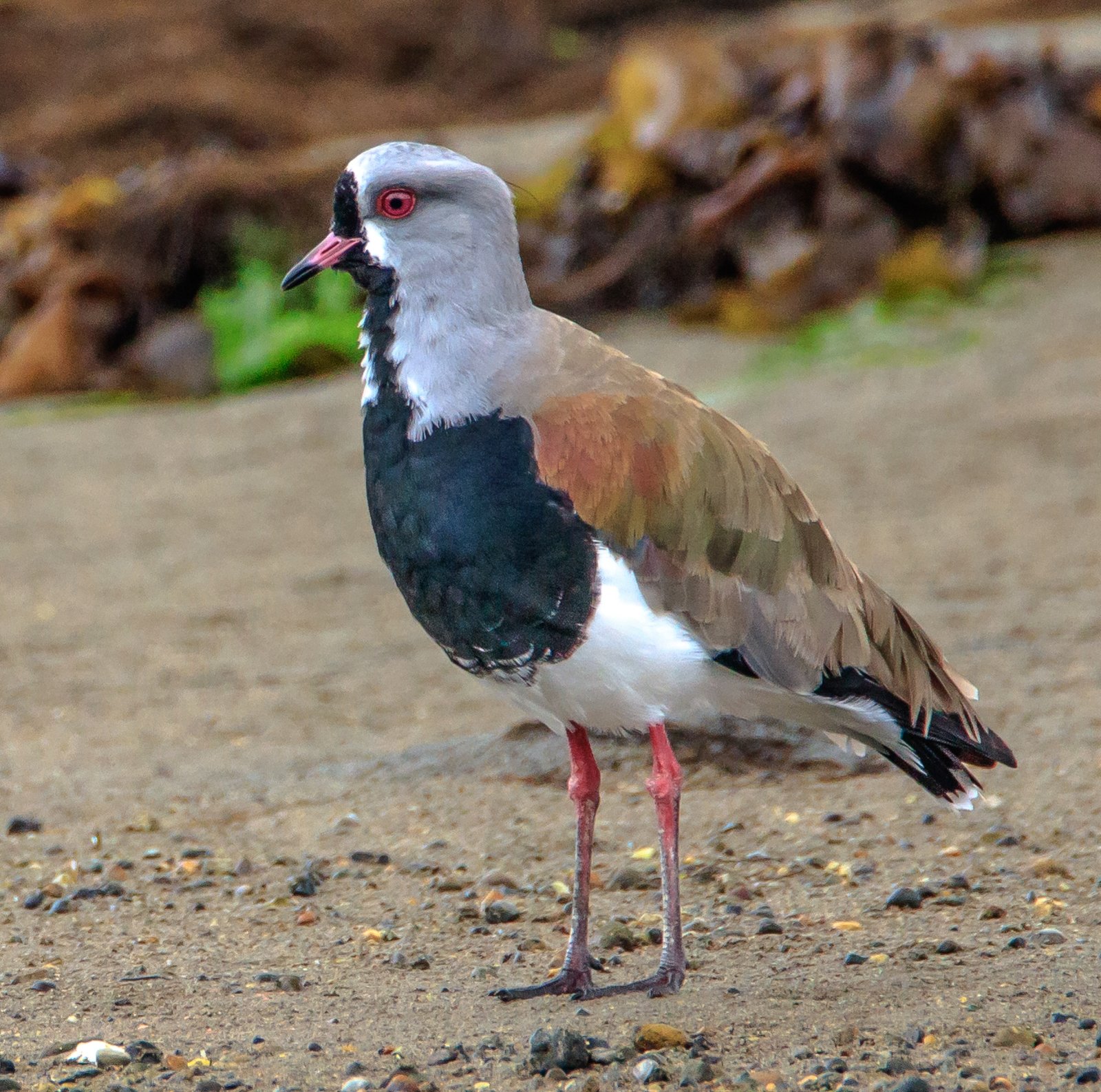
Southern Lapwing
Vanellus chilensis- Pasture and ranchland
 Llanos savanna
- Lowland marshes and wet meadows
- Lowland rivers and sandbars
 Beni savanna and cerrado
- Towns, cities and parks
-
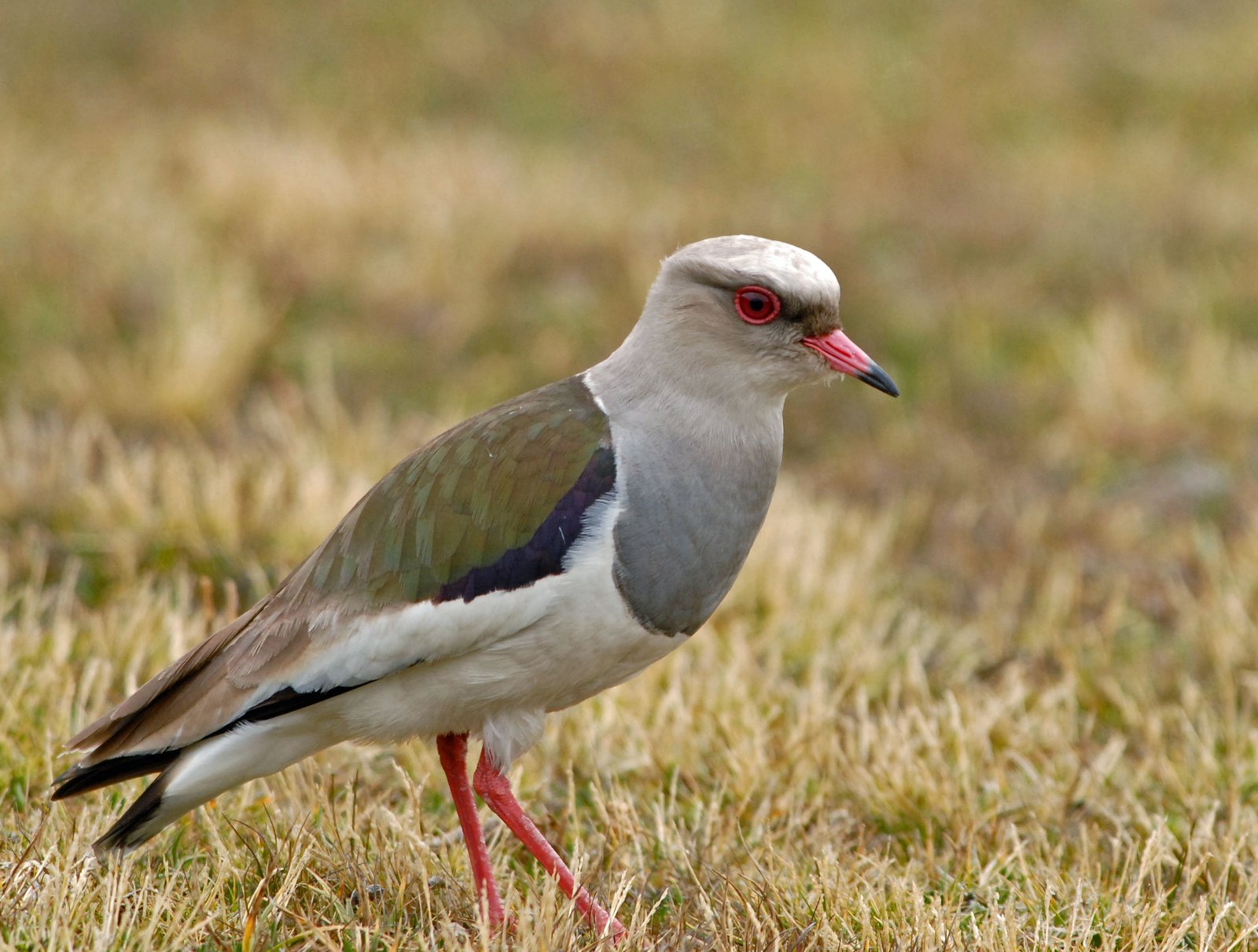
Andean Lapwing
Vanellus resplendens- Humid puna
- Andean bogs and bofedales
- Dry puna and altiplano
 Páramo
 Andean and high-plateau lakes
 Andean fields and terraces
Anarhynchus 5 species
-
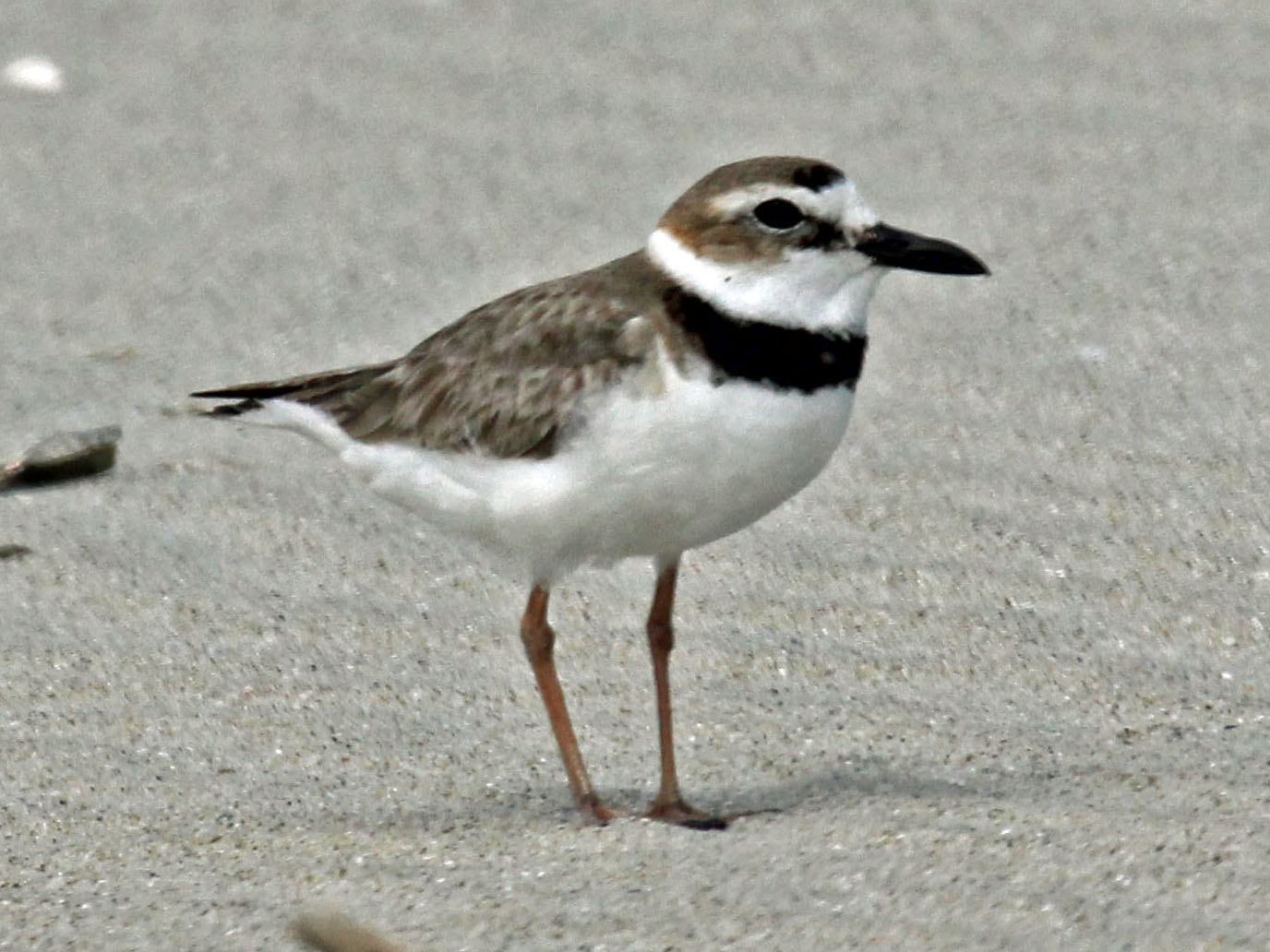
Wilson's Plover
Anarhynchus wilsonia- Tidal flats, lagoons and estuaries
- Sandy beach and dunes
- Salt marsh and salt pans
- Mangrove
-
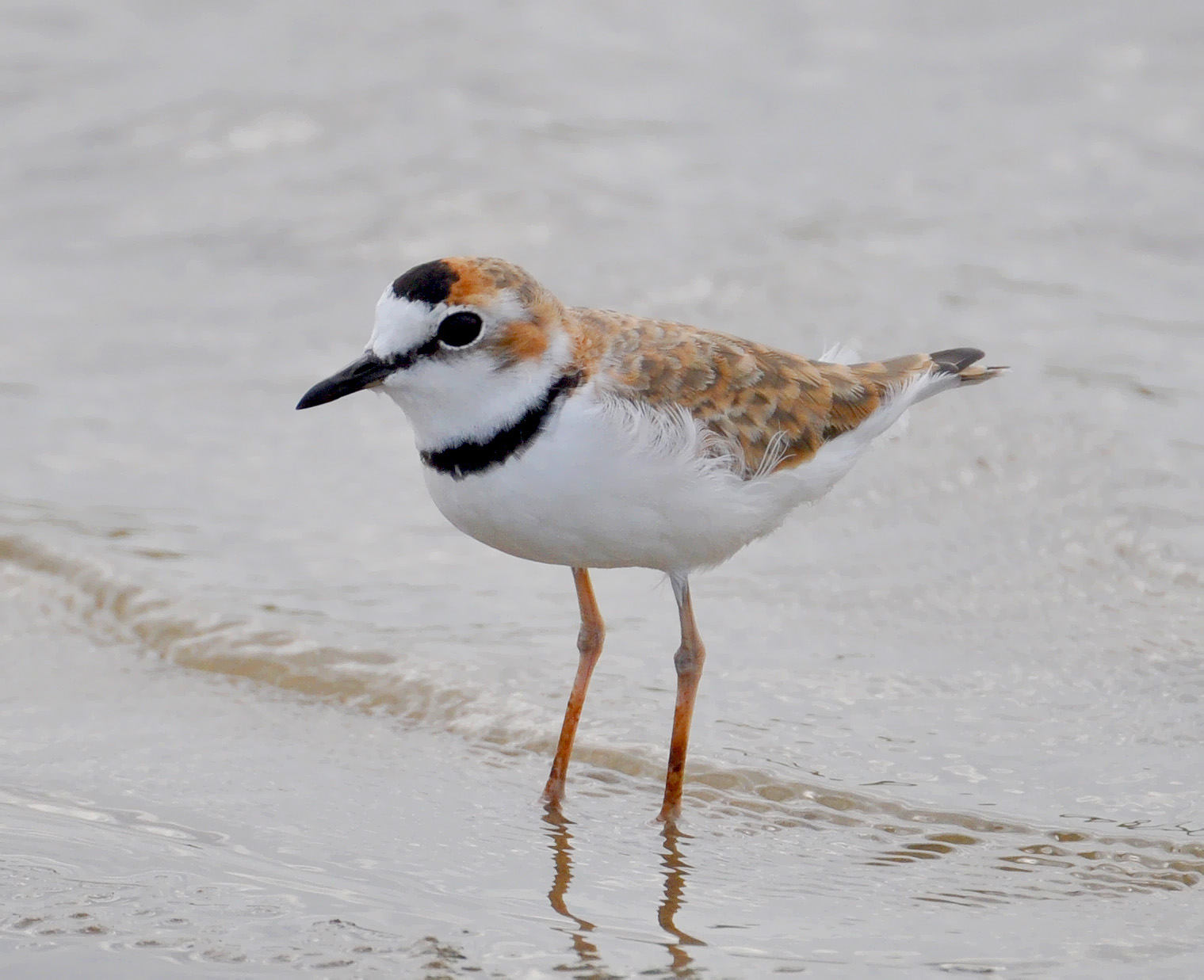
Collared Plover
Anarhynchus collaris- Lowland rivers and sandbars
- Sandy beach and dunes
- Tidal flats, lagoons and estuaries
 Lowland lakes and oxbows
-
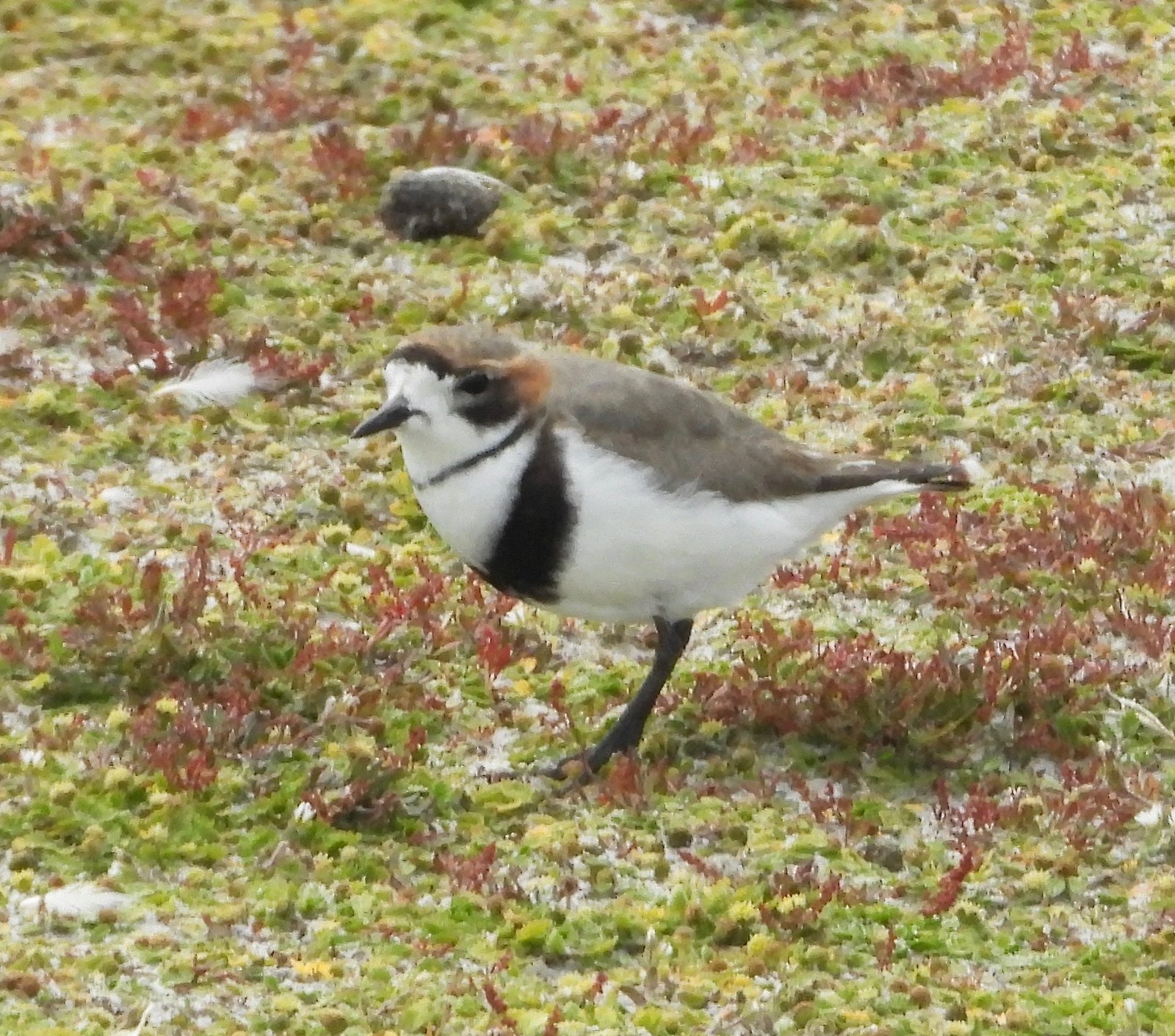
Two-banded Plover
Anarhynchus falklandicus- Sandy beach and dunes
- Tidal flats, lagoons and estuaries
-
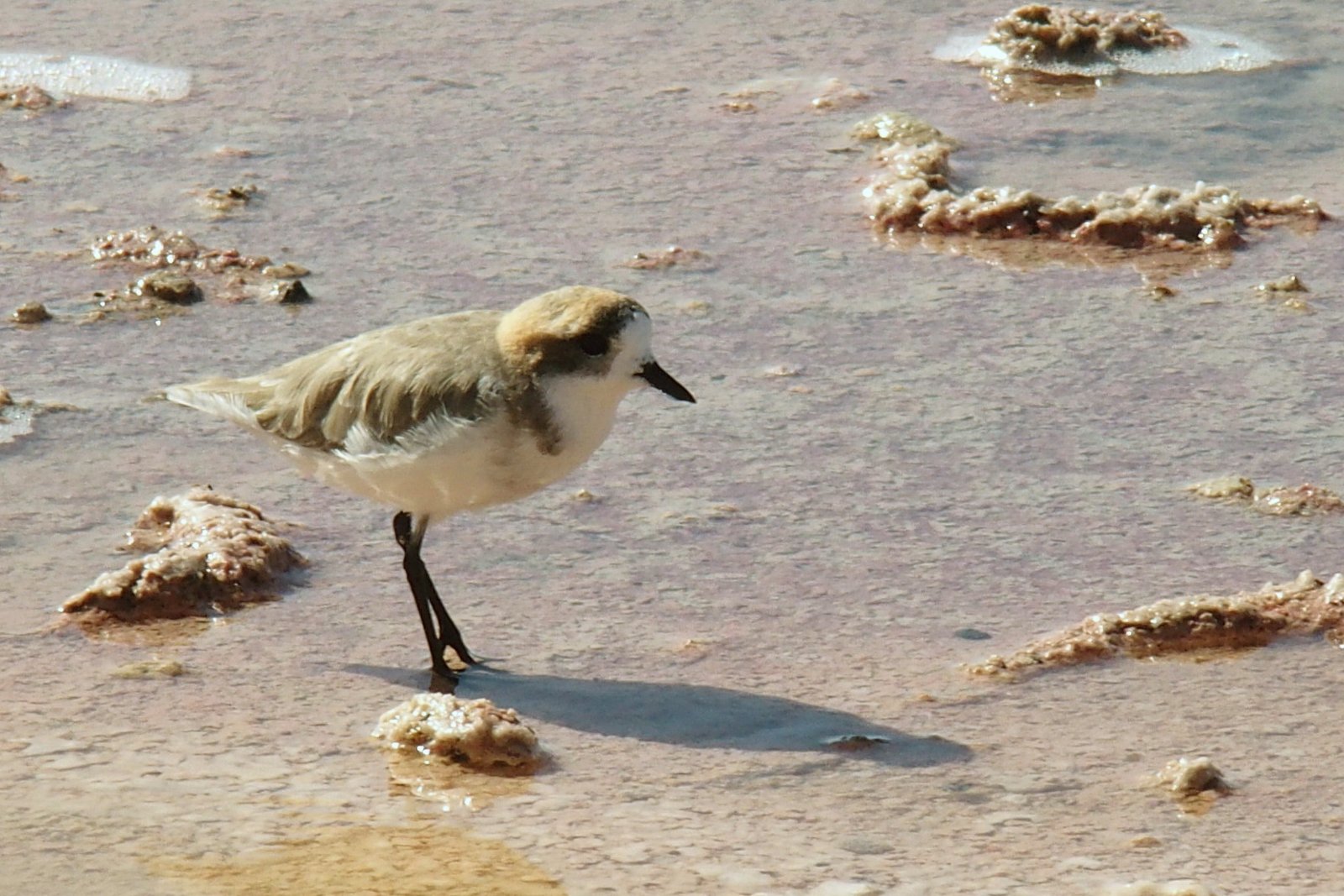
Puna Plover
Anarhynchus alticola- Andean and high-plateau lakes
 Altiplano salt lakes and salt flats
- Andean bogs and bofedales
- Dry puna and altiplano
- Humid puna
-
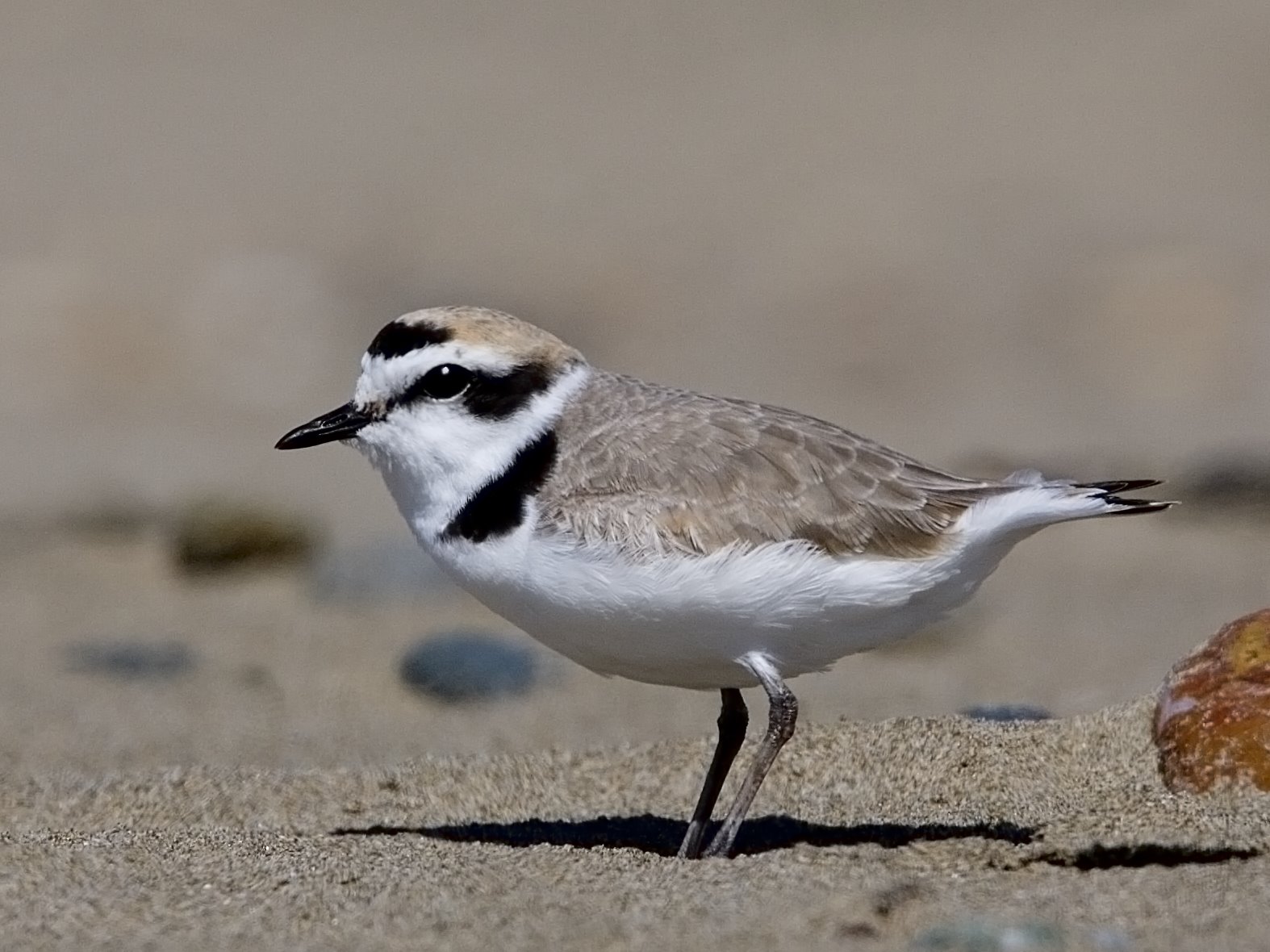
Snowy Plover
Anarhynchus nivosus- Sandy beach and dunes
- Salt marsh and salt pans
- Tidal flats, lagoons and estuaries
Vagrants 1 species
Birds blown in from other continents. They have no range here, and so no distribution map.