All species › Tubenoses › Petrels, shearwaters and diving petrels
Petrels, shearwaters and diving petrels | Procellariidae
Pijlstormvogels | Petreles y pardelas | Petrels, shearwaters and diving petrels
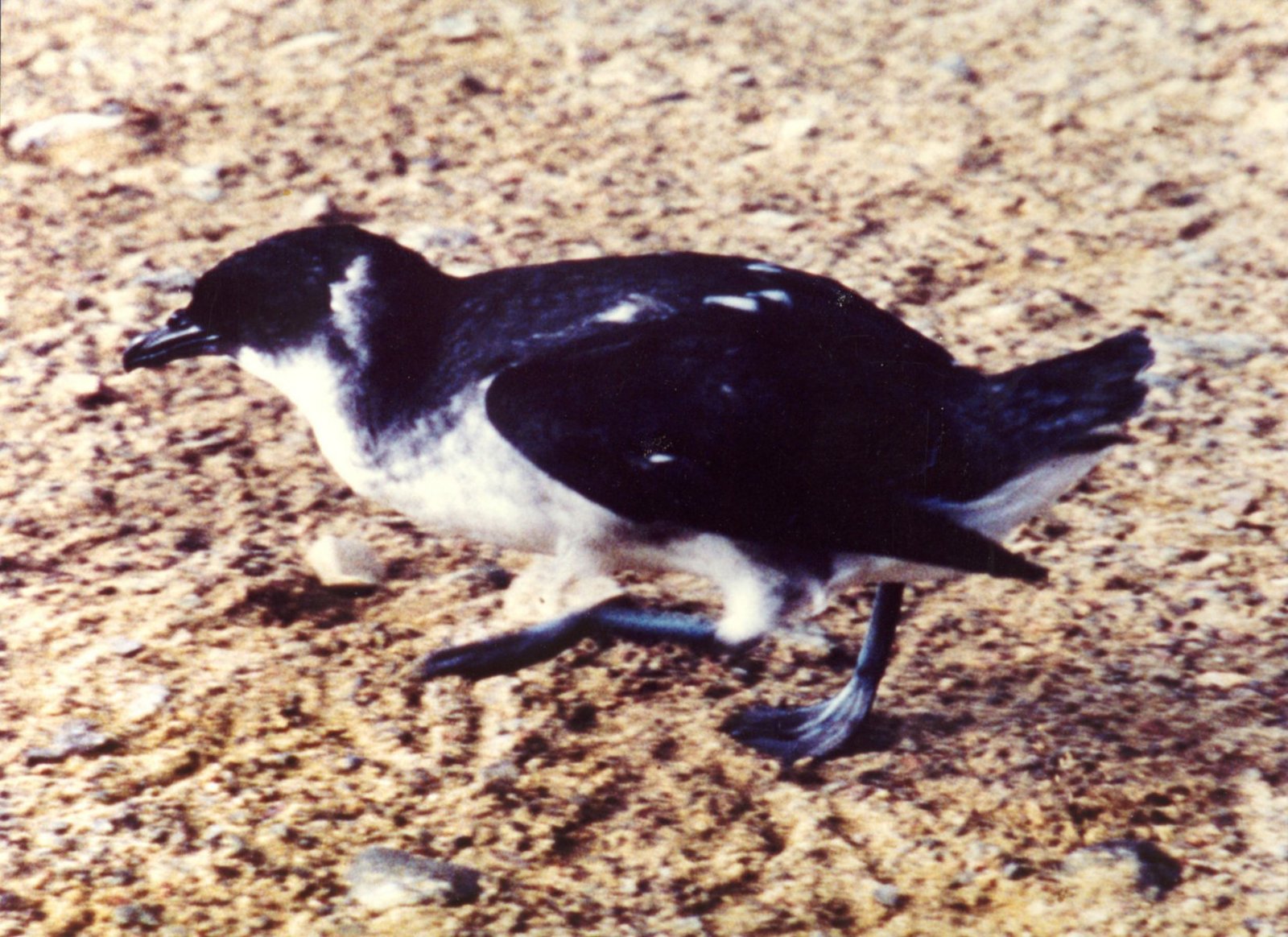
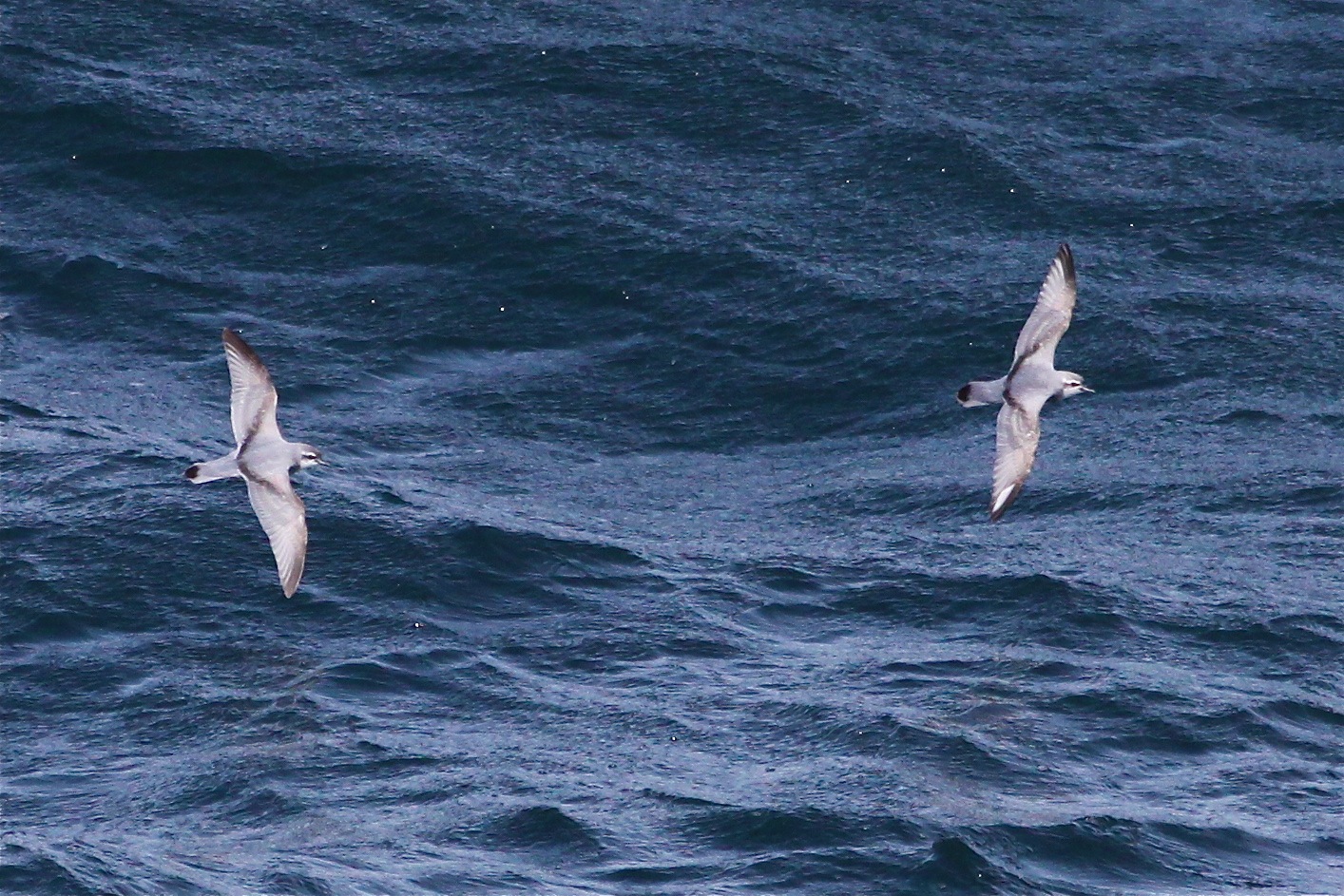
Twenty-two species in nine genera occur in this guide, mainly over the cold, productive water of the Humboldt Current and around the Galápagos. Medium-sized to large seabirds with a stout hooked bill and long, narrow wings held stiff and straight in the glide: they shear low over the waves and use the difference in wind speed just above the water to make headway without a wingbeat. Food is snatched from the surface or chased underwater, several species diving tens of metres with half-folded wings; the small diving petrels whirr low over the sea and row with their wings underwater. The legs are set far back, so on land they shuffle and push along on the breast; nesting is in self-dug burrows or rock crevices on islands, for the Galápagos Petrel in the humid highlands of the islands and for the Peruvian Diving Petrel in the guano layer of coastal islands. The chick is stuffed with oil-rich food until it outweighs its parents, and is then left to itself.
Native species 17 species
Species that occur here by nature: breeding birds, winter visitors and passage migrants. They are arranged by genus, in the sequence of the list.
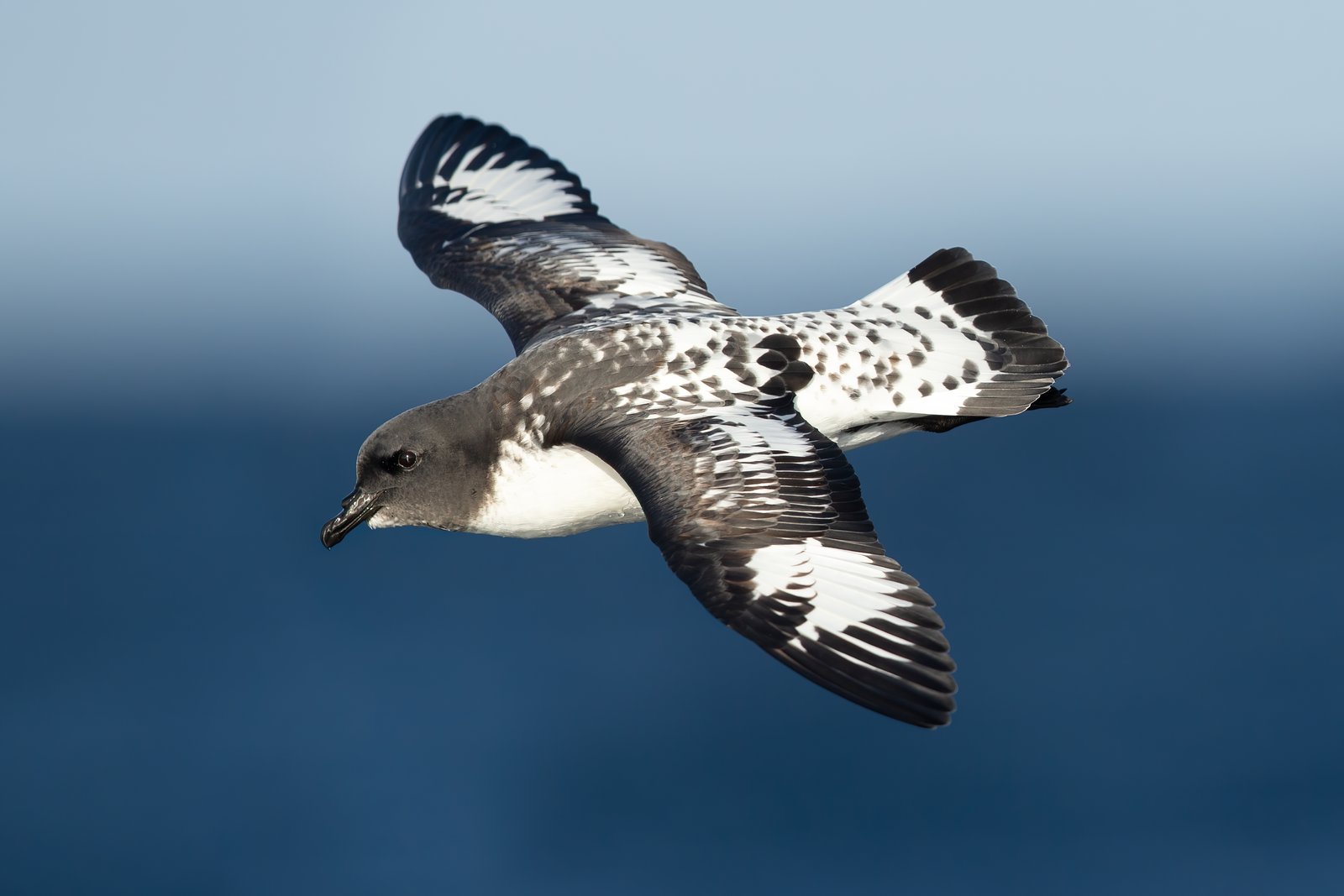
Macronectes 1 species
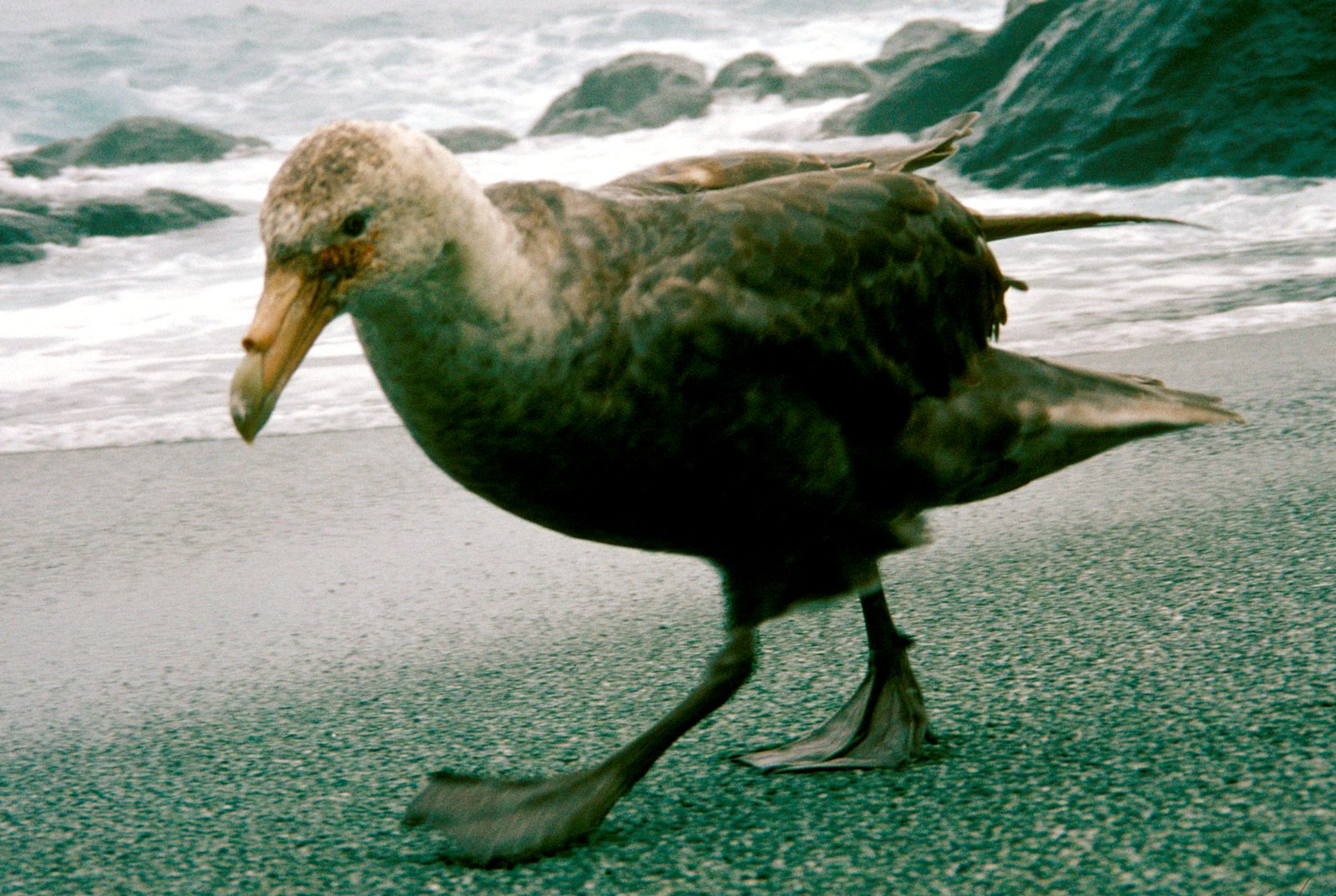

Procellaria 3 species
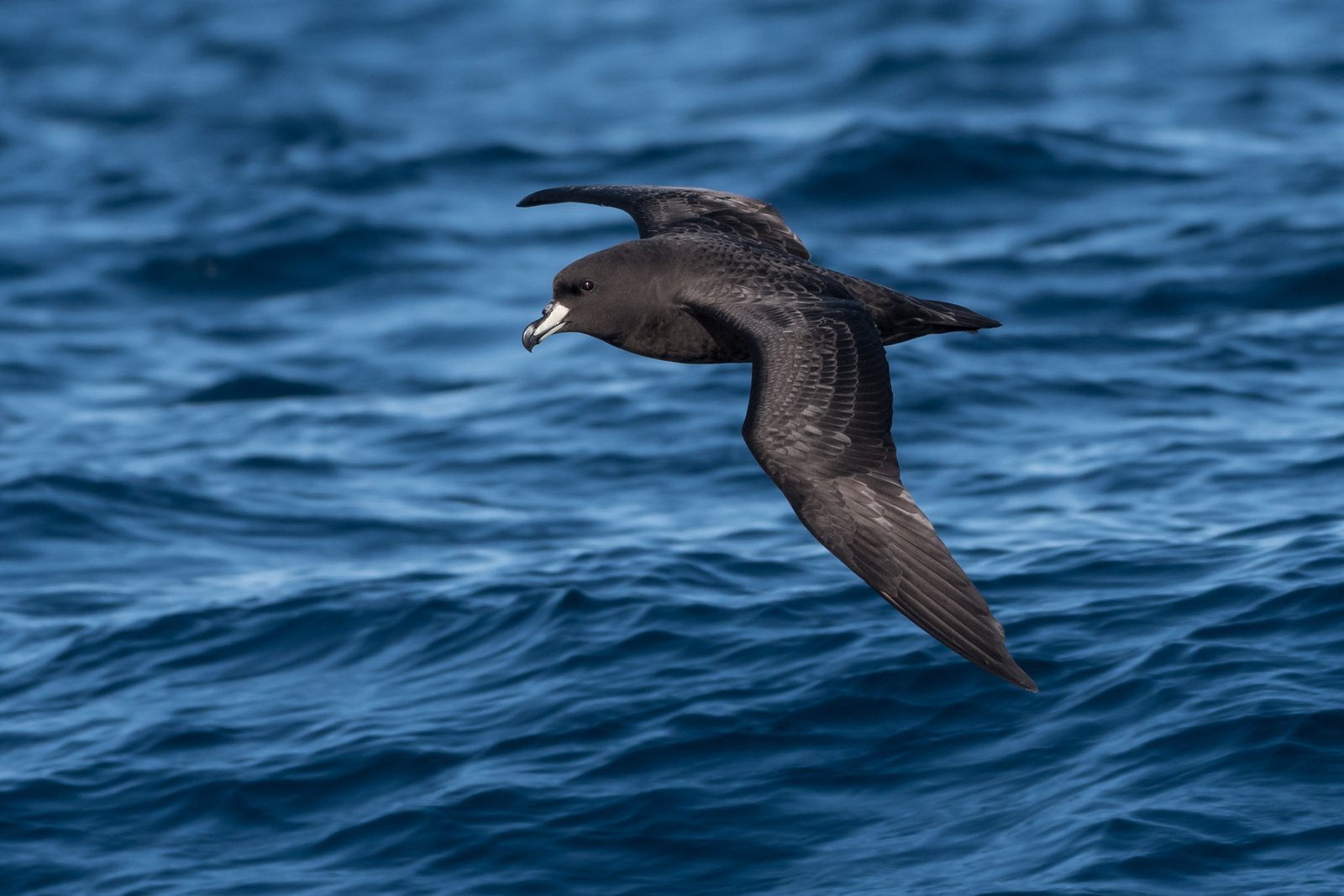
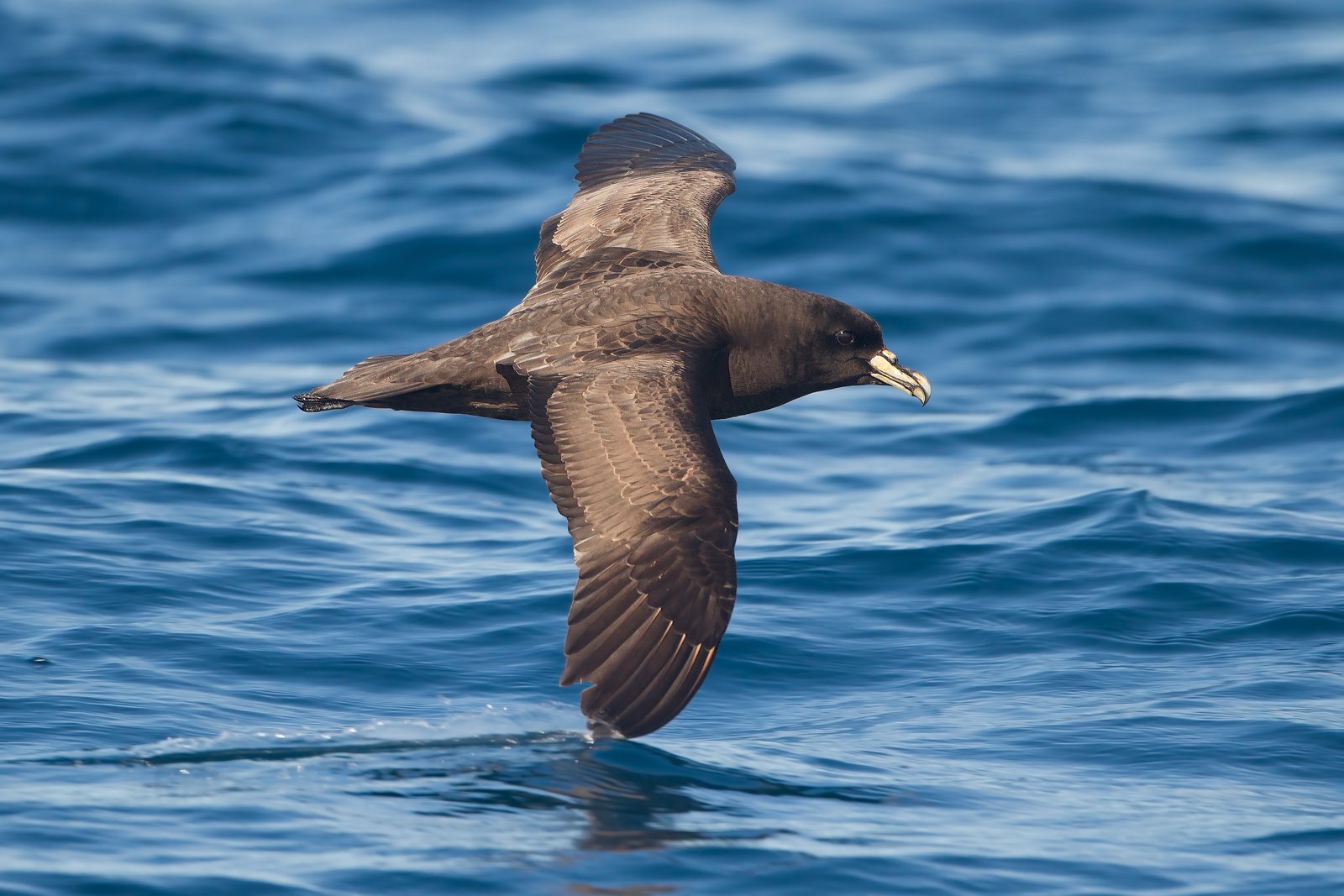
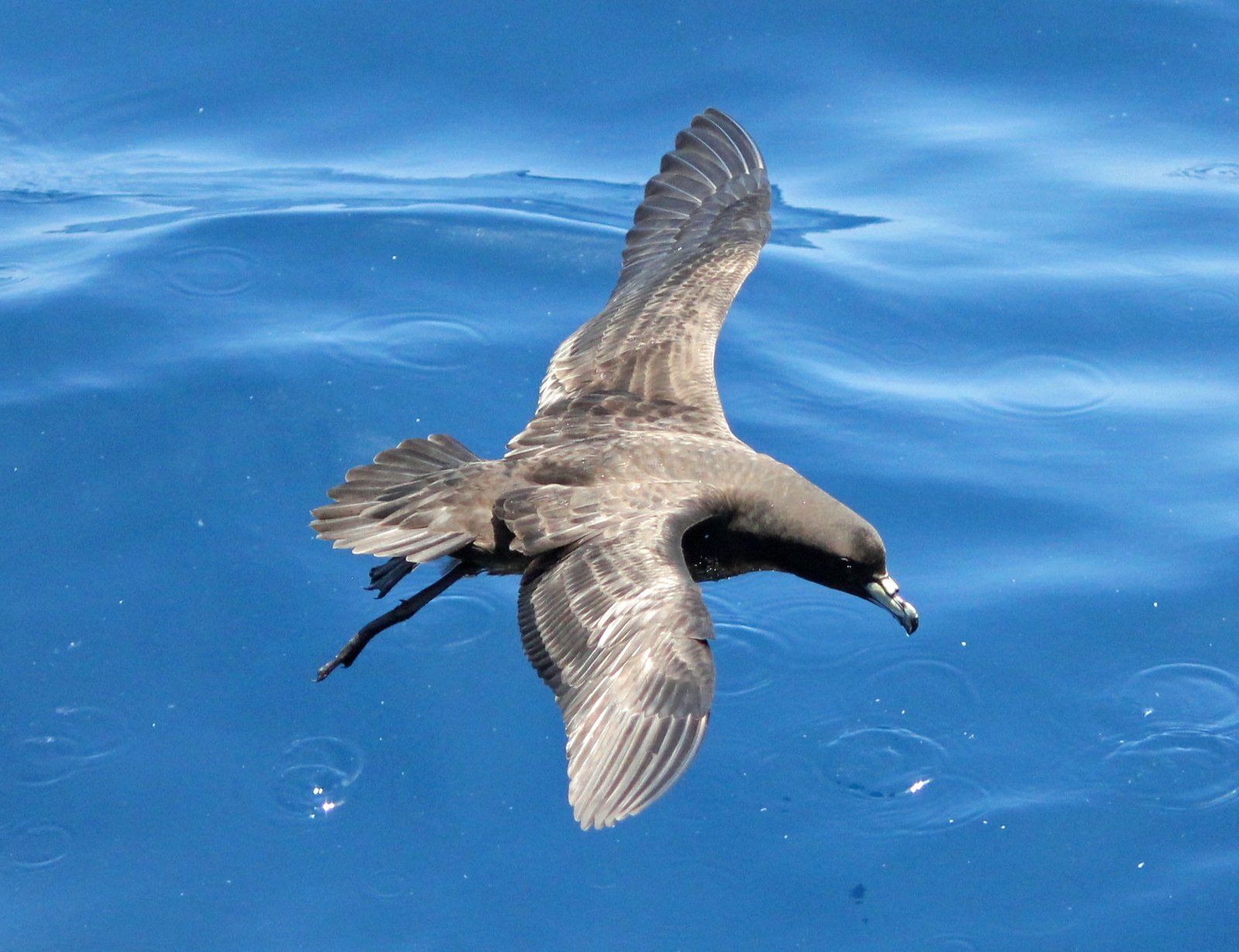
Ardenna 4 species
-
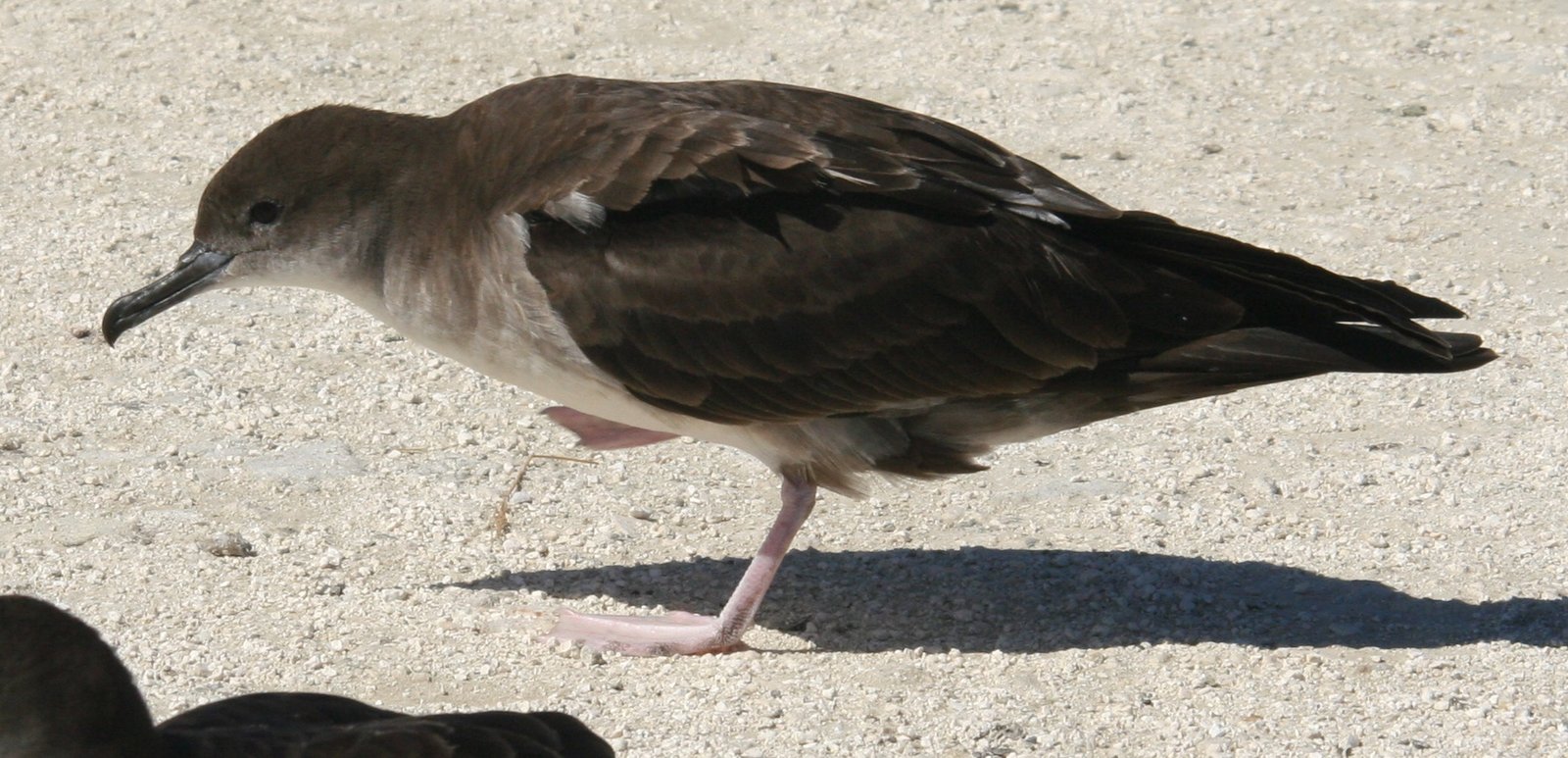
Wedge-tailed Shearwater
Ardenna pacifica Open ocean
-
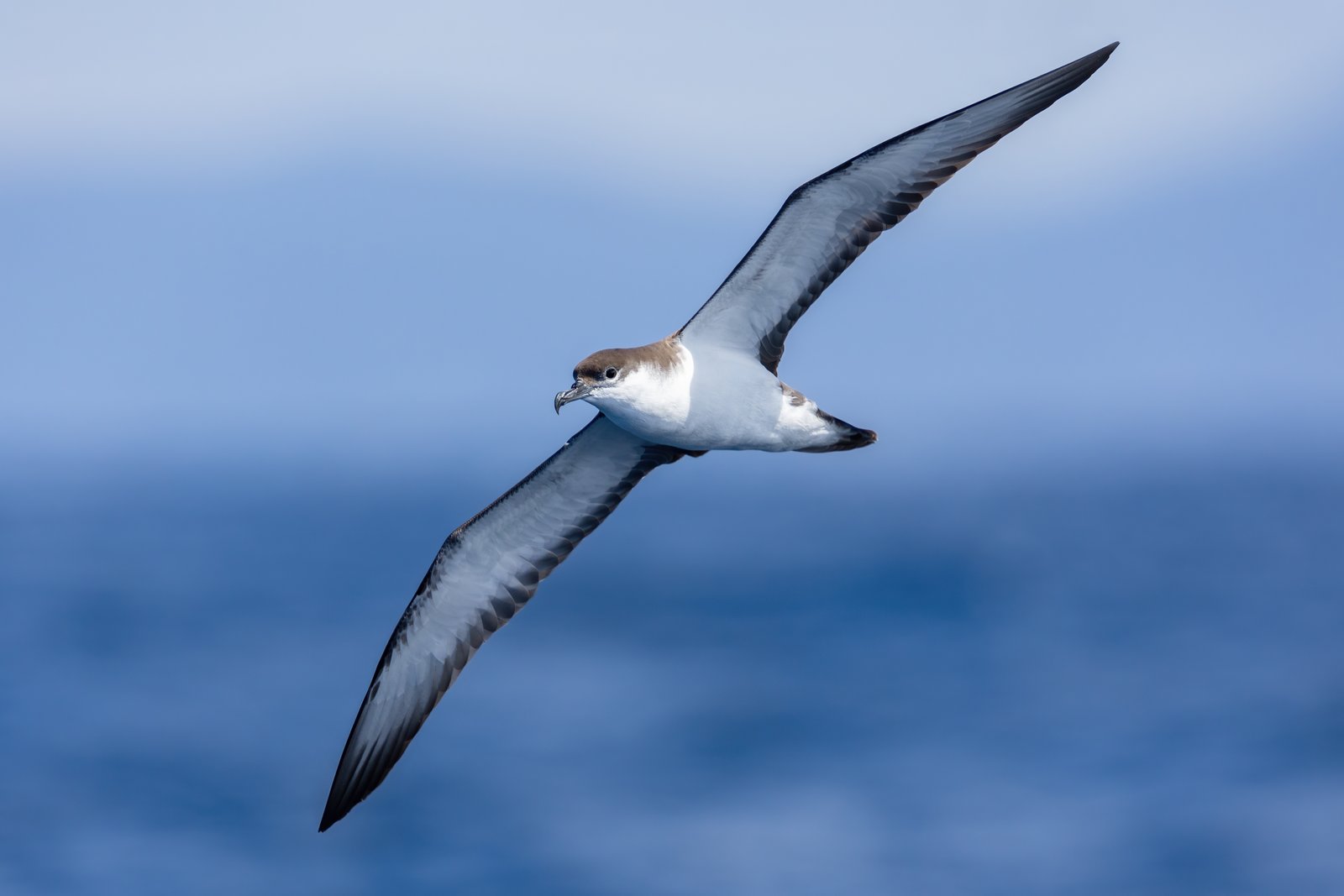
Buller's Shearwater
Ardenna bulleri- Open ocean
 Humboldt Current and inshore waters
-

Sooty Shearwater
Ardenna grisea- Humboldt Current and inshore waters
- Open ocean
-
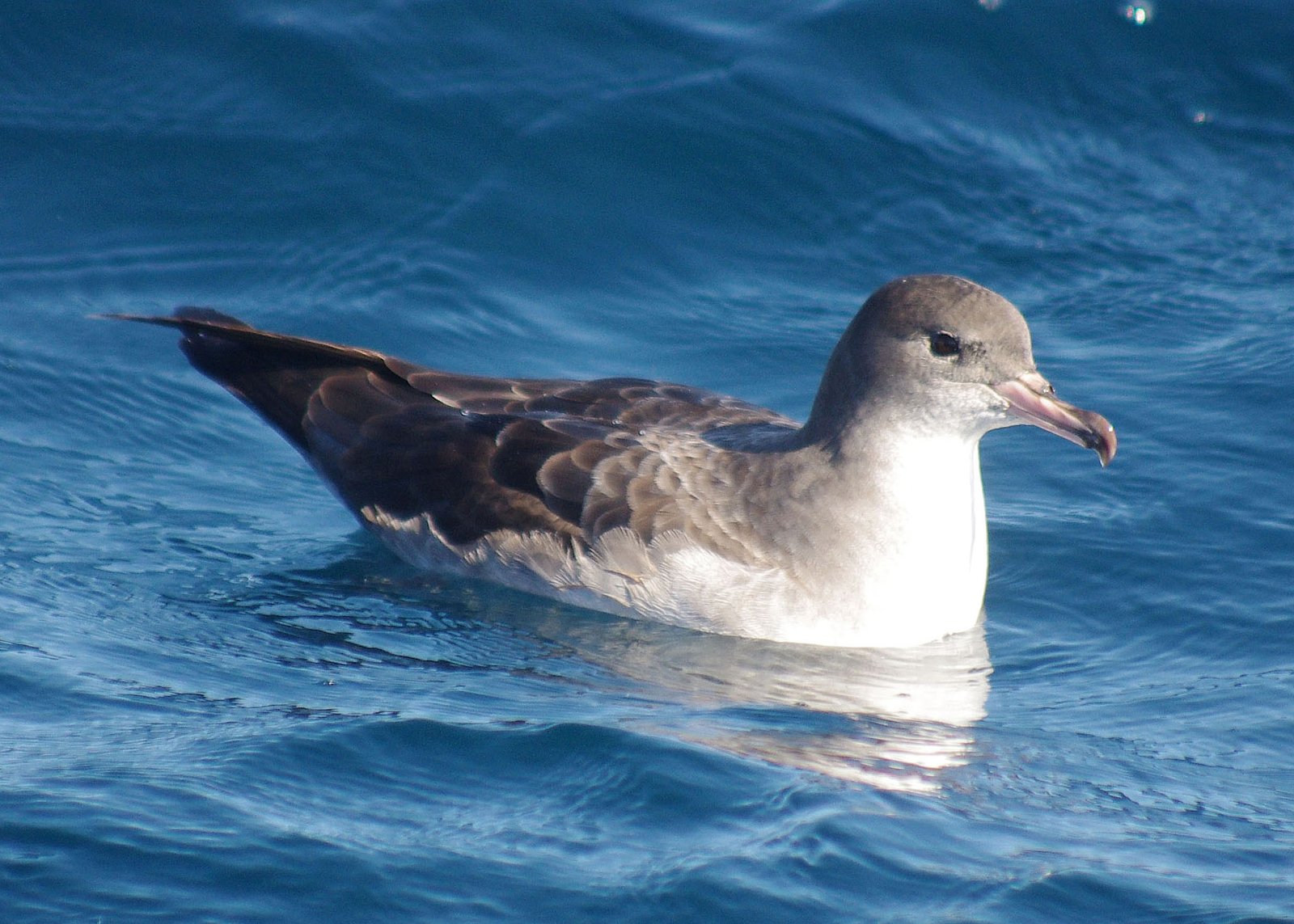
Pink-footed Shearwater
Ardenna creatopus- Humboldt Current and inshore waters
- Open ocean
Puffinus 2 species
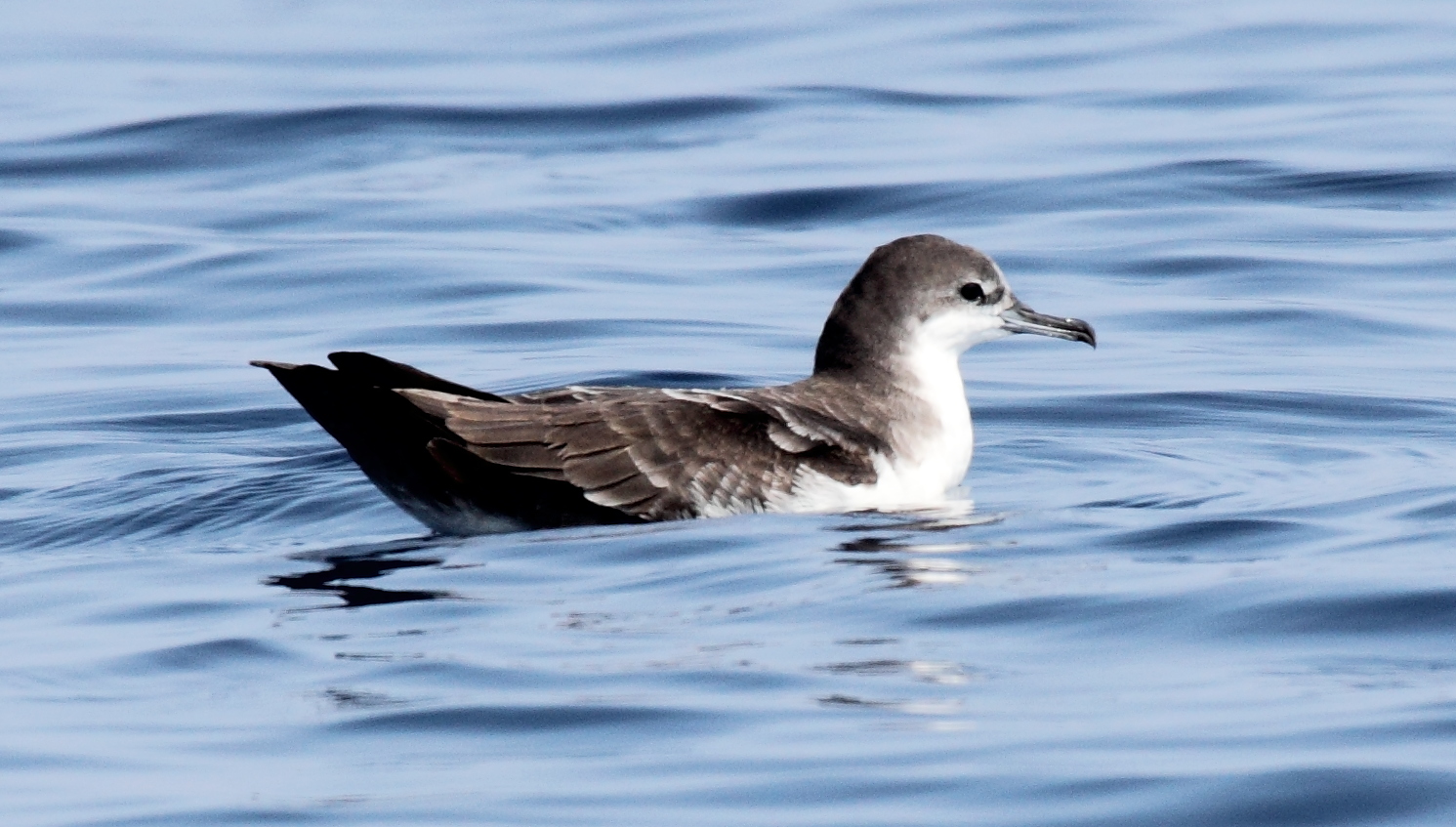

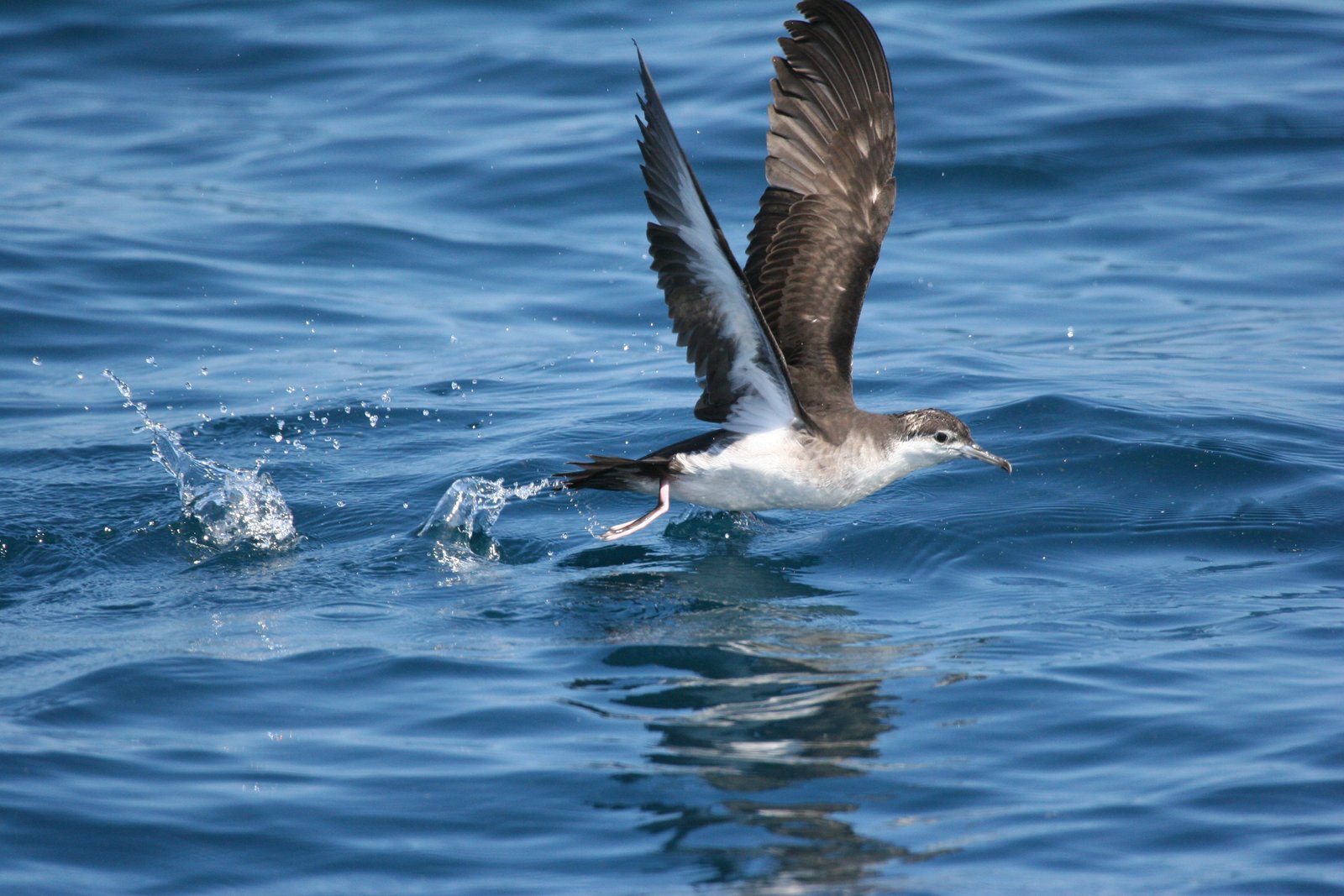
Pelecanoides 1 species

Pachyptila 1 species
Pterodroma 4 species
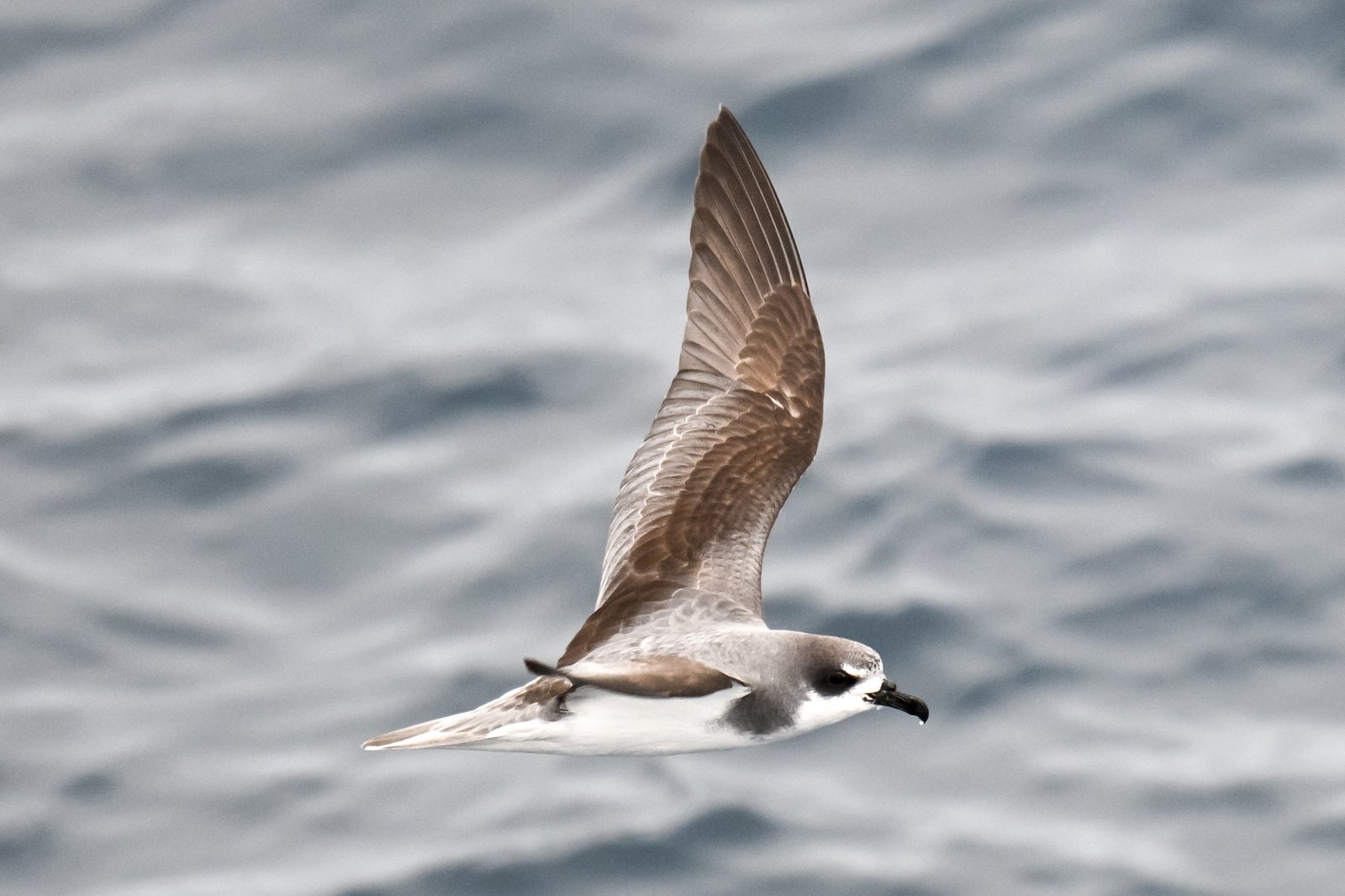
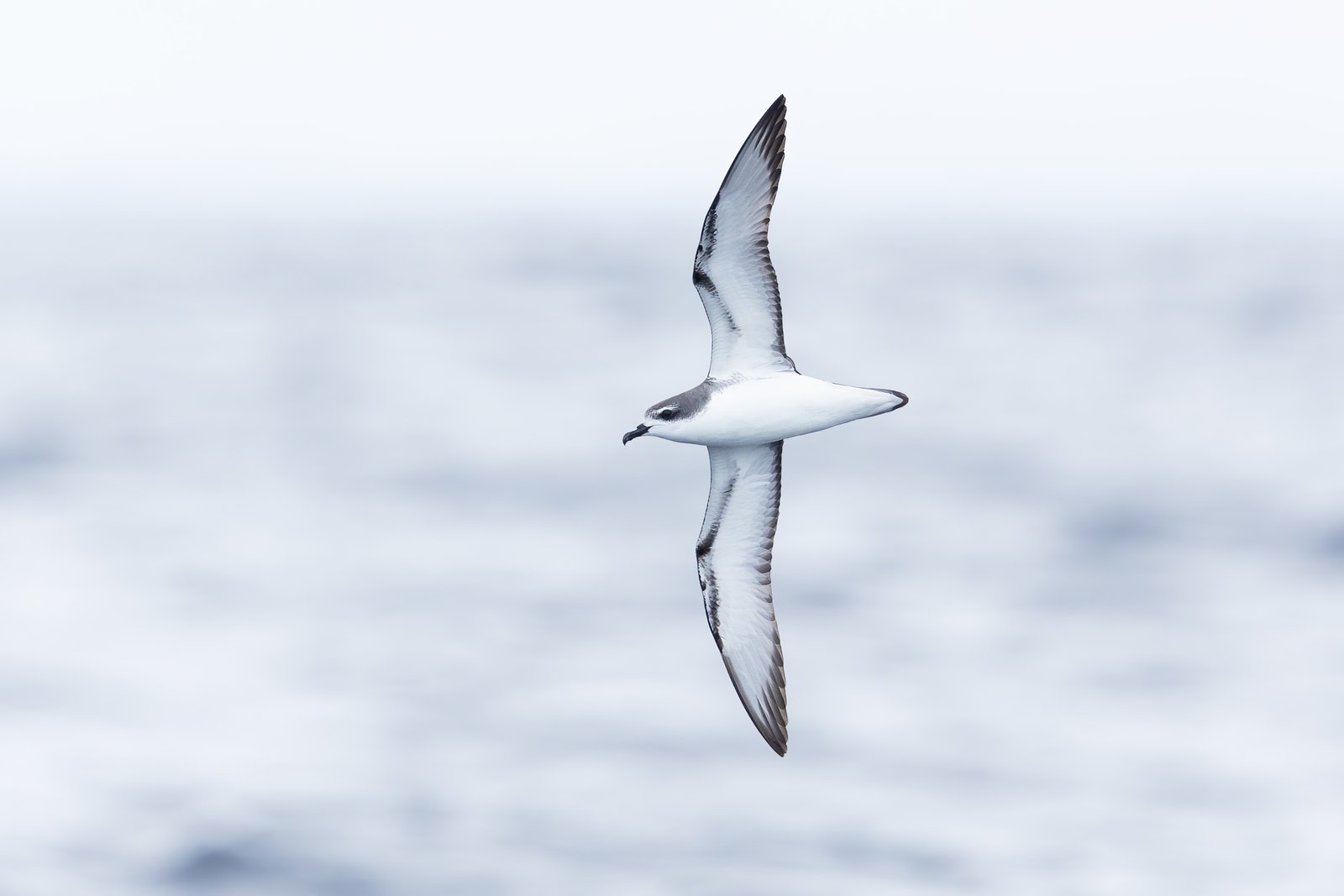
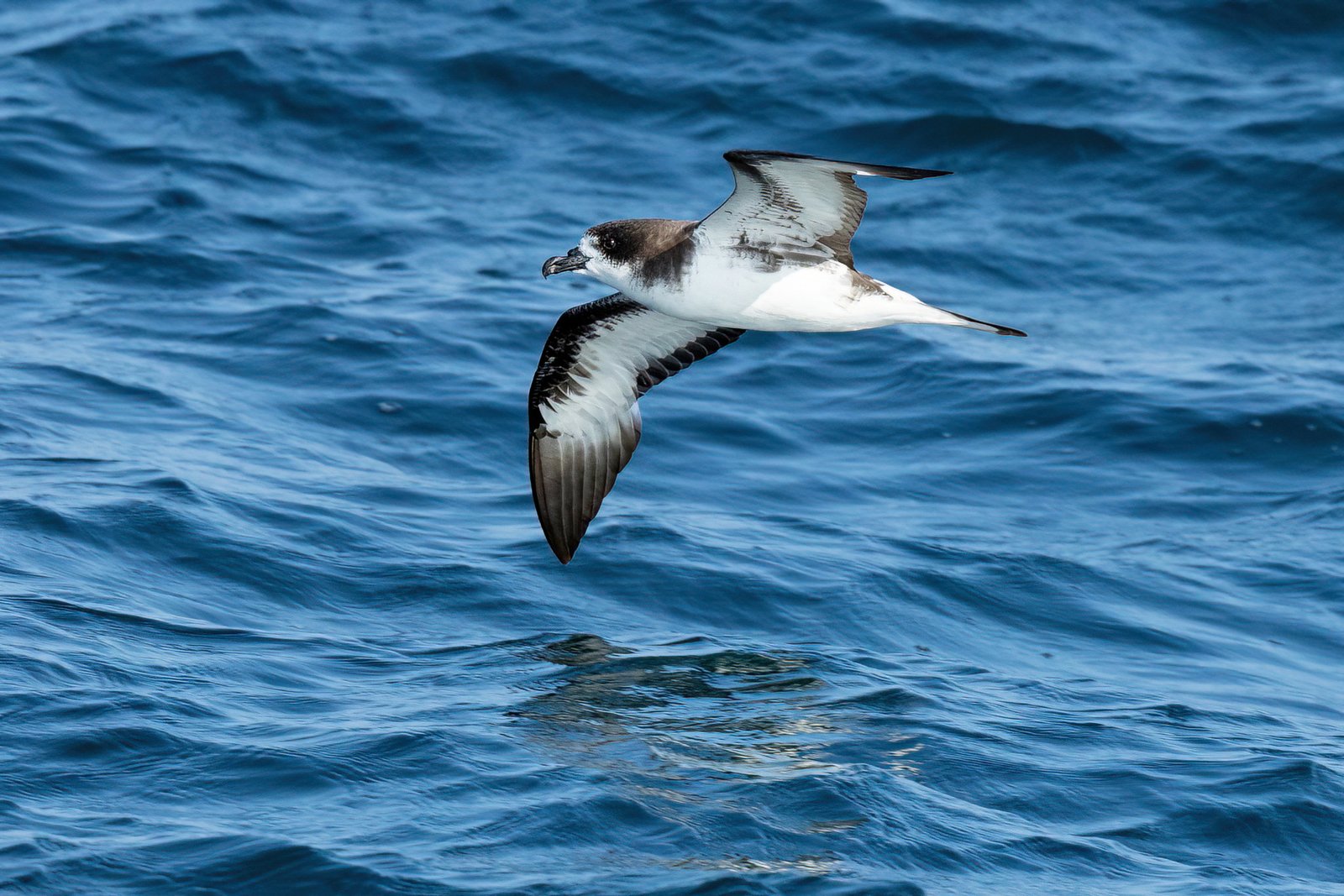


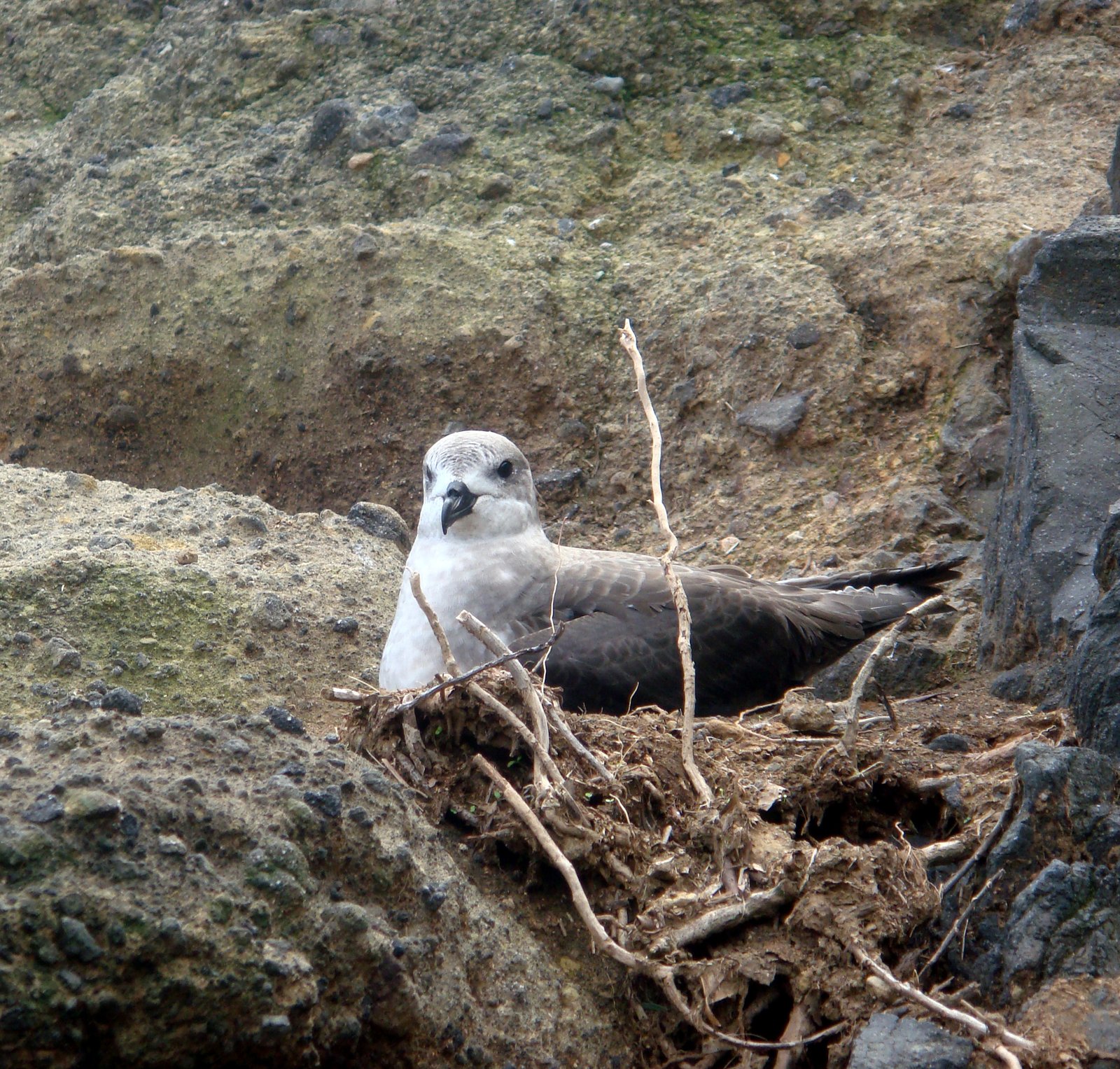
Vagrants 5 species
Birds blown in from other continents. They have no range here, and so no distribution map.
-
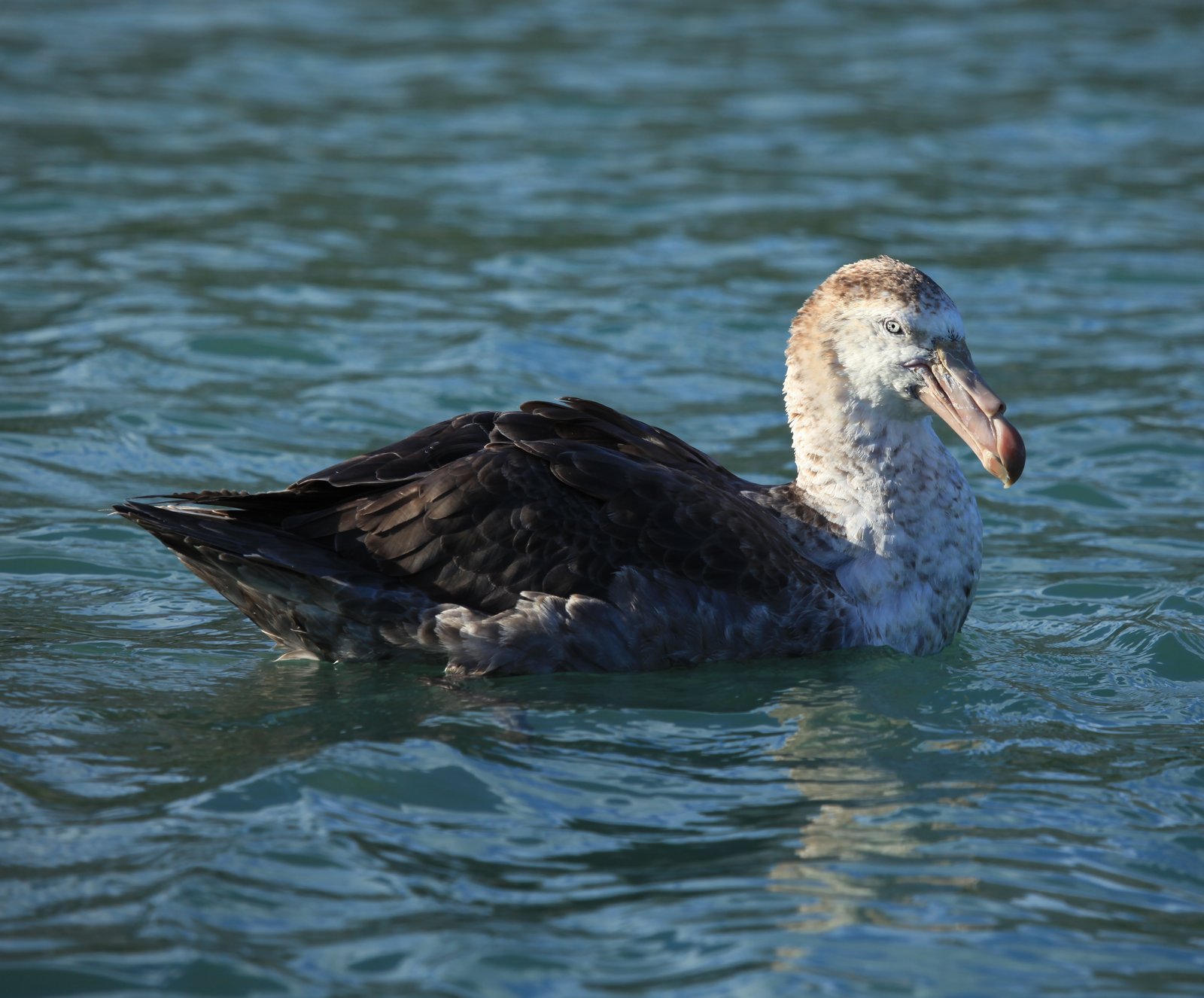
Northern Giant Petrel
Macronectes halli- Humboldt Current and inshore waters
- Open ocean
-
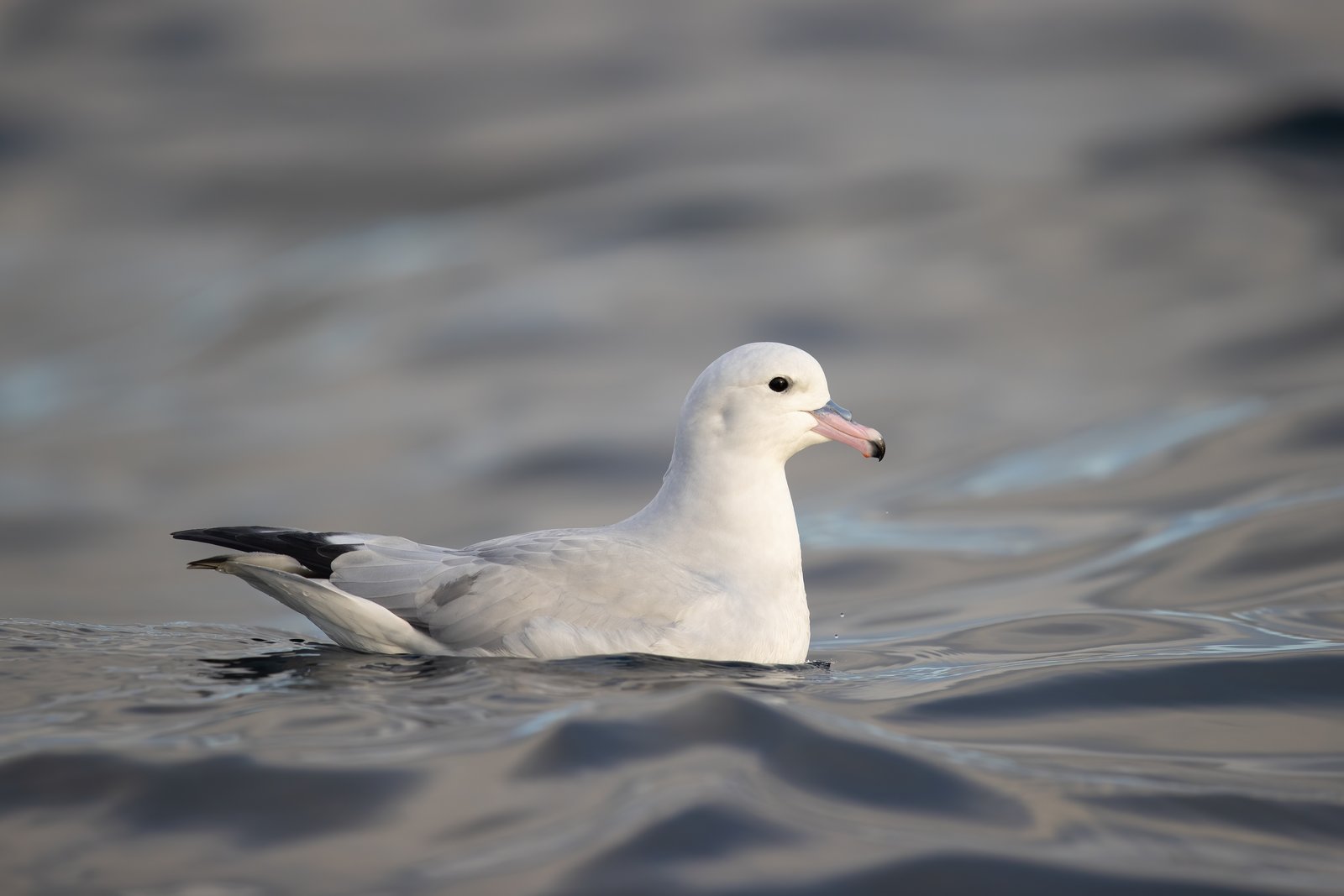
Southern Fulmar
Fulmarus glacialoides- Humboldt Current and inshore waters
- Open ocean
-
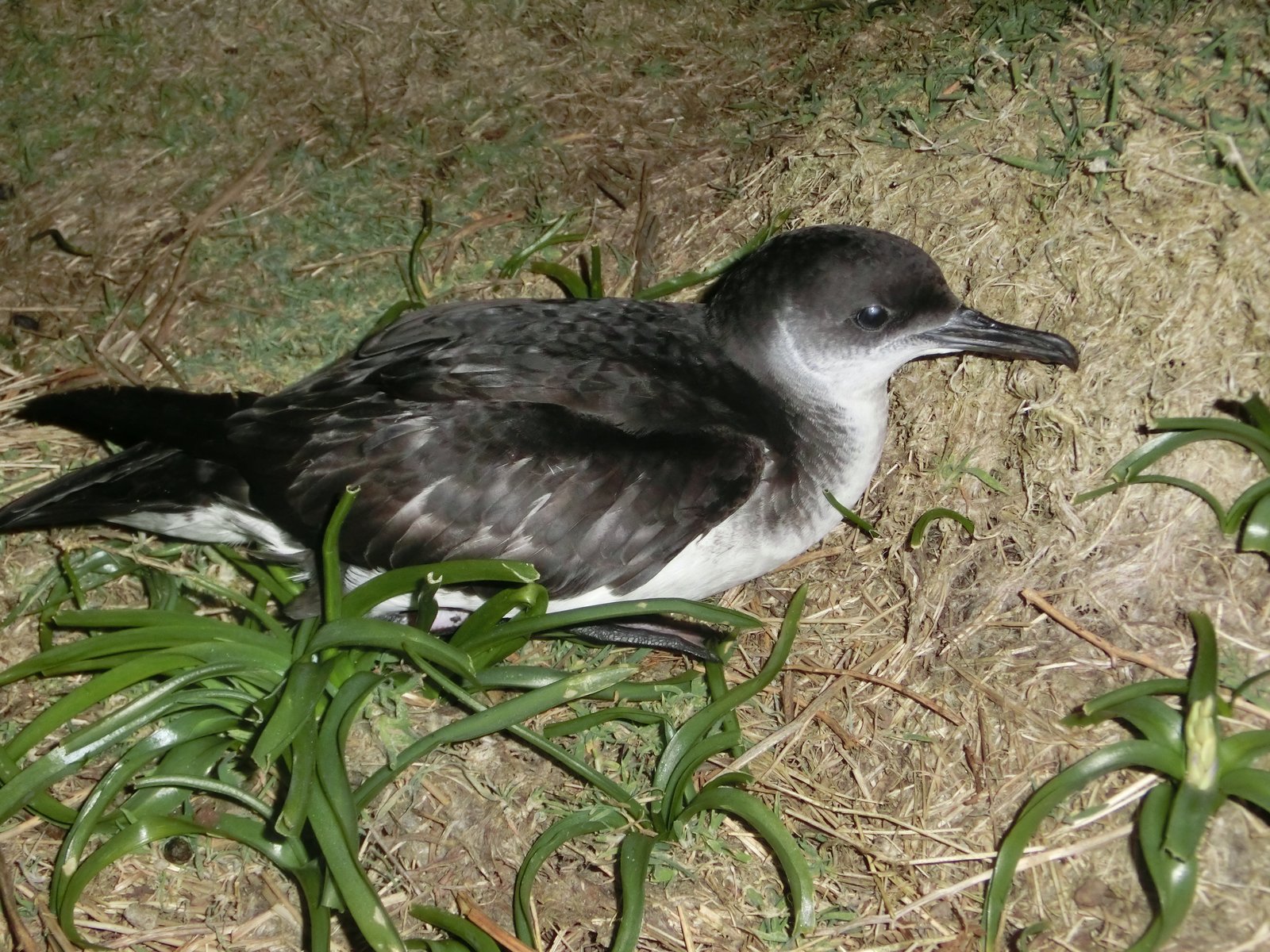
Manx Shearwater
Puffinus puffinus- Open ocean
- Humboldt Current and inshore waters
-
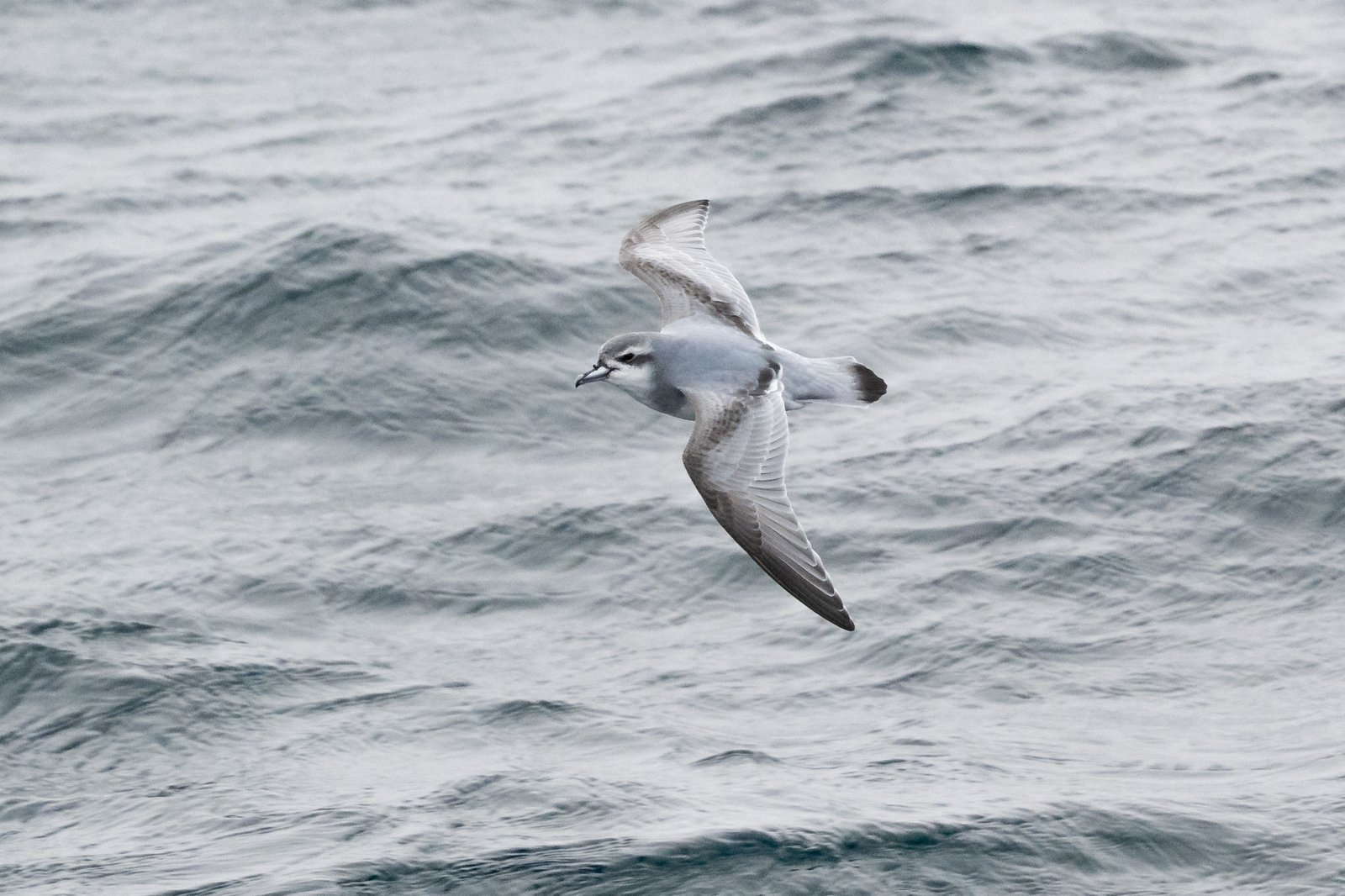
Antarctic Prion
Pachyptila desolata- Open ocean
- Humboldt Current and inshore waters
-
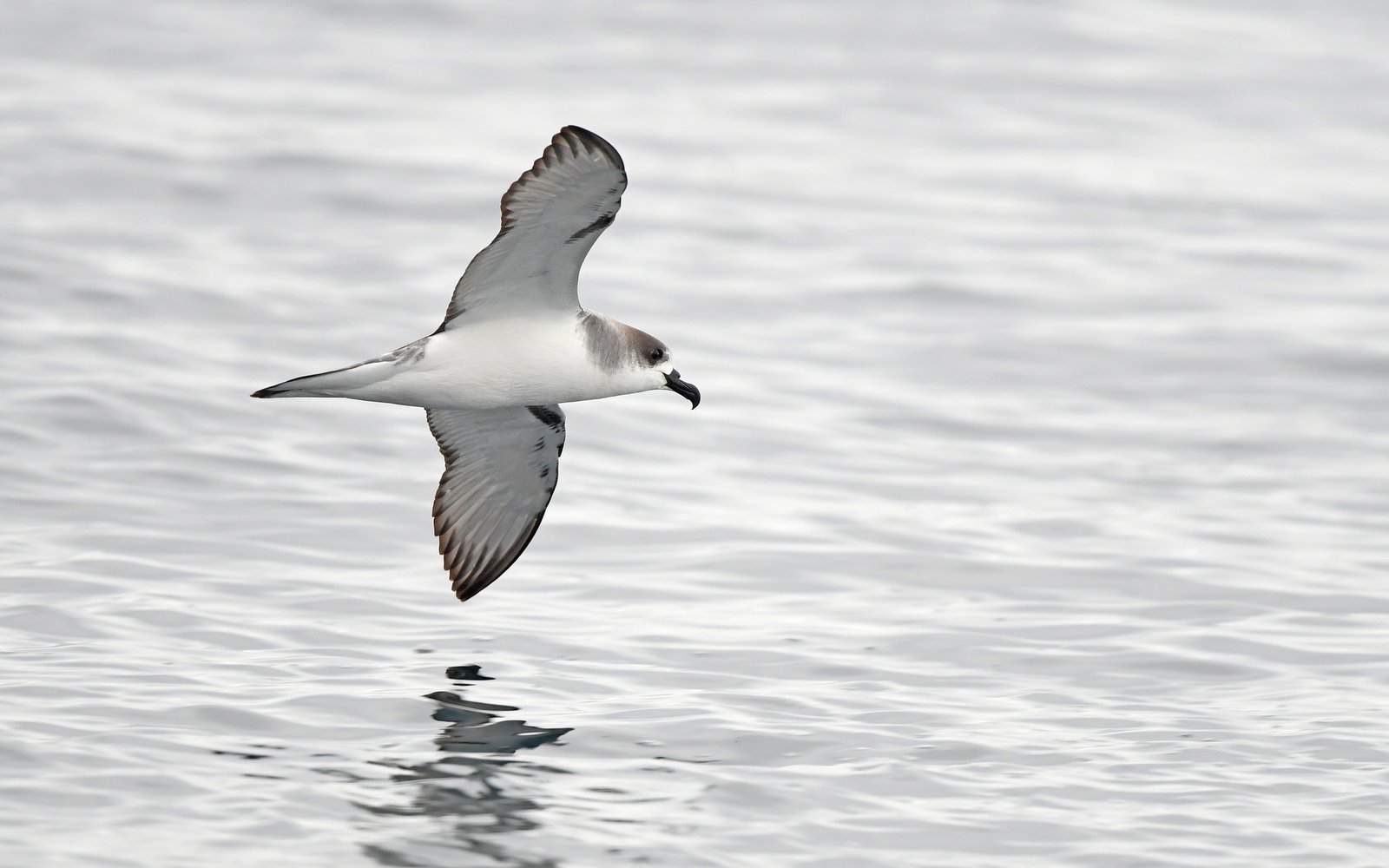
Juan Fernandez Petrel
Pterodroma externa- Open ocean