All species › Passerines › Chats and flycatchers › Bluethroat
Bluethroat | Luscinia svecica
Blauwborst | Pechiazul
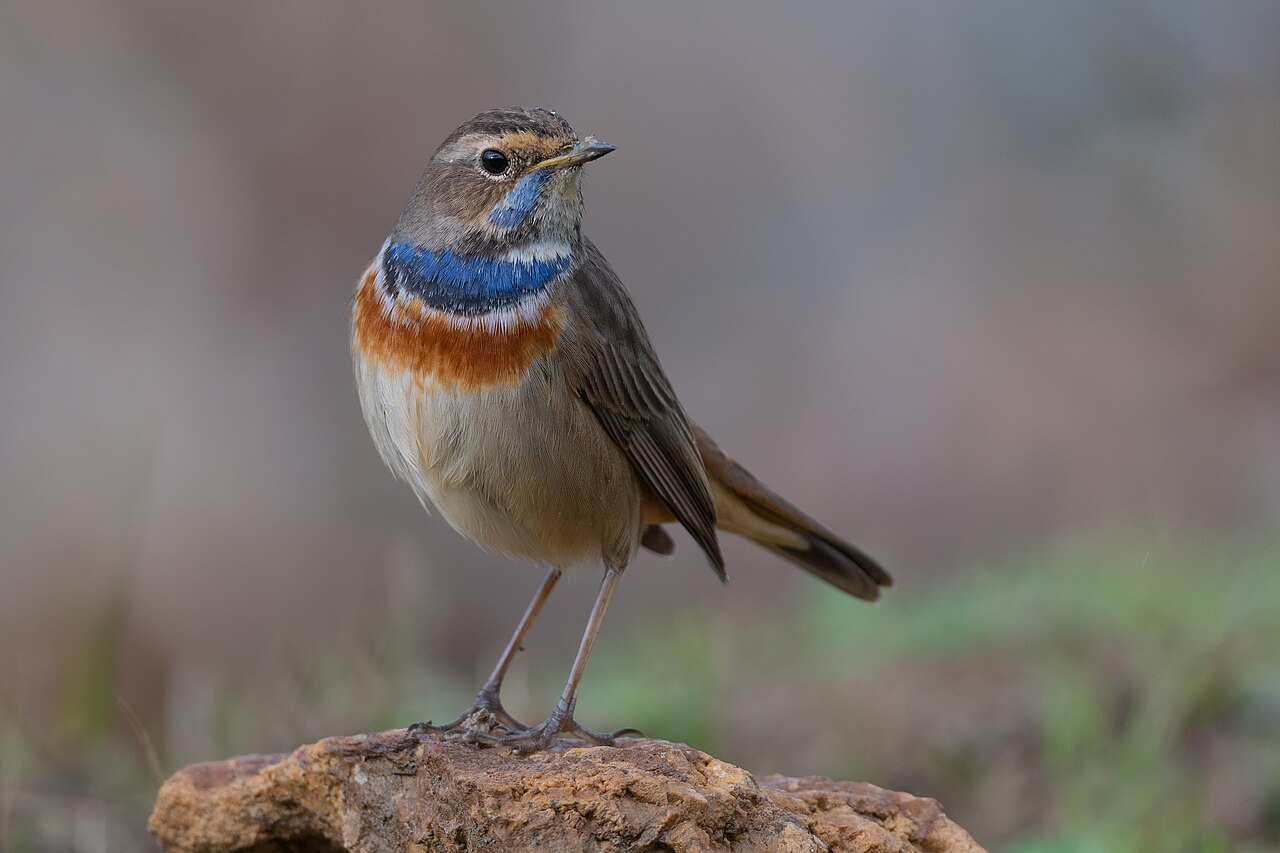
The bluethroat is a small chat of young wetland habitat, with a bright blue throat and a striking talent for mimicry. The white-spotted subspecies cyanecula breeds both in the Low Countries and on the Iberian Peninsula.
Click a thumbnail to switch the photo above.
Subspecies

Voice
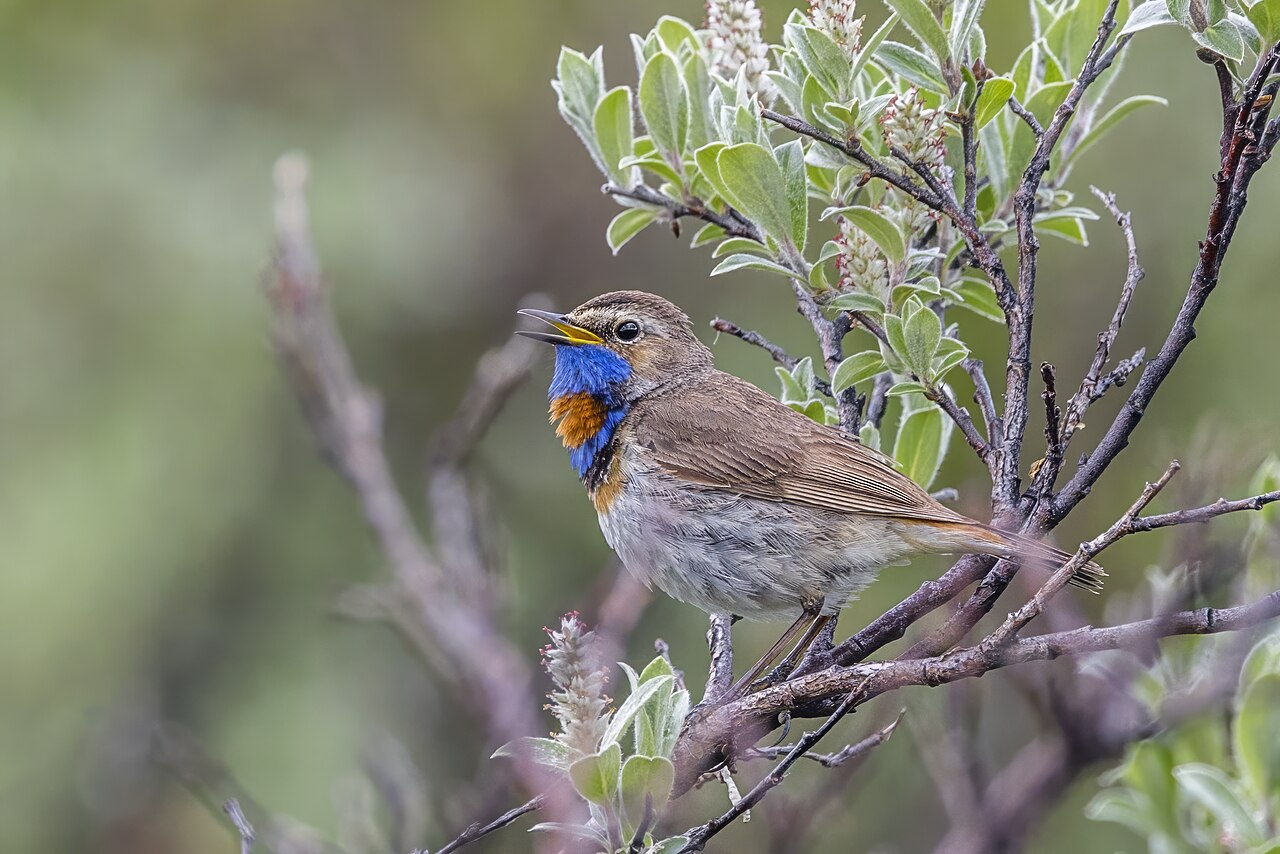
A highly varied, high-pitched song that often opens with a mechanical, accelerating ting-ting-ting-ting before running into rattles, bell notes and numerous imitations of other species. Sings from a reed stem or bush top and in a short, conspicuous song flight. Calls: a hard tack and a soft heet.
Recording: Justin Jansen — CC BY 3.0 · Wikimedia Commons
Identification
Breeding males show a bright blue throat, in cyanecula with a white central spot, bordered below by a black and a rufous band. A broad white supercilium. Crucial and usable in all plumages: the rufous tail base with a dark terminal band, flashing as the bird dives into cover. Females show a dark loral stripe and necklace, often with a trace of blue.
Confusion species
The Scandinavian red-spotted subspecies svecica has an orange-red spot and passes through in small numbers. Females and juveniles can recall Nightingale or young Robin, but the tail pattern with its dark terminal band is diagnostic.
Habitat
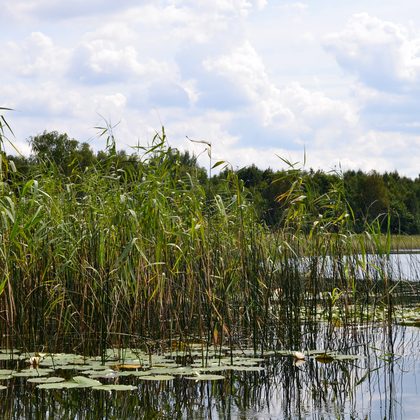
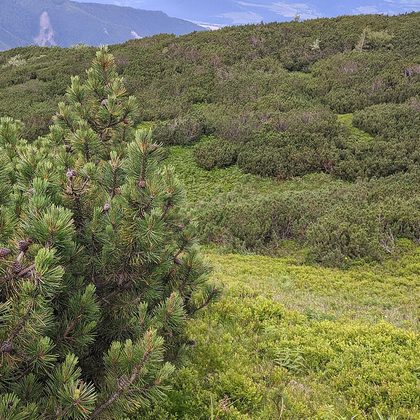
Rank reed with willow scrub, marsh edges, young saltmarsh and newly created wetland; the key is a mosaic of reed, bushes and open, wet ground. In Scandinavia the red-spotted form occupies the birch zone and tundra scrub; on the Iberian Peninsula the white-spotted form breeds mainly in high-altitude broom scrub.
Where the bird is most at home, classified with EUNIS — the European standard for habitats.


Range and movements
Widespread from western Europe to Siberia. Breeds in Scandinavia, central and eastern Europe and the Low Countries; in the Low Countries — the Biesbosch, the IJsselmeer area, the Delta — numbers have risen sharply since the 1980s thanks to new wetland reserves. Around the Mediterranean a scarce breeder and chiefly a passage migrant and winter visitor; it also winters in North Africa, Turkey and the Levant.
- Resident
- Breeding (summer)
- Winter
- Passage
- dark = core range, pale = thinly spread
How and when to look
Late March to mid-May, early in the morning, along reed fringes and young willow growth. Watch for the song flight: the male climbs at an angle and parachutes back down with the tail spread — usually the moment the rufous tail base becomes visible.
Conservation status
Not threatened (IUCN: Least Concern) and one of the clear winners of large-scale wetland restoration in the Netherlands. It remains vulnerable to marsh management without dynamics: old reed without bushes and wet bare ground is unsuitable.
Scientific name
Luscinia svecica | (Linnaeus, 1758)
Linnaeus described the species in 1758 as Motacilla svecica; because it was later moved to another genus, the author and year stand in brackets. The genus Luscinia was introduced in 1817 by Forster. Luscinia is the Latin word for 'nightingale'. svecica is Latin for 'Swedish', after Sweden, where the species breeds commonly in the north. The specimen the first description was based on came from Sweden and Lapland.