All species › Swifts › Hummingbirds
Hummingbirds | Trochilidae
Kolibries | Colibríes | Beija-flores
With one hundred and forty-two species in fifty-four genera, the hummingbirds are among the richest families in this guide. They are present from the mangroves and rainforest of Amazonia through the Cerrado, the Caatinga and the Atlantic Forest to the cloud forest and páramo of the Venezuelan Andes, and also in gardens and parks in towns. Each part of the area has its own species: the Saw-billed Hermit (Ramphodon), Stephanoxis and Leucochloris in the Atlantic Forest, Anopetia in the Caatinga, the visorbearers (Augastes) on the rocky fields of the highlands of Minas Gerais and Bahia, species of Polytmus, Heliodoxa and Campylopterus on the tepuis, Sternoclyta and Hylonympha in the coastal mountains of northern Venezuela, and high-mountain species such as Oxypogon, Metallura and the Sword-billed Hummingbird (Ensifera) in the Venezuelan Andes. The hermits (Phaethornis, Glaucis, Threnetes) live in the shade of the rainforest understorey, most other species at forest edges, in savanna and in flowering scrub. The family includes the smallest birds in the world. They have a needle-like bill, in the Sword-billed Hummingbird longer than the rest of the body, and a long tongue, forked at the tip, with which they lap up nectar. The wing turns almost entirely from the shoulder, so that they can hover and even fly backwards, beating dozens of times a second. This requires an exceptionally high metabolism; at night they can enter torpor and lower their body temperature to save energy, which matters above all in the cold high mountains. Besides nectar they take small insects and spiders, the main source of protein for the young. The feet are so small that they cannot walk, only perch. In many species the male has a metallic gorget or crown that flashes only at the right angle. The female alone builds a tiny cup of plant down and spider silk, often covered with lichen or moss, and lays two white eggs.
Native species 142 species
Species that occur here by nature: breeding birds, winter visitors and passage migrants. They are arranged by genus, in the sequence of the list.
Florisuga 2 species
-

Black Jacobin
Florisuga fusca Coastal lowland forest
 Montane forest of the Serra do Mar
 Interior semi-deciduous forest
 Restinga
 Towns, cities and gardens
-

White-necked Jacobin
Florisuga mellivora Tall terra firme forest
 Secondary forest and forest edge
 Várzea (whitewater flooded forest)
 Plantations and agroforestry
 Montane forest of the Venezuelan coastal range
Topaza 2 species


Ramphodon 1 species

Glaucis 2 species
-

Hook-billed Hermit
Glaucis dohrnii- Coastal lowland forest
 Blackwater rivers and small streams
- Plantations and agroforestry
-

Rufous-breasted Hermit
Glaucis hirsutus- Secondary forest and forest edge
- Várzea (whitewater flooded forest)
 Floating meadows and river islands
- Coastal lowland forest
 Northeastern coastal forest
 Veredas and gallery forest
- Plantations and agroforestry
Threnetes 3 species
-

Band-tailed Barbthroat
Threnetes ruckeri Montane forest of the Venezuelan Andes and Perijá
- Plantations and agroforestry
-

Pale-tailed Barbthroat
Threnetes leucurus- Secondary forest and forest edge
- Várzea (whitewater flooded forest)
- Floating meadows and river islands
- Tall terra firme forest
-

Sooty Barbthroat
Threnetes niger- Secondary forest and forest edge
- Tall terra firme forest
 Palm swamps
- Plantations and agroforestry
Anopetia 1 species

Phaethornis 22 species
-

White-bearded Hermit
Phaethornis hispidus- Várzea (whitewater flooded forest)
- Floating meadows and river islands
- Secondary forest and forest edge
- Veredas and gallery forest
 Llanos savanna
-

Green Hermit
Phaethornis guy- Montane forest of the Venezuelan coastal range
- Montane forest of the Venezuelan Andes and Perijá
-

Needle-billed Hermit
Phaethornis philippii- Tall terra firme forest
- Várzea (whitewater flooded forest)
 Bamboo and liana forest
- Secondary forest and forest edge
-

Straight-billed Hermit
Phaethornis bourcieri- Tall terra firme forest
 White-sand forest and campina
- Secondary forest and forest edge
-

Long-billed Hermit
Phaethornis longirostris- Montane forest of the Venezuelan Andes and Perijá
- Plantations and agroforestry
-

Long-tailed Hermit
Phaethornis superciliosus- Tall terra firme forest
- Secondary forest and forest edge
- Várzea (whitewater flooded forest)
- Plantations and agroforestry
-

Great-billed Hermit
Phaethornis malaris- Tall terra firme forest
- Várzea (whitewater flooded forest)
- Secondary forest and forest edge
-

Pale-bellied Hermit
Phaethornis anthophilus Dry forest and thorn scrub of northern Venezuela
- Llanos savanna
- Plantations and agroforestry
-
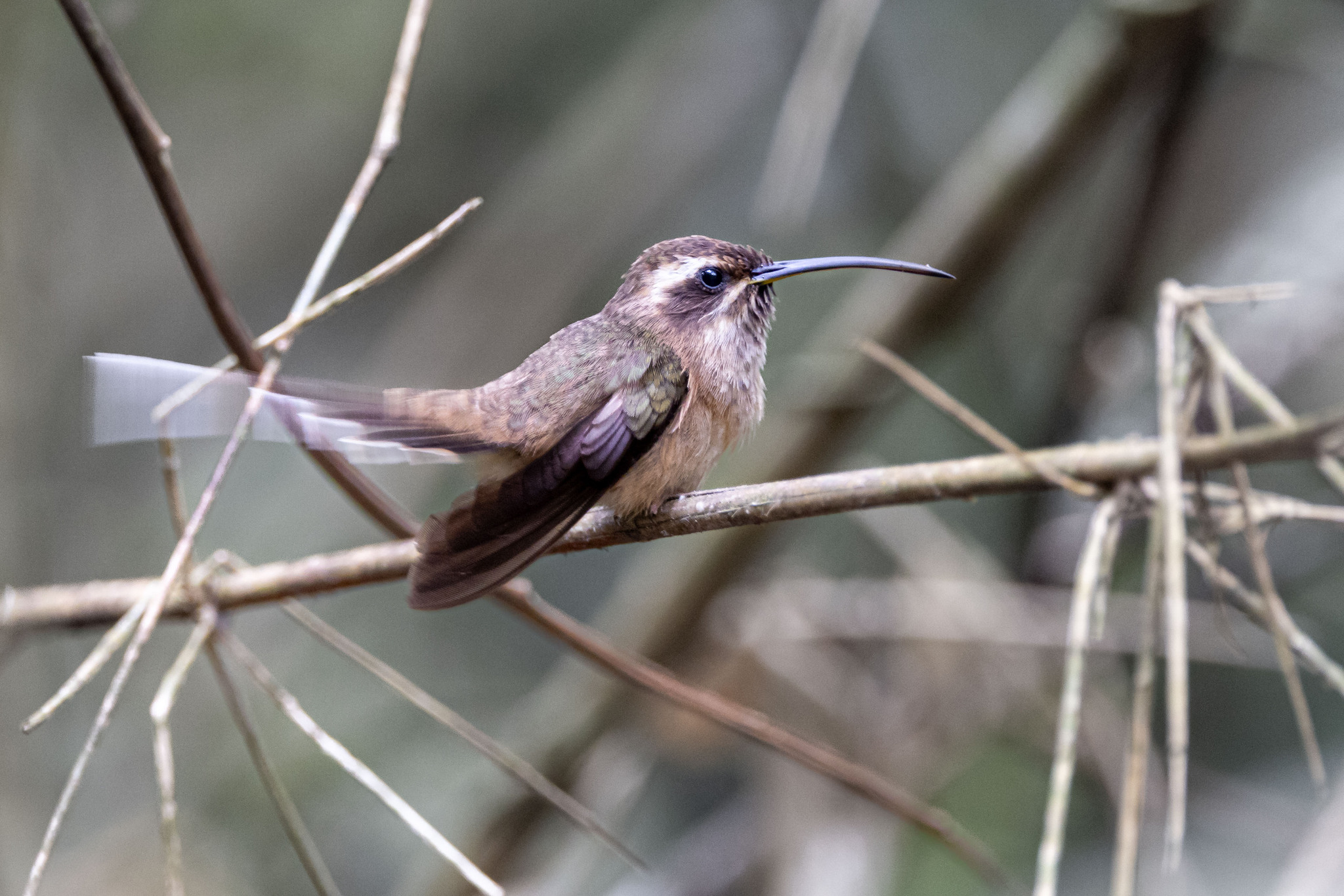
Dusky-throated Hermit
Phaethornis squalidus- Montane forest of the Serra do Mar
- Coastal lowland forest
- Interior semi-deciduous forest
- Secondary forest and forest edge
-

Streak-throated Hermit
Phaethornis rupurumii- Secondary forest and forest edge
- Várzea (whitewater flooded forest)
- Floating meadows and river islands
 Savannas of the Guianas
- Llanos savanna
-

Little Hermit
Phaethornis longuemareus- Secondary forest and forest edge
- Tall terra firme forest
 Mangroves
- Plantations and agroforestry
- Montane forest of the Venezuelan coastal range
-

Tapajos Hermit
Phaethornis aethopygus- Tall terra firme forest
- Secondary forest and forest edge
-

Minute Hermit
Phaethornis idaliae- Coastal lowland forest
- Restinga
- Interior semi-deciduous forest
-

Cinnamon-throated Hermit
Phaethornis nattereri Cerradão and dry woodland
- Veredas and gallery forest
 Dry forest of the north-east
- Secondary forest and forest edge
-

Black-throated Hermit
Phaethornis atrimentalis- Tall terra firme forest
- Secondary forest and forest edge
- Várzea (whitewater flooded forest)
-

Stripe-throated Hermit
Phaethornis striigularis- Montane forest of the Venezuelan Andes and Perijá
- Montane forest of the Venezuelan coastal range
- Plantations and agroforestry
- Dry forest and thorn scrub of northern Venezuela
-
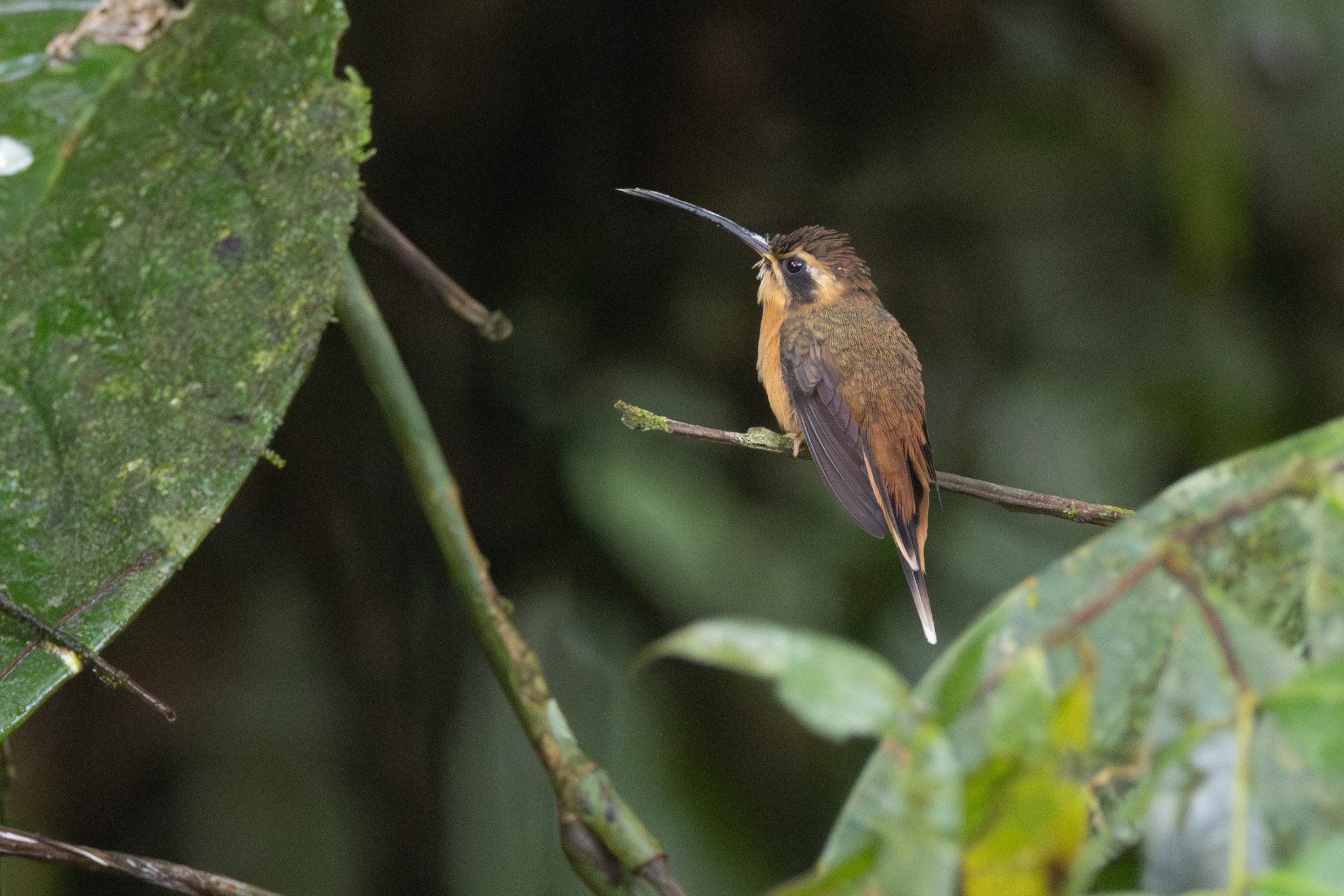
Grey-chinned Hermit
Phaethornis griseogularis Highland forest of the Guiana Shield
- Secondary forest and forest edge
- Tall terra firme forest
-

Reddish Hermit
Phaethornis ruber- Tall terra firme forest
- Secondary forest and forest edge
- Várzea (whitewater flooded forest)
 Igapó (blackwater flooded forest)
- Coastal lowland forest
-

Buff-bellied Hermit
Phaethornis subochraceus- Cerradão and dry woodland
 Gallery forest and woodland islands of the Pantanal
- Veredas and gallery forest
- Secondary forest and forest edge
-

Sooty-capped Hermit
Phaethornis augusti- Montane forest of the Venezuelan coastal range
- Montane forest of the Venezuelan Andes and Perijá
- Highland forest of the Guiana Shield
- Dry forest and thorn scrub of northern Venezuela
- Secondary forest and forest edge
- Plantations and agroforestry
-

Planalto Hermit
Phaethornis pretrei- Veredas and gallery forest
- Cerradão and dry woodland
- Interior semi-deciduous forest
 Brejos and highland forest
- Towns, cities and gardens
-

Scale-throated Hermit
Phaethornis eurynome- Montane forest of the Serra do Mar
- Coastal lowland forest
 Araucaria forest
- Interior semi-deciduous forest
Doryfera 2 species


Schistes 1 species

Augastes 2 species


Colibri 4 species
-

White-vented Violetear
Colibri serrirostris Cerrado savanna
 Campo rupestre and mountain grassland
- Veredas and gallery forest
- Interior semi-deciduous forest
- Towns, cities and gardens
-

Sparkling Violetear
Colibri coruscans- Montane forest of the Venezuelan coastal range
- Montane forest of the Venezuelan Andes and Perijá
- Highland forest of the Guiana Shield
 Tepui summits and sandstone scrub
- Towns, cities and gardens
-

Brown Violetear
Colibri delphinae- Highland forest of the Guiana Shield
- Montane forest of the Venezuelan coastal range
- Secondary forest and forest edge
- Plantations and agroforestry
-

Lesser Violetear
Colibri cyanotus- Montane forest of the Venezuelan coastal range
- Montane forest of the Venezuelan Andes and Perijá
- Plantations and agroforestry
- Towns, cities and gardens
Heliactin 1 species

Heliothryx 1 species

Polytmus 3 species
-

White-tailed Goldenthroat
Polytmus guainumbi- Savannas of the Guianas
- Llanos savanna
 Seasonally flooded plain
- Veredas and gallery forest
- Cerrado savanna
 Flooded Llanos and esteros
 Pasture and arable land
-

Tepui Goldenthroat
Polytmus milleri- Tepui summits and sandstone scrub
- Highland forest of the Guiana Shield
-

Green-tailed Goldenthroat
Polytmus theresiae- White-sand forest and campina
- Savannas of the Guianas
- Secondary forest and forest edge
- Mangroves
Avocettula 1 species
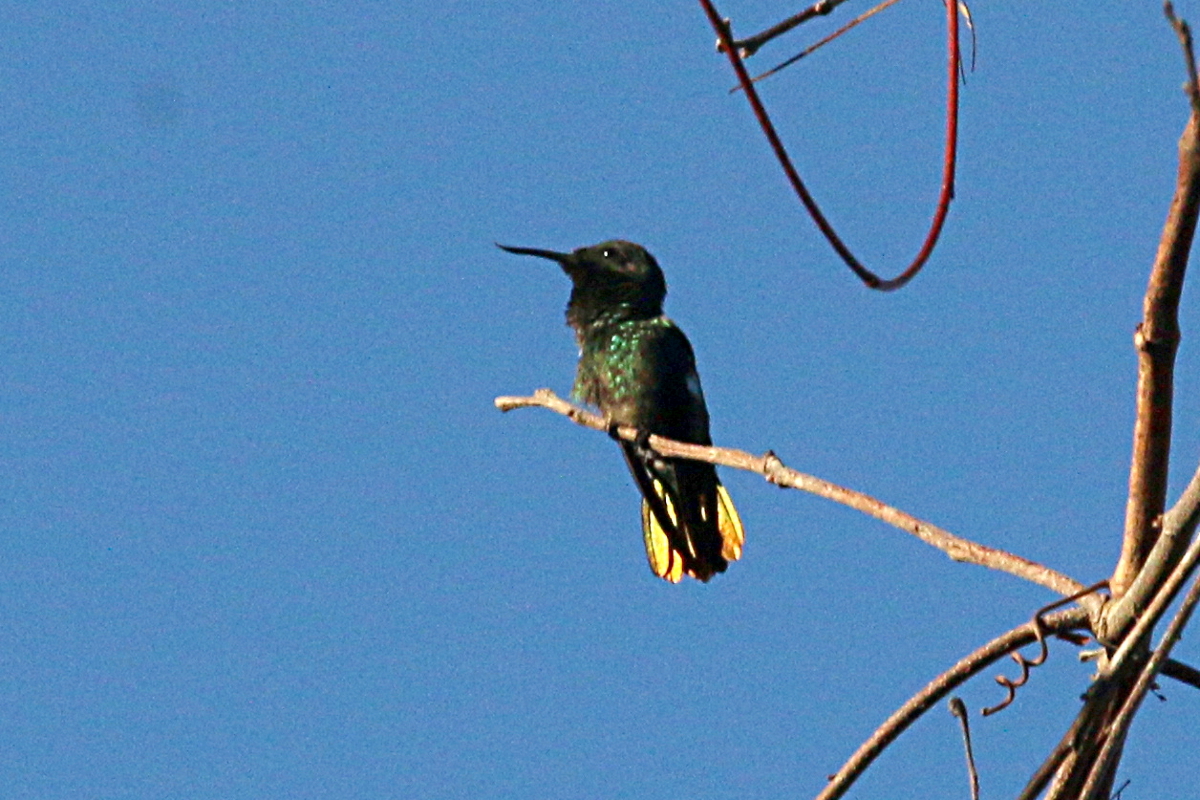
Chrysolampis 1 species

Anthracothorax 3 species
-

Black-throated Mango
Anthracothorax nigricollis- Secondary forest and forest edge
- Towns, cities and gardens
- Várzea (whitewater flooded forest)
- Veredas and gallery forest
- Coastal lowland forest
-
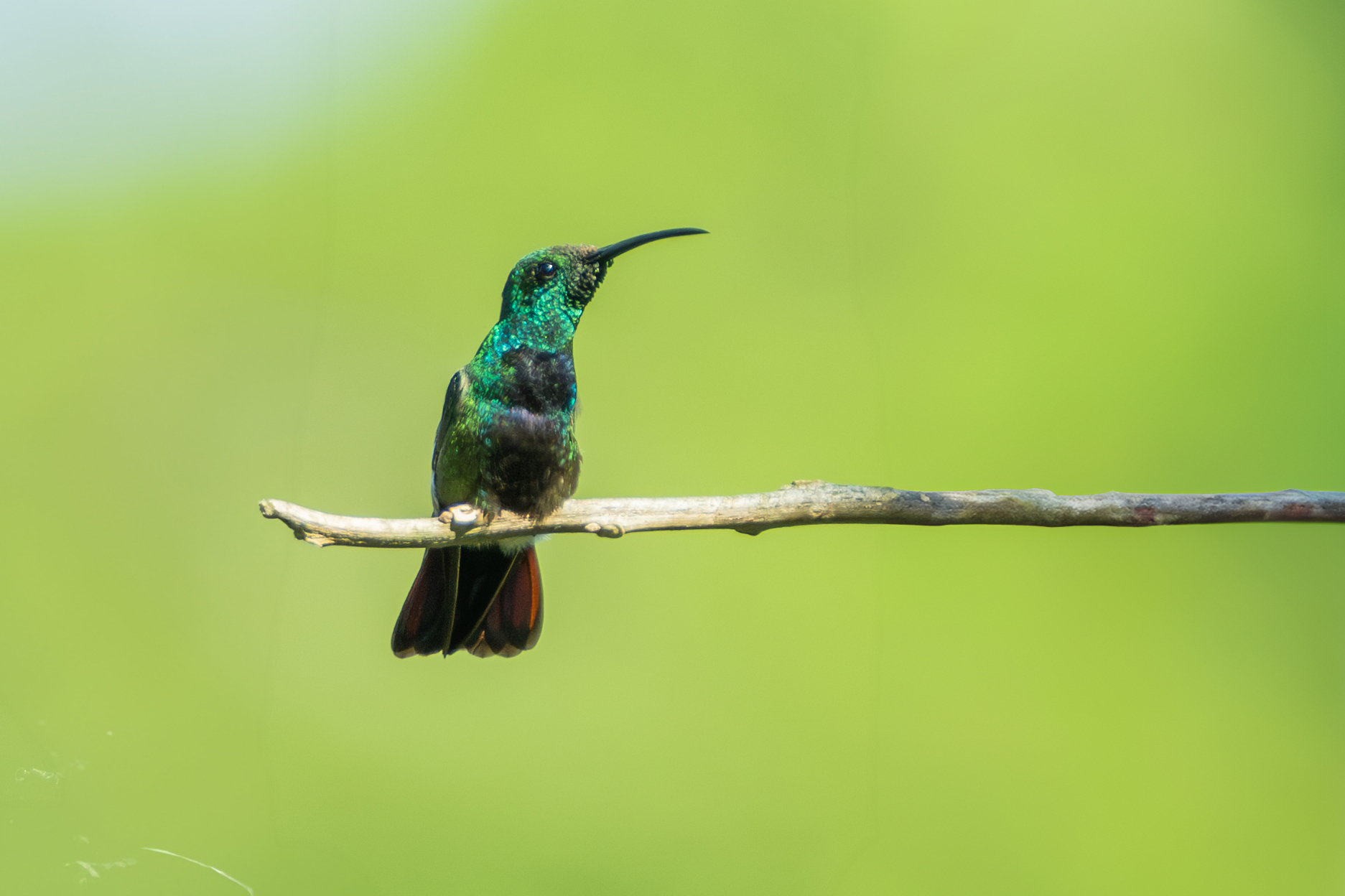
Green-throated Mango
Anthracothorax viridigula- Mangroves
- Várzea (whitewater flooded forest)
- Savannas of the Guianas
- Secondary forest and forest edge
- Towns, cities and gardens
-

Green-breasted Mango
Anthracothorax prevostii- Dry forest and thorn scrub of northern Venezuela
- Mangroves
- Towns, cities and gardens
Eriocnemis 2 species


Lafresnaya 1 species

Coeligena 7 species
-

Bronzy Inca
Coeligena coeligena- Montane forest of the Venezuelan Andes and Perijá
- Montane forest of the Venezuelan coastal range
-

Collared Inca
Coeligena torquata- Montane forest of the Venezuelan Andes and Perijá
-

Green Inca
Coeligena conradii- Montane forest of the Venezuelan Andes and Perijá
-

Perija Starfrontlet
Coeligena consita- Montane forest of the Venezuelan Andes and Perijá
-

Golden-bellied Starfrontlet
Coeligena bonapartei- Montane forest of the Venezuelan Andes and Perijá
-
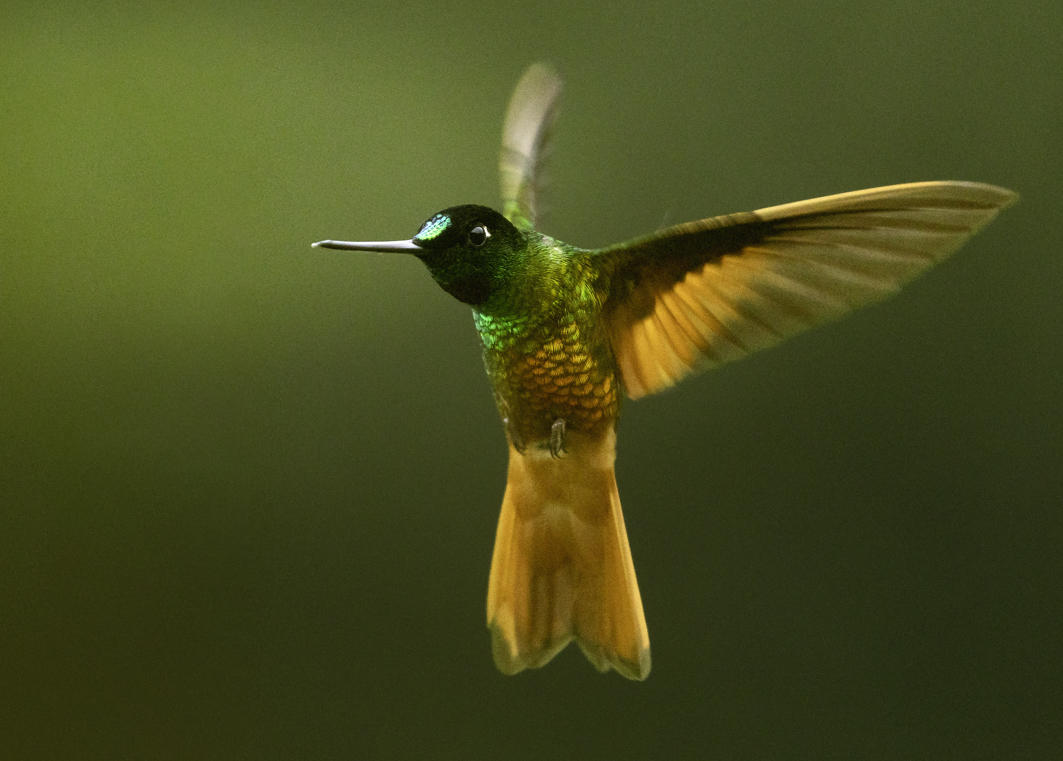
Golden-tailed Starfrontlet
Coeligena eos- Montane forest of the Venezuelan Andes and Perijá
-

Blue-throated Starfrontlet
Coeligena helianthea- Montane forest of the Venezuelan Andes and Perijá
Ensifera 1 species

Boissonneaua 1 species

Ocreatus 1 species

Hylonympha 1 species
Sternoclyta 1 species

Heliodoxa 5 species
-
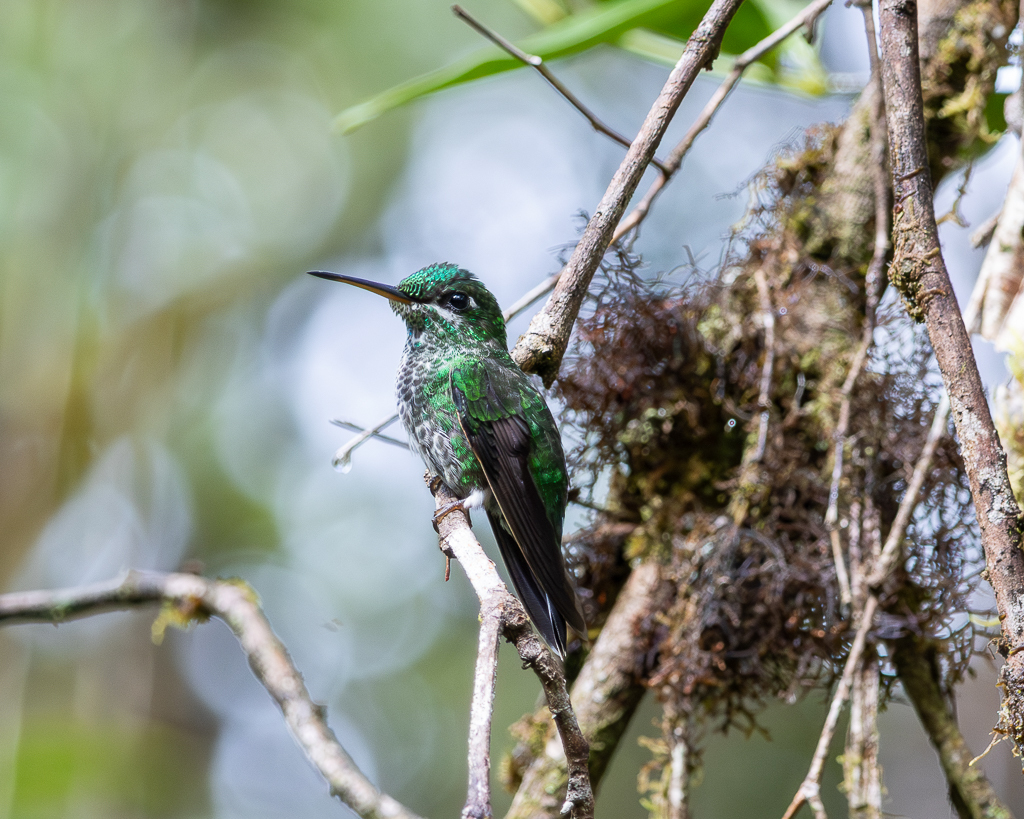
Velvet-browed Brilliant
Heliodoxa xanthogonys- Highland forest of the Guiana Shield
- Tall terra firme forest
-

Black-throated Brilliant
Heliodoxa schreibersii- Tall terra firme forest
- Blackwater rivers and small streams
- Secondary forest and forest edge
-
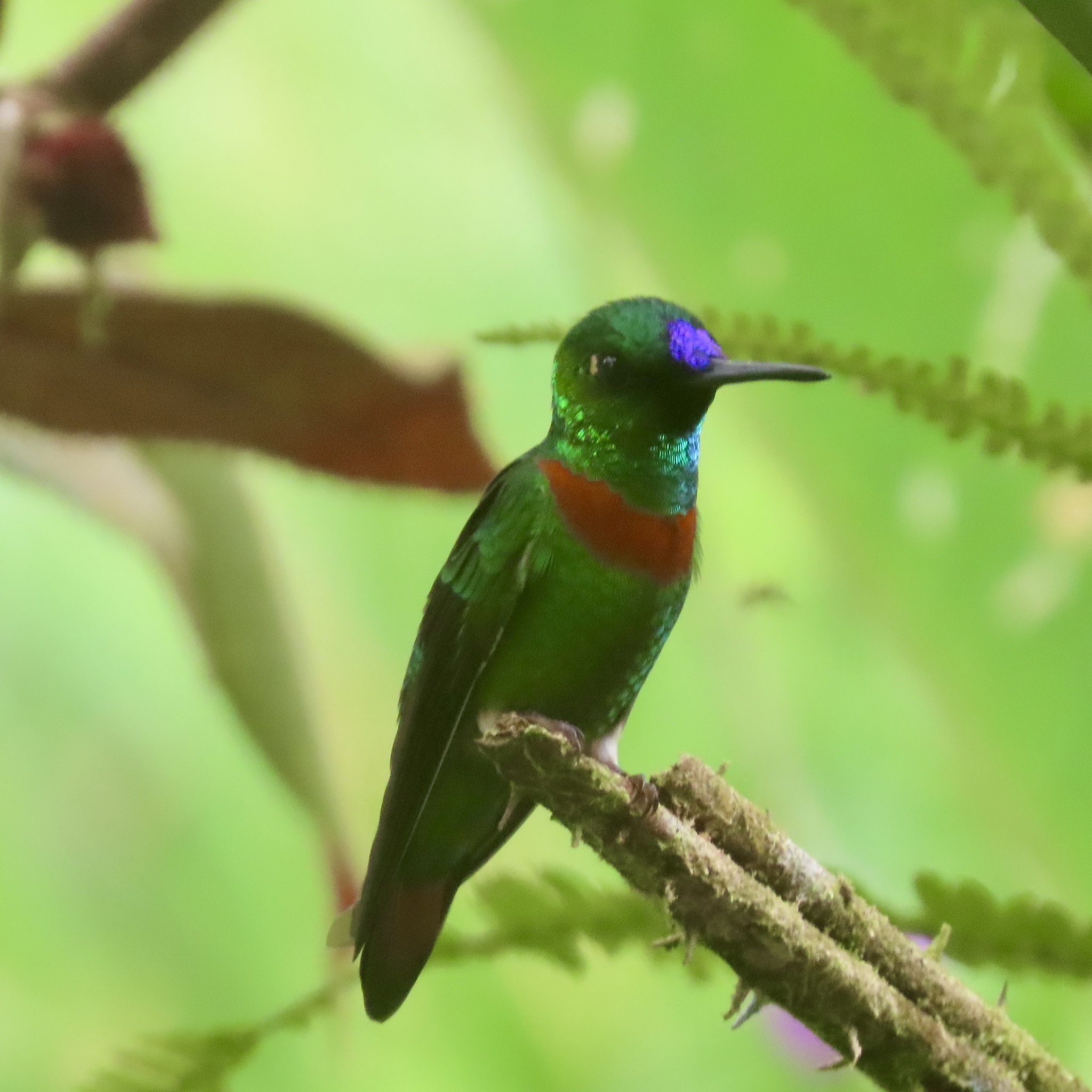
Gould's Jewelfront
Heliodoxa aurescens- Tall terra firme forest
- Secondary forest and forest edge
- Várzea (whitewater flooded forest)
-

Violet-fronted Brilliant
Heliodoxa leadbeateri- Montane forest of the Venezuelan coastal range
- Montane forest of the Venezuelan Andes and Perijá
- Plantations and agroforestry
-

Brazilian Ruby
Heliodoxa rubricauda- Coastal lowland forest
- Montane forest of the Serra do Mar
- Interior semi-deciduous forest
- Towns, cities and gardens
- Plantations and agroforestry
Discosura 2 species
-

Black-bellied Thorntail
Discosura langsdorffi- Tall terra firme forest
- Secondary forest and forest edge
- Várzea (whitewater flooded forest)
- Coastal lowland forest
-

Racket-tipped Thorntail
Discosura longicaudus- Secondary forest and forest edge
- Tall terra firme forest
- White-sand forest and campina
- Savannas of the Guianas
- Coastal lowland forest
- Northeastern coastal forest
Lophornis 7 species
-

Tufted Coquette
Lophornis ornatus- Secondary forest and forest edge
- Towns, cities and gardens
- Savannas of the Guianas
- Plantations and agroforestry
-

Dot-eared Coquette
Lophornis gouldii- Veredas and gallery forest
- Cerradão and dry woodland
- Secondary forest and forest edge
- Cerrado savanna
-

Frilled Coquette
Lophornis magnificus- Interior semi-deciduous forest
- Coastal lowland forest
- Veredas and gallery forest
- Plantations and agroforestry
- Towns, cities and gardens
-

Spangled Coquette
Lophornis stictolophus- Montane forest of the Venezuelan coastal range
- Montane forest of the Venezuelan Andes and Perijá
- Plantations and agroforestry
- Towns, cities and gardens
-

Butterfly Coquette
Lophornis verreauxii- Secondary forest and forest edge
- Várzea (whitewater flooded forest)
- White-sand forest and campina
- Tall terra firme forest
-

Festive Coquette
Lophornis chalybeus- Coastal lowland forest
- Montane forest of the Serra do Mar
- Interior semi-deciduous forest
- Secondary forest and forest edge
- Veredas and gallery forest
-
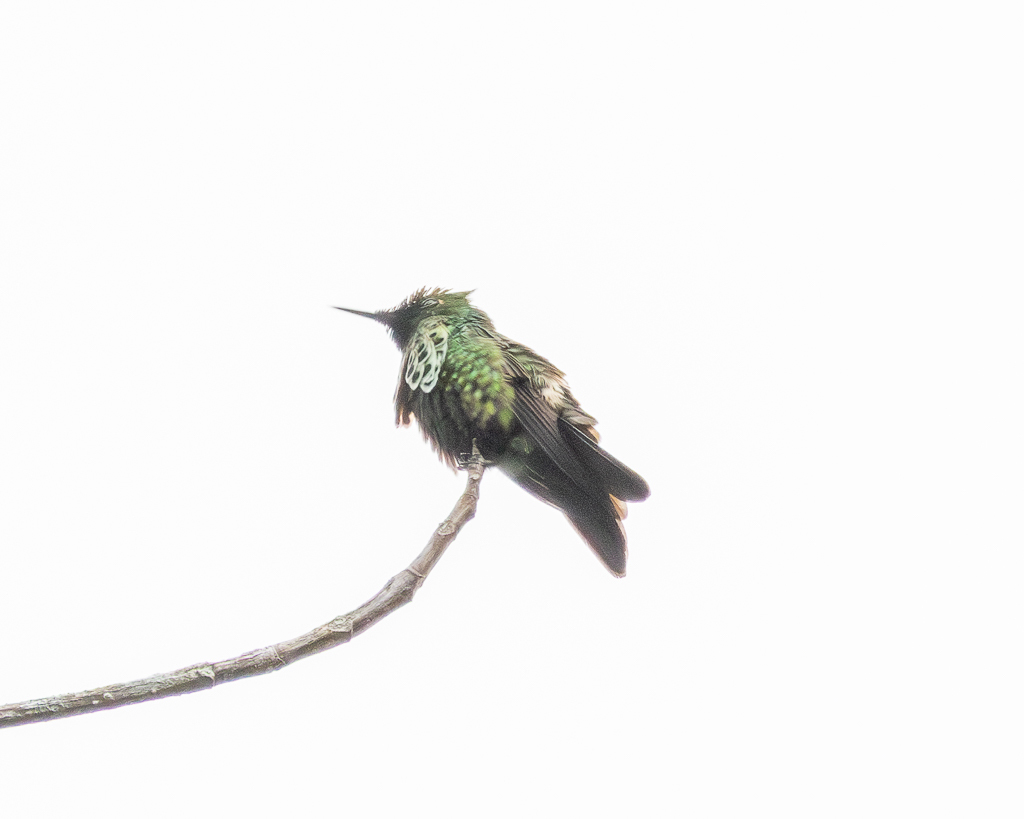
Peacock Coquette
Lophornis pavoninus- Highland forest of the Guiana Shield
- Tall terra firme forest
Heliangelus 3 species


Adelomyia 1 species

Aglaiocercus 2 species

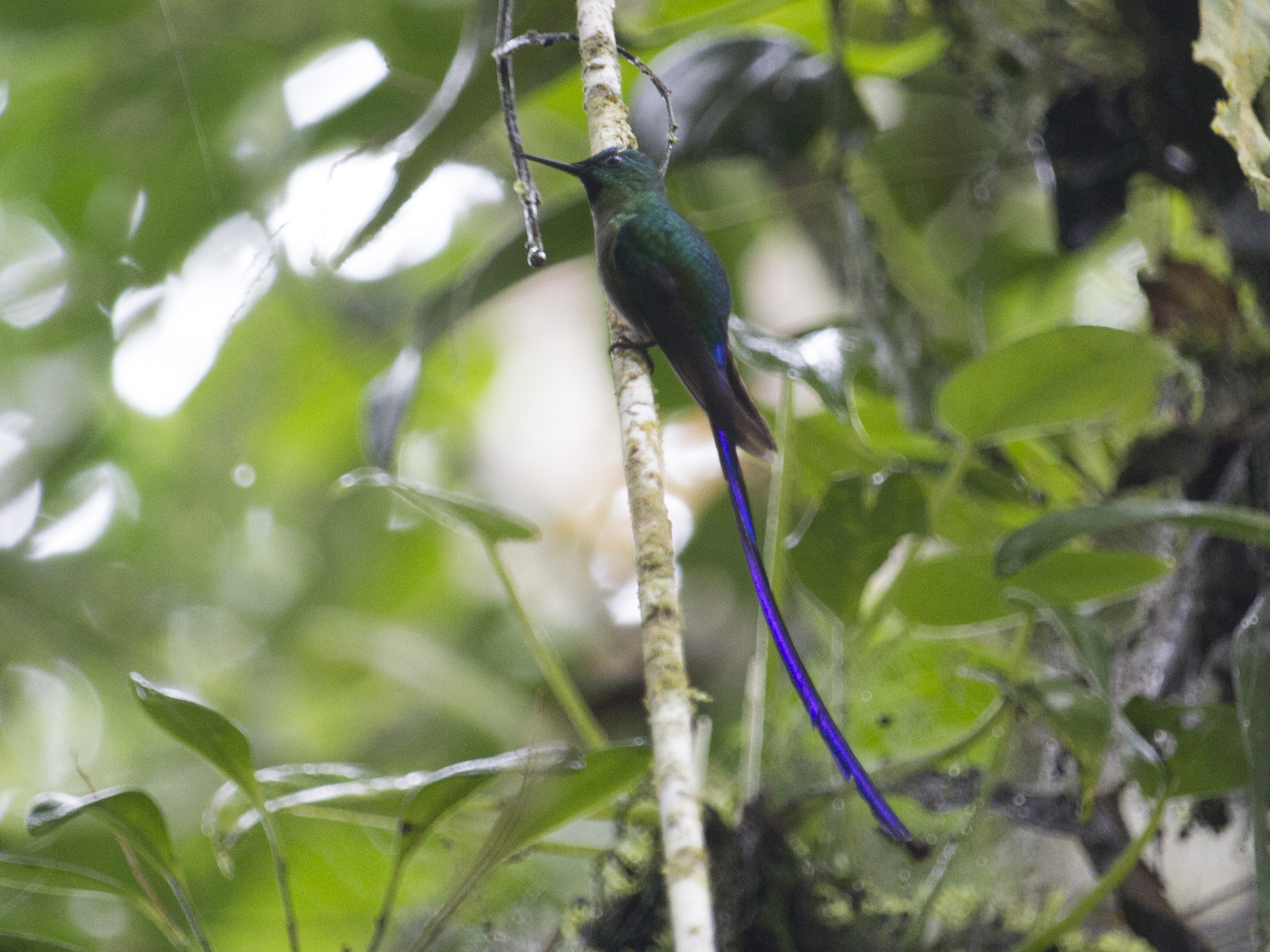
Ramphomicron 1 species

Metallura 2 species
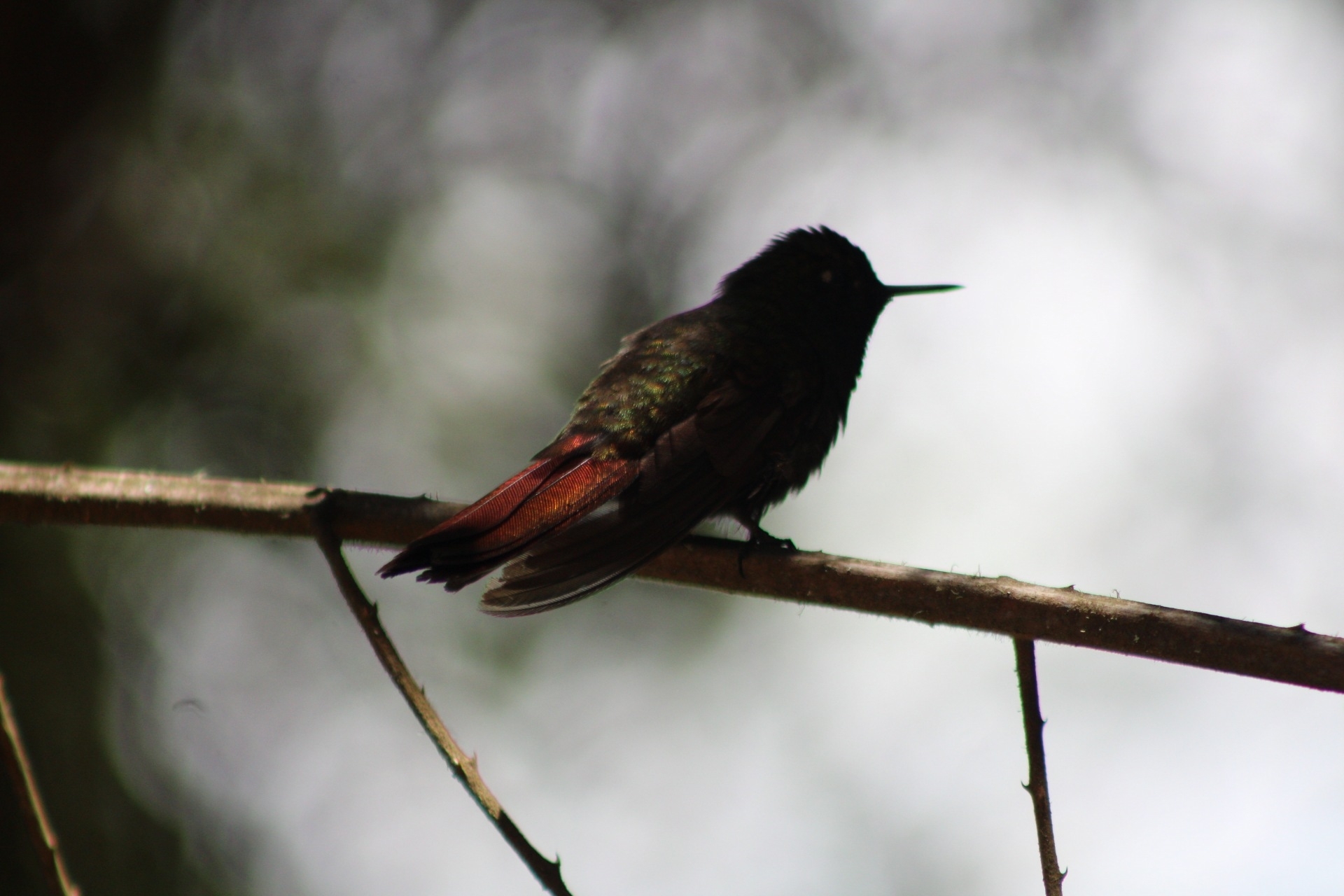

Oxypogon 1 species

Chalcostigma 1 species

Heliomaster 3 species
-

Long-billed Starthroat
Heliomaster longirostris- Secondary forest and forest edge
- Veredas and gallery forest
- Várzea (whitewater flooded forest)
- Dry forest and thorn scrub of northern Venezuela
- Plantations and agroforestry
-

Stripe-breasted Starthroat
Heliomaster squamosus- Interior semi-deciduous forest
- Veredas and gallery forest
- Cerradão and dry woodland
- Dry forest of the north-east
- Towns, cities and gardens
-

Blue-tufted Starthroat
Heliomaster furcifer- Cerrado savanna
- Cerradão and dry woodland
- Veredas and gallery forest
- Gallery forest and woodland islands of the Pantanal
- Dry forest of the north-east
Calliphlox 1 species

Chaetocercus 2 species

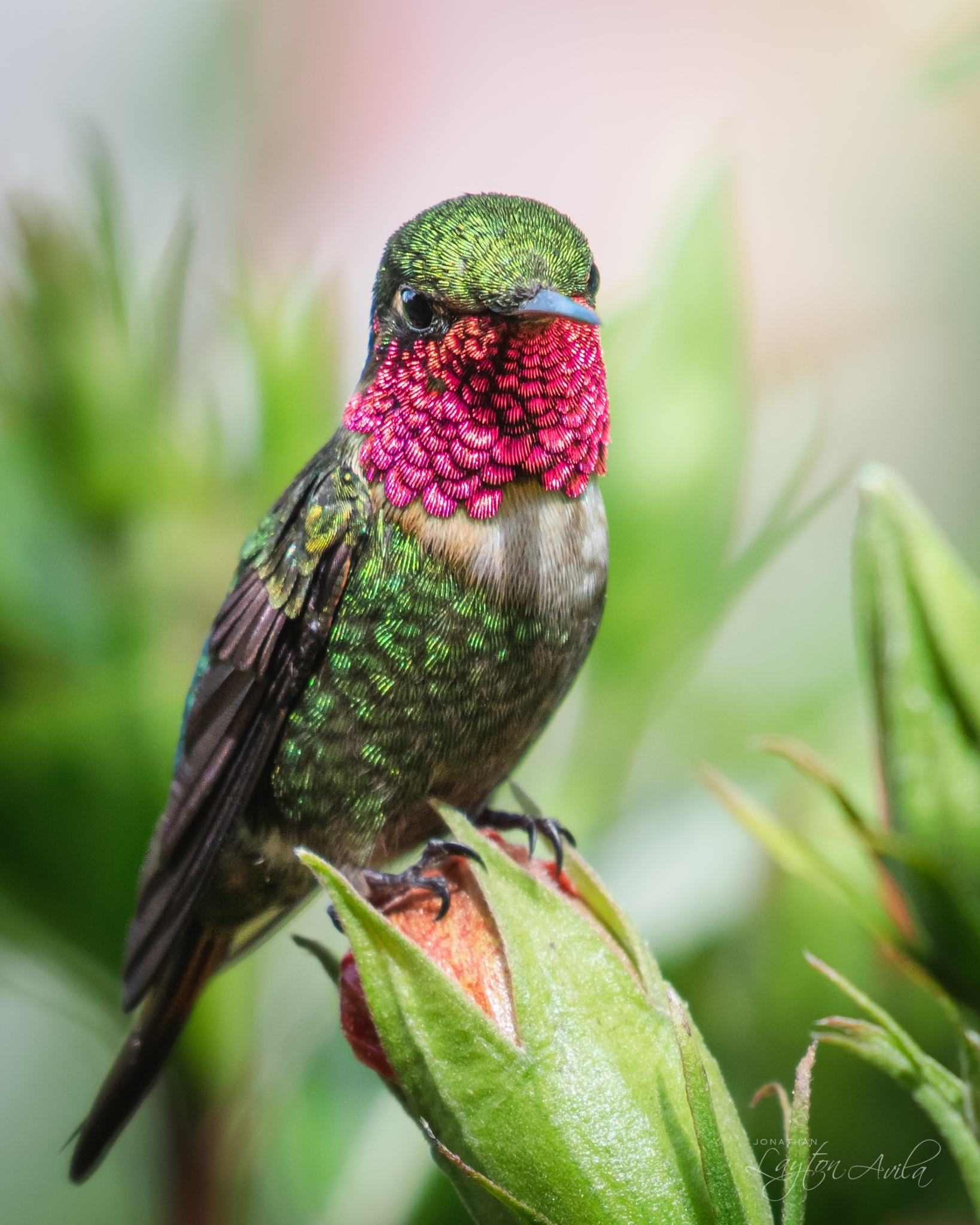
Chlorostilbon 7 species
-

Blue-tailed Emerald
Chlorostilbon mellisugus- Secondary forest and forest edge
- Llanos savanna
- Savannas of the Guianas
- Dry forest and thorn scrub of northern Venezuela
- Towns, cities and gardens
-

Red-billed Emerald
Chlorostilbon gibsoni- Dry forest and thorn scrub of northern Venezuela
- Towns, cities and gardens
- Pasture and arable land
-

Glittering-bellied Emerald
Chlorostilbon lucidus- Cerrado savanna
- Cerradão and dry woodland
 Caatinga scrub
- Interior semi-deciduous forest
- Gallery forest and woodland islands of the Pantanal
- Towns, cities and gardens
-

Short-tailed Emerald
Chlorostilbon poortmani- Montane forest of the Venezuelan Andes and Perijá
- Plantations and agroforestry
- Towns, cities and gardens
-
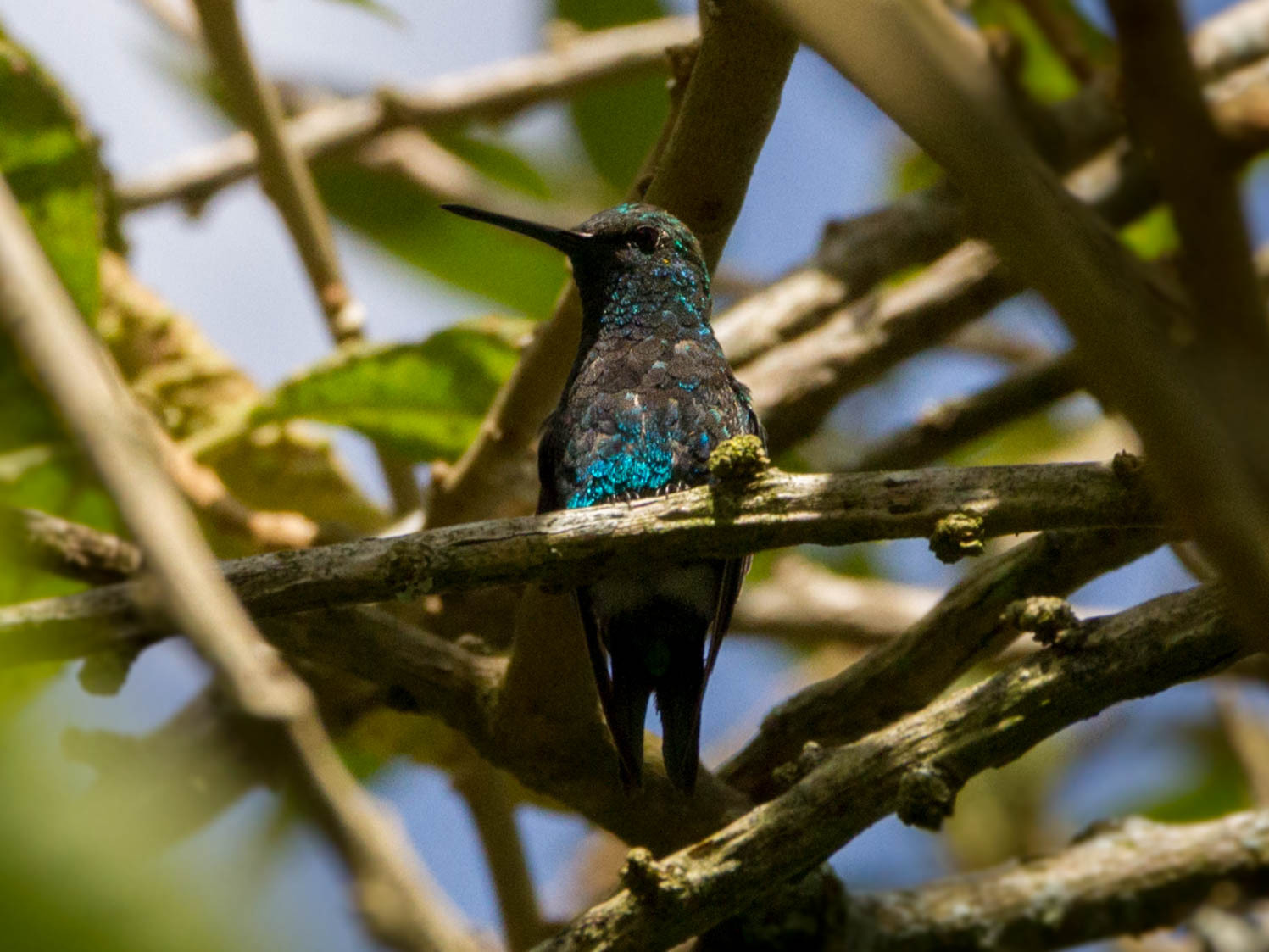
Narrow-tailed Emerald
Chlorostilbon stenurus- Montane forest of the Venezuelan Andes and Perijá
- Montane forest of the Venezuelan coastal range
-
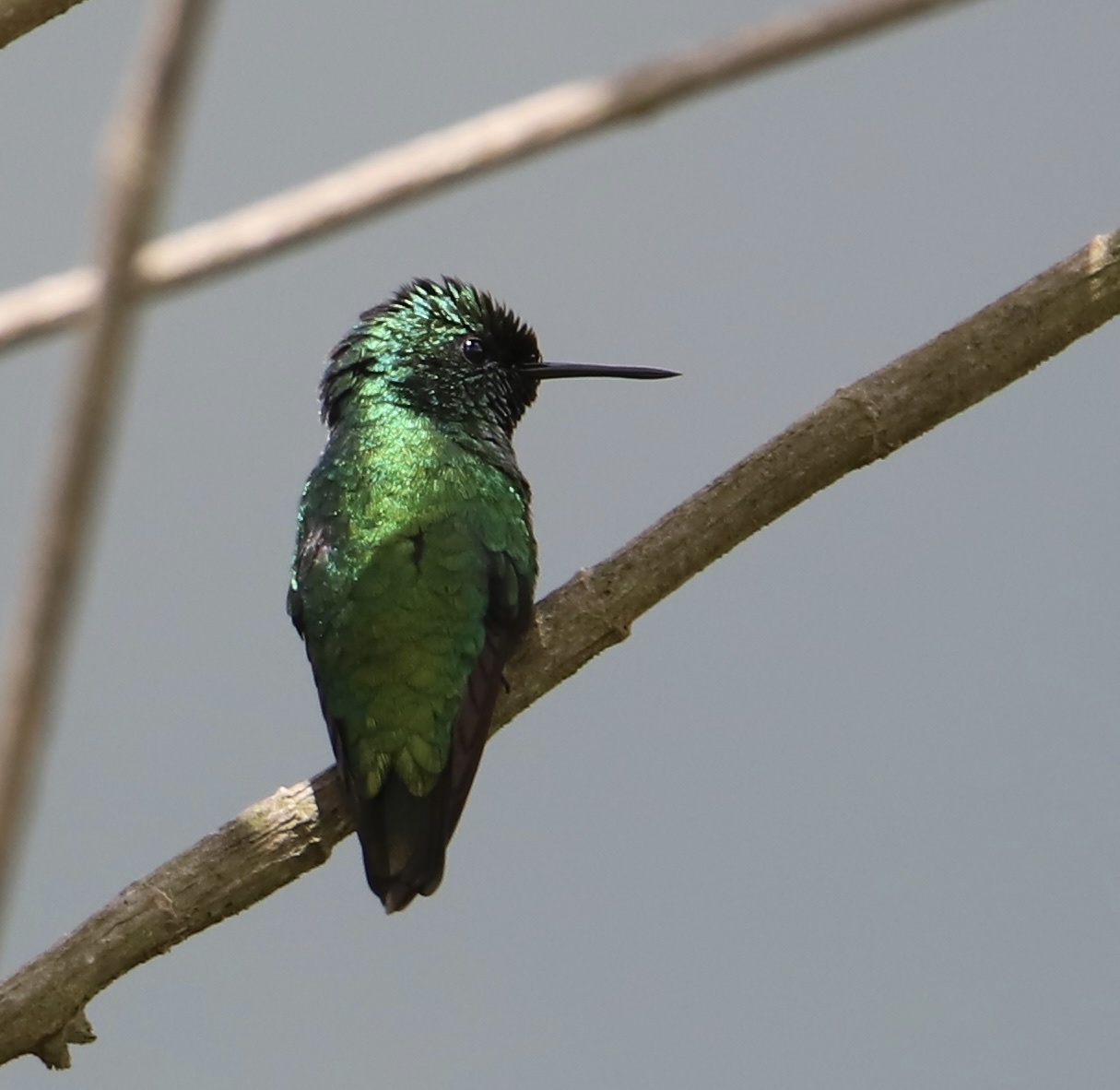
Green-tailed Emerald
Chlorostilbon alice- Montane forest of the Venezuelan coastal range
- Montane forest of the Venezuelan Andes and Perijá
- Plantations and agroforestry
- Towns, cities and gardens
-

Coppery Emerald
Chlorostilbon russatus- Montane forest of the Venezuelan Andes and Perijá
- Plantations and agroforestry

Stephanoxis 2 species


Campylopterus 7 species
-

Grey-breasted Sabrewing
Campylopterus largipennis- Tall terra firme forest
- Várzea (whitewater flooded forest)
- Igapó (blackwater flooded forest)
- Blackwater rivers and small streams
- Secondary forest and forest edge
-

Outcrop Sabrewing
Campylopterus calcirupicola- Dry forest of the north-east
- Cerradão and dry woodland
- Veredas and gallery forest
-
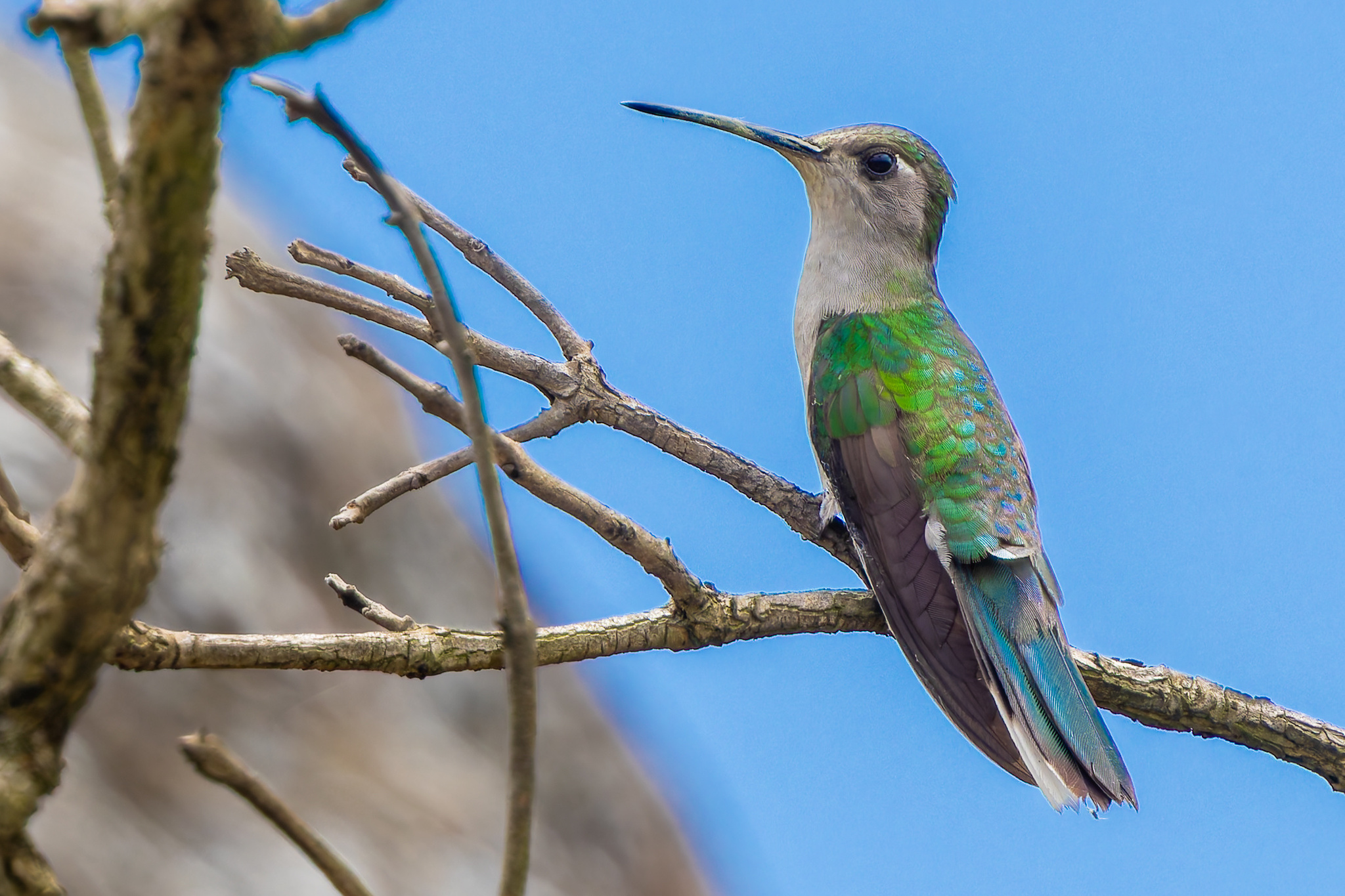
Diamantina Sabrewing
Campylopterus diamantinensis- Campo rupestre and mountain grassland
- Veredas and gallery forest
- Brejos and highland forest
-

Rufous-breasted Sabrewing
Campylopterus hyperythrus- Highland forest of the Guiana Shield
- Tepui summits and sandstone scrub
-
Buff-breasted Sabrewing
Campylopterus duidae- Highland forest of the Guiana Shield
- Tepui summits and sandstone scrub
-

Lazuline Sabrewing
Campylopterus falcatus- Montane forest of the Venezuelan Andes and Perijá
- Montane forest of the Venezuelan coastal range
- Plantations and agroforestry
- Towns, cities and gardens
-

White-tailed Sabrewing
Campylopterus ensipennis- Montane forest of the Venezuelan coastal range
- Plantations and agroforestry

Thalurania 4 species
-

Violet-capped Woodnymph
Thalurania glaucopis- Coastal lowland forest
- Montane forest of the Serra do Mar
- Interior semi-deciduous forest
- Araucaria forest
- Restinga
- Towns, cities and gardens
-

Long-tailed Woodnymph
Thalurania watertonii- Northeastern coastal forest
- Restinga
- Plantations and agroforestry
-

Crowned Woodnymph
Thalurania colombica- Montane forest of the Venezuelan Andes and Perijá
- Montane forest of the Venezuelan coastal range
- Plantations and agroforestry
-

Fork-tailed Woodnymph
Thalurania furcata- Tall terra firme forest
- Várzea (whitewater flooded forest)
- Secondary forest and forest edge
- Veredas and gallery forest
- Highland forest of the Guiana Shield
Leucippus 1 species

Eupetomena 2 species
-

Sombre Hummingbird
Eupetomena cirrochloris- Coastal lowland forest
- Interior semi-deciduous forest
- Montane forest of the Serra do Mar
- Towns, cities and gardens
- Veredas and gallery forest
-

Swallow-tailed Hummingbird
Eupetomena macroura- Cerrado savanna
- Veredas and gallery forest
- Towns, cities and gardens
- Caatinga scrub
- Secondary forest and forest edge
- Savannas of the Guianas
Talaphorus 1 species
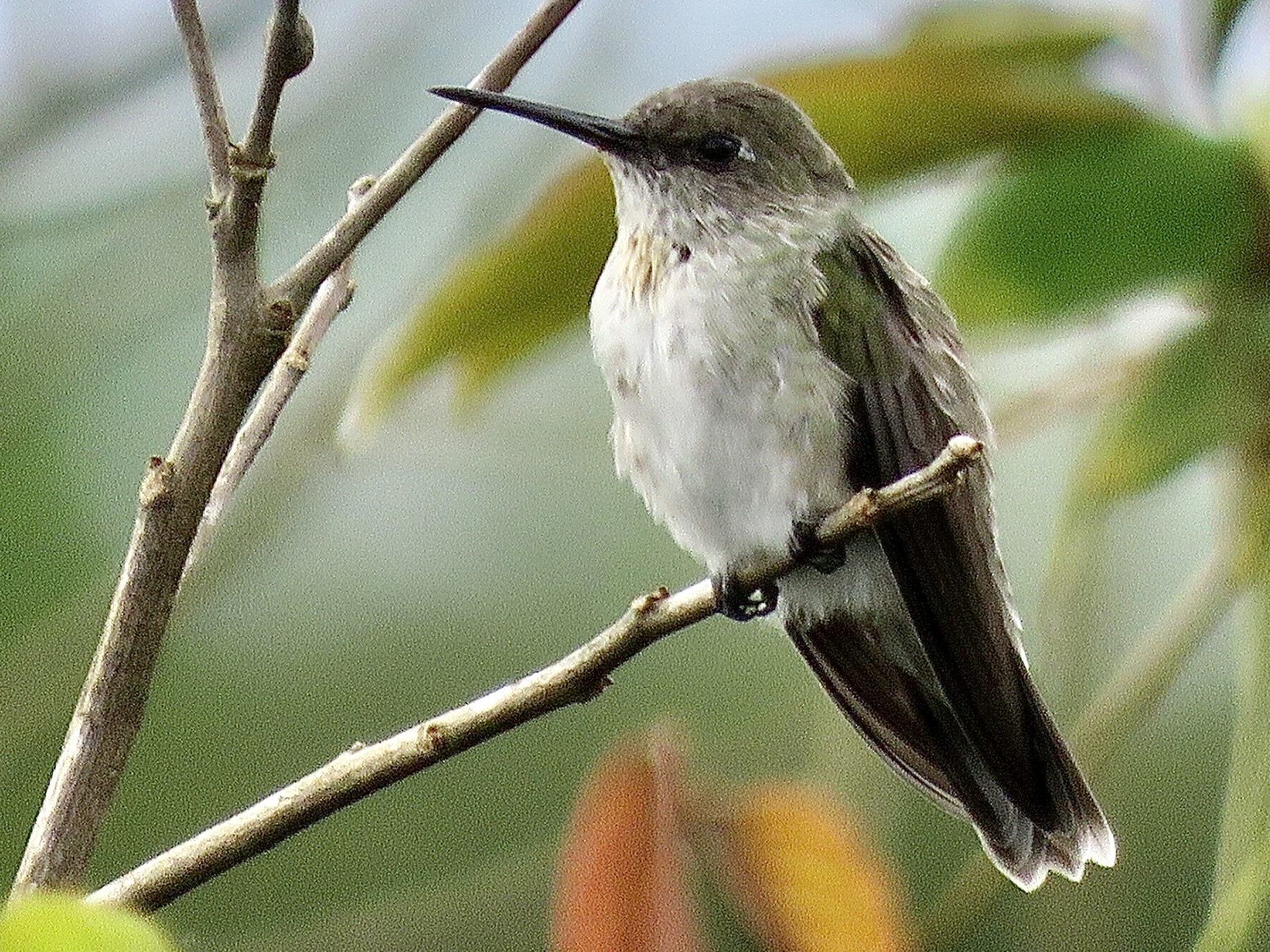

Saucerottia 4 species
-

Steely-vented Hummingbird
Saucerottia saucerottei- Dry forest and thorn scrub of northern Venezuela
- Montane forest of the Venezuelan Andes and Perijá
- Secondary forest and forest edge
- Plantations and agroforestry
- Towns, cities and gardens
-

Green-bellied Hummingbird
Saucerottia viridigaster- Montane forest of the Venezuelan Andes and Perijá
- Secondary forest and forest edge
- Plantations and agroforestry
- Llanos savanna
-

Copper-tailed Hummingbird
Saucerottia cupreicauda- Savannas of the Guianas
- Highland forest of the Guiana Shield
-

Copper-rumped Hummingbird
Saucerottia tobaci- Montane forest of the Venezuelan coastal range
- Dry forest and thorn scrub of northern Venezuela
- Secondary forest and forest edge
- Towns, cities and gardens
- Plantations and agroforestry
- Llanos savanna

Chrysuronia 6 species
-

Versicolored Emerald
Chrysuronia versicolor- Veredas and gallery forest
- Secondary forest and forest edge
- Interior semi-deciduous forest
- Cerrado savanna
- Towns, cities and gardens
- Llanos savanna
-

Shining-green Hummingbird
Chrysuronia goudoti- Dry forest and thorn scrub of northern Venezuela
- Secondary forest and forest edge
- Plantations and agroforestry
- Towns, cities and gardens
- Montane forest of the Venezuelan Andes and Perijá
-

Golden-tailed Sapphire
Chrysuronia oenone- Montane forest of the Venezuelan coastal range
- Montane forest of the Venezuelan Andes and Perijá
- Secondary forest and forest edge
- Plantations and agroforestry
-

Sapphire-throated Hummingbird
Chrysuronia coeruleogularis- Mangroves
- Dry forest and thorn scrub of northern Venezuela
- Towns, cities and gardens
-

White-chested Emerald
Chrysuronia brevirostris- Secondary forest and forest edge
- Savannas of the Guianas
- Towns, cities and gardens
- Plantations and agroforestry
-

Plain-bellied Emerald
Chrysuronia leucogaster- Mangroves
- Restinga
- Towns, cities and gardens
- Secondary forest and forest edge
- Northeastern coastal forest
Leucochloris 1 species

Chionomesa 2 species
-

Sapphire-spangled Emerald
Chionomesa lactea- Secondary forest and forest edge
- Interior semi-deciduous forest
- Coastal lowland forest
- Veredas and gallery forest
- Towns, cities and gardens
-

Glittering-throated Emerald
Chionomesa fimbriata- Secondary forest and forest edge
- Várzea (whitewater flooded forest)
- Towns, cities and gardens
- Veredas and gallery forest
- Llanos savanna
- Restinga
Hylocharis 2 species
-

Rufous-throated Sapphire
Hylocharis sapphirina- Secondary forest and forest edge
- Coastal lowland forest
- Veredas and gallery forest
- White-sand forest and campina
- Savannas of the Guianas
-

Gilded Sapphire
Hylocharis chrysura- Veredas and gallery forest
- Cerradão and dry woodland
- Gallery forest and woodland islands of the Pantanal
- Interior semi-deciduous forest
 Woodland and scrub of the southern hills
- Towns, cities and gardens
Chlorestes 2 species
-

White-chinned Sapphire
Chlorestes cyanus- Secondary forest and forest edge
- Coastal lowland forest
- Northeastern coastal forest
- Dry forest and thorn scrub of northern Venezuela
- Várzea (whitewater flooded forest)
- Plantations and agroforestry
-

Blue-chinned Sapphire
Chlorestes notata- Secondary forest and forest edge
- Tall terra firme forest
- Várzea (whitewater flooded forest)
- Northeastern coastal forest
- Coastal lowland forest
- Plantations and agroforestry