All species › Swifts › Swifts
Swifts | Apodidae
Gierzwaluwen | Vencejos | Swifts
Twenty-one species in six genera occur in this guide, from the Amazonian foothills to high in the Andes. A cigar-shaped body, long scythe-like wings held stiff in a glide, and a short tail, square or forked; the bill is tiny, but the gape tears open to below the eye, so that the head itself is the net. Almost everything happens in the air: the catching of drifting insects and spiders, drinking, bathing, picking up nest material and mating; the large White-collared Swifts hunt in noisy flocks over ridges and valleys. The catch is bound together in the throat with saliva into a ball and given to the chick. The nest too is fixed with saliva: a cup of moss and mud on a wet rock ledge behind a waterfall in the Streptoprocne and Cypseloides species, a half-saucer in a hollow tree or chimney in the Chaetura species, a pouch against a palm frond in the palm swift and a long, hanging tube of plant down in the Lesser Swallow-tailed Swift. One to three white eggs, a long stay in the nest, and a fledgling that leaves with a fully grown wing; the short legs carry strong hooked claws, and in several genera the shafts of the tail feathers end in spines with which the bird props itself against a rock face or wall.
Native species 17 species
Species that occur here by nature: breeding birds, winter visitors and passage migrants. They are arranged by genus, in the sequence of the list.
Streptoprocne 2 species
-
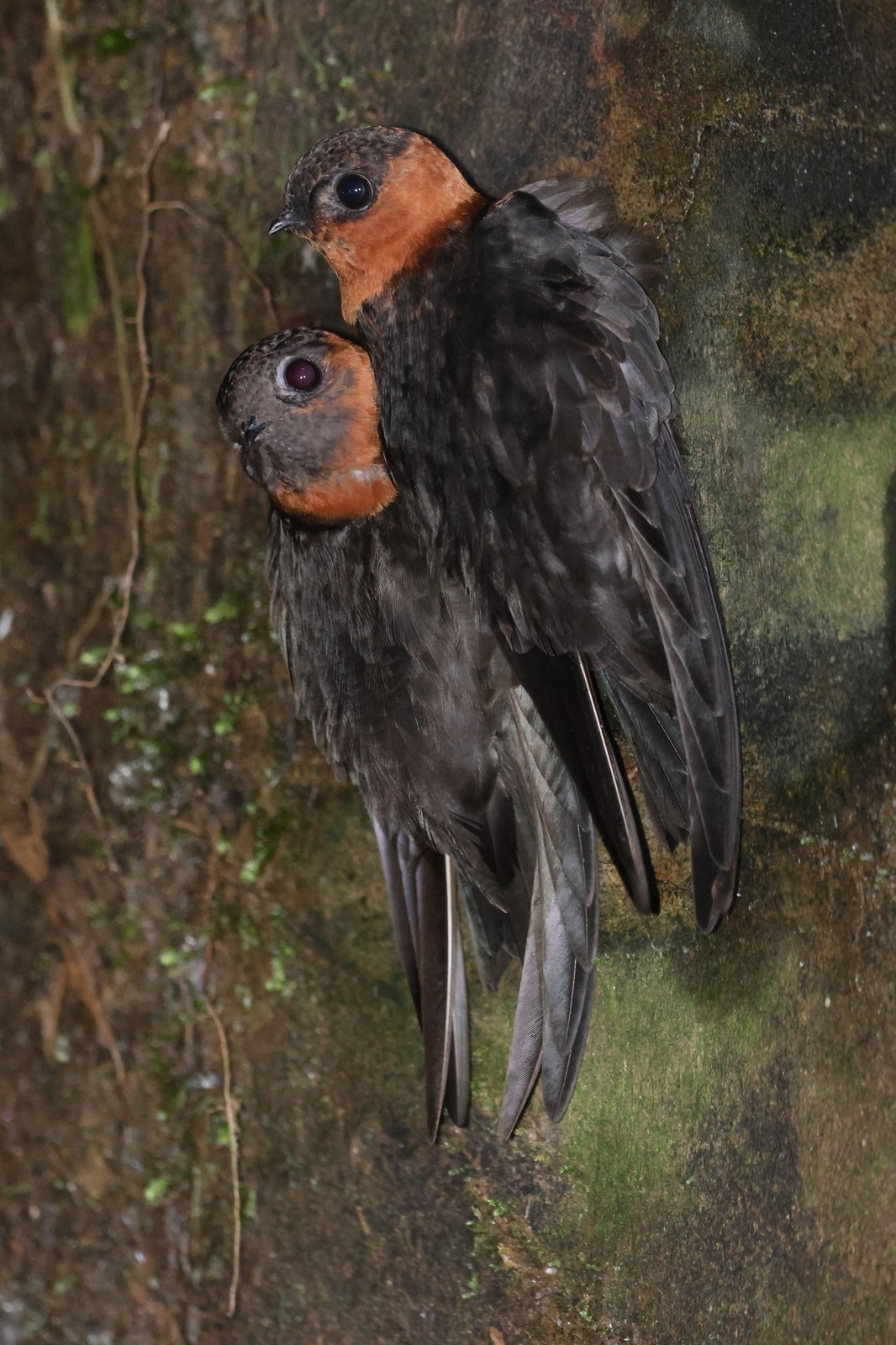
Chestnut-collared Swift
Streptoprocne rutila Northern Andean subtropical forest
 Northern Andean cloud forest and temperate forest
 Lower Yungas forest
 Upper Yungas cloud forest
 Cliffs, gorges and canyons
 Andean rivers and torrents
 Eastern Andean foothill forest
-
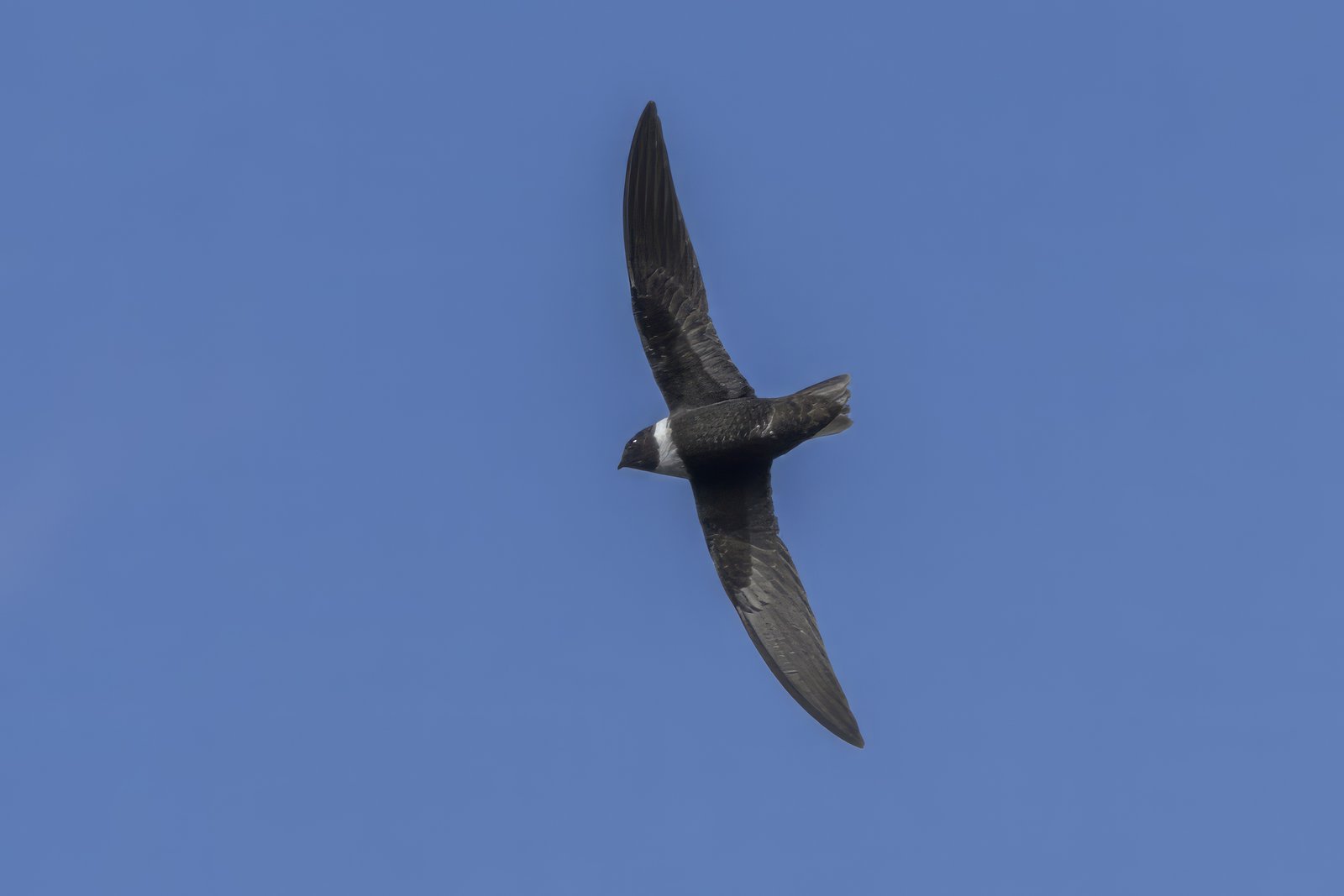
White-collared Swift
Streptoprocne zonaris- Northern Andean subtropical forest
- Northern Andean cloud forest and temperate forest
- Lower Yungas forest
- Upper Yungas cloud forest
- Eastern Andean foothill forest
- Cliffs, gorges and canyons
 Amazonian terra firme rainforest
Cypseloides 4 species
-
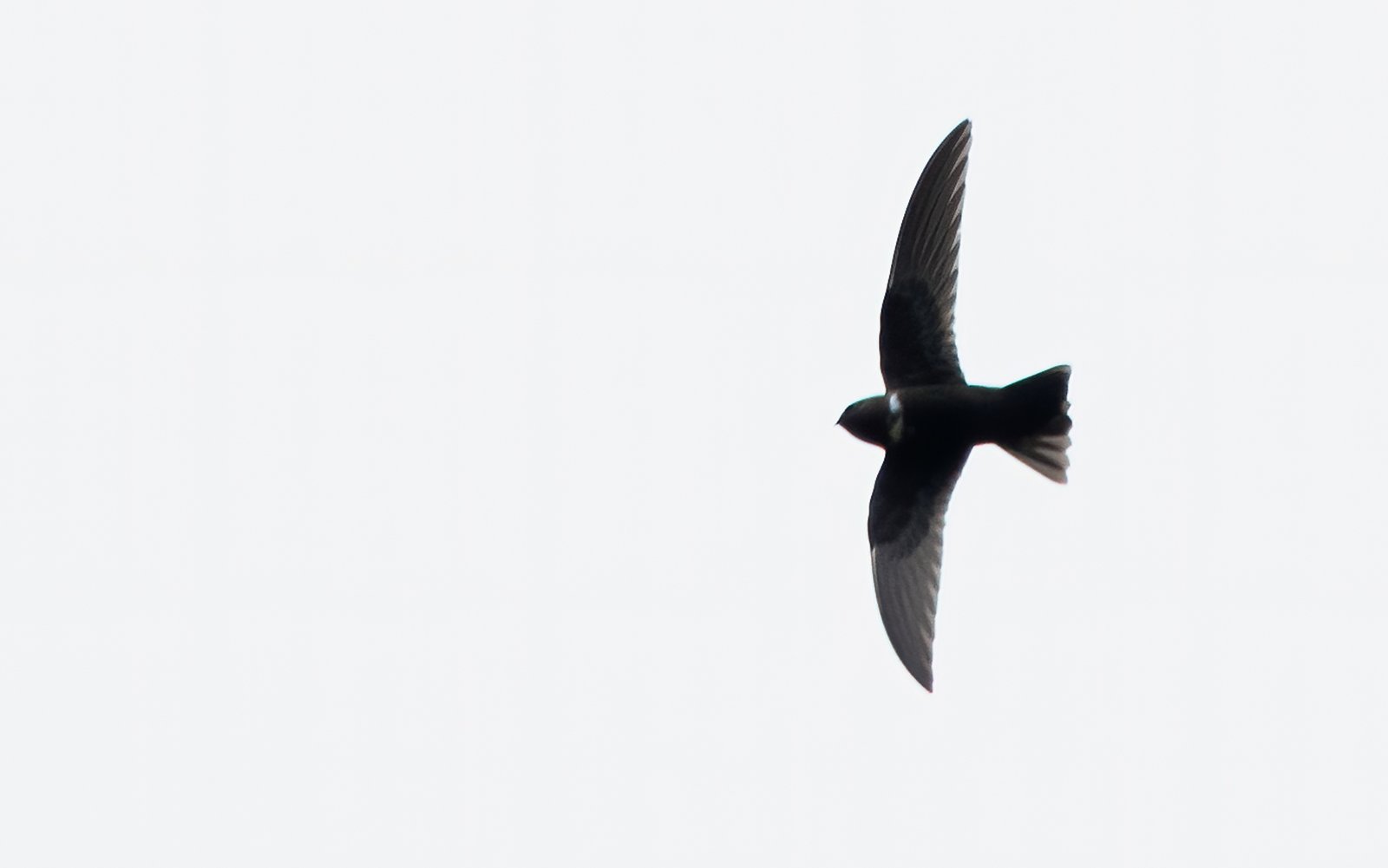
White-chested Swift
Cypseloides lemosi- Eastern Andean foothill forest
 Pasture and ranchland
 Secondary forest and forest edge
- Northern Andean subtropical forest
- Lower Yungas forest
-
Rothschild's Swift
Cypseloides rothschildi- Lower Yungas forest
- Upper Yungas cloud forest
- Cliffs, gorges and canyons
- Eastern Andean foothill forest
-
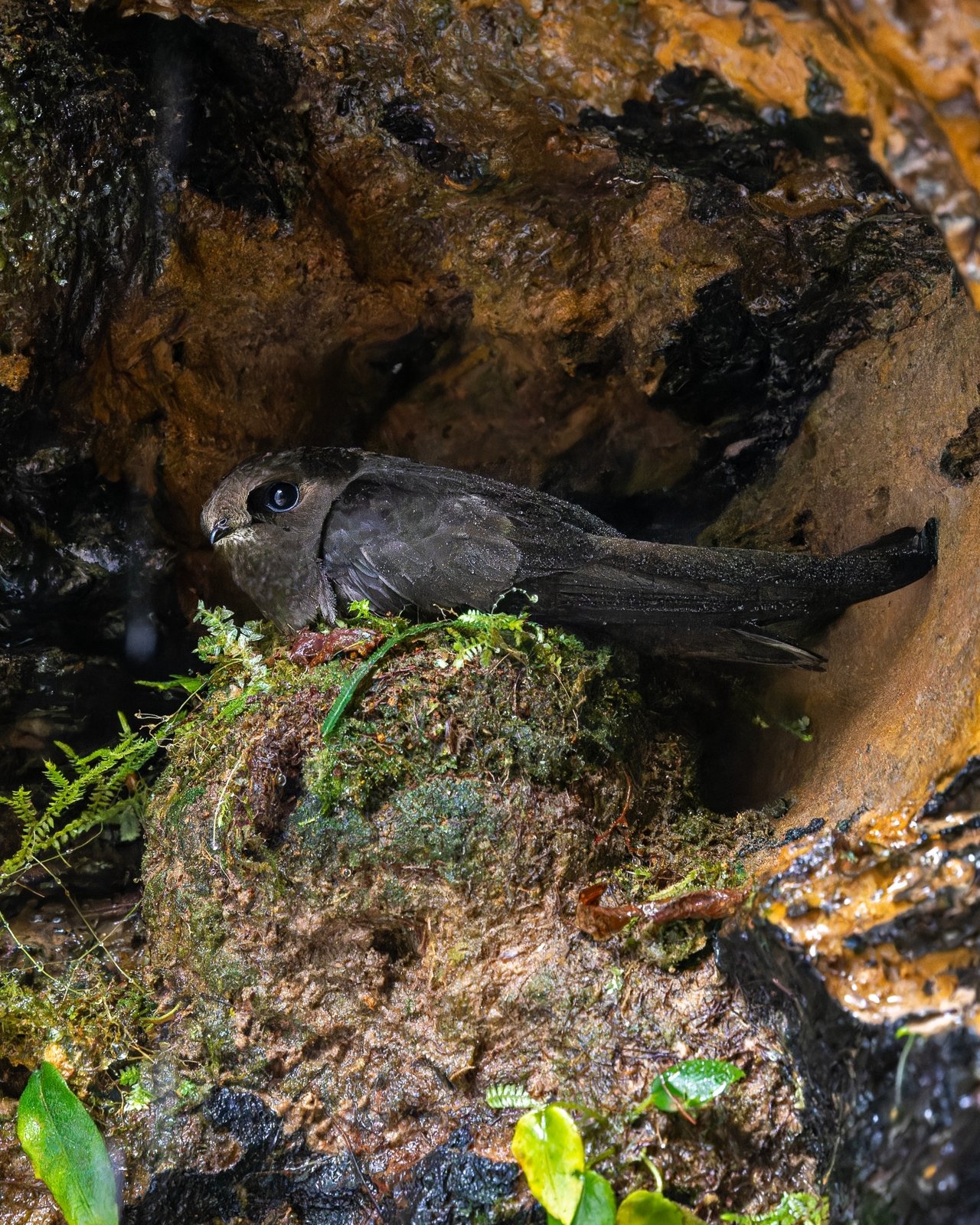
White-chinned Swift
Cypseloides cryptus- Eastern Andean foothill forest
- Northern Andean subtropical forest
- Lower Yungas forest
- Cliffs, gorges and canyons
- Amazonian terra firme rainforest
-
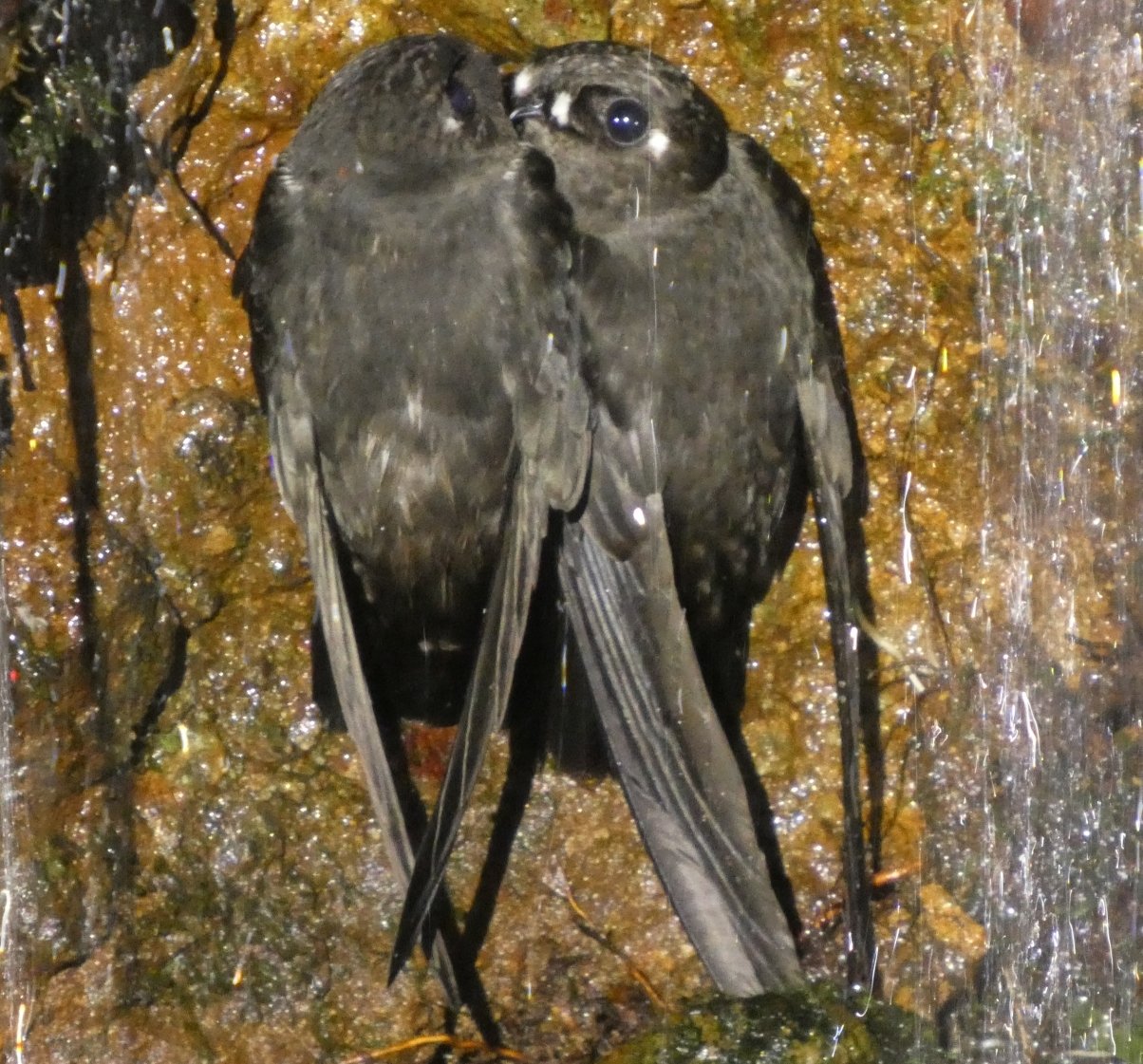
Spot-fronted Swift
Cypseloides cherriei- Northern Andean subtropical forest
- Northern Andean cloud forest and temperate forest
- Cliffs, gorges and canyons
- Andean rivers and torrents
- Eastern Andean foothill forest
Chaetura 7 species
-

Grey-rumped Swift
Chaetura cinereiventris- Amazonian terra firme rainforest
- Eastern Andean foothill forest
 Chocó rainforest
 Western Ecuador humid forest
- Secondary forest and forest edge
- Northern Andean subtropical forest
-
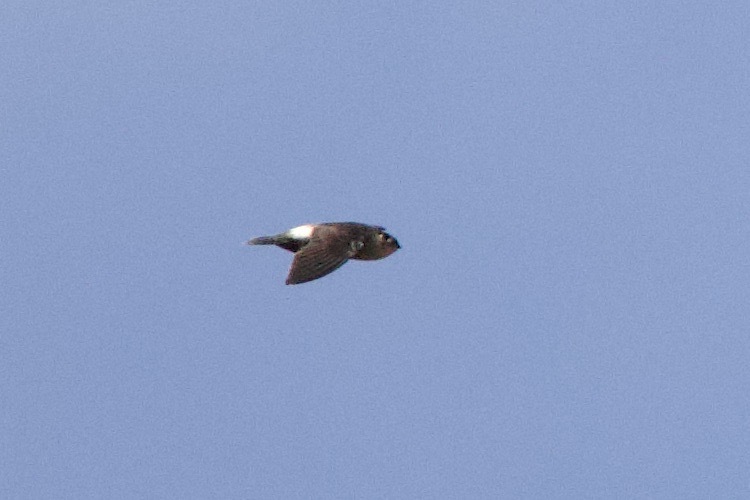
Band-rumped Swift
Chaetura spinicaudus- Chocó rainforest
- Amazonian terra firme rainforest
- Secondary forest and forest edge
 Várzea, igapó and river islands
-
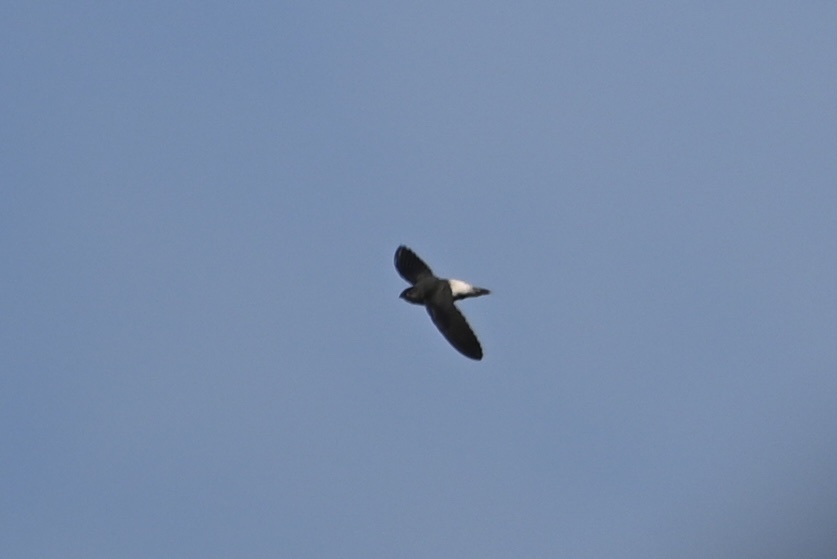
Pale-rumped Swift
Chaetura egregia- Amazonian terra firme rainforest
- Várzea, igapó and river islands
 Lowland rivers and sandbars
- Secondary forest and forest edge
-
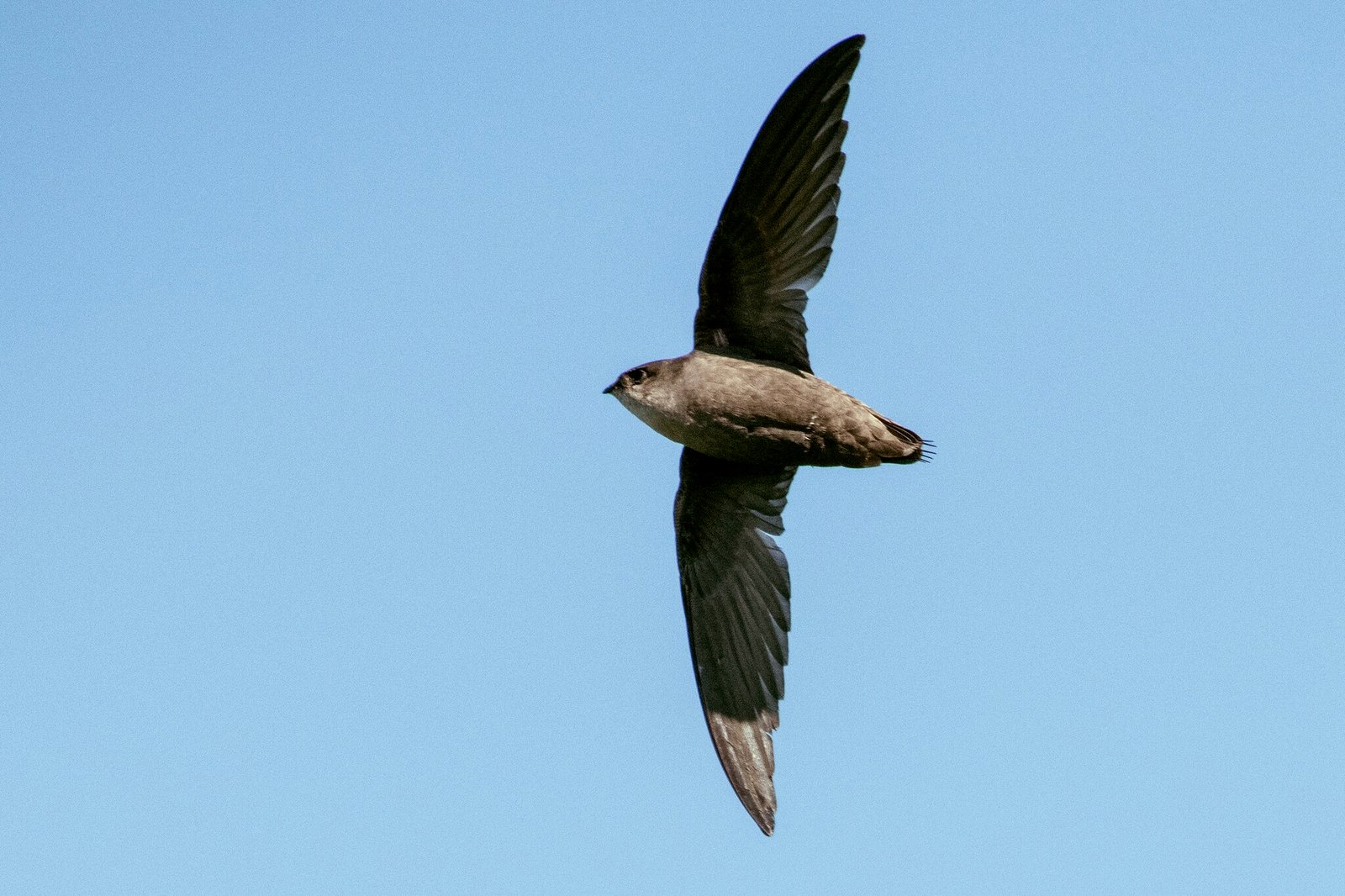
Chimney Swift
Chaetura pelagica- Amazonian terra firme rainforest
- Várzea, igapó and river islands
- Lowland rivers and sandbars
- Secondary forest and forest edge
 Towns, cities and parks
-
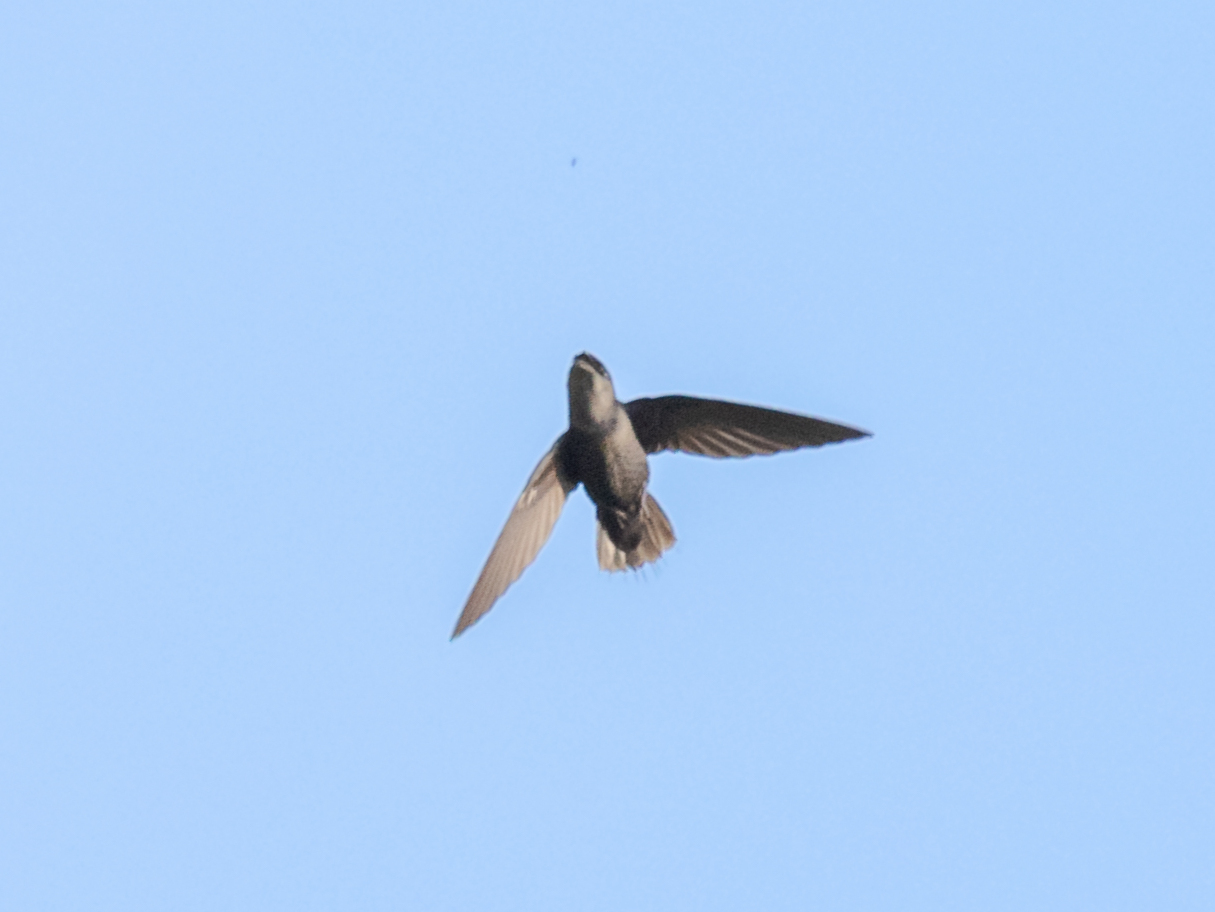
Chapman's Swift
Chaetura chapmani- Amazonian terra firme rainforest
- Várzea, igapó and river islands
- Secondary forest and forest edge
- Lowland rivers and sandbars
 Llanos savanna
-
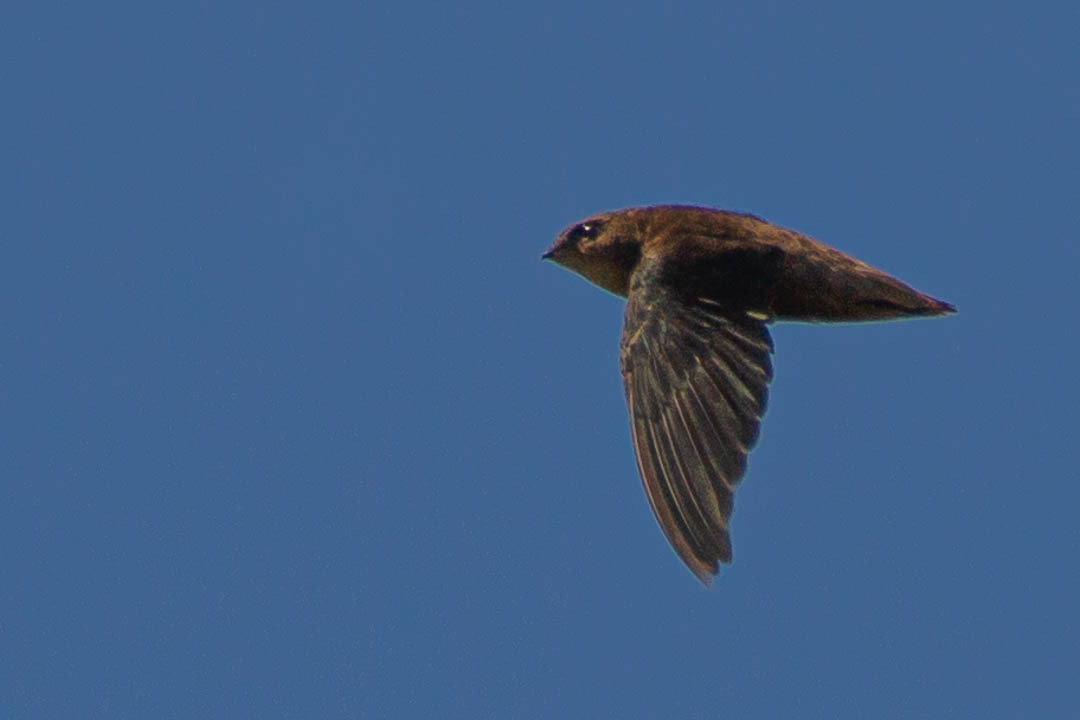
Sick's Swift
Chaetura meridionalis- Amazonian terra firme rainforest
- Várzea, igapó and river islands
- Secondary forest and forest edge
- Eastern Andean foothill forest
 Beni savanna and cerrado
-
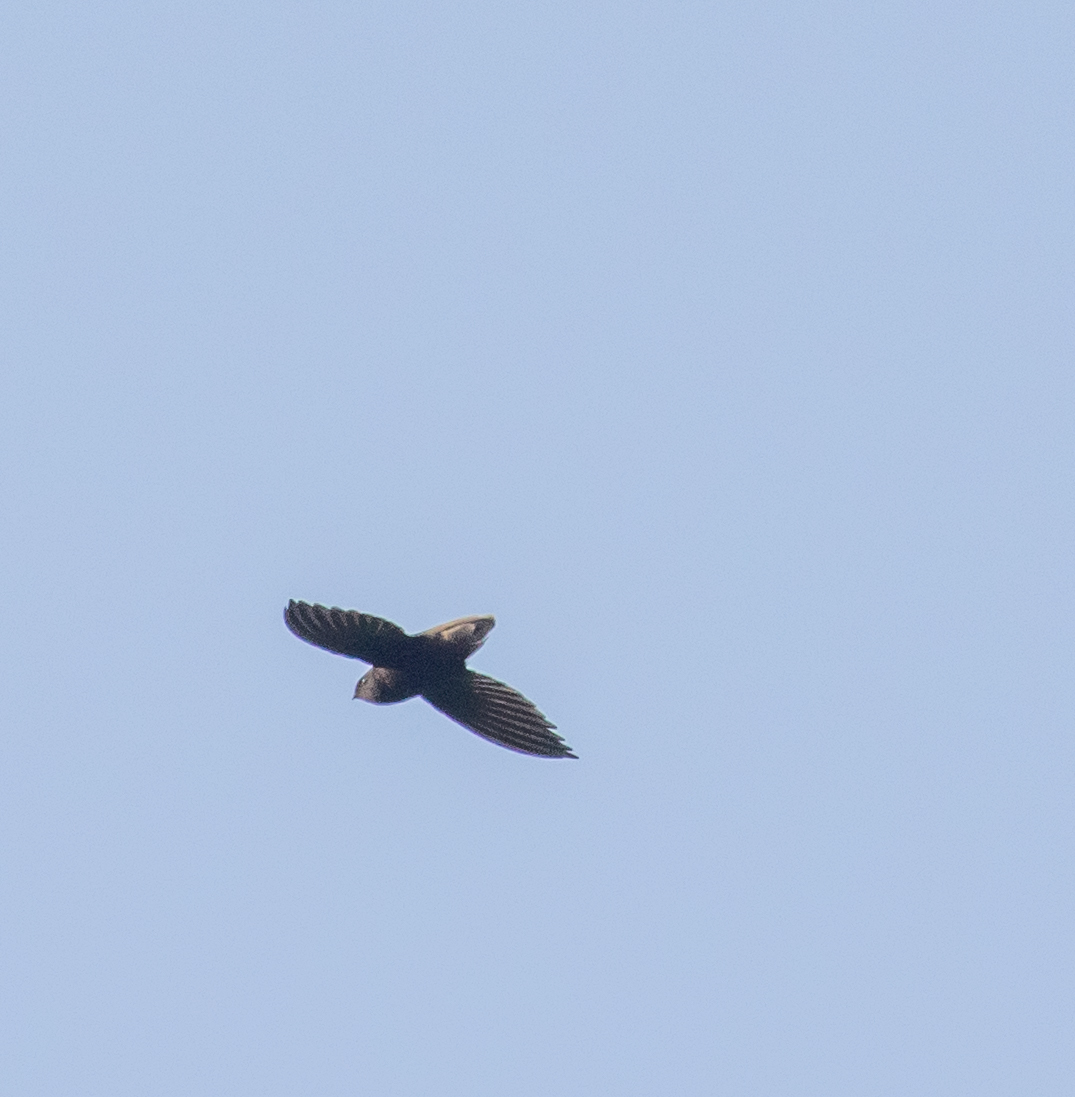
Short-tailed Swift
Chaetura brachyura- Amazonian terra firme rainforest
- Várzea, igapó and river islands
- Secondary forest and forest edge
 Tumbesian dry forest and thorn scrub
- Western Ecuador humid forest
- Towns, cities and parks
Aeronautes 2 species
-
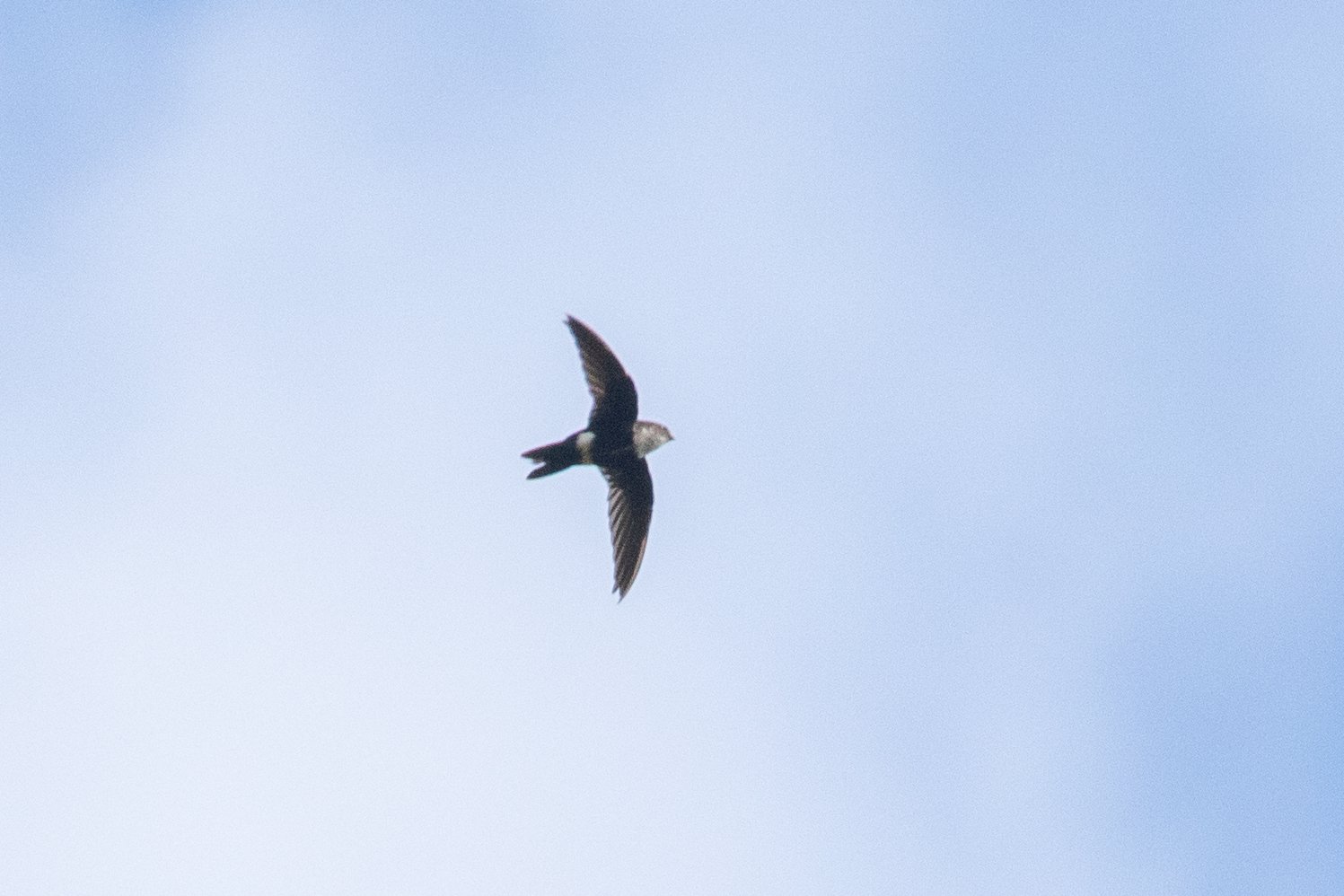
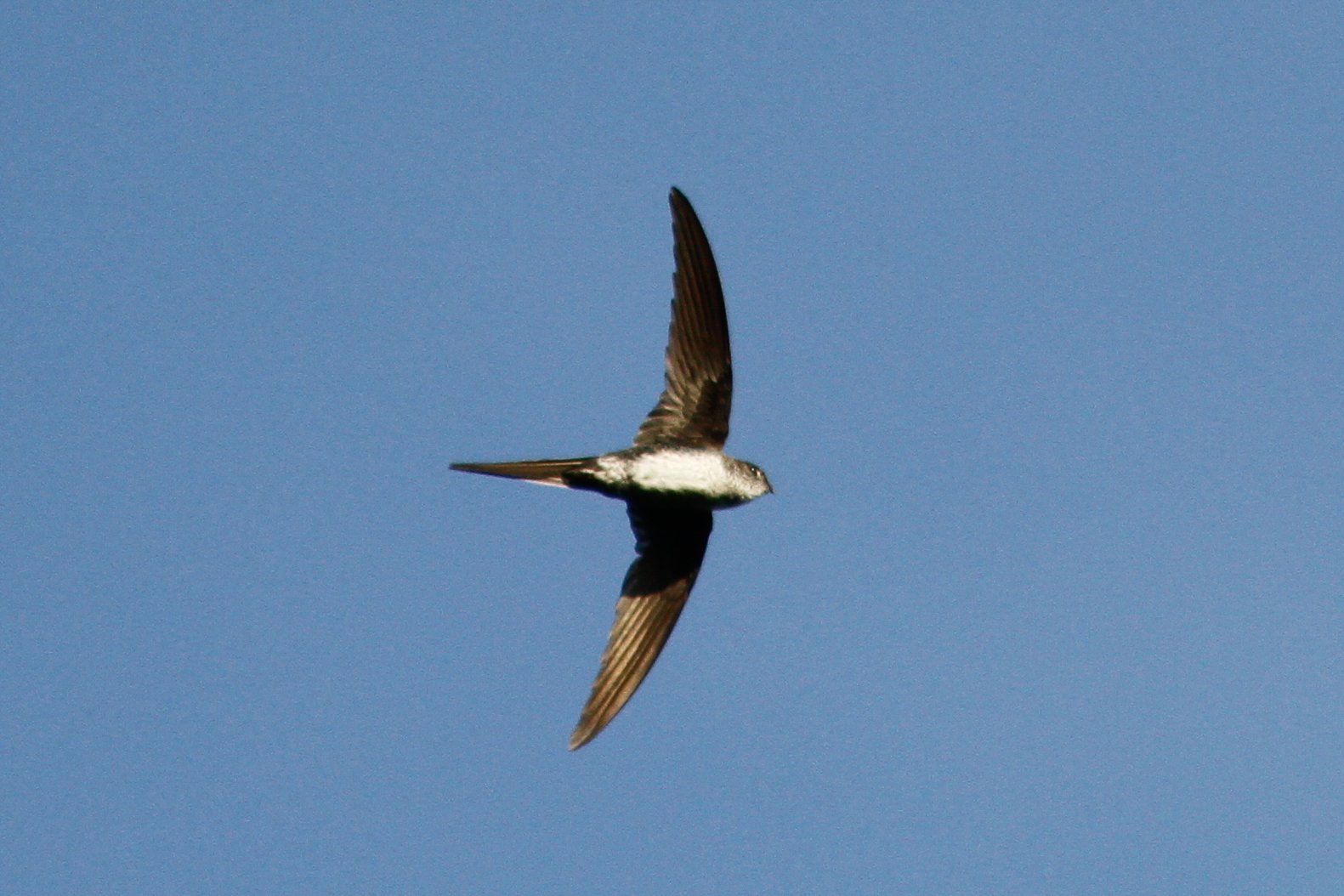
White-tipped Swift
Aeronautes montivagus- Northern Andean subtropical forest
- Lower Yungas forest
- Cliffs, gorges and canyons
- Northern Andean cloud forest and temperate forest
 Marañón and northern inter-Andean dry forest
 Riparian woodland of the Andes and coastal valleys
-
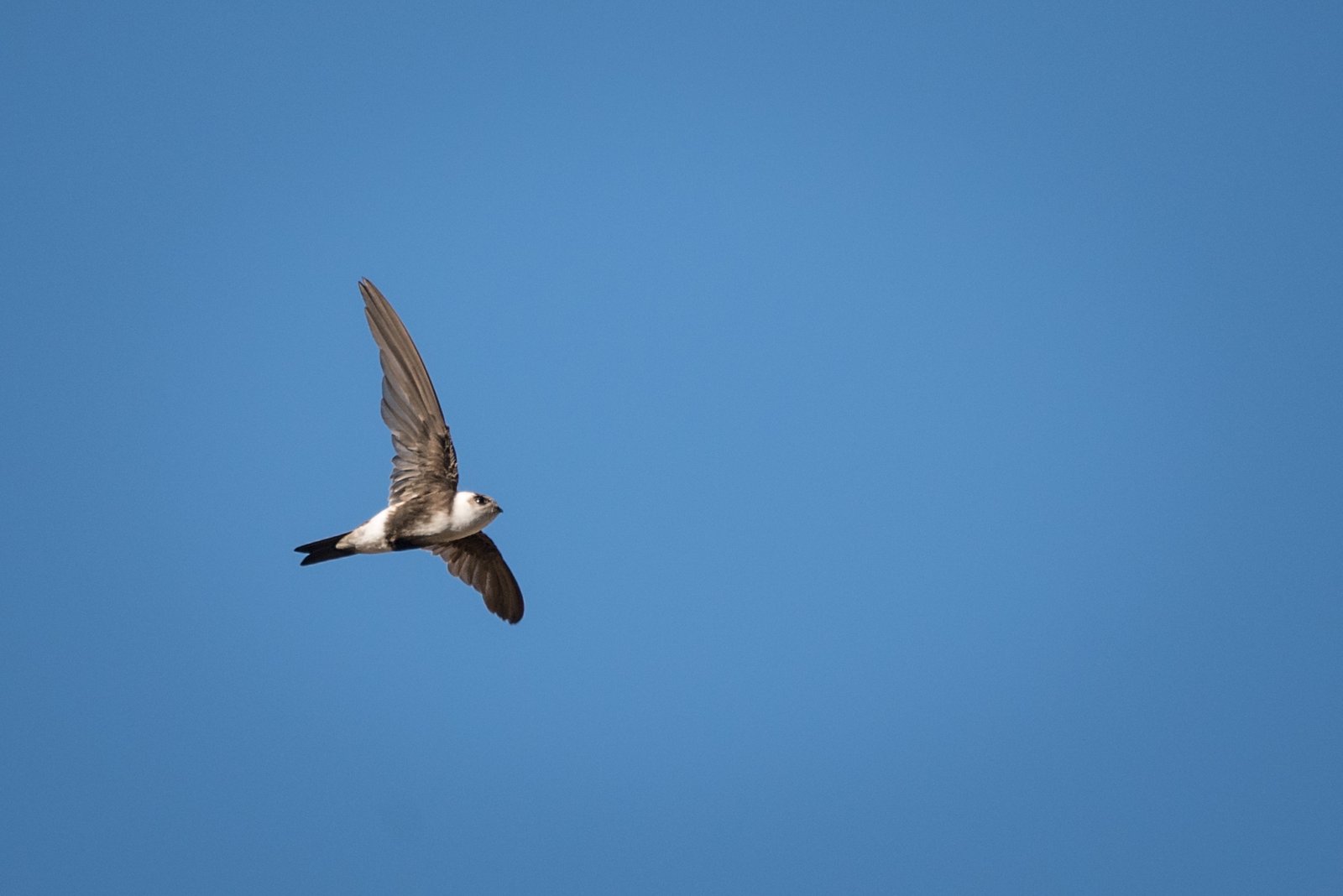
Andean Swift
Aeronautes andecolus Central Andean dry valleys
- Cliffs, gorges and canyons
- Marañón and northern inter-Andean dry forest
 Dry puna and altiplano
 Andean fields and terraces
- Towns, cities and parks

Vagrants 4 species
Birds blown in from other continents. They have no range here, and so no distribution map.
-
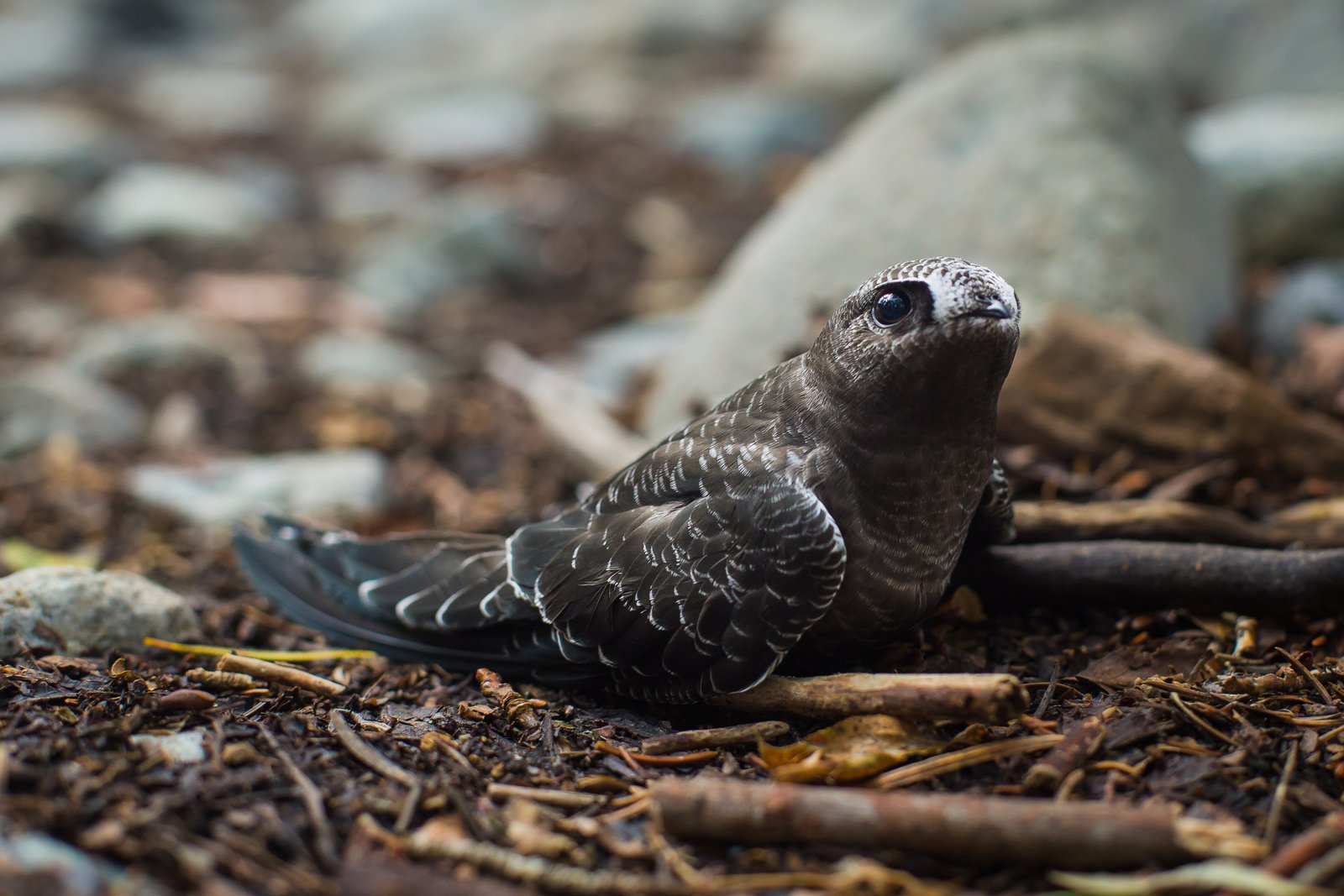
American Black Swift
Cypseloides niger- Amazonian terra firme rainforest
- Eastern Andean foothill forest
- Northern Andean subtropical forest
-
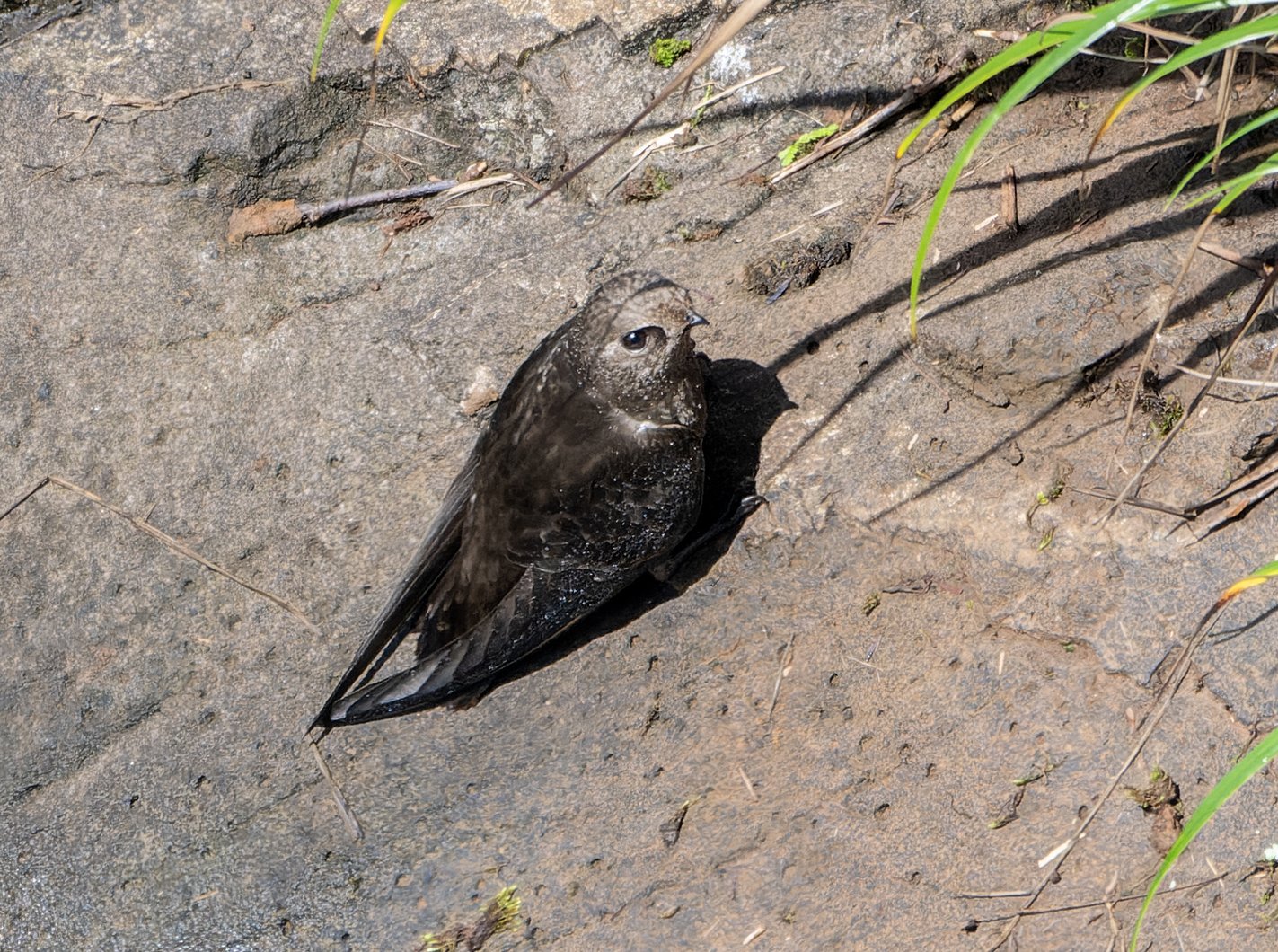
Great Dusky Swift
Cypseloides senex- Cliffs, gorges and canyons
- Andean rivers and torrents
 Chiquitano dry forest and Chaco
- Amazonian terra firme rainforest
-
Ashy-tailed Swift
Chaetura andrei- Lowland rivers and sandbars
- Secondary forest and forest edge
- Llanos savanna
-
Pygmy Palm Swift
Tachornis furcata- Secondary forest and forest edge
- Pasture and ranchland
- Towns, cities and parks
- Riparian woodland of the Andes and coastal valleys