All species › Passerines › Tanagers and allies
Tanagers and allies | Thraupidae
Tangaren | Tángaras | Saíras e afins
One of the largest bird families in the world, with two hundred and four species in sixty-nine genera in this guide, from mangrove, savanna, Cerrado and Caatinga to rainforest, montane forest, the tepuis, the páramo of the Venezuelan Andes and gardens, with great richness in Amazonia and in the Atlantic Forest. The family has been established in its current form only through DNA studies and includes birds of very different appearance. The typical tanagers, such as the species of Tangara, Stilpnia, Ixothraupis and Thraupis, are small to medium-sized birds with a short, stout bill and often brilliantly colourful plumage; they eat mainly fruit and insects and travel through the canopy in mixed flocks. Several species, such as Green-headed and Seven-colored Tanagers, occur only in the Atlantic Forest, whereas Sayaca, Palm and Blue-grey Tanagers are common right into cities. Also included are the honeycreepers and dacnises, with thin, curved bills and glossy blue or green plumage, which take nectar, fruit and insects; the flowerpiercers (Diglossa), whose hook-tipped bill slits the corolla to steal nectar, on the tepuis and in the Andes of Venezuela; the Bananaquit; the yellow finches (Sicalis) and Blue-black Grassquit of open country; and the saltators with their thick seed-cracking bills. The seedeaters of Sporophila form the largest genus, with thirty-two species; a number of the species of the southern grasslands and marshes have declined steeply through loss of habitat and trapping for the cage-bird trade. The cardinals of Paroaria live along rivers and in dry scrub, such as Red-cowled Cardinal in the Caatinga, and the Cerrado has species of its own such as White-banded and White-rumped Tanagers. Four species have been recorded as vagrants. Song is usually simple, but clear and melodious in the saltators. The nest is generally an open cup in a tree or shrub, usually with two eggs; the Bananaquit builds a domed nest and the Swallow Tanager breeds in a burrow in a bank.
Native species 200 species
Species that occur here by nature: breeding birds, winter visitors and passage migrants. They are arranged by genus, in the sequence of the list.
Orchesticus 1 species
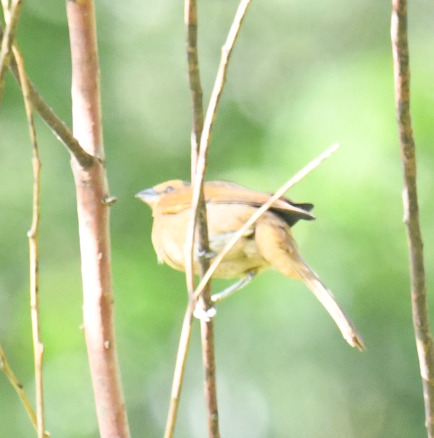
Parkerthraustes 1 species

Sericossypha 1 species

Compsothraupis 1 species

Cyanicterus 1 species

Nemosia 2 species
-

Cherry-throated Tanager
Nemosia rourei Montane forest of the Serra do Mar
-

Hooded Tanager
Nemosia pileata Secondary forest and forest edge
 Várzea (whitewater flooded forest)
 Cerradão and dry woodland
 Veredas and gallery forest
 Dry forest of the north-east
 Gallery forest and woodland islands of the Pantanal
 Llanos savanna

Cyanerpes 3 species
-

Short-billed Honeycreeper
Cyanerpes nitidus Tall terra firme forest
- Várzea (whitewater flooded forest)
- Secondary forest and forest edge
-

Purple Honeycreeper
Cyanerpes caeruleus- Tall terra firme forest
- Secondary forest and forest edge
- Várzea (whitewater flooded forest)
 Highland forest of the Guiana Shield
 Montane forest of the Venezuelan coastal range
 Montane forest of the Venezuelan Andes and Perijá
-

Red-legged Honeycreeper
Cyanerpes cyaneus- Secondary forest and forest edge
- Tall terra firme forest
 Coastal lowland forest
- Várzea (whitewater flooded forest)
 Dry forest and thorn scrub of northern Venezuela
 Plantations and agroforestry
 Towns, cities and gardens
Dacnis 5 species
-

White-bellied Dacnis
Dacnis albiventris- Tall terra firme forest
- Várzea (whitewater flooded forest)
- Secondary forest and forest edge
-

Black-faced Dacnis
Dacnis lineata- Tall terra firme forest
- Várzea (whitewater flooded forest)
- Secondary forest and forest edge
-

Yellow-bellied Dacnis
Dacnis flaviventer- Várzea (whitewater flooded forest)
- Secondary forest and forest edge
- Tall terra firme forest
-

Black-legged Dacnis
Dacnis nigripes- Coastal lowland forest
- Montane forest of the Serra do Mar
 Restinga
-

Blue Dacnis
Dacnis cayana- Secondary forest and forest edge
- Coastal lowland forest
 Interior semi-deciduous forest
- Tall terra firme forest
- Veredas and gallery forest
- Montane forest of the Venezuelan coastal range
- Towns, cities and gardens

Hemithraupis 3 species
-

Guira Tanager
Hemithraupis guira- Secondary forest and forest edge
- Tall terra firme forest
- Cerradão and dry woodland
- Veredas and gallery forest
- Dry forest of the north-east
- Interior semi-deciduous forest
- Dry forest and thorn scrub of northern Venezuela
-

Rufous-headed Tanager
Hemithraupis ruficapilla- Coastal lowland forest
- Montane forest of the Serra do Mar
- Interior semi-deciduous forest
- Restinga
-

Yellow-backed Tanager
Hemithraupis flavicollis- Tall terra firme forest
- Várzea (whitewater flooded forest)
 White-sand forest and campina
- Coastal lowland forest
- Highland forest of the Guiana Shield
Creurgops 1 species
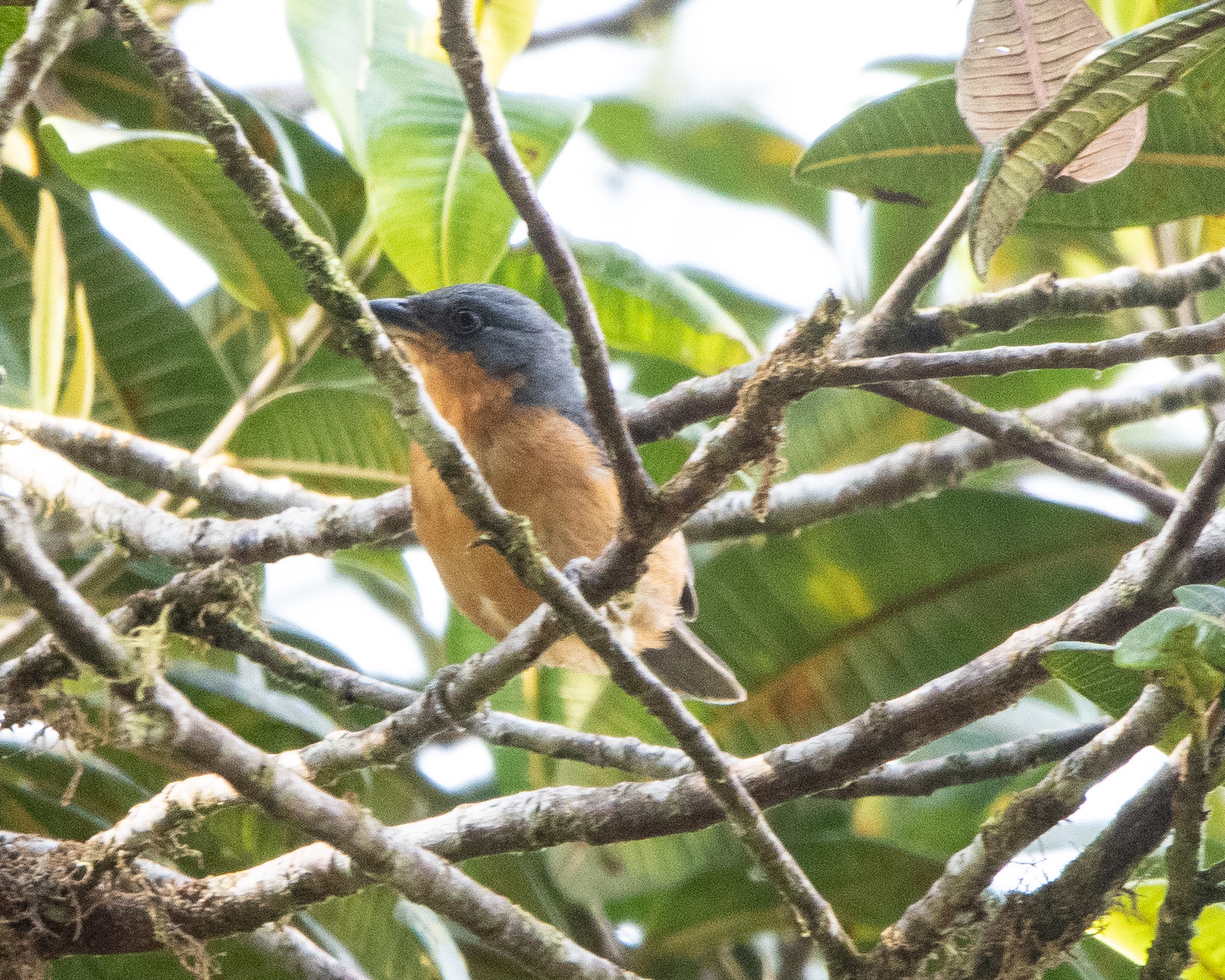

Conothraupis 2 species


Trichothraupis 1 species

Loriotus 3 species
-

Flame-crested Tanager
Loriotus cristatus- Tall terra firme forest
- Secondary forest and forest edge
- Várzea (whitewater flooded forest)
- Coastal lowland forest
 Northeastern coastal forest
-

Yellow-crested Tanager
Loriotus rufiventer- Tall terra firme forest
 Bamboo and liana forest
- Secondary forest and forest edge
-

White-shouldered Tanager
Loriotus luctuosus- Tall terra firme forest
- Secondary forest and forest edge
- Várzea (whitewater flooded forest)
- Highland forest of the Guiana Shield
- Montane forest of the Venezuelan coastal range
- Montane forest of the Venezuelan Andes and Perijá
Coryphospingus 2 species
-

Red Pileated Finch
Coryphospingus cucullatus- Cerradão and dry woodland
- Secondary forest and forest edge
 Cerrado savanna
- Interior semi-deciduous forest
- Towns, cities and gardens
-

Grey Pileated Finch
Coryphospingus pileatus Caatinga scrub
- Dry forest and thorn scrub of northern Venezuela
- Dry forest of the north-east
- Cerradão and dry woodland
 Pasture and arable land
Lanio 2 species
-

Fulvous Shrike-Tanager
Lanio fulvus- Tall terra firme forest
- Highland forest of the Guiana Shield
- White-sand forest and campina
- Secondary forest and forest edge
-

White-winged Shrike-Tanager
Lanio versicolor- Tall terra firme forest
- Bamboo and liana forest
- Secondary forest and forest edge
- Veredas and gallery forest
Tachyphonus 4 species
-

Fulvous-crested Tanager
Tachyphonus surinamus- Tall terra firme forest
- White-sand forest and campina
- Secondary forest and forest edge
- Várzea (whitewater flooded forest)
- Highland forest of the Guiana Shield
-

Ruby-crowned Tanager
Tachyphonus coronatus- Coastal lowland forest
- Interior semi-deciduous forest
- Montane forest of the Serra do Mar
 Araucaria forest
- Towns, cities and gardens
-

White-lined Tanager
Tachyphonus rufus- Secondary forest and forest edge
- Coastal lowland forest
- Towns, cities and gardens
- Dry forest and thorn scrub of northern Venezuela
- Montane forest of the Venezuelan coastal range
- Veredas and gallery forest
- Plantations and agroforestry
-

Red-shouldered Tanager
Tachyphonus phoenicius- White-sand forest and campina
 Savannas of the Guianas
 Tepui summits and sandstone scrub
 Inselbergs and rock outcrops
Ramphocelus 4 species
-

Brazilian Tanager
Ramphocelus bresilia- Coastal lowland forest
- Restinga
- Northeastern coastal forest
- Towns, cities and gardens
-

Silver-beaked Tanager
Ramphocelus carbo- Secondary forest and forest edge
- Várzea (whitewater flooded forest)
 Floating meadows and river islands
- Veredas and gallery forest
- Towns, cities and gardens
-

Masked Crimson Tanager
Ramphocelus nigrogularis- Várzea (whitewater flooded forest)
- Floating meadows and river islands
- Secondary forest and forest edge
 Large rivers and sandbars
-

Crimson-backed Tanager
Ramphocelus dimidiatus- Dry forest and thorn scrub of northern Venezuela
- Montane forest of the Venezuelan Andes and Perijá
- Plantations and agroforestry
- Towns, cities and gardens
Charitospiza 1 species

Conirostrum 7 species
-

Bicolored Conebill
Conirostrum bicolor Mangroves
- Floating meadows and river islands
- Várzea (whitewater flooded forest)
-

Pearly-breasted Conebill
Conirostrum margaritae- Floating meadows and river islands
- Várzea (whitewater flooded forest)
-

Chestnut-vented Conebill
Conirostrum speciosum- Interior semi-deciduous forest
- Cerradão and dry woodland
- Veredas and gallery forest
- Secondary forest and forest edge
- Várzea (whitewater flooded forest)
- Towns, cities and gardens
-

White-eared Conebill
Conirostrum leucogenys- Montane forest of the Venezuelan Andes and Perijá
- Dry forest and thorn scrub of northern Venezuela
- Plantations and agroforestry
-

Blue-backed Conebill
Conirostrum sitticolor- Montane forest of the Venezuelan Andes and Perijá
-

Capped Conebill
Conirostrum albifrons- Montane forest of the Venezuelan coastal range
- Montane forest of the Venezuelan Andes and Perijá
-

Rufous-browed Conebill
Conirostrum rufum- Montane forest of the Venezuelan Andes and Perijá
Sicalis 4 species
-

Stripe-tailed Yellow Finch
Sicalis citrina Campo rupestre and mountain grassland
- Cerrado savanna
- Savannas of the Guianas
- Pasture and arable land
-

Orange-fronted Yellow Finch
Sicalis columbiana- Floating meadows and river islands
- Large rivers and sandbars
- Towns, cities and gardens
- Llanos savanna
 Flooded Llanos and esteros
- Caatinga scrub
-

Saffron Finch
Sicalis flaveola- Towns, cities and gardens
- Pasture and arable land
- Cerrado savanna
- Caatinga scrub
- Llanos savanna
- Dry forest and thorn scrub of northern Venezuela
-

Grassland Yellow Finch
Sicalis luteola Pampa grassland
- Pasture and arable land
- Savannas of the Guianas
- Cerrado savanna
- Llanos savanna
Geospizopsis 1 species

Haplospiza 2 species


Catamenia 2 species

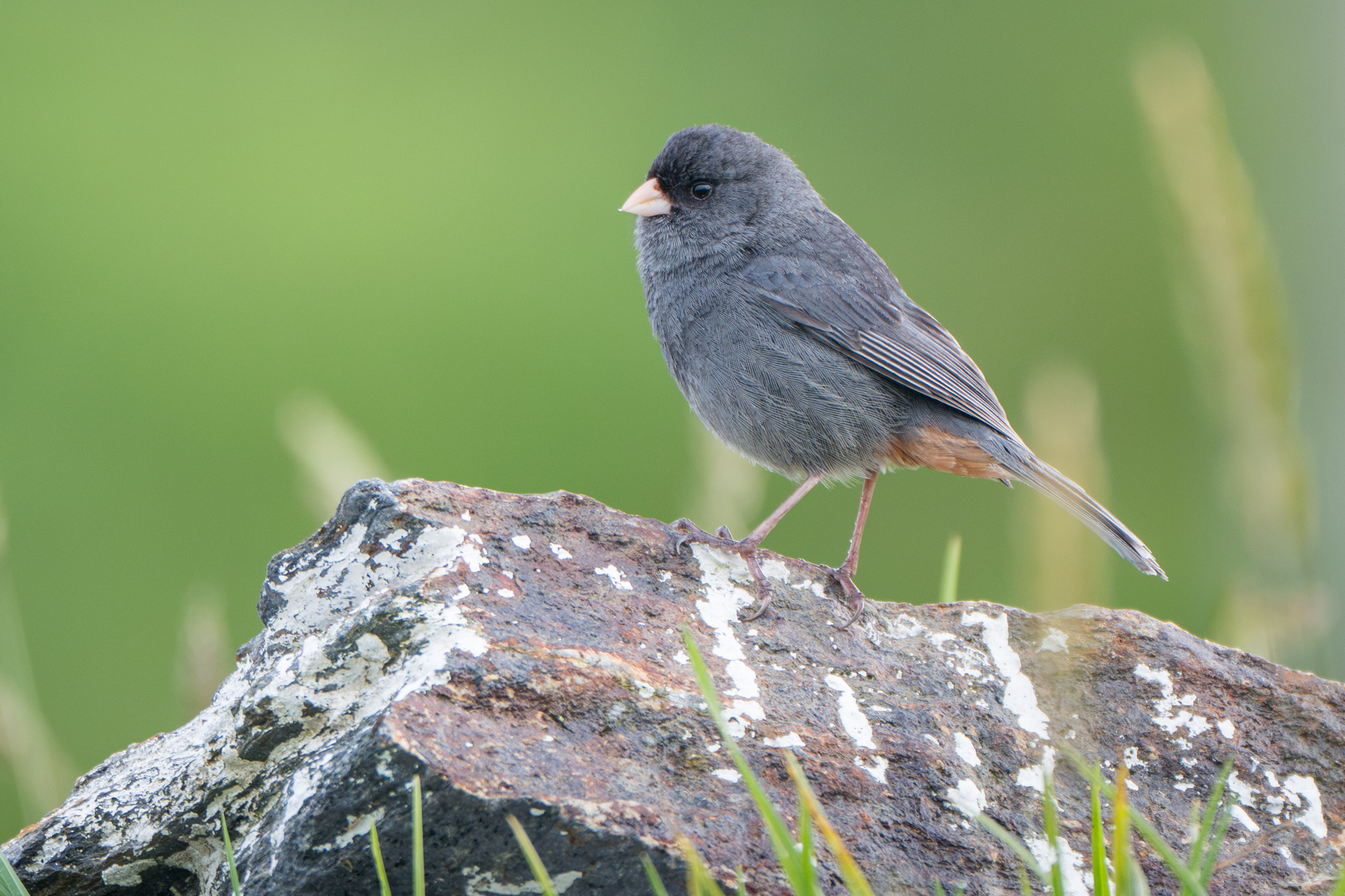
Diglossa 10 species
-

Glossy Flowerpiercer
Diglossa lafresnayii- Montane forest of the Venezuelan Andes and Perijá
-
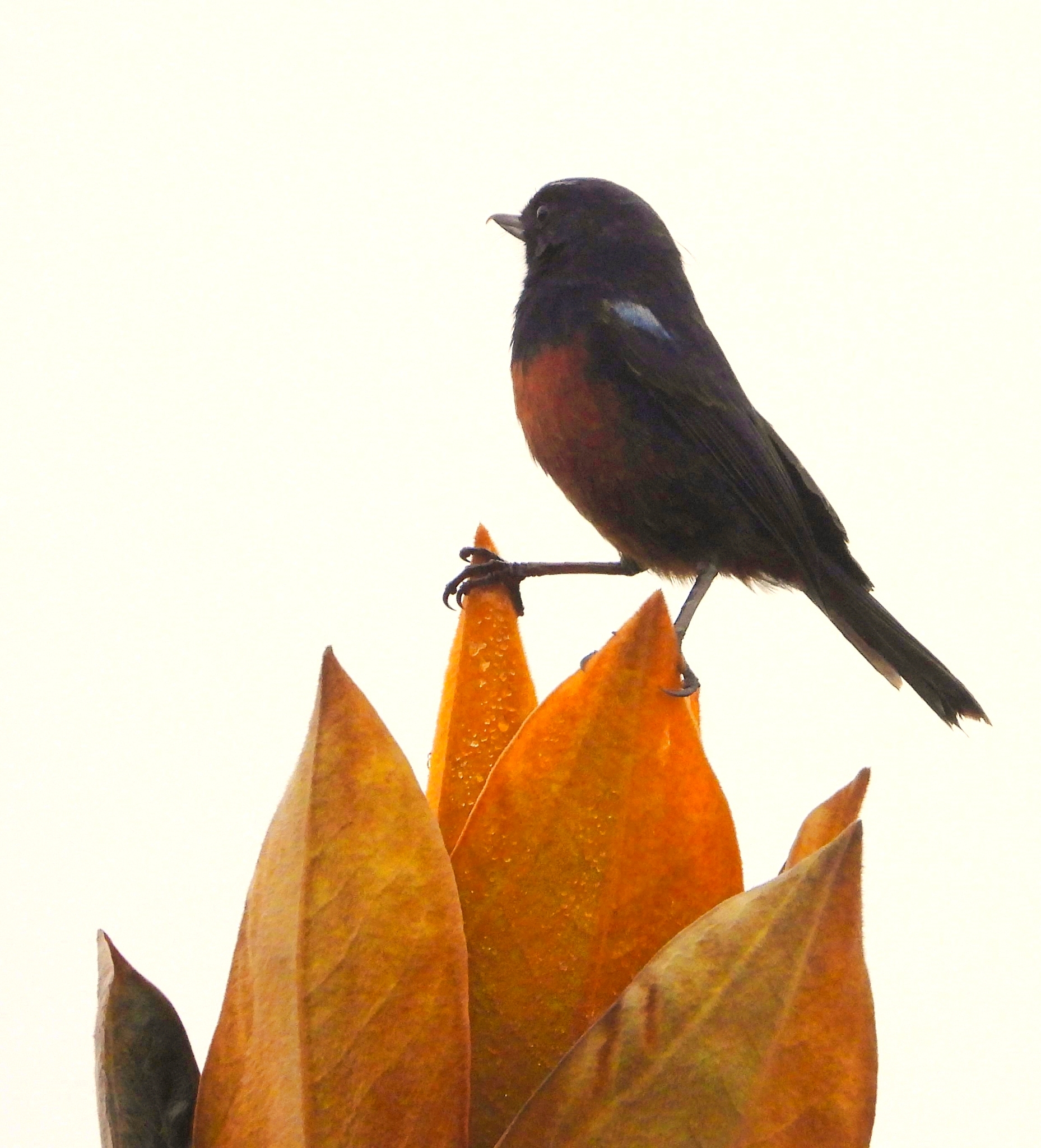
Merida Flowerpiercer
Diglossa gloriosa- Montane forest of the Venezuelan Andes and Perijá
-

Black Flowerpiercer
Diglossa humeralis- Montane forest of the Venezuelan Andes and Perijá
- Pasture and arable land
-
Venezuelan Flowerpiercer
Diglossa venezuelensis- Montane forest of the Venezuelan coastal range
-

White-sided Flowerpiercer
Diglossa albilatera- Montane forest of the Venezuelan Andes and Perijá
- Montane forest of the Venezuelan coastal range
-
Scaled Flowerpiercer
Diglossa duidae- Highland forest of the Guiana Shield
- Tepui summits and sandstone scrub
-
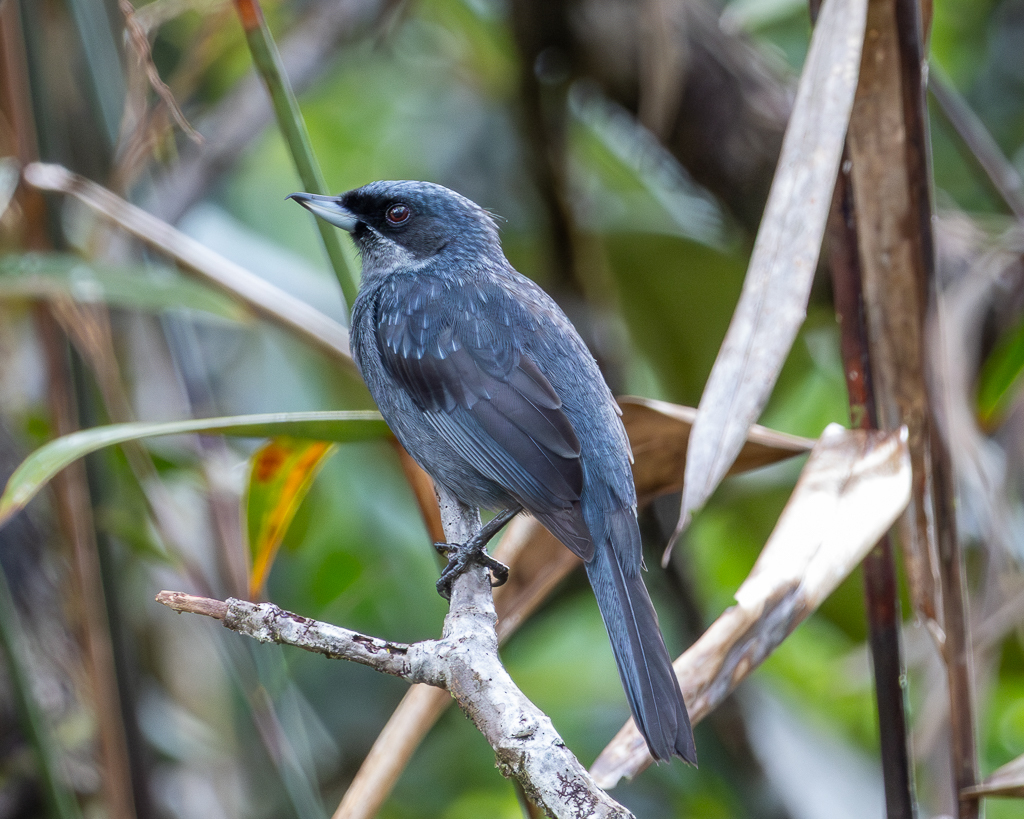
Greater Flowerpiercer
Diglossa major- Tepui summits and sandstone scrub
- Highland forest of the Guiana Shield
-

Rusty Flowerpiercer
Diglossa sittoides- Montane forest of the Venezuelan Andes and Perijá
- Montane forest of the Venezuelan coastal range
- Towns, cities and gardens
-

Bluish Flowerpiercer
Diglossa caerulescens- Montane forest of the Venezuelan Andes and Perijá
- Montane forest of the Venezuelan coastal range
-

Masked Flowerpiercer
Diglossa cyanea- Montane forest of the Venezuelan Andes and Perijá
- Montane forest of the Venezuelan coastal range
Saltatricula 1 species

Saltator 10 species
-

Buff-throated Saltator
Saltator maximus- Secondary forest and forest edge
- Várzea (whitewater flooded forest)
- Coastal lowland forest
- Plantations and agroforestry
- Veredas and gallery forest
-

Orinoco Saltator
Saltator orenocensis- Dry forest and thorn scrub of northern Venezuela
- Llanos savanna
- Pasture and arable land
-

Olive-grey Saltator
Saltator olivascens- Secondary forest and forest edge
- Towns, cities and gardens
- Plantations and agroforestry
- Dry forest and thorn scrub of northern Venezuela
- Savannas of the Guianas
-

Bluish-grey Saltator
Saltator coerulescens- Secondary forest and forest edge
- Floating meadows and river islands
- Veredas and gallery forest
- Gallery forest and woodland islands of the Pantanal
- Towns, cities and gardens
-

Streaked Saltator
Saltator striatipectus- Montane forest of the Venezuelan Andes and Perijá
- Dry forest and thorn scrub of northern Venezuela
- Montane forest of the Venezuelan coastal range
- Plantations and agroforestry
-

Green-winged Saltator
Saltator similis- Interior semi-deciduous forest
- Coastal lowland forest
- Montane forest of the Serra do Mar
- Araucaria forest
- Veredas and gallery forest
- Towns, cities and gardens
-

Thick-billed Saltator
Saltator maxillosus- Montane forest of the Serra do Mar
- Araucaria forest
- Campo rupestre and mountain grassland
- Towns, cities and gardens
-

Golden-billed Saltator
Saltator aurantiirostris Woodland and scrub of the southern hills
- Pampa grassland
- Towns, cities and gardens
-

Slate-colored Grosbeak
Saltator grossus- Tall terra firme forest
- Secondary forest and forest edge
- Várzea (whitewater flooded forest)
- Highland forest of the Guiana Shield
-

Black-throated Grosbeak
Saltator fuliginosus- Montane forest of the Serra do Mar
- Coastal lowland forest
- Araucaria forest
- Interior semi-deciduous forest
Coryphaspiza 1 species

Embernagra 2 species


Emberizoides 3 species
-

Wedge-tailed Grass Finch
Emberizoides herbicola- Cerrado savanna
- Savannas of the Guianas
- Llanos savanna
- Campo rupestre and mountain grassland
- Pasture and arable land
-
Duida Grass Finch
Emberizoides duidae- Tepui summits and sandstone scrub
-
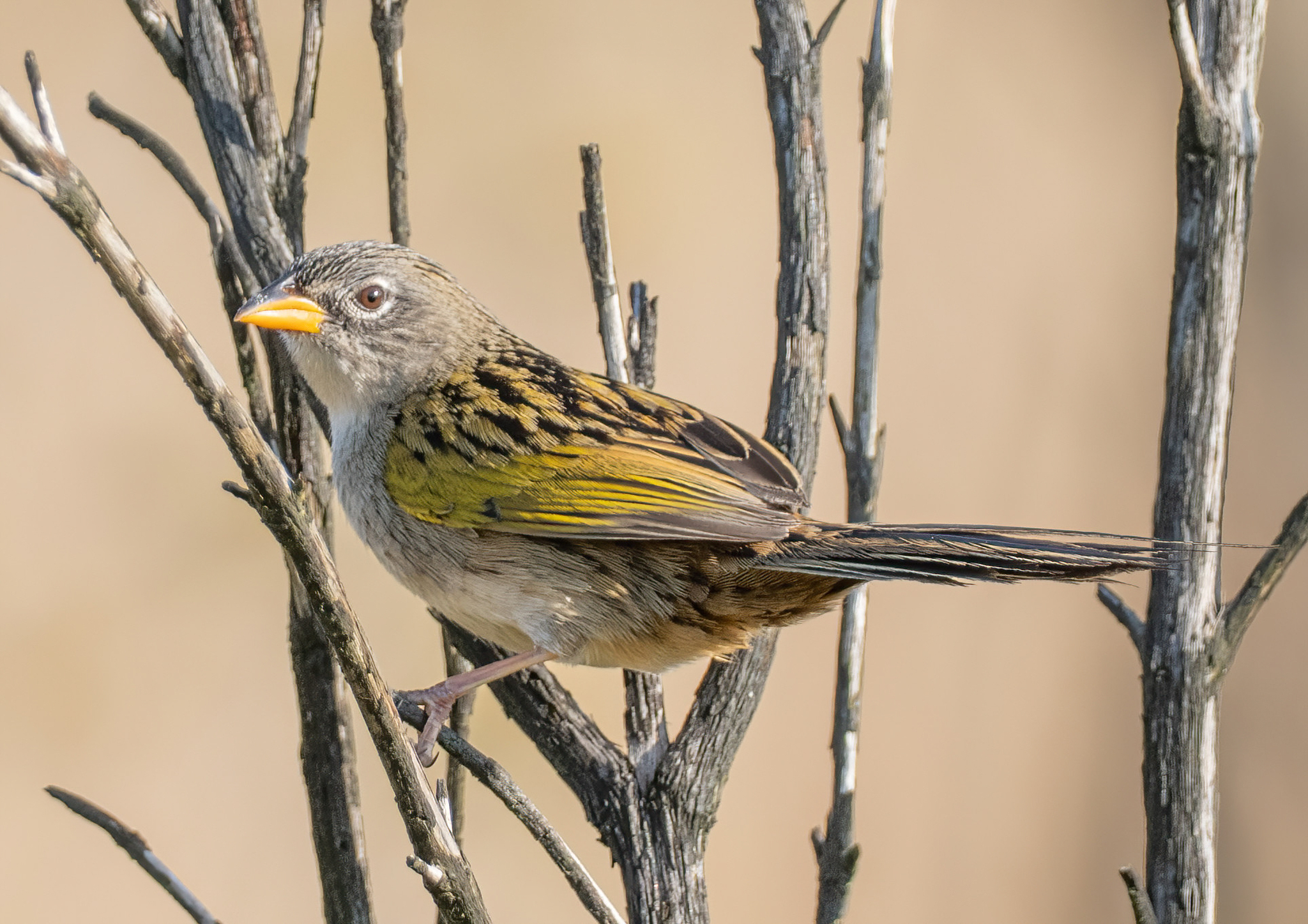
Lesser Grass Finch
Emberizoides ypiranganus Southern marshes and lagoons
- Pampa grassland
- Veredas and gallery forest
- Pasture and arable land
Rhopospina 1 species

Sporophila 32 species
-

Lesson's Seedeater
Sporophila bouvronides- Llanos savanna
- Flooded Llanos and esteros
- Pasture and arable land
- Floating meadows and river islands
- Savannas of the Guianas
-

Lined Seedeater
Sporophila lineola- Caatinga scrub
- Cerrado savanna
- Floating meadows and river islands
- Pasture and arable land
- Llanos savanna
-

White-bellied Seedeater
Sporophila leucoptera Seasonally flooded plain
- Veredas and gallery forest
- Floating meadows and river islands
- Southern marshes and lagoons
- Pasture and arable land
-

Chestnut-bellied Seedeater
Sporophila castaneiventris- Floating meadows and river islands
- Large rivers and sandbars
- Pasture and arable land
- Secondary forest and forest edge
- Savannas of the Guianas
-

Ruddy-breasted Seedeater
Sporophila minuta- Llanos savanna
- Flooded Llanos and esteros
- Savannas of the Guianas
- Pasture and arable land
-

Black-and-tawny Seedeater
Sporophila nigrorufa- Seasonally flooded plain
- Veredas and gallery forest
- Cerrado savanna
-

Copper Seedeater
Sporophila bouvreuil- Cerrado savanna
- Veredas and gallery forest
- Savannas of the Guianas
- Caatinga scrub
- Pasture and arable land
-
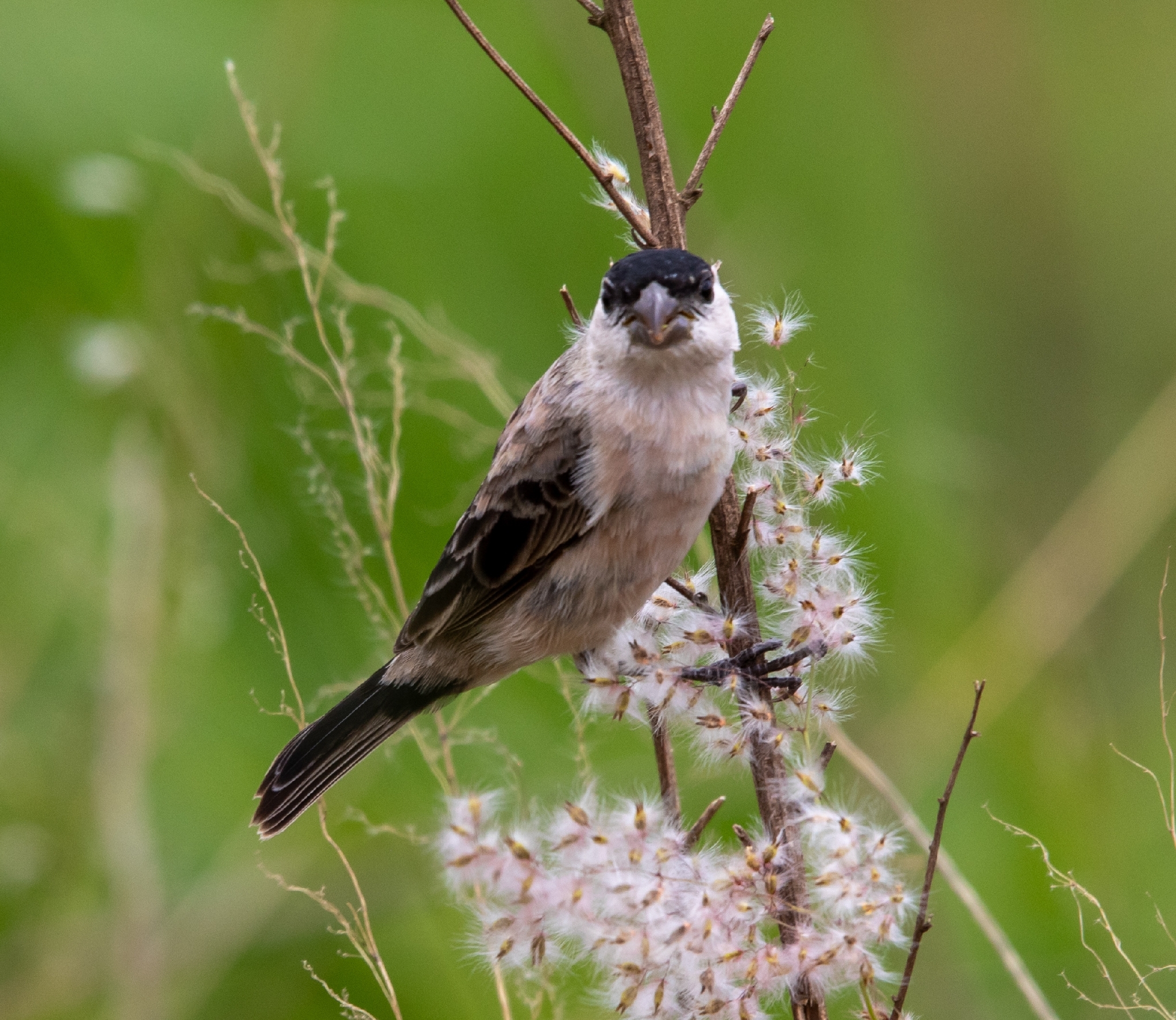
Pearly-bellied Seedeater
Sporophila pileata- Cerrado savanna
- Veredas and gallery forest
- Pampa grassland
- Pasture and arable land
-

Tawny-bellied Seedeater
Sporophila hypoxantha- Cerrado savanna
- Veredas and gallery forest
- Pampa grassland
- Southern marshes and lagoons
- Seasonally flooded plain
-

Dark-throated Seedeater
Sporophila ruficollis- Seasonally flooded plain
- Cerrado savanna
- Veredas and gallery forest
- Southern marshes and lagoons
- Pampa grassland
-

Ibera Seedeater
Sporophila iberaensis- Southern marshes and lagoons
- Seasonally flooded plain
- Cerrado savanna
- Veredas and gallery forest
-

Marsh Seedeater
Sporophila palustris- Southern marshes and lagoons
- Pampa grassland
- Veredas and gallery forest
- Cerrado savanna
-
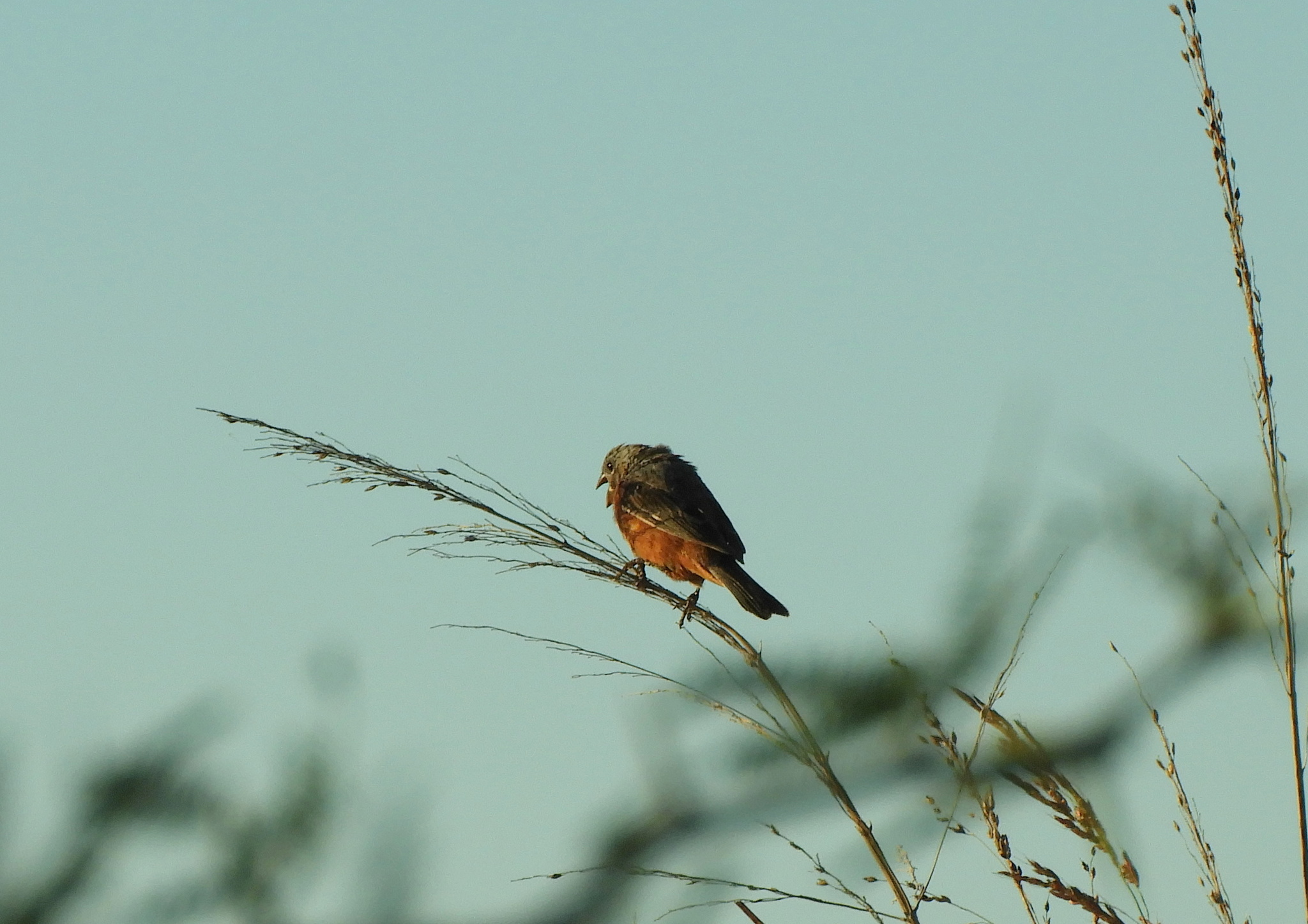
Rufous-rumped Seedeater
Sporophila hypochroma- Seasonally flooded plain
- Southern marshes and lagoons
- Cerrado savanna
- Veredas and gallery forest
-

Chestnut Seedeater
Sporophila cinnamomea- Pampa grassland
- Southern marshes and lagoons
- Cerrado savanna
- Veredas and gallery forest
-
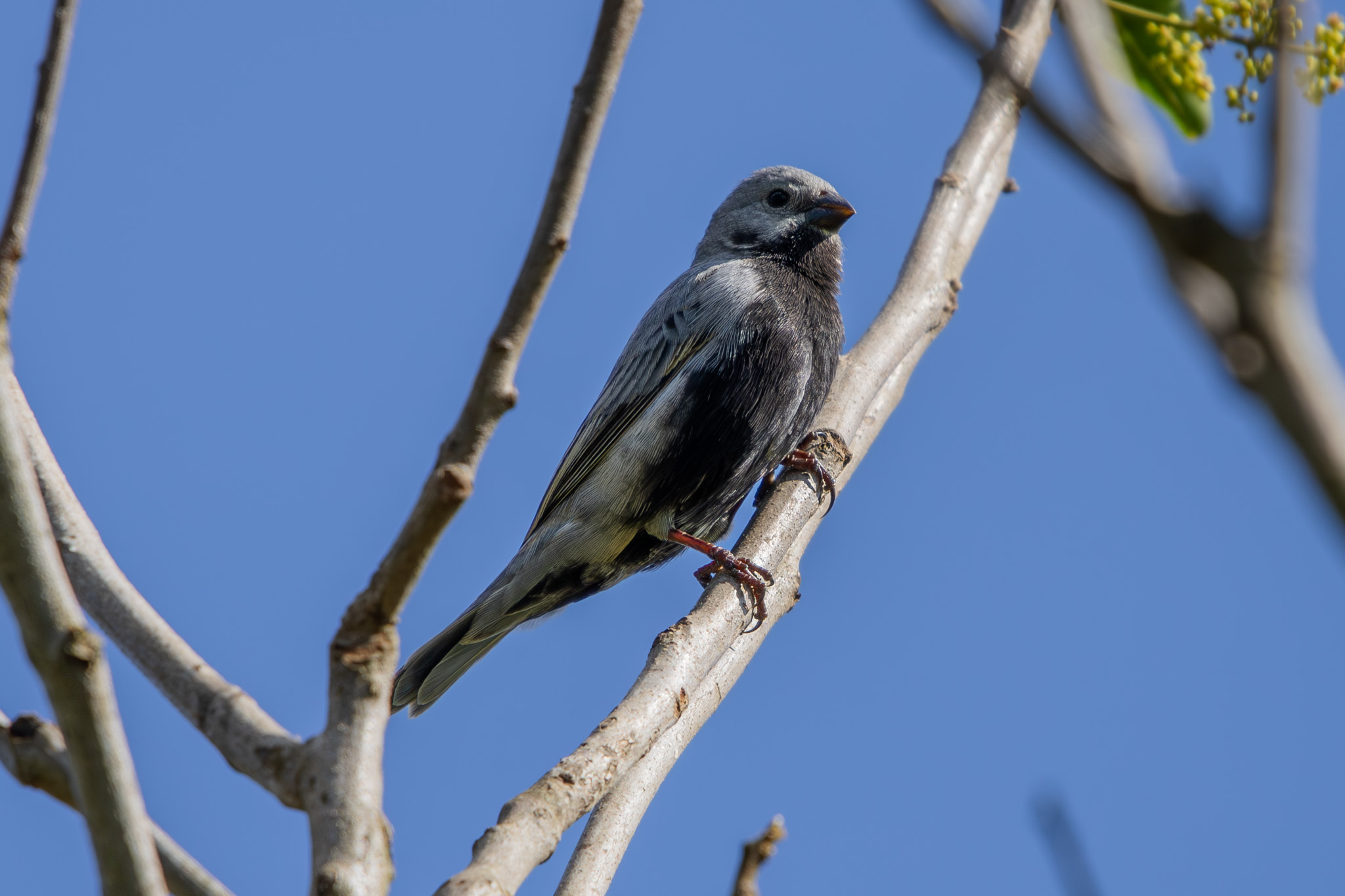
Black-bellied Seedeater
Sporophila melanogaster- Pampa grassland
- Southern marshes and lagoons
- Veredas and gallery forest
- Cerrado savanna
-

Chestnut-bellied Seed Finch
Sporophila angolensis- Secondary forest and forest edge
- Floating meadows and river islands
- Veredas and gallery forest
- Pasture and arable land
- Interior semi-deciduous forest
-

Great-billed Seed Finch
Sporophila maximiliani- Veredas and gallery forest
 Palm swamps
- Savannas of the Guianas
- Pasture and arable land
-

Large-billed Seed Finch
Sporophila crassirostris- Savannas of the Guianas
- Flooded Llanos and esteros
- Floating meadows and river islands
- Secondary forest and forest edge
-

Grey Seedeater
Sporophila intermedia- Llanos savanna
- Pasture and arable land
- Dry forest and thorn scrub of northern Venezuela
- Secondary forest and forest edge
- Towns, cities and gardens
-
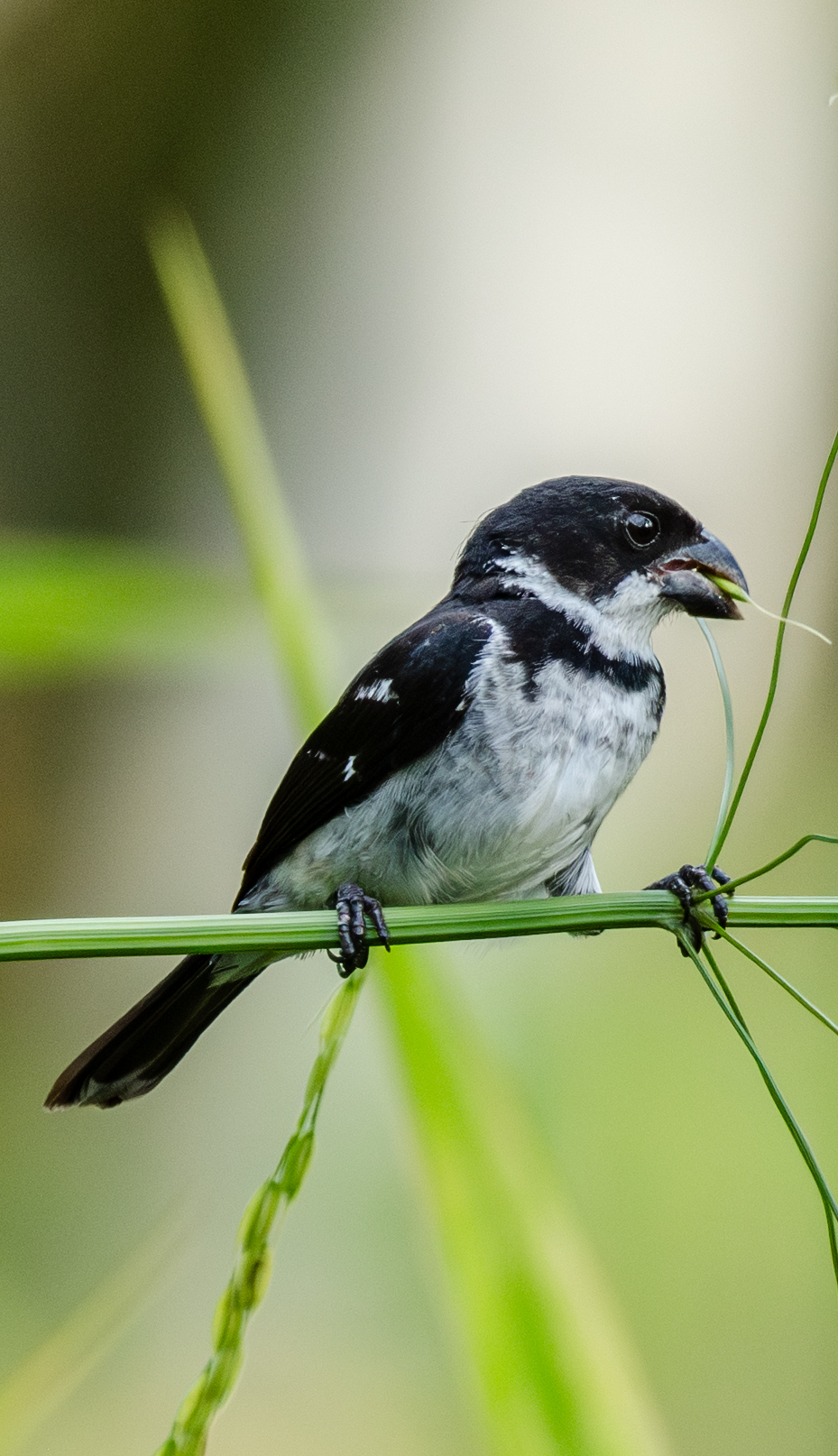
Wing-barred Seedeater
Sporophila americana- Secondary forest and forest edge
- Pasture and arable land
- Towns, cities and gardens
- Mangroves
- Floating meadows and river islands
-

White-naped Seedeater
Sporophila fringilloides- White-sand forest and campina
- Savannas of the Guianas
- Secondary forest and forest edge
-

Black-and-white Seedeater
Sporophila luctuosa- Montane forest of the Venezuelan Andes and Perijá
- Pasture and arable land
- Plantations and agroforestry
-

Yellow-bellied Seedeater
Sporophila nigricollis- Pasture and arable land
- Cerrado savanna
- Llanos savanna
- Secondary forest and forest edge
- Interior semi-deciduous forest
- Montane forest of the Venezuelan Andes and Perijá
-
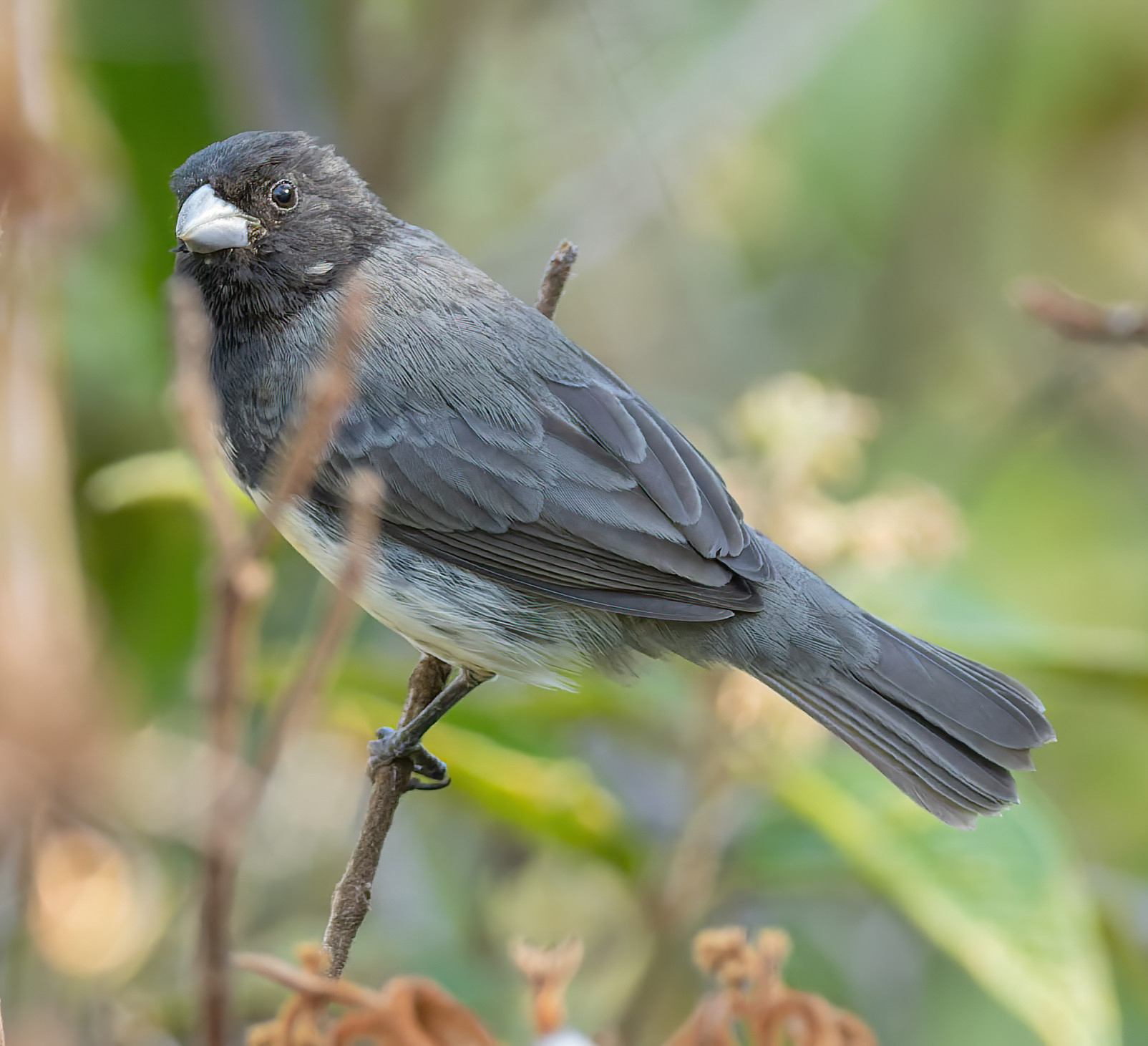
Dubois's Seedeater
Sporophila ardesiaca- Pasture and arable land
- Interior semi-deciduous forest
- Coastal lowland forest
- Towns, cities and gardens
-

Double-collared Seedeater
Sporophila caerulescens- Pasture and arable land
- Interior semi-deciduous forest
- Pampa grassland
- Cerrado savanna
- Towns, cities and gardens
- Secondary forest and forest edge
-

Slate-colored Seedeater
Sporophila schistacea- Bamboo and liana forest
- Secondary forest and forest edge
- Tall terra firme forest
- Highland forest of the Guiana Shield
- Montane forest of the Venezuelan Andes and Perijá
-

Temminck's Seedeater
Sporophila falcirostris- Montane forest of the Serra do Mar
- Coastal lowland forest
- Araucaria forest
-

Buffy-fronted Seedeater
Sporophila frontalis- Montane forest of the Serra do Mar
- Coastal lowland forest
- Araucaria forest
- Interior semi-deciduous forest
-

Plumbeous Seedeater
Sporophila plumbea- Cerrado savanna
- Savannas of the Guianas
- Llanos savanna
- Veredas and gallery forest
- Campo rupestre and mountain grassland
-
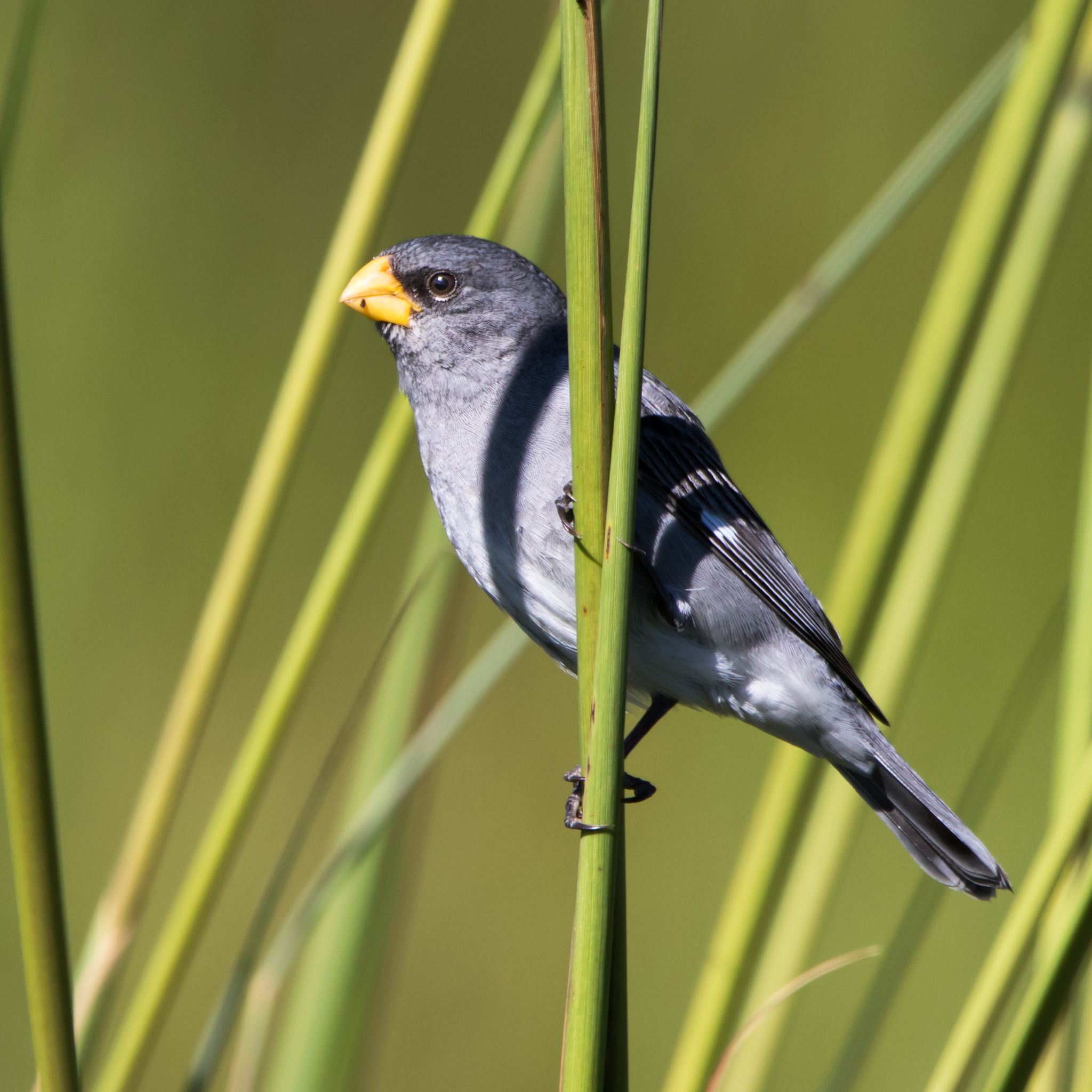
Tropeiro Seedeater
Sporophila beltoni- Araucaria forest
- Cerrado savanna
- Veredas and gallery forest
-

Rusty-collared Seedeater
Sporophila collaris- Seasonally flooded plain
- Southern marshes and lagoons
- Veredas and gallery forest
 Lakes, baías and aquatic vegetation
 Lakes and reservoirs
-

White-throated Seedeater
Sporophila albogularis- Caatinga scrub
- Dry forest of the north-east
- Pasture and arable land
Pseudospingus 1 species

Poospiza 2 species


Cnemoscopus 1 species
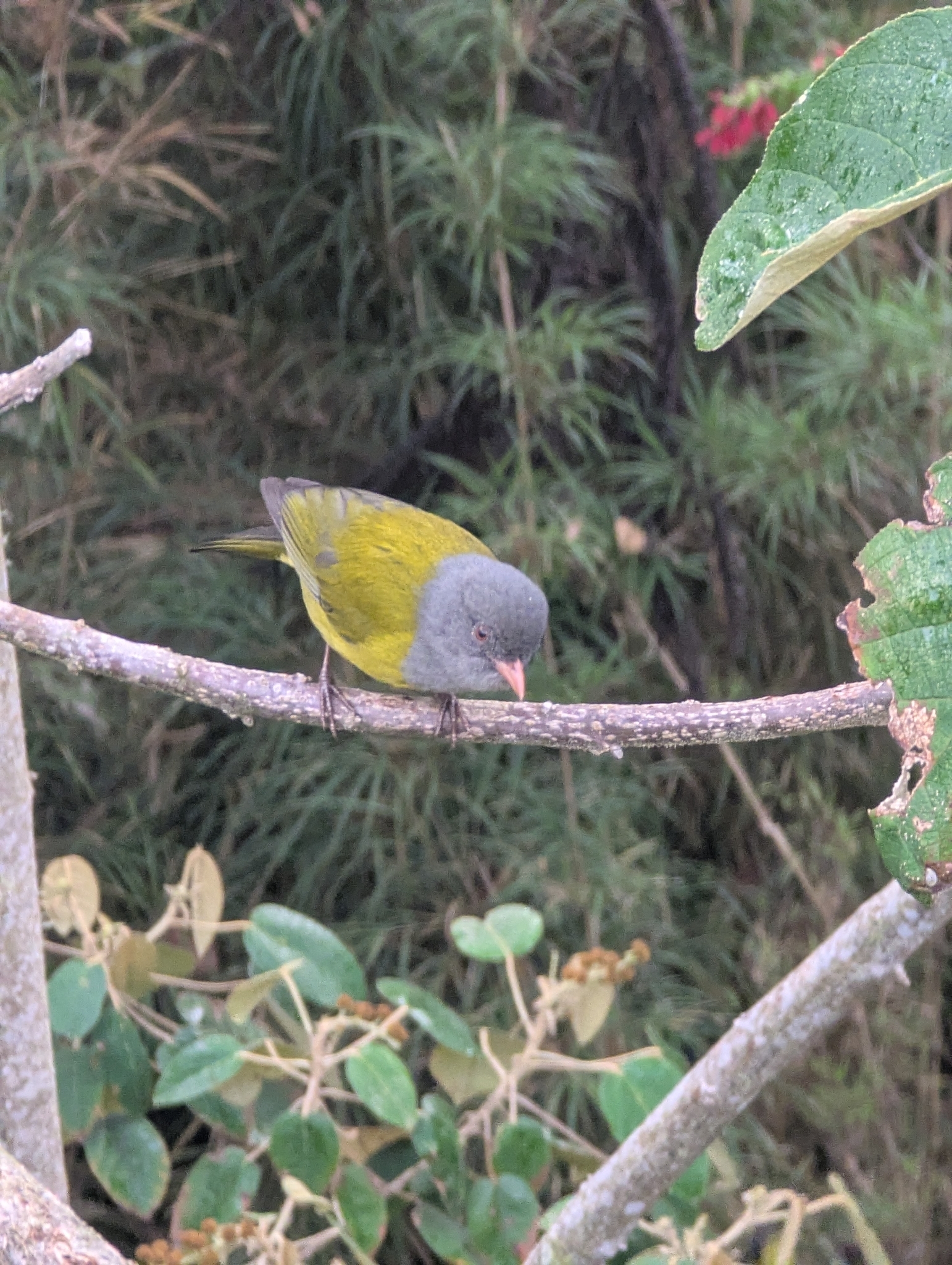
Castanozoster 1 species
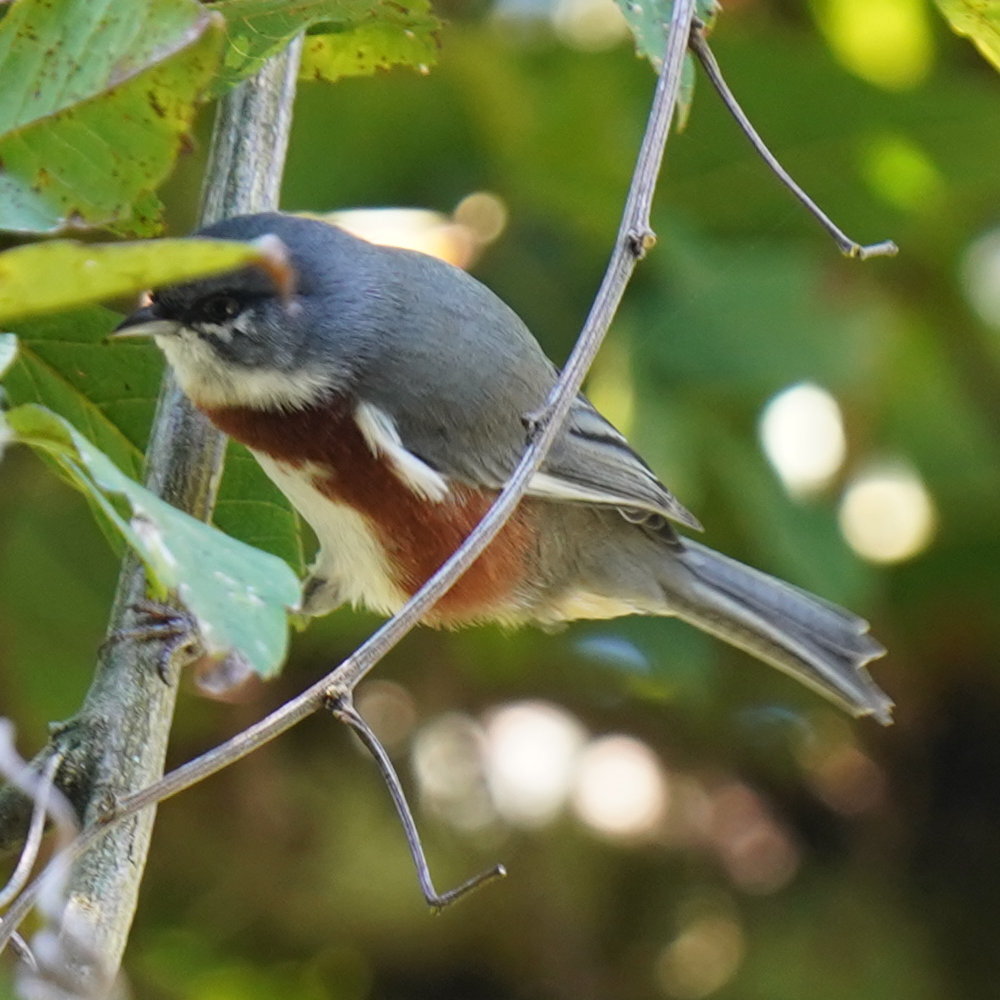
Donacospiza 1 species

Cypsnagra 1 species

Microspingus 4 species
-

Buff-throated Warbling Finch
Microspingus lateralis- Montane forest of the Serra do Mar
- Campo rupestre and mountain grassland
- Araucaria forest
-
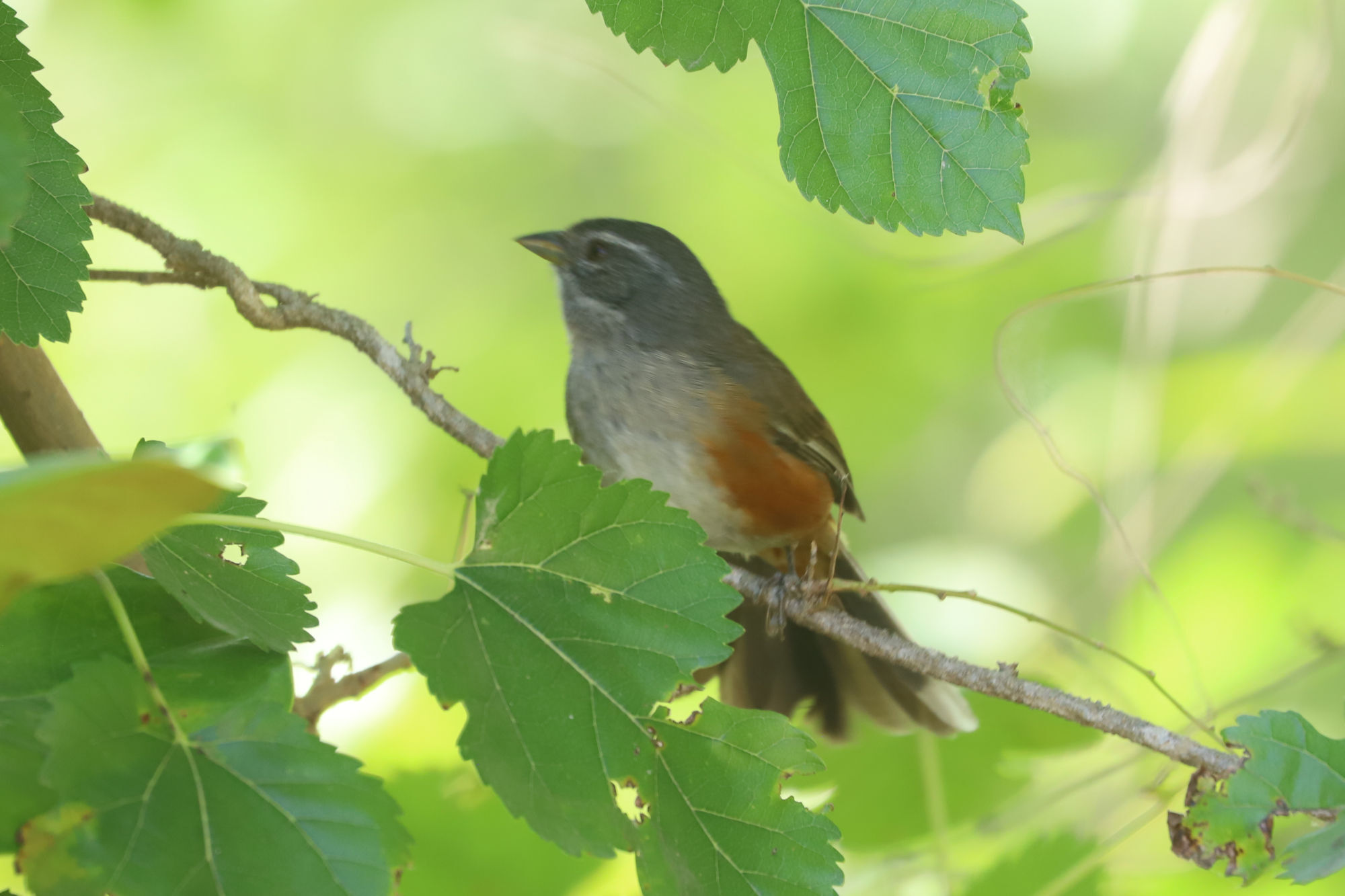
Grey-throated Warbling Finch
Microspingus cabanisi- Araucaria forest
- Woodland and scrub of the southern hills
- Interior semi-deciduous forest
- Montane forest of the Serra do Mar
-

Black-capped Warbling Finch
Microspingus melanoleucus- Gallery forest and woodland islands of the Pantanal
- Cerradão and dry woodland
-

Cinereous Warbling Finch
Microspingus cinereus- Cerrado savanna
- Cerradão and dry woodland
- Campo rupestre and mountain grassland
Kleinothraupis 2 species


Sphenopsis 2 species


Thlypopsis 4 species
-

Orange-headed Tanager
Thlypopsis sordida- Secondary forest and forest edge
- Floating meadows and river islands
- Veredas and gallery forest
- Dry forest of the north-east
- Gallery forest and woodland islands of the Pantanal
- Towns, cities and gardens
-

Fulvous-headed Tanager
Thlypopsis fulviceps- Montane forest of the Venezuelan coastal range
- Montane forest of the Venezuelan Andes and Perijá
-

Chestnut-headed Tanager
Thlypopsis pyrrhocoma- Montane forest of the Serra do Mar
- Araucaria forest
- Interior semi-deciduous forest
- Woodland and scrub of the southern hills
-

Superciliaried Hemispingus
Thlypopsis superciliaris- Montane forest of the Venezuelan Andes and Perijá
Catamblyrhynchus 1 species


Tiaris 1 species

Melanospiza 1 species

Asemospiza 2 species
-
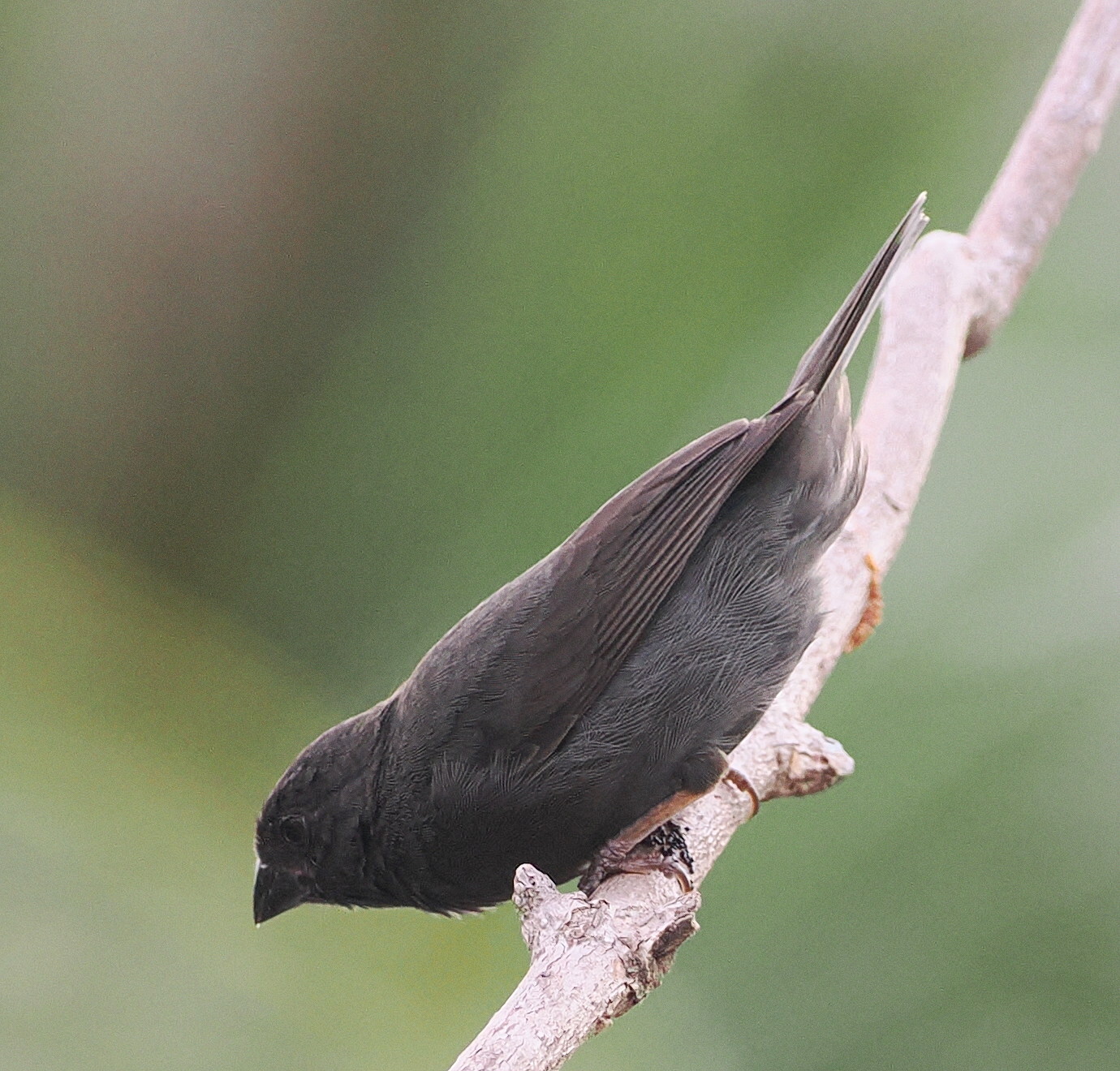
Sooty Grassquit
Asemospiza fuliginosa- Montane forest of the Serra do Mar
- Coastal lowland forest
- Interior semi-deciduous forest
- Montane forest of the Venezuelan coastal range
- Montane forest of the Venezuelan Andes and Perijá
- Veredas and gallery forest
-

Dull-colored Grassquit
Asemospiza obscura- Montane forest of the Venezuelan coastal range
- Dry forest and thorn scrub of northern Venezuela
- Montane forest of the Venezuelan Andes and Perijá
- Plantations and agroforestry
- Pasture and arable land
Iridosornis 1 species


Dubusia 1 species

Sporathraupis 1 species

Buthraupis 1 species

Cnemathraupis 1 species

Anisognathus 3 species
-

Lacrimose Mountain Tanager
Anisognathus lacrymosus- Montane forest of the Venezuelan Andes and Perijá
-

Scarlet-bellied Mountain Tanager
Anisognathus igniventris- Montane forest of the Venezuelan Andes and Perijá
-

Blue-winged Mountain Tanager
Anisognathus somptuosus- Montane forest of the Venezuelan Andes and Perijá
- Montane forest of the Venezuelan coastal range
Neothraupis 1 species
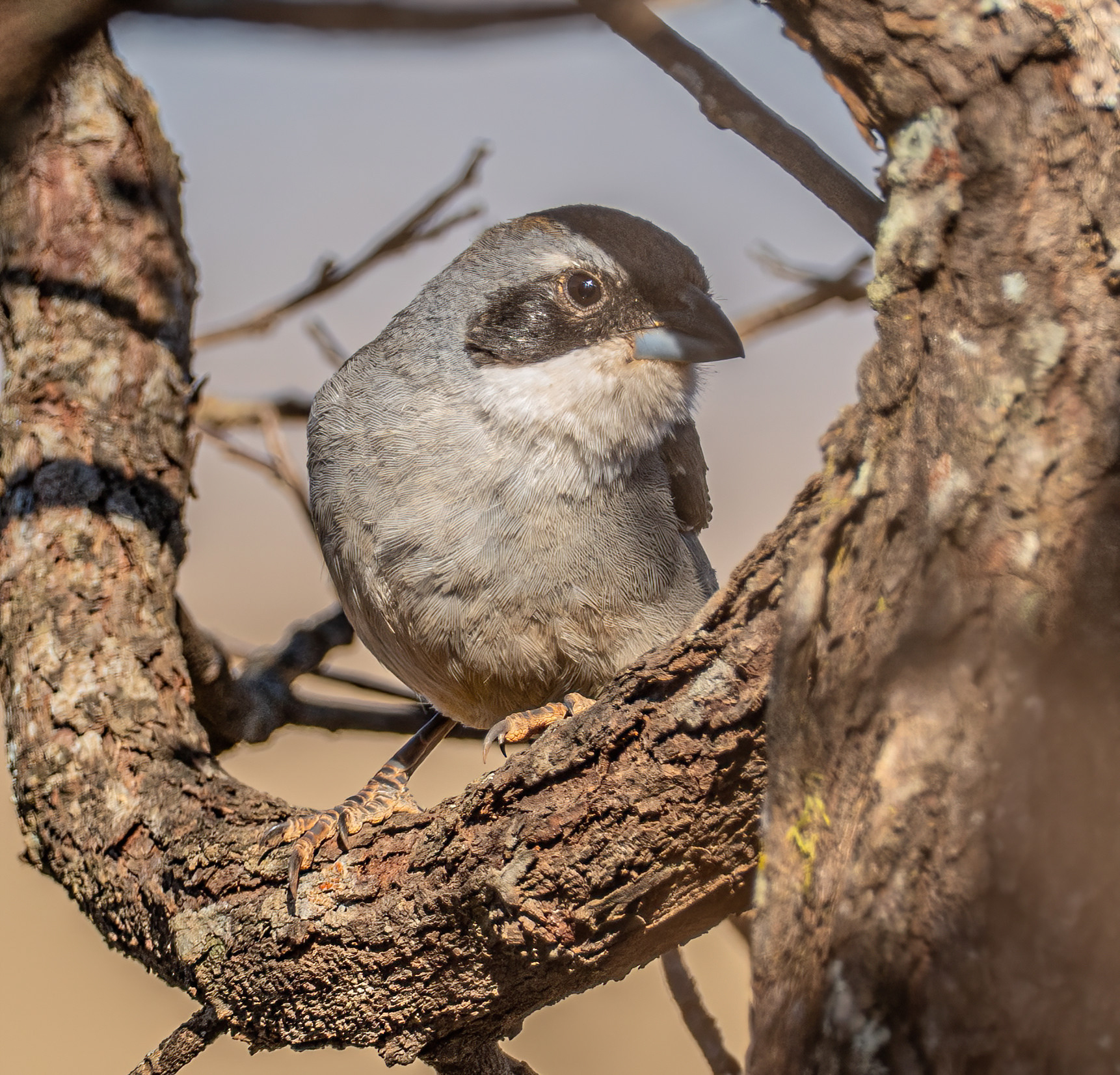
Gubernatrix 1 species

Stephanophorus 1 species


Schistochlamys 2 species
-

Cinnamon Tanager
Schistochlamys ruficapillus- Cerrado savanna
- Campo rupestre and mountain grassland
- Montane forest of the Serra do Mar
- Pasture and arable land
-

Black-faced Tanager
Schistochlamys melanopis- Cerrado savanna
- Savannas of the Guianas
- White-sand forest and campina
- Llanos savanna
- Pasture and arable land
Paroaria 6 species
-

Red-crested Cardinal
Paroaria coronata- Woodland and scrub of the southern hills
- Gallery forest and woodland islands of the Pantanal
- Pampa grassland
- Towns, cities and gardens
-

Red-cowled Cardinal
Paroaria dominicana- Caatinga scrub
- Dry forest of the north-east
- Pasture and arable land
- Towns, cities and gardens
-

Masked Cardinal
Paroaria nigrogenis- Flooded Llanos and esteros
- Large rivers and sandbars
- Lakes and reservoirs
- Mangroves
- Llanos savanna
-

Red-capped Cardinal
Paroaria gularis- Várzea (whitewater flooded forest)
- Floating meadows and river islands
- Large rivers and sandbars
 Igapó (blackwater flooded forest)
- Mangroves
-

Crimson-fronted Cardinal
Paroaria baeri- Veredas and gallery forest
- Large rivers and sandbars
- Floating meadows and river islands
- Várzea (whitewater flooded forest)
-

Yellow-billed Cardinal
Paroaria capitata- Lakes, baías and aquatic vegetation
- Gallery forest and woodland islands of the Pantanal
- Seasonally flooded plain
- Lakes and reservoirs
Tangara 17 species
-

Blue-and-black Tanager
Tangara vassorii- Montane forest of the Venezuelan Andes and Perijá
-

Beryl-spangled Tanager
Tangara nigroviridis- Montane forest of the Venezuelan Andes and Perijá
- Montane forest of the Venezuelan coastal range
-

Turquoise Tanager
Tangara mexicana- Secondary forest and forest edge
- Tall terra firme forest
- Várzea (whitewater flooded forest)
- Coastal lowland forest
- Plantations and agroforestry
-

White-bellied Tanager
Tangara brasiliensis- Coastal lowland forest
- Restinga
- Plantations and agroforestry
- Towns, cities and gardens
-

Paradise Tanager
Tangara chilensis- Tall terra firme forest
- Várzea (whitewater flooded forest)
- Secondary forest and forest edge
- Igapó (blackwater flooded forest)
-

Opal-rumped Tanager
Tangara velia- Tall terra firme forest
- Várzea (whitewater flooded forest)
- Secondary forest and forest edge
- Coastal lowland forest
-

Opal-crowned Tanager
Tangara callophrys- Tall terra firme forest
- Várzea (whitewater flooded forest)
- Secondary forest and forest edge
-

Green-headed Tanager
Tangara seledon- Coastal lowland forest
- Montane forest of the Serra do Mar
- Interior semi-deciduous forest
- Araucaria forest
- Towns, cities and gardens
-

Seven-colored Tanager
Tangara fastuosa- Northeastern coastal forest
-

Red-necked Tanager
Tangara cyanocephala- Coastal lowland forest
- Montane forest of the Serra do Mar
- Interior semi-deciduous forest
- Northeastern coastal forest
 Brejos and highland forest
-

Brassy-breasted Tanager
Tangara desmaresti- Montane forest of the Serra do Mar
- Araucaria forest
- Interior semi-deciduous forest
-

Gilt-edged Tanager
Tangara cyanoventris- Coastal lowland forest
- Montane forest of the Serra do Mar
- Interior semi-deciduous forest
-

Bay-headed Tanager
Tangara gyrola- Montane forest of the Venezuelan coastal range
- Montane forest of the Venezuelan Andes and Perijá
- Highland forest of the Guiana Shield
- Tall terra firme forest
- Secondary forest and forest edge
- Plantations and agroforestry
-

Rufous-cheeked Tanager
Tangara rufigenis- Montane forest of the Venezuelan coastal range
-

Saffron-crowned Tanager
Tangara xanthocephala- Montane forest of the Venezuelan Andes and Perijá
-

Green-and-gold Tanager
Tangara schrankii- Tall terra firme forest
- Várzea (whitewater flooded forest)
- Secondary forest and forest edge
-

Golden Tanager
Tangara arthus- Montane forest of the Venezuelan Andes and Perijá
- Montane forest of the Venezuelan coastal range
Thraupis 6 species
-

Blue-grey Tanager
Thraupis episcopus- Towns, cities and gardens
- Secondary forest and forest edge
- Várzea (whitewater flooded forest)
- Plantations and agroforestry
- Dry forest and thorn scrub of northern Venezuela
-

Sayaca Tanager
Thraupis sayaca- Towns, cities and gardens
- Interior semi-deciduous forest
- Coastal lowland forest
- Veredas and gallery forest
- Dry forest of the north-east
- Plantations and agroforestry
- Woodland and scrub of the southern hills
-

Glaucous Tanager
Thraupis glaucocolpa- Dry forest and thorn scrub of northern Venezuela
- Towns, cities and gardens
- Plantations and agroforestry
- Mangroves
-

Azure-shouldered Tanager
Thraupis cyanoptera- Montane forest of the Serra do Mar
- Coastal lowland forest
- Araucaria forest
- Interior semi-deciduous forest
- Towns, cities and gardens
-

Golden-chevroned Tanager
Thraupis ornata- Montane forest of the Serra do Mar
- Coastal lowland forest
- Interior semi-deciduous forest
- Towns, cities and gardens
-

Palm Tanager
Thraupis palmarum- Towns, cities and gardens
- Palm swamps
- Secondary forest and forest edge
- Plantations and agroforestry
- Coastal lowland forest
- Veredas and gallery forest
- Dry forest of the north-east
Ixothraupis 4 species
-

Dotted Tanager
Ixothraupis varia- Tall terra firme forest
- White-sand forest and campina
- Secondary forest and forest edge
-

Speckled Tanager
Ixothraupis guttata- Montane forest of the Venezuelan coastal range
- Montane forest of the Venezuelan Andes and Perijá
- Highland forest of the Guiana Shield
-

Yellow-bellied Tanager
Ixothraupis xanthogastra- Tall terra firme forest
- Highland forest of the Guiana Shield
- White-sand forest and campina
- Secondary forest and forest edge
-

Spotted Tanager
Ixothraupis punctata- Tall terra firme forest
- Secondary forest and forest edge
- Highland forest of the Guiana Shield
- White-sand forest and campina
Stilpnia 8 species
-
Black-hooded Tanager
Stilpnia whitelyi- Highland forest of the Guiana Shield
- Savannas of the Guianas
- Secondary forest and forest edge
- Tepui summits and sandstone scrub
-

Black-headed Tanager
Stilpnia cyanoptera- Montane forest of the Venezuelan Andes and Perijá
- Montane forest of the Venezuelan coastal range
- Plantations and agroforestry
- Secondary forest and forest edge
-

Black-capped Tanager
Stilpnia heinei- Montane forest of the Venezuelan Andes and Perijá
- Montane forest of the Venezuelan coastal range
- Plantations and agroforestry
- Towns, cities and gardens
-

Black-backed Tanager
Stilpnia peruviana- Restinga
- Coastal lowland forest
- Towns, cities and gardens
-

Chestnut-backed Tanager
Stilpnia preciosa- Araucaria forest
- Woodland and scrub of the southern hills
- Interior semi-deciduous forest
- Towns, cities and gardens
-

Burnished-buff Tanager
Stilpnia cayana- Cerrado savanna
- Cerradão and dry woodland
- Savannas of the Guianas
- Dry forest and thorn scrub of northern Venezuela
- Towns, cities and gardens
-

Masked Tanager
Stilpnia nigrocincta- Secondary forest and forest edge
- Tall terra firme forest
- Várzea (whitewater flooded forest)
- White-sand forest and campina
-

Blue-necked Tanager
Stilpnia cyanicollis- Montane forest of the Venezuelan Andes and Perijá
- Secondary forest and forest edge
- Veredas and gallery forest
- Plantations and agroforestry
Vagrants 4 species
Birds blown in from other continents. They have no range here, and so no distribution map.
-

Many-colored Chaco Finch
Saltatricula multicolor- Cerradão and dry woodland
- Gallery forest and woodland islands of the Pantanal
-

Mourning Sierra Finch
Rhopospina fruticeti- Pampa grassland
- Pasture and arable land
-

Diuca Finch
Diuca diuca- Pampa grassland
- Woodland and scrub of the southern hills
- Pasture and arable land
-

Scrub Tanager
Stilpnia vitriolina- Montane forest of the Venezuelan Andes and Perijá
- Plantations and agroforestry
- Towns, cities and gardens