All species › Waders, gulls and terns › Sandpipers and allies › Solitary Sandpiper
Solitary Sandpiper | Tringa solitaria
Amerikaanse Bosruiter | Andarríos solitario
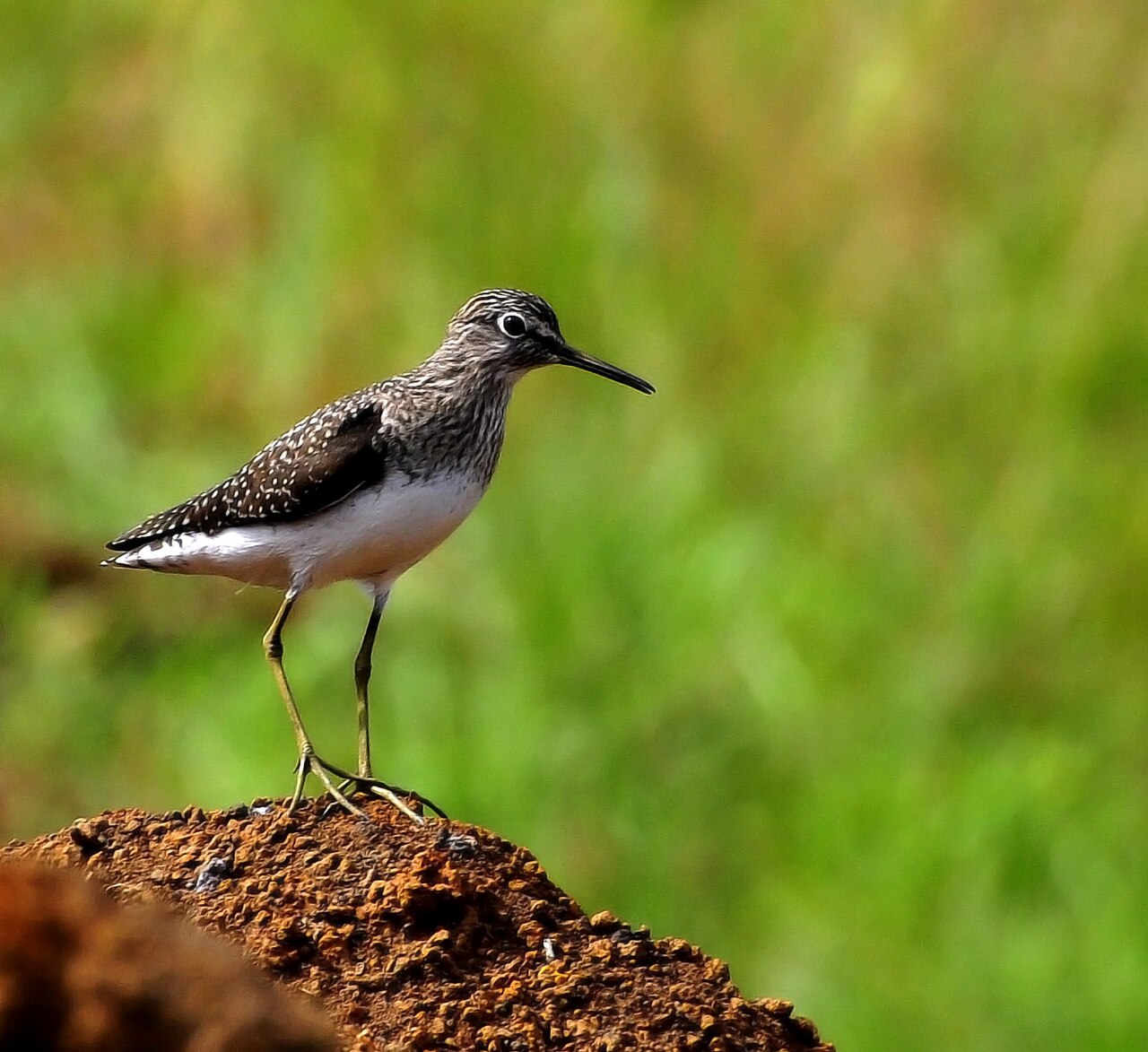
The Solitary Sandpiper is the wader that nests in a tree: it lays its eggs not on the ground but in an old songbird nest, metres above the bog pools of the northern conifer forest. Away from the breeding season it lives up to its name and stands alone at a woodland pool, a ditch or a drain, far from the crowds on the mudflats. Dark olive-brown with a white eyering, bobbing its rear end, it springs steeply into the air with a sharp whistle when disturbed.
Voice
The alarm on take-off is a high, sharp peet-weet or peet-weet-weet, more piercing and thinner than the call of the Spotted Sandpiper, and usually the first sign of the bird. On the breeding grounds the male sings from a slow circling flight above the forest on quivering wings: a repeated, plaintive wheedle-wheedle-wheedle that carries across the bog pools. On the ground there is also a soft, short chip while feeding. It calls readily on migration too, and at night that sharp whistle overhead is one of the few signs that waders are passing over land.
Recording: Doug Hynes — CC BY-SA 4.0 · Little Mecatina River ("Bear Cache Island"), Newfoundland and Labrador, Canada · xeno-canto
Identification
A medium-sized, dark wader: dark olive-brown above with fine pale spots, white below, with a grey-brown streaked breast cut sharply against the white belly. On the dark head a broad white eyering stands out, giving the bird a startled look; the bill is straight, dark and a little longer than the head, the legs olive-green. Male and female look alike; juveniles have warmer buff spotting on the back and a less clearly streaked breast. The best character is in flight: there is no white rump, but a dark tail wedge with strikingly black-and-white barred outer tail feathers, and the underwing is almost black and contrasts strongly with the white belly. While feeding it bobs its rear end and trembles its tail, often with one foot stirring the water. It flies up steeply on fast, angular beats, generally alone.
Confusion species
Spotted Sandpiper is smaller and shorter-legged, has a white wedge in front of the wing bend, yellowish legs and shows a white wingbar in flight on stiff, low, fluttering beats; Solitary has no wingbar and climbs high into the air. Lesser Yellowlegs is larger and slimmer, has bright yellow legs and above all a white rump and tail, and usually stands in parties on open mud. Green Sandpiper (Tringa ochropus) of the Old World, which turns up as a vagrant in the Aleutians and the far north-east, is darker above with a brilliant white rump and a sharper contrast between breast and belly. When in doubt, put the bird up: only in Solitary Sandpiper does the rump stay dark while the outer tail feathers flash barred black and white.
Habitat
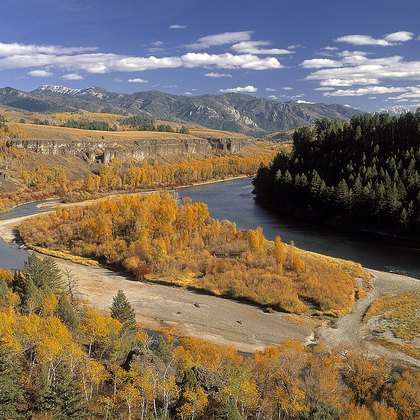
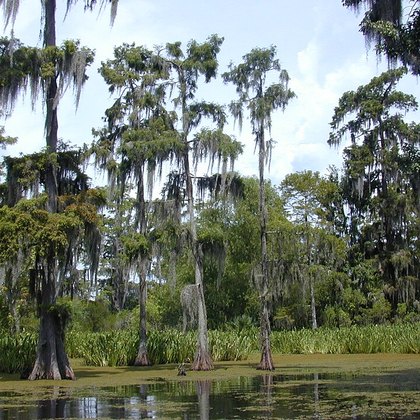
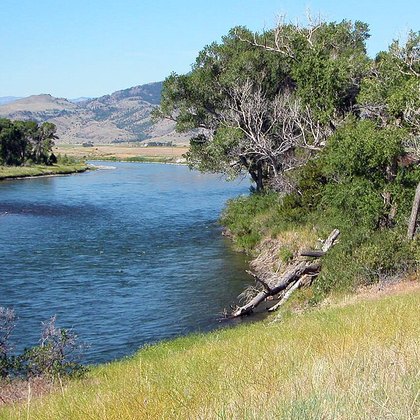
Fresh water in small units is the key: woodland pools, ditches, streams with a muddy edge, flooded pastures, stock ponds and sewage lagoons, by preference with trees or scrub around them. It avoids nearly everything other waders seek — tidal mud, salt marsh and open sandy shores — and will happily use a puddle a few metres across in the middle of a town. On the breeding grounds it is muskeg: a mosaic of bog pools, sedge marsh and open spruce forest, with the nest trees along the edge. In winter it is river banks, swamps and shallow pools in the tropics, up to high elevations in the mountains.
Where the bird is most often found, arranged by the USNVC — the vegetation classification of the United States and Canada — and CMECS for sea and coast.


Range and movements
A breeder of the boreal forest, from interior Alaska through Yukon and the Northwest Territories east across northern British Columbia, Alberta, Saskatchewan, Manitoba, Ontario and Quebec to Labrador. In autumn and spring it moves through nearly the whole continent, but almost always singly and at night, so that the species never looks numerous anywhere although it occurs everywhere. It winters in Central America, on the Caribbean islands and above all in South America, in the Amazon basin and south to Argentina, outside this map window; small numbers stay in the extreme south of Florida. About changes over the past century little can be said with confidence: the breeding range is too thinly occupied and too remote to count.
- Resident
- Breeding (summer)
- Winter
- Passage
- dark = core range, pale = thinly spread
Where and when to look
In the last week of April and through May, and again from late July into September, check every small muddy puddle inland — a ditch beside a field, a soggy corner of a pasture, the edge of a farm pond. There will nearly always be one bird there, at most two, giving itself away by the bobbing rear end and the white eyering. Flush it gently if need be and watch for the barred black-and-white outer tail feathers and the almost black underwing; the sharp whistle comes with them.
Conservation
The species is assessed as Least Concern, but at about 190,000 birds the population is small for a wader with so large a range. Because it breeds thinly and singly in bog forest that is hard to walk, the trend is poorly known; the usual coastal counts hardly pick it up. The main risks are damage to boreal peatland and swamp forest through drainage, logging and mining, and the loss of freshwater marshes in the wintering areas. On migration it depends on small, temporary waters, which are the first things to go when farmland is reorganised.
Scientific name
Tringa solitaria | Wilson, 1813
Alexander Wilson described the species in 1813 as Tringa solitaria, in the seventh volume of his American Ornithology, on a plate where the bird appears as the third figure. The name has not changed genus since, and author and year therefore stand without parentheses. solitaria is Latin for 'solitary', after the habit of standing alone outside the breeding season and driving others of its kind off a pool; the Dutch and Spanish names follow the same image. The genus name Tringa goes back to Greek trungas, in Aristotle the name of a white-rumped wading bird. Wilson gave the origin of his specimens as the Pocono Mountains in Pennsylvania, with Kentucky and New York besides.