All species › Gamebirds › Guans, curassows and chachalacas
Guans, curassows and chachalacas | Cracidae
Hokko's en chachalaca's | Crácidos | Guans, curassows and chachalacas
In the area of this guide the family numbers 37 species in nine genera, from the noisy chachalacas of scrub and forest edge and the guans of lowland and cloud forest, with the Andean Guan reaching the treeline, to the large curassows of the Amazonian forest and the helmeted curassows of the Andean foothills. They are gamebirds that, unlike their relatives, live mainly in trees: the tail is long and broad, the legs are sturdy and the hind toe sits level with the front toes, so they walk and clamber easily along branches. Many species have bare throat skin or a coloured dewlap, and in curassows the male carries a crest of curled feathers and often a knob, wattle or casque on the bill. They feed mainly on fruit, leaves and flowers and are important seed dispersers. Chachalacas call in chorus at dawn, guans make a dry rattle with their wings in flight, and in several species the windpipe is elongated, producing deep booming and whistling notes. The nest is an untidy platform in a tree or shrub, holding two or three large white eggs with a rough shell. Hunting has made the larger species scarce almost everywhere.
Native species 37 species
Species that occur here by nature: breeding birds, winter visitors and passage migrants. They are arranged by genus, in the sequence of the list.
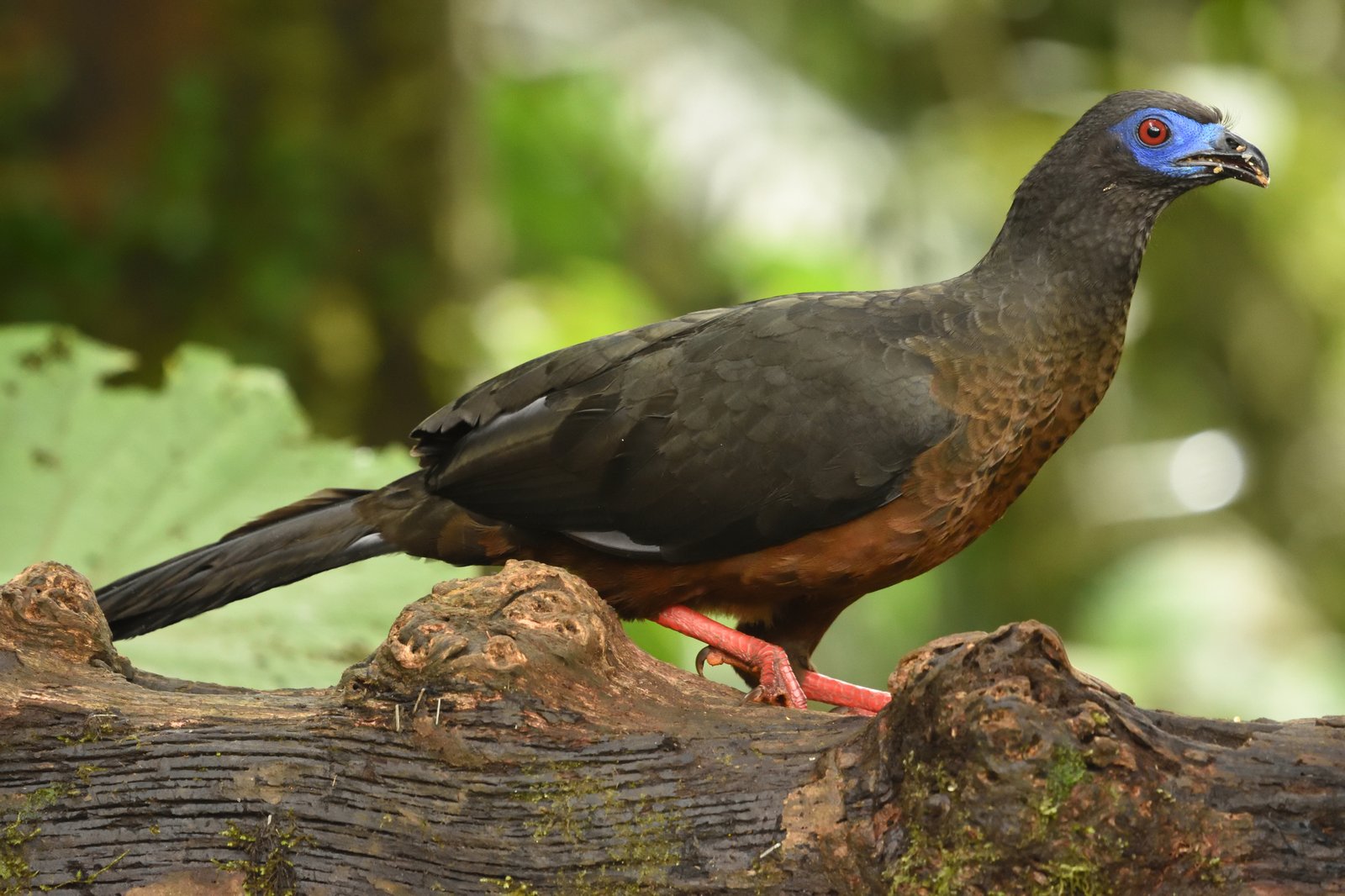
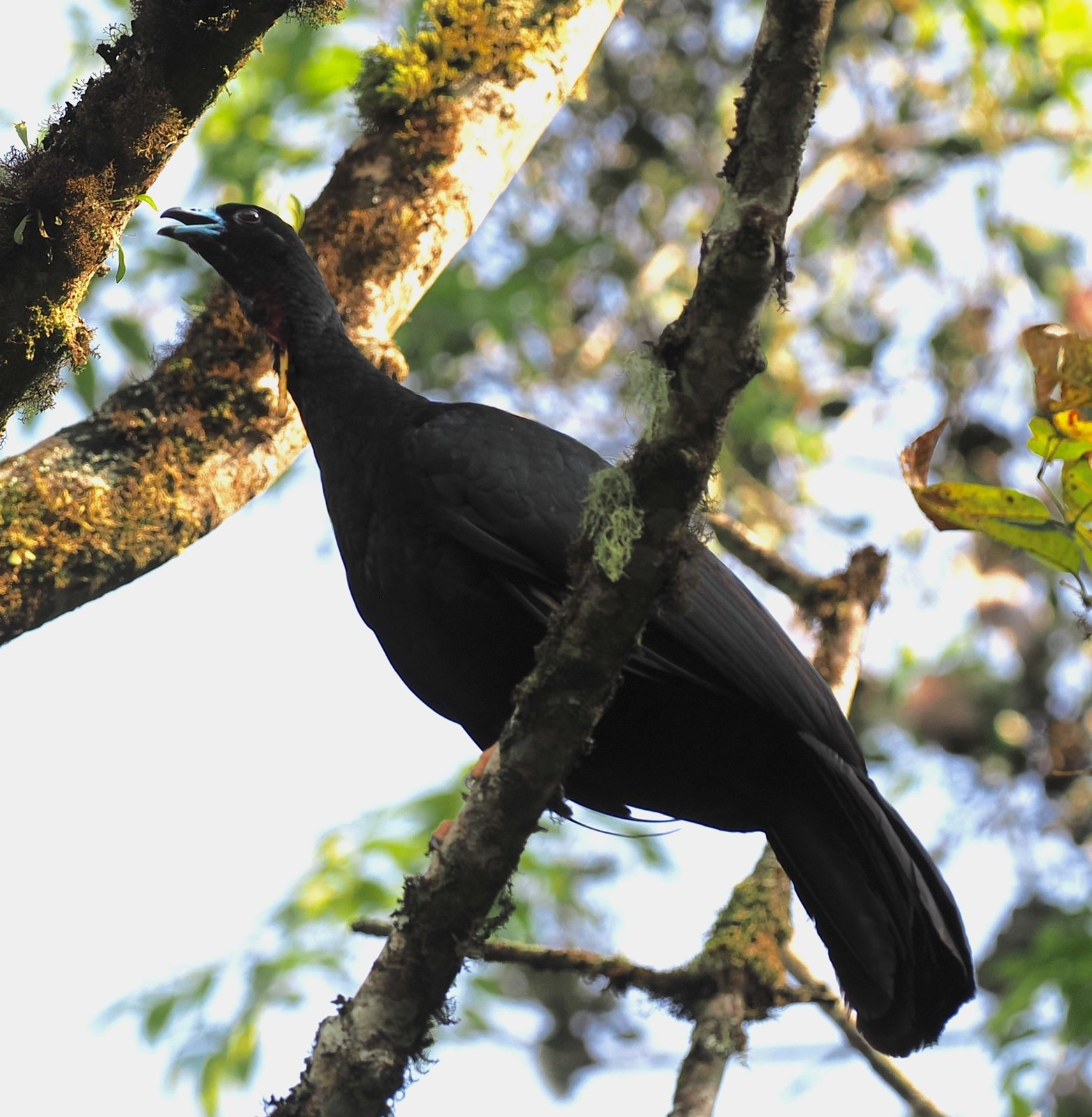
Pipile 2 species
-
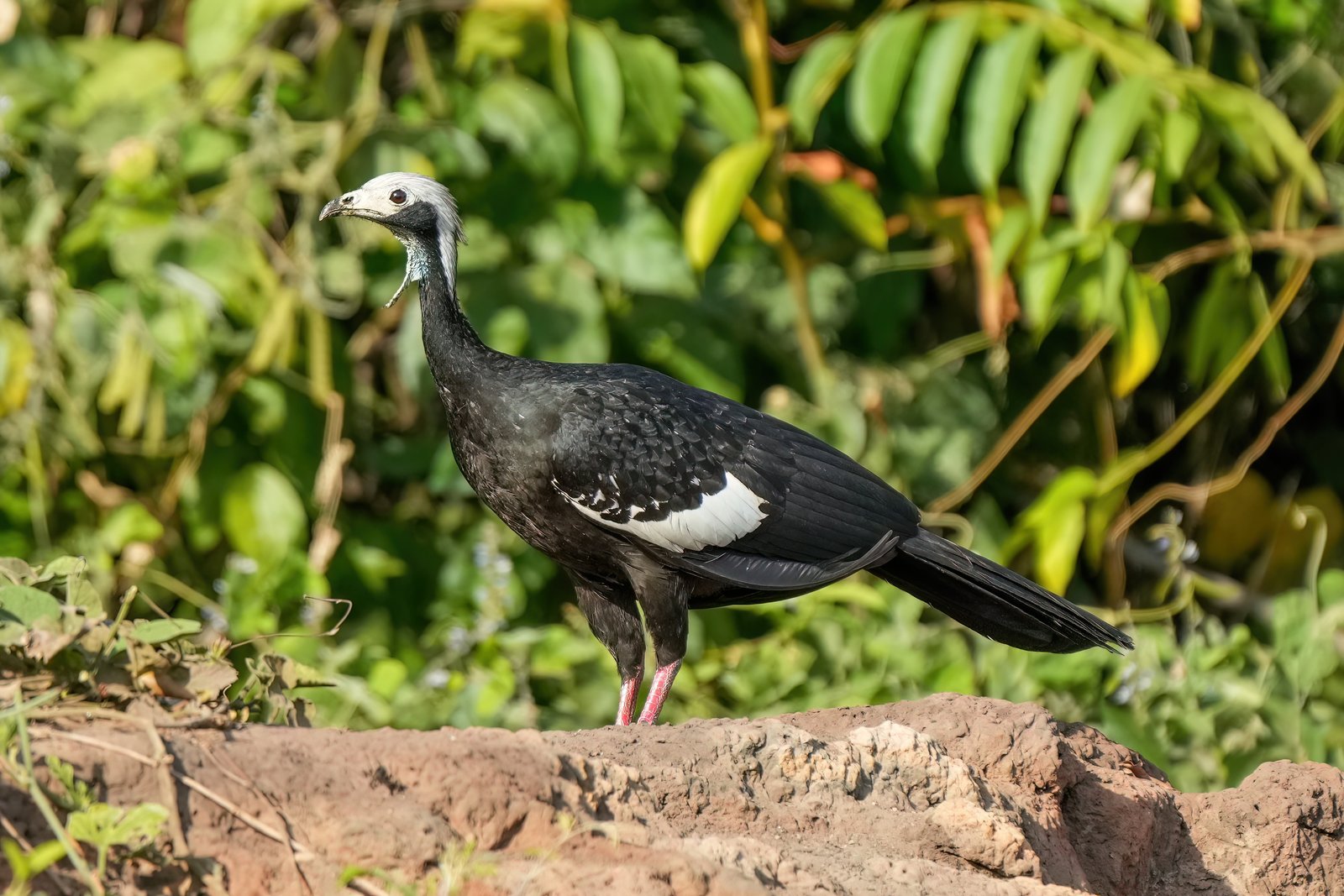
Blue-throated Piping Guan
Pipile cumanensis Várzea, igapó and river islands
 Amazonian terra firme rainforest
 Lowland rivers and sandbars
 Eastern Andean foothill forest
 Beni savanna and cerrado
-
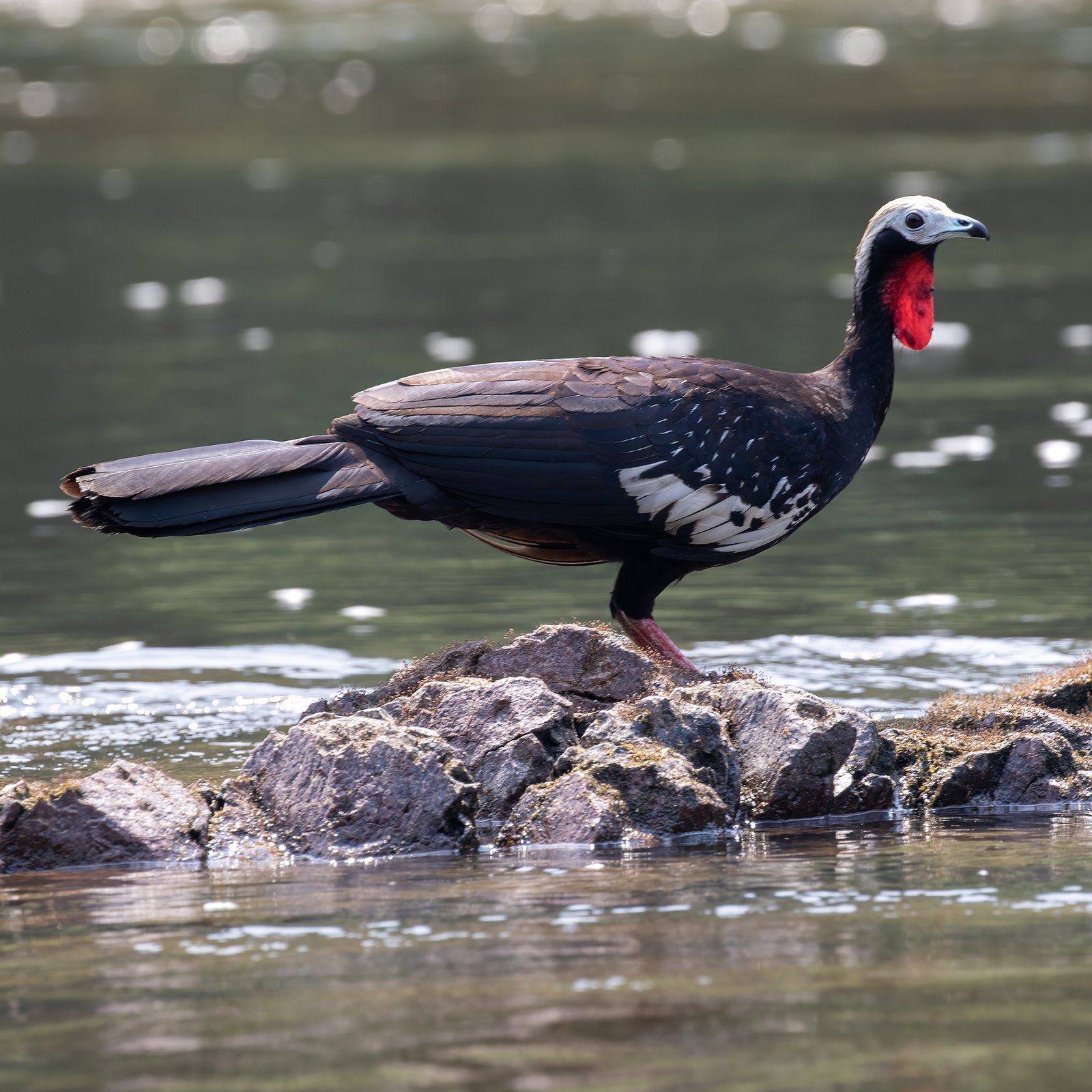
Red-throated Piping Guan
Pipile cujubi- Várzea, igapó and river islands
- Amazonian terra firme rainforest
- Lowland rivers and sandbars
- Beni savanna and cerrado
Penelope 12 species
-
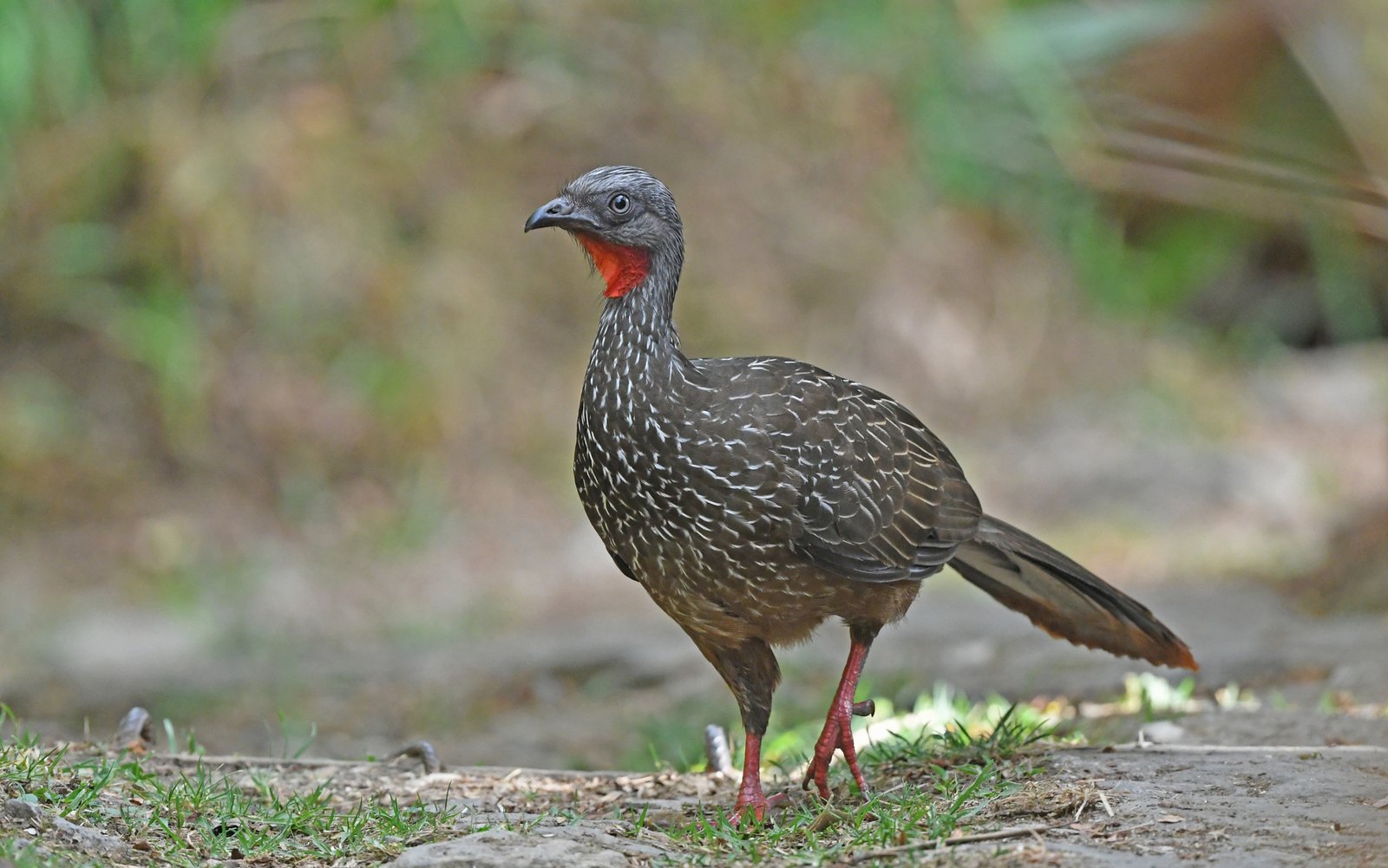
Band-tailed Guan
Penelope argyrotis Northern Andean subtropical forest
 Northern Andean cloud forest and temperate forest
 Secondary forest and forest edge
-
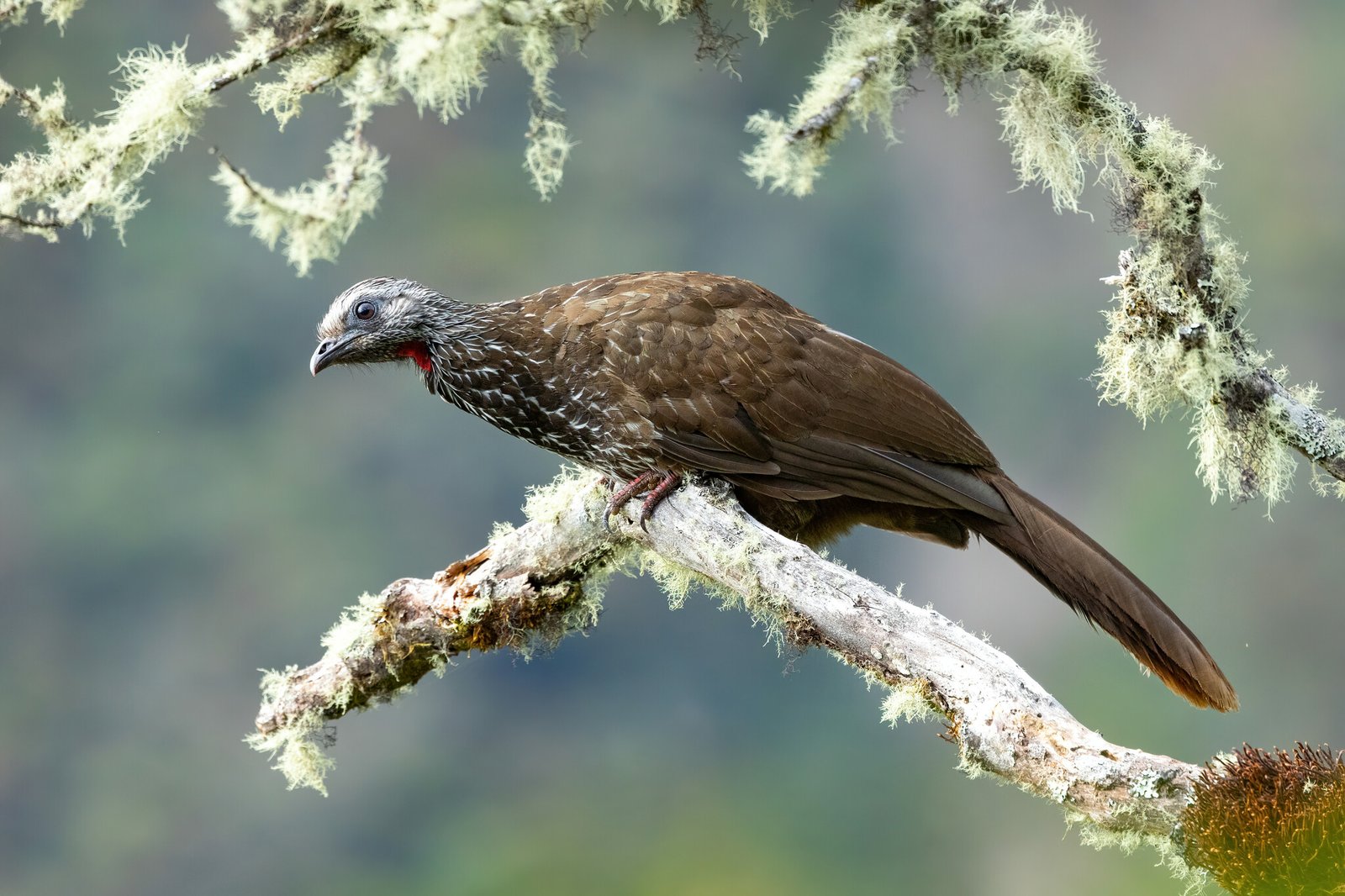
Bearded Guan
Penelope barbata- Northern Andean cloud forest and temperate forest
- Northern Andean subtropical forest
 Riparian woodland of the Andes and coastal valleys
- Secondary forest and forest edge
-
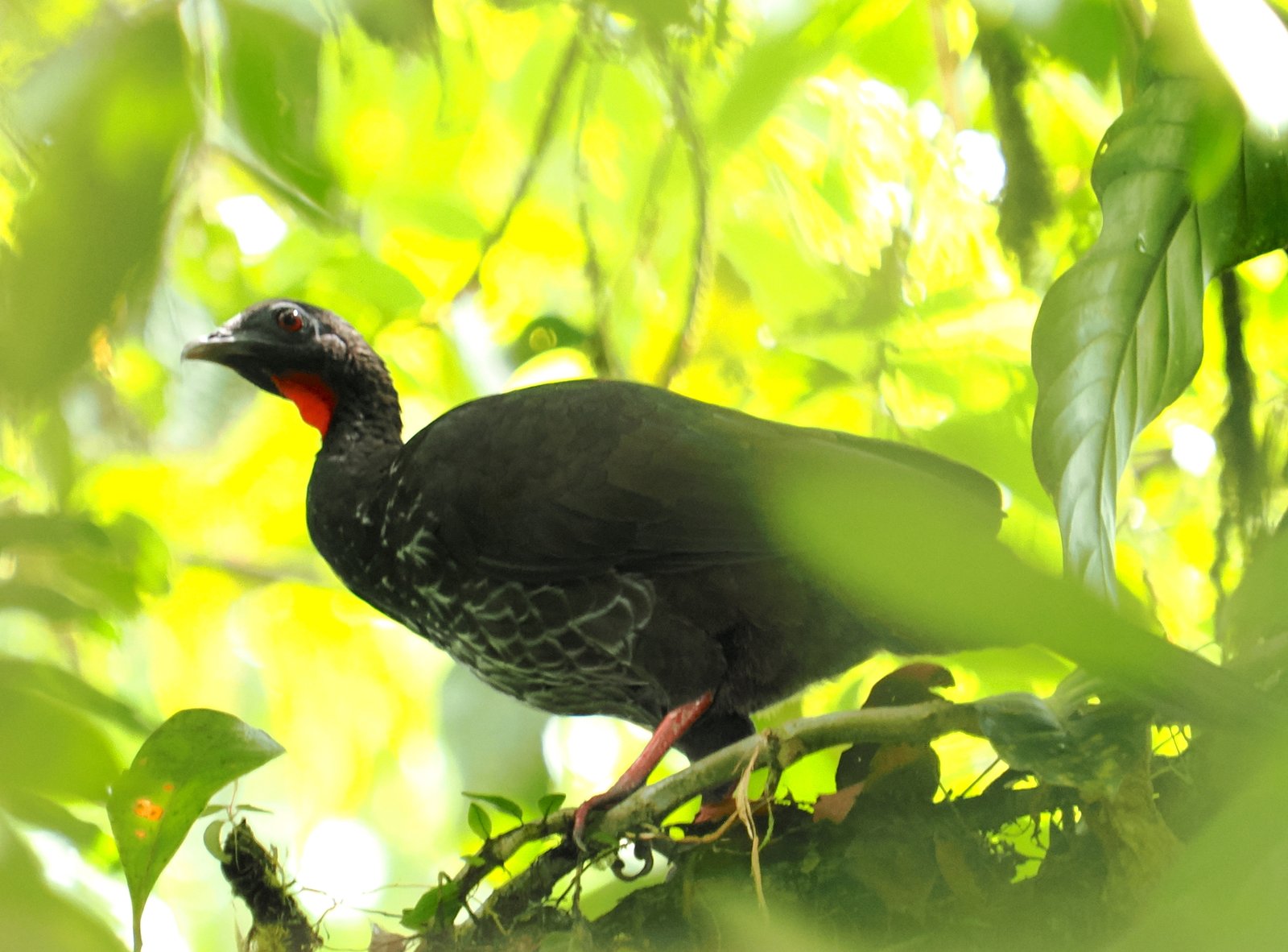
Baudo Guan
Penelope ortoni Chocó rainforest
 Western Ecuador humid forest
- Northern Andean subtropical forest
- Secondary forest and forest edge
-
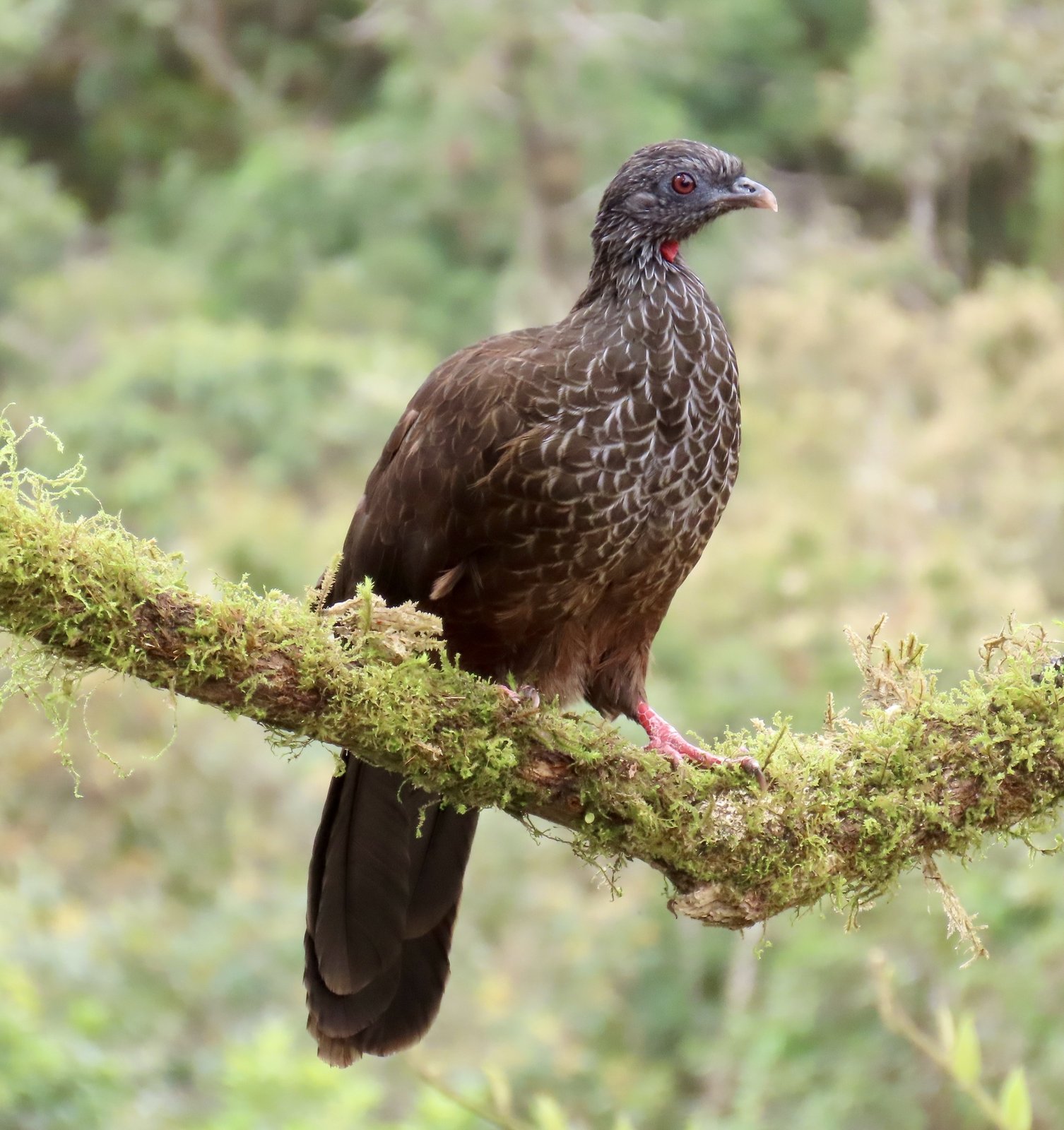
Andean Guan
Penelope montagnii- Northern Andean cloud forest and temperate forest
 Upper Yungas cloud forest
 Polylepis woodland
- Northern Andean subtropical forest
 Lower Yungas forest
- Secondary forest and forest edge
-
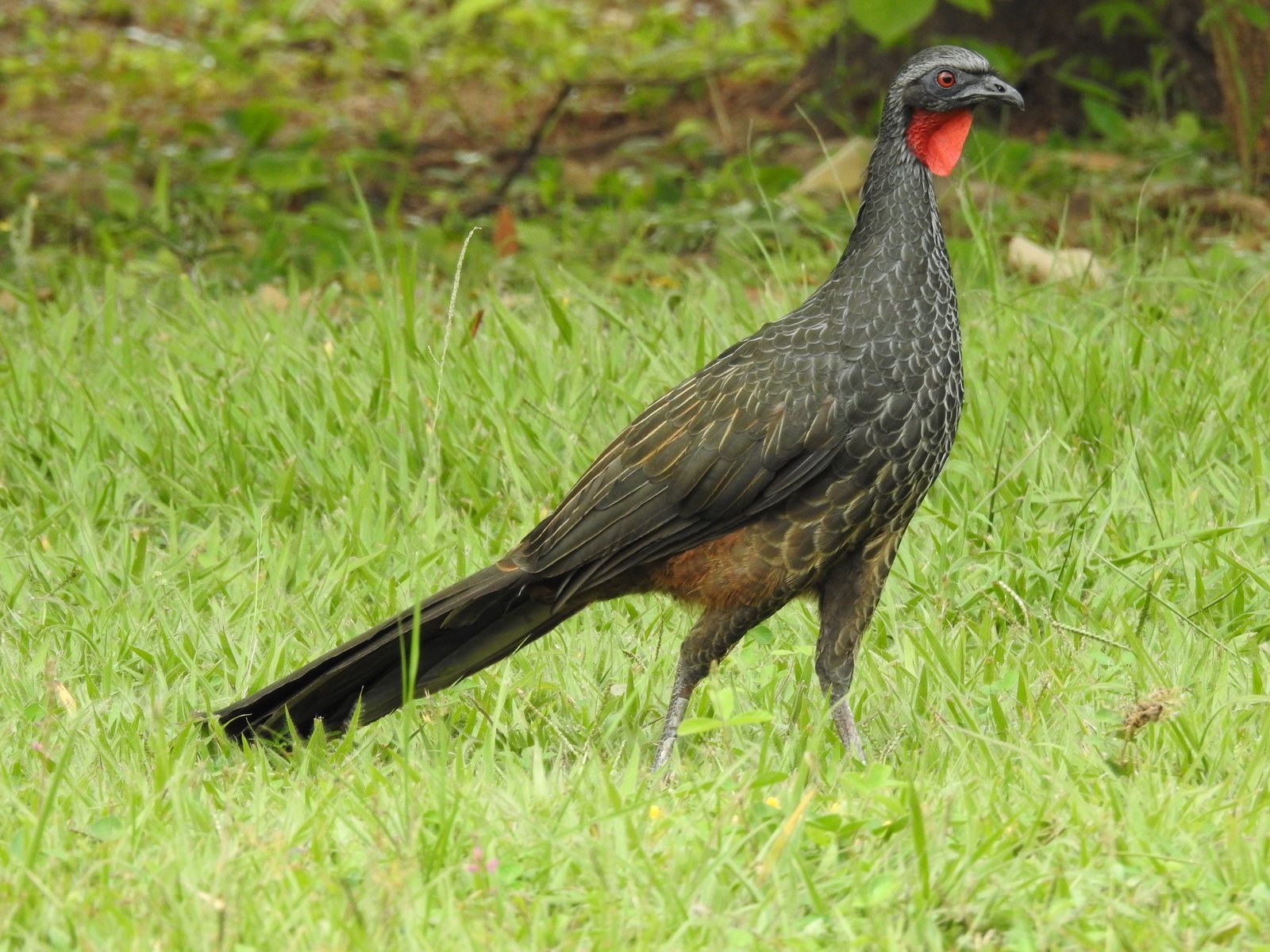
Rusty-margined Guan
Penelope superciliaris Chiquitano dry forest and Chaco
- Beni savanna and cerrado
- Secondary forest and forest edge
- Amazonian terra firme rainforest
-
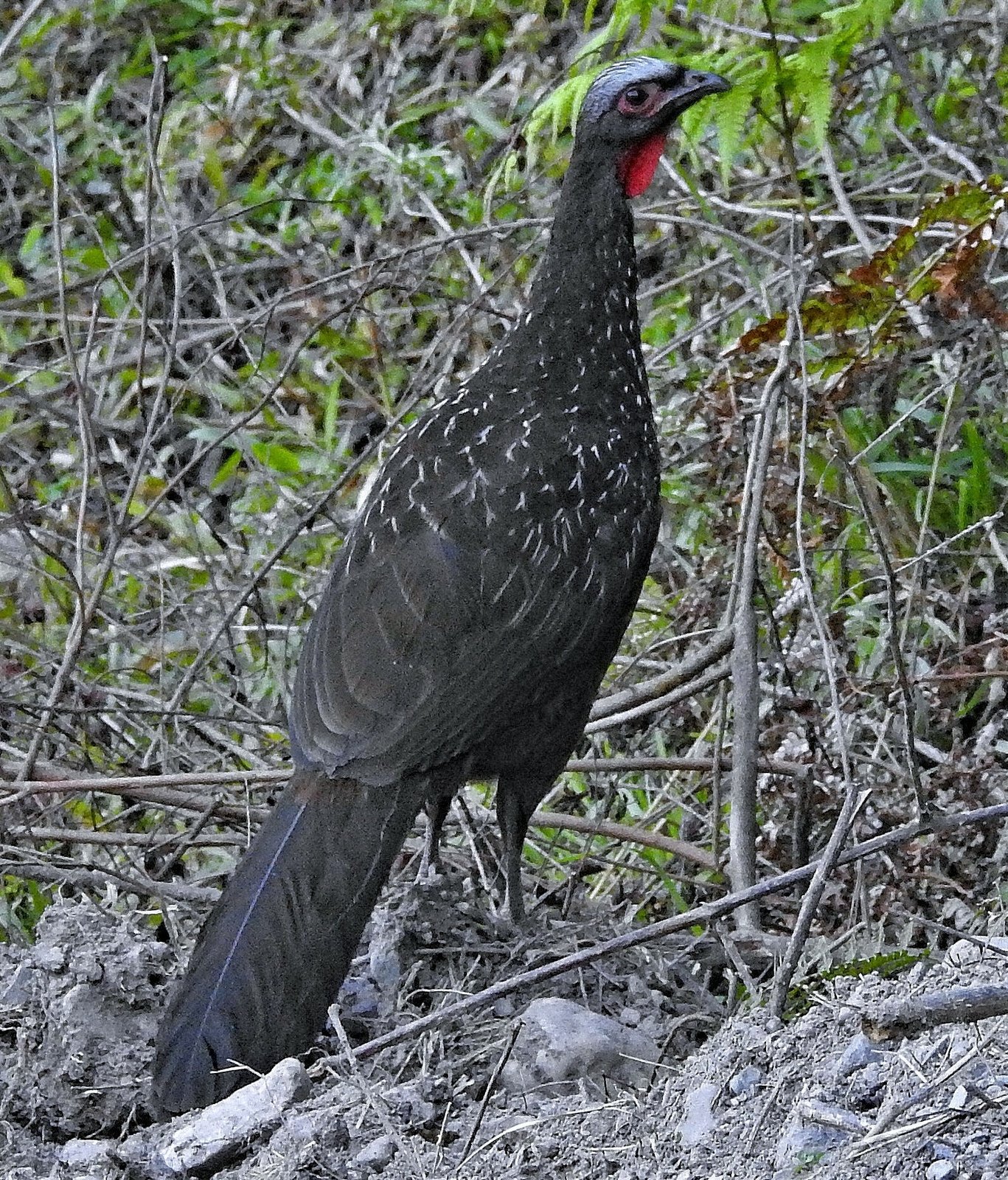
Red-faced Guan
Penelope dabbenei- Upper Yungas cloud forest
- Lower Yungas forest
- Polylepis woodland
- Riparian woodland of the Andes and coastal valleys
-
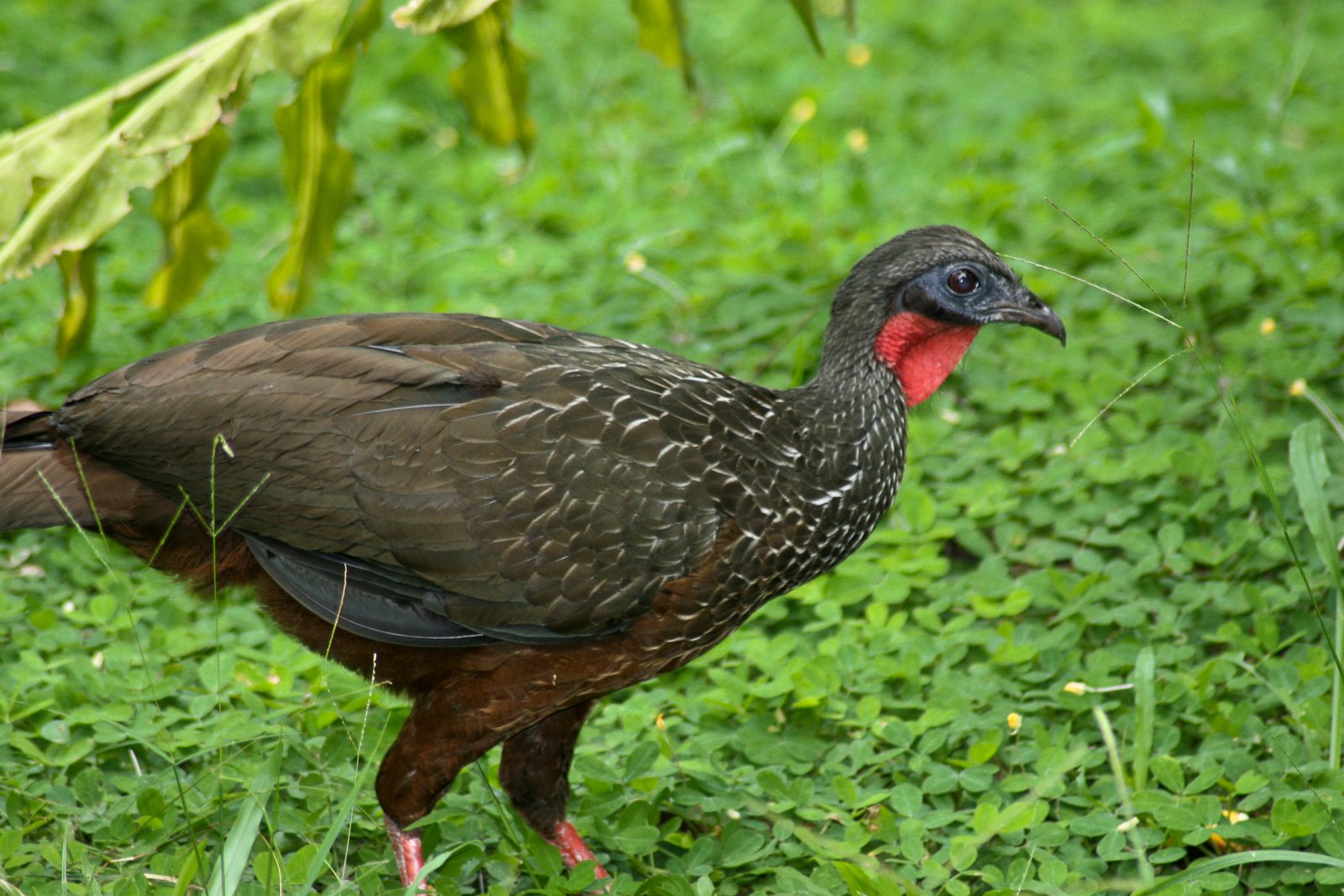
Spix's Guan
Penelope jacquacu- Amazonian terra firme rainforest
- Eastern Andean foothill forest
- Várzea, igapó and river islands
- Secondary forest and forest edge
-
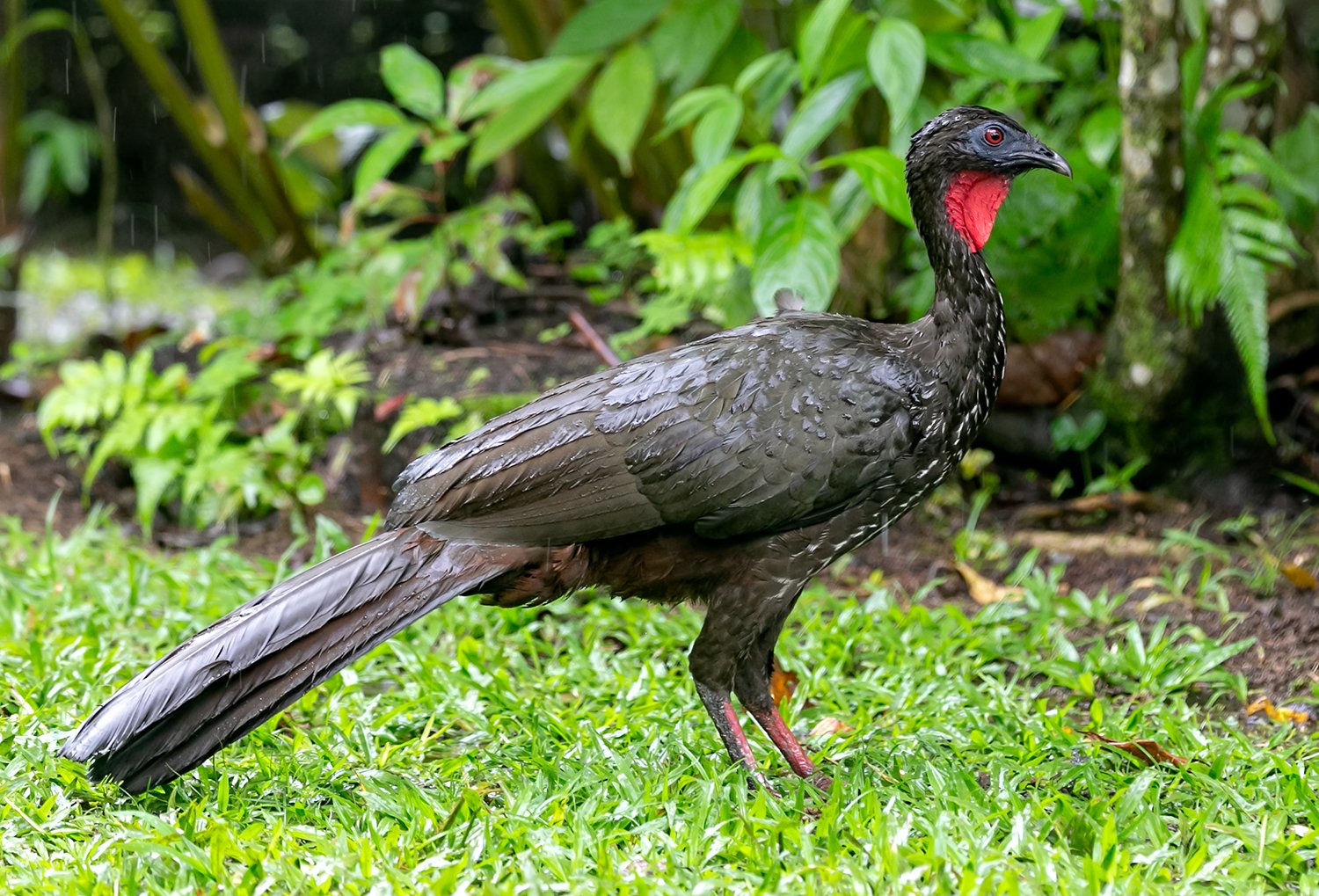
Crested Guan
Penelope purpurascens- Chocó rainforest
- Western Ecuador humid forest
- Northern Andean subtropical forest
 Tumbesian dry forest and thorn scrub
- Secondary forest and forest edge
-
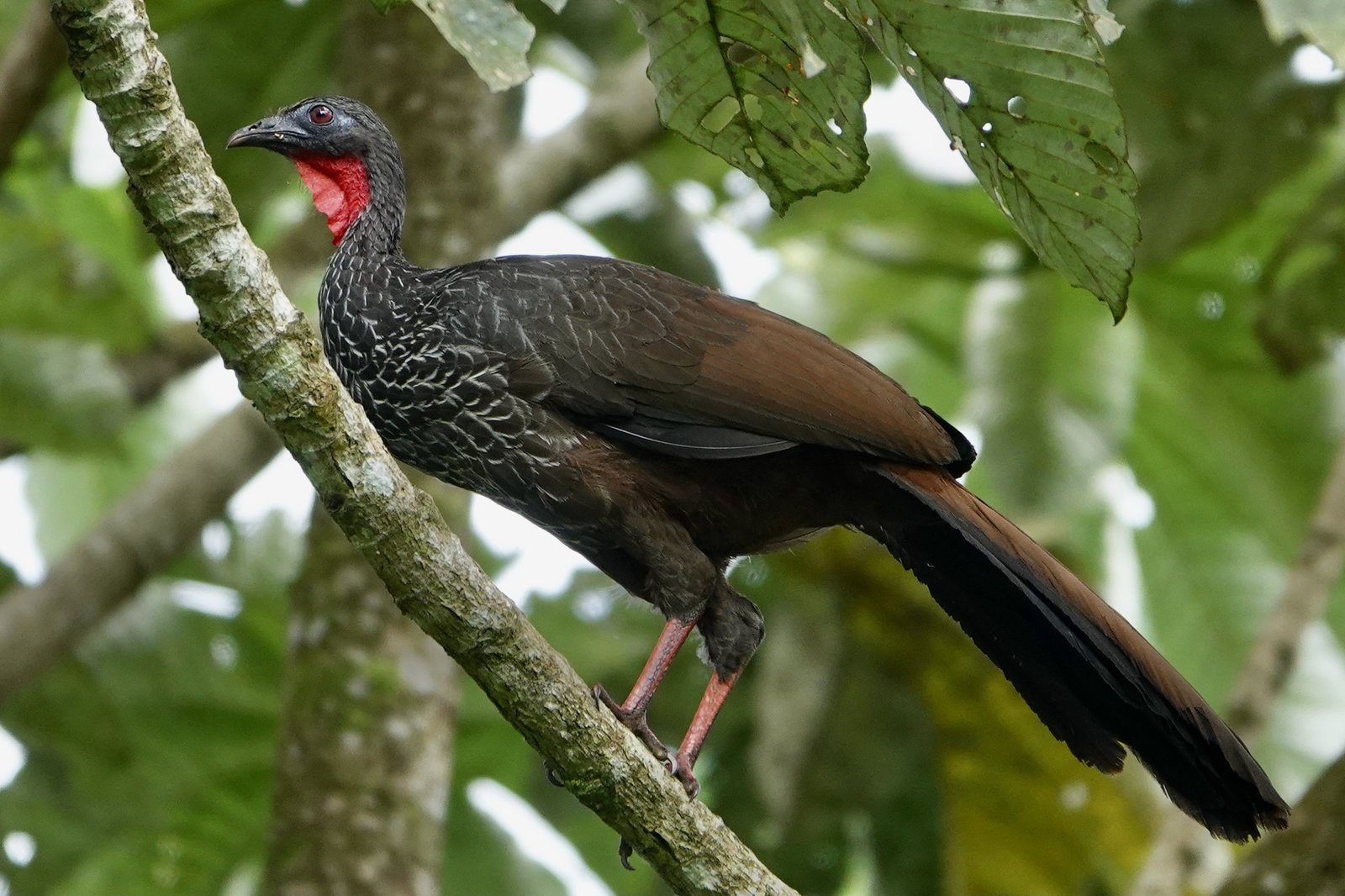
Cauca Guan
Penelope perspicax- Northern Andean subtropical forest
- Secondary forest and forest edge
- Northern Andean cloud forest and temperate forest
 Banana, oil palm and tree plantations
-
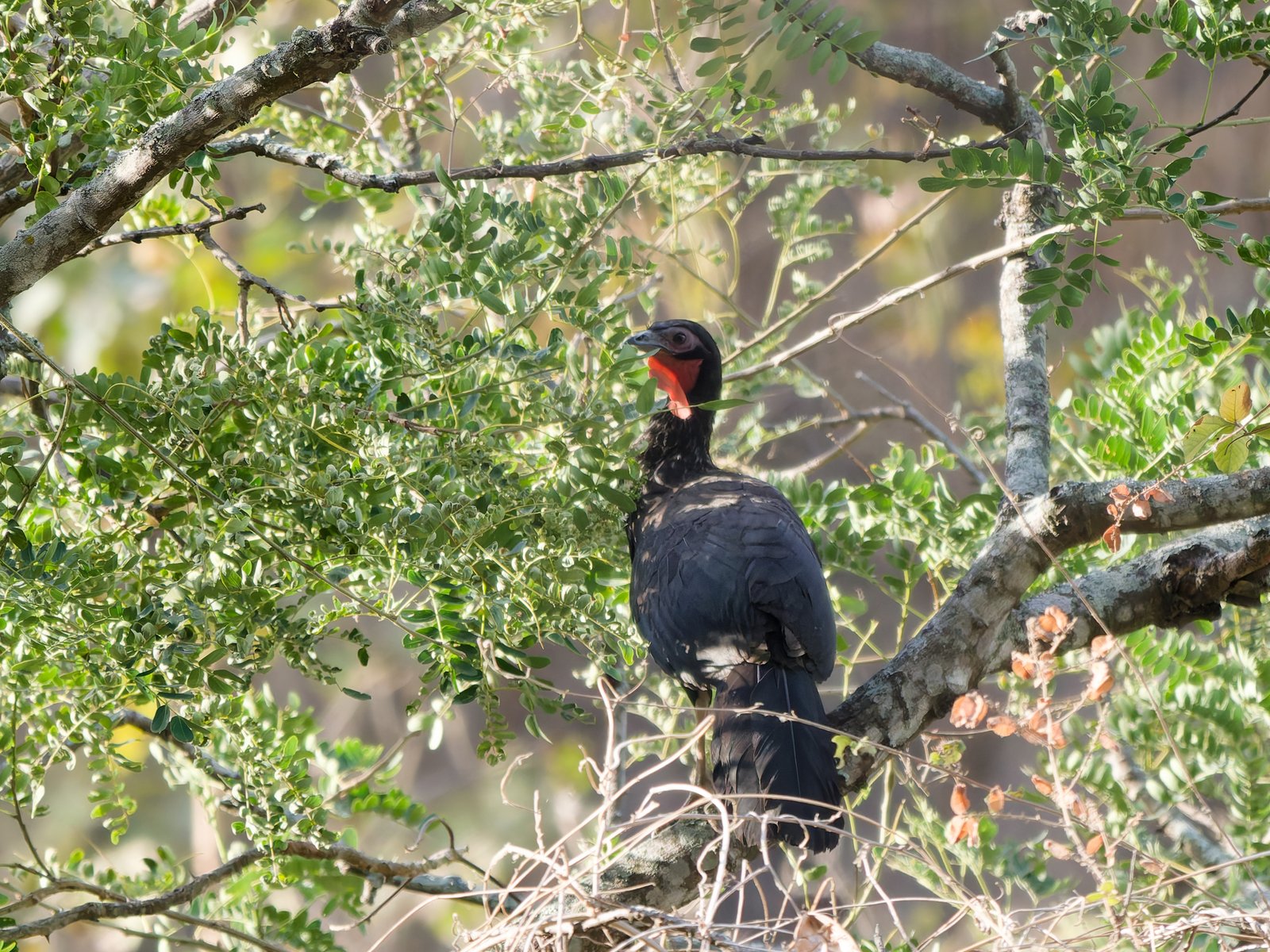
White-winged Guan
Penelope albipennis- Tumbesian dry forest and thorn scrub
 Cliffs, gorges and canyons
 Marañón and northern inter-Andean dry forest
-

Dusky-legged Guan
Penelope obscura- Upper Yungas cloud forest
- Lower Yungas forest
- Secondary forest and forest edge
-
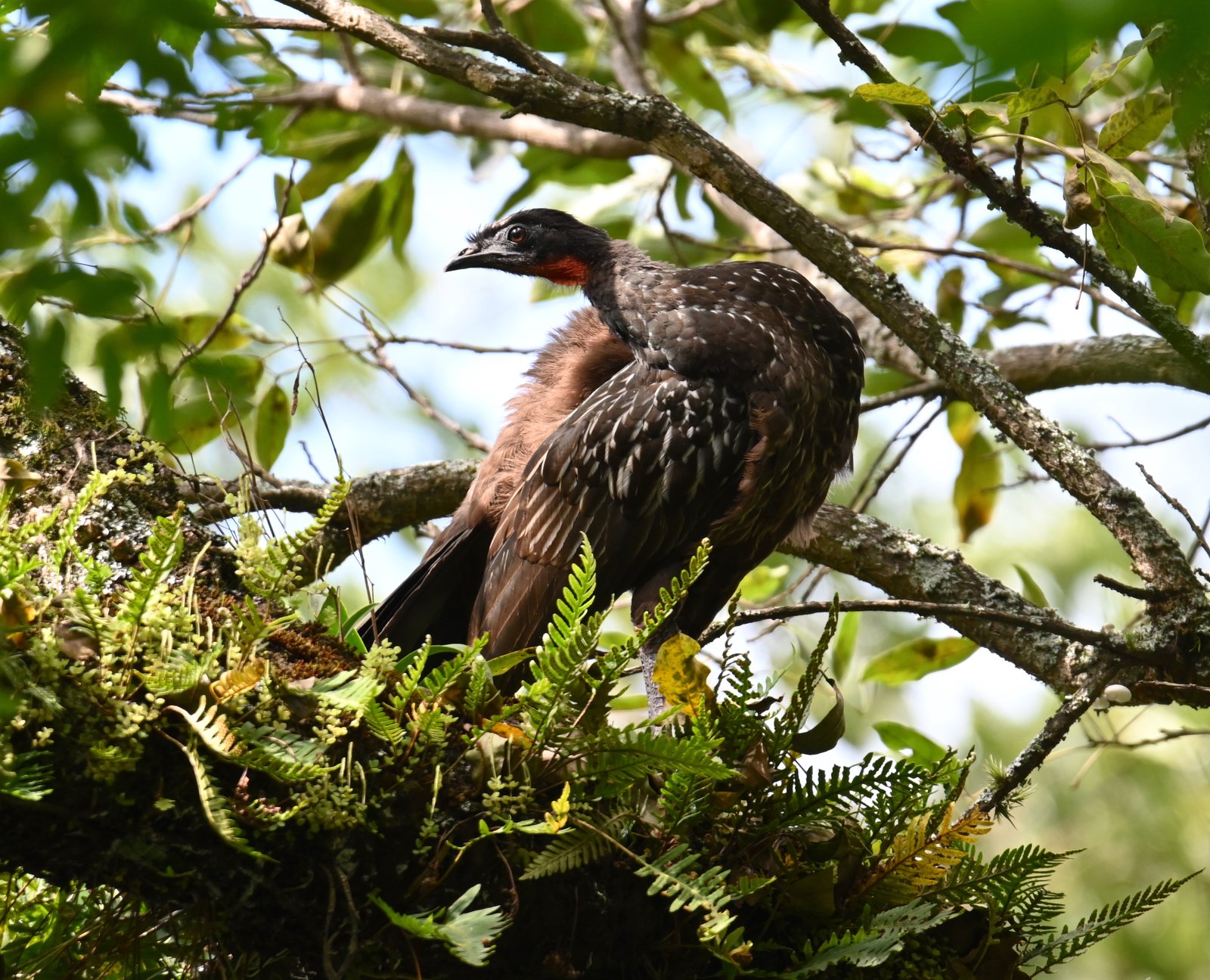
Yungas Guan
Penelope bridgesi- Lower Yungas forest
- Upper Yungas cloud forest
- Eastern Andean foothill forest
- Riparian woodland of the Andes and coastal valleys
Crax 6 species
-
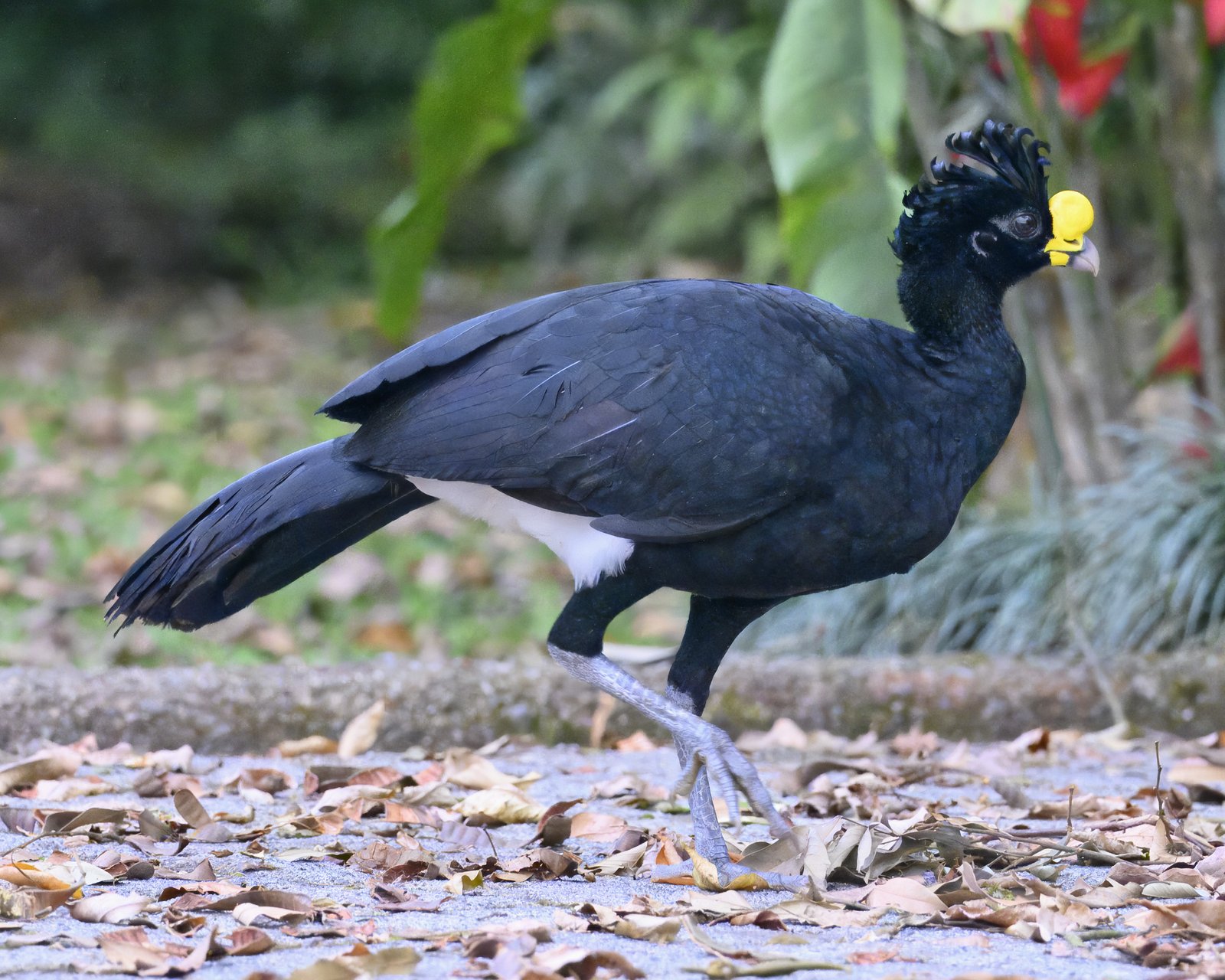
Great Curassow
Crax rubra- Chocó rainforest
- Western Ecuador humid forest
- Secondary forest and forest edge
-
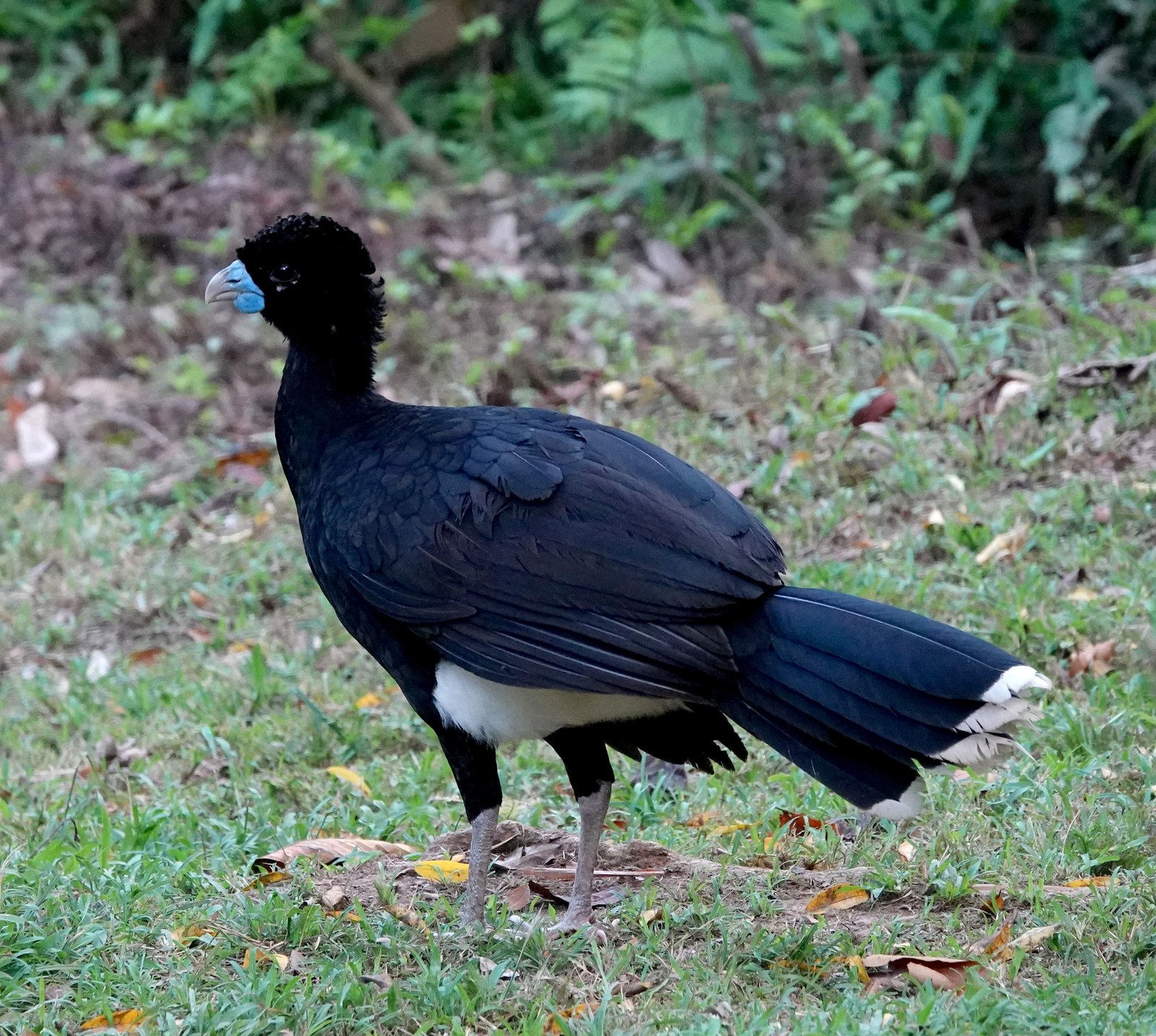
Blue-billed Curassow
Crax alberti- Northern Andean subtropical forest
- Secondary forest and forest edge
- Riparian woodland of the Andes and coastal valleys
-
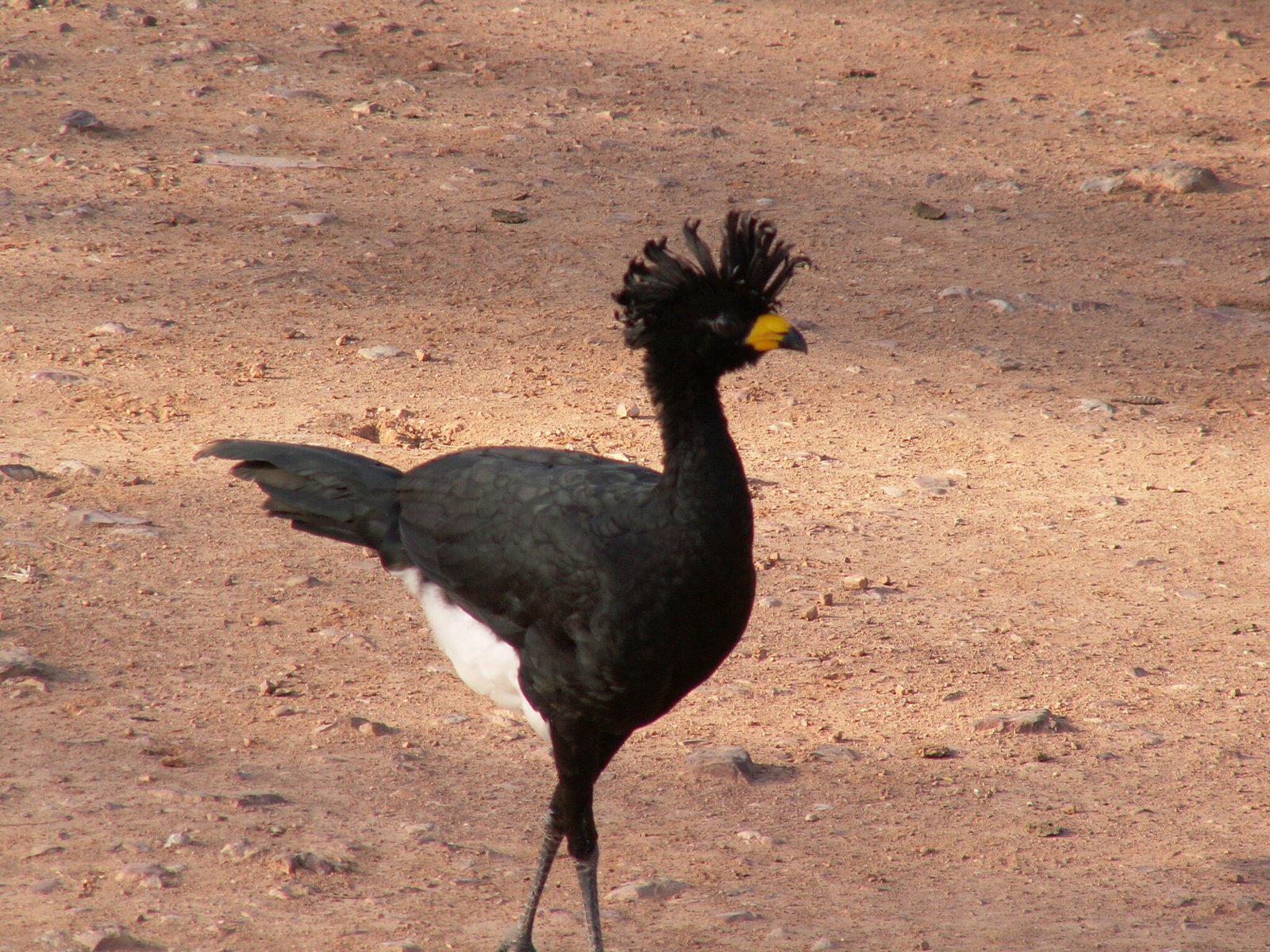
Yellow-knobbed Curassow
Crax daubentoni- Secondary forest and forest edge
 Llanos savanna
- Northern Andean subtropical forest
-
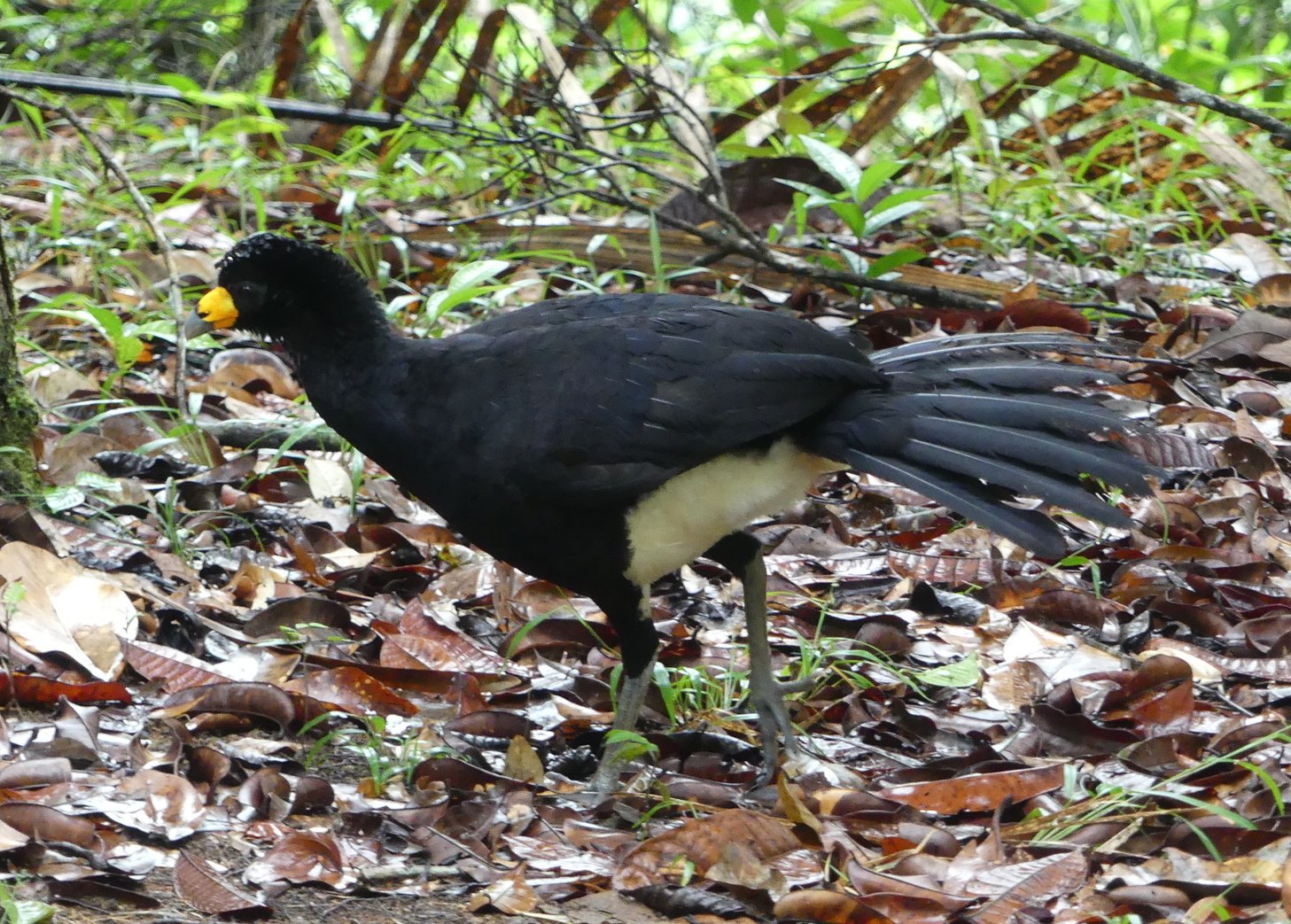
Black Curassow
Crax alector- Amazonian terra firme rainforest
- Várzea, igapó and river islands
- Secondary forest and forest edge
-
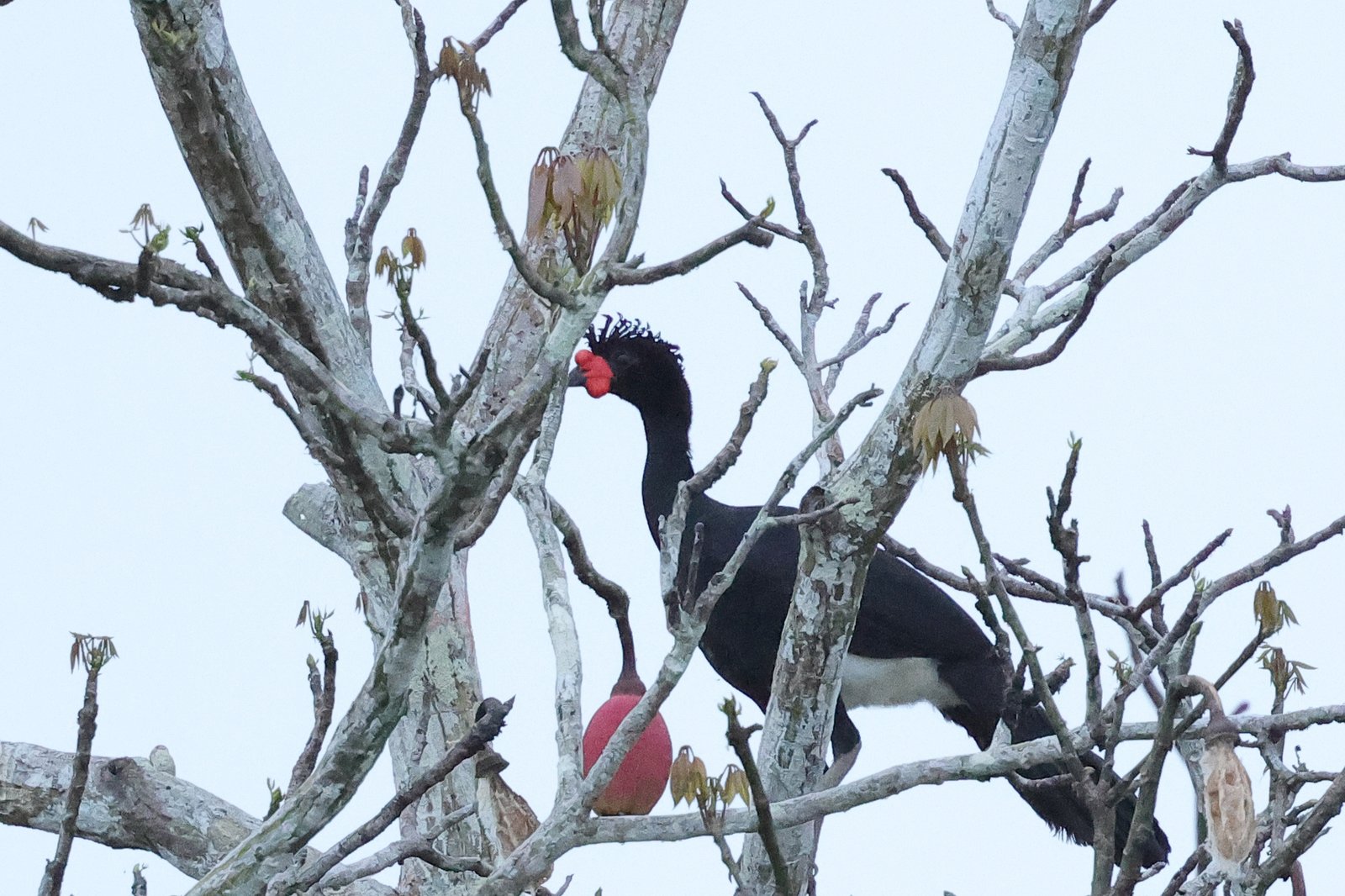
Wattled Curassow
Crax globulosa- Várzea, igapó and river islands
- Lowland rivers and sandbars
 Palm swamps and swamp forest
-
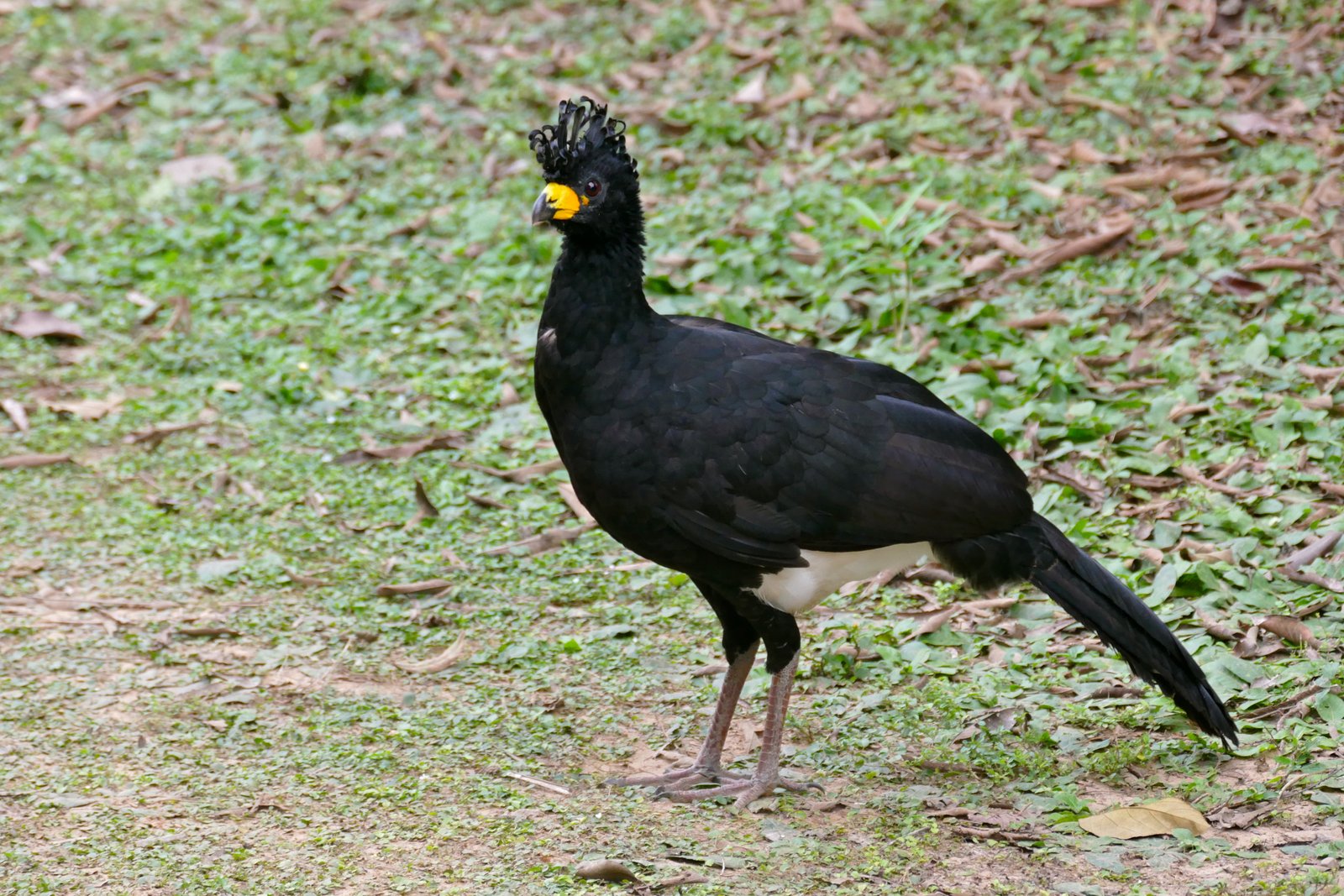
Bare-faced Curassow
Crax fasciolata- Chiquitano dry forest and Chaco
- Beni savanna and cerrado
- Secondary forest and forest edge
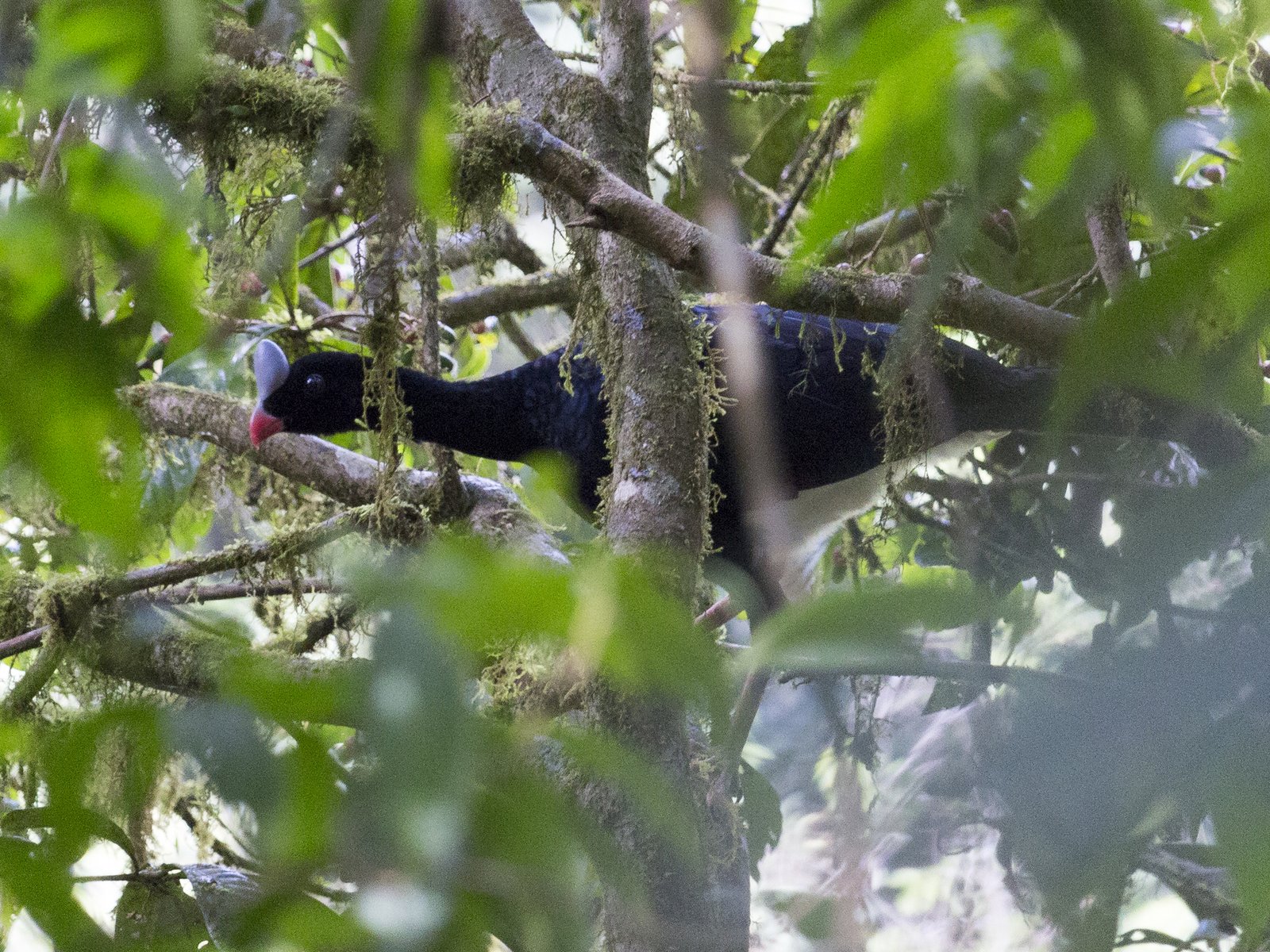
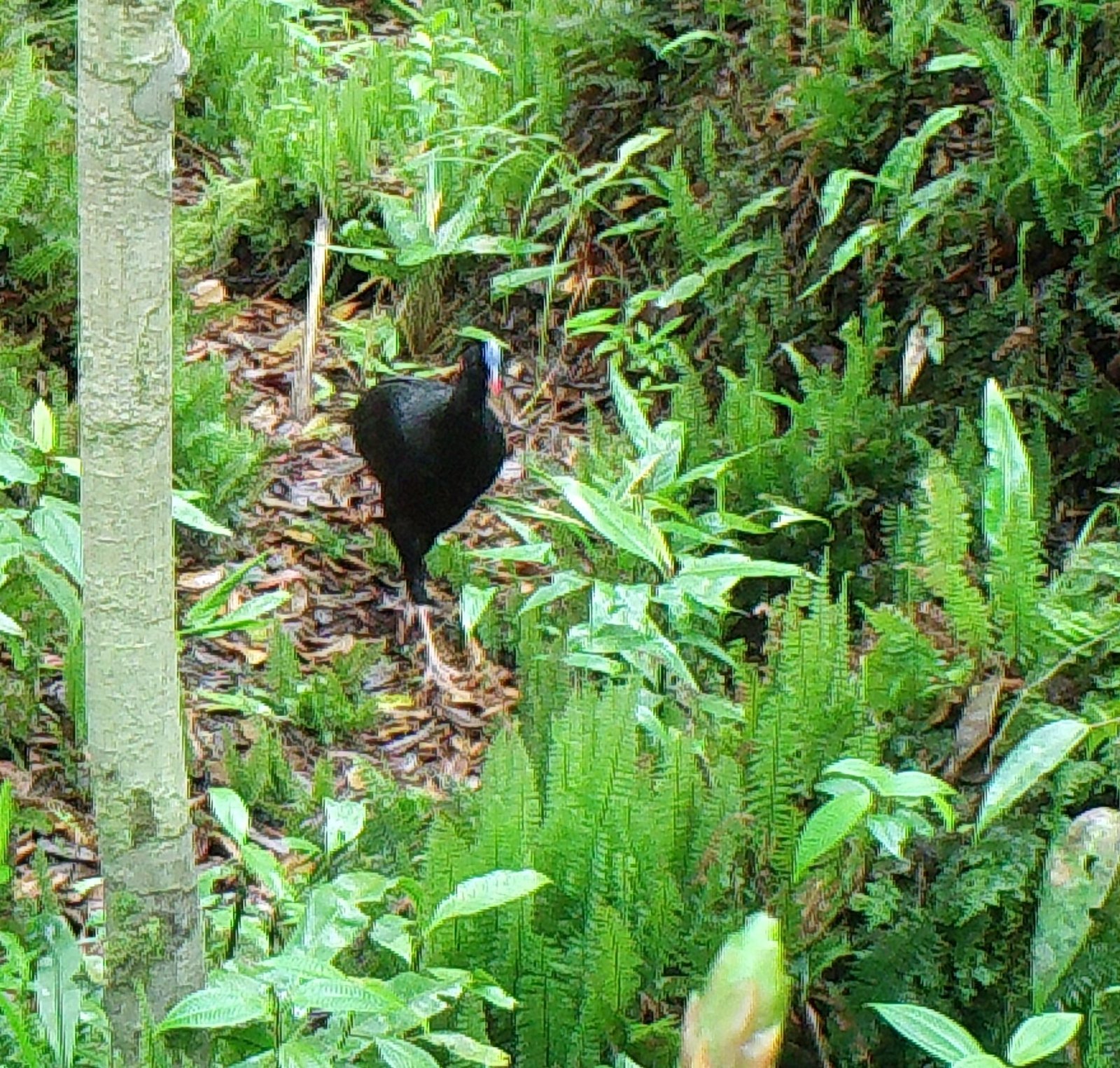
Pauxi 3 species
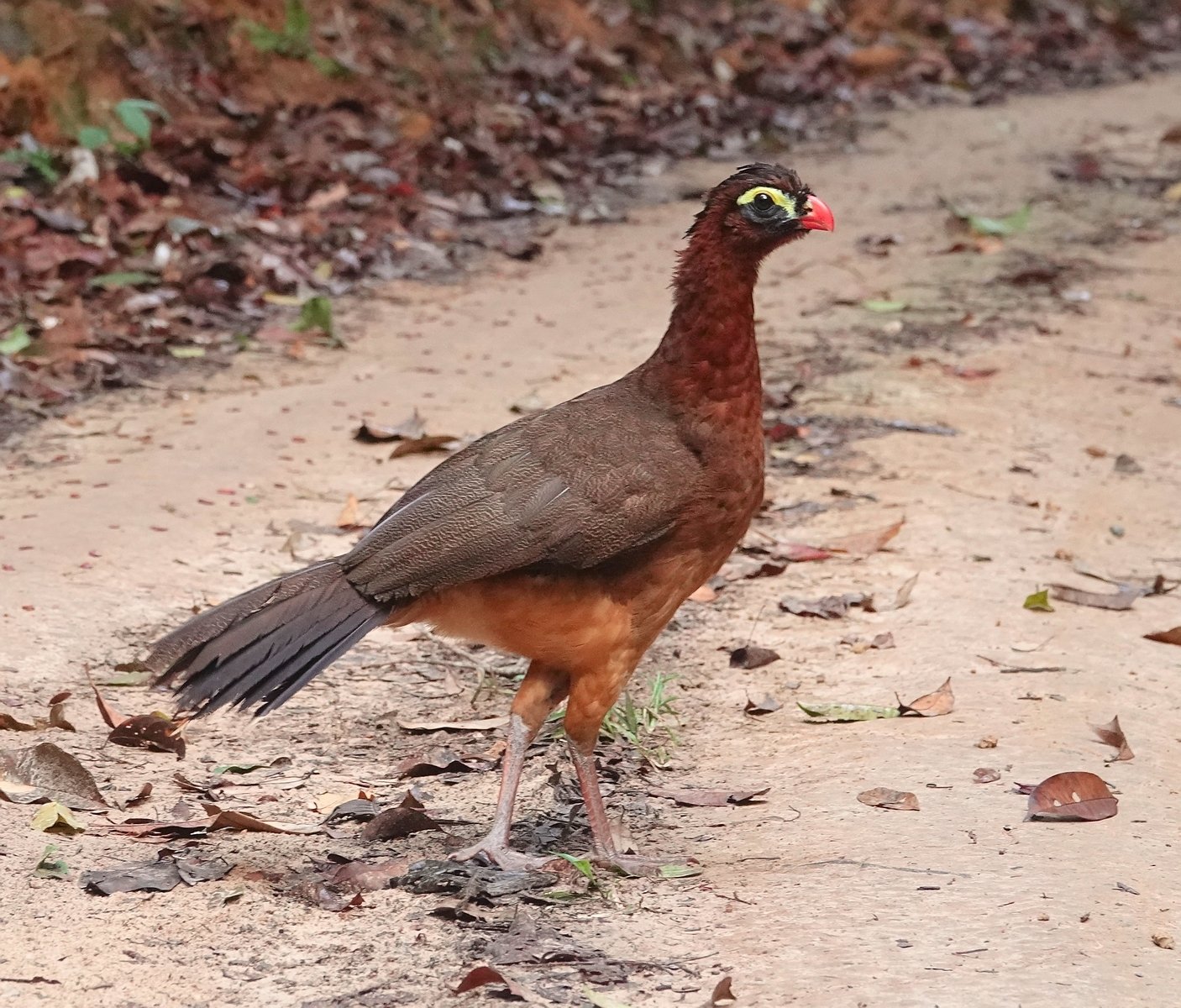
Nothocrax 1 species
Mitu 3 species
-
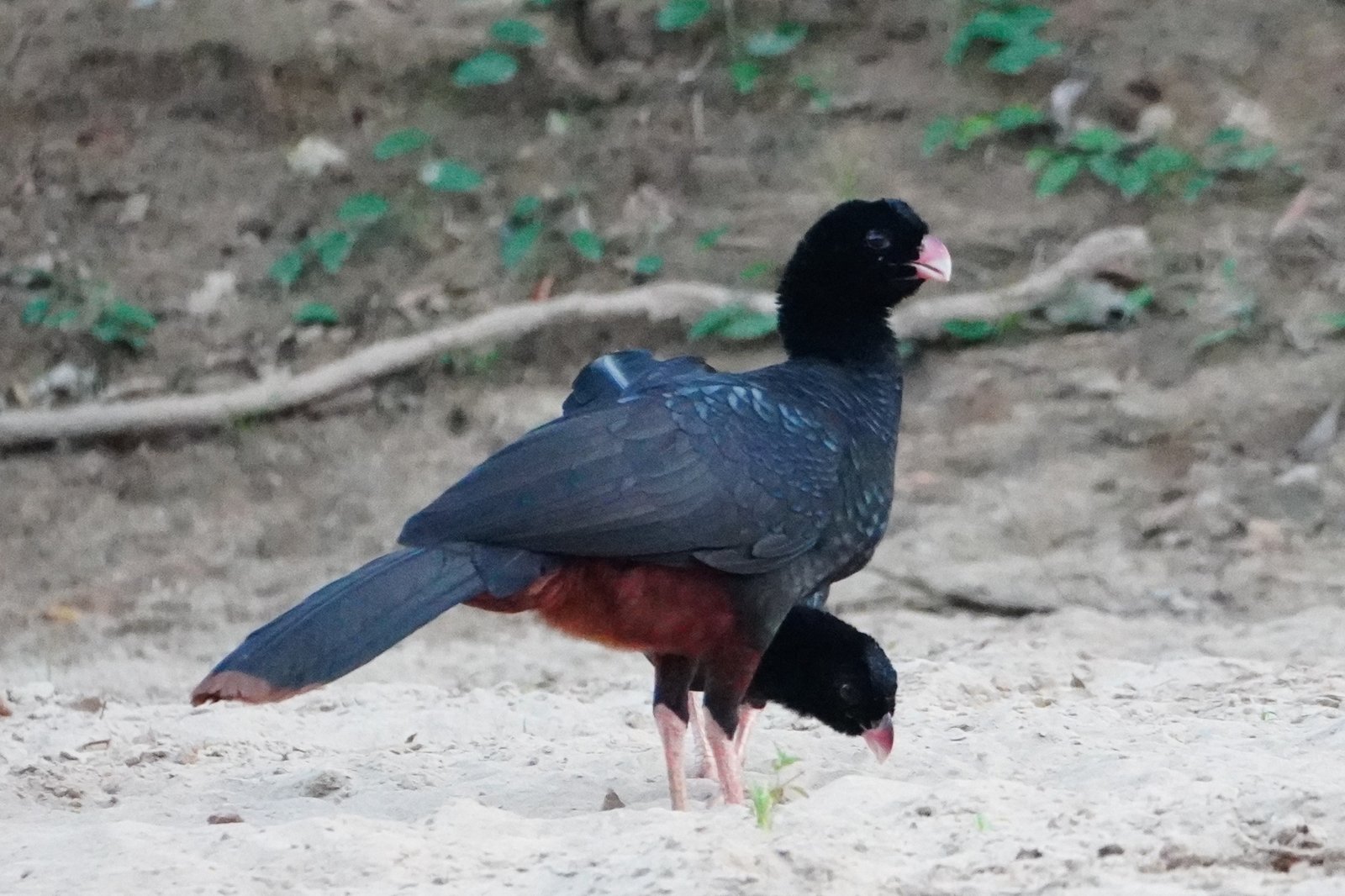
Crestless Curassow
Mitu tomentosum- Várzea, igapó and river islands
- Amazonian terra firme rainforest
- Palm swamps and swamp forest
-
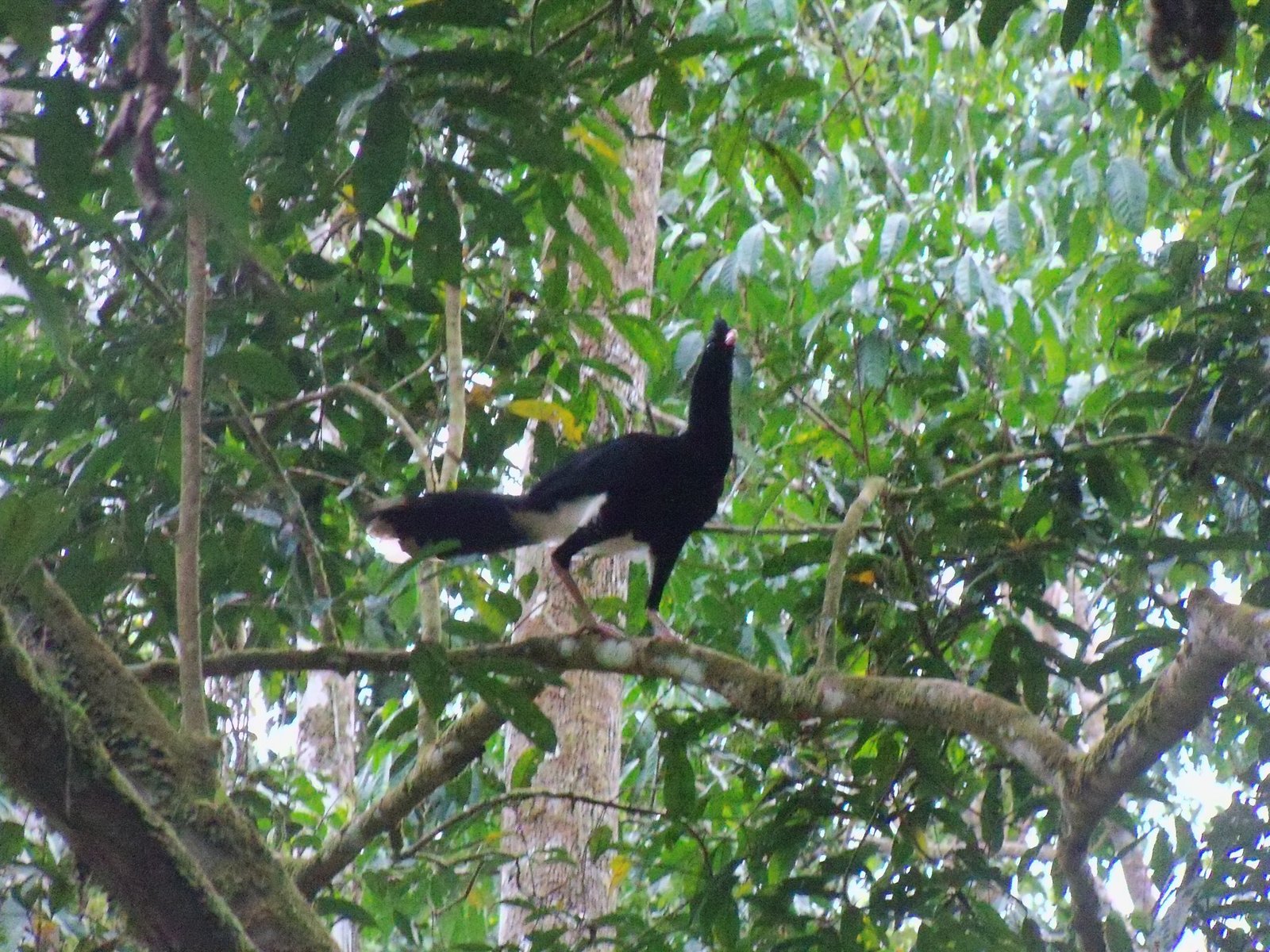
Salvin's Curassow
Mitu salvini- Amazonian terra firme rainforest
- Eastern Andean foothill forest
- Várzea, igapó and river islands
-
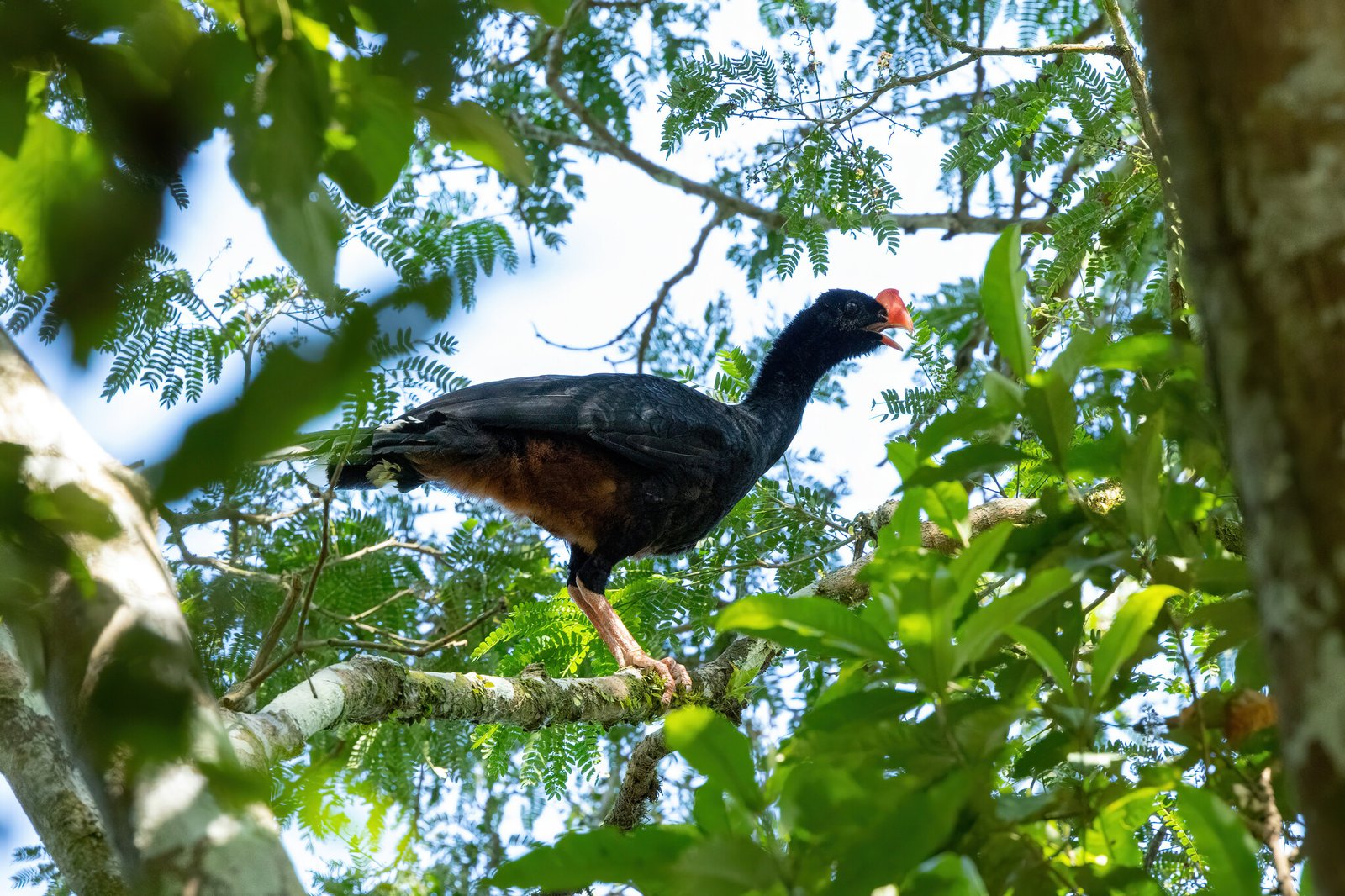
Razor-billed Curassow
Mitu tuberosum- Amazonian terra firme rainforest
- Várzea, igapó and river islands
- Eastern Andean foothill forest
 Bamboo forest
Ortalis 8 species
-

Grey-headed Chachalaca
Ortalis cinereiceps- Secondary forest and forest edge
- Chocó rainforest
 Coffee, cacao and agroforestry
 Pasture and ranchland
-
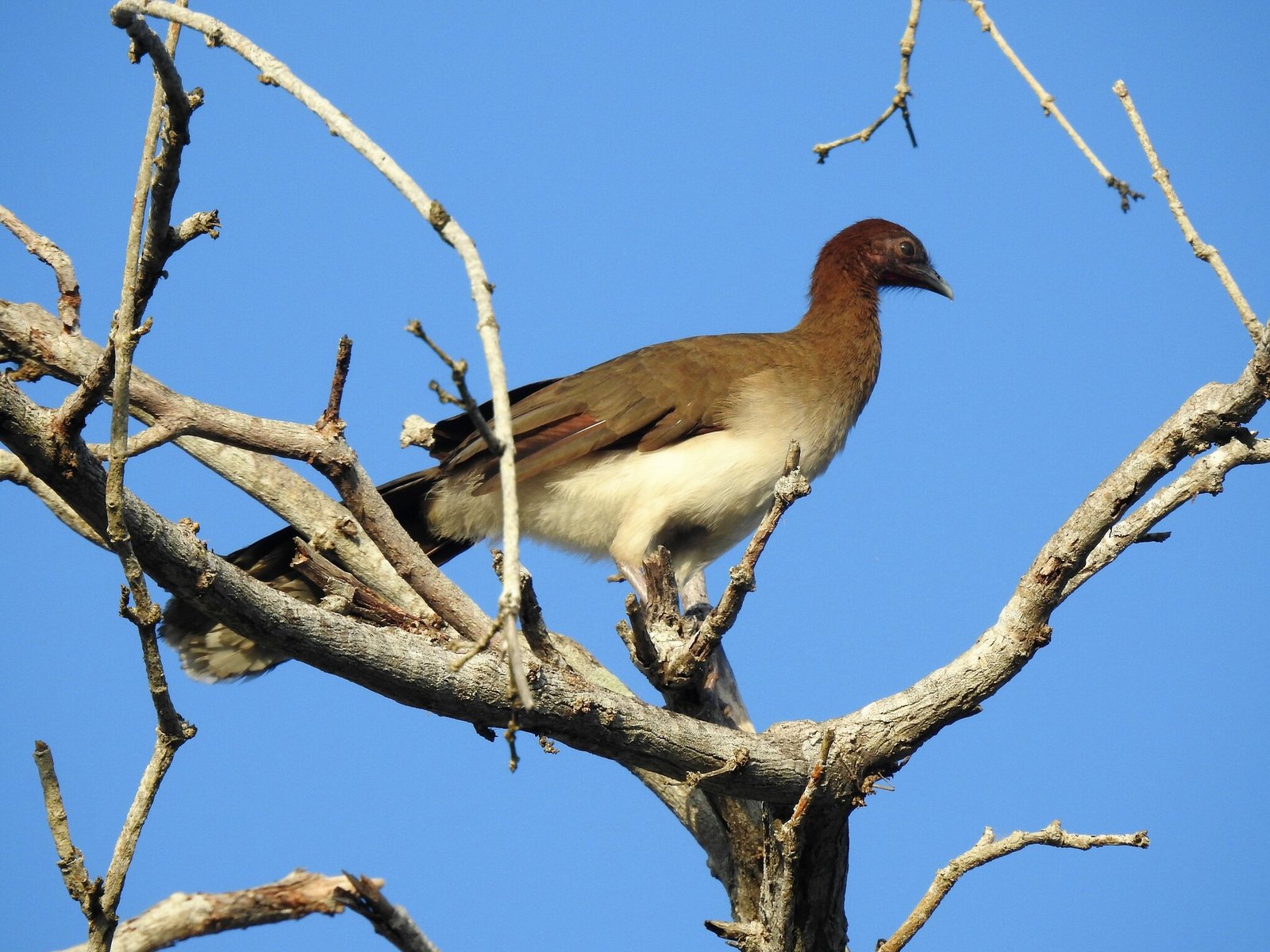
Chestnut-winged Chachalaca
Ortalis garrula- Secondary forest and forest edge
- Riparian woodland of the Andes and coastal valleys
- Pasture and ranchland
- Coffee, cacao and agroforestry
-
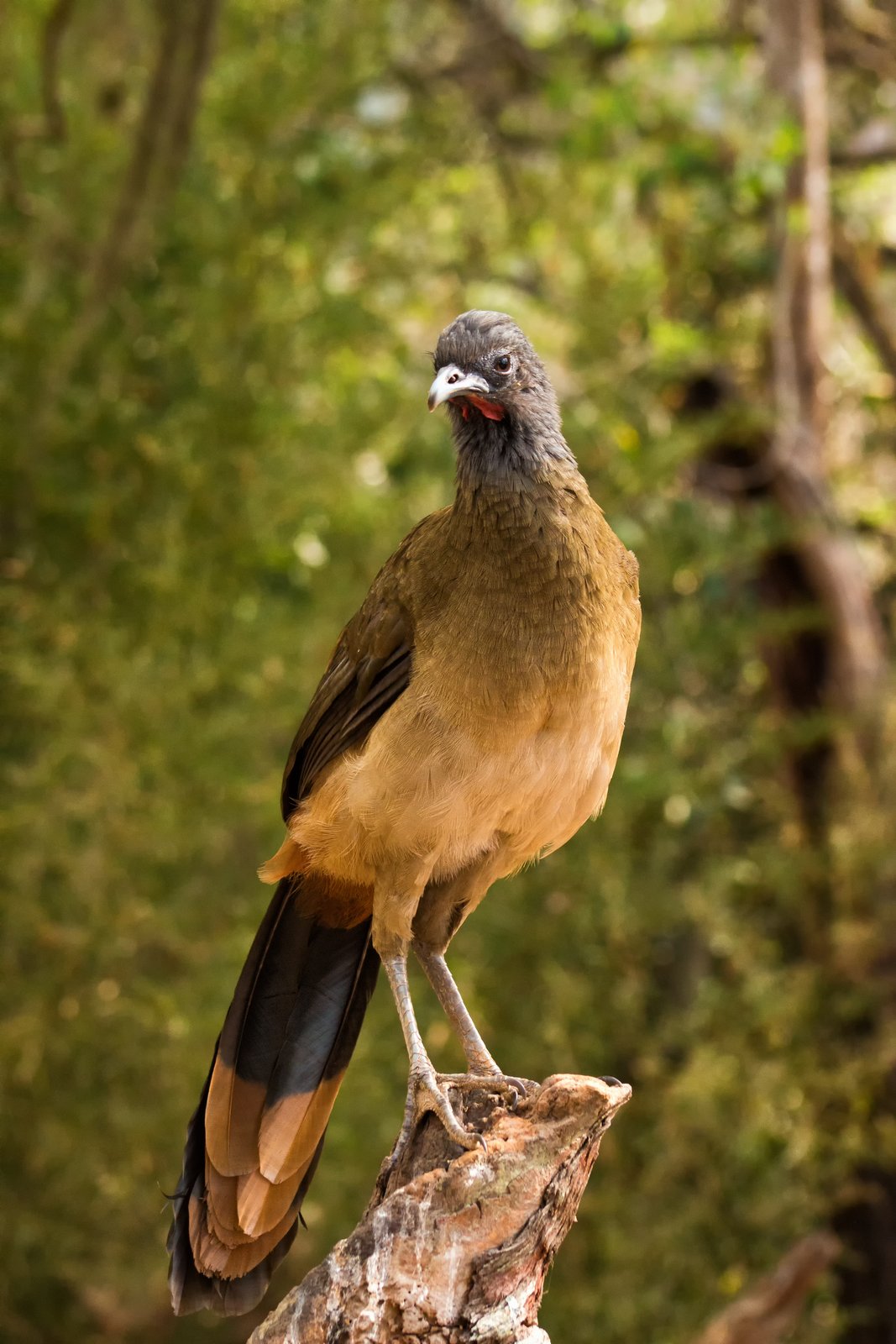
Rufous-vented Chachalaca
Ortalis ruficauda- Secondary forest and forest edge
- Riparian woodland of the Andes and coastal valleys
- Pasture and ranchland
-
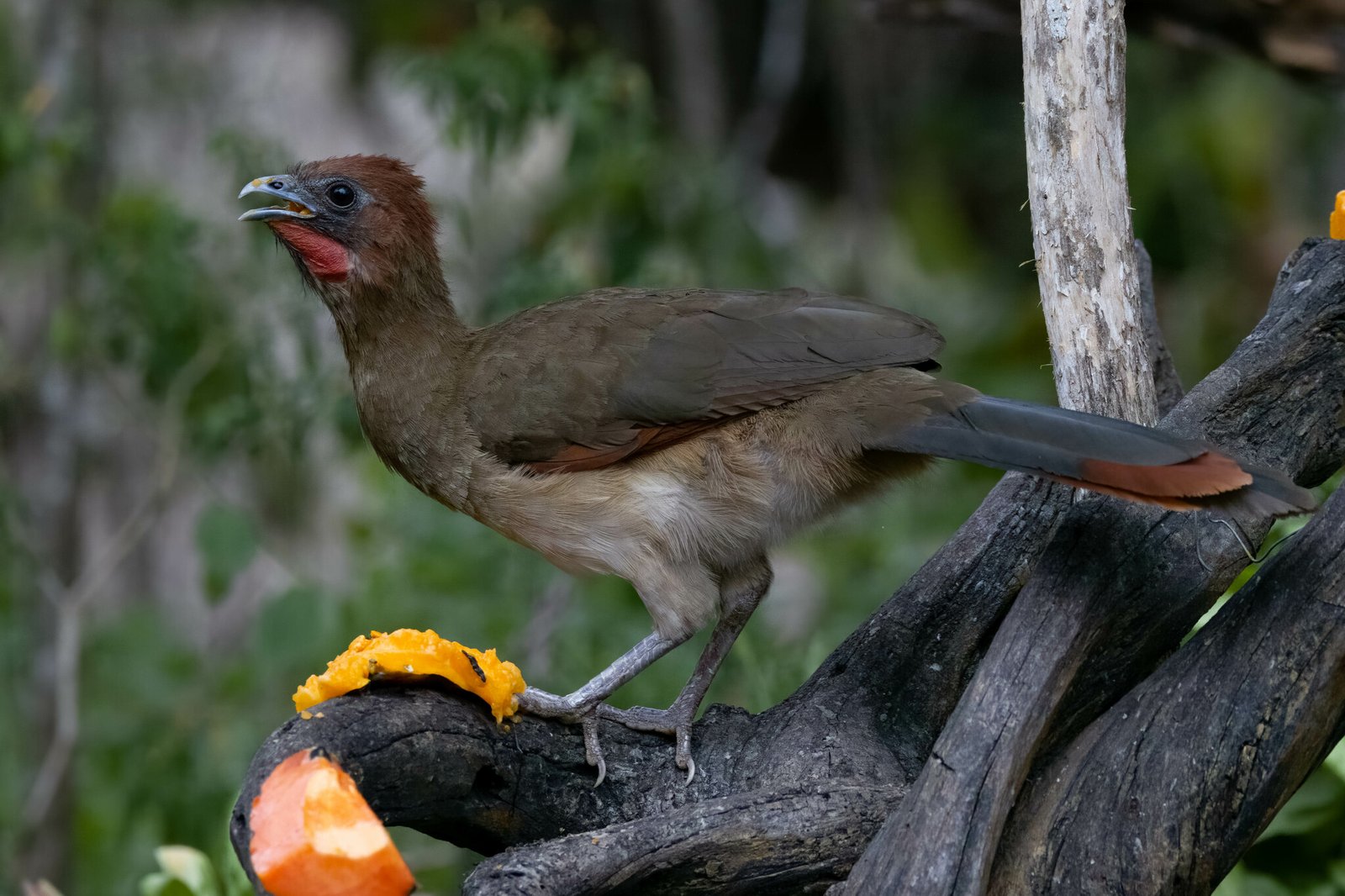
Rufous-headed Chachalaca
Ortalis erythroptera- Tumbesian dry forest and thorn scrub
- Western Ecuador humid forest
- Secondary forest and forest edge
- Riparian woodland of the Andes and coastal valleys
-
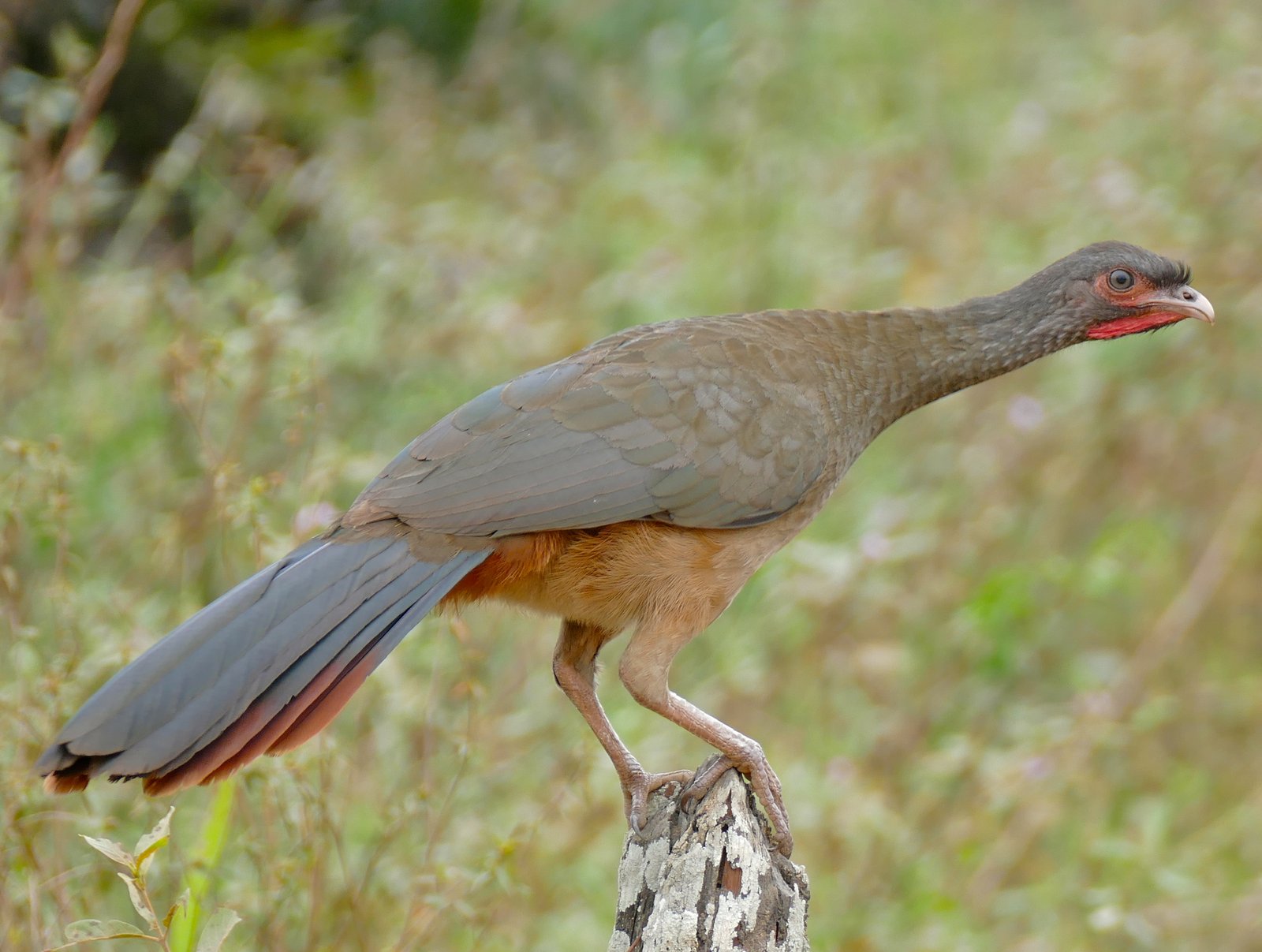
Chaco Chachalaca
Ortalis canicollis- Chiquitano dry forest and Chaco
- Secondary forest and forest edge
- Riparian woodland of the Andes and coastal valleys
- Beni savanna and cerrado
-
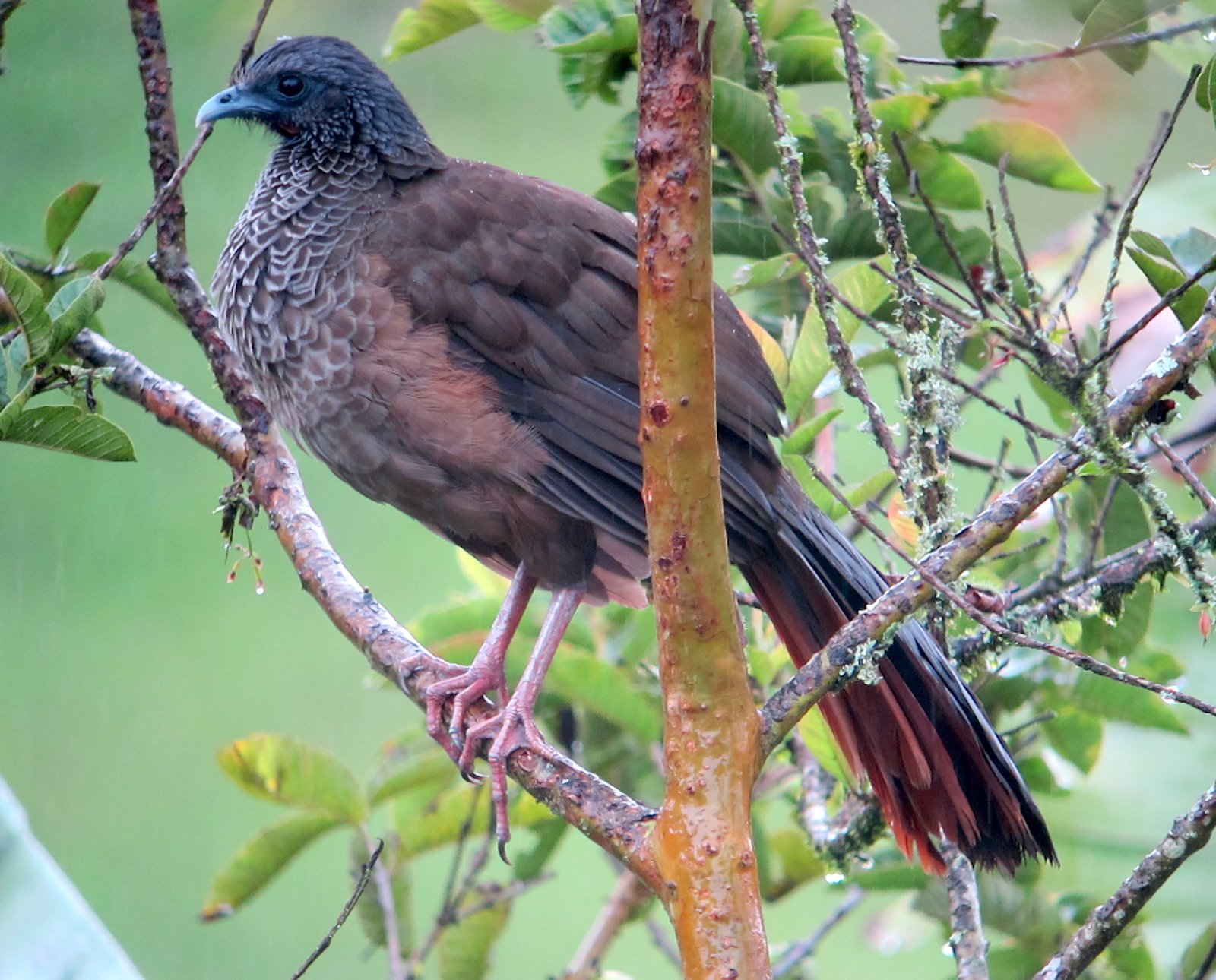
Colombian Chachalaca
Ortalis columbiana- Secondary forest and forest edge
- Northern Andean subtropical forest
- Marañón and northern inter-Andean dry forest
- Riparian woodland of the Andes and coastal valleys
- Coffee, cacao and agroforestry
-
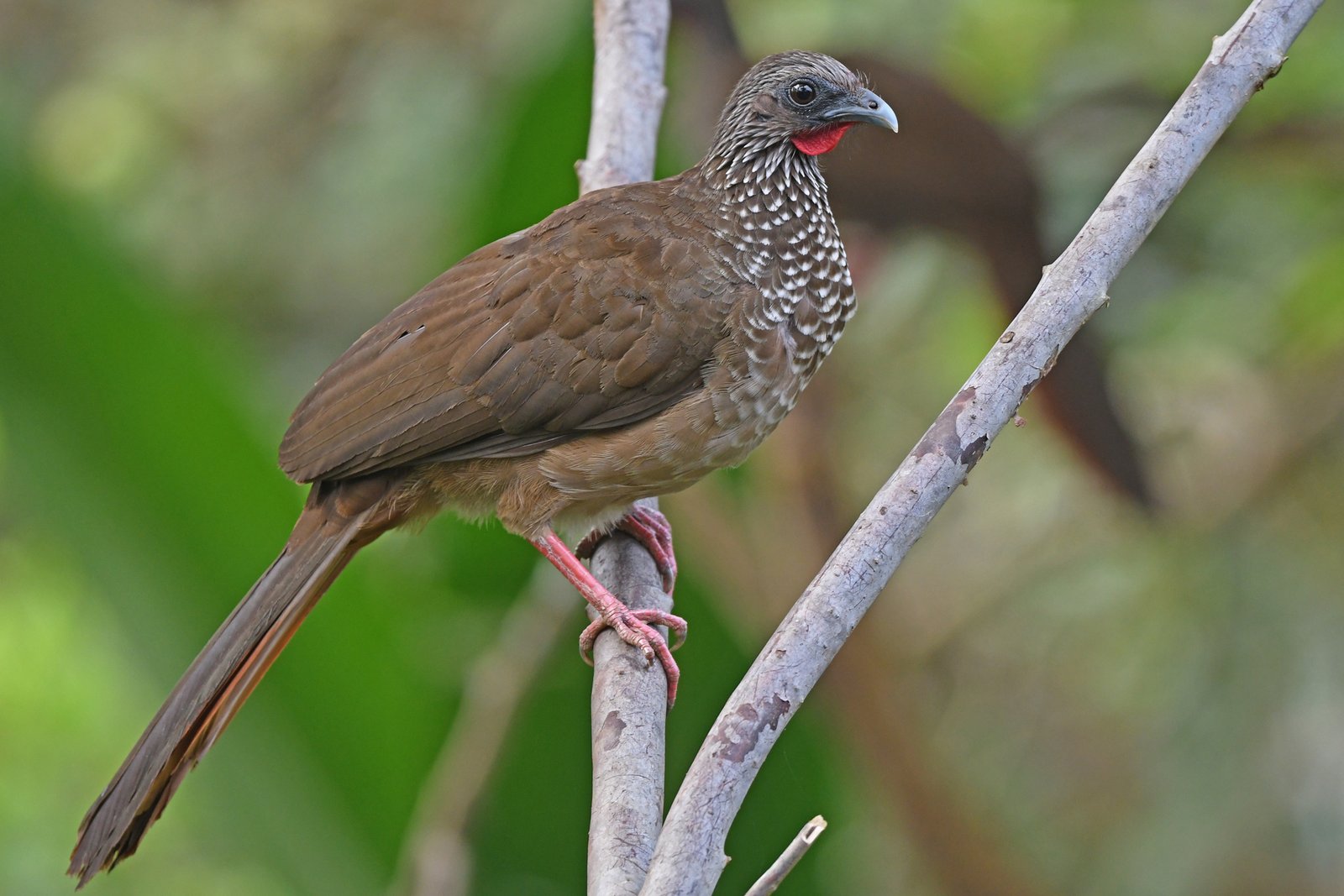
Speckled Chachalaca
Ortalis guttata- Secondary forest and forest edge
- Várzea, igapó and river islands
- Eastern Andean foothill forest
- Amazonian terra firme rainforest
- Bamboo forest
-
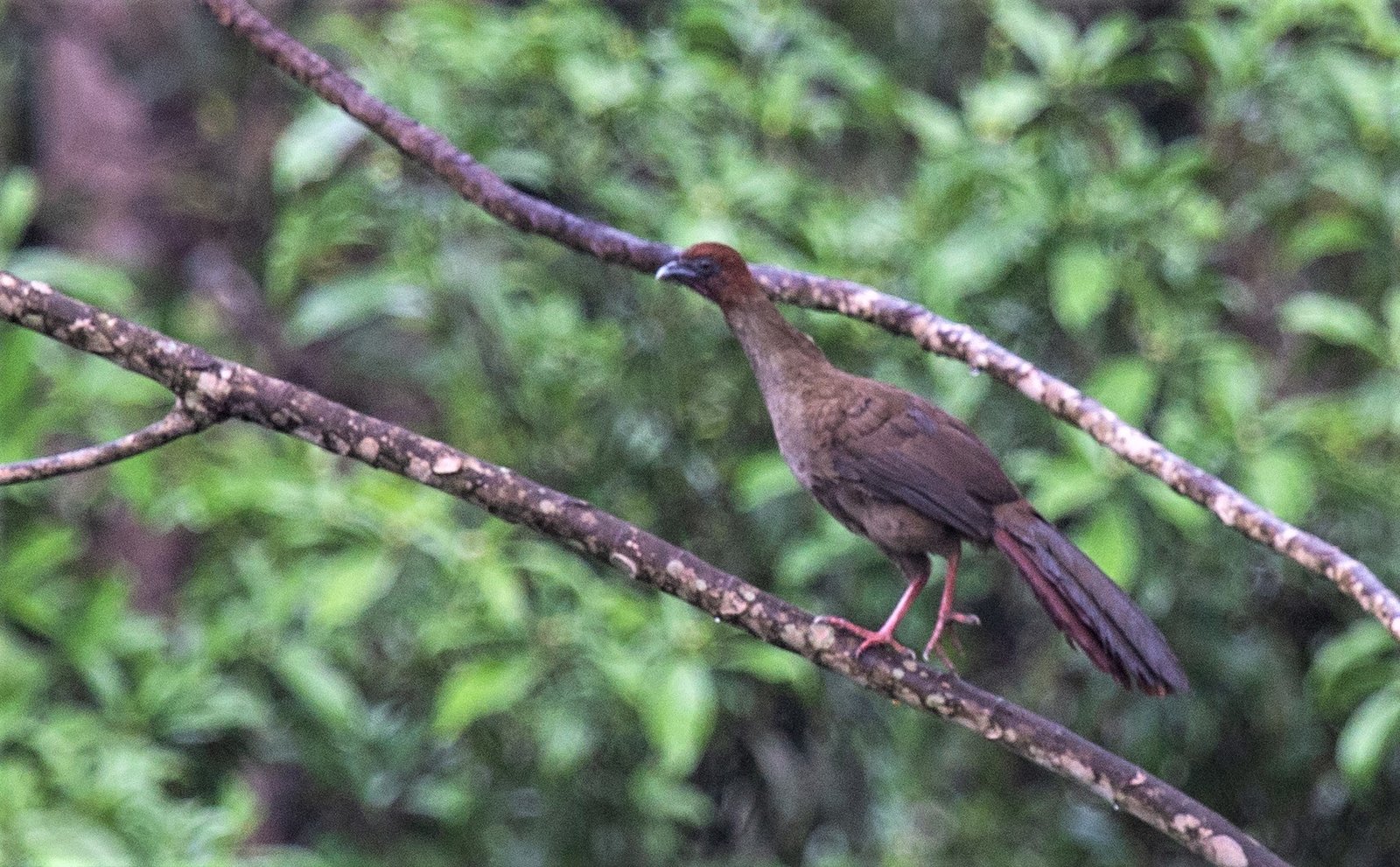
Little Chachalaca
Ortalis motmot- Secondary forest and forest edge
- Amazonian terra firme rainforest
- Várzea, igapó and river islands
- Llanos savanna