All species › Passerines › Tapaculos
Tapaculos | Rhinocryptidae
Tapaculo's | Tapaculos | Tapaculos
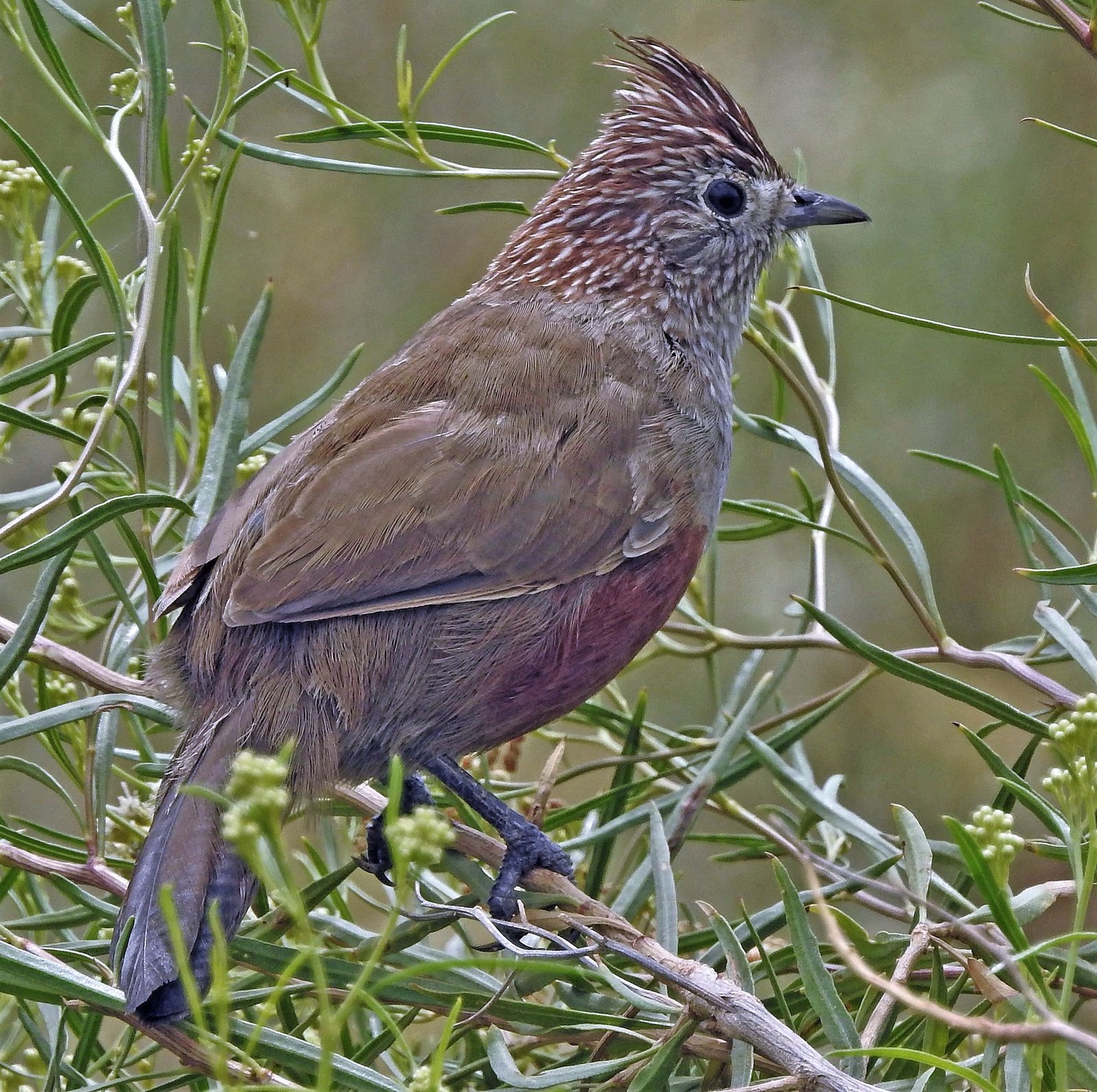
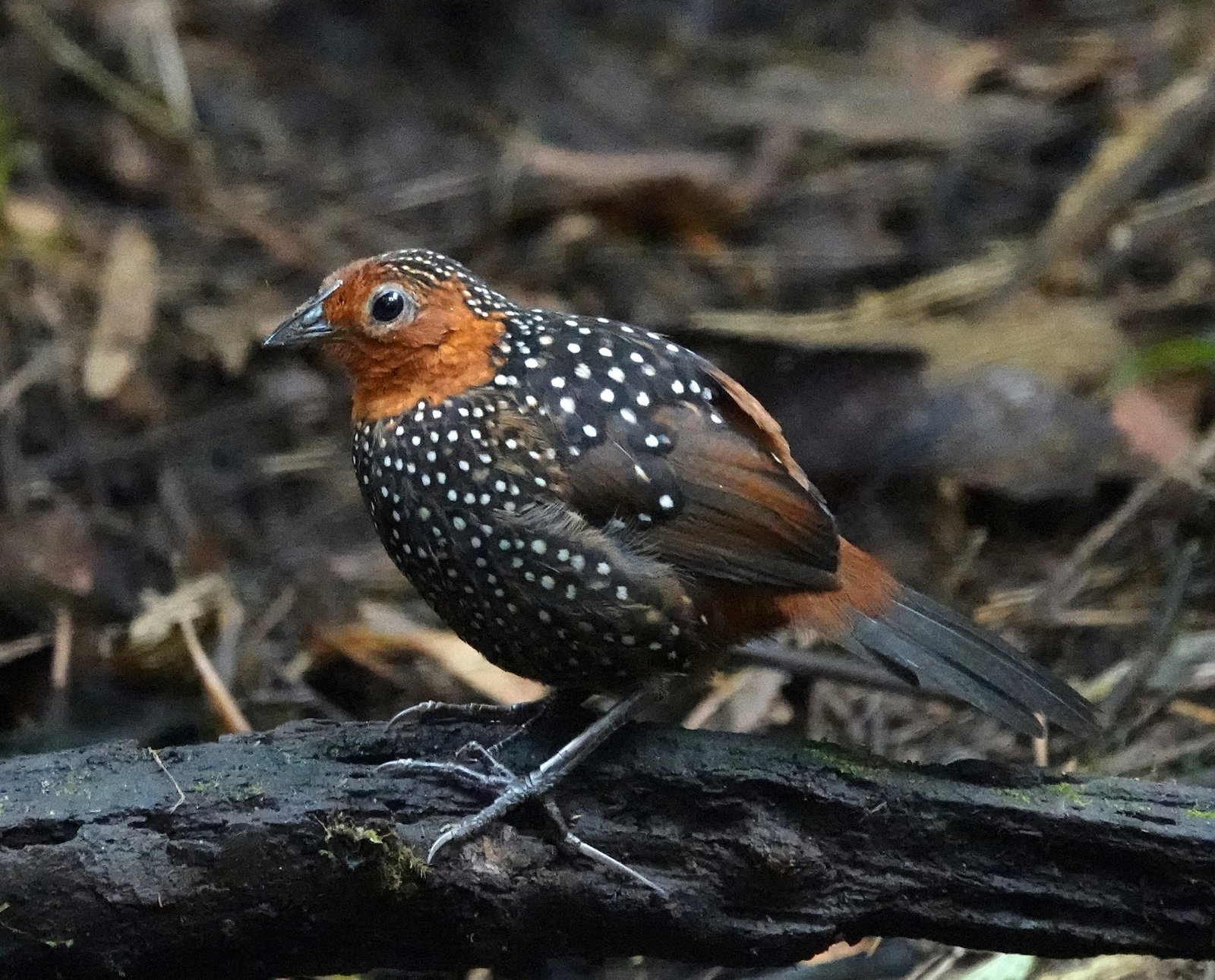
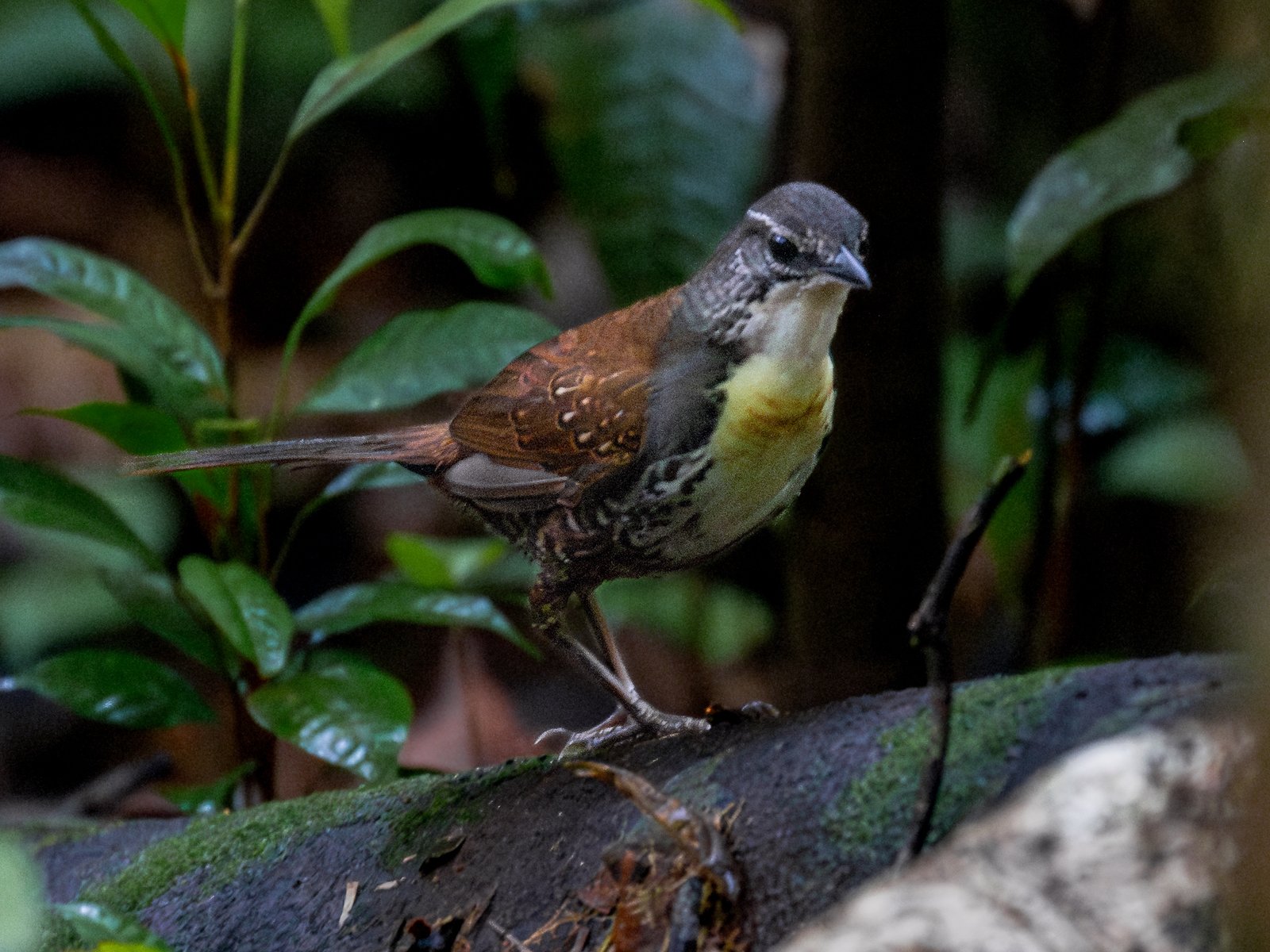
This South American family is richly represented in the region, with 41 species in five genera. By far the most belong to Scytalopus and live in the Andes, where each species often occupies its own altitudinal band or slope, from cloud forest and bamboo up to the treeline and the páramo. In addition, the large Ocellated Tapaculo (Acropternis) and the Ash-colored Tapaculo (Myornis) occur in montane forest, Liosceles lives in the Amazonian lowlands at the foot of the Andes, and the Crested Gallito (Rhinocrypta) in the dry scrub of the Chaco region. Tapaculos are small, rounded, dark grey or brown birds with a short tail that is often cocked, short rounded wings and strong legs with large feet. A distinctive feature of the family is a movable flap over the nostrils. They fly little and poorly and creep like mice through dense undergrowth, ferns, moss and fallen trunks, searching for insects and other small invertebrates. Because they seldom show themselves and the species look very much alike, the voice is the main means of identification: loud, endlessly repeated notes or rattling series ringing out from the thickets. Several species have been separated only in recent decades on the basis of their songs. The nest is a ball or cup of moss and rootlets in a cavity, a hole in a bank or among roots, usually with two white eggs.
Native species 41 species
Species that occur here by nature: breeding birds, winter visitors and passage migrants. They are arranged by genus, in the sequence of the list.
Liosceles 1 species

Myornis 1 species
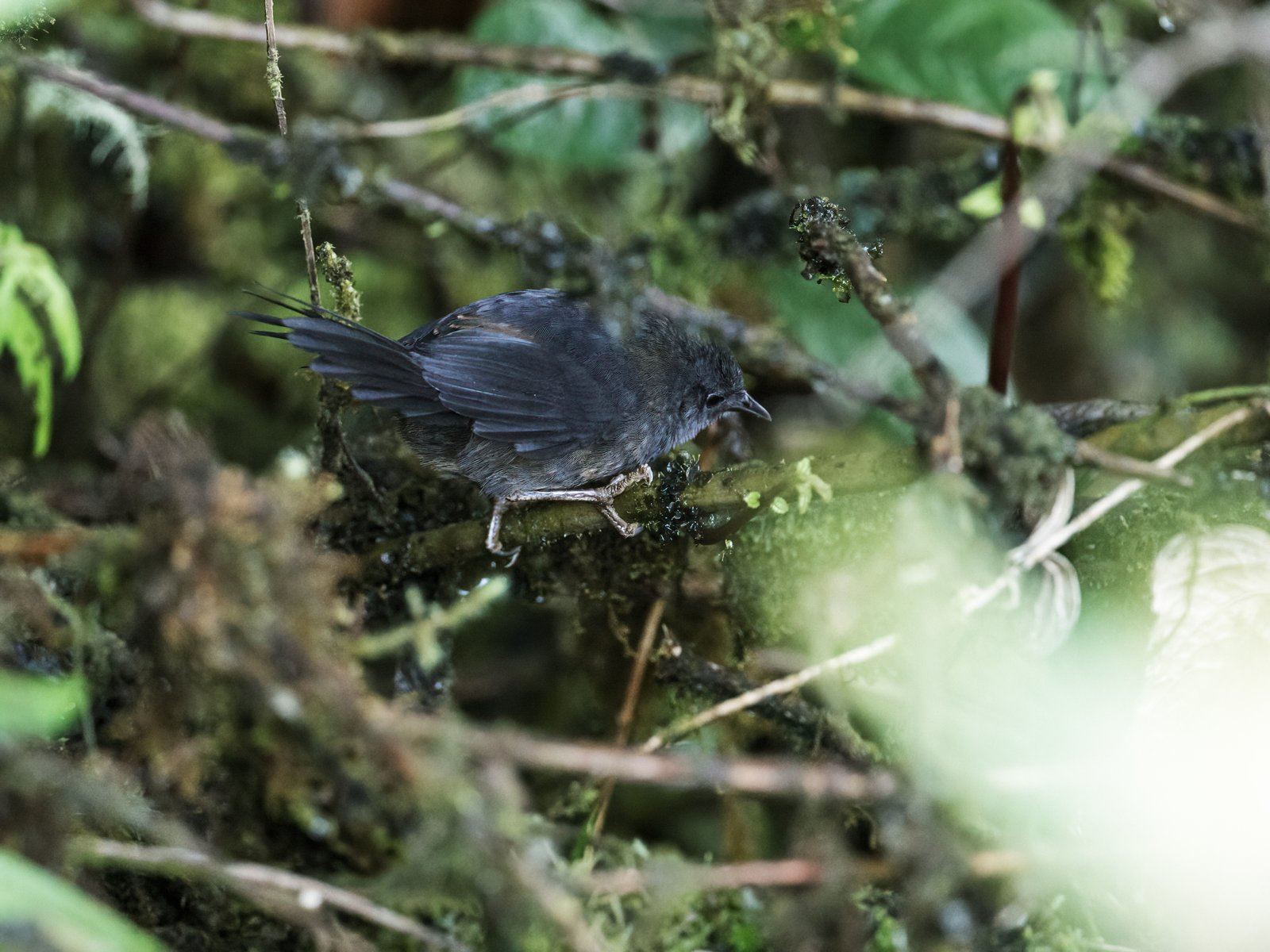
Scytalopus 37 species
-
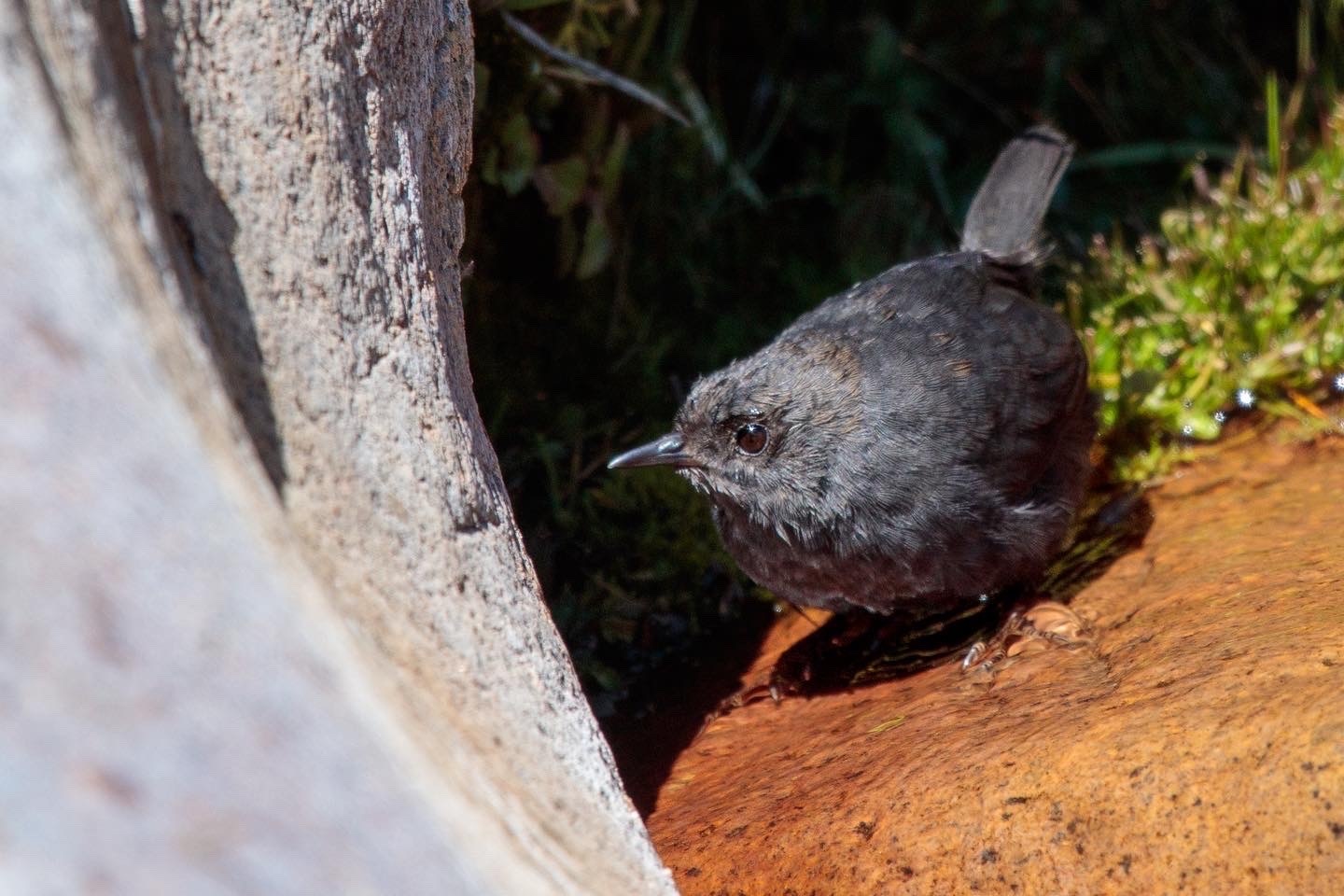
Magellanic Tapaculo
Scytalopus magellanicus Northern Andean cloud forest and temperate forest
-
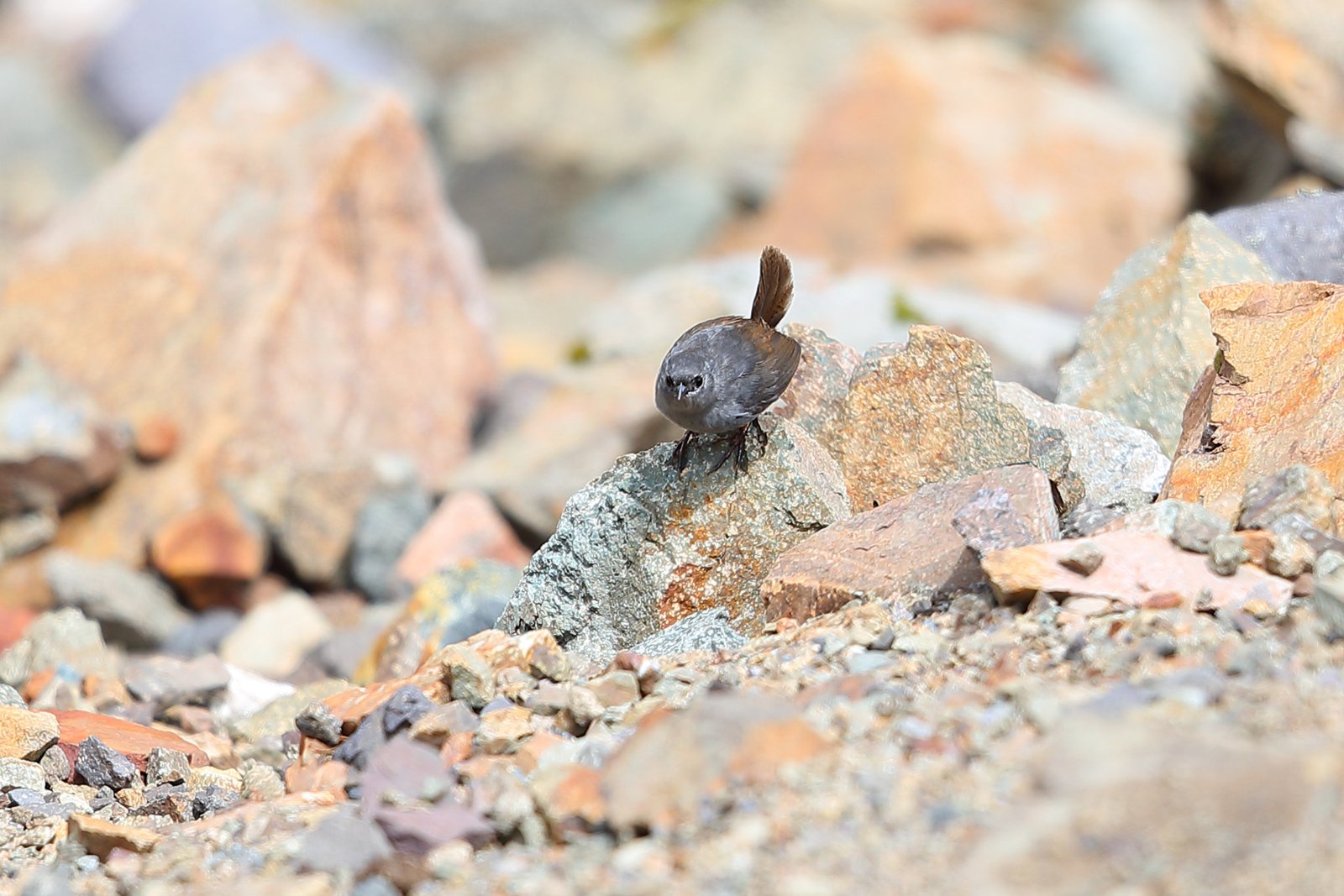
Ancash Tapaculo
Scytalopus affinis Polylepis woodland
 Humid puna
 Cliffs, gorges and canyons
-
White-winged Tapaculo
Scytalopus krabbei- Northern Andean cloud forest and temperate forest
 Jalca
-
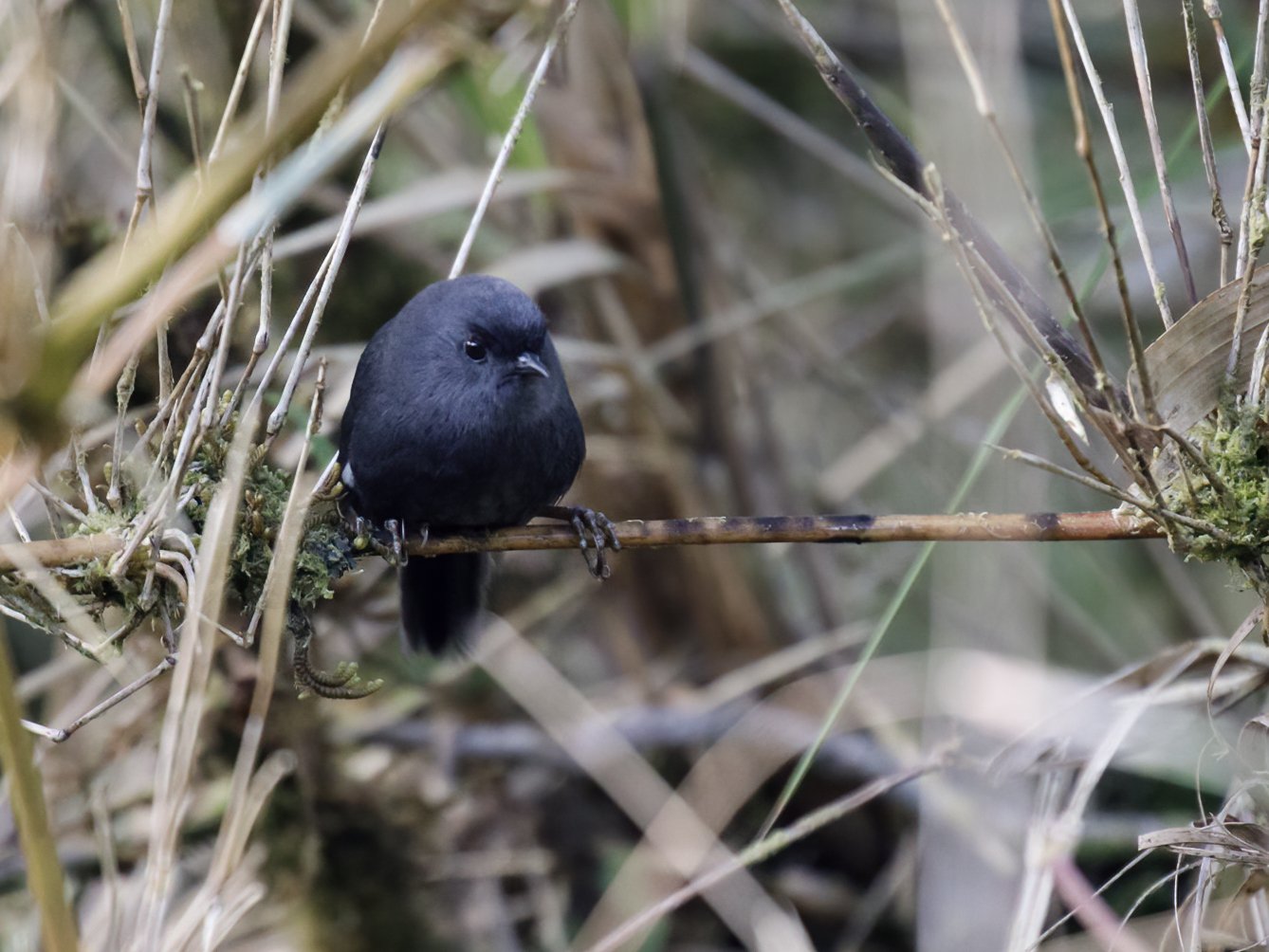
Loja Tapaculo
Scytalopus androstictus- Northern Andean cloud forest and temperate forest
 Páramo
- Jalca
- Polylepis woodland
-
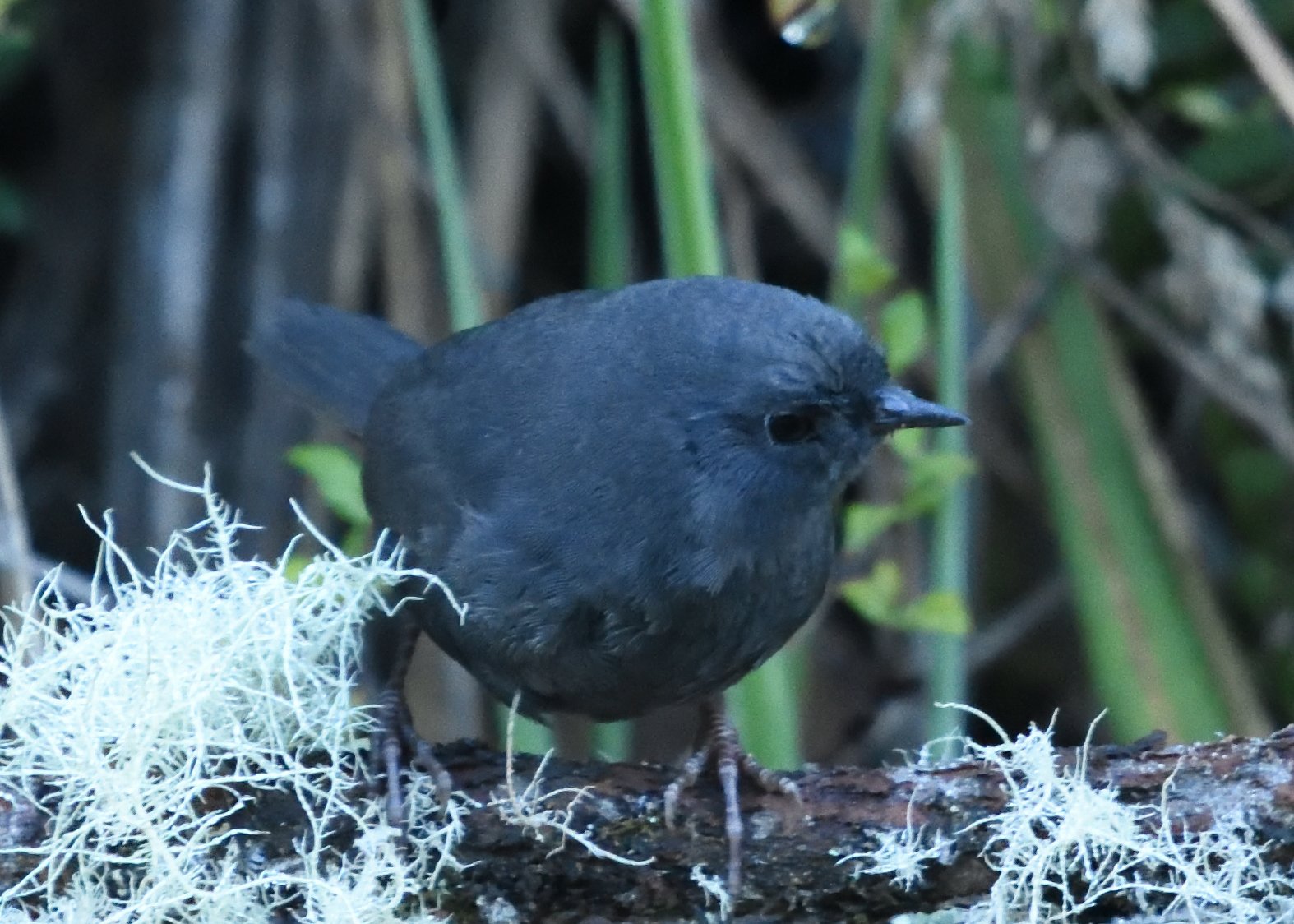
Paramo Tapaculo
Scytalopus opacus- Northern Andean cloud forest and temperate forest
- Páramo
- Polylepis woodland
-
Paramillo Tapaculo
Scytalopus canus- Northern Andean cloud forest and temperate forest
- Páramo
- Polylepis woodland
-
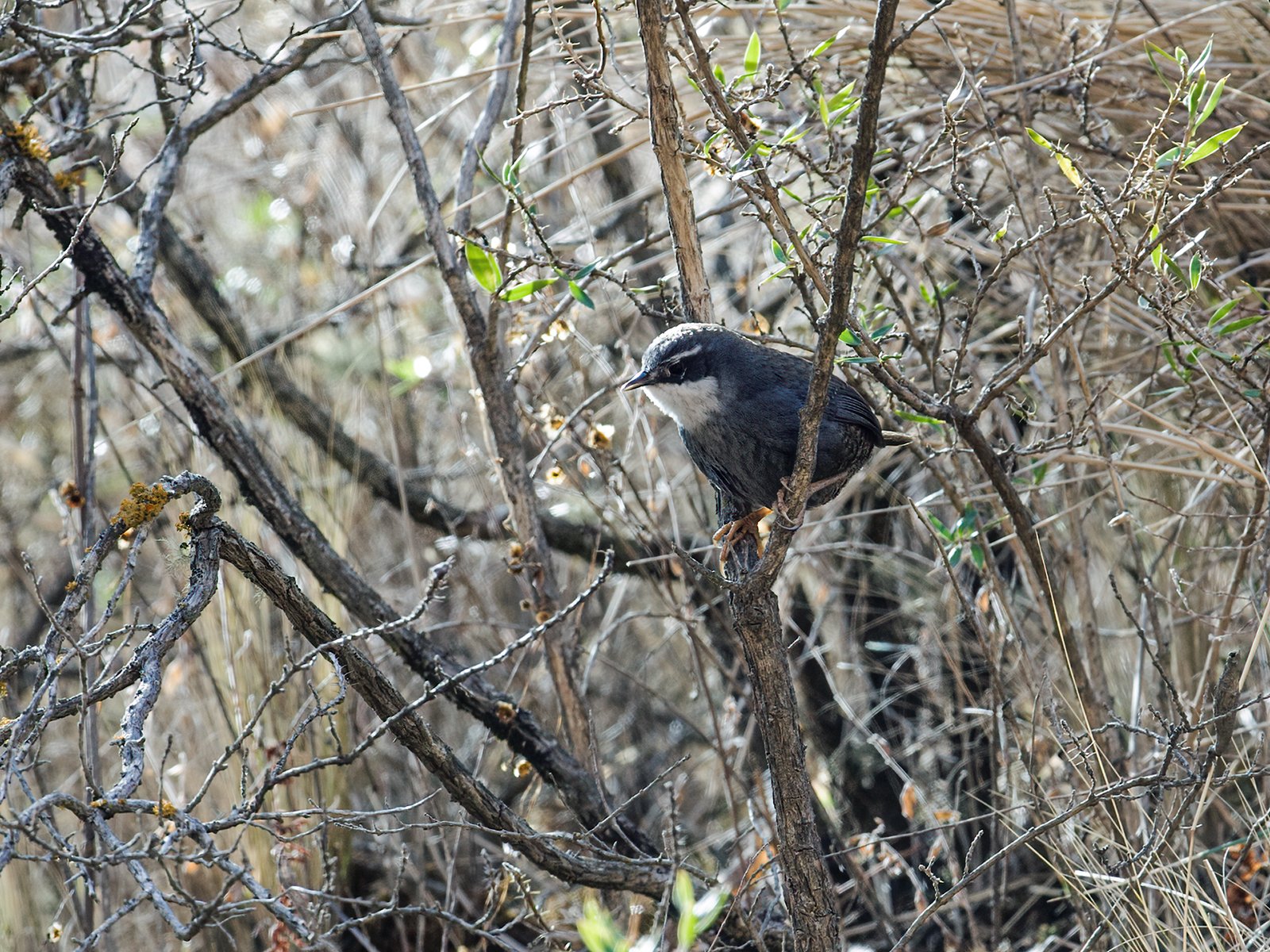
Zimmer's Tapaculo
Scytalopus zimmeri Upper Yungas cloud forest
- Polylepis woodland
 Central Andean dry valleys
-
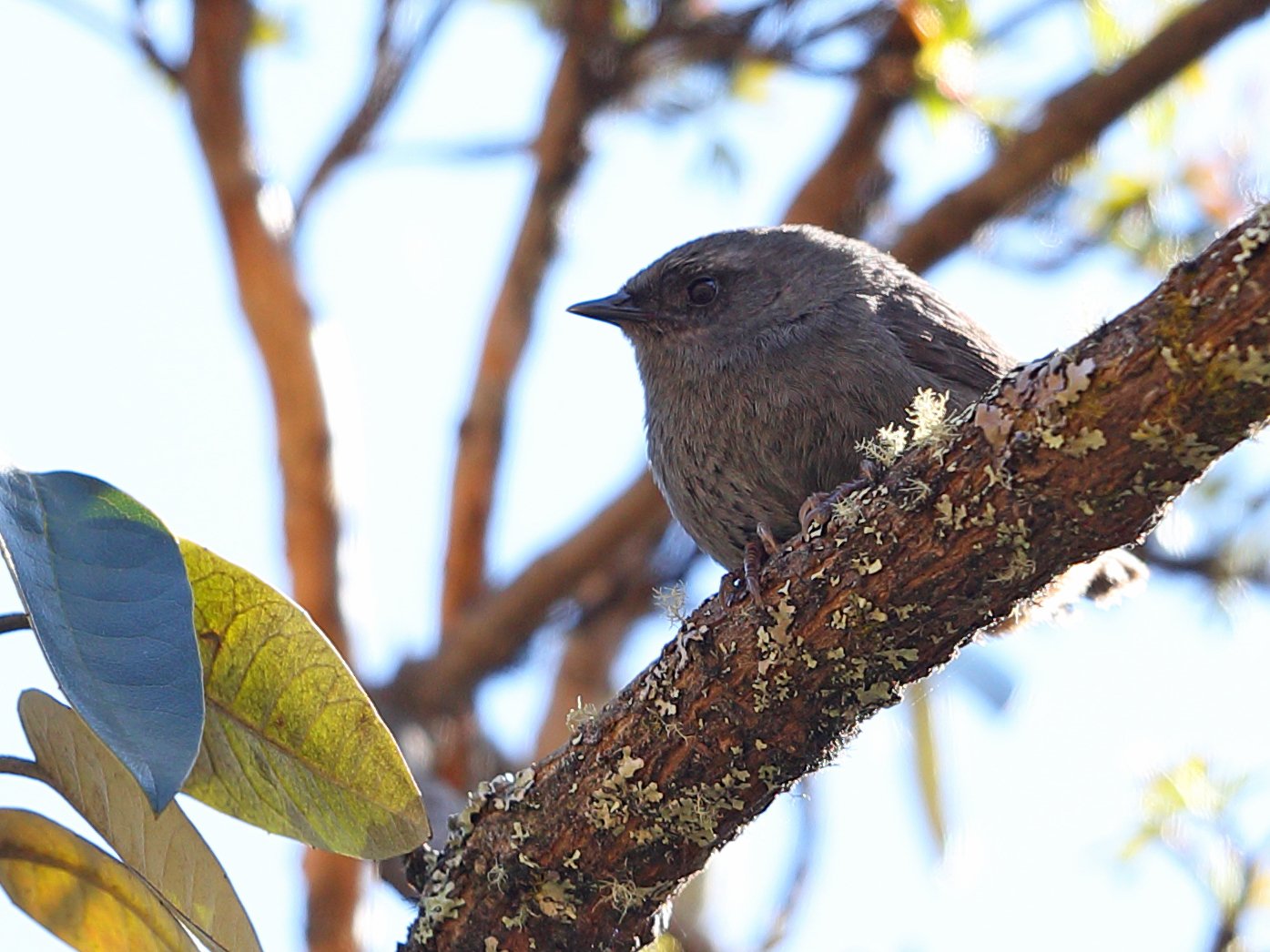
Puna Tapaculo
Scytalopus simonsi- Upper Yungas cloud forest
- Humid puna
- Polylepis woodland
-
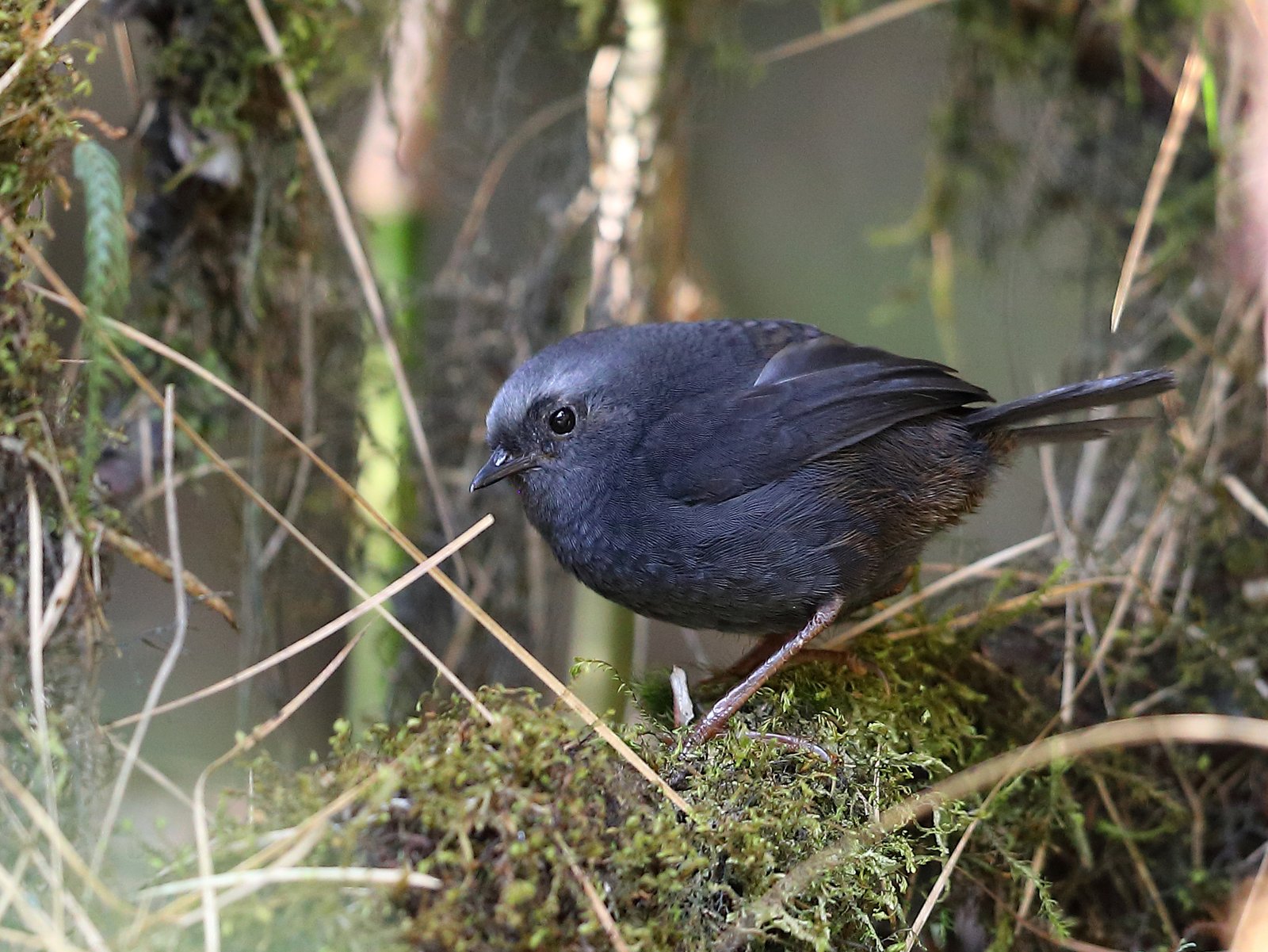
Diademed Tapaculo
Scytalopus schulenbergi- Upper Yungas cloud forest
- Humid puna
-
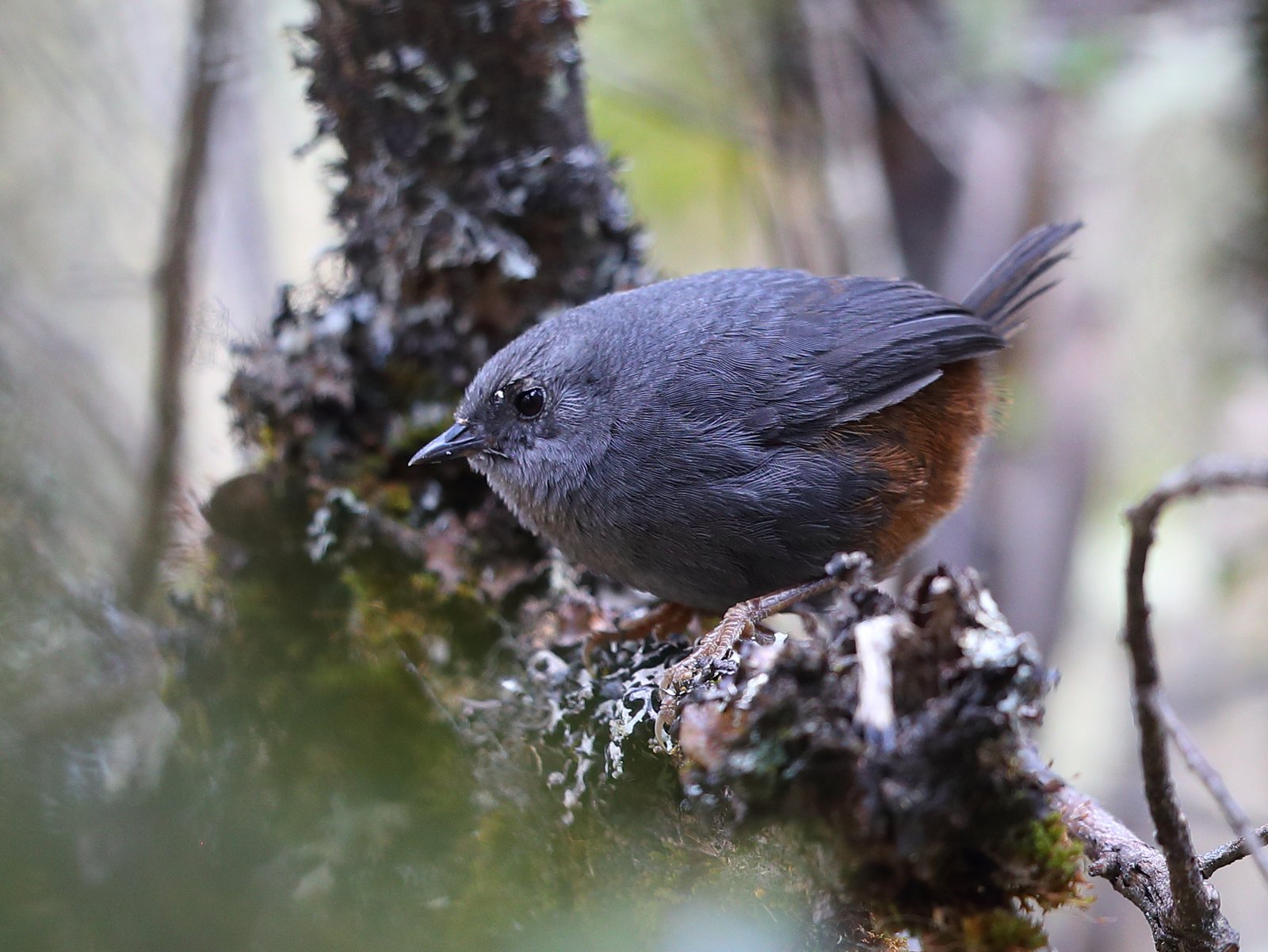
Vilcabamba Tapaculo
Scytalopus urubambae- Upper Yungas cloud forest
- Polylepis woodland
- Humid puna
-
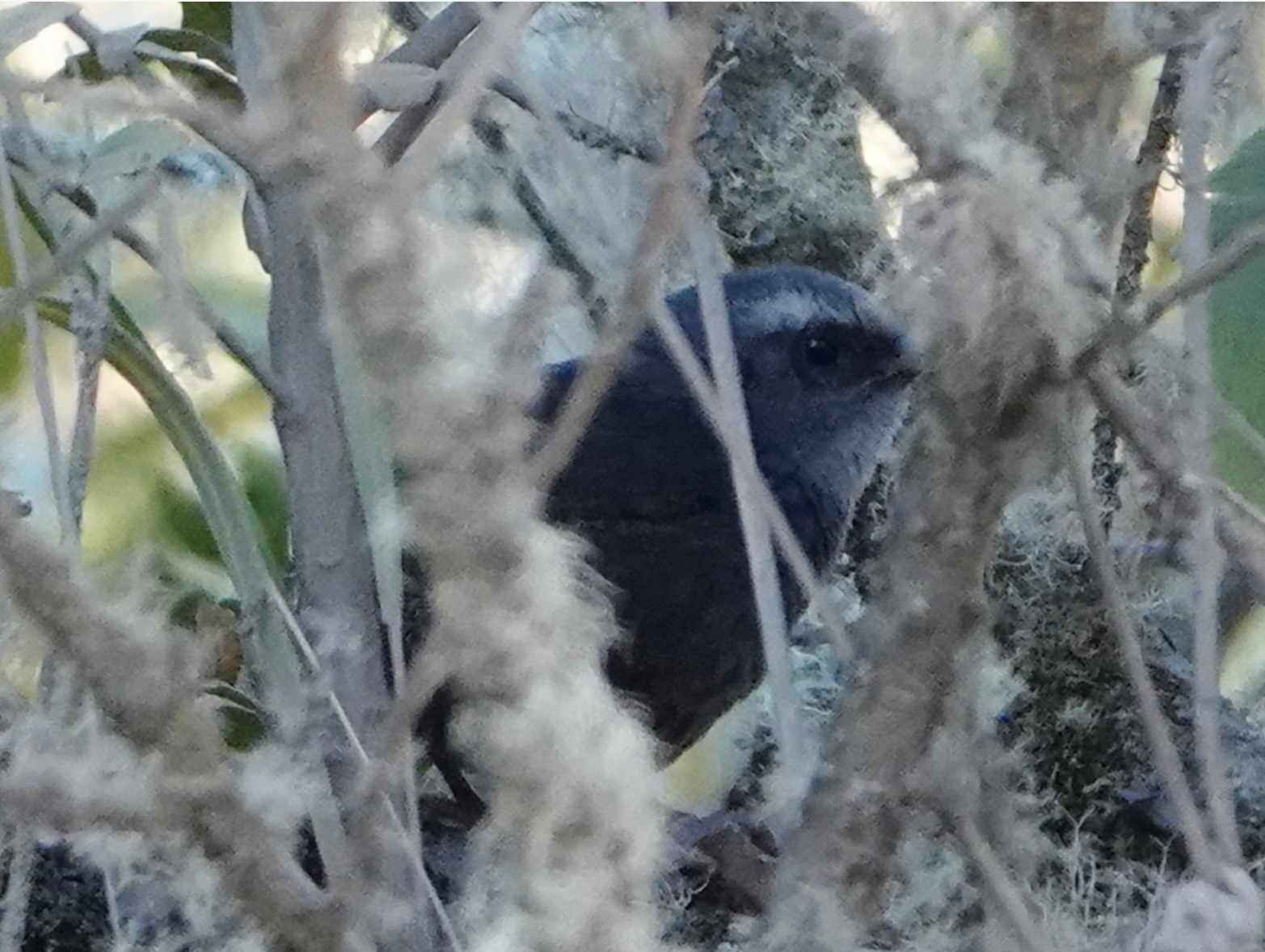
Ampay Tapaculo
Scytalopus whitneyi- Polylepis woodland
- Humid puna
- Cliffs, gorges and canyons
- Upper Yungas cloud forest
-
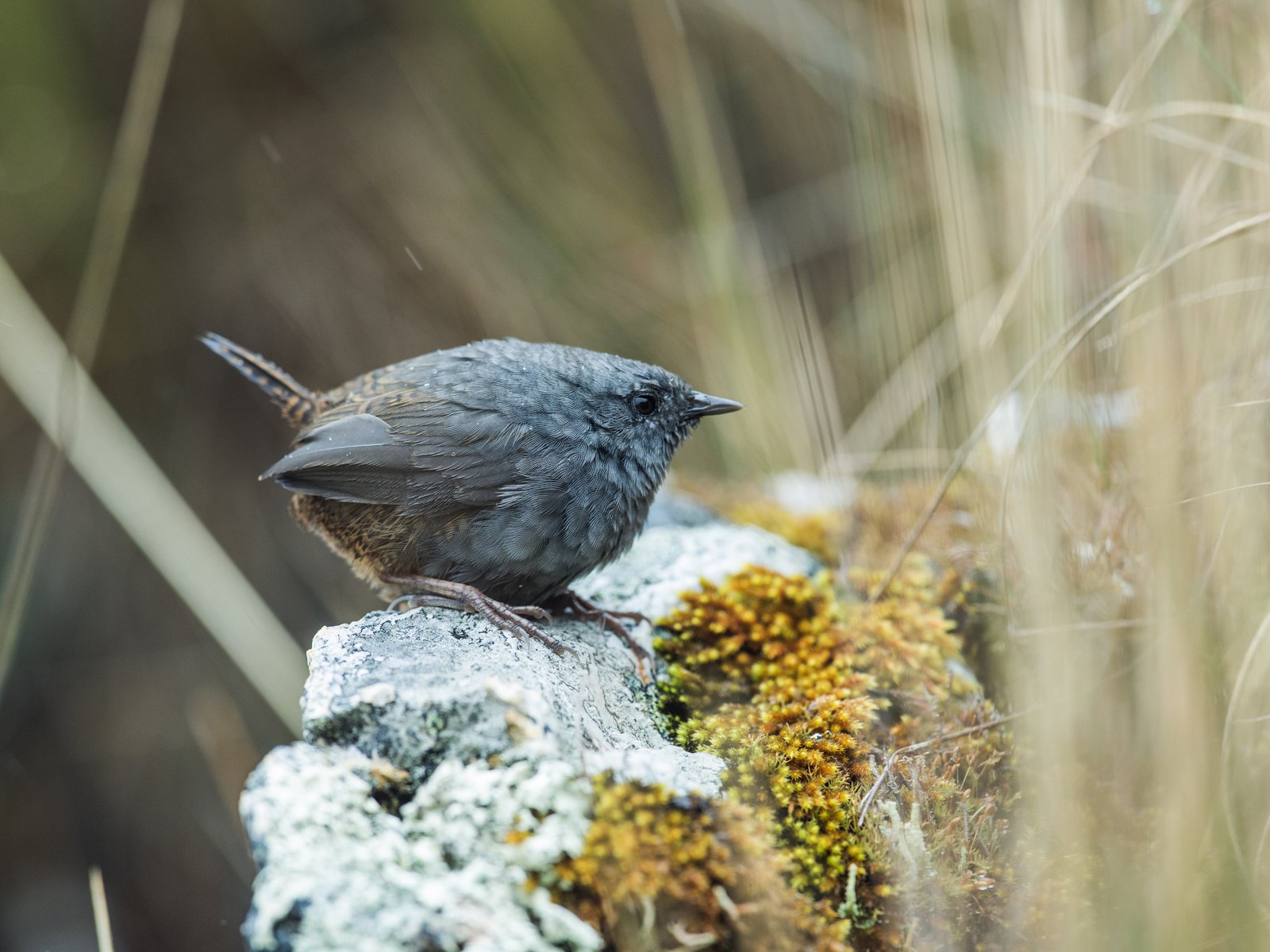
Jalca Tapaculo
Scytalopus frankeae- Jalca
- Humid puna
- Polylepis woodland
- Cliffs, gorges and canyons
 Riparian woodland of the Andes and coastal valleys
-
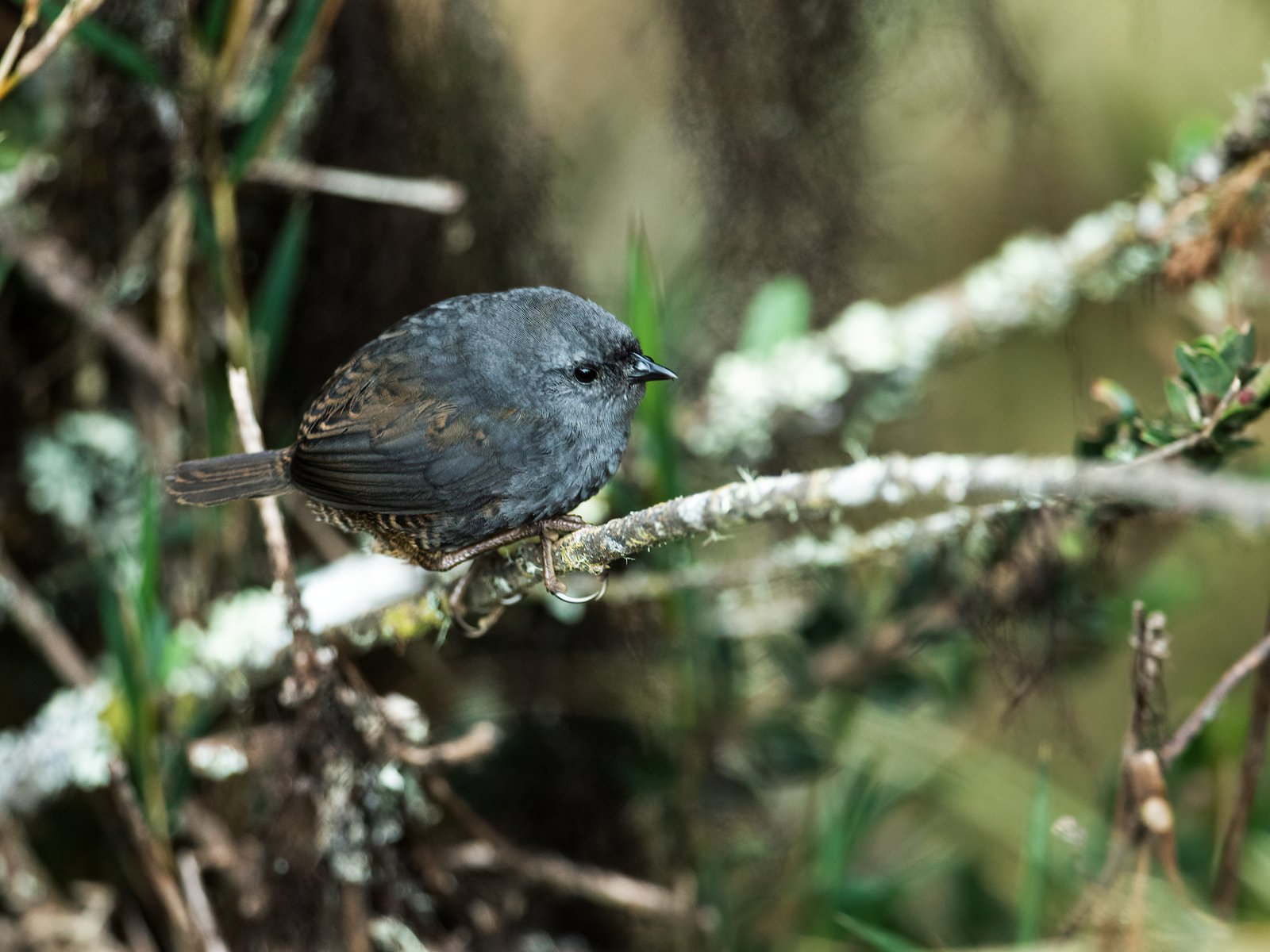
Neblina Tapaculo
Scytalopus altirostris- Northern Andean cloud forest and temperate forest
- Jalca
- Páramo
-
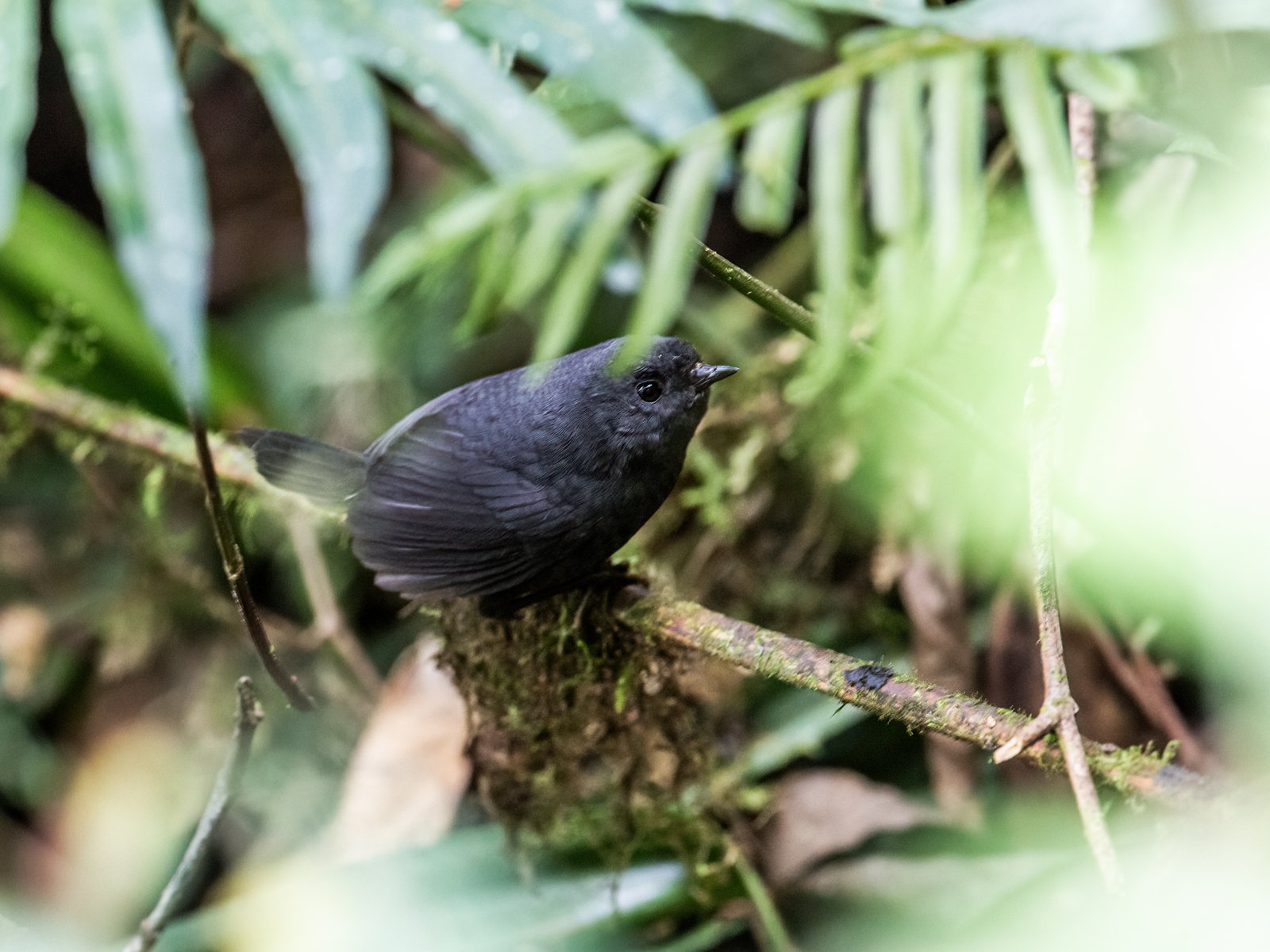
Trilling Tapaculo
Scytalopus parvirostris- Upper Yungas cloud forest
 Lower Yungas forest
- Northern Andean cloud forest and temperate forest
-
Bolivian Tapaculo
Scytalopus bolivianus- Lower Yungas forest
- Upper Yungas cloud forest
-
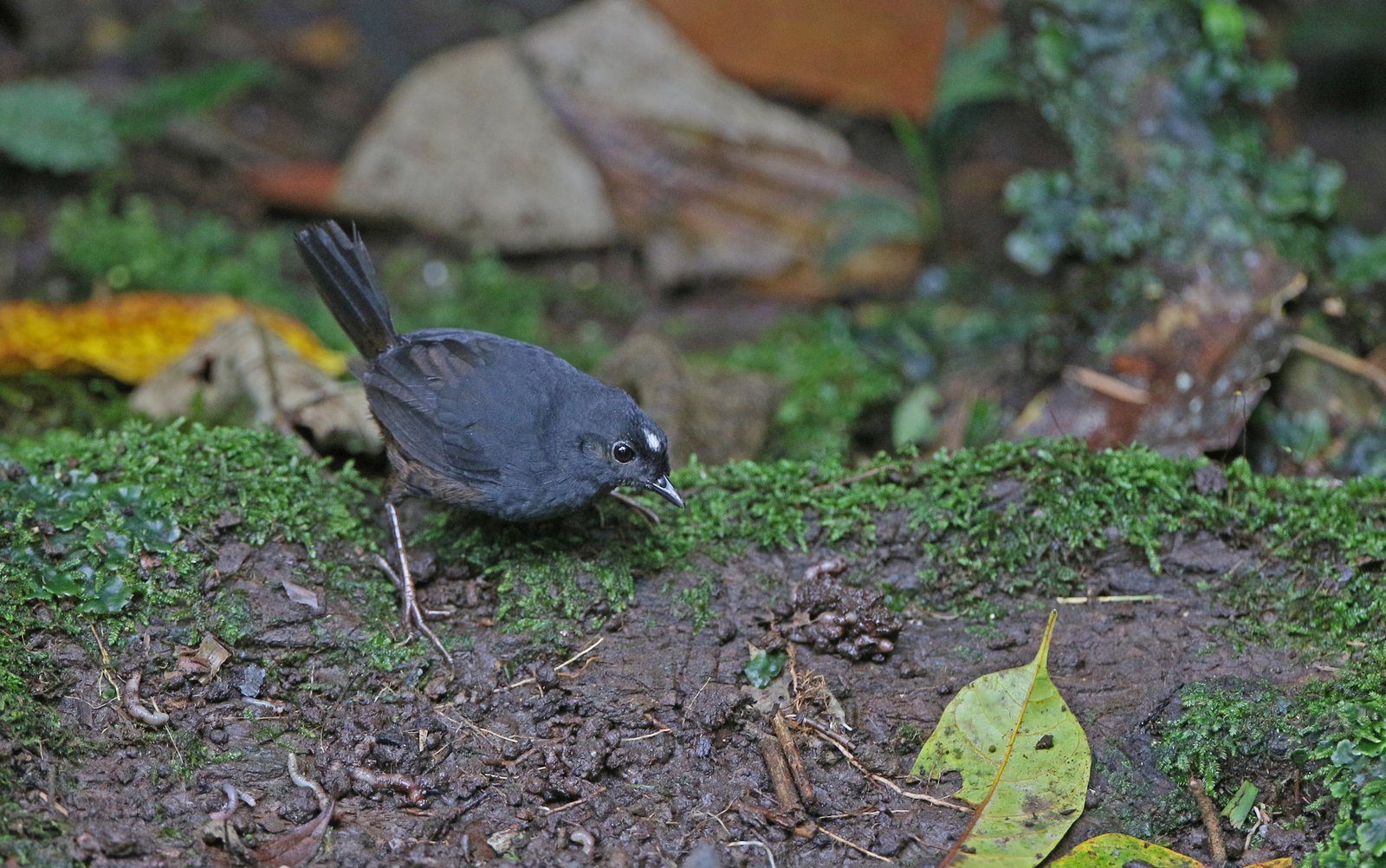
White-crowned Tapaculo
Scytalopus atratus Northern Andean subtropical forest
 Eastern Andean foothill forest
- Lower Yungas forest
 Secondary forest and forest edge
-
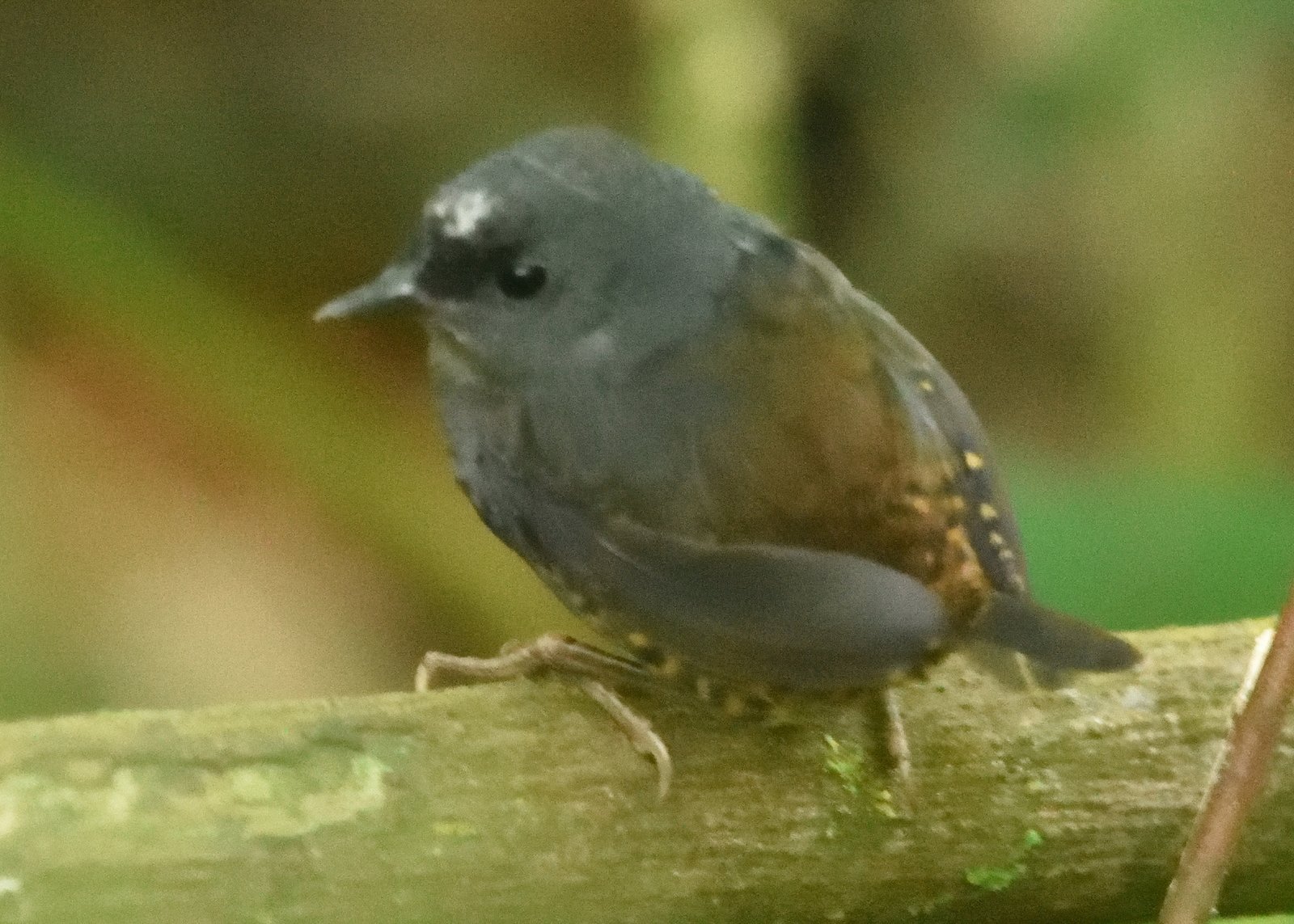
Santa Marta Tapaculo
Scytalopus sanctaemartae- Northern Andean subtropical forest
- Secondary forest and forest edge
-
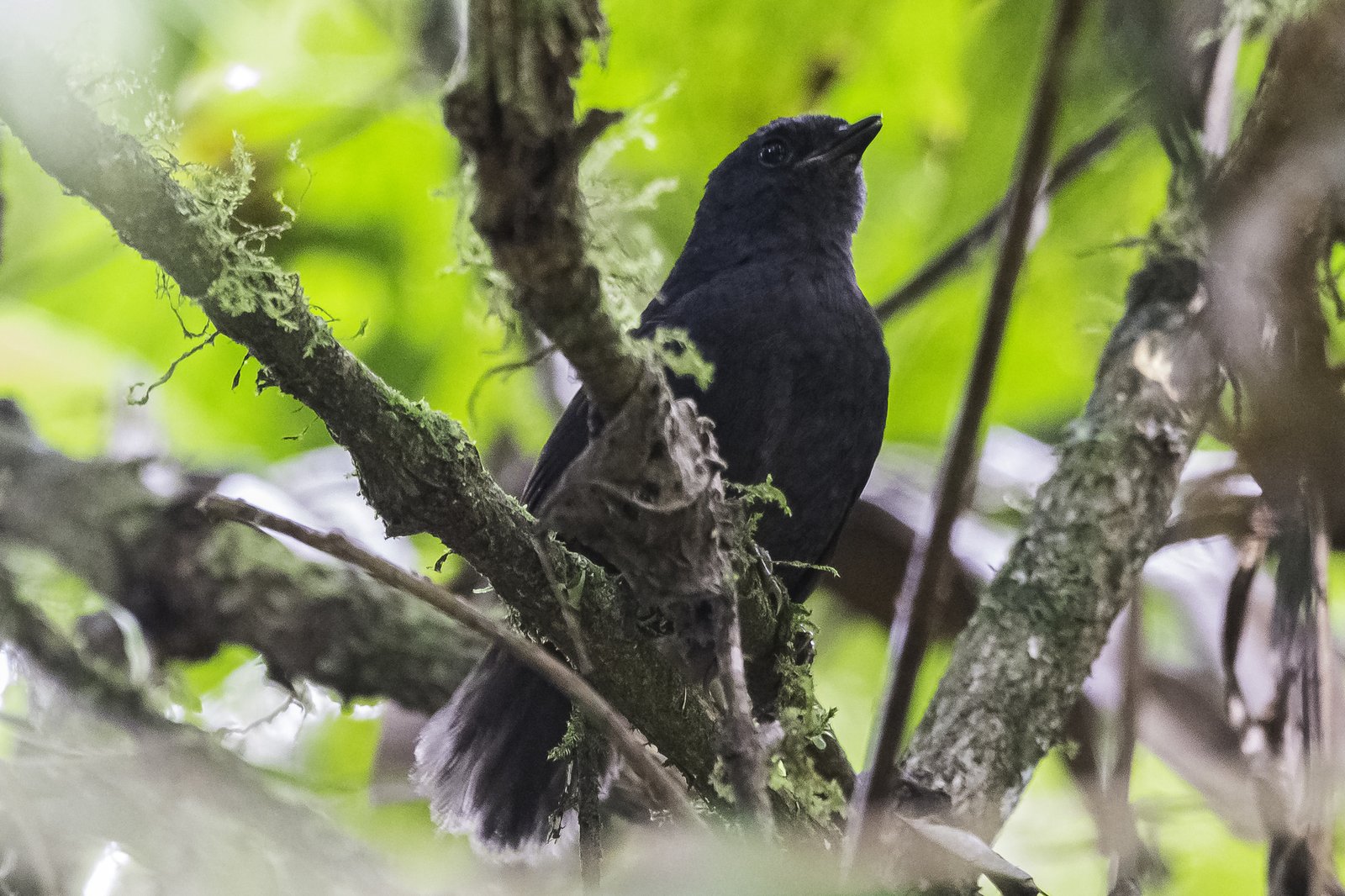
Long-tailed Tapaculo
Scytalopus micropterus- Northern Andean cloud forest and temperate forest
- Northern Andean subtropical forest
- Secondary forest and forest edge
- Riparian woodland of the Andes and coastal valleys
-
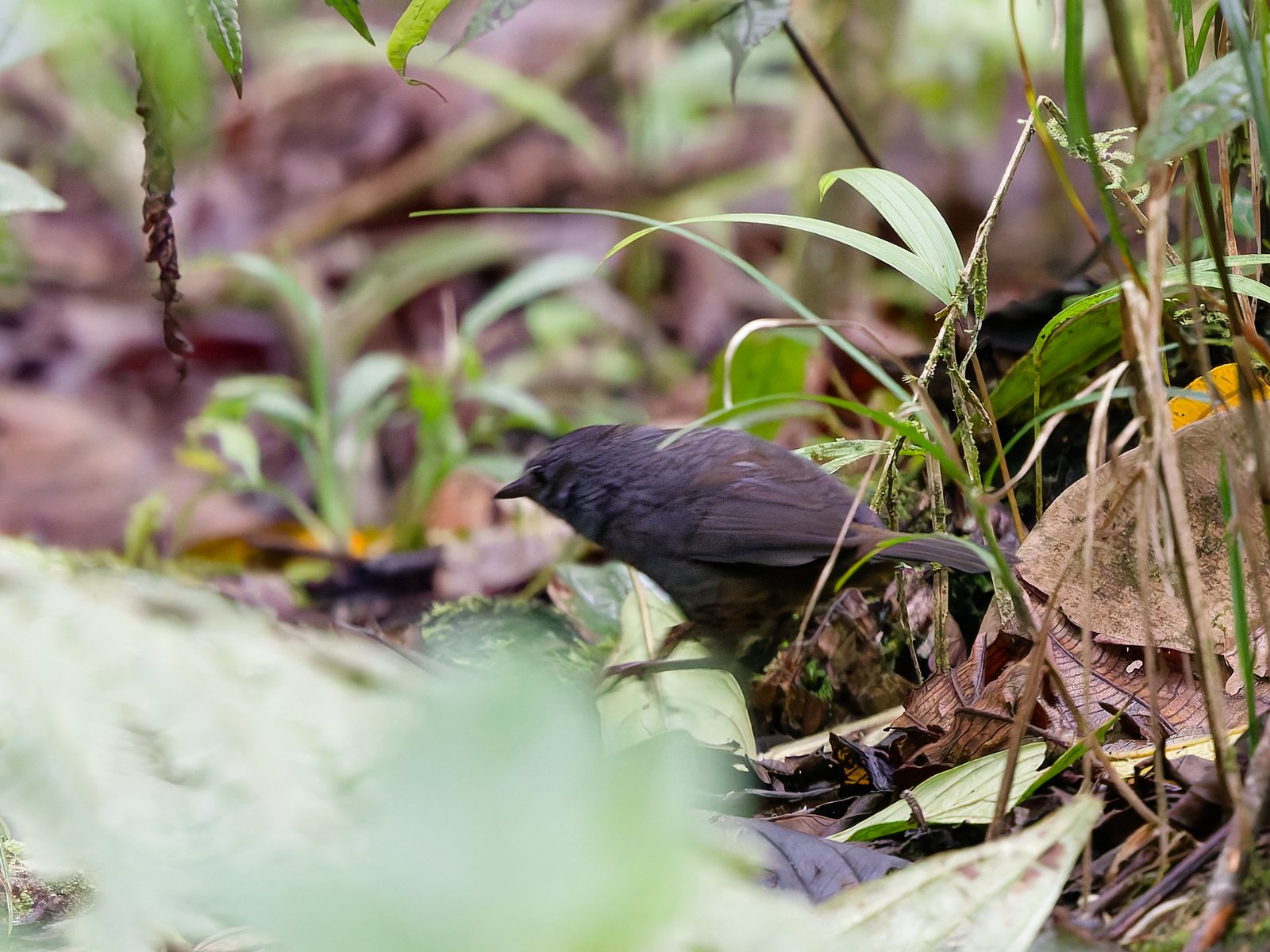
Rufous-vented Tapaculo
Scytalopus femoralis- Northern Andean cloud forest and temperate forest
- Upper Yungas cloud forest
- Secondary forest and forest edge
-
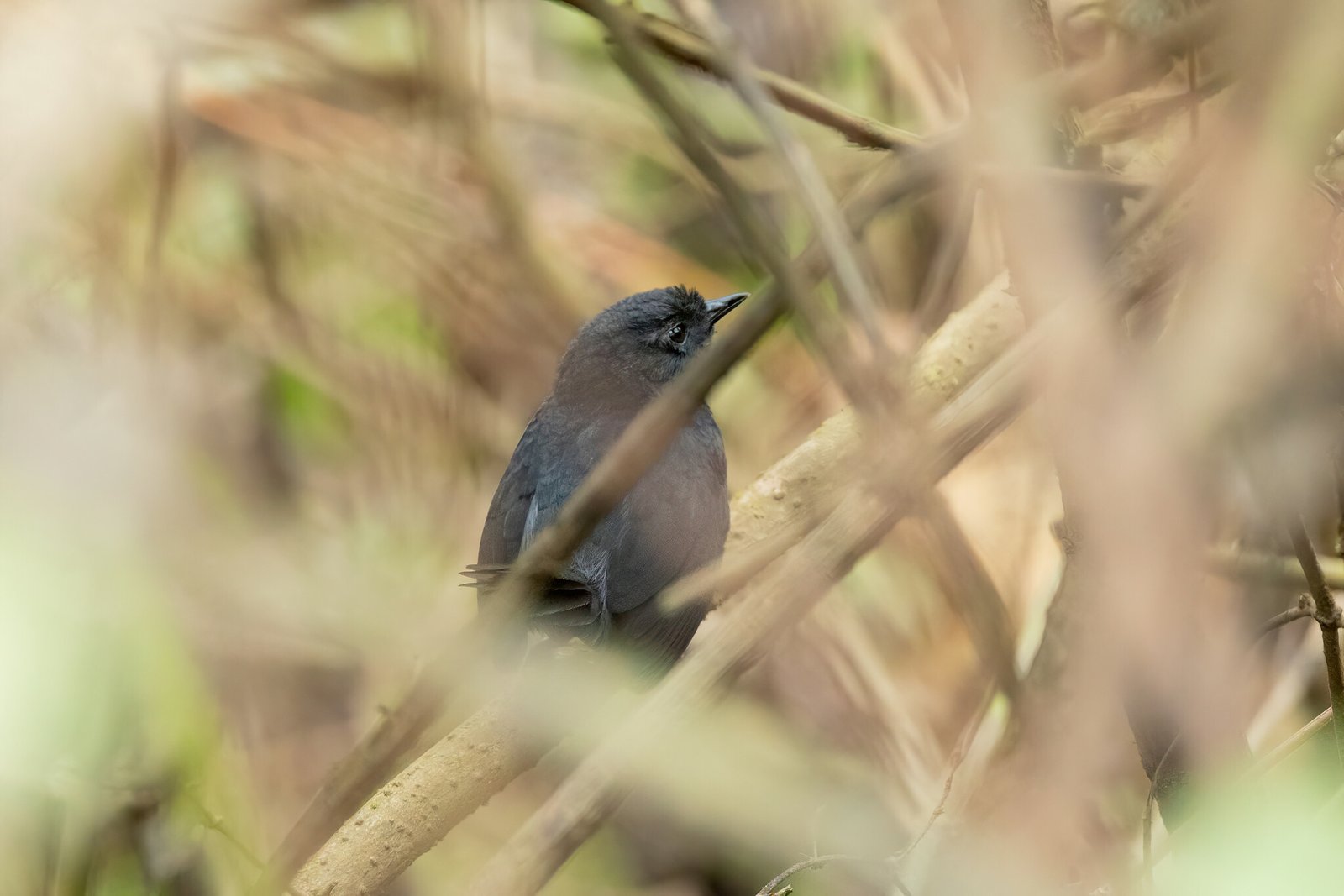
Utcubamba Tapaculo
Scytalopus intermedius- Northern Andean cloud forest and temperate forest
- Secondary forest and forest edge
- Jalca
-
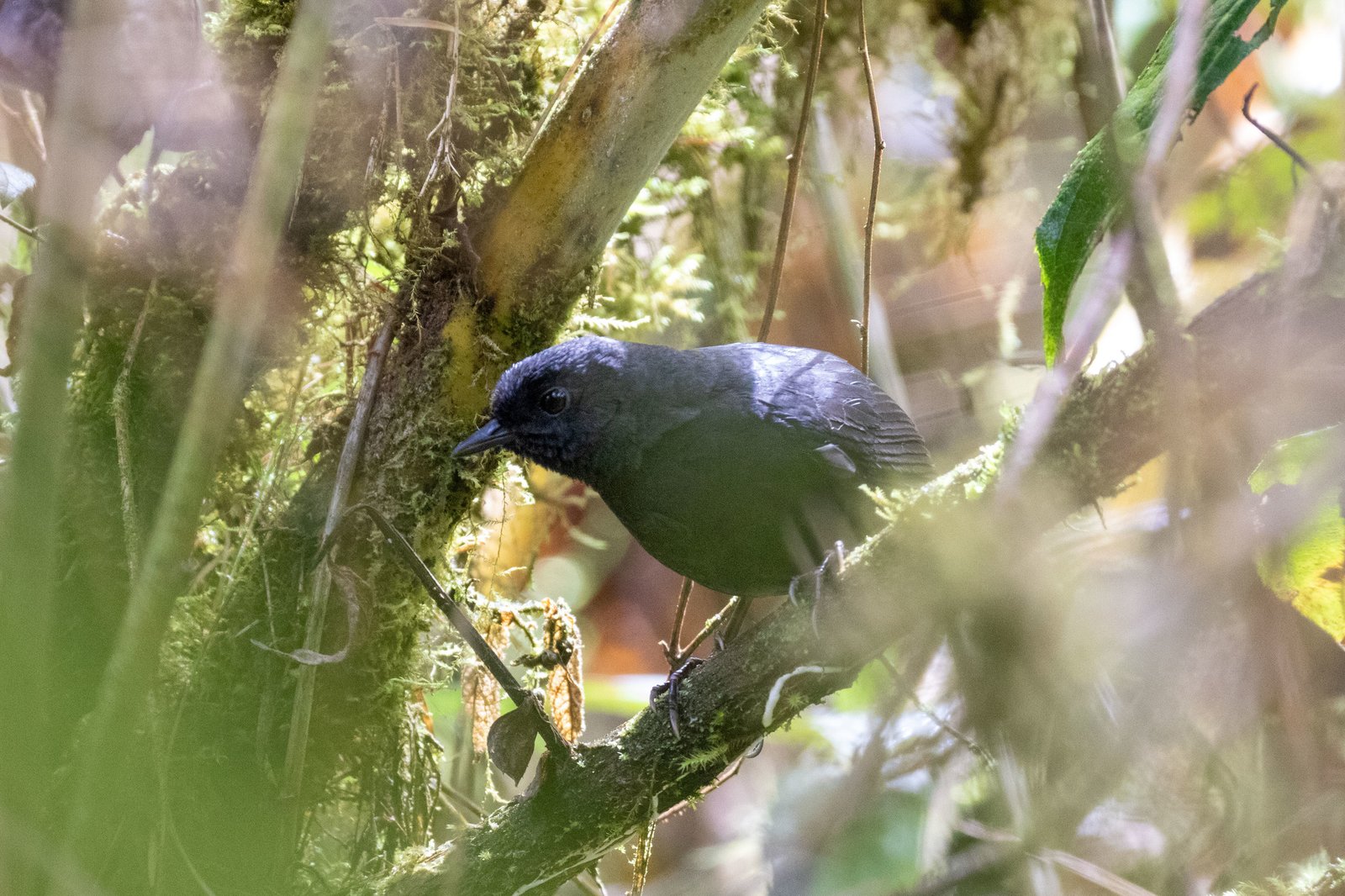
Large-footed Tapaculo
Scytalopus macropus- Northern Andean cloud forest and temperate forest
- Upper Yungas cloud forest
- Riparian woodland of the Andes and coastal valleys
-
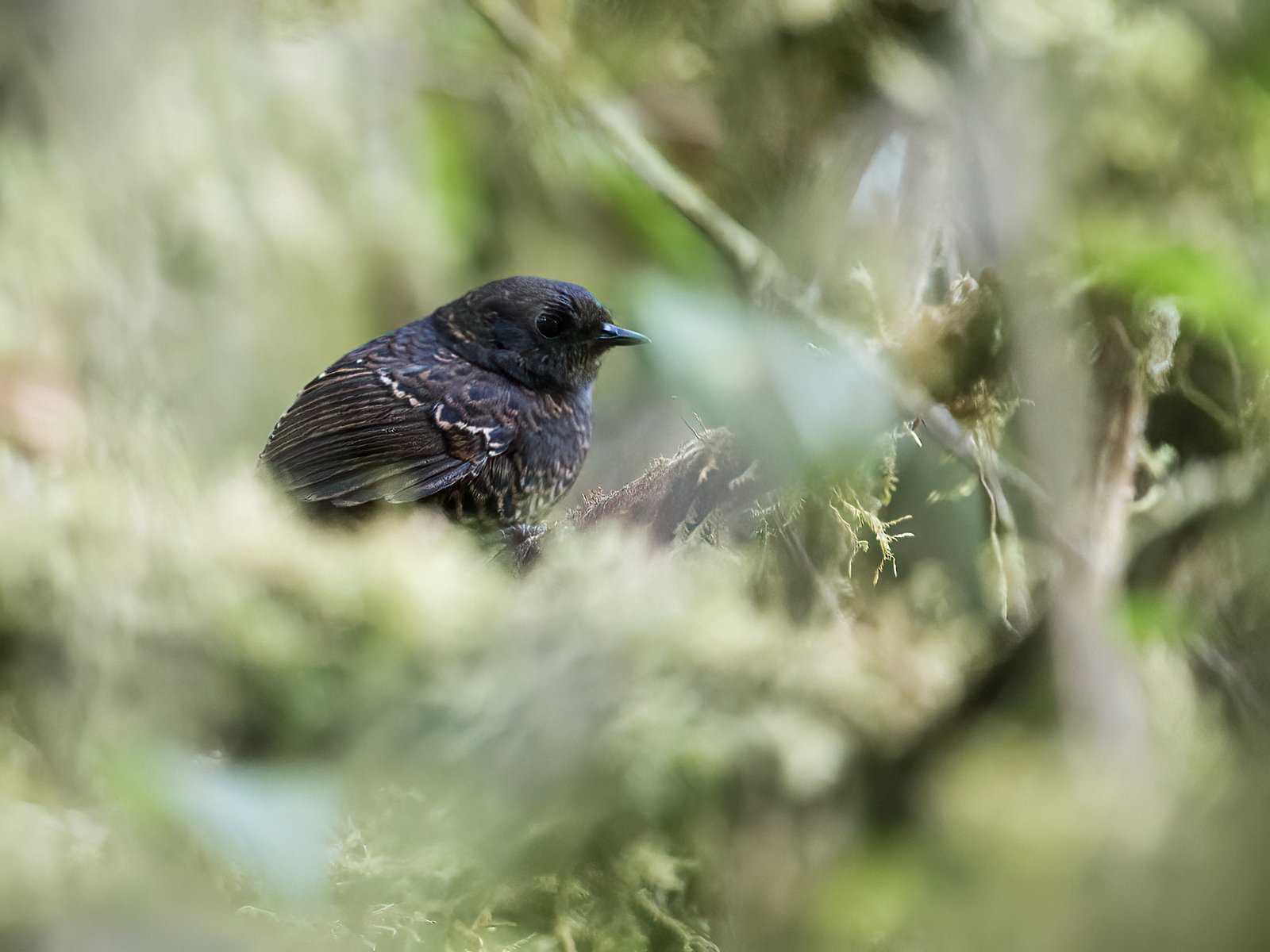
Junin Tapaculo
Scytalopus gettyae- Upper Yungas cloud forest
- Secondary forest and forest edge
-
Unicolored Tapaculo
Scytalopus unicolor- Northern Andean cloud forest and temperate forest
- Secondary forest and forest edge
-
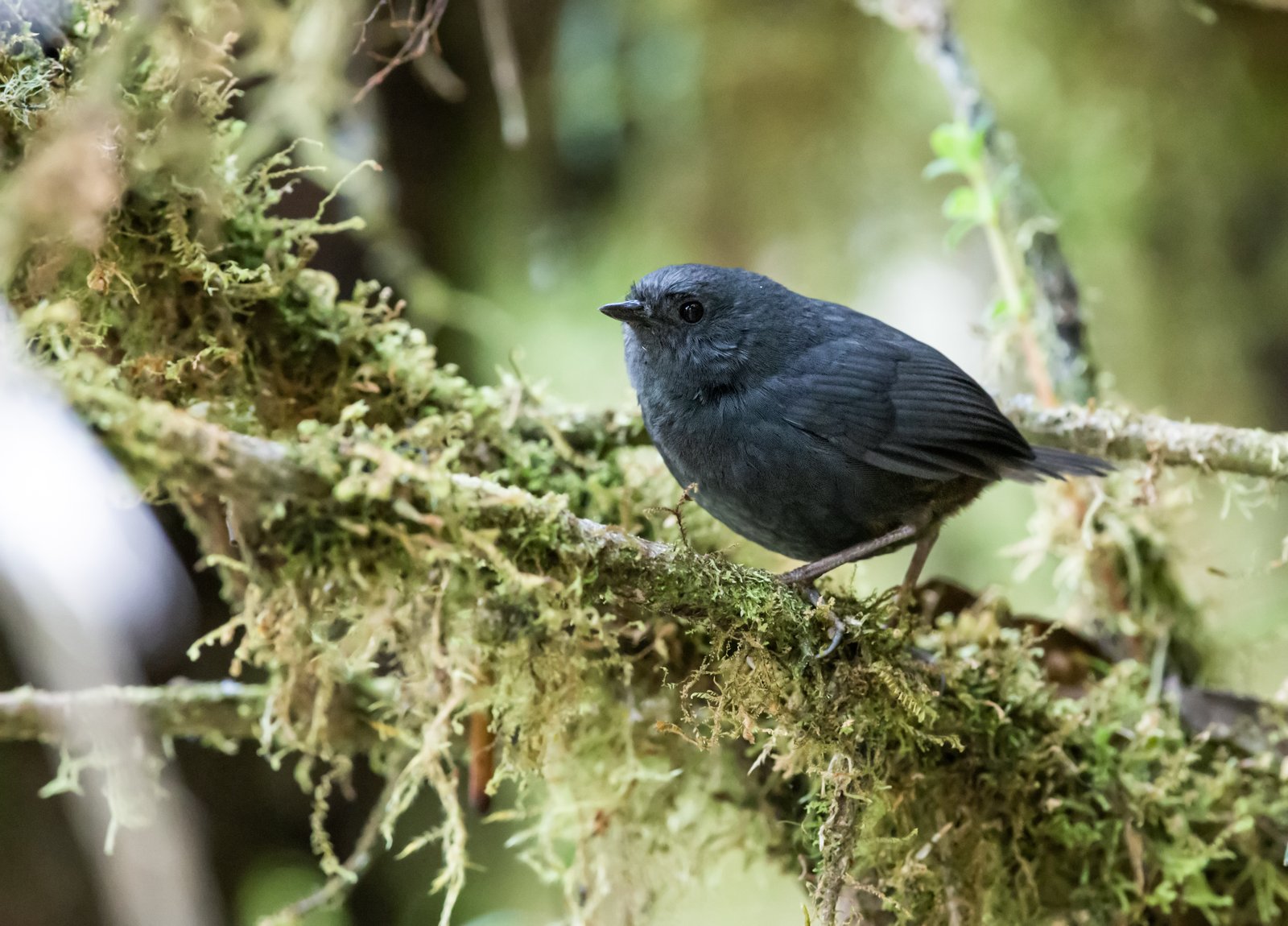
Tschudi's Tapaculo
Scytalopus acutirostris- Northern Andean cloud forest and temperate forest
- Upper Yungas cloud forest
- Jalca
-
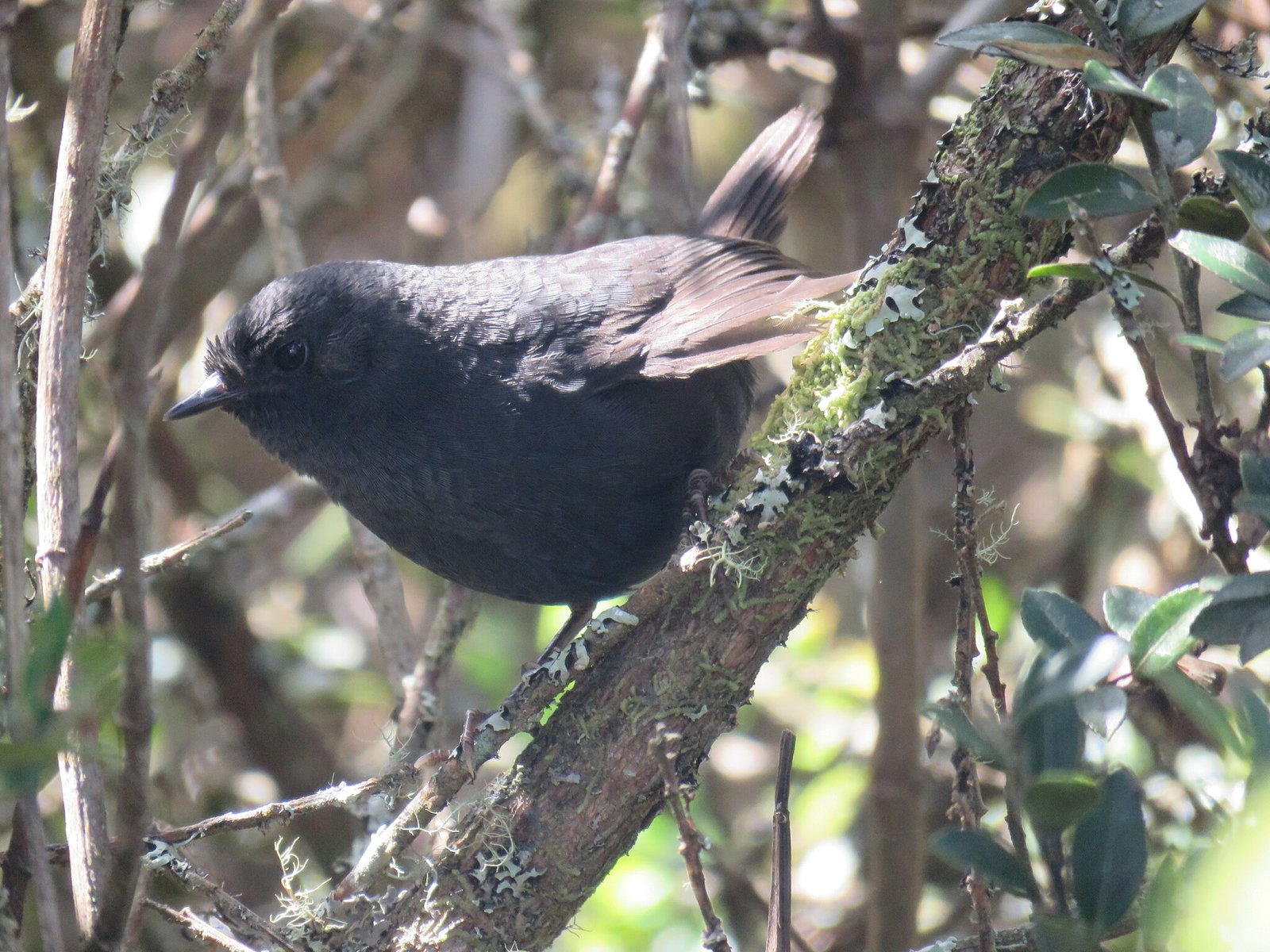
Blackish Tapaculo
Scytalopus latrans- Northern Andean cloud forest and temperate forest
- Northern Andean subtropical forest
- Secondary forest and forest edge
-
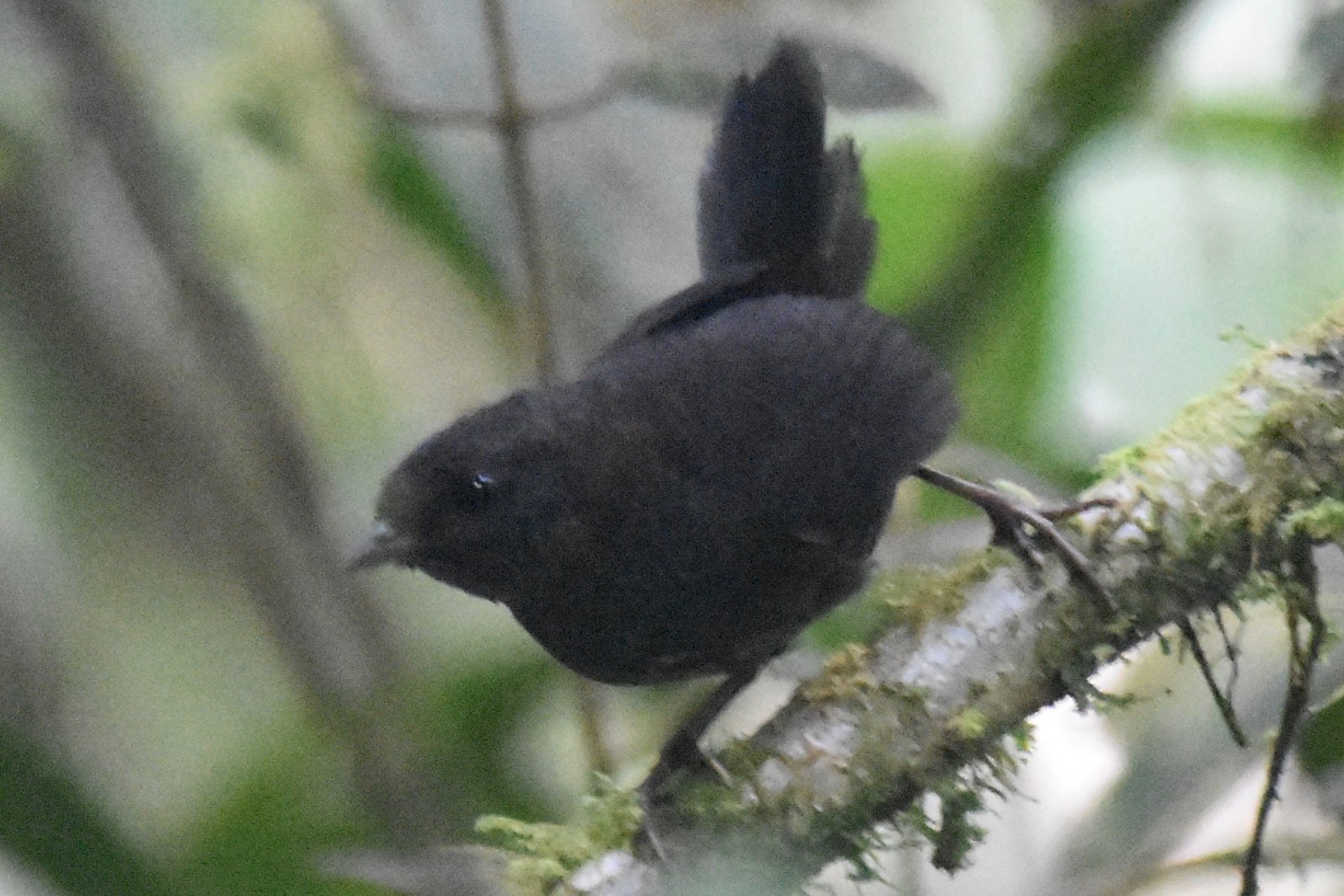
Narino Tapaculo
Scytalopus vicinior- Northern Andean subtropical forest
- Northern Andean cloud forest and temperate forest
 Western Ecuador humid forest
- Secondary forest and forest edge
-
Tacarcuna Tapaculo
Scytalopus panamensis- Northern Andean subtropical forest
 Chocó rainforest
-
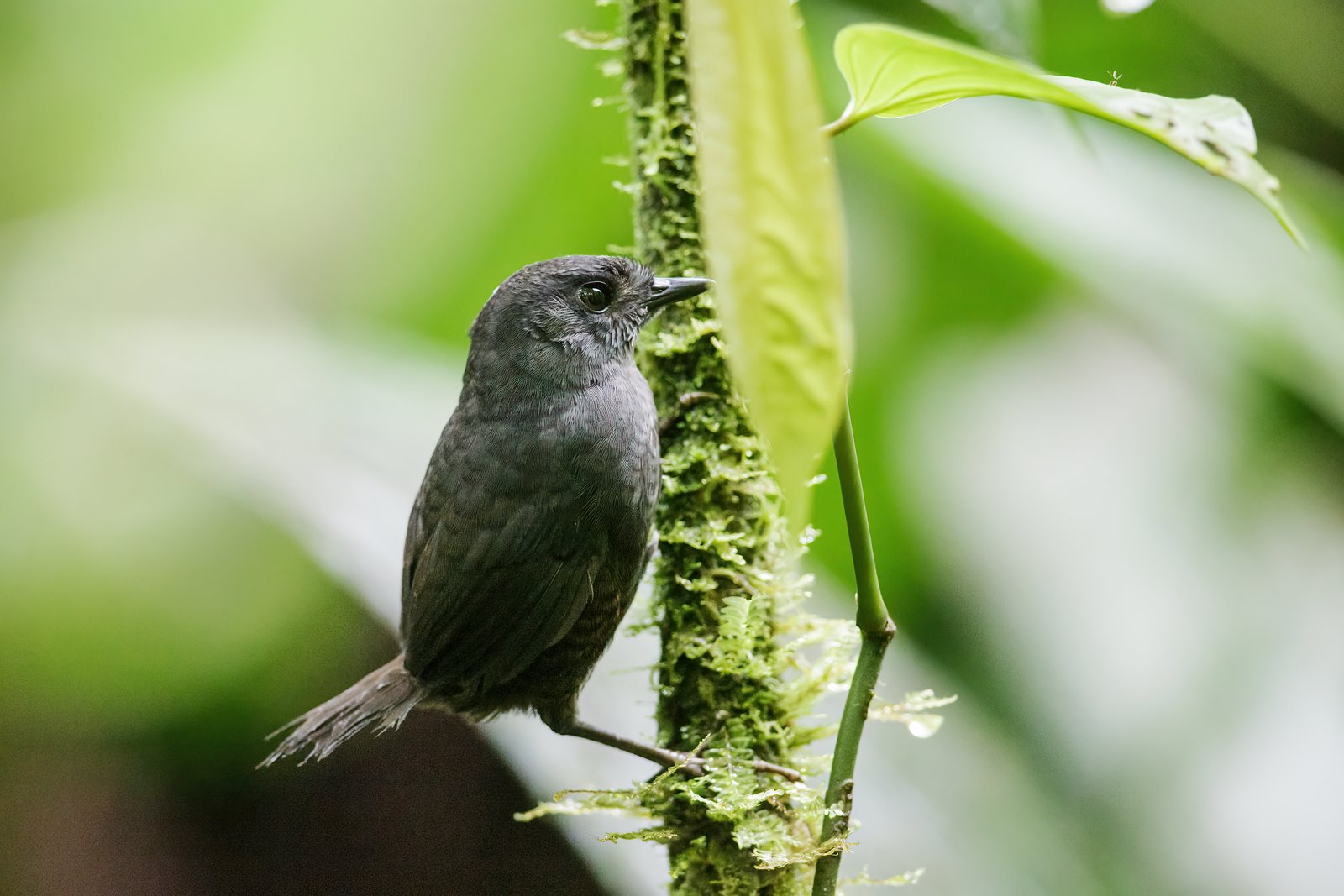
Choco Tapaculo
Scytalopus chocoensis- Chocó rainforest
- Western Ecuador humid forest
- Northern Andean subtropical forest
-
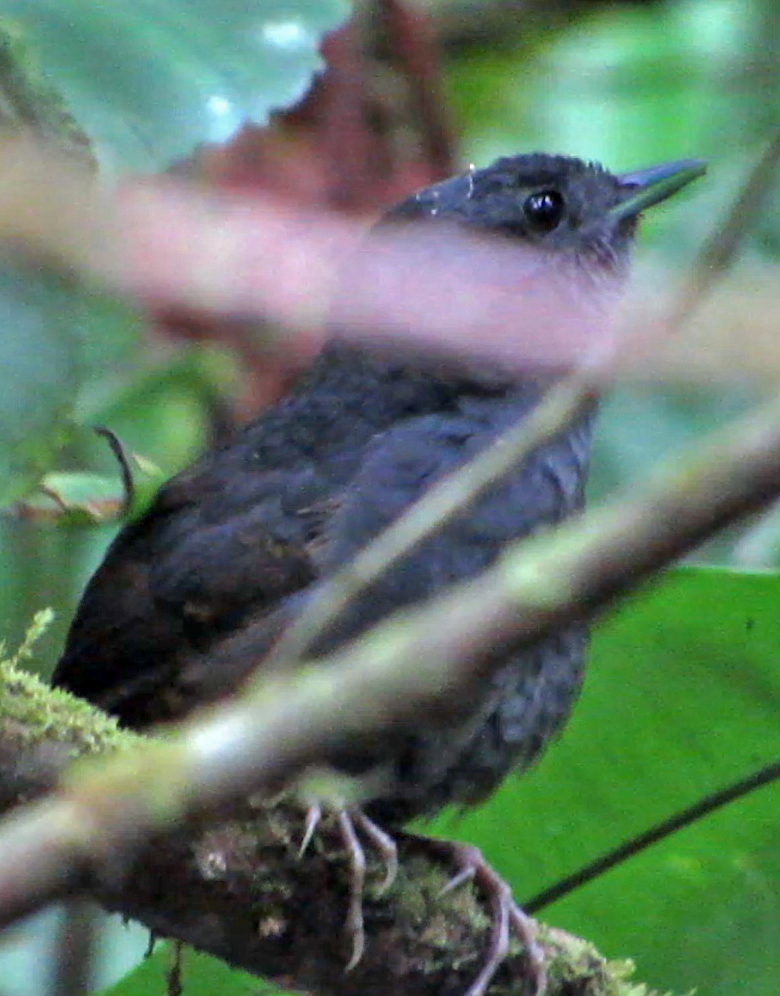
Magdalena Tapaculo
Scytalopus rodriguezi- Northern Andean cloud forest and temperate forest
- Northern Andean subtropical forest
- Secondary forest and forest edge
-
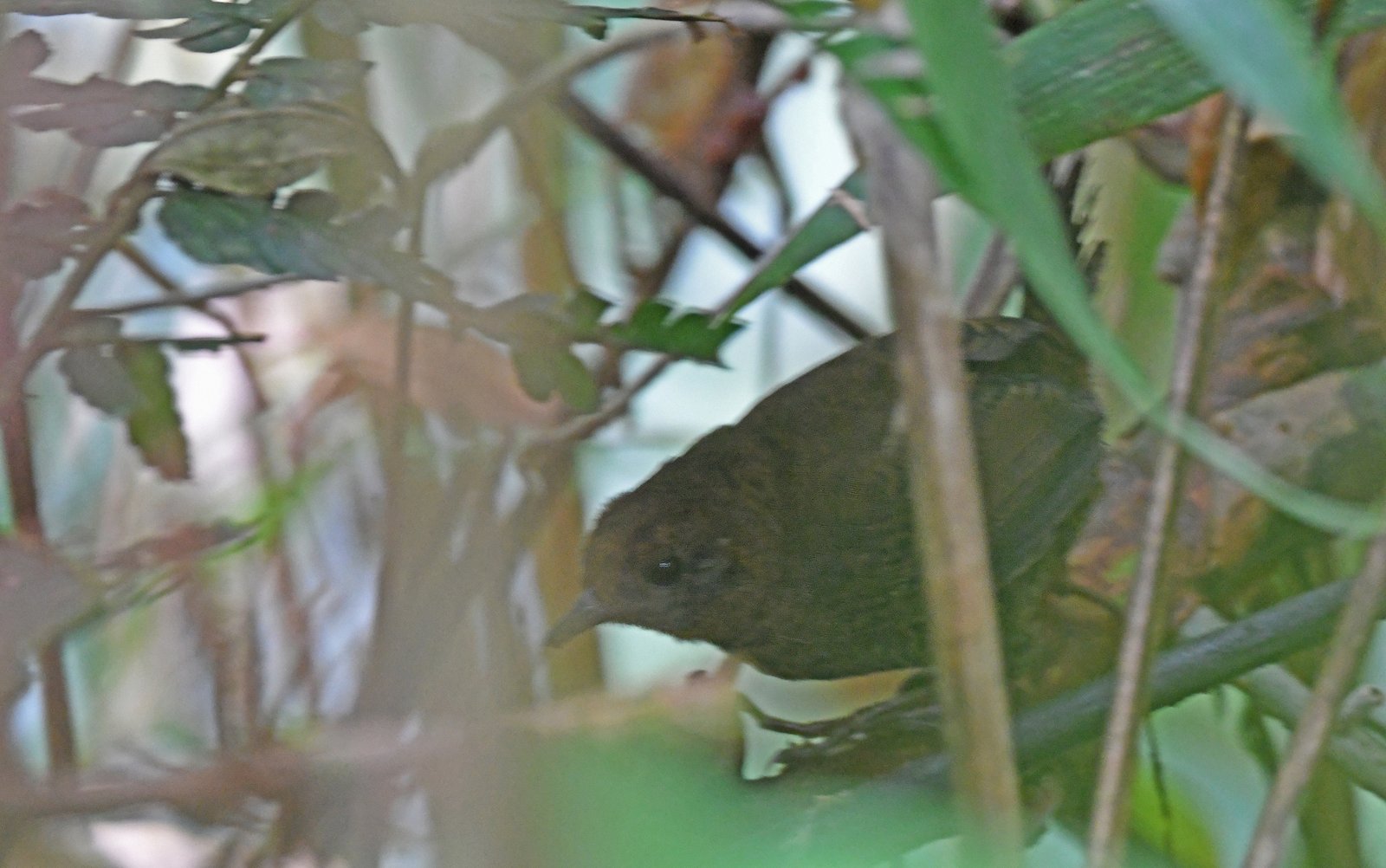
Stiles's Tapaculo
Scytalopus stilesi- Northern Andean subtropical forest
- Northern Andean cloud forest and temperate forest
- Secondary forest and forest edge
-
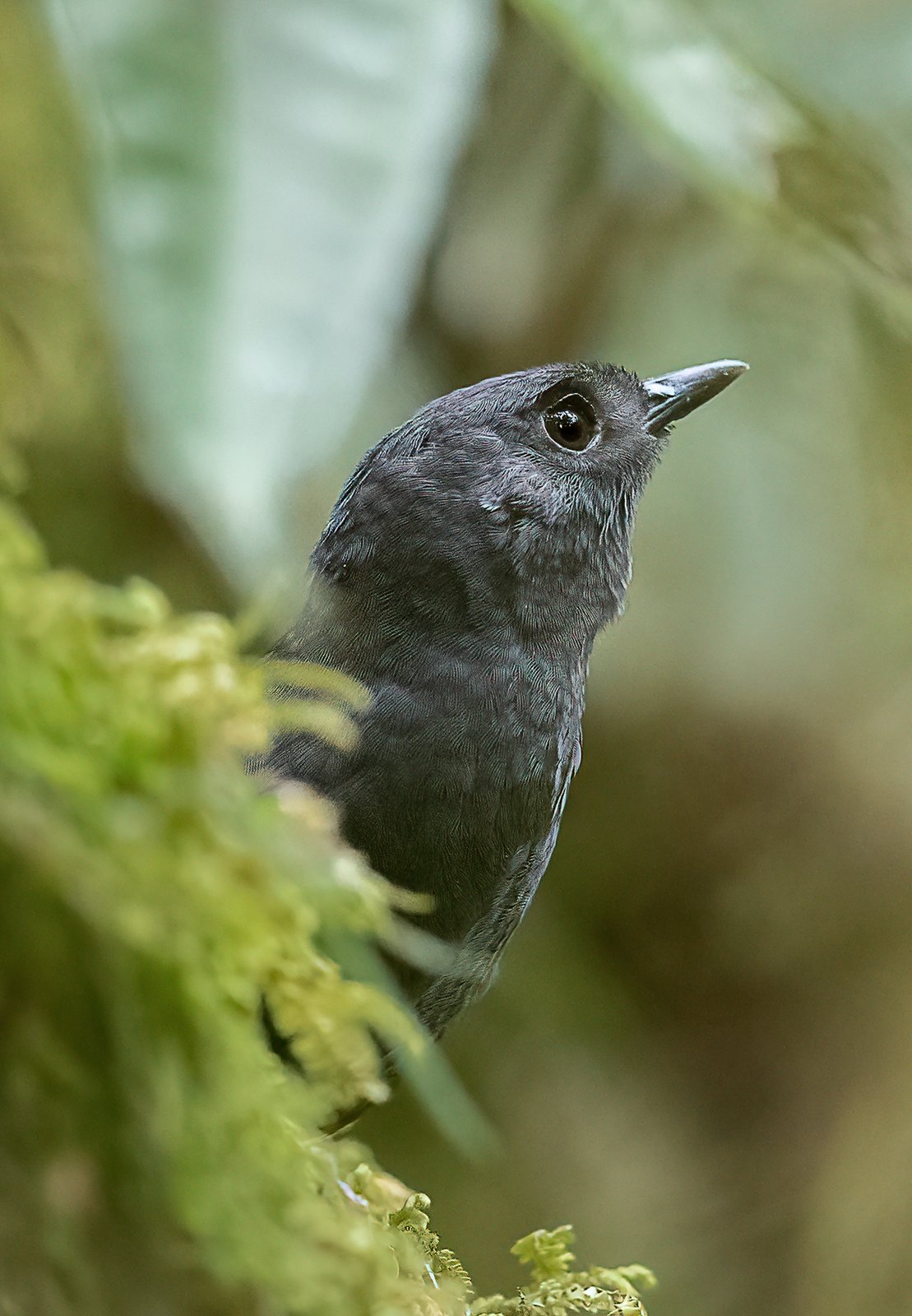
Tatama Tapaculo
Scytalopus alvarezlopezi- Northern Andean cloud forest and temperate forest
- Northern Andean subtropical forest
-
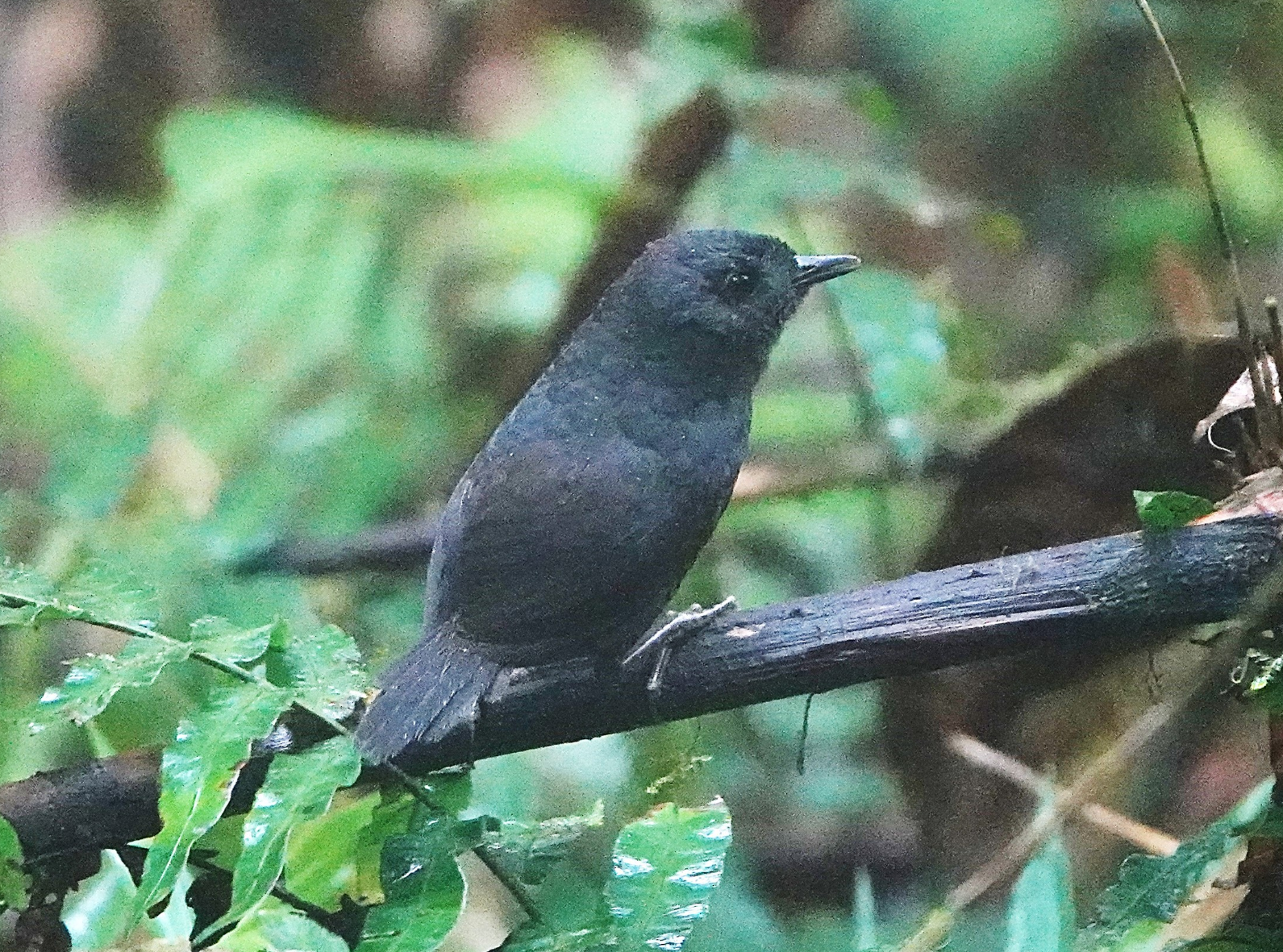
El Oro Tapaculo
Scytalopus robbinsi- Western Ecuador humid forest
- Northern Andean subtropical forest
- Secondary forest and forest edge
-
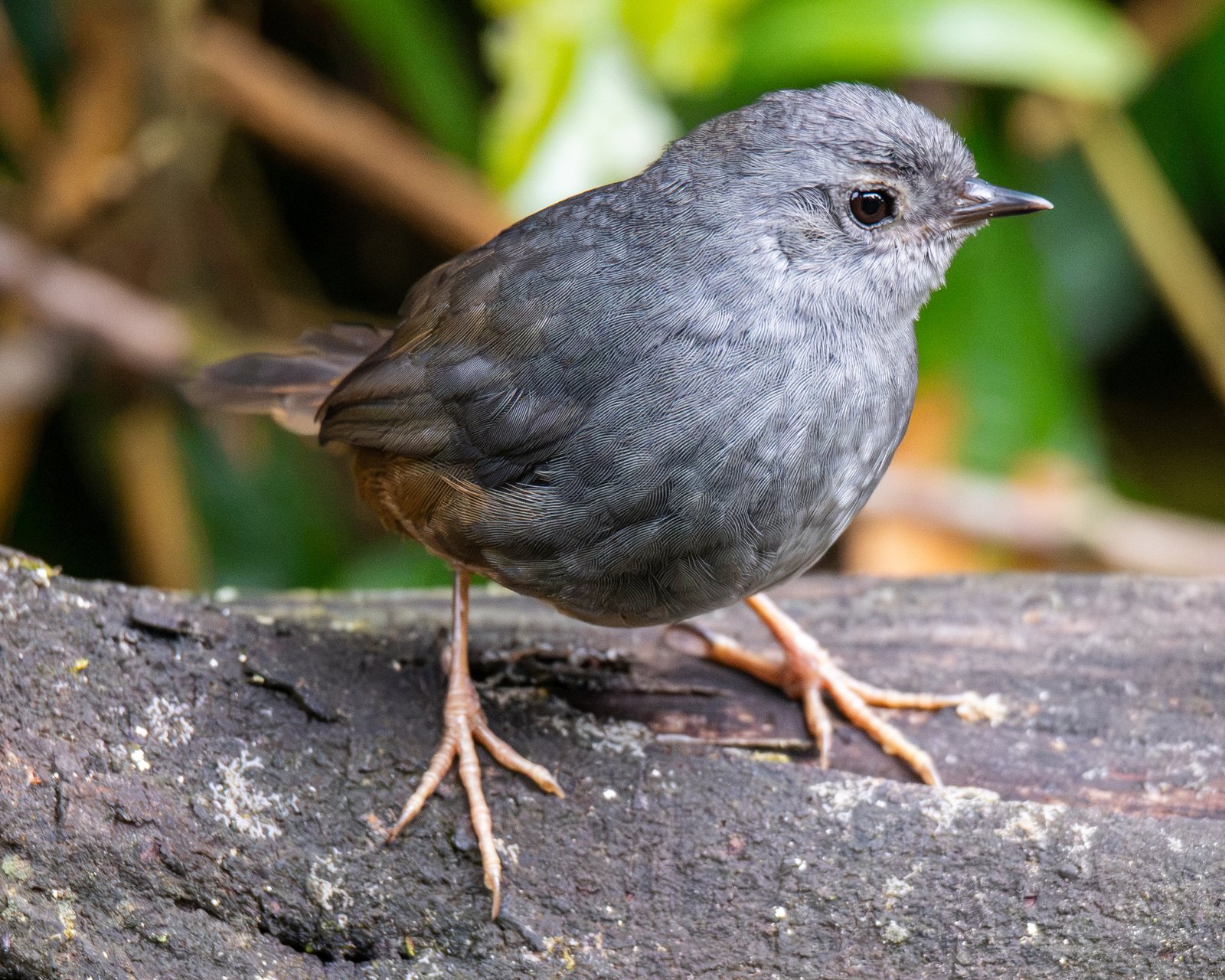
Pale-bellied Tapaculo
Scytalopus griseicollis- Páramo
- Northern Andean cloud forest and temperate forest
-
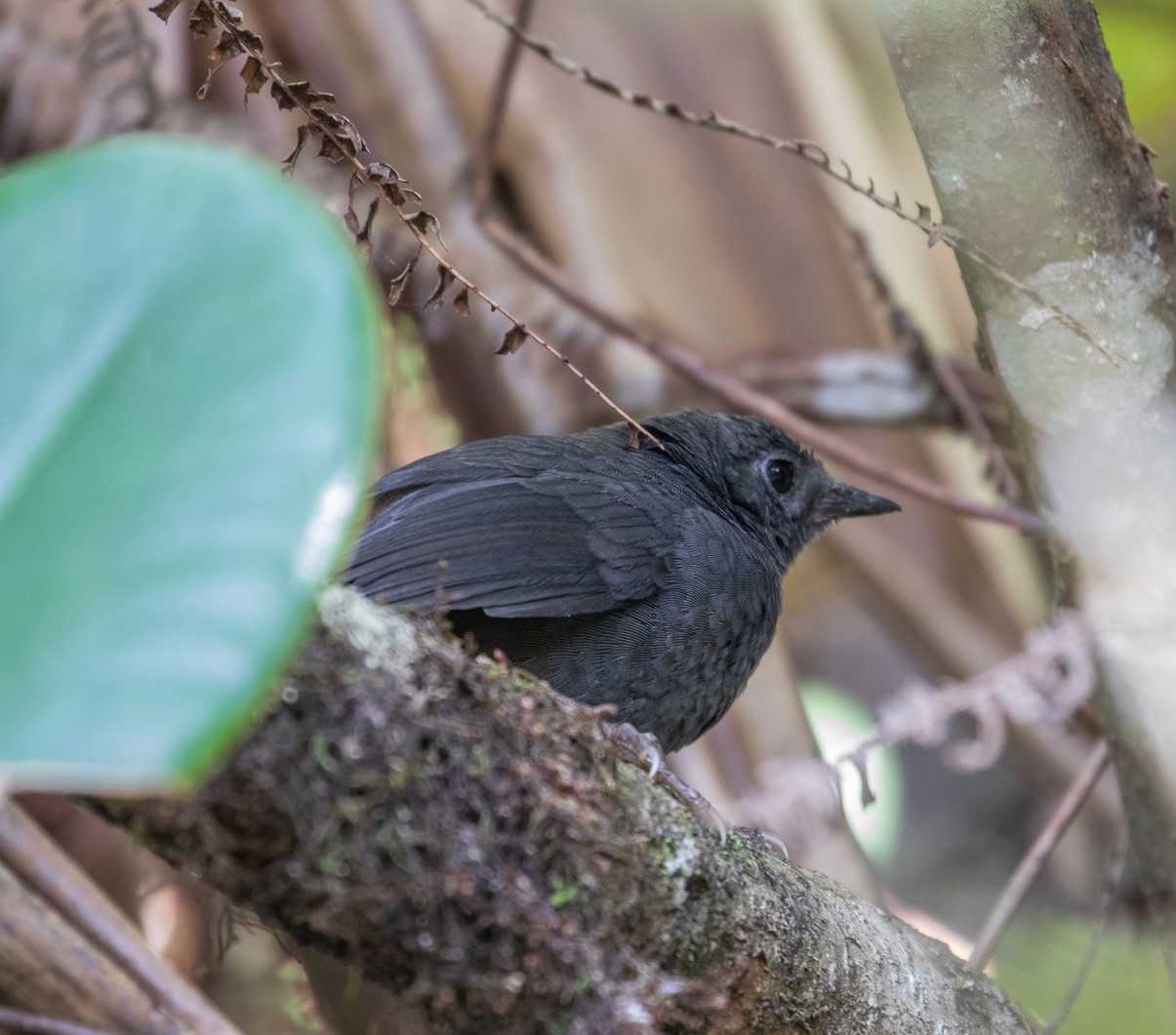
Brown-rumped Tapaculo
Scytalopus latebricola- Northern Andean cloud forest and temperate forest
- Páramo
-
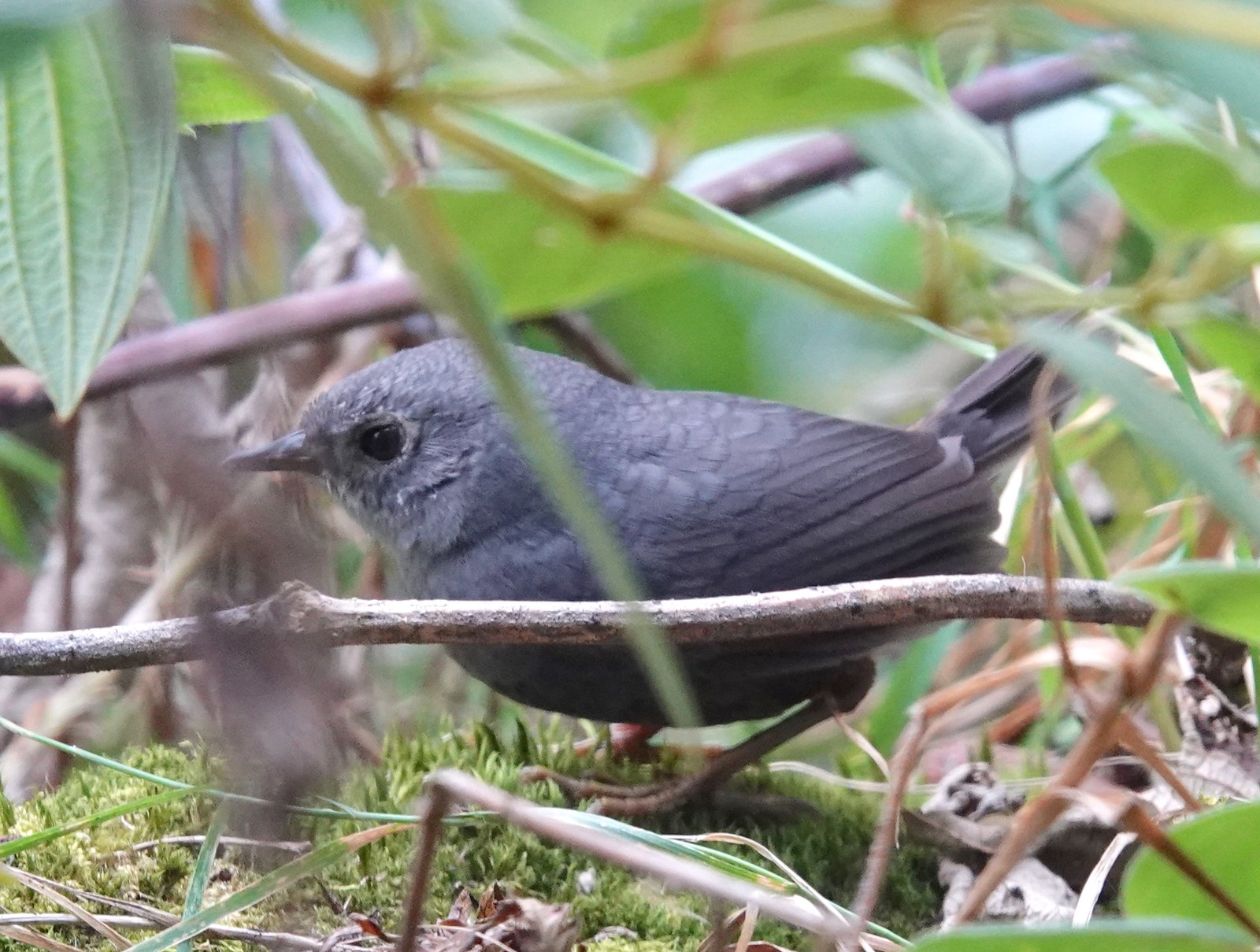
Perija Tapaculo
Scytalopus perijanus- Northern Andean cloud forest and temperate forest
- Northern Andean subtropical forest
- Páramo
-
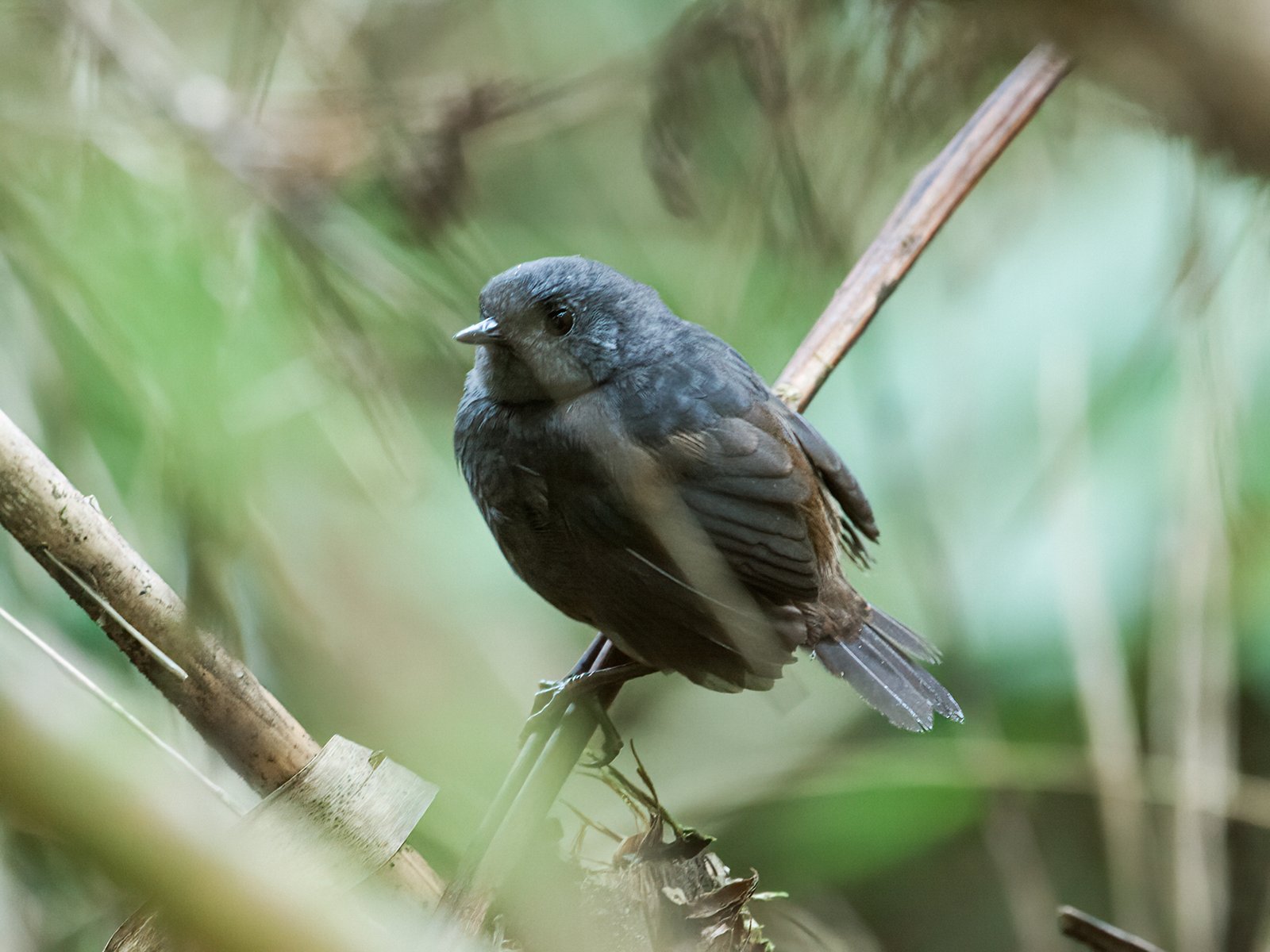
Chusquea Tapaculo
Scytalopus parkeri- Northern Andean cloud forest and temperate forest
- Páramo
-
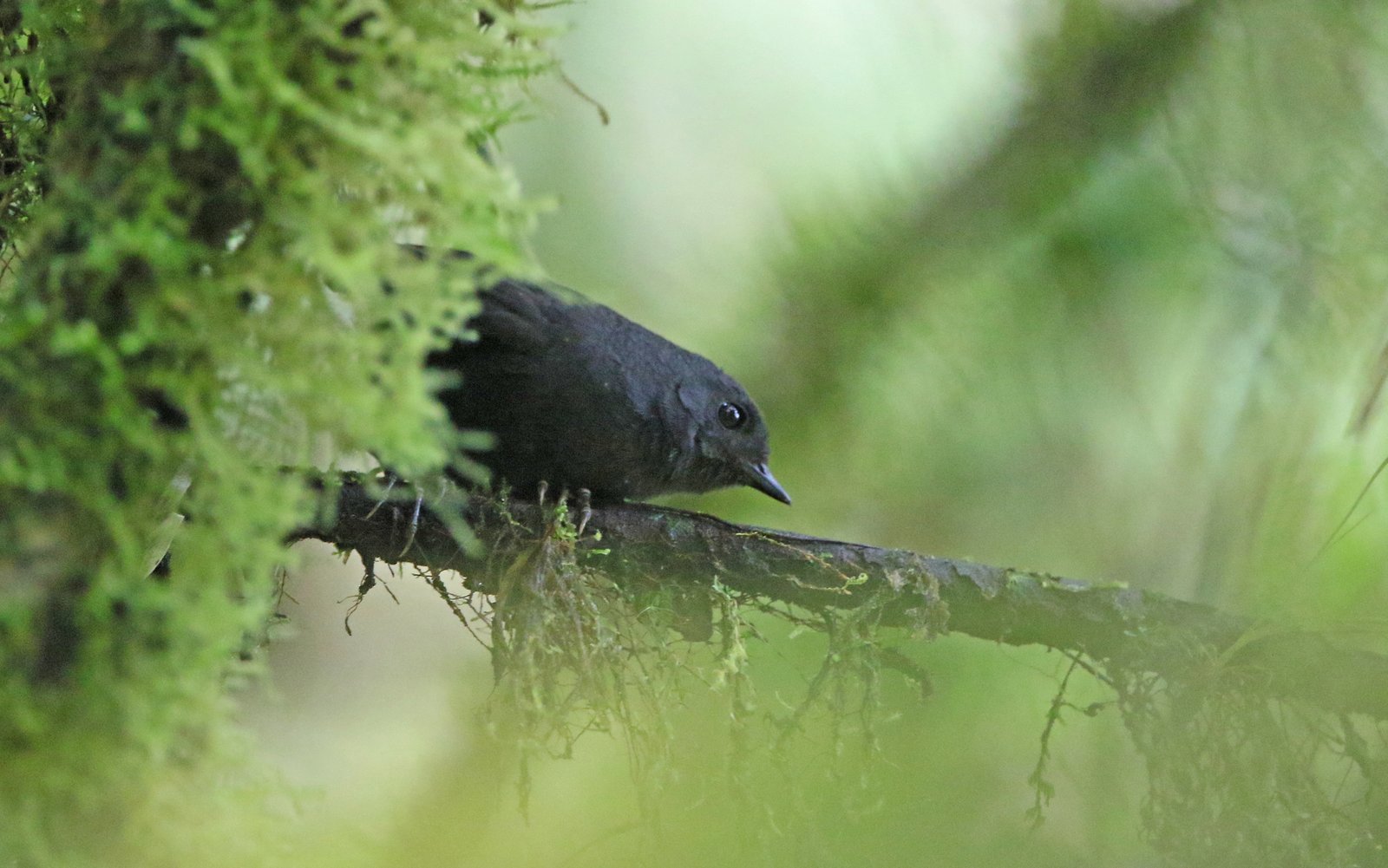
Spillmann's Tapaculo
Scytalopus spillmanni- Northern Andean cloud forest and temperate forest
- Northern Andean subtropical forest
Rhinocrypta 1 species