All species › Passerines › Ovenbirds and woodcreepers
Ovenbirds and woodcreepers | Furnariidae
Ovenvogels en muisspechten | Horneros y trepatroncos | Furnarídeos e arapaçus
A large family of tropical American suboscines, in the guide with 188 species in 61 genera, from the rainforest of Amazonia and the Atlantic Forest through the Cerrado, the Caatinga and the Pantanal to the marshes and grasslands of the south, the tepuis and the páramo of the Andes of Venezuela. The birds are mainly brown, rufous and cinnamon, often streaked or spotted, and the sexes look alike. Roughly, they fall into two groups. The woodcreepers climb tree trunks like woodpeckers, propped on a tail with stiff, bare shaft tips, and probe bark crevices, moss and epiphytes for insects and spiders with a straight or strongly decurved bill; in Amazonia they range from the small Wedge-billed Woodcreeper (Glyphorynchus) to Long-billed Woodcreeper (Nasica) of flooded forest, and some follow army-ant swarms and catch the animals fleeing ahead of them. The other species, such as foliage-gleaners, leaftossers, xenops and spinetails, find their food by tossing leaf litter, searching dead leaves or clambering through foliage and scrub. Some are highly specialised: Point-tailed Palmcreeper (Berlepschia) lives in Mauritia palms, Curve-billed Reedhaunter (Limnornis) in reed marshes of the south, and cinclodes (Cinclodes) walk on the ground in the grasslands of the south and the páramo. One species, Chaco Earthcreeper, has been recorded only as a vagrant. The voice consists of rattles, trills and shrill series. Nesting habits vary widely: woodcreepers nest in tree holes on a layer of bark flakes, other species dig tunnels in earth banks, the horneros of the genus Furnarius, such as Rufous Hornero, build an oven-shaped nest of mud, and spinetails and cacholotes build large, closed stick nests with a tubular or side entrance. The eggs are usually white.
Native species 186 species
Species that occur here by nature: breeding birds, winter visitors and passage migrants. They are arranged by genus, in the sequence of the list.
Sclerurus 5 species
-
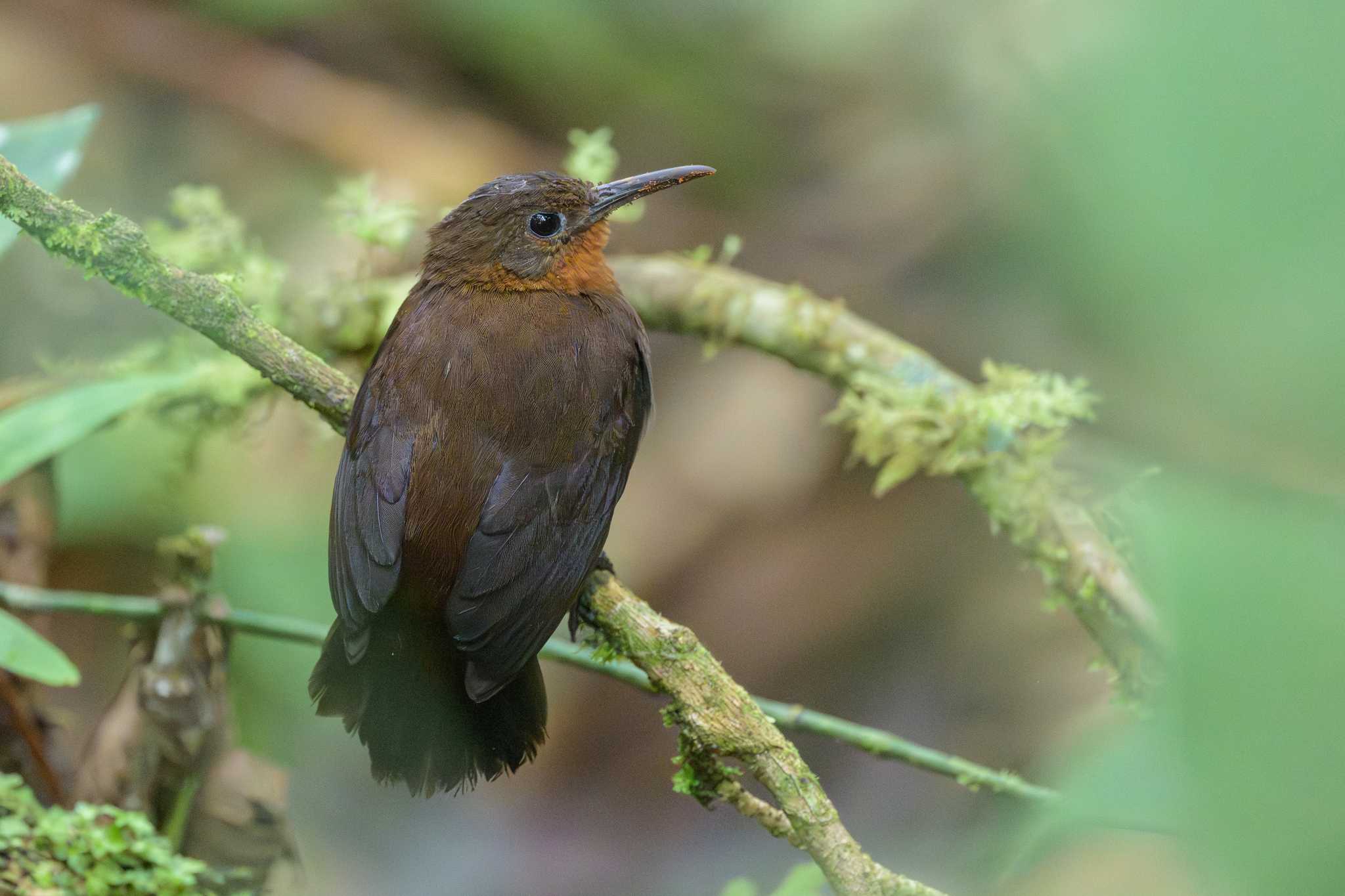
Dusky Leaftosser
Sclerurus obscurior Tall terra firme forest
 Highland forest of the Guiana Shield
 Montane forest of the Venezuelan Andes and Perijá
 Coastal lowland forest
-

Short-billed Leaftosser
Sclerurus rufigularis- Tall terra firme forest
 White-sand forest and campina
- Highland forest of the Guiana Shield
-

Black-tailed Leaftosser
Sclerurus caudacutus- Tall terra firme forest
- Highland forest of the Guiana Shield
 Northeastern coastal forest
- Coastal lowland forest
-

Grey-throated Leaftosser
Sclerurus albigularis Montane forest of the Venezuelan coastal range
- Montane forest of the Venezuelan Andes and Perijá
- Tall terra firme forest
-

Rufous-breasted Leaftosser
Sclerurus scansor- Coastal lowland forest
 Montane forest of the Serra do Mar
 Interior semi-deciduous forest
 Araucaria forest
 Veredas and gallery forest
 Brejos and highland forest
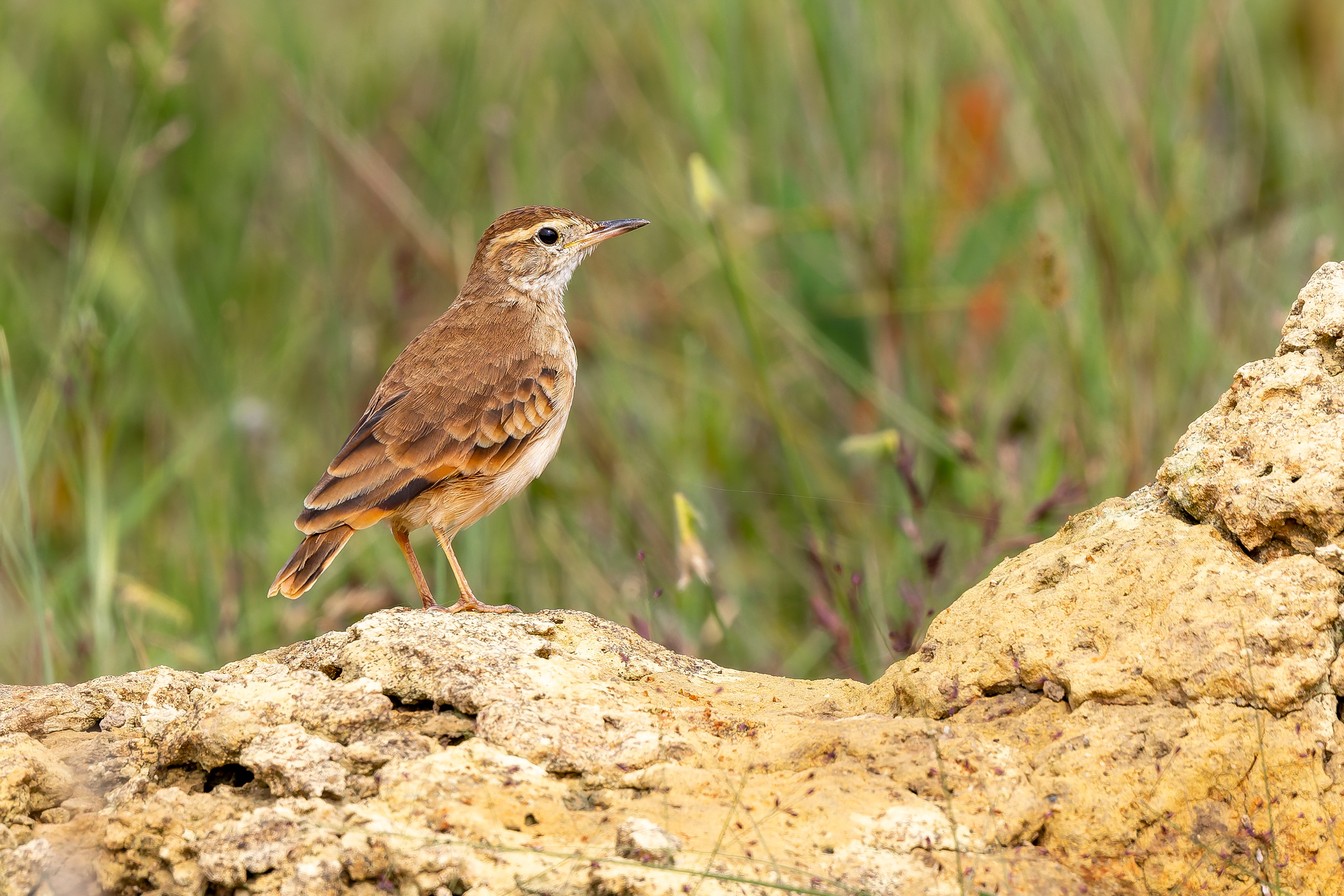
Geositta 2 species


Certhiasomus 1 species
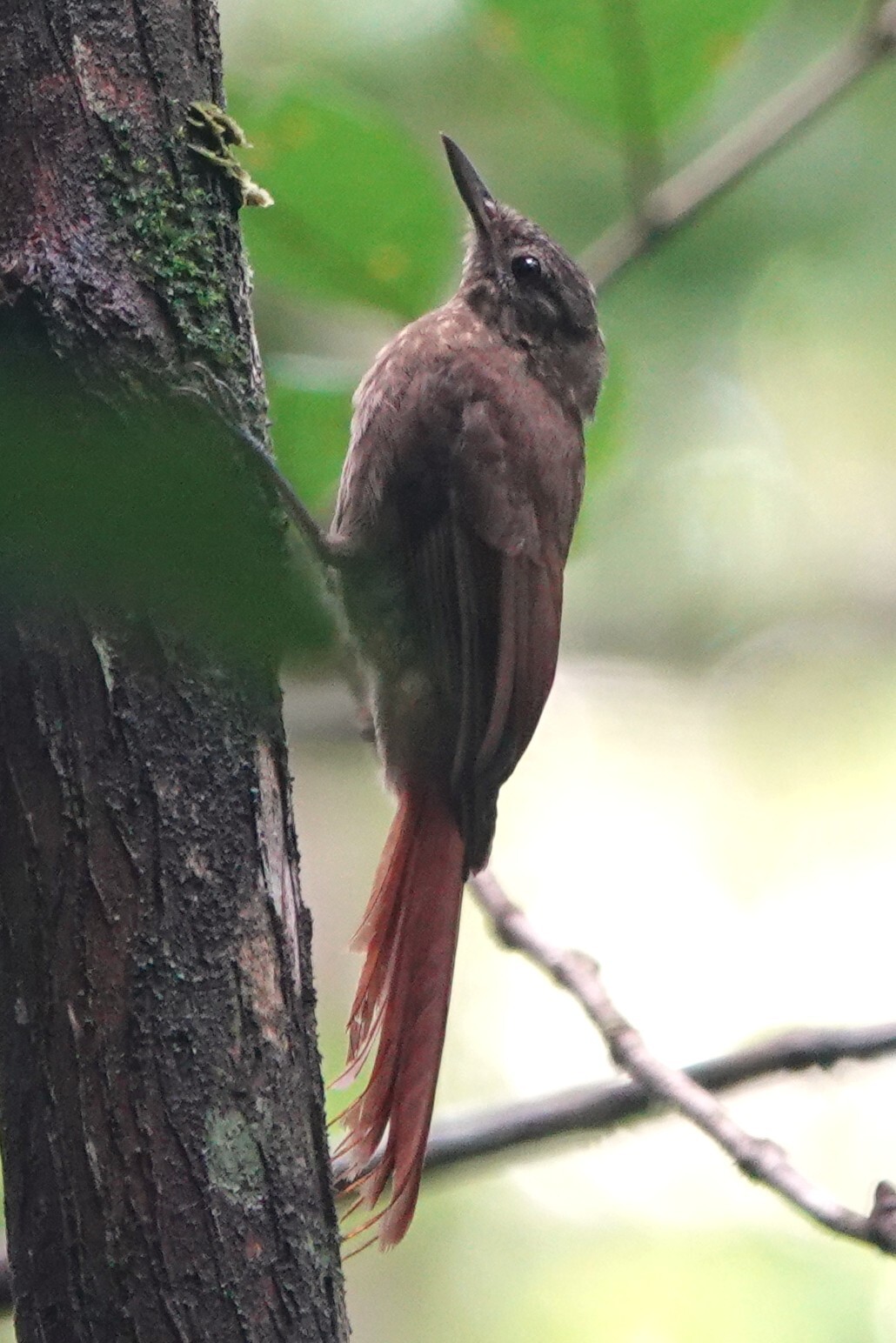

Deconychura 2 species


Dendrocincla 4 species
-

Tyrannine Woodcreeper
Dendrocincla tyrannina- Montane forest of the Venezuelan Andes and Perijá
-

White-chinned Woodcreeper
Dendrocincla merula- Tall terra firme forest
 Várzea (whitewater flooded forest)
 Secondary forest and forest edge
-

Ruddy Woodcreeper
Dendrocincla homochroa- Montane forest of the Venezuelan Andes and Perijá
 Dry forest and thorn scrub of northern Venezuela
-

Plain-brown Woodcreeper
Dendrocincla fuliginosa- Tall terra firme forest
- Várzea (whitewater flooded forest)
 Igapó (blackwater flooded forest)
- Secondary forest and forest edge
- Veredas and gallery forest
- Northeastern coastal forest
- Montane forest of the Venezuelan Andes and Perijá

Dendrexetastes 1 species

Dendrocolaptes 5 species
-

Northern Barred Woodcreeper
Dendrocolaptes sanctithomae- Montane forest of the Venezuelan Andes and Perijá
- Dry forest and thorn scrub of northern Venezuela
-

Amazonian Barred Woodcreeper
Dendrocolaptes certhia- Tall terra firme forest
- Várzea (whitewater flooded forest)
- Secondary forest and forest edge
- Northeastern coastal forest
-

Black-banded Woodcreeper
Dendrocolaptes picumnus- Tall terra firme forest
- Highland forest of the Guiana Shield
- Montane forest of the Venezuelan Andes and Perijá
- Montane forest of the Venezuelan coastal range
- Várzea (whitewater flooded forest)
 Cerradão and dry woodland
 Gallery forest and woodland islands of the Pantanal
-
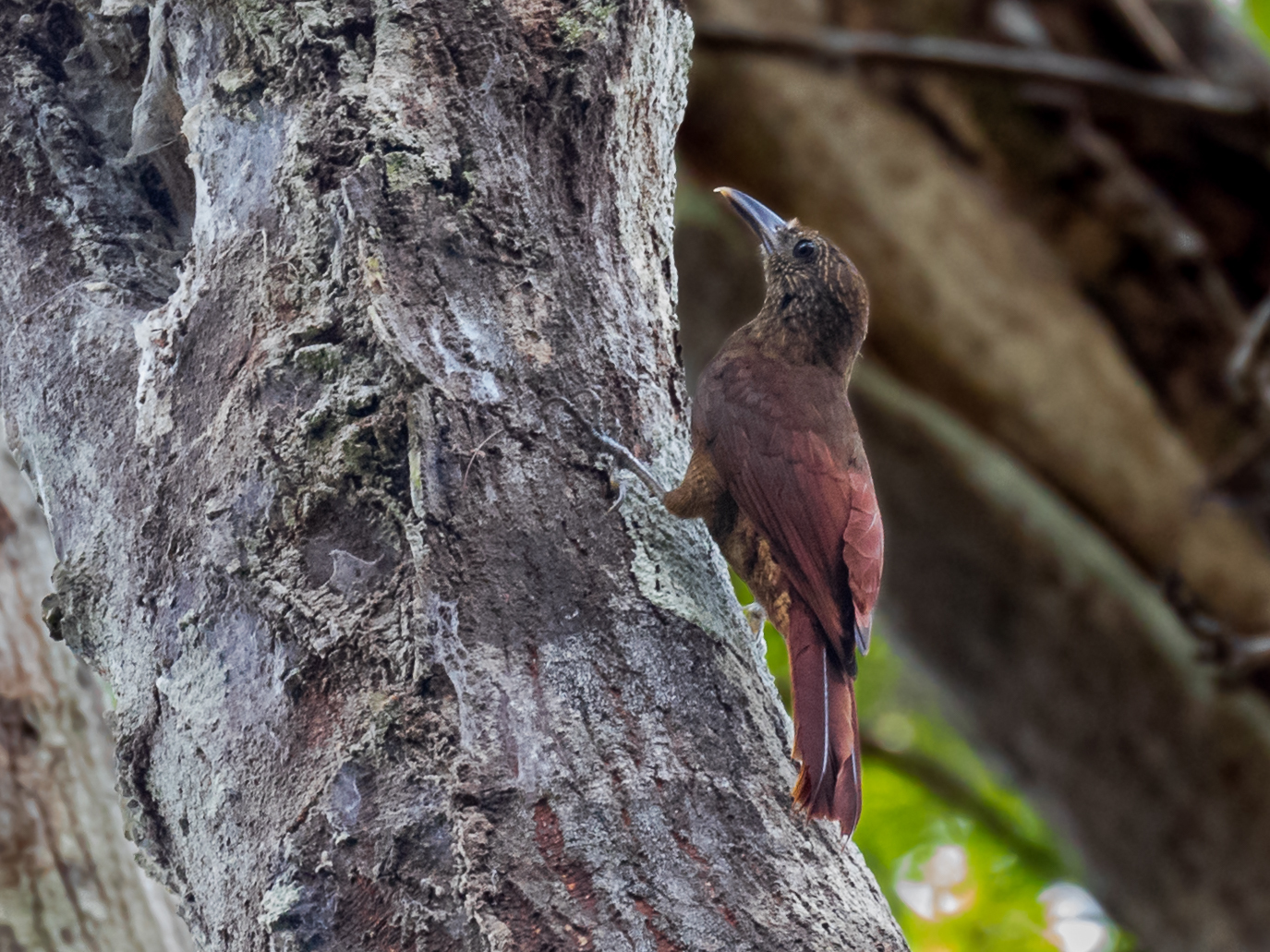
Hoffmanns's Woodcreeper
Dendrocolaptes hoffmannsi- Tall terra firme forest
- Várzea (whitewater flooded forest)
- Secondary forest and forest edge
-

Planalto Woodcreeper
Dendrocolaptes platyrostris- Interior semi-deciduous forest
- Coastal lowland forest
- Araucaria forest
- Veredas and gallery forest
- Cerradão and dry woodland
Hylexetastes 2 species


Xiphocolaptes 4 species
-

Strong-billed Woodcreeper
Xiphocolaptes promeropirhynchus- Montane forest of the Venezuelan Andes and Perijá
- Montane forest of the Venezuelan coastal range
- Highland forest of the Guiana Shield
- Tall terra firme forest
- White-sand forest and campina
- Igapó (blackwater flooded forest)
-

Moustached Woodcreeper
Xiphocolaptes falcirostris Dry forest of the north-east
 Caatinga scrub
- Cerradão and dry woodland
- Veredas and gallery forest
-

White-throated Woodcreeper
Xiphocolaptes albicollis- Coastal lowland forest
- Montane forest of the Serra do Mar
- Interior semi-deciduous forest
- Araucaria forest
- Veredas and gallery forest
-

Great Rufous Woodcreeper
Xiphocolaptes major- Gallery forest and woodland islands of the Pantanal
- Cerradão and dry woodland
- Veredas and gallery forest
 Cerrado savanna
Xiphorhynchus 10 species
-

Striped Woodcreeper
Xiphorhynchus obsoletus- Várzea (whitewater flooded forest)
- Igapó (blackwater flooded forest)
 Palm swamps
 Floating meadows and river islands
- Veredas and gallery forest
-
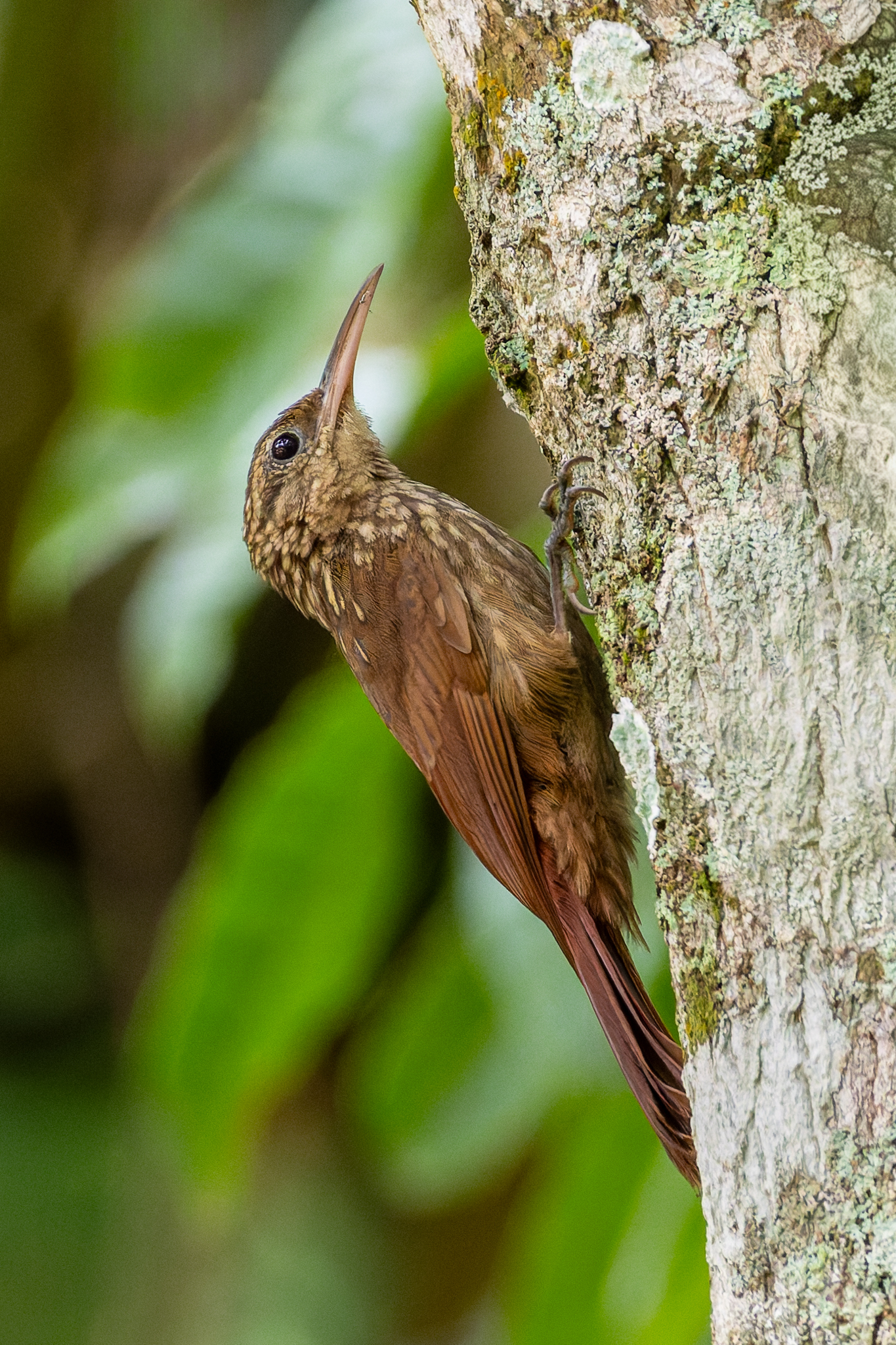
Ceara Woodcreeper
Xiphorhynchus atlanticus- Northeastern coastal forest
- Brejos and highland forest
-

Lesser Woodcreeper
Xiphorhynchus fuscus- Coastal lowland forest
- Montane forest of the Serra do Mar
- Interior semi-deciduous forest
- Araucaria forest
- Veredas and gallery forest
-

Chestnut-rumped Woodcreeper
Xiphorhynchus pardalotus- Tall terra firme forest
- Highland forest of the Guiana Shield
- Secondary forest and forest edge
- White-sand forest and campina
-

Ocellated Woodcreeper
Xiphorhynchus ocellatus- Tall terra firme forest
- White-sand forest and campina
- Várzea (whitewater flooded forest)
-
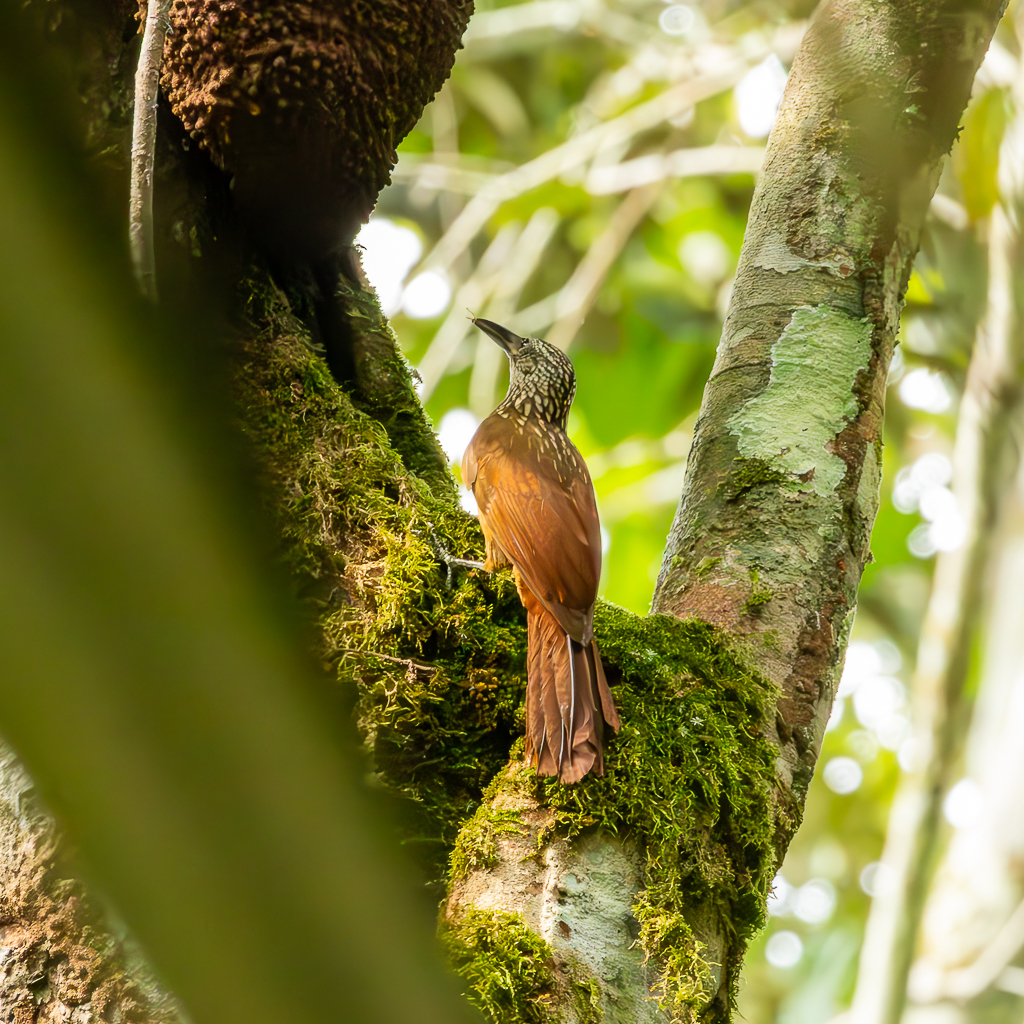
Elegant Woodcreeper
Xiphorhynchus elegans- Tall terra firme forest
 Bamboo and liana forest
- Secondary forest and forest edge
- Várzea (whitewater flooded forest)
-
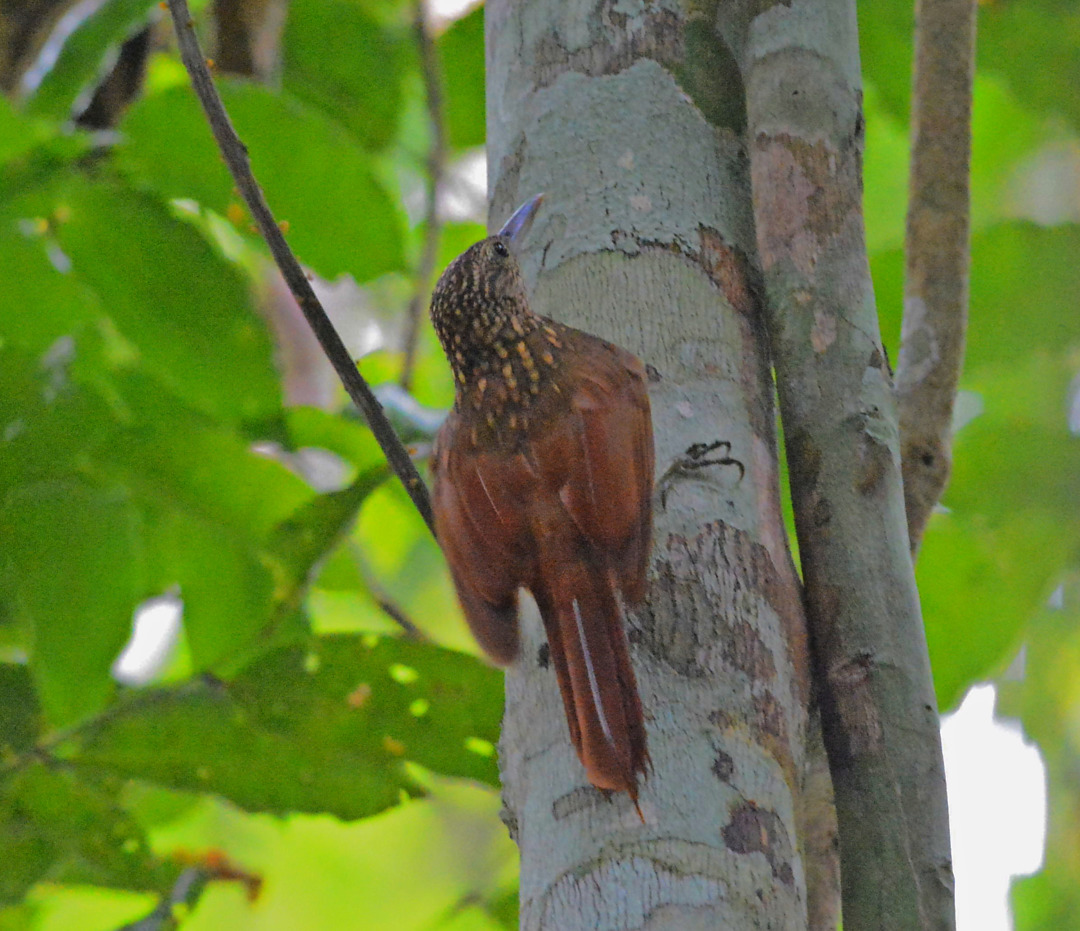
Spix's Woodcreeper
Xiphorhynchus spixii- Tall terra firme forest
- Secondary forest and forest edge
- Várzea (whitewater flooded forest)
-

Cocoa Woodcreeper
Xiphorhynchus susurrans- Montane forest of the Venezuelan coastal range
- Dry forest and thorn scrub of northern Venezuela
- Montane forest of the Venezuelan Andes and Perijá
 Llanos savanna
 Plantations and agroforestry
 Mangroves
-

Buff-throated Woodcreeper
Xiphorhynchus guttatus- Tall terra firme forest
- Várzea (whitewater flooded forest)
- Secondary forest and forest edge
- Coastal lowland forest
- Northeastern coastal forest
-

Olive-backed Woodcreeper
Xiphorhynchus triangularis- Montane forest of the Venezuelan Andes and Perijá
- Montane forest of the Venezuelan coastal range
Dendroplex 2 species
-
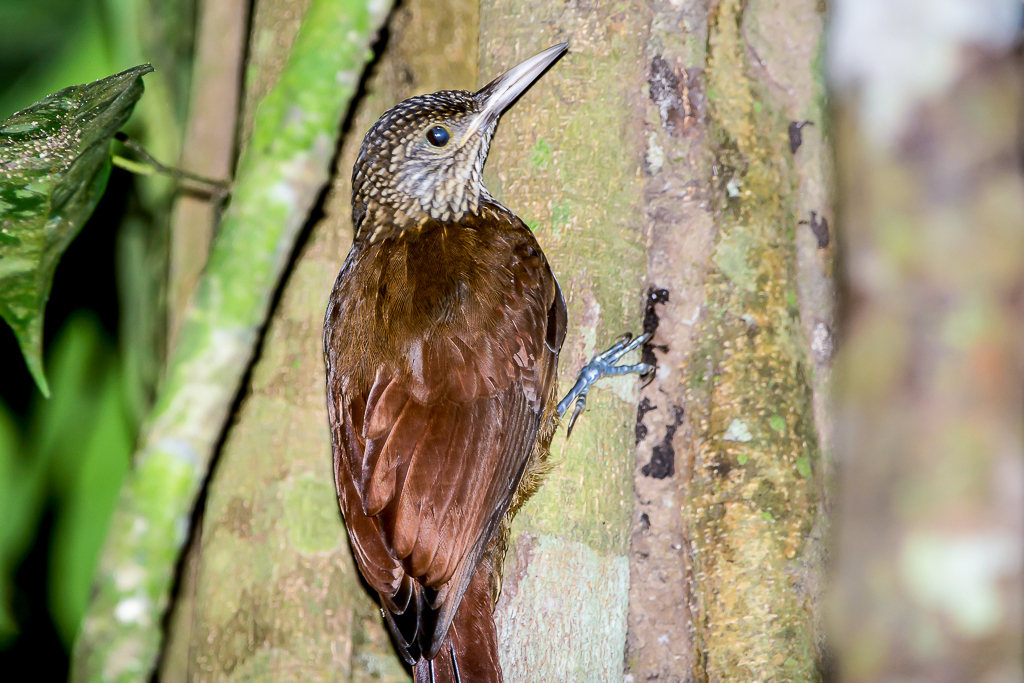
Zimmer's Woodcreeper
Dendroplex kienerii- Várzea (whitewater flooded forest)
- Floating meadows and river islands
- Igapó (blackwater flooded forest)
- Secondary forest and forest edge
-

Straight-billed Woodcreeper
Dendroplex picus- Várzea (whitewater flooded forest)
- Mangroves
- Floating meadows and river islands
- Llanos savanna
- Secondary forest and forest edge
- Dry forest and thorn scrub of northern Venezuela
- Gallery forest and woodland islands of the Pantanal
Campylorhamphus 5 species
-

Red-billed Scythebill
Campylorhamphus trochilirostris- Várzea (whitewater flooded forest)
- Floating meadows and river islands
- Bamboo and liana forest
- Dry forest and thorn scrub of northern Venezuela
- Llanos savanna
- Dry forest of the north-east
- Gallery forest and woodland islands of the Pantanal
-
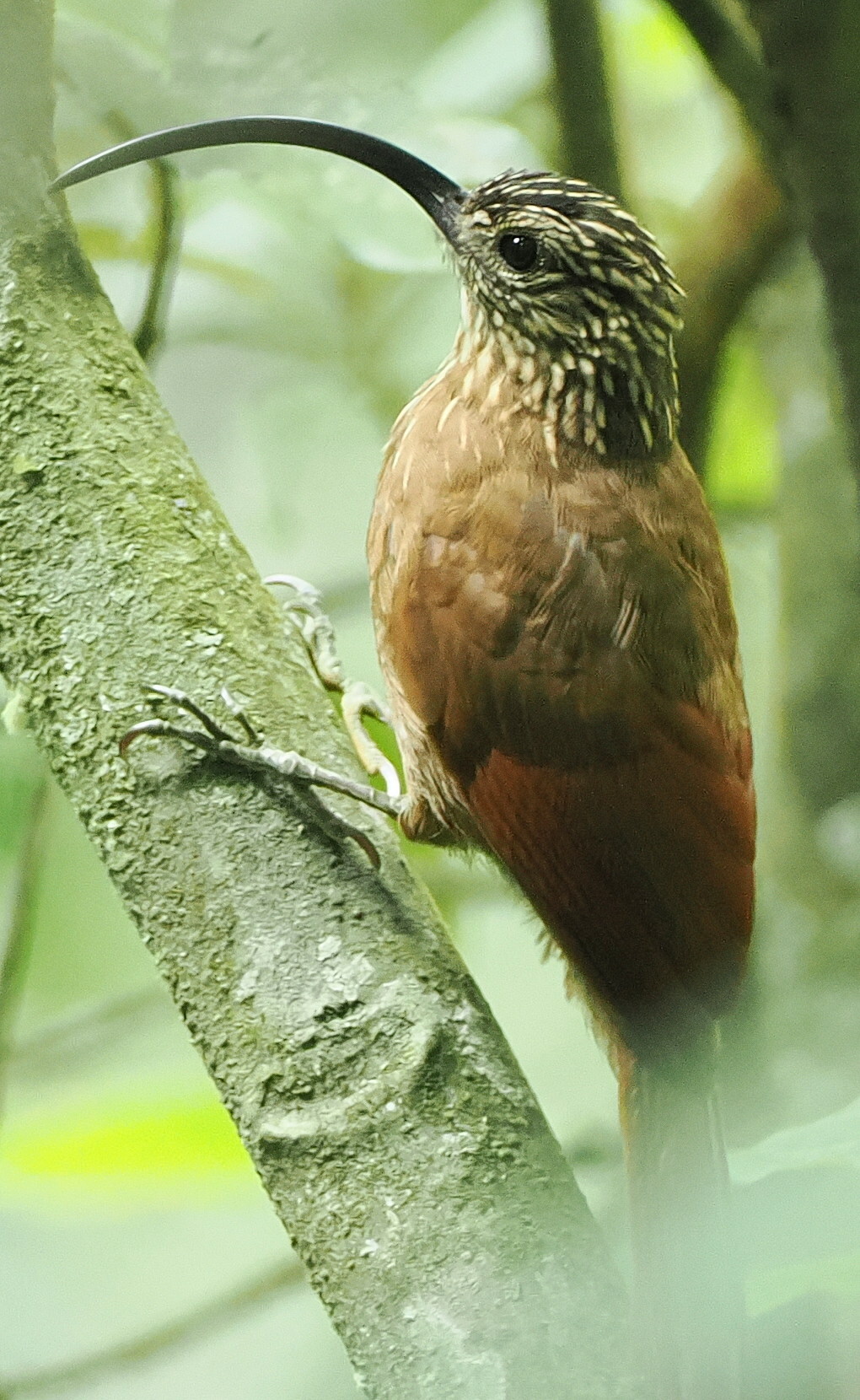
Black-billed Scythebill
Campylorhamphus falcularius- Montane forest of the Serra do Mar
- Coastal lowland forest
- Araucaria forest
- Interior semi-deciduous forest
-
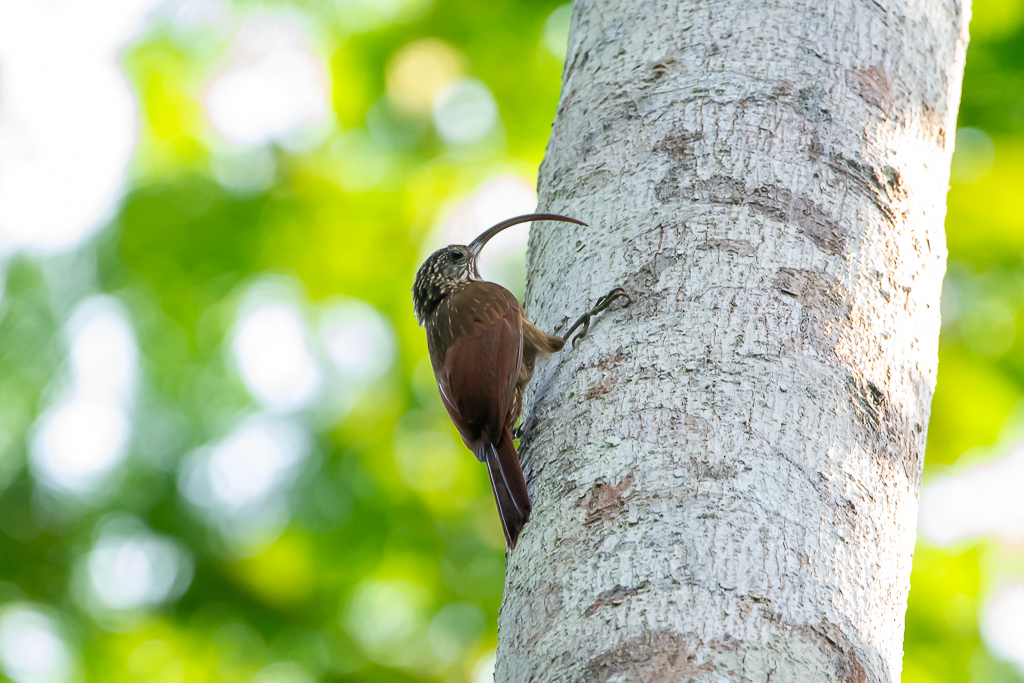
Curve-billed Scythebill
Campylorhamphus procurvoides- Tall terra firme forest
- White-sand forest and campina
- Secondary forest and forest edge
-

Tapajos Scythebill
Campylorhamphus probatus- Tall terra firme forest
- Bamboo and liana forest
- Secondary forest and forest edge
-

Xingu Scythebill
Campylorhamphus multostriatus- Tall terra firme forest
- Bamboo and liana forest
- Secondary forest and forest edge
Drymornis 1 species

Lepidocolaptes 8 species
-

Streak-headed Woodcreeper
Lepidocolaptes souleyetii- Dry forest and thorn scrub of northern Venezuela
- Secondary forest and forest edge
- Llanos savanna
 Savannas of the Guianas
- Plantations and agroforestry
-

Narrow-billed Woodcreeper
Lepidocolaptes angustirostris- Cerrado savanna
- Cerradão and dry woodland
- Caatinga scrub
- Gallery forest and woodland islands of the Pantanal
- Savannas of the Guianas
 Towns, cities and gardens
-

Montane Woodcreeper
Lepidocolaptes lacrymiger- Montane forest of the Venezuelan Andes and Perijá
- Montane forest of the Venezuelan coastal range
-

Scaled Woodcreeper
Lepidocolaptes squamatus- Interior semi-deciduous forest
- Montane forest of the Serra do Mar
- Coastal lowland forest
- Dry forest of the north-east
- Cerradão and dry woodland
-

Scalloped Woodcreeper
Lepidocolaptes falcinellus- Araucaria forest
- Montane forest of the Serra do Mar
- Interior semi-deciduous forest
- Coastal lowland forest
-

Duida Woodcreeper
Lepidocolaptes duidae- Tall terra firme forest
- Várzea (whitewater flooded forest)
- Secondary forest and forest edge
-

Guianan Woodcreeper
Lepidocolaptes albolineatus- Tall terra firme forest
- Secondary forest and forest edge
- Várzea (whitewater flooded forest)
-

Inambari Woodcreeper
Lepidocolaptes fatimalimae- Tall terra firme forest
- Várzea (whitewater flooded forest)
- Secondary forest and forest edge
Xenops 4 species
-

Slender-billed Xenops
Xenops tenuirostris- Tall terra firme forest
- Várzea (whitewater flooded forest)
- Secondary forest and forest edge
-
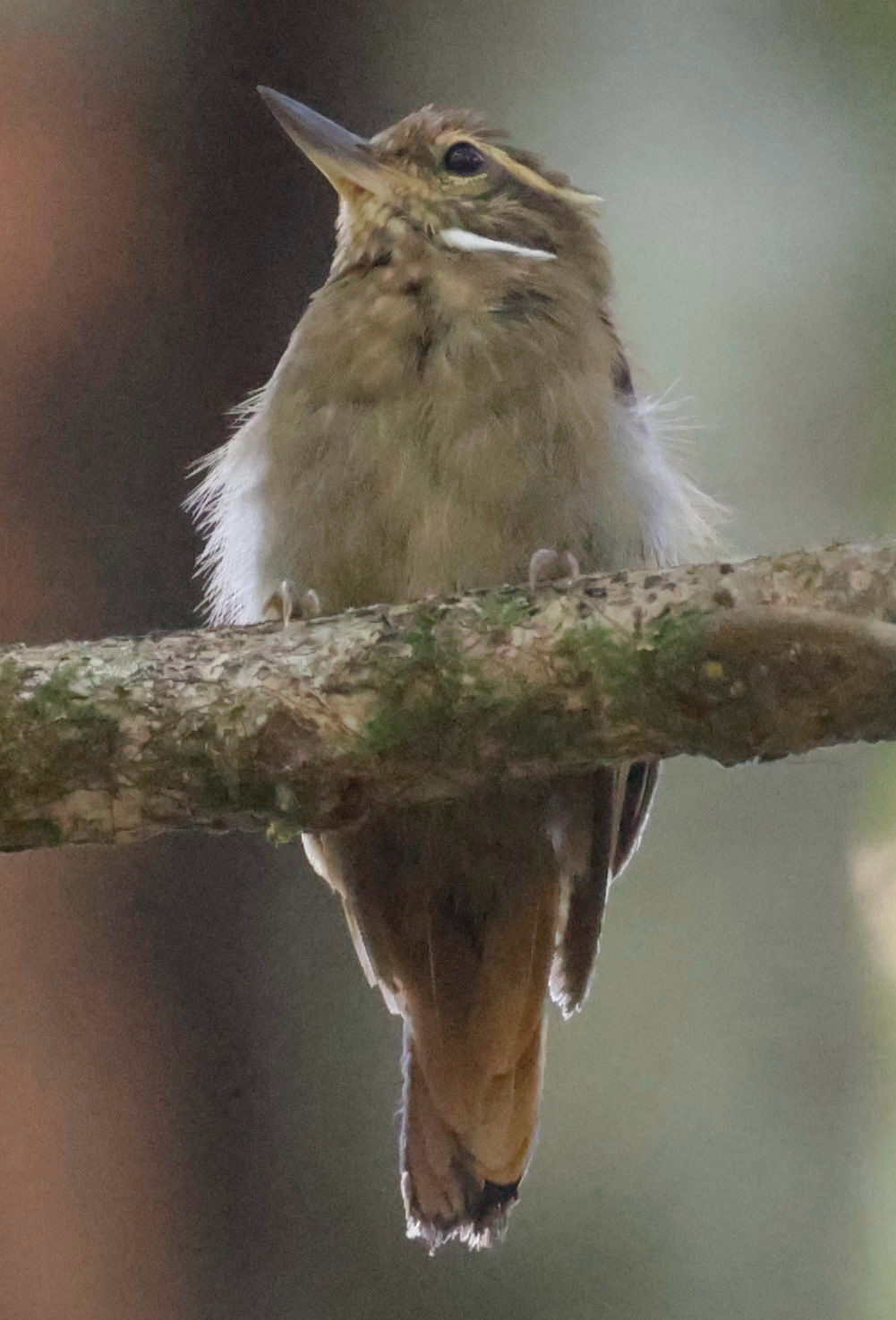
Amazonian Plain Xenops
Xenops genibarbis- Tall terra firme forest
- Secondary forest and forest edge
- Várzea (whitewater flooded forest)
- Veredas and gallery forest
- Northeastern coastal forest
-

Atlantic Plain Xenops
Xenops minutus- Coastal lowland forest
- Interior semi-deciduous forest
- Montane forest of the Serra do Mar
- Veredas and gallery forest
-

Streaked Xenops
Xenops rutilans- Coastal lowland forest
- Interior semi-deciduous forest
- Montane forest of the Serra do Mar
- Cerradão and dry woodland
- Veredas and gallery forest
- Montane forest of the Venezuelan coastal range
- Montane forest of the Venezuelan Andes and Perijá
Berlepschia 1 species

Microxenops 1 species
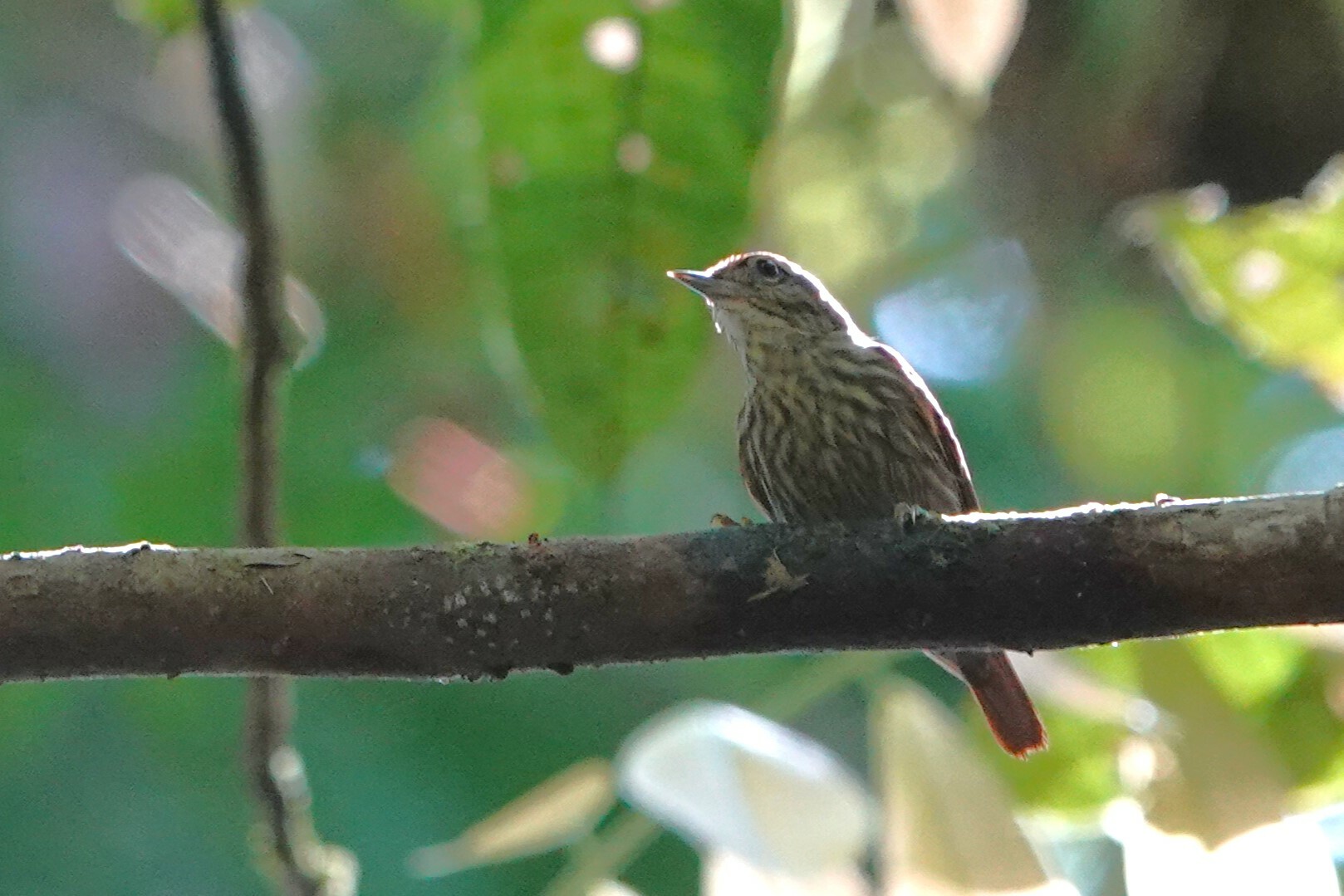
Premnoplex 2 species

Margarornis 1 species

Cichlocolaptes 1 species

Heliobletus 1 species

Philydor 2 species


Anabazenops 2 species


Neophilydor 1 species

Megaxenops 1 species

Anabacerthia 4 species
-

Montane Foliage-Gleaner
Anabacerthia striaticollis- Montane forest of the Venezuelan Andes and Perijá
- Montane forest of the Venezuelan coastal range
-

Rufous-tailed Foliage-Gleaner
Anabacerthia ruficaudata- Tall terra firme forest
- Highland forest of the Guiana Shield
- Secondary forest and forest edge
-

White-browed Foliage-Gleaner
Anabacerthia amaurotis- Montane forest of the Serra do Mar
- Araucaria forest
-

Ochre-breasted Foliage-Gleaner
Anabacerthia lichtensteini- Coastal lowland forest
- Interior semi-deciduous forest
- Montane forest of the Serra do Mar
- Araucaria forest
Syndactyla 6 species
-
Guttulate Foliage-Gleaner
Syndactyla guttulata- Montane forest of the Venezuelan coastal range
-
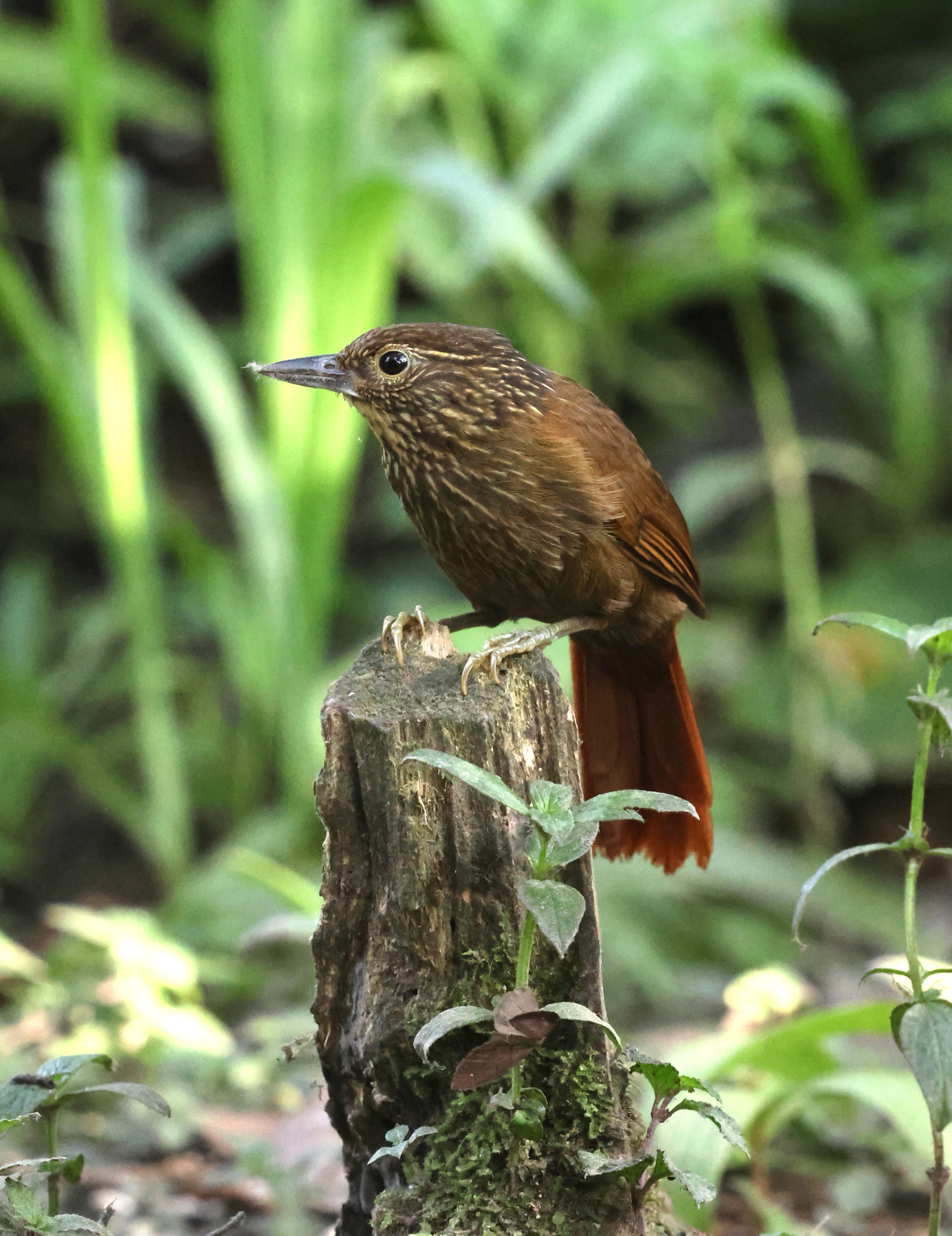
Lineated Foliage-gleaner
Syndactyla subalaris- Montane forest of the Venezuelan Andes and Perijá
-

Buff-browed Foliage-Gleaner
Syndactyla rufosuperciliata- Montane forest of the Serra do Mar
- Araucaria forest
- Interior semi-deciduous forest
- Coastal lowland forest
 Woodland and scrub of the southern hills
-
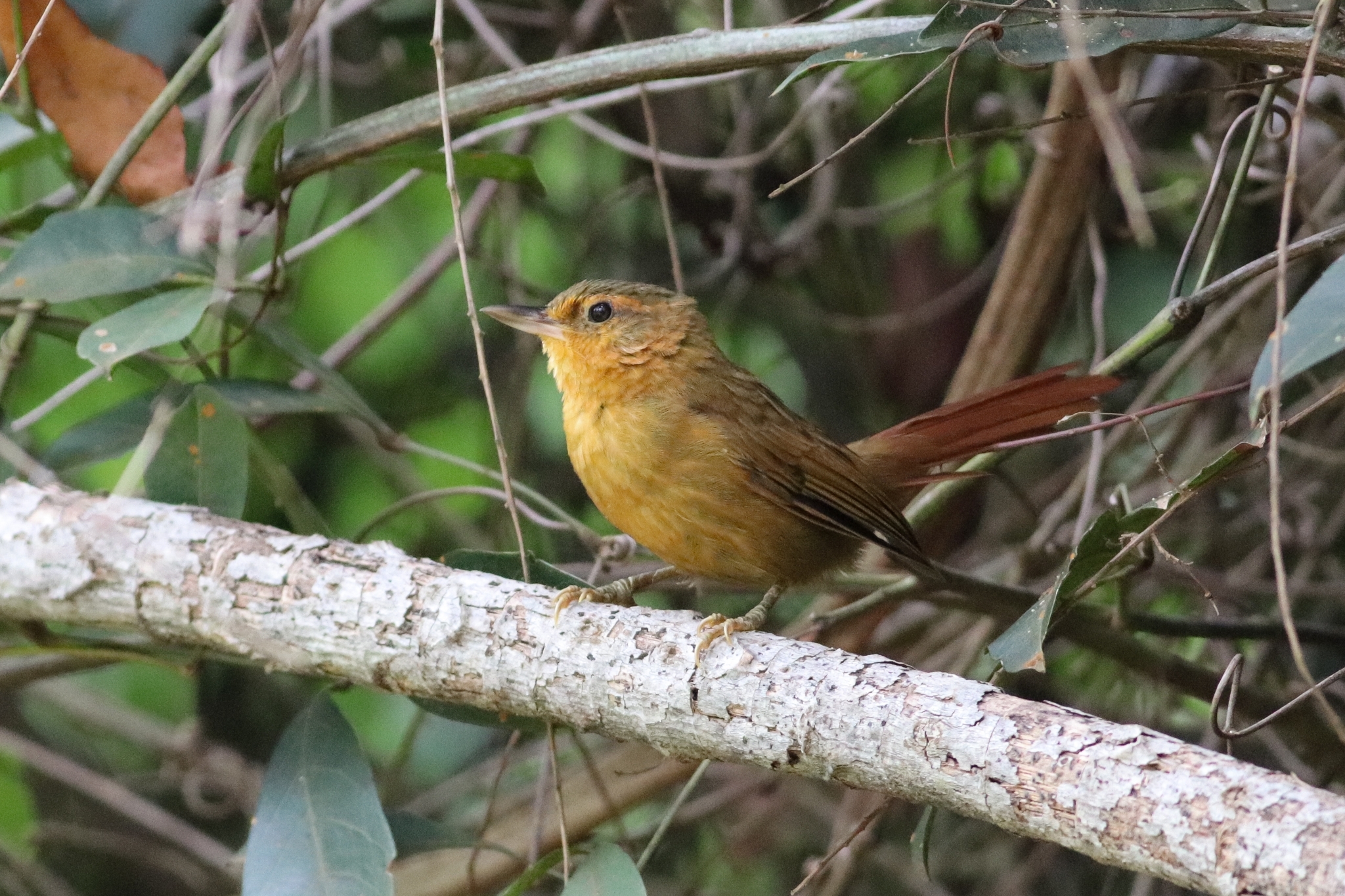
Planalto Foliage-Gleaner
Syndactyla dimidiata- Veredas and gallery forest
- Cerradão and dry woodland
- Interior semi-deciduous forest
-

Tepui Foliage-Gleaner
Syndactyla roraimae- Highland forest of the Guiana Shield
 Tepui summits and sandstone scrub
-
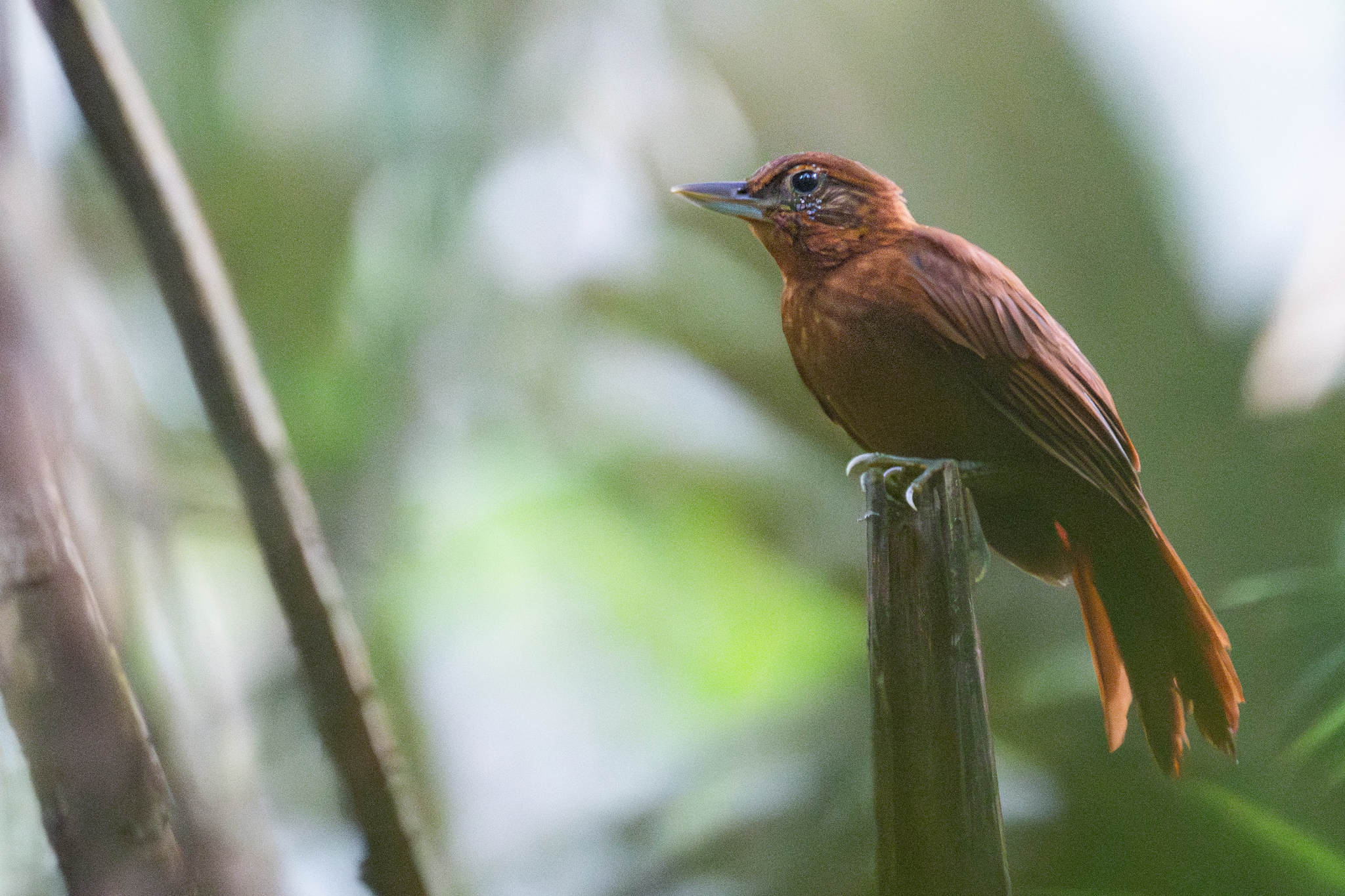
Peruvian Recurvebill
Syndactyla ucayalae- Bamboo and liana forest
- Floating meadows and river islands
- Tall terra firme forest
Ancistrops 1 species

Dendroma 2 species
-

Chestnut-winged Foliage-Gleaner
Dendroma erythroptera- Tall terra firme forest
- Várzea (whitewater flooded forest)
- Bamboo and liana forest
-

Buff-fronted Foliage-gleaner
Dendroma rufa- Montane forest of the Serra do Mar
- Coastal lowland forest
- Interior semi-deciduous forest
- Araucaria forest
- Montane forest of the Venezuelan Andes and Perijá
- Montane forest of the Venezuelan coastal range
Clibanornis 3 species
-

Henna-capped Foliage-Gleaner
Clibanornis rectirostris- Veredas and gallery forest
- Cerradão and dry woodland
- Interior semi-deciduous forest
-

Canebrake Groundcreeper
Clibanornis dendrocolaptoides- Araucaria forest
- Interior semi-deciduous forest
- Montane forest of the Serra do Mar
-

Ruddy Foliage-gleaner
Clibanornis rubiginosus- Tall terra firme forest
- Highland forest of the Guiana Shield
- Montane forest of the Venezuelan coastal range
- Secondary forest and forest edge
Thripadectes 3 species
-
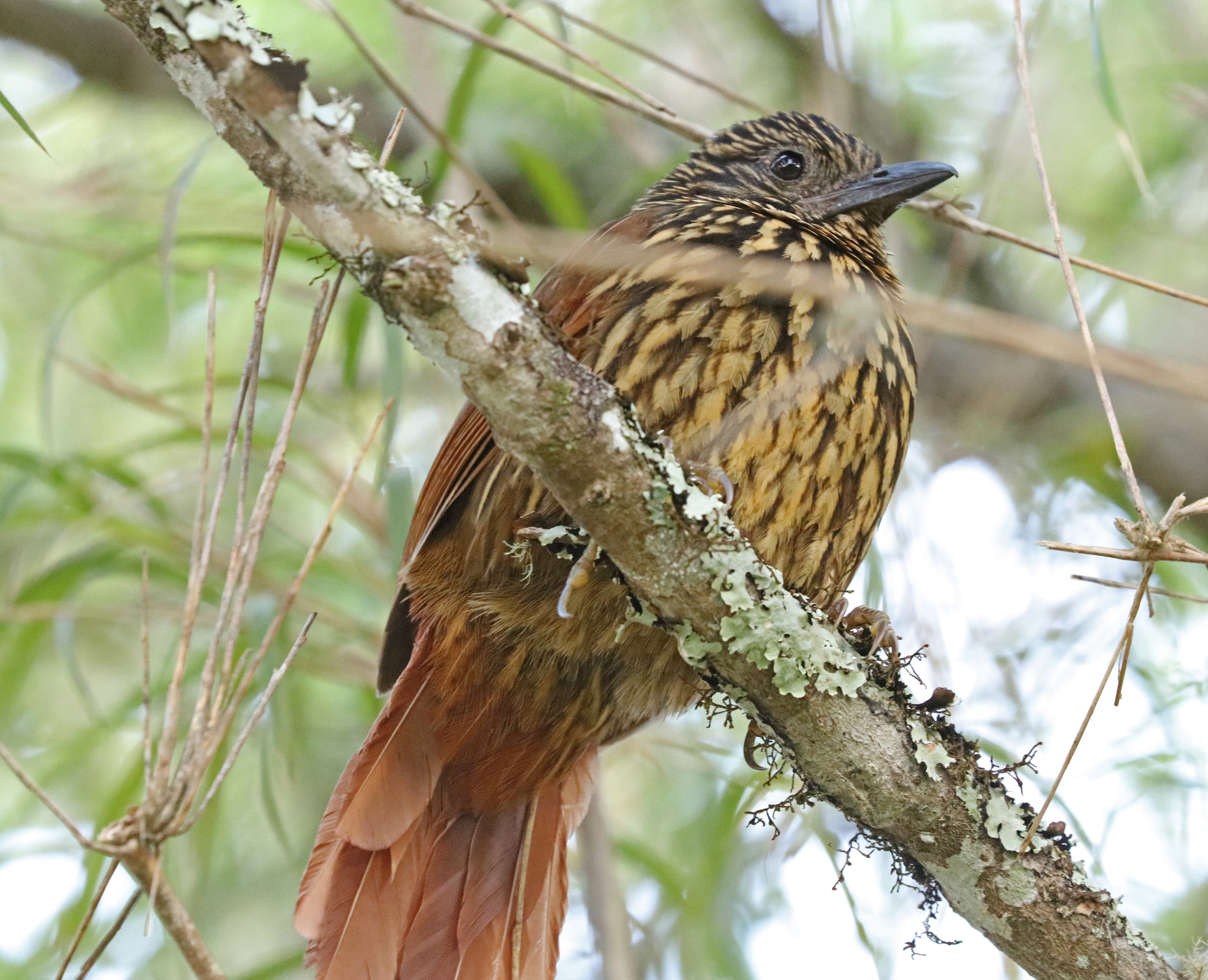
Flammulated Treehunter
Thripadectes flammulatus- Montane forest of the Venezuelan Andes and Perijá
-

Striped Treehunter
Thripadectes holostictus- Montane forest of the Venezuelan Andes and Perijá
-

Streak-capped Treehunter
Thripadectes virgaticeps- Montane forest of the Venezuelan coastal range
- Montane forest of the Venezuelan Andes and Perijá
Automolus 8 species
-

Chestnut-crowned Foliage-Gleaner
Automolus rufipileatus- Várzea (whitewater flooded forest)
- Floating meadows and river islands
- Secondary forest and forest edge
- Bamboo and liana forest
- Igapó (blackwater flooded forest)
-

Brown-rumped Foliage-Gleaner
Automolus melanopezus- Bamboo and liana forest
- Várzea (whitewater flooded forest)
- Tall terra firme forest
-

Ochre-throated Foliage-gleaner
Automolus ochrolaemus- Tall terra firme forest
- Várzea (whitewater flooded forest)
- Bamboo and liana forest
- Secondary forest and forest edge
-

Eastern Woodhaunter
Automolus subulatus- Tall terra firme forest
- Várzea (whitewater flooded forest)
- Highland forest of the Guiana Shield
- Secondary forest and forest edge
-

Olive-backed Foliage-Gleaner
Automolus infuscatus- Tall terra firme forest
- Várzea (whitewater flooded forest)
- Secondary forest and forest edge
-
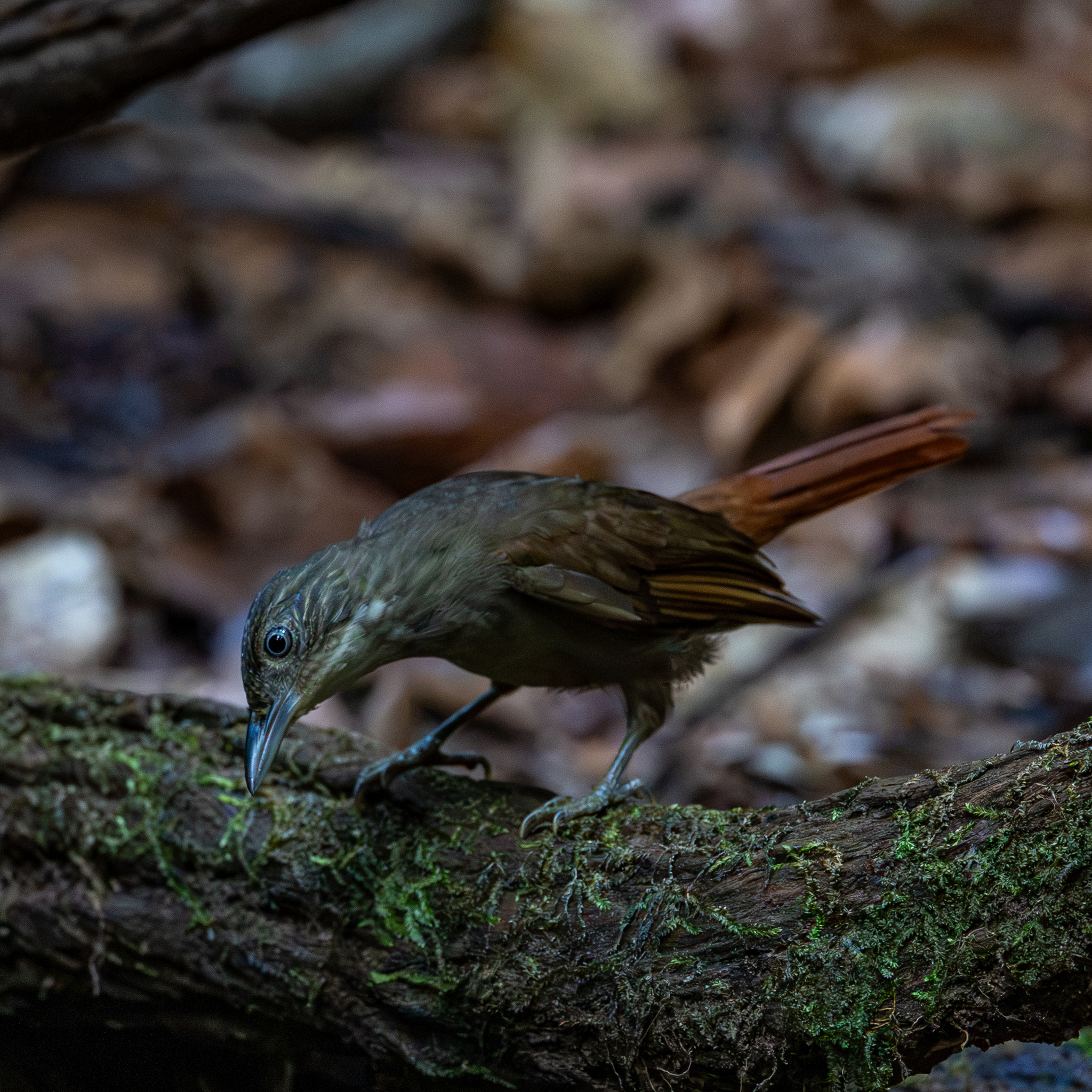
Para Foliage-Gleaner
Automolus paraensis- Tall terra firme forest
- Secondary forest and forest edge
- Bamboo and liana forest
-

Pernambuco Foliage-Gleaner
Automolus lammi- Northeastern coastal forest
- Brejos and highland forest
-

White-eyed Foliage-Gleaner
Automolus leucophthalmus- Coastal lowland forest
- Montane forest of the Serra do Mar
- Interior semi-deciduous forest
- Veredas and gallery forest
Premnornis 1 species

Pseudocolaptes 1 species


Limnornis 1 species


Phleocryptes 1 species

Furnarius 6 species
-

Band-tailed Hornero
Furnarius figulus- Towns, cities and gardens
 Pasture and arable land
 Lakes and reservoirs
- Várzea (whitewater flooded forest)
-

Caribbean Hornero
Furnarius longirostris- Dry forest and thorn scrub of northern Venezuela
- Pasture and arable land
- Towns, cities and gardens
-

Pale-legged Hornero
Furnarius leucopus- Caatinga scrub
- Várzea (whitewater flooded forest)
- Gallery forest and woodland islands of the Pantanal
- Savannas of the Guianas
- Towns, cities and gardens
-

Bay Hornero
Furnarius torridus- Várzea (whitewater flooded forest)
- Floating meadows and river islands
-
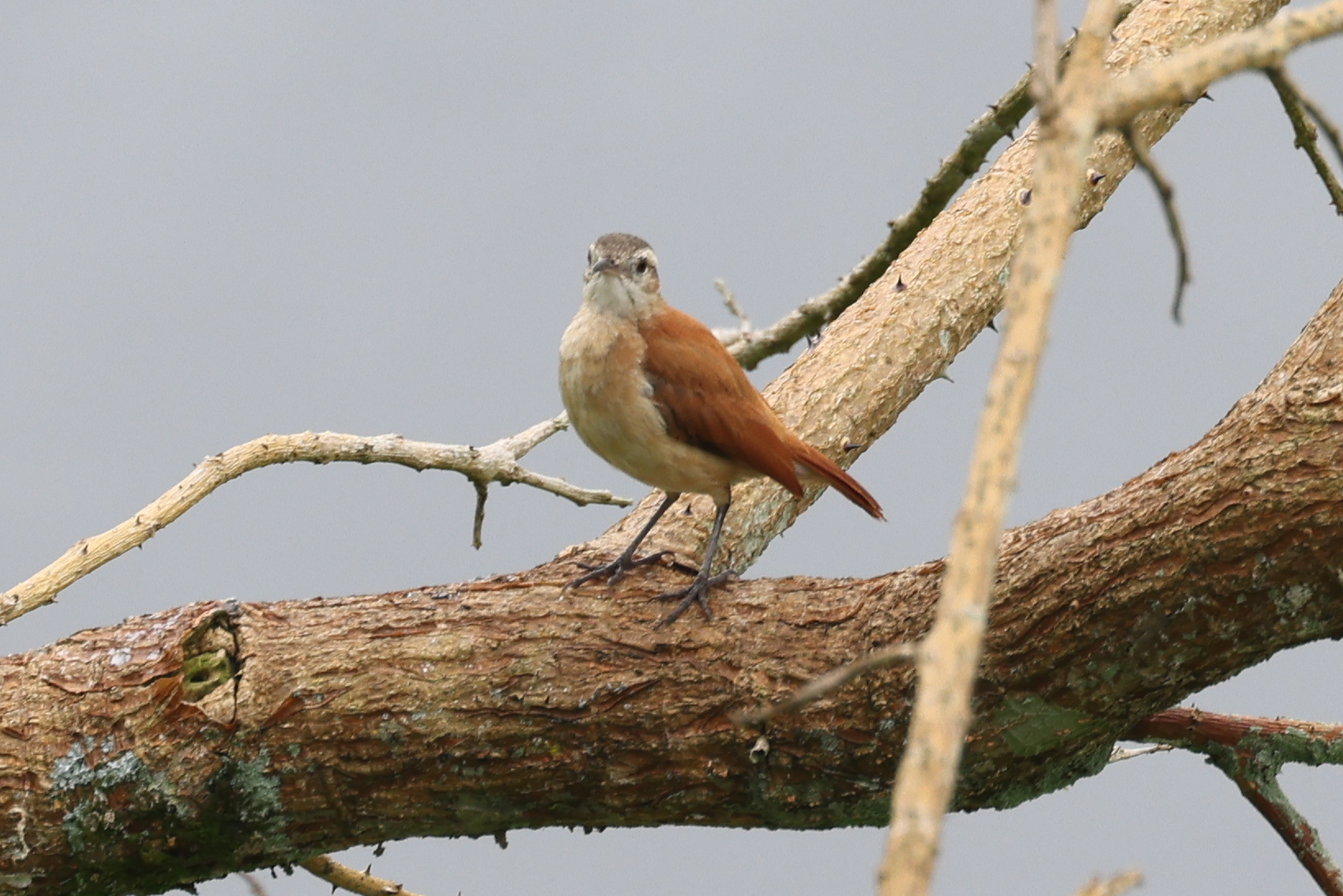
Lesser Hornero
Furnarius minor- Floating meadows and river islands
 Large rivers and sandbars
-

Rufous Hornero
Furnarius rufus- Towns, cities and gardens
- Pasture and arable land
 Pampa grassland
- Cerrado savanna
 Seasonally flooded plain
Cinclodes 3 species
-
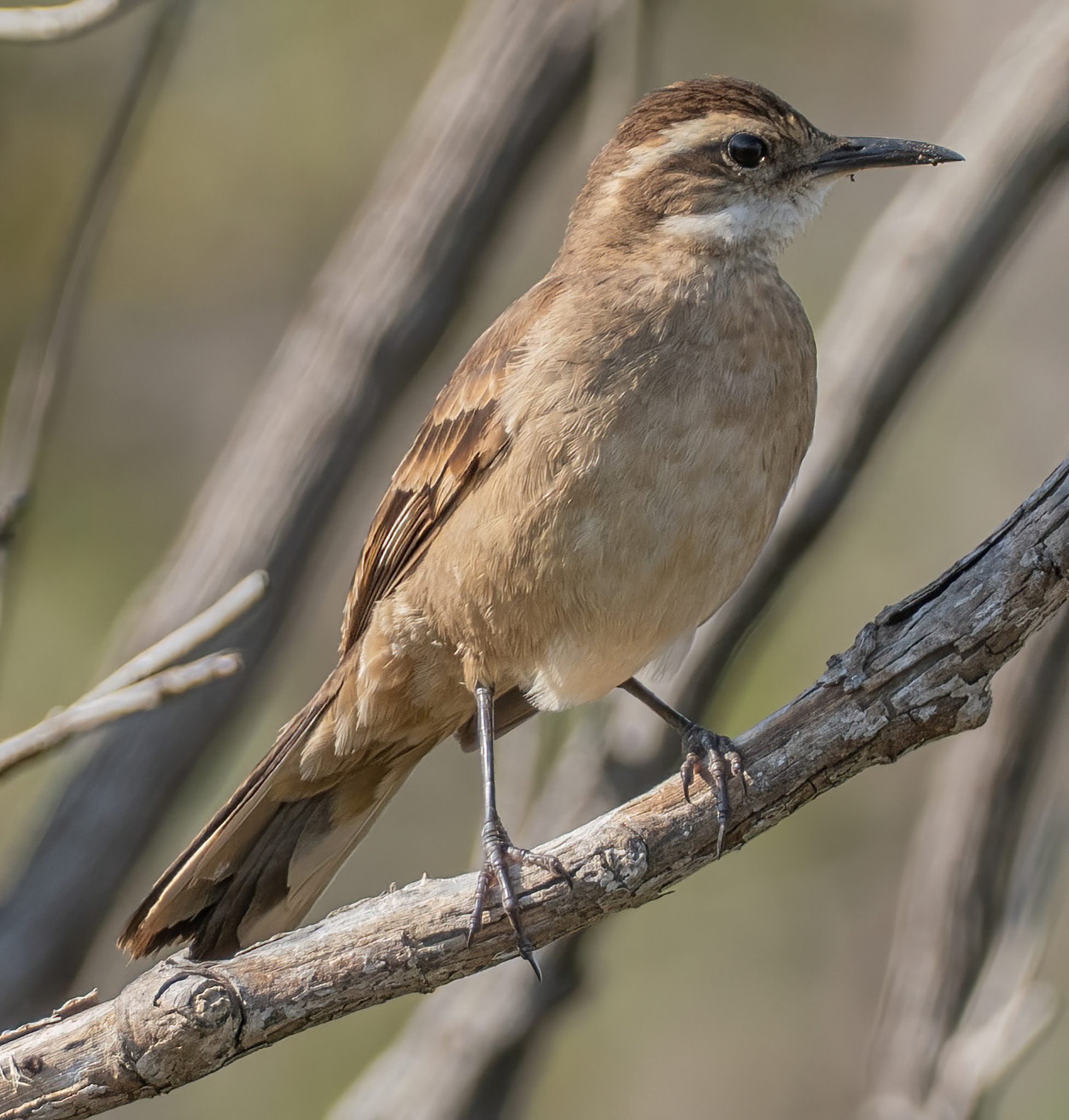
Long-tailed Cinclodes
Cinclodes pabsti- Araucaria forest
 Campo rupestre and mountain grassland
- Pasture and arable land
-

Buff-winged Cinclodes
Cinclodes fuscus- Pampa grassland
 Sandy beaches and dunes
 Southern marshes and lagoons
- Pasture and arable land
-

Chestnut-winged Cinclodes
Cinclodes albidiventris- Montane forest of the Venezuelan Andes and Perijá
Leptasthenura 4 species
-

Tufted Tit-Spinetail
Leptasthenura platensis- Woodland and scrub of the southern hills
-
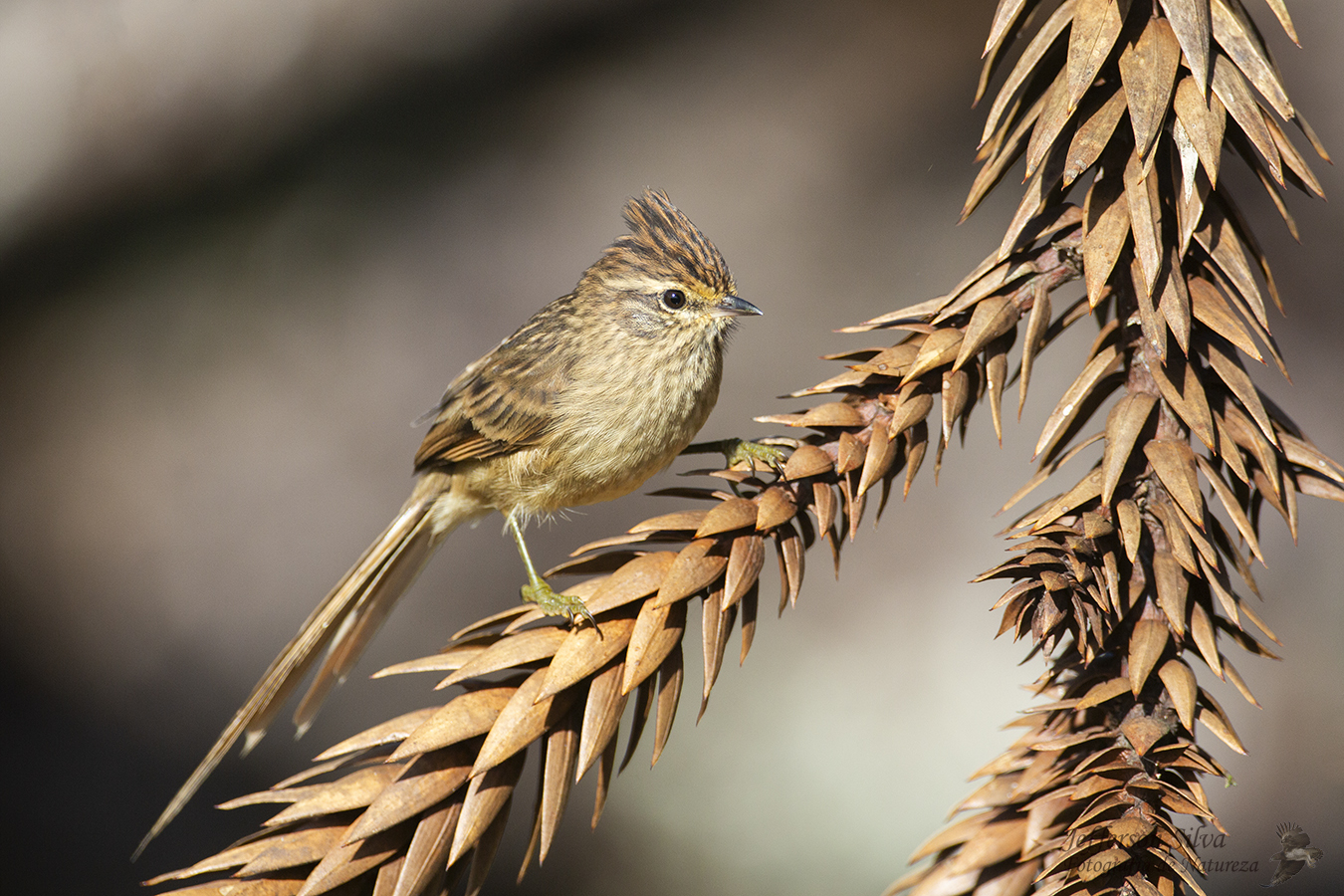
Striolated Tit-Spinetail
Leptasthenura striolata- Araucaria forest
- Montane forest of the Serra do Mar
- Plantations and agroforestry
-

Andean Tit-Spinetail
Leptasthenura andicola- Montane forest of the Venezuelan Andes and Perijá
-

Araucaria Tit-Spinetail
Leptasthenura setaria- Araucaria forest
- Montane forest of the Serra do Mar
- Plantations and agroforestry
- Towns, cities and gardens
Anumbius 1 species

Coryphistera 1 species

Phacellodomus 7 species
-

Plain Thornbird
Phacellodomus inornatus- Dry forest and thorn scrub of northern Venezuela
- Llanos savanna
 Flooded Llanos and esteros
- Pasture and arable land
-

Rufous-fronted Thornbird
Phacellodomus rufifrons- Caatinga scrub
- Cerrado savanna
- Cerradão and dry woodland
- Gallery forest and woodland islands of the Pantanal
- Pasture and arable land
-
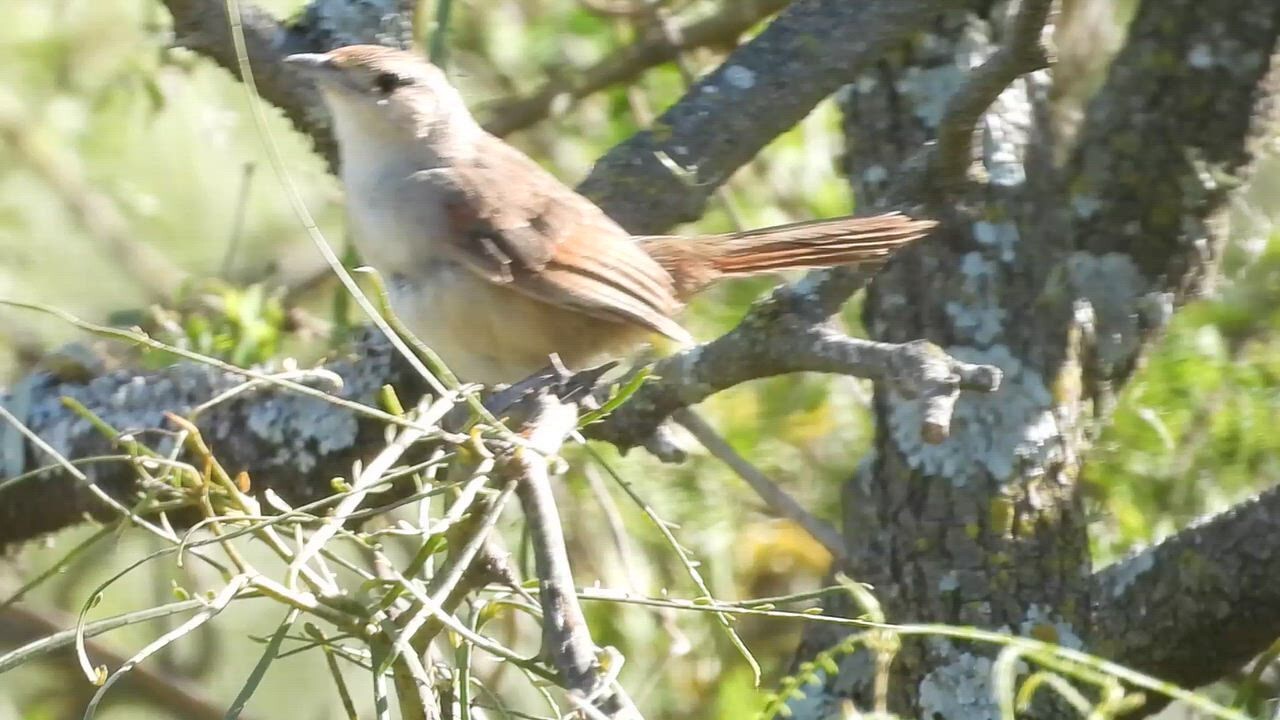
Little Thornbird
Phacellodomus sibilatrix- Pampa grassland
- Pasture and arable land
-

Freckle-breasted Thornbird
Phacellodomus striaticollis- Southern marshes and lagoons
- Pampa grassland
- Pasture and arable land
-

Greater Thornbird
Phacellodomus ruber- Veredas and gallery forest
- Gallery forest and woodland islands of the Pantanal
- Seasonally flooded plain
- Interior semi-deciduous forest
- Pasture and arable land
-

Orange-eyed Thornbird
Phacellodomus erythrophthalmus- Coastal lowland forest
- Interior semi-deciduous forest
- Montane forest of the Serra do Mar
- Towns, cities and gardens
-

Orange-breasted Thornbird
Phacellodomus ferrugineigula- Southern marshes and lagoons
- Coastal lowland forest
- Interior semi-deciduous forest
Hellmayrea 1 species

Asthenes 8 species
-

Short-billed Canastero
Asthenes baeri- Woodland and scrub of the southern hills
- Pampa grassland
-

Cipo Canastero
Asthenes luizae- Campo rupestre and mountain grassland
-
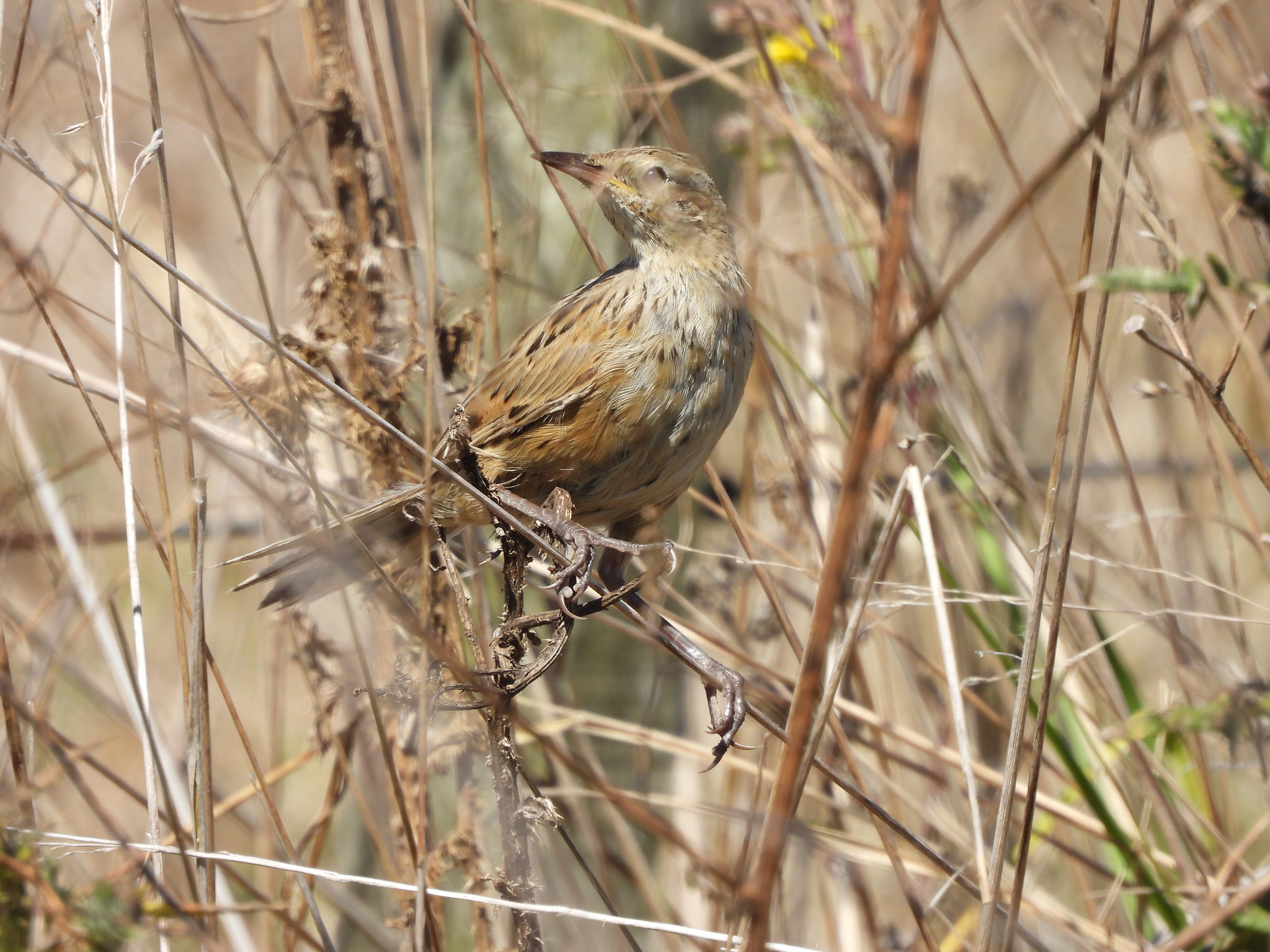
Hudson's Canastero
Asthenes hudsoni- Pampa grassland
- Southern marshes and lagoons
-

Streak-backed Canastero
Asthenes wyatti- Montane forest of the Venezuelan Andes and Perijá
-

Itatiaia Spinetail
Asthenes moreirae- Campo rupestre and mountain grassland
- Montane forest of the Serra do Mar
-
Ochre-browed Thistletail
Asthenes coryi- Montane forest of the Venezuelan Andes and Perijá
-

Perija Thistletail
Asthenes perijana- Montane forest of the Venezuelan Andes and Perijá
-
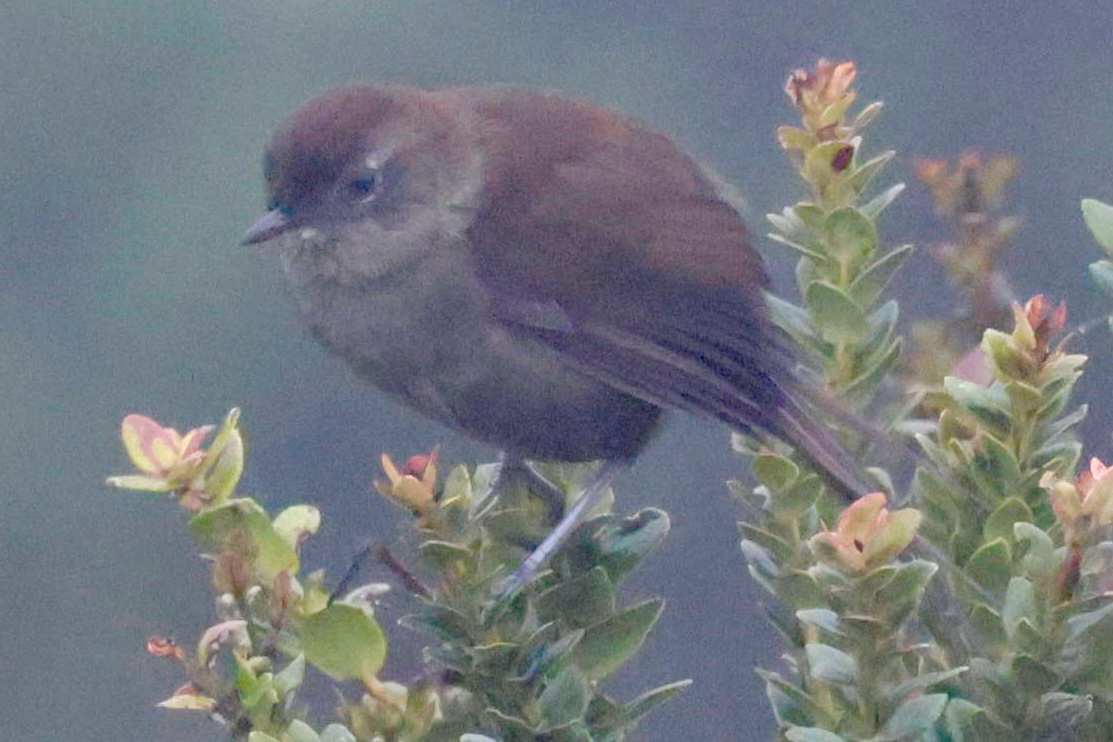
White-chinned Thistletail
Asthenes fuliginosa- Montane forest of the Venezuelan Andes and Perijá
Spartonoica 1 species

Pseudoseisura 3 species
-

Caatinga Cacholote
Pseudoseisura cristata- Caatinga scrub
- Dry forest of the north-east
- Towns, cities and gardens
- Pasture and arable land
-

Grey-crested Cacholote
Pseudoseisura unirufa- Gallery forest and woodland islands of the Pantanal
- Seasonally flooded plain
- Pasture and arable land
- Veredas and gallery forest
-

Brown Cacholote
Pseudoseisura lophotes- Woodland and scrub of the southern hills
- Pampa grassland
- Pasture and arable land
Acrobatornis 1 species

Metopothrix 1 species

Roraimia 1 species

Thripophaga 5 species
-
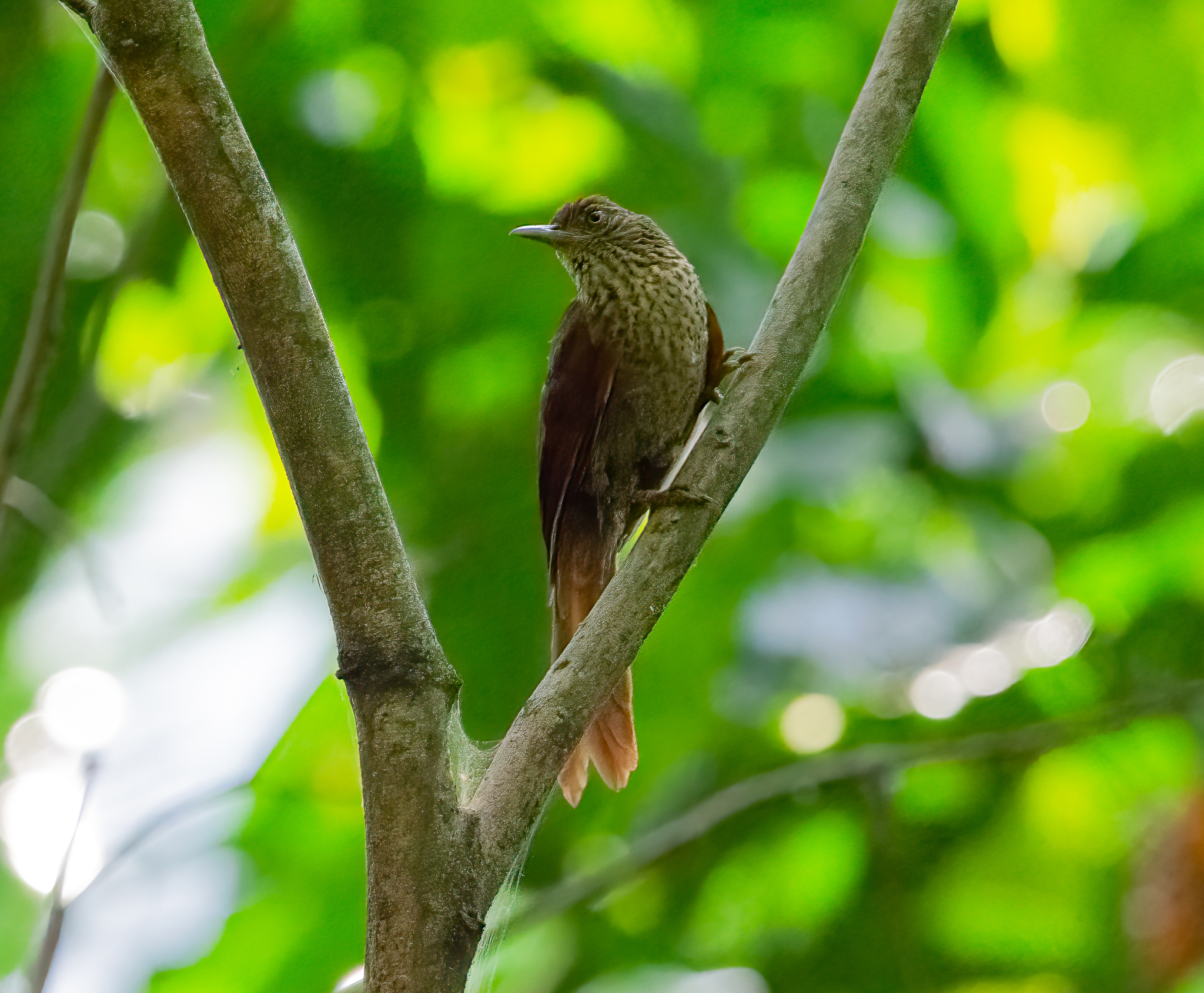
Speckled Spinetail
Thripophaga gutturata- Várzea (whitewater flooded forest)
- Igapó (blackwater flooded forest)
- Tall terra firme forest
-

Striated Softtail
Thripophaga macroura- Coastal lowland forest
- Interior semi-deciduous forest
- Plantations and agroforestry
-

Orinoco Softtail
Thripophaga cherriei- Várzea (whitewater flooded forest)
- Igapó (blackwater flooded forest)
-
Delta Amacuro Softtail
Thripophaga amacurensis- Várzea (whitewater flooded forest)
- Palm swamps
-

Plain Softtail
Thripophaga fusciceps- Várzea (whitewater flooded forest)
- Floating meadows and river islands
- Secondary forest and forest edge
Limnoctites 2 species


Cranioleuca 9 species
-
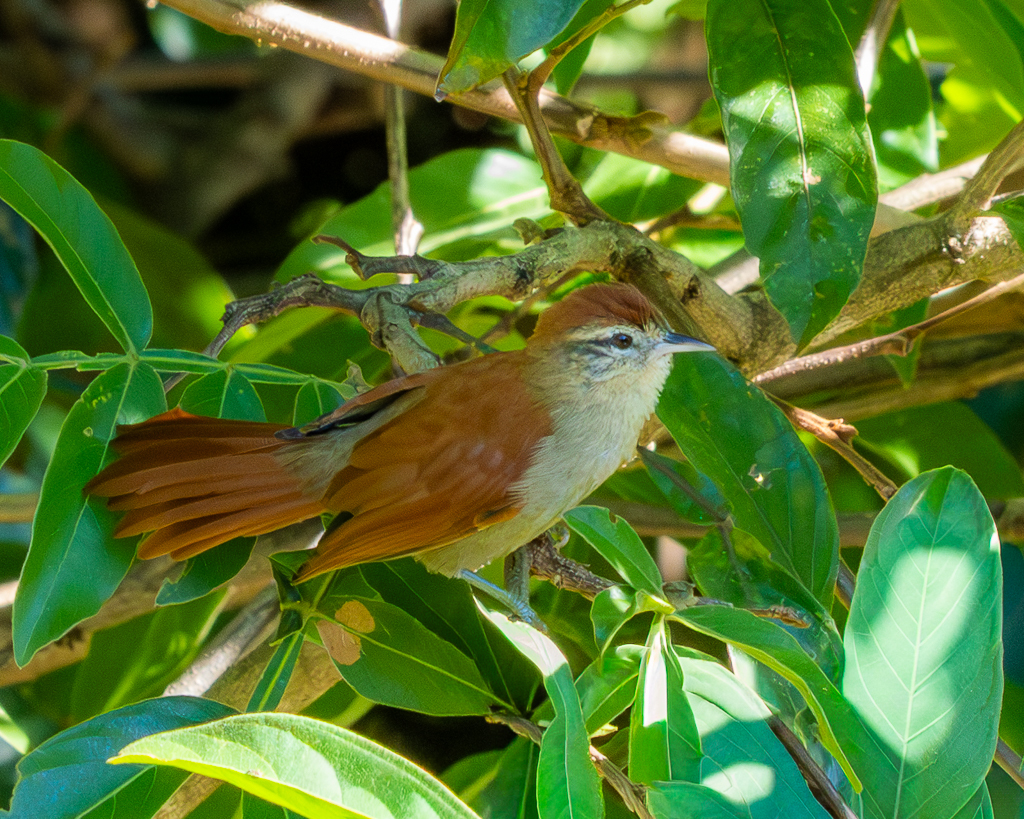
Rusty-backed Spinetail
Cranioleuca vulpina- Floating meadows and river islands
- Várzea (whitewater flooded forest)
- Veredas and gallery forest
- Gallery forest and woodland islands of the Pantanal
- Flooded Llanos and esteros
-
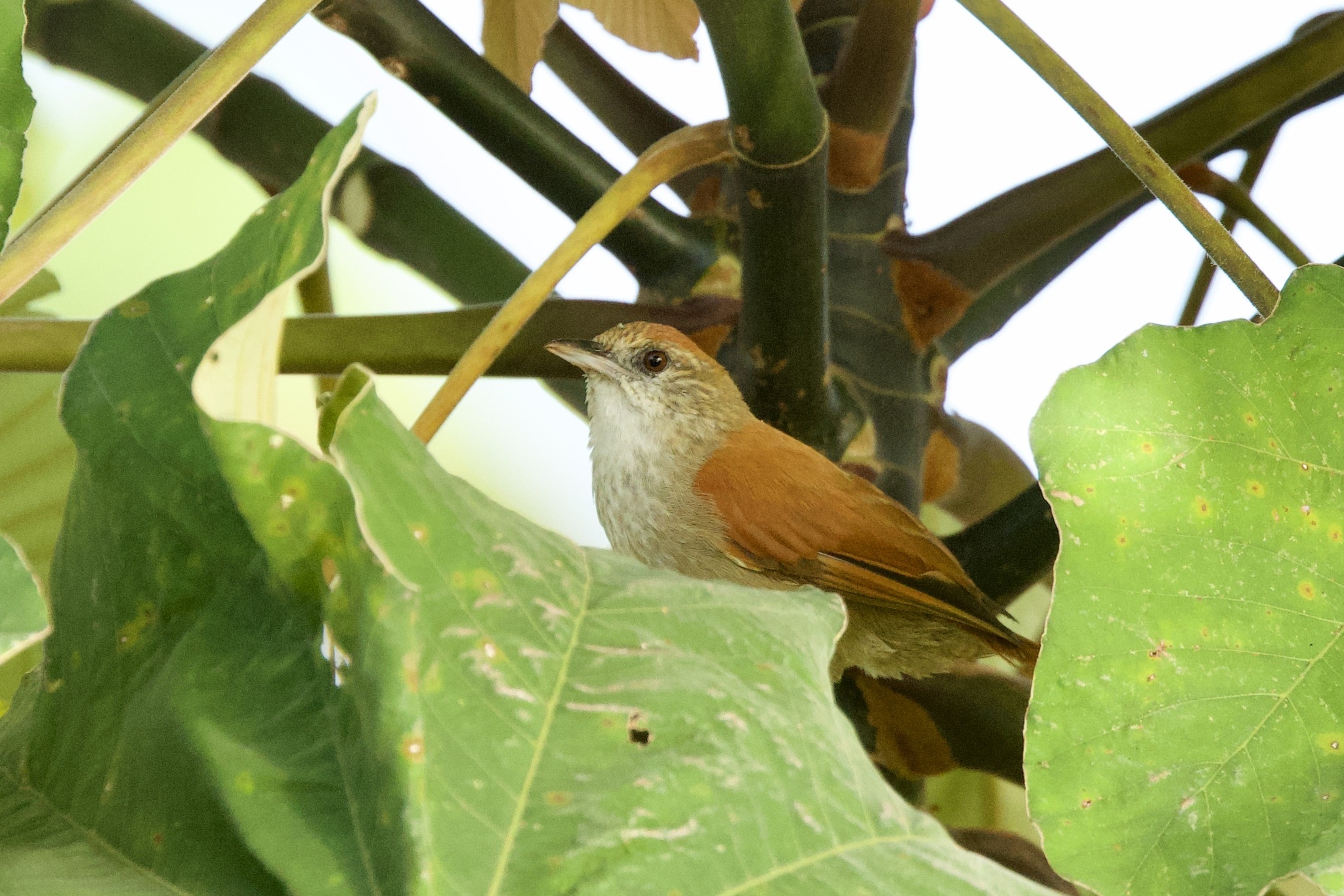
Parker's Spinetail
Cranioleuca vulpecula- Floating meadows and river islands
- Large rivers and sandbars
-

Crested Spinetail
Cranioleuca subcristata- Montane forest of the Venezuelan coastal range
- Montane forest of the Venezuelan Andes and Perijá
- Plantations and agroforestry
-

Stripe-crowned Spinetail
Cranioleuca pyrrhophia- Woodland and scrub of the southern hills
-

Olive Spinetail
Cranioleuca obsoleta- Araucaria forest
- Interior semi-deciduous forest
- Montane forest of the Serra do Mar
-

Pallid Spinetail
Cranioleuca pallida- Montane forest of the Serra do Mar
- Interior semi-deciduous forest
-
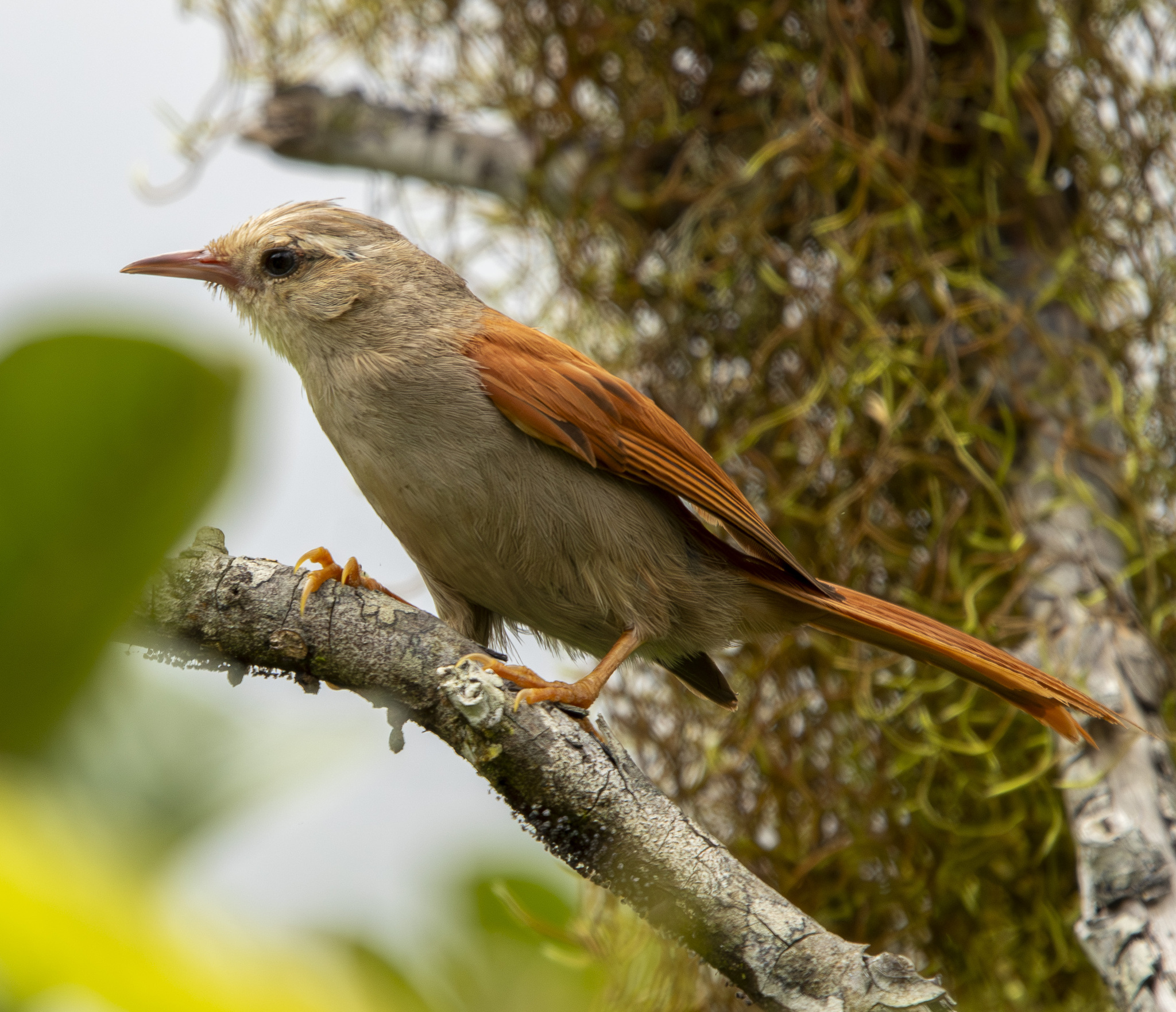
Grey-headed Spinetail
Cranioleuca semicinerea- Dry forest of the north-east
- Brejos and highland forest
- Cerradão and dry woodland
-

Tepui Spinetail
Cranioleuca demissa- Highland forest of the Guiana Shield
- Tepui summits and sandstone scrub
-
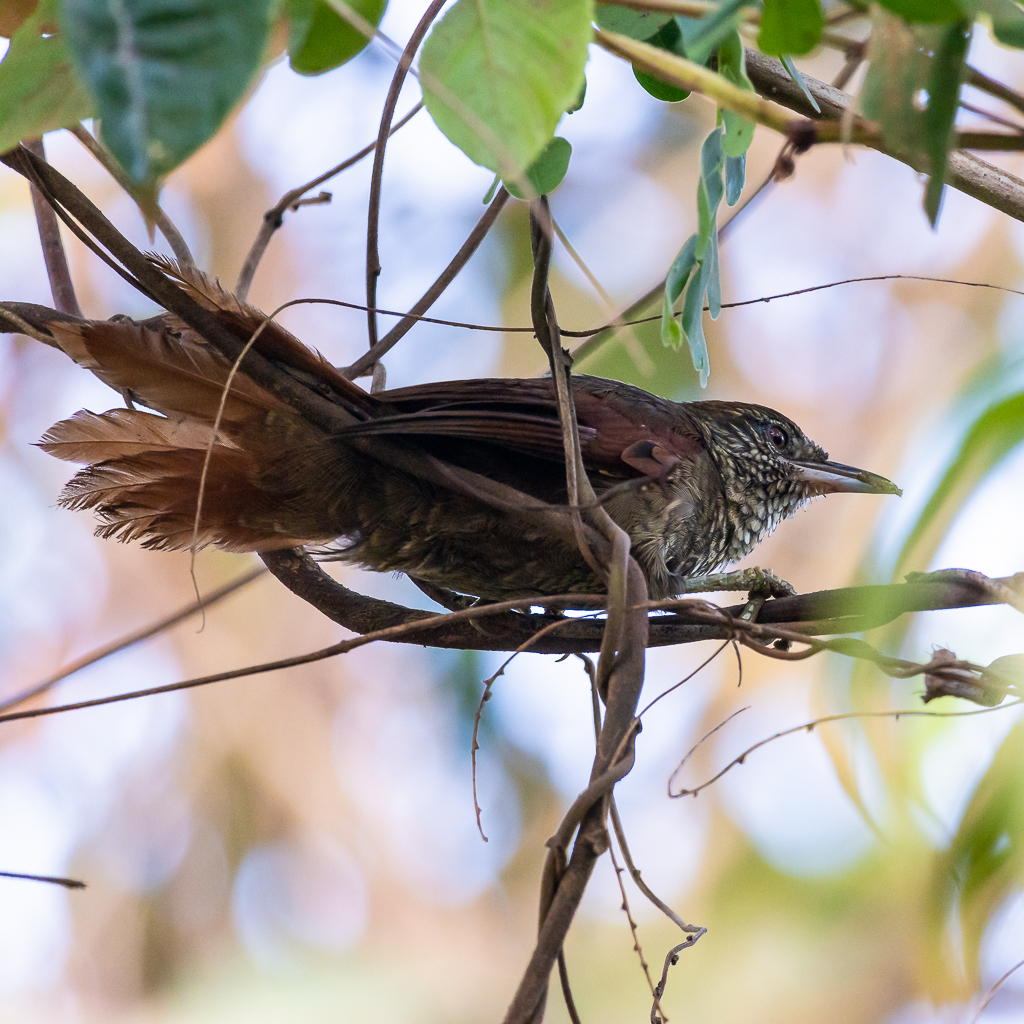
Scaled Spinetail
Cranioleuca muelleri- Várzea (whitewater flooded forest)
- Floating meadows and river islands
- Mangroves
Mazaria 1 species

Schoeniophylax 1 species

Certhiaxis 2 species
-

Red-and-white Spinetail
Certhiaxis mustelinus- Floating meadows and river islands
- Várzea (whitewater flooded forest)
- Large rivers and sandbars
-

Yellow-chinned Spinetail
Certhiaxis cinnamomeus- Floating meadows and river islands
 Lakes, baías and aquatic vegetation
- Flooded Llanos and esteros
- Mangroves
- Lakes and reservoirs
- Southern marshes and lagoons
Synallaxis 24 species
-

Ochre-cheeked Spinetail
Synallaxis scutata- Dry forest of the north-east
- Caatinga scrub
- Cerradão and dry woodland
- Interior semi-deciduous forest
-
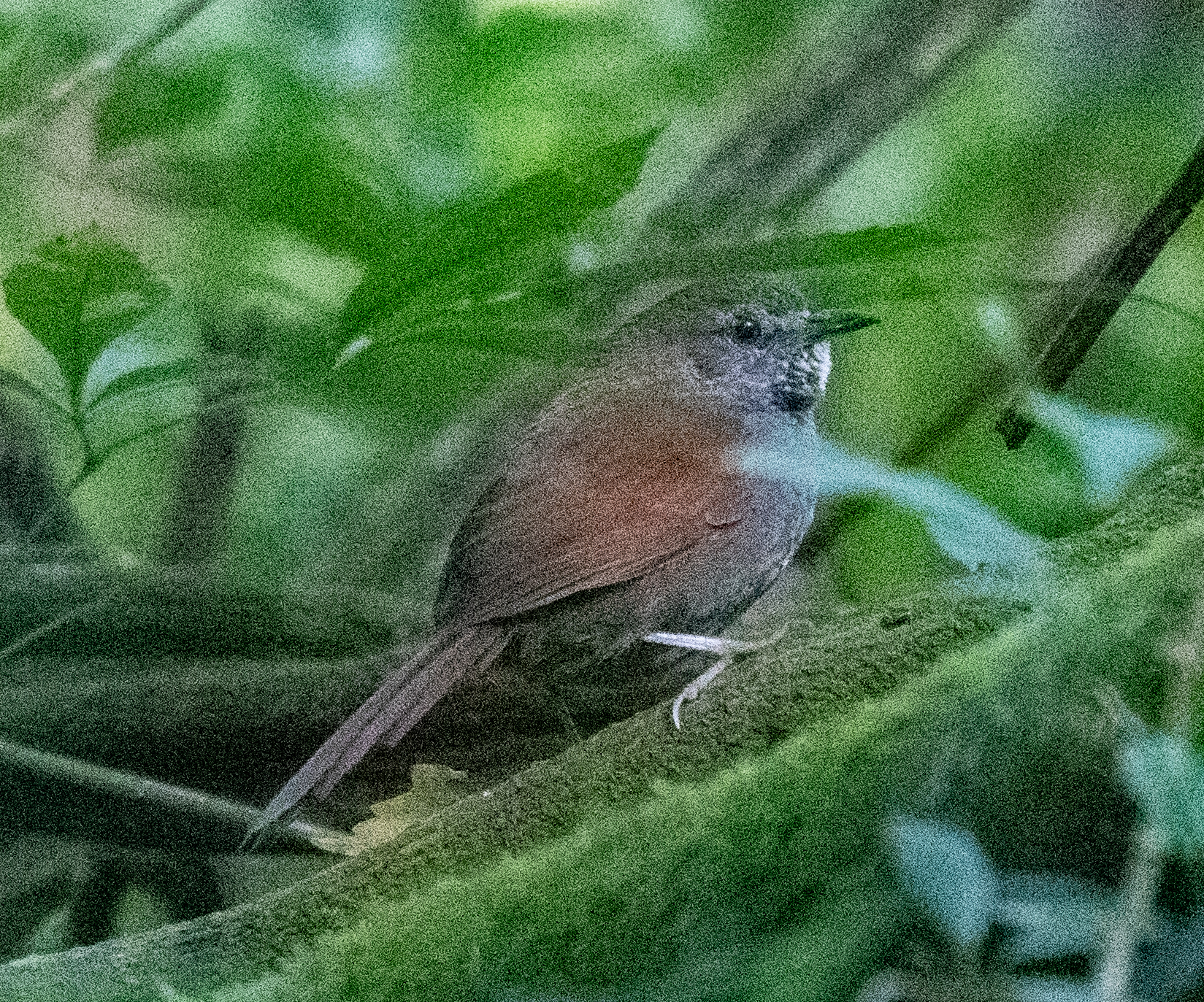
Grey-bellied Spinetail
Synallaxis cinerascens- Interior semi-deciduous forest
- Montane forest of the Serra do Mar
- Coastal lowland forest
- Araucaria forest
-

Plain-crowned Spinetail
Synallaxis gujanensis- Secondary forest and forest edge
- Várzea (whitewater flooded forest)
- Floating meadows and river islands
- Plantations and agroforestry
-

White-lored Spinetail
Synallaxis albilora- Gallery forest and woodland islands of the Pantanal
- Seasonally flooded plain
- Veredas and gallery forest
-

Araguaia Spinetail
Synallaxis simoni- Veredas and gallery forest
- Floating meadows and river islands
- Large rivers and sandbars
-

Red-shouldered Spinetail
Synallaxis hellmayri- Caatinga scrub
- Dry forest of the north-east
-

Rufous-capped Spinetail
Synallaxis ruficapilla- Montane forest of the Serra do Mar
- Coastal lowland forest
- Araucaria forest
- Interior semi-deciduous forest
-

Bahia Spinetail
Synallaxis cinerea- Interior semi-deciduous forest
- Brejos and highland forest
-

Pinto's Spinetail
Synallaxis infuscata- Northeastern coastal forest
- Coastal lowland forest
-

McConnell's Spinetail
Synallaxis macconnelli- Highland forest of the Guiana Shield
- Secondary forest and forest edge
- Tall terra firme forest
-

Cinereous-breasted Spinetail
Synallaxis hypospodia- Cerrado savanna
- Veredas and gallery forest
- Seasonally flooded plain
- Pasture and arable land
-

Spix's Spinetail
Synallaxis spixi- Interior semi-deciduous forest
- Pasture and arable land
- Araucaria forest
- Woodland and scrub of the southern hills
- Montane forest of the Serra do Mar
-
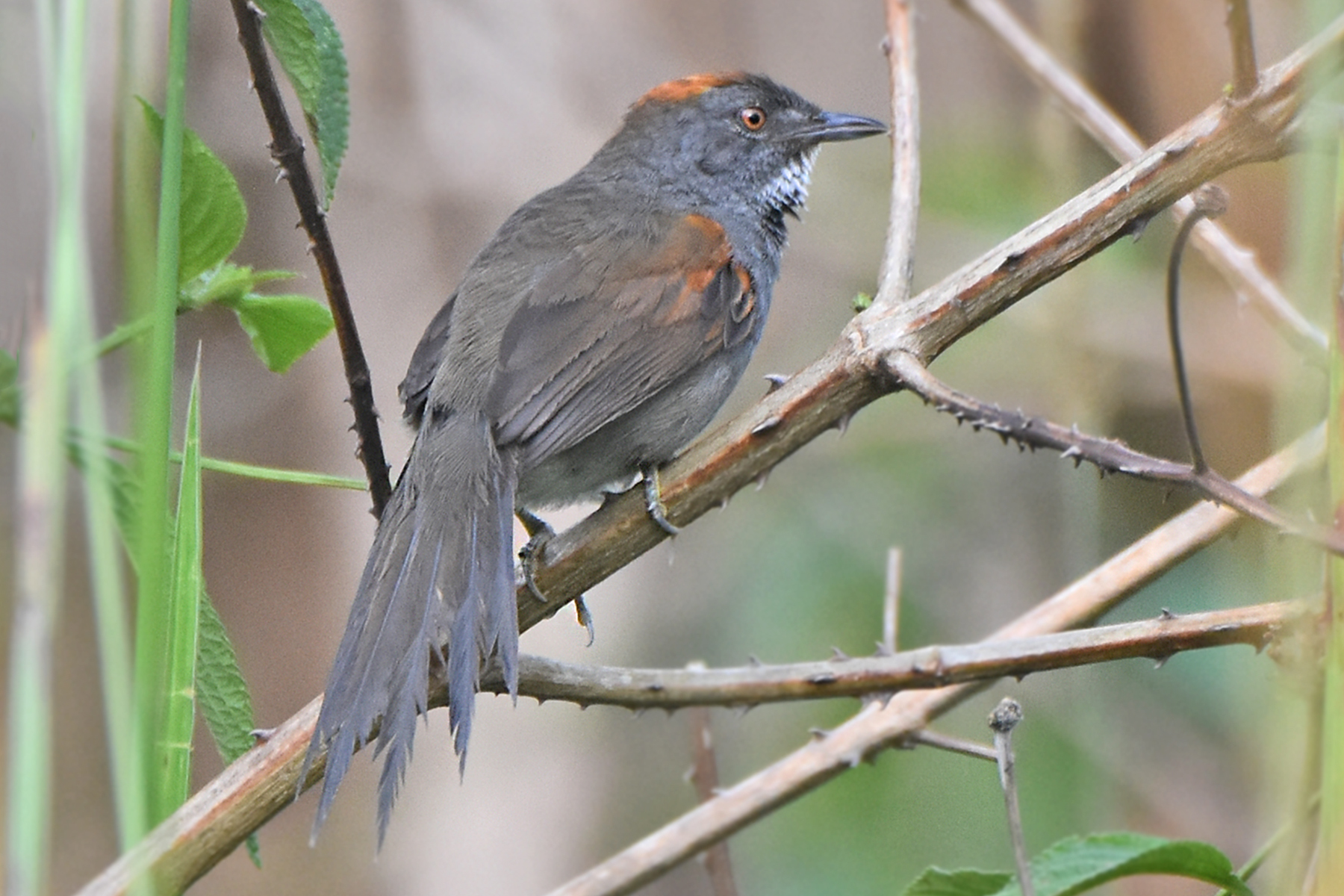
Dark-breasted Spinetail
Synallaxis albigularis- Floating meadows and river islands
- Large rivers and sandbars
- Pasture and arable land
- Várzea (whitewater flooded forest)
-

Rio Orinoco Spinetail
Synallaxis beverlyae- Floating meadows and river islands
- Large rivers and sandbars
-

Pale-breasted Spinetail
Synallaxis albescens- Llanos savanna
- Cerrado savanna
- Savannas of the Guianas
- Pasture and arable land
- Seasonally flooded plain
-

Sooty-fronted Spinetail
Synallaxis frontalis- Dry forest of the north-east
- Caatinga scrub
- Cerradão and dry woodland
- Interior semi-deciduous forest
- Veredas and gallery forest
-

Azara's Spinetail
Synallaxis azarae- Montane forest of the Venezuelan Andes and Perijá
- Plantations and agroforestry
-

Hoary-throated Spinetail
Synallaxis kollari- Savannas of the Guianas
- Várzea (whitewater flooded forest)
-

White-whiskered Spinetail
Synallaxis candei- Dry forest and thorn scrub of northern Venezuela
- Mangroves
-
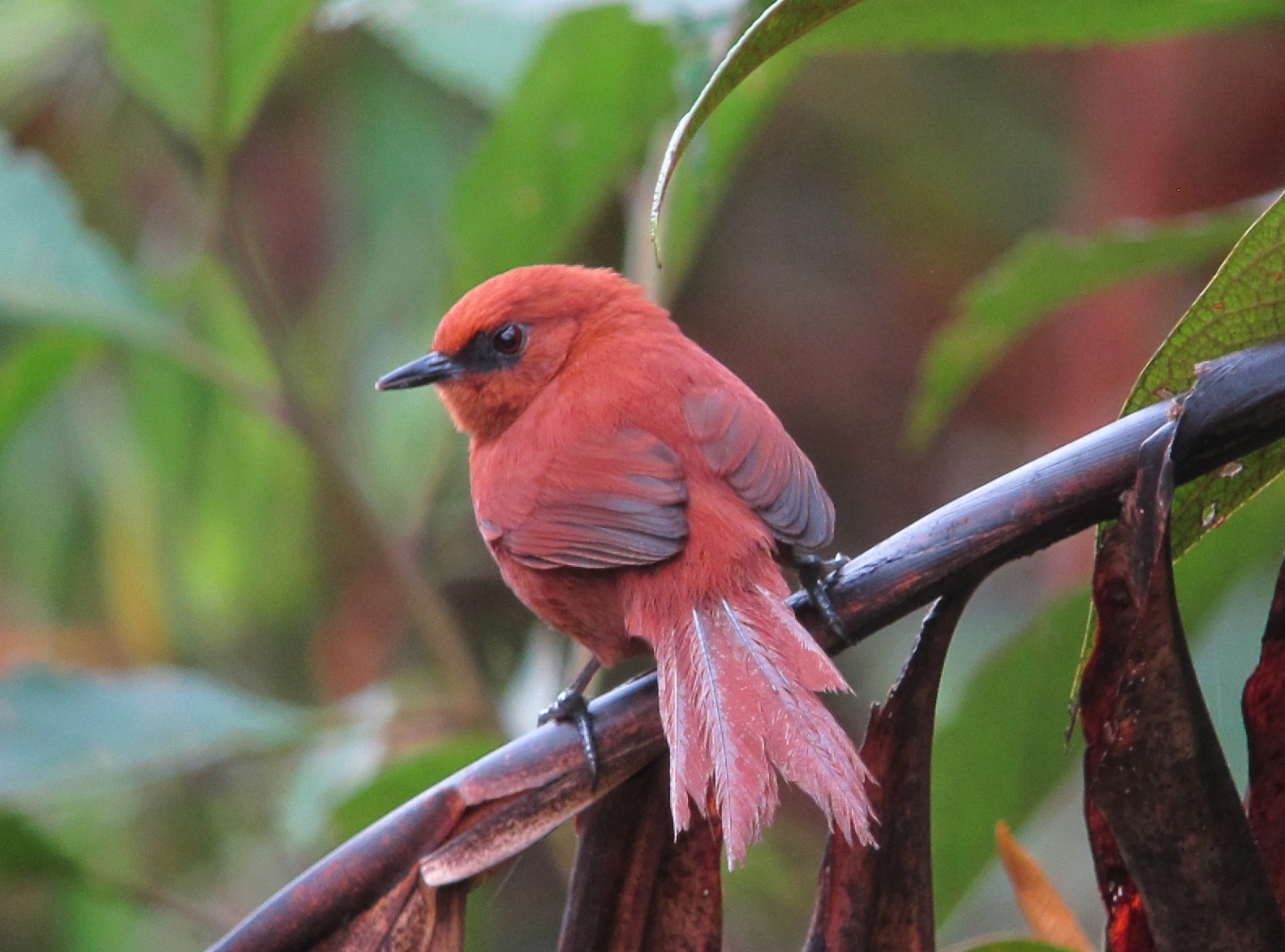
Rufous Spinetail
Synallaxis unirufa- Montane forest of the Venezuelan Andes and Perijá
-

Black-throated Spinetail
Synallaxis castanea- Montane forest of the Venezuelan coastal range
-

Stripe-breasted Spinetail
Synallaxis cinnamomea- Montane forest of the Venezuelan coastal range
- Montane forest of the Venezuelan Andes and Perijá
- Dry forest and thorn scrub of northern Venezuela
-

Ruddy Spinetail
Synallaxis rutilans- Tall terra firme forest
- Secondary forest and forest edge
- Bamboo and liana forest
-

Chestnut-throated Spinetail
Synallaxis cherriei- Bamboo and liana forest
- Tall terra firme forest
- Secondary forest and forest edge
Vagrants 1 species
Birds blown in from other continents. They have no range here, and so no distribution map.
