All species › Owls › Owls
Owls | Strigidae
Echte uilen | Búhos y cárabos | Owls
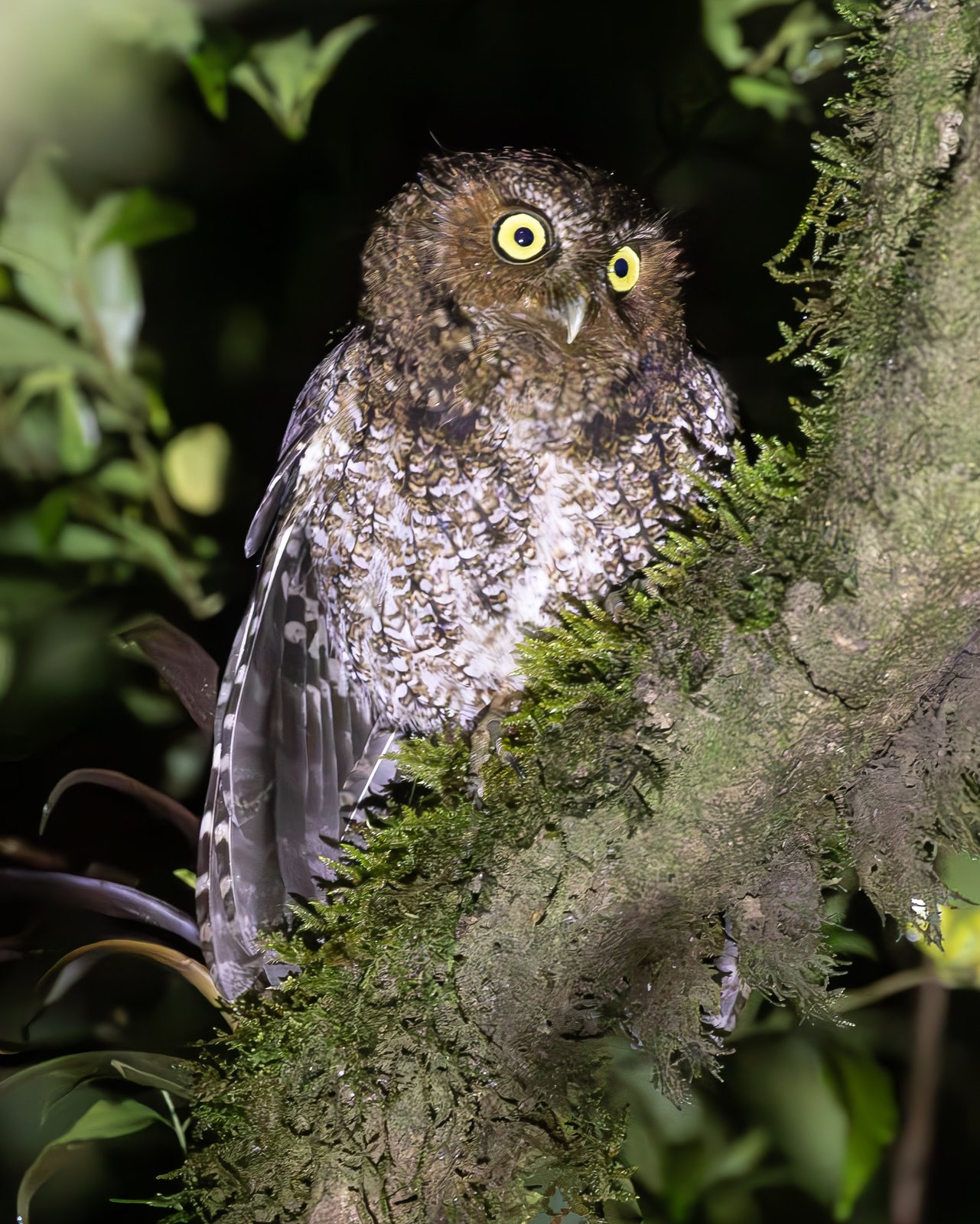
The facial disc is round and the eyes are large, with an iris ranging from yellow to almost black; several species carry two erectile feather tufts on the head, which have nothing to do with hearing but do break up the head's outline. The inner toe is shorter than the middle toe and the middle claw is smooth. In this guide the family numbers 41 species in ten genera, from the Long-whiskered Owlet (Xenoglaux), one of the smallest owls in the world, found only in a small area of cloud forest in northern Peru, to the horned owls (Bubo) of more than a kilo. Screech owls (Megascops) and pygmy owls (Glaucidium) are numerous, with species in every altitudinal zone from the Amazonian lowlands to the treeline; the pygmy owls also hunt by day and carry two dark spots on the nape that act as a second pair of eyes, and the Peruvian Pygmy Owl lives in the dry forest and cactus scrub along the west coast. Large species such as Spectacled Owl and Crested Owl live in lowland forest at the foot of the Andes, and the Buff-fronted Owl (Aegolius) in cloud forest. The voice consists of low, far-carrying notes, trills or whistled series that hold the territory, and is usually the first thing by which the species is known. Nesting is in a tree hole, an old nest of another bird, on a cliff ledge or, as in the Burrowing Owl of the coastal desert and the puna, in a burrow in the ground; the female incubates and broods, the male brings in the food.
Native species 36 species
Species that occur here by nature: breeding birds, winter visitors and passage migrants. They are arranged by genus, in the sequence of the list.
Xenoglaux 1 species
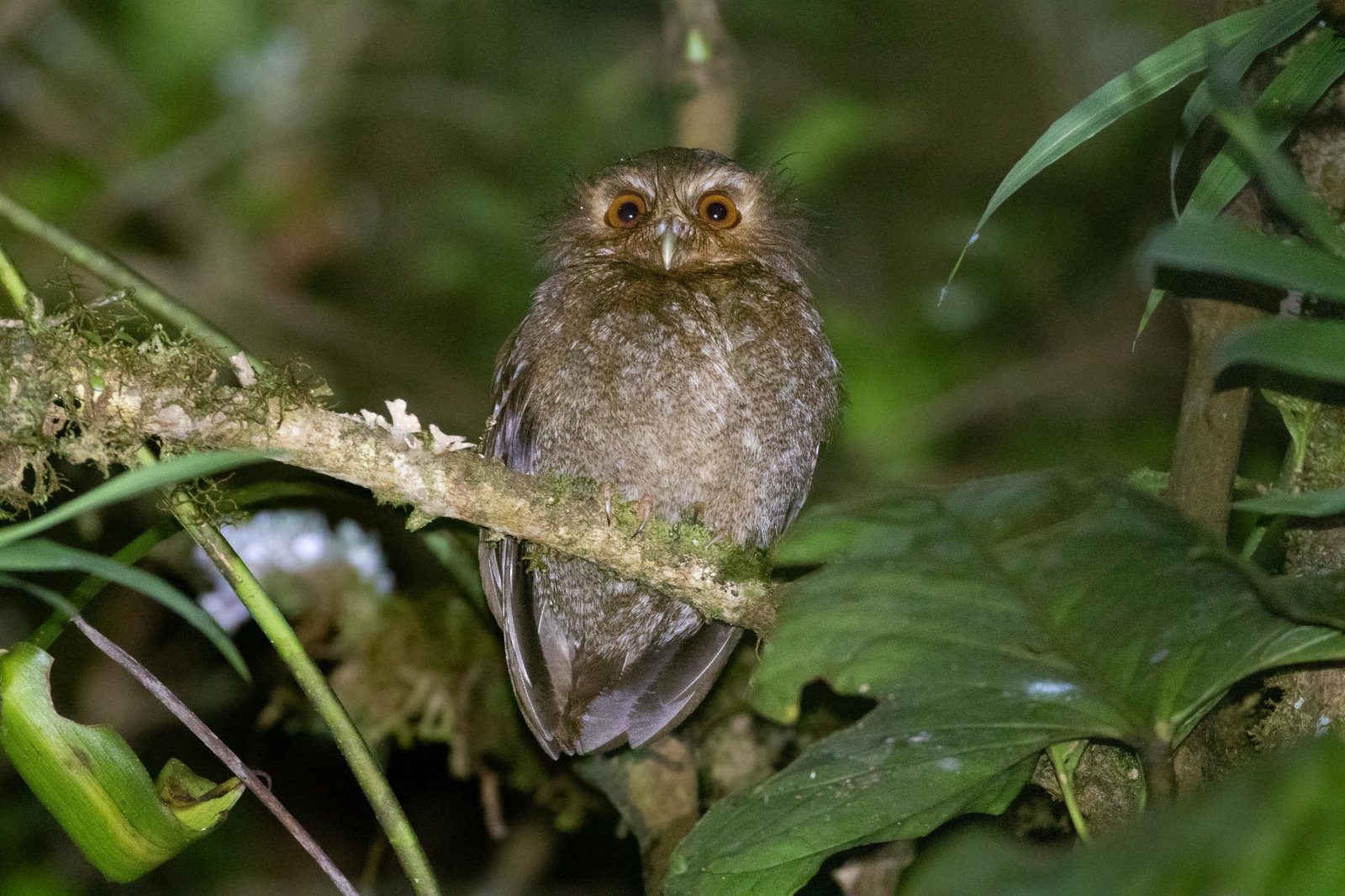
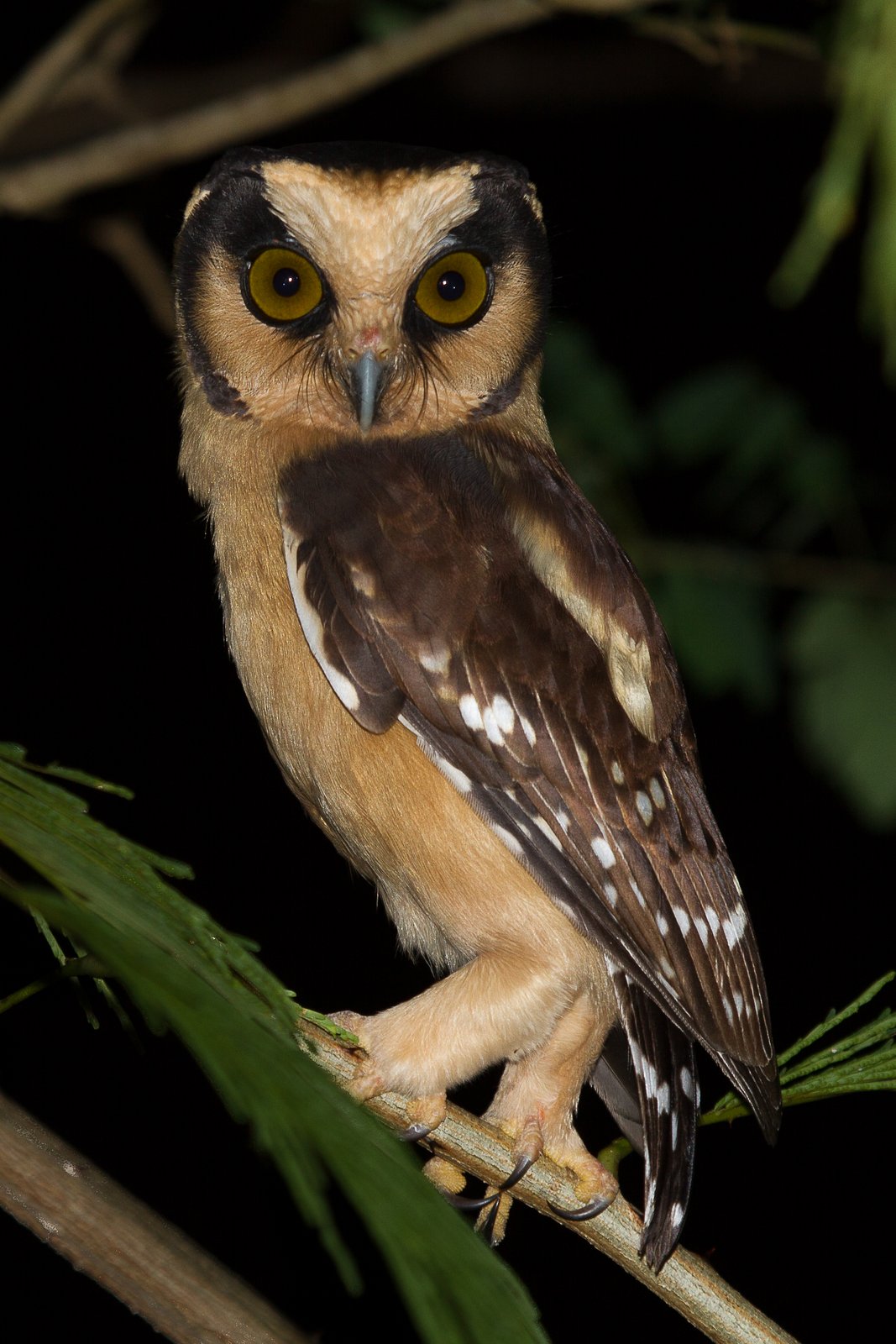
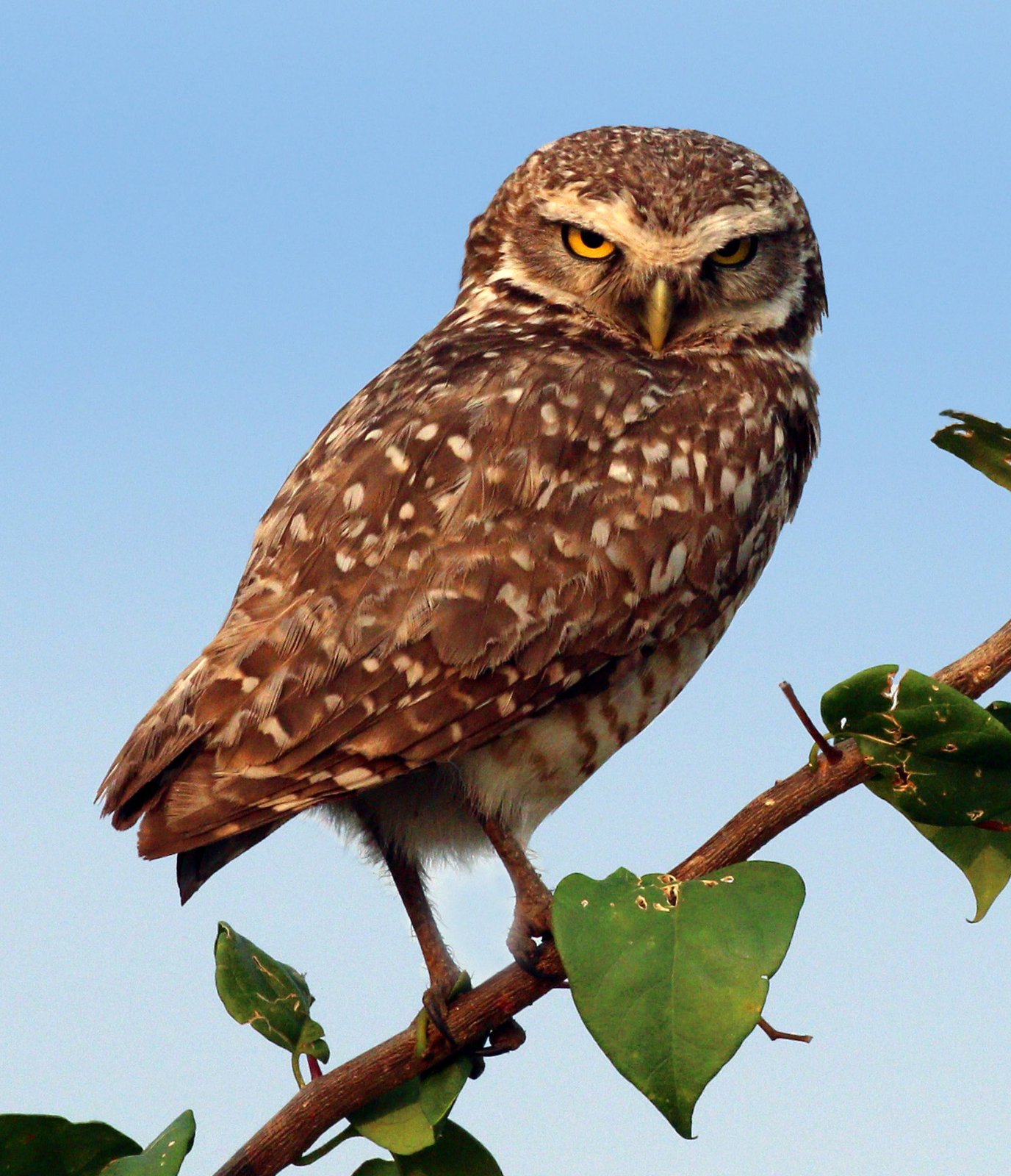

Glaucidium 8 species
-
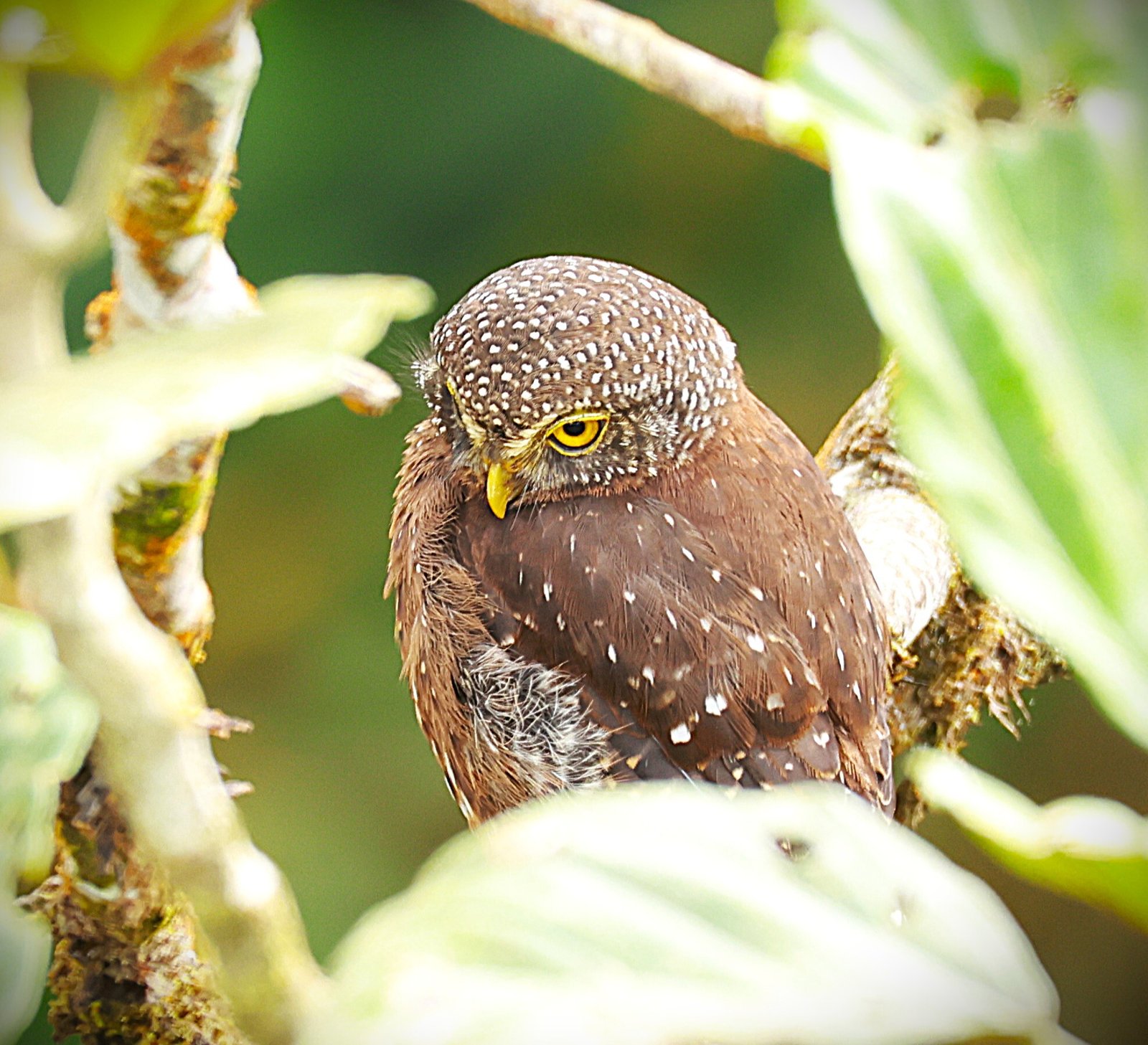
Cloud-forest Pygmy Owl
Glaucidium nubicola Northern Andean subtropical forest
 Northern Andean cloud forest and temperate forest
 Secondary forest and forest edge
-
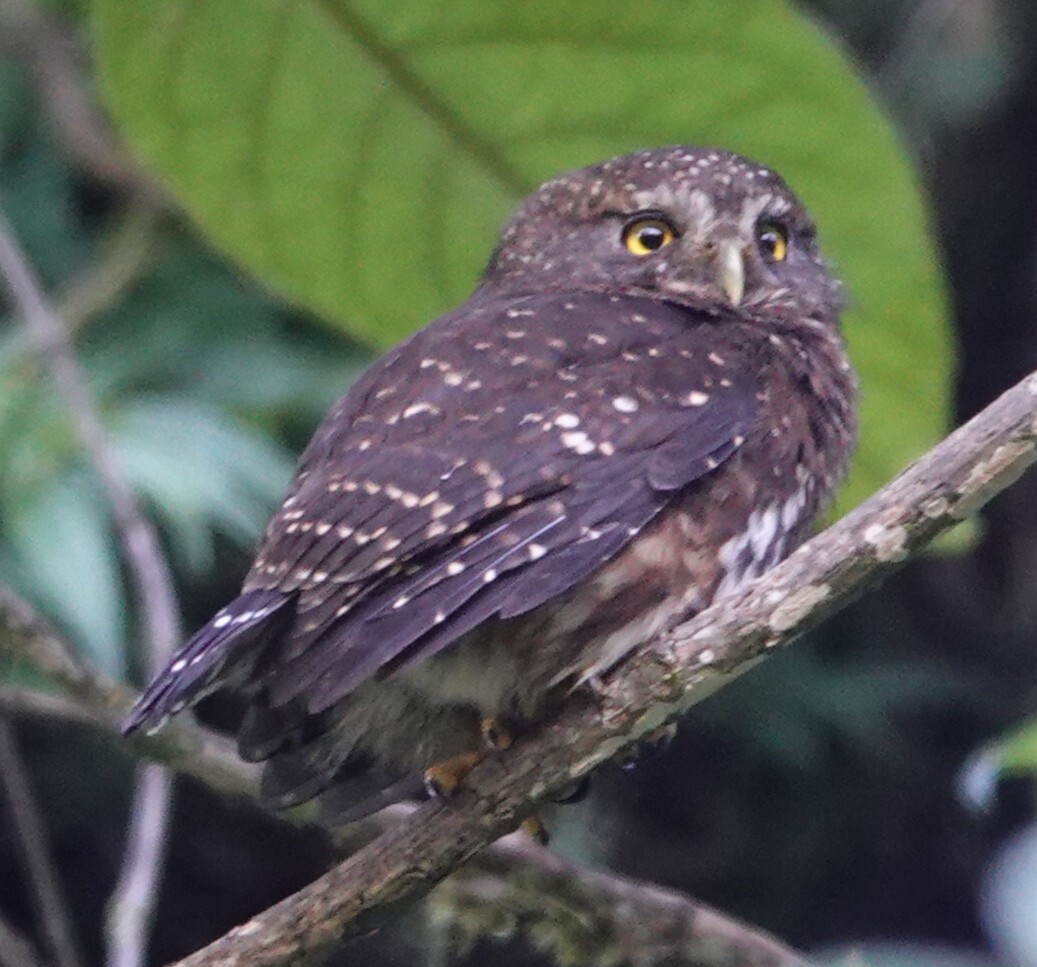
Andean Pygmy Owl
Glaucidium jardinii- Northern Andean cloud forest and temperate forest
 Polylepis woodland
 Páramo
- Secondary forest and forest edge
-
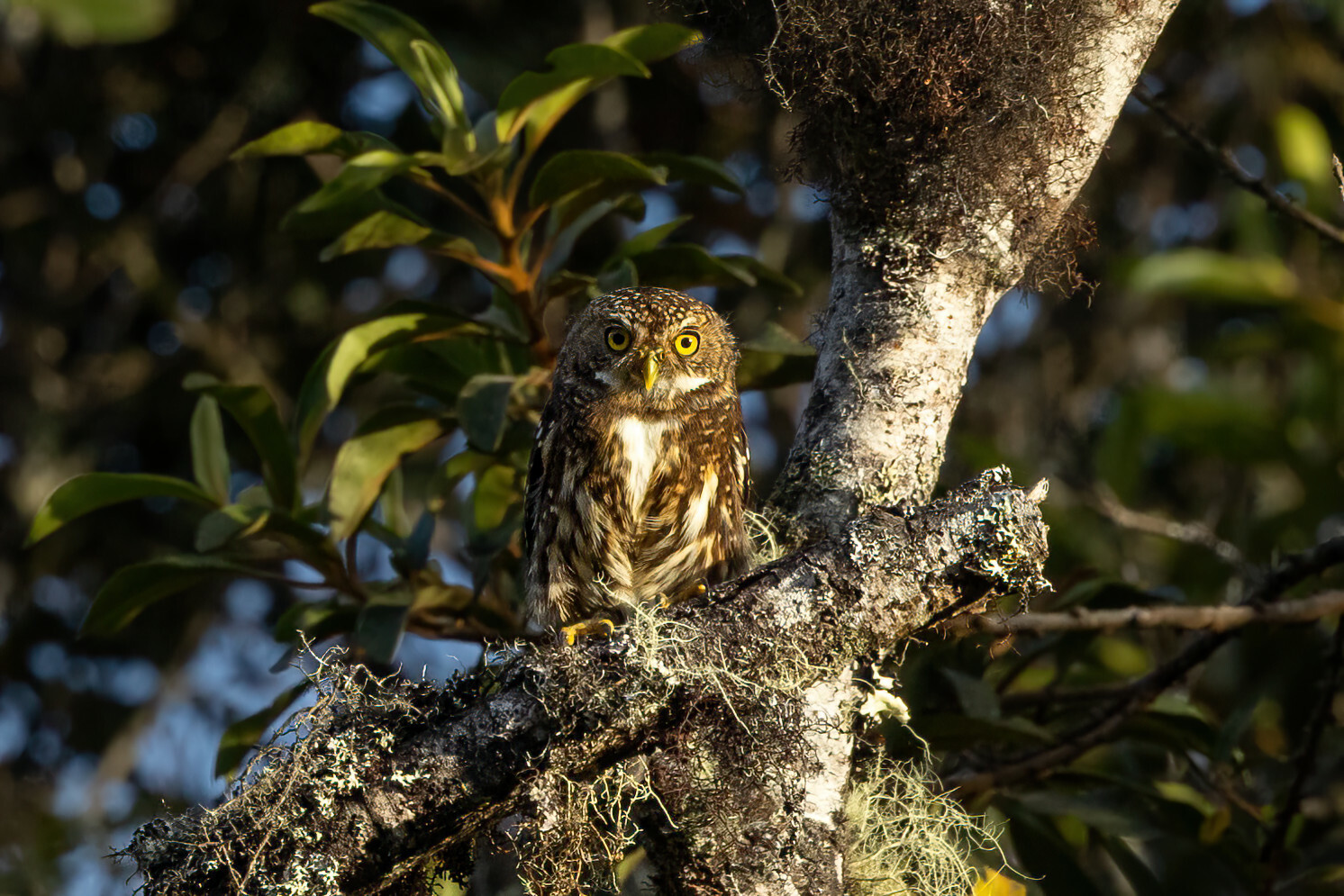
Yungas Pygmy Owl
Glaucidium bolivianum Upper Yungas cloud forest
 Lower Yungas forest
- Polylepis woodland
- Secondary forest and forest edge
-
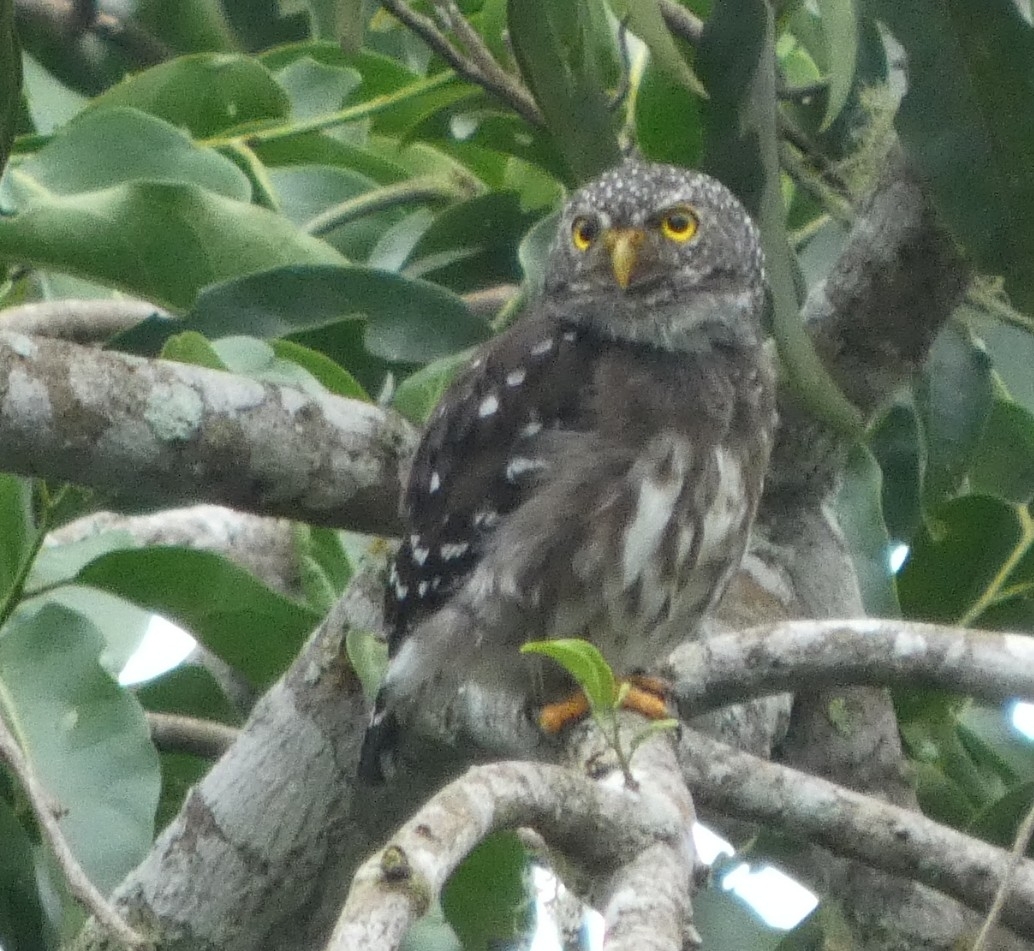
Subtropical Pygmy Owl
Glaucidium parkeri- Northern Andean subtropical forest
 Eastern Andean foothill forest
- Lower Yungas forest
- Secondary forest and forest edge
-

Central American Pygmy Owl
Glaucidium griseiceps Chocó rainforest
 Western Ecuador humid forest
- Secondary forest and forest edge
-
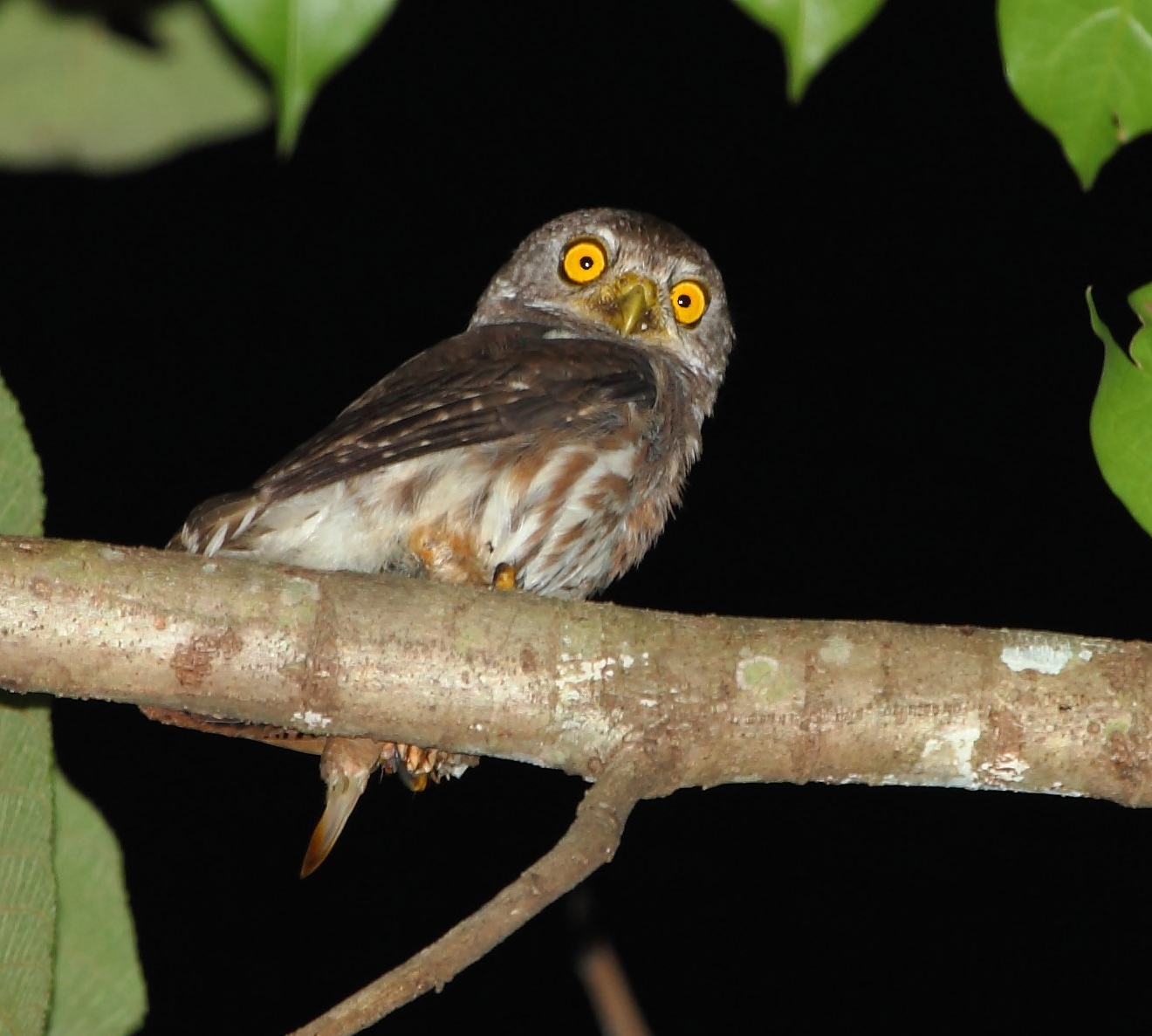
Amazonian Pygmy Owl
Glaucidium hardyi Amazonian terra firme rainforest
 Várzea, igapó and river islands
- Eastern Andean foothill forest
-
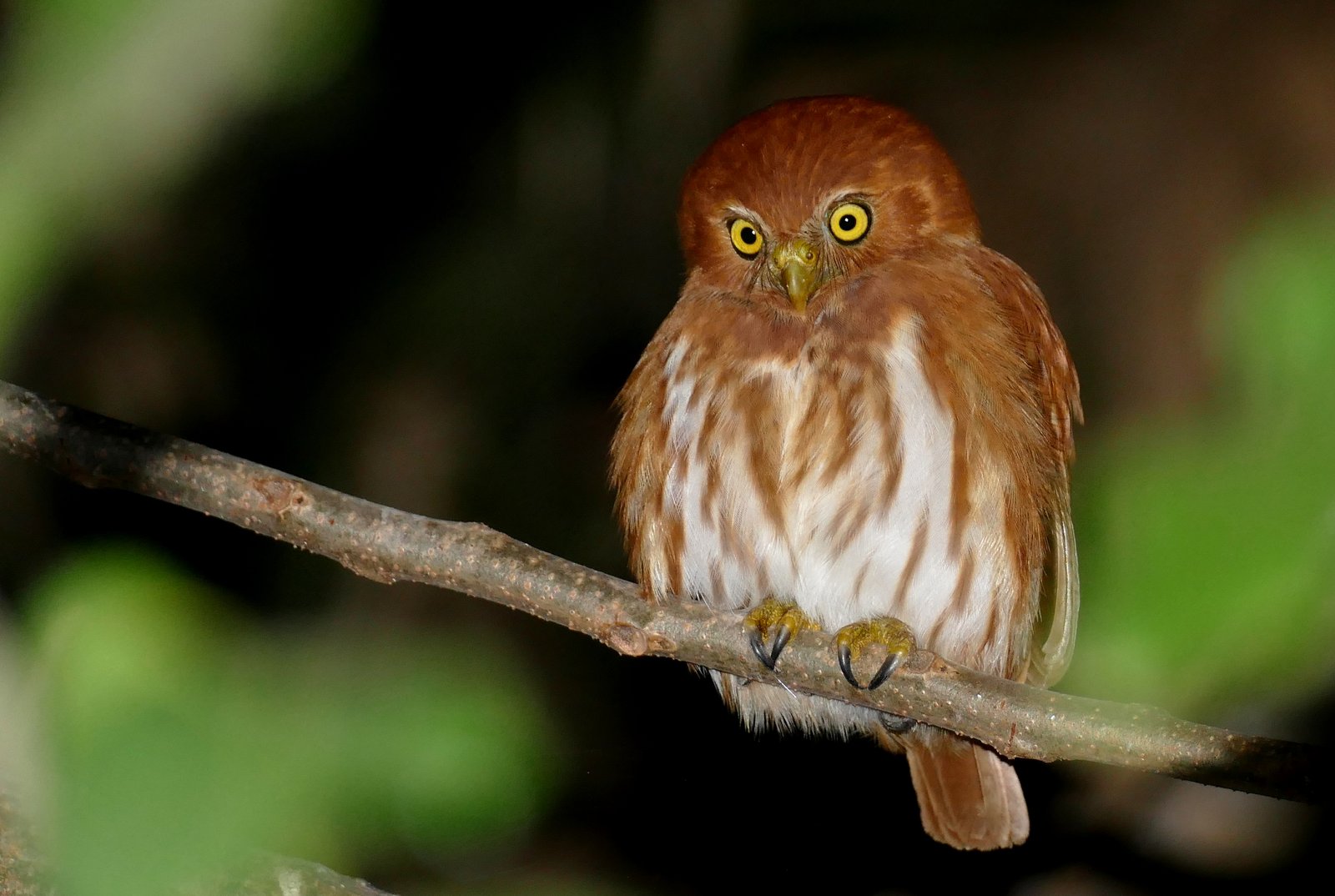
Ferruginous Pygmy Owl
Glaucidium brasilianum- Secondary forest and forest edge
 Llanos savanna
 Beni savanna and cerrado
 Chiquitano dry forest and Chaco
- Várzea, igapó and river islands
 Pasture and ranchland
- Amazonian terra firme rainforest
-
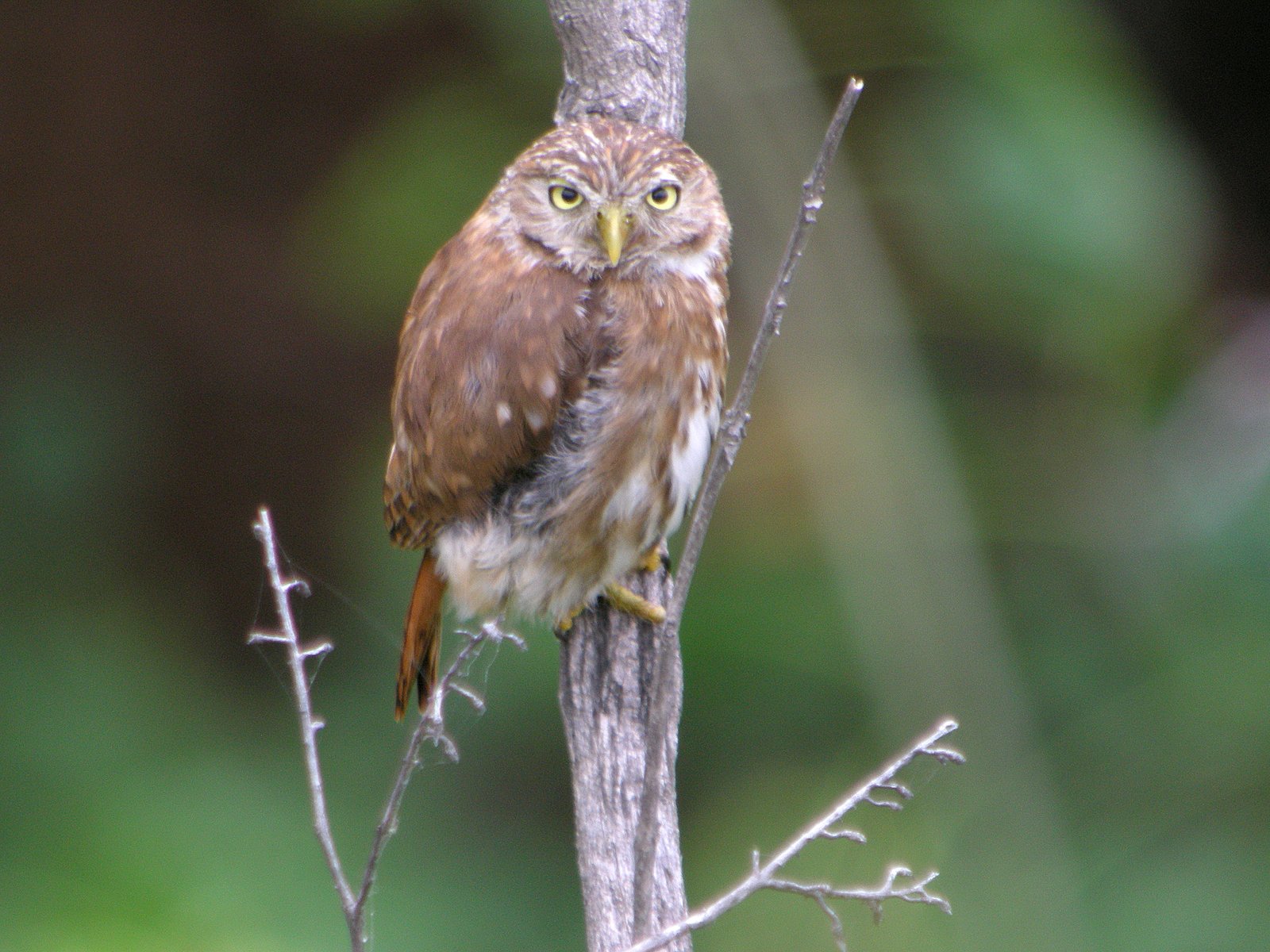
Pacific Pygmy Owl
Glaucidium peruanum Tumbesian dry forest and thorn scrub
 Marañón and northern inter-Andean dry forest
 Central Andean dry valleys
 Riparian woodland of the Andes and coastal valleys
 Towns, cities and parks
Asio 3 species
-
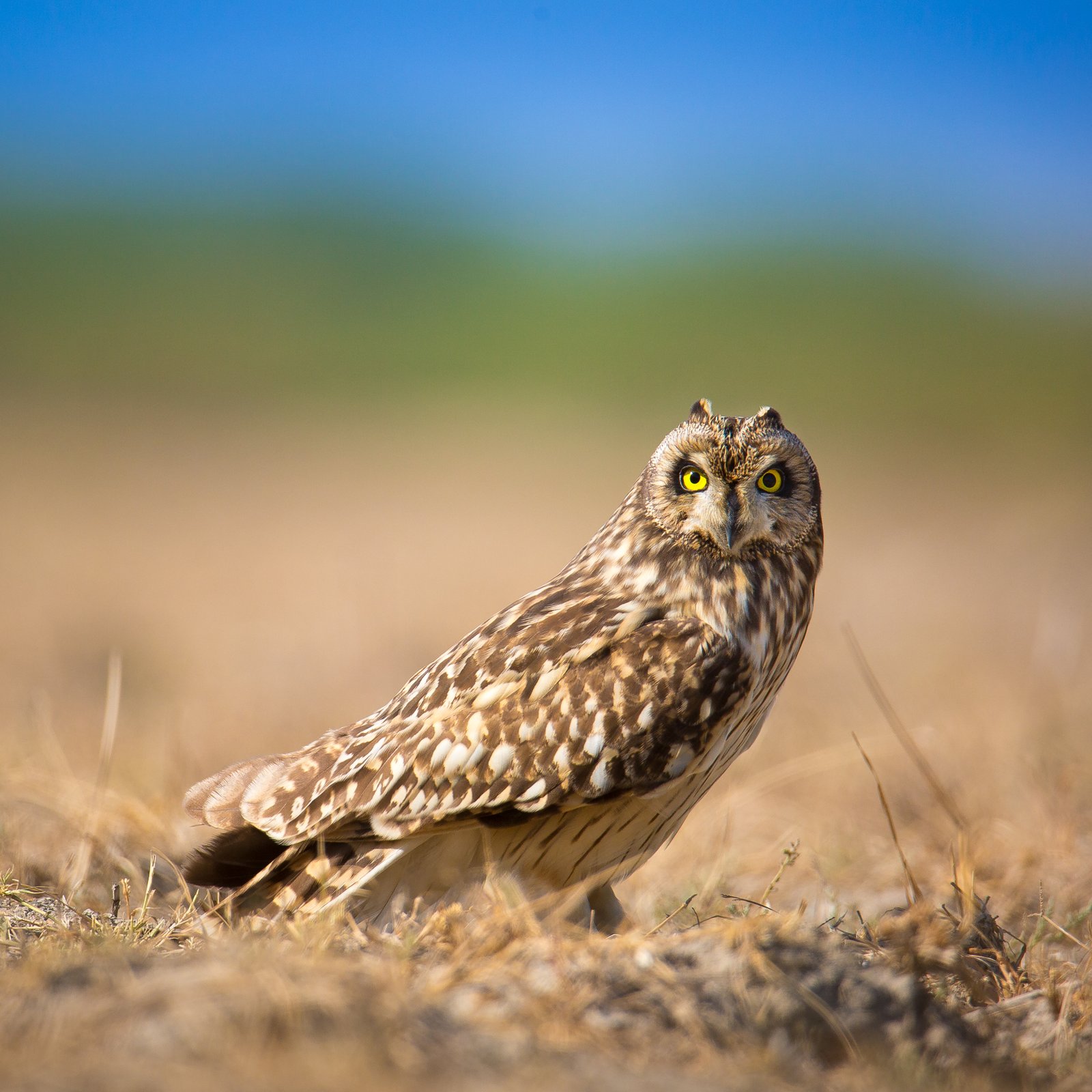
Short-eared Owl
Asio flammeus- Páramo
 Humid puna
 Andean bogs and bofedales
 Galápagos pampa zone
- Beni savanna and cerrado
- Pasture and ranchland
 Lowland marshes and wet meadows
-
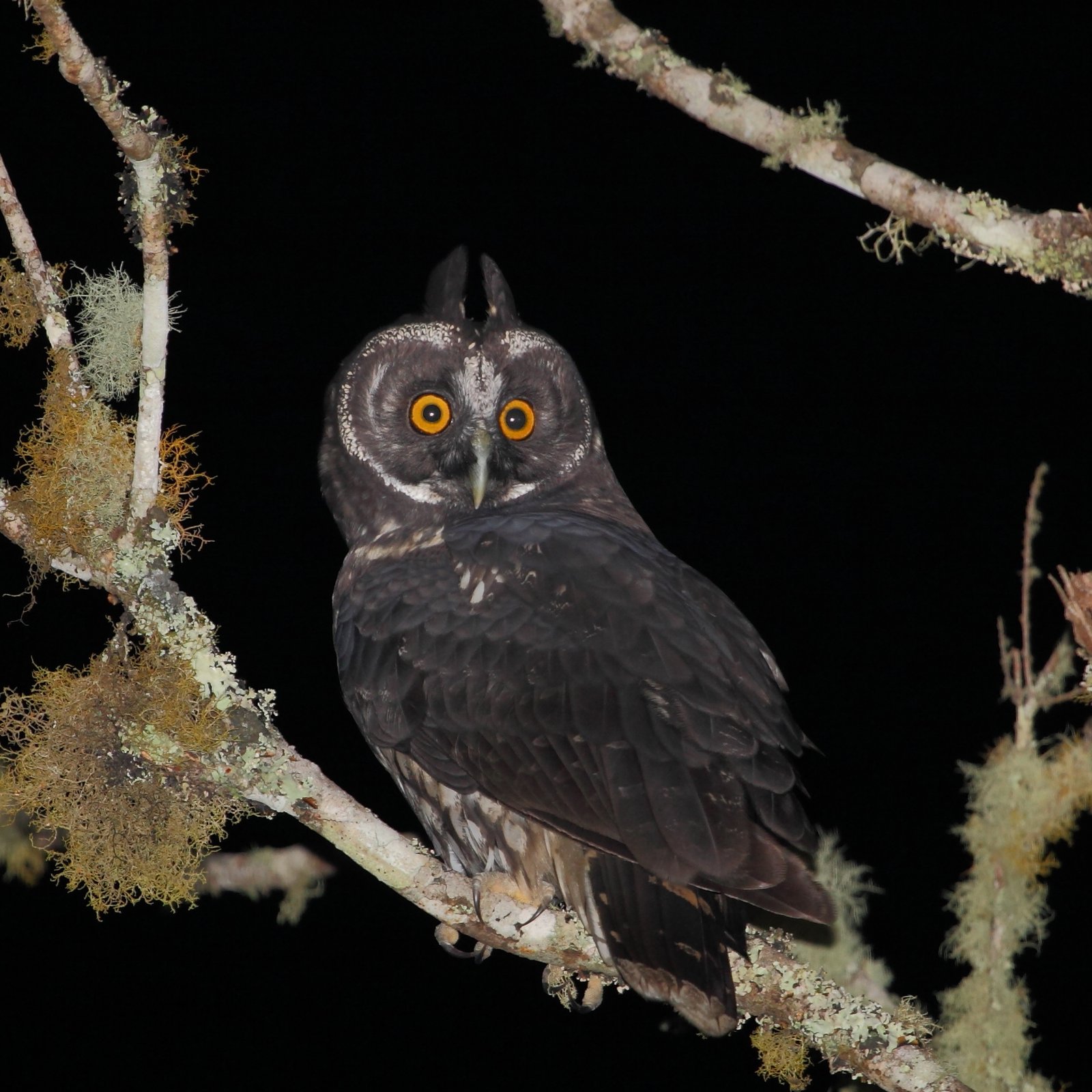
Stygian Owl
Asio stygius- Northern Andean cloud forest and temperate forest
- Upper Yungas cloud forest
- Northern Andean subtropical forest
- Lower Yungas forest
- Secondary forest and forest edge
- Beni savanna and cerrado
-
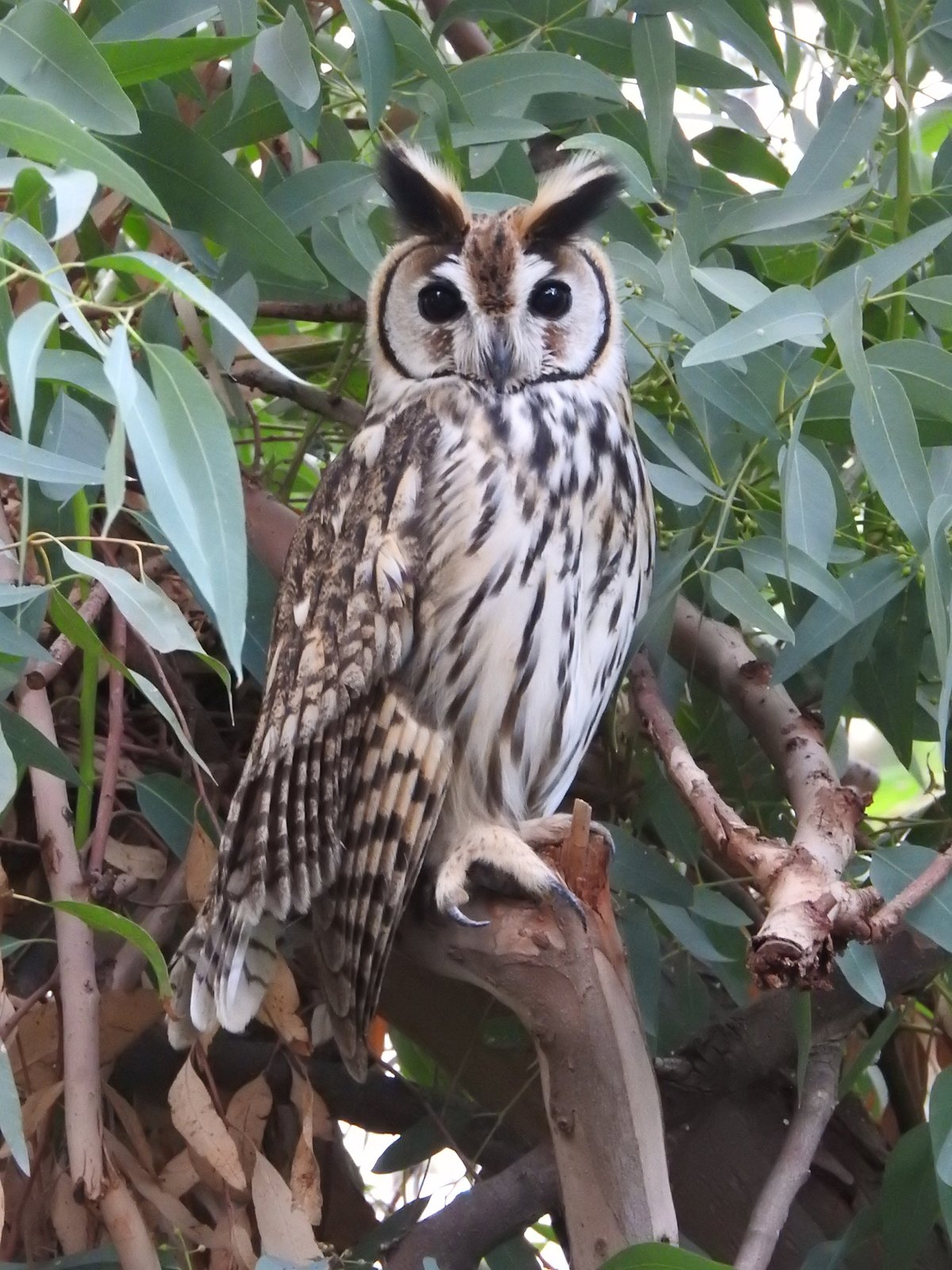
Striped Owl
Asio clamator- Llanos savanna
- Beni savanna and cerrado
- Pasture and ranchland
- Lowland marshes and wet meadows
- Secondary forest and forest edge
 Irrigated farmland and rice fields
Bubo 2 species
-
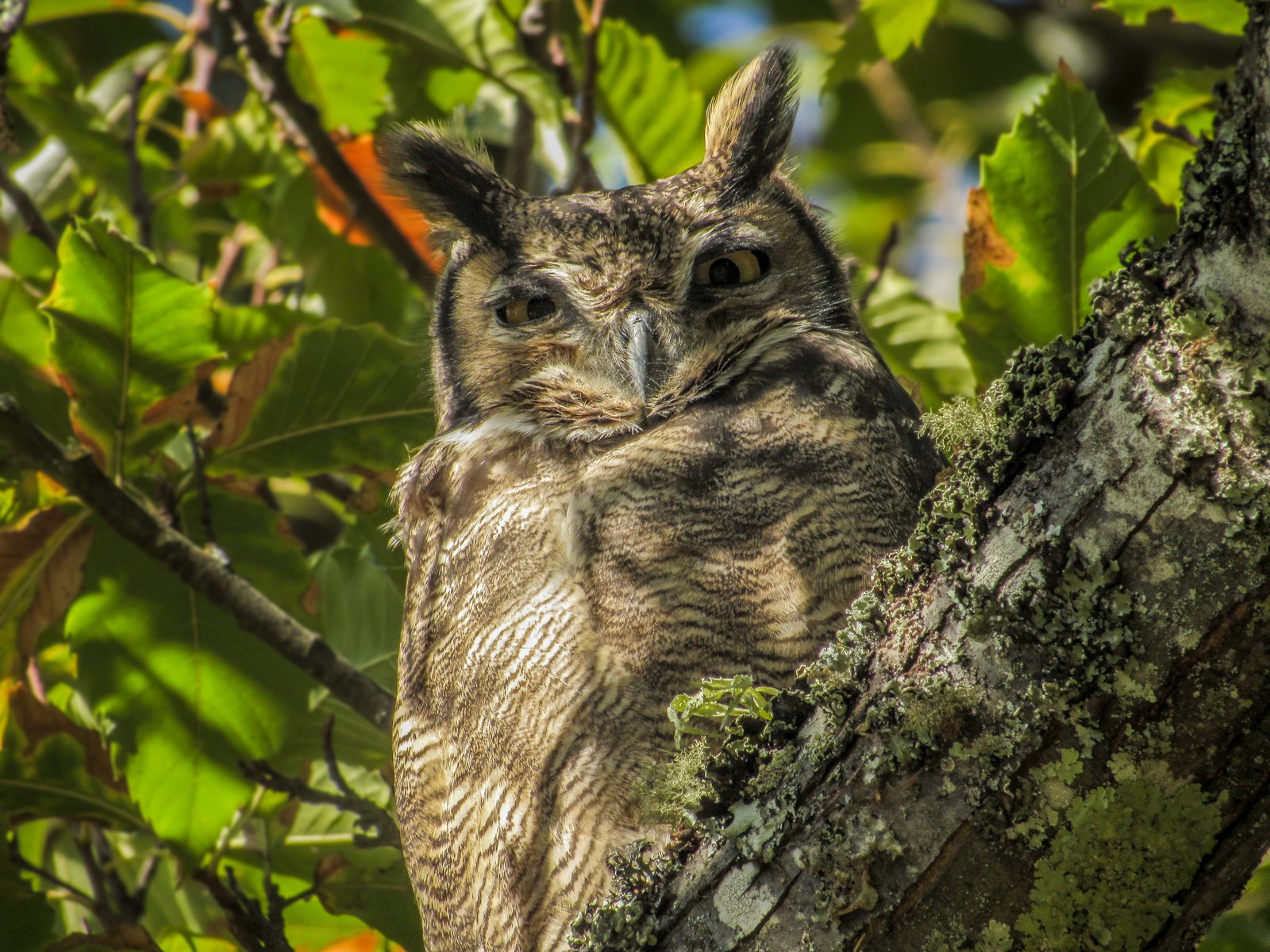
Lesser Horned Owl
Bubo magellanicus Dry puna and altiplano
- Humid puna
 Cliffs, gorges and canyons
- Polylepis woodland
- Central Andean dry valleys
 Andean fields and terraces
-
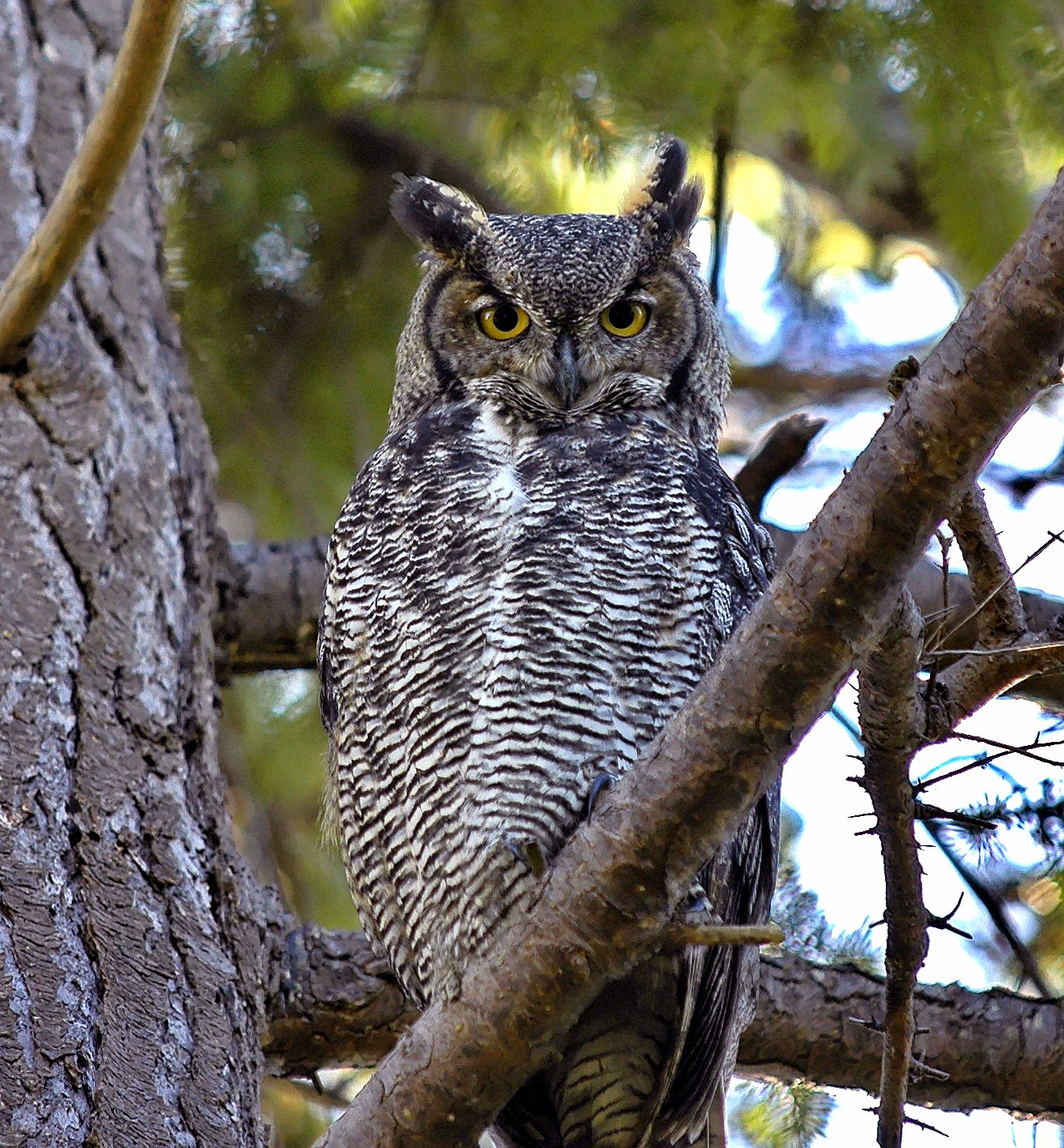
Great Horned Owl
Bubo virginianus- Páramo
- Northern Andean cloud forest and temperate forest
- Polylepis woodland
- Llanos savanna
- Beni savanna and cerrado
- Marañón and northern inter-Andean dry forest
Megascops 12 species
-
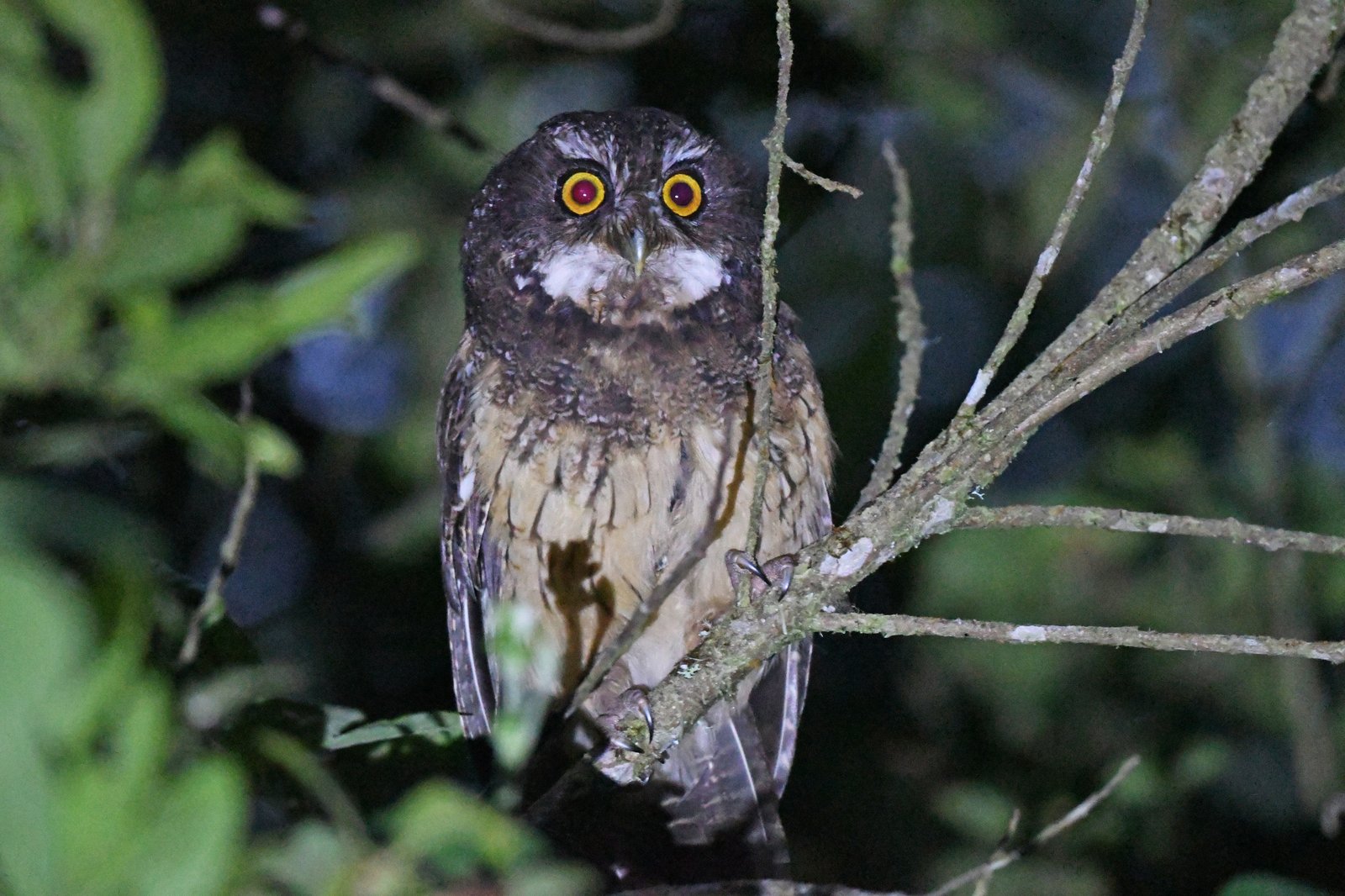
White-throated Screech Owl
Megascops albogularis- Northern Andean cloud forest and temperate forest
- Upper Yungas cloud forest
- Polylepis woodland
- Secondary forest and forest edge
-
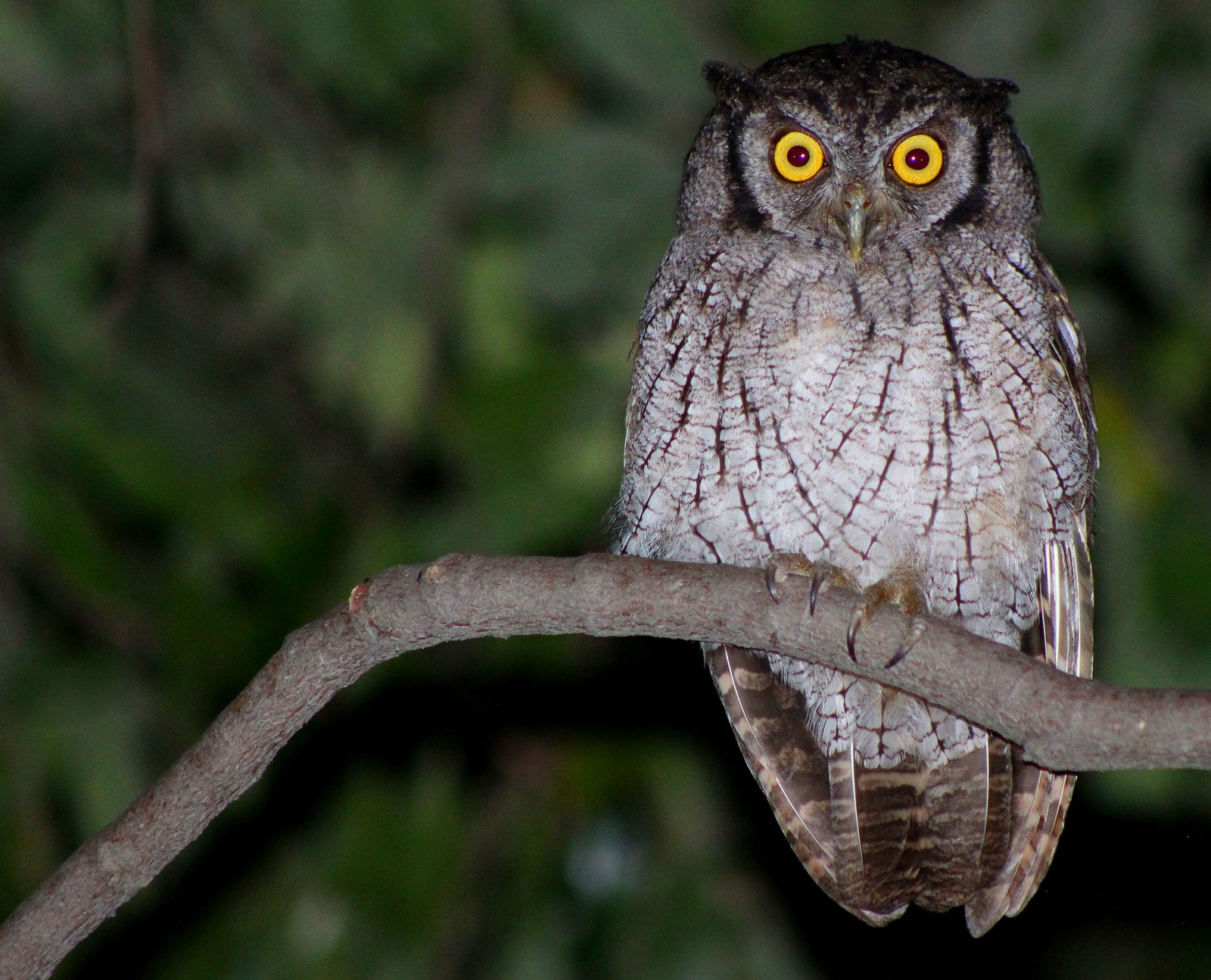
Tropical Screech Owl
Megascops choliba- Secondary forest and forest edge
- Beni savanna and cerrado
- Llanos savanna
- Amazonian terra firme rainforest
- Chiquitano dry forest and Chaco
 Coffee, cacao and agroforestry
- Towns, cities and parks
-
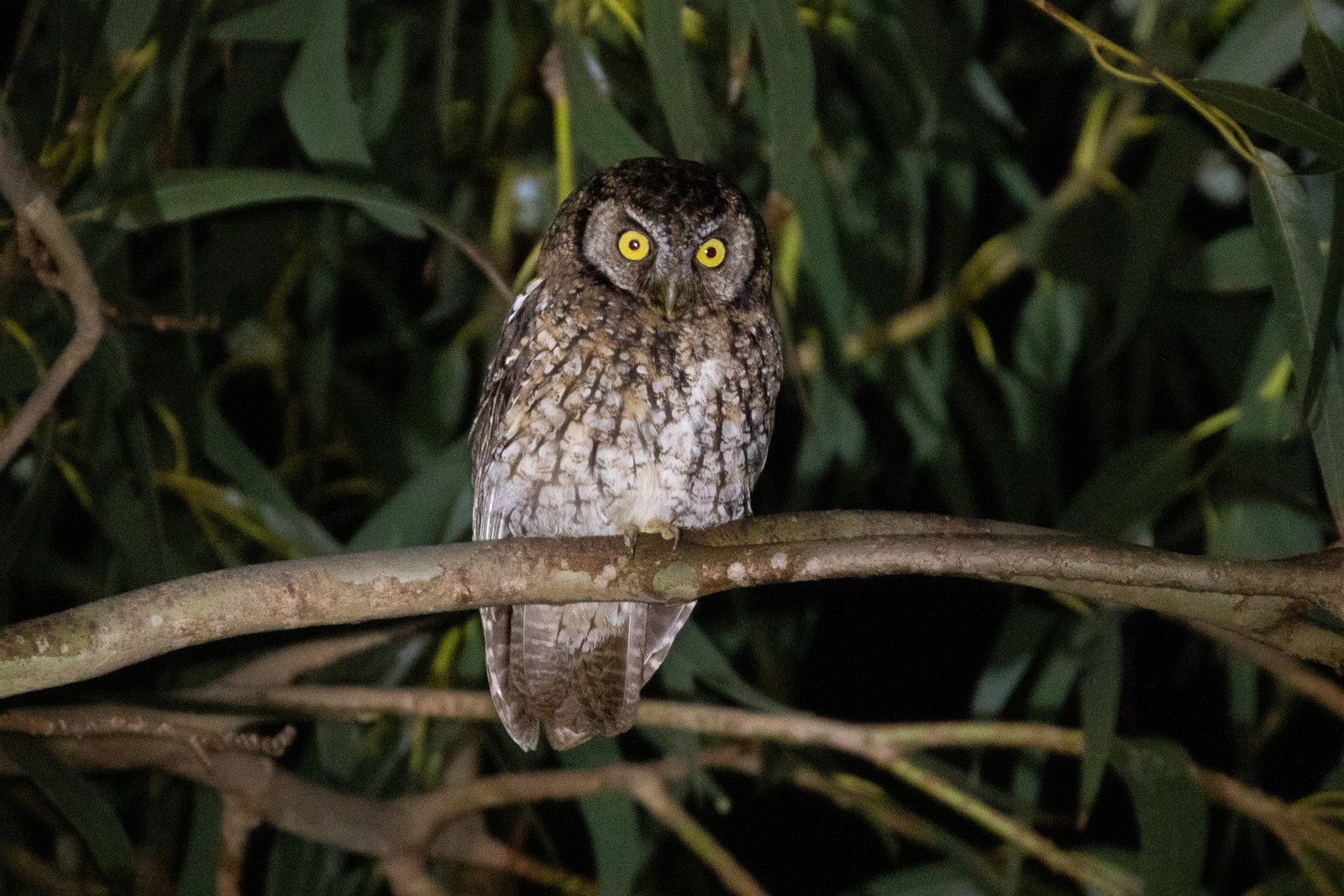
Koepcke's Screech Owl
Megascops koepckeae- Central Andean dry valleys
- Polylepis woodland
- Marañón and northern inter-Andean dry forest
- Riparian woodland of the Andes and coastal valleys
-
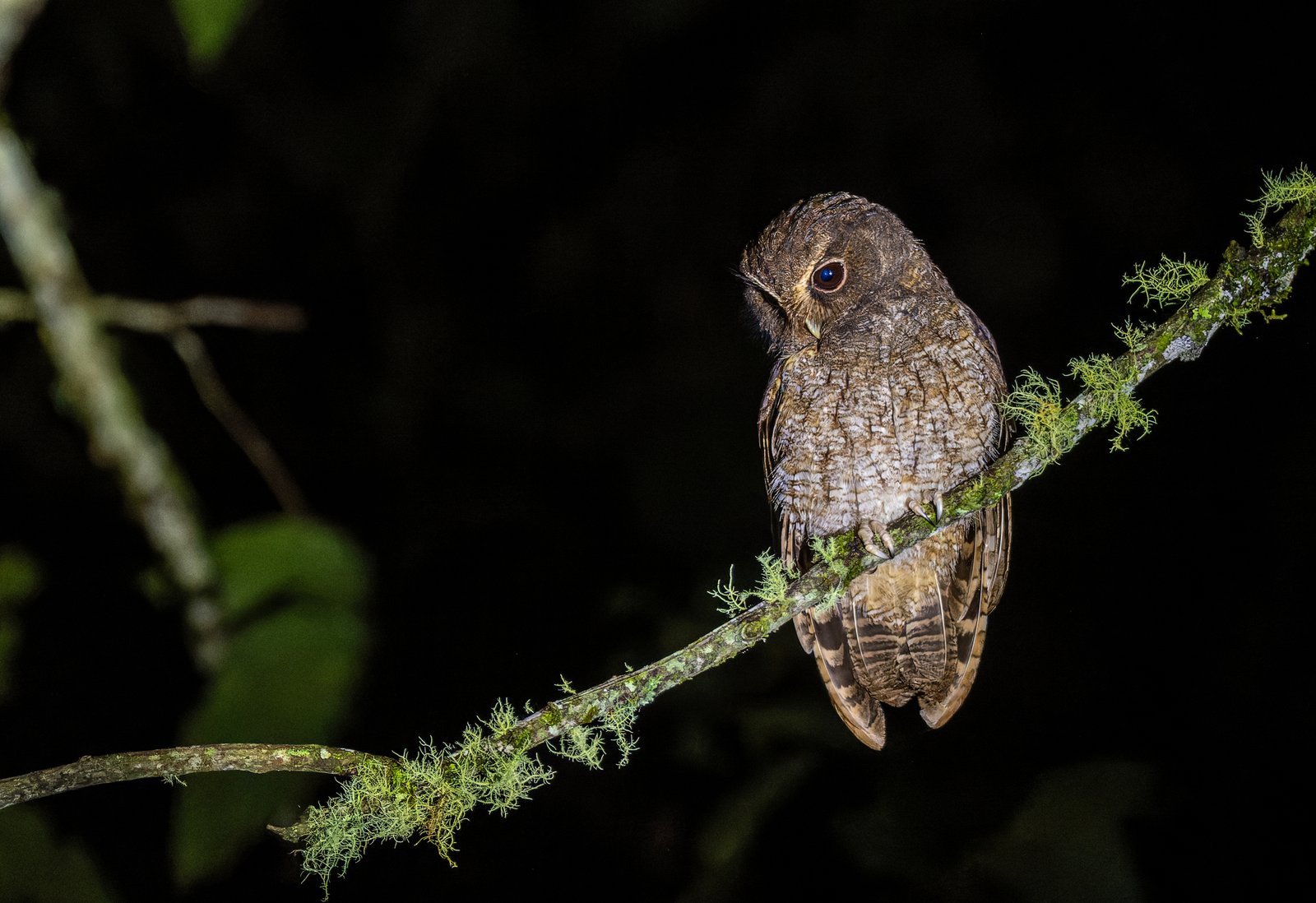
Rufescent Screech Owl
Megascops ingens- Northern Andean subtropical forest
- Lower Yungas forest
- Northern Andean cloud forest and temperate forest
- Upper Yungas cloud forest
-
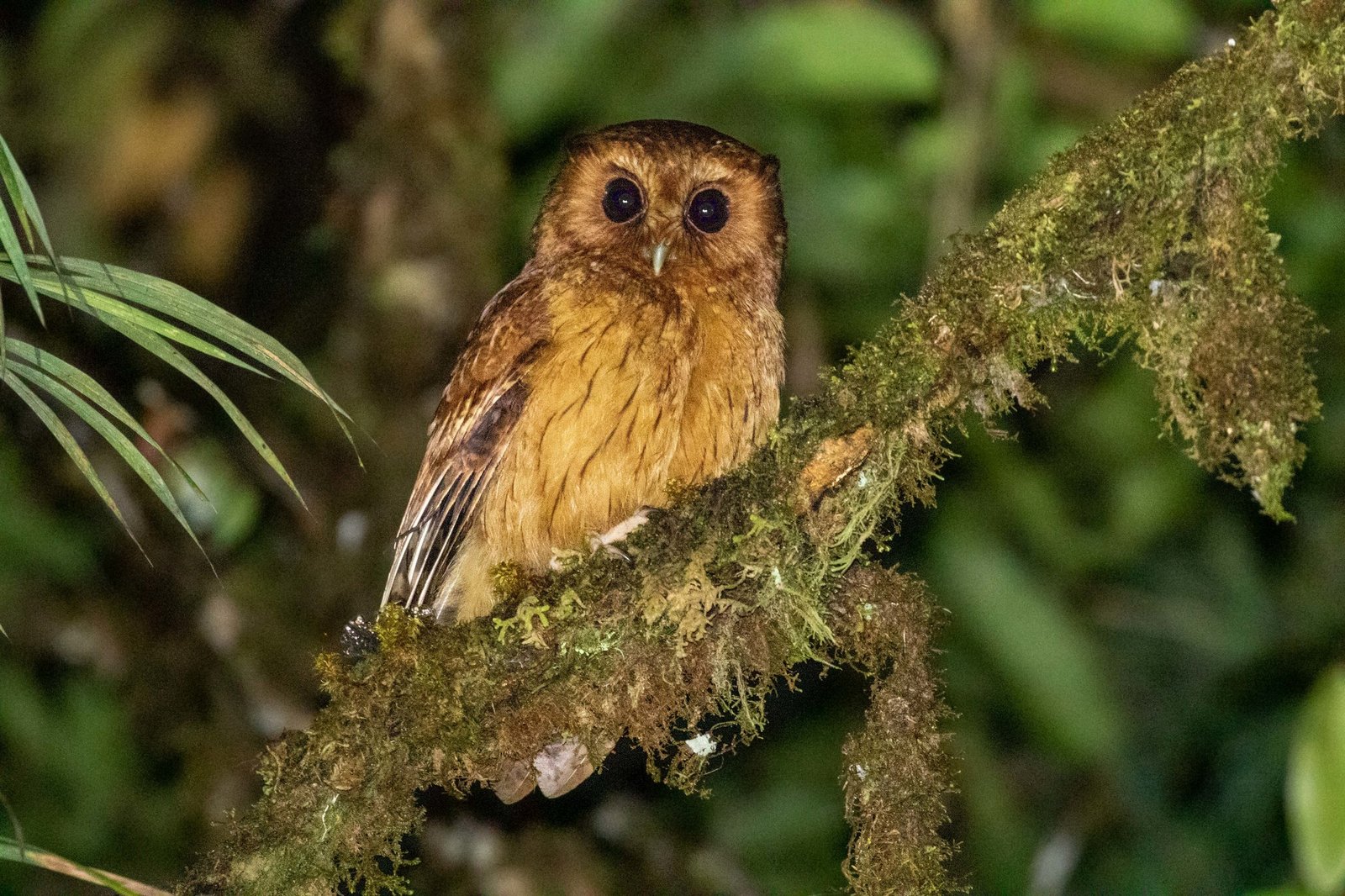
Cinnamon Screech Owl
Megascops petersoni- Northern Andean cloud forest and temperate forest
- Northern Andean subtropical forest
-
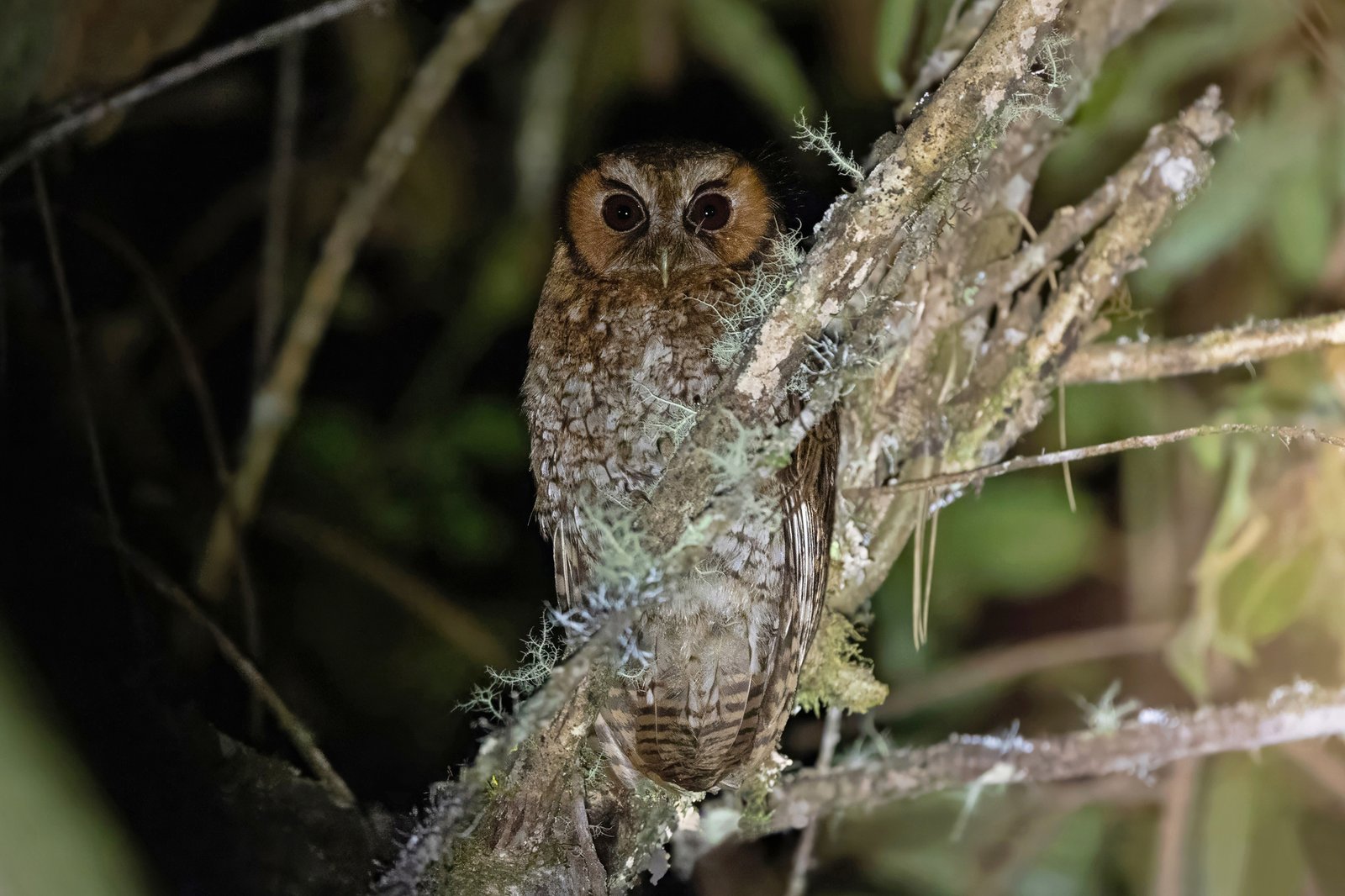
Cloud-forest Screech Owl
Megascops marshalli- Upper Yungas cloud forest
- Northern Andean cloud forest and temperate forest
-
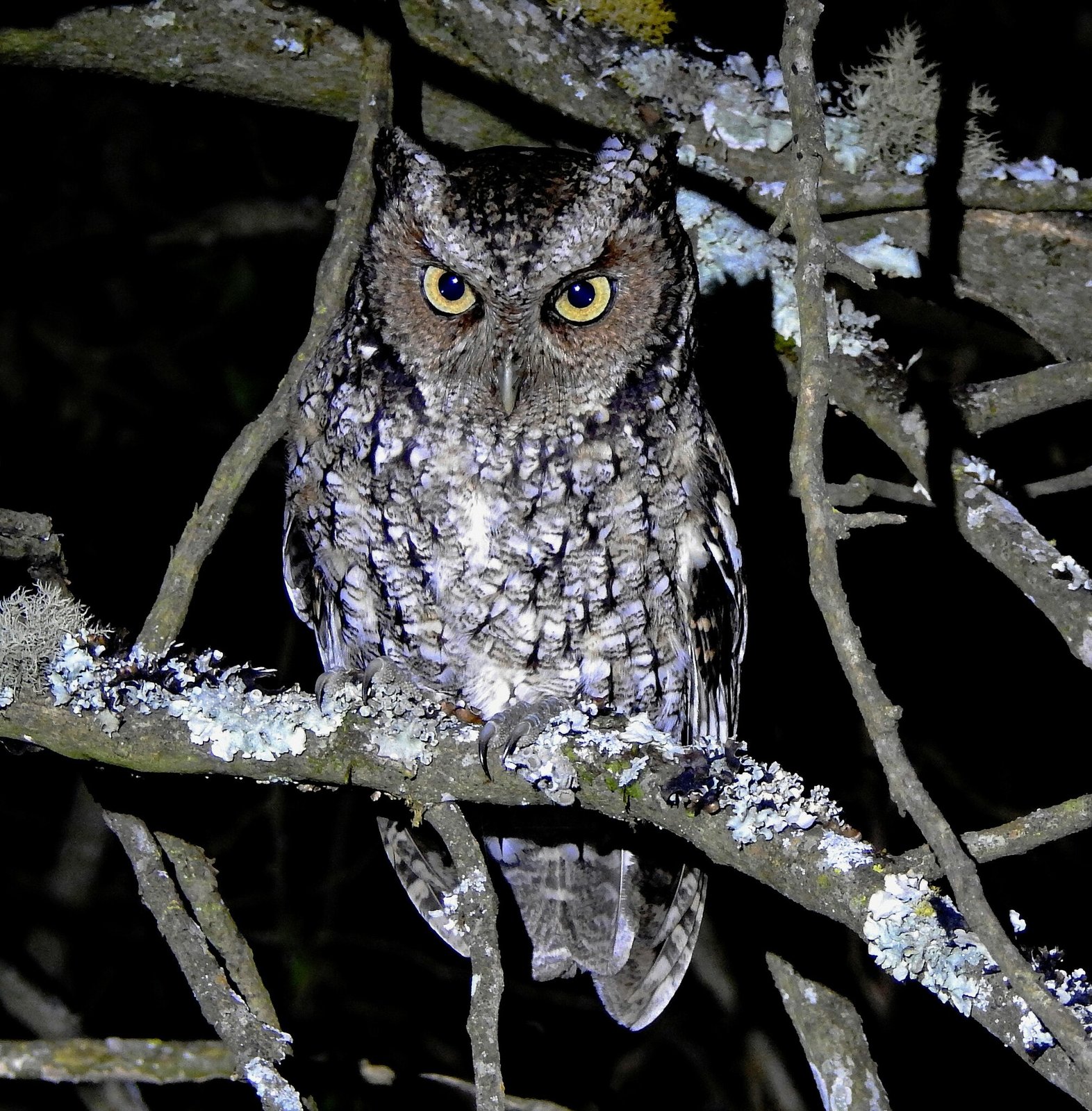
Yungas Screech Owl
Megascops hoyi- Lower Yungas forest
- Upper Yungas cloud forest
- Riparian woodland of the Andes and coastal valleys
-
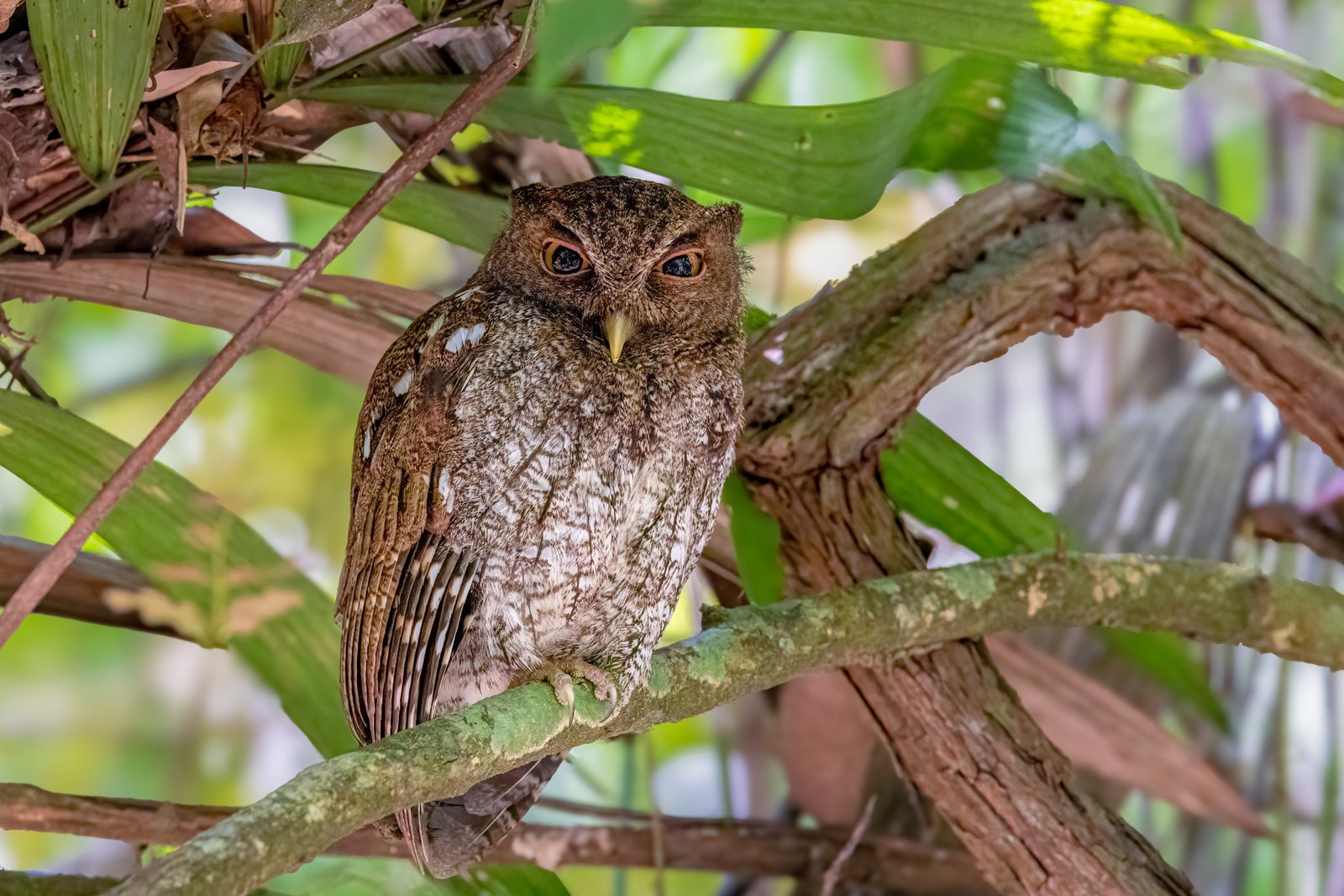
Choco Screech Owl
Megascops centralis- Chocó rainforest
- Western Ecuador humid forest
- Secondary forest and forest edge
- Northern Andean subtropical forest
-
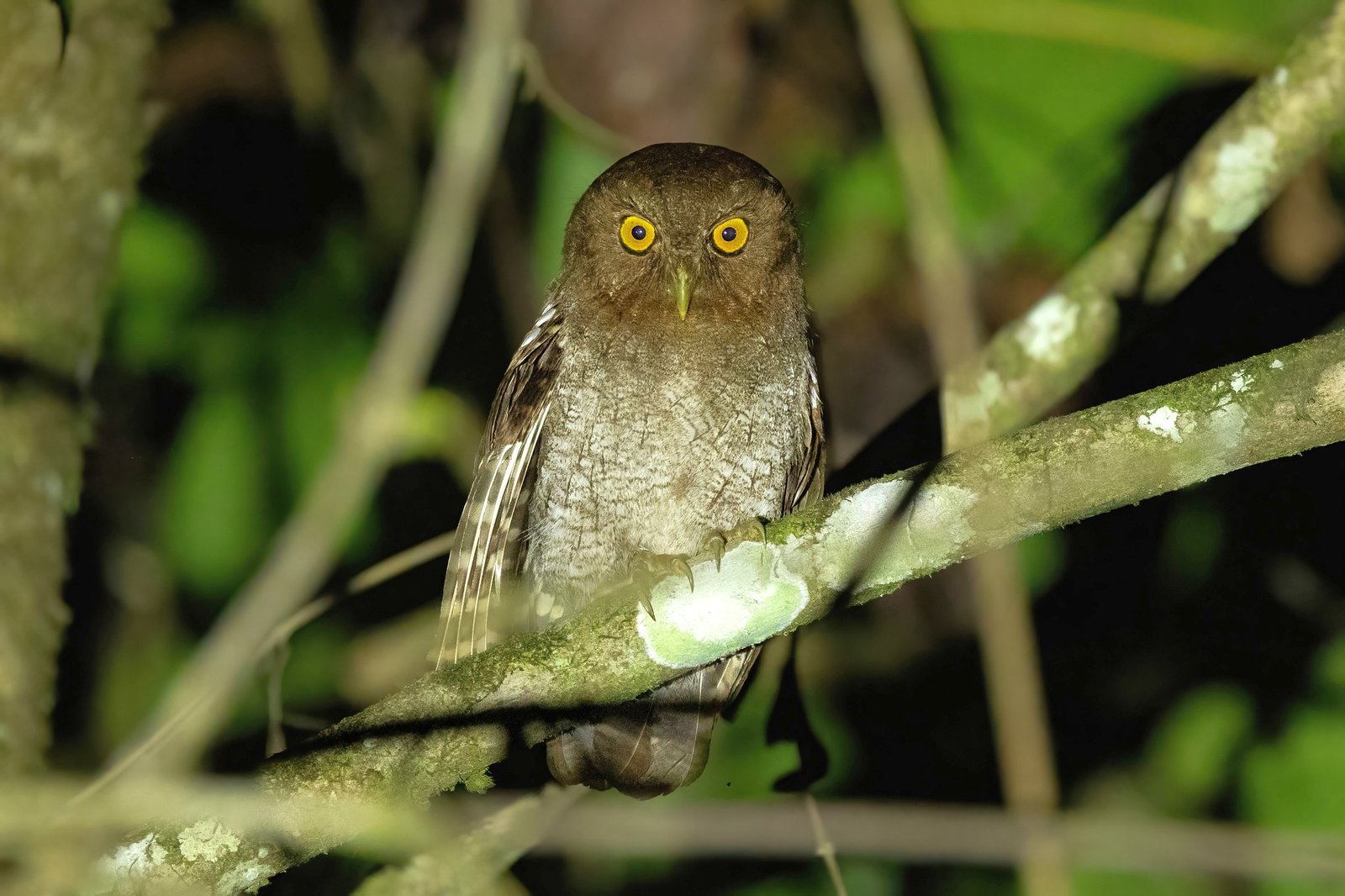
Foothill Screech Owl
Megascops roraimae- Eastern Andean foothill forest
- Northern Andean subtropical forest
- Lower Yungas forest
- Secondary forest and forest edge
-
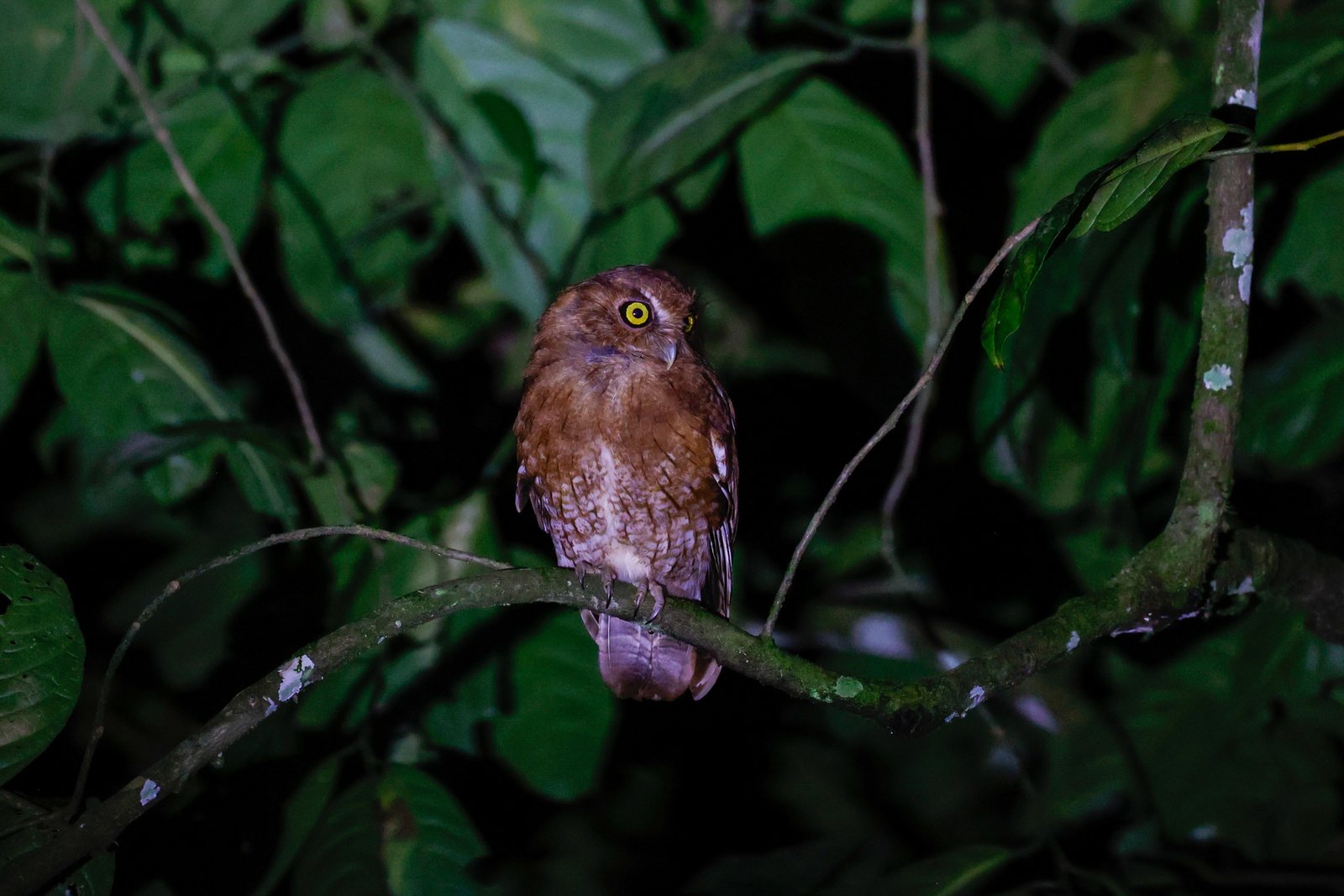
Santa Marta Screech Owl
Megascops gilesi- Northern Andean cloud forest and temperate forest
- Northern Andean subtropical forest
- Secondary forest and forest edge
-
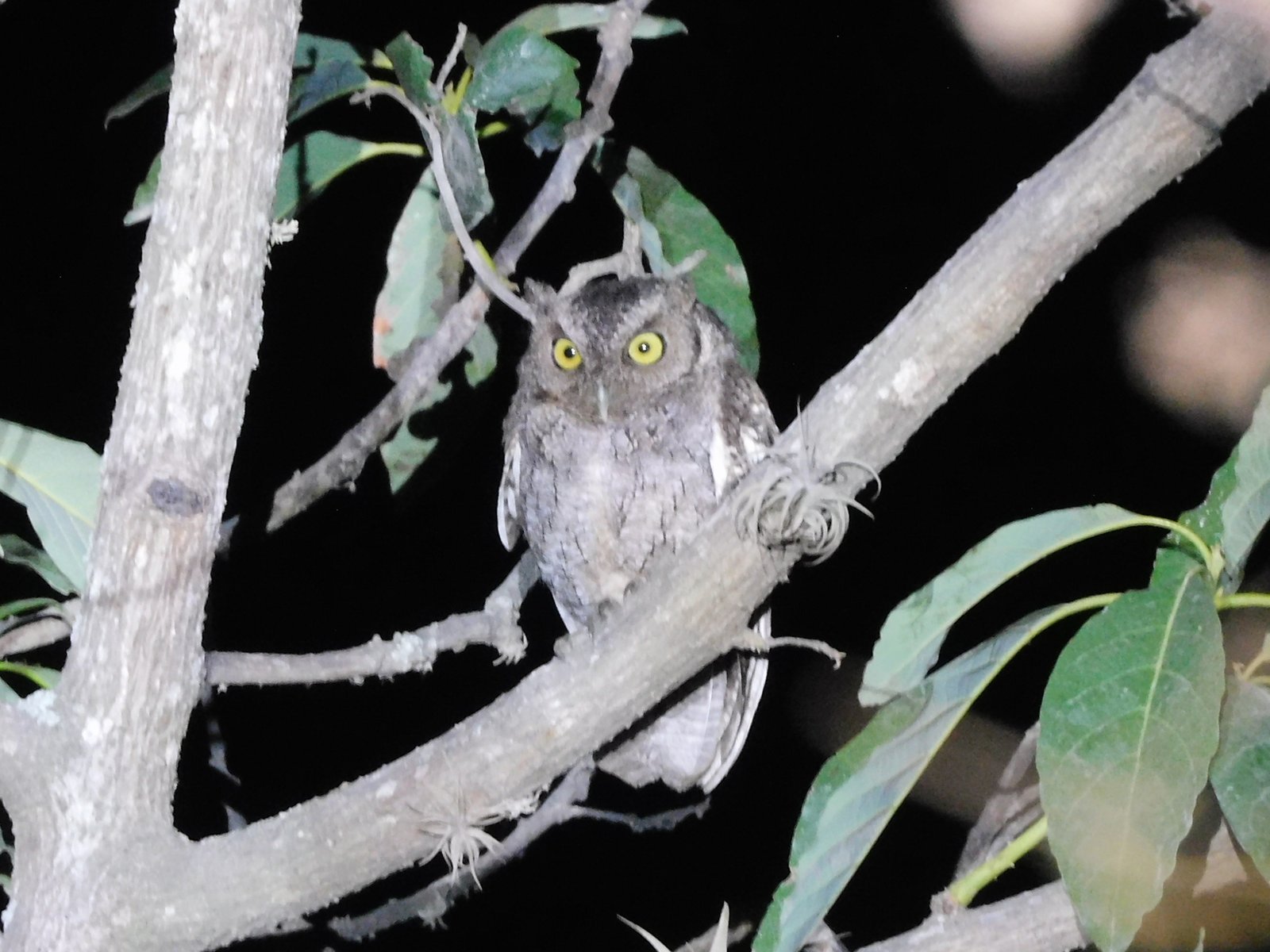
West Peruvian Screech Owl
Megascops roboratus- Tumbesian dry forest and thorn scrub
- Marañón and northern inter-Andean dry forest
- Riparian woodland of the Andes and coastal valleys
- Secondary forest and forest edge
-
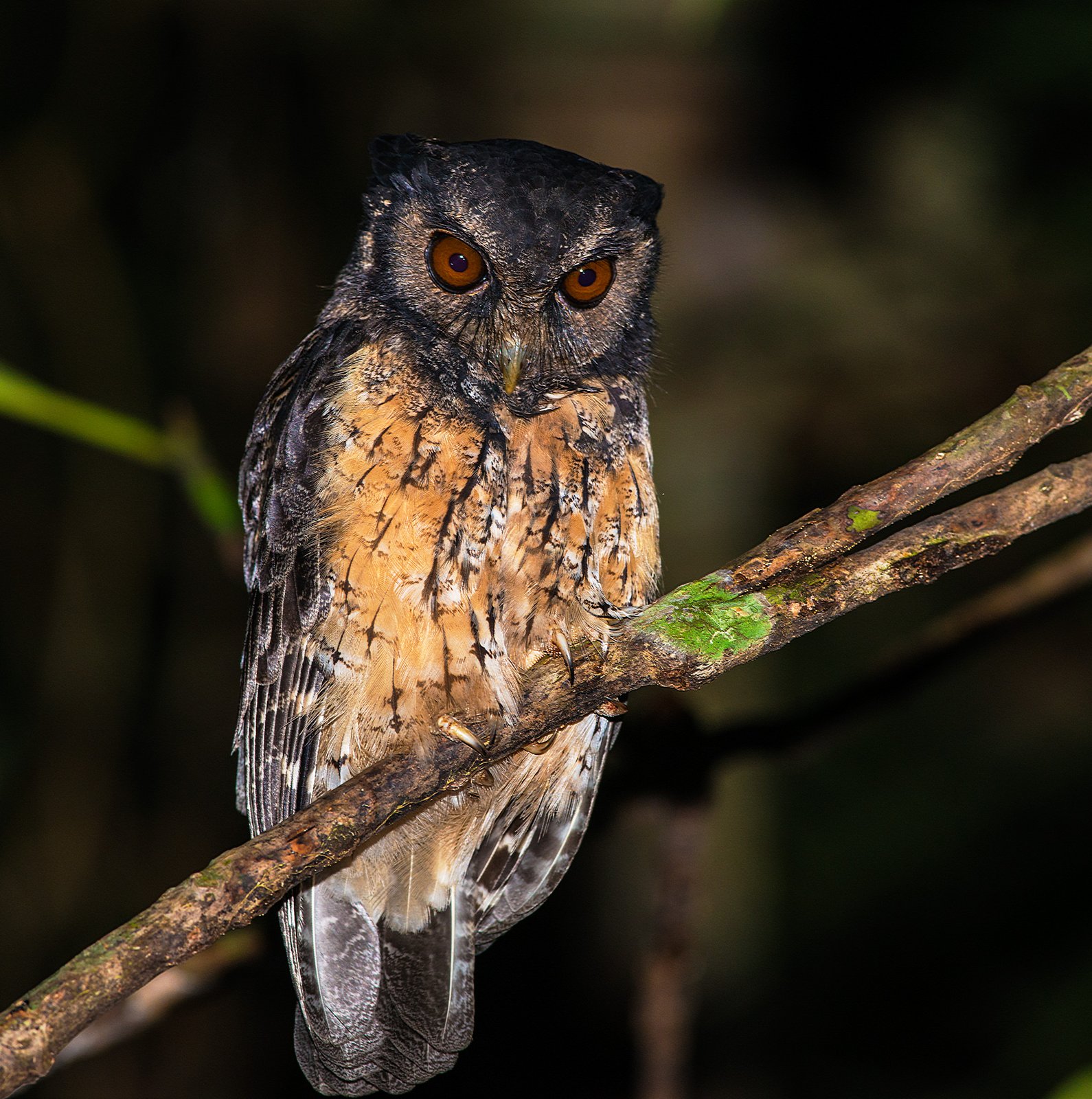
Tawny-bellied Screech Owl
Megascops watsonii- Amazonian terra firme rainforest
- Várzea, igapó and river islands
- Secondary forest and forest edge
- Eastern Andean foothill forest
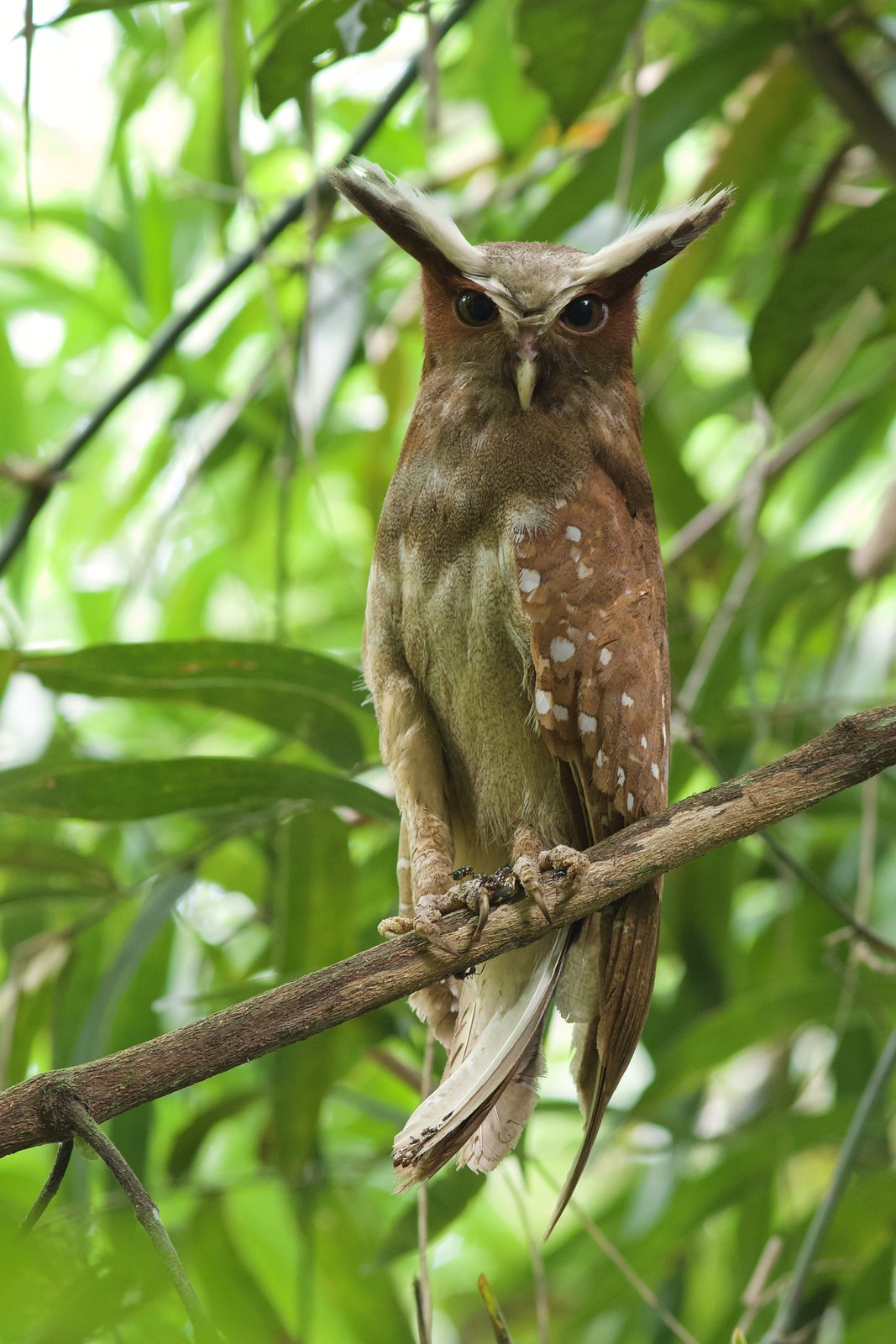
Pulsatrix 2 species
-
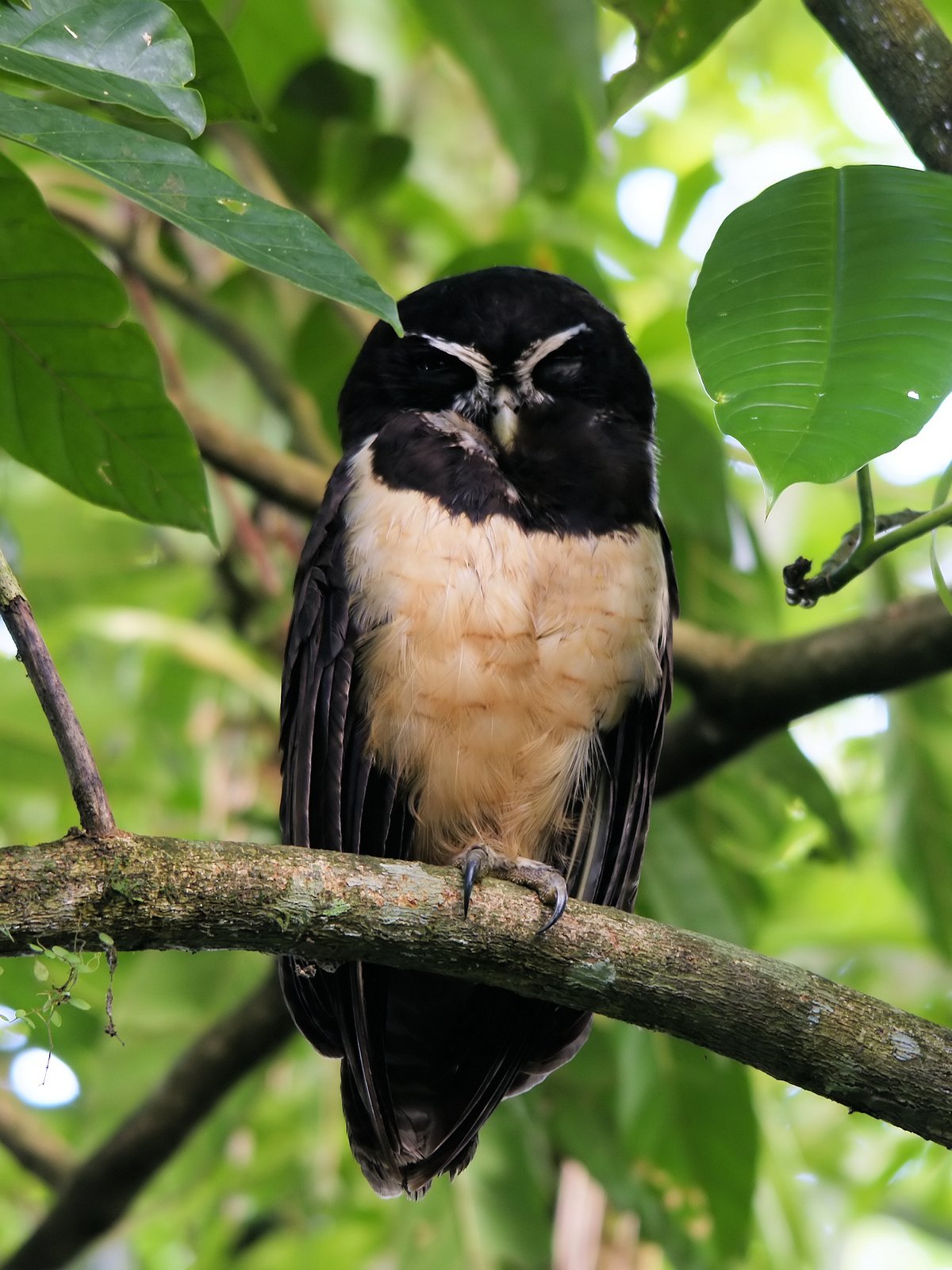
Spectacled Owl
Pulsatrix perspicillata- Amazonian terra firme rainforest
- Várzea, igapó and river islands
- Western Ecuador humid forest
- Chocó rainforest
- Eastern Andean foothill forest
- Secondary forest and forest edge
-
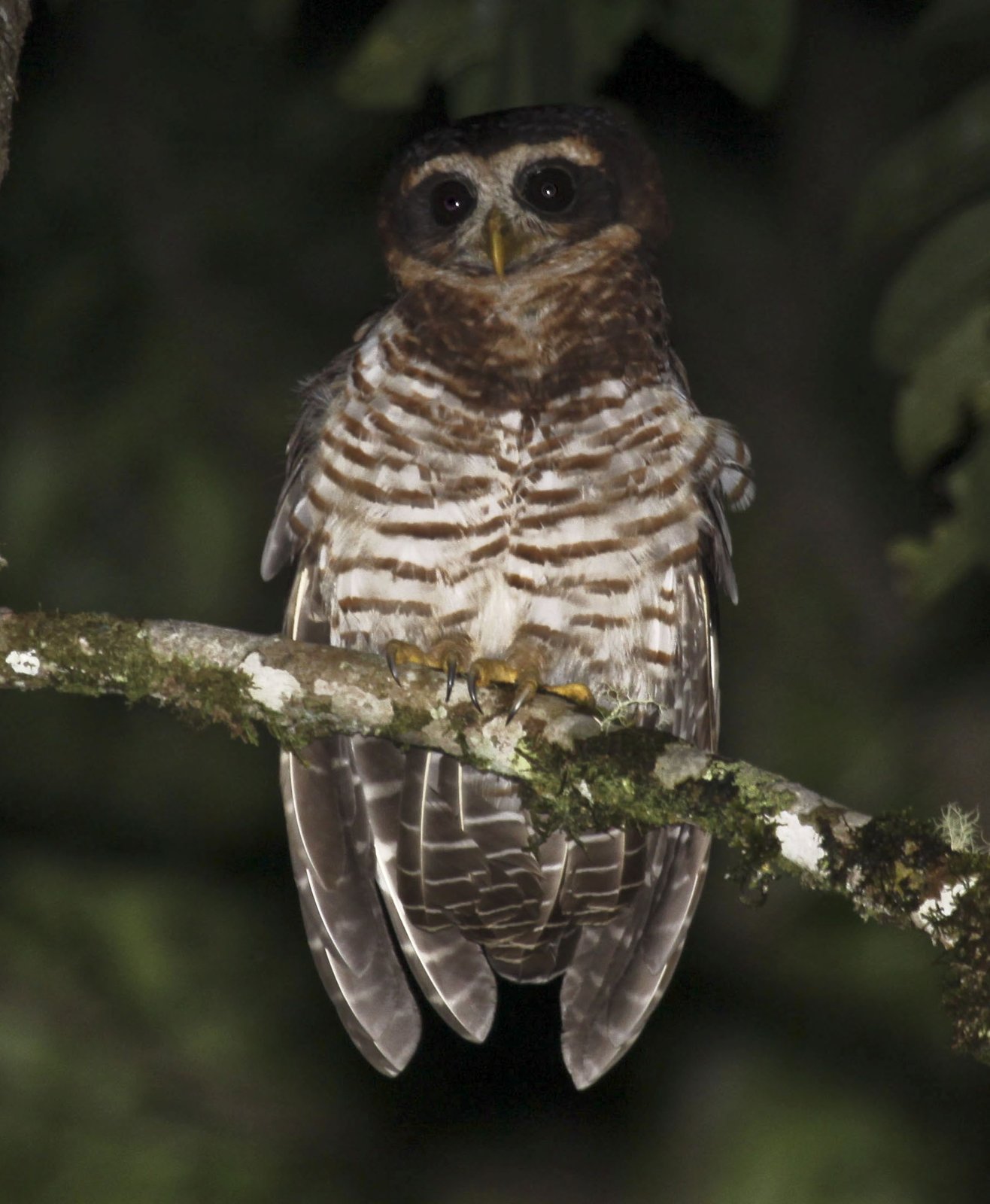
Band-bellied Owl
Pulsatrix melanota- Eastern Andean foothill forest
- Northern Andean subtropical forest
- Lower Yungas forest
- Secondary forest and forest edge
Strix 5 species
-
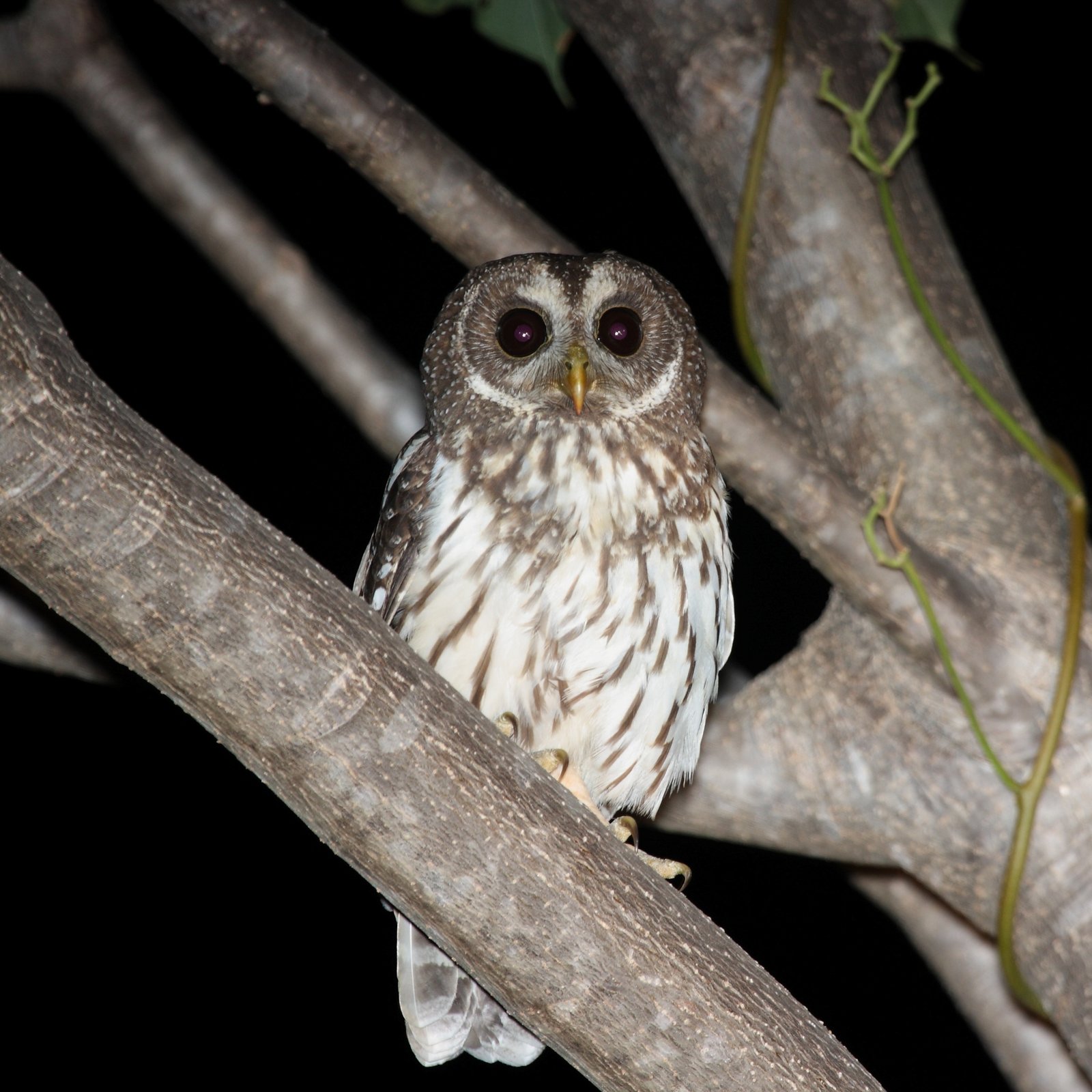
Mottled Owl
Strix virgata- Secondary forest and forest edge
- Western Ecuador humid forest
- Northern Andean subtropical forest
- Amazonian terra firme rainforest
- Coffee, cacao and agroforestry
- Tumbesian dry forest and thorn scrub
-
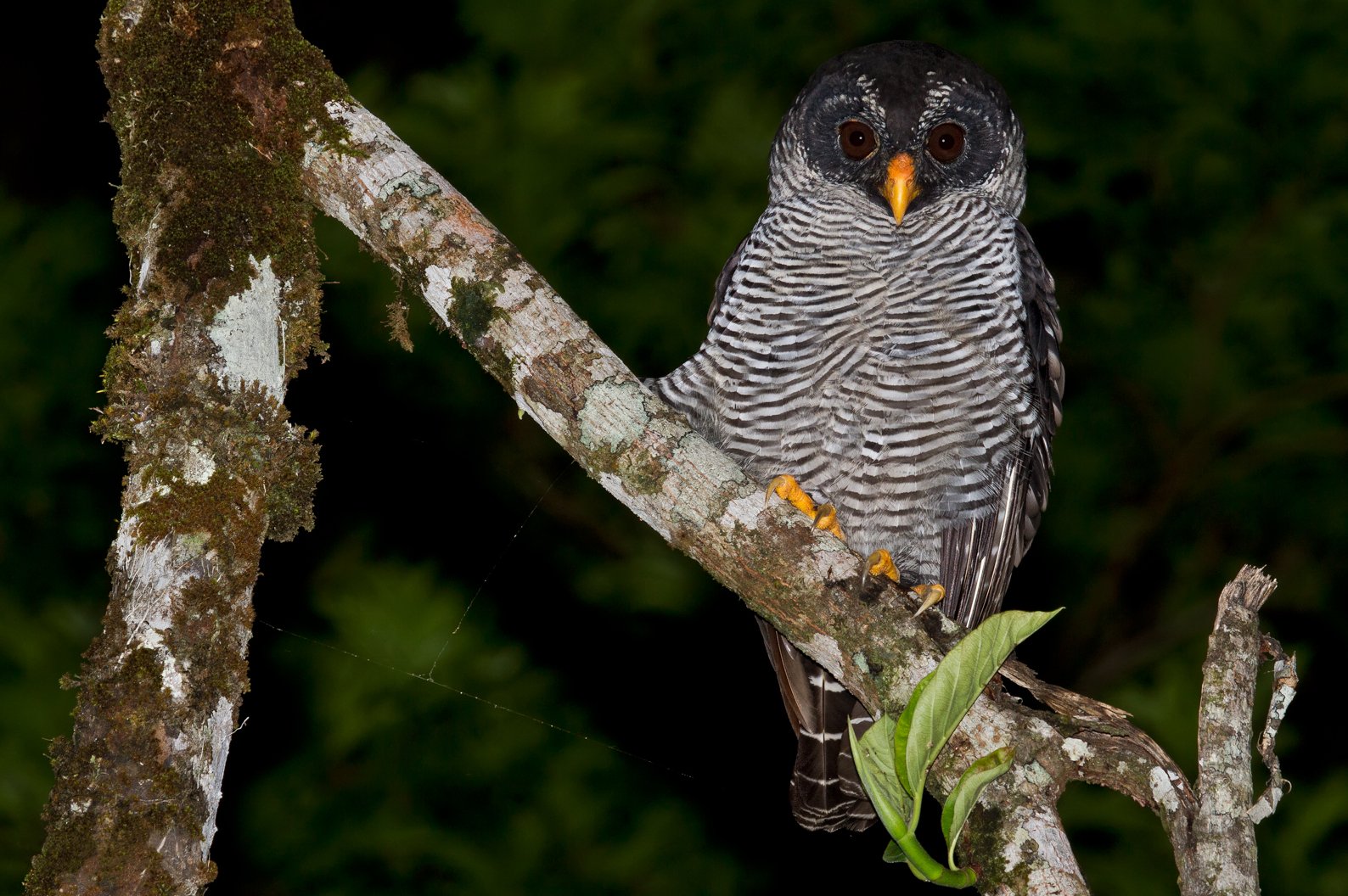
Black-and-white Owl
Strix nigrolineata- Chocó rainforest
- Western Ecuador humid forest
- Secondary forest and forest edge
- Coffee, cacao and agroforestry
 Mangrove
-
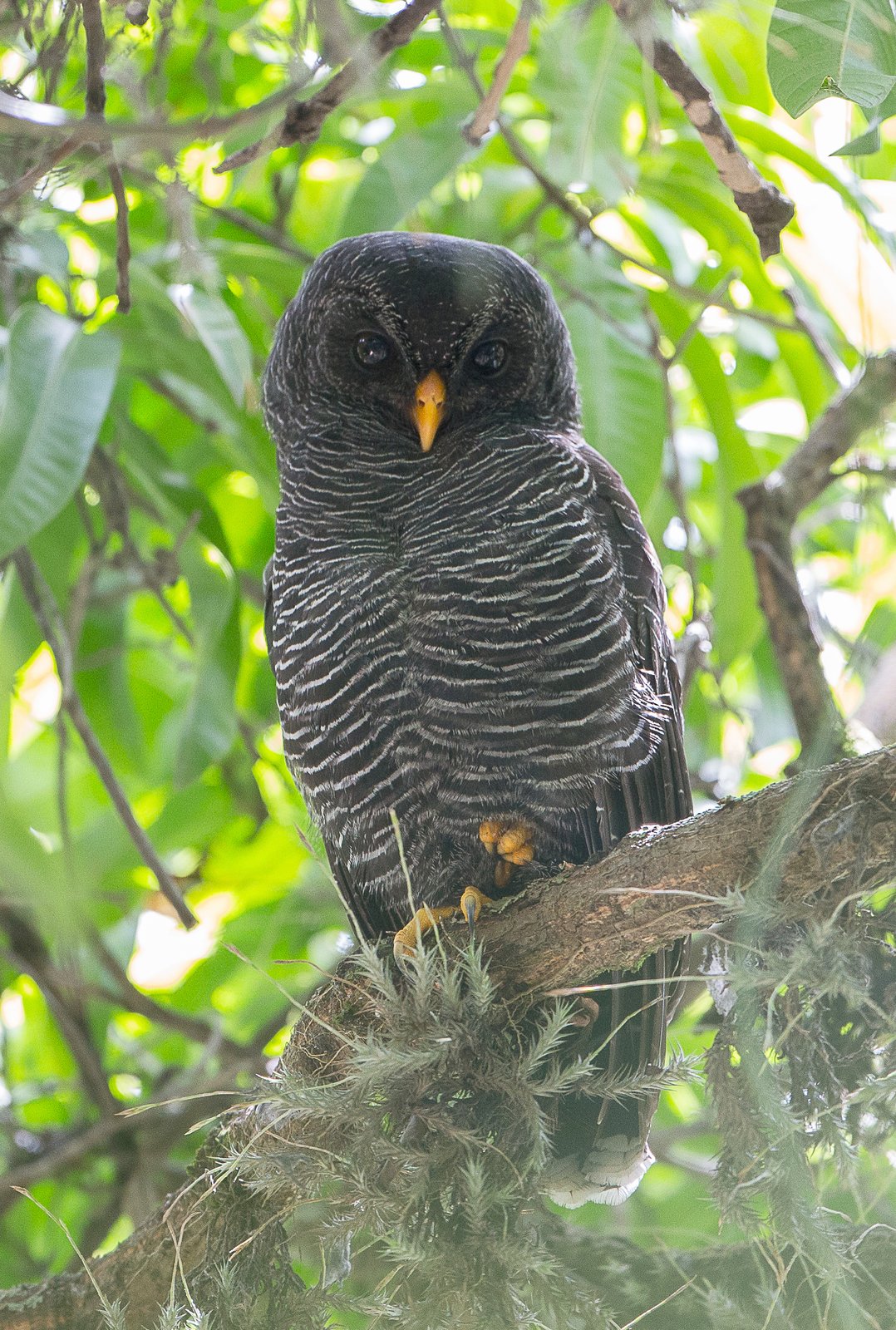
Black-banded Owl
Strix huhula- Amazonian terra firme rainforest
- Várzea, igapó and river islands
- Eastern Andean foothill forest
- Secondary forest and forest edge
-
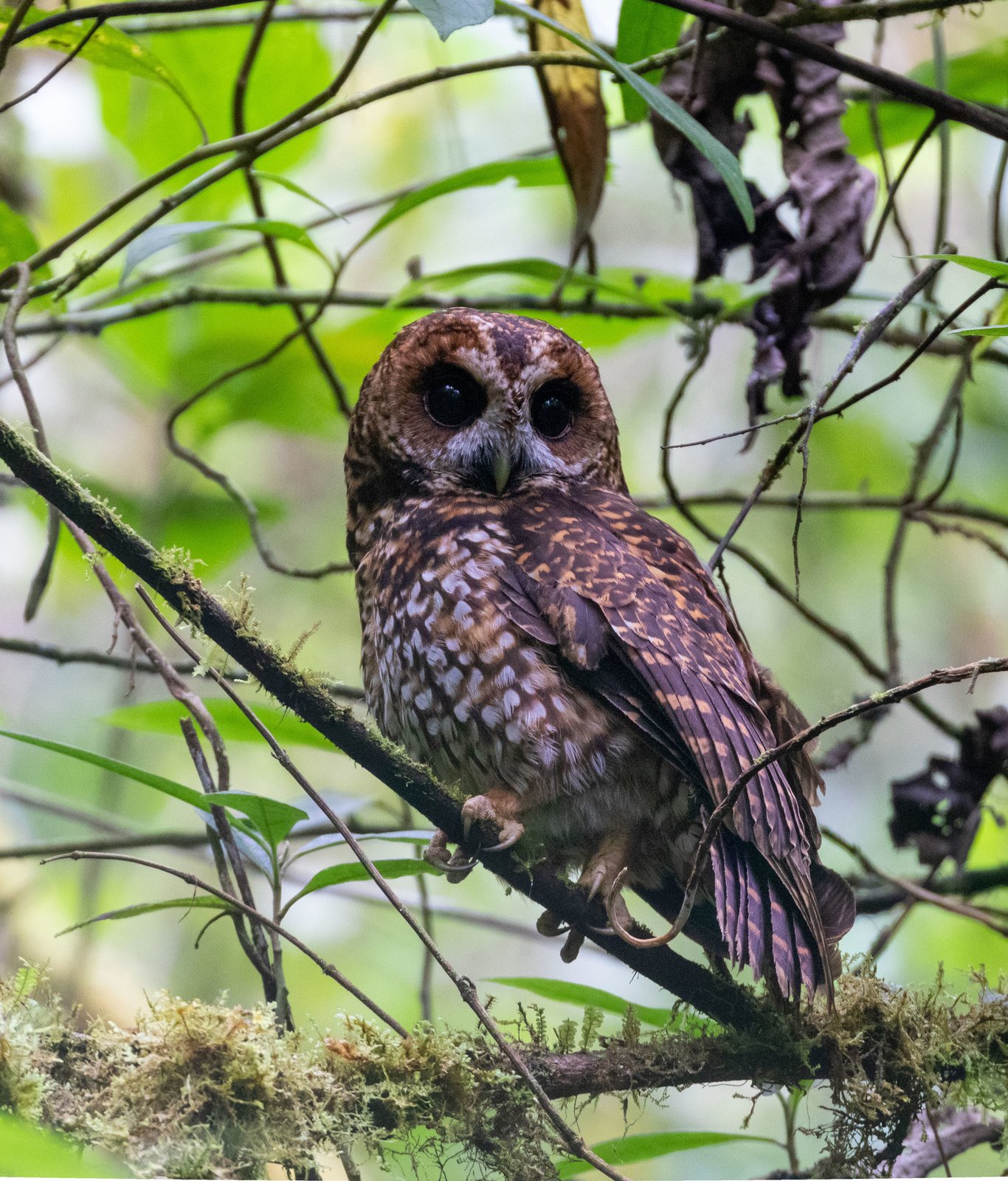
Rufous-banded Owl
Strix albitarsis- Northern Andean cloud forest and temperate forest
- Upper Yungas cloud forest
- Northern Andean subtropical forest
- Lower Yungas forest
-
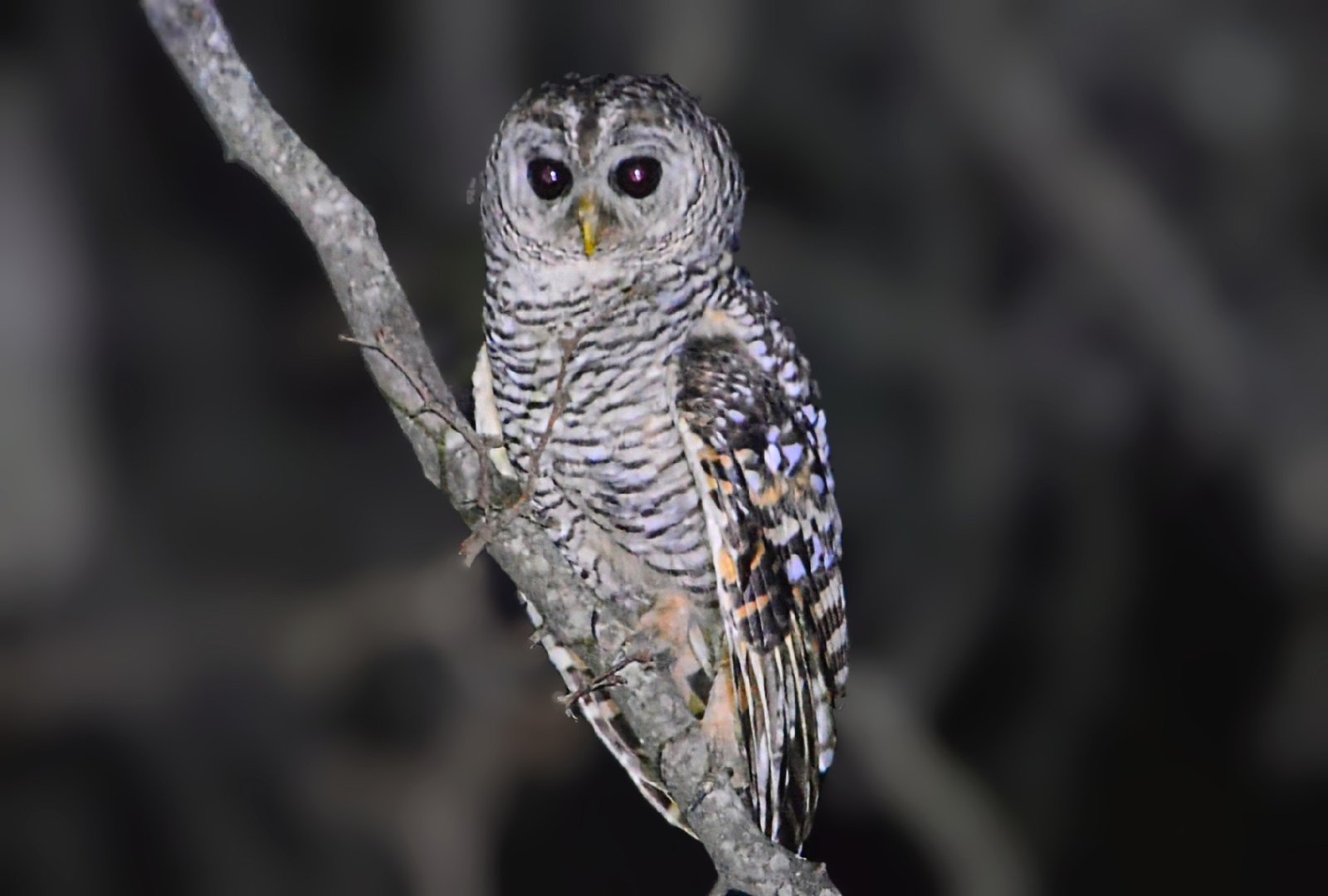
Chaco Owl
Strix chacoensis- Chiquitano dry forest and Chaco
- Central Andean dry valleys
Vagrants 1 species
Birds blown in from other continents. They have no range here, and so no distribution map.