All species › Passerines › Tyrant flycatchers and allies
Tyrant flycatchers and allies | Tyrannidae
Tirannen | Tiránidos | Tiranídeos e afins
The largest bird family of the Americas and also the largest in this guide, with 268 species in ninety genera, from the rainforest of Amazonia and the Atlantic Forest to the savannas of the Cerrado and the Llanos, the dry Caatinga, the marshes of the Pantanal, the grasslands of the south, the tepuis and the montane forest of Venezuela, and in towns and gardens. They are suboscines, whose song is innate rather than learned. Most have a fairly broad, flat bill with bristles at the gape and catch insects by sallying from a perch and seizing them in flight or picking them from a leaf; many species also eat fruit, and Great Kiskadee even takes small fish and frogs. Size ranges from the pygmy tyrants (Myiornis), among the smallest passerines in the world, to the robust kingbirds (Tyrannus), which fiercely drive larger birds from their territory. The open grasslands of the Cerrado and the south hold species with long or oddly shaped tail feathers, such as Streamer-tailed and Cock-tailed Tyrants, and along the water live the water tyrants (Fluvicola). Many species are olive green and grey with wing bars and can be identified only by voice and behaviour, but the male Vermilion Flycatcher is fiery red and the kiskadees are bright yellow with a black-and-white striped head. In the northern winter migrants arrive from North America, such as Eastern Kingbird and Empidonax and Contopus species, and in the southern winter many species move from the south of the continent into Amazonia, such as Fork-tailed Flycatcher; three species, among them Scissor-tailed Flycatcher, have been recorded only as vagrants. The nests are highly varied: open cups, domed globular nests, long hanging pouches and cavities.
Native species 265 species
Species that occur here by nature: breeding birds, winter visitors and passage migrants. They are arranged by genus, in the sequence of the list.
Piprites 2 species
-

Wing-barred Piprites
Piprites chloris Tall terra firme forest
 Coastal lowland forest
 Montane forest of the Serra do Mar
 Secondary forest and forest edge
 Highland forest of the Guiana Shield
 Montane forest of the Venezuelan Andes and Perijá
-

Black-capped Piprites
Piprites pileata Araucaria forest
- Montane forest of the Serra do Mar
 Woodland and scrub of the southern hills
Neopipo 1 species
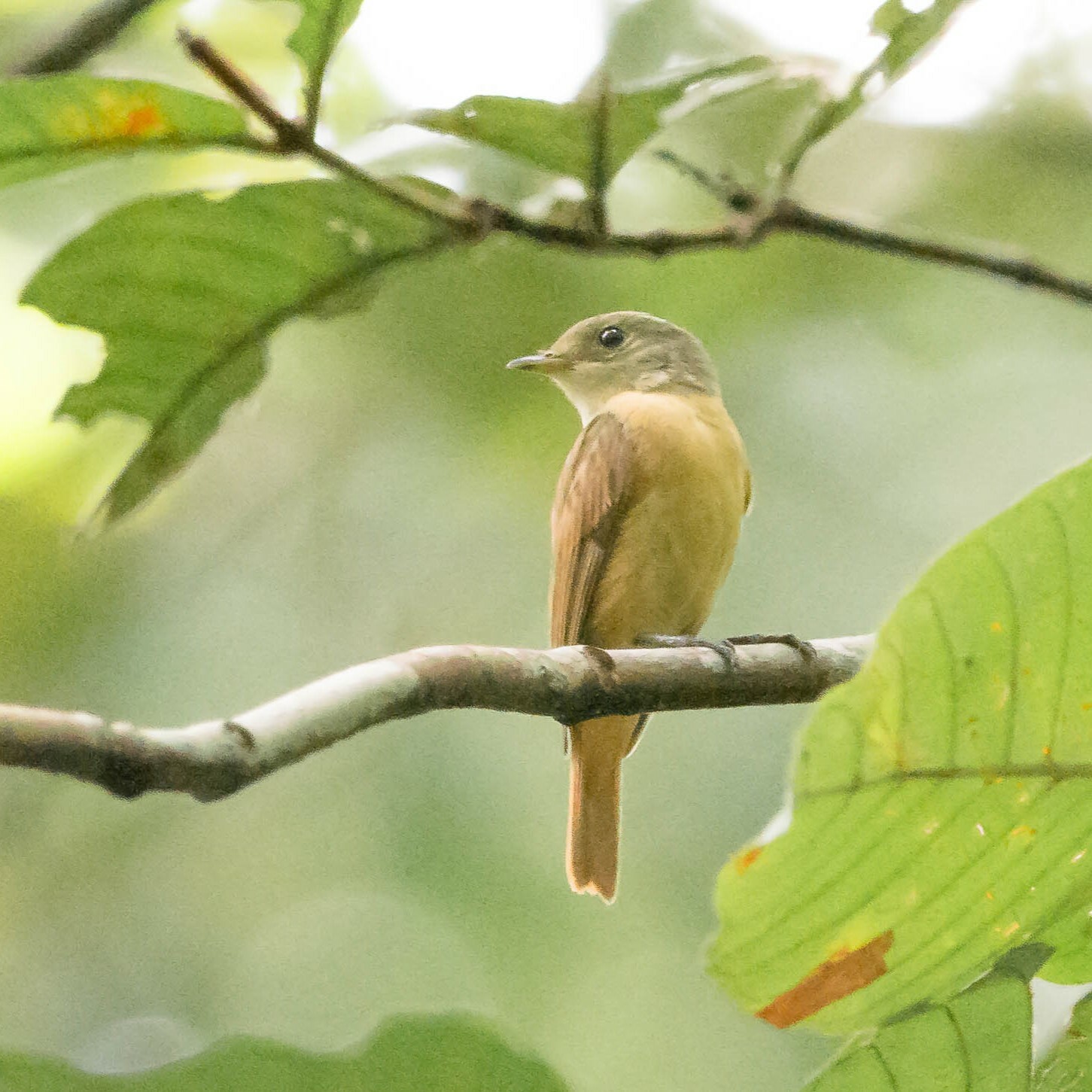
Platyrinchus 6 species
-

Cinnamon-crested Spadebill
Platyrinchus saturatus- Tall terra firme forest
 White-sand forest and campina
- Highland forest of the Guiana Shield
-

White-throated Spadebill
Platyrinchus mystaceus- Montane forest of the Serra do Mar
- Coastal lowland forest
 Interior semi-deciduous forest
 Veredas and gallery forest
 Montane forest of the Venezuelan coastal range
- Montane forest of the Venezuelan Andes and Perijá
- Highland forest of the Guiana Shield
-

Golden-crowned Spadebill
Platyrinchus coronatus- Tall terra firme forest
- Secondary forest and forest edge
 Várzea (whitewater flooded forest)
-

Yellow-throated Spadebill
Platyrinchus flavigularis- Montane forest of the Venezuelan Andes and Perijá
-

White-crested Spadebill
Platyrinchus platyrhynchos- Tall terra firme forest
- White-sand forest and campina
- Highland forest of the Guiana Shield
-

Russet-winged Spadebill
Platyrinchus leucoryphus- Coastal lowland forest
- Interior semi-deciduous forest
- Montane forest of the Serra do Mar
Tachuris 1 species


Corythopis 2 species
-

Southern Antpipit
Corythopis delalandi- Interior semi-deciduous forest
- Veredas and gallery forest
 Cerradão and dry woodland
- Coastal lowland forest
- Secondary forest and forest edge
-
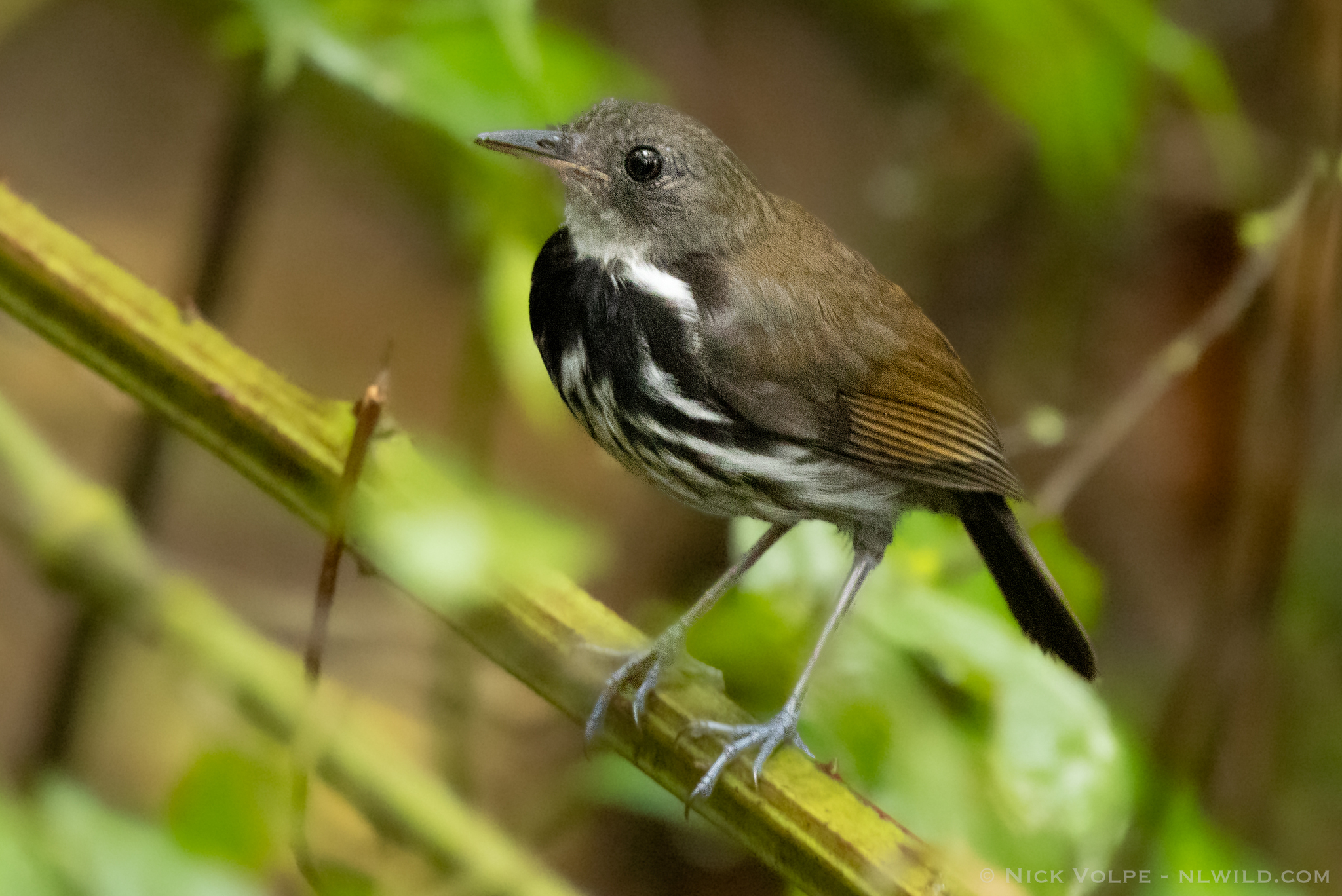
Ringed Antpipit
Corythopis torquatus- Tall terra firme forest
- White-sand forest and campina
- Highland forest of the Guiana Shield
Leptopogon 3 species
-

Sepia-capped Flycatcher
Leptopogon amaurocephalus- Interior semi-deciduous forest
- Coastal lowland forest
- Veredas and gallery forest
 Gallery forest and woodland islands of the Pantanal
- Várzea (whitewater flooded forest)
 Dry forest and thorn scrub of northern Venezuela
- Secondary forest and forest edge
-

Slaty-capped Flycatcher
Leptopogon superciliaris- Montane forest of the Venezuelan coastal range
- Montane forest of the Venezuelan Andes and Perijá
-

Rufous-breasted Flycatcher
Leptopogon rufipectus- Montane forest of the Venezuelan Andes and Perijá
Mionectes 5 species
-

Olive-striped Flycatcher
Mionectes olivaceus- Montane forest of the Venezuelan coastal range
- Montane forest of the Venezuelan Andes and Perijá
-

Ochre-bellied Flycatcher
Mionectes oleagineus- Tall terra firme forest
- Secondary forest and forest edge
- Várzea (whitewater flooded forest)
- Coastal lowland forest
- Montane forest of the Venezuelan coastal range
-

McConnell's Flycatcher
Mionectes macconnelli- Tall terra firme forest
- White-sand forest and campina
-
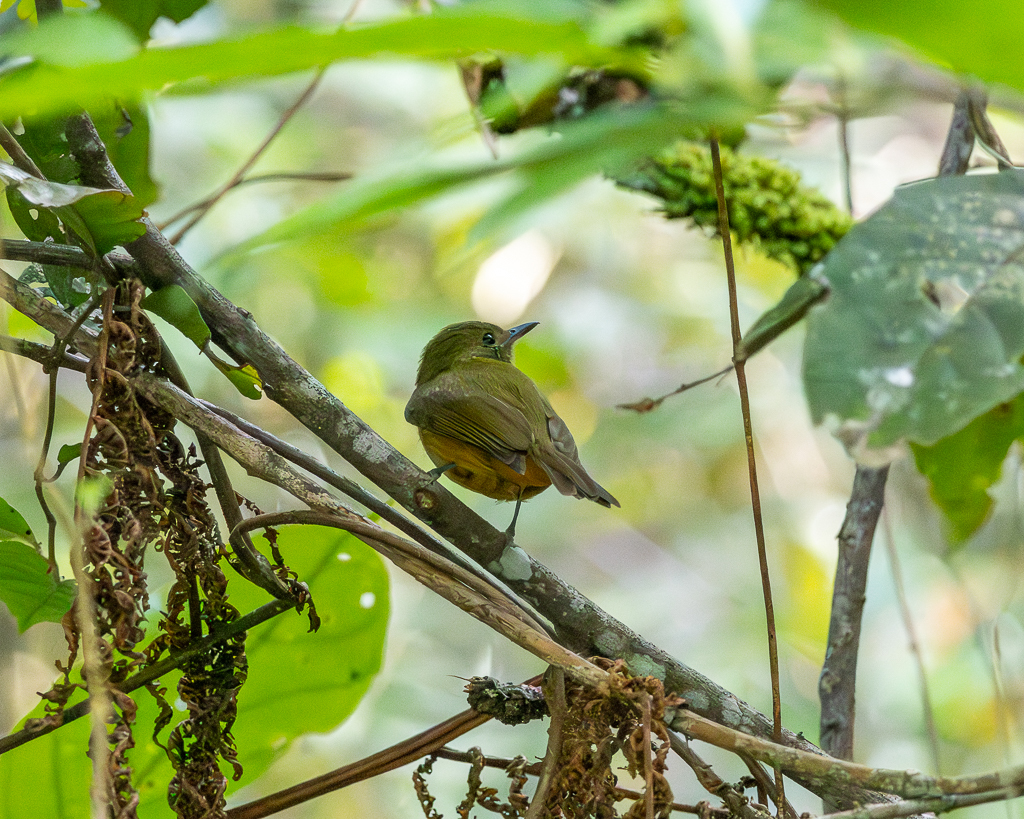
Sierra de Lema Flycatcher
Mionectes roraimae- Highland forest of the Guiana Shield
- Tall terra firme forest
-

Grey-hooded Flycatcher
Mionectes rufiventris- Coastal lowland forest
- Montane forest of the Serra do Mar
- Interior semi-deciduous forest
- Araucaria forest
Pogonotriccus 7 species
-

Serra do Mar Bristle Tyrant
Pogonotriccus difficilis- Montane forest of the Serra do Mar
- Araucaria forest
- Woodland and scrub of the southern hills
 Campo rupestre and mountain grassland
-

Southern Bristle Tyrant
Pogonotriccus eximius- Coastal lowland forest
- Montane forest of the Serra do Mar
- Interior semi-deciduous forest
- Araucaria forest
-

Marble-faced Bristle Tyrant
Pogonotriccus ophthalmicus- Montane forest of the Venezuelan Andes and Perijá
- Montane forest of the Venezuelan coastal range
-

Sao Paulo Bristle Tyrant
Pogonotriccus paulista- Coastal lowland forest
- Interior semi-deciduous forest
- Montane forest of the Serra do Mar
-

Variegated Bristle Tyrant
Pogonotriccus poecilotis- Montane forest of the Venezuelan Andes and Perijá
-
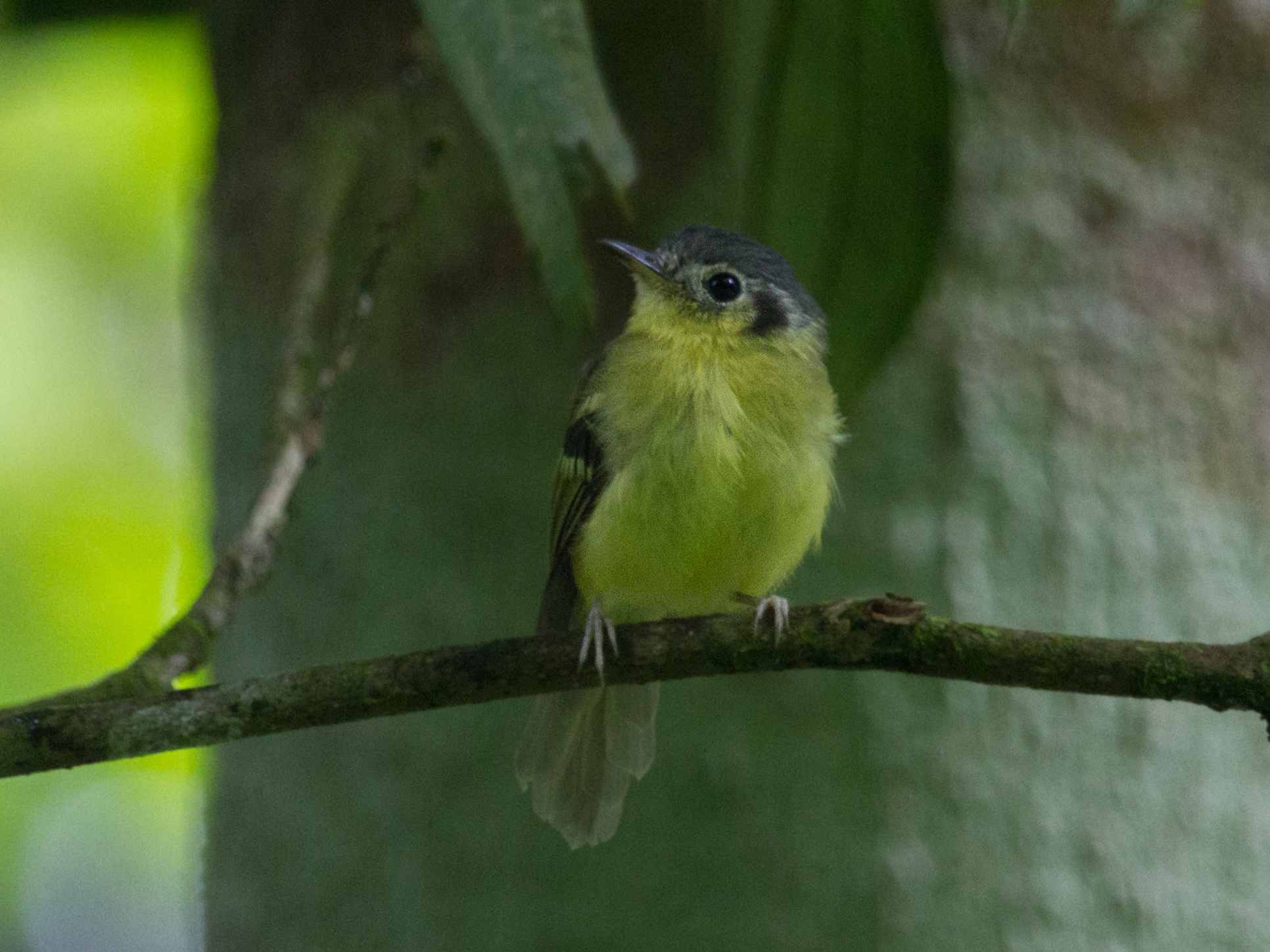
Venezuelan Bristle Tyrant
Pogonotriccus venezuelanus- Montane forest of the Venezuelan coastal range
-
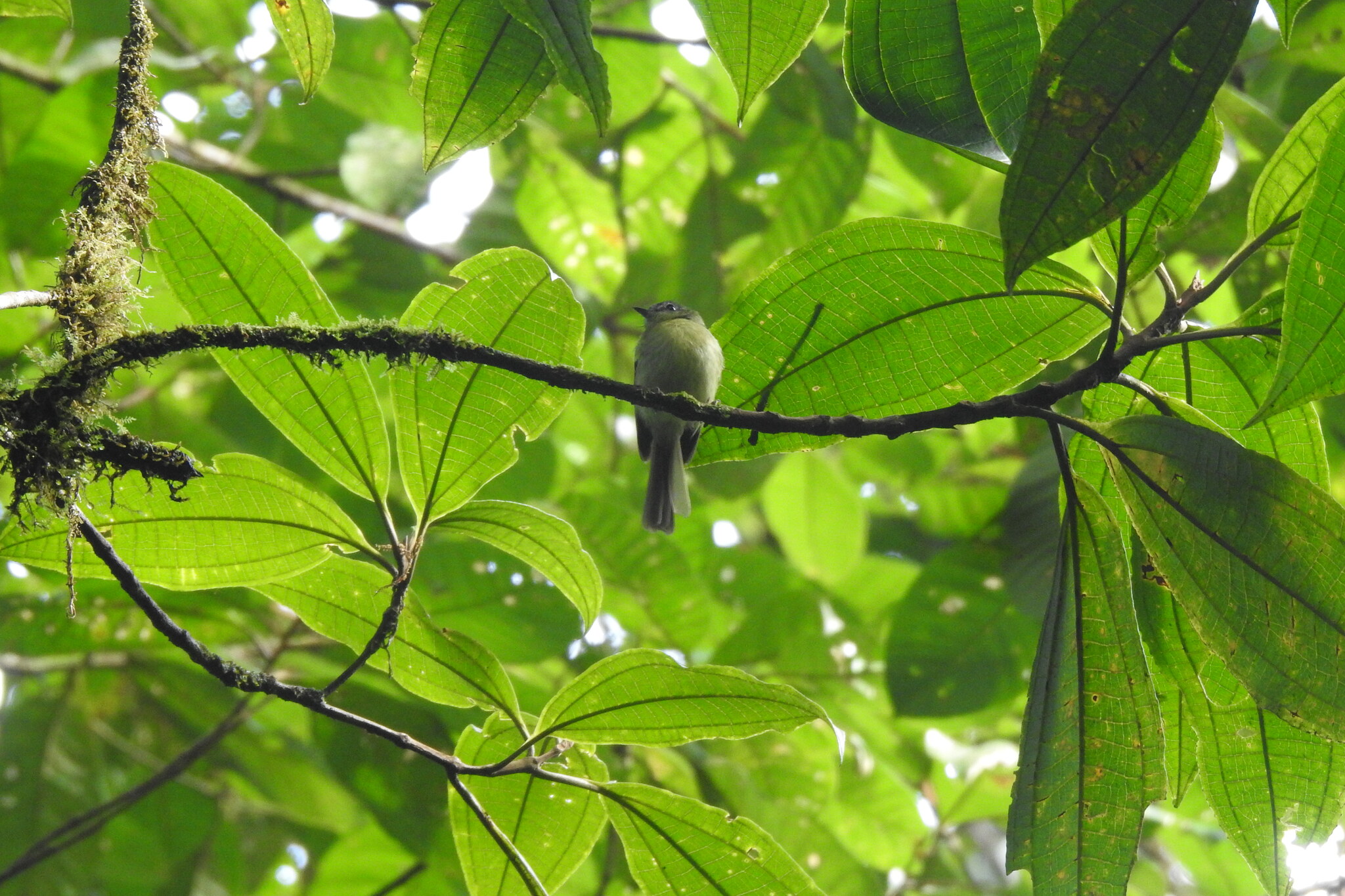
Chapman's Bristle Tyrant
Pogonotriccus chapmani- Highland forest of the Guiana Shield
Phylloscartes 11 species
-

Oustalet's Tyrannulet
Phylloscartes oustaleti- Coastal lowland forest
- Montane forest of the Serra do Mar
- Interior semi-deciduous forest
-

Olive-green Tyrannulet
Phylloscartes virescens- Tall terra firme forest
- Secondary forest and forest edge
-

Mottle-cheeked Tyrannulet
Phylloscartes ventralis- Montane forest of the Serra do Mar
- Araucaria forest
- Interior semi-deciduous forest
- Woodland and scrub of the southern hills
-

Bahia Tyrannulet
Phylloscartes beckeri- Montane forest of the Serra do Mar
- Interior semi-deciduous forest
-

Restinga Tyrannulet
Phylloscartes kronei Restinga
- Coastal lowland forest
-
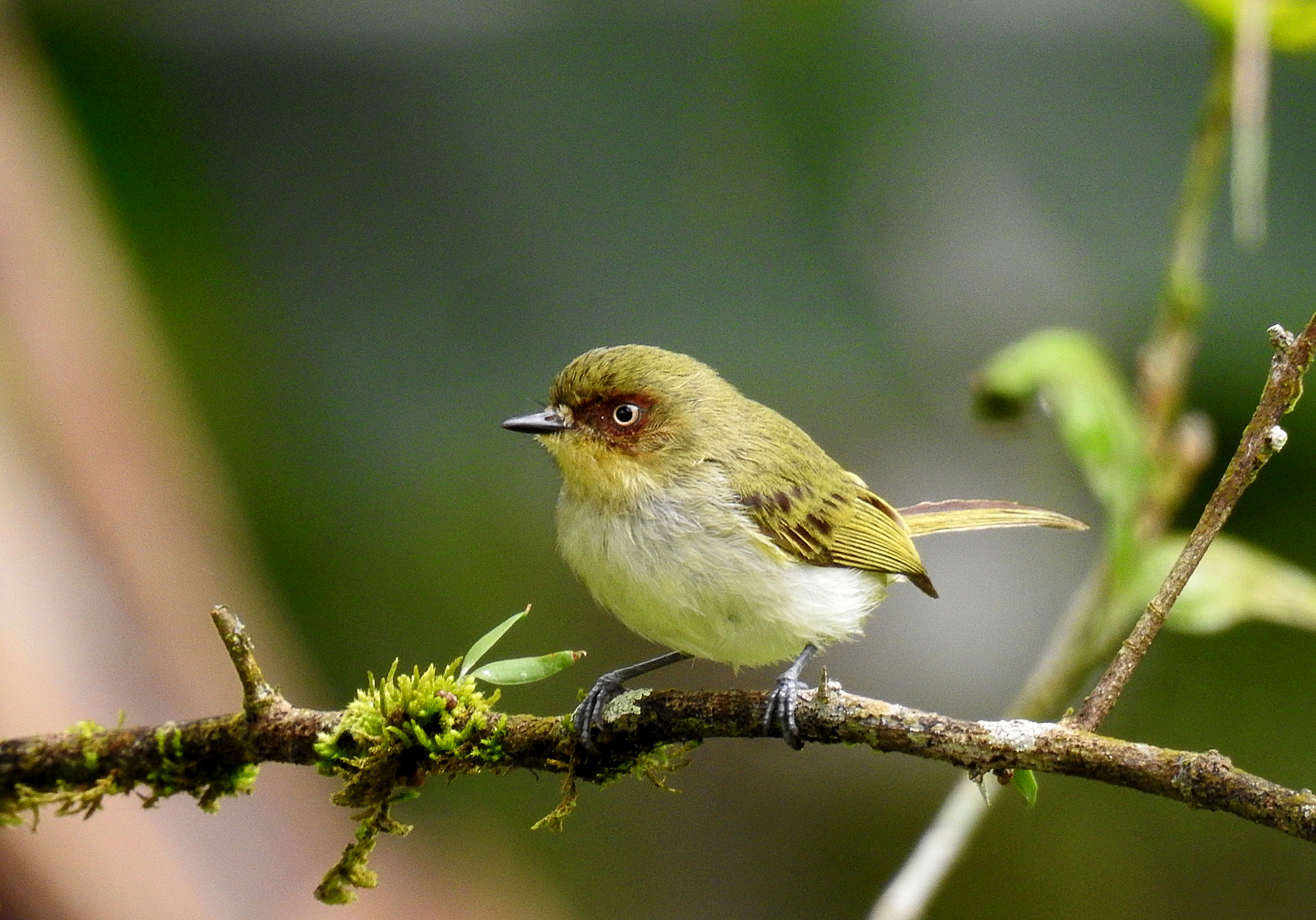
Bay-ringed Tyrannulet
Phylloscartes sylviolus- Coastal lowland forest
- Montane forest of the Serra do Mar
- Interior semi-deciduous forest
-

Alagoas Tyrannulet
Phylloscartes ceciliae Northeastern coastal forest
-

Minas Gerais Tyrannulet
Phylloscartes roquettei Dry forest of the north-east
- Veredas and gallery forest
- Cerradão and dry woodland
-
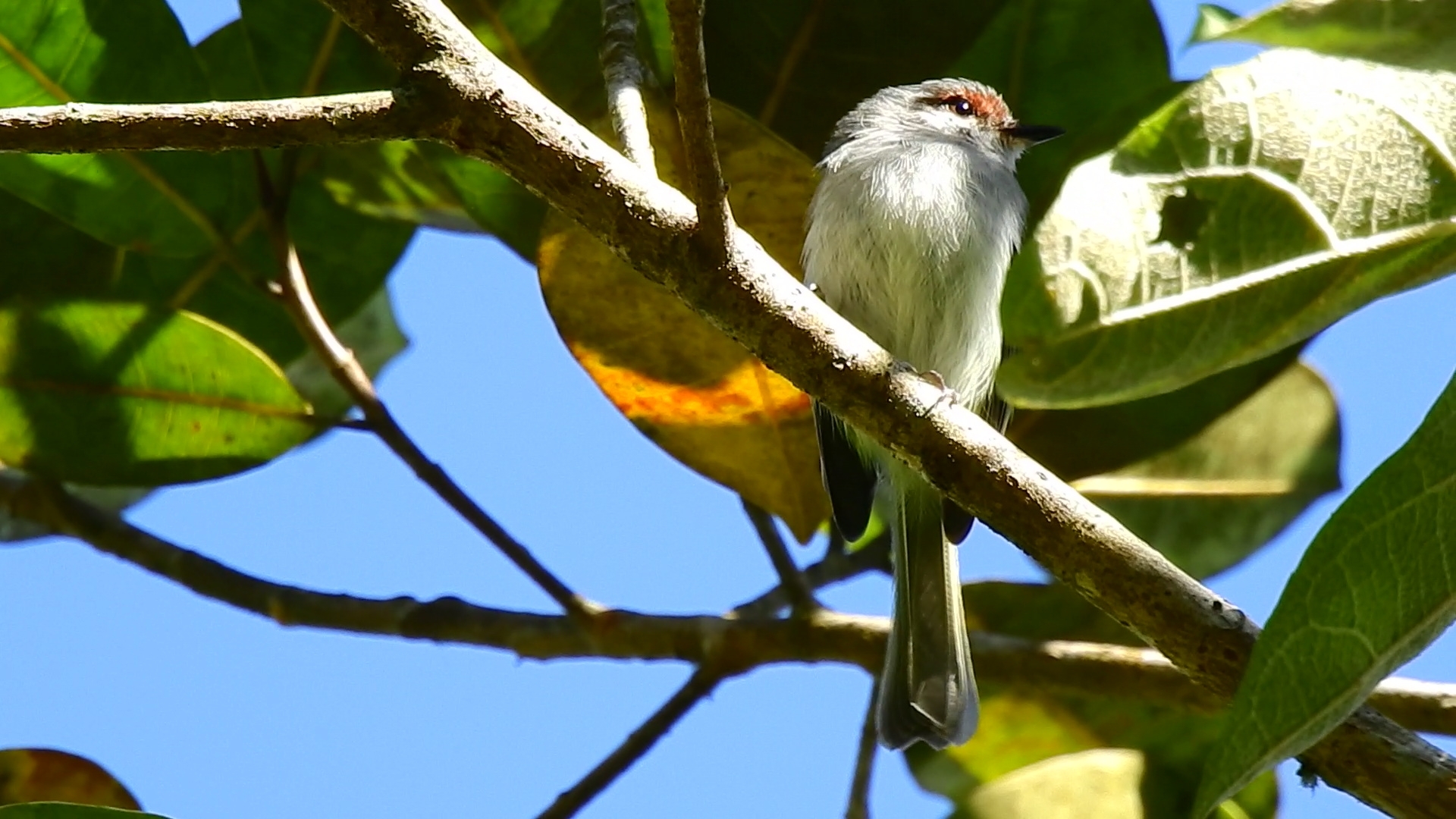
Rufous-browed Tyrannulet
Phylloscartes superciliaris- Montane forest of the Venezuelan Andes and Perijá
-
Black-fronted Tyrannulet
Phylloscartes nigrifrons- Highland forest of the Guiana Shield
-
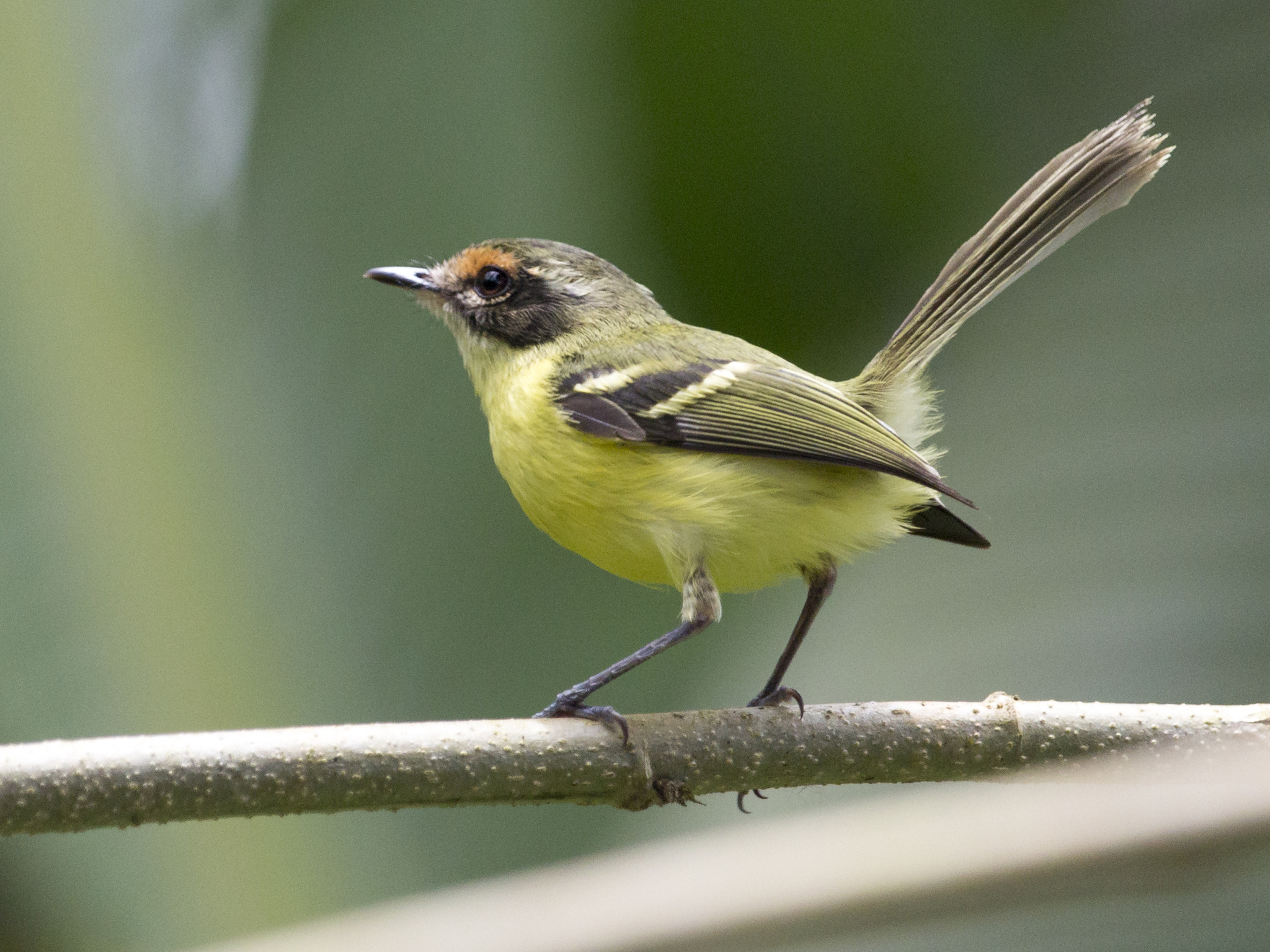
Rufous-lored Tyrannulet
Phylloscartes flaviventris- Montane forest of the Venezuelan coastal range
Rhynchocyclus 2 species


Tolmomyias 4 species
-

Yellow-olive Flatbill
Tolmomyias sulphurescens- Secondary forest and forest edge
- Veredas and gallery forest
- Cerradão and dry woodland
- Interior semi-deciduous forest
- Gallery forest and woodland islands of the Pantanal
- Dry forest and thorn scrub of northern Venezuela
-

Yellow-margined Flatbill
Tolmomyias assimilis- Tall terra firme forest
- Várzea (whitewater flooded forest)
- White-sand forest and campina
-

Grey-crowned Flatbill
Tolmomyias poliocephalus- Tall terra firme forest
- Secondary forest and forest edge
- Várzea (whitewater flooded forest)
- Coastal lowland forest
-

Ochre-lored Flatbill
Tolmomyias flaviventris- Secondary forest and forest edge
- Várzea (whitewater flooded forest)
 Mangroves
- Dry forest and thorn scrub of northern Venezuela
- Veredas and gallery forest
- Northeastern coastal forest
Taeniotriccus 1 species

Cnipodectes 2 species


Todirostrum 7 species
-

Spotted Tody-Flycatcher
Todirostrum maculatum Floating meadows and river islands
- Várzea (whitewater flooded forest)
- Mangroves
 Towns, cities and gardens
- Secondary forest and forest edge
-

Yellow-lored Tody-Flycatcher
Todirostrum poliocephalum- Coastal lowland forest
- Interior semi-deciduous forest
- Montane forest of the Serra do Mar
- Towns, cities and gardens
-

Common Tody-Flycatcher
Todirostrum cinereum- Towns, cities and gardens
- Secondary forest and forest edge
 Plantations and agroforestry
- Dry forest and thorn scrub of northern Venezuela
- Veredas and gallery forest
- Coastal lowland forest
-

Maracaibo Tody-Flycatcher
Todirostrum viridanum- Dry forest and thorn scrub of northern Venezuela
-

Black-headed Tody-Flycatcher
Todirostrum nigriceps- Montane forest of the Venezuelan Andes and Perijá
- Secondary forest and forest edge
- Plantations and agroforestry
-

Painted Tody-Flycatcher
Todirostrum pictum- Tall terra firme forest
- Secondary forest and forest edge
- Várzea (whitewater flooded forest)
- Plantations and agroforestry
-
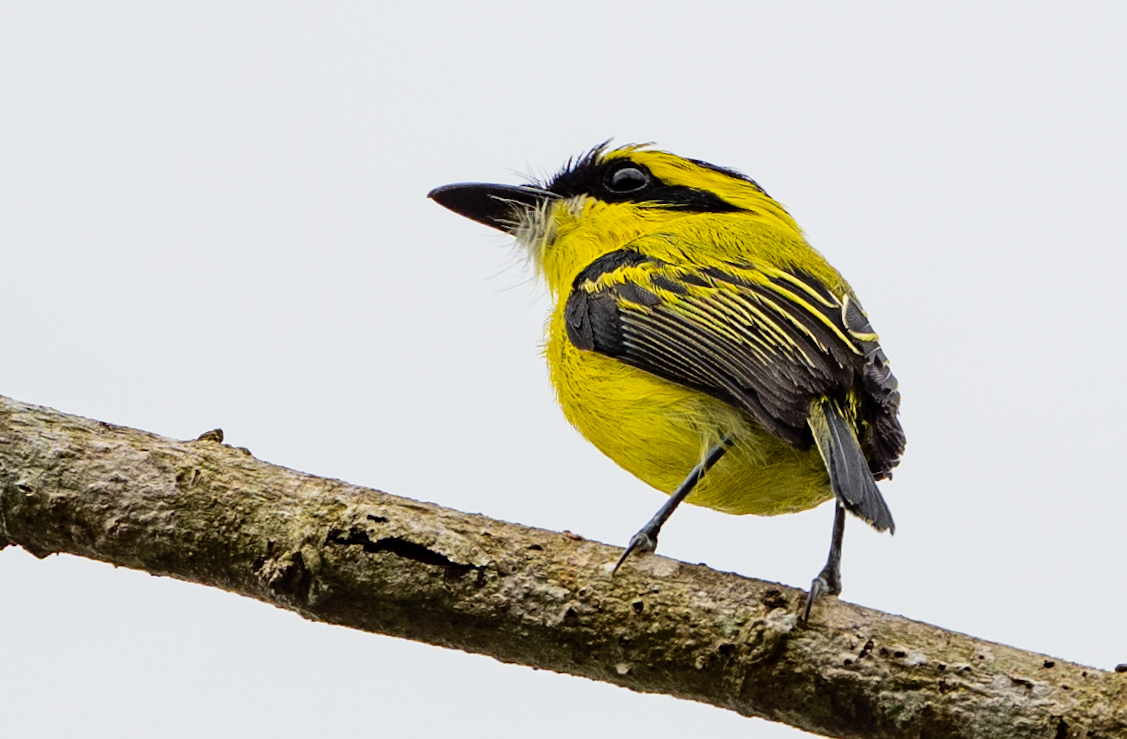
Yellow-browed Tody-Flycatcher
Todirostrum chrysocrotaphum- Tall terra firme forest
- Várzea (whitewater flooded forest)
- Secondary forest and forest edge
Poecilotriccus 9 species
-

Rufous-crowned Tody-Flycatcher
Poecilotriccus ruficeps- Montane forest of the Venezuelan Andes and Perijá
-

White-cheeked Tody-Flycatcher
Poecilotriccus albifacies Bamboo and liana forest
-

Black-and-white Tody-Flycatcher
Poecilotriccus capitalis- Bamboo and liana forest
- Secondary forest and forest edge
- Várzea (whitewater flooded forest)
-

Buff-cheeked Tody-Flycatcher
Poecilotriccus senex- White-sand forest and campina
 Igapó (blackwater flooded forest)
-
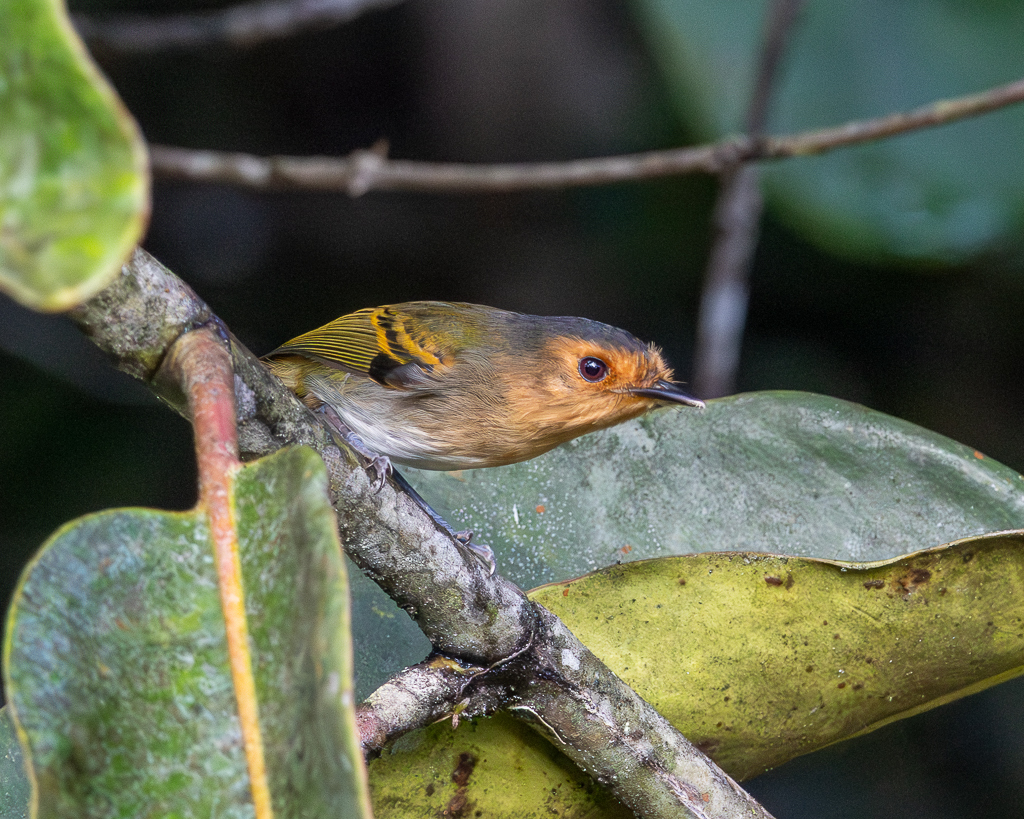
Ruddy Tody-Flycatcher
Poecilotriccus russatus- Highland forest of the Guiana Shield
 Tepui summits and sandstone scrub
-

Ochre-faced Tody-Flycatcher
Poecilotriccus plumbeiceps- Interior semi-deciduous forest
- Coastal lowland forest
- Montane forest of the Serra do Mar
- Araucaria forest
-

Smoky-fronted Tody-Flycatcher
Poecilotriccus fumifrons- Secondary forest and forest edge
 Savannas of the Guianas
- Restinga
- Northeastern coastal forest
-

Rusty-fronted Tody-Flycatcher
Poecilotriccus latirostris- Secondary forest and forest edge
- Floating meadows and river islands
- Veredas and gallery forest
- Gallery forest and woodland islands of the Pantanal
-

Slaty-headed Tody-Flycatcher
Poecilotriccus sylvia- Secondary forest and forest edge
- Dry forest and thorn scrub of northern Venezuela
- Várzea (whitewater flooded forest)
- Plantations and agroforestry
Hemitriccus 19 species
-
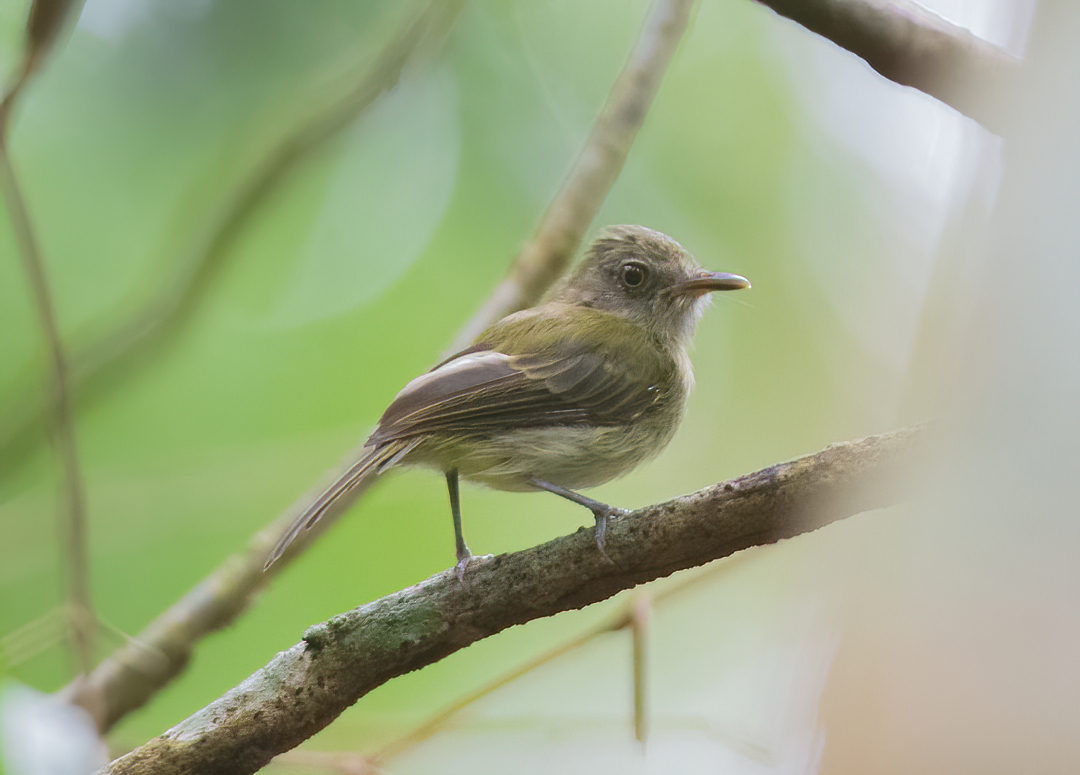
Snethlage's Tody-Tyrant
Hemitriccus minor- Tall terra firme forest
- Secondary forest and forest edge
- Igapó (blackwater flooded forest)
-
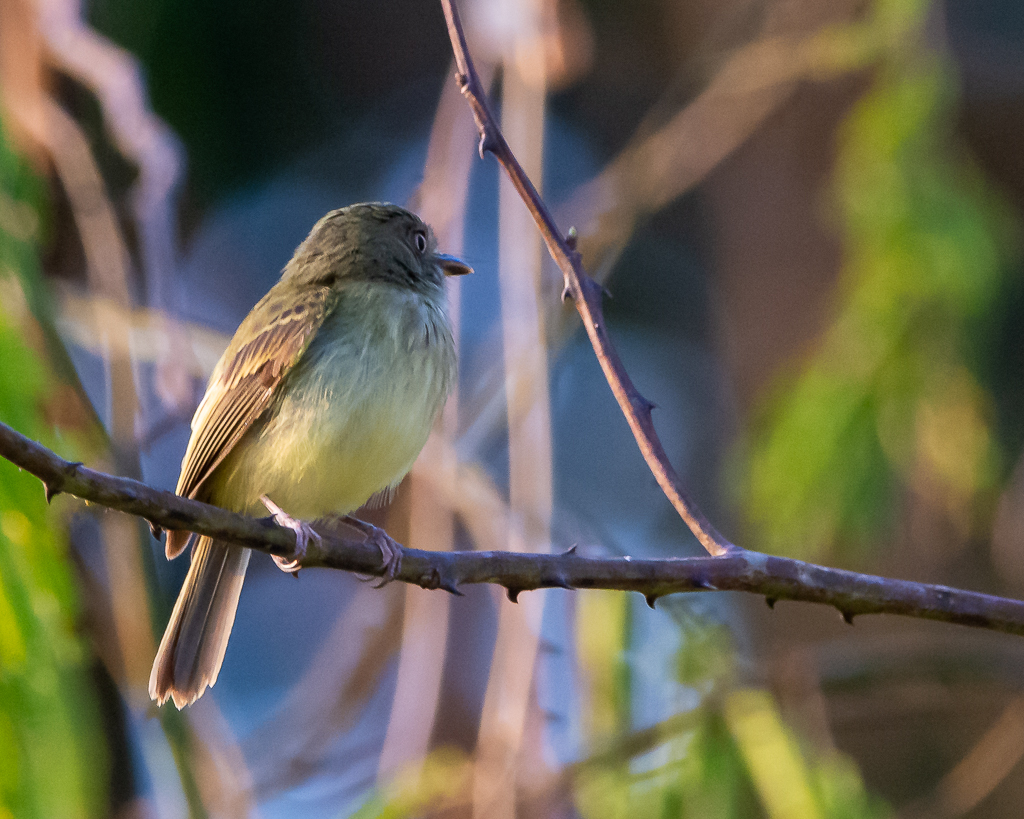
Acre Tody-Tyrant
Hemitriccus cohnhafti- Bamboo and liana forest
- Secondary forest and forest edge
-

Flammulated Bamboo Tyrant
Hemitriccus flammulatus- Bamboo and liana forest
- Secondary forest and forest edge
-

Drab-breasted Bamboo Tyrant
Hemitriccus diops- Montane forest of the Serra do Mar
- Coastal lowland forest
- Araucaria forest
-
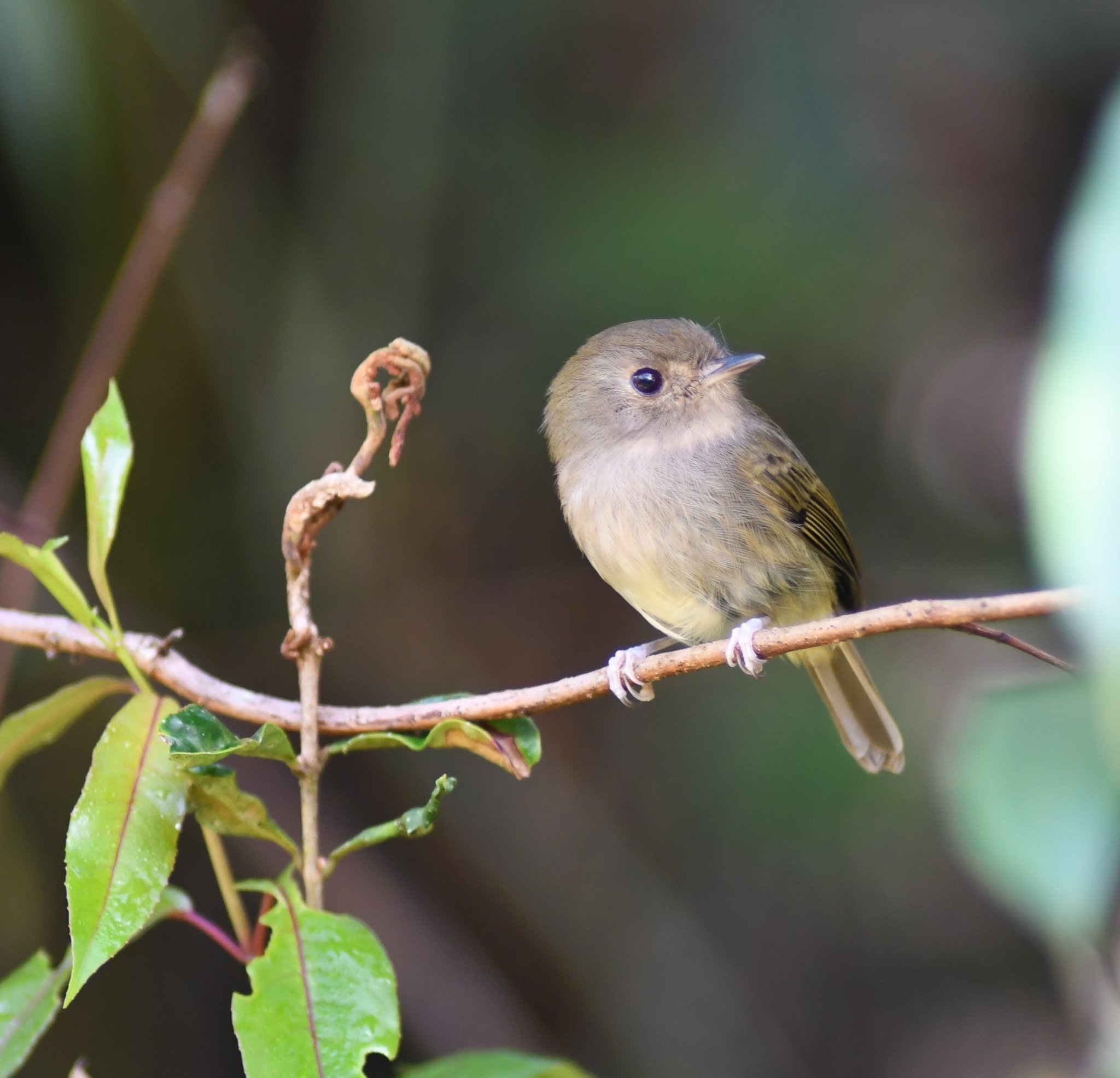
Brown-breasted Bamboo Tyrant
Hemitriccus obsoletus- Montane forest of the Serra do Mar
- Araucaria forest
- Woodland and scrub of the southern hills
-

Boat-billed Tody-Tyrant
Hemitriccus josephinae- Tall terra firme forest
- Secondary forest and forest edge
-

White-eyed Tody-Tyrant
Hemitriccus zosterops- Tall terra firme forest
- White-sand forest and campina
- Secondary forest and forest edge
-

White-bellied Tody-Tyrant
Hemitriccus griseipectus- Tall terra firme forest
- Secondary forest and forest edge
- Northeastern coastal forest
- Coastal lowland forest
-

Eye-ringed Tody-Tyrant
Hemitriccus orbitatus- Coastal lowland forest
- Montane forest of the Serra do Mar
- Interior semi-deciduous forest
-

Johannes's Tody-Tyrant
Hemitriccus iohannis- Várzea (whitewater flooded forest)
- Secondary forest and forest edge
- Floating meadows and river islands
-

Stripe-necked Tody-Tyrant
Hemitriccus striaticollis- Veredas and gallery forest
- Secondary forest and forest edge
- Várzea (whitewater flooded forest)
- Gallery forest and woodland islands of the Pantanal
-

Hangnest Tody-Tyrant
Hemitriccus nidipendulus- Coastal lowland forest
- Interior semi-deciduous forest
- Restinga
- Montane forest of the Serra do Mar
-

Pearly-vented Tody-Tyrant
Hemitriccus margaritaceiventer Caatinga scrub
- Cerradão and dry woodland
- Dry forest and thorn scrub of northern Venezuela
- Gallery forest and woodland islands of the Pantanal
- Dry forest of the north-east
-

Pelzeln's Tody-Tyrant
Hemitriccus inornatus- White-sand forest and campina
-

Zimmer's Tody-Tyrant
Hemitriccus minimus- White-sand forest and campina
- Tall terra firme forest
-
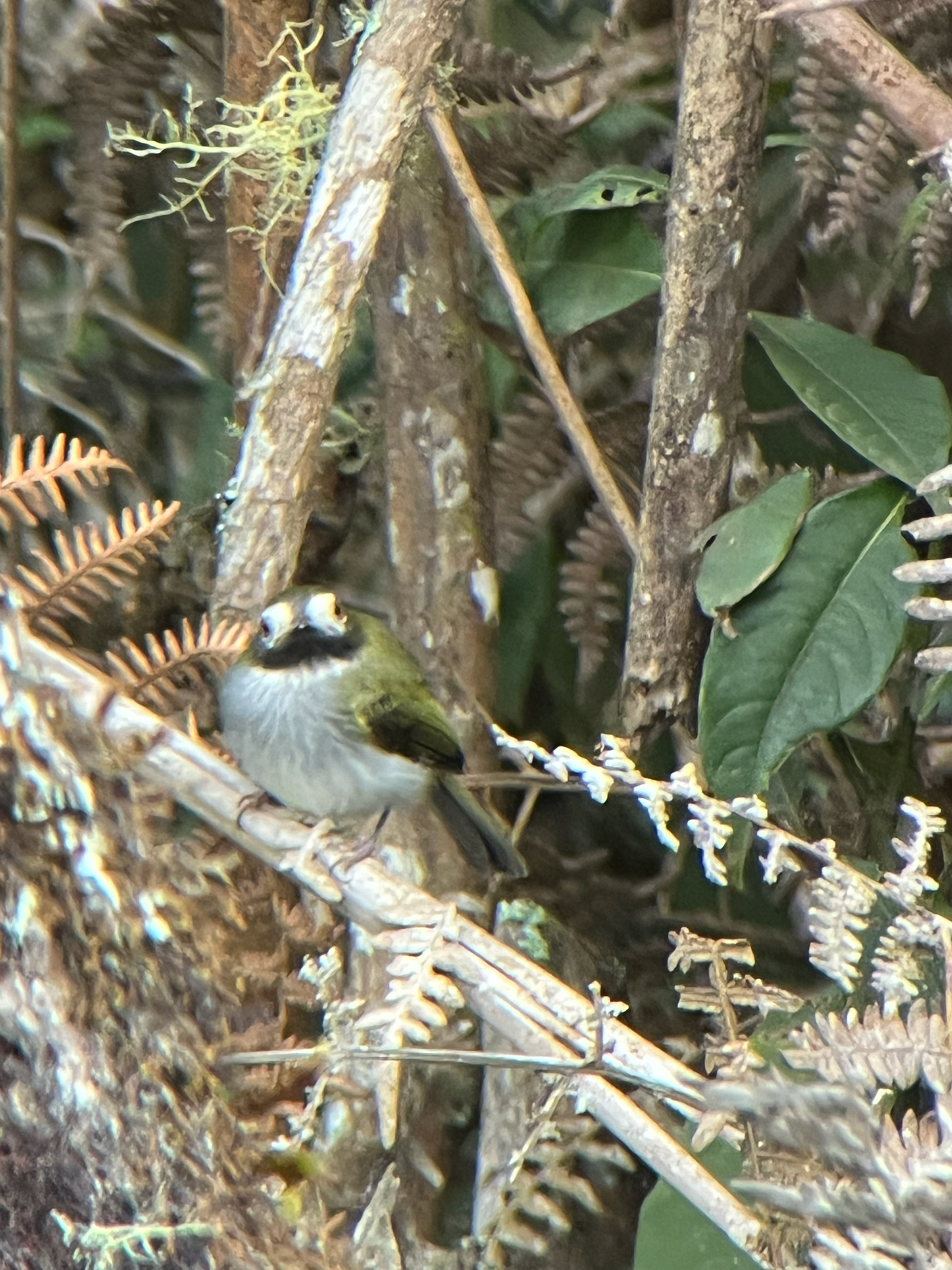
Black-throated Tody-Tyrant
Hemitriccus granadensis- Montane forest of the Venezuelan Andes and Perijá
- Montane forest of the Venezuelan coastal range
-

Buff-breasted Tody-Tyrant
Hemitriccus mirandae Brejos and highland forest
- Northeastern coastal forest
-

Kaempfer's Tody-Tyrant
Hemitriccus kaempferi- Coastal lowland forest
-

Fork-tailed Tody-Tyrant
Hemitriccus furcatus- Coastal lowland forest
- Montane forest of the Serra do Mar
- Interior semi-deciduous forest
Myiornis 2 species


Atalotriccus 1 species

Lophotriccus 4 species
-

Scale-crested Pygmy Tyrant
Lophotriccus pileatus- Montane forest of the Venezuelan Andes and Perijá
- Montane forest of the Venezuelan coastal range
-
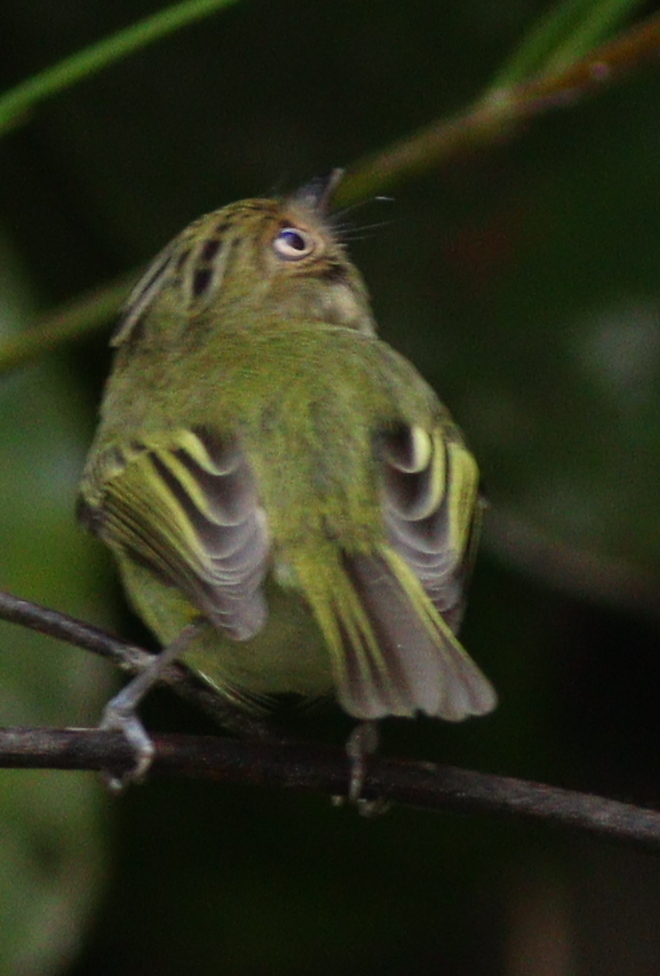
Double-banded Pygmy Tyrant
Lophotriccus vitiosus- Tall terra firme forest
- Secondary forest and forest edge
- Várzea (whitewater flooded forest)
-

Long-crested Pygmy Tyrant
Lophotriccus eulophotes- Bamboo and liana forest
- Secondary forest and forest edge
- Várzea (whitewater flooded forest)
-

Helmeted Pygmy Tyrant
Lophotriccus galeatus- Secondary forest and forest edge
- Tall terra firme forest
- White-sand forest and campina
- Várzea (whitewater flooded forest)

Pyrrhomyias 1 species

Zimmerius 6 species
-

Chico's Tyrannulet
Zimmerius chicomendesi- White-sand forest and campina
-
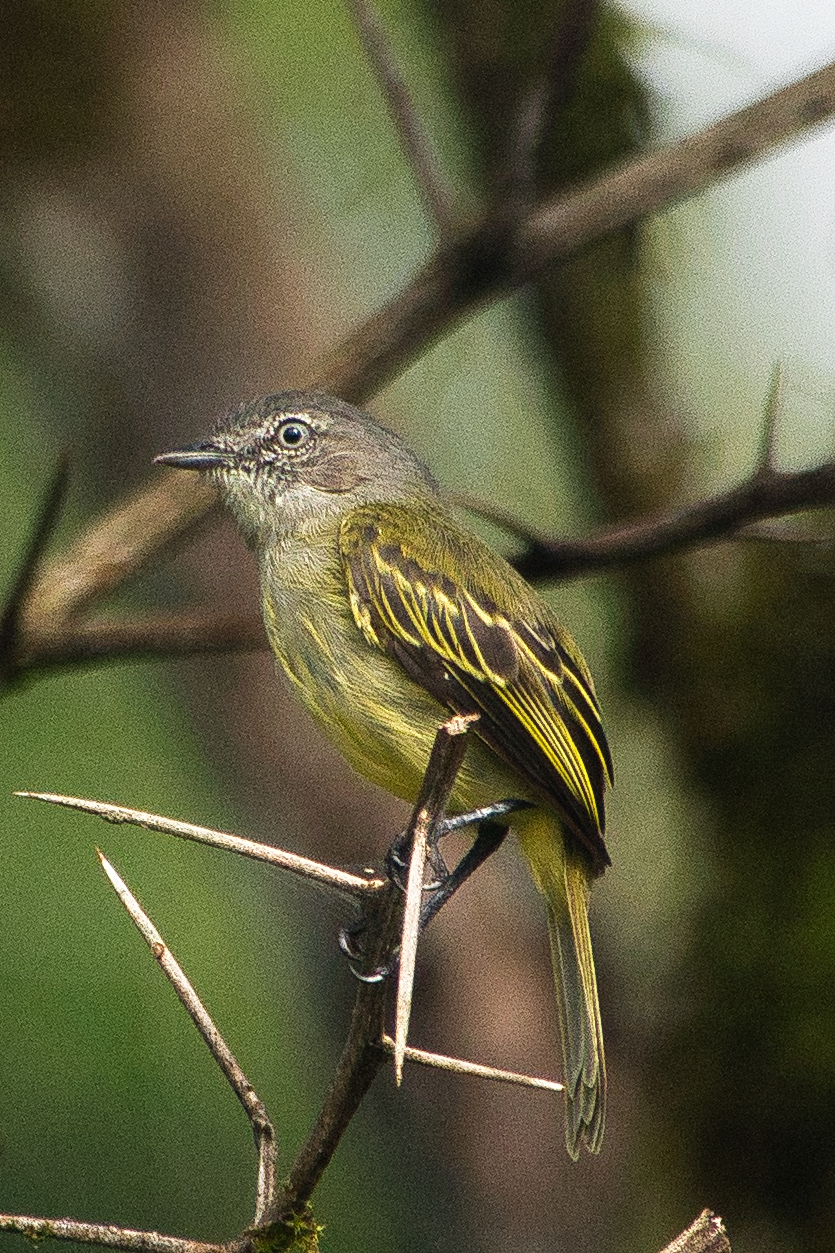
Guianan Tyrannulet
Zimmerius acer- Tall terra firme forest
- Secondary forest and forest edge
- Várzea (whitewater flooded forest)
- Highland forest of the Guiana Shield
- Northeastern coastal forest
- Towns, cities and gardens
-

Guatemalan Tyrannulet
Zimmerius vilissimus- Montane forest of the Venezuelan coastal range
- Montane forest of the Venezuelan Andes and Perijá
- Plantations and agroforestry
- Towns, cities and gardens
-

Golden-faced Tyrannulet
Zimmerius chrysops- Montane forest of the Venezuelan Andes and Perijá
- Montane forest of the Venezuelan coastal range
- Plantations and agroforestry
-

Venezuelan Tyrannulet
Zimmerius petersi- Montane forest of the Venezuelan coastal range
-

Slender-footed Tyrannulet
Zimmerius gracilipes- Tall terra firme forest
- Várzea (whitewater flooded forest)
- Secondary forest and forest edge
- Igapó (blackwater flooded forest)
Stigmatura 3 species


Euscarthmus 2 species
-

Fulvous-crowned Scrub Tyrant
Euscarthmus meloryphus- Caatinga scrub
- Dry forest and thorn scrub of northern Venezuela
- Cerradão and dry woodland
- Interior semi-deciduous forest
 Pasture and arable land
-
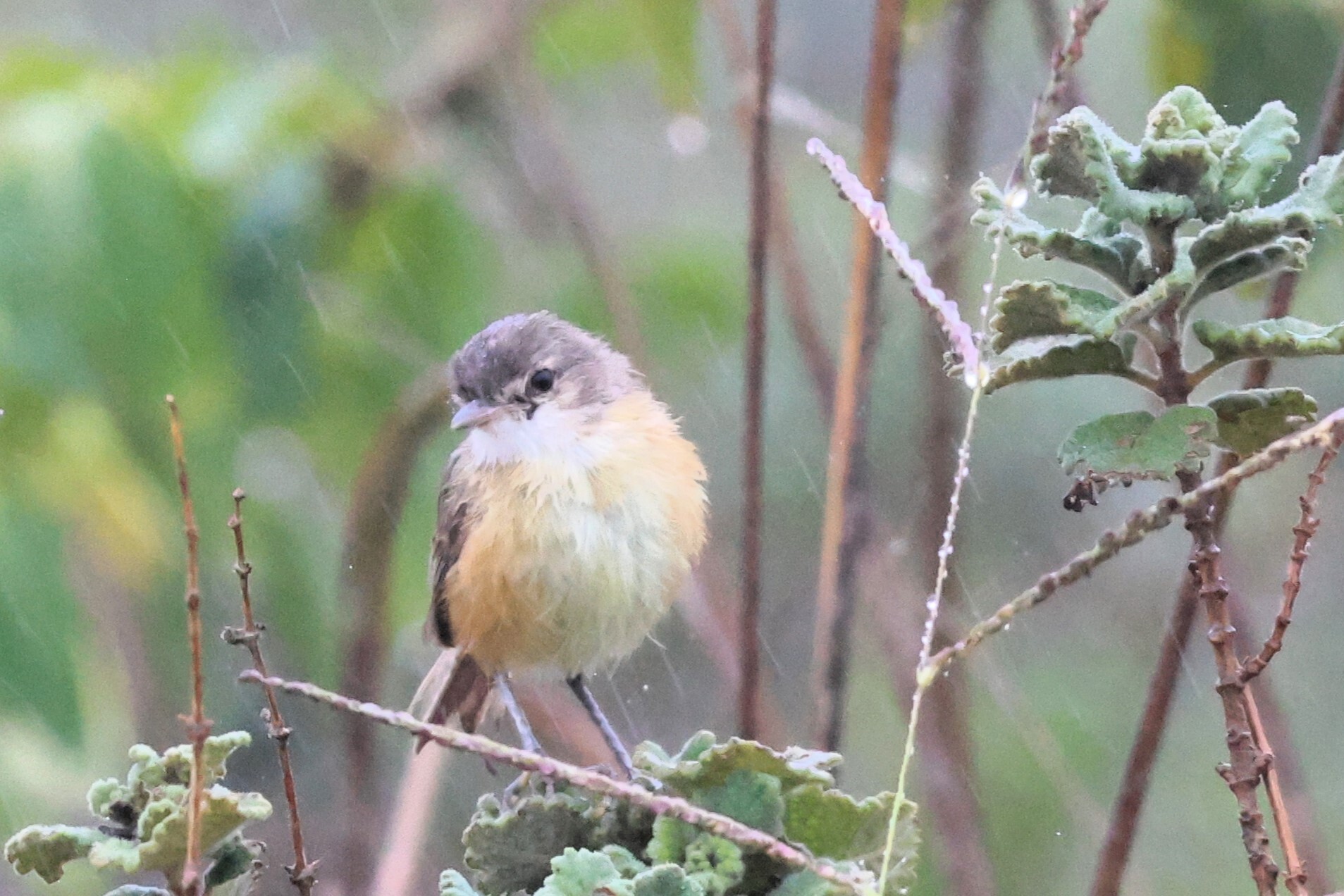
Rufous-sided Scrub Tyrant
Euscarthmus rufomarginatus Cerrado savanna
- Campo rupestre and mountain grassland
- Savannas of the Guianas
- Veredas and gallery forest
Inezia 4 species
-

Slender-billed Inezia
Inezia tenuirostris- Dry forest and thorn scrub of northern Venezuela
-
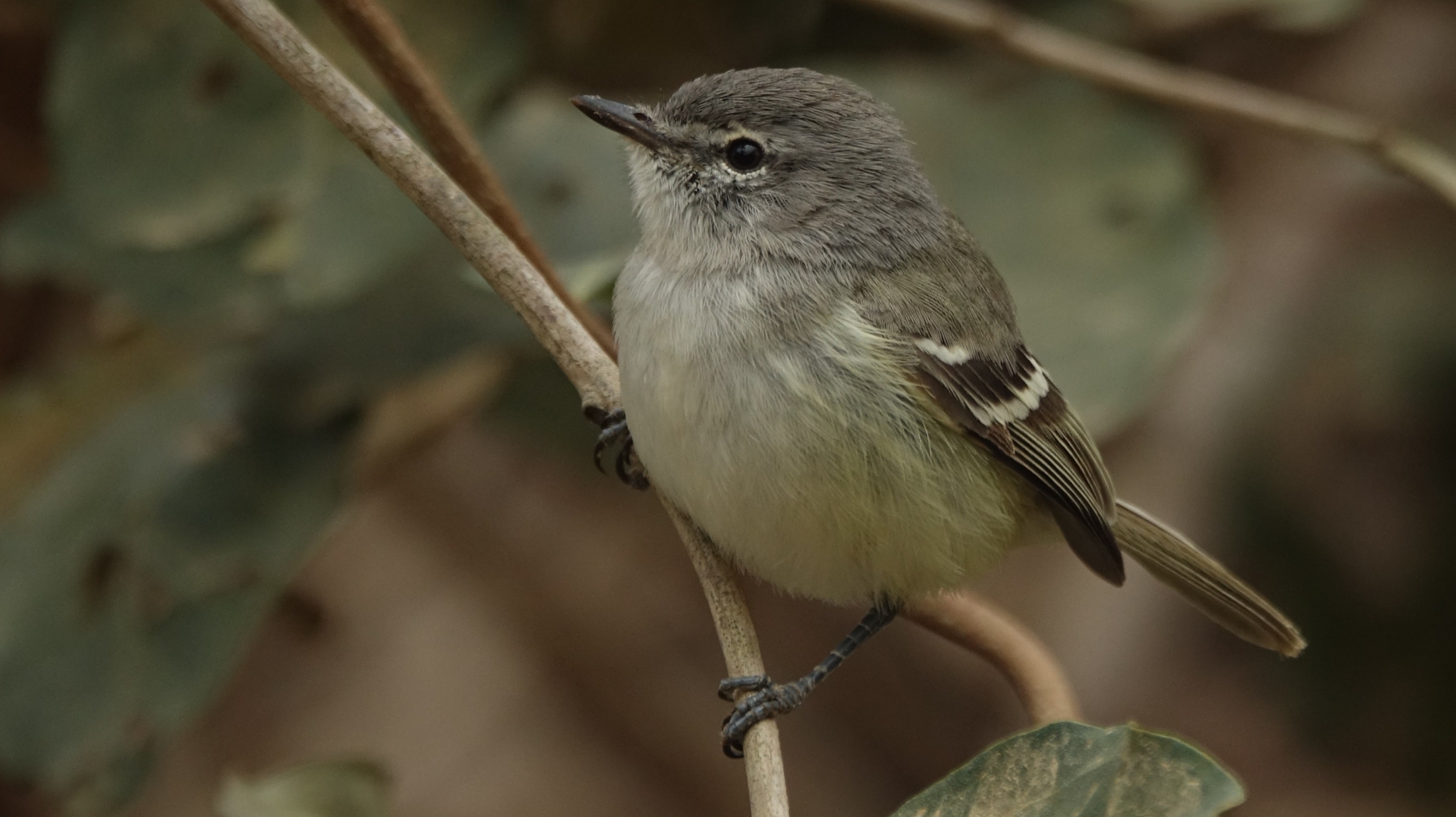
Plain Inezia
Inezia inornata- Gallery forest and woodland islands of the Pantanal
- Cerradão and dry woodland
- Floating meadows and river islands
- Secondary forest and forest edge
-

Amazonian Inezia
Inezia subflava- Várzea (whitewater flooded forest)
- Igapó (blackwater flooded forest)
- Floating meadows and river islands
 Blackwater rivers and small streams
-

Pale-tipped Inezia
Inezia caudata- Secondary forest and forest edge
 Llanos savanna
- Dry forest and thorn scrub of northern Venezuela
- Mangroves
- Savannas of the Guianas
Acrochordopus 2 species
-

Rough-legged Tyrannulet
Acrochordopus burmeisteri- Montane forest of the Serra do Mar
- Interior semi-deciduous forest
- Araucaria forest
- Coastal lowland forest
-
White-fronted Tyrannulet
Acrochordopus zeledoni- Montane forest of the Venezuelan Andes and Perijá
- Montane forest of the Venezuelan coastal range
- Tall terra firme forest
Tyranniscus 1 species
Ornithion 2 species
-

Brown-capped Tyrannulet
Ornithion brunneicapillus- Montane forest of the Venezuelan Andes and Perijá
- Montane forest of the Venezuelan coastal range
-

White-lored Tyrannulet
Ornithion inerme- Tall terra firme forest
- Várzea (whitewater flooded forest)
- Secondary forest and forest edge
- Coastal lowland forest
- Northeastern coastal forest
Camptostoma 1 species

Tyrannulus 1 species

Myiopagis 5 species
-

Forest Elaenia
Myiopagis gaimardii- Tall terra firme forest
- Várzea (whitewater flooded forest)
- Secondary forest and forest edge
- Mangroves
- Veredas and gallery forest
-
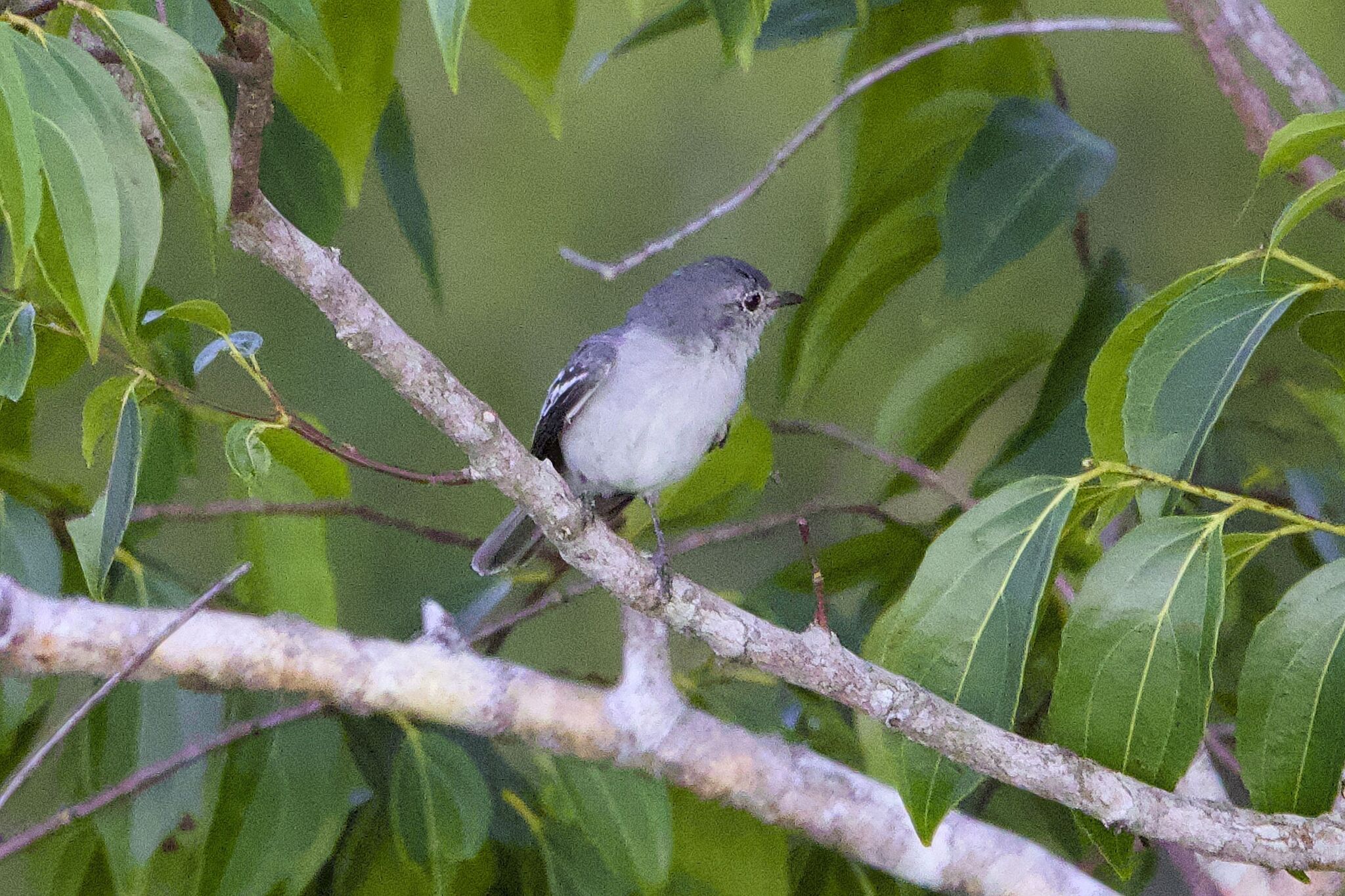
Amazonian Elaenia
Myiopagis cinerea- Tall terra firme forest
- Várzea (whitewater flooded forest)
- Secondary forest and forest edge
-

Grey-headed Elaenia
Myiopagis caniceps- Tall terra firme forest
- Coastal lowland forest
- Interior semi-deciduous forest
- Secondary forest and forest edge
- Cerradão and dry woodland
-

Yellow-crowned Elaenia
Myiopagis flavivertex- Várzea (whitewater flooded forest)
- Igapó (blackwater flooded forest)
- Floating meadows and river islands
 Palm swamps
- Mangroves
-

Greenish Elaenia
Myiopagis viridicata- Cerradão and dry woodland
- Interior semi-deciduous forest
- Dry forest of the north-east
- Veredas and gallery forest
- Dry forest and thorn scrub of northern Venezuela
- Tall terra firme forest
Elaenia 16 species
-

Plain-crested Elaenia
Elaenia cristata- Cerrado savanna
- Savannas of the Guianas
- Llanos savanna
- White-sand forest and campina
- Campo rupestre and mountain grassland
-

Rufous-crowned Elaenia
Elaenia ruficeps- White-sand forest and campina
- Savannas of the Guianas
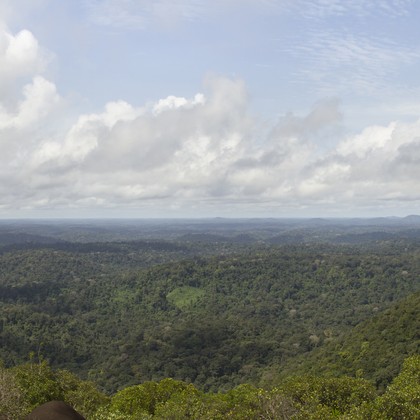 Inselbergs and rock outcrops
- Cerrado savanna
-

Slaty Elaenia
Elaenia strepera- Montane forest of the Venezuelan Andes and Perijá
- Montane forest of the Venezuelan coastal range
- Secondary forest and forest edge
-

Small-headed Elaenia
Elaenia sordida- Montane forest of the Serra do Mar
- Araucaria forest
- Interior semi-deciduous forest
- Woodland and scrub of the southern hills
- Veredas and gallery forest
-
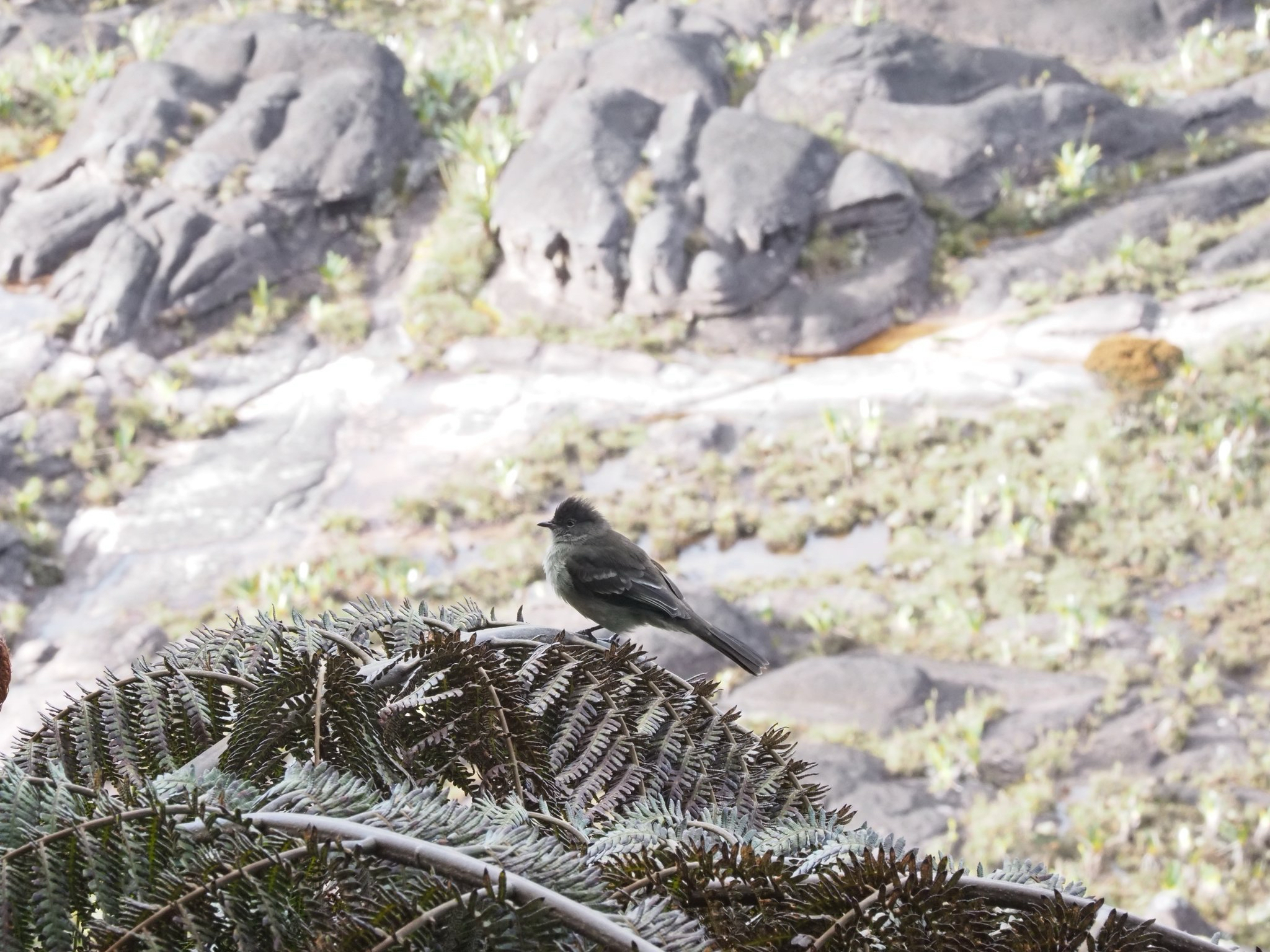
Great Elaenia
Elaenia dayi- Tepui summits and sandstone scrub
- Highland forest of the Guiana Shield
-

Highland Elaenia
Elaenia obscura- Montane forest of the Serra do Mar
- Araucaria forest
-

Yellow-bellied Elaenia
Elaenia flavogaster- Secondary forest and forest edge
- Towns, cities and gardens
- Pasture and arable land
- Cerrado savanna
- Llanos savanna
- Savannas of the Guianas
- Restinga
-

Small-billed Elaenia
Elaenia parvirostris- Secondary forest and forest edge
- Interior semi-deciduous forest
- Woodland and scrub of the southern hills
- Cerradão and dry woodland
- Várzea (whitewater flooded forest)
- Gallery forest and woodland islands of the Pantanal
-

Brownish Elaenia
Elaenia pelzelni- Floating meadows and river islands
- Várzea (whitewater flooded forest)
 Large rivers and sandbars
-

Large Elaenia
Elaenia spectabilis- Secondary forest and forest edge
- Cerradão and dry woodland
- Dry forest of the north-east
- Interior semi-deciduous forest
- Veredas and gallery forest
- Várzea (whitewater flooded forest)
-
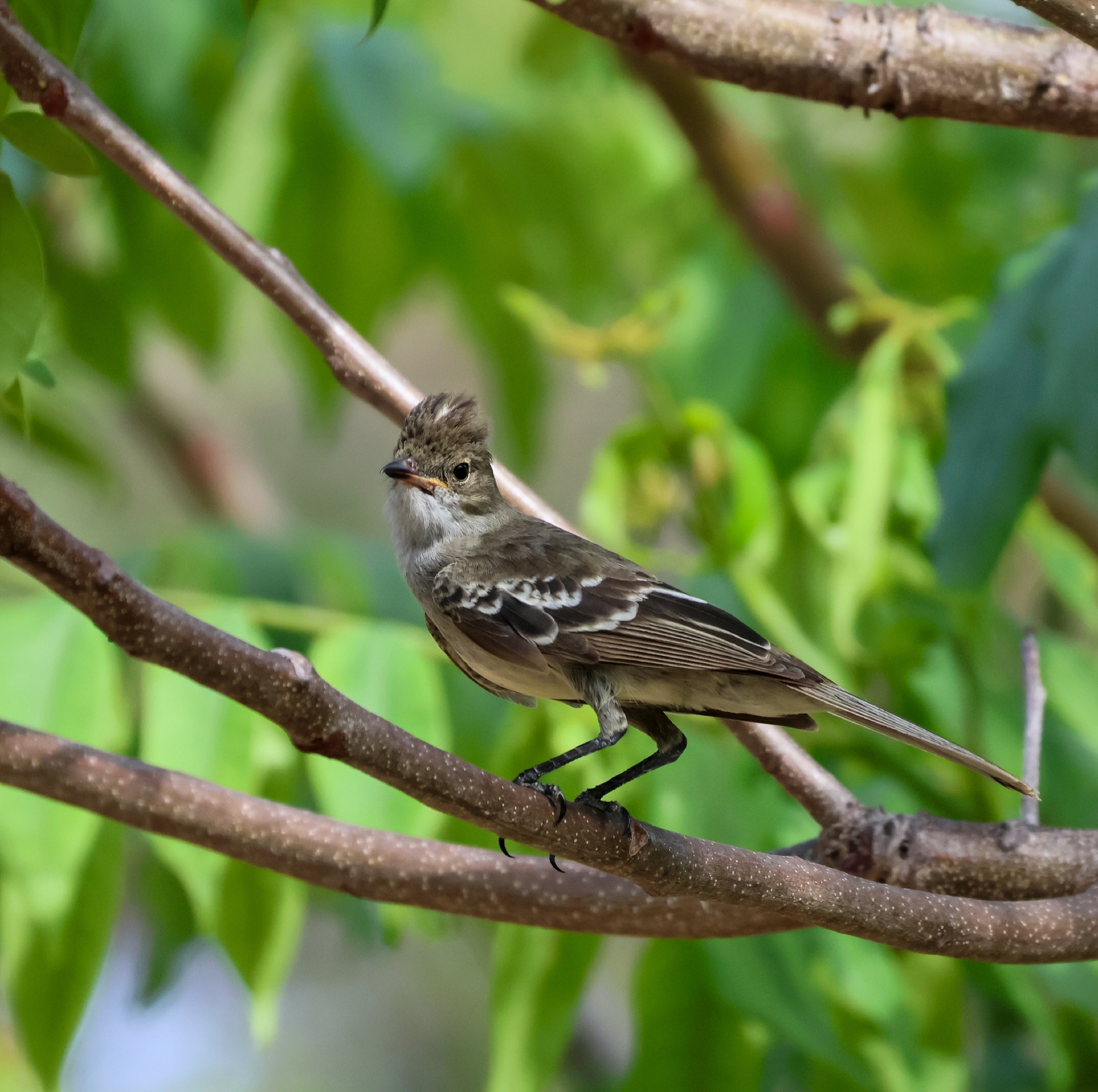
Noronha Elaenia
Elaenia ridleyana Oceanic islands and rocks
- Towns, cities and gardens
-

Olivaceous Elaenia
Elaenia mesoleuca- Interior semi-deciduous forest
- Coastal lowland forest
- Araucaria forest
- Montane forest of the Serra do Mar
- Secondary forest and forest edge
-

Lesser Elaenia
Elaenia chiriquensis- Cerrado savanna
- Savannas of the Guianas
- Llanos savanna
- Secondary forest and forest edge
-

White-crested Elaenia
Elaenia albiceps- Secondary forest and forest edge
- Veredas and gallery forest
- Interior semi-deciduous forest
- Cerradão and dry woodland
- Várzea (whitewater flooded forest)
-

Mountain Elaenia
Elaenia frantzii- Montane forest of the Venezuelan Andes and Perijá
- Montane forest of the Venezuelan coastal range
-

Tepui Elaenia
Elaenia olivina- Highland forest of the Guiana Shield
- Tepui summits and sandstone scrub

Capsiempis 1 species

Phyllomyias 6 species
-

Greenish Tyrannulet
Phyllomyias virescens- Montane forest of the Serra do Mar
- Araucaria forest
- Coastal lowland forest
- Interior semi-deciduous forest
-

Reiser's Tyrannulet
Phyllomyias reiseri- Cerradão and dry woodland
- Veredas and gallery forest
- Dry forest of the north-east
- Interior semi-deciduous forest
-
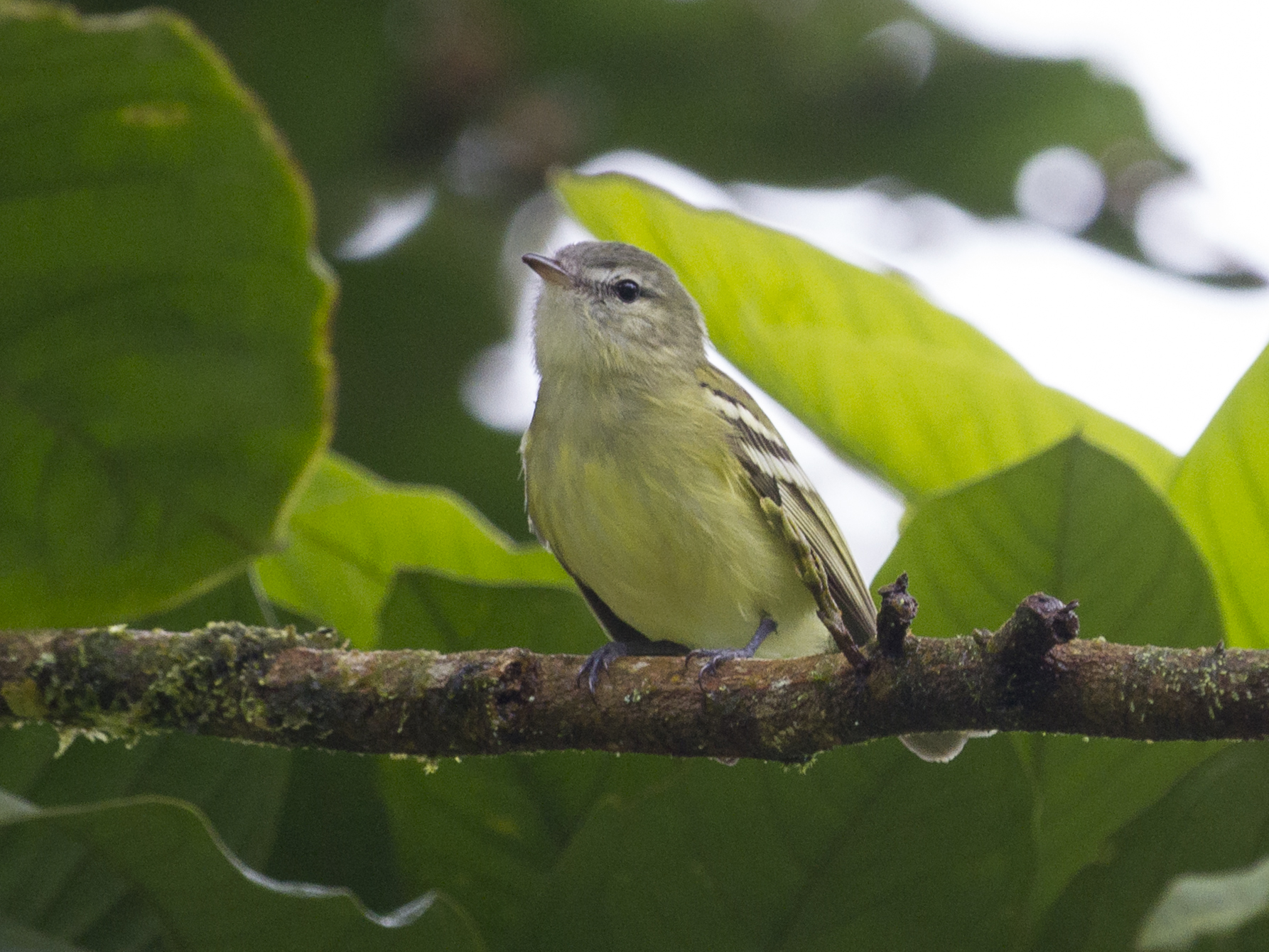
Urich's Tyrannulet
Phyllomyias urichi- Montane forest of the Venezuelan coastal range
-

Planalto Tyrannulet
Phyllomyias fasciatus- Interior semi-deciduous forest
- Coastal lowland forest
- Cerradão and dry woodland
- Veredas and gallery forest
- Montane forest of the Serra do Mar
- Towns, cities and gardens
-

Sooty-headed Tyrannulet
Phyllomyias griseiceps- Secondary forest and forest edge
- Dry forest and thorn scrub of northern Venezuela
- Llanos savanna
- Várzea (whitewater flooded forest)
-

Grey-capped Tyrannulet
Phyllomyias griseocapilla- Montane forest of the Serra do Mar
- Coastal lowland forest
- Araucaria forest
- Interior semi-deciduous forest
Nesotriccus 1 species

Mecocerculus 3 species
-
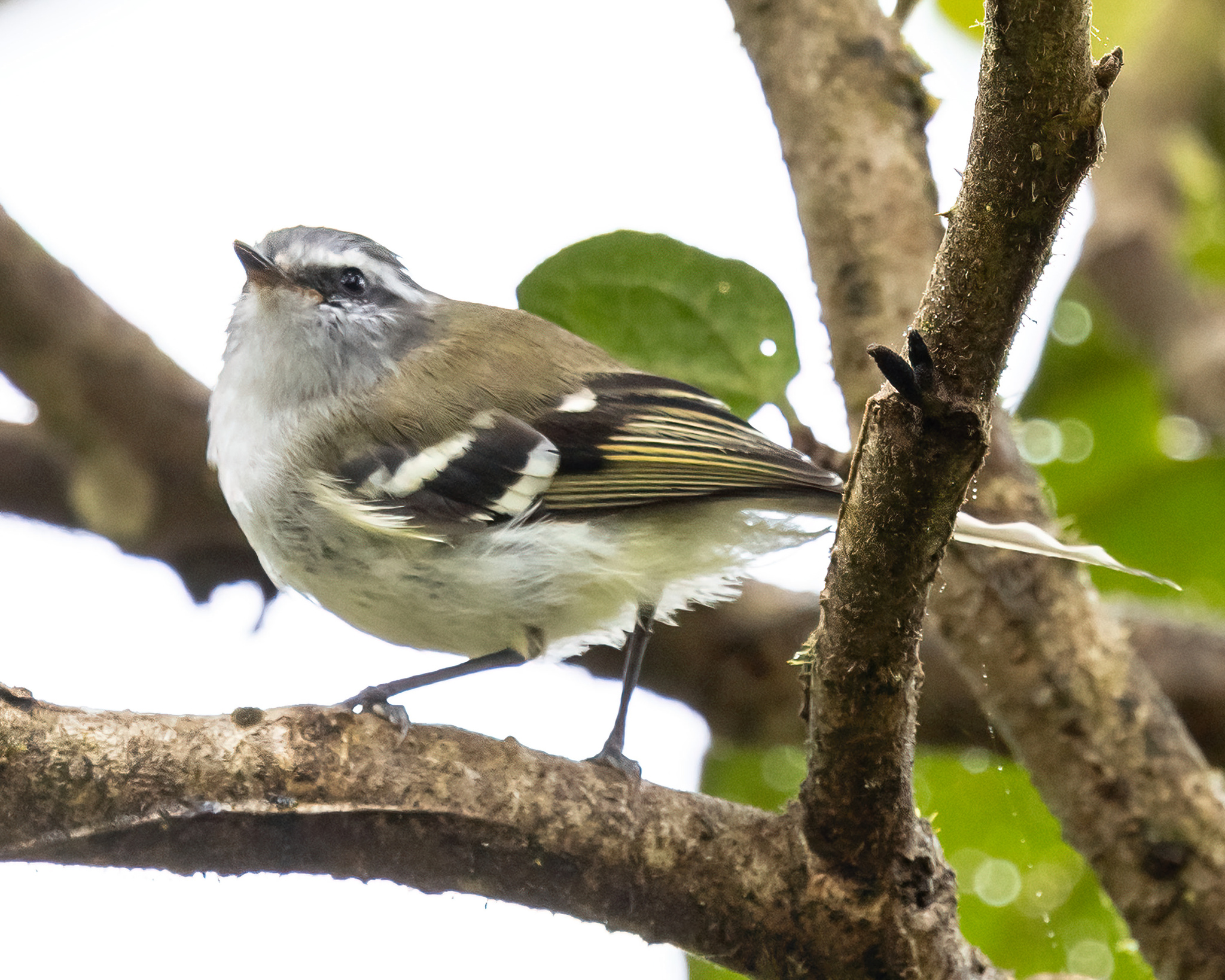
White-banded Tyrannulet
Mecocerculus stictopterus- Montane forest of the Venezuelan Andes and Perijá
-

White-throated Tyrannulet
Mecocerculus leucophrys- Highland forest of the Guiana Shield
- Tepui summits and sandstone scrub
- Montane forest of the Venezuelan coastal range
- Montane forest of the Venezuelan Andes and Perijá
-

Sulphur-bellied Tyrannulet
Mecocerculus minor- Montane forest of the Venezuelan Andes and Perijá
Culicivora 1 species

Pseudocolopteryx 4 species
-

Crested Doradito
Pseudocolopteryx sclateri Southern marshes and lagoons
 Lakes, baías and aquatic vegetation
- Floating meadows and river islands
- Savannas of the Guianas
 Lakes and reservoirs
-

Subtropical Doradito
Pseudocolopteryx acutipennis- Southern marshes and lagoons
- Lakes, baías and aquatic vegetation
-

Dinelli's Doradito
Pseudocolopteryx dinelliana- Southern marshes and lagoons
-

Warbling Doradito
Pseudocolopteryx flaviventris- Southern marshes and lagoons
- Lakes and reservoirs
 Pampa grassland
Polystictus 2 species

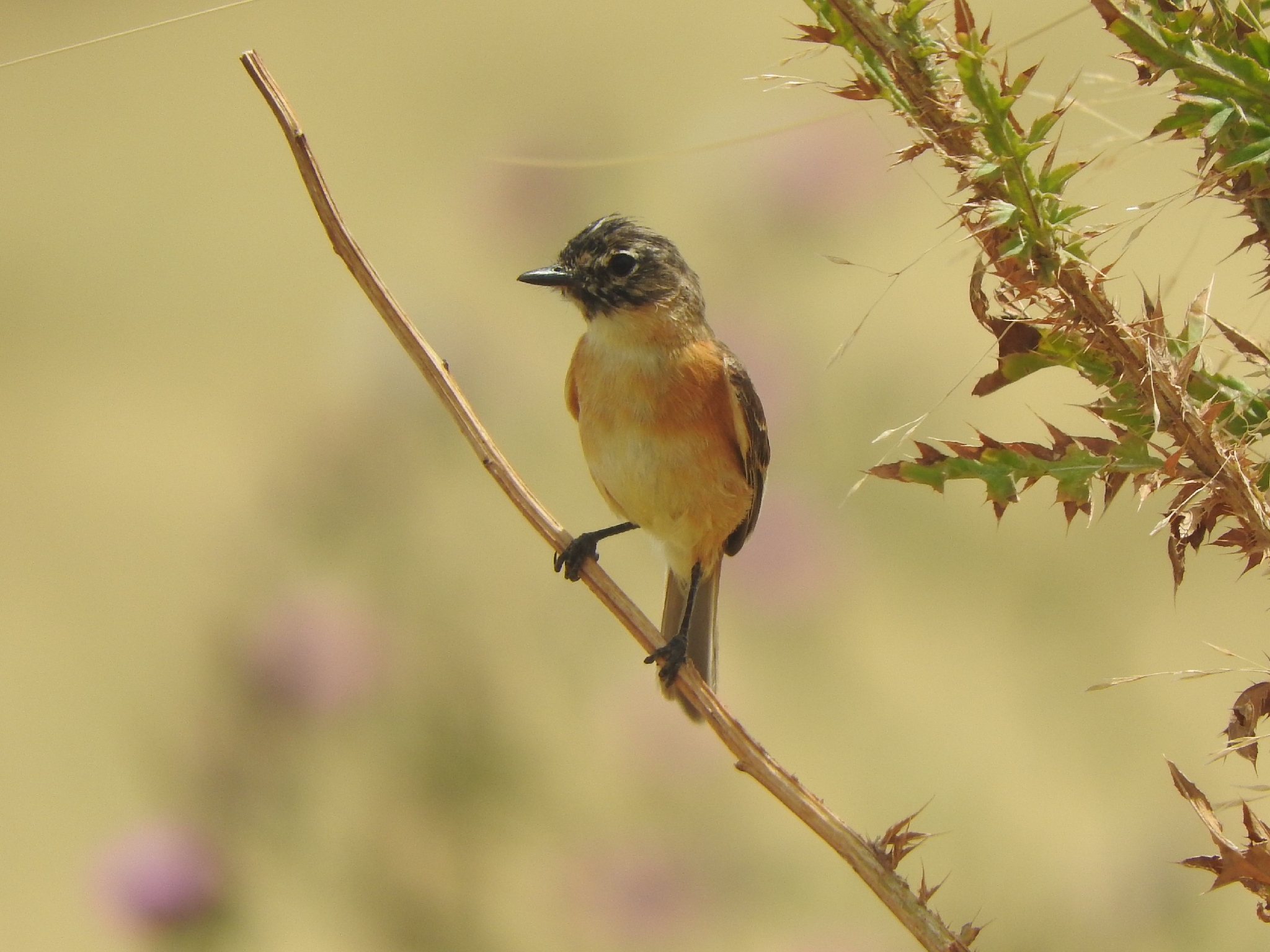
Serpophaga 5 species
-

Torrent Tyrannulet
Serpophaga cinerea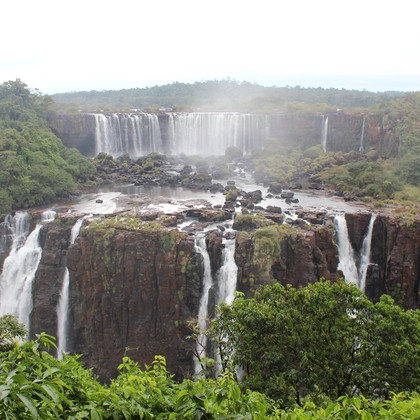 Rapids and waterfalls
- Montane forest of the Venezuelan Andes and Perijá
-

River Tyrannulet
Serpophaga hypoleuca- Floating meadows and river islands
- Large rivers and sandbars
- Várzea (whitewater flooded forest)
-

Sooty Tyrannulet
Serpophaga nigricans- Southern marshes and lagoons
- Rapids and waterfalls
- Woodland and scrub of the southern hills
- Interior semi-deciduous forest
- Pasture and arable land
-

White-crested Tyrannulet
Serpophaga subcristata- Interior semi-deciduous forest
- Cerradão and dry woodland
- Woodland and scrub of the southern hills
- Gallery forest and woodland islands of the Pantanal
- Towns, cities and gardens
-

Straneck's Tyrannulet
Serpophaga griseicapilla- Woodland and scrub of the southern hills
- Gallery forest and woodland islands of the Pantanal
- Pampa grassland
- Interior semi-deciduous forest
Uromyias 1 species

Ramphotrigon 3 species
-
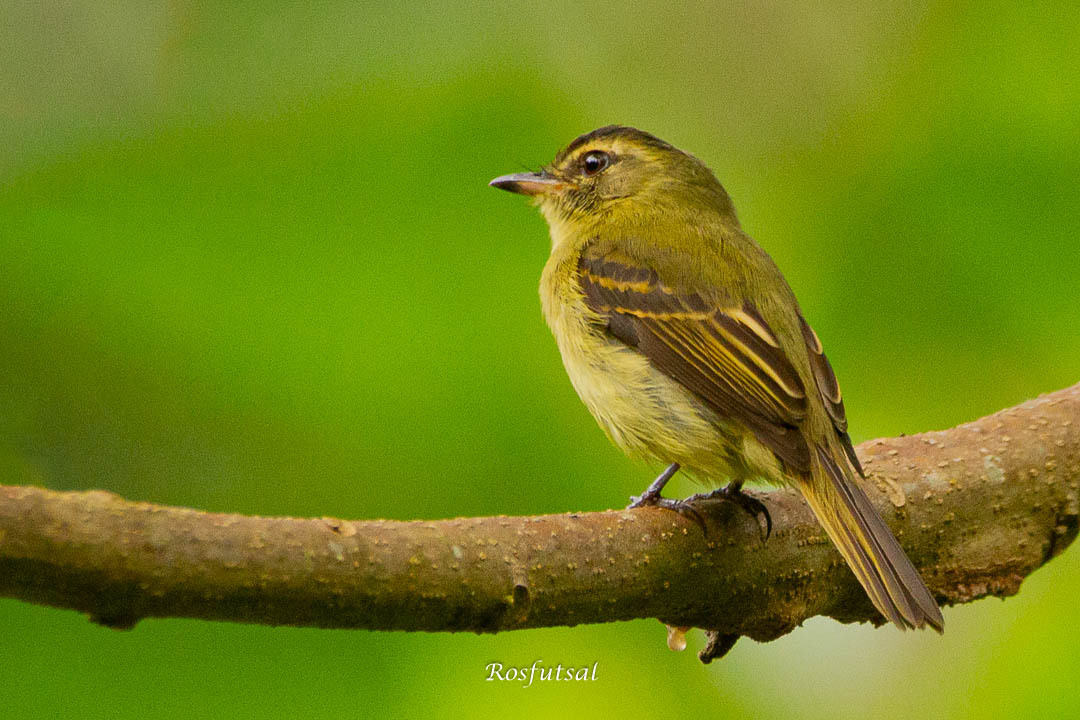
Large-headed Flatbill
Ramphotrigon megacephalum- Bamboo and liana forest
- Interior semi-deciduous forest
- Coastal lowland forest
- Veredas and gallery forest
- Montane forest of the Venezuelan Andes and Perijá
-

Rufous-tailed Flatbill
Ramphotrigon ruficauda- Tall terra firme forest
- White-sand forest and campina
- Várzea (whitewater flooded forest)
- Igapó (blackwater flooded forest)
-

Dusky-tailed Flatbill
Ramphotrigon fuscicauda- Bamboo and liana forest
- Tall terra firme forest
Sirystes 3 species
-

White-rumped Sirystes
Sirystes albocinereus- Várzea (whitewater flooded forest)
- Igapó (blackwater flooded forest)
- Secondary forest and forest edge
- Tall terra firme forest
-
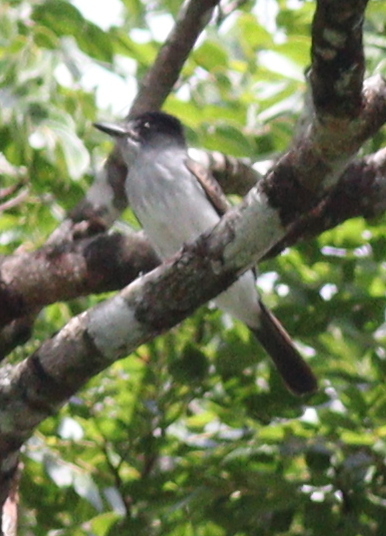
Todd's Sirystes
Sirystes subcanescens- Tall terra firme forest
- Secondary forest and forest edge
- Várzea (whitewater flooded forest)
-

Sibilant Sirystes
Sirystes sibilator- Coastal lowland forest
- Interior semi-deciduous forest
- Montane forest of the Serra do Mar
- Veredas and gallery forest
- Cerradão and dry woodland
Casiornis 2 species
-

Rufous Casiornis
Casiornis rufus- Cerradão and dry woodland
- Veredas and gallery forest
- Gallery forest and woodland islands of the Pantanal
- Interior semi-deciduous forest
- Secondary forest and forest edge
-

Ash-throated Casiornis
Casiornis fuscus- Caatinga scrub
- Dry forest of the north-east
- Cerradão and dry woodland
- White-sand forest and campina
Rhytipterna 2 species
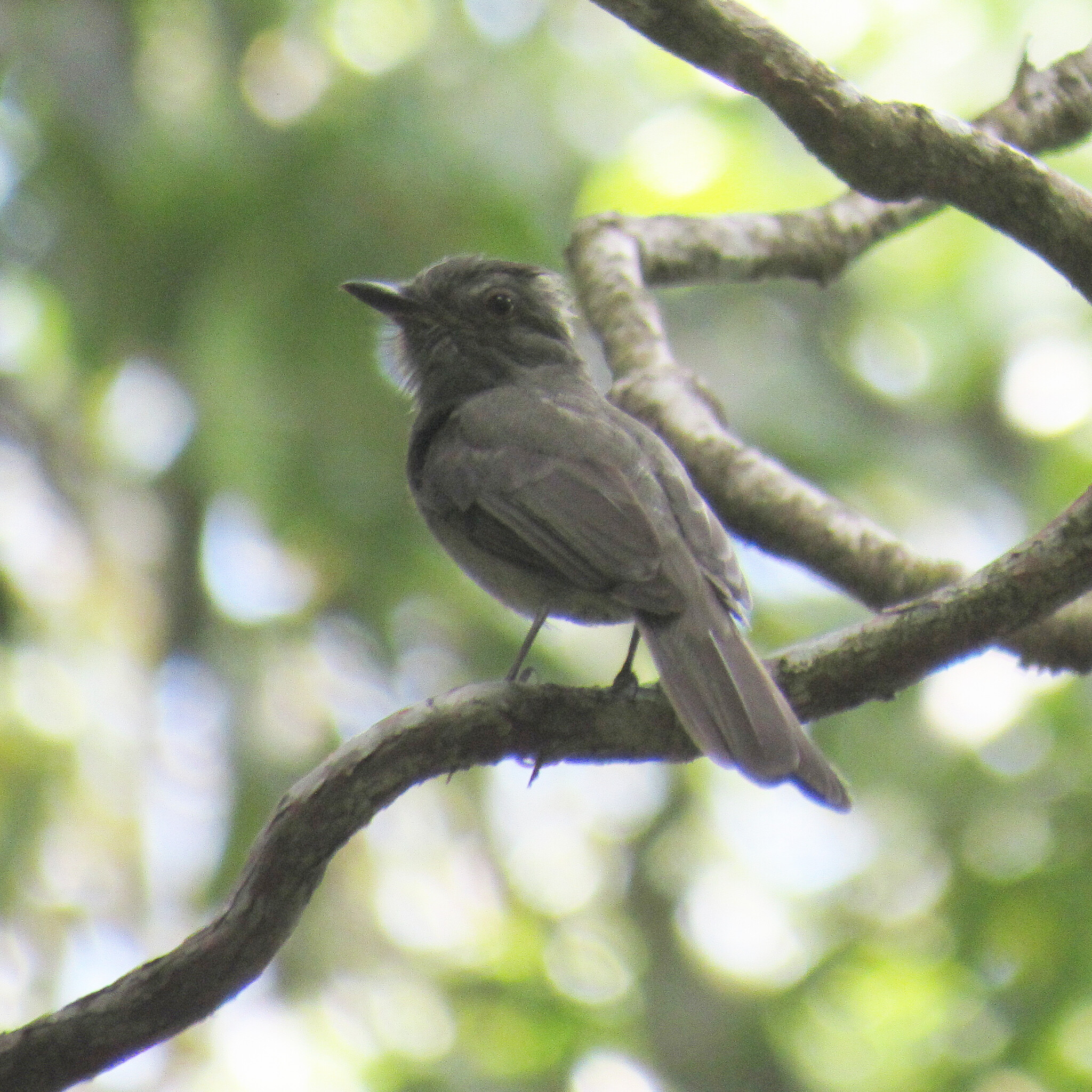

Myiarchus 8 species
-

Dusky-capped Flycatcher
Myiarchus tuberculifer- Tall terra firme forest
- Secondary forest and forest edge
- Coastal lowland forest
- Montane forest of the Venezuelan coastal range
- Montane forest of the Venezuelan Andes and Perijá
- Highland forest of the Guiana Shield
-

Swainson's Flycatcher
Myiarchus swainsoni- Secondary forest and forest edge
- Cerradão and dry woodland
- Veredas and gallery forest
- Interior semi-deciduous forest
- Várzea (whitewater flooded forest)
- Dry forest and thorn scrub of northern Venezuela
-

Venezuelan Flycatcher
Myiarchus venezuelensis- Dry forest and thorn scrub of northern Venezuela
- Secondary forest and forest edge
- Llanos savanna
-

Panama Flycatcher
Myiarchus panamensis- Dry forest and thorn scrub of northern Venezuela
- Mangroves
- Secondary forest and forest edge
-

Short-crested Flycatcher
Myiarchus ferox- Secondary forest and forest edge
- Várzea (whitewater flooded forest)
- Floating meadows and river islands
- Veredas and gallery forest
- Coastal lowland forest
- Plantations and agroforestry
-

Pale-edged Flycatcher
Myiarchus cephalotes- Montane forest of the Venezuelan Andes and Perijá
- Montane forest of the Venezuelan coastal range
-

Great Crested Flycatcher
Myiarchus crinitus- Secondary forest and forest edge
- Montane forest of the Venezuelan Andes and Perijá
- Dry forest and thorn scrub of northern Venezuela
- Plantations and agroforestry
-

Brown-crested Flycatcher
Myiarchus tyrannulus- Caatinga scrub
- Cerrado savanna
- Cerradão and dry woodland
- Dry forest and thorn scrub of northern Venezuela
- Llanos savanna
- Gallery forest and woodland islands of the Pantanal
- Secondary forest and forest edge

Attila 6 species
-

Rufous-tailed Attila
Attila phoenicurus- Montane forest of the Serra do Mar
- Araucaria forest
- Interior semi-deciduous forest
- Tall terra firme forest
-

Cinnamon Attila
Attila cinnamomeus- Várzea (whitewater flooded forest)
- Igapó (blackwater flooded forest)
- Palm swamps
- Mangroves
-

Citron-bellied Attila
Attila citriniventris- White-sand forest and campina
- Tall terra firme forest
- Igapó (blackwater flooded forest)
-

White-eyed Attila
Attila bolivianus- Várzea (whitewater flooded forest)
- Secondary forest and forest edge
- Veredas and gallery forest
- Floating meadows and river islands
-

Grey-hooded Attila
Attila rufus- Coastal lowland forest
- Montane forest of the Serra do Mar
- Interior semi-deciduous forest
-

Bright-rumped Attila
Attila spadiceus- Tall terra firme forest
- Secondary forest and forest edge
- Coastal lowland forest
- Montane forest of the Venezuelan coastal range
- Montane forest of the Venezuelan Andes and Perijá
Machetornis 1 species


Myiozetetes 4 species
-

Rusty-margined Flycatcher
Myiozetetes cayanensis- Lakes and reservoirs
- Floating meadows and river islands
- Secondary forest and forest edge
- Mangroves
- Towns, cities and gardens
-

Social Flycatcher
Myiozetetes similis- Towns, cities and gardens
- Secondary forest and forest edge
- Várzea (whitewater flooded forest)
- Plantations and agroforestry
- Veredas and gallery forest
-

Grey-capped Flycatcher
Myiozetetes granadensis- Secondary forest and forest edge
- Várzea (whitewater flooded forest)
- Large rivers and sandbars
- Towns, cities and gardens
-

Dusky-chested Flycatcher
Myiozetetes luteiventris- Tall terra firme forest
- Várzea (whitewater flooded forest)
- Secondary forest and forest edge
Myiodynastes 3 species
-

Golden-bellied Flycatcher
Myiodynastes hemichrysus- Montane forest of the Venezuelan Andes and Perijá
- Montane forest of the Venezuelan coastal range
-

Streaked Flycatcher
Myiodynastes maculatus- Secondary forest and forest edge
- Várzea (whitewater flooded forest)
- Interior semi-deciduous forest
- Veredas and gallery forest
- Plantations and agroforestry
- Dry forest and thorn scrub of northern Venezuela
-

Sulphur-bellied Flycatcher
Myiodynastes luteiventris- Tall terra firme forest
- Secondary forest and forest edge
- Várzea (whitewater flooded forest)
Tyrannopsis 1 species
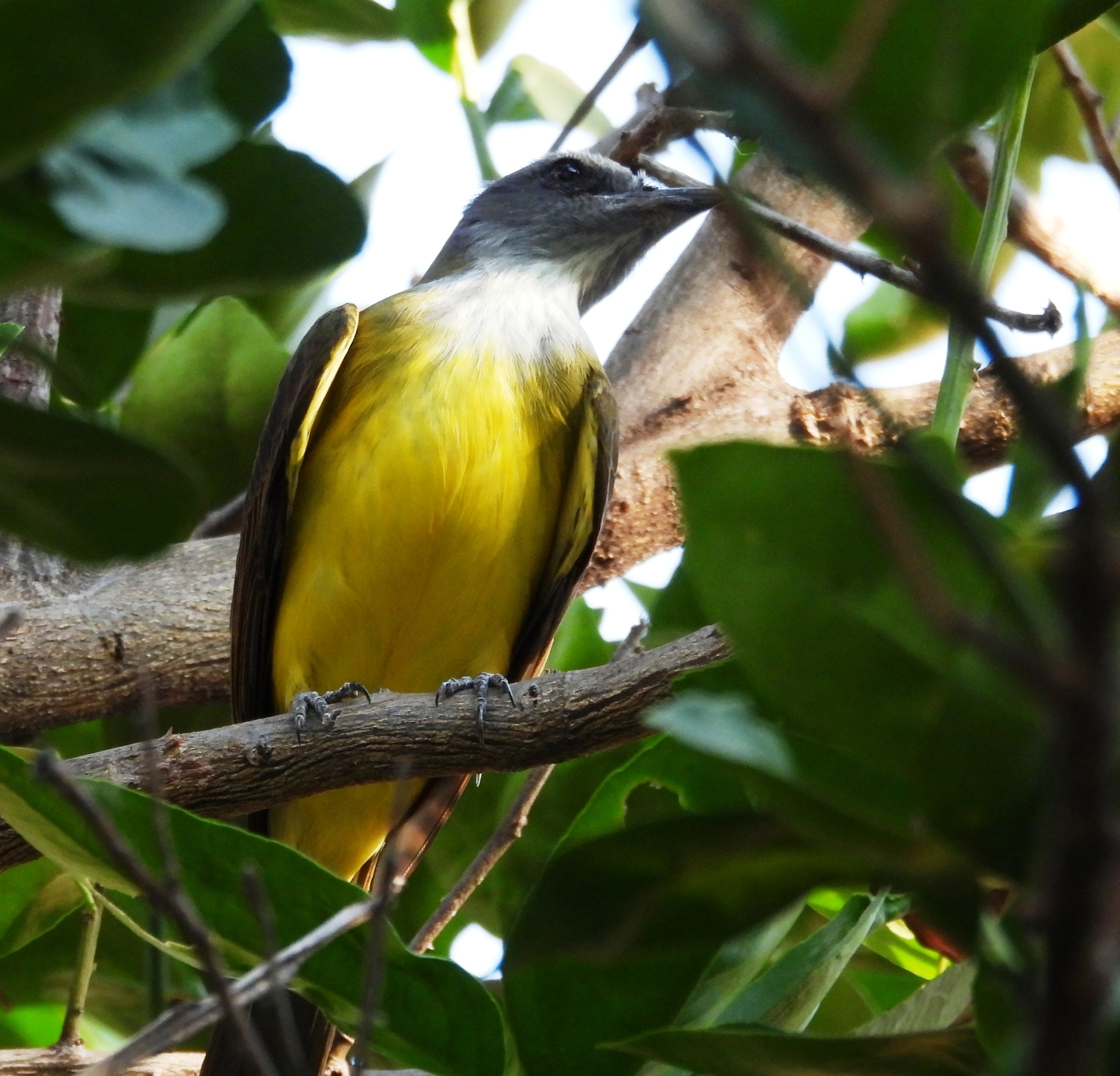

Conopias 3 species
-
Yellow-throated Flycatcher
Conopias parvus- Tall terra firme forest
- Secondary forest and forest edge
- Highland forest of the Guiana Shield
-

Three-striped Flycatcher
Conopias trivirgatus- Interior semi-deciduous forest
- Coastal lowland forest
- Araucaria forest
- Várzea (whitewater flooded forest)
- Secondary forest and forest edge
-

Lemon-browed Flycatcher
Conopias cinchoneti- Montane forest of the Venezuelan Andes and Perijá
Empidonomus 2 species
-

Variegated Flycatcher
Empidonomus varius- Secondary forest and forest edge
- Cerradão and dry woodland
- Veredas and gallery forest
- Interior semi-deciduous forest
- Plantations and agroforestry
-

Crowned Slaty Flycatcher
Empidonomus aurantioatrocristatus- Cerradão and dry woodland
- Caatinga scrub
- Gallery forest and woodland islands of the Pantanal
- Secondary forest and forest edge
- Várzea (whitewater flooded forest)
- Veredas and gallery forest
Tyrannus 5 species
-
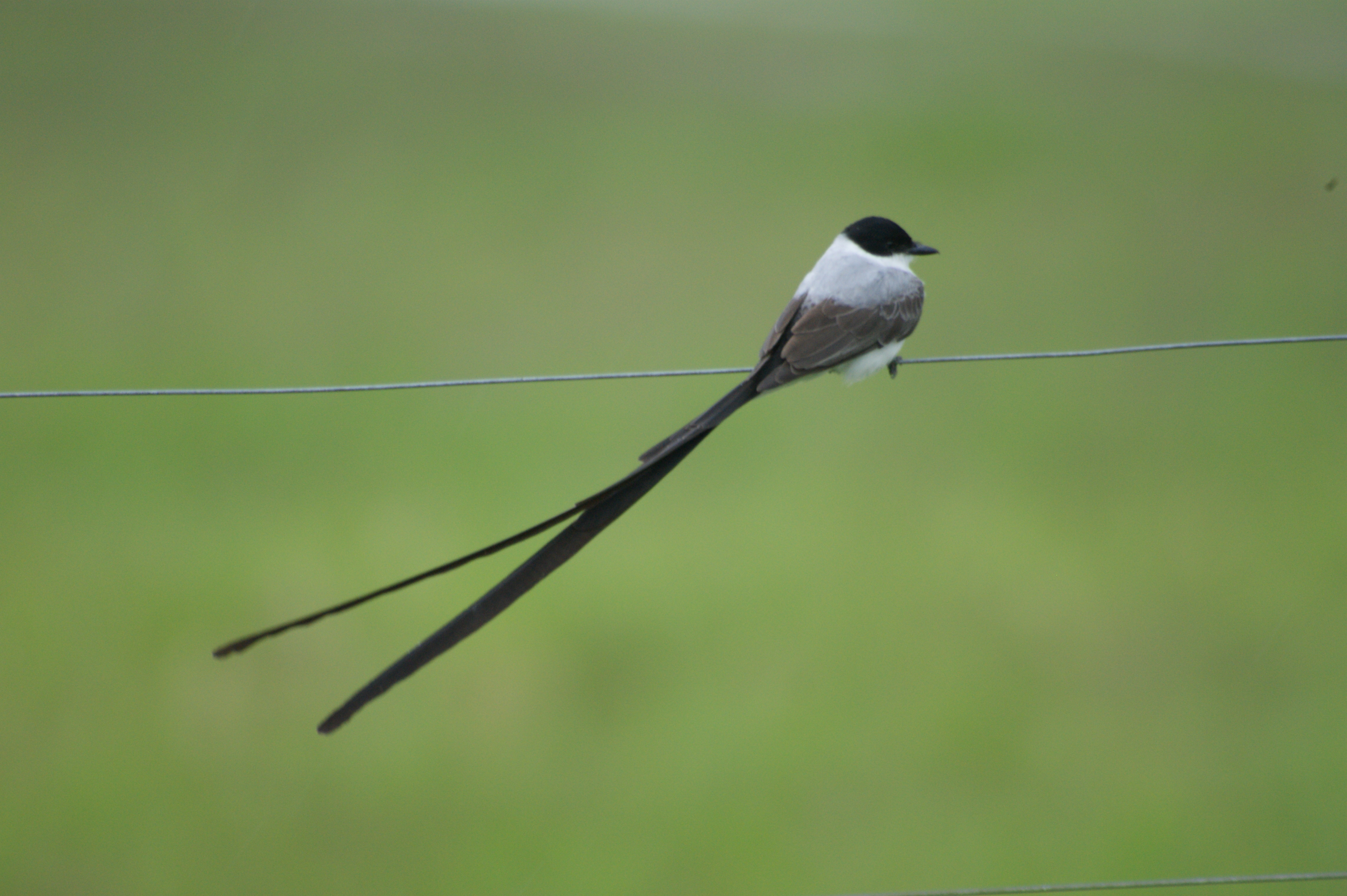
Fork-tailed Flycatcher
Tyrannus savana- Cerrado savanna
- Llanos savanna
- Savannas of the Guianas
- Pampa grassland
- Pasture and arable land
- Mangroves
-

White-throated Kingbird
Tyrannus albogularis- Cerrado savanna
- Veredas and gallery forest
- Palm swamps
- Savannas of the Guianas
- Floating meadows and river islands
- Large rivers and sandbars
-

Tropical Kingbird
Tyrannus melancholicus- Towns, cities and gardens
- Pasture and arable land
- Secondary forest and forest edge
- Floating meadows and river islands
- Cerrado savanna
- Llanos savanna
- Mangroves
-

Grey Kingbird
Tyrannus dominicensis- Mangroves
- Dry forest and thorn scrub of northern Venezuela
- Towns, cities and gardens
 Sandy beaches and dunes
- Secondary forest and forest edge
- Llanos savanna
-

Eastern Kingbird
Tyrannus tyrannus- Várzea (whitewater flooded forest)
- Floating meadows and river islands
- Secondary forest and forest edge
- Large rivers and sandbars
- Plantations and agroforestry
Myiophobus 3 species
-

Flavescent Flycatcher
Myiophobus flavicans- Montane forest of the Venezuelan Andes and Perijá
- Montane forest of the Venezuelan coastal range
-
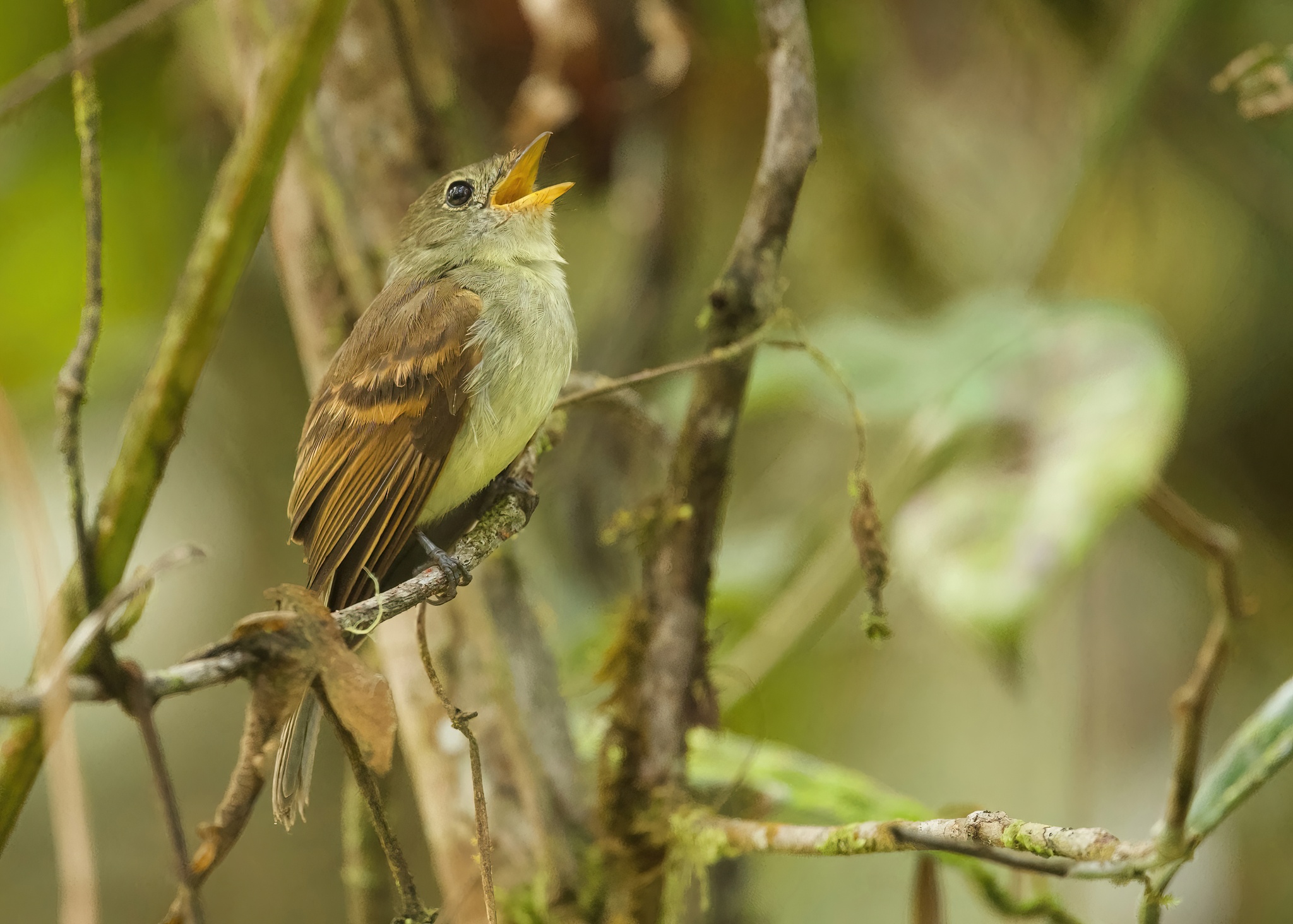
Roraiman Flycatcher
Myiophobus roraimae- Highland forest of the Guiana Shield
-

Bran-colored Flycatcher
Myiophobus fasciatus- Veredas and gallery forest
- Secondary forest and forest edge
- Pasture and arable land
- Cerrado savanna
- Interior semi-deciduous forest
- Montane forest of the Venezuelan Andes and Perijá
Silvicultrix 1 species

Ochthoeca 4 species
-

Blackish Chat-Tyrant
Ochthoeca nigrita- Montane forest of the Venezuelan Andes and Perijá
- Rapids and waterfalls
-

Rufous-breasted Chat-Tyrant
Ochthoeca rufipectoralis- Montane forest of the Venezuelan Andes and Perijá
-

Brown-backed Chat-Tyrant
Ochthoeca fumicolor- Montane forest of the Venezuelan Andes and Perijá
-

Rufous-browed Chat-Tyrant
Ochthoeca superciliosa- Montane forest of the Venezuelan Andes and Perijá
- Pasture and arable land
Phelpsia 1 species

Guyramemua 1 species
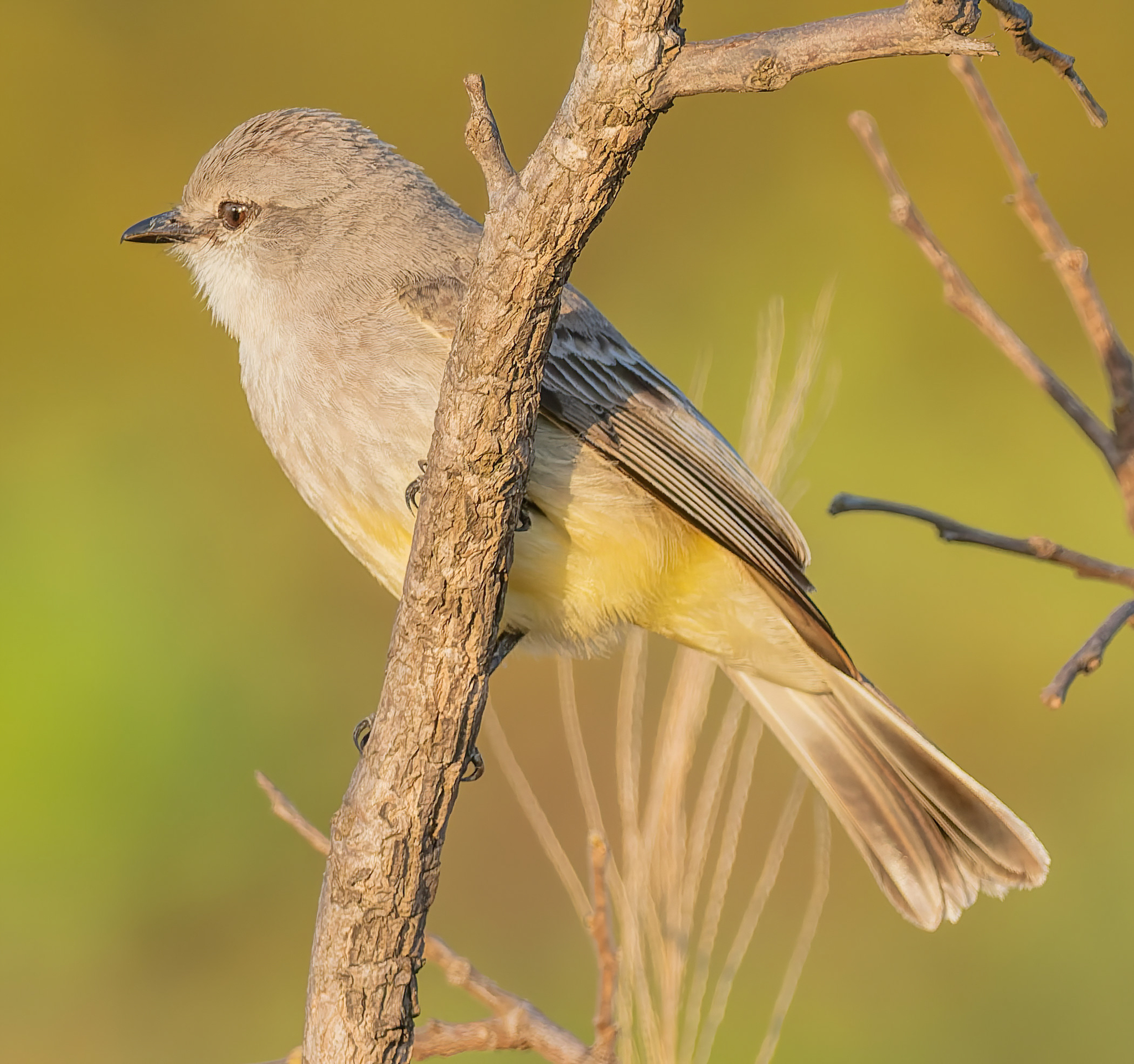
Sublegatus 3 species
-
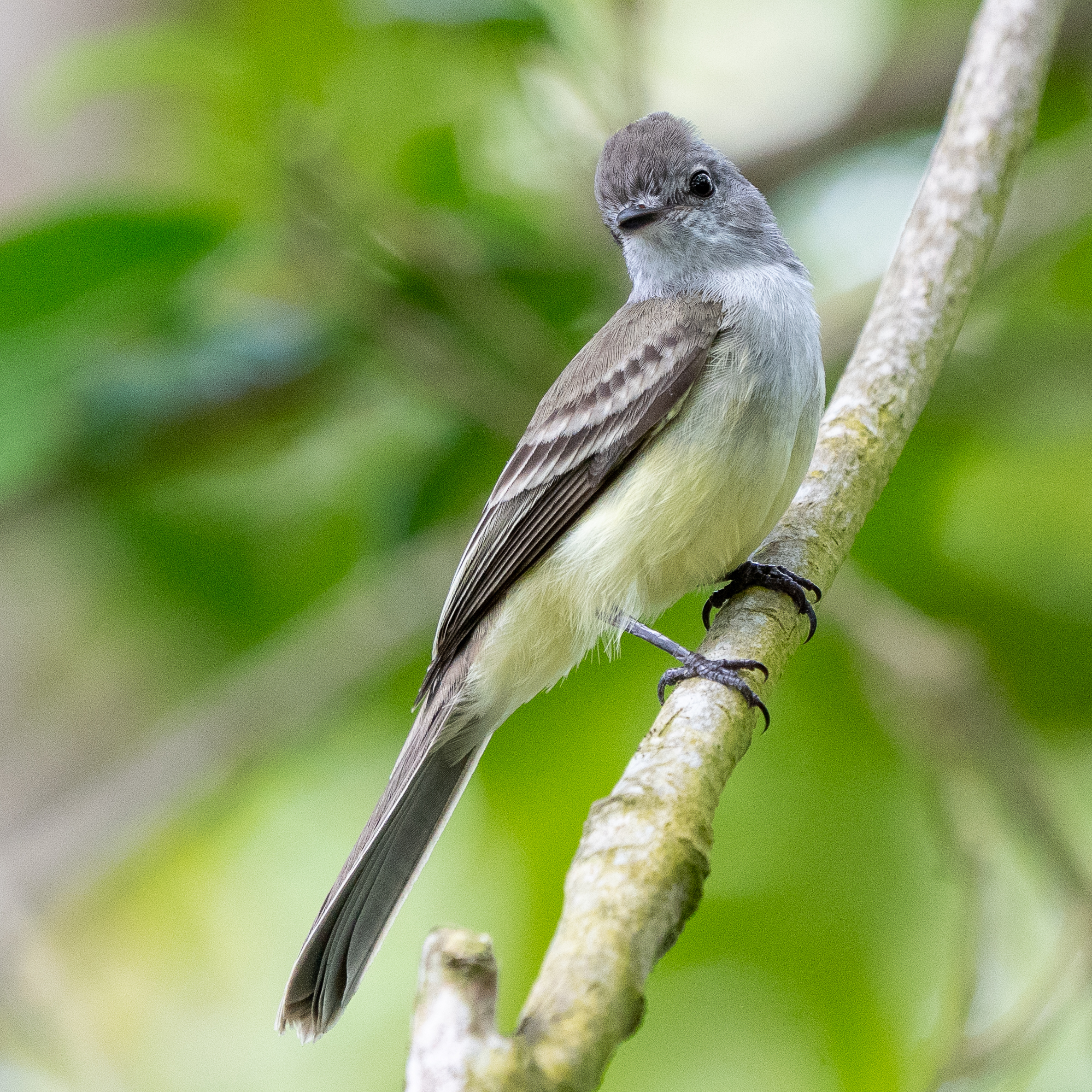
Northern Scrub Flycatcher
Sublegatus arenarum- Mangroves
- Dry forest and thorn scrub of northern Venezuela
- Restinga
-

Amazonian Scrub Flycatcher
Sublegatus obscurior- Secondary forest and forest edge
- White-sand forest and campina
- Savannas of the Guianas
-

Southern Scrub Flycatcher
Sublegatus modestus- Cerradão and dry woodland
- Cerrado savanna
- Gallery forest and woodland islands of the Pantanal
- Secondary forest and forest edge
- Woodland and scrub of the southern hills

Arundinicola 1 species

Fluvicola 3 species
-

Pied Water Tyrant
Fluvicola pica Flooded Llanos and esteros
- Floating meadows and river islands
- Lakes and reservoirs
- Pasture and arable land
- Savannas of the Guianas
-

Black-backed Water Tyrant
Fluvicola albiventer- Lakes, baías and aquatic vegetation
- Floating meadows and river islands
- Lakes and reservoirs
 Seasonally flooded plain
- Veredas and gallery forest
-

Masked Water Tyrant
Fluvicola nengeta- Lakes and reservoirs
- Towns, cities and gardens
- Pasture and arable land
- Caatinga scrub
- Coastal lowland forest
Pyrocephalus 1 species

Muscipipra 1 species

Gubernetes 1 species

Heteroxolmis 1 species

Alectrurus 2 species


Ochthornis 1 species
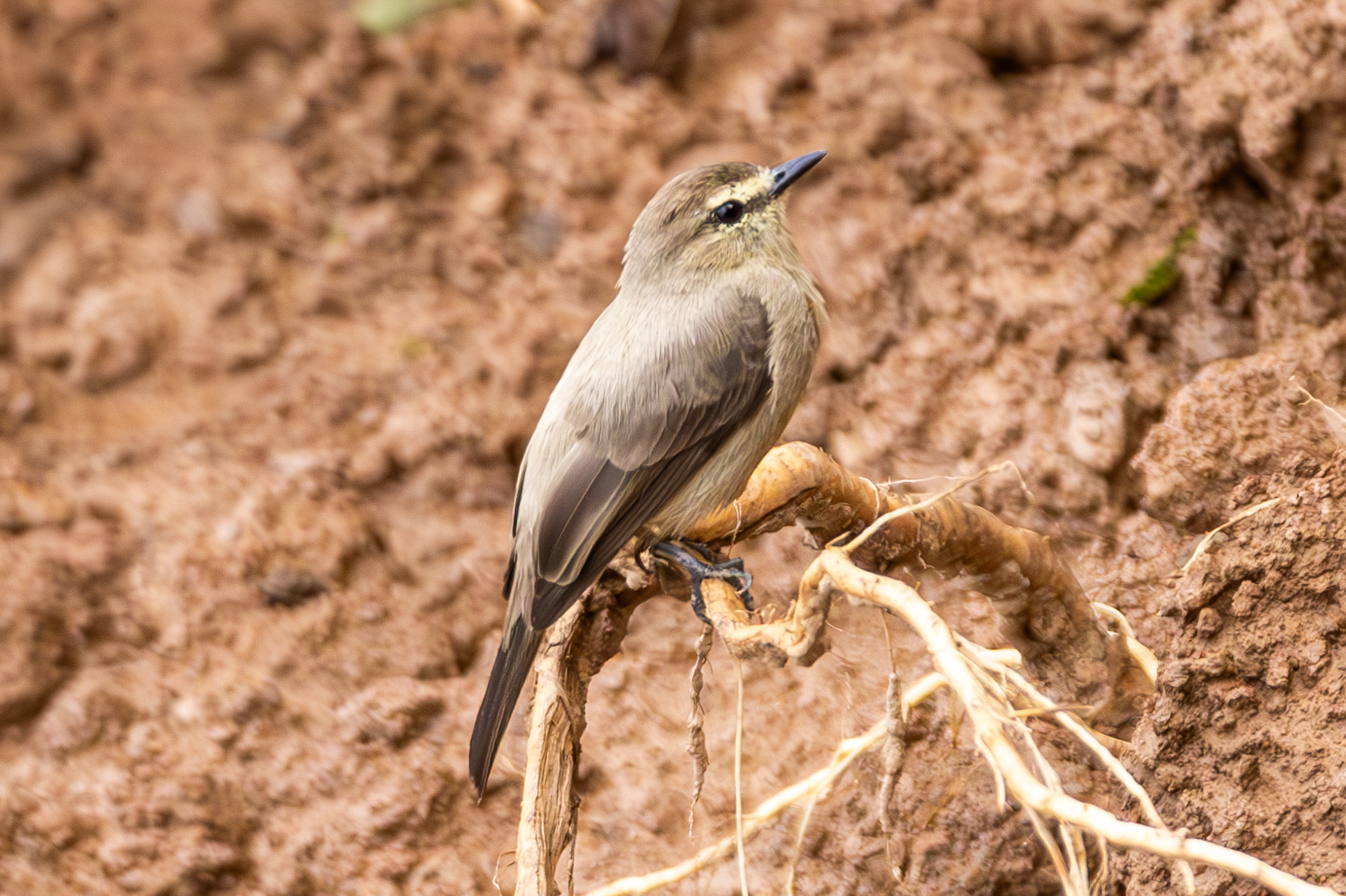


Empidonax 3 species
-

Acadian Flycatcher
Empidonax virescens- Montane forest of the Venezuelan Andes and Perijá
- Montane forest of the Venezuelan coastal range
- Plantations and agroforestry
-

Alder Flycatcher
Empidonax alnorum- Secondary forest and forest edge
- Floating meadows and river islands
- Várzea (whitewater flooded forest)
- Pasture and arable land
-

Willow Flycatcher
Empidonax traillii- Secondary forest and forest edge
- Dry forest and thorn scrub of northern Venezuela
- Flooded Llanos and esteros
- Pasture and arable land
Contopus 8 species
-

Olive-sided Flycatcher
Contopus cooperi- Montane forest of the Venezuelan Andes and Perijá
- Montane forest of the Venezuelan coastal range
- Highland forest of the Guiana Shield
- Secondary forest and forest edge
- Montane forest of the Serra do Mar
-

Smoke-colored Pewee
Contopus fumigatus- Montane forest of the Venezuelan Andes and Perijá
- Montane forest of the Venezuelan coastal range
- Highland forest of the Guiana Shield
-
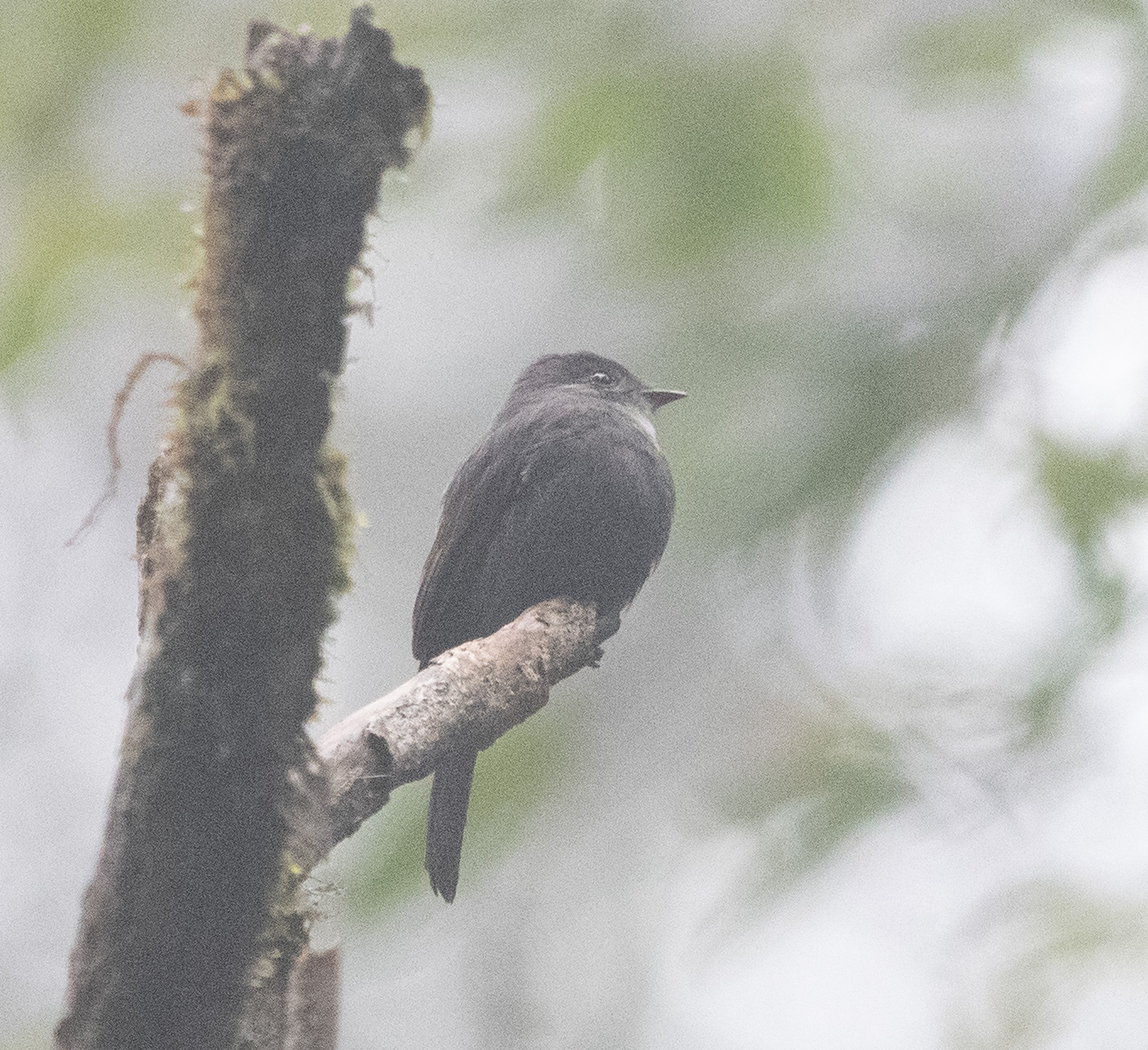
White-throated Pewee
Contopus albogularis- Highland forest of the Guiana Shield
- Secondary forest and forest edge
- Tall terra firme forest
-
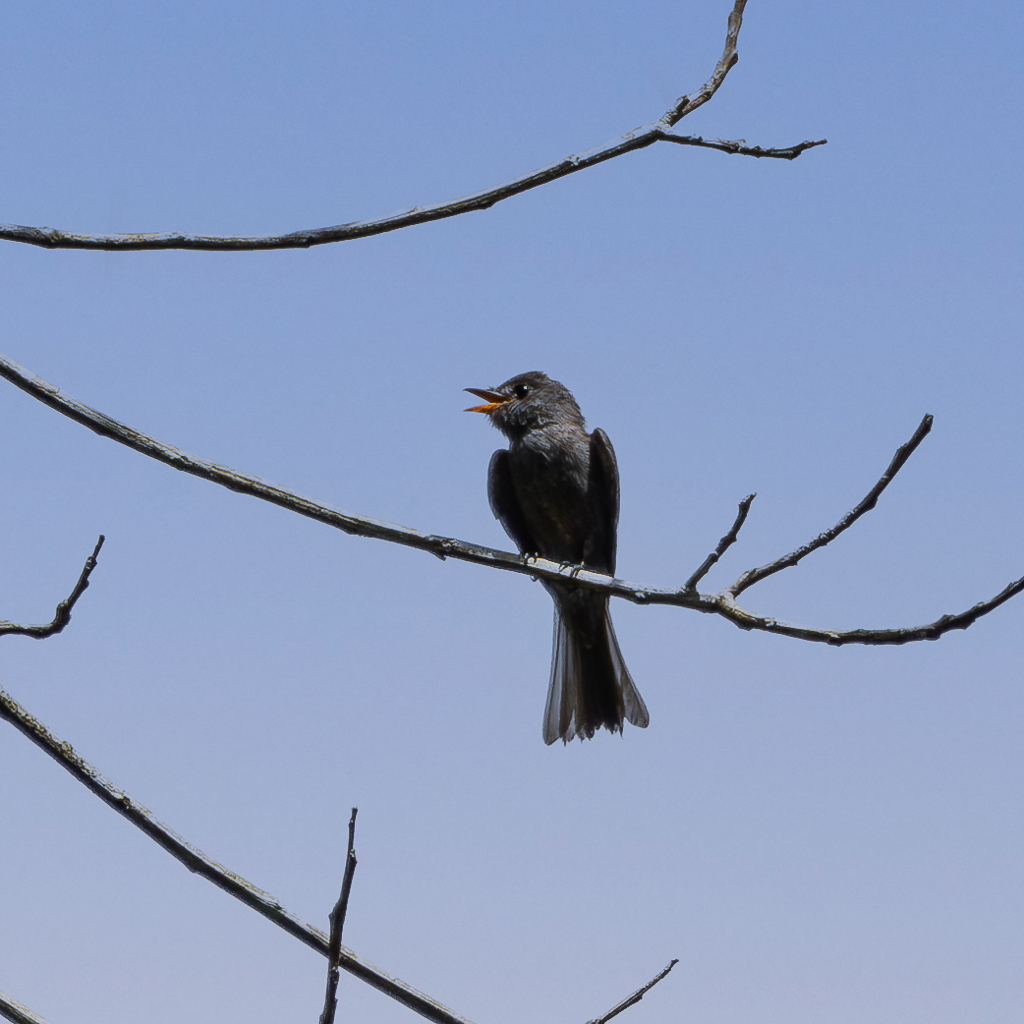
Blackish Pewee
Contopus nigrescens- Secondary forest and forest edge
- Tall terra firme forest
- Highland forest of the Guiana Shield
-

Southern Tropical Pewee
Contopus cinereus- Coastal lowland forest
- Interior semi-deciduous forest
- Veredas and gallery forest
- Cerradão and dry woodland
- Plantations and agroforestry
- Towns, cities and gardens
-

Western Wood Pewee
Contopus sordidulus- Montane forest of the Venezuelan Andes and Perijá
- Montane forest of the Venezuelan coastal range
- Secondary forest and forest edge
- Plantations and agroforestry
-
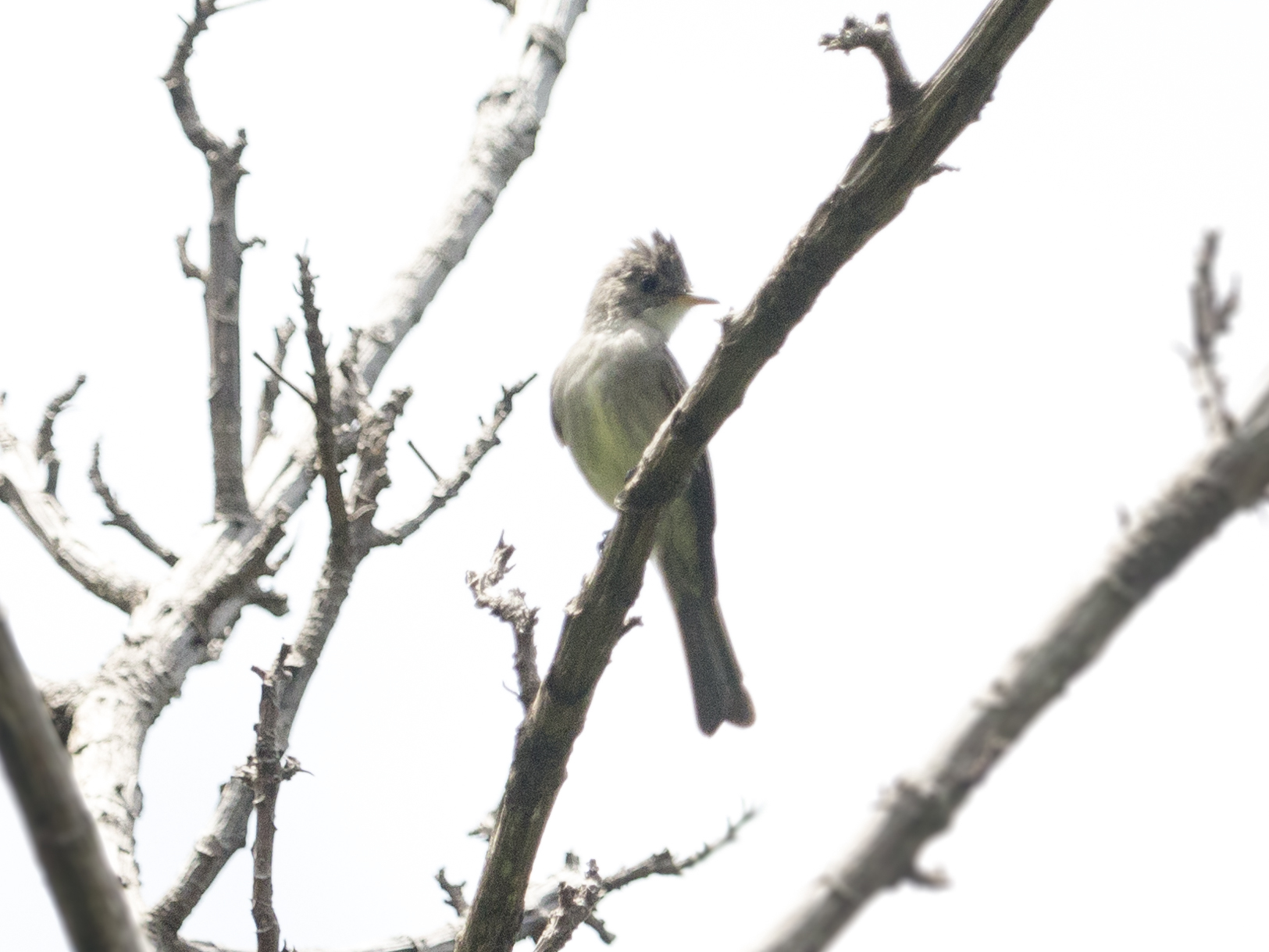
Northern Tropical Pewee
Contopus bogotensis- Secondary forest and forest edge
- Veredas and gallery forest
- Savannas of the Guianas
- Llanos savanna
- Dry forest and thorn scrub of northern Venezuela
- Plantations and agroforestry
-
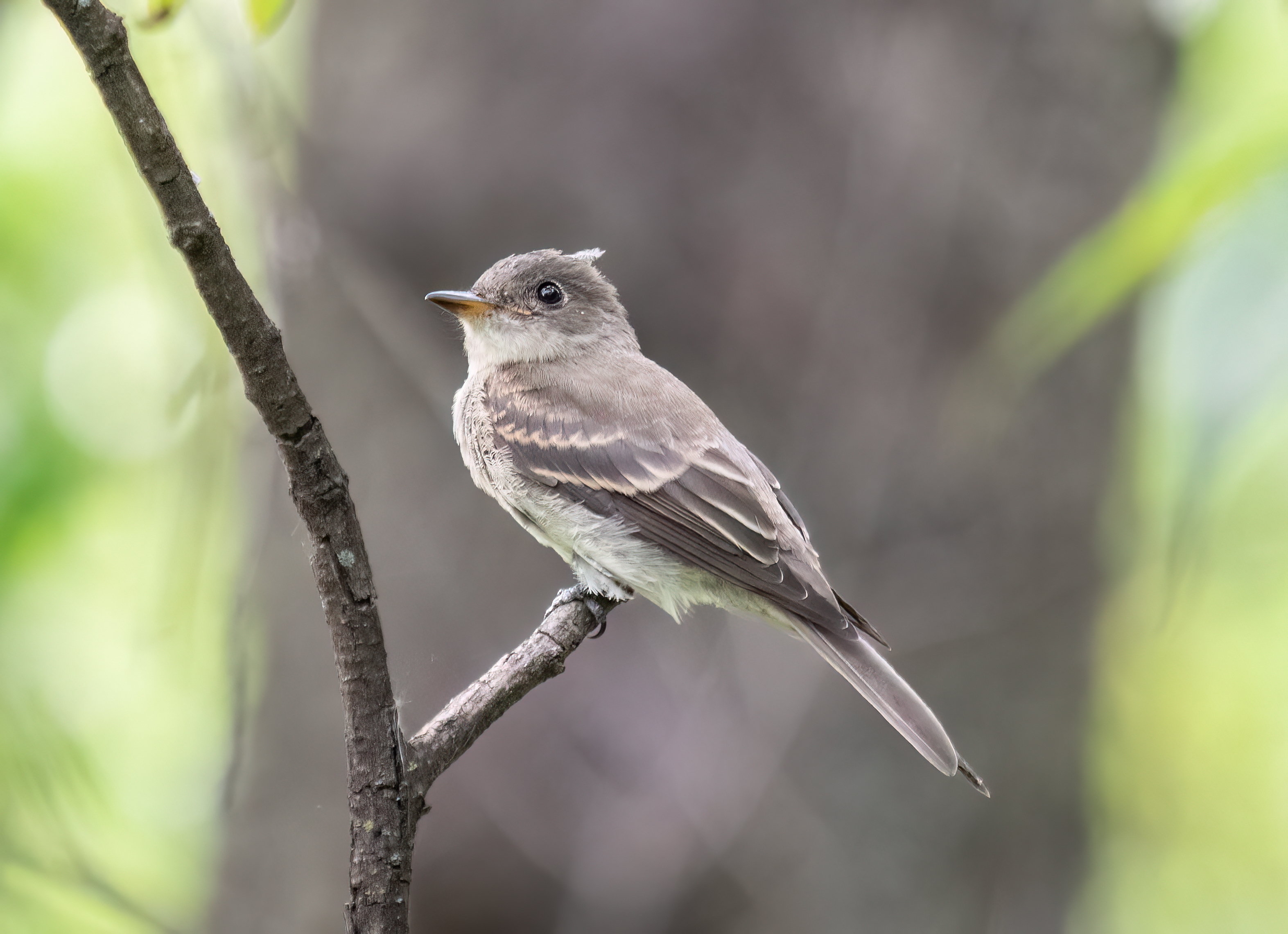
Eastern Wood Pewee
Contopus virens- Secondary forest and forest edge
- Tall terra firme forest
- Várzea (whitewater flooded forest)
- Montane forest of the Venezuelan Andes and Perijá

Syrtidicola 1 species

Lessonia 1 species

Hymenops 1 species

Knipolegus 9 species
-
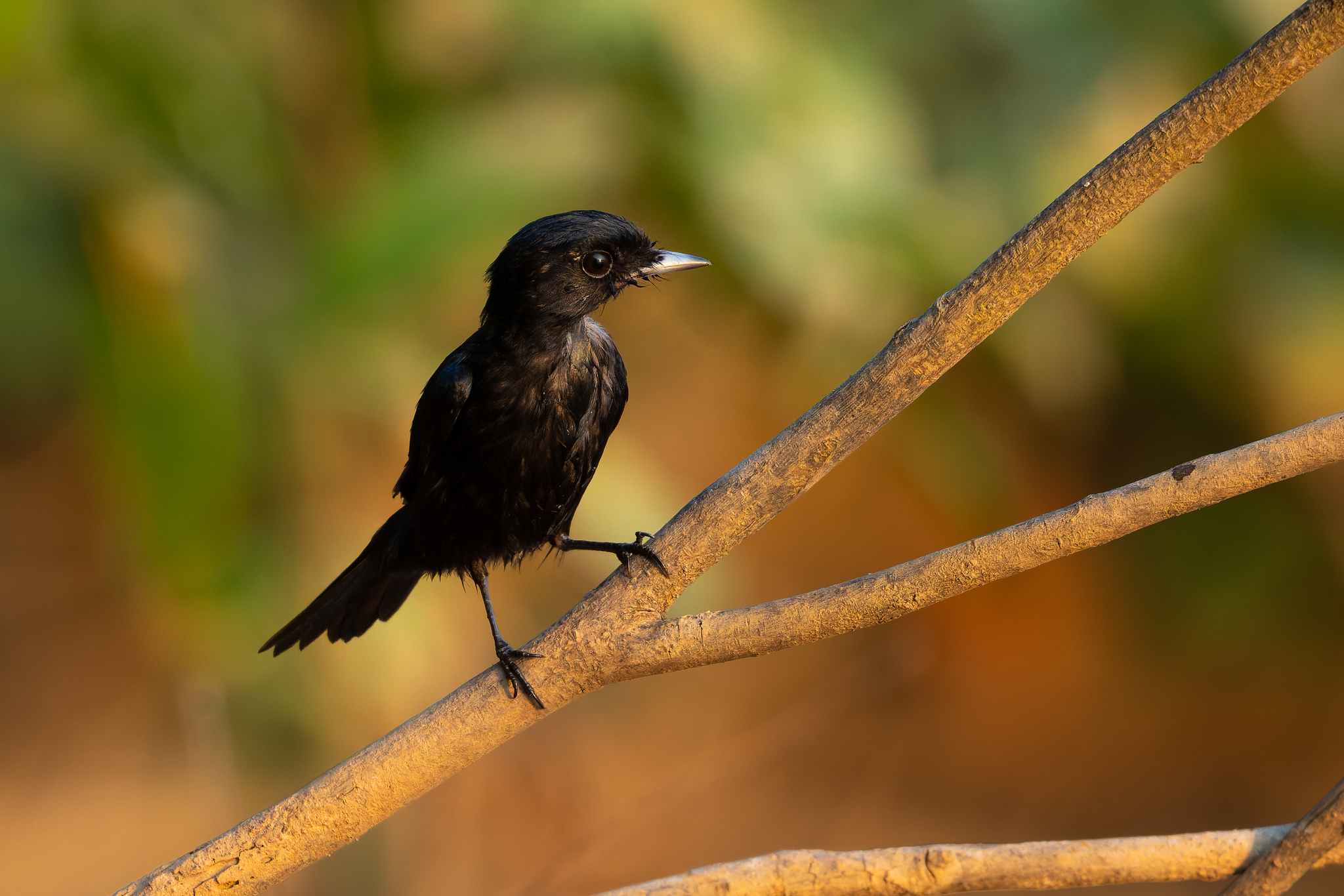
Riverside Tyrant
Knipolegus orenocensis- Floating meadows and river islands
- Large rivers and sandbars
- Várzea (whitewater flooded forest)
-

Rufous-tailed Tyrant
Knipolegus poecilurus- Montane forest of the Venezuelan Andes and Perijá
- Montane forest of the Venezuelan coastal range
- Highland forest of the Guiana Shield
- Tepui summits and sandstone scrub
-

Amazonian Black Tyrant
Knipolegus poecilocercus- Igapó (blackwater flooded forest)
- Várzea (whitewater flooded forest)
- Palm swamps
- Blackwater rivers and small streams
-

Sao Francisco Black Tyrant
Knipolegus franciscanus- Cerradão and dry woodland
- Dry forest of the north-east
- Caatinga scrub
-

Crested Black Tyrant
Knipolegus lophotes- Cerrado savanna
- Pasture and arable land
- Campo rupestre and mountain grassland
- Pampa grassland
-

Velvety Black Tyrant
Knipolegus nigerrimus- Campo rupestre and mountain grassland
- Montane forest of the Serra do Mar
- Woodland and scrub of the southern hills
-

Blue-billed Black Tyrant
Knipolegus cyanirostris- Interior semi-deciduous forest
- Araucaria forest
- Veredas and gallery forest
- Montane forest of the Serra do Mar
- Woodland and scrub of the southern hills
-

Cinereous Tyrant
Knipolegus striaticeps- Cerradão and dry woodland
- Gallery forest and woodland islands of the Pantanal
-

Hudson's Black Tyrant
Knipolegus hudsoni- Cerradão and dry woodland
- Gallery forest and woodland islands of the Pantanal
- Pasture and arable land
Xolmis 2 species


Nengetus 1 species

Neoxolmis 2 species


Vagrants 3 species
Birds blown in from other continents. They have no range here, and so no distribution map.


