All species › Passerines › New World sparrows
New World sparrows | Passerellidae
Amerikaanse gorzen | Chingolos | New World sparrows
The sparrows of the New World: seed-eaters with a short conical bill, sturdy legs and a fairly long, rounded tail, mostly brown and streaked above. Many species feed on the ground in leaf litter and under shrubs, using a way of scratching typical of the family: both feet kicked backwards at once in a short hop, so that the litter flies away and seeds and insects are exposed. In the streaked species identification turns mainly on the head pattern: crown stripes, supercilium, eye-stripe and malar stripe in fixed patterns. The nest is a small cup on the ground or low in a shrub. Since about 2017 they have been placed in a family of their own, separate from the Emberizidae. In the Andes and along the west coast the family numbers 59 species in nine genera. The brushfinches of Atlapetes reach their greatest diversity here, with many species each confined to a small stretch of the slopes, in cloud forest, forest edge and scrub up to the páramo; Arremon lives in the undergrowth of lowland and montane forest, and the Chlorospingus species, unlike the rest, move through the canopy in small flocks. Rufous-collared Sparrow is found in open country everywhere, from villages and fields to high in the Andes, Tumbes Sparrow belongs to the dry scrub of the Tumbesian region of Ecuador and Peru, and Tanager Finch lives in cloud forest in Colombia and Ecuador. A few northern species reach the region as rare winter visitors.
Native species 54 species
Species that occur here by nature: breeding birds, winter visitors and passage migrants. They are arranged by genus, in the sequence of the list.
Oreothraupis 1 species
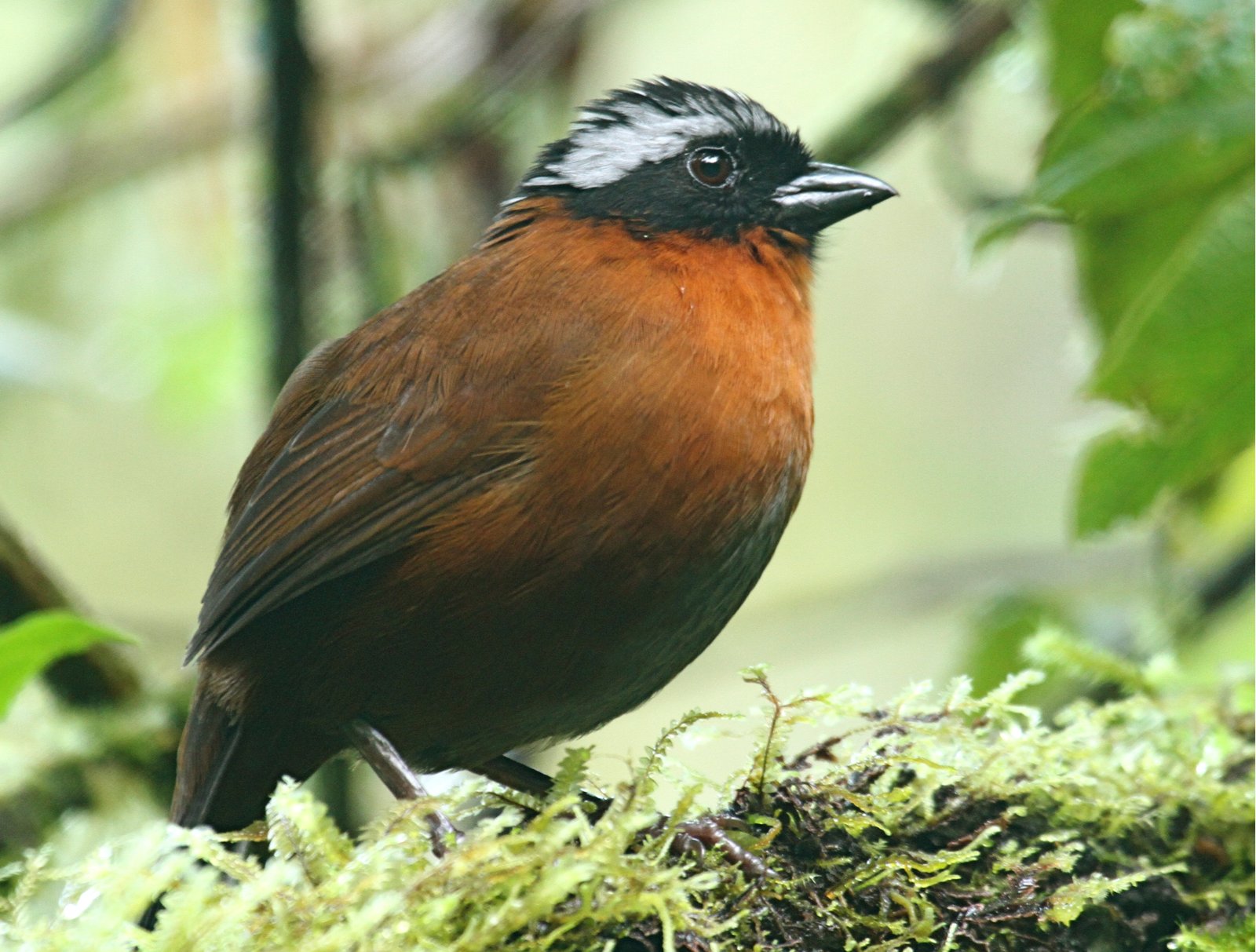
Chlorospingus 6 species
-
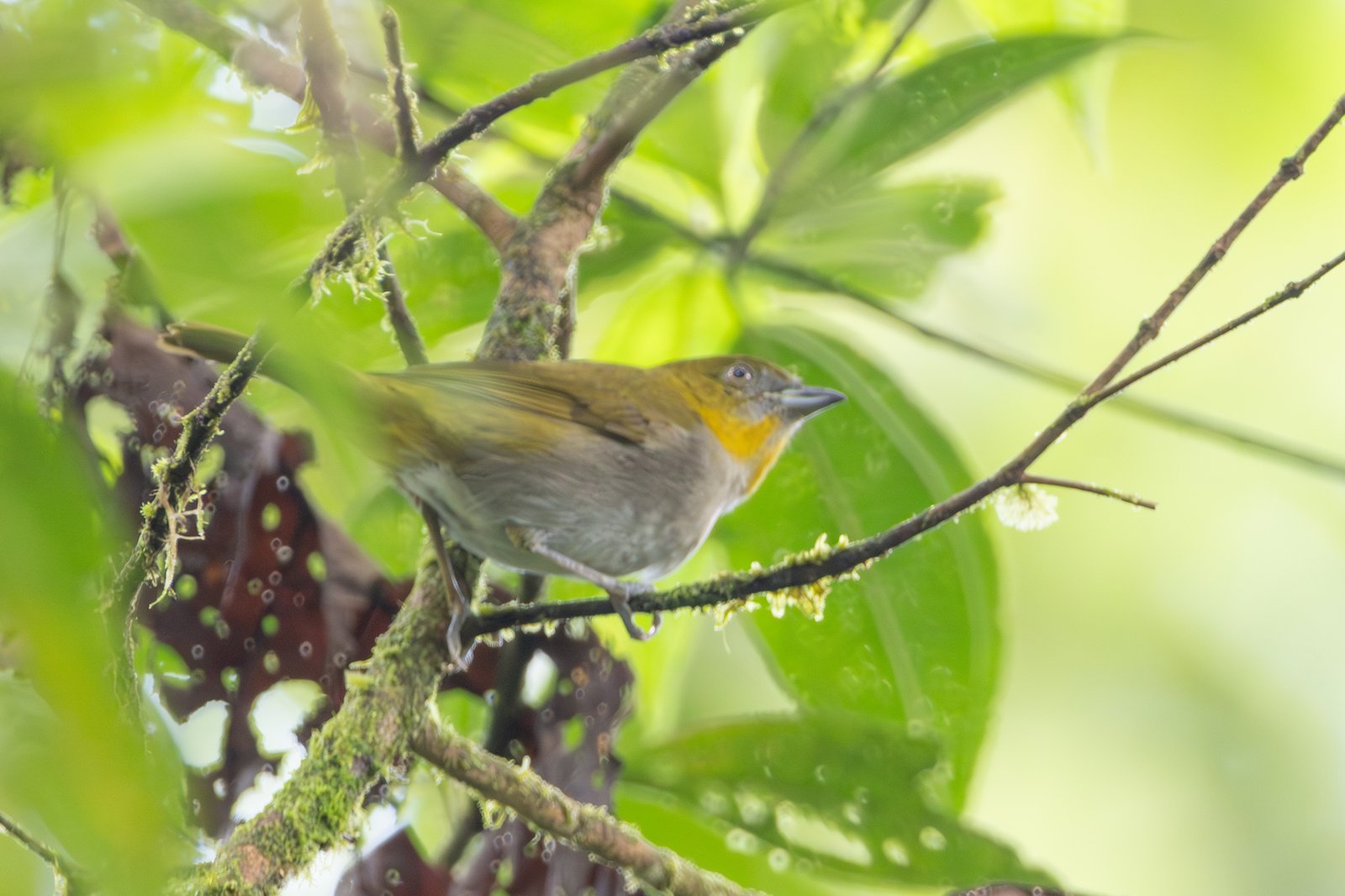
Yellow-throated Chlorospingus
Chlorospingus flavigularis Northern Andean subtropical forest
 Eastern Andean foothill forest
 Lower Yungas forest
 Western Ecuador humid forest
 Secondary forest and forest edge
-
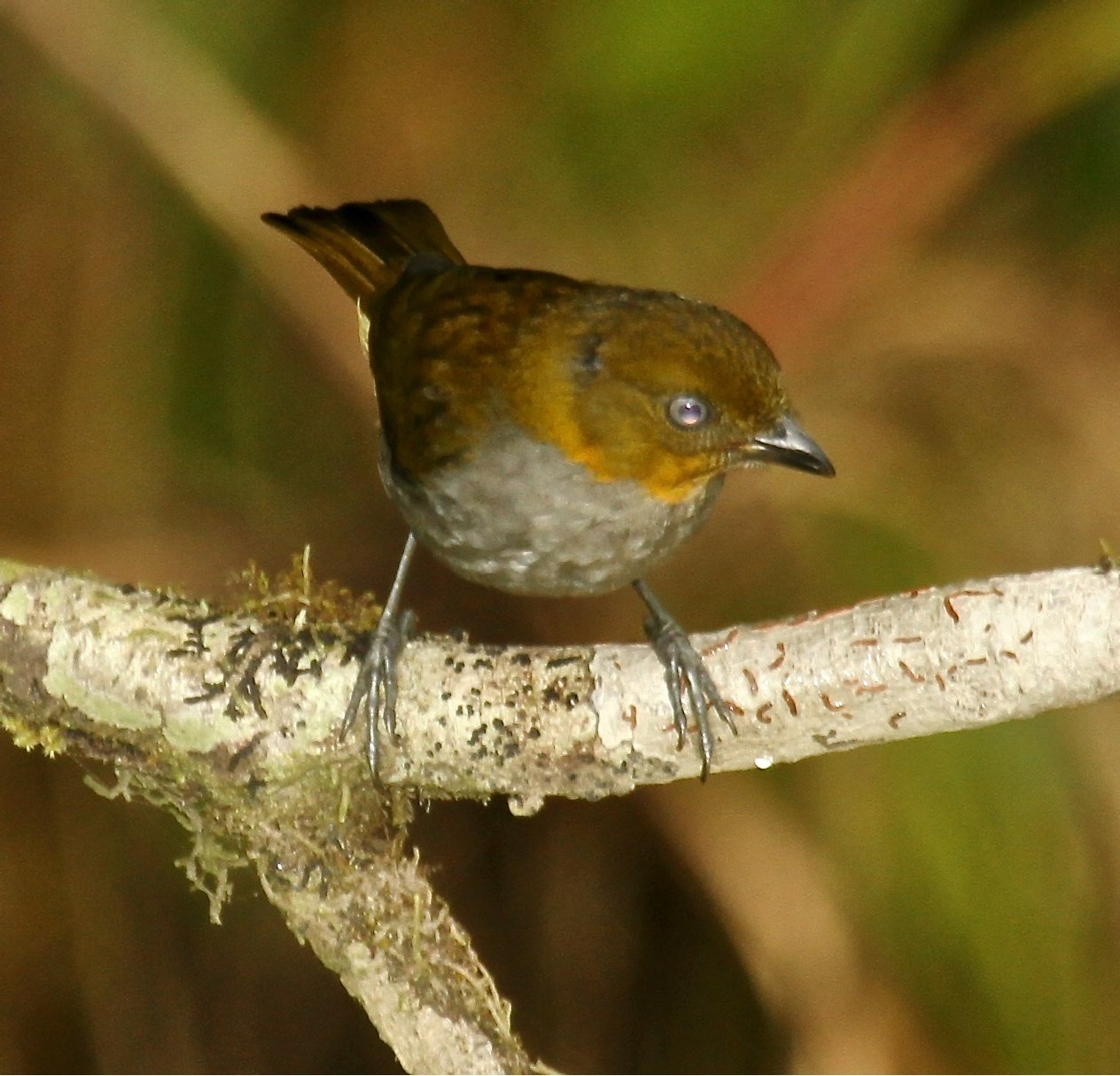
Yellow-whiskered Chlorospingus
Chlorospingus parvirostris- Northern Andean subtropical forest
- Lower Yungas forest
- Eastern Andean foothill forest
 Northern Andean cloud forest and temperate forest
- Secondary forest and forest edge
-

Ashy-throated Chlorospingus
Chlorospingus canigularis- Northern Andean subtropical forest
- Eastern Andean foothill forest
- Western Ecuador humid forest
- Secondary forest and forest edge
- Lower Yungas forest
-
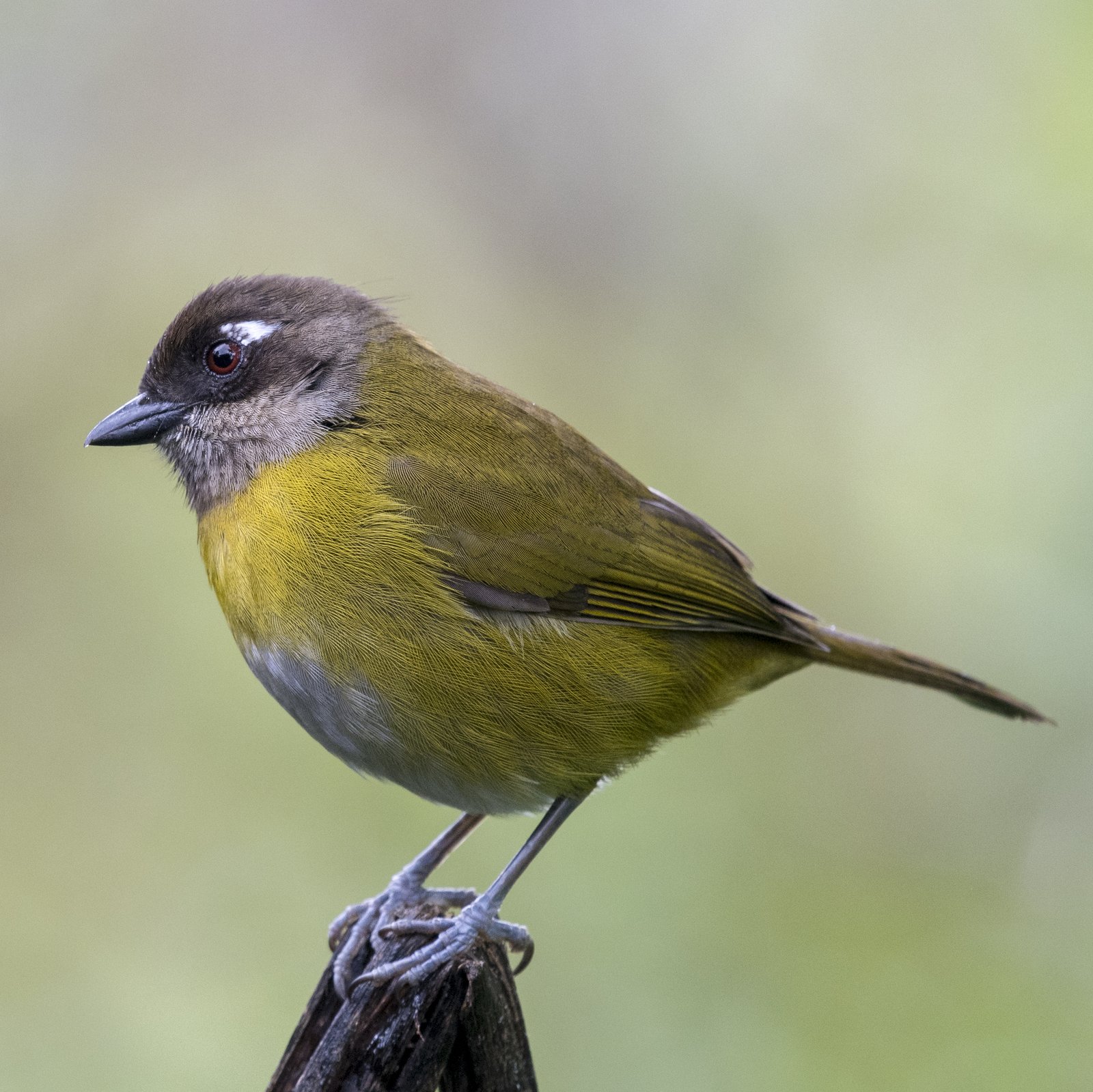
Common Chlorospingus
Chlorospingus flavopectus- Northern Andean cloud forest and temperate forest
- Northern Andean subtropical forest
 Upper Yungas cloud forest
- Lower Yungas forest
- Secondary forest and forest edge
-
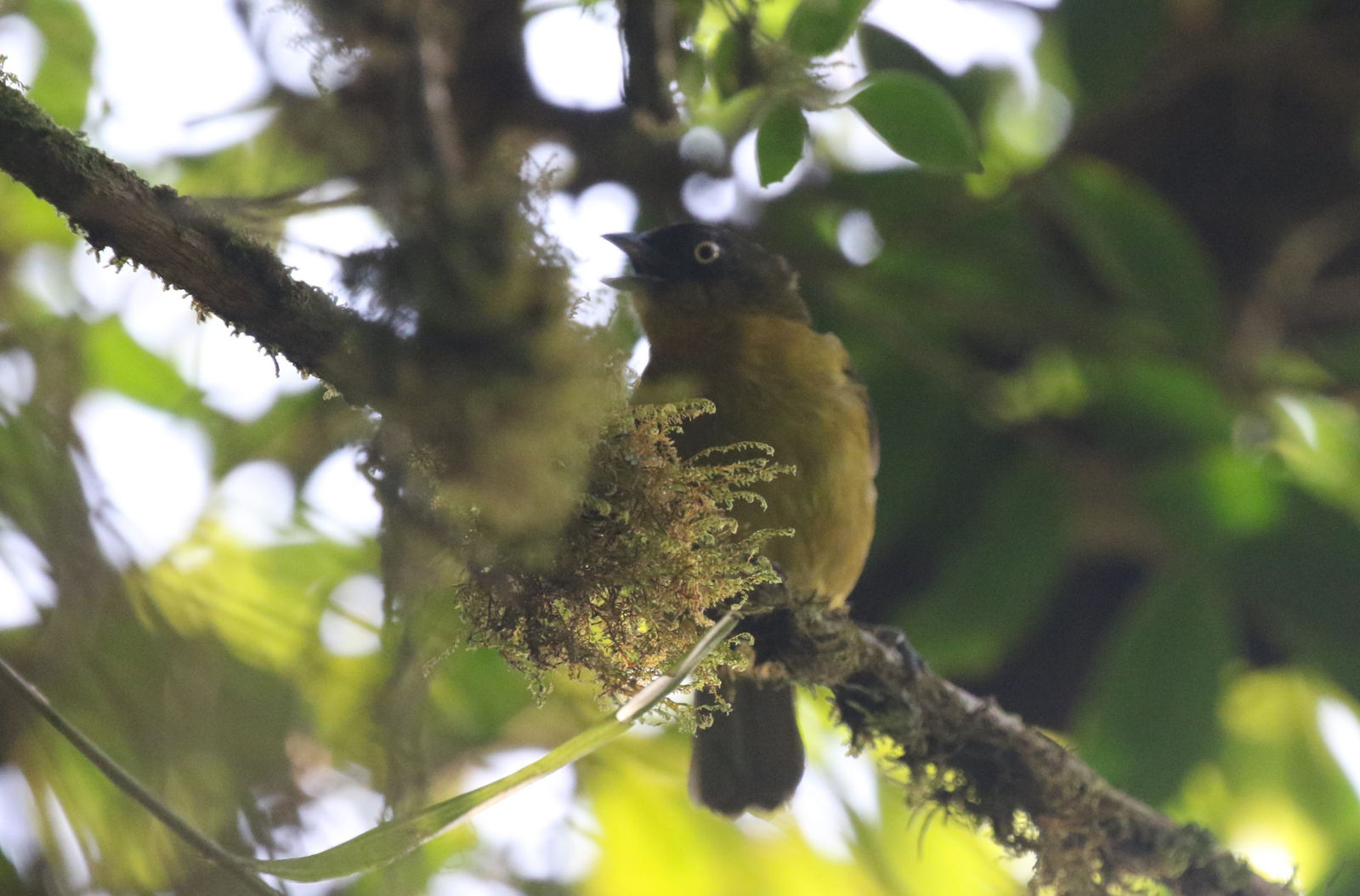
Pirre Chlorospingus
Chlorospingus inornatus- Northern Andean cloud forest and temperate forest
- Northern Andean subtropical forest
-

Dusky Chlorospingus
Chlorospingus semifuscus- Northern Andean cloud forest and temperate forest
- Northern Andean subtropical forest
- Secondary forest and forest edge
- Western Ecuador humid forest
Ammodramus 3 species
-
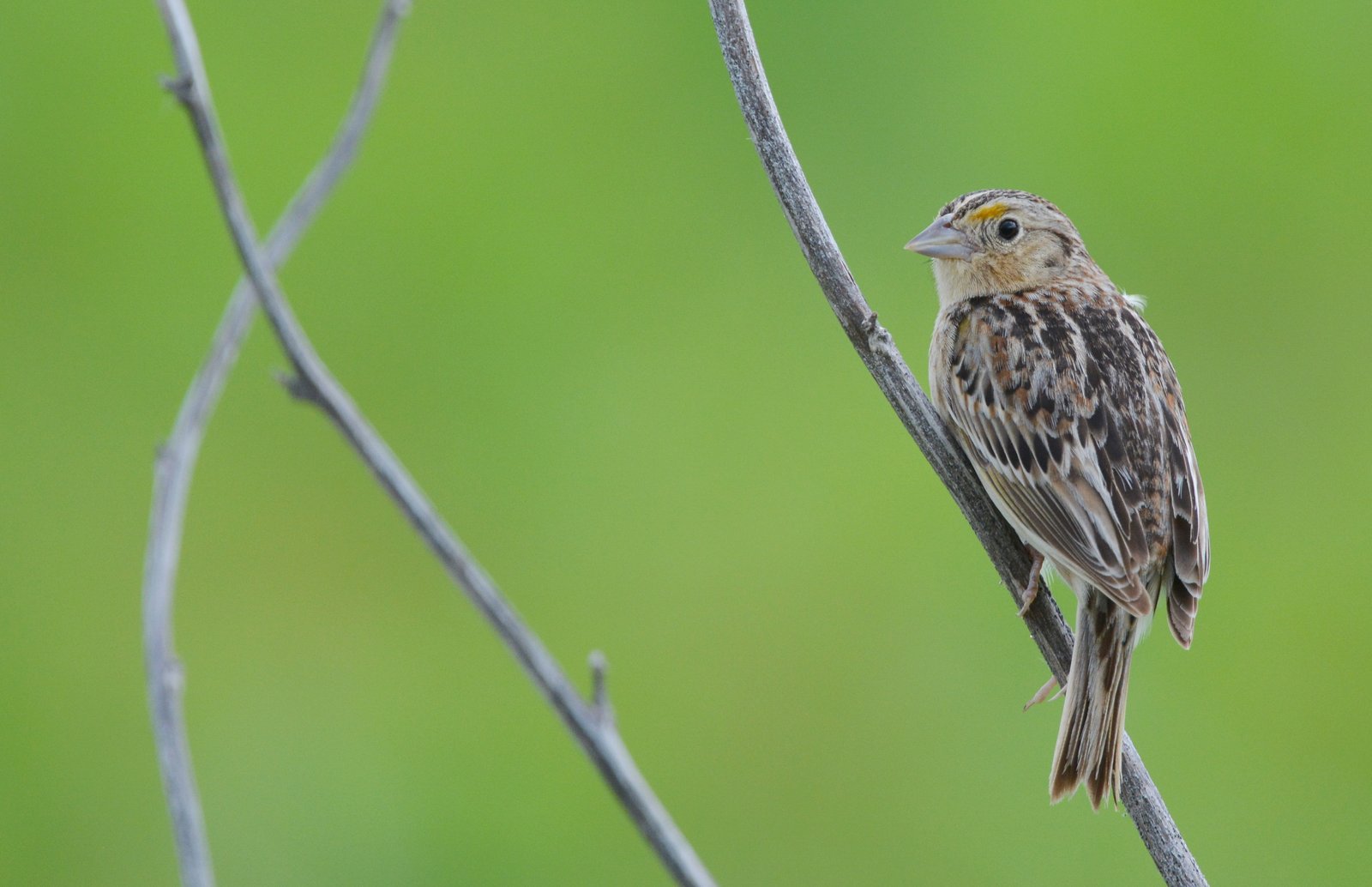
Grasshopper Sparrow
Ammodramus savannarum Pasture and ranchland
 Marañón and northern inter-Andean dry forest
 Andean fields and terraces
-

Grassland Sparrow
Ammodramus humeralis Llanos savanna
 Beni savanna and cerrado
- Pasture and ranchland
-
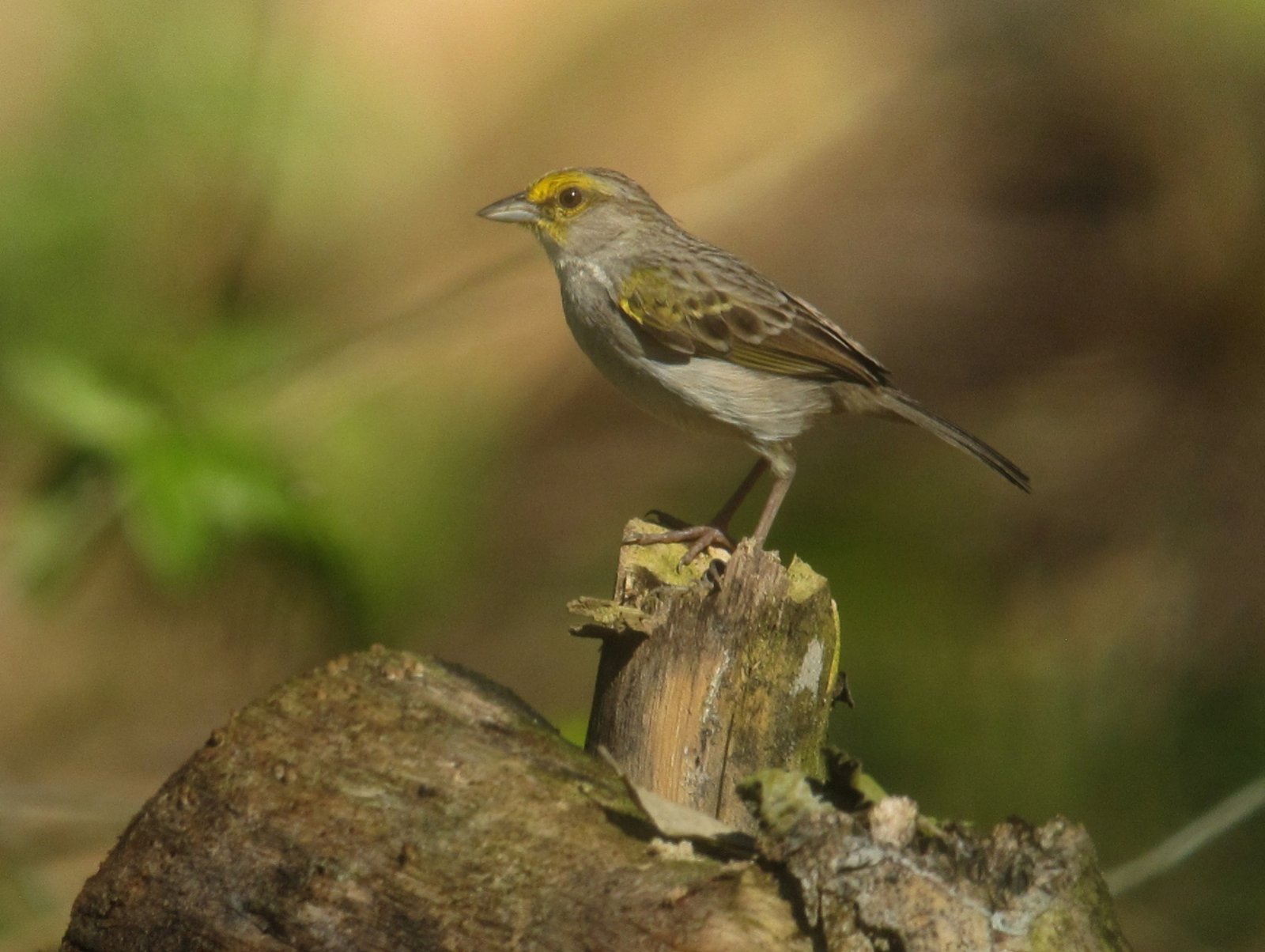
Yellow-browed Sparrow
Ammodramus aurifrons- Pasture and ranchland
 Lowland rivers and sandbars
- Secondary forest and forest edge
 Towns, cities and parks
 Várzea, igapó and river islands
Rhynchospiza 2 species
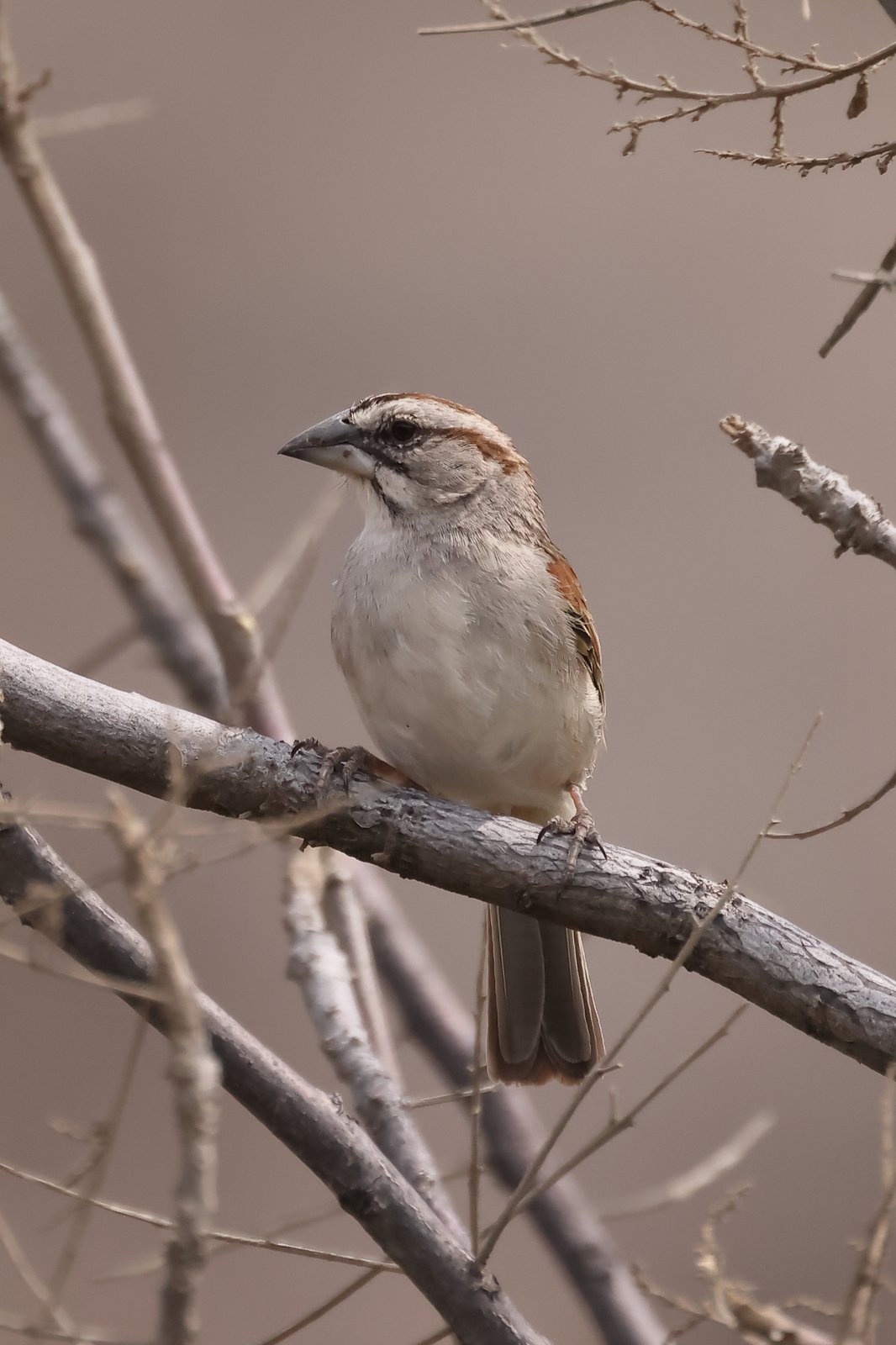
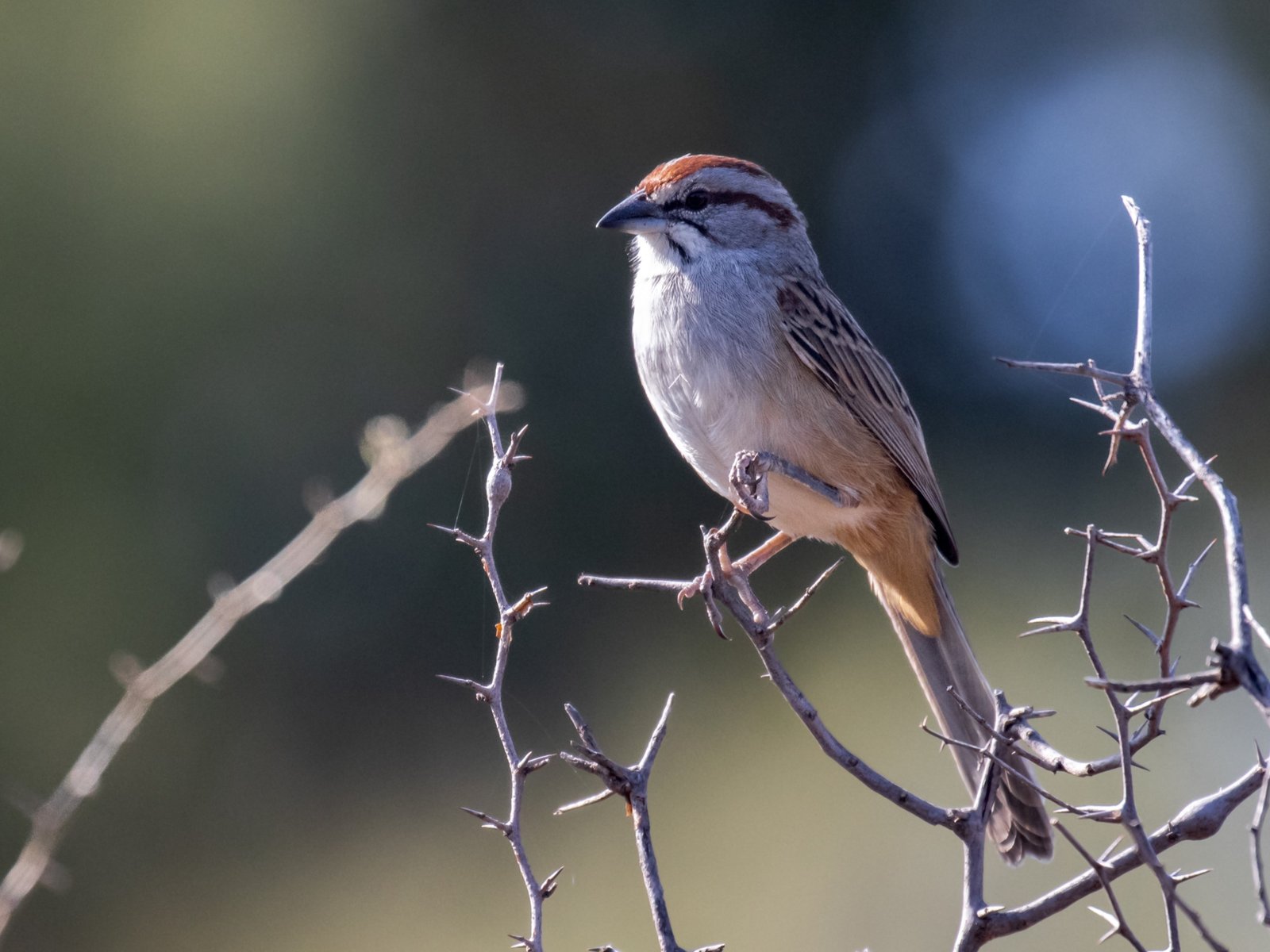
Arremonops 2 species
-
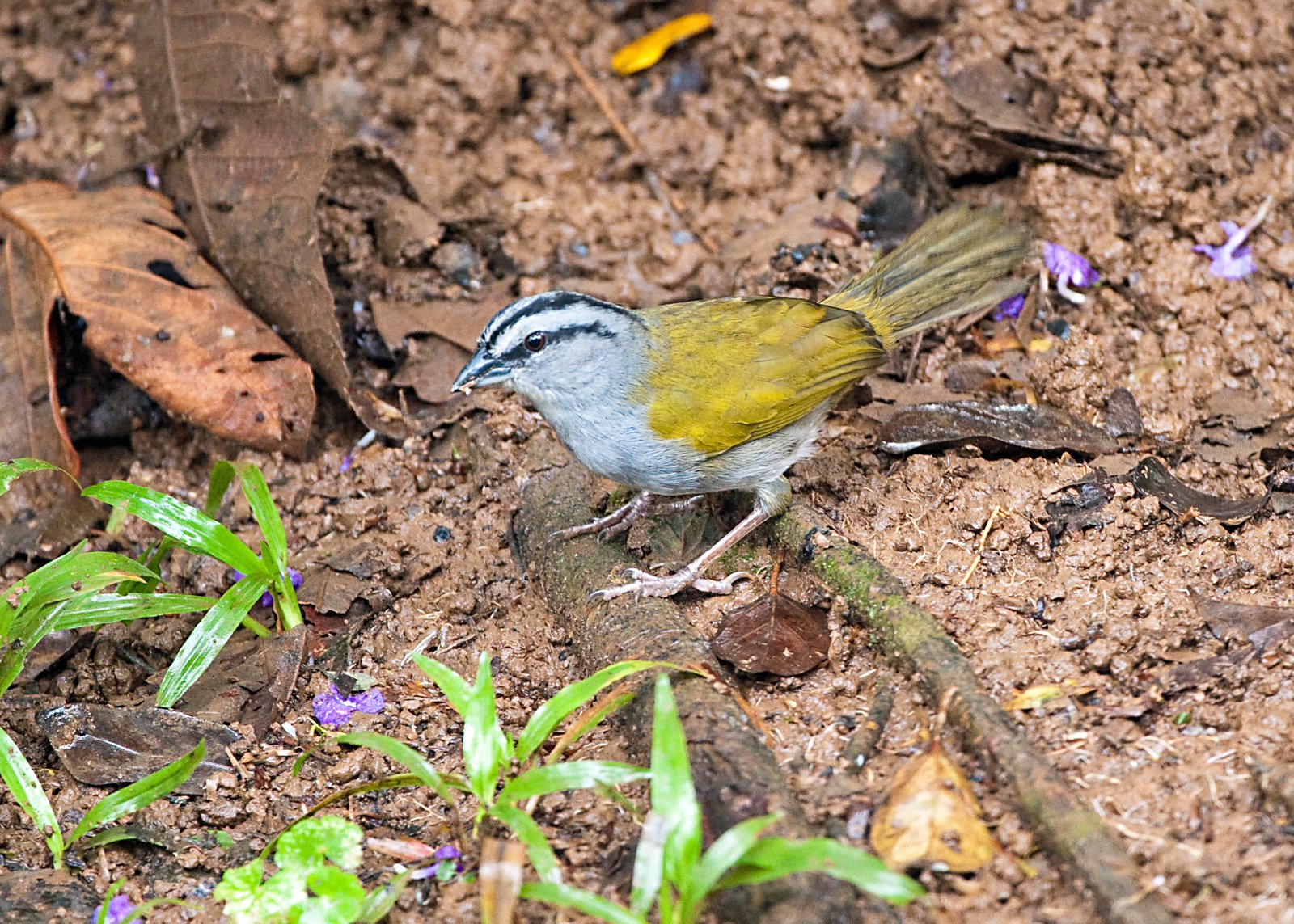
Black-striped Sparrow
Arremonops conirostris- Secondary forest and forest edge
- Western Ecuador humid forest
 Tumbesian dry forest and thorn scrub
 Coffee, cacao and agroforestry
- Pasture and ranchland
-
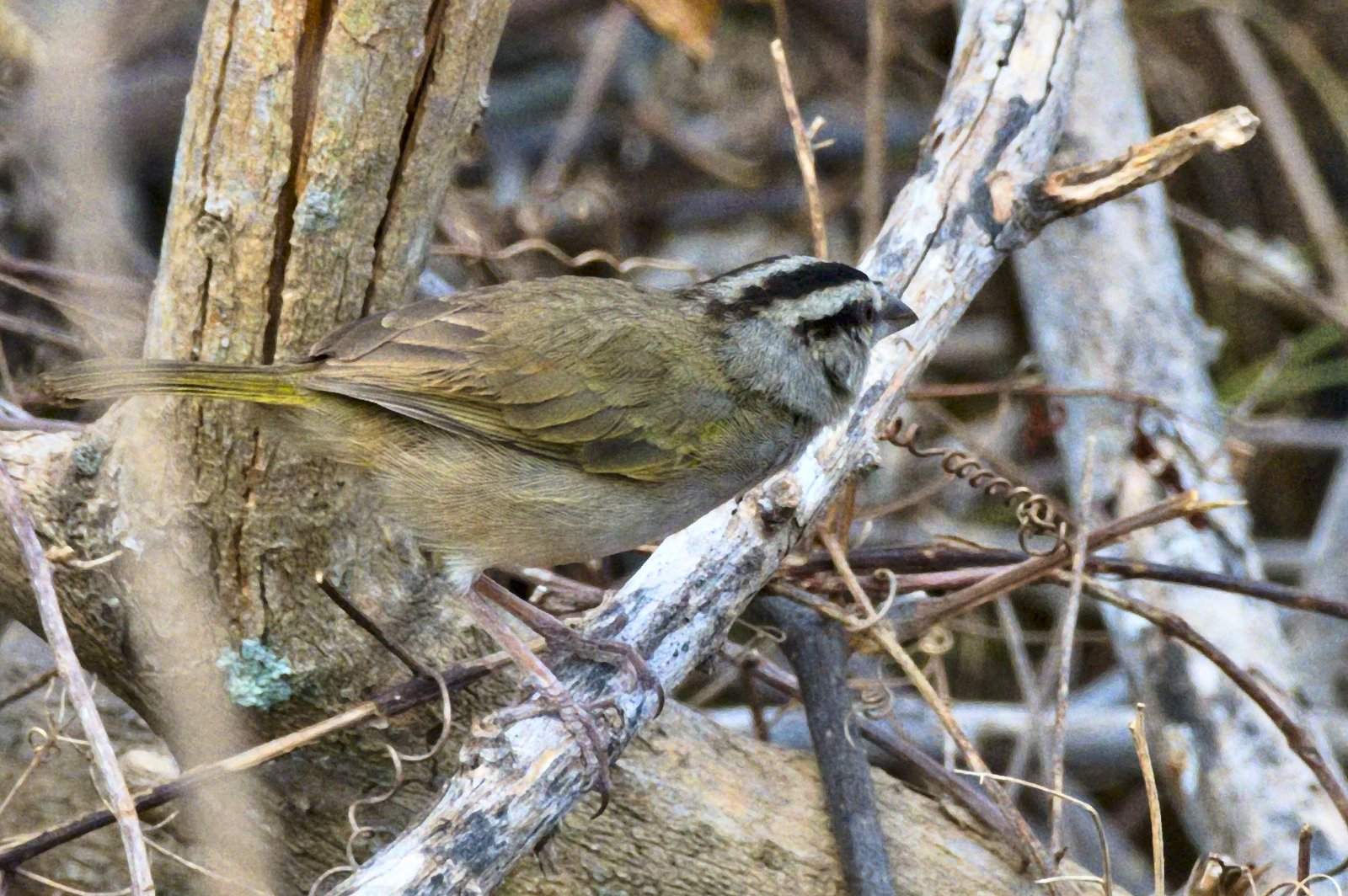
Tocuyo Sparrow
Arremonops tocuyensis- Tumbesian dry forest and thorn scrub
- Marañón and northern inter-Andean dry forest
- Secondary forest and forest edge
Arremon 13 species
-
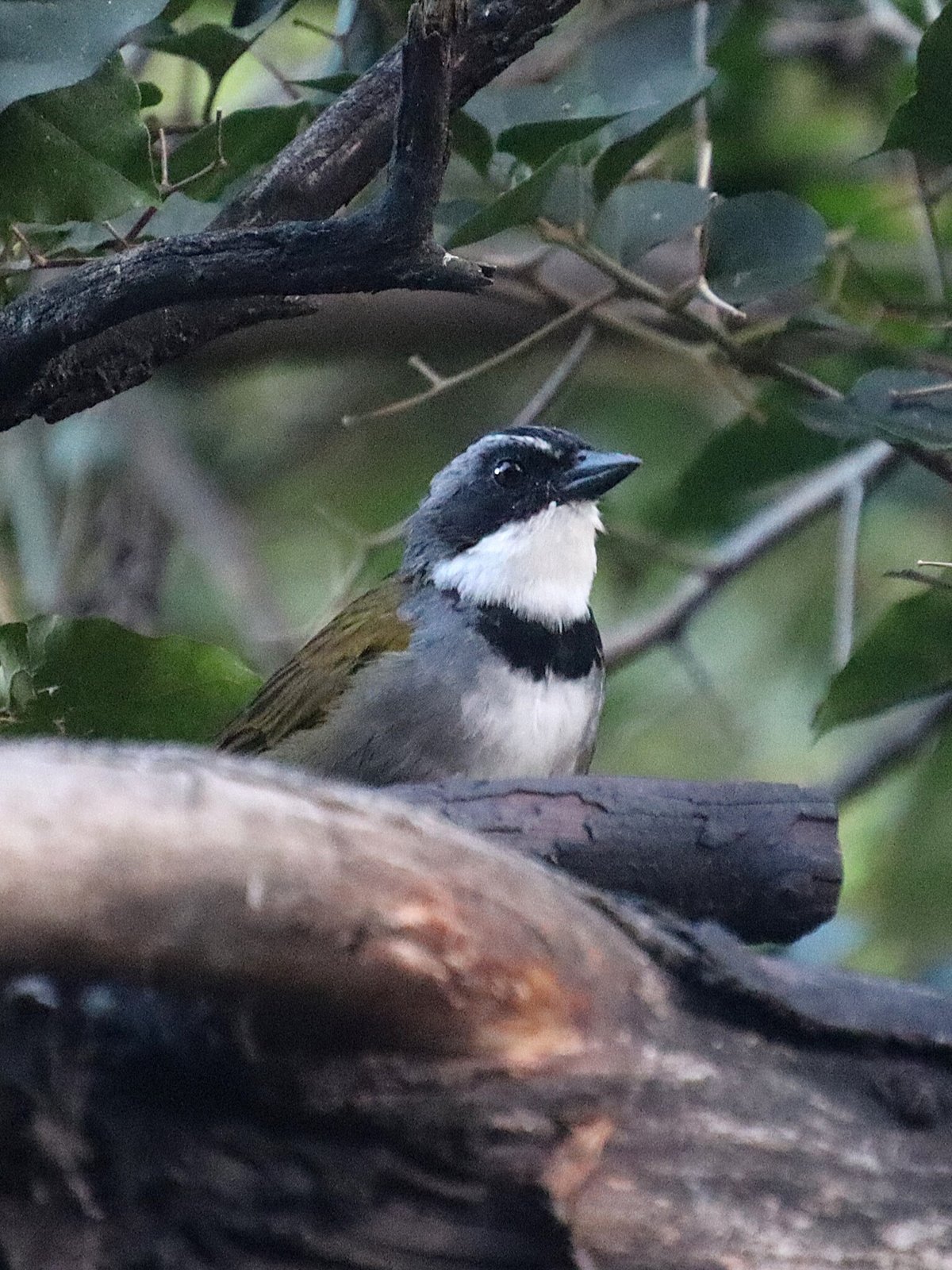
Sierra Nevada Brushfinch
Arremon basilicus- Northern Andean cloud forest and temperate forest
- Northern Andean subtropical forest
- Secondary forest and forest edge
-
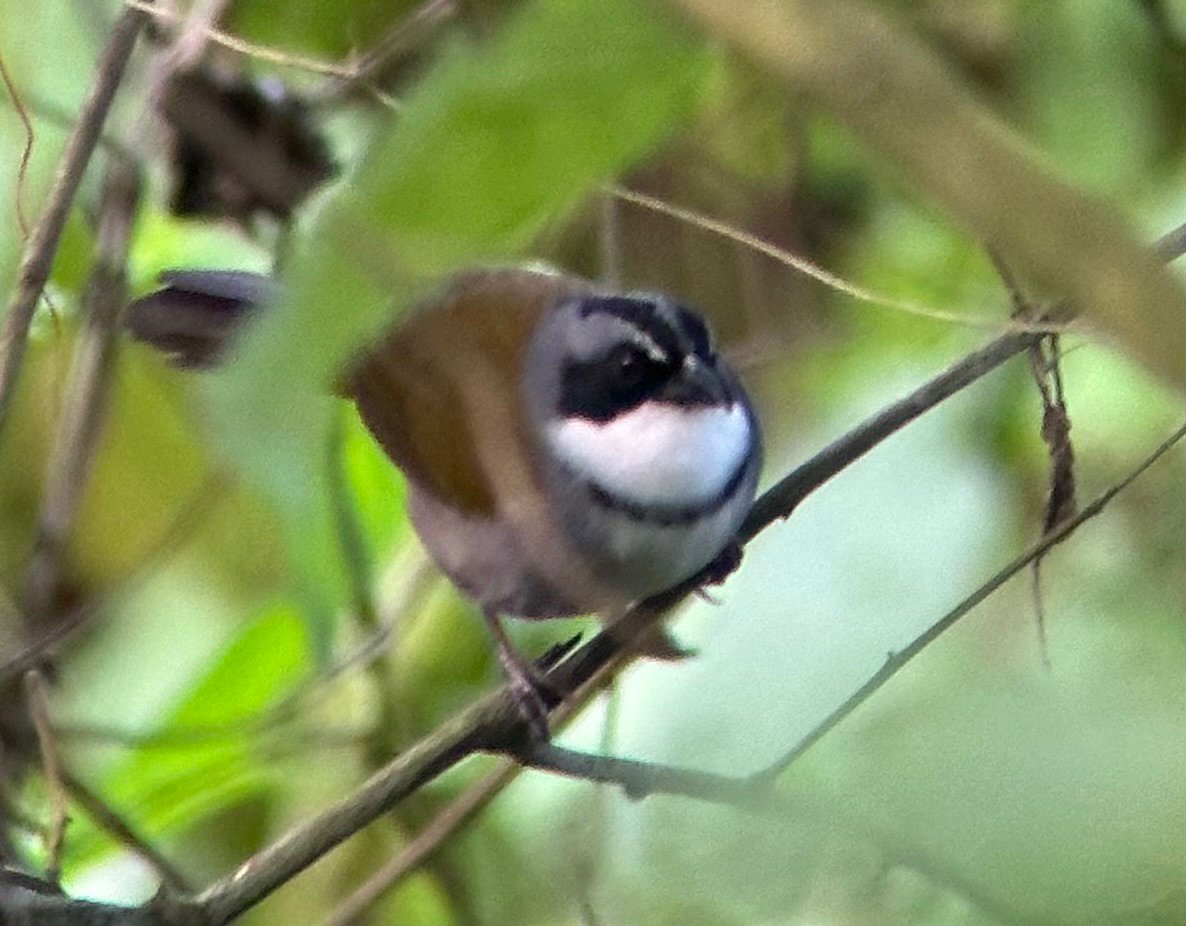
Perija Brushfinch
Arremon perijanus- Northern Andean cloud forest and temperate forest
- Northern Andean subtropical forest
- Secondary forest and forest edge
-
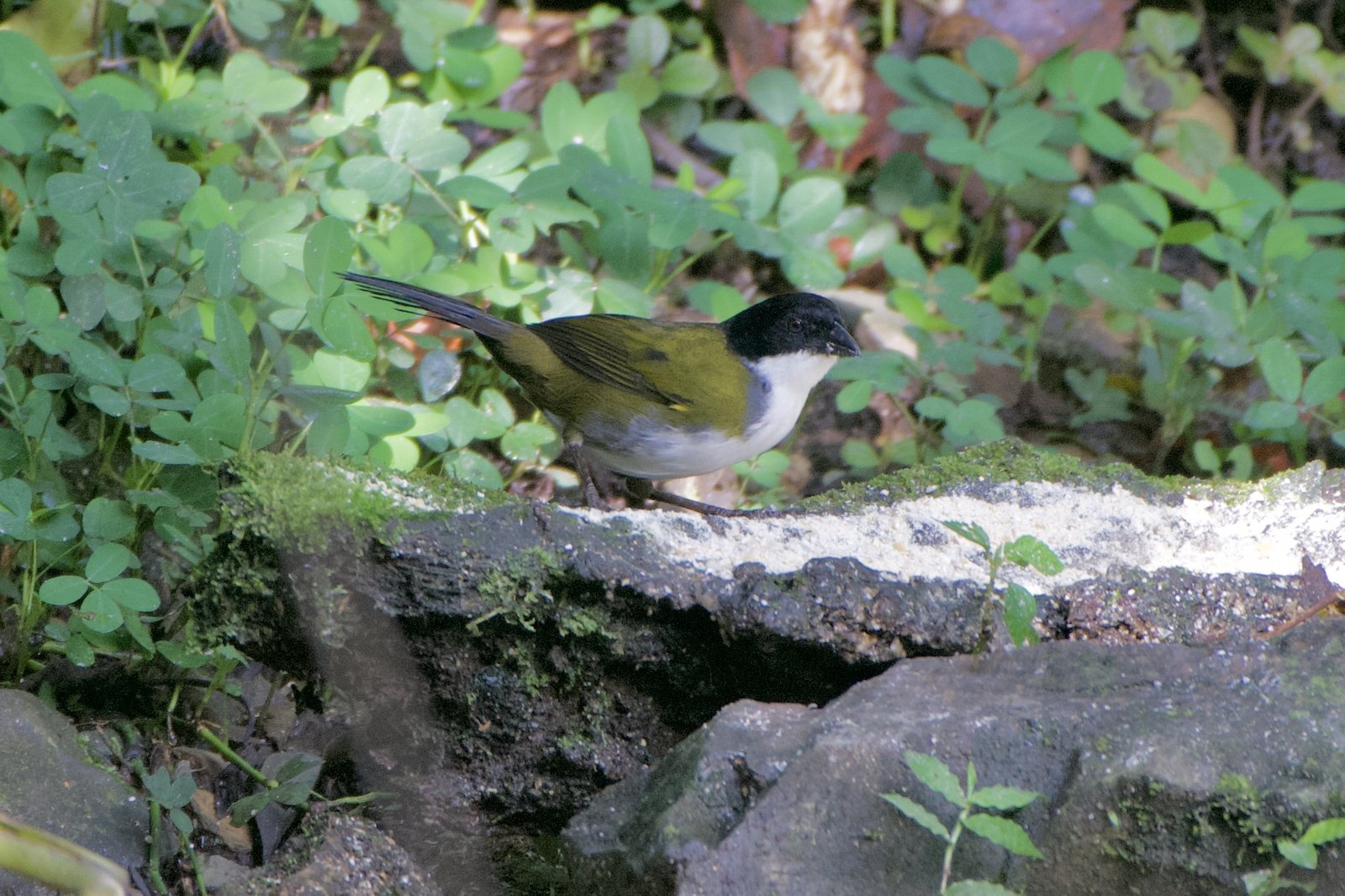
Black-headed Brushfinch
Arremon atricapillus- Northern Andean subtropical forest
- Secondary forest and forest edge
- Coffee, cacao and agroforestry
-

Grey-browed Brushfinch
Arremon assimilis- Northern Andean cloud forest and temperate forest
- Northern Andean subtropical forest
 Bamboo forest
- Secondary forest and forest edge
-
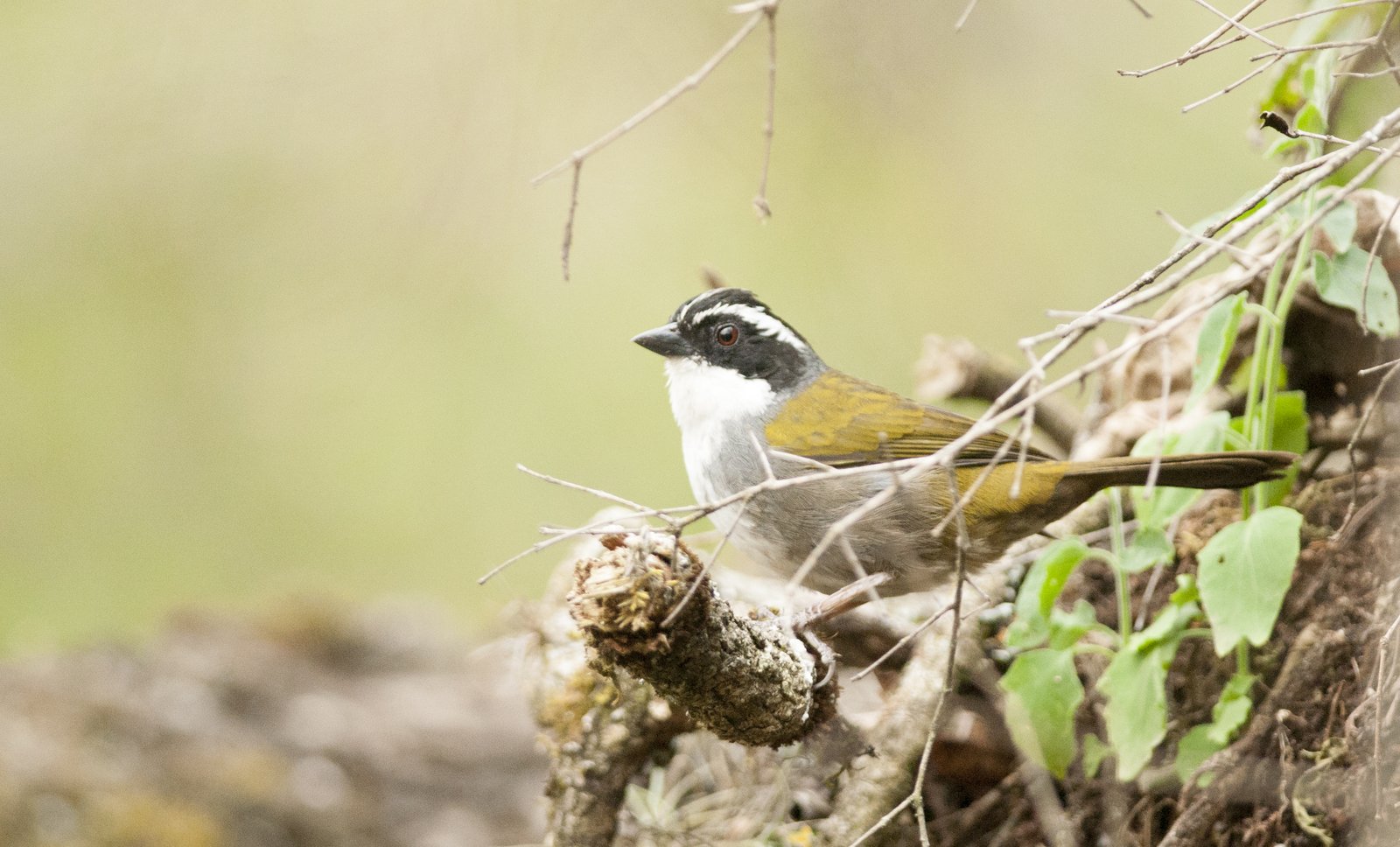
White-browed Brushfinch
Arremon torquatus- Upper Yungas cloud forest
- Lower Yungas forest
- Bamboo forest
- Secondary forest and forest edge
-

Orange-billed Sparrow
Arremon aurantiirostris Chocó rainforest
- Western Ecuador humid forest
- Eastern Andean foothill forest
- Secondary forest and forest edge
-
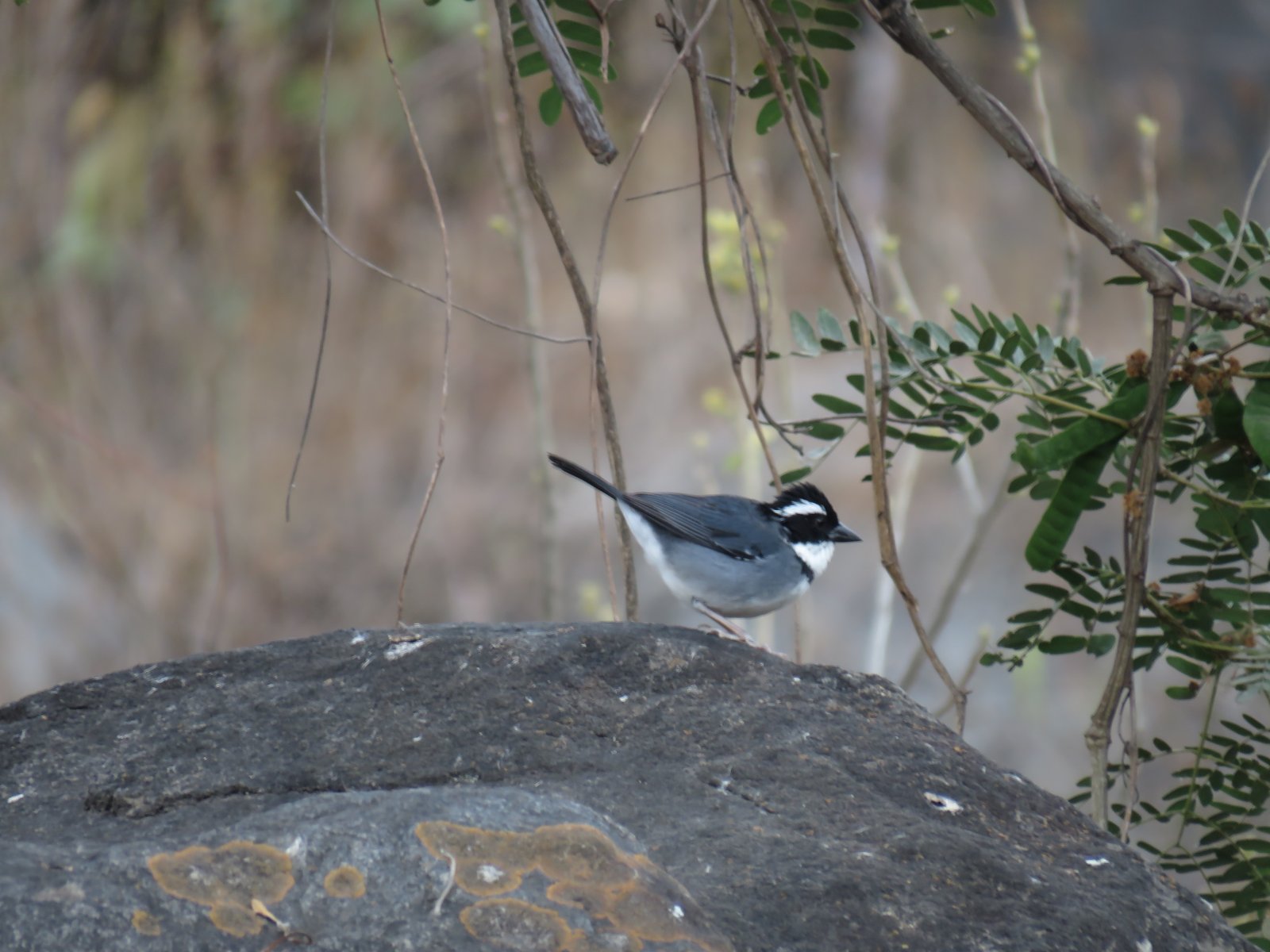
Black-capped Sparrow
Arremon abeillei- Tumbesian dry forest and thorn scrub
- Marañón and northern inter-Andean dry forest
-

Golden-winged Sparrow
Arremon schlegeli- Marañón and northern inter-Andean dry forest
- Secondary forest and forest edge
 Riparian woodland of the Andes and coastal valleys
-
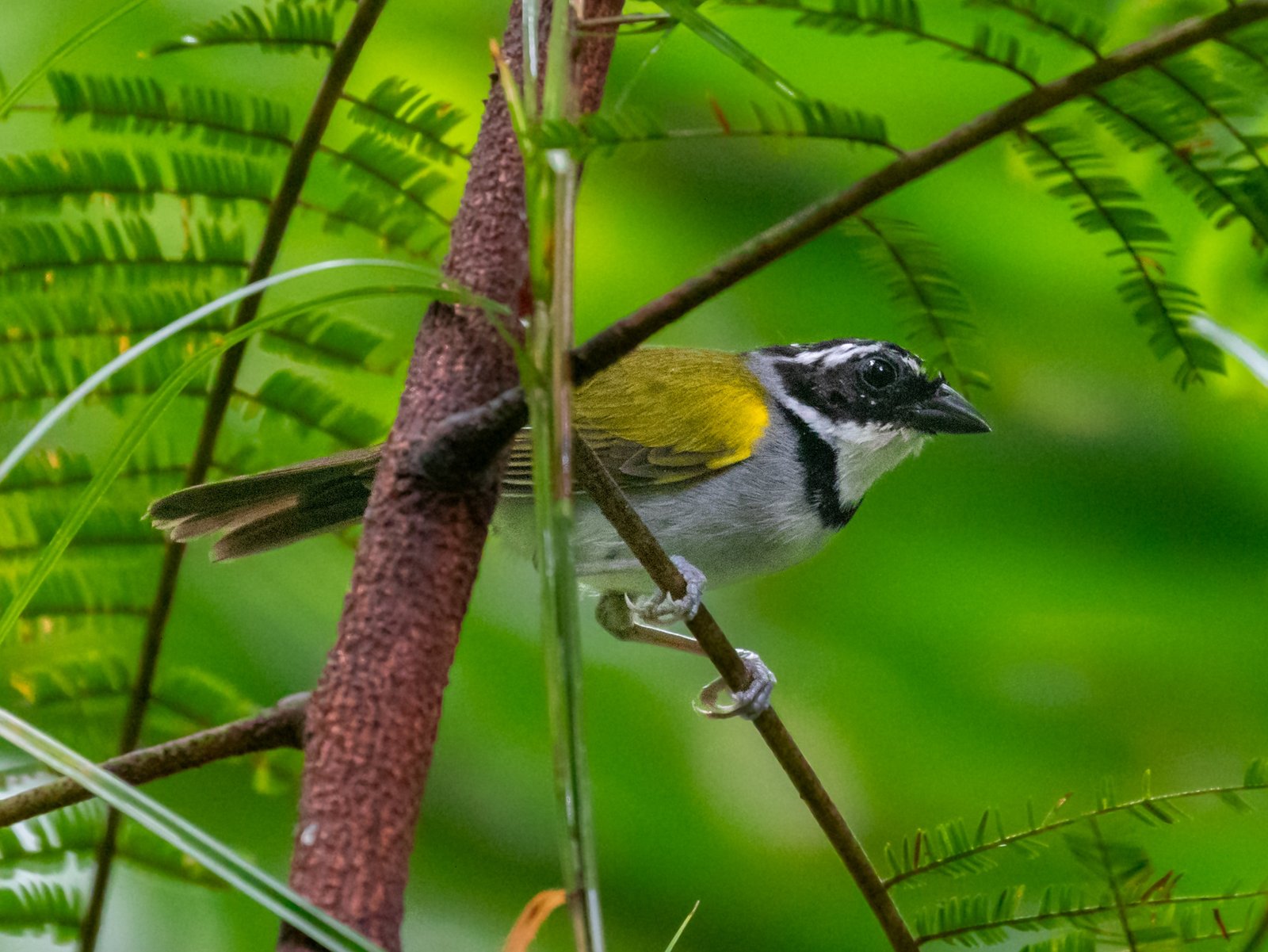
Pectoral Sparrow
Arremon taciturnus Amazonian terra firme rainforest
- Eastern Andean foothill forest
- Secondary forest and forest edge
- Várzea, igapó and river islands
-
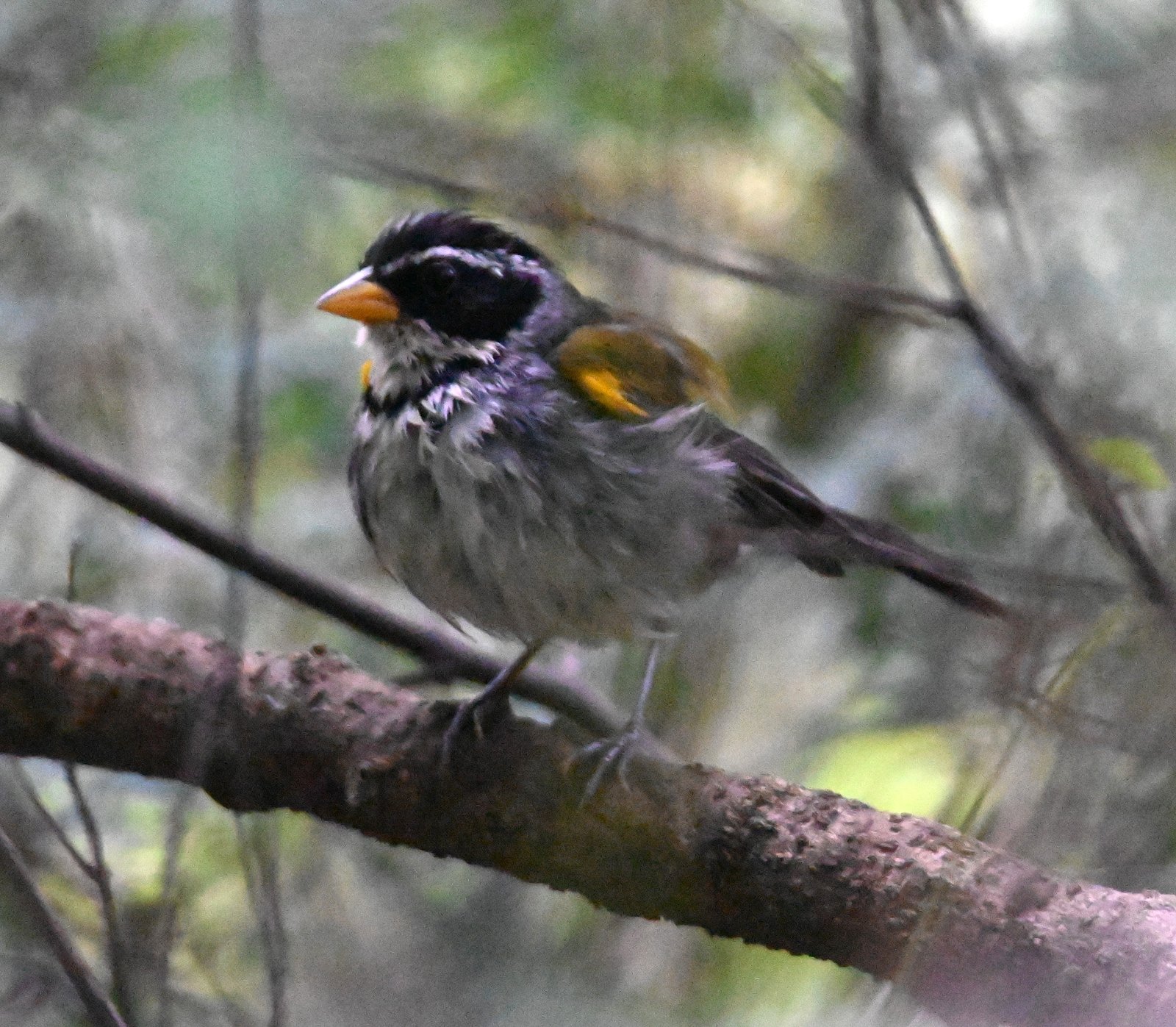
Moss-backed Sparrow
Arremon dorbignii- Lower Yungas forest
- Eastern Andean foothill forest
- Secondary forest and forest edge
- Riparian woodland of the Andes and coastal valleys
-
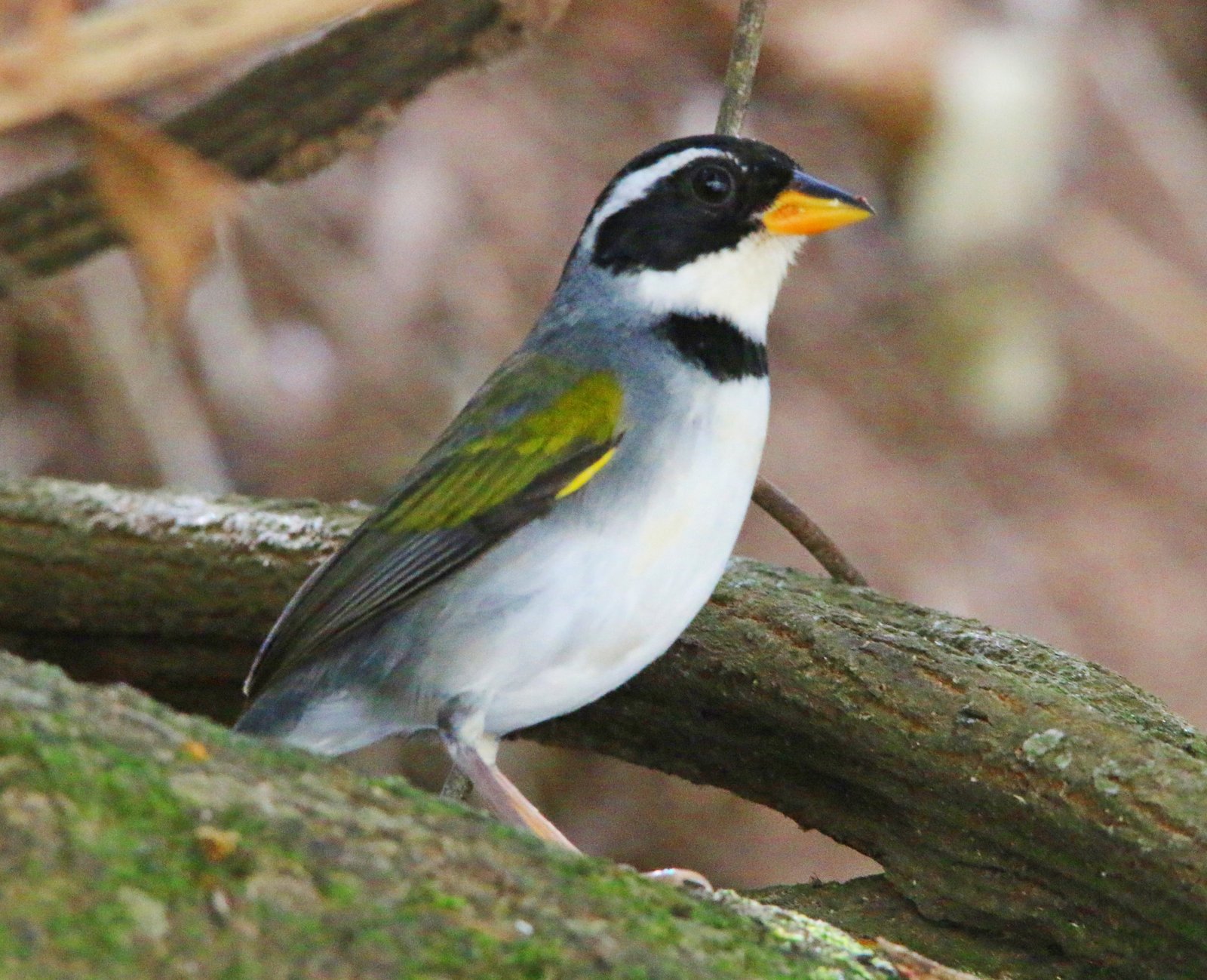
Saffron-billed Sparrow
Arremon flavirostris Chiquitano dry forest and Chaco
- Beni savanna and cerrado
- Riparian woodland of the Andes and coastal valleys
- Secondary forest and forest edge
-
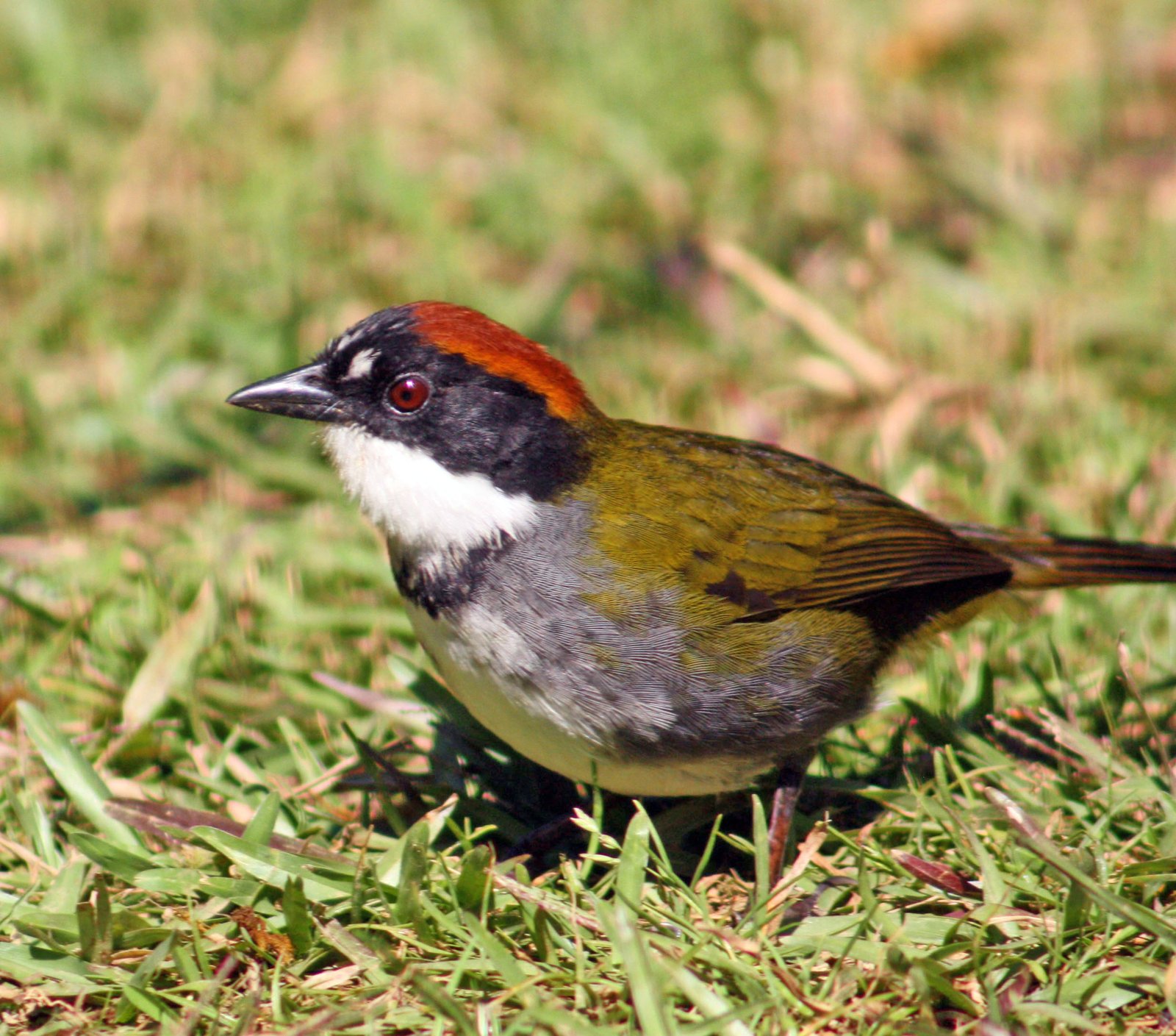
Chestnut-capped Brushfinch
Arremon brunneinucha- Northern Andean cloud forest and temperate forest
- Northern Andean subtropical forest
- Eastern Andean foothill forest
- Secondary forest and forest edge
-
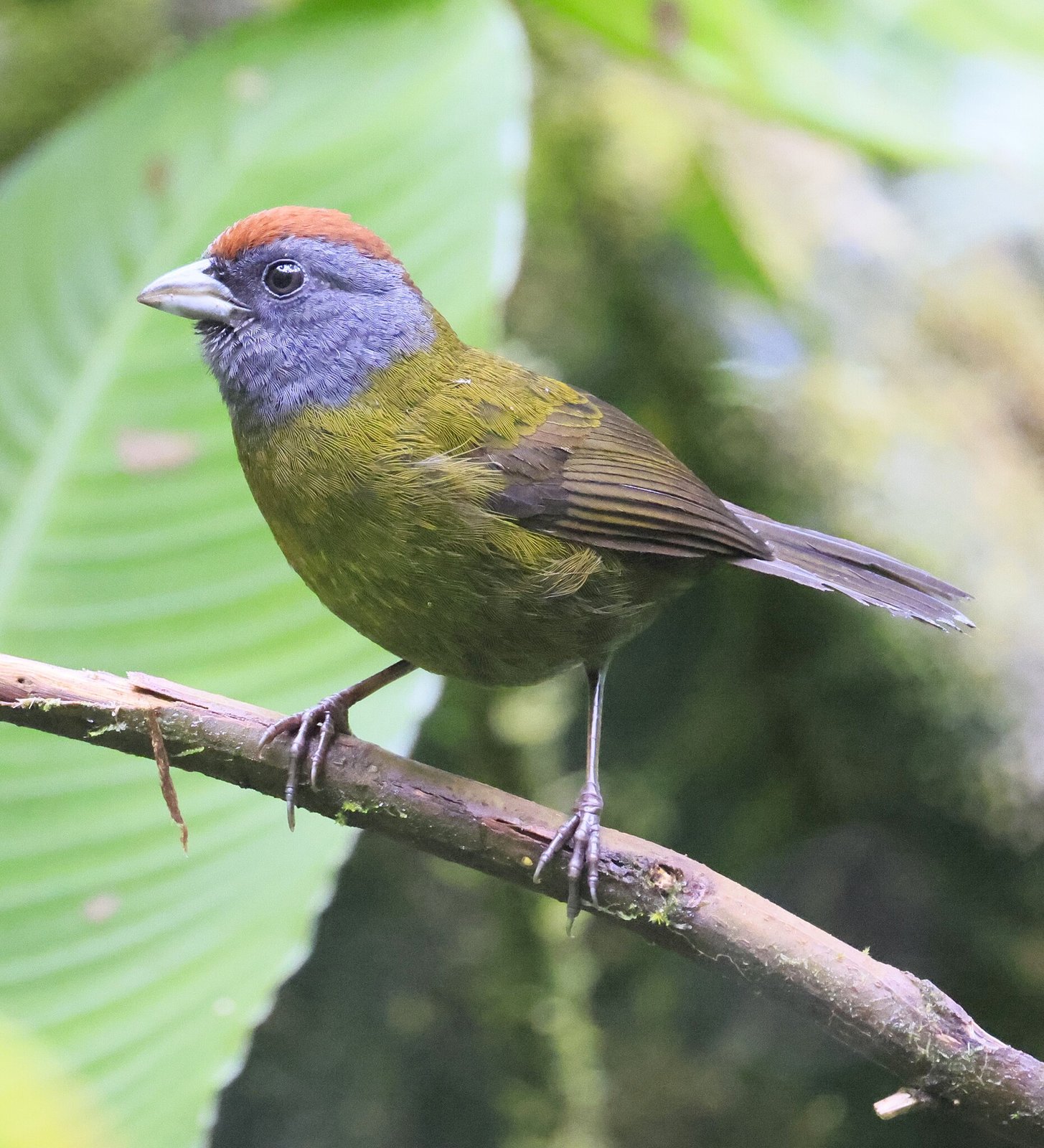
Olive Finch
Arremon castaneiceps- Northern Andean subtropical forest
- Northern Andean cloud forest and temperate forest
- Eastern Andean foothill forest
 Andean rivers and torrents
Zonotrichia 1 species
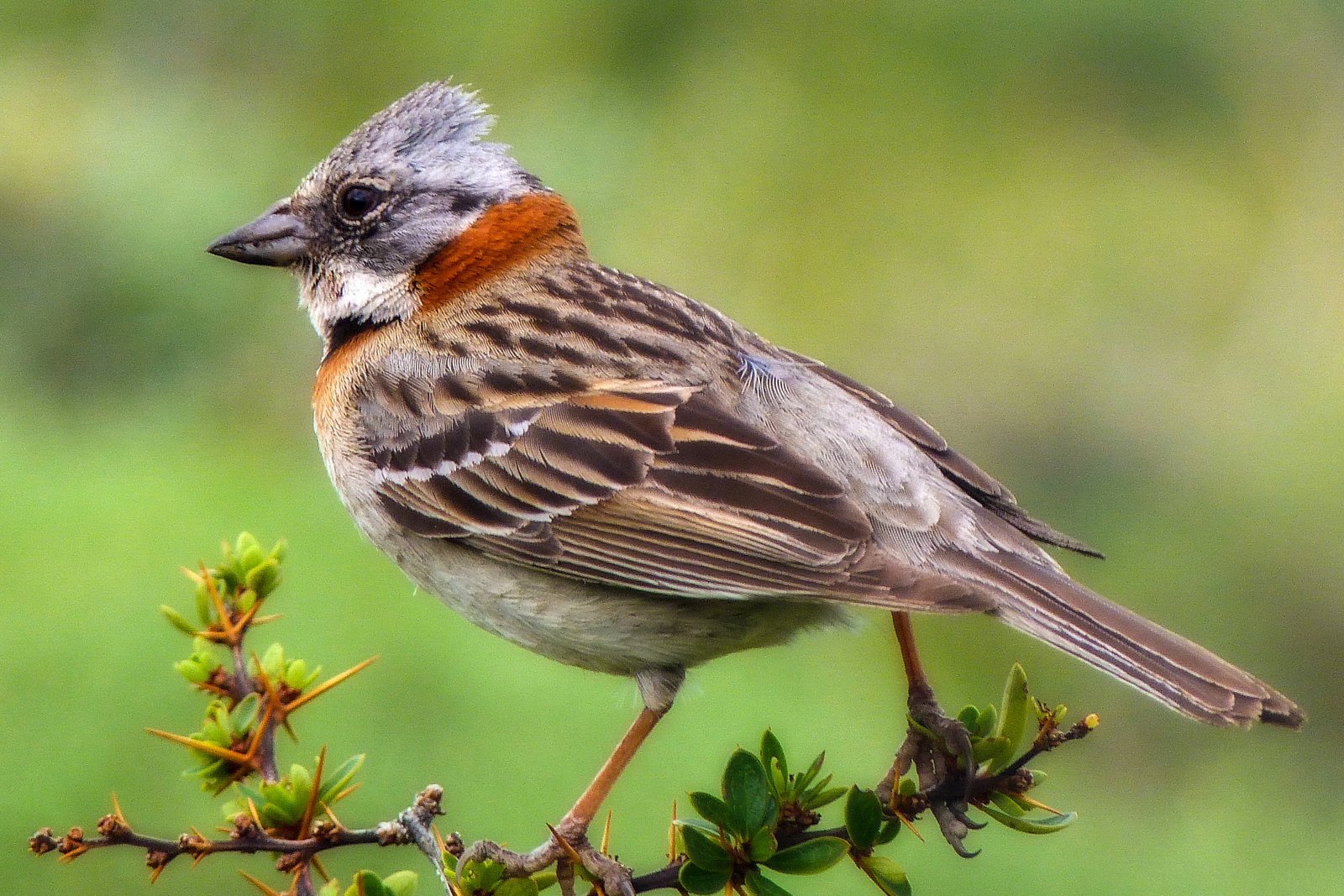
Atlapetes 26 species
-
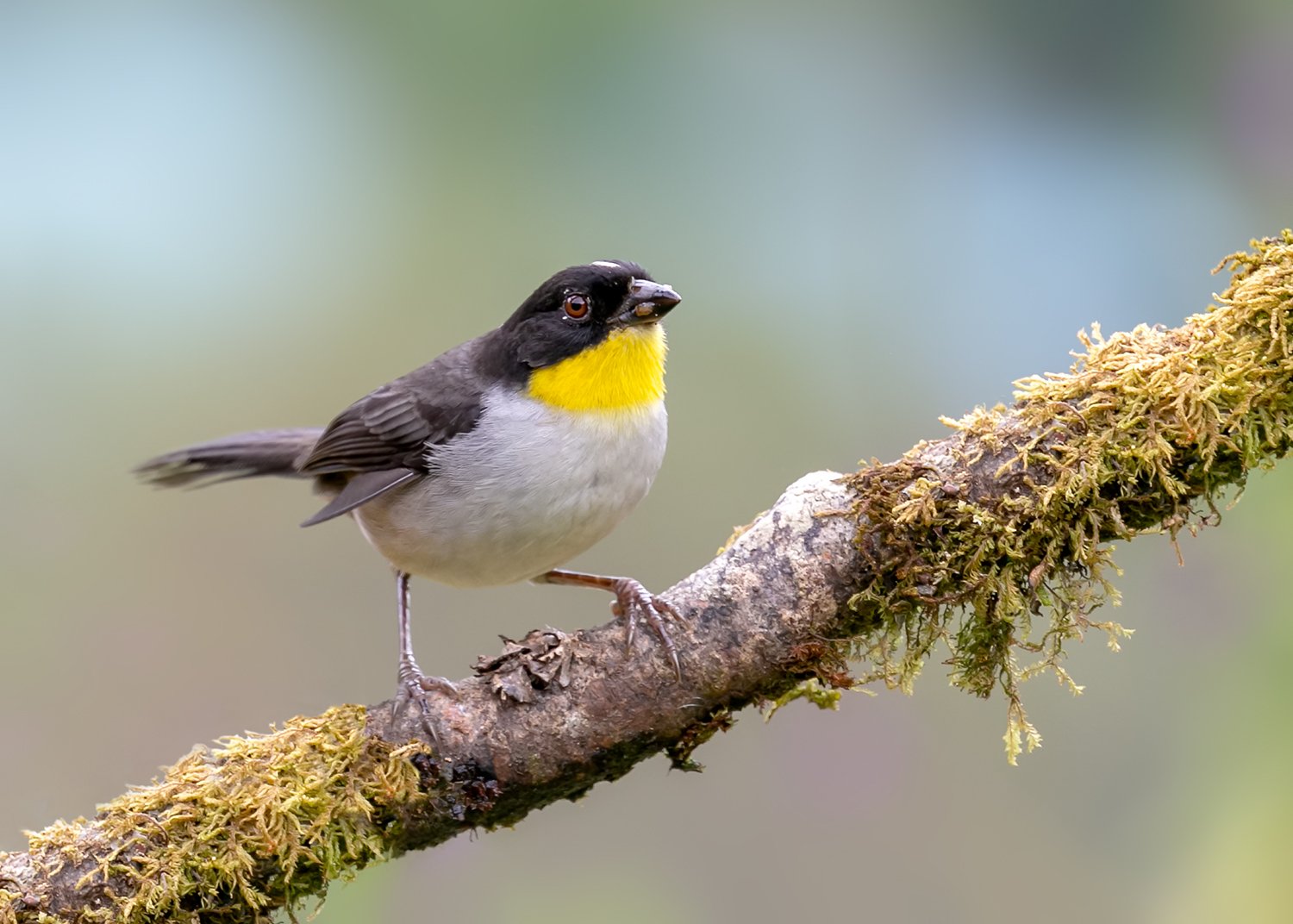
White-naped Brushfinch
Atlapetes albinucha- Secondary forest and forest edge
- Northern Andean subtropical forest
- Coffee, cacao and agroforestry
- Northern Andean cloud forest and temperate forest
-
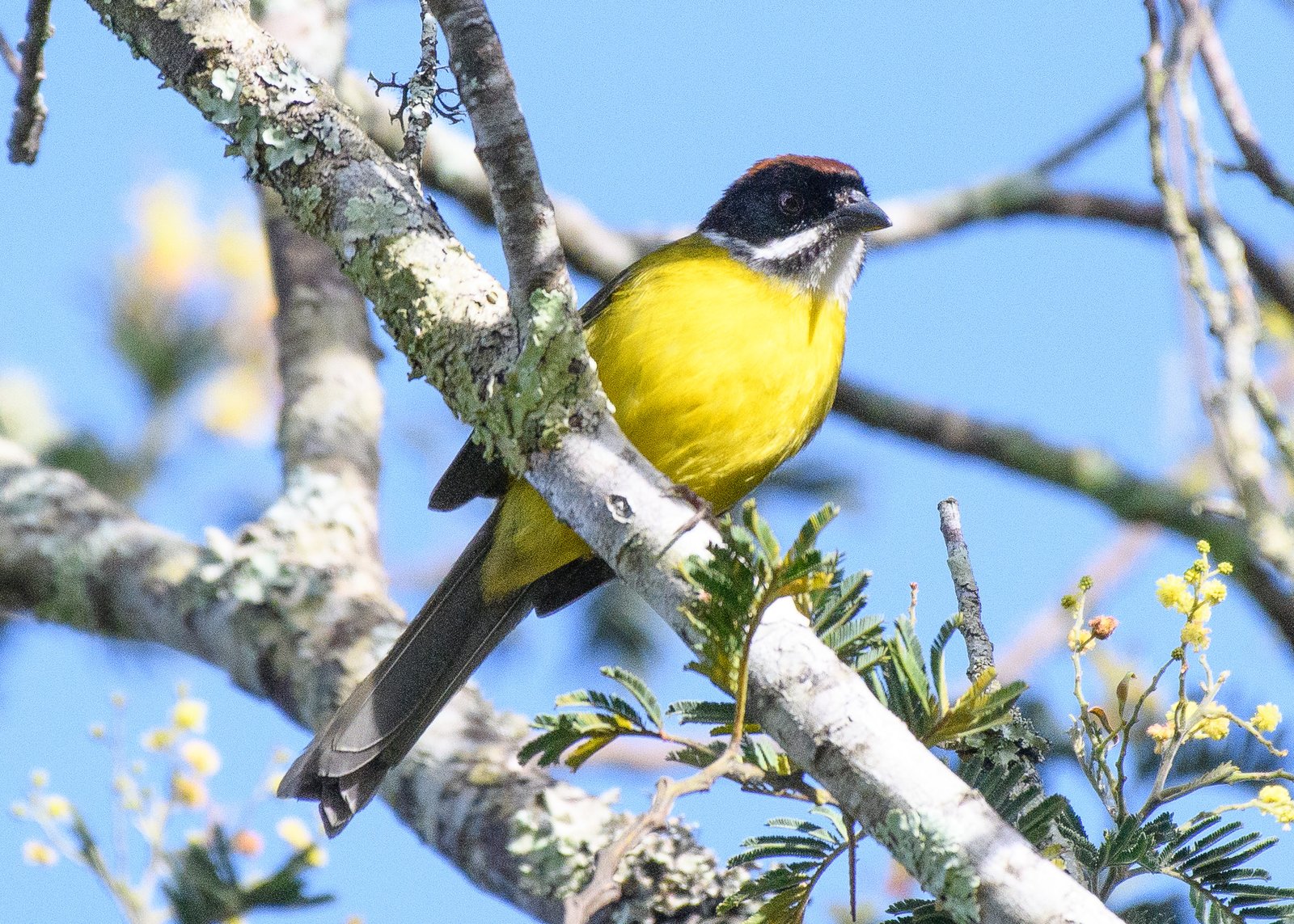
Moustached Brushfinch
Atlapetes albofrenatus- Northern Andean cloud forest and temperate forest
- Northern Andean subtropical forest
- Secondary forest and forest edge
-
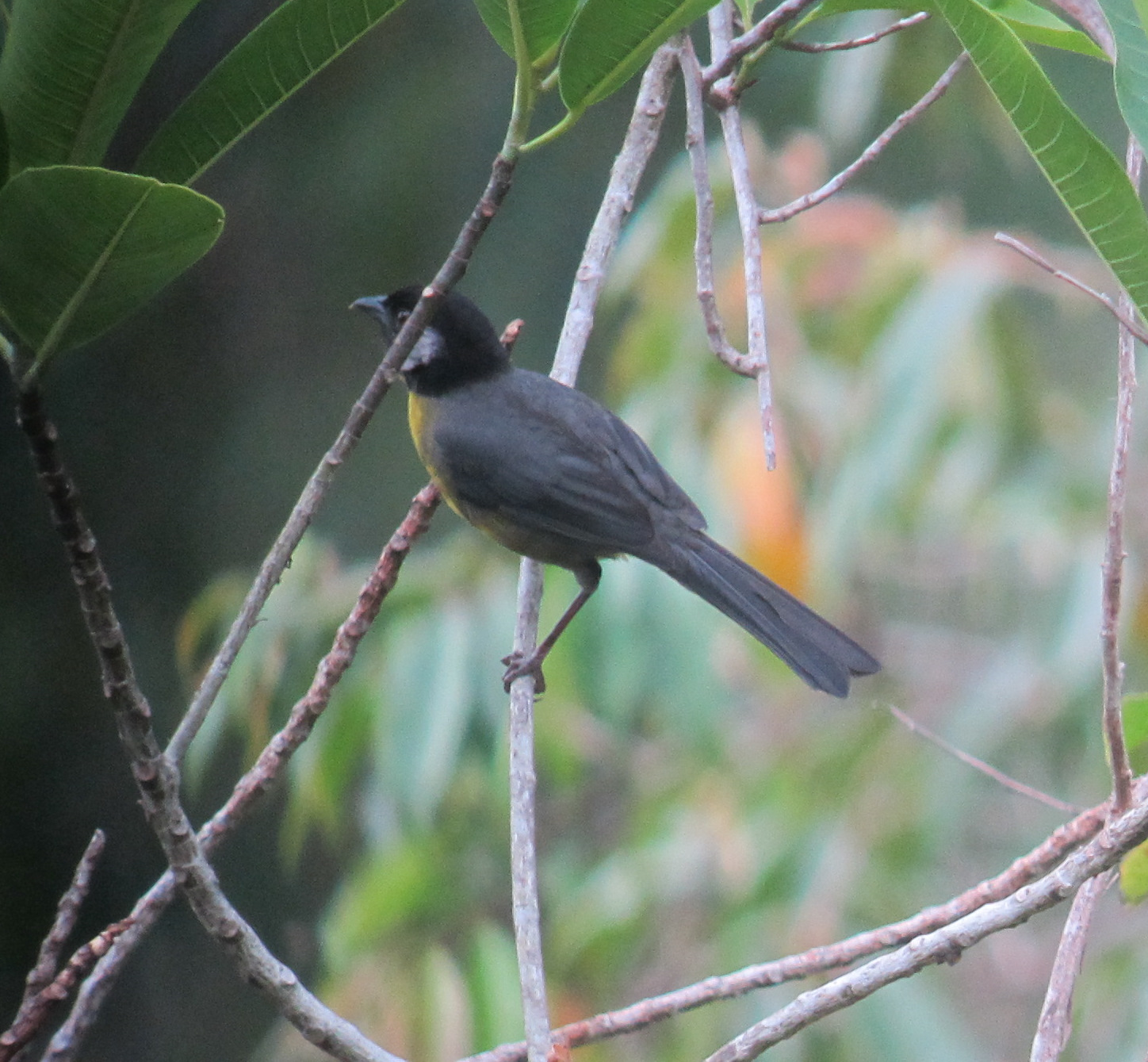
Santa Marta Brushfinch
Atlapetes melanocephalus- Northern Andean cloud forest and temperate forest
- Northern Andean subtropical forest
- Secondary forest and forest edge
- Coffee, cacao and agroforestry
-
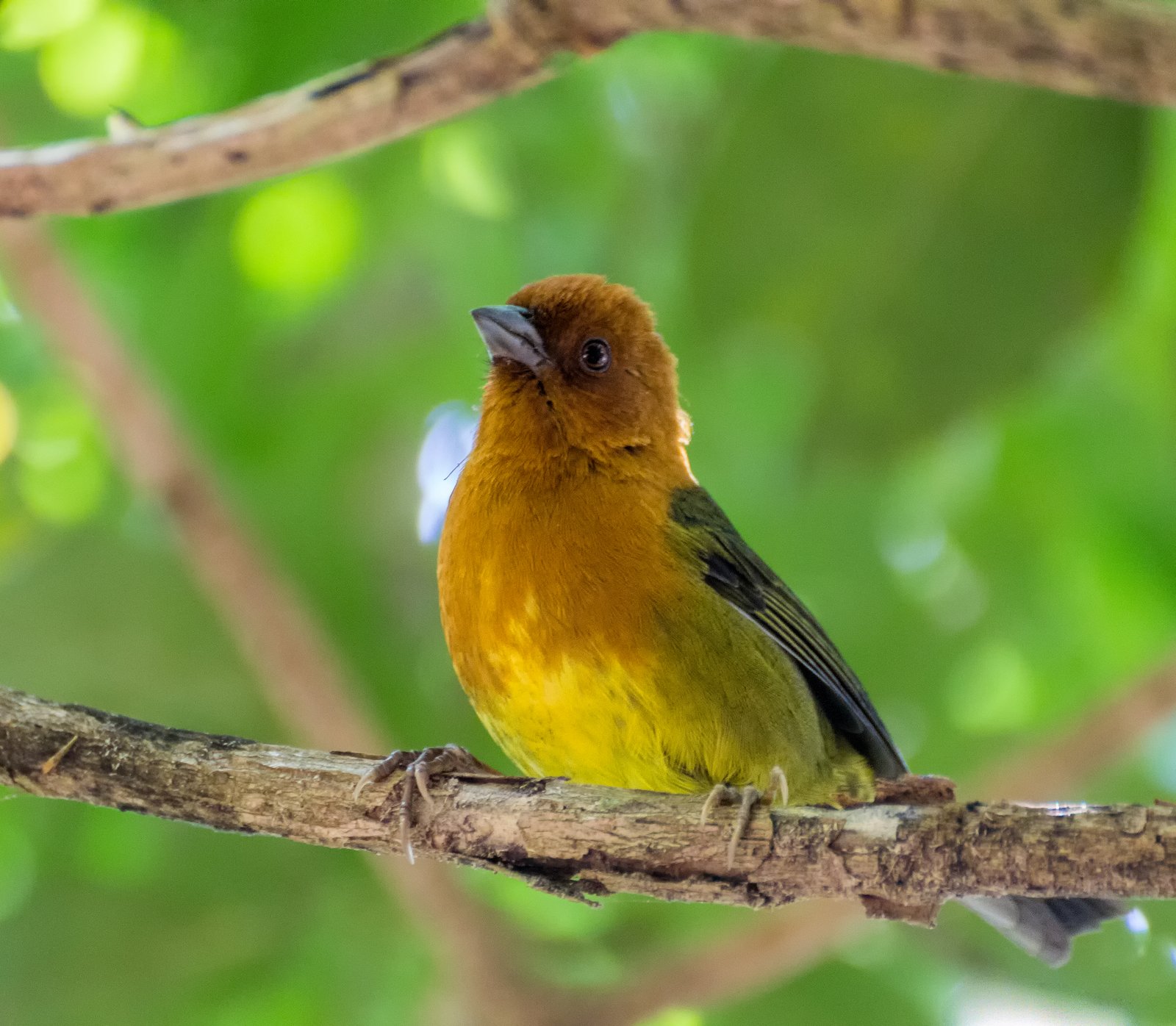
Ochre-breasted Brushfinch
Atlapetes semirufus- Secondary forest and forest edge
- Northern Andean cloud forest and temperate forest
- Northern Andean subtropical forest
- Andean fields and terraces
-

Yellow-headed Brushfinch
Atlapetes flaviceps- Secondary forest and forest edge
- Northern Andean subtropical forest
- Northern Andean cloud forest and temperate forest
- Coffee, cacao and agroforestry
-
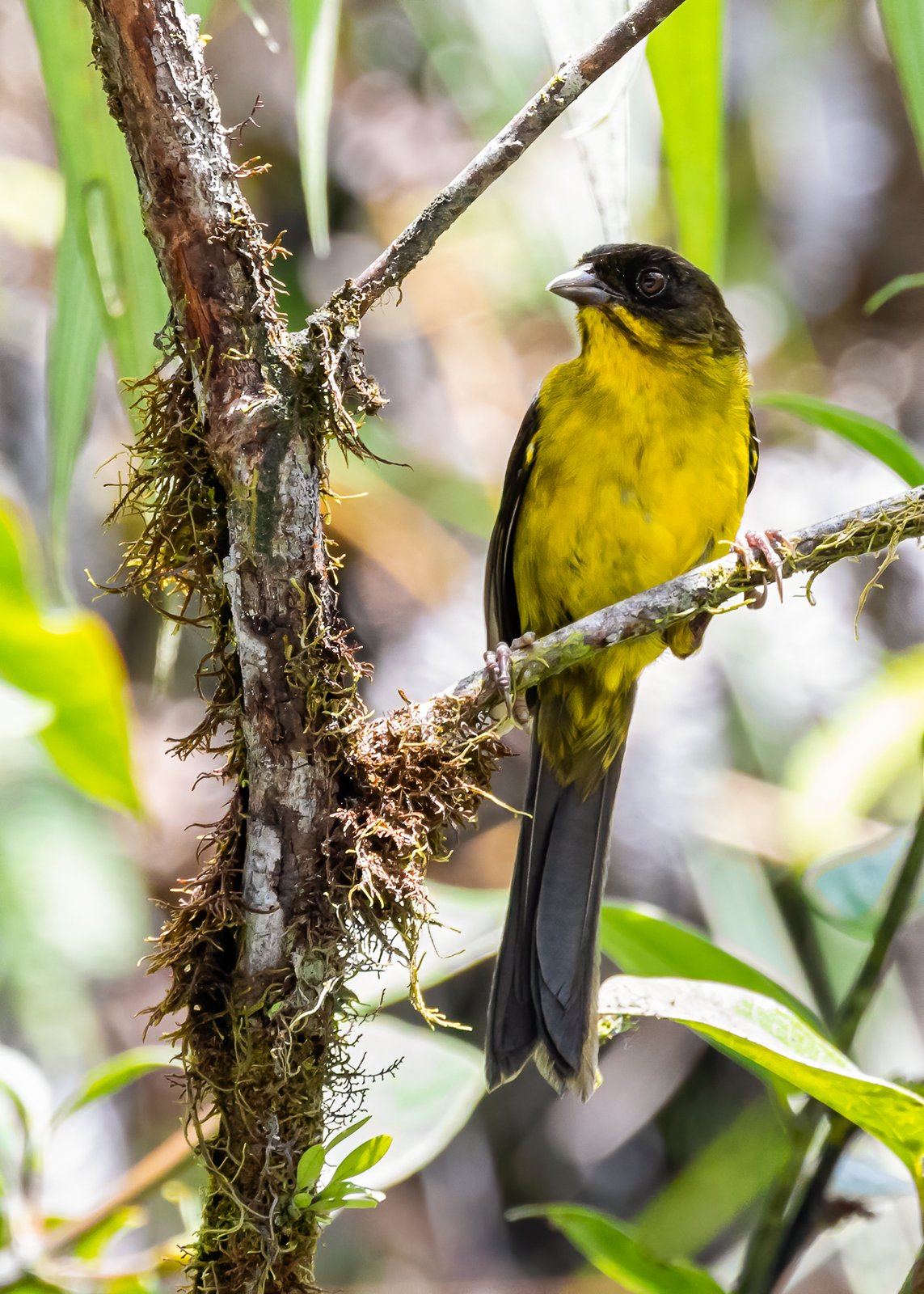
Dusky-headed Brushfinch
Atlapetes fuscoolivaceus- Northern Andean cloud forest and temperate forest
- Secondary forest and forest edge
- Northern Andean subtropical forest
-
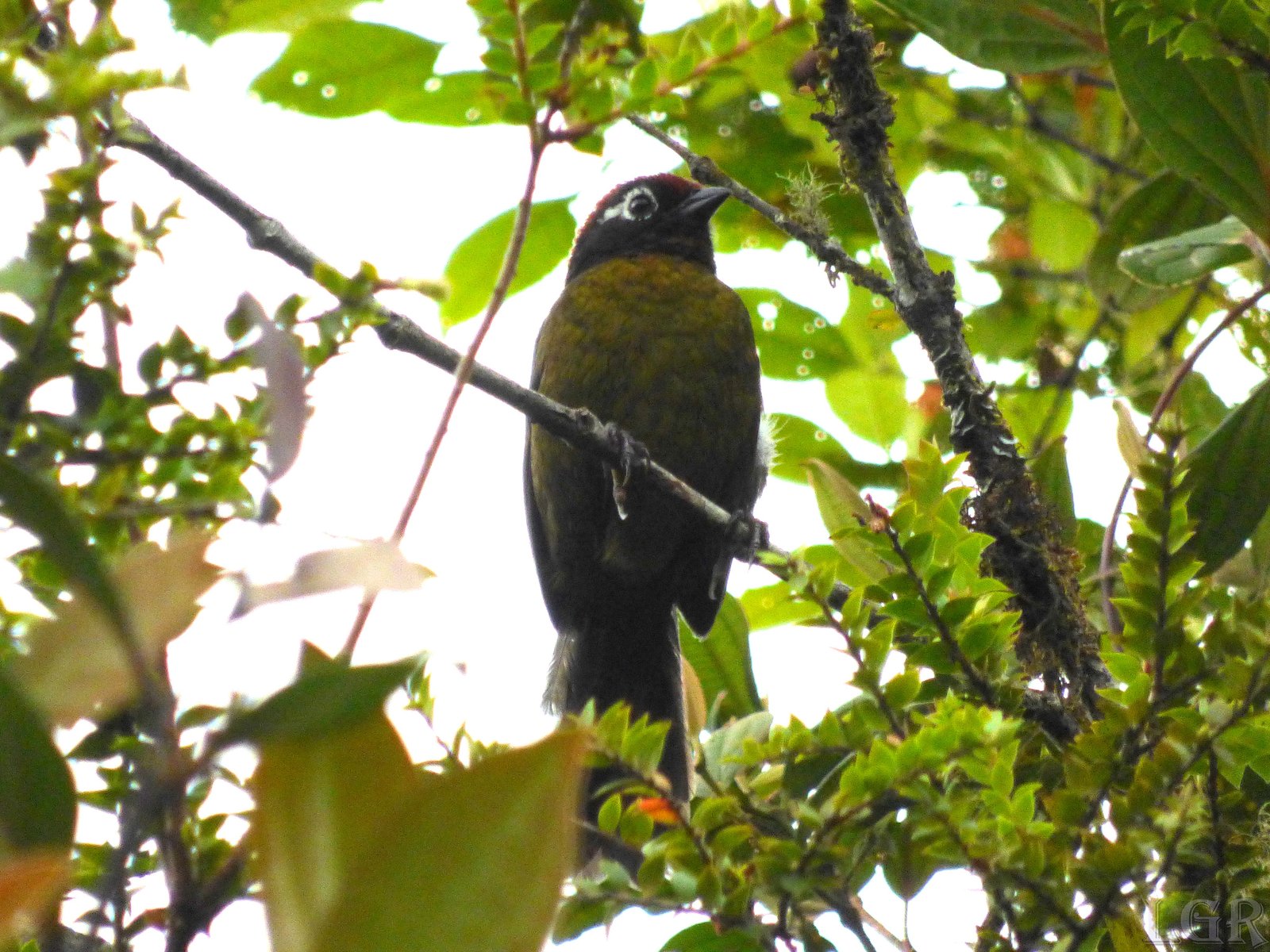
White-rimmed Brushfinch
Atlapetes leucopis- Northern Andean cloud forest and temperate forest
- Bamboo forest
- Secondary forest and forest edge
-
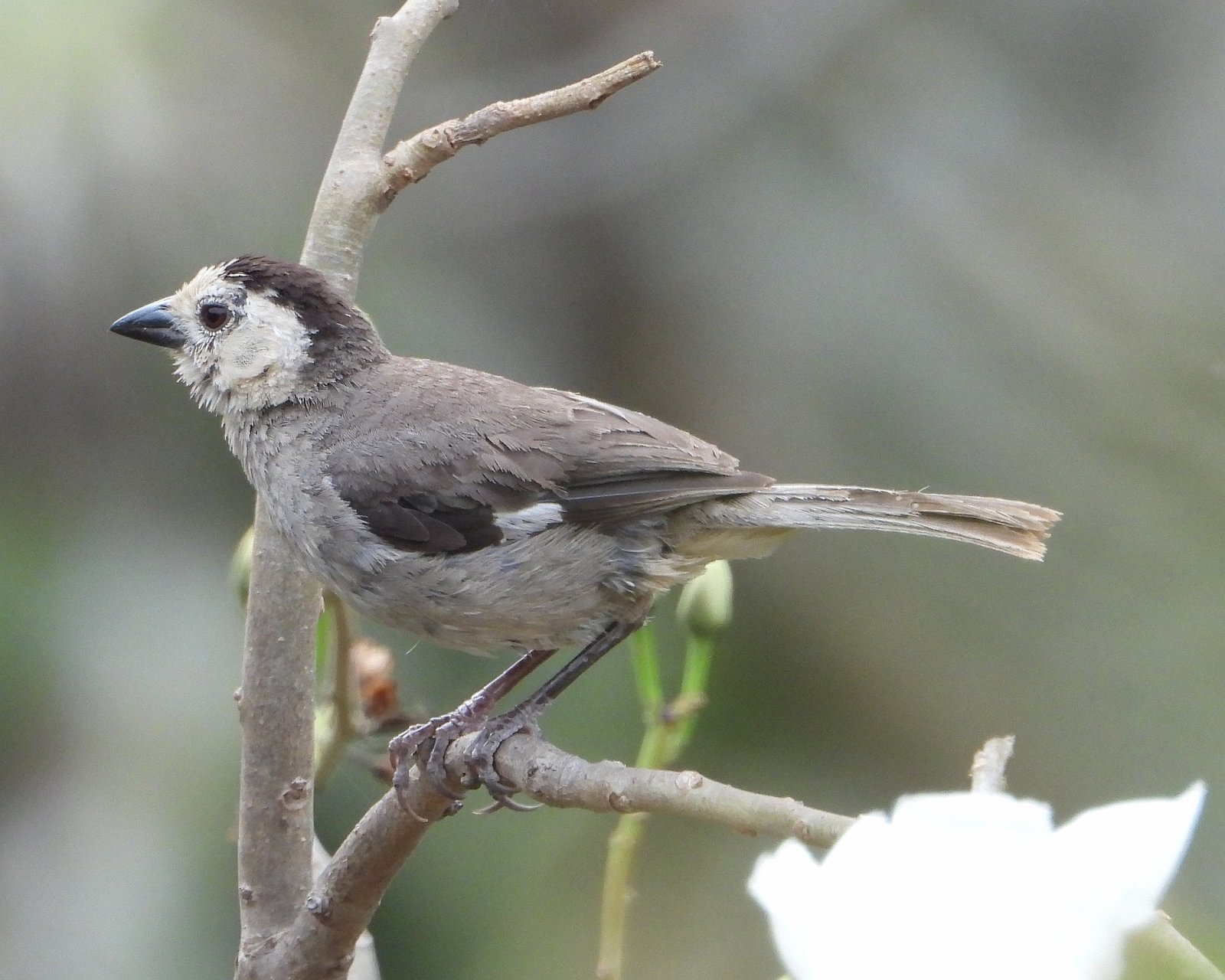
White-headed Brushfinch
Atlapetes albiceps- Tumbesian dry forest and thorn scrub
- Riparian woodland of the Andes and coastal valleys
- Marañón and northern inter-Andean dry forest
-
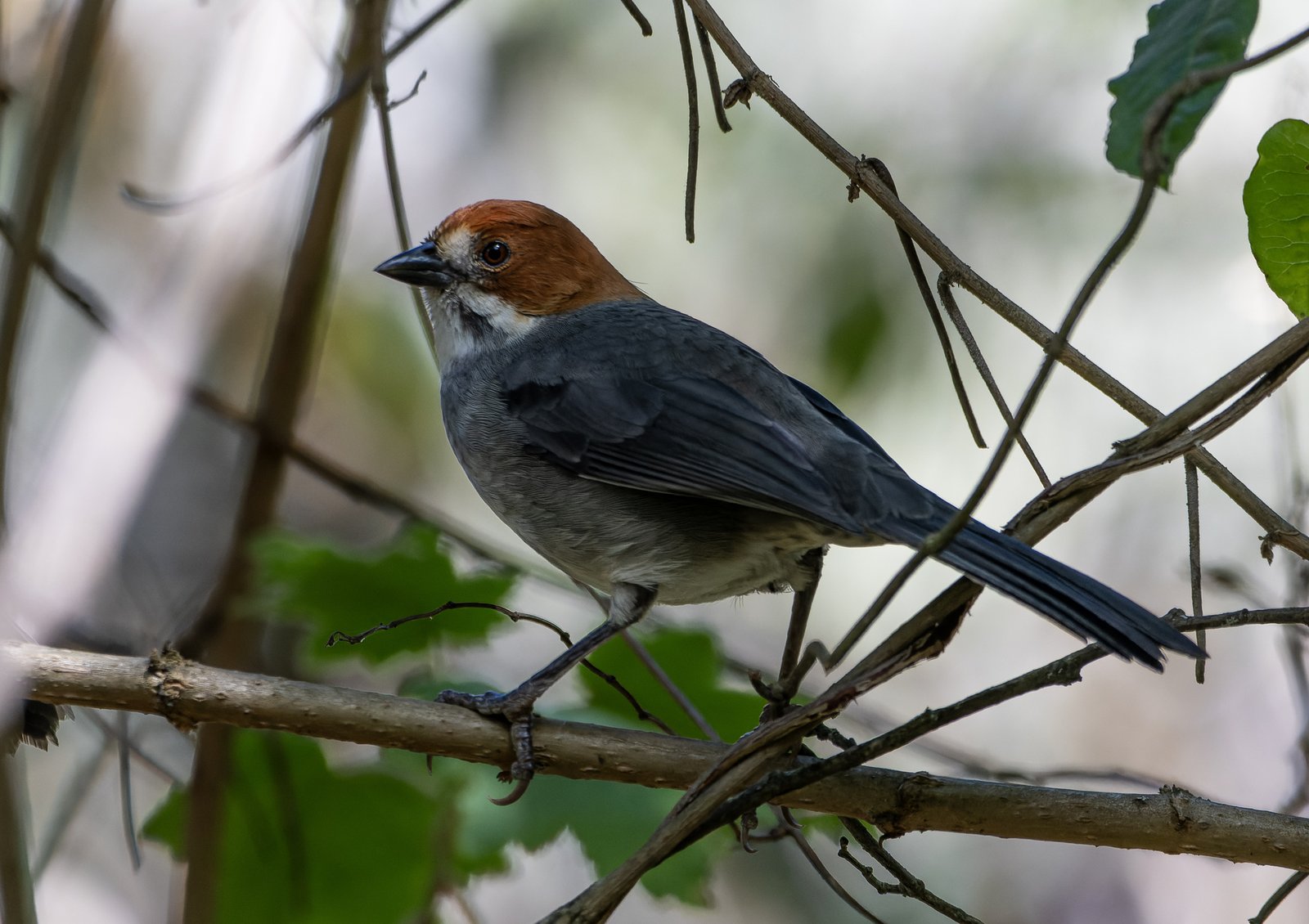
Rufous-eared Brushfinch
Atlapetes rufigenis Polylepis woodland
 Jalca
 Humid puna
-
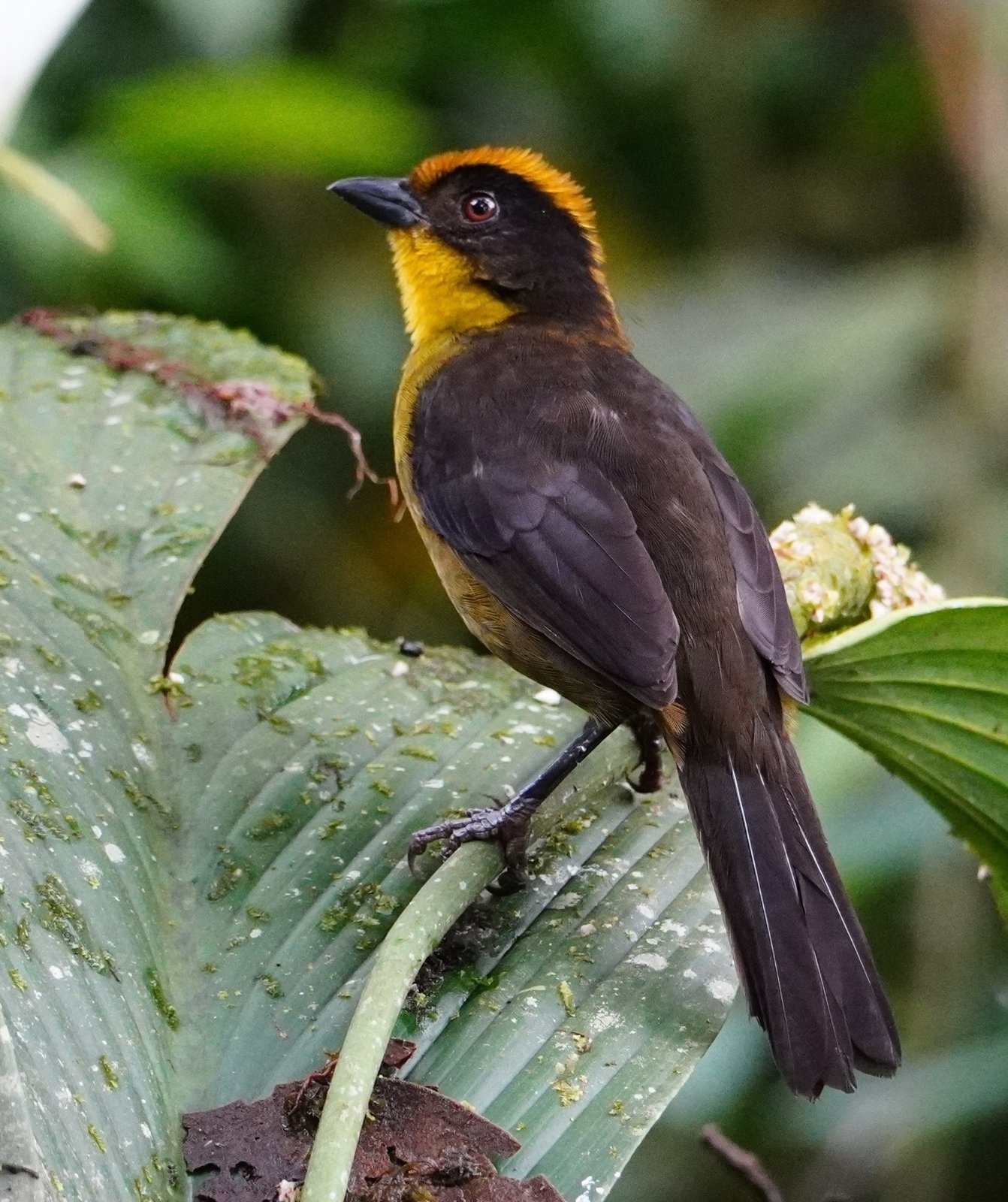
Choco Brushfinch
Atlapetes crassus- Northern Andean subtropical forest
- Secondary forest and forest edge
- Northern Andean cloud forest and temperate forest
- Western Ecuador humid forest
-
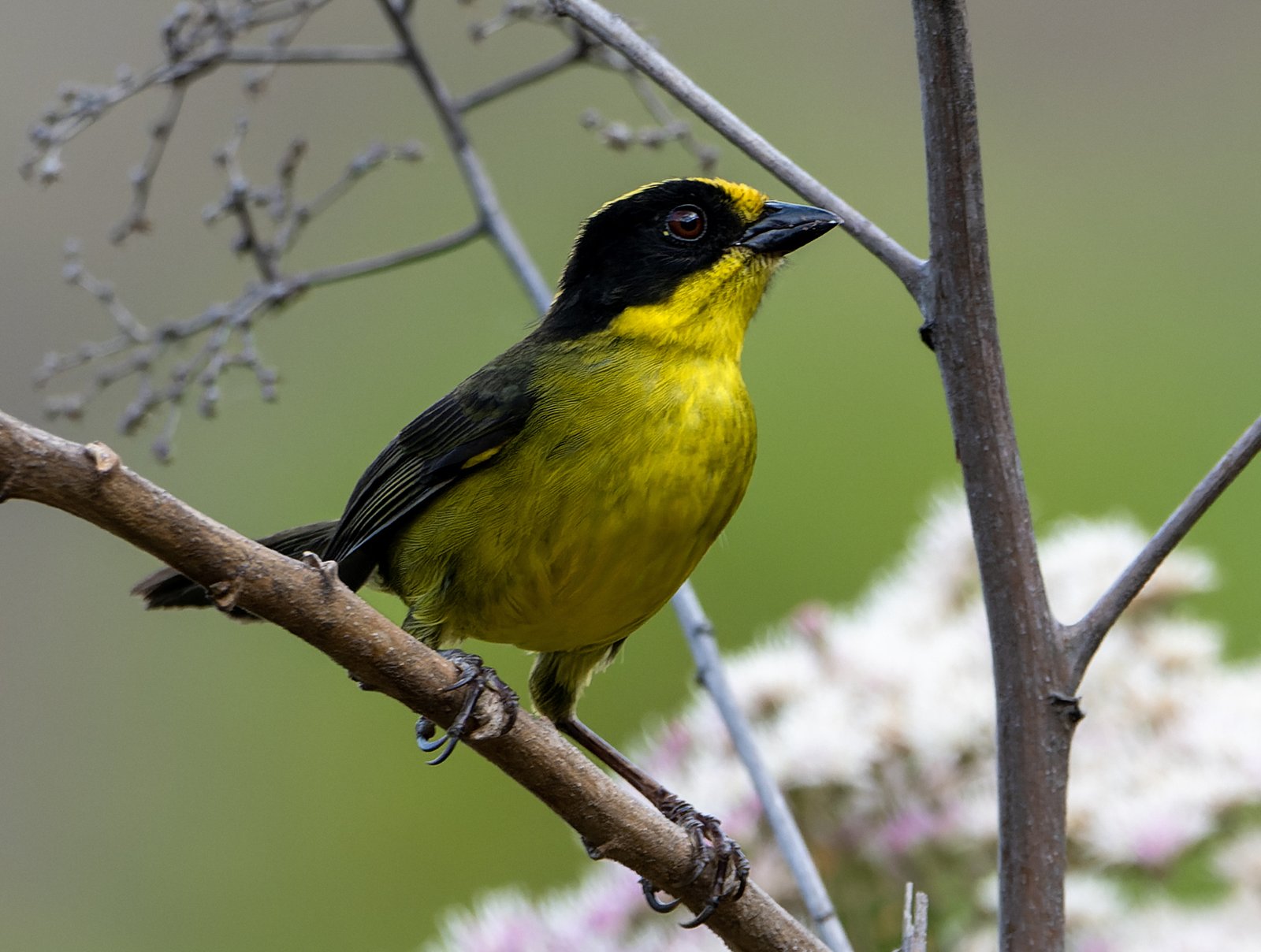
Tricolored Brushfinch
Atlapetes tricolor- Upper Yungas cloud forest
- Lower Yungas forest
- Secondary forest and forest edge
-

Slaty Brushfinch
Atlapetes schistaceus- Northern Andean cloud forest and temperate forest
- Bamboo forest
- Secondary forest and forest edge
 Páramo
-
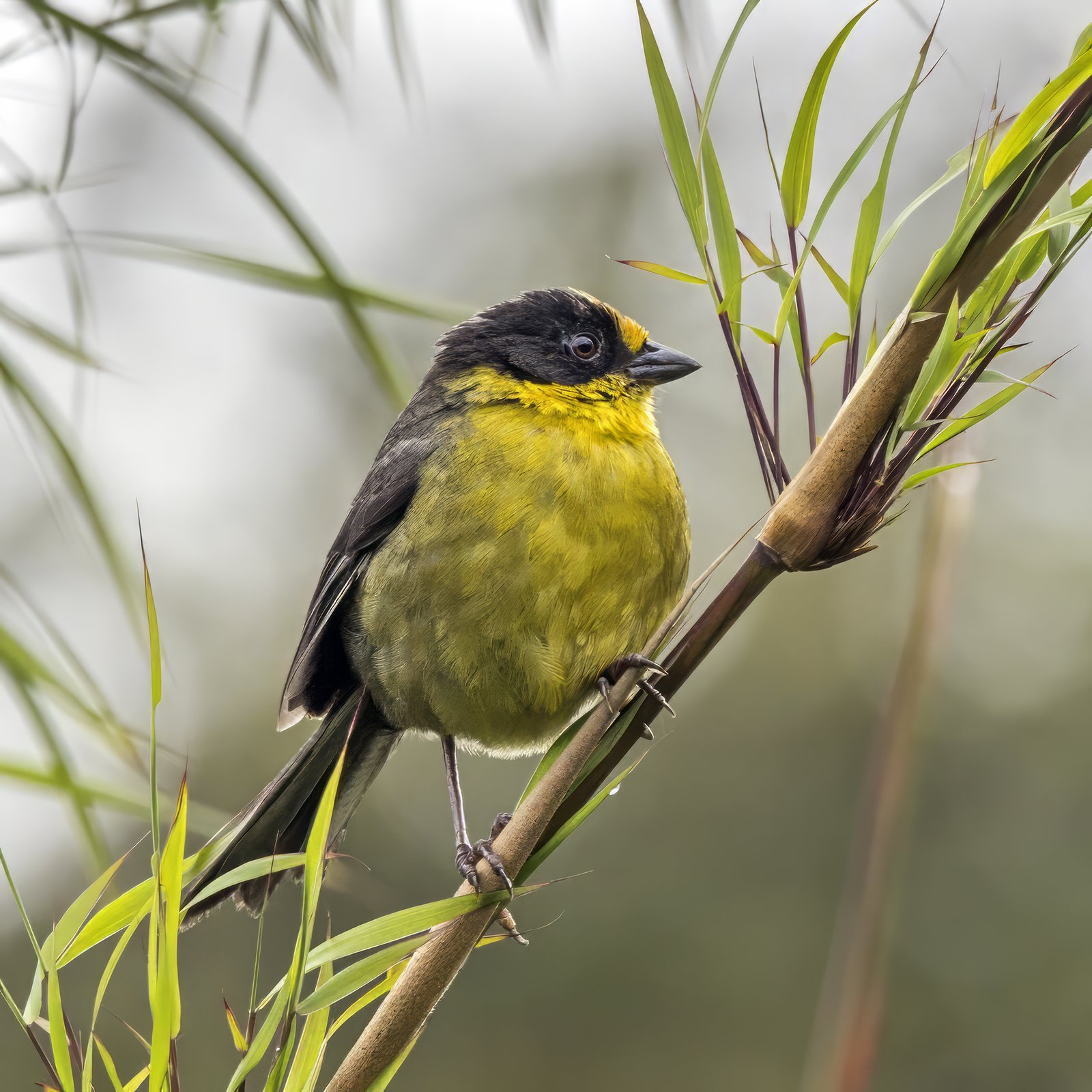
Pale-naped Brushfinch
Atlapetes pallidinucha- Northern Andean cloud forest and temperate forest
- Bamboo forest
- Páramo
- Secondary forest and forest edge
-
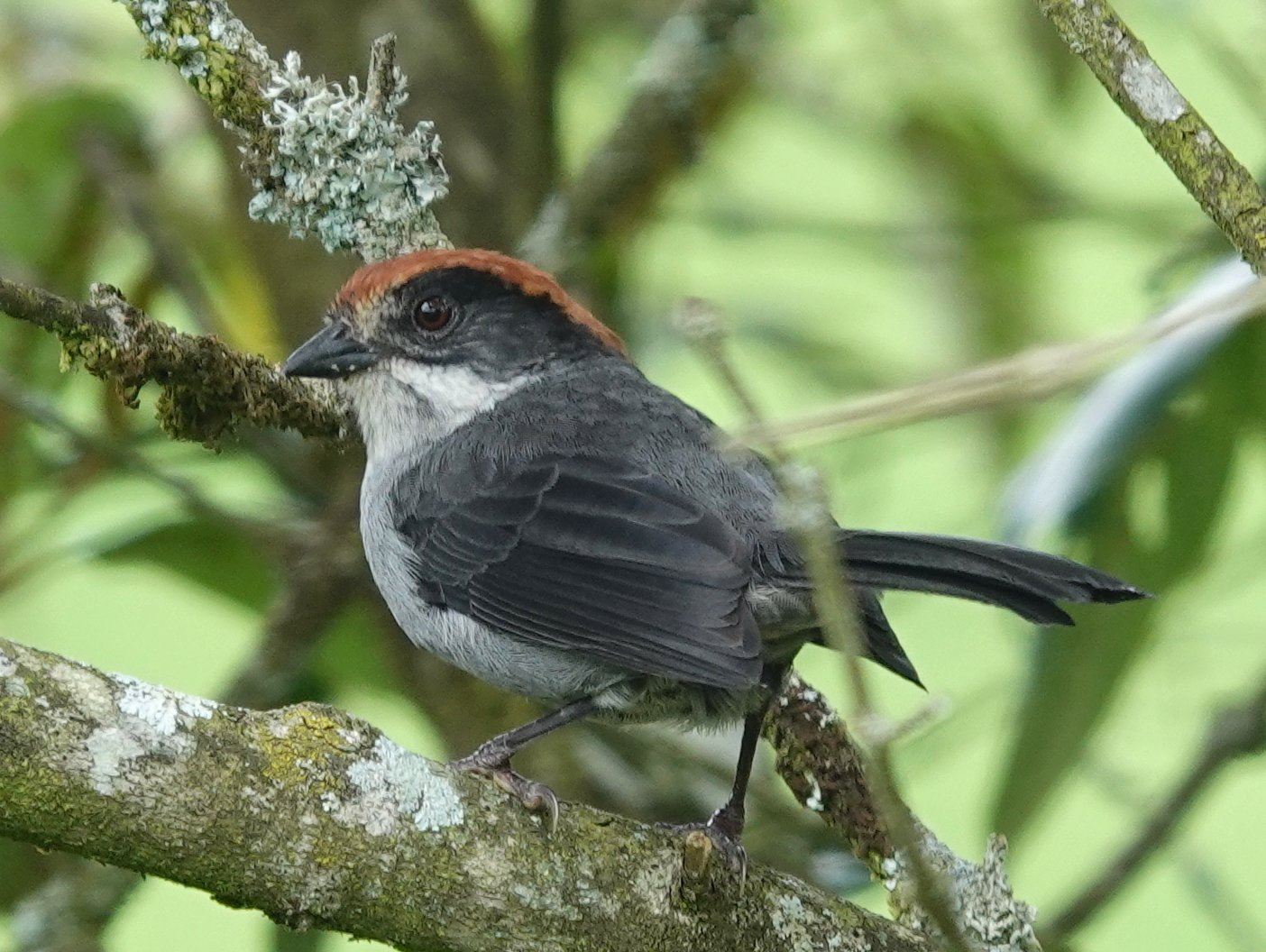
Antioquia Brushfinch
Atlapetes blancae- Pasture and ranchland
- Secondary forest and forest edge
- Northern Andean cloud forest and temperate forest
-
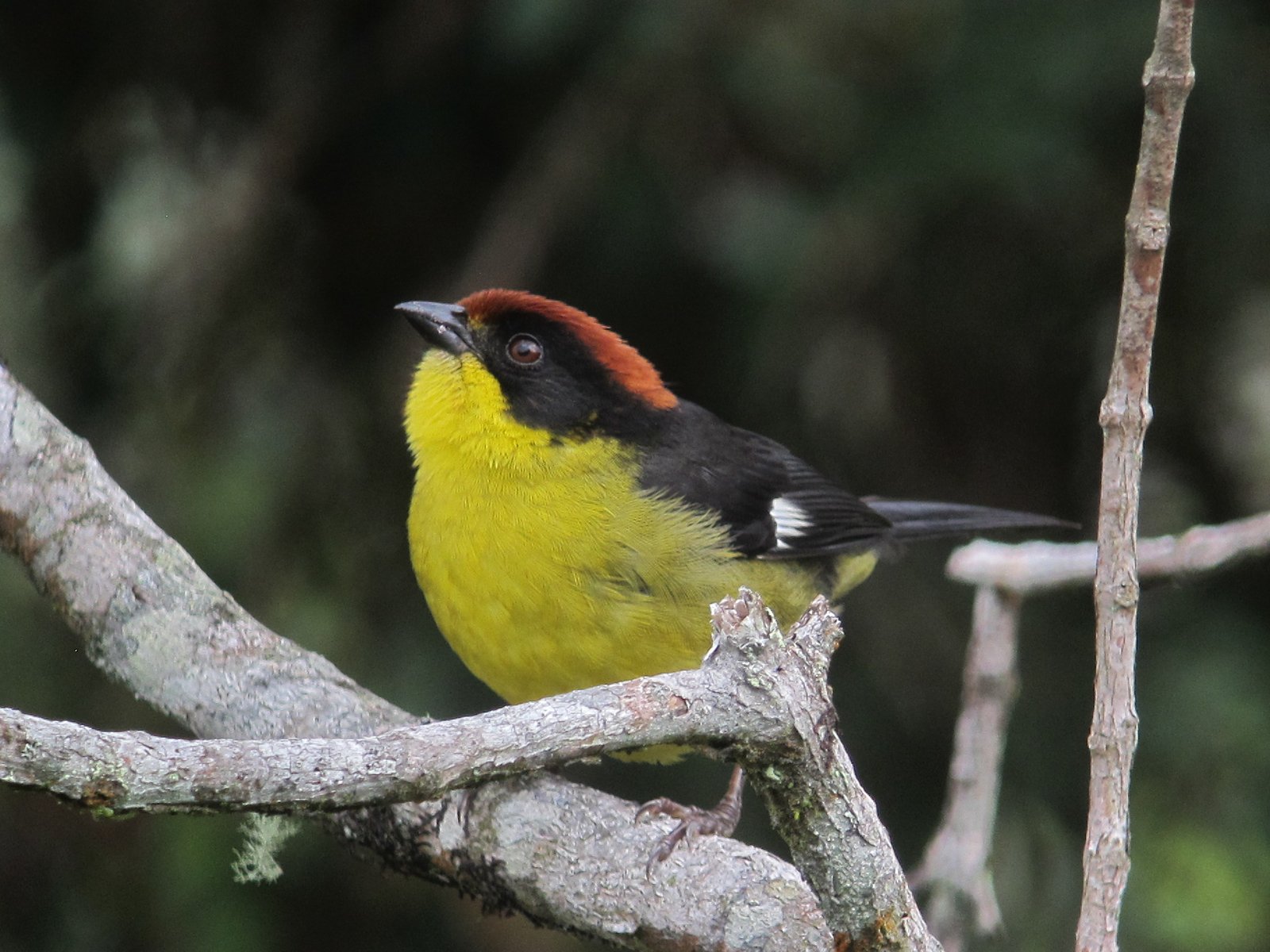
Yellow-breasted Brushfinch
Atlapetes latinuchus- Secondary forest and forest edge
- Northern Andean cloud forest and temperate forest
- Northern Andean subtropical forest
- Pasture and ranchland
-
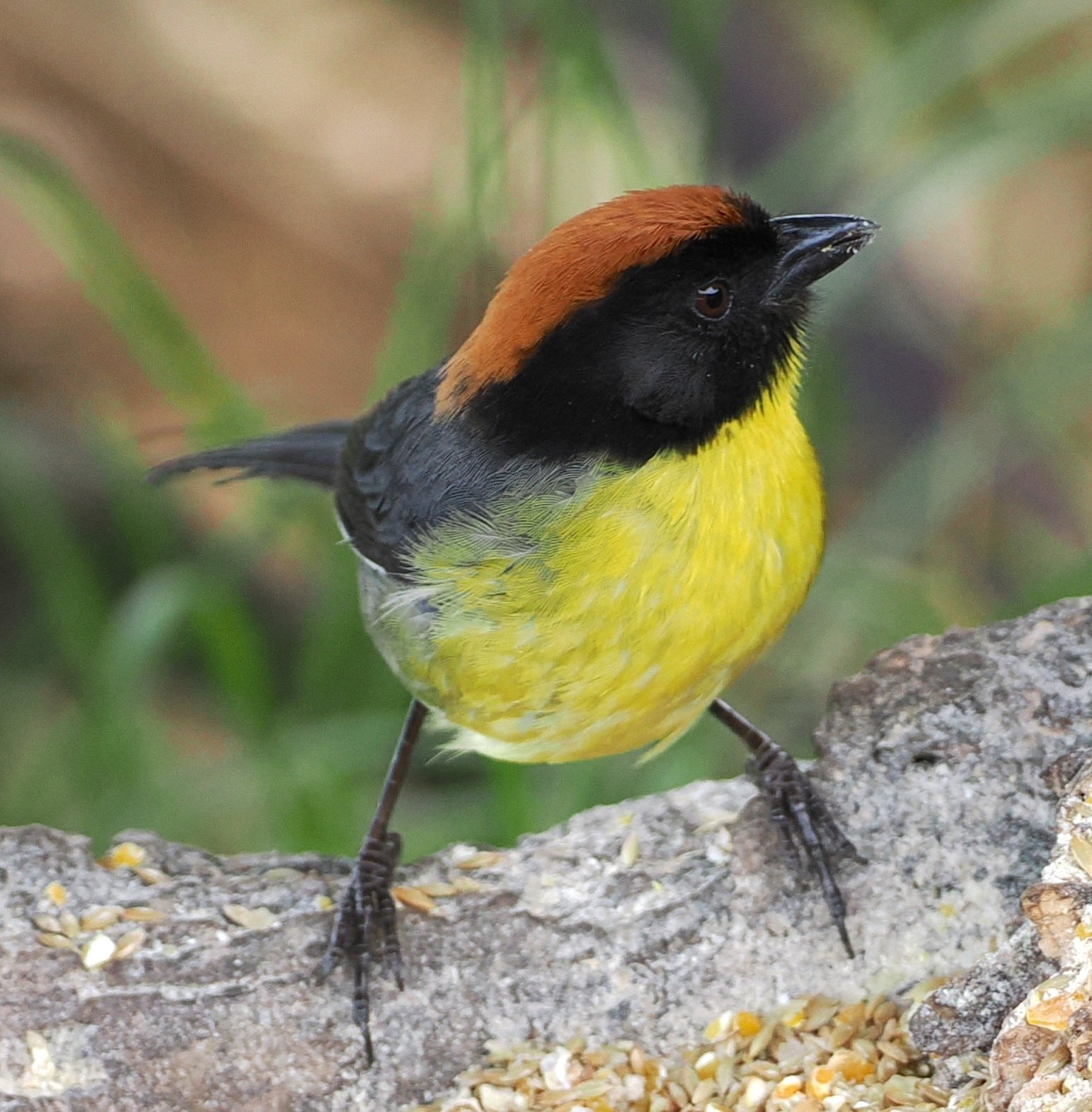
Black-fronted Brushfinch
Atlapetes nigrifrons- Northern Andean subtropical forest
- Northern Andean cloud forest and temperate forest
- Secondary forest and forest edge
-
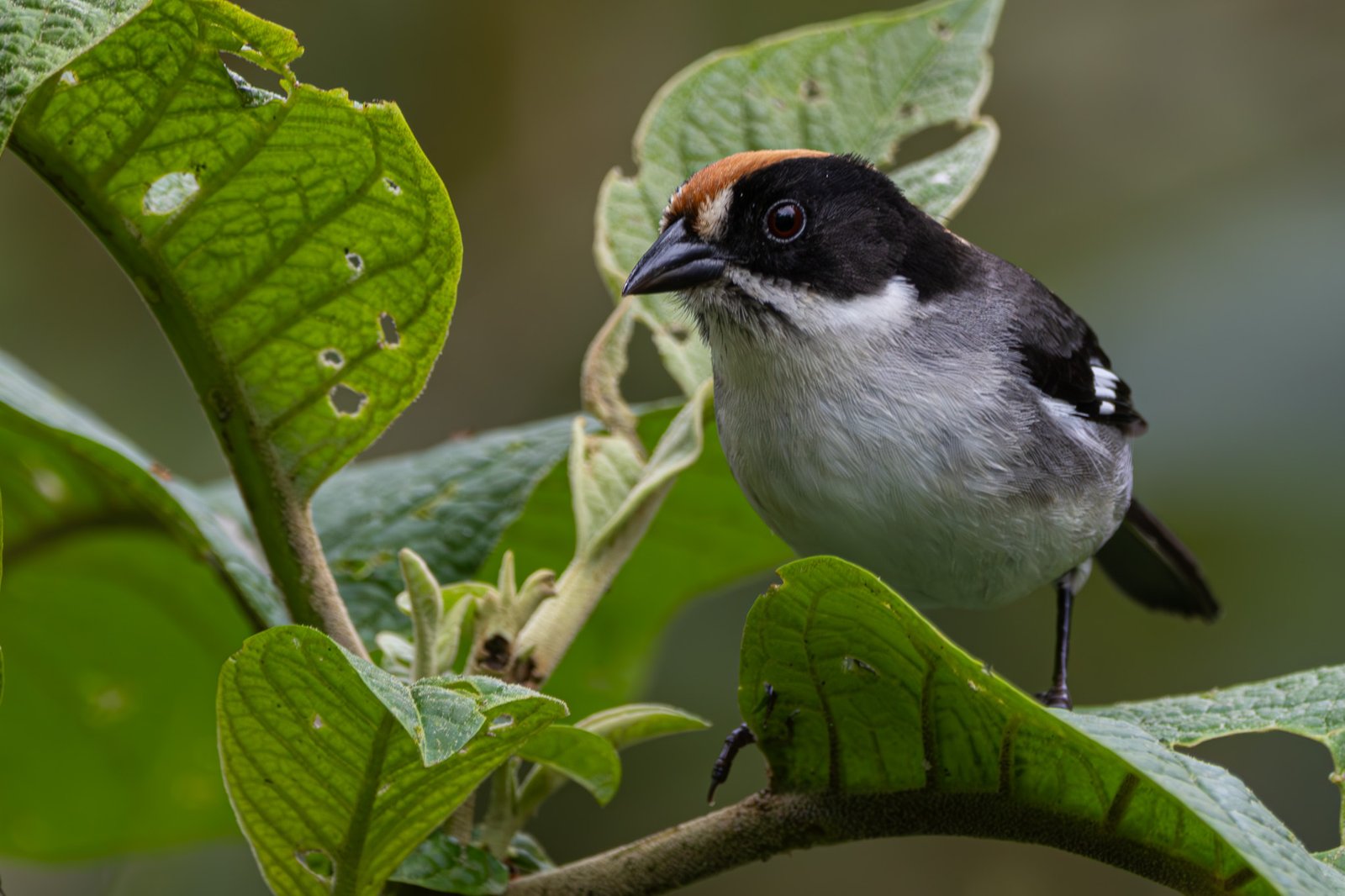
White-winged Brushfinch
Atlapetes leucopterus- Marañón and northern inter-Andean dry forest
- Tumbesian dry forest and thorn scrub
- Secondary forest and forest edge
- Northern Andean subtropical forest
-
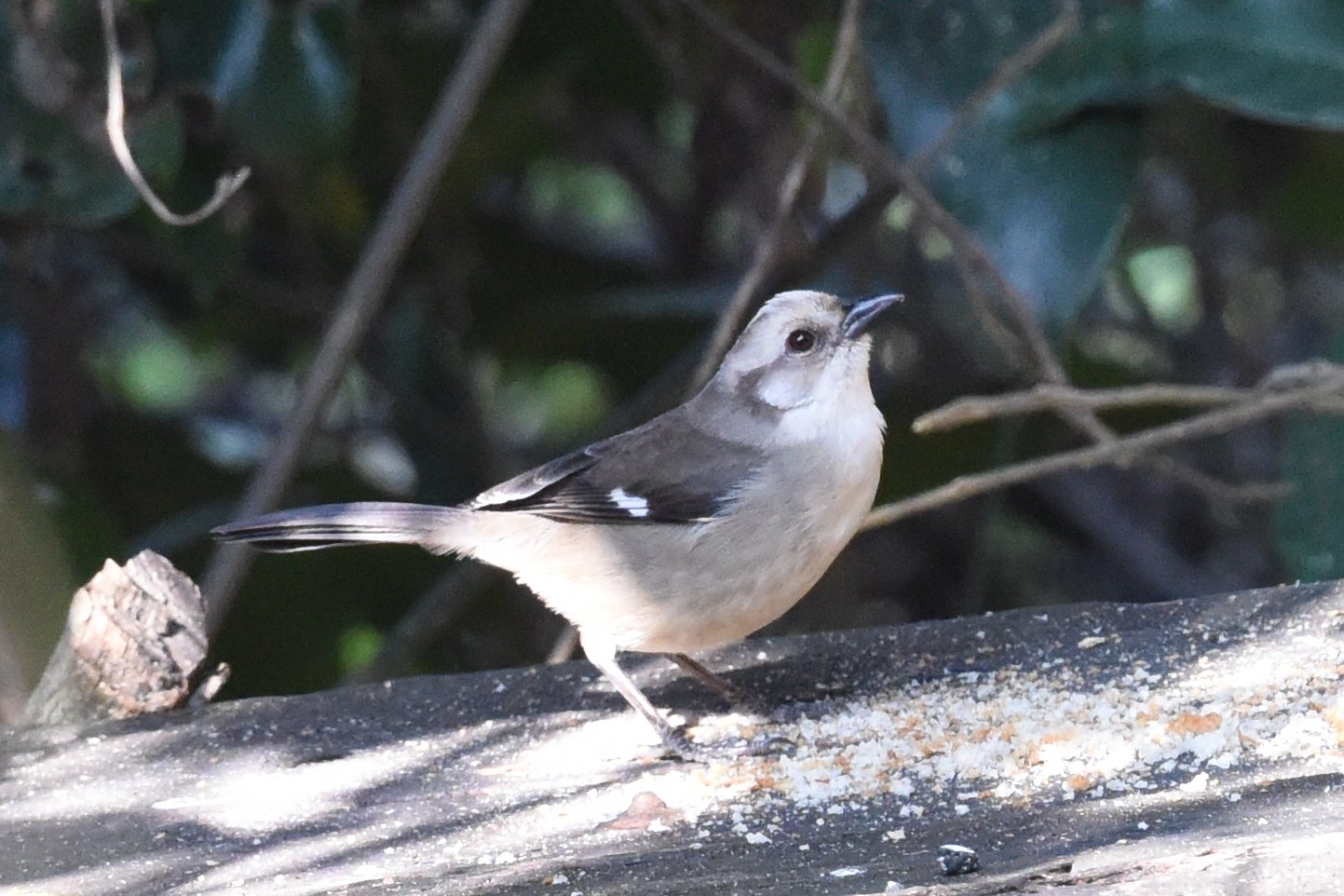
Pale-headed Brushfinch
Atlapetes pallidiceps- Marañón and northern inter-Andean dry forest
- Riparian woodland of the Andes and coastal valleys
- Secondary forest and forest edge
- Andean fields and terraces
-
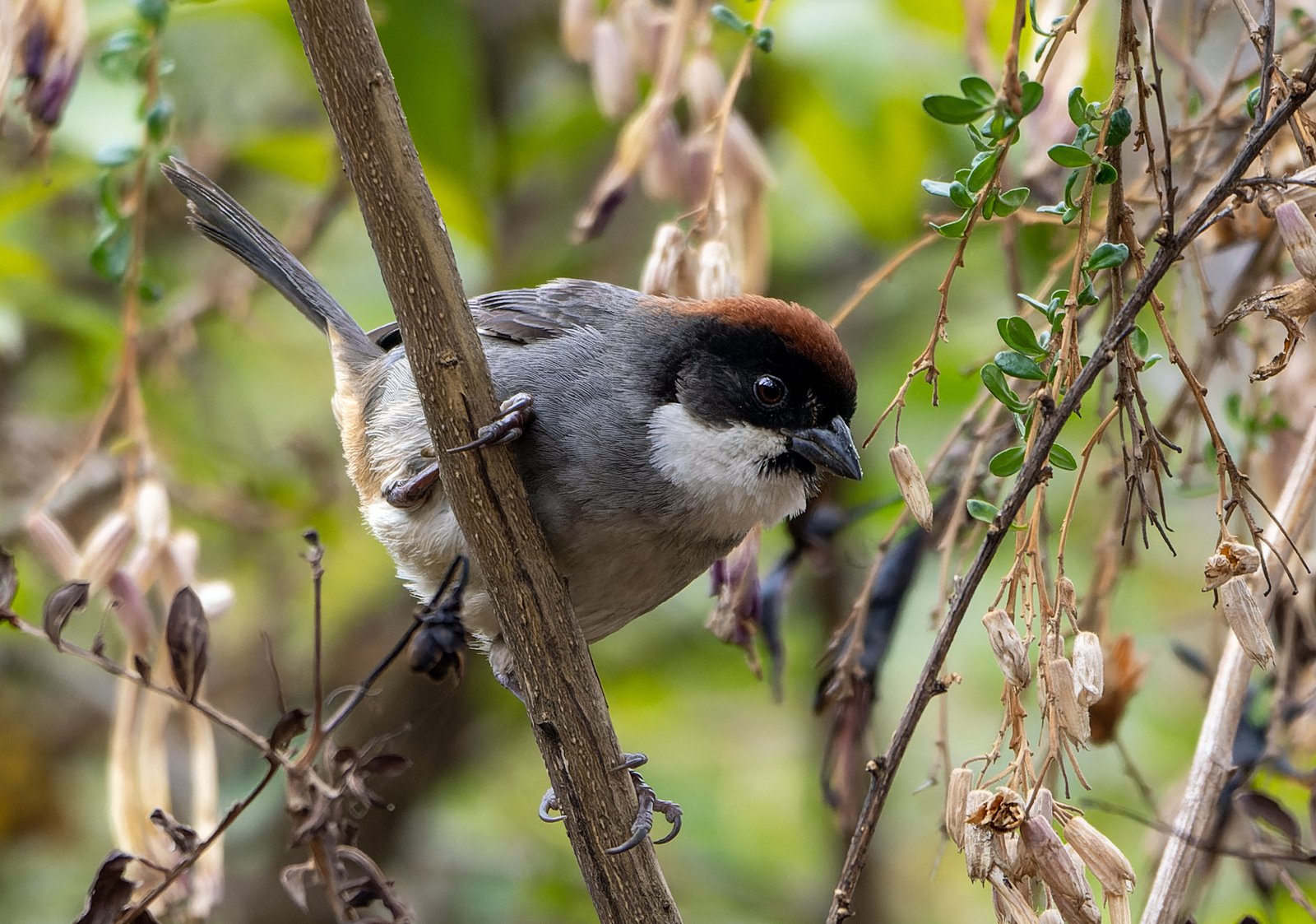
Bay-crowned Brushfinch
Atlapetes seebohmi- Tumbesian dry forest and thorn scrub
- Marañón and northern inter-Andean dry forest
- Secondary forest and forest edge
-
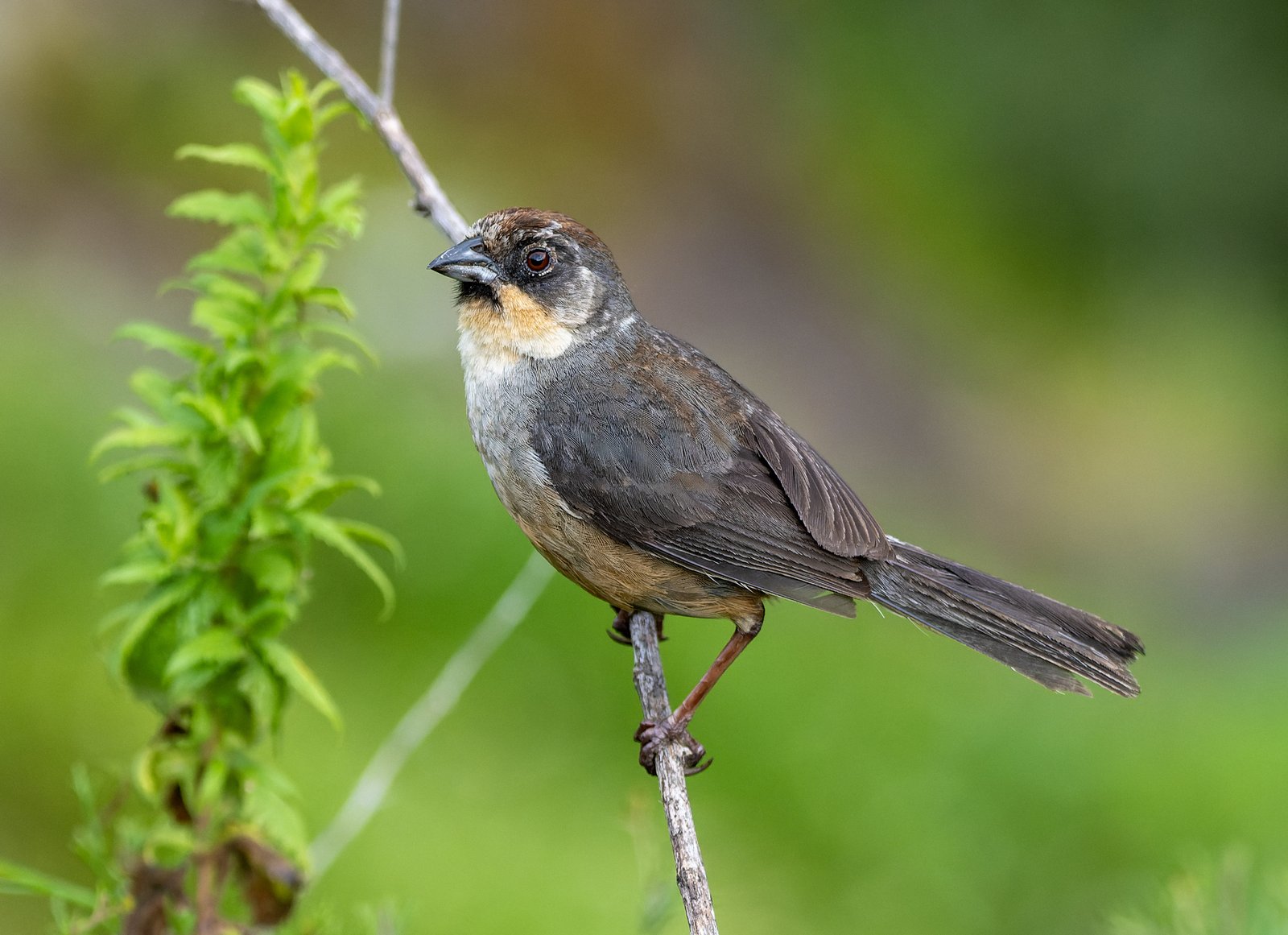
Rusty-bellied Brushfinch
Atlapetes nationi Central Andean dry valleys
- Andean fields and terraces
-
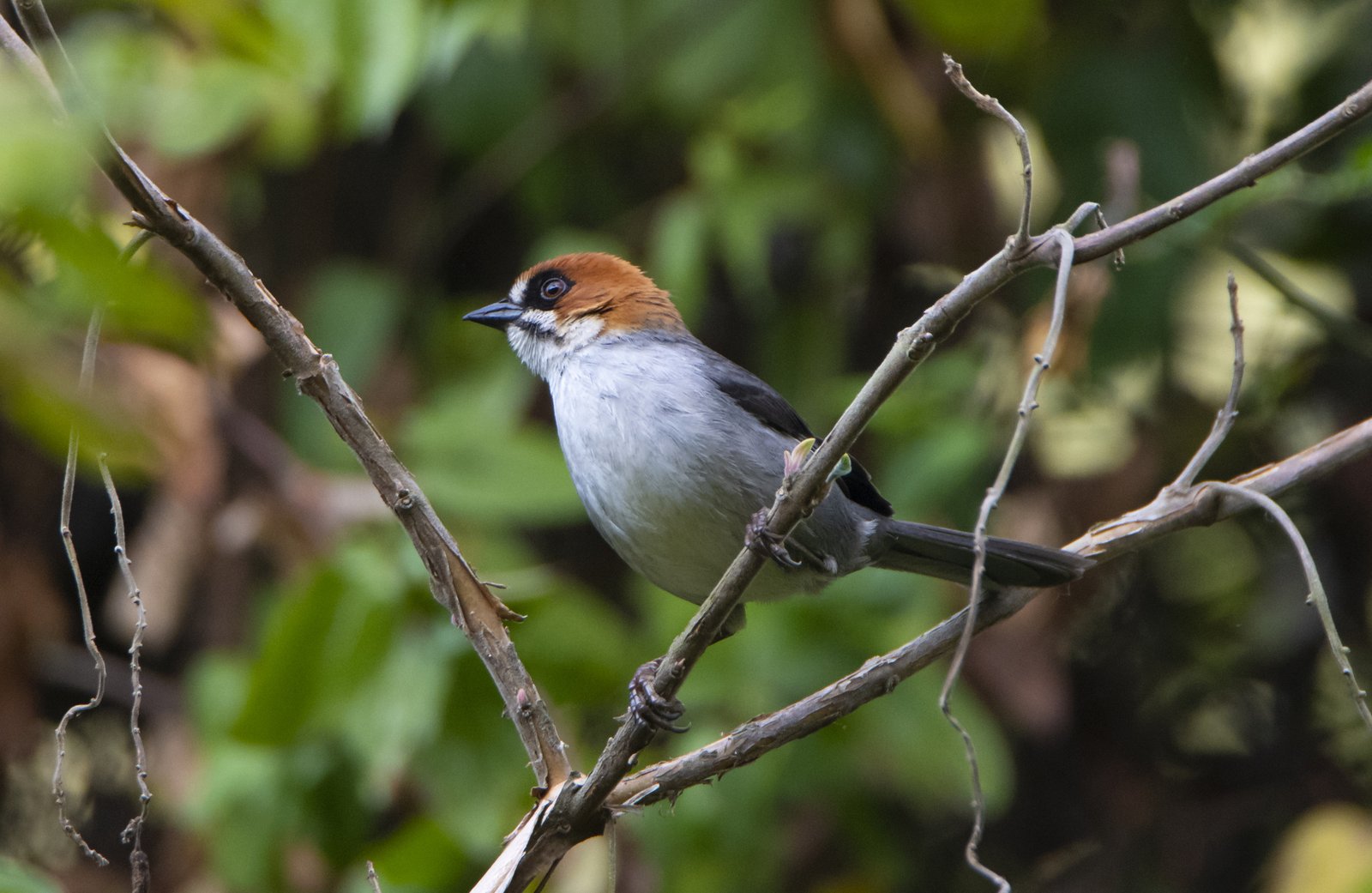
Apurimac Brushfinch
Atlapetes forbesi- Central Andean dry valleys
- Polylepis woodland
- Secondary forest and forest edge
-
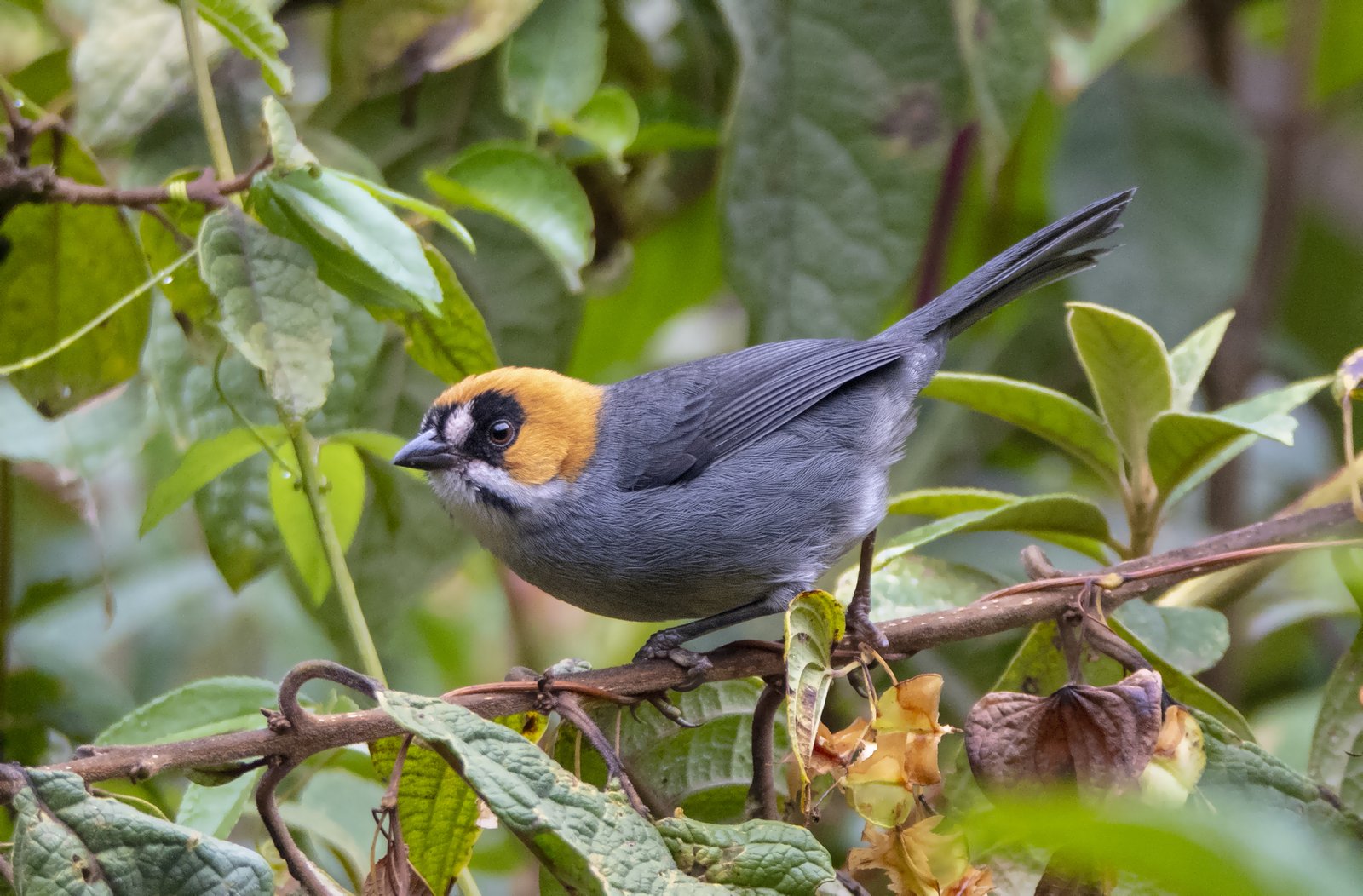
Black-spectacled Brushfinch
Atlapetes melanopsis- Central Andean dry valleys
- Secondary forest and forest edge
- Andean fields and terraces
-
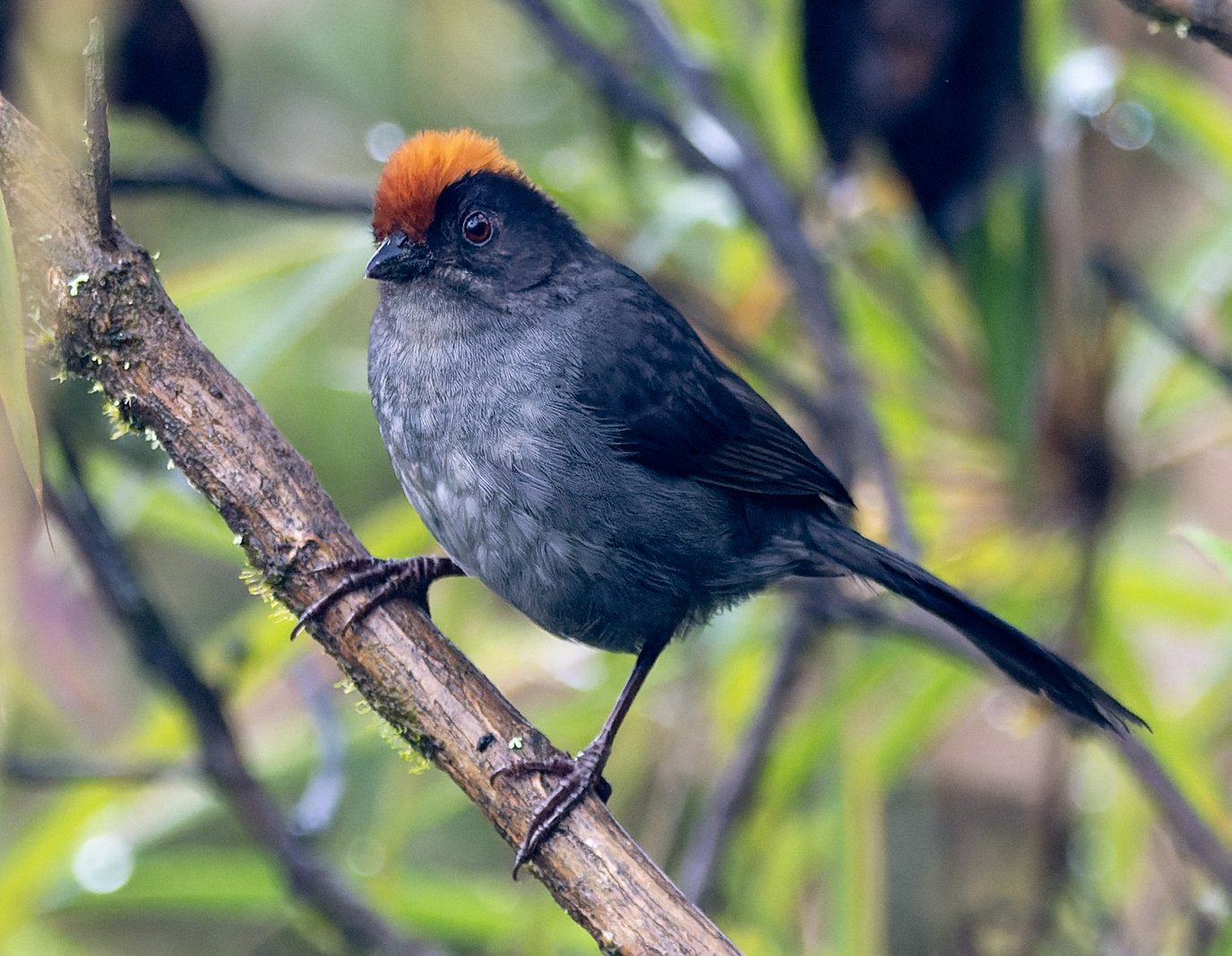
Cuzco Brushfinch
Atlapetes canigenis- Upper Yungas cloud forest
- Secondary forest and forest edge
-
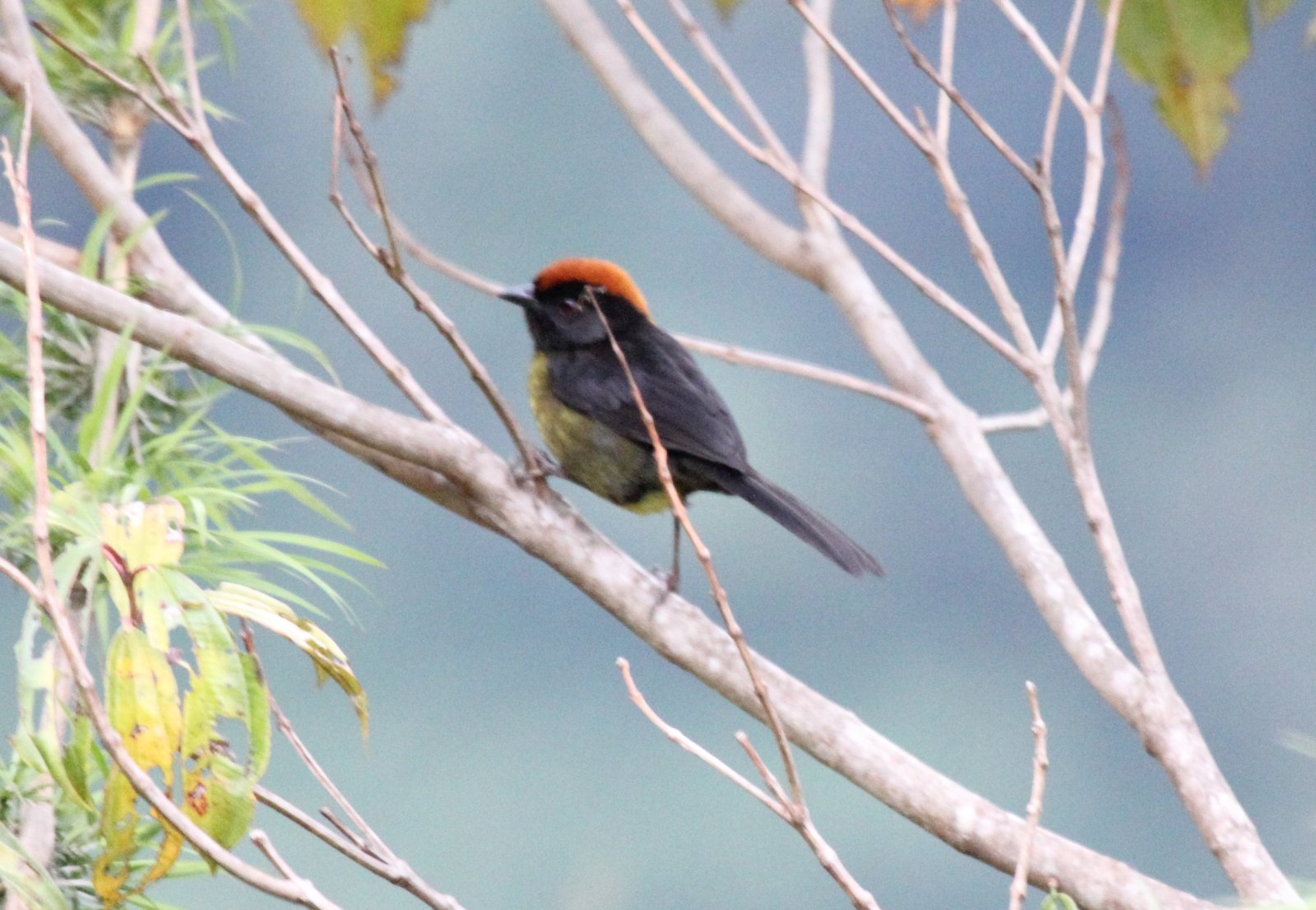
Grey-eared Brushfinch
Atlapetes melanolaemus- Upper Yungas cloud forest
- Secondary forest and forest edge
- Lower Yungas forest
- Bamboo forest
-
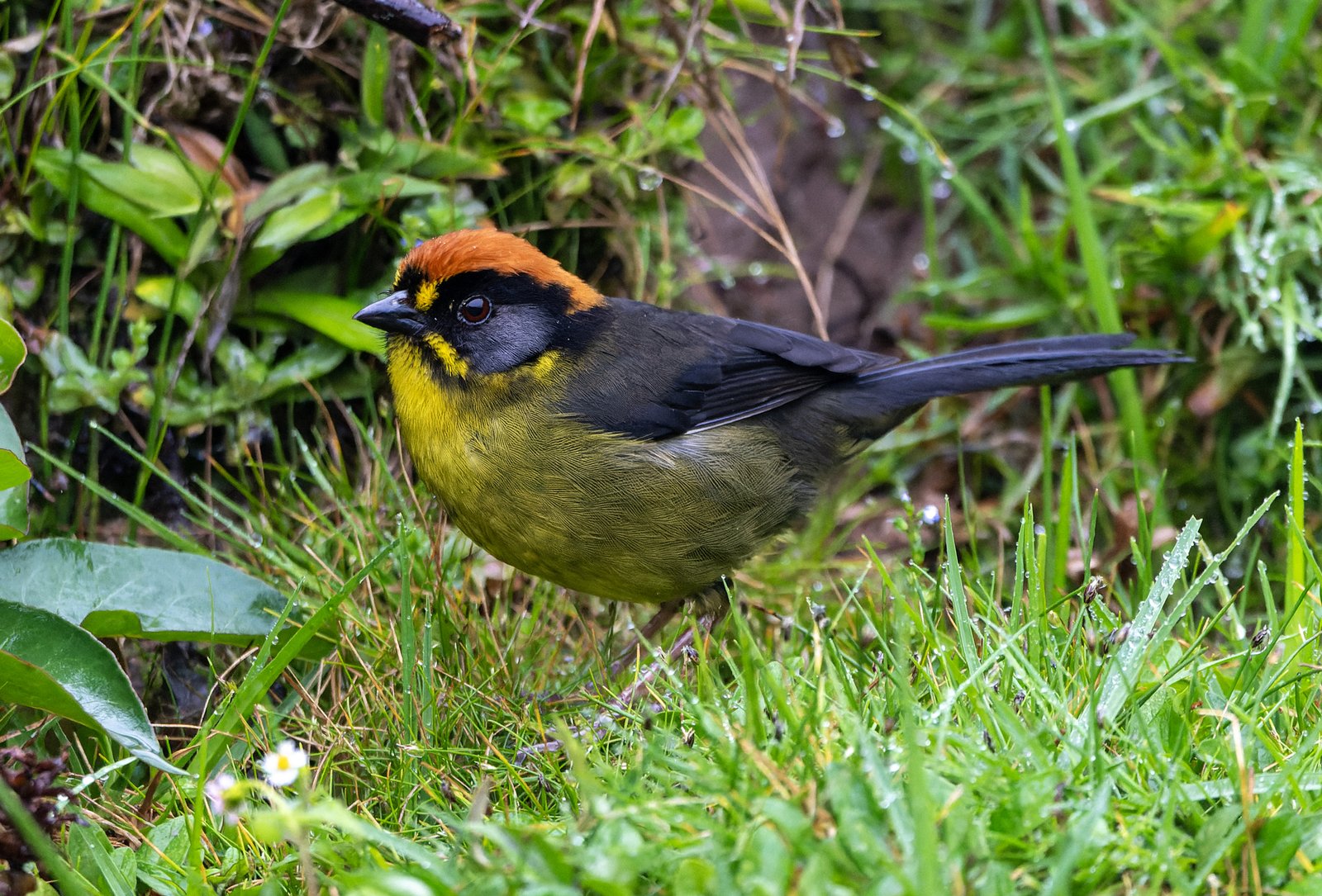
Bolivian Brushfinch
Atlapetes rufinucha- Secondary forest and forest edge
- Upper Yungas cloud forest
- Lower Yungas forest
- Pasture and ranchland
-
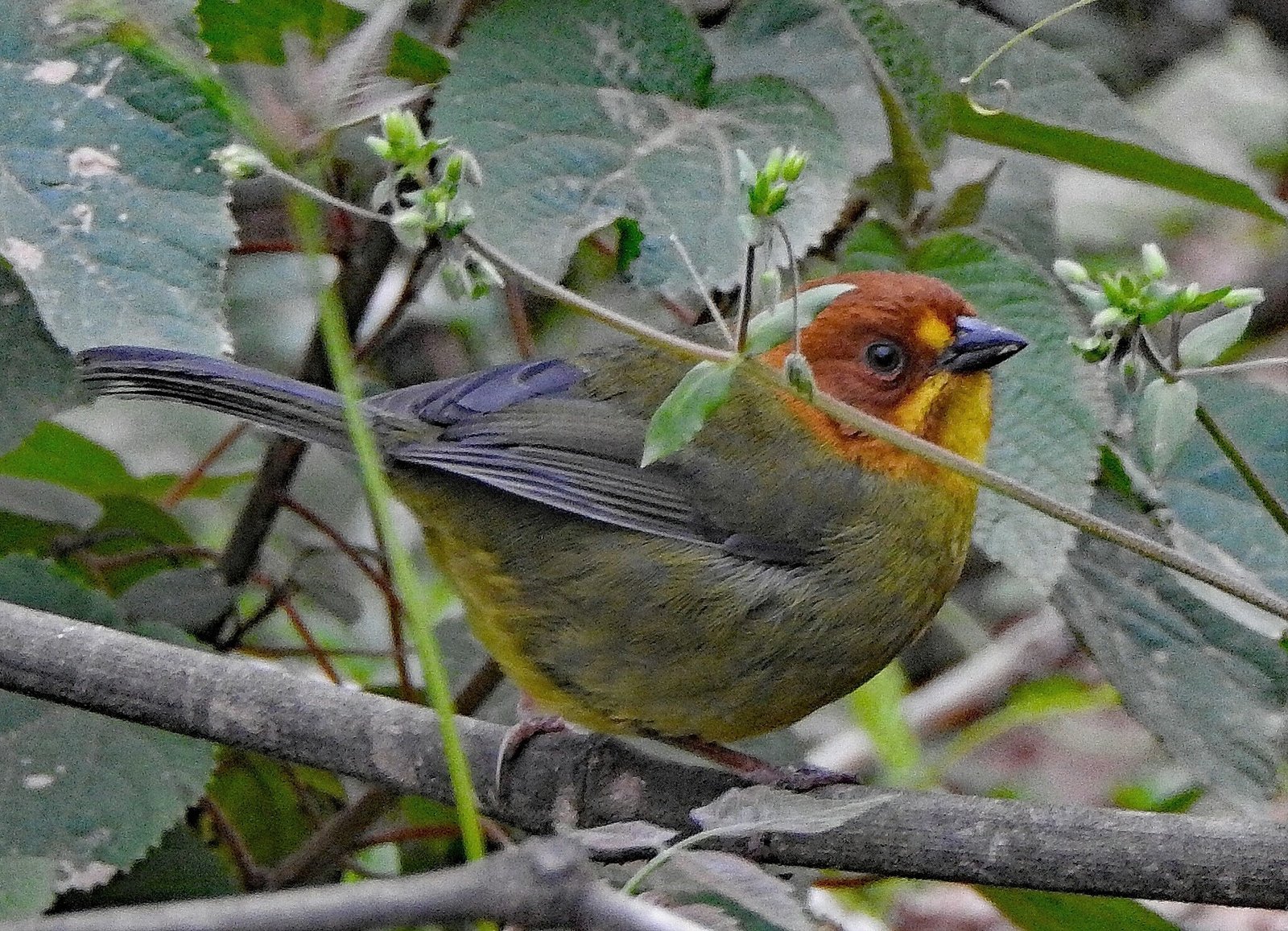
Fulvous-headed Brushfinch
Atlapetes fulviceps- Upper Yungas cloud forest
- Riparian woodland of the Andes and coastal valleys
- Secondary forest and forest edge
- Polylepis woodland
- Lower Yungas forest
Vagrants 5 species
Birds blown in from other continents. They have no range here, and so no distribution map.
-
Tacarcuna Chlorospingus
Chlorospingus tacarcunae- Northern Andean subtropical forest
- Northern Andean cloud forest and temperate forest
-
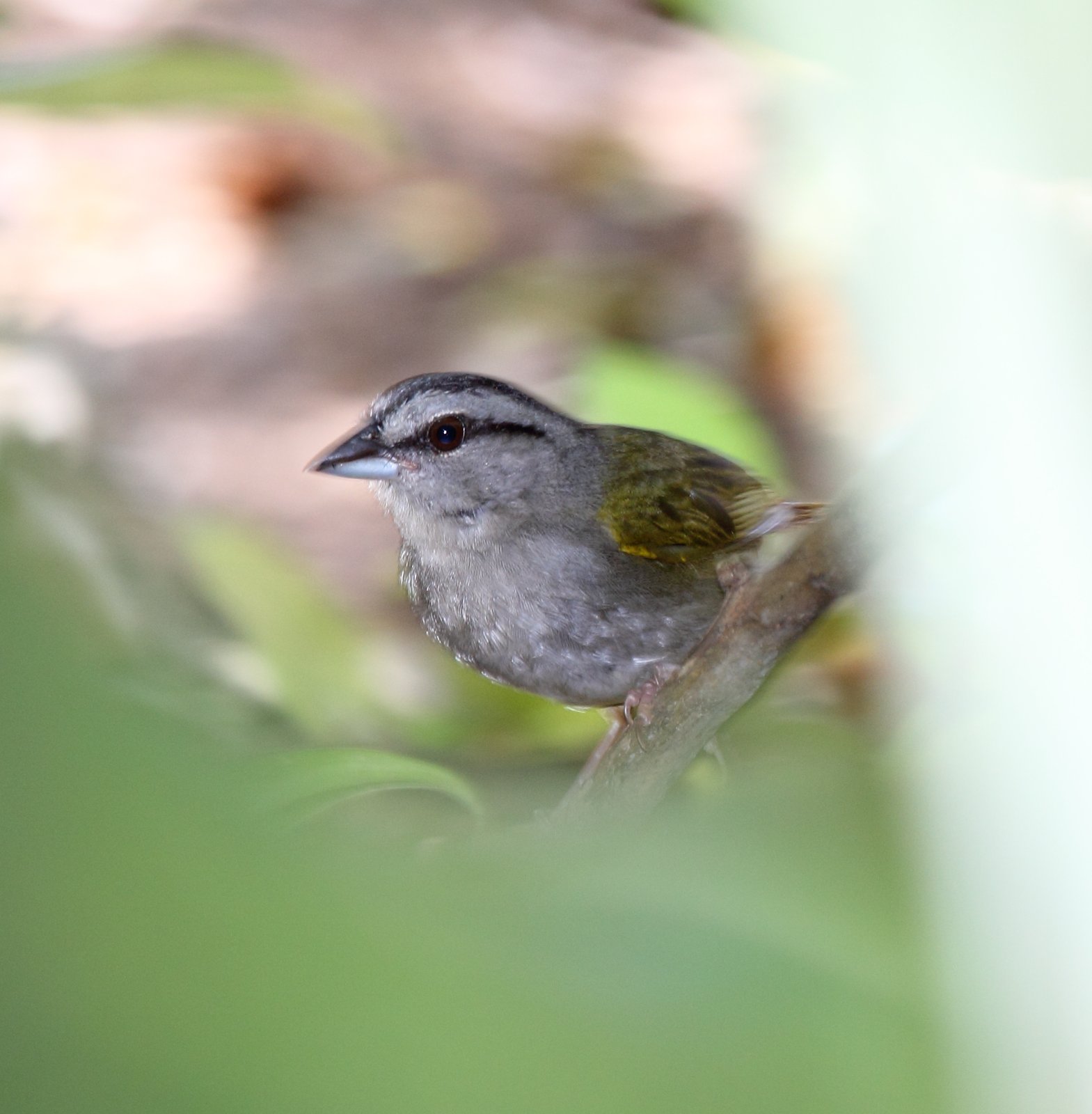
Green-backed Sparrow
Arremonops chloronotus- Secondary forest and forest edge
- Coffee, cacao and agroforestry
-
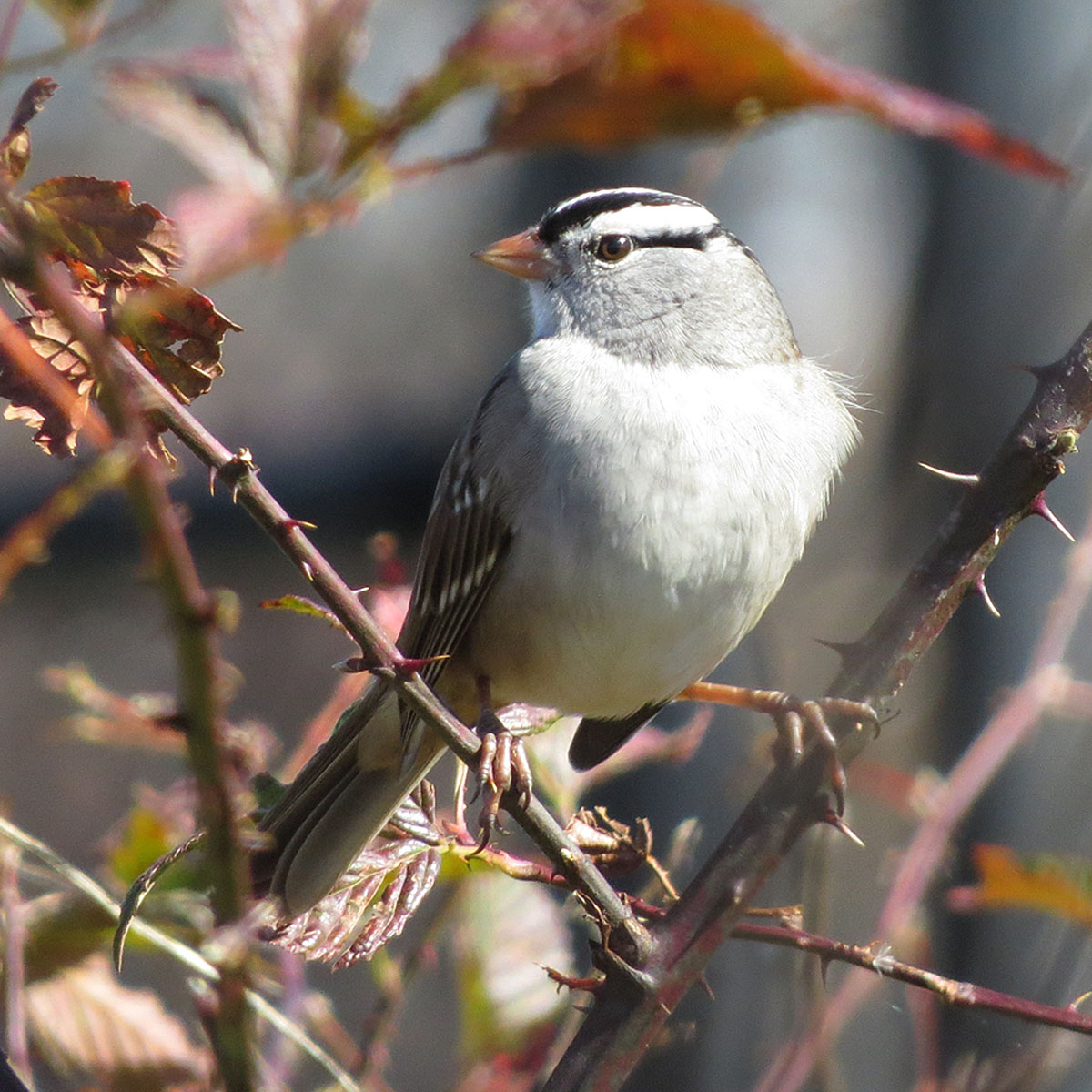
White-crowned Sparrow
Zonotrichia leucophrys- Towns, cities and parks
- Secondary forest and forest edge
- Pasture and ranchland
-
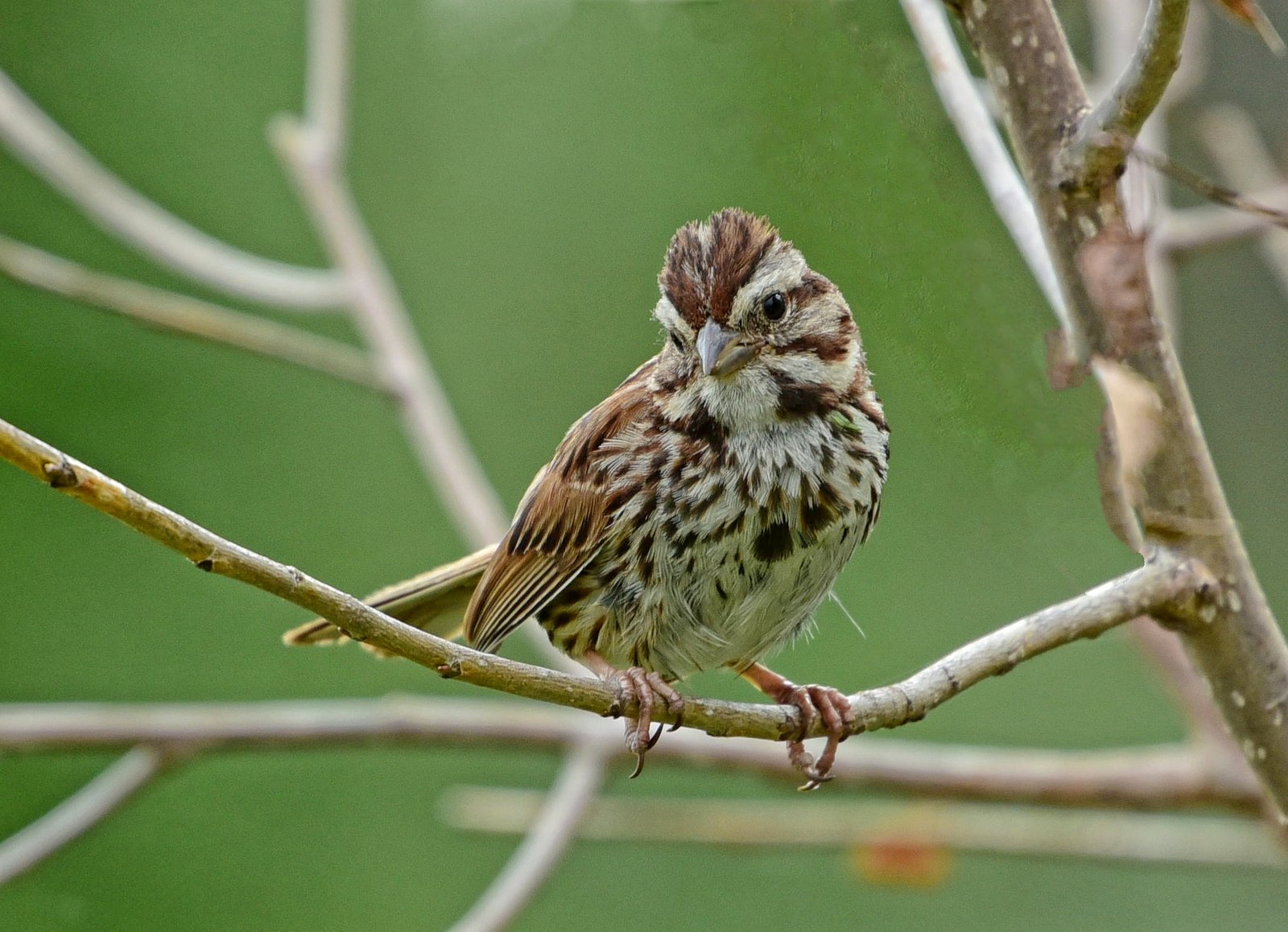
Song Sparrow
Melospiza melodia- Secondary forest and forest edge
- Pasture and ranchland
 Lowland marshes and wet meadows
-
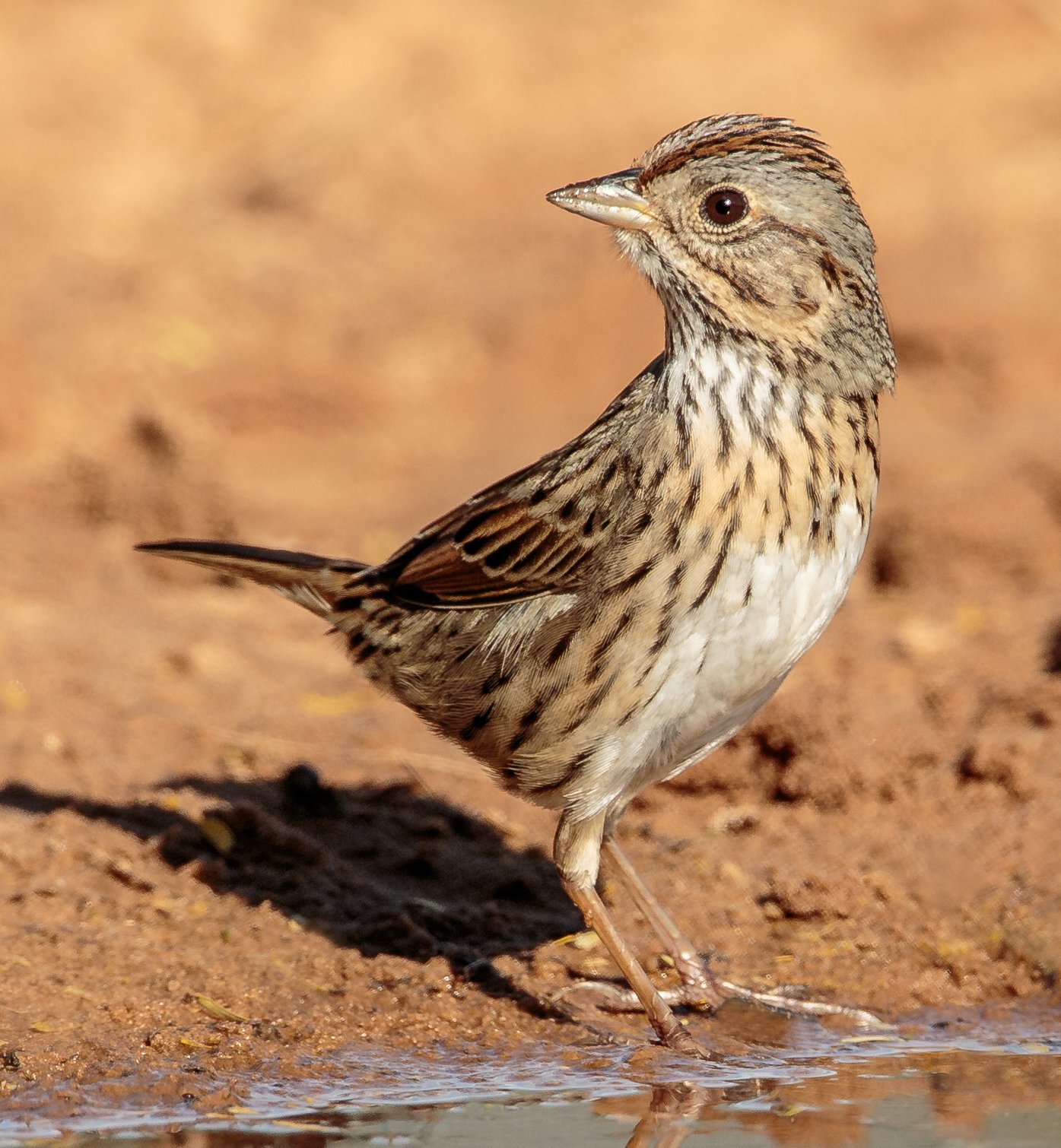
Lincoln's Sparrow
Melospiza lincolnii- Secondary forest and forest edge
- Lowland marshes and wet meadows
- Pasture and ranchland