All species › Passerines › Wrens
Wrens | Troglodytidae
Winterkoningen | Chochines | Wrens
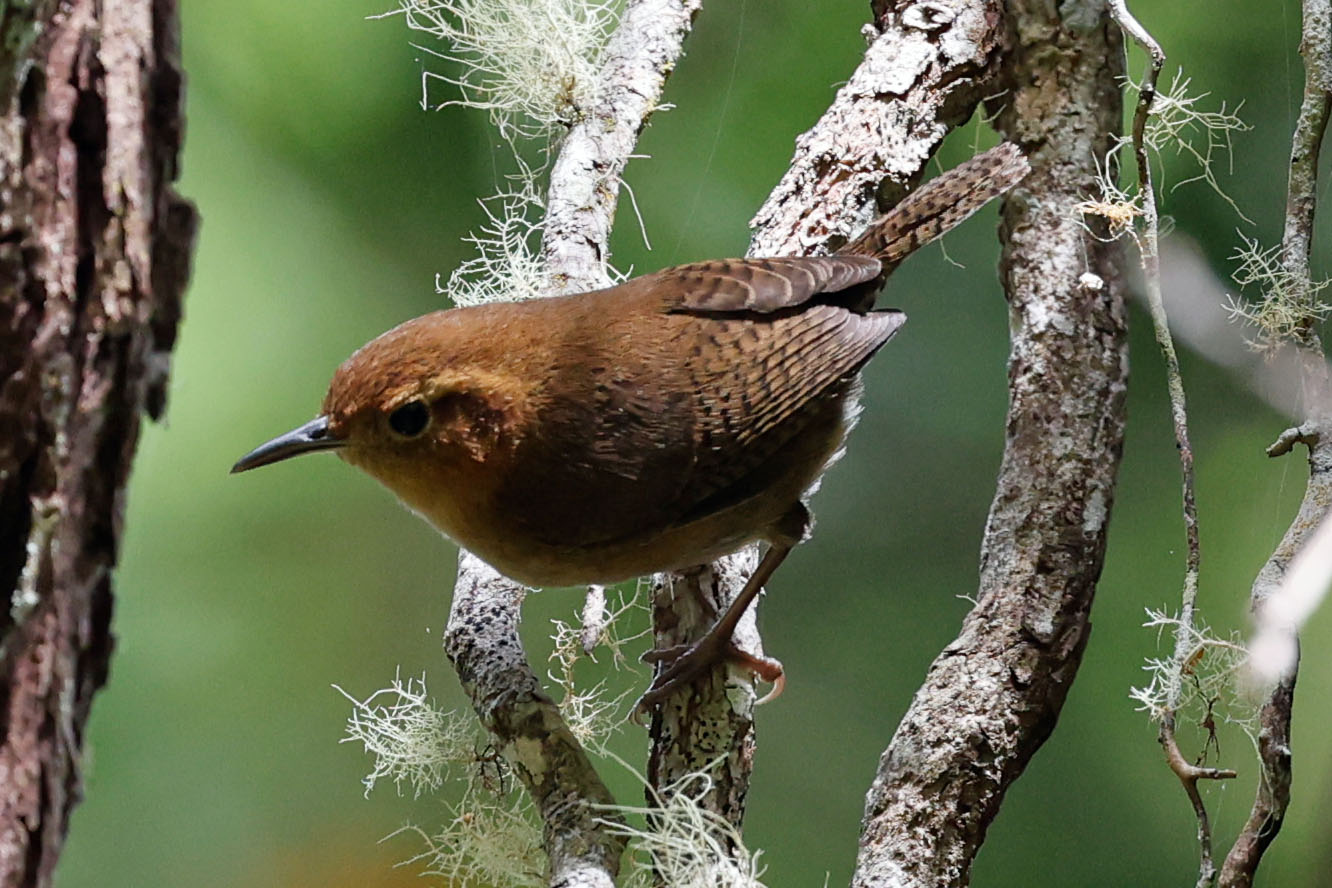
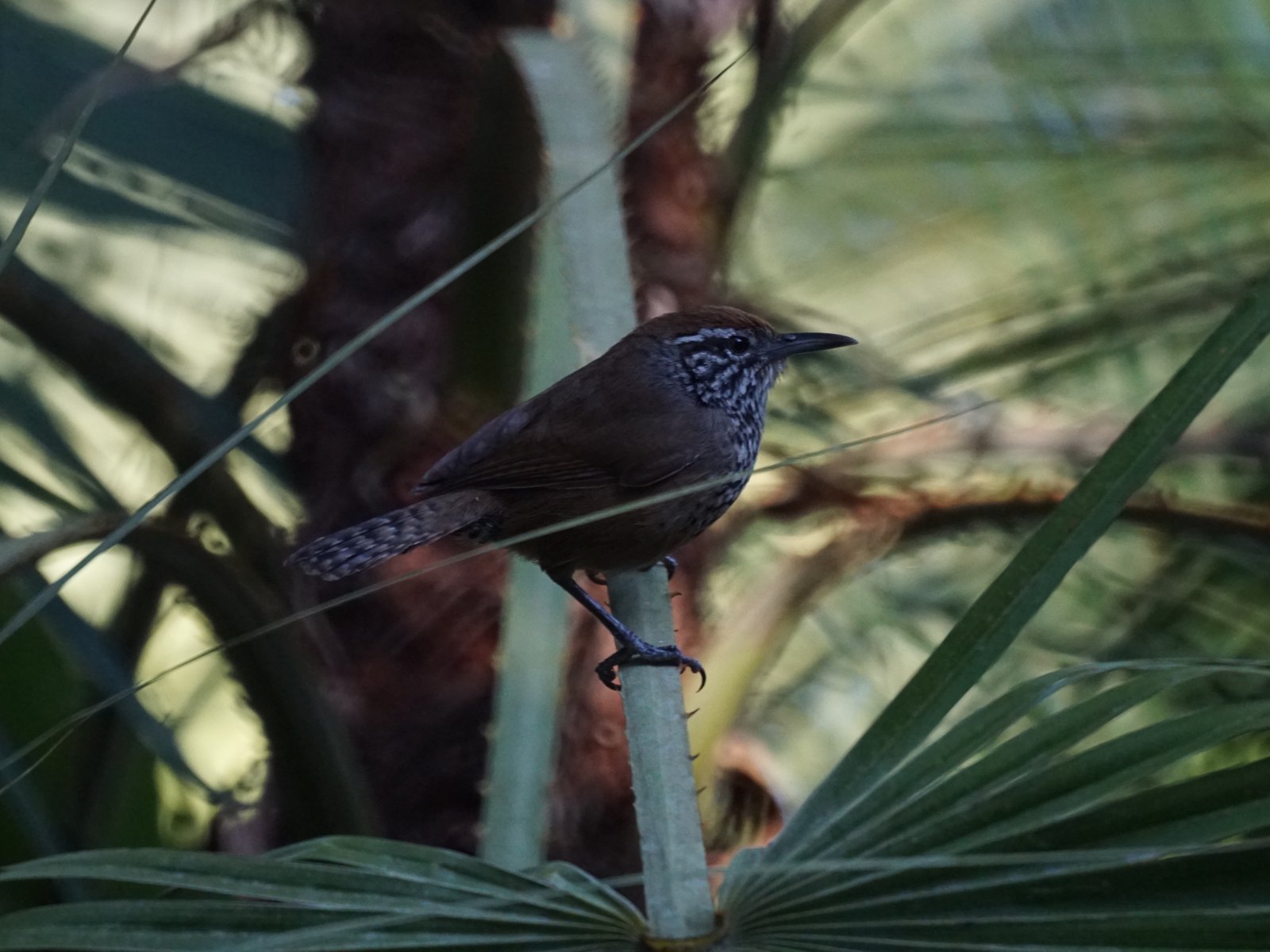
Small to medium-sized, mostly brown birds with short, rounded wings, a tail often held cocked and a fine, slightly curved bill for picking insects out of crevices. All but one species of the family live in the Americas, and 50 species in eleven genera occur in this guide, from the Amazonian and Chocó lowlands up to the páramo. Size ranges from the small Southern House Wren, which lives right into gardens and villages, to the large Campylorhynchus wrens, which live in family groups, such as Bicolored Wren in northern Colombia and Fasciated Wren in the dry forests of western Ecuador and Peru. Most species move unseen through the lowest layer of forest, scrub and marsh; the wood wrens (Henicorhina) are typical of the cloud-forest understorey, the Cinnycerthia wrens travel in noisy parties through montane bamboo, and the Cistothorus wrens live in grassland and marsh as high as the páramo. The song is remarkably loud for the size of the bird; in many tropical species male and female sing duets so tightly interlocked that they sound like one bird, and the nightingale wrens (Microcerculus) give long series of slow, pure whistles. The nest is usually a domed ball with a side entrance or is placed in a cavity, and several species also build separate roosting nests.
Native species 48 species
Species that occur here by nature: breeding birds, winter visitors and passage migrants. They are arranged by genus, in the sequence of the list.
Microcerculus 2 species
-
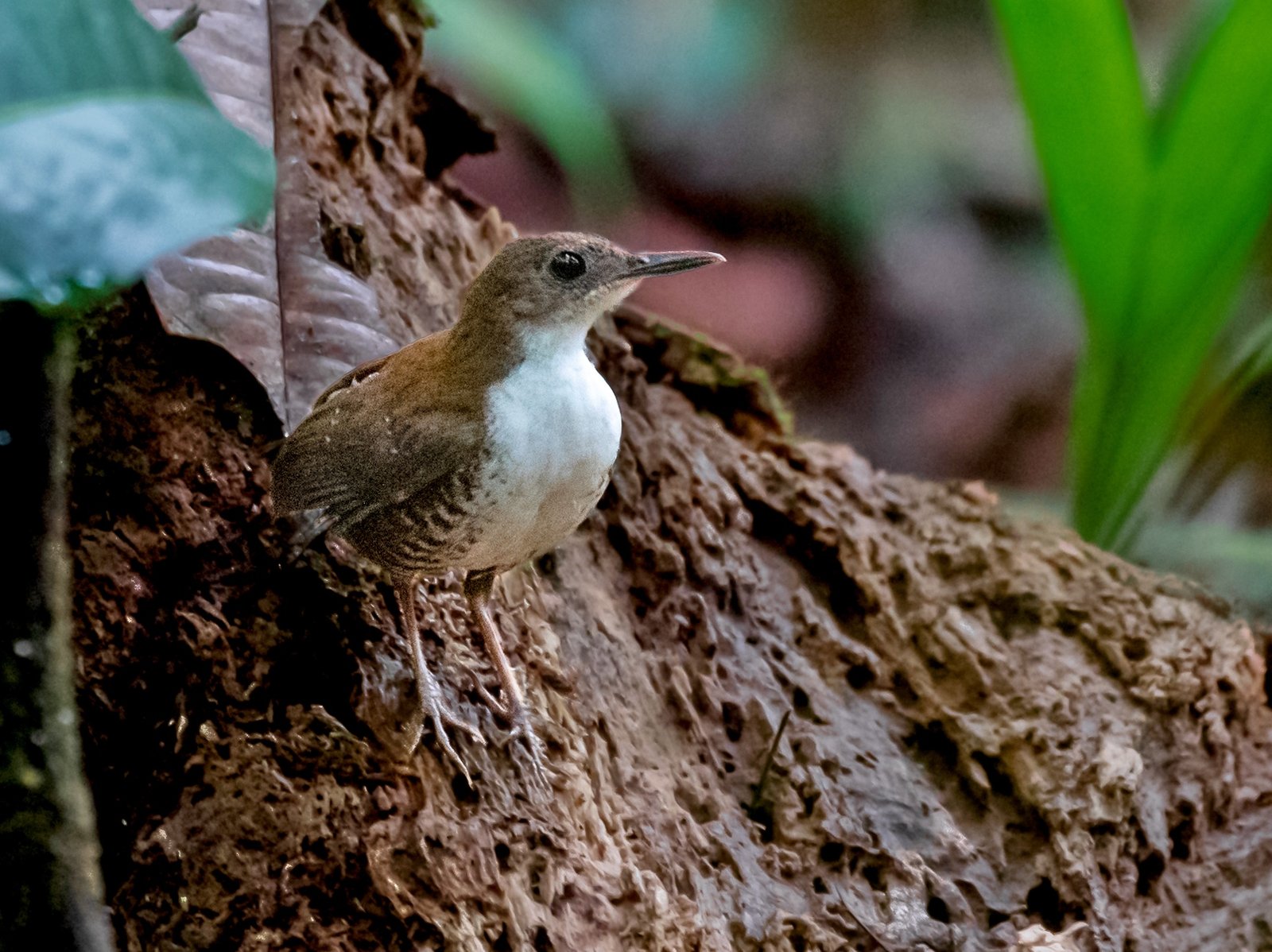
Southern Nightingale-Wren
Microcerculus marginatus Amazonian terra firme rainforest
 Chocó rainforest
 Western Ecuador humid forest
 Eastern Andean foothill forest
 Northern Andean subtropical forest
-
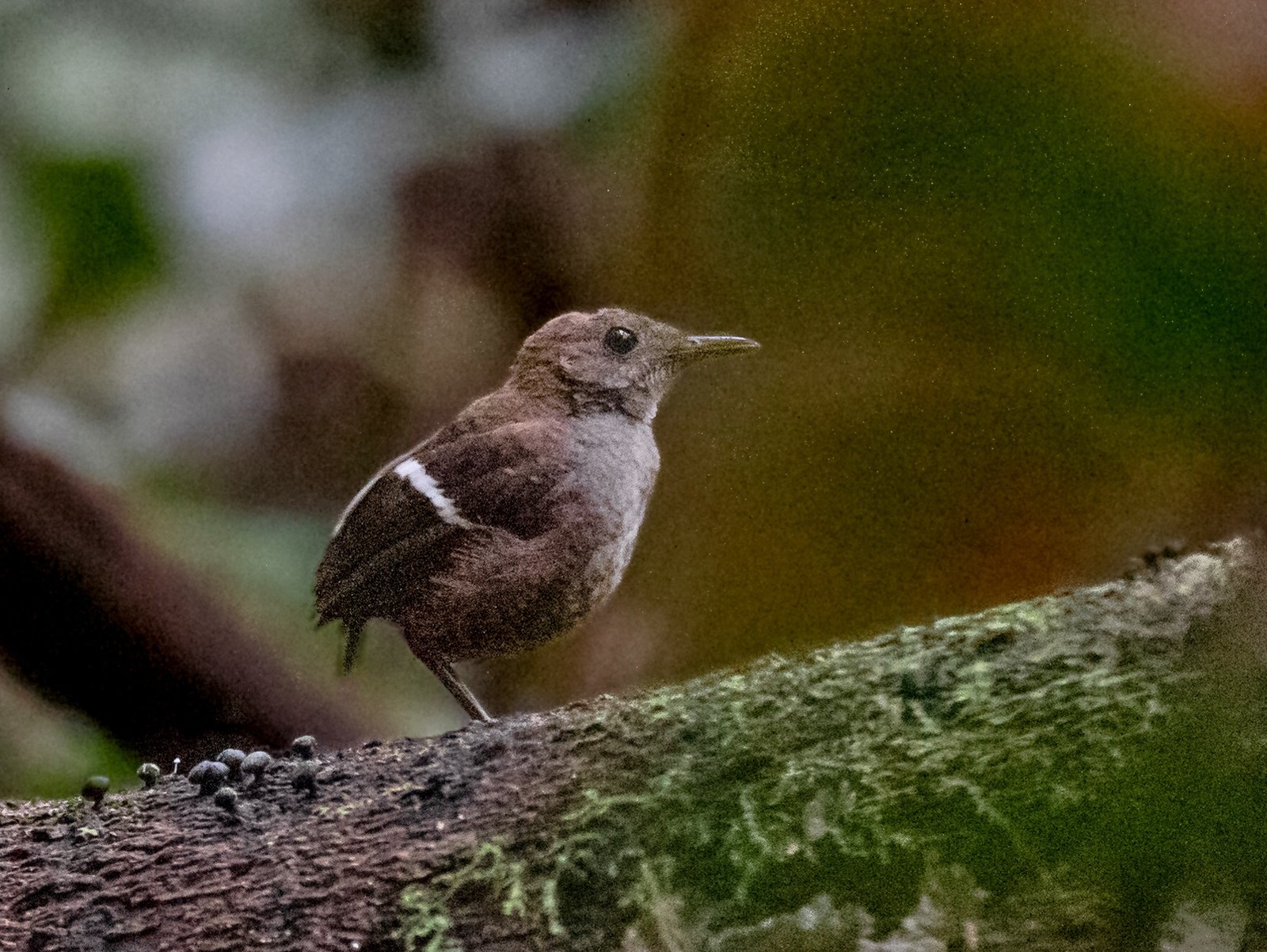
Wing-banded Wren
Microcerculus bambla- Eastern Andean foothill forest
- Amazonian terra firme rainforest
- Northern Andean subtropical forest
Campylorhynchus 6 species
-
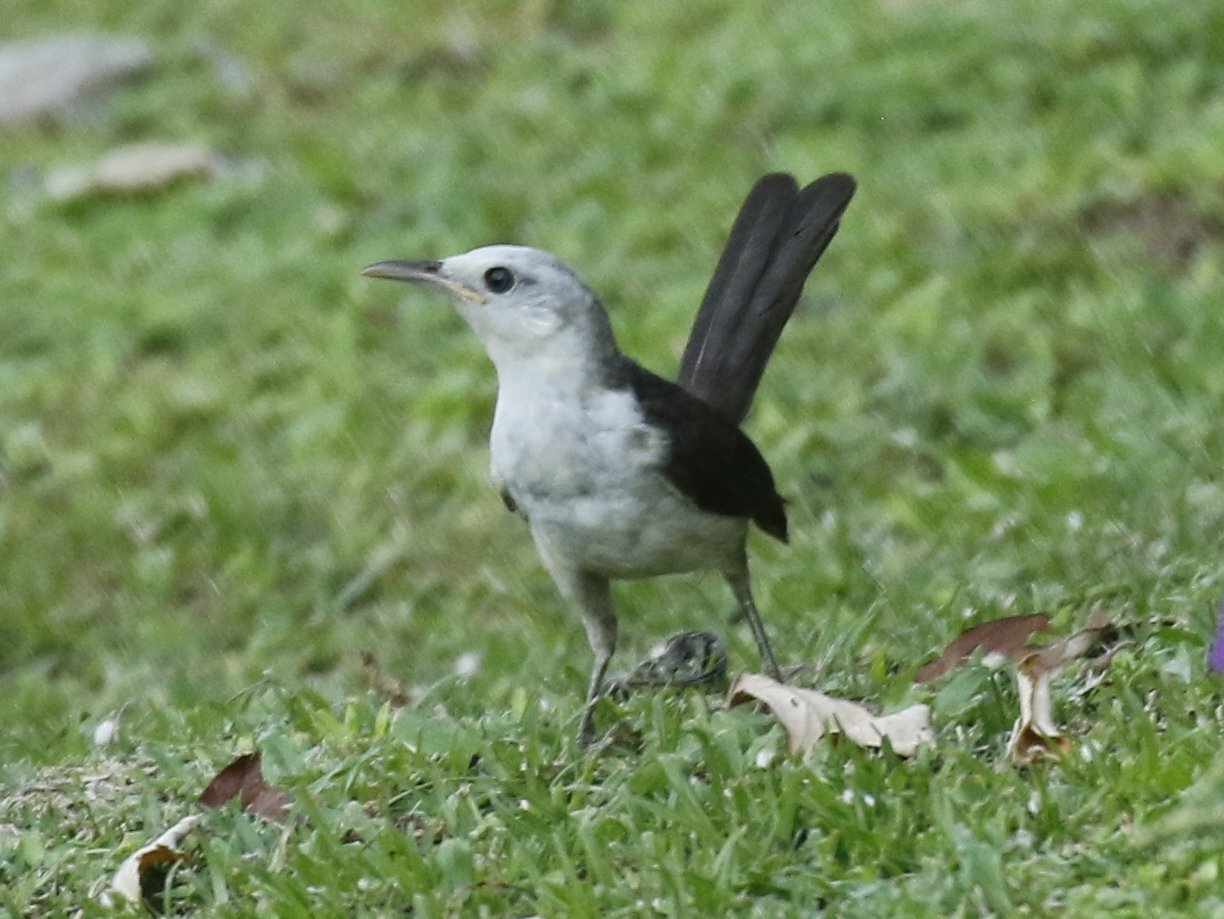
White-headed Wren
Campylorhynchus albobrunneus- Chocó rainforest
 Secondary forest and forest edge
- Northern Andean subtropical forest
-
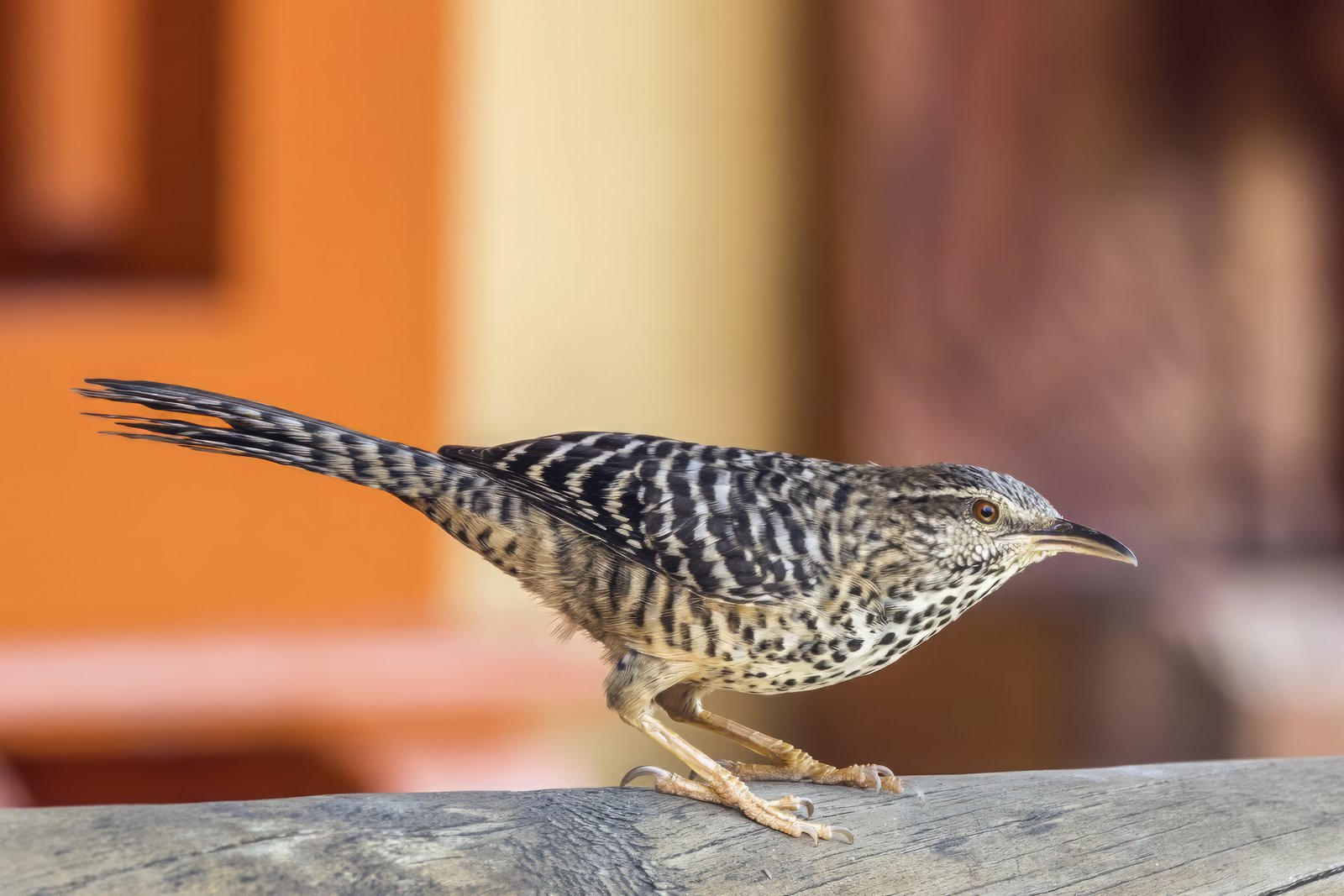
Band-backed Wren
Campylorhynchus zonatus- Secondary forest and forest edge
- Western Ecuador humid forest
- Chocó rainforest
 Coffee, cacao and agroforestry
-
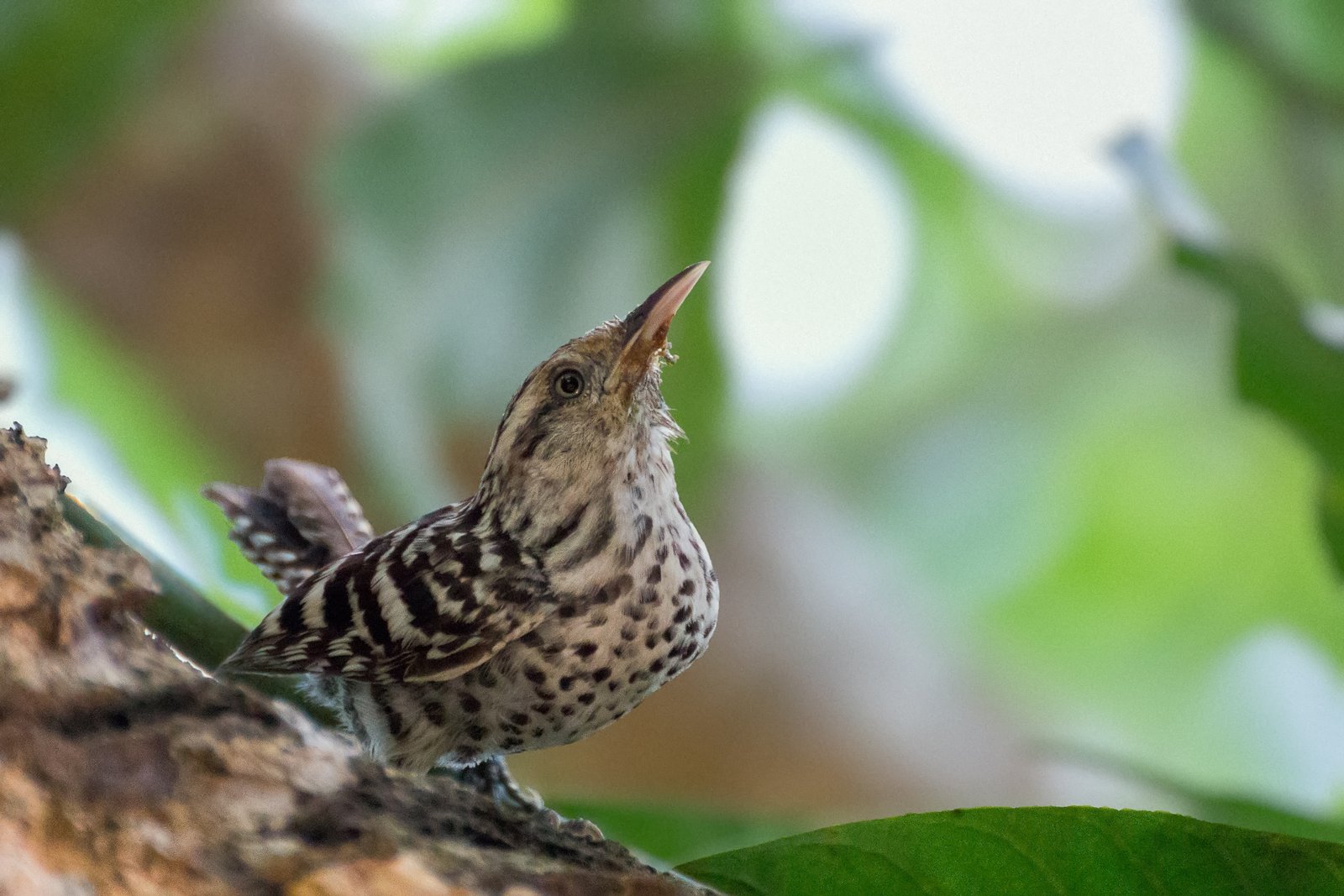
Stripe-backed Wren
Campylorhynchus nuchalis Llanos savanna
 Pasture and ranchland
- Secondary forest and forest edge
-
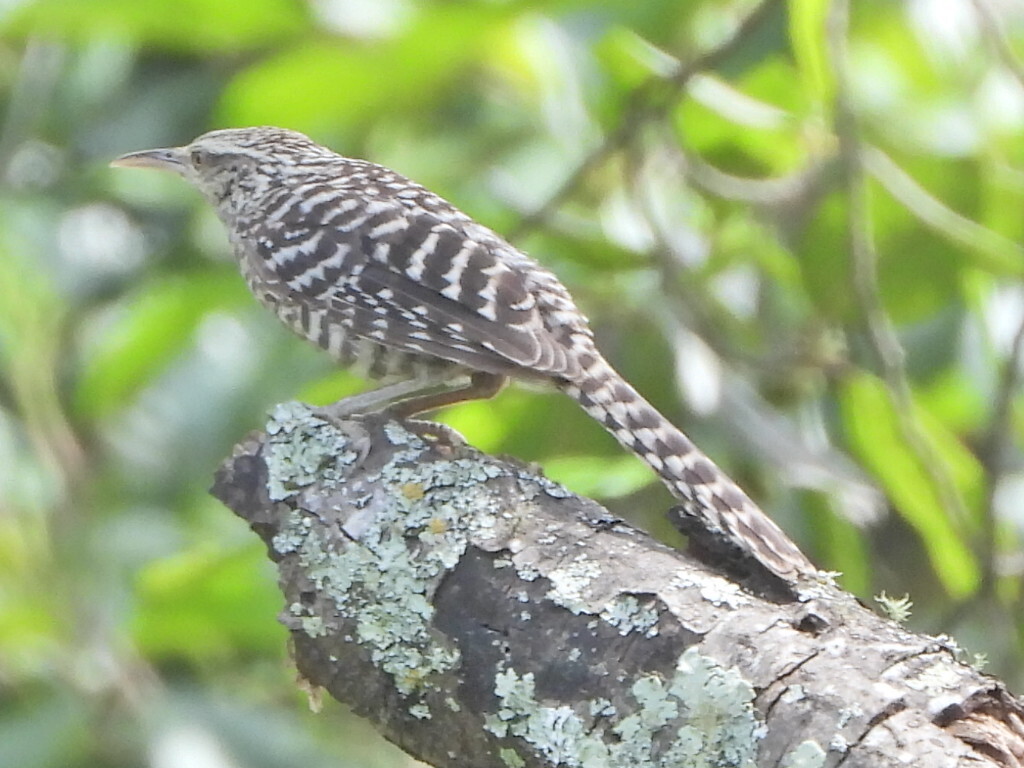
Fasciated Wren
Campylorhynchus fasciatus Tumbesian dry forest and thorn scrub
 Marañón and northern inter-Andean dry forest
 Irrigated farmland and rice fields
 Towns, cities and parks
 Coastal desert
-
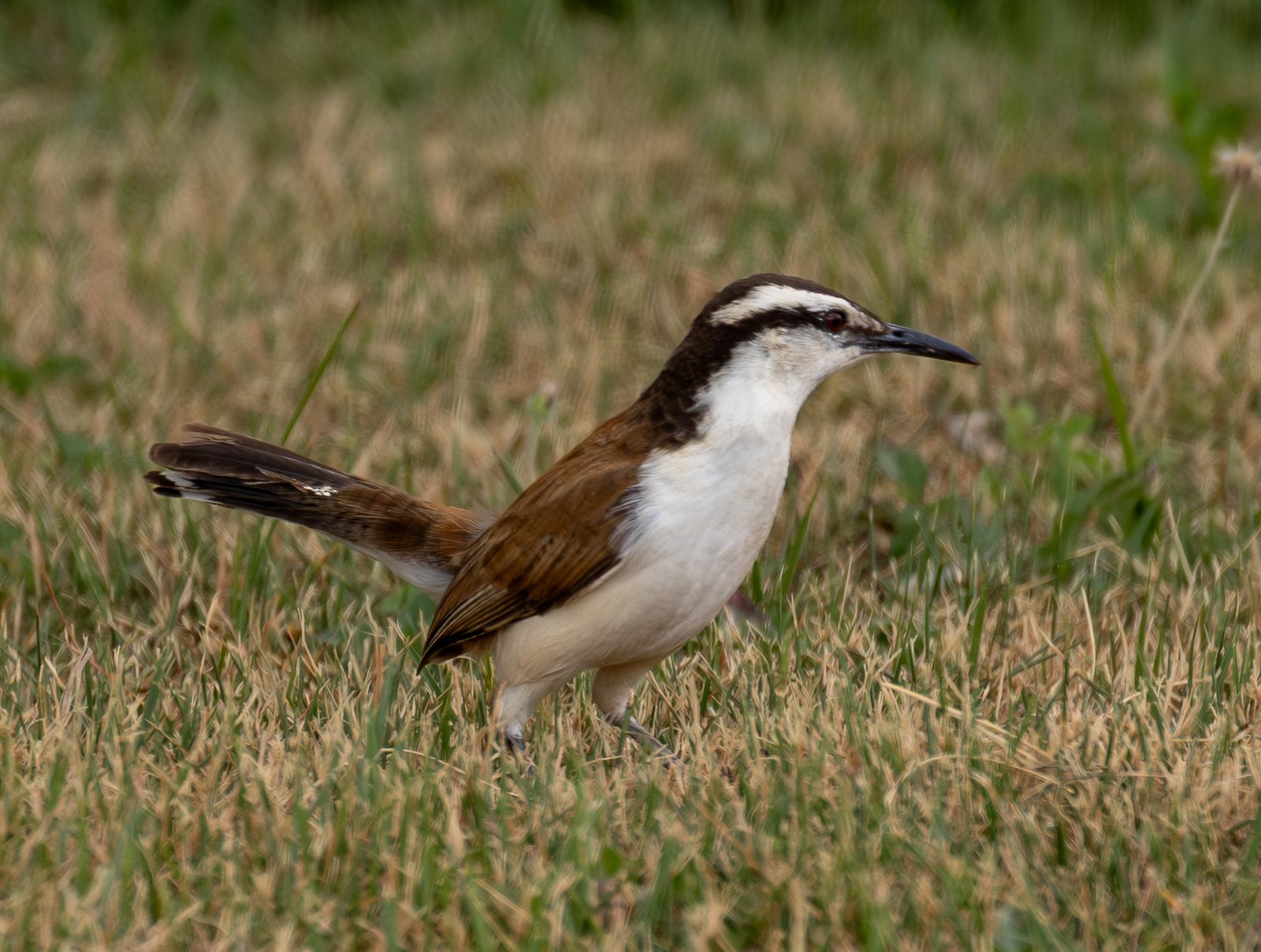
Bicolored Wren
Campylorhynchus griseus- Llanos savanna
- Marañón and northern inter-Andean dry forest
- Pasture and ranchland
- Towns, cities and parks
- Secondary forest and forest edge
-
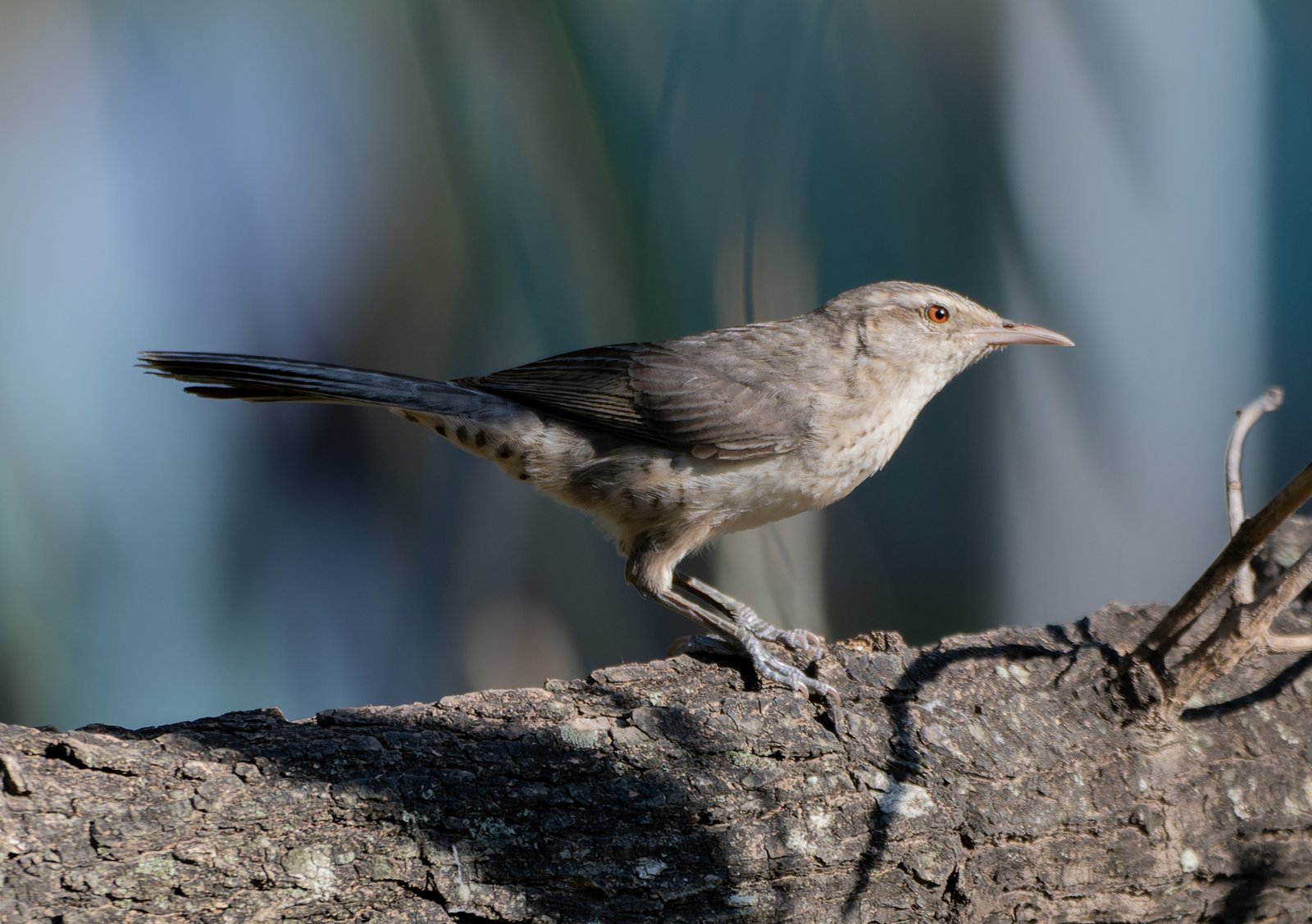
Thrush-like Wren
Campylorhynchus turdinus Várzea, igapó and river islands
- Secondary forest and forest edge
- Amazonian terra firme rainforest
- Pasture and ranchland
Cistothorus 2 species


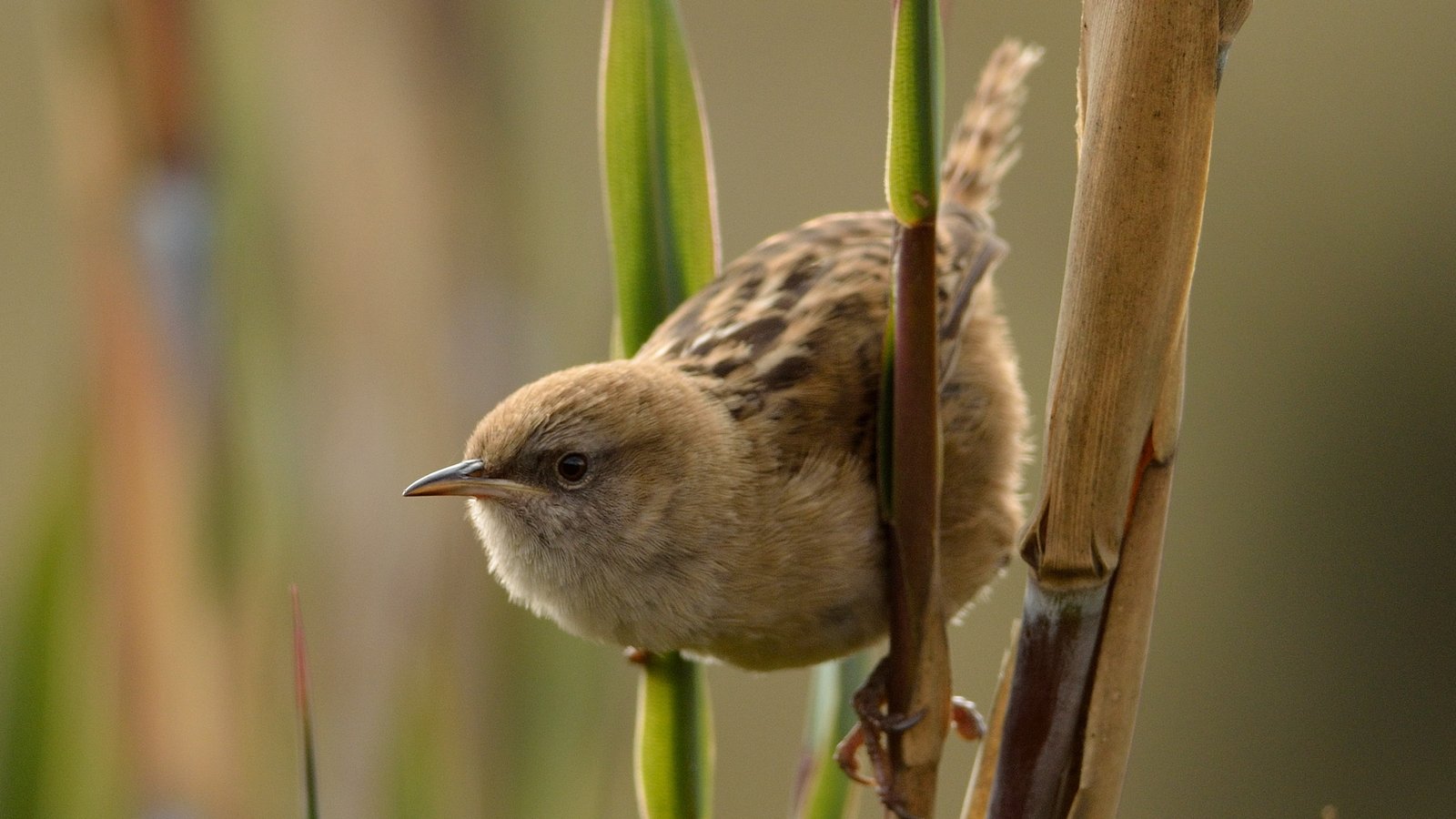

Troglodytes 4 species
-
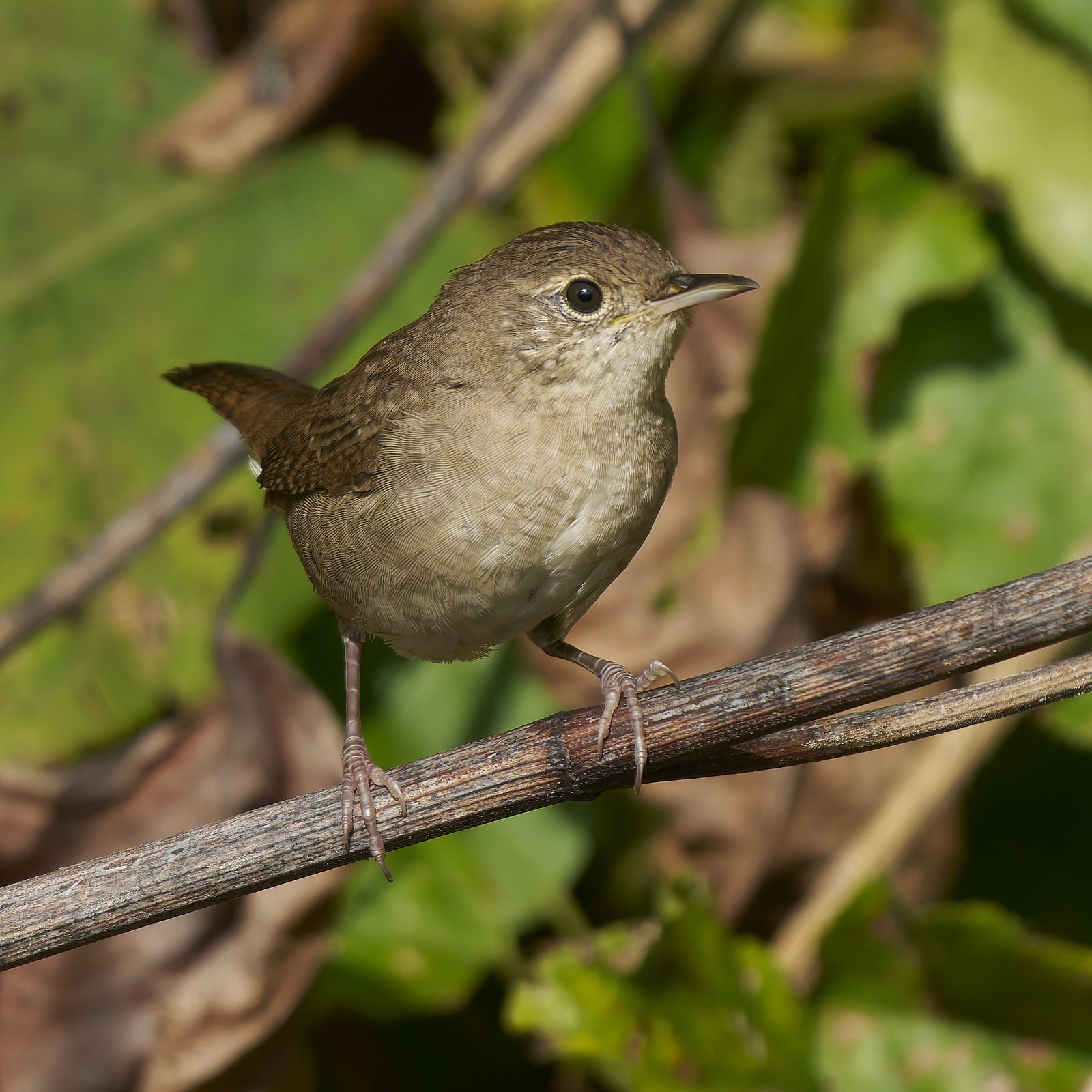
Northern House Wren
Troglodytes aedon- Towns, cities and parks
- Secondary forest and forest edge
- Pasture and ranchland
-
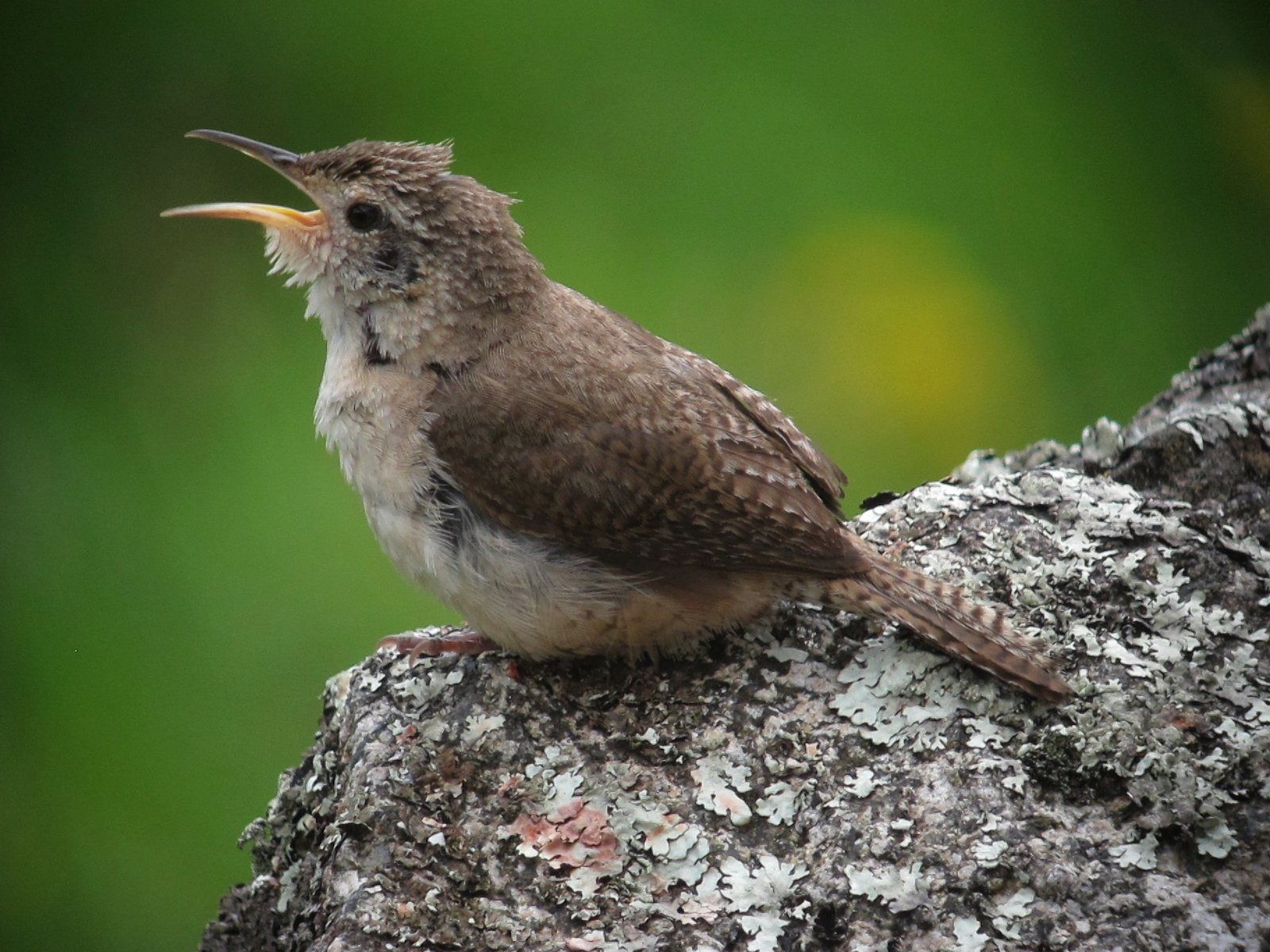
Southern House Wren
Troglodytes musculus- Towns, cities and parks
 Andean fields and terraces
- Secondary forest and forest edge
- Pasture and ranchland
- Tumbesian dry forest and thorn scrub
- Coastal desert
 Riparian woodland of the Andes and coastal valleys
-
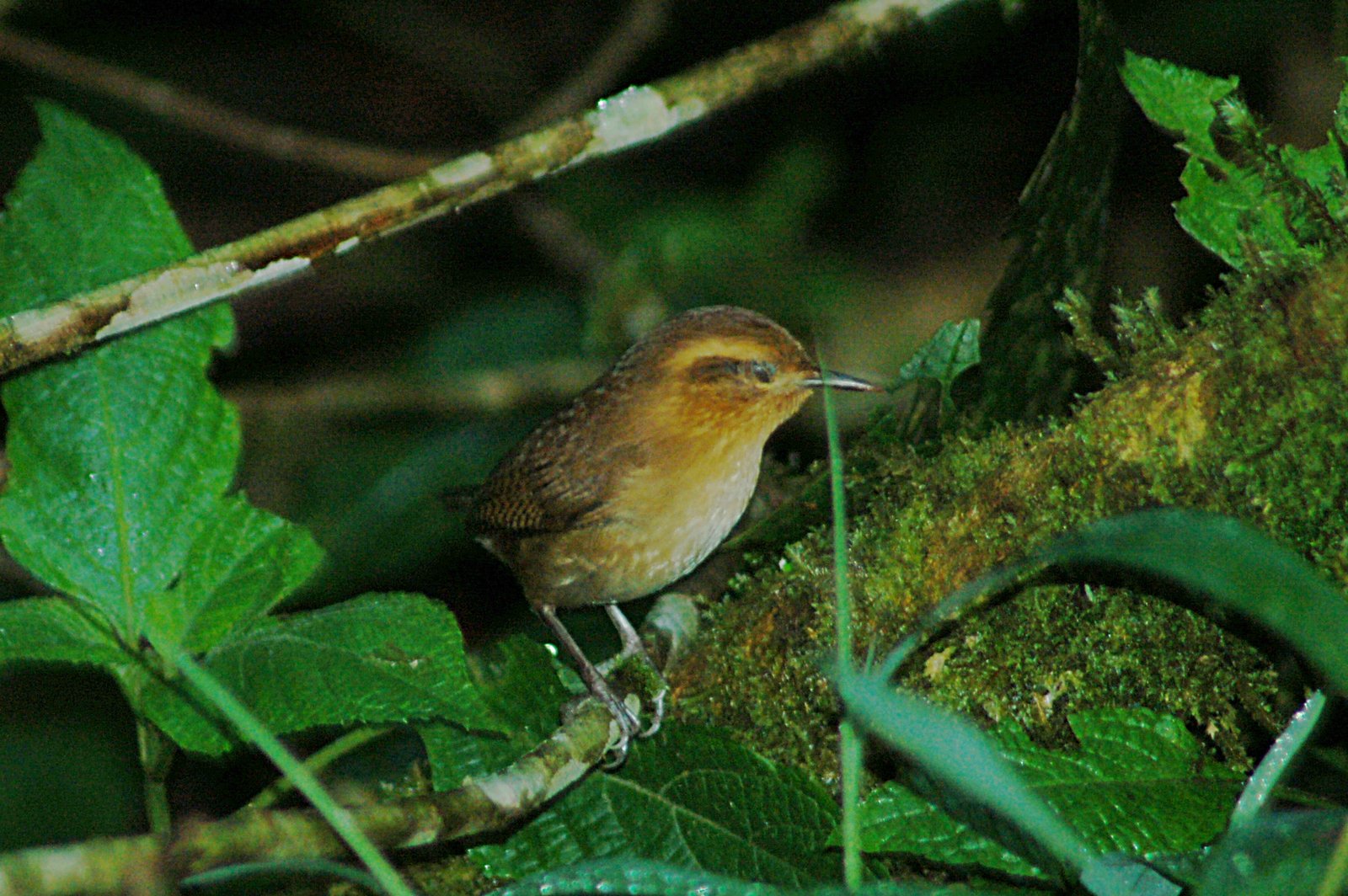
Mountain Wren
Troglodytes solstitialis Northern Andean cloud forest and temperate forest
 Upper Yungas cloud forest
- Northern Andean subtropical forest
 Lower Yungas forest
-
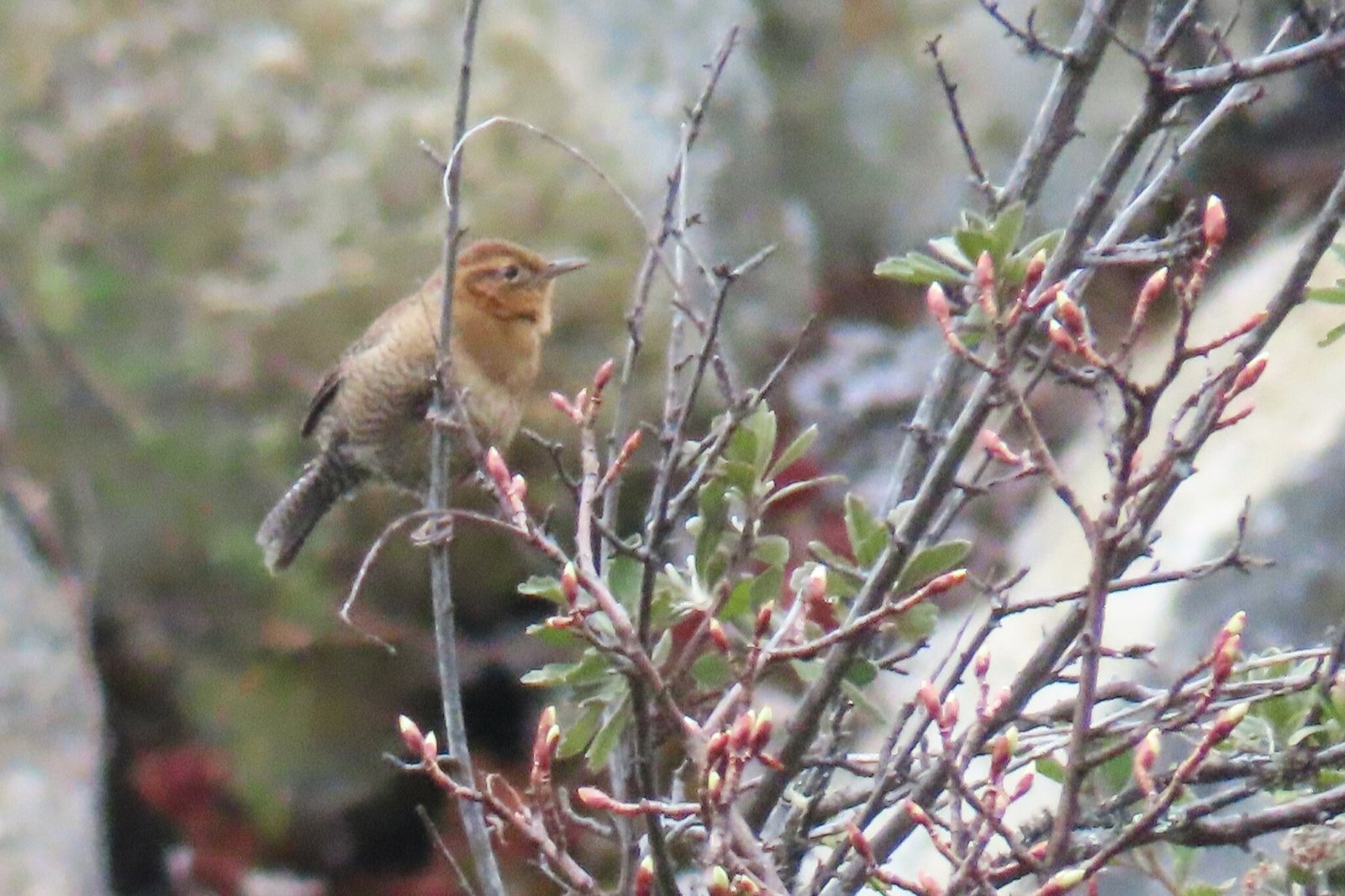
Santa Marta Wren
Troglodytes monticola Páramo
- Northern Andean cloud forest and temperate forest
Odontorchilus 2 species
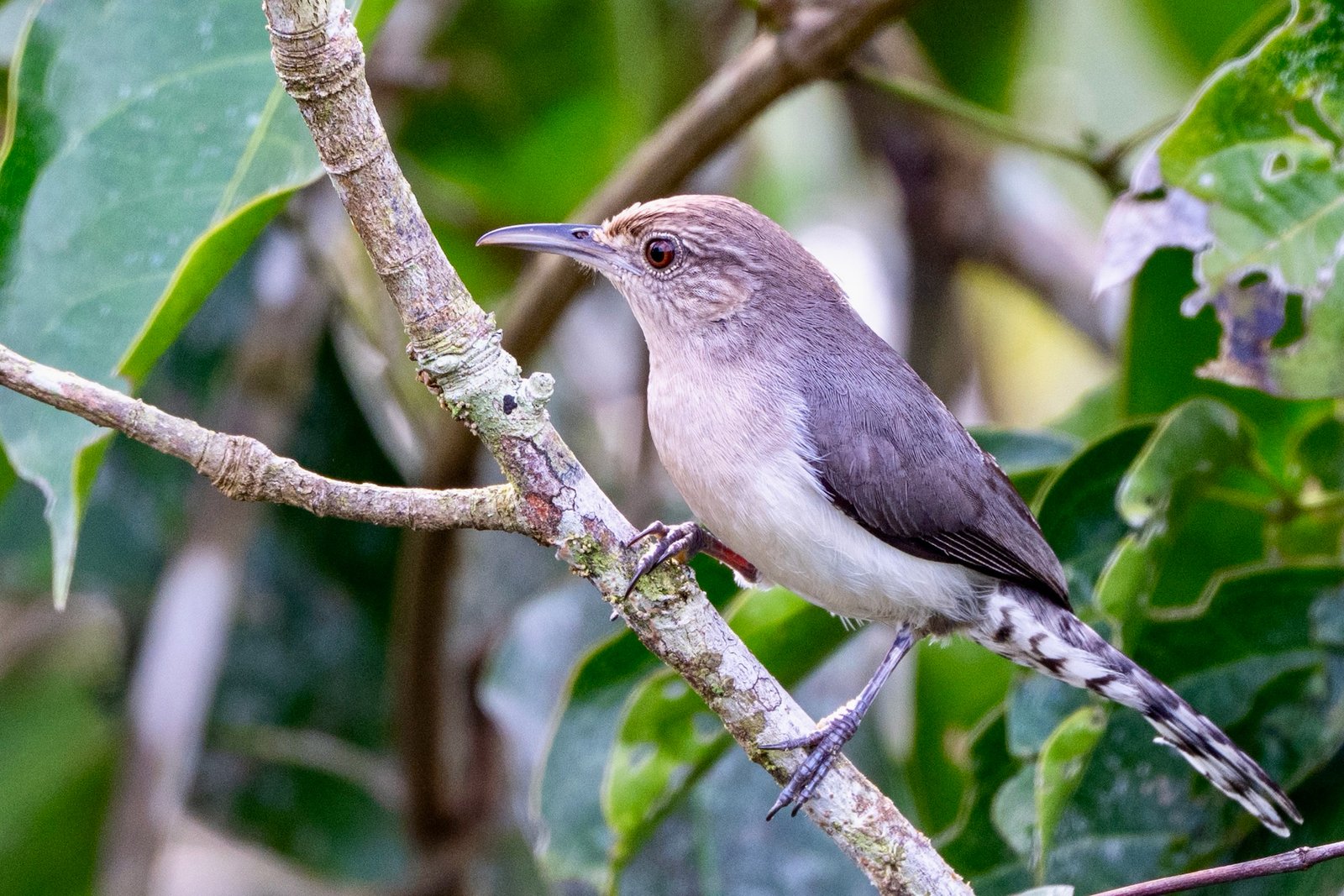

Pheugopedius 10 species
-
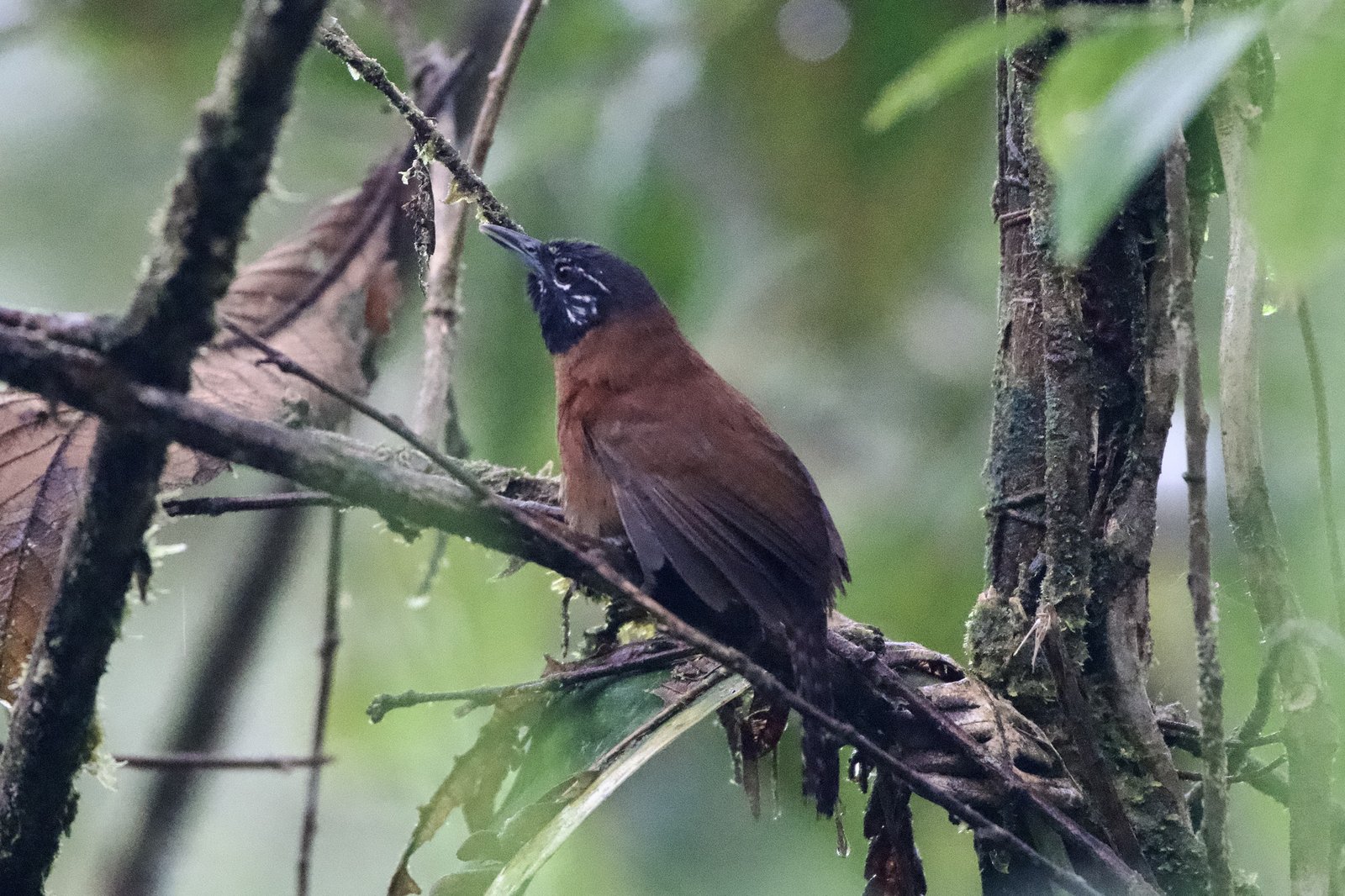
Sooty-headed Wren
Pheugopedius spadix- Northern Andean subtropical forest
- Chocó rainforest
- Secondary forest and forest edge
-
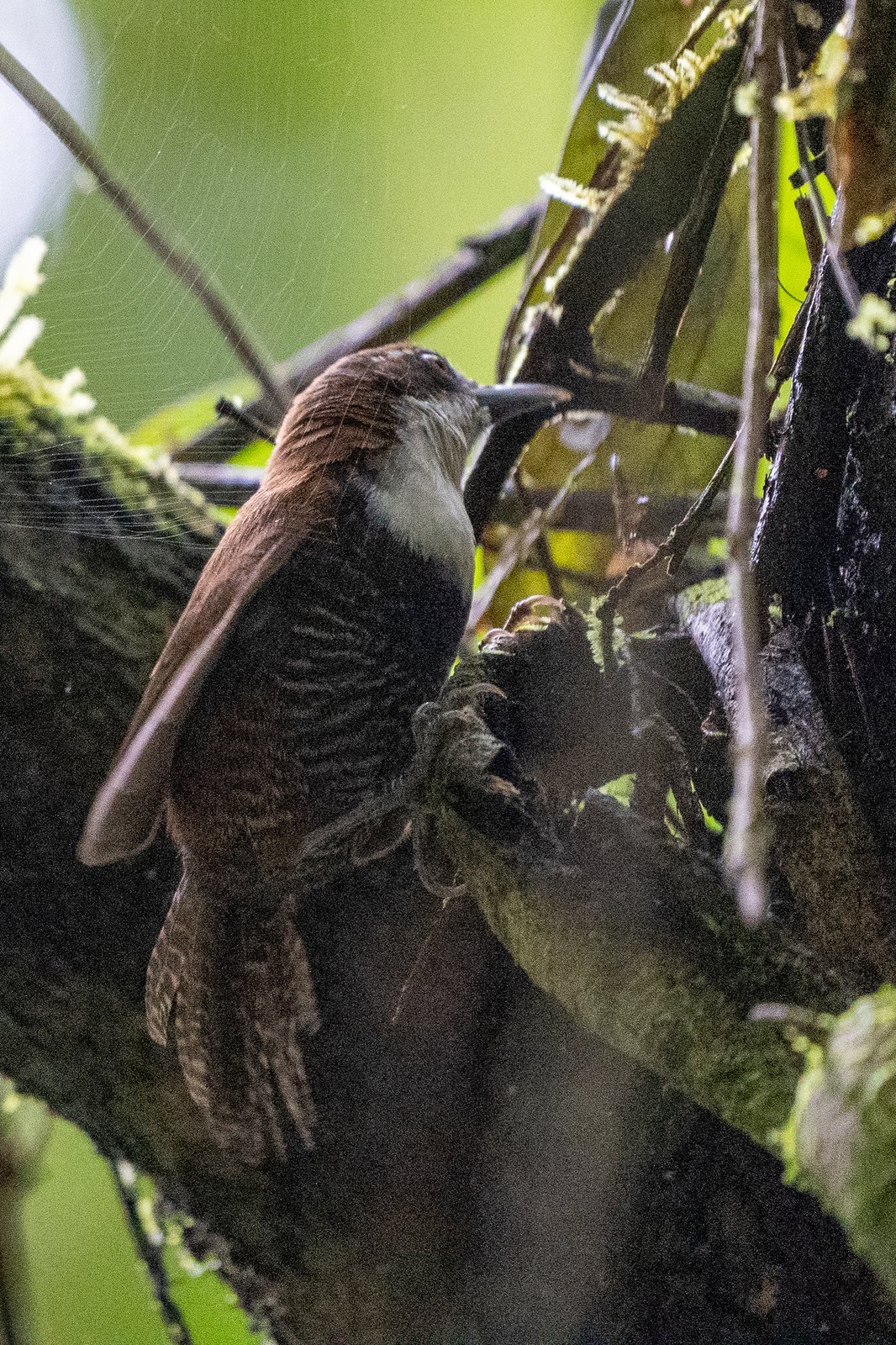
Black-bellied Wren
Pheugopedius fasciatoventris- Secondary forest and forest edge
- Chocó rainforest
- Riparian woodland of the Andes and coastal valleys
- Coffee, cacao and agroforestry
-
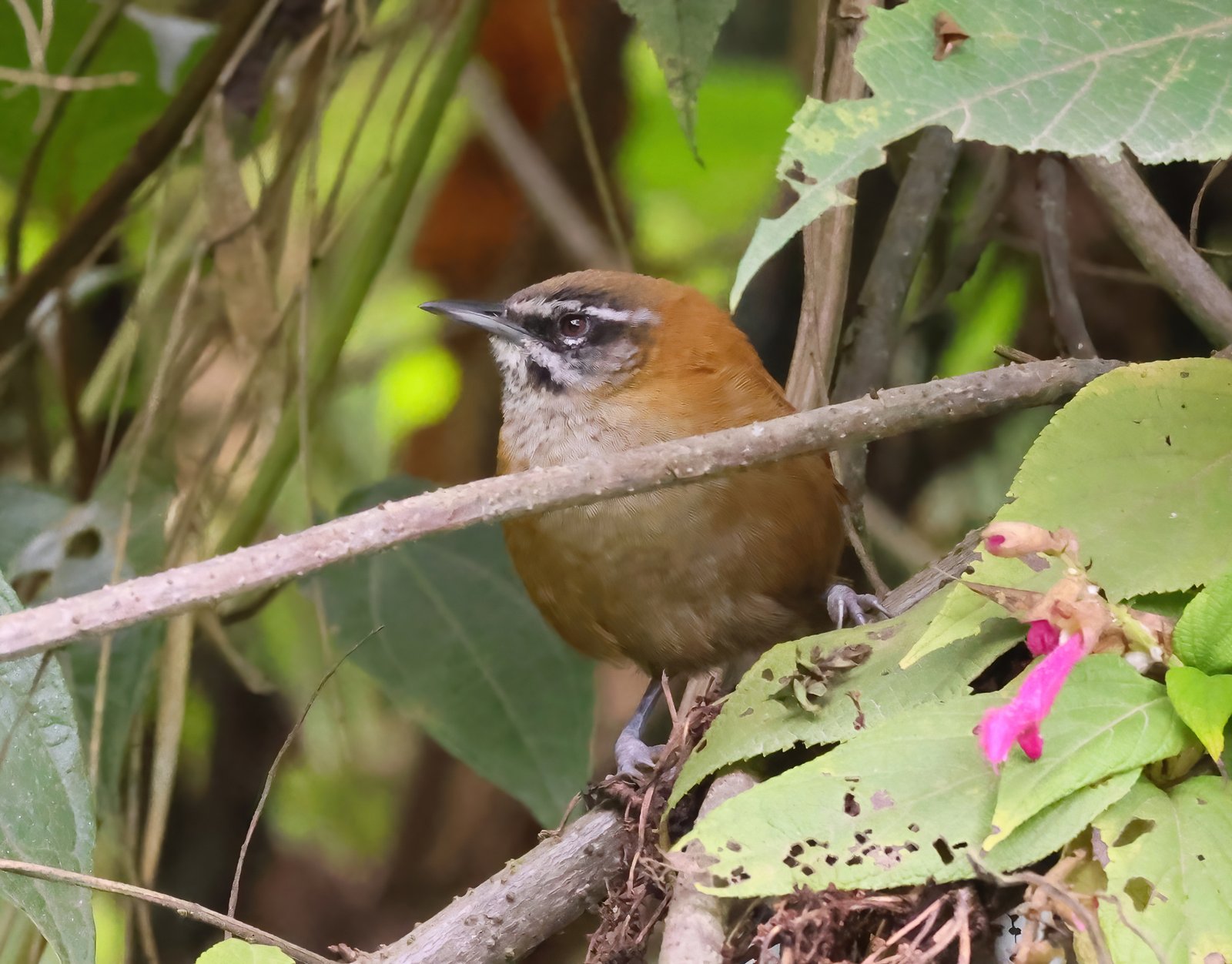
Plain-tailed Wren
Pheugopedius euophrys- Northern Andean cloud forest and temperate forest
 Bamboo forest
- Secondary forest and forest edge
-
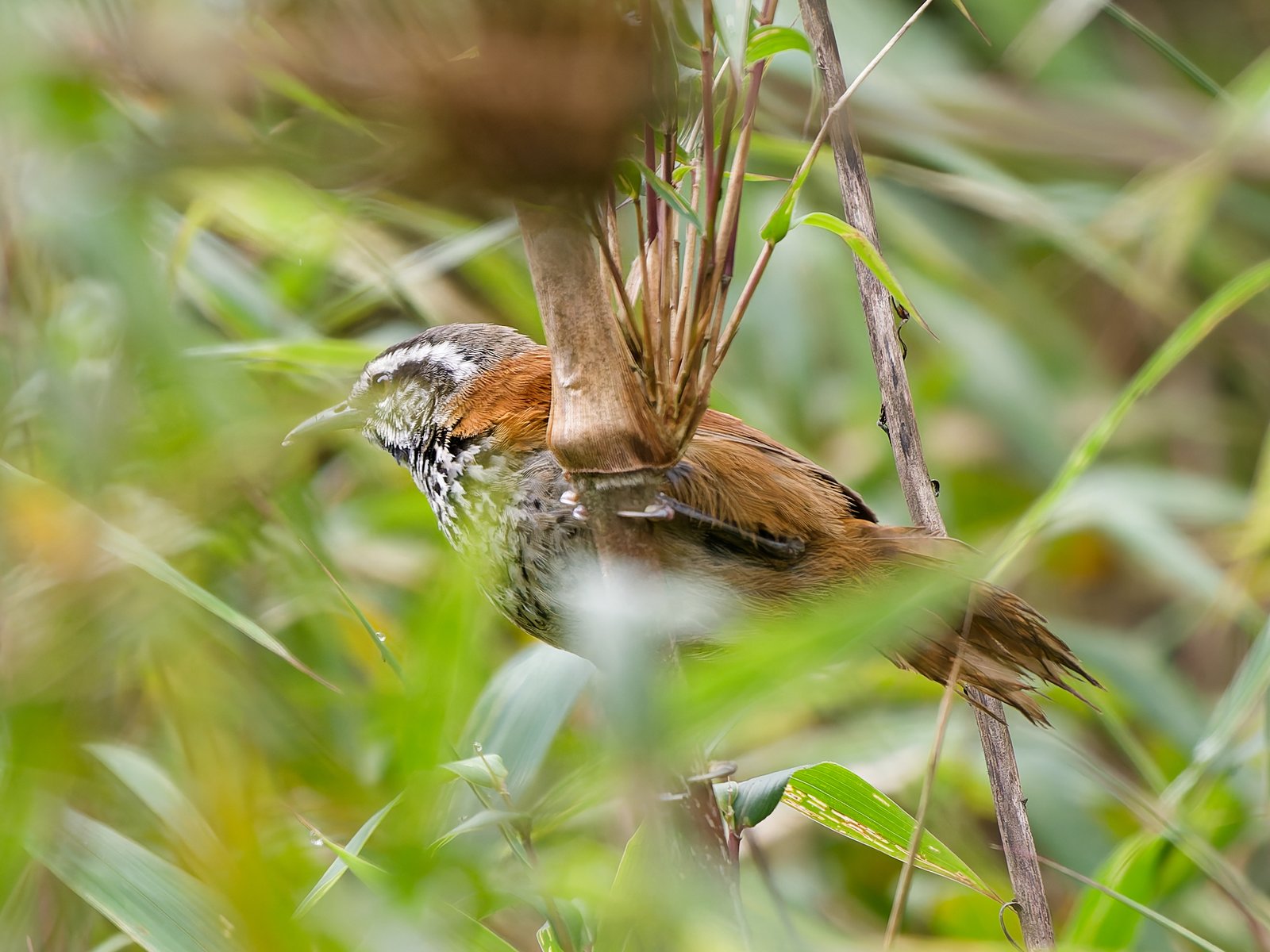
Inca Wren
Pheugopedius eisenmanni- Bamboo forest
- Upper Yungas cloud forest
- Lower Yungas forest
-
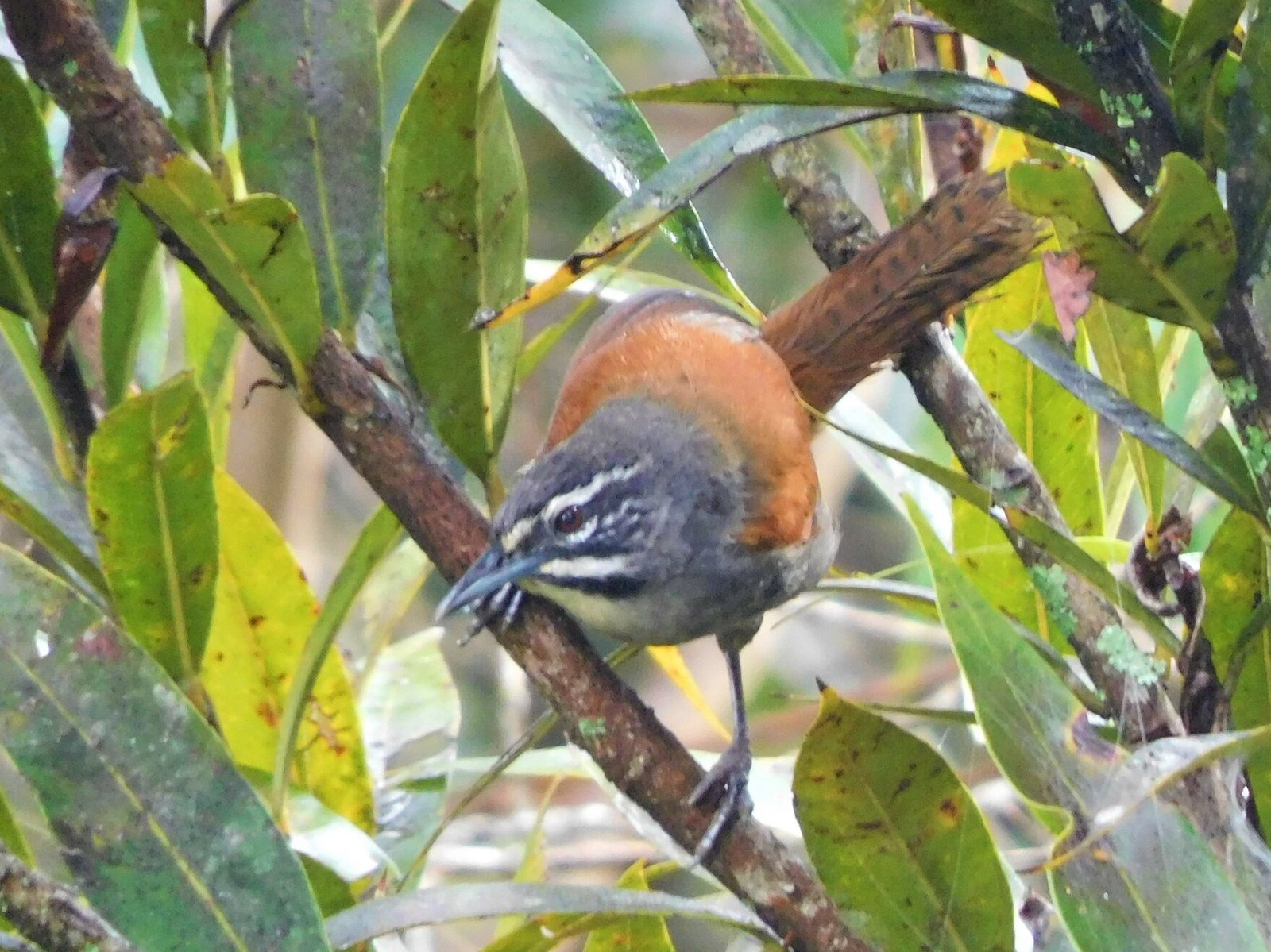
Whiskered Wren
Pheugopedius mystacalis- Northern Andean subtropical forest
- Secondary forest and forest edge
- Western Ecuador humid forest
- Coffee, cacao and agroforestry
- Northern Andean cloud forest and temperate forest
-
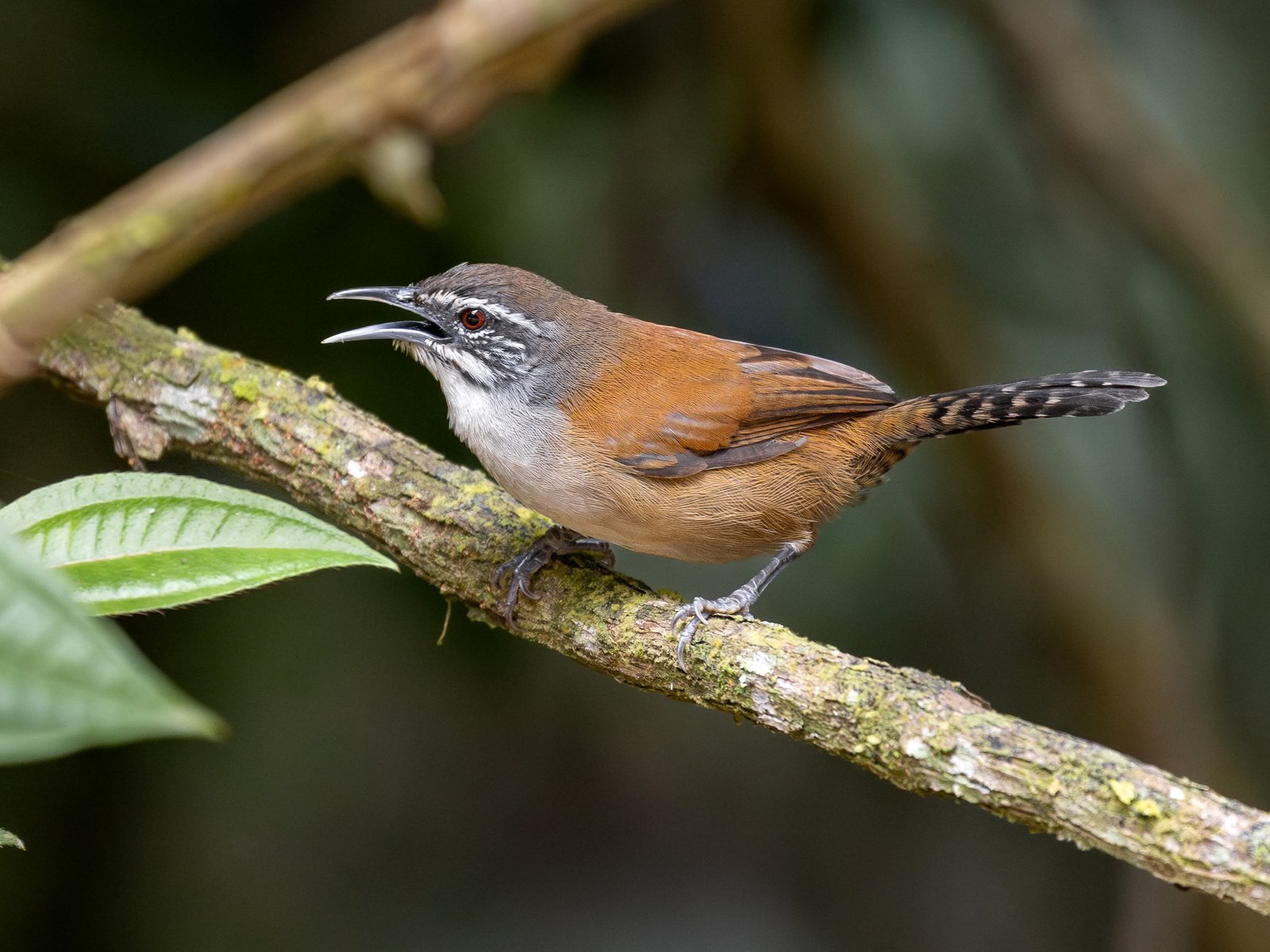
Moustached Wren
Pheugopedius genibarbis- Secondary forest and forest edge
- Bamboo forest
- Várzea, igapó and river islands
- Amazonian terra firme rainforest
- Eastern Andean foothill forest
-
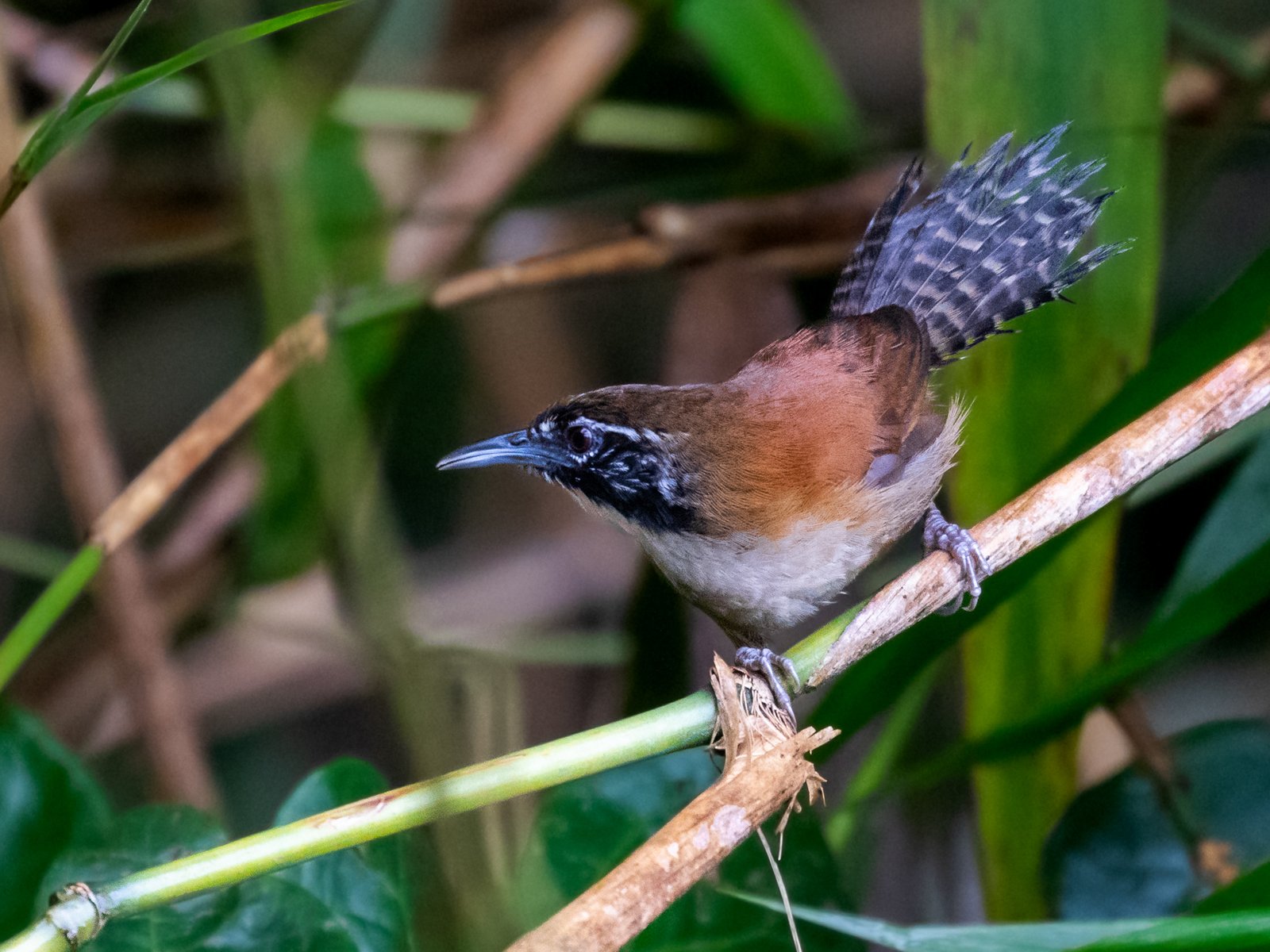
Coraya Wren
Pheugopedius coraya- Amazonian terra firme rainforest
- Várzea, igapó and river islands
- Secondary forest and forest edge
- Eastern Andean foothill forest
-
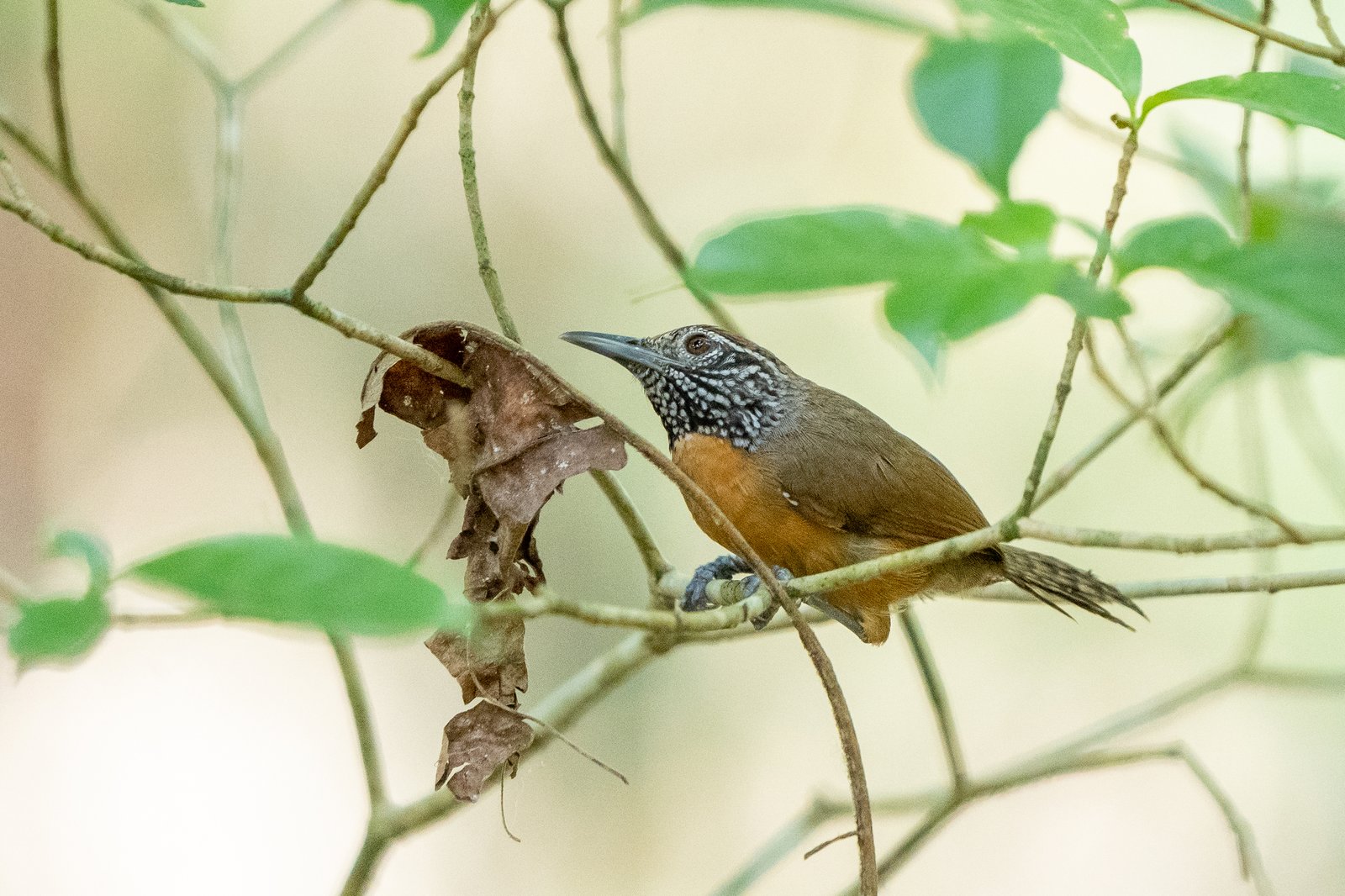
Rufous-breasted Wren
Pheugopedius rutilus- Northern Andean subtropical forest
- Secondary forest and forest edge
- Marañón and northern inter-Andean dry forest
- Coffee, cacao and agroforestry
-
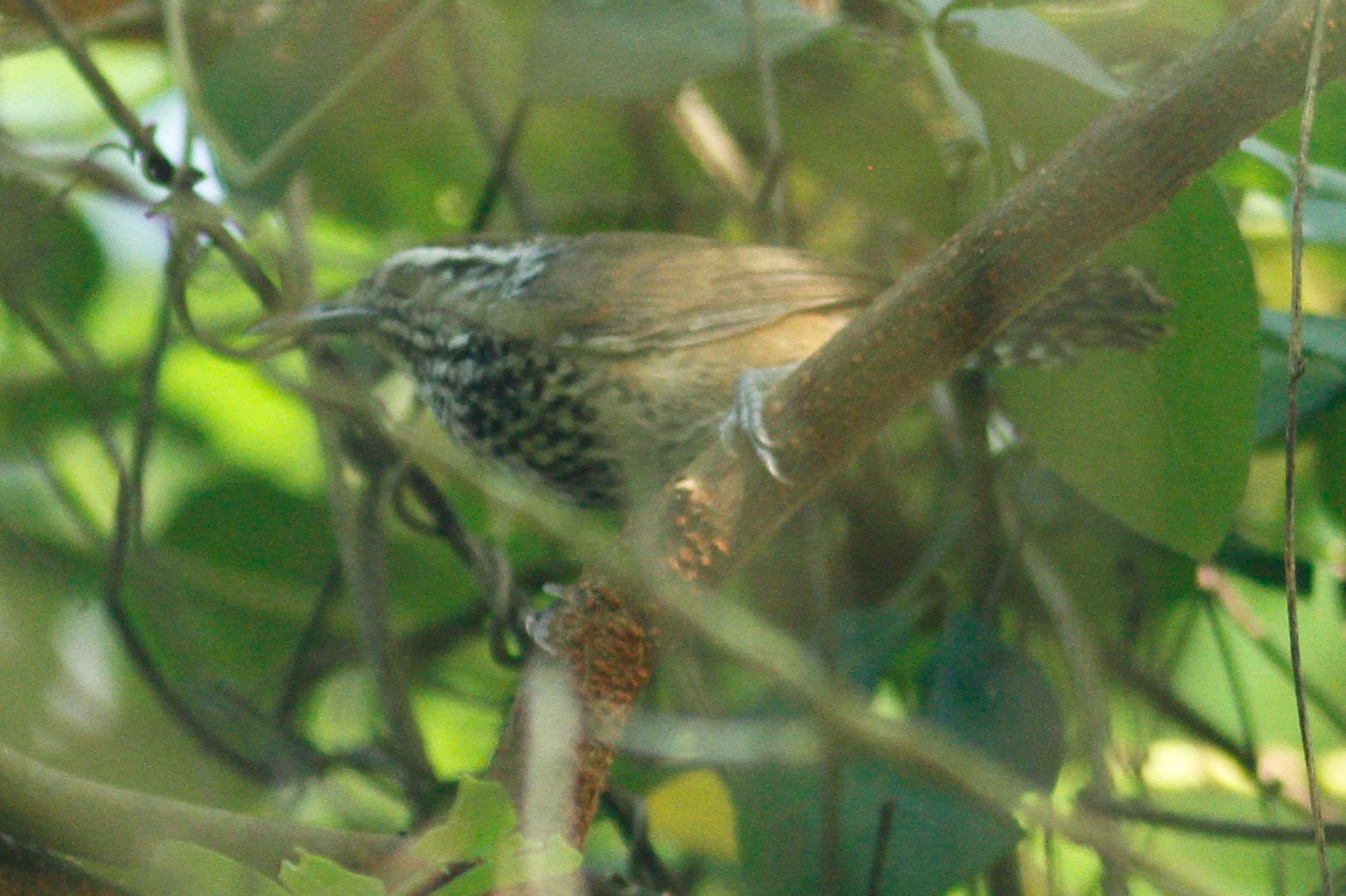
Speckle-breasted Wren
Pheugopedius sclateri- Tumbesian dry forest and thorn scrub
- Marañón and northern inter-Andean dry forest
- Secondary forest and forest edge
- Western Ecuador humid forest
-
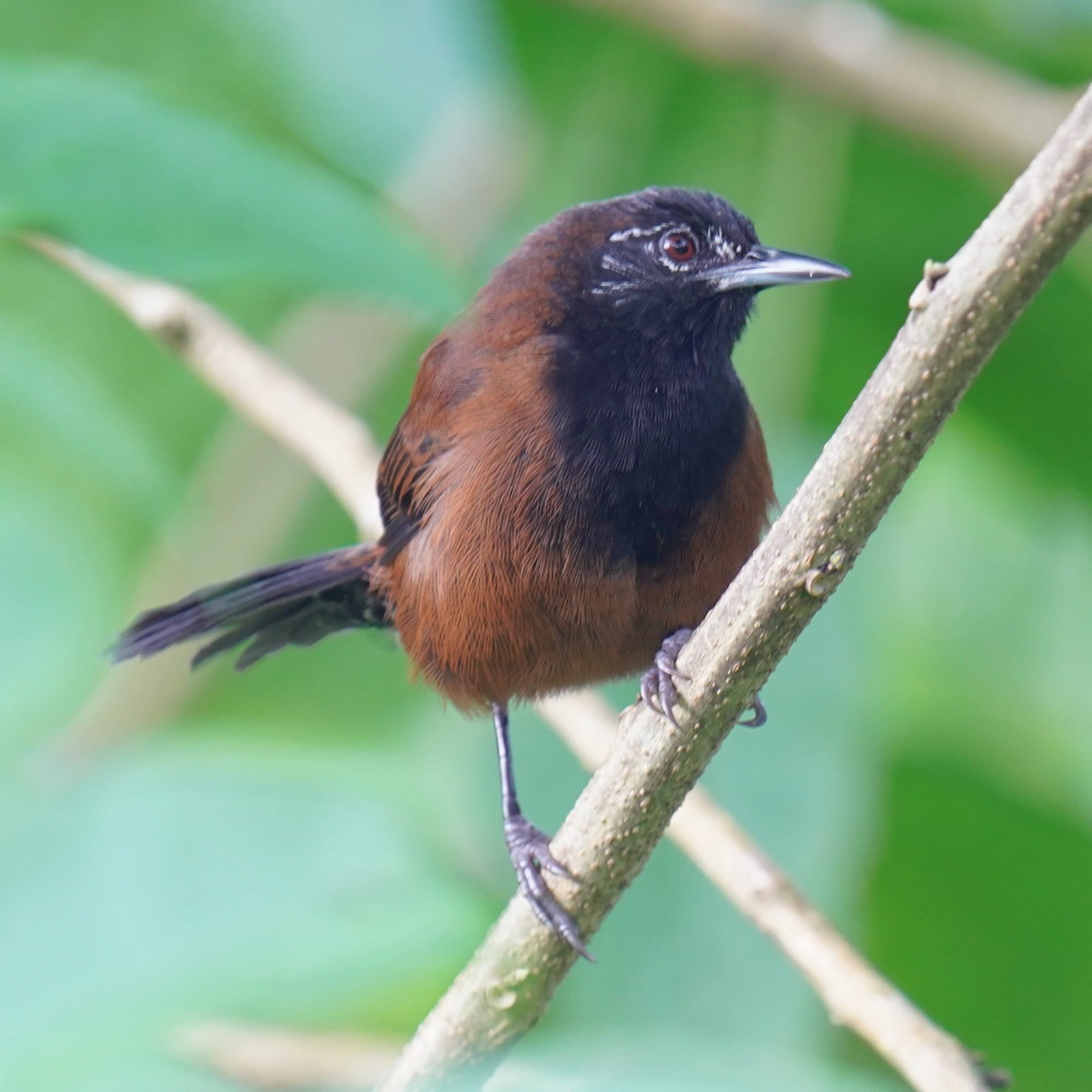
Black-throated Wren
Pheugopedius atrogularis- Secondary forest and forest edge
- Chocó rainforest
 Palm swamps and swamp forest
Cinnycerthia 4 species
-
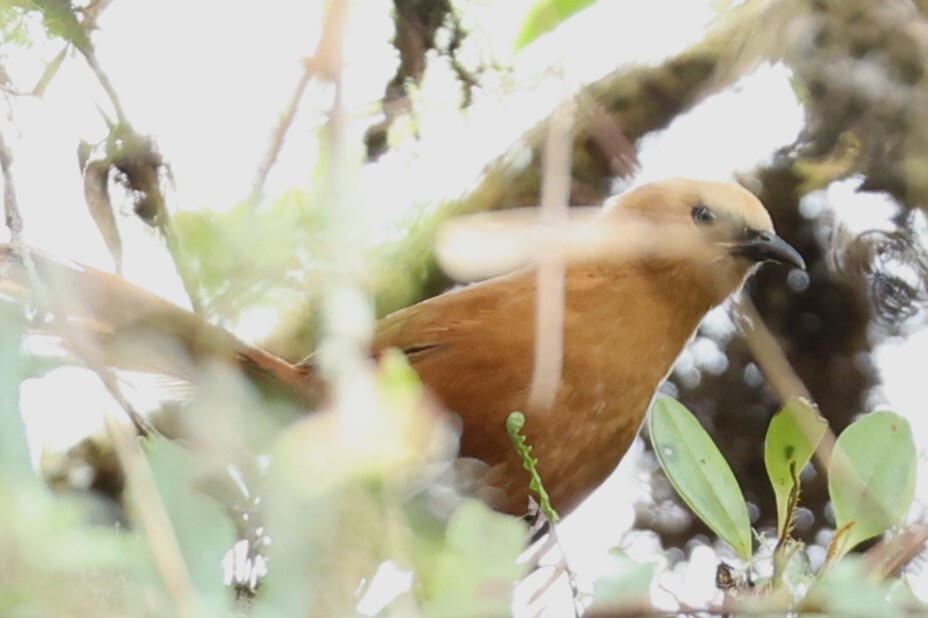
Rufous Wren
Cinnycerthia unirufa- Northern Andean cloud forest and temperate forest
- Páramo
- Northern Andean subtropical forest
-
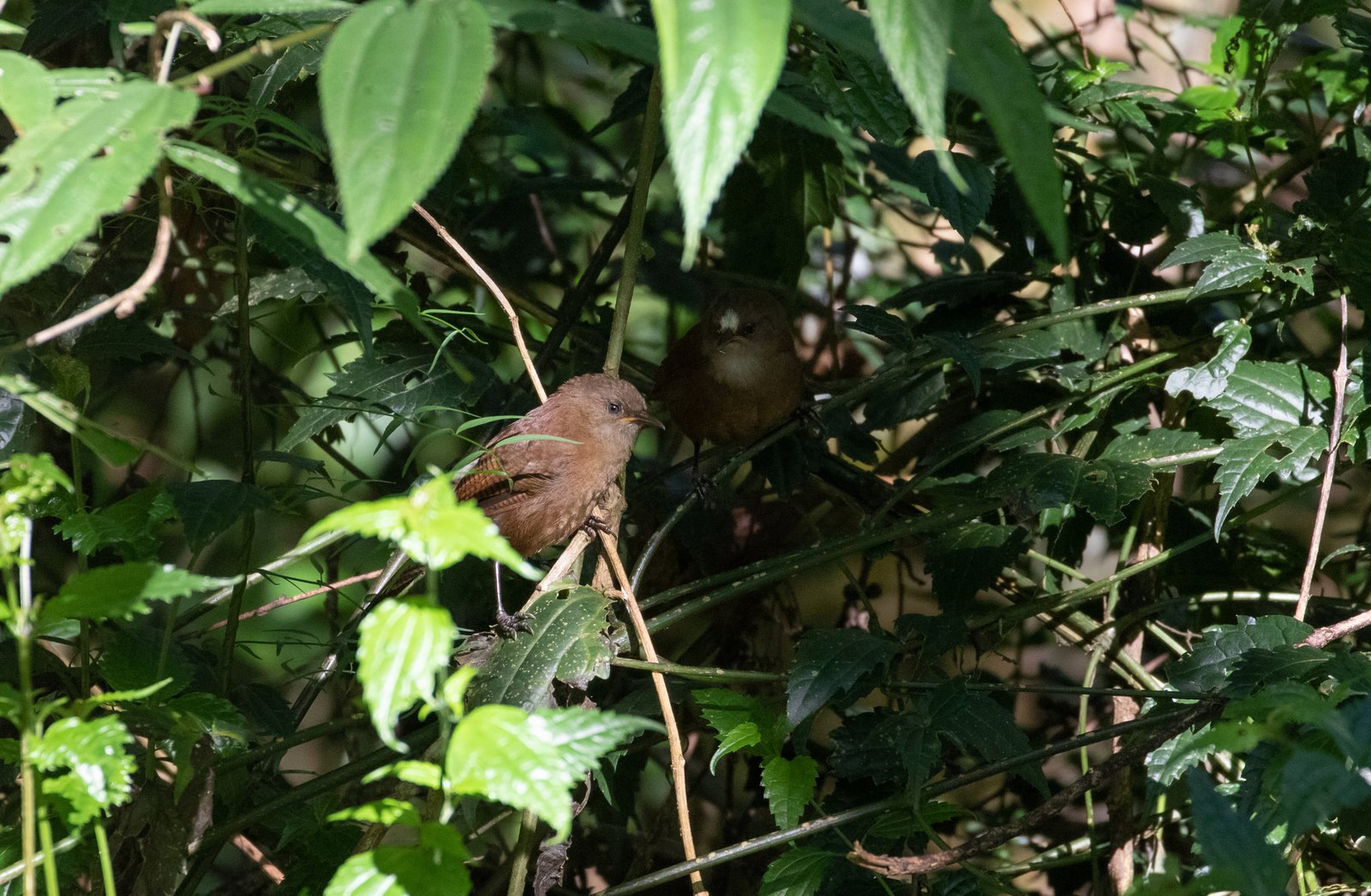
Sepia-brown Wren
Cinnycerthia olivascens- Northern Andean subtropical forest
- Northern Andean cloud forest and temperate forest
- Secondary forest and forest edge
-
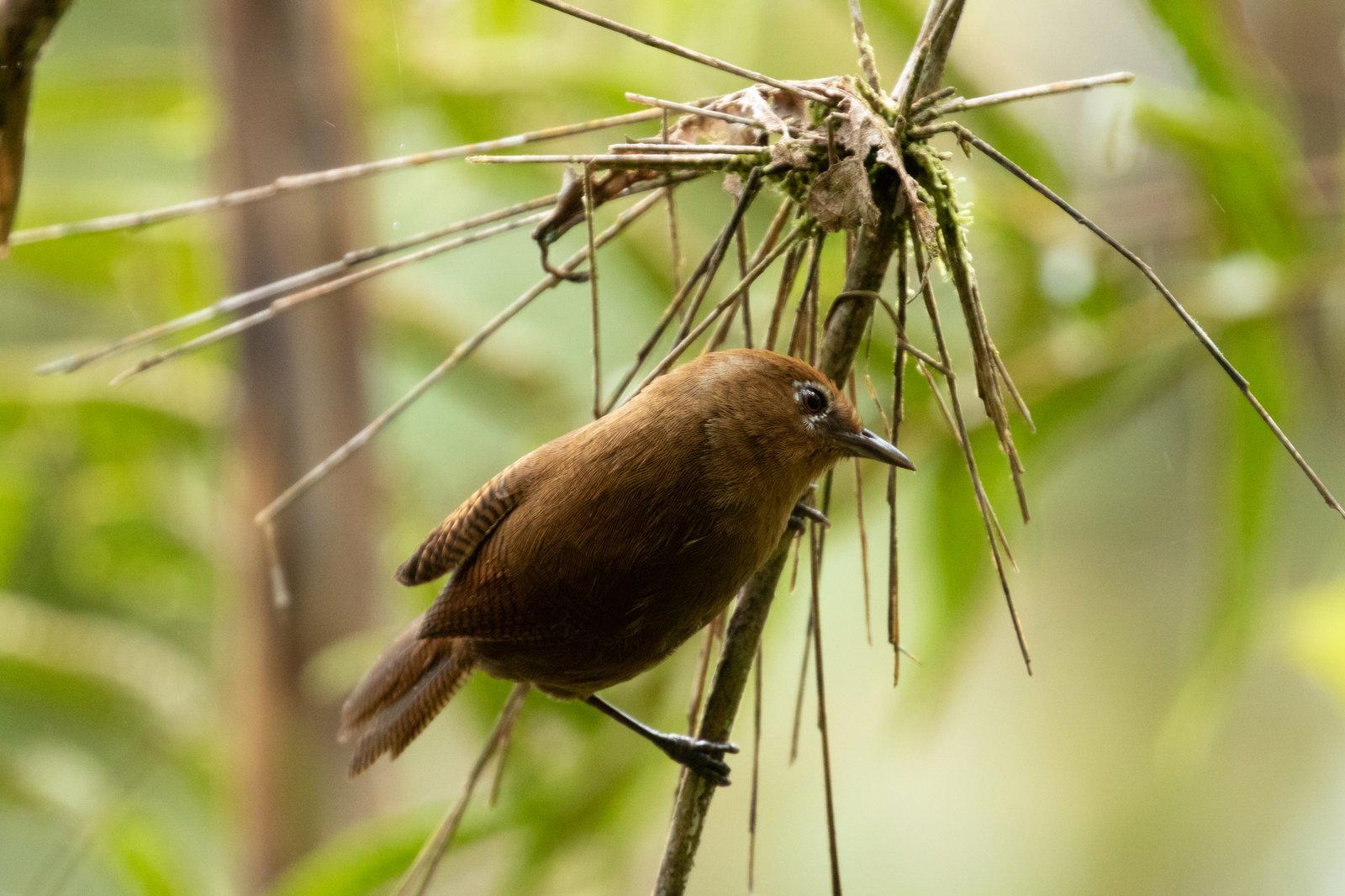
Peruvian Wren
Cinnycerthia peruana- Upper Yungas cloud forest
- Lower Yungas forest
- Secondary forest and forest edge
-
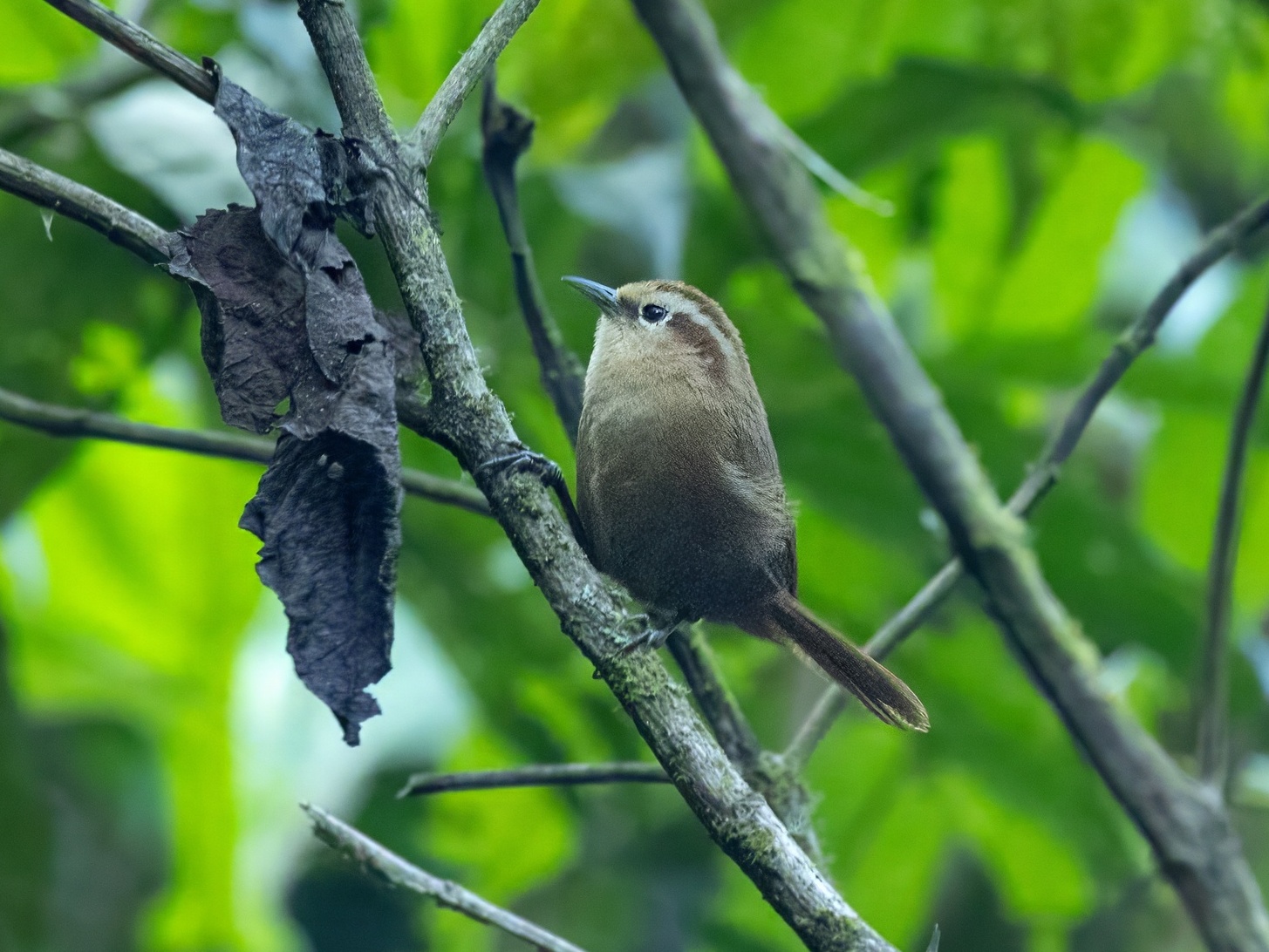
Fulvous Wren
Cinnycerthia fulva- Upper Yungas cloud forest
- Lower Yungas forest
Cantorchilus 6 species
-
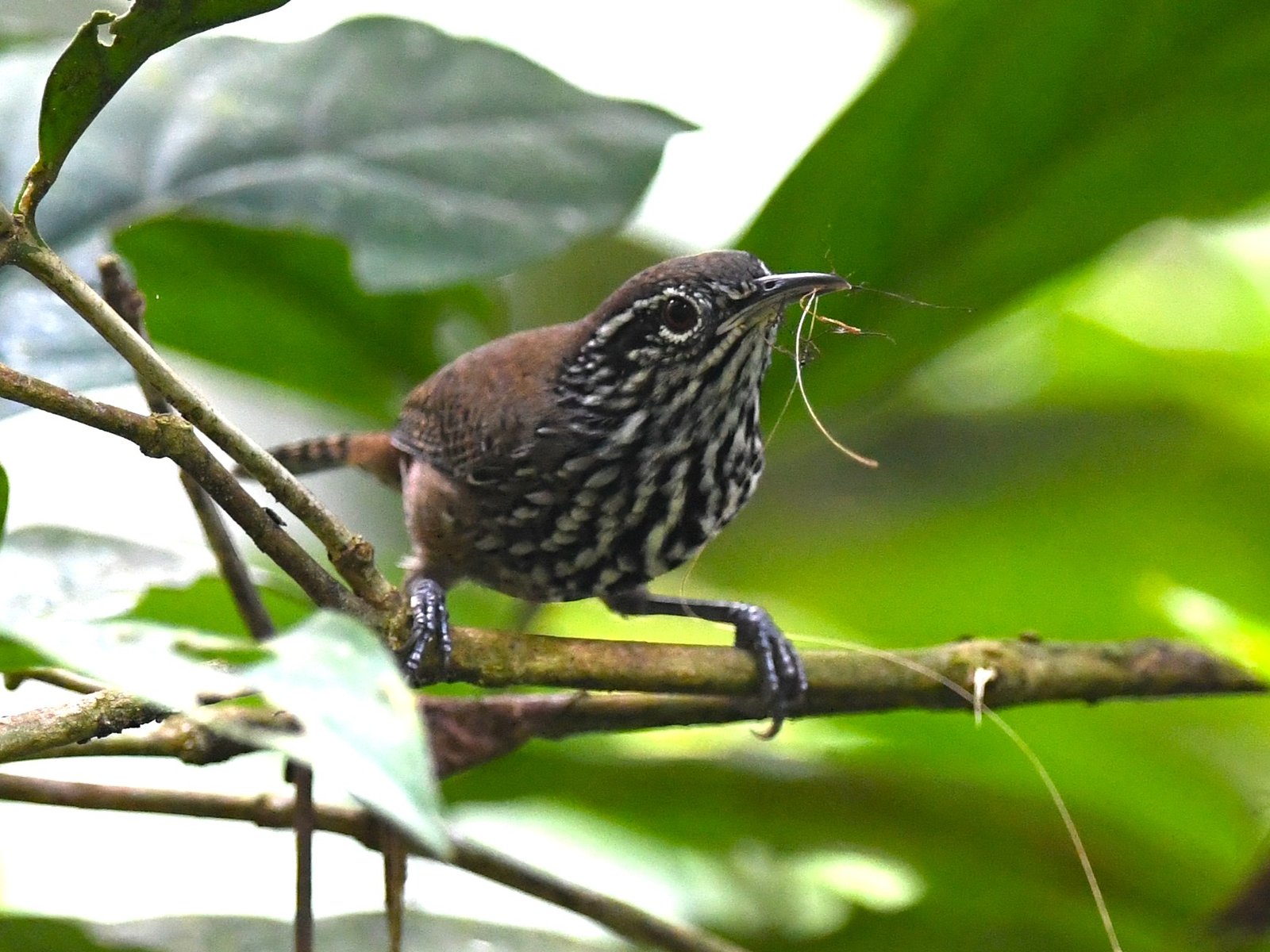
Stripe-breasted Wren
Cantorchilus thoracicus- Chocó rainforest
- Secondary forest and forest edge
-
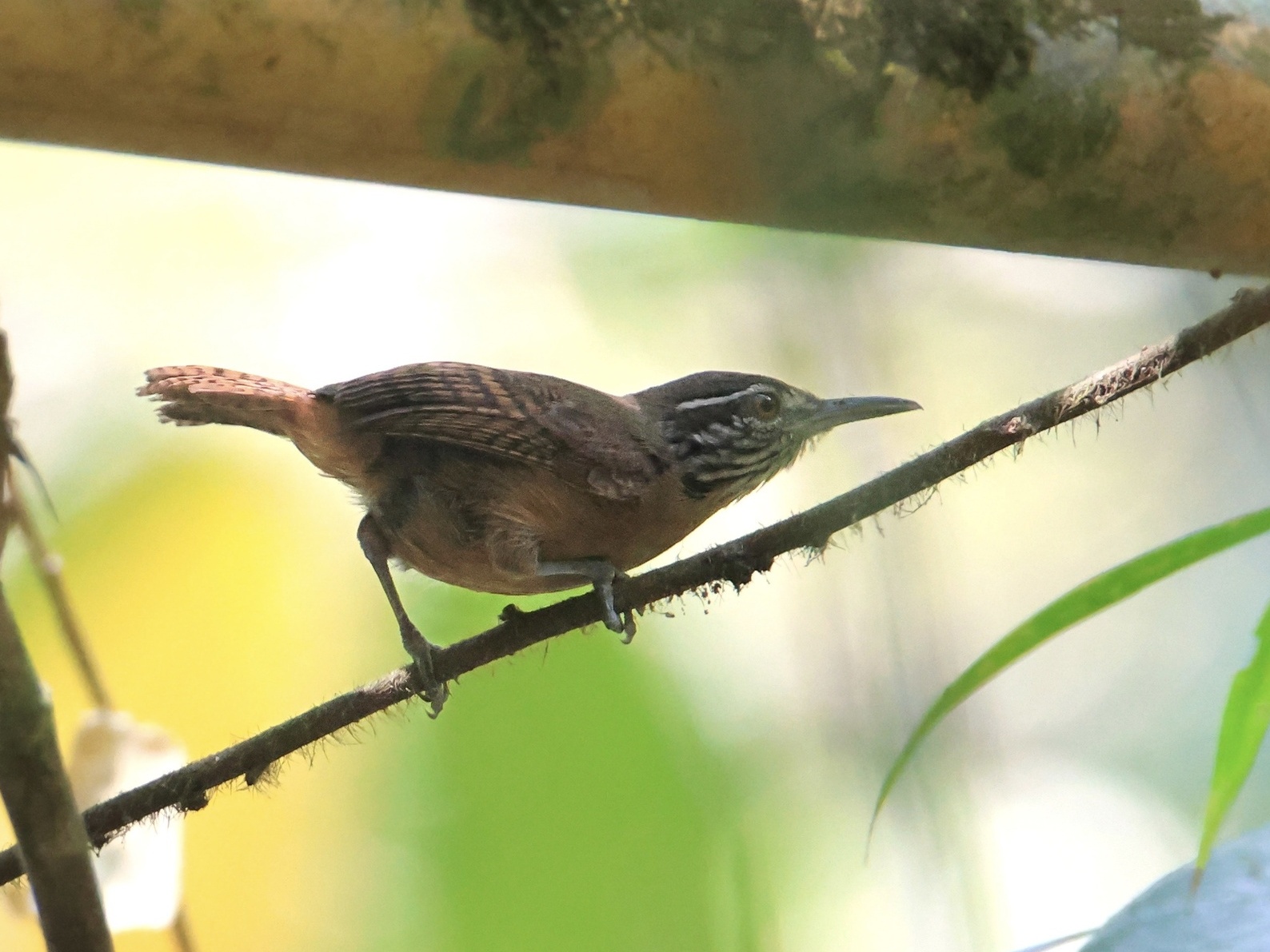
Stripe-throated Wren
Cantorchilus leucopogon- Chocó rainforest
- Western Ecuador humid forest
- Secondary forest and forest edge
-
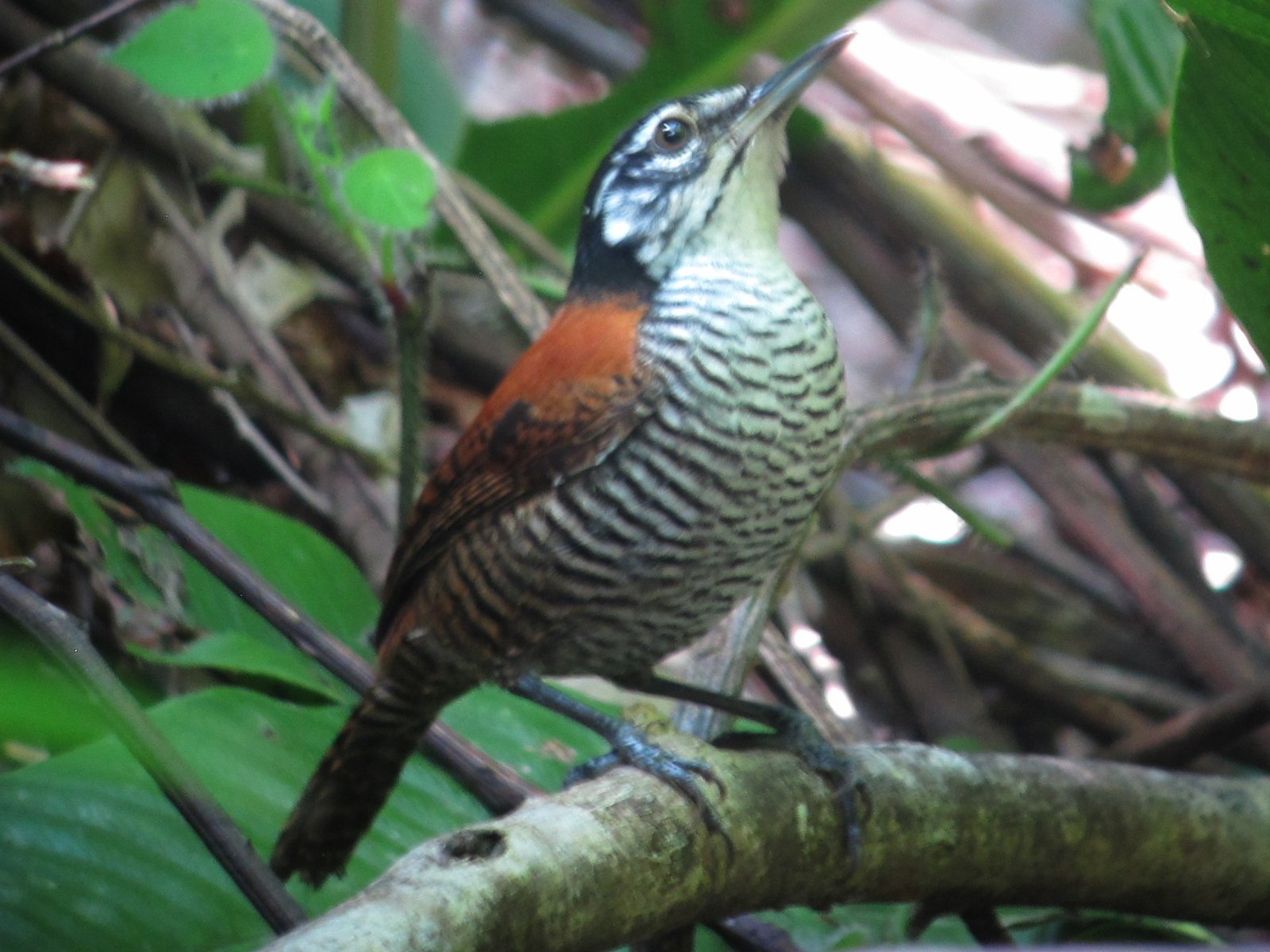
Bay Wren
Cantorchilus nigricapillus- Chocó rainforest
- Western Ecuador humid forest
- Secondary forest and forest edge
- Northern Andean subtropical forest
- Coffee, cacao and agroforestry
-
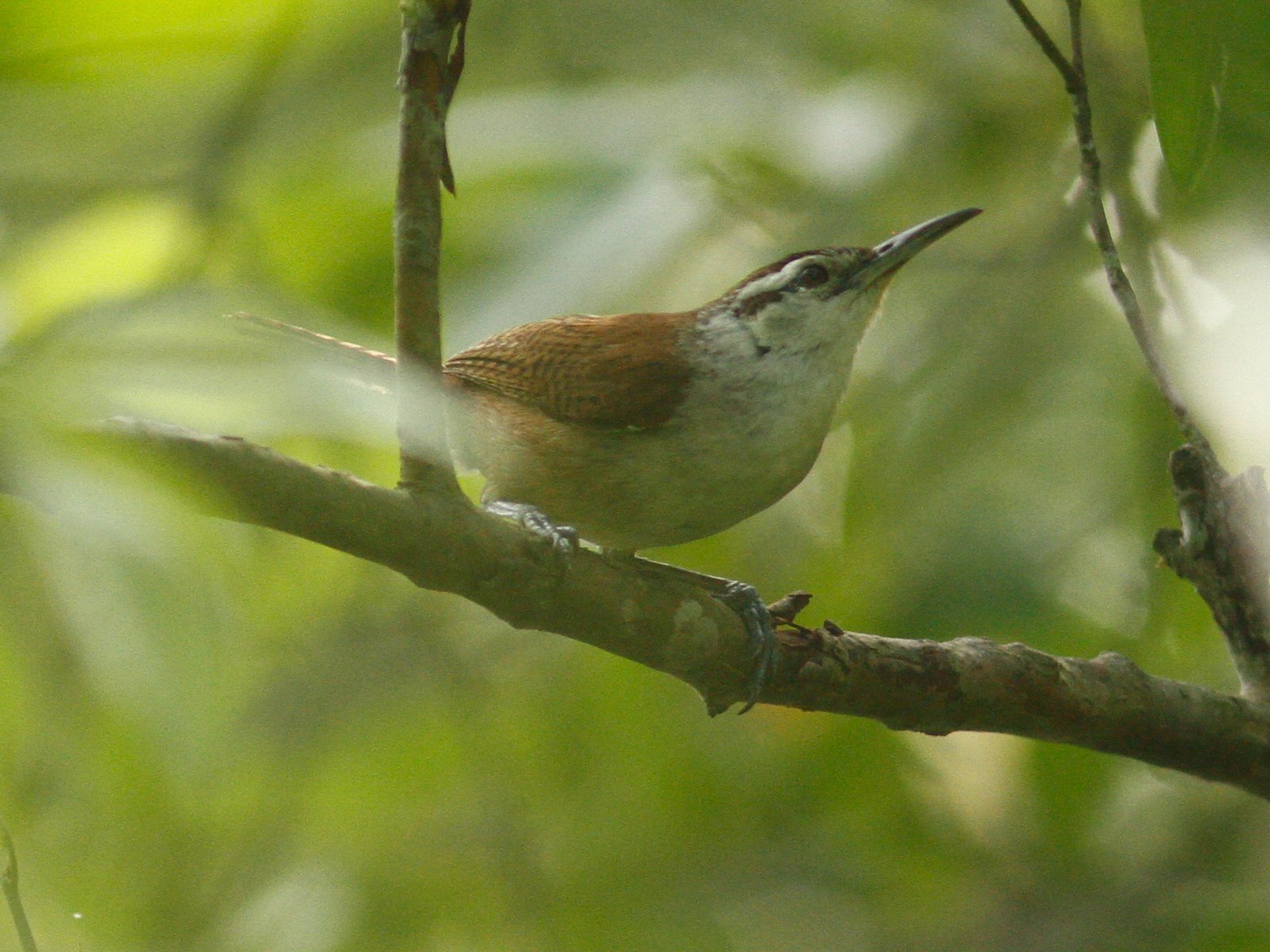
Superciliated Wren
Cantorchilus superciliaris- Tumbesian dry forest and thorn scrub
- Riparian woodland of the Andes and coastal valleys
- Western Ecuador humid forest
- Pasture and ranchland
-
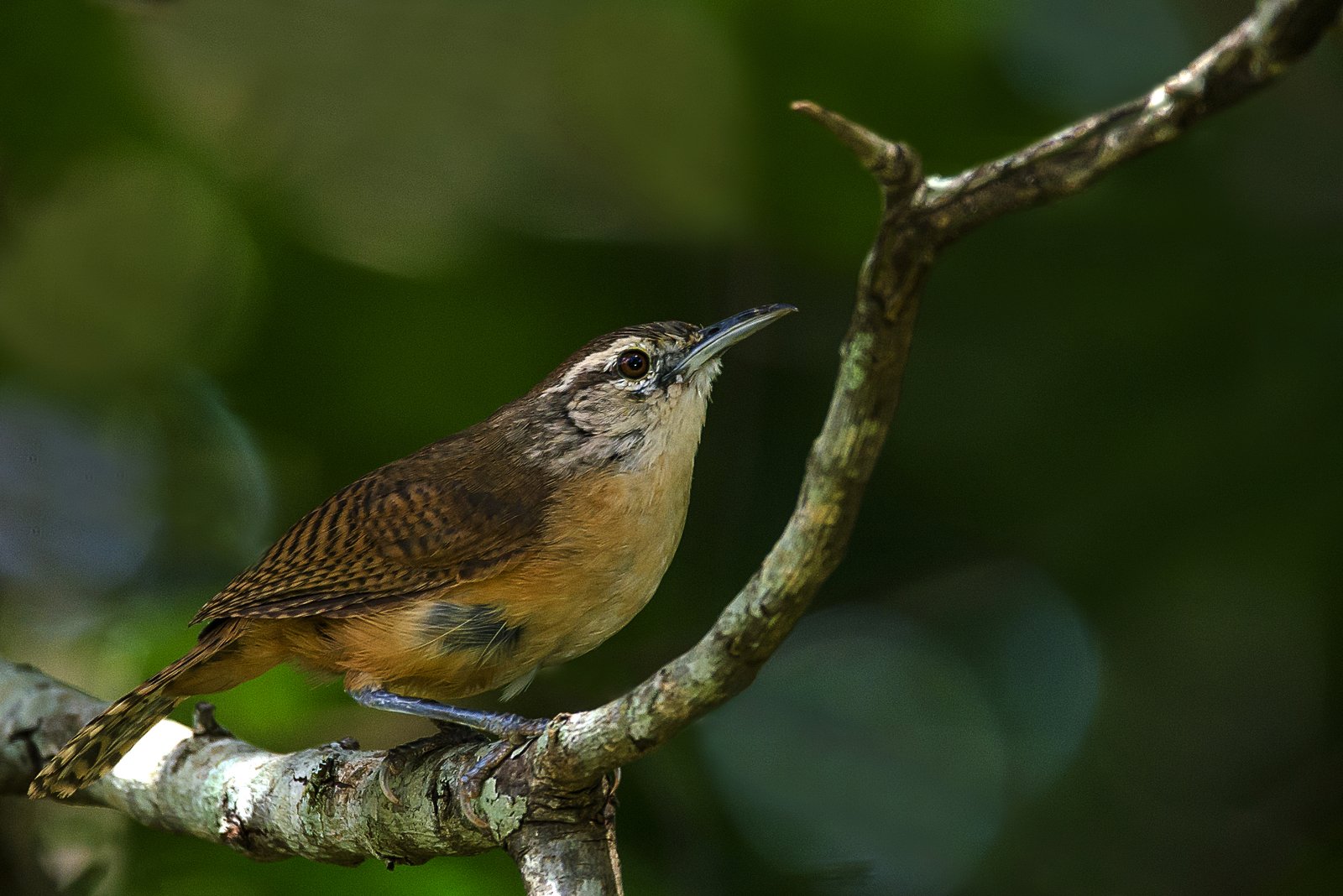
Buff-breasted Wren
Cantorchilus leucotis- Várzea, igapó and river islands
- Riparian woodland of the Andes and coastal valleys
- Secondary forest and forest edge
- Palm swamps and swamp forest
- Llanos savanna
-
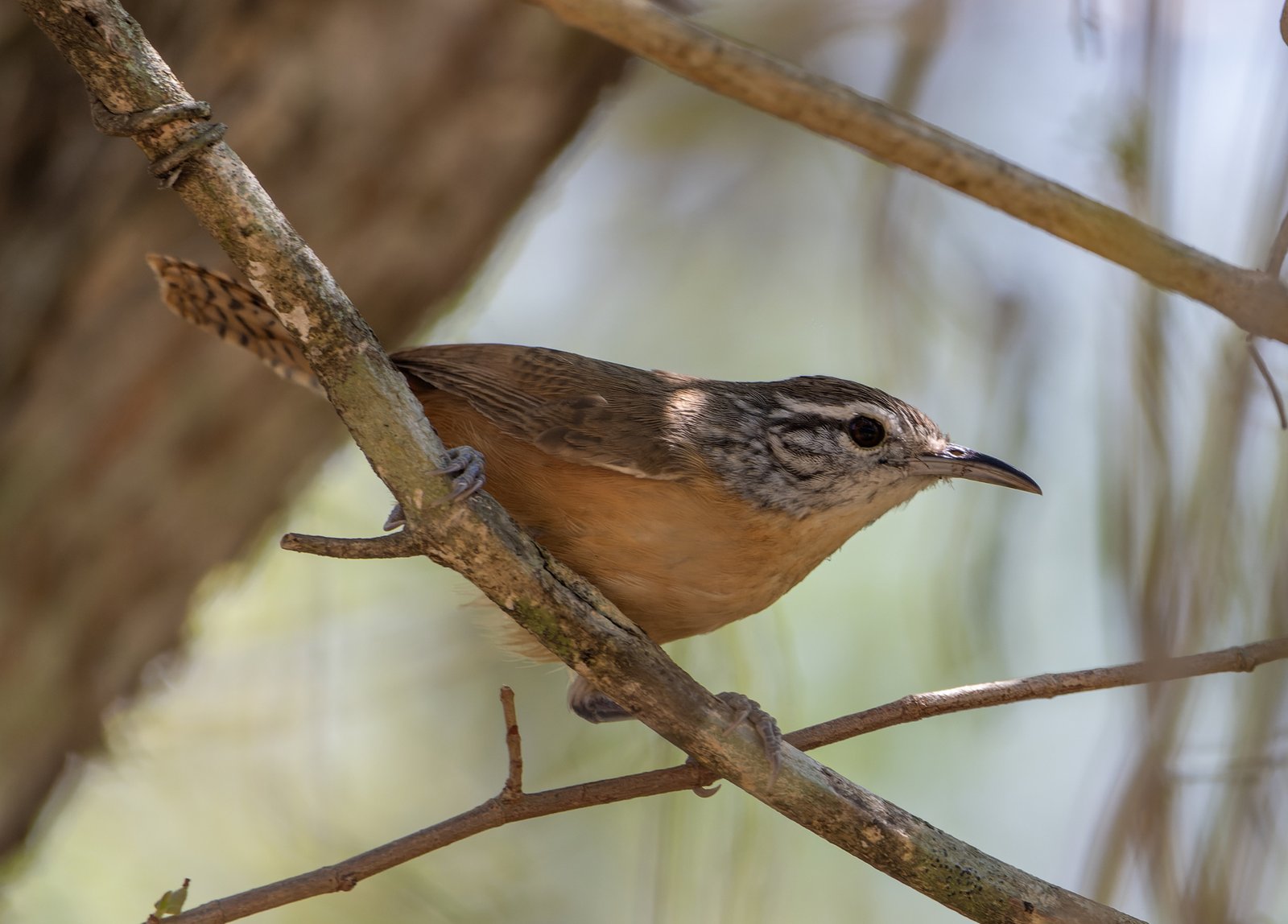
Fawn-breasted Wren
Cantorchilus guarayanus Chiquitano dry forest and Chaco
 Beni savanna and cerrado
- Várzea, igapó and river islands
- Secondary forest and forest edge
Henicorhina 5 species
-
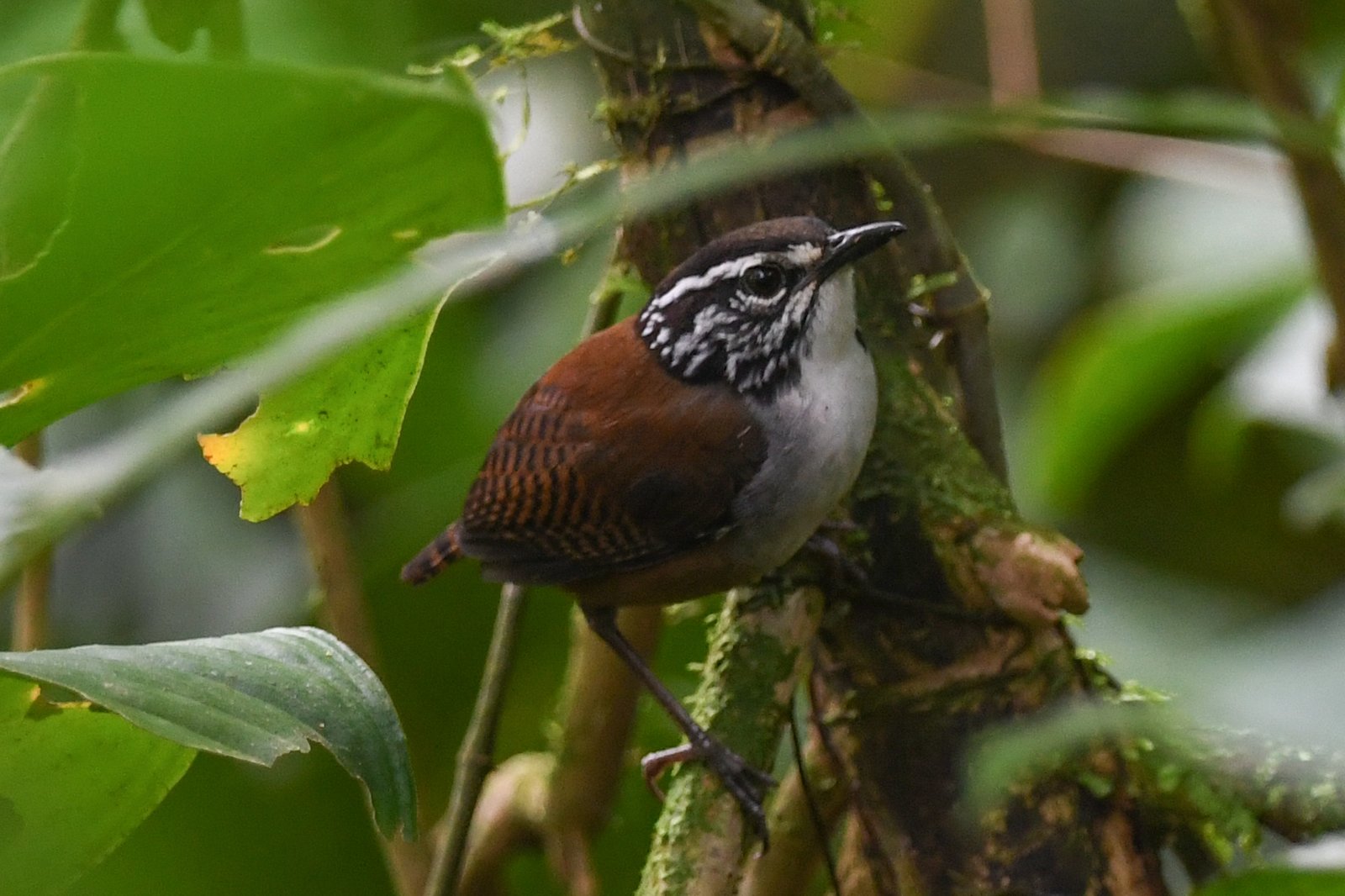
White-breasted Wood Wren
Henicorhina leucosticta- Amazonian terra firme rainforest
- Chocó rainforest
- Western Ecuador humid forest
- Eastern Andean foothill forest
- Northern Andean subtropical forest
-
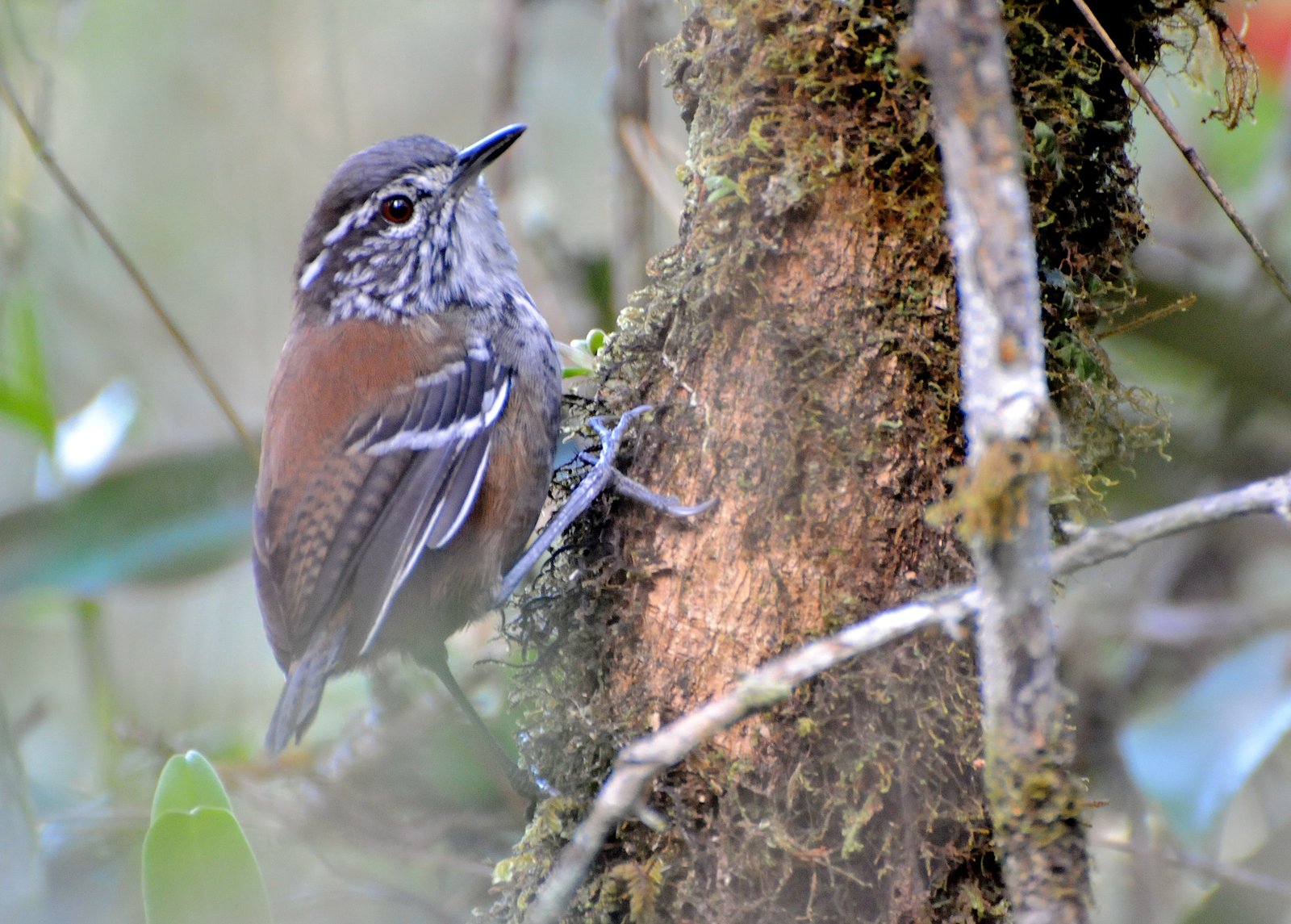
Bar-winged Wood Wren
Henicorhina leucoptera- Northern Andean cloud forest and temperate forest
- Northern Andean subtropical forest
-

Grey-breasted Wood Wren
Henicorhina leucophrys- Northern Andean cloud forest and temperate forest
- Northern Andean subtropical forest
- Upper Yungas cloud forest
- Lower Yungas forest
- Secondary forest and forest edge
-
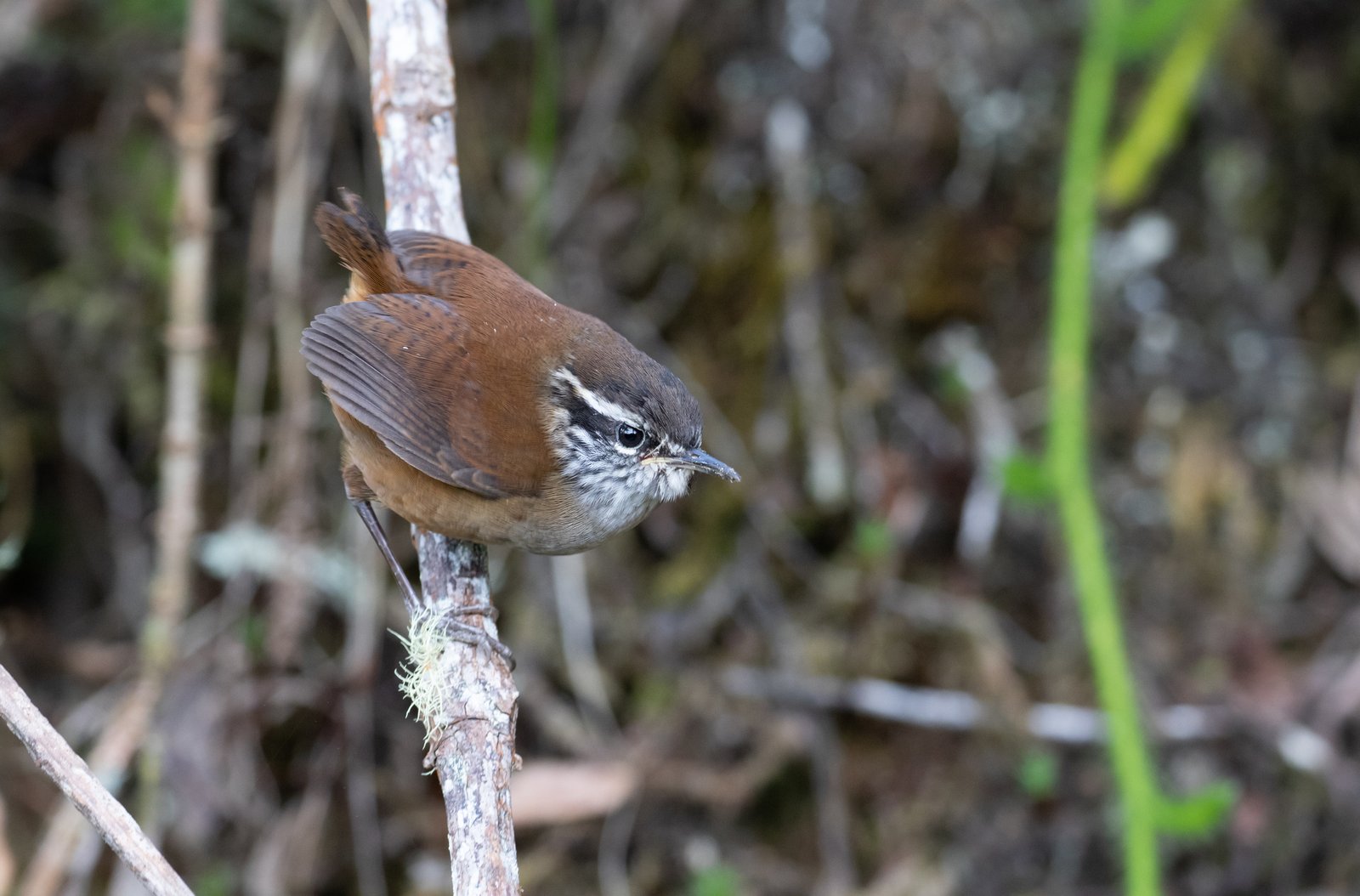
Hermit Wood Wren
Henicorhina anachoreta- Northern Andean cloud forest and temperate forest
-
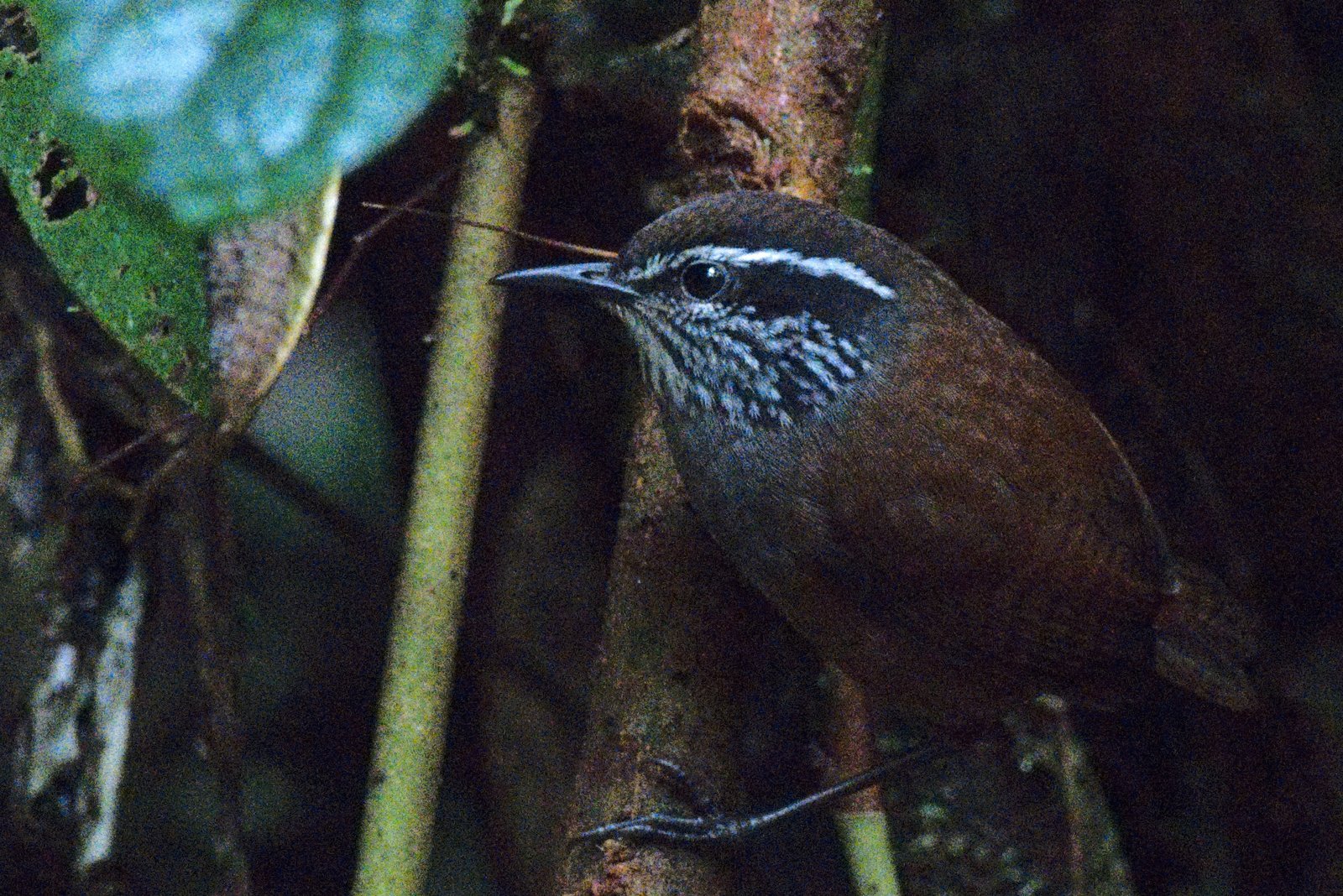
Munchique Wood Wren
Henicorhina negreti- Northern Andean cloud forest and temperate forest
Cyphorhinus 4 species
-
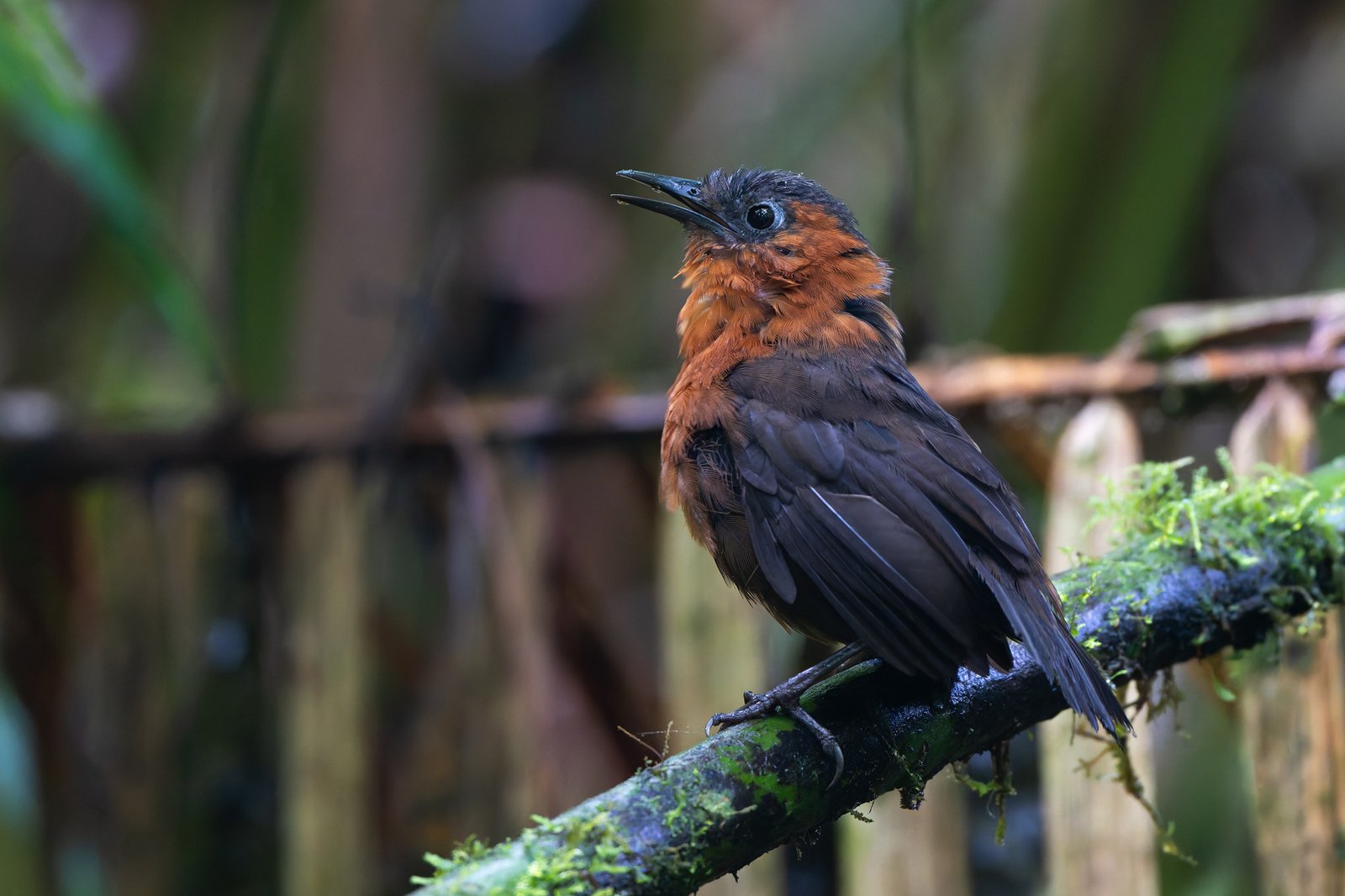
Northern Chestnut-breasted Wren
Cyphorhinus dichrous- Northern Andean subtropical forest
- Northern Andean cloud forest and temperate forest
- Eastern Andean foothill forest
-
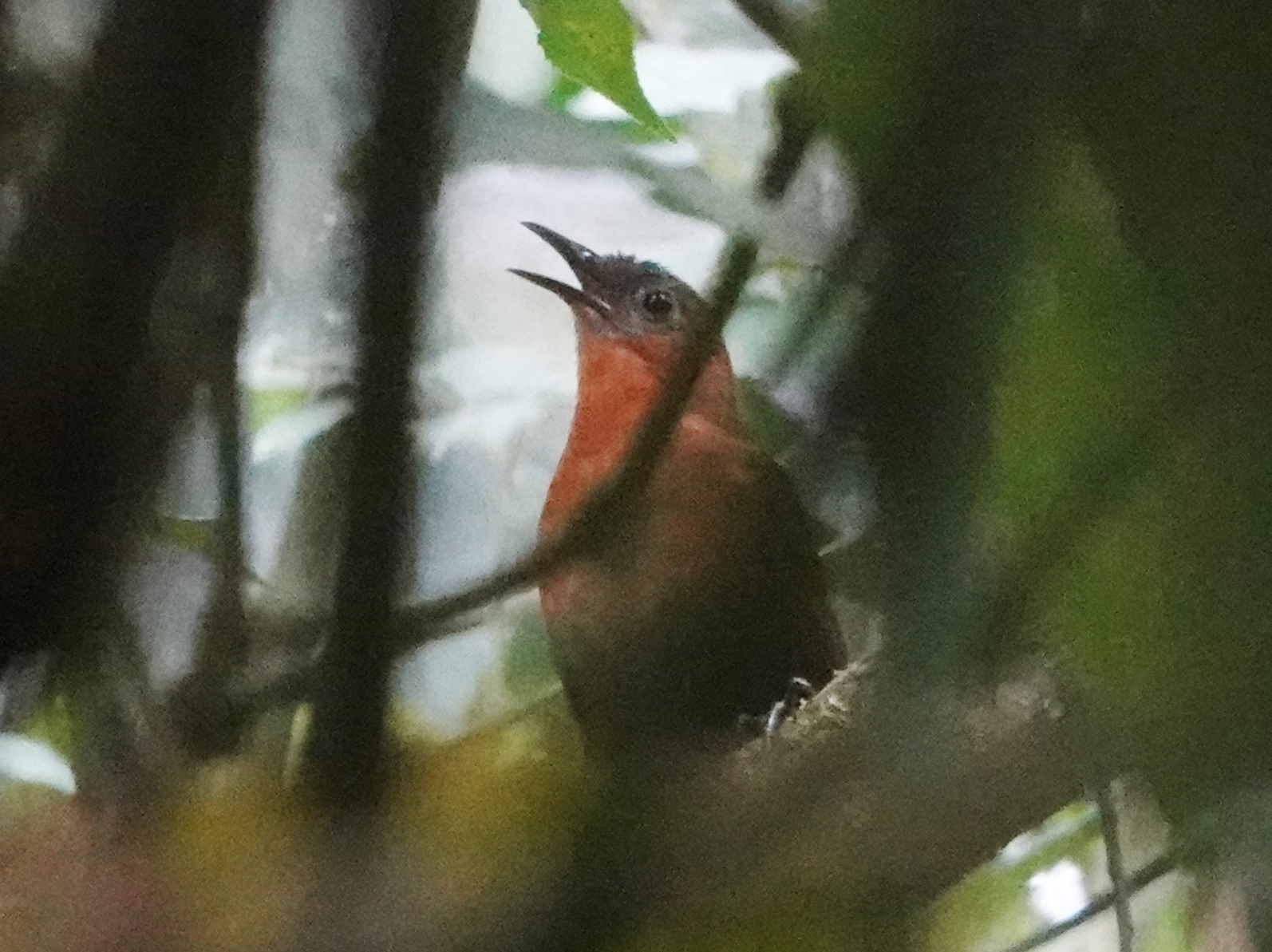
Southern Chestnut-breasted Wren
Cyphorhinus thoracicus- Lower Yungas forest
- Upper Yungas cloud forest
- Eastern Andean foothill forest
-
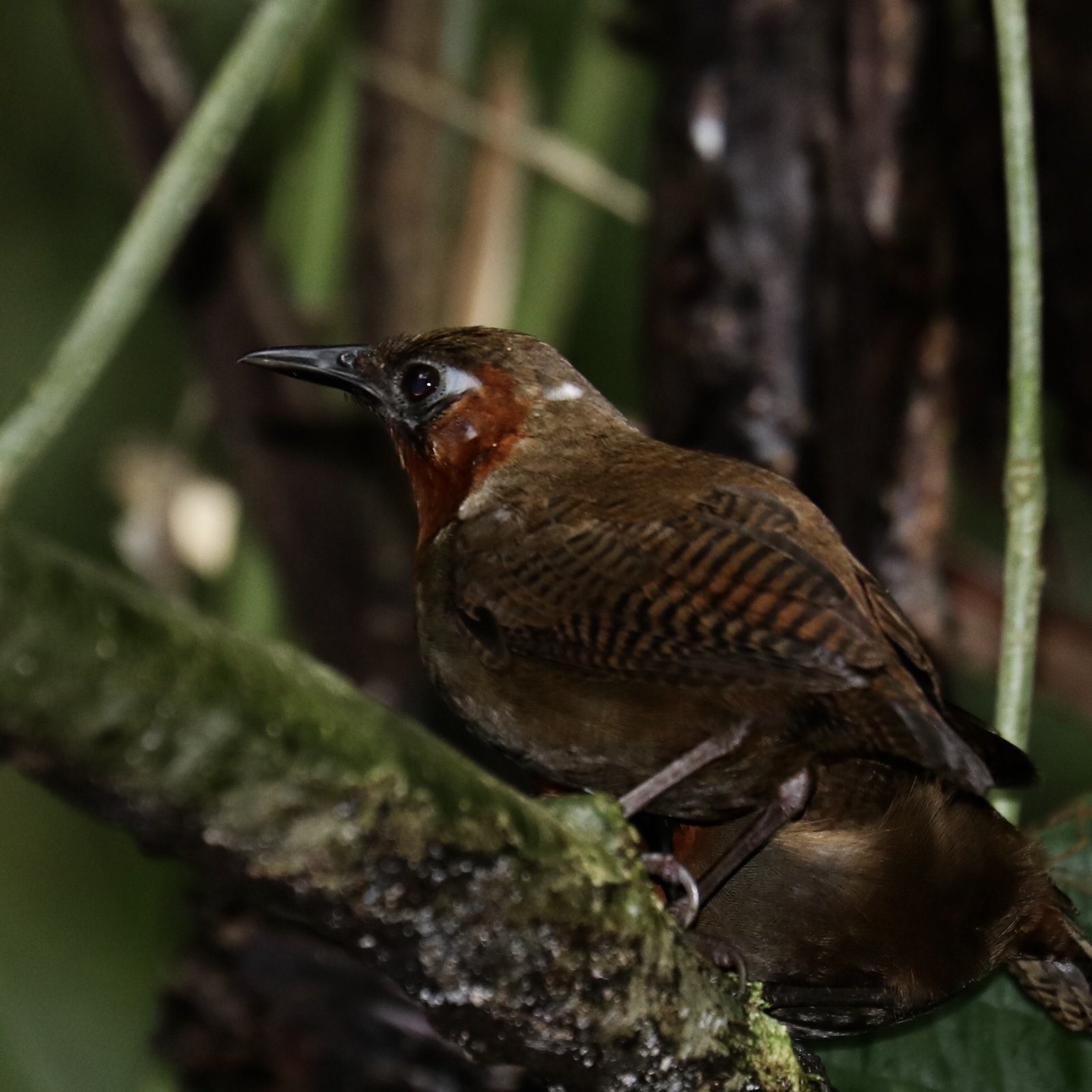
Song Wren
Cyphorhinus phaeocephalus- Chocó rainforest
- Western Ecuador humid forest
- Secondary forest and forest edge
-
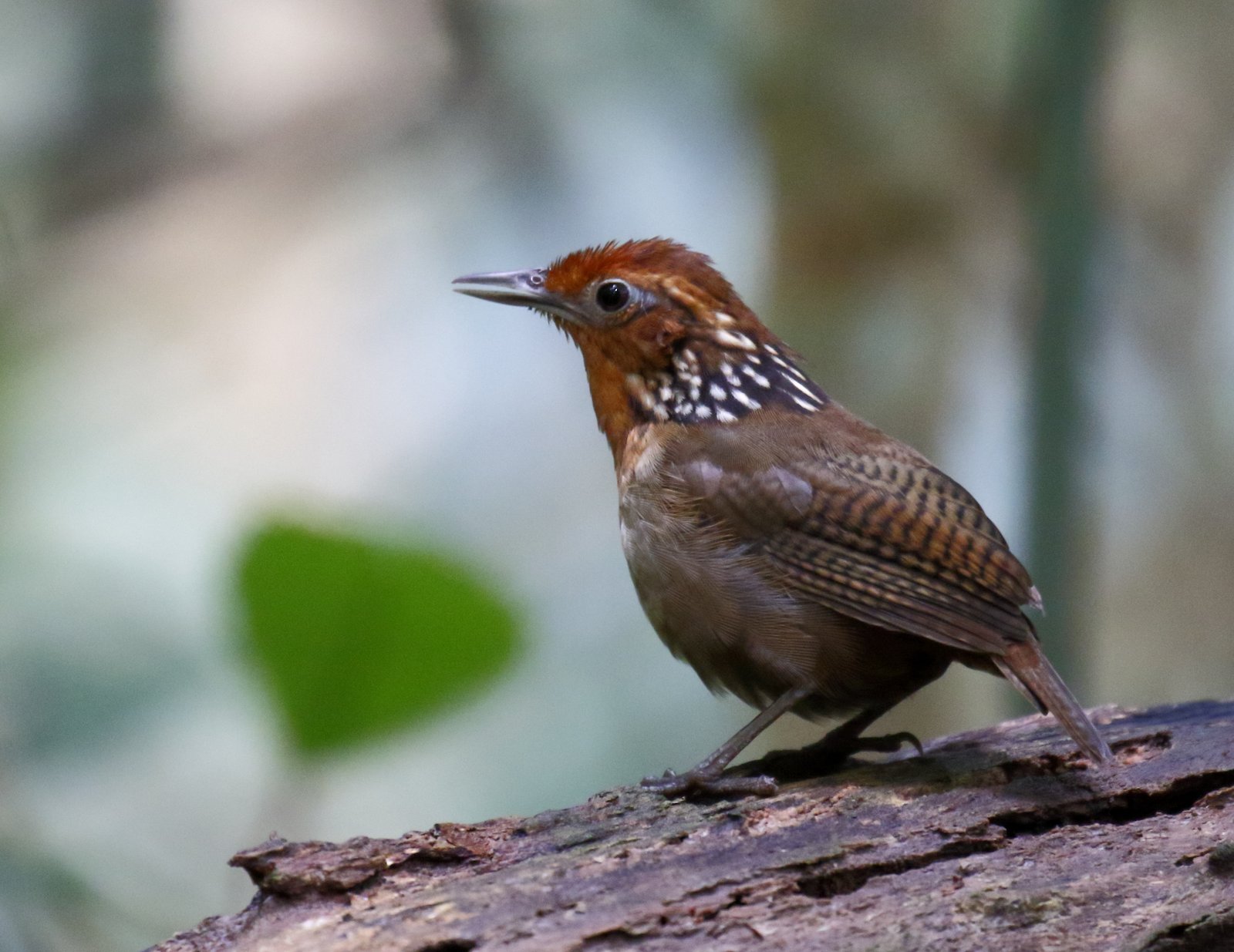
Musician Wren
Cyphorhinus arada- Amazonian terra firme rainforest
- Eastern Andean foothill forest
- Várzea, igapó and river islands
Thryophilus 3 species
-
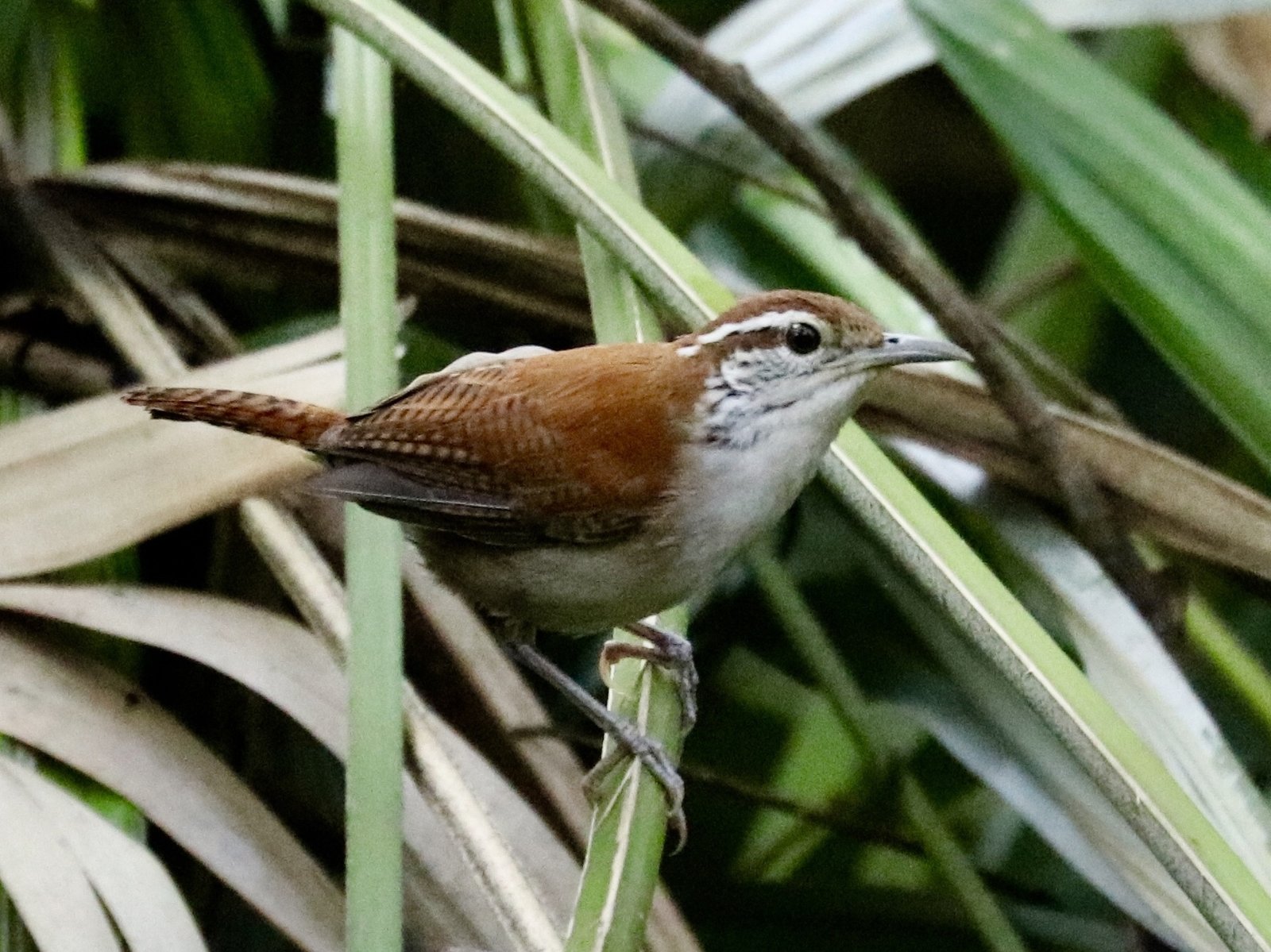
Rufous-and-white Wren
Thryophilus rufalbus- Marañón and northern inter-Andean dry forest
- Secondary forest and forest edge
- Riparian woodland of the Andes and coastal valleys
- Coffee, cacao and agroforestry
-
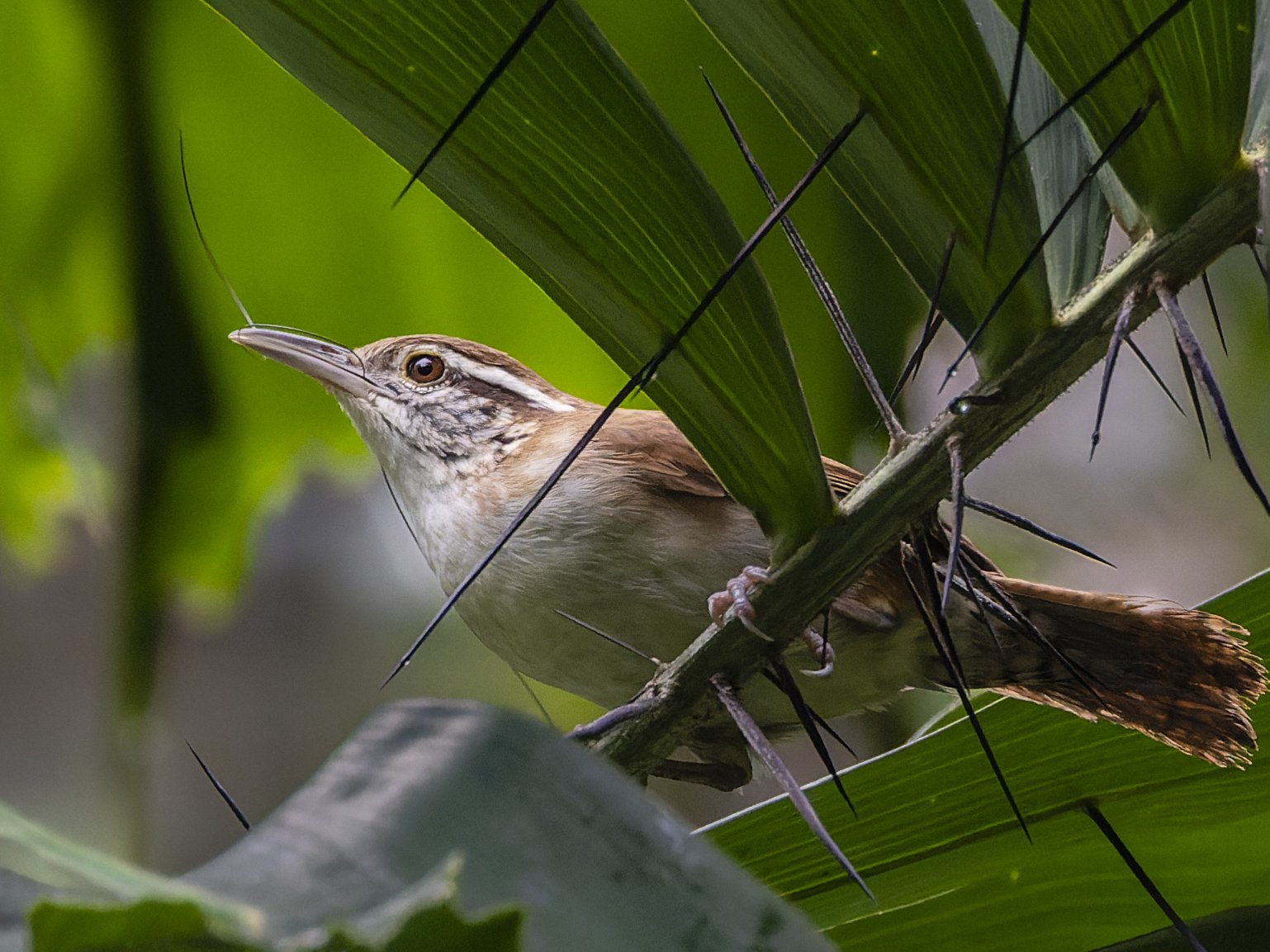
Antioquia Wren
Thryophilus sernai- Marañón and northern inter-Andean dry forest
- Riparian woodland of the Andes and coastal valleys
- Secondary forest and forest edge
-
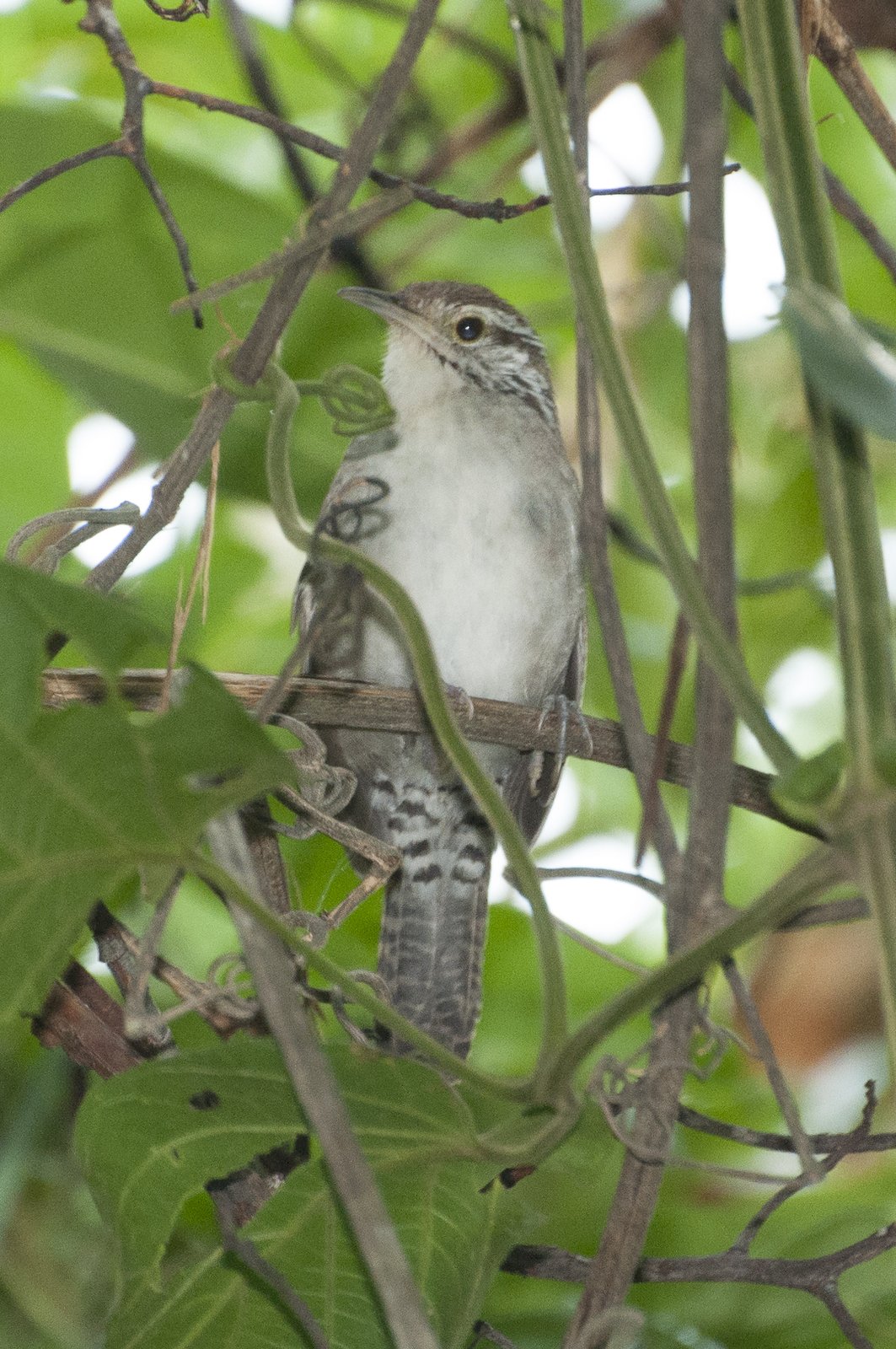
Niceforo's Wren
Thryophilus nicefori- Marañón and northern inter-Andean dry forest
- Riparian woodland of the Andes and coastal valleys
- Secondary forest and forest edge
- Coffee, cacao and agroforestry
Vagrants 2 species
Birds blown in from other continents. They have no range here, and so no distribution map.