All species › Pigeons and doves › Doves and pigeons
Doves and pigeons | Columbidae
Duiven | Palomas | Doves and pigeons
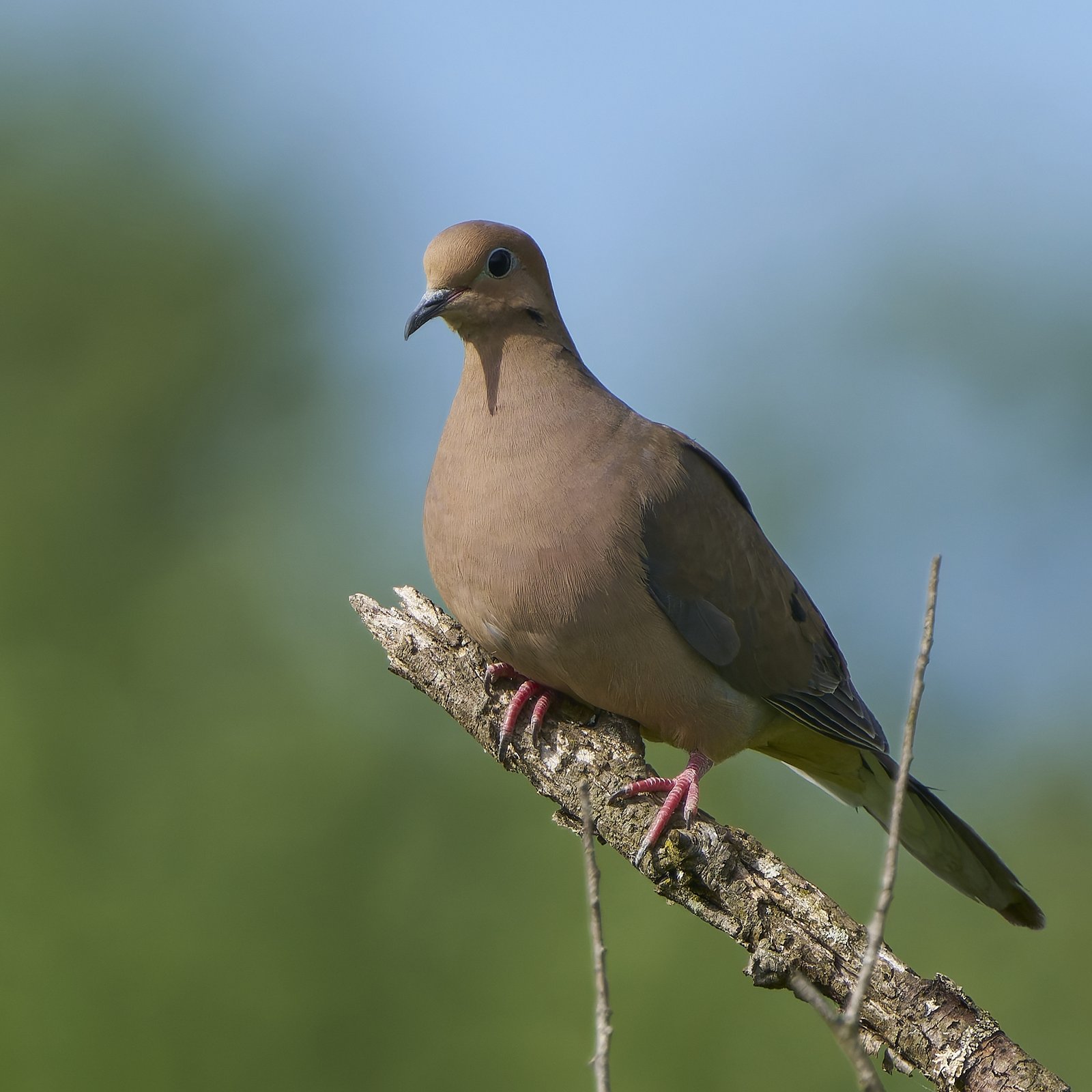
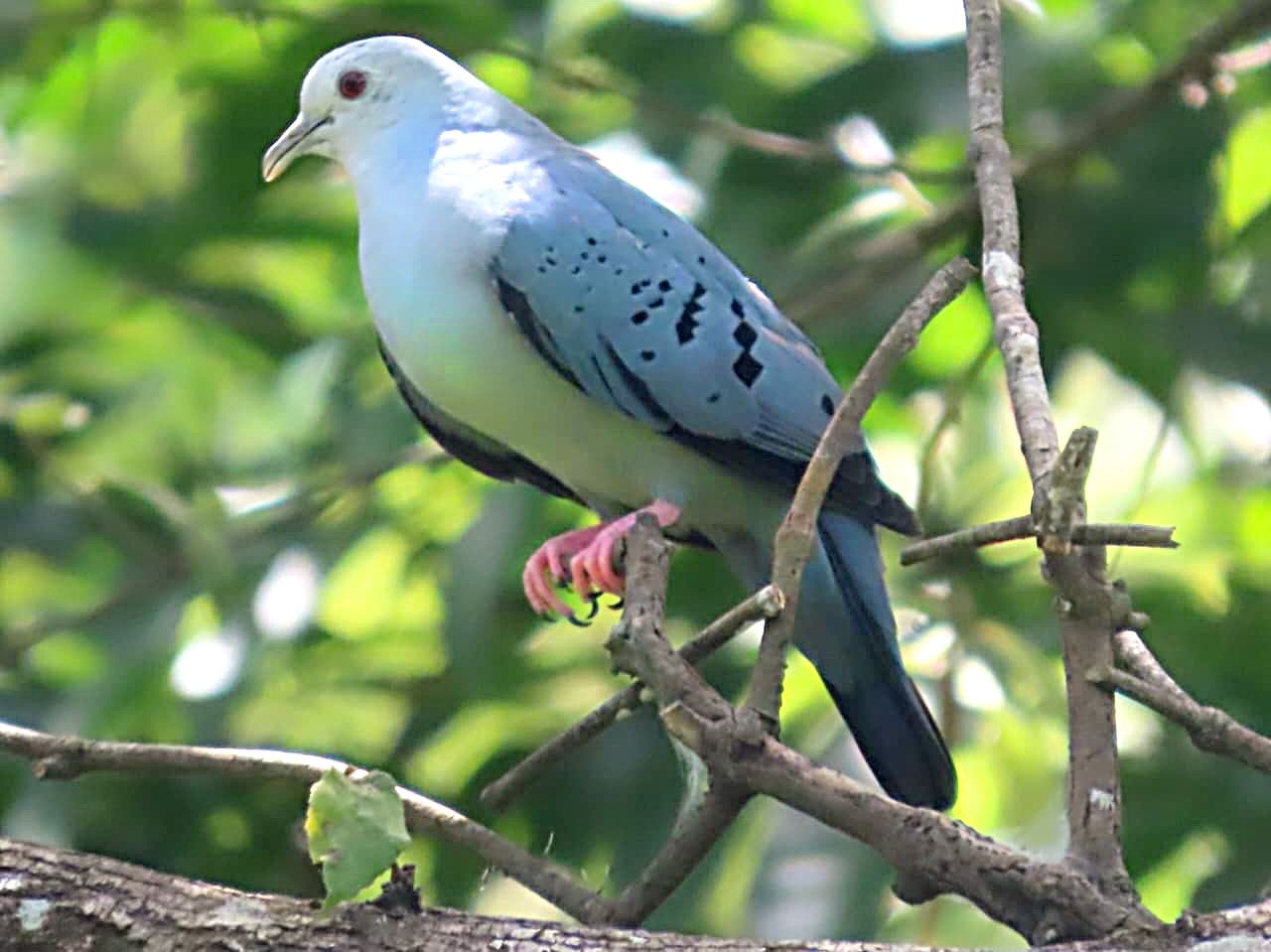
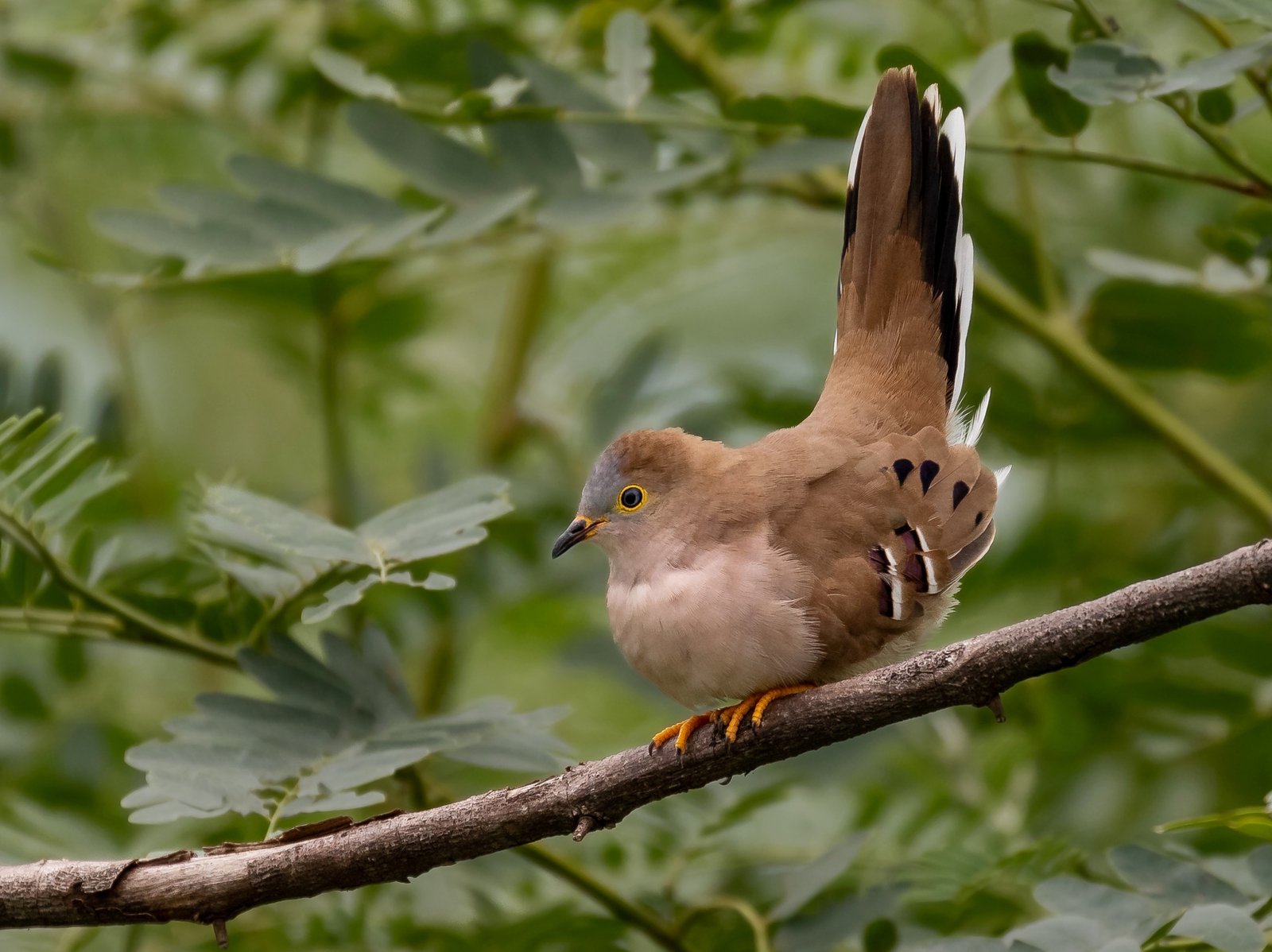
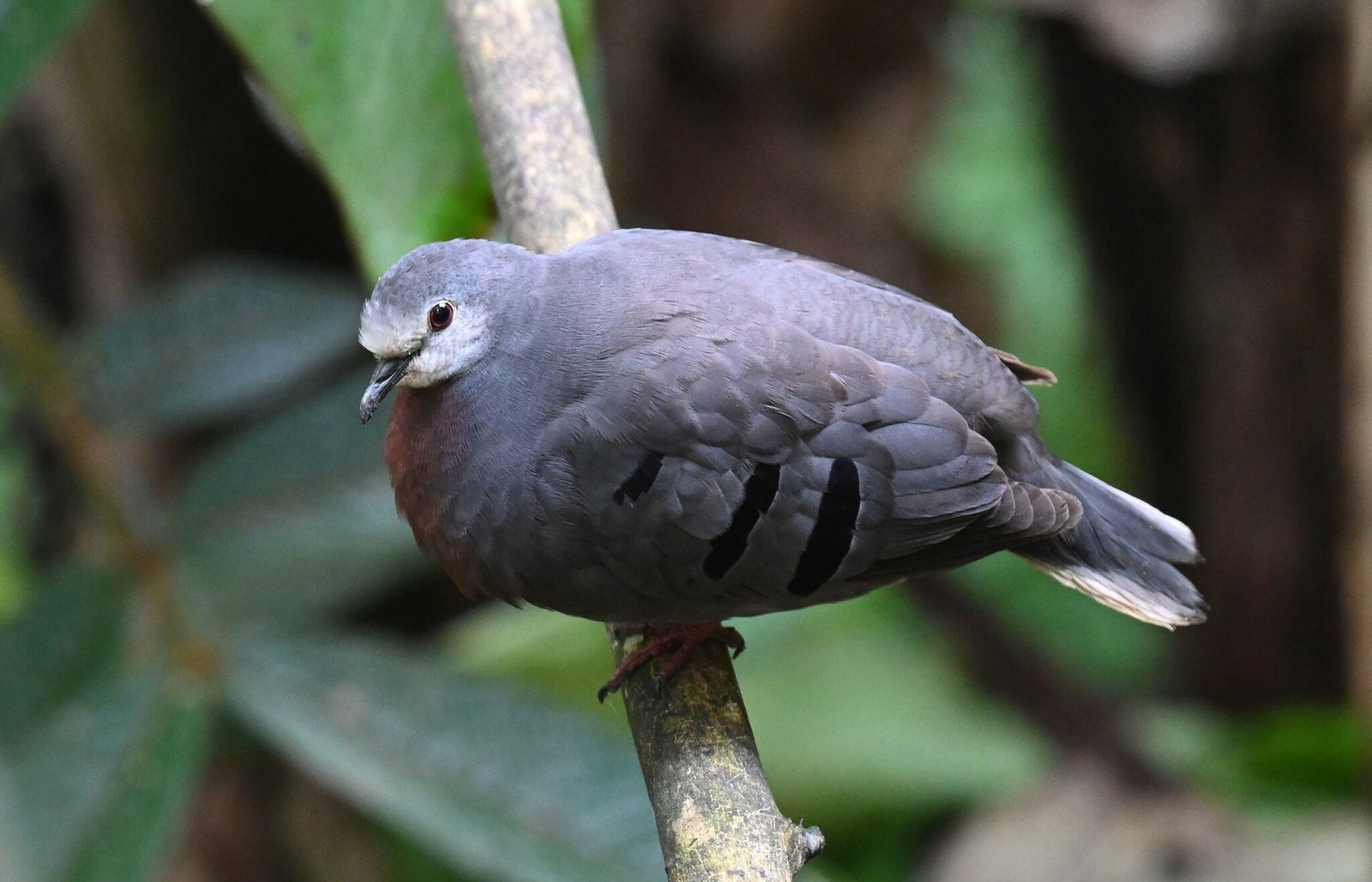
Fifty-one species in thirteen genera occur in this guide, and the family here runs from small ground doves with dark or metallic spots on the wing, such as the puna ground doves (Metriopelia) and the long-tailed species of dry coastal desert and savanna, to shy quail-doves walking the floor of the cloud forest and stout Patagioenas pigeons that feed on fruit and berries high in the canopy. The Galápagos has a species of its own, the Galápagos Dove. The nest is a loose, often see-through platter of twigs in a shrub, on a ledge or in a fork, and in some mountain species in a rock crevice, holding almost always two white eggs; both parents incubate and feed the young on crop milk alone for the first days, so breeding also goes on outside the rains and clutches follow one another closely. The call is a muffled cooing made with the bill shut and the throat inflated, each species in a fixed rhythm: a steady three-part motif, a series that accelerates and falls away in pitch, or a short phrase hammered out over and over. Many species have a display flight in which the bird climbs steeply with clapping wings and then glides down on raised wings with the tail spread. Seed-eating species feed on the ground and gather in flocks at drinking places; the fruit-eating pigeons stay in the canopy and move with the fruiting.
Native species 45 species
Species that occur here by nature: breeding birds, winter visitors and passage migrants. They are arranged by genus, in the sequence of the list.
Uropelia 1 species
Paraclaravis 1 species

Metriopelia 3 species
-
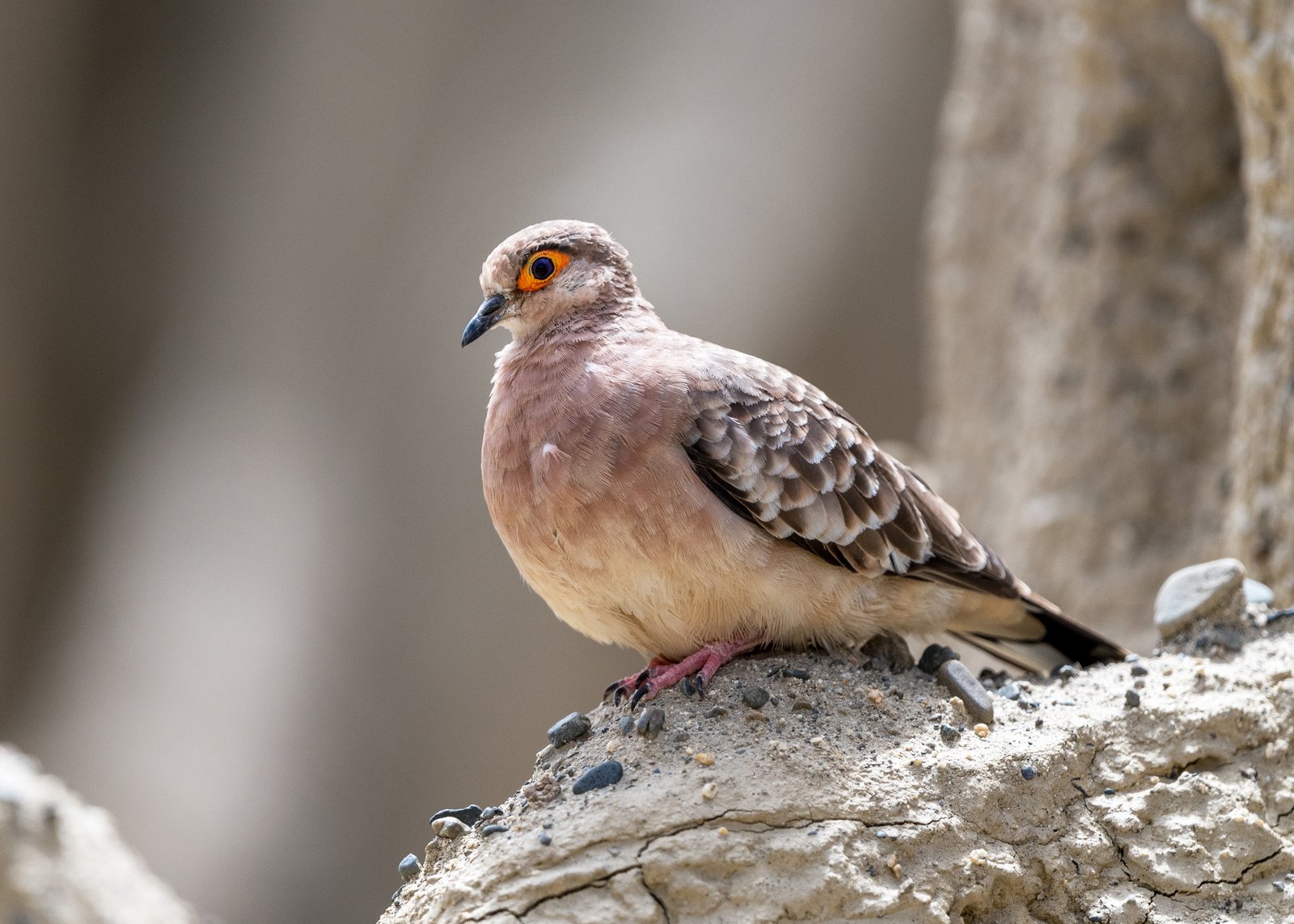
Bare-faced Ground Dove
Metriopelia ceciliae Andean fields and terraces
 Towns, cities and parks
 Central Andean dry valleys
 Cliffs, gorges and canyons
 Dry puna and altiplano
-
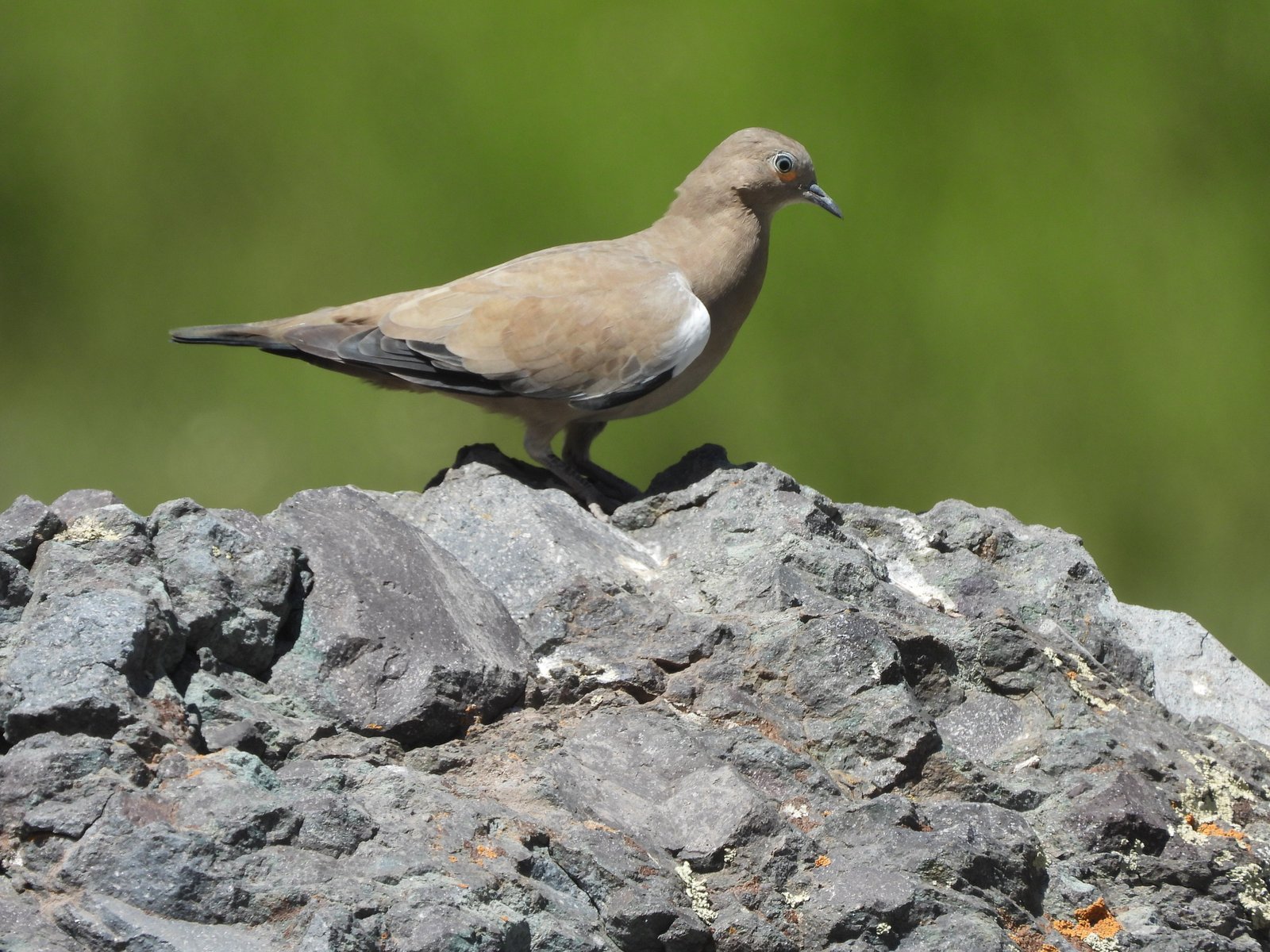
Black-winged Ground Dove
Metriopelia melanoptera- Dry puna and altiplano
 Humid puna
 Páramo
 Polylepis woodland
- Cliffs, gorges and canyons
-
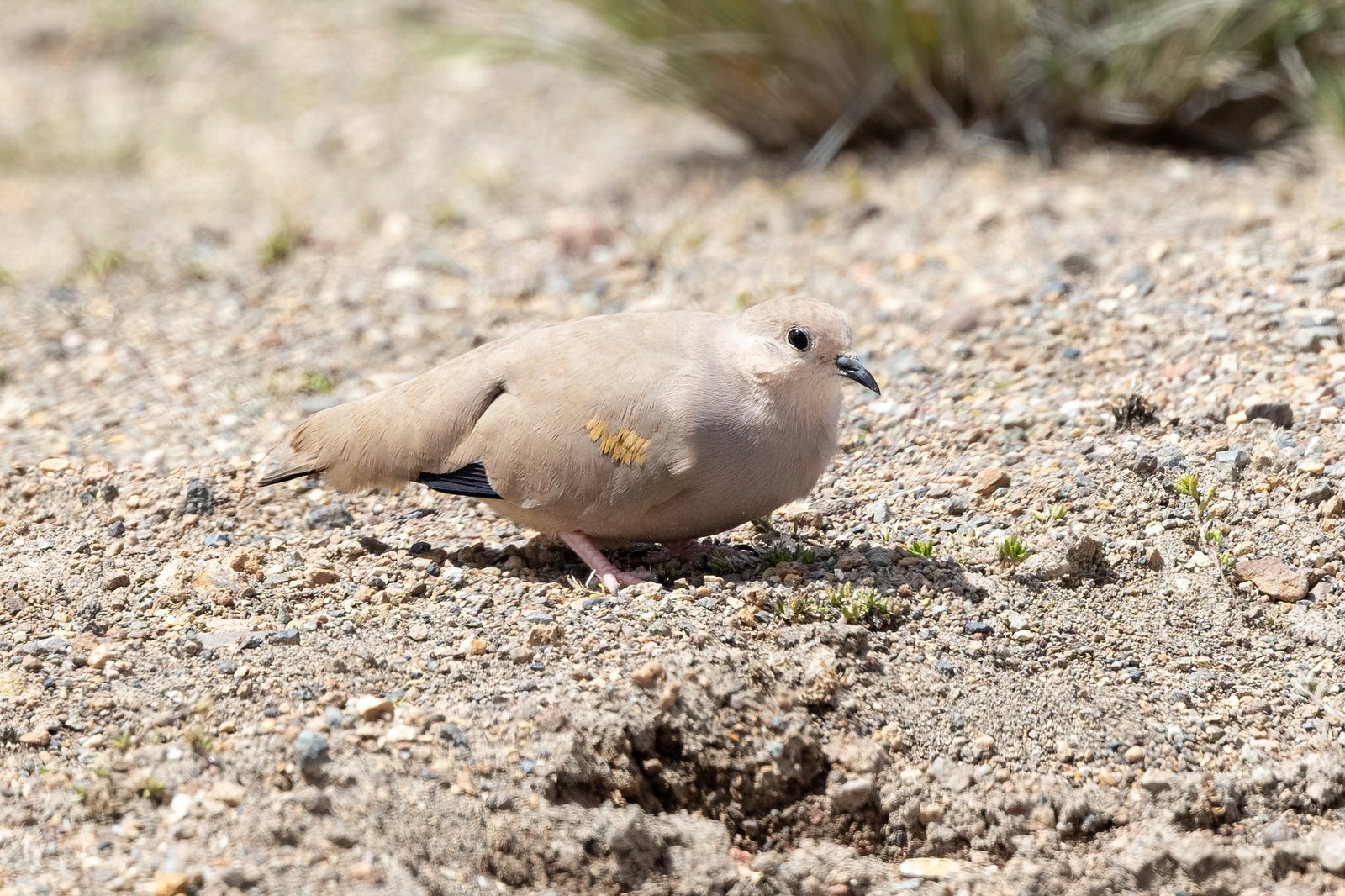
Golden-spotted Ground Dove
Metriopelia aymara- Dry puna and altiplano
- Humid puna
- Andean fields and terraces
- Cliffs, gorges and canyons
Columbina 7 species
-
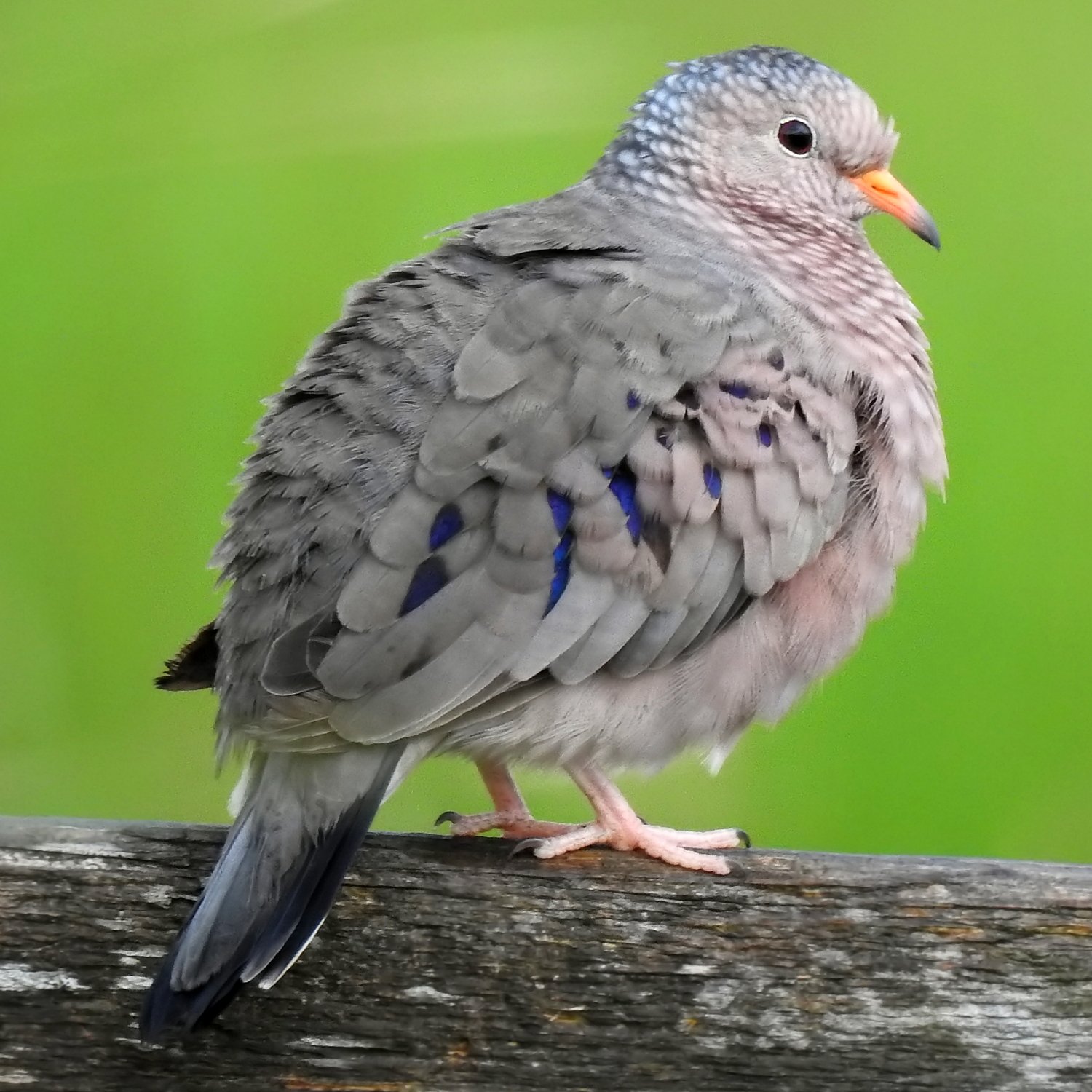
Common Ground Dove
Columbina passerina Marañón and northern inter-Andean dry forest
 Llanos savanna
 Pasture and ranchland
- Towns, cities and parks
- Andean fields and terraces
-
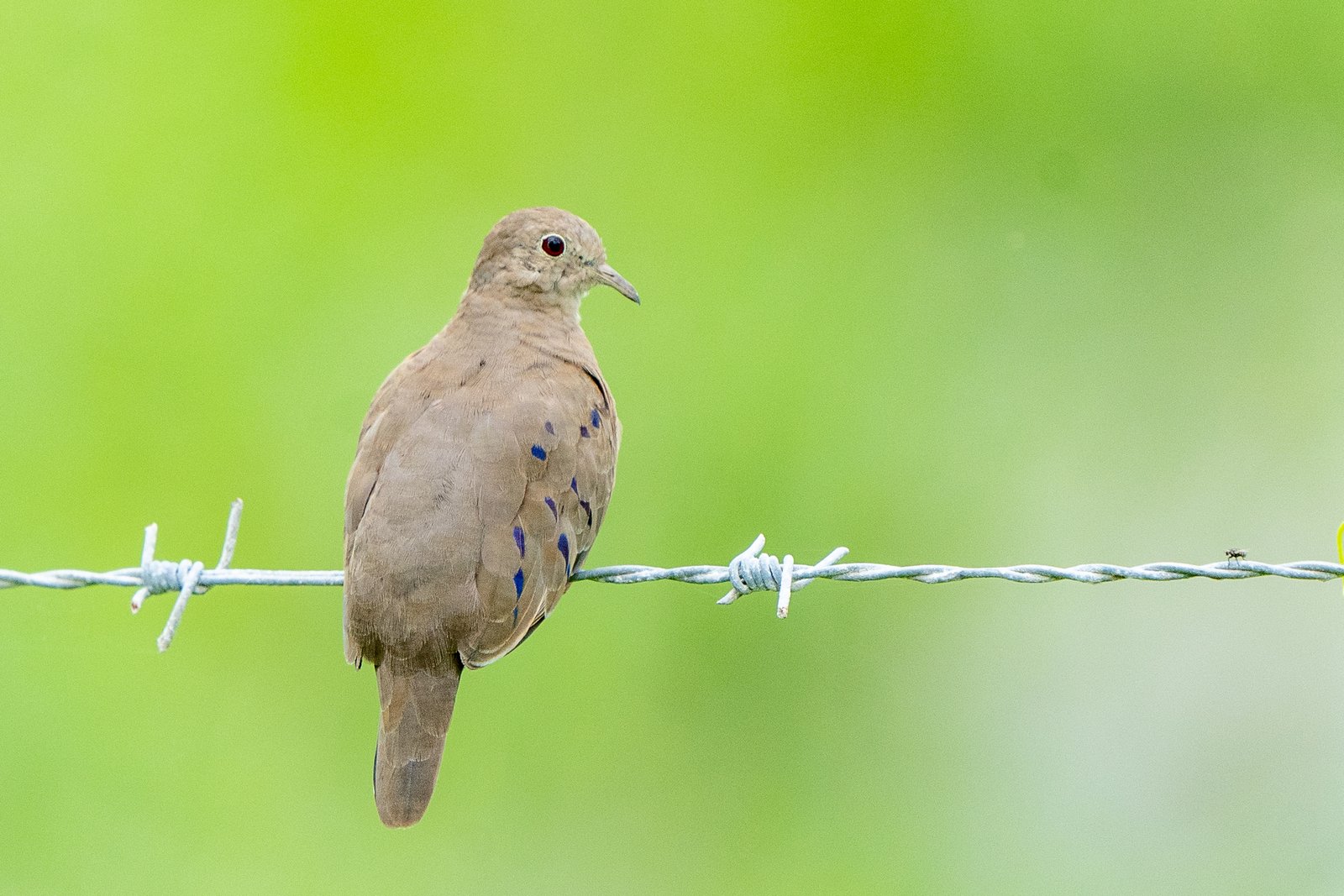
Plain-breasted Ground Dove
Columbina minuta- Llanos savanna
 Beni savanna and cerrado
- Pasture and ranchland
 Irrigated farmland and rice fields
 Secondary forest and forest edge
-
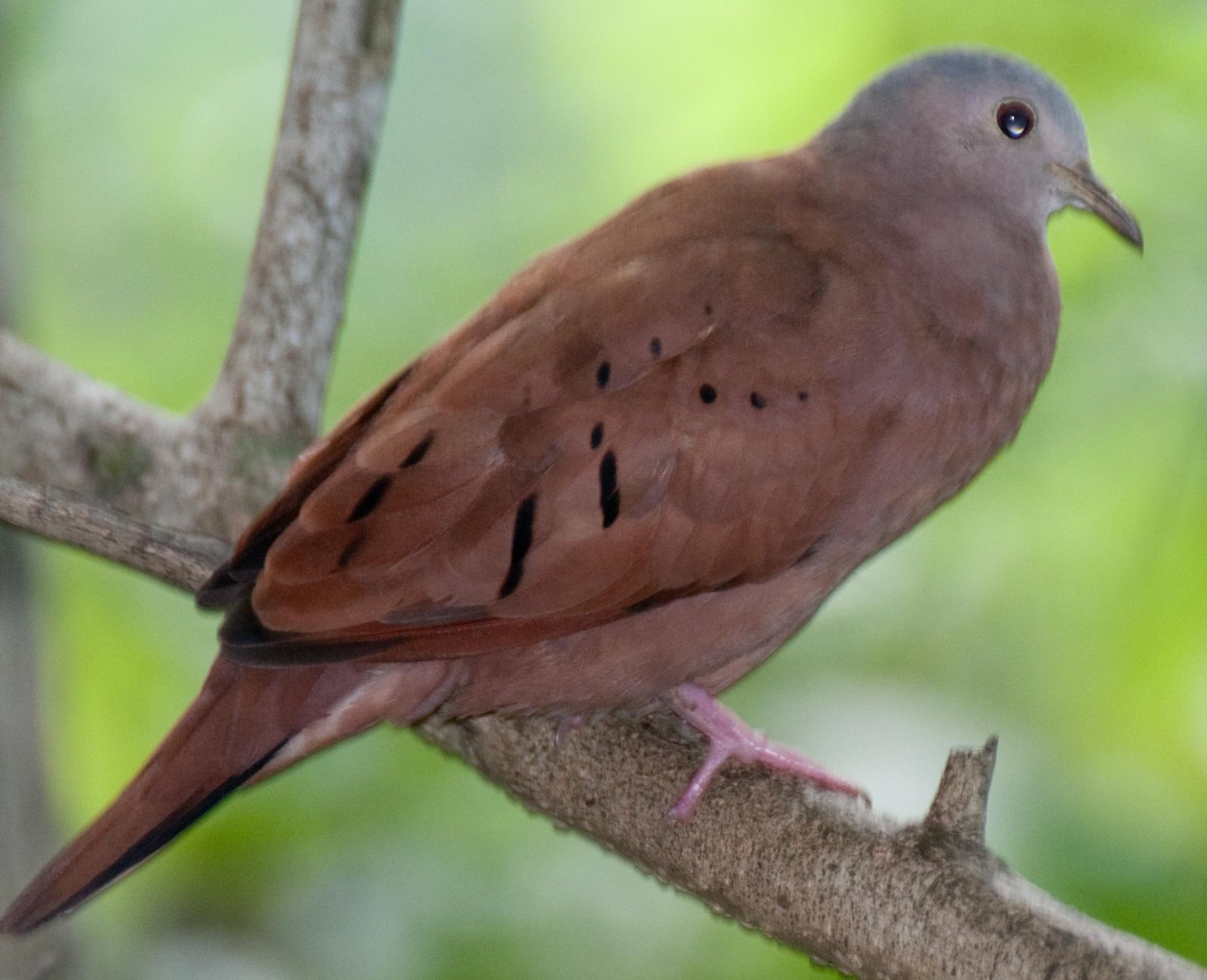
Ruddy Ground Dove
Columbina talpacoti- Pasture and ranchland
- Secondary forest and forest edge
- Towns, cities and parks
- Llanos savanna
- Irrigated farmland and rice fields
 Lowland marshes and wet meadows
-
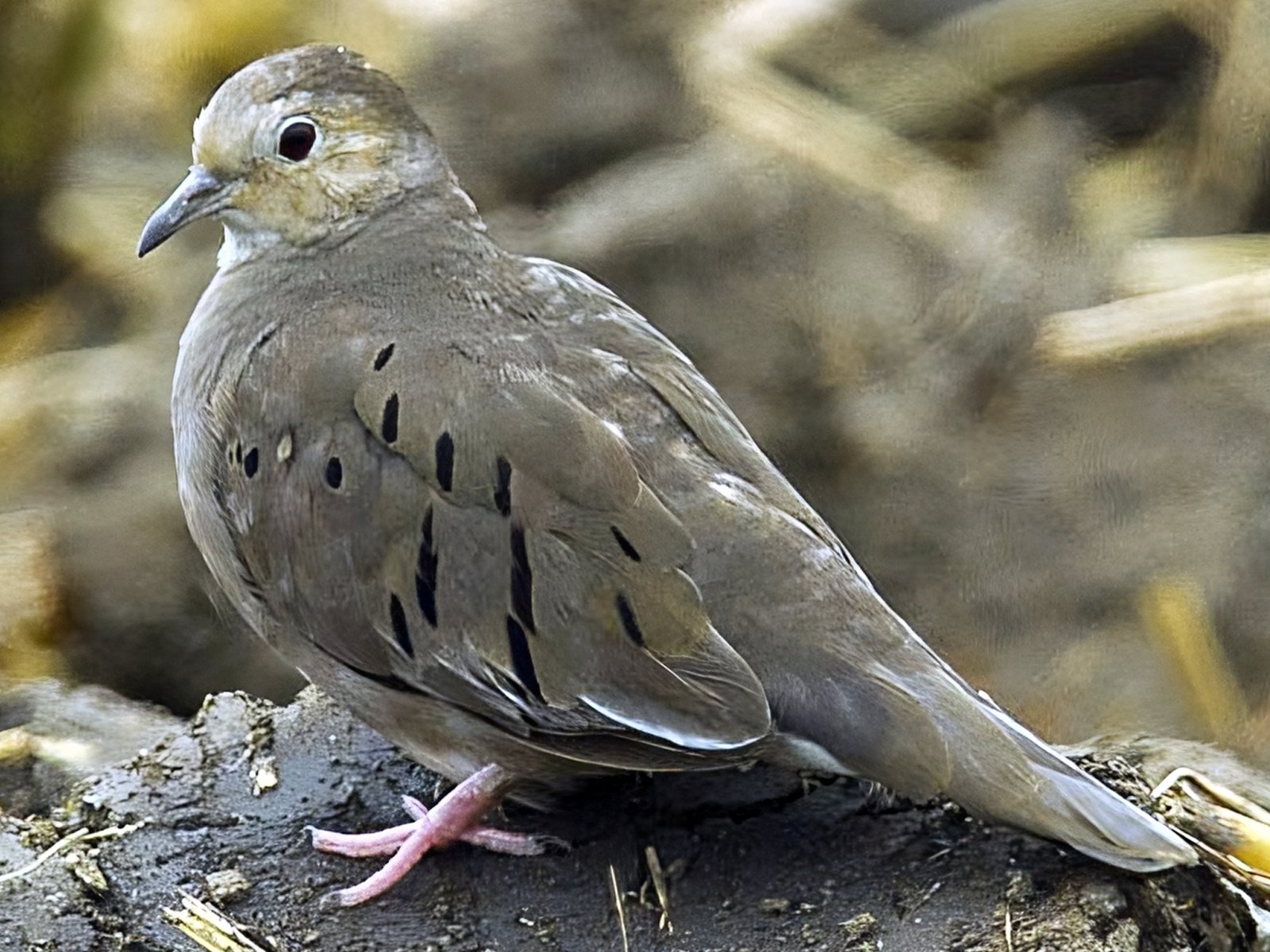
Ecuadorian Ground Dove
Columbina buckleyi Tumbesian dry forest and thorn scrub
- Secondary forest and forest edge
- Pasture and ranchland
 Western Ecuador humid forest
 Riparian woodland of the Andes and coastal valleys
-
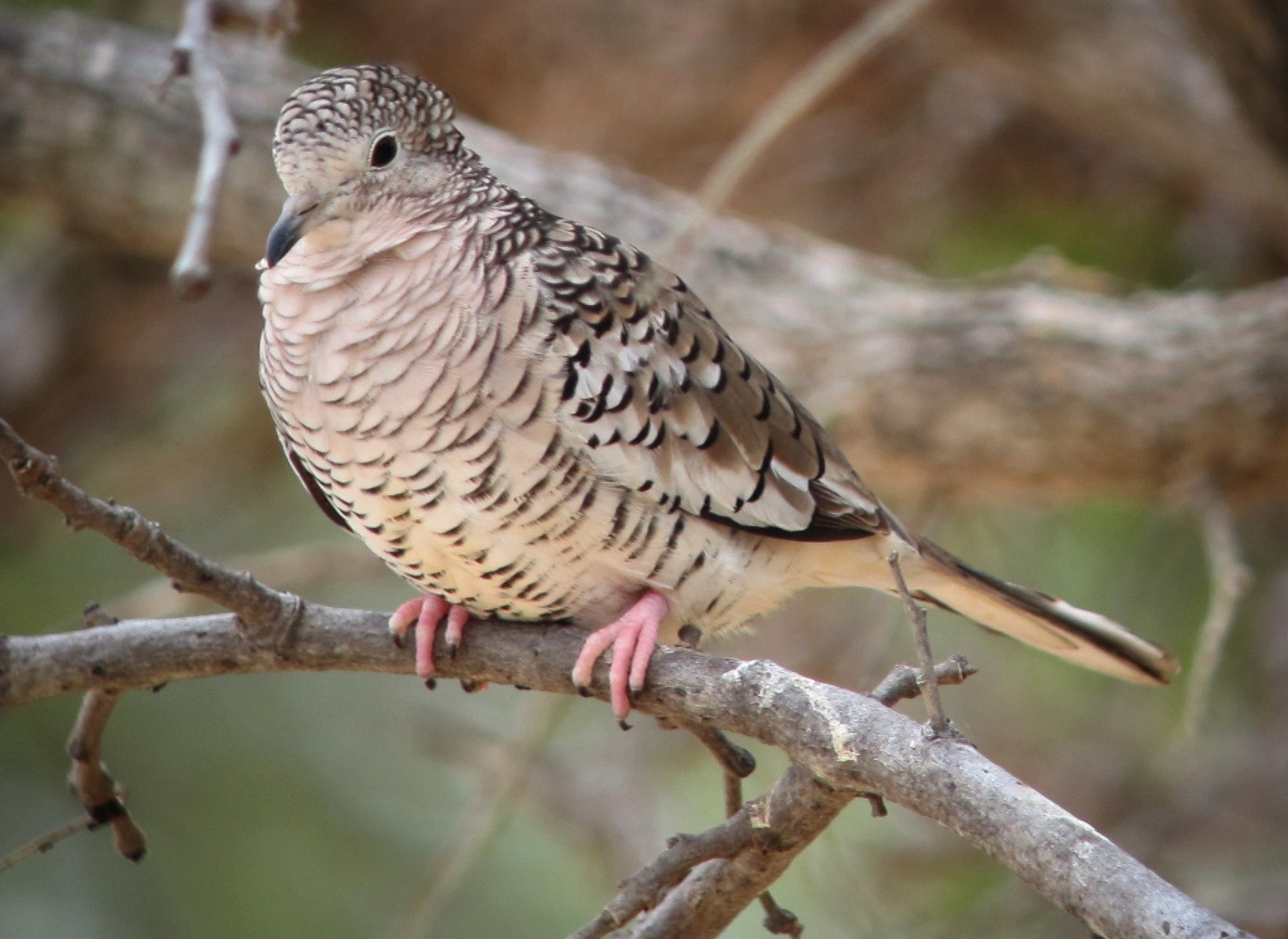
Scaled Dove
Columbina squammata- Llanos savanna
 Chiquitano dry forest and Chaco
- Pasture and ranchland
- Beni savanna and cerrado
- Tumbesian dry forest and thorn scrub
- Towns, cities and parks
-
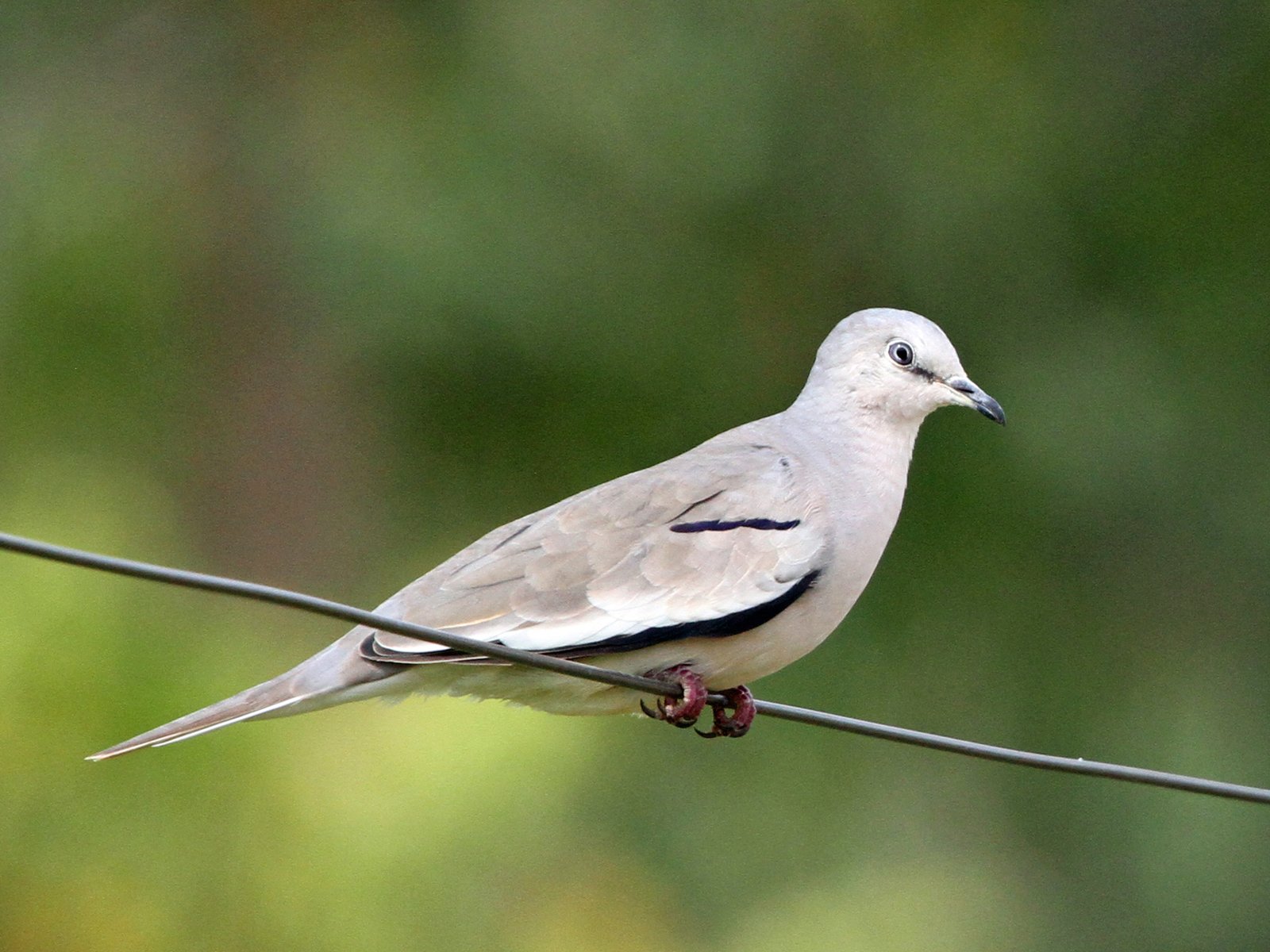
Picui Ground Dove
Columbina picui- Chiquitano dry forest and Chaco
- Central Andean dry valleys
- Pasture and ranchland
- Beni savanna and cerrado
- Towns, cities and parks
- Andean fields and terraces
-
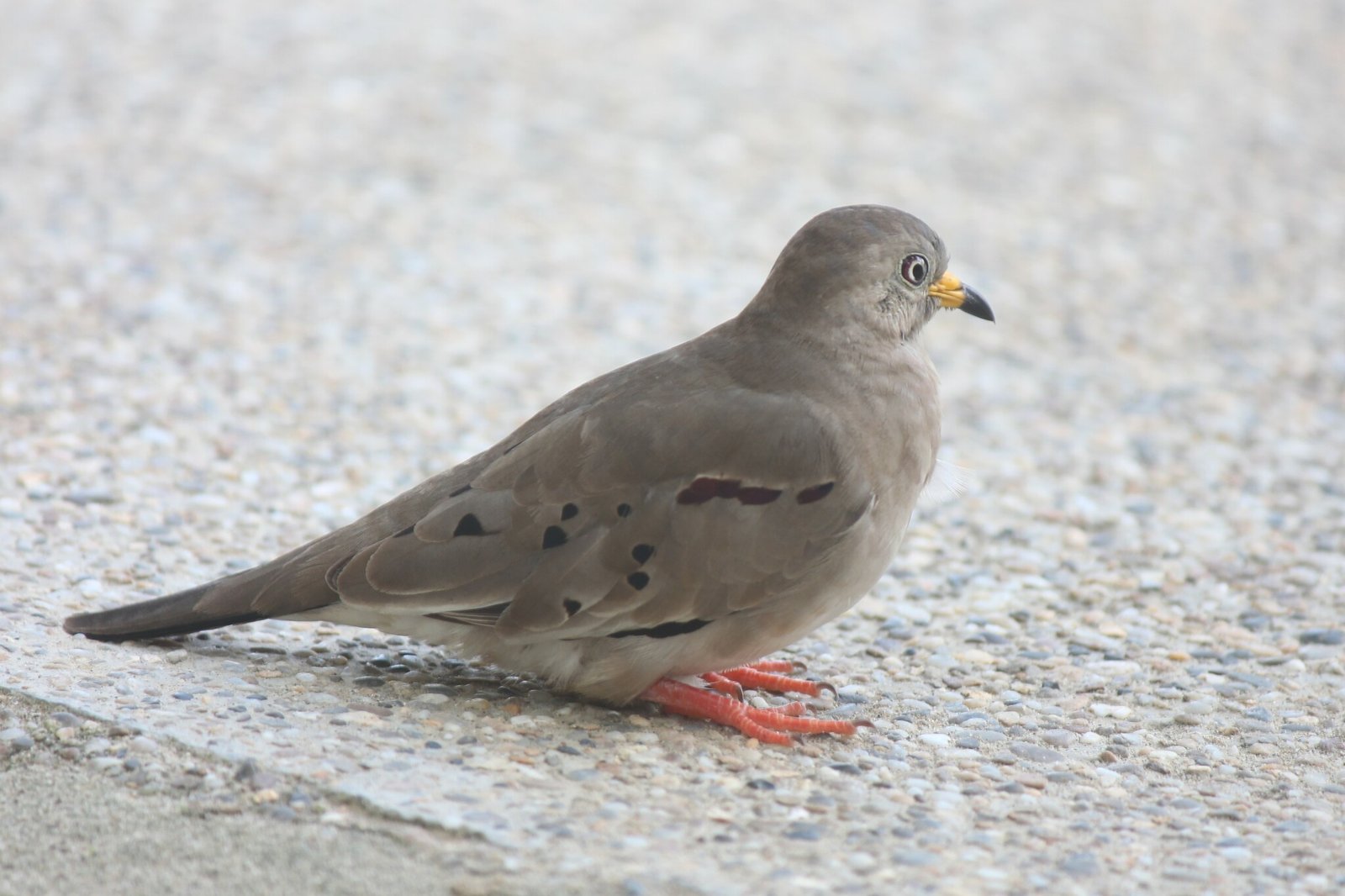
Croaking Ground Dove
Columbina cruziana Coastal desert
- Tumbesian dry forest and thorn scrub
- Irrigated farmland and rice fields
- Towns, cities and parks
- Marañón and northern inter-Andean dry forest
- Riparian woodland of the Andes and coastal valleys
Geotrygon 4 species
-
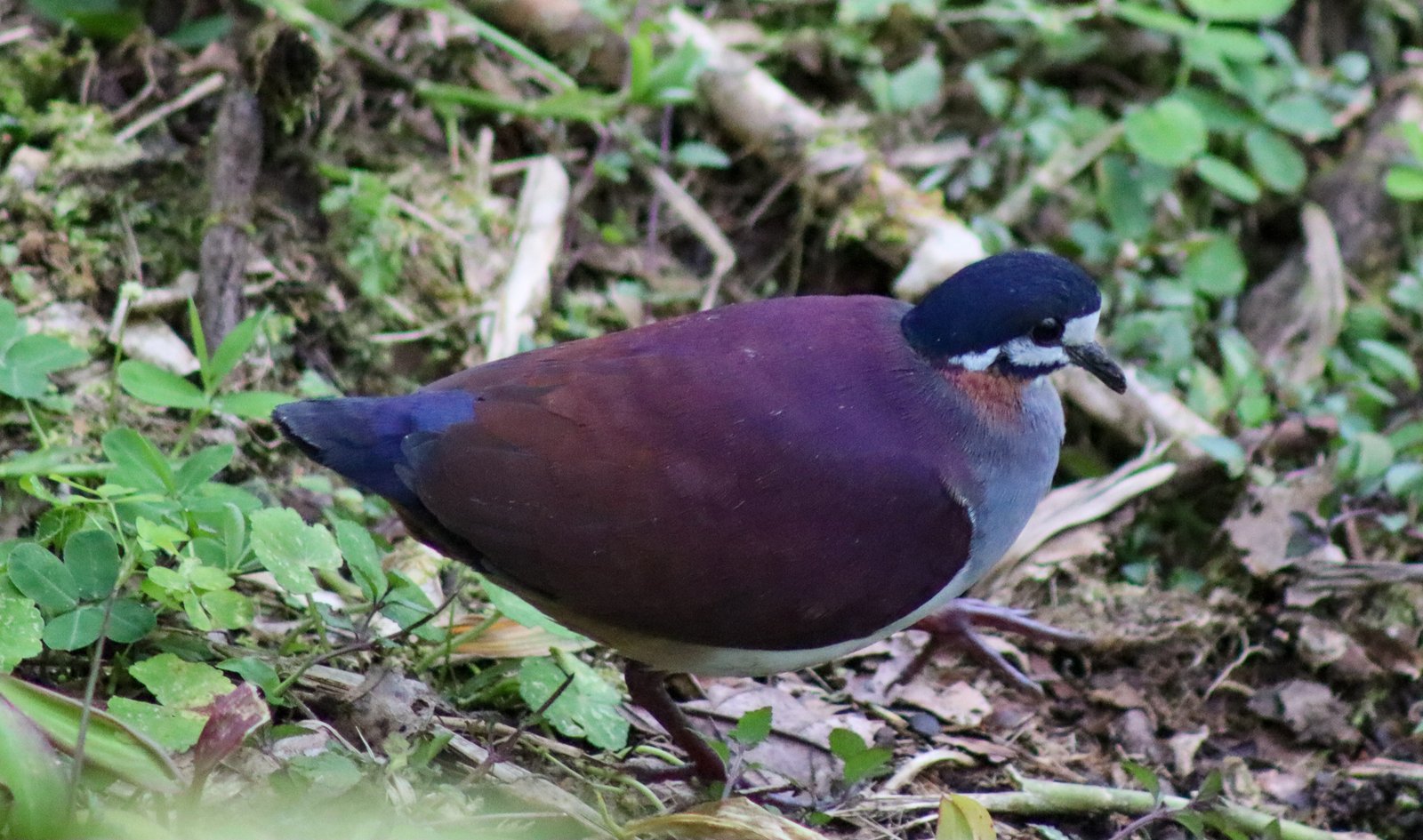
Purple Quail-Dove
Geotrygon purpurata Chocó rainforest
- Western Ecuador humid forest
 Northern Andean subtropical forest
-
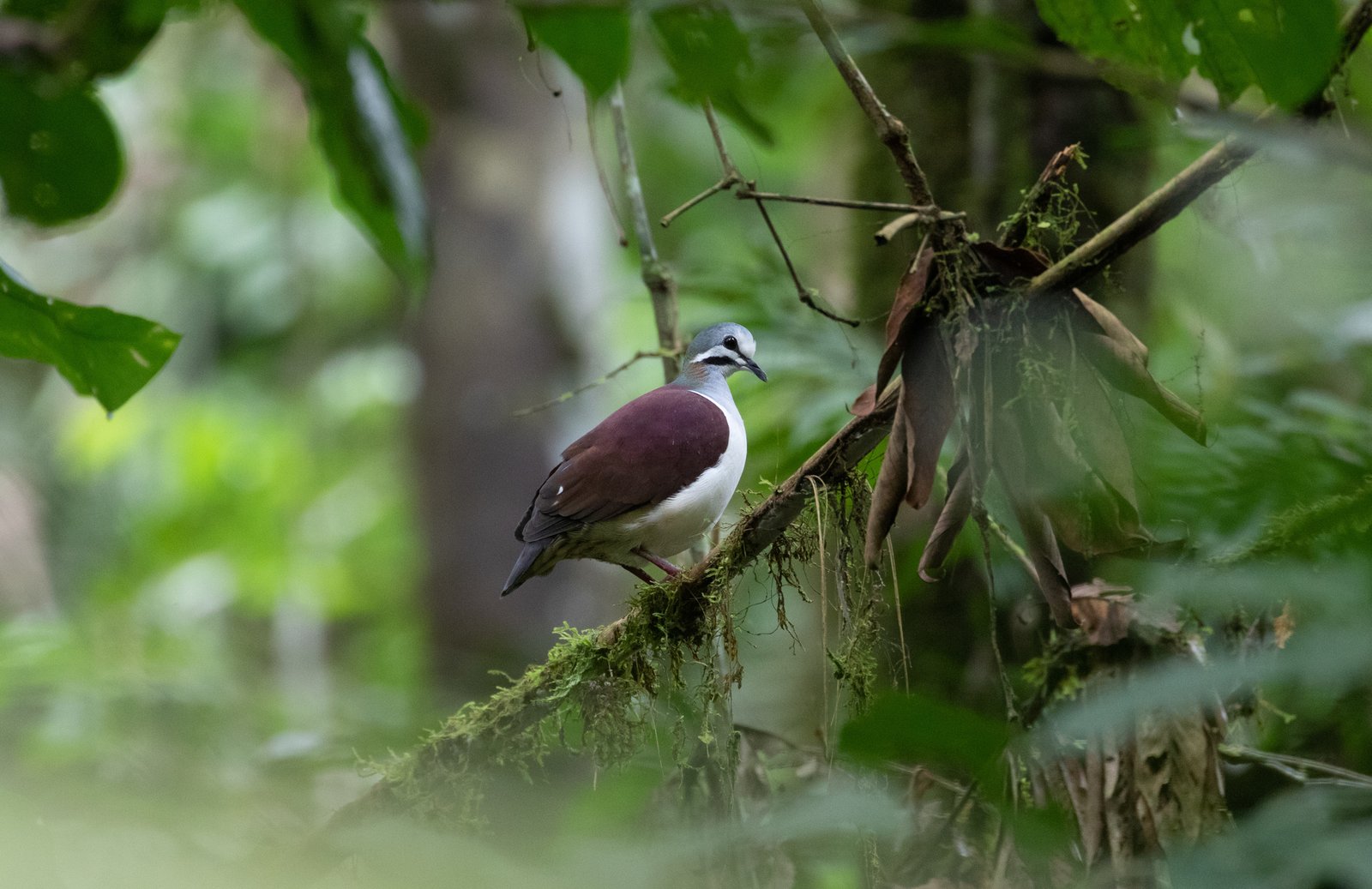
Sapphire Quail-Dove
Geotrygon saphirina Eastern Andean foothill forest
 Amazonian terra firme rainforest
- Northern Andean subtropical forest
 Lower Yungas forest
-
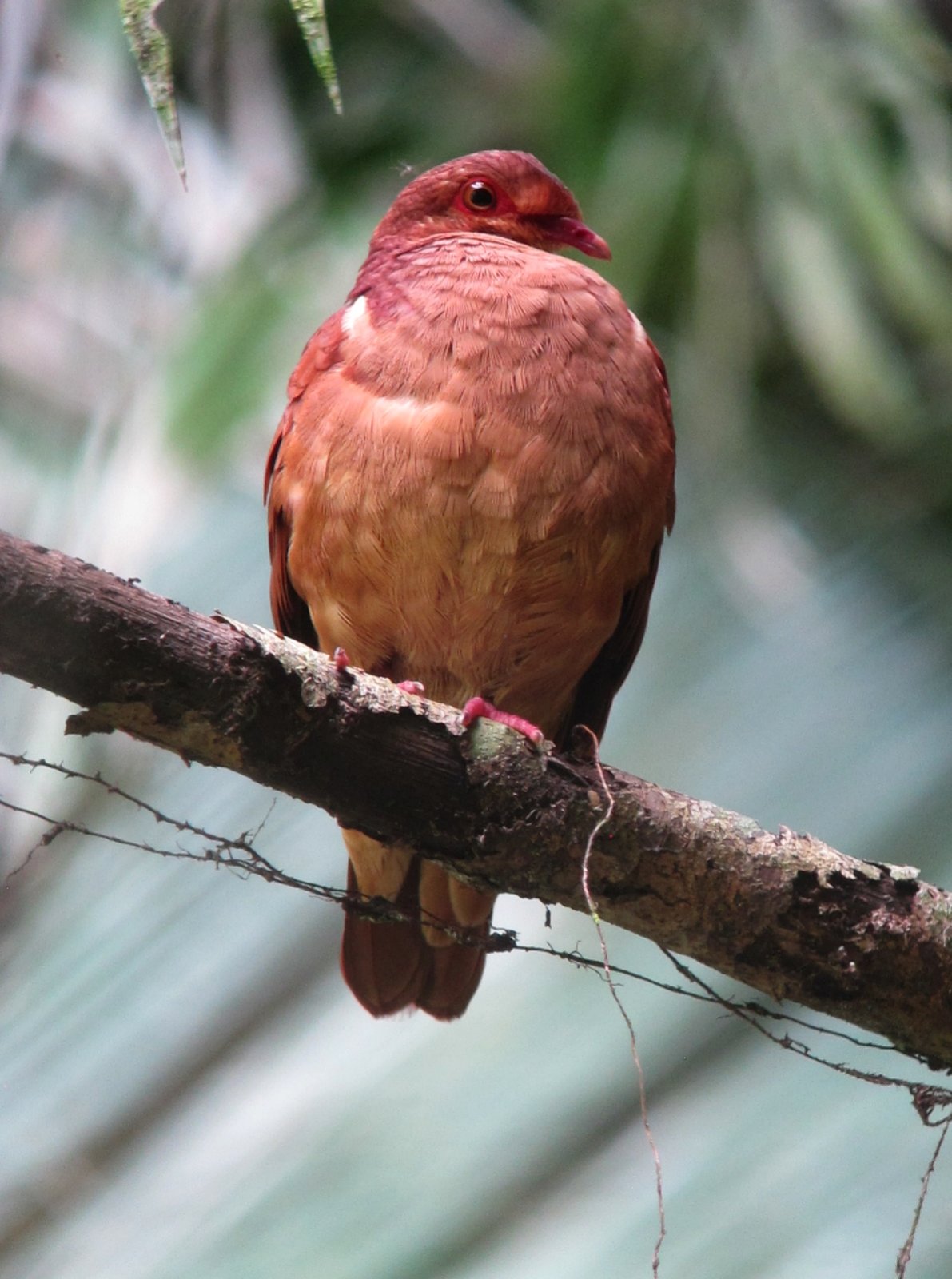
Ruddy Quail-Dove
Geotrygon montana- Amazonian terra firme rainforest
- Western Ecuador humid forest
- Eastern Andean foothill forest
- Chocó rainforest
- Northern Andean subtropical forest
- Lower Yungas forest
- Secondary forest and forest edge
-
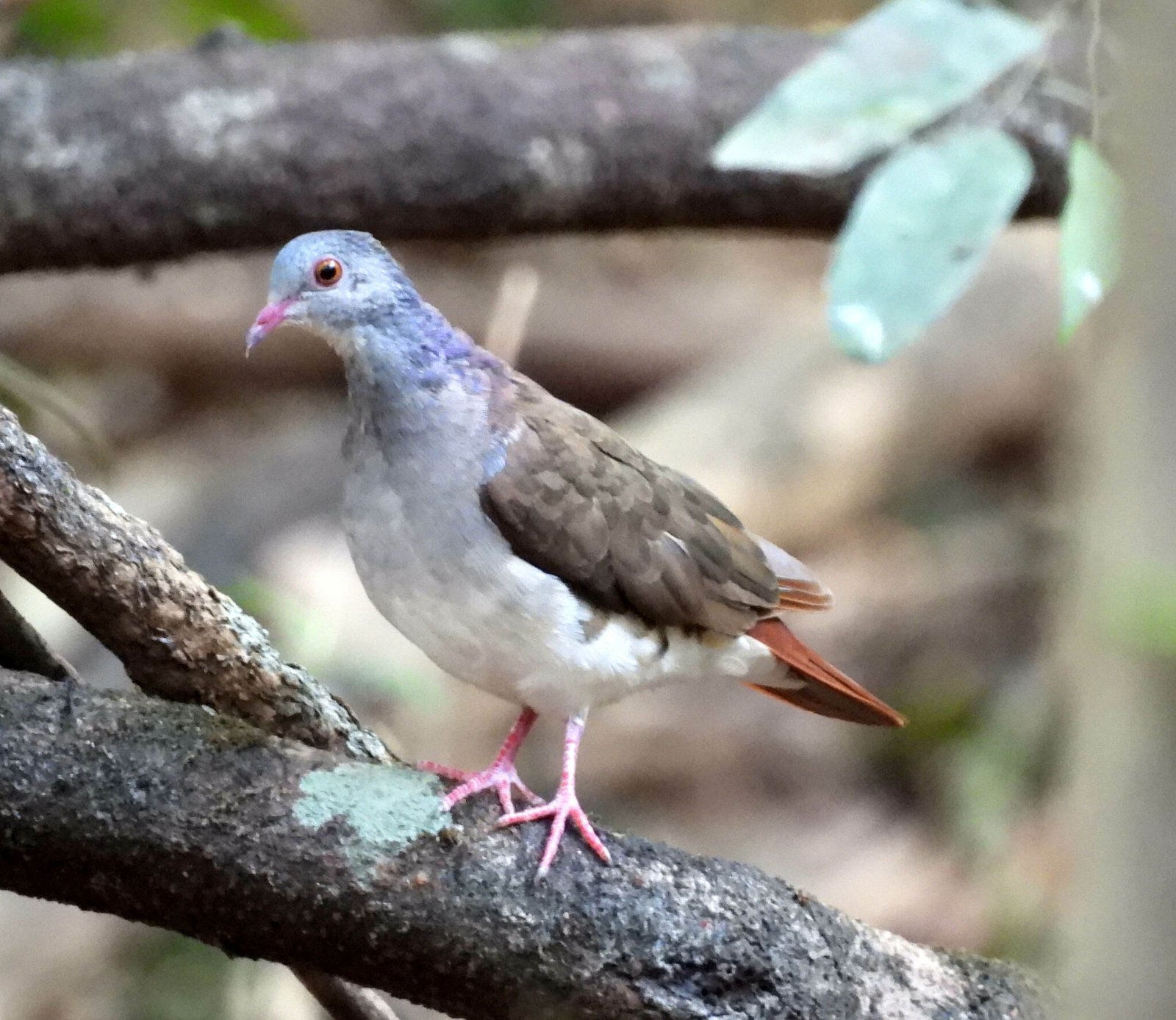
Violaceous Quail-Dove
Geotrygon violacea- Amazonian terra firme rainforest
- Eastern Andean foothill forest
- Secondary forest and forest edge
- Riparian woodland of the Andes and coastal valleys
- Chiquitano dry forest and Chaco
Leptotrygon 1 species
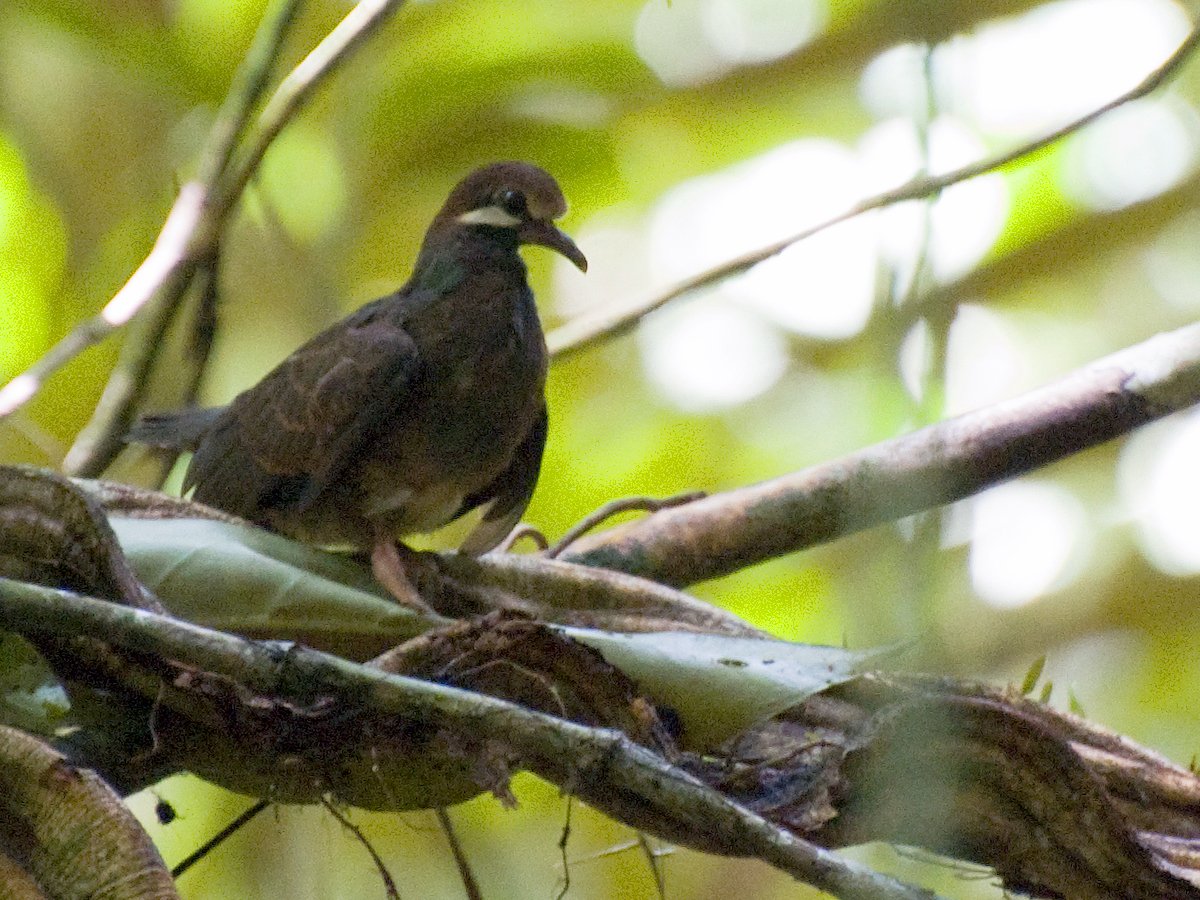
Leptotila 9 species
-
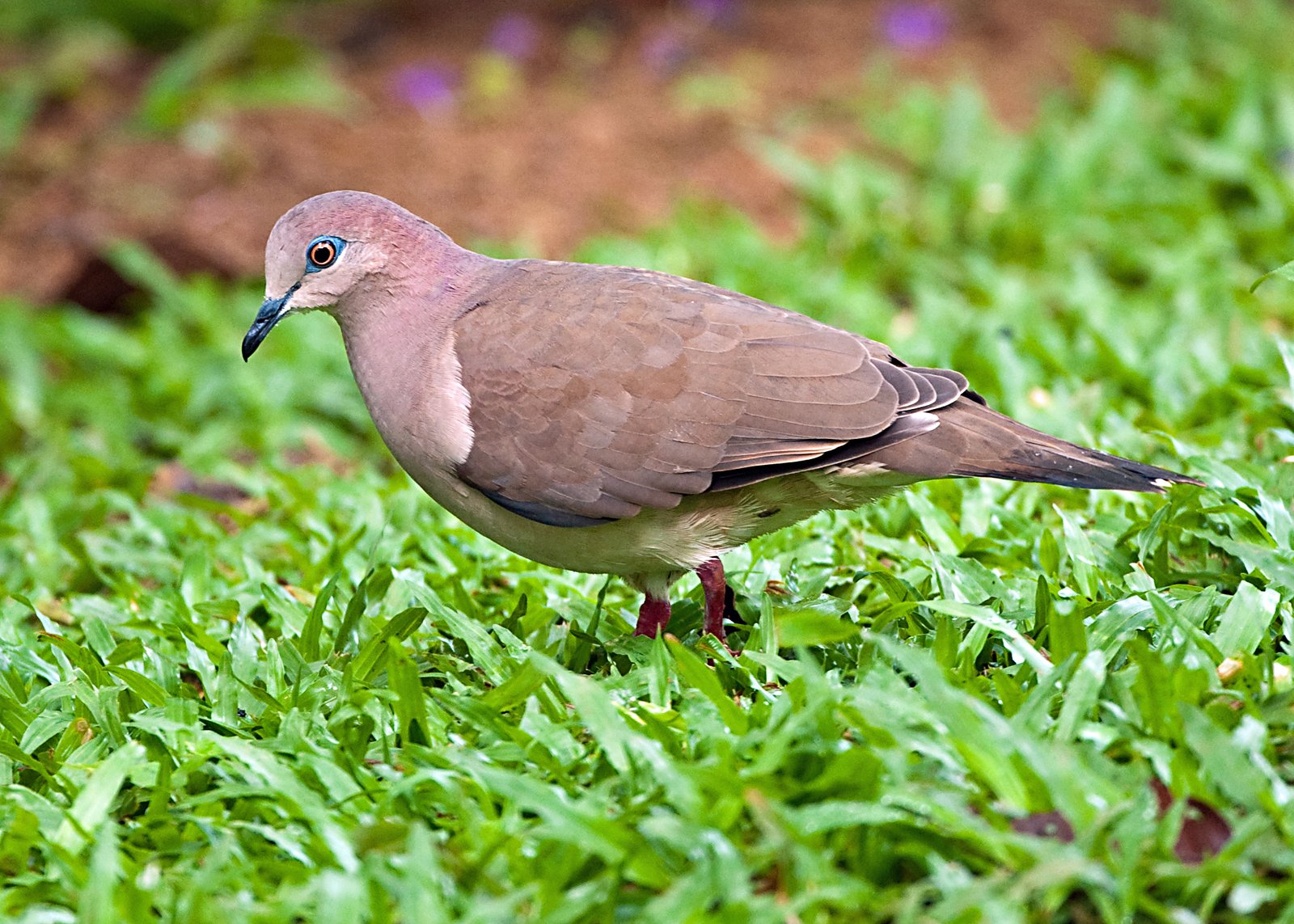
White-tipped Dove
Leptotila verreauxi- Tumbesian dry forest and thorn scrub
- Marañón and northern inter-Andean dry forest
- Secondary forest and forest edge
- Riparian woodland of the Andes and coastal valleys
- Central Andean dry valleys
 Coffee, cacao and agroforestry
- Chiquitano dry forest and Chaco
-
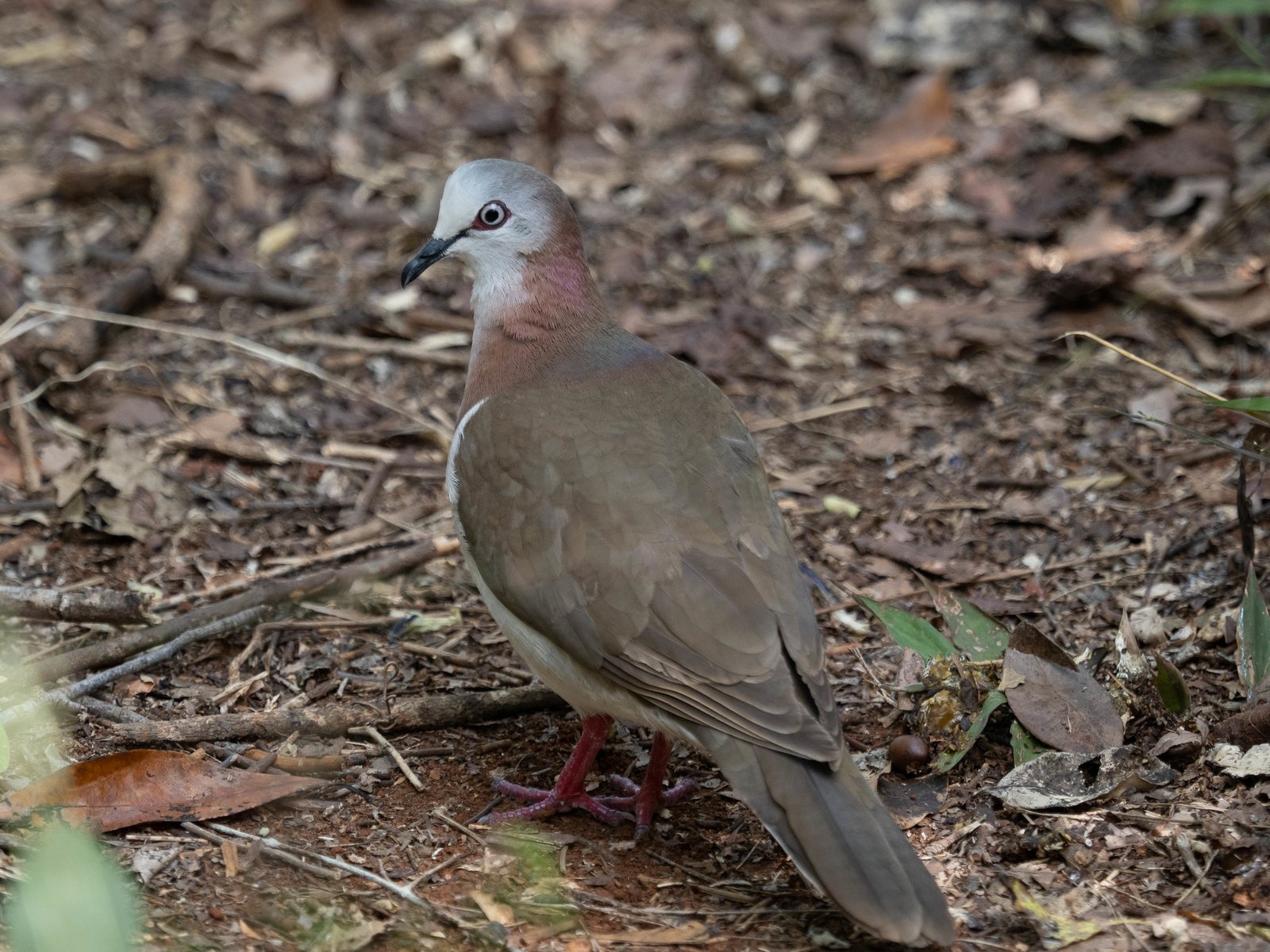
Caribbean Dove
Leptotila jamaicensis- Secondary forest and forest edge
- Towns, cities and parks
 Mangrove
- Pasture and ranchland
-
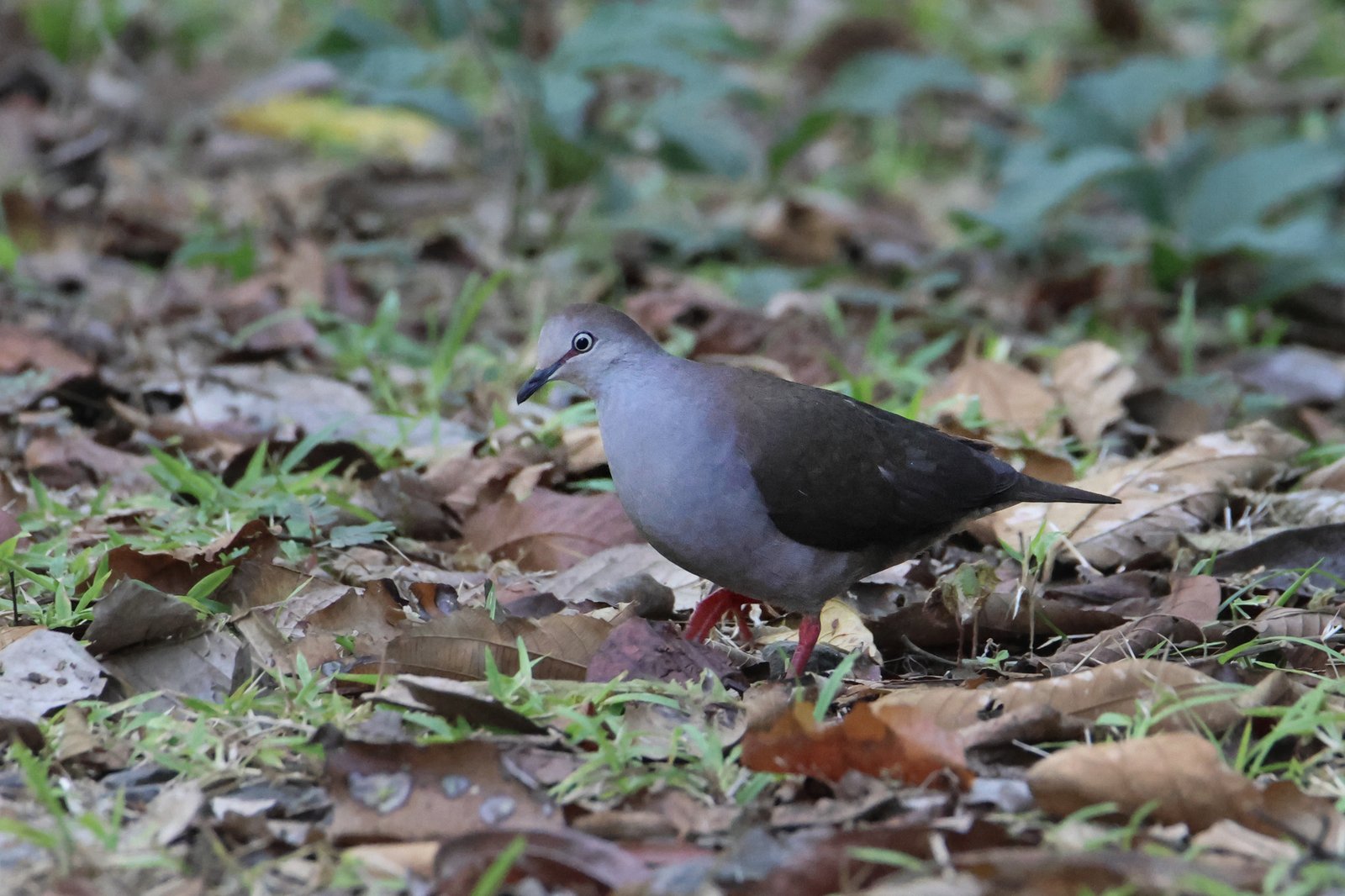
Grey-chested Dove
Leptotila cassinii- Chocó rainforest
- Secondary forest and forest edge
- Riparian woodland of the Andes and coastal valleys
- Coffee, cacao and agroforestry
-
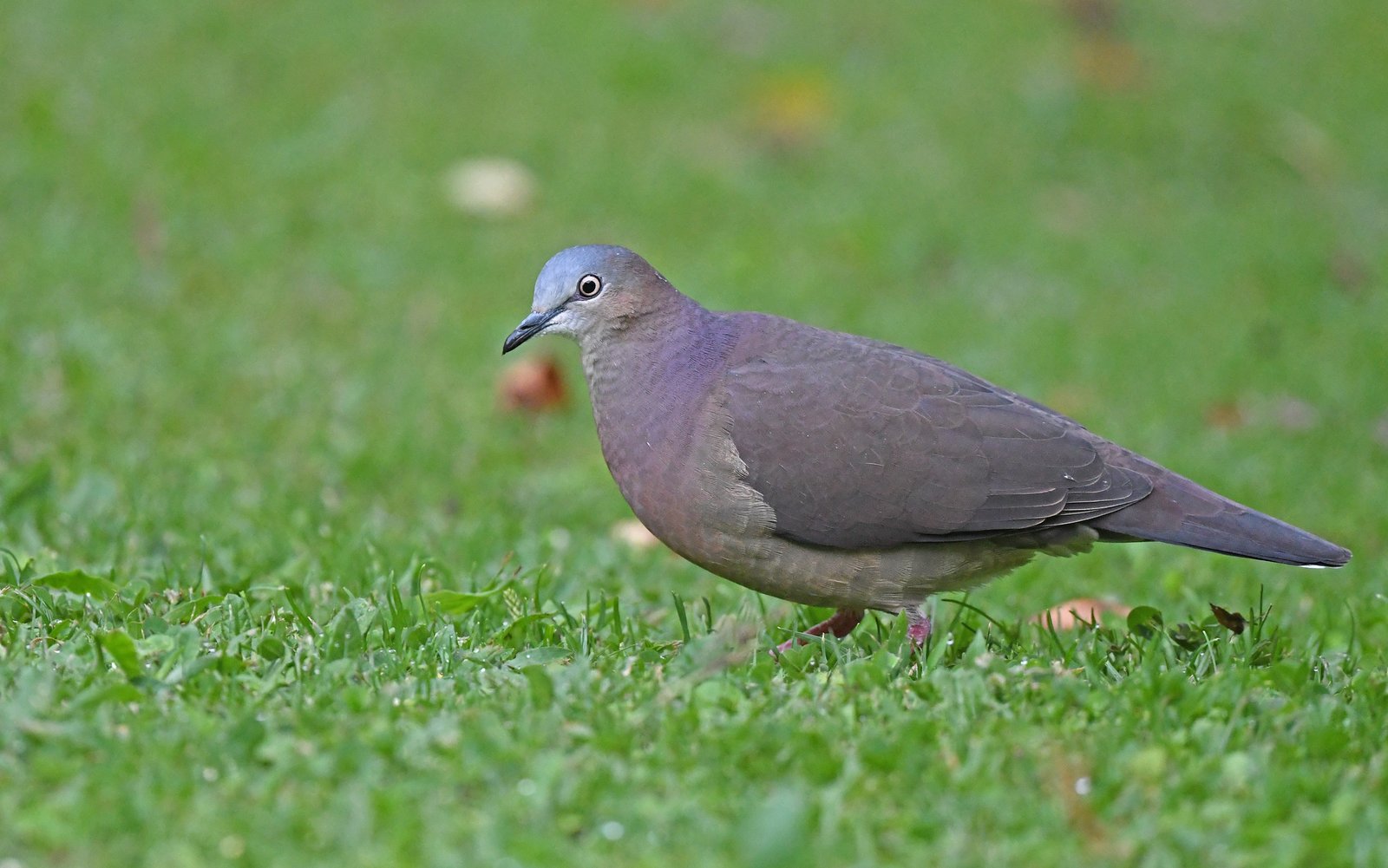
Tolima Dove
Leptotila conoveri- Northern Andean subtropical forest
- Secondary forest and forest edge
- Coffee, cacao and agroforestry
 Northern Andean cloud forest and temperate forest
-
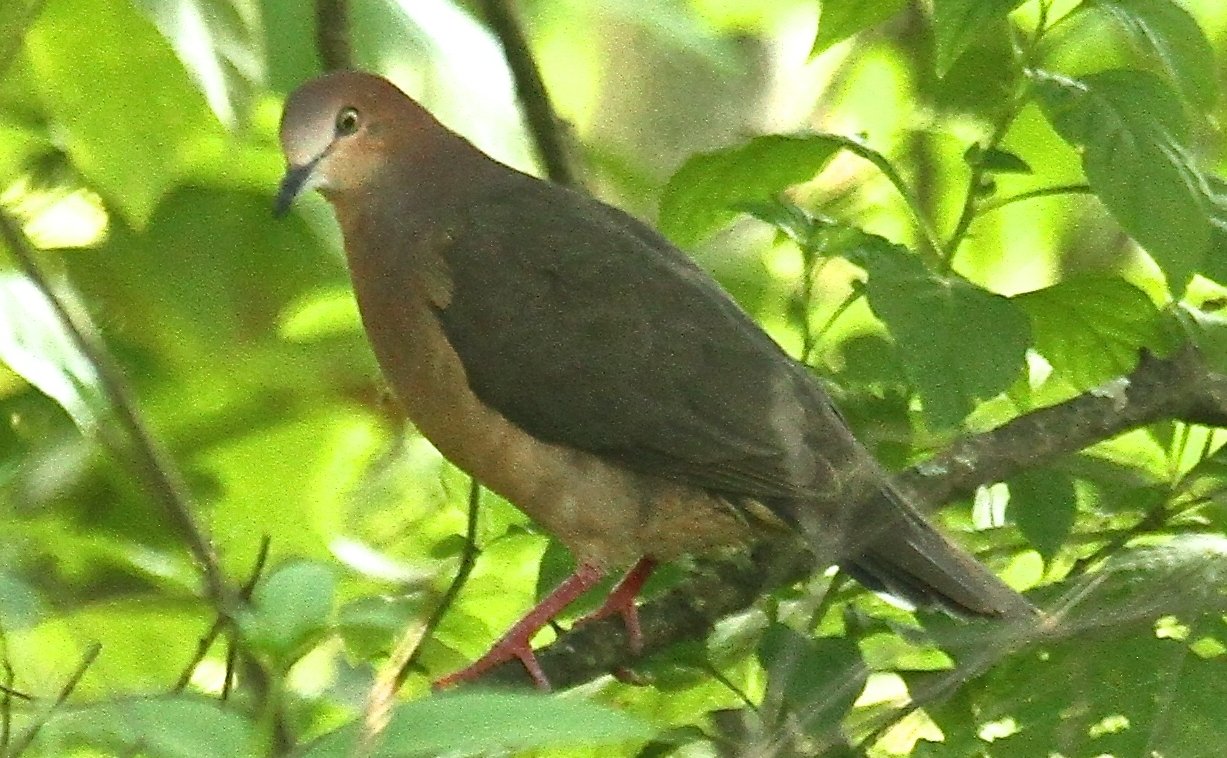
Ochre-bellied Dove
Leptotila ochraceiventris- Tumbesian dry forest and thorn scrub
- Western Ecuador humid forest
- Northern Andean subtropical forest
- Secondary forest and forest edge
-

Grey-headed Dove
Leptotila plumbeiceps- Secondary forest and forest edge
- Northern Andean subtropical forest
- Riparian woodland of the Andes and coastal valleys
- Coffee, cacao and agroforestry
- Towns, cities and parks
-

Grey-fronted Dove
Leptotila rufaxilla- Amazonian terra firme rainforest
 Várzea, igapó and river islands
- Secondary forest and forest edge
- Eastern Andean foothill forest
- Beni savanna and cerrado
-
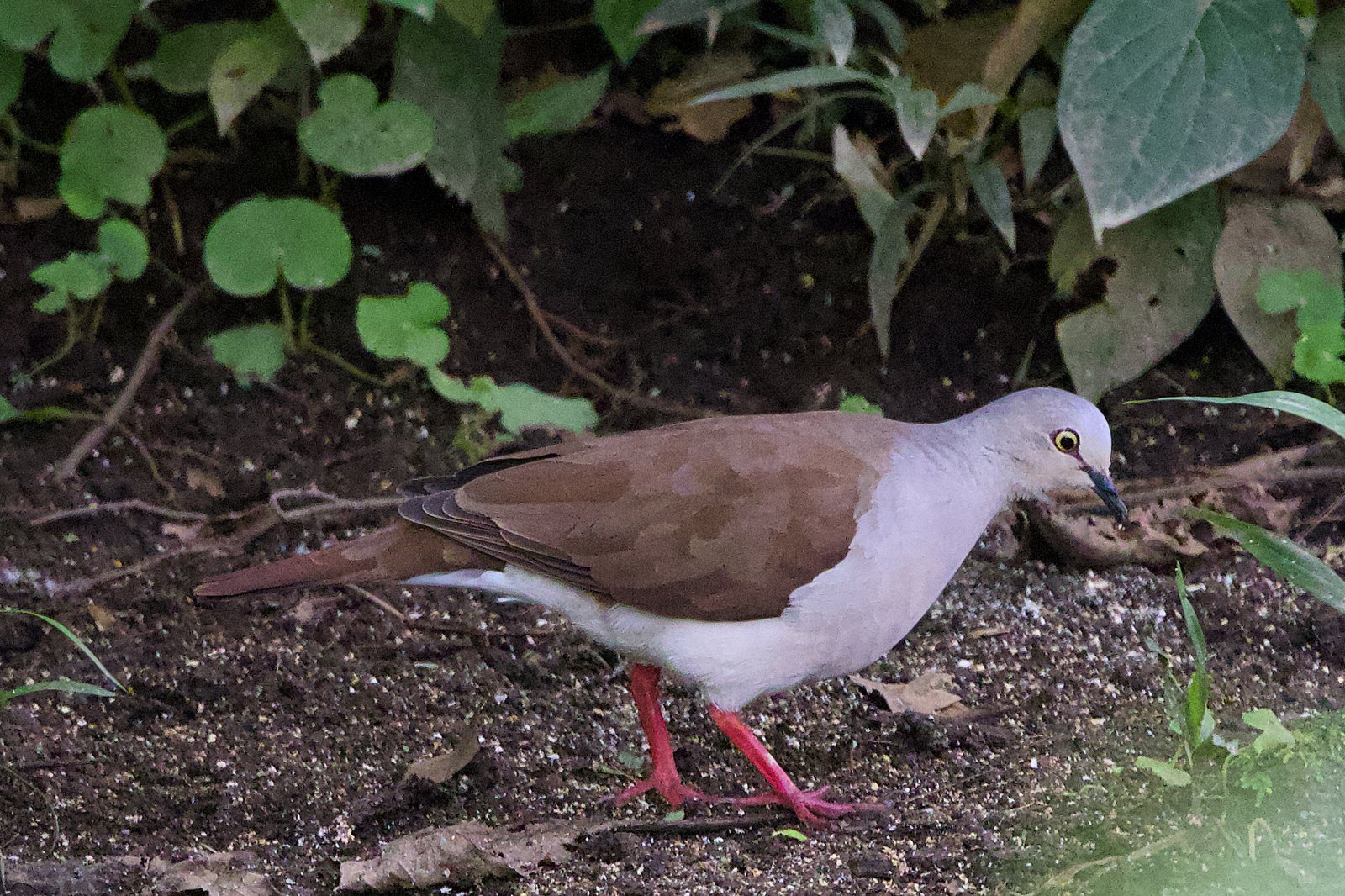
Pallid Dove
Leptotila pallida- Western Ecuador humid forest
- Chocó rainforest
- Tumbesian dry forest and thorn scrub
- Secondary forest and forest edge
-
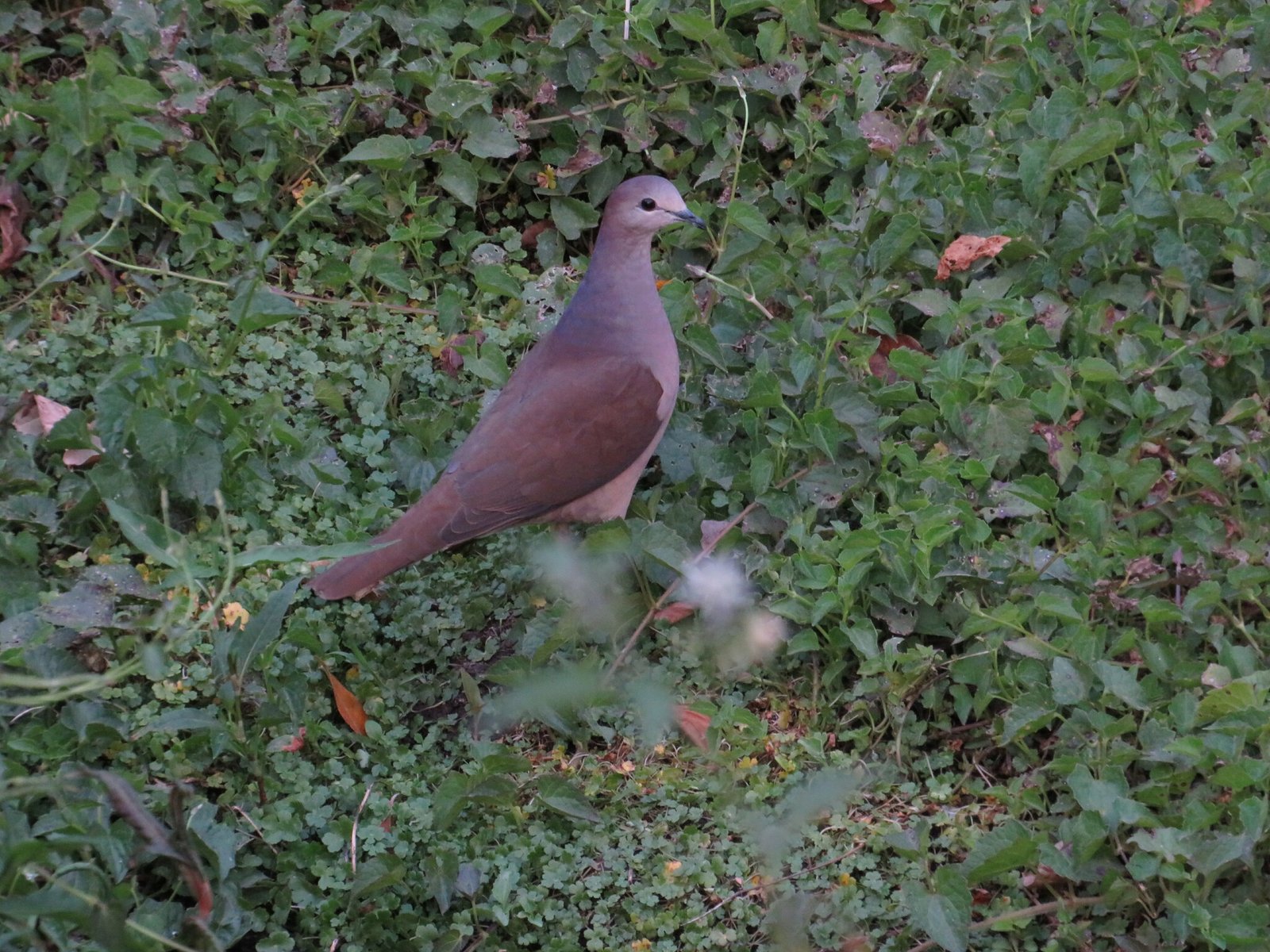
Yungas Dove
Leptotila megalura- Lower Yungas forest
 Upper Yungas cloud forest
- Riparian woodland of the Andes and coastal valleys
- Secondary forest and forest edge
Zenaida 4 species
-
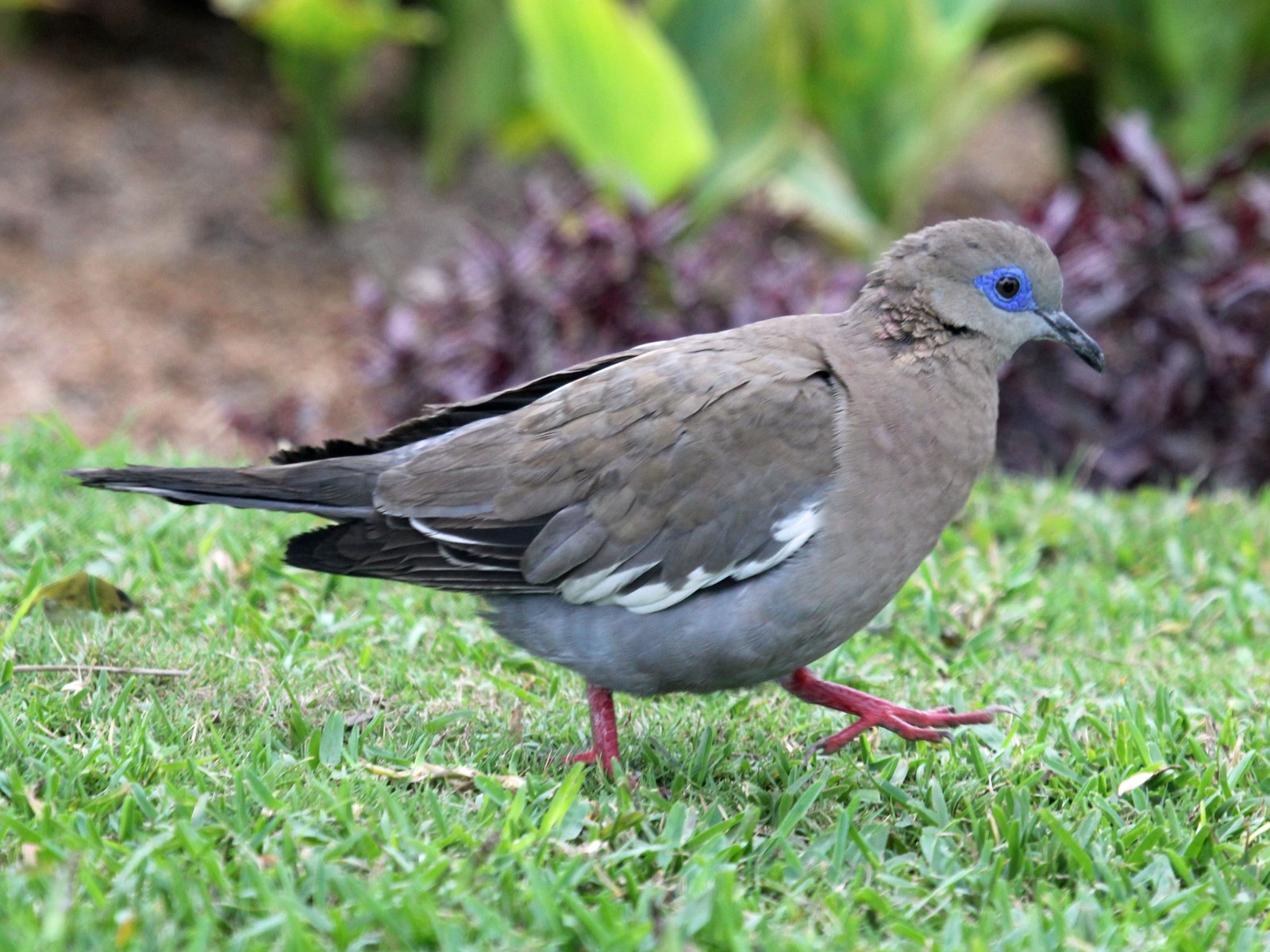
West Peruvian Dove
Zenaida meloda- Coastal desert
- Irrigated farmland and rice fields
- Towns, cities and parks
- Tumbesian dry forest and thorn scrub
- Riparian woodland of the Andes and coastal valleys
- Central Andean dry valleys
-
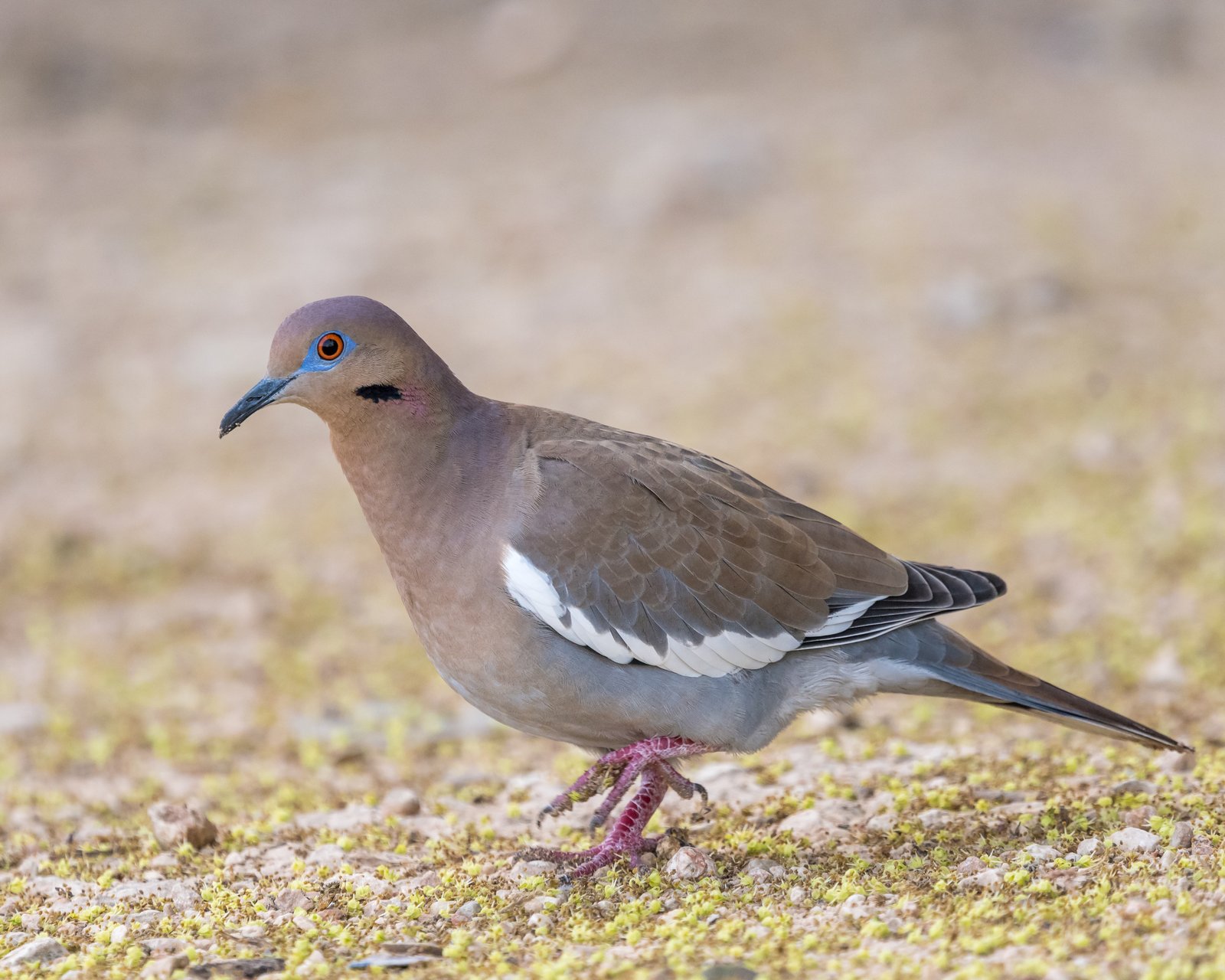
White-winged Dove
Zenaida asiatica- Towns, cities and parks
- Mangrove
- Secondary forest and forest edge
- Pasture and ranchland
-
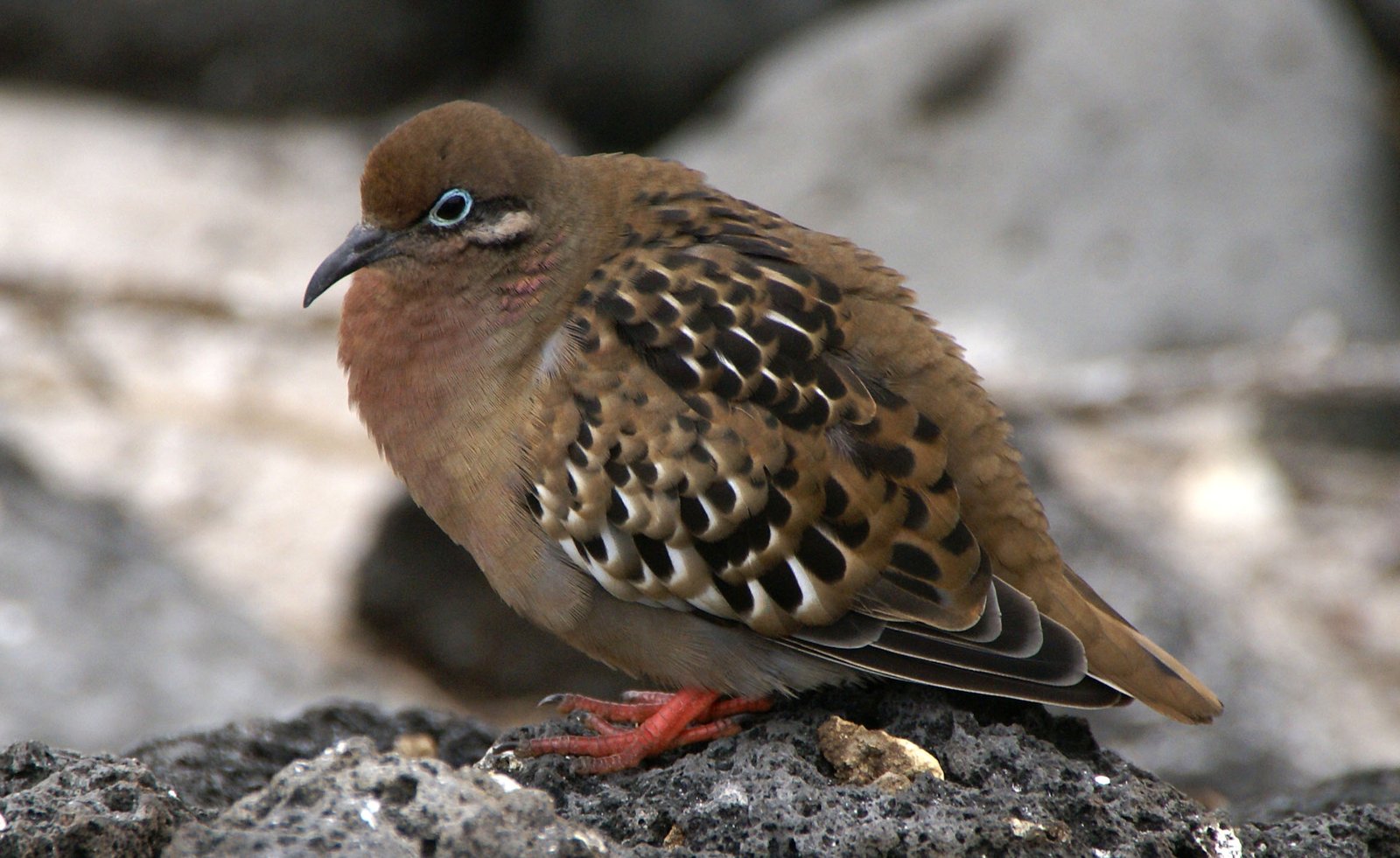
Galapagos Dove
Zenaida galapagoensis Galápagos arid zone
 Galápagos coast and lava fields
 Scalesia forest
-
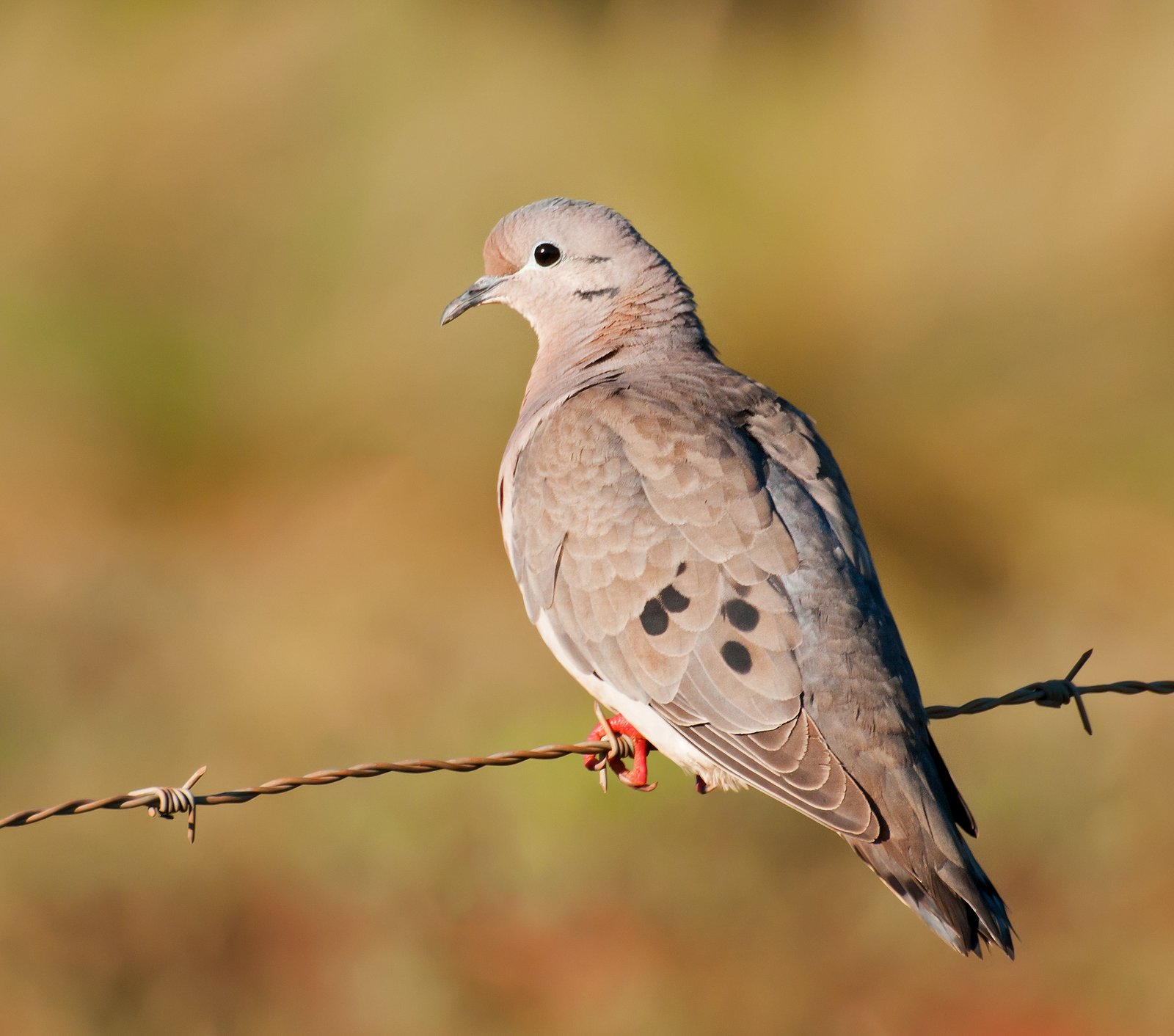
Eared Dove
Zenaida auriculata- Andean fields and terraces
- Towns, cities and parks
- Central Andean dry valleys
- Marañón and northern inter-Andean dry forest
- Coastal desert
- Irrigated farmland and rice fields
- Riparian woodland of the Andes and coastal valleys
Zentrygon 2 species
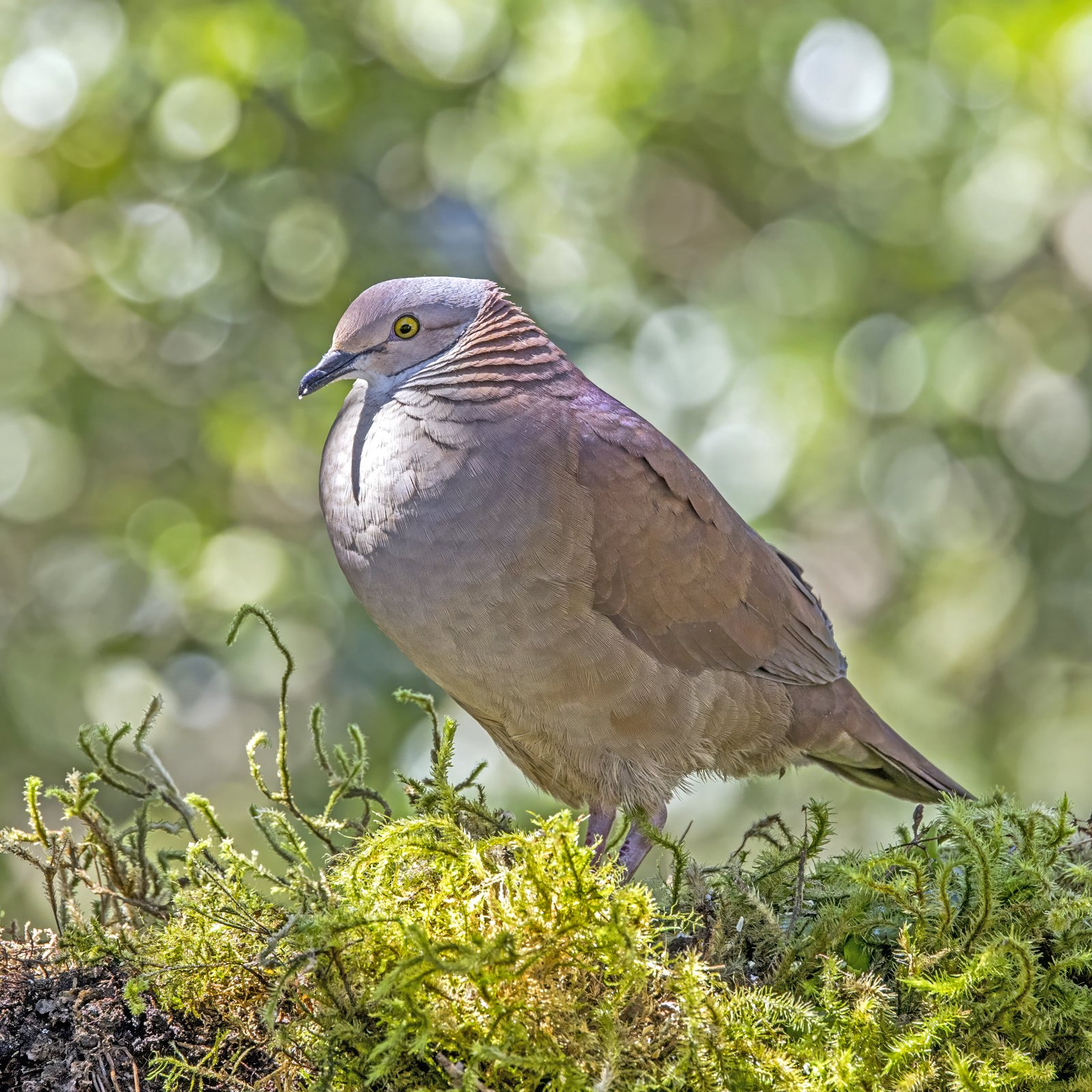
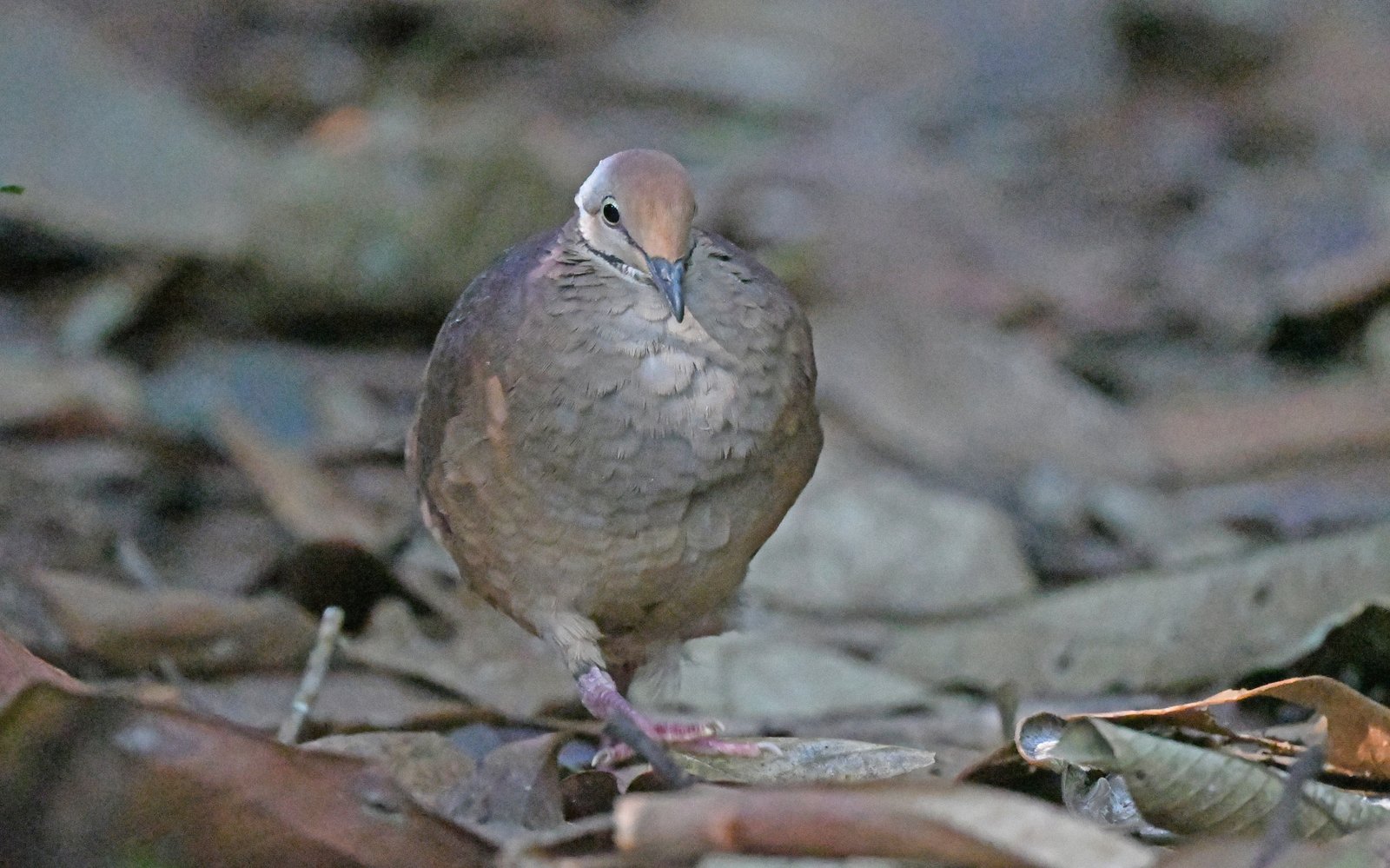
Patagioenas 12 species
-
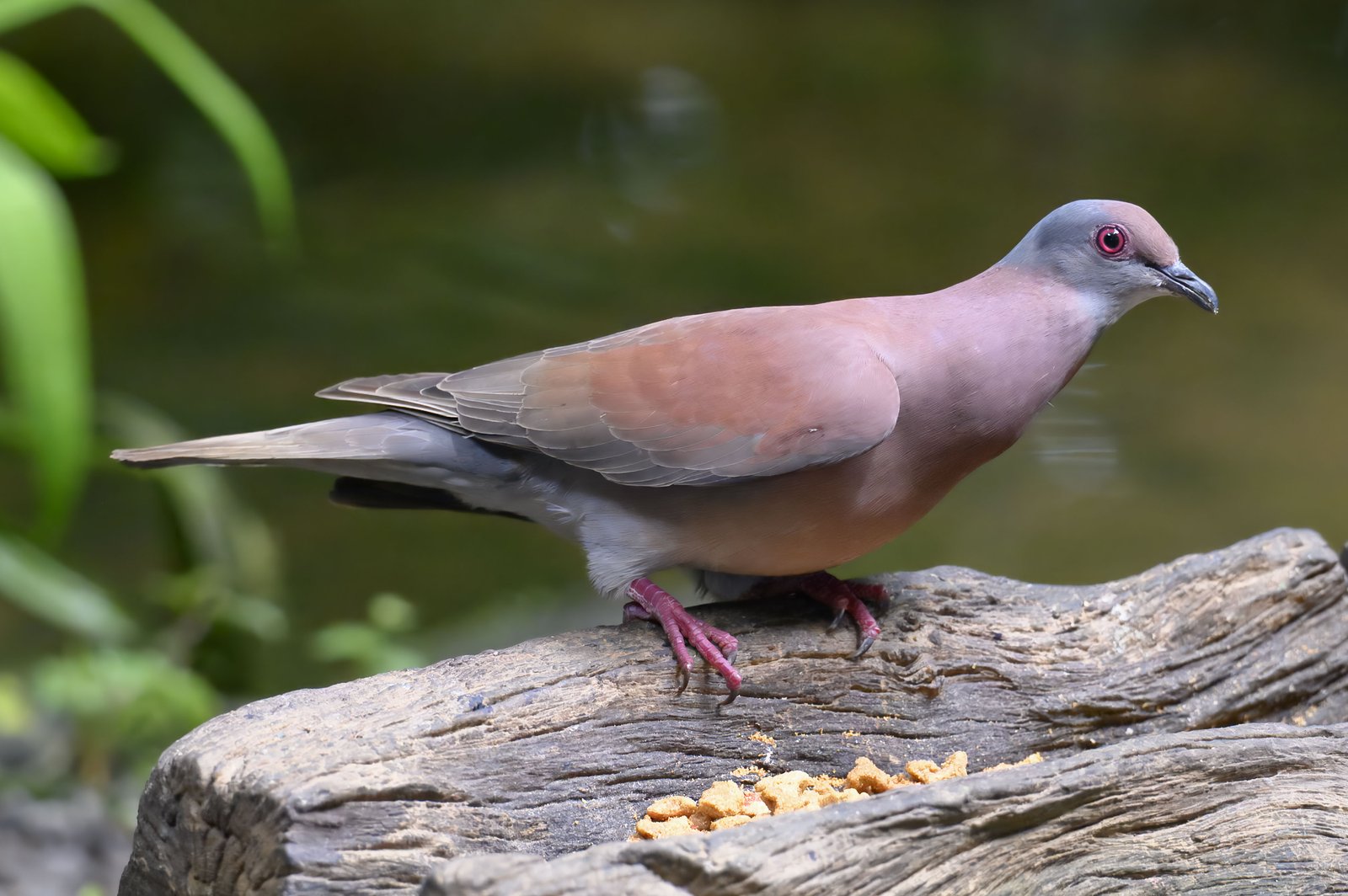
Pale-vented Pigeon
Patagioenas cayennensis- Secondary forest and forest edge
- Várzea, igapó and river islands
 Lowland rivers and sandbars
- Llanos savanna
- Mangrove
-
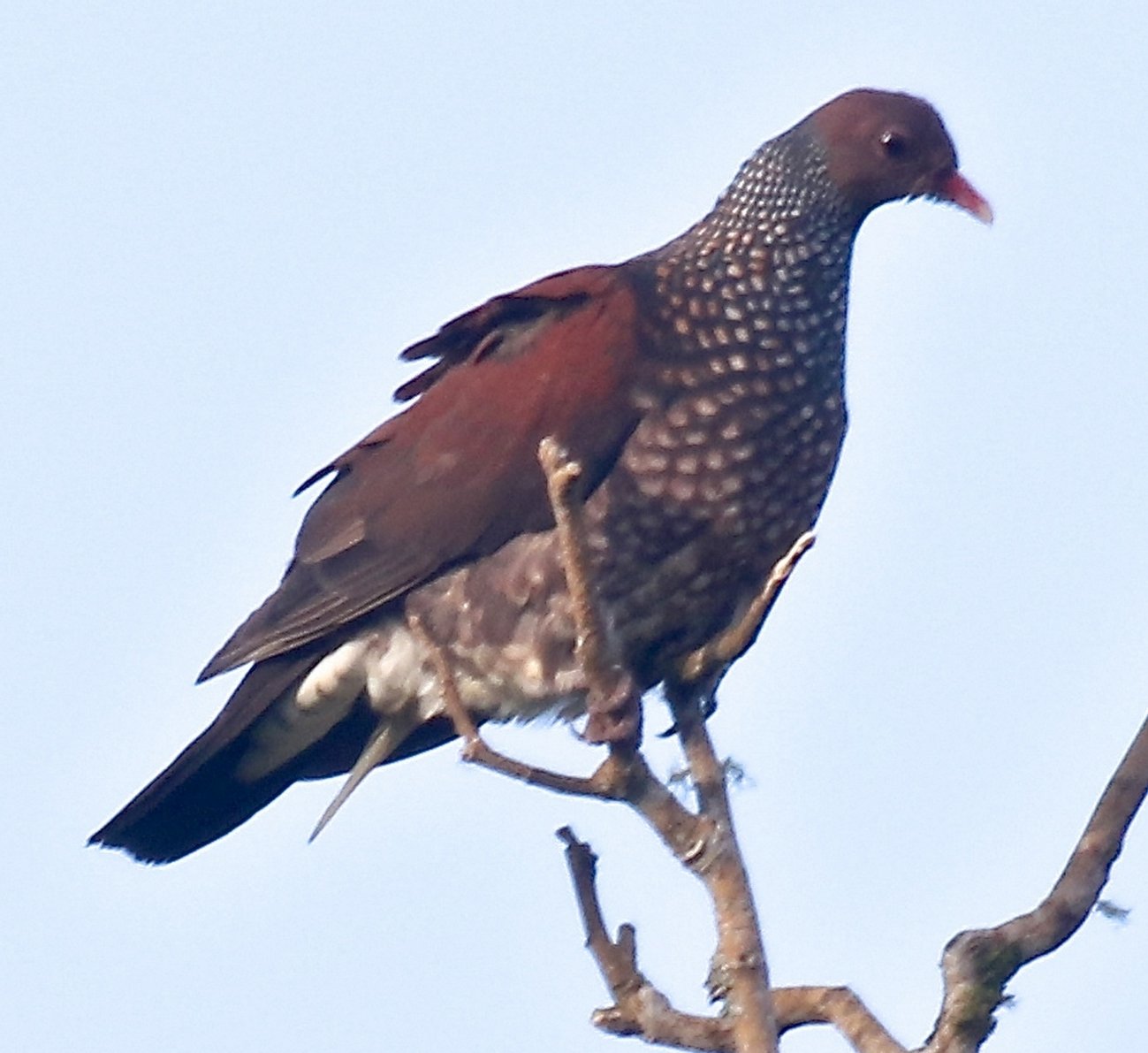
Scaled Pigeon
Patagioenas speciosa- Amazonian terra firme rainforest
- Secondary forest and forest edge
- Western Ecuador humid forest
- Eastern Andean foothill forest
- Várzea, igapó and river islands
-
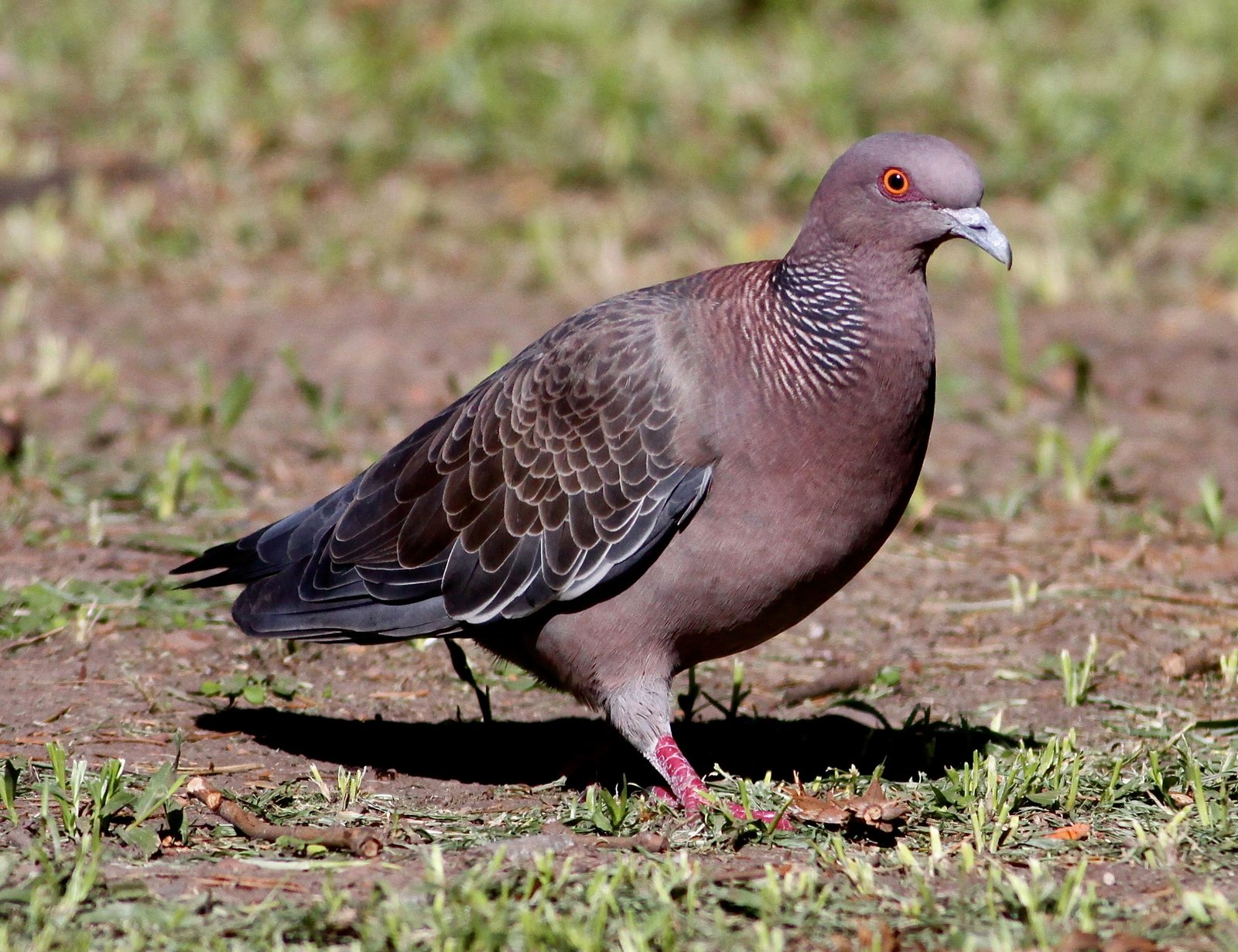
Picazuro Pigeon
Patagioenas picazuro- Chiquitano dry forest and Chaco
- Central Andean dry valleys
- Beni savanna and cerrado
- Andean fields and terraces
- Pasture and ranchland
- Towns, cities and parks
-
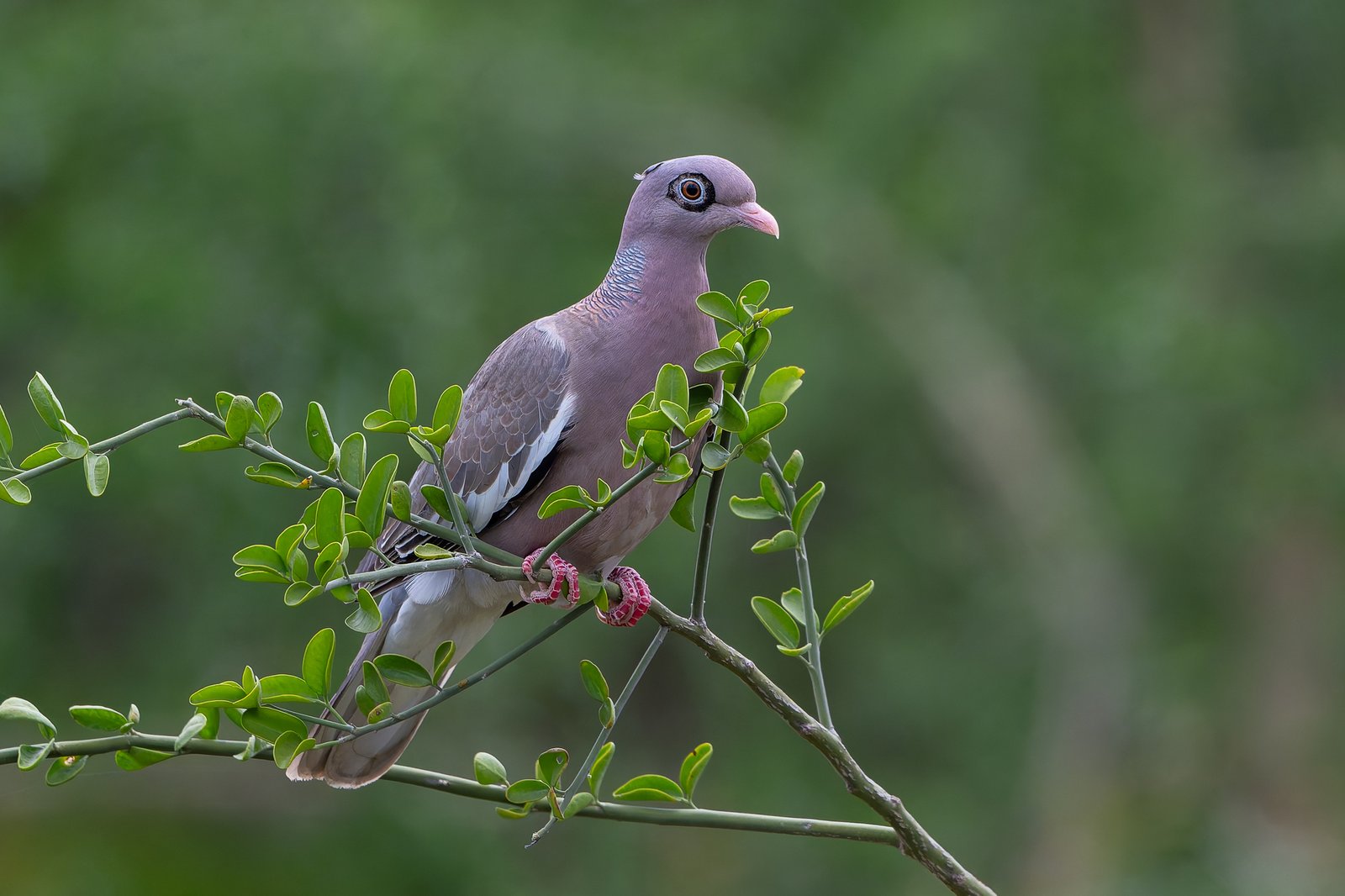
Bare-eyed Pigeon
Patagioenas corensis- Secondary forest and forest edge
- Mangrove
- Pasture and ranchland
- Towns, cities and parks
- Riparian woodland of the Andes and coastal valleys
-
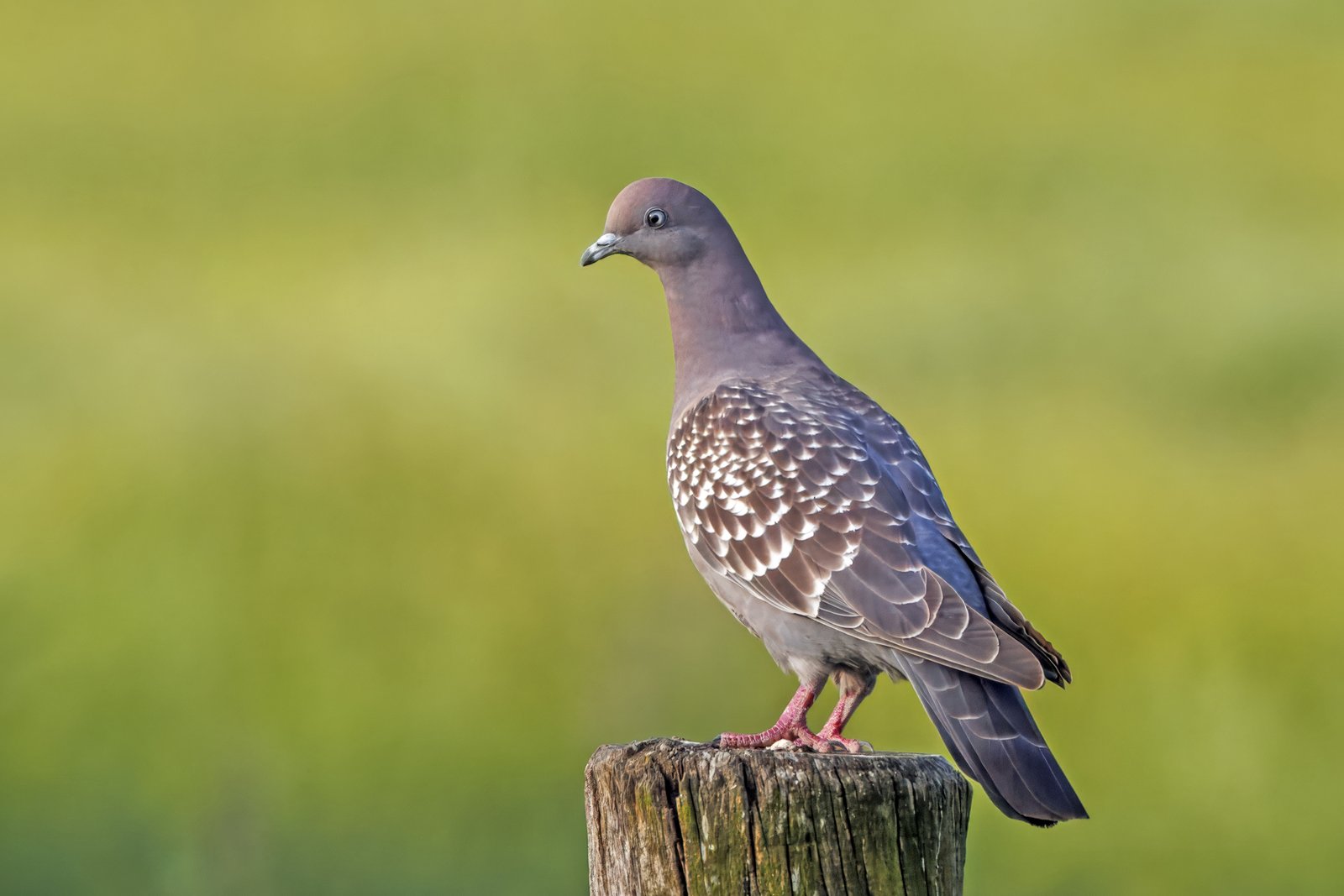
Spot-winged Pigeon
Patagioenas maculosa- Andean fields and terraces
- Central Andean dry valleys
- Polylepis woodland
- Dry puna and altiplano
- Towns, cities and parks
- Chiquitano dry forest and Chaco
-
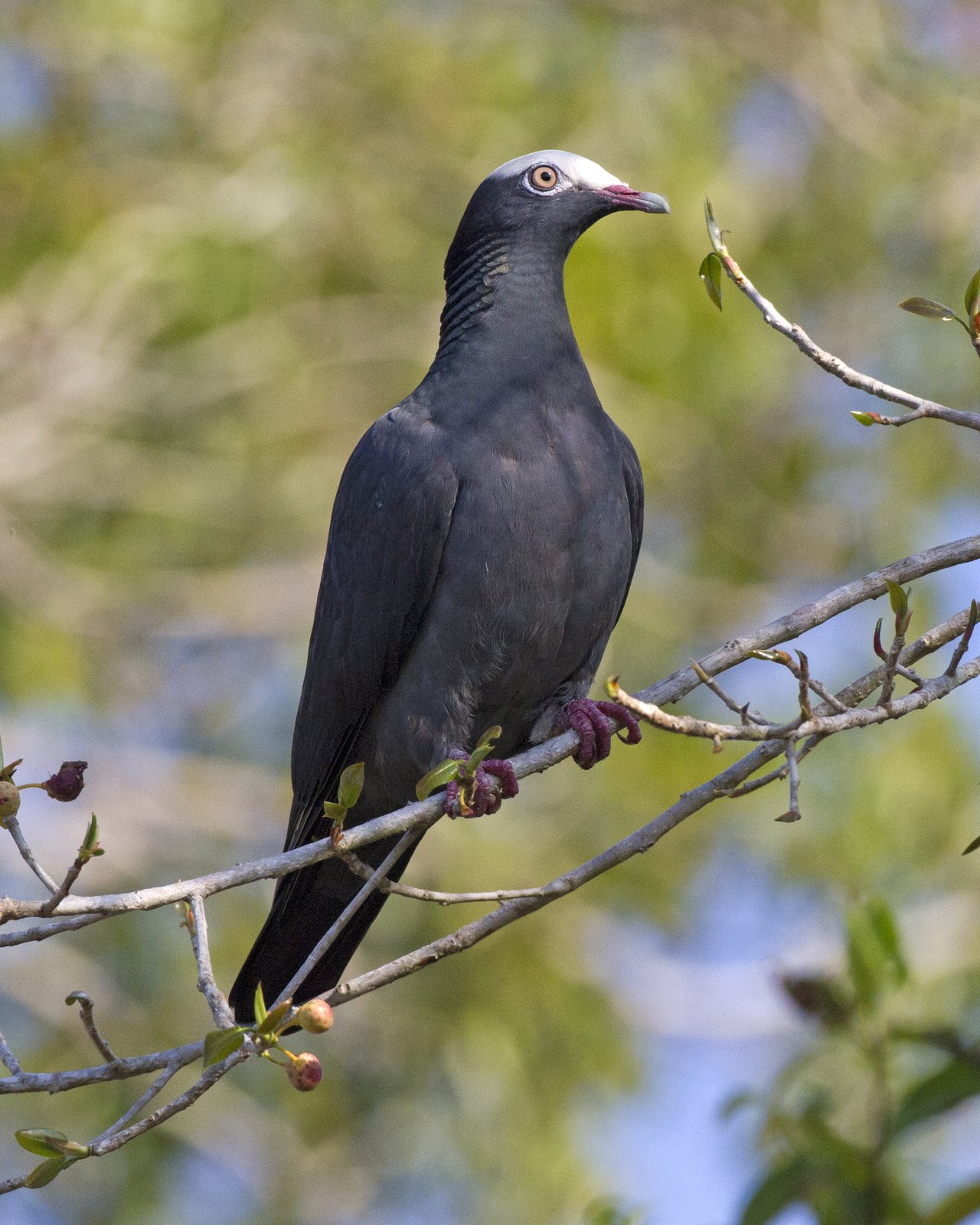
White-crowned Pigeon
Patagioenas leucocephala- Mangrove
- Secondary forest and forest edge
- Towns, cities and parks
-
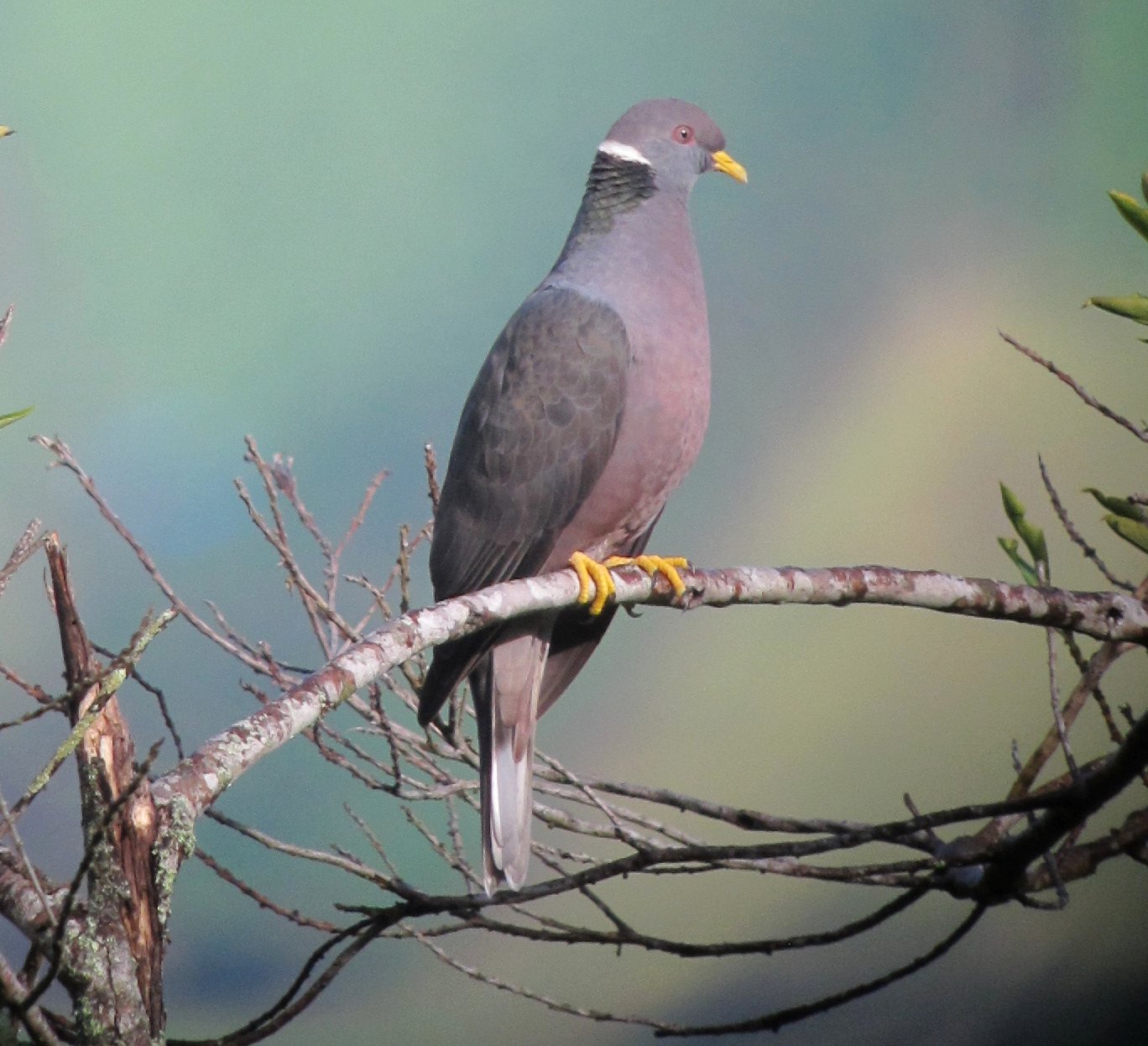
Band-tailed Pigeon
Patagioenas fasciata- Northern Andean cloud forest and temperate forest
- Northern Andean subtropical forest
- Upper Yungas cloud forest
- Lower Yungas forest
- Secondary forest and forest edge
-
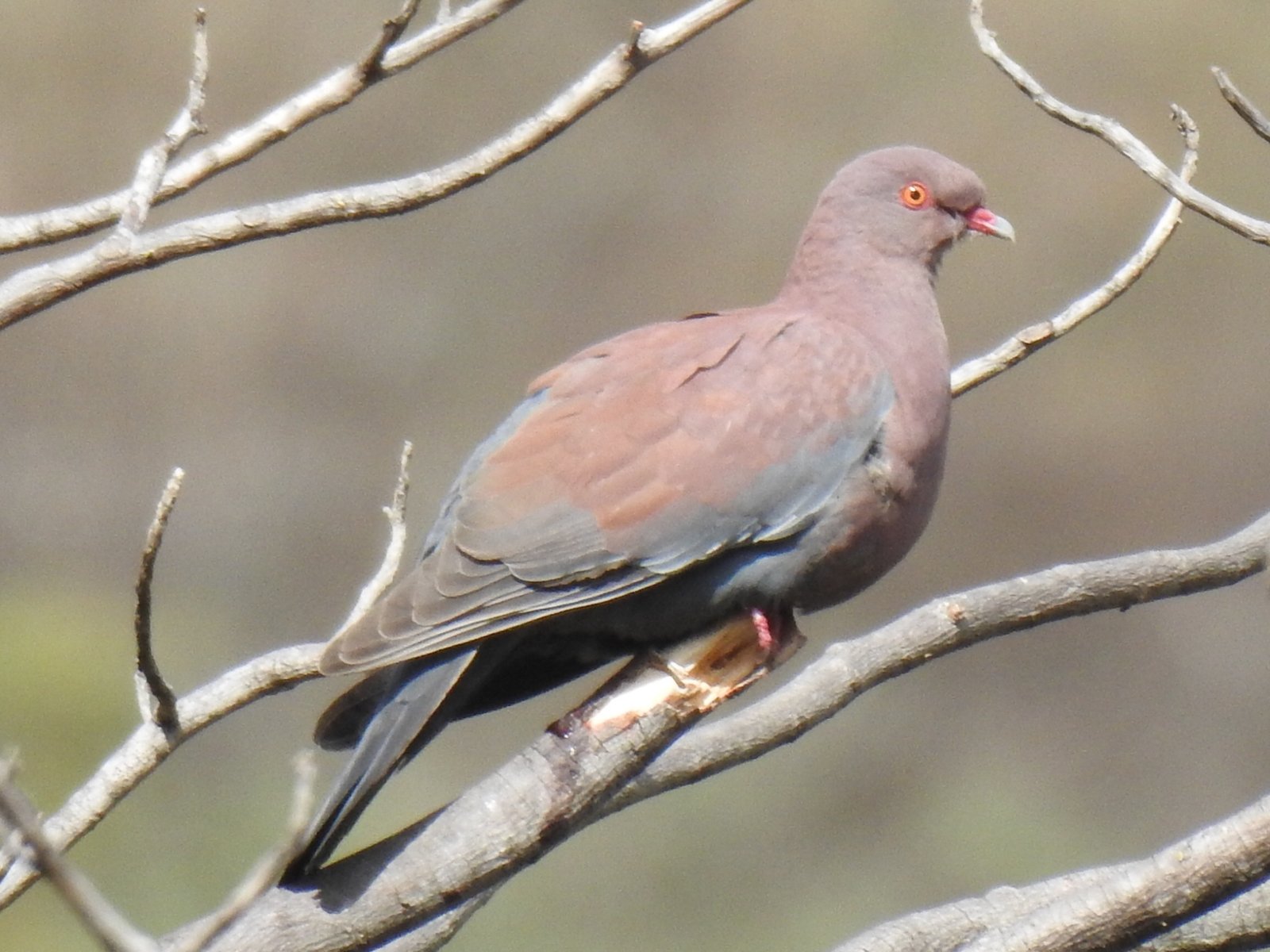
Maranon Pigeon
Patagioenas oenops- Marañón and northern inter-Andean dry forest
- Riparian woodland of the Andes and coastal valleys
- Secondary forest and forest edge
- Coffee, cacao and agroforestry
-
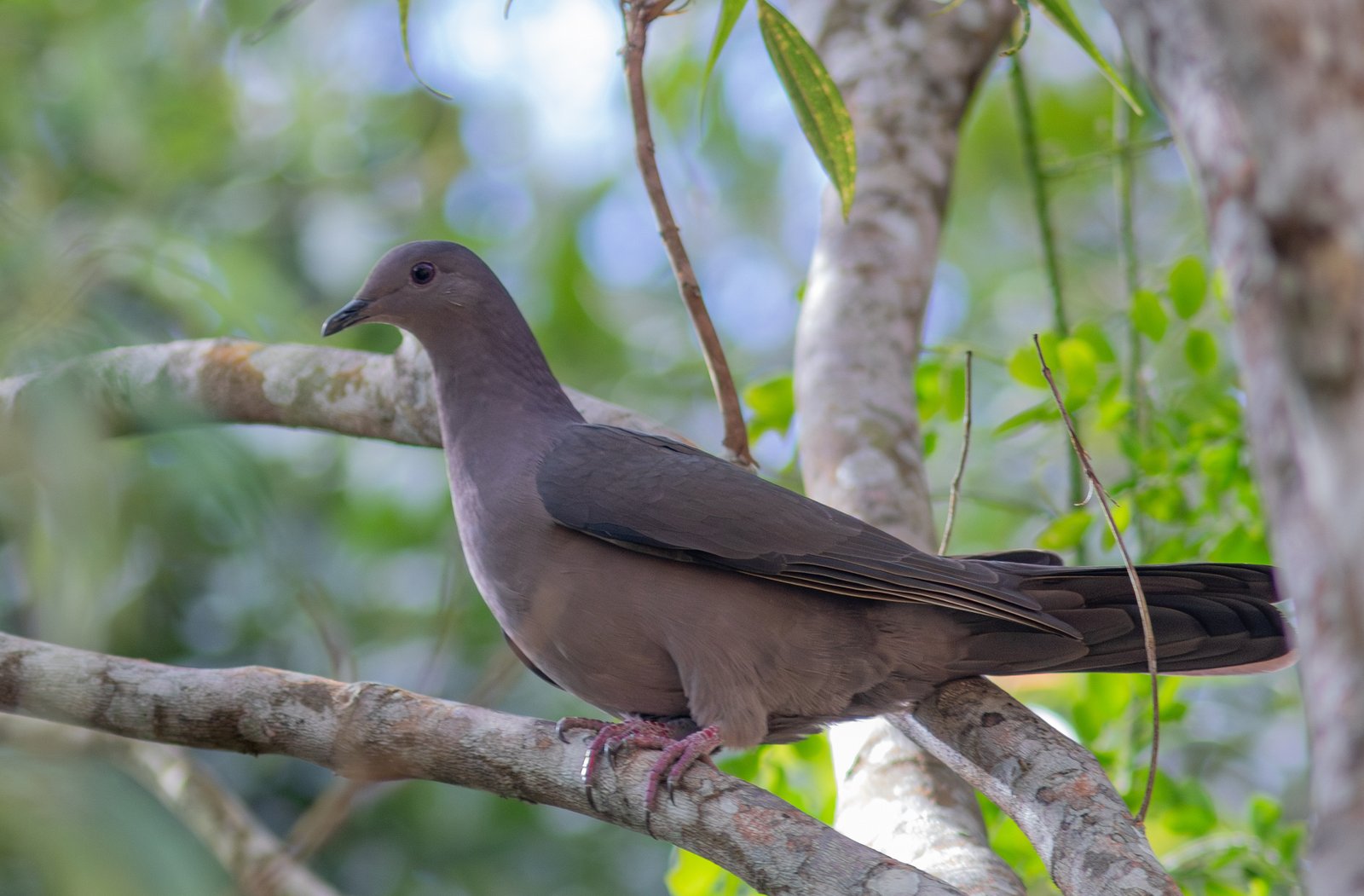
Plumbeous Pigeon
Patagioenas plumbea- Amazonian terra firme rainforest
- Chocó rainforest
- Eastern Andean foothill forest
- Secondary forest and forest edge
- Várzea, igapó and river islands
-
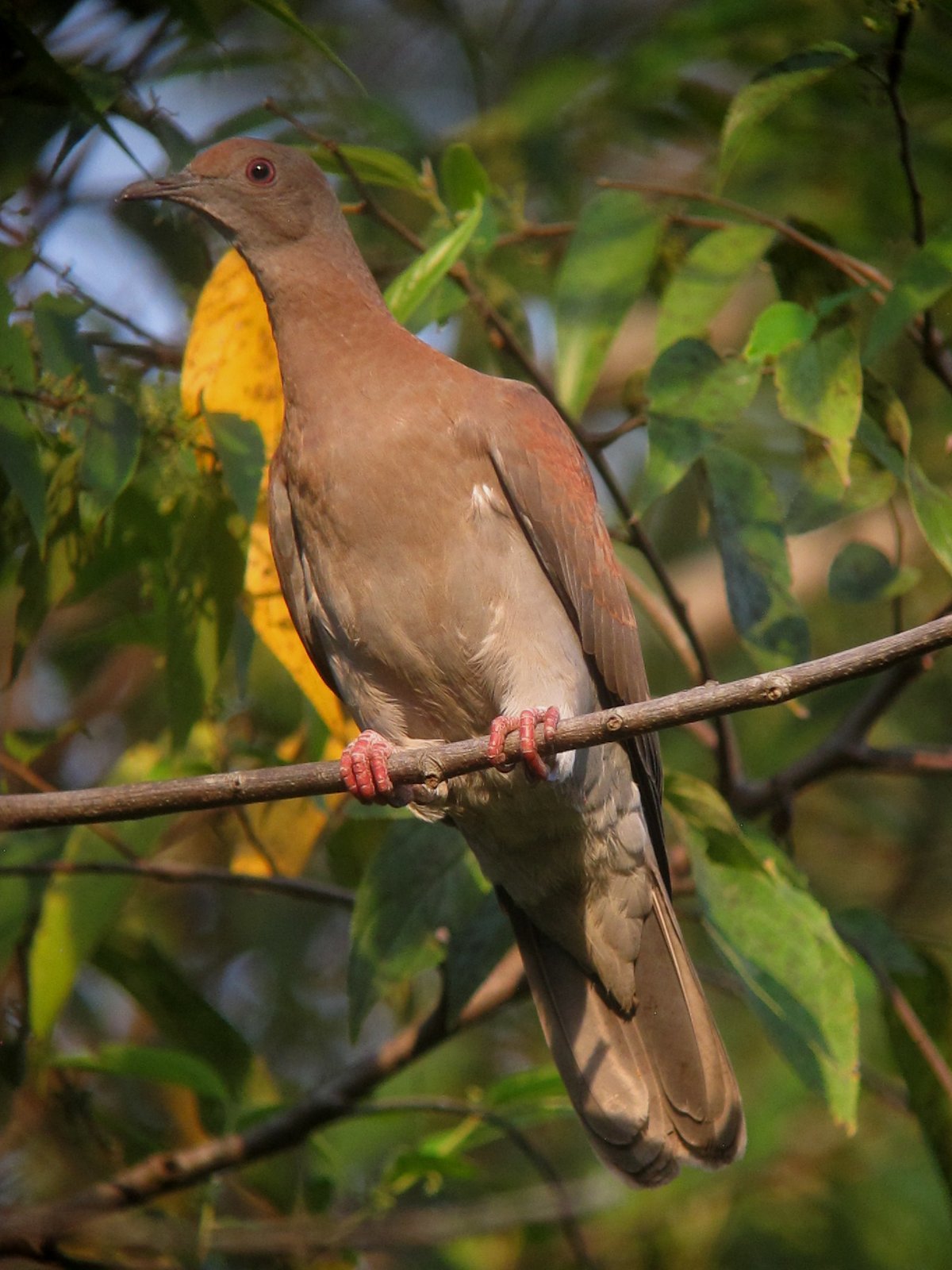
Ruddy Pigeon
Patagioenas subvinacea- Amazonian terra firme rainforest
- Eastern Andean foothill forest
- Northern Andean subtropical forest
- Chocó rainforest
- Secondary forest and forest edge
-
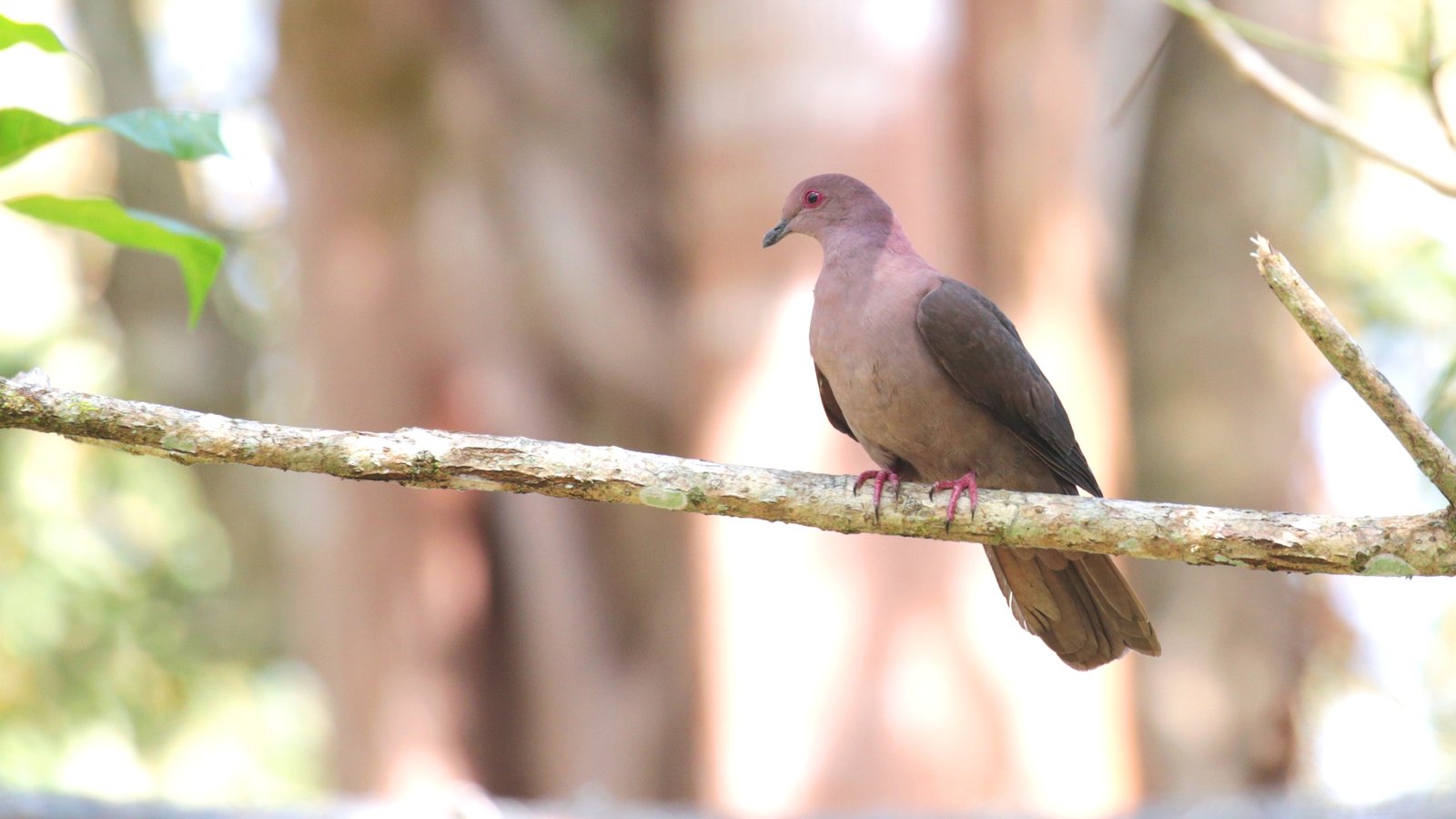
Short-billed Pigeon
Patagioenas nigrirostris- Chocó rainforest
- Secondary forest and forest edge
- Northern Andean subtropical forest
- Coffee, cacao and agroforestry
-

Dusky Pigeon
Patagioenas goodsoni- Chocó rainforest
- Western Ecuador humid forest
- Secondary forest and forest edge
- Northern Andean subtropical forest
Introduced species 3 species
Species that do not occur here by nature but were brought in or escaped and have held on since. They follow the sequence of the list, not the genera.
-
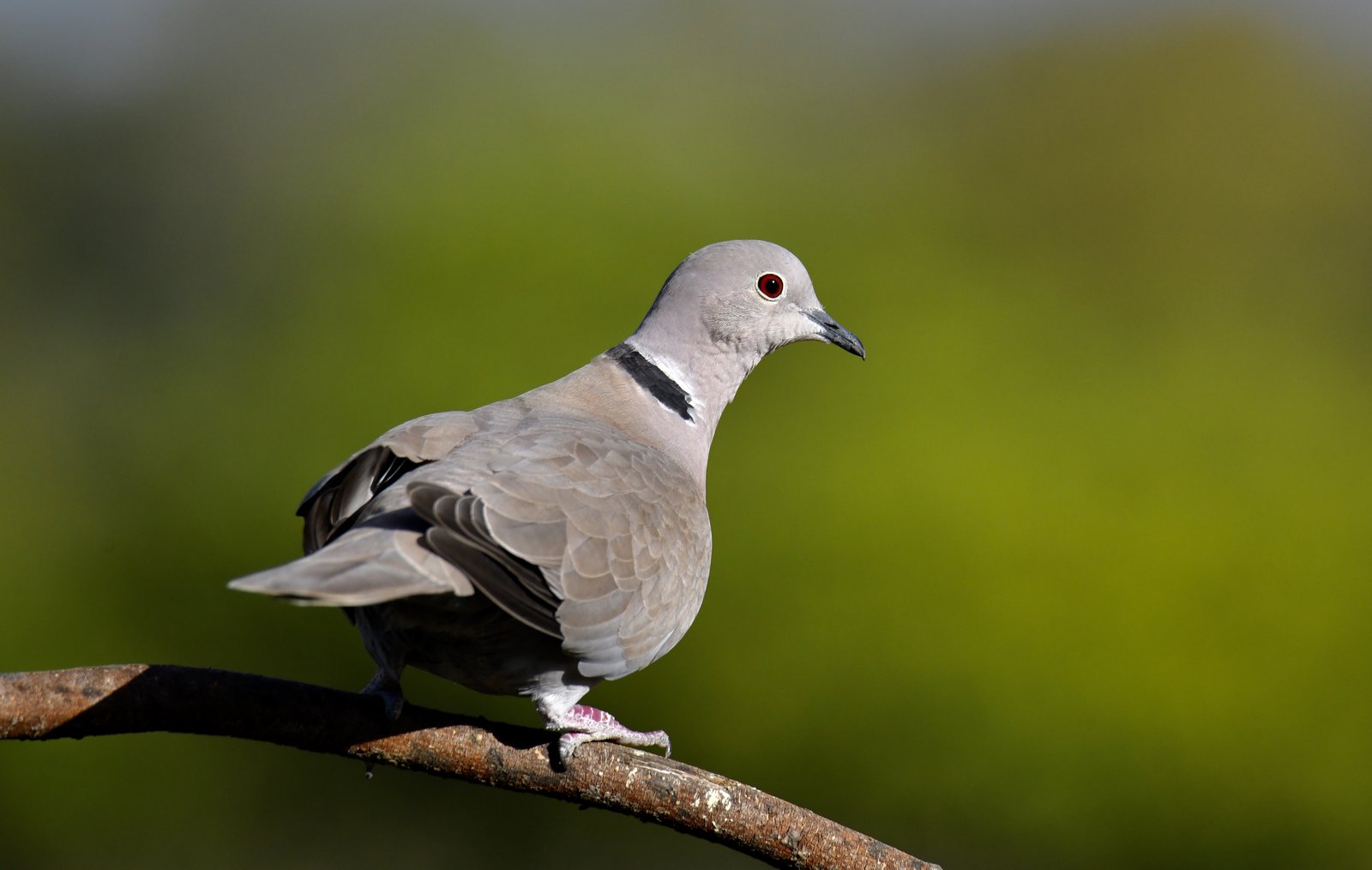
Eurasian Collared-Dove
Streptopelia decaocto- Towns, cities and parks
- Pasture and ranchland
- Andean fields and terraces
-
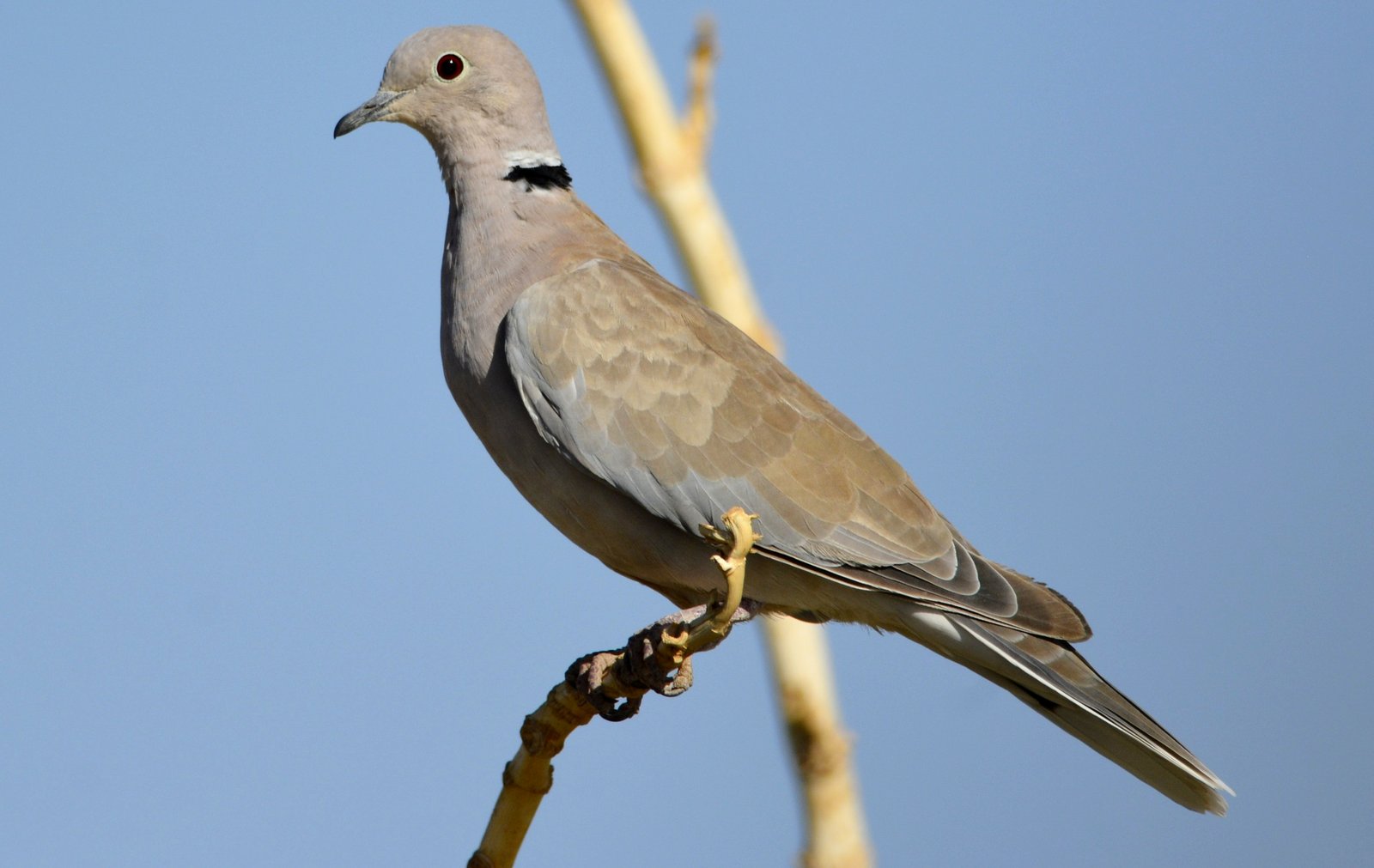
African Collared Dove
Streptopelia roseogrisea- Towns, cities and parks
- Andean fields and terraces
-
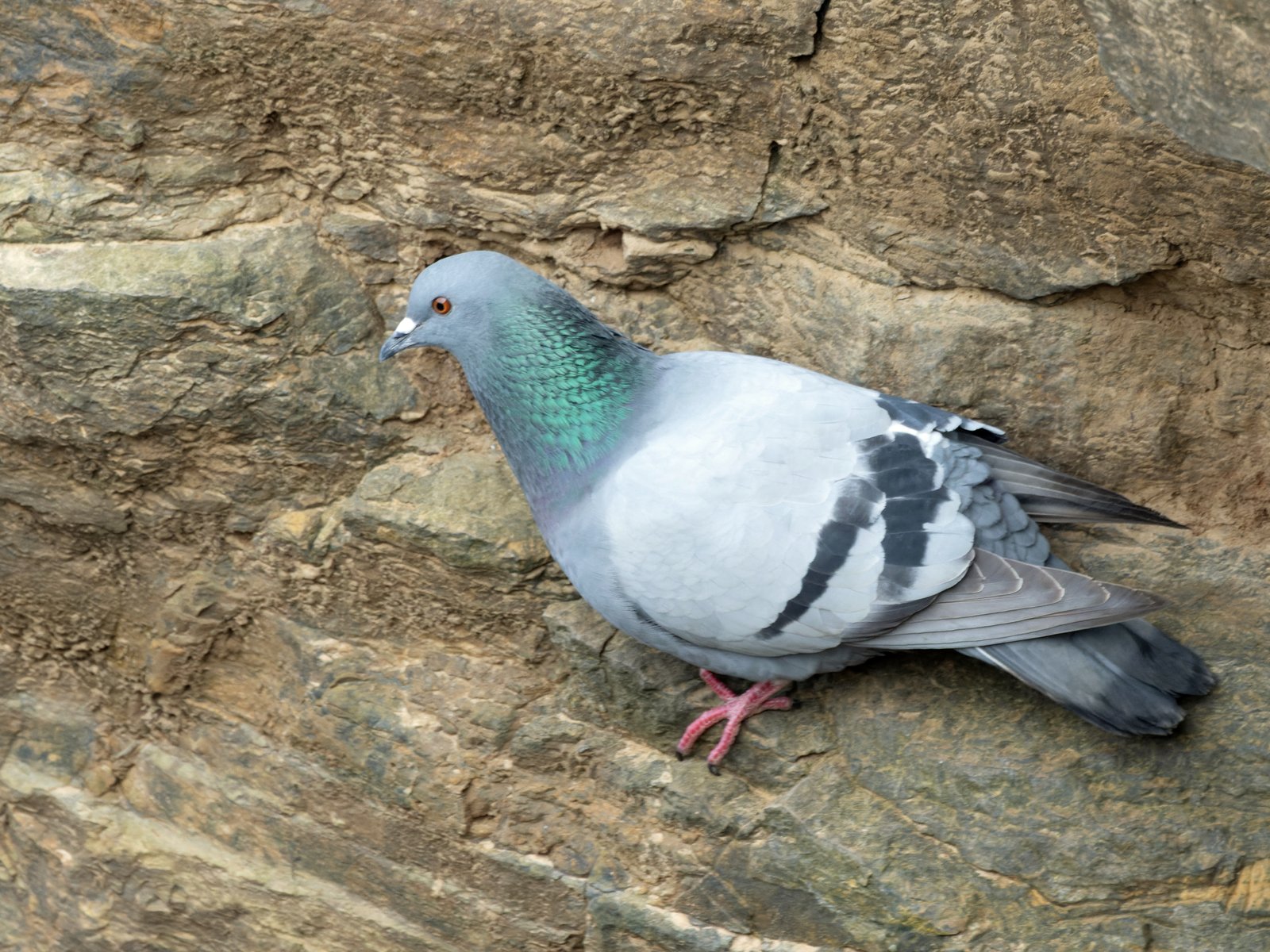
Rock Pigeon
Columba livia- Towns, cities and parks
 Harbors, dumps and fish ponds
- Andean fields and terraces
- Irrigated farmland and rice fields
Vagrants 2 species
Birds blown in from other continents. They have no range here, and so no distribution map.