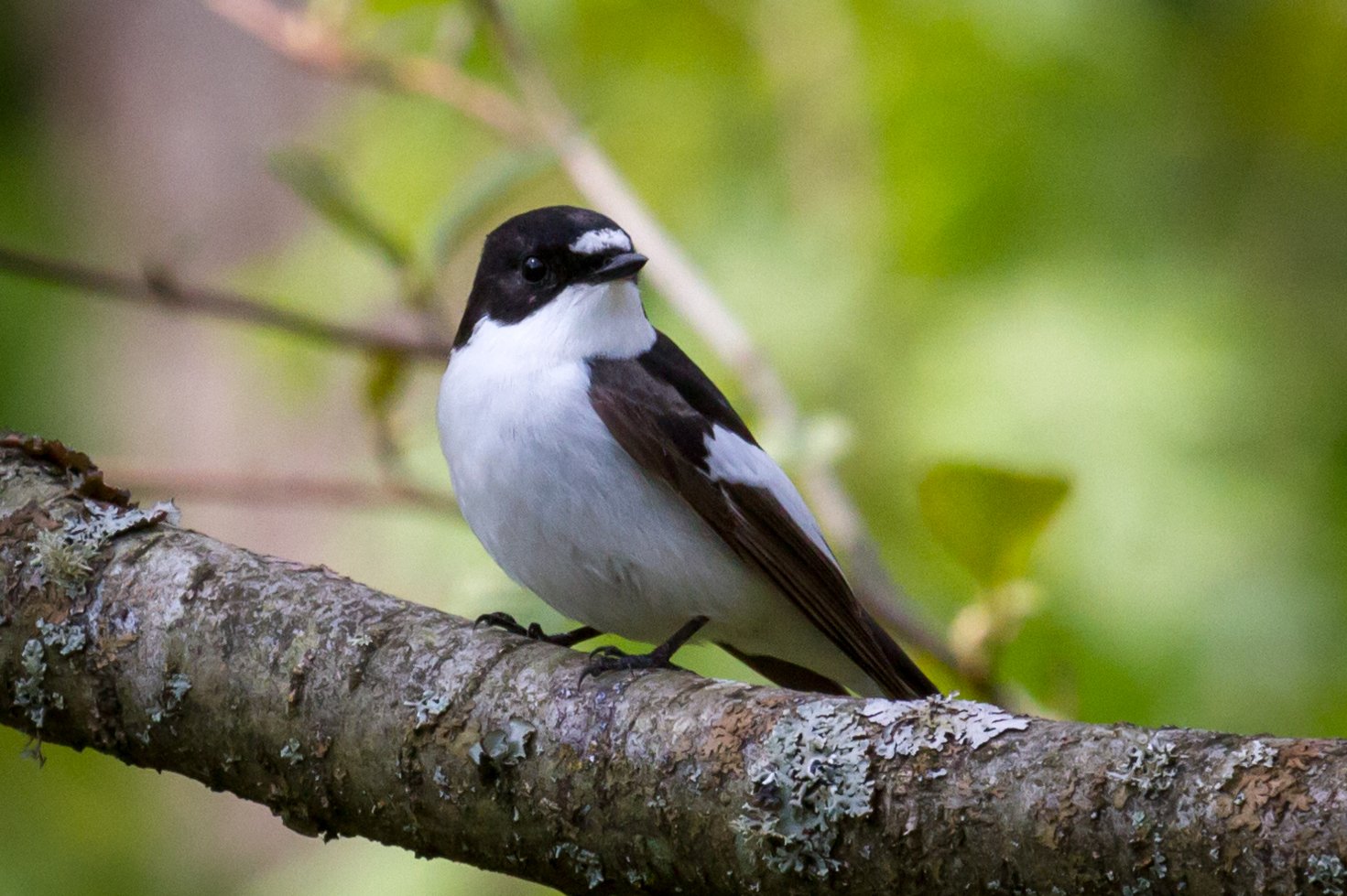
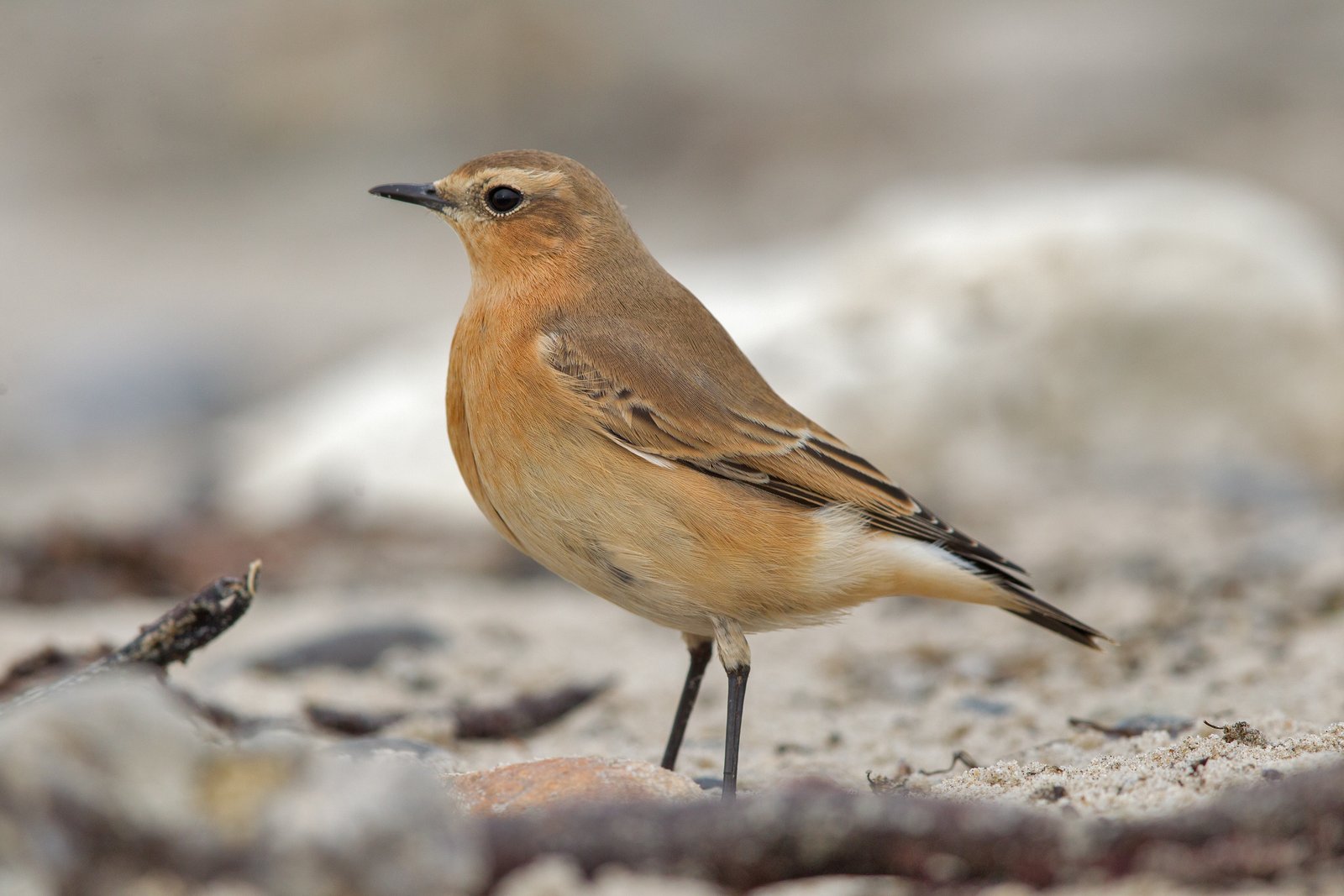
All species › Passerines › Chats and flycatchers
Chats and flycatchers | Muscicapidae
Vliegenvangers en tapuiten | Papamoscas y afines
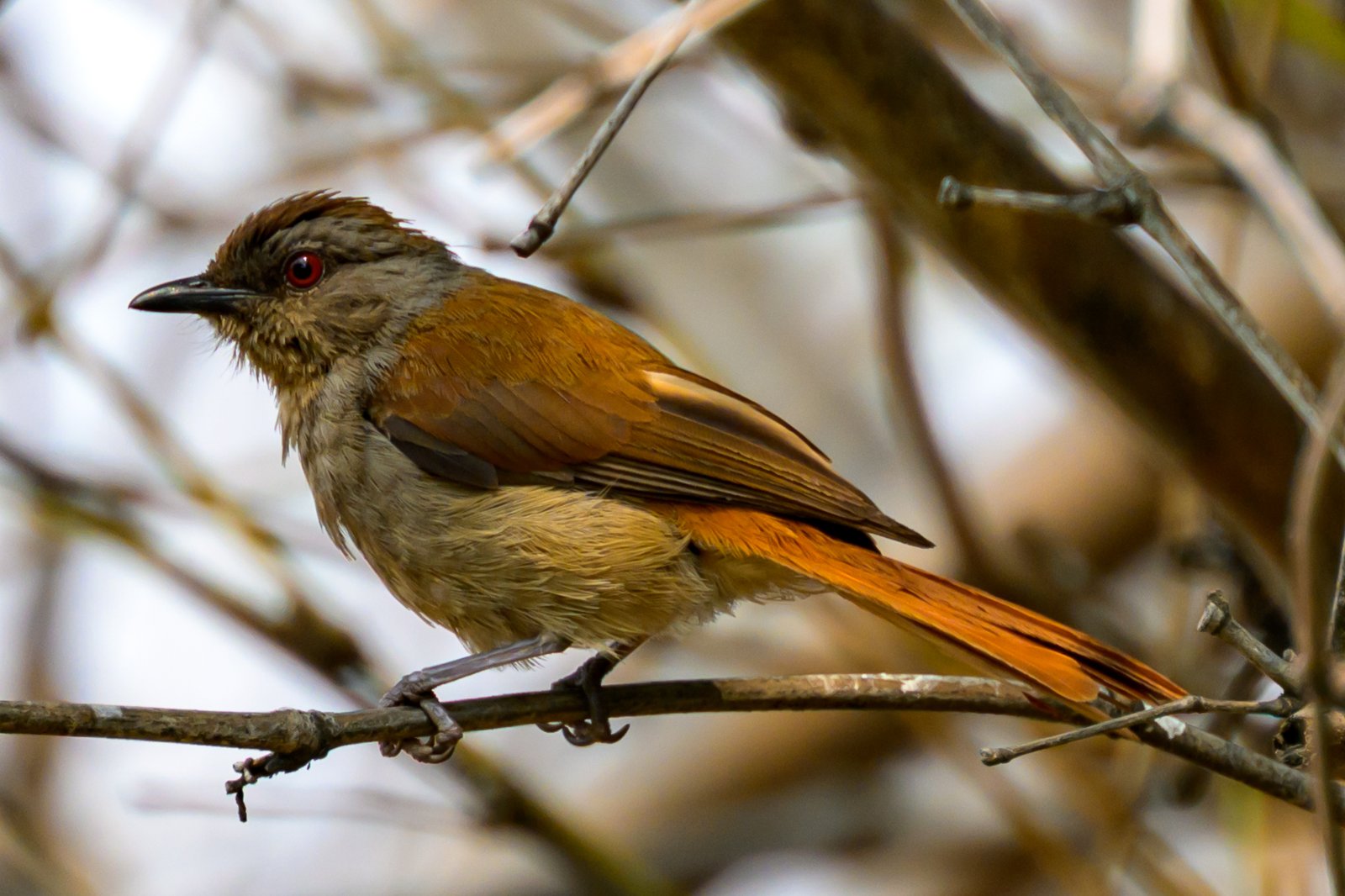
What these birds share outwardly is limited: they are grouped together chiefly on skull structure and hereditary data, which is why the flycatchers now sit in one family with the wheatears, rock thrushes, robin-chats and scrub robins formerly placed among the thrushes. The common ground is a small body with a thin pointed bill bristled at the base, and insect catching from a lookout: one kind darts up after a flying insect, another drops from a low perch onto the ground and hops back to the same perch. In the dry western half of the region the family is represented by pale, long-legged chats of karoo, open plain and scree, which bob the tail and droop the wings; in the eastern forest and gorge bush by robin-chats with orange underparts and a grey or black-and-white head pattern, which are accomplished mimics and work the calls of other birds into their song. A striking number carry colour in the tail — rufous, white sides or a black-and-white pattern — and flash it with a jerk on landing. They nest in holes, crevices and self-dug or appropriated tunnels in earth banks and termite mounds, or in a well-hidden cup; several species are parasitised by cuckoos, and some live in parties with helpers. Alongside the residents, which make up the bulk of the family, the southern summer brings an addition of species that breed in Eurasia and spend the non-breeding season here.
Native species 65 species
Species that occur here by nature: breeding birds, winter visitors and passage migrants. They are arranged by genus, in the sequence of the list.
Muscicapa 4 species
-

African Dusky Flycatcher
Muscicapa adusta Afromontane forest
 Riverine forest
 Gardens and built-up land
-
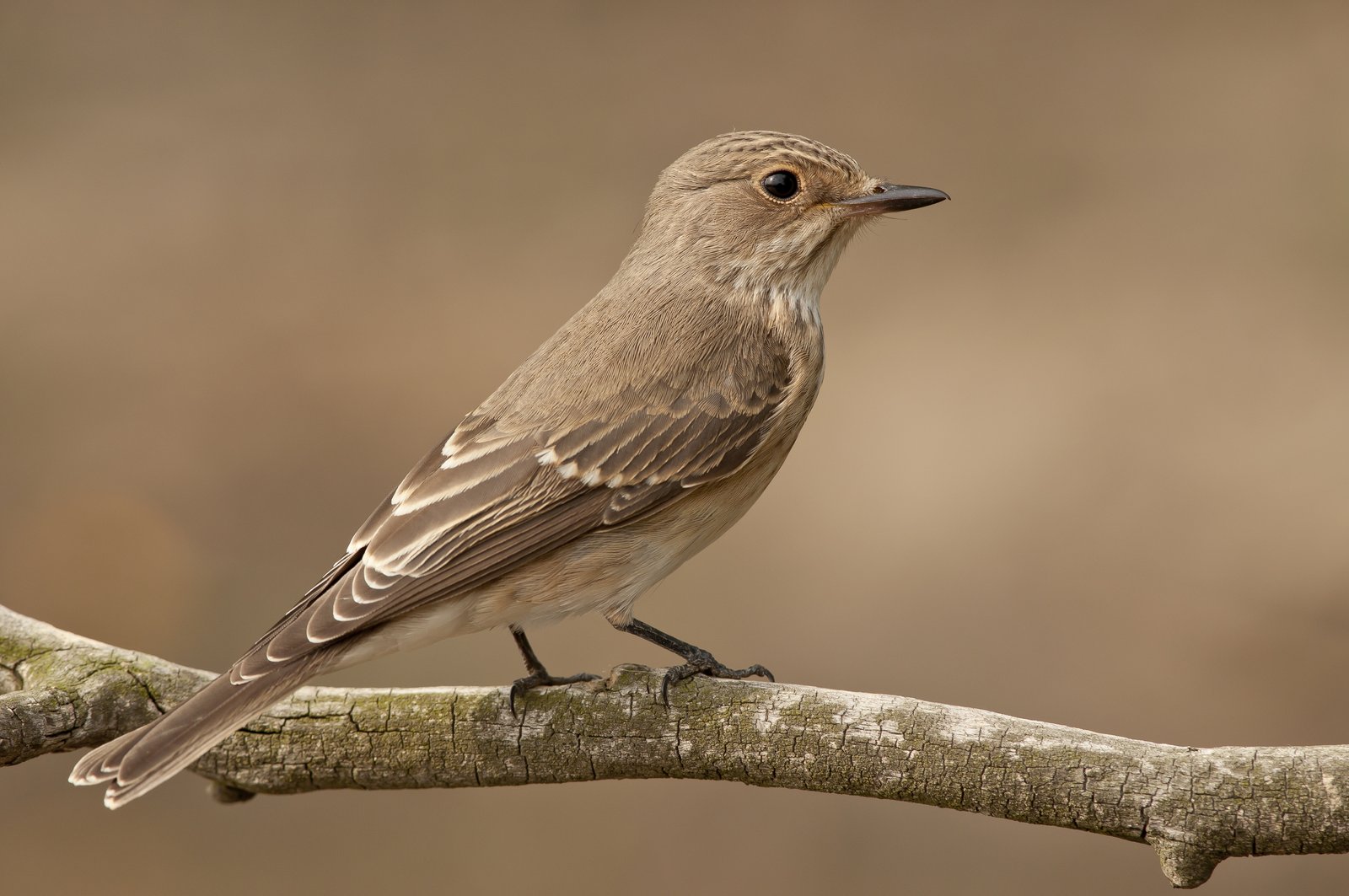
Spotted Flycatcher
Muscicapa striata Mixed broadleaf woodland
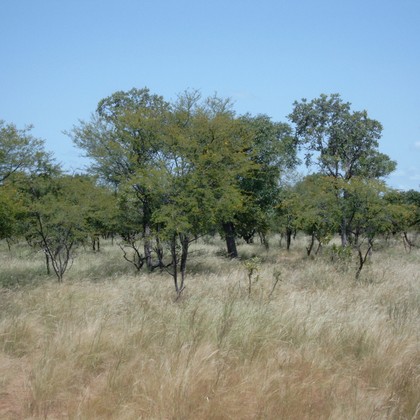 Acacia savanna and thornveld
- Gardens and built-up land
-
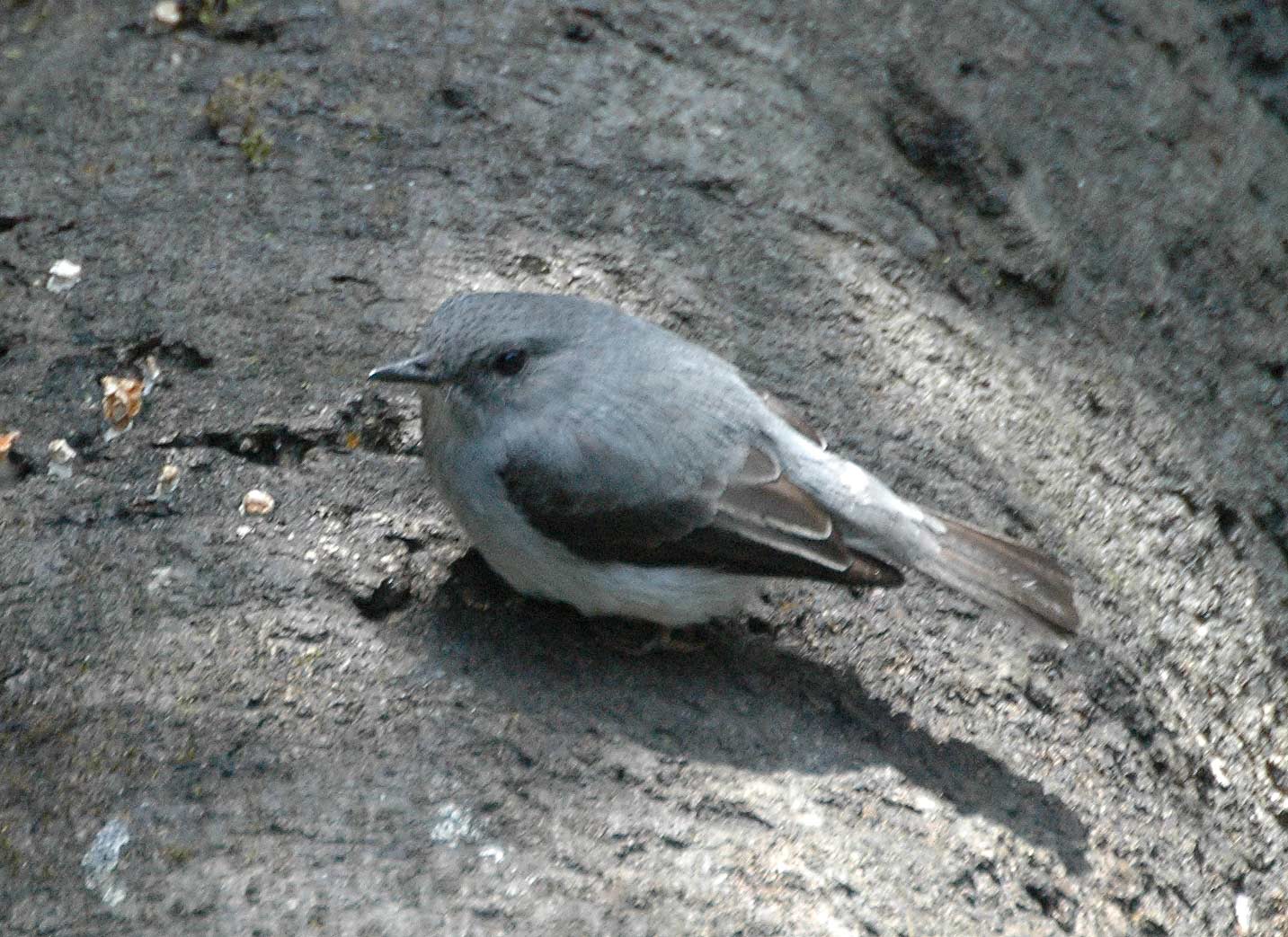
Cassin's Flycatcher
Muscicapa cassini- Riverine forest
 Rivers, marshes and vleis
-

Swamp Flycatcher
Muscicapa aquatica- Rivers, marshes and vleis
Bradornis 1 species
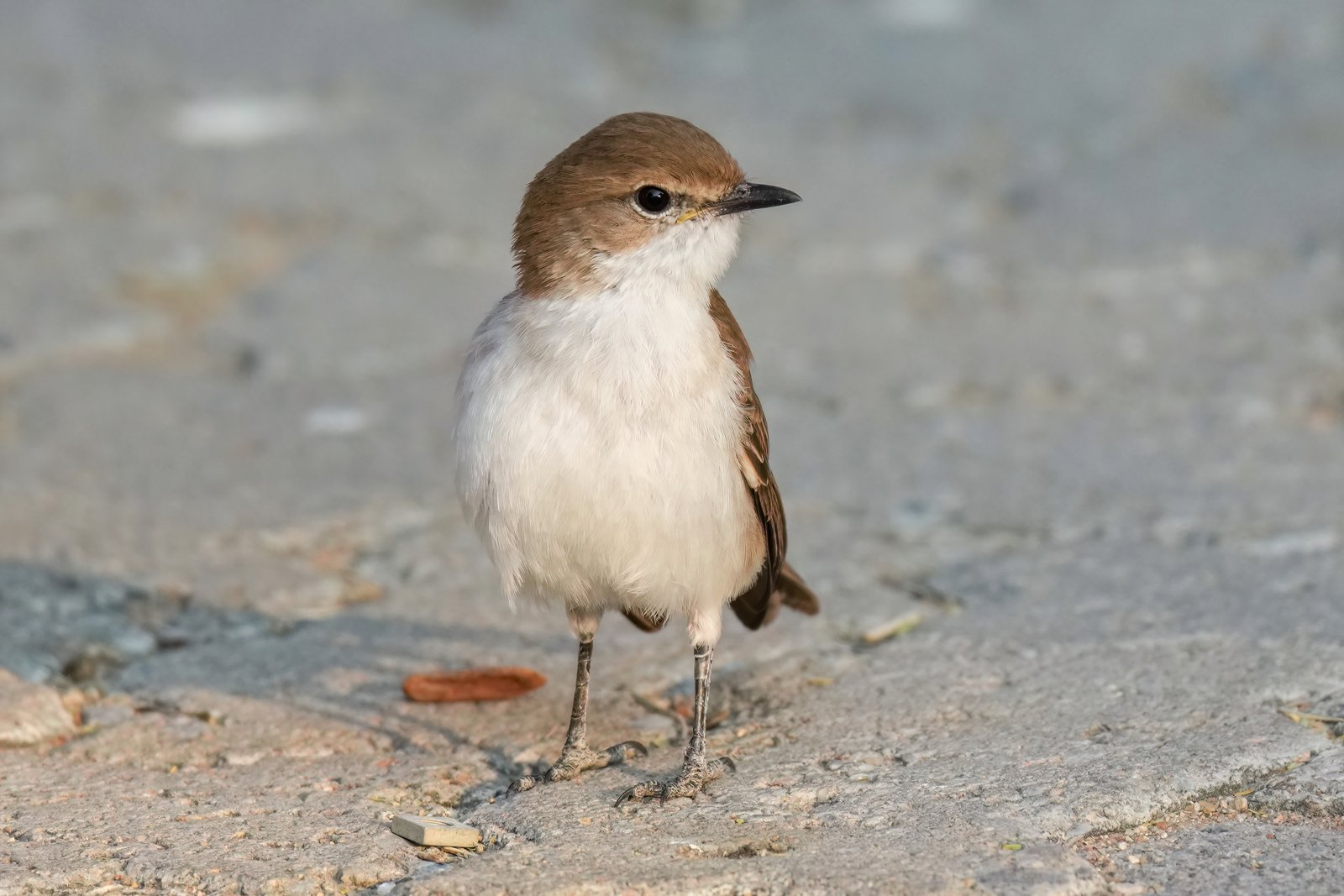
Melaenornis 3 species


Fraseria 3 species
-
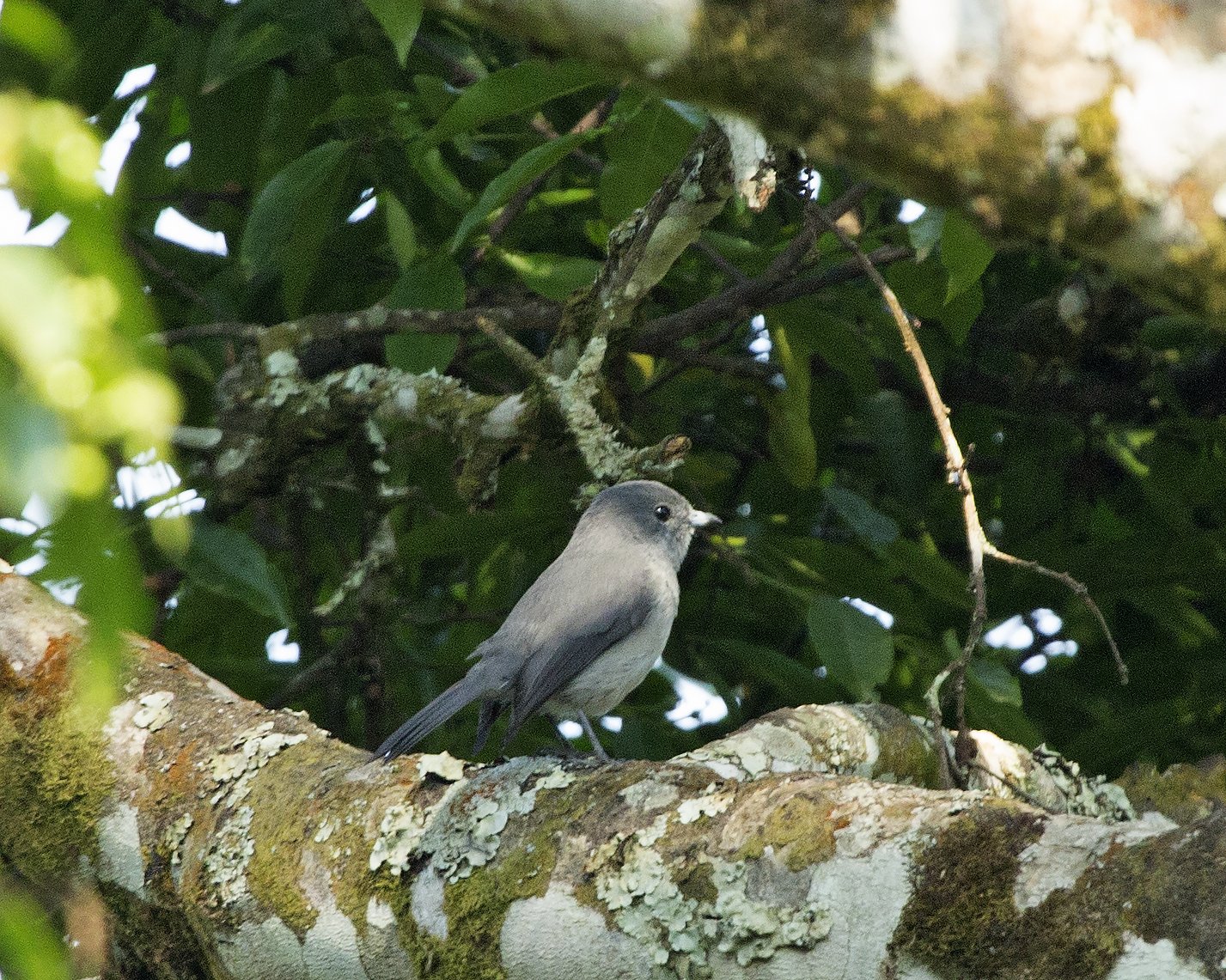
Grey-Throated Tit-Flycatcher
Fraseria griseigularis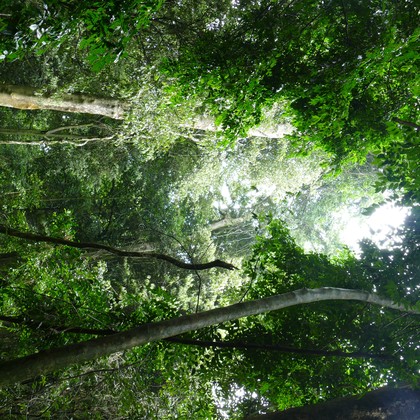 Subtropical lowland and coastal forest
- Riverine forest
-
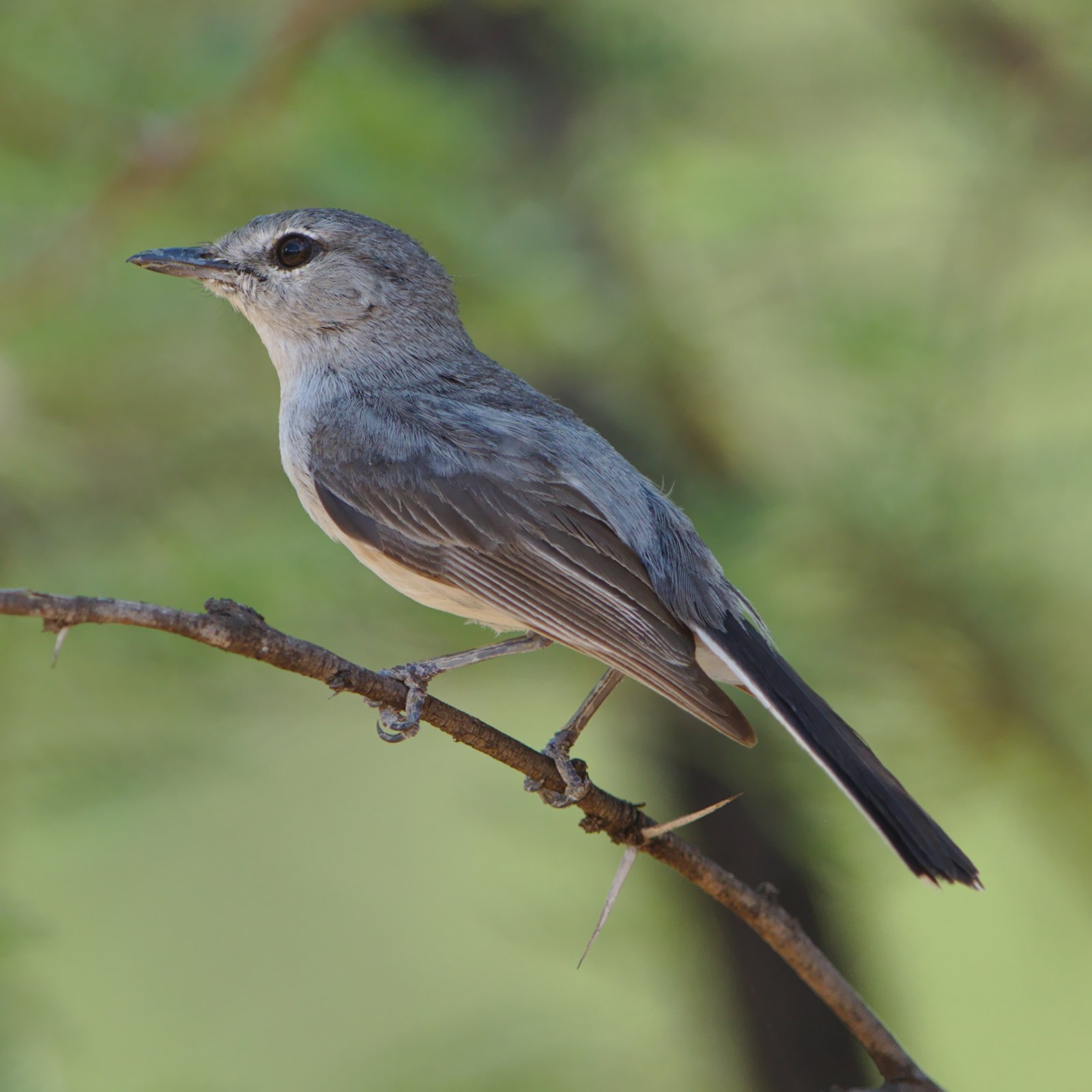
Grey Tit-Flycatcher
Fraseria plumbea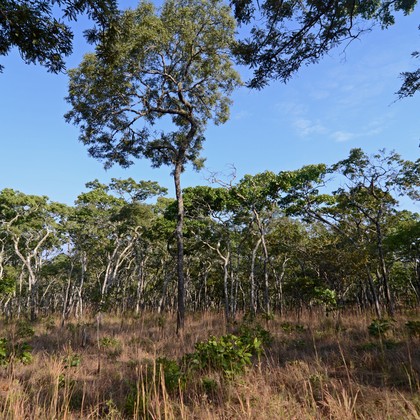 Miombo woodland
- Mixed broadleaf woodland
- Riverine forest
-

Ashy Flycatcher
Fraseria caerulescens- Subtropical lowland and coastal forest
- Riverine forest
 Mangrove and coastal marsh
Cercotrichas 3 species
-

Kalahari Scrub Robin
Cercotrichas paena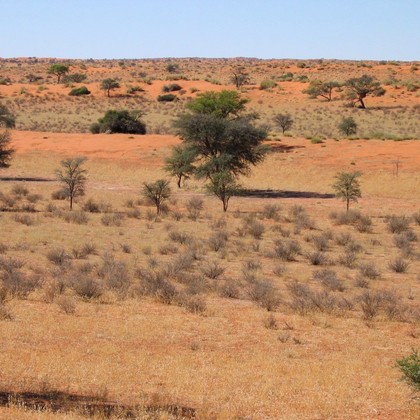 Kalahari thornveld
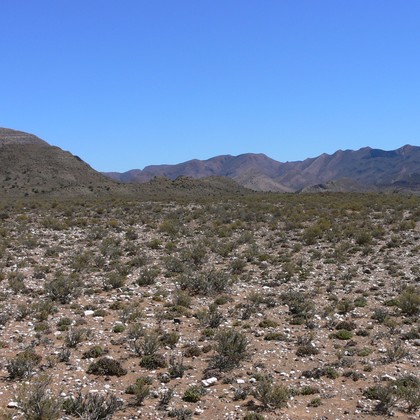 Nama Karoo
- Acacia savanna and thornveld
-
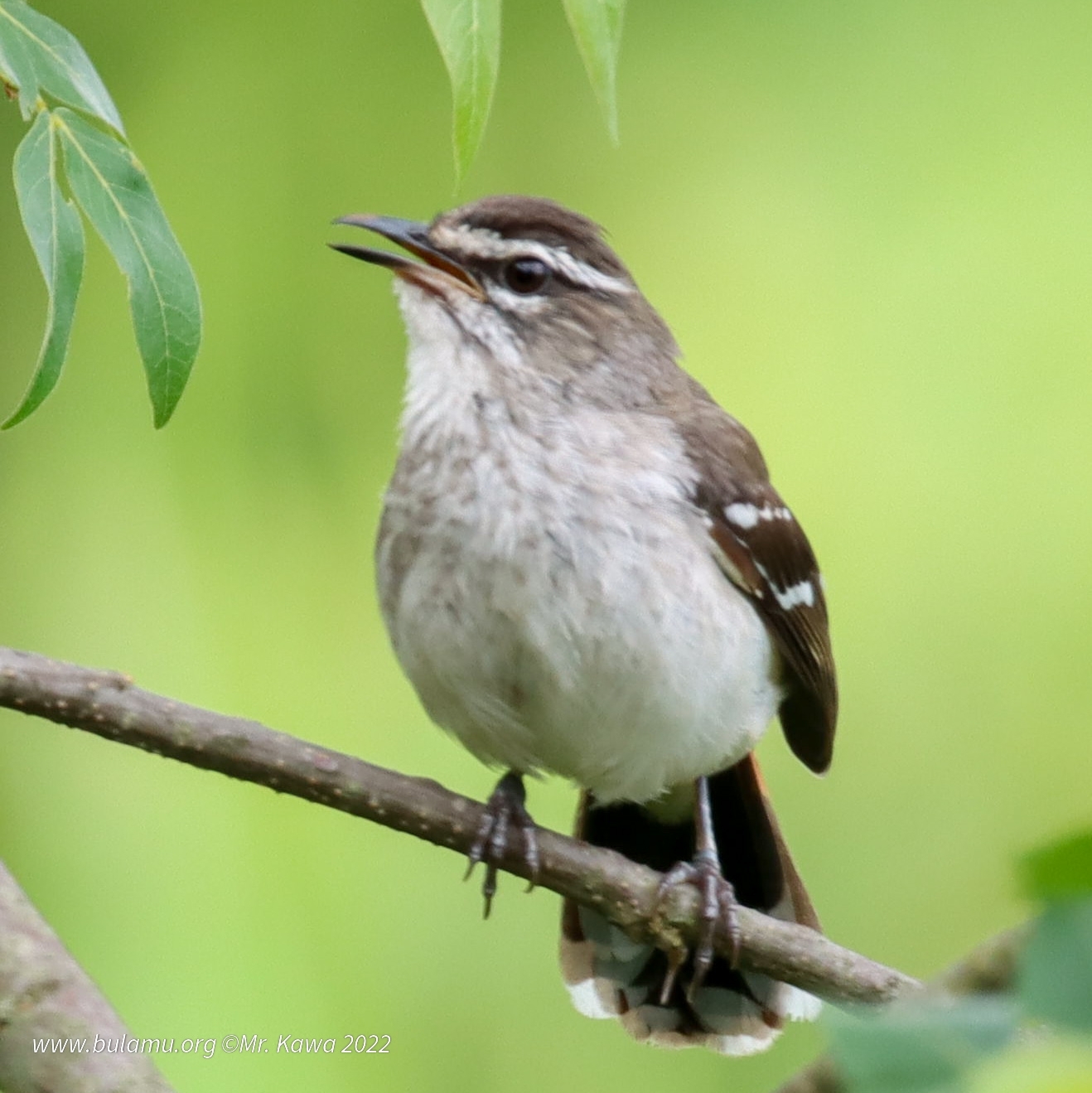
Brown-Backed Scrub Robin
Cercotrichas hartlaubi- Mixed broadleaf woodland
- Riverine forest
-

White-Browed Scrub Robin
Cercotrichas leucophrys- Acacia savanna and thornveld
- Mixed broadleaf woodland
 Mopane woodland
Cossypha 4 species
-
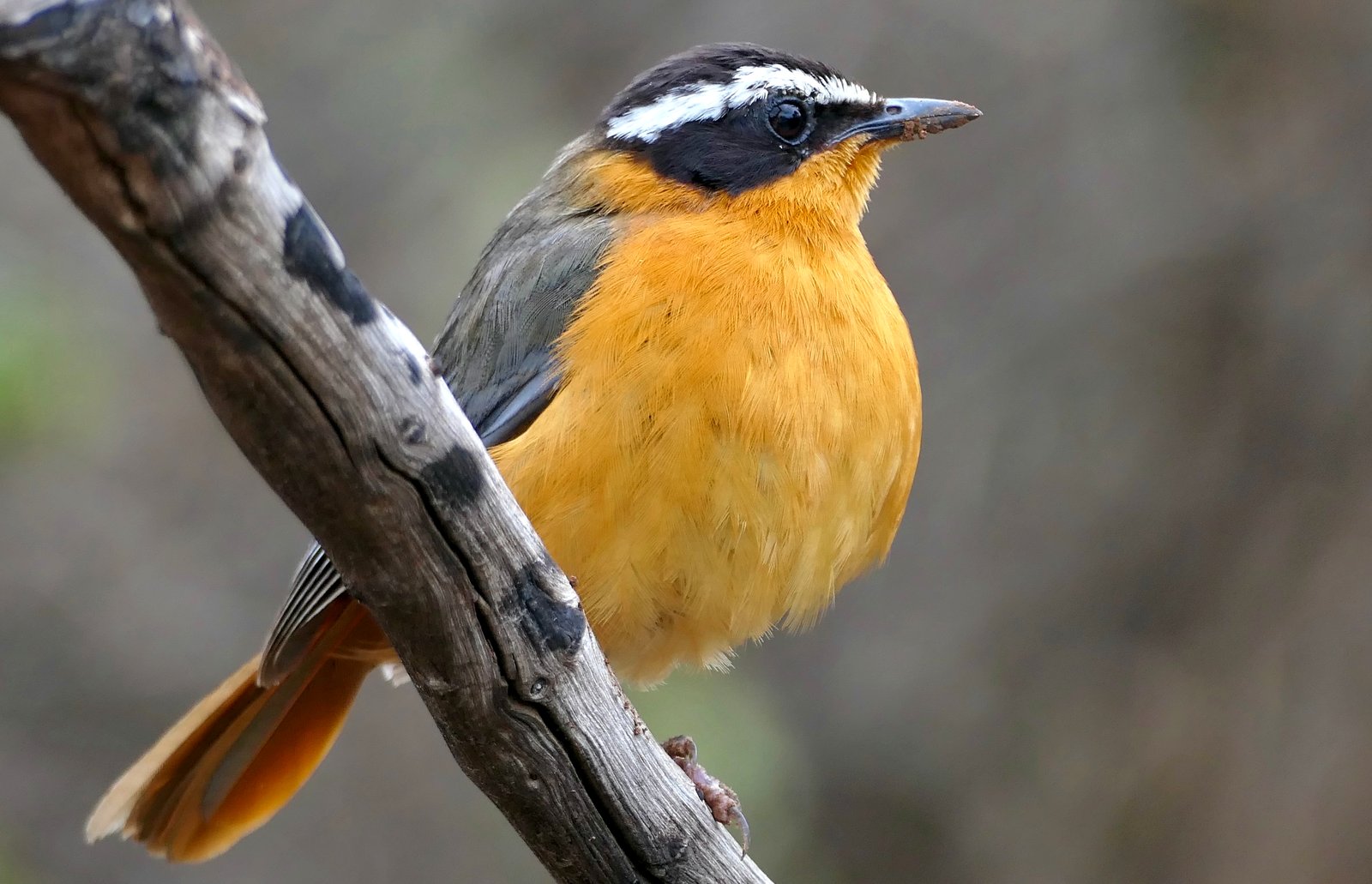
White-Browed Robin-Chat
Cossypha heuglini- Riverine forest
- Mixed broadleaf woodland
- Gardens and built-up land
-
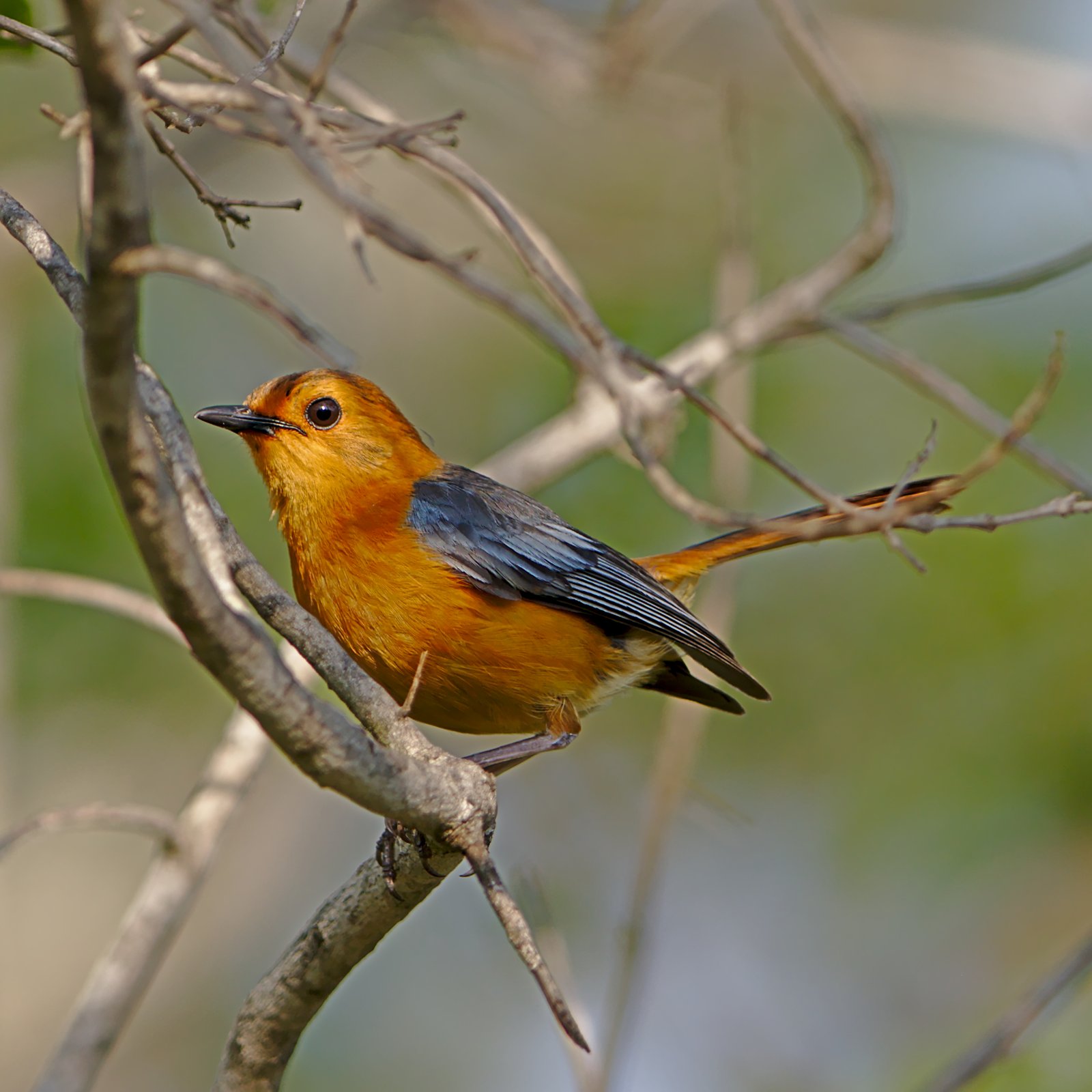
Red-Capped Robin-Chat
Cossypha natalensis- Subtropical lowland and coastal forest
- Riverine forest
-

Chorister Robin-Chat
Cossypha dichroa- Afromontane forest
- Subtropical lowland and coastal forest
-
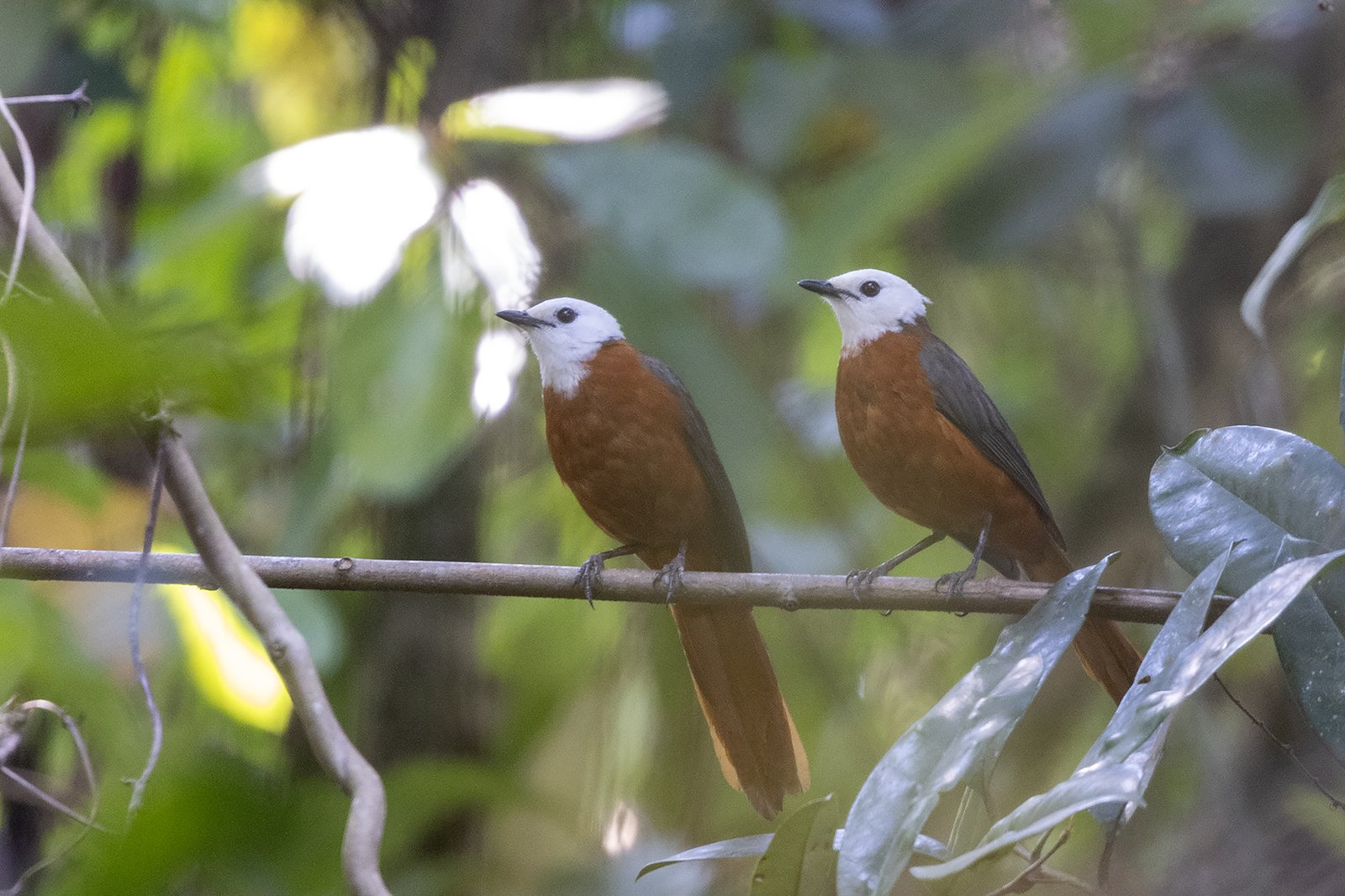
White-Headed Robin-Chat
Cossypha heinrichi- Riverine forest
- Afromontane forest
Dessonornis 3 species
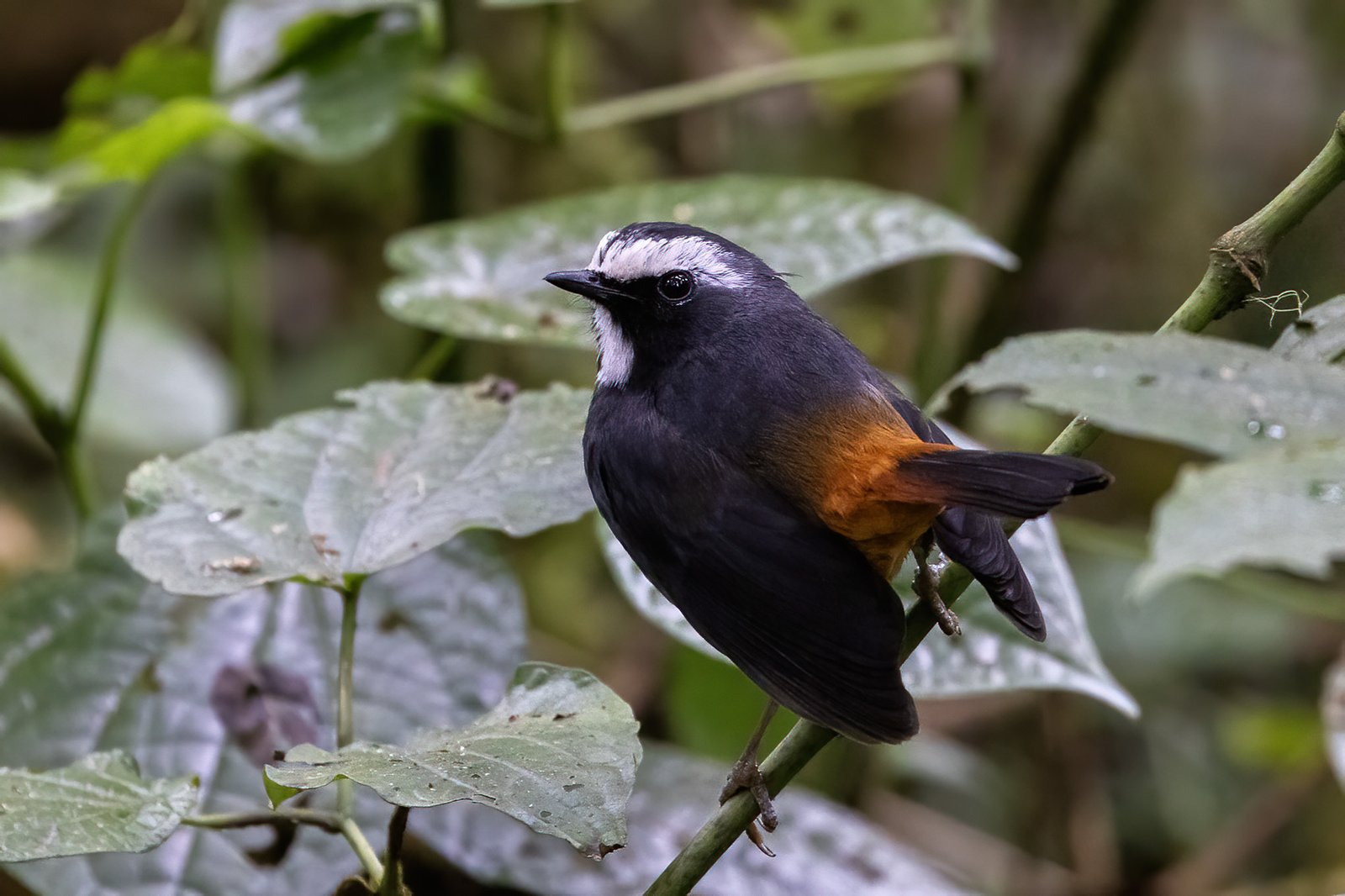
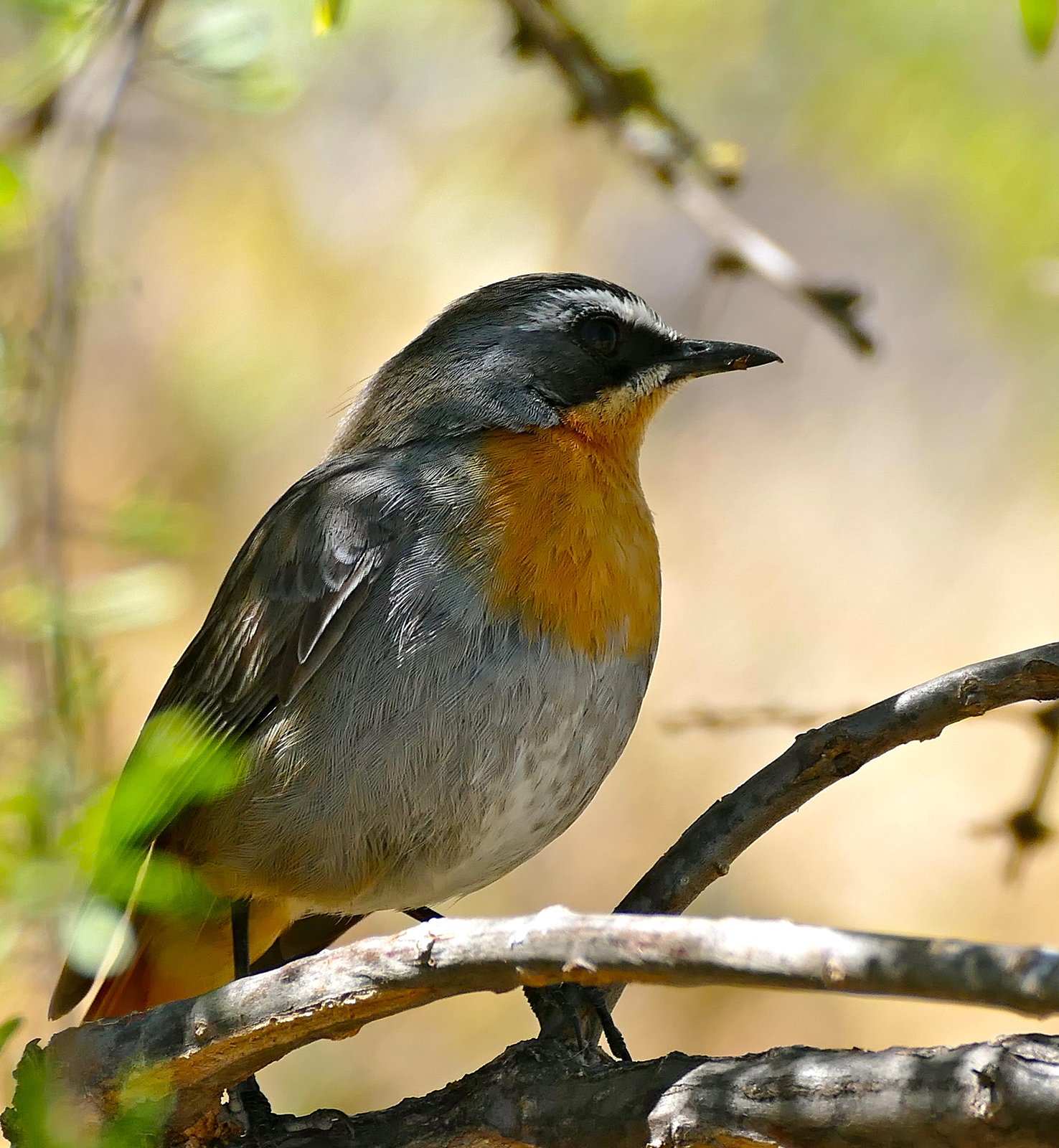

Pogonocichla 1 species

Sheppardia 5 species
-

Grey-Winged Robin-Chat
Sheppardia polioptera- Riverine forest
-

Bocage's Akalat
Sheppardia bocagei- Riverine forest
- Afromontane forest
-
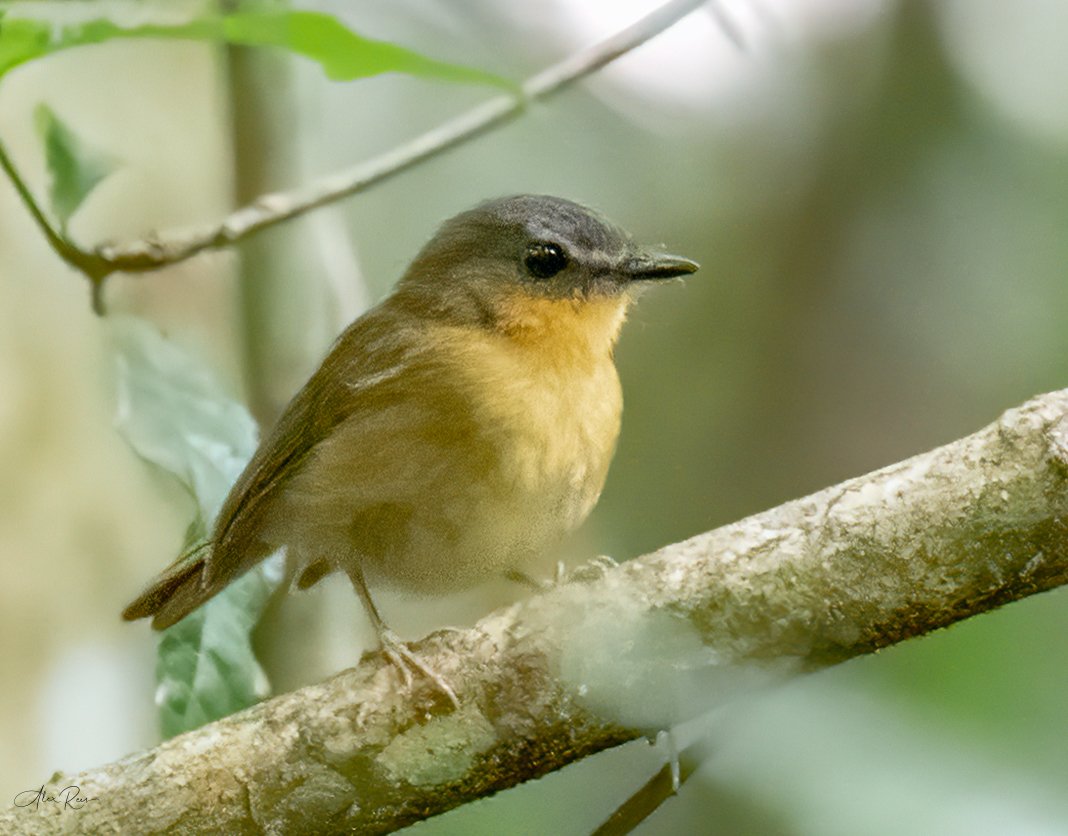
Sharpe's Akalat
Sheppardia sharpei- Afromontane forest
-
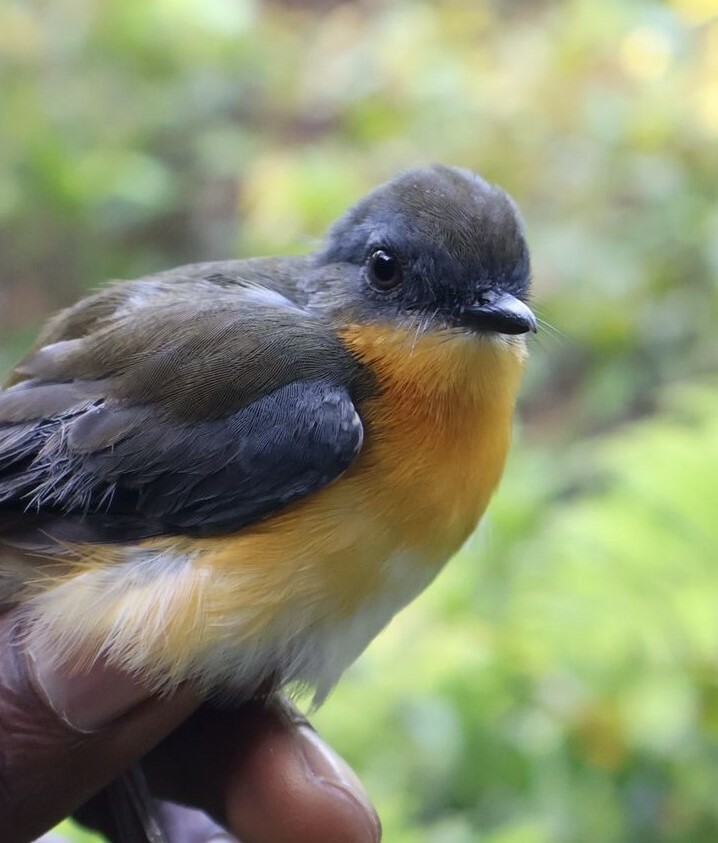
East Coast Akalat
Sheppardia gunningi- Subtropical lowland and coastal forest
- Riverine forest
-

Gabela Akalat
Sheppardia gabela- Subtropical lowland and coastal forest
Namibornis 1 species
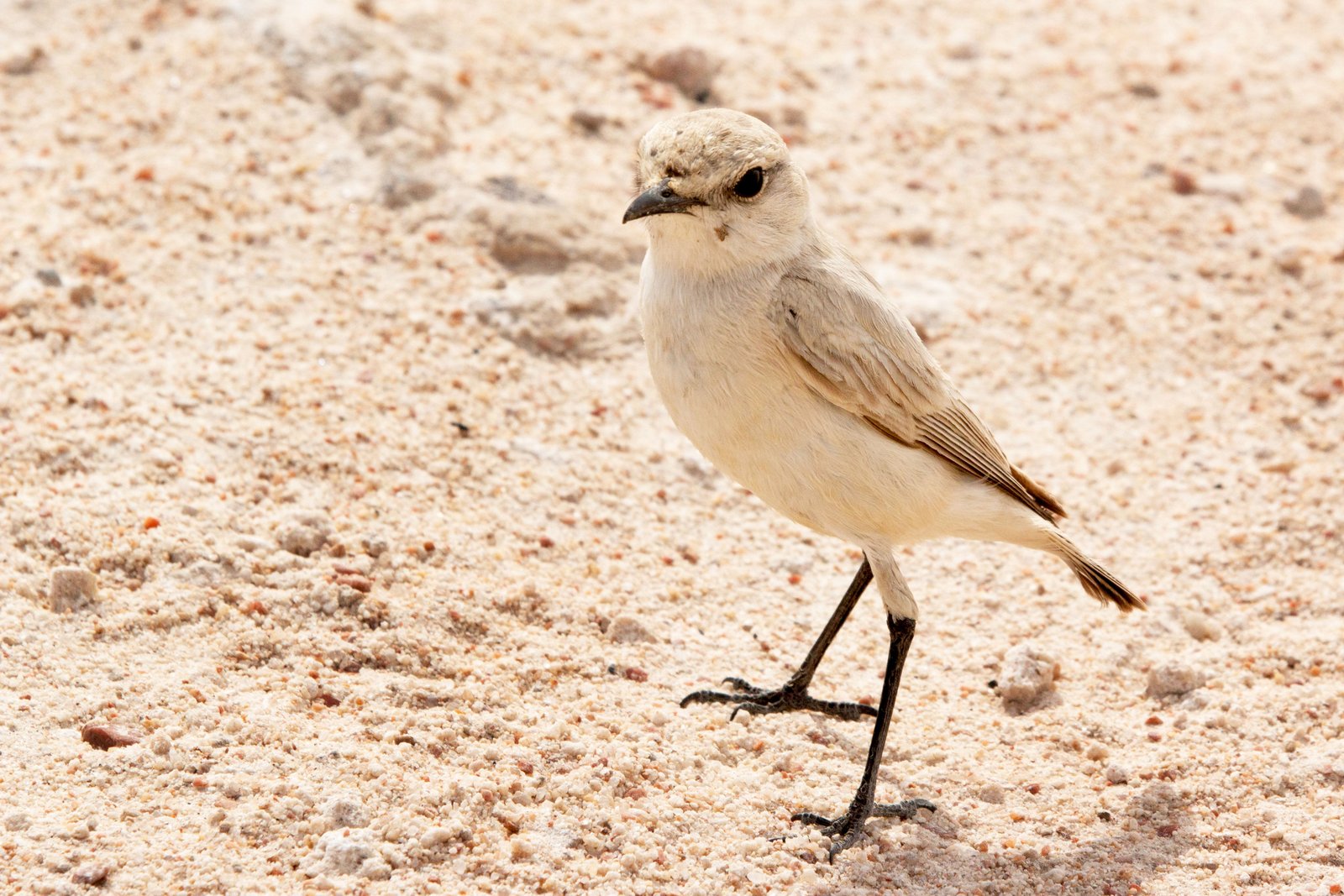
Monticola 4 species
-
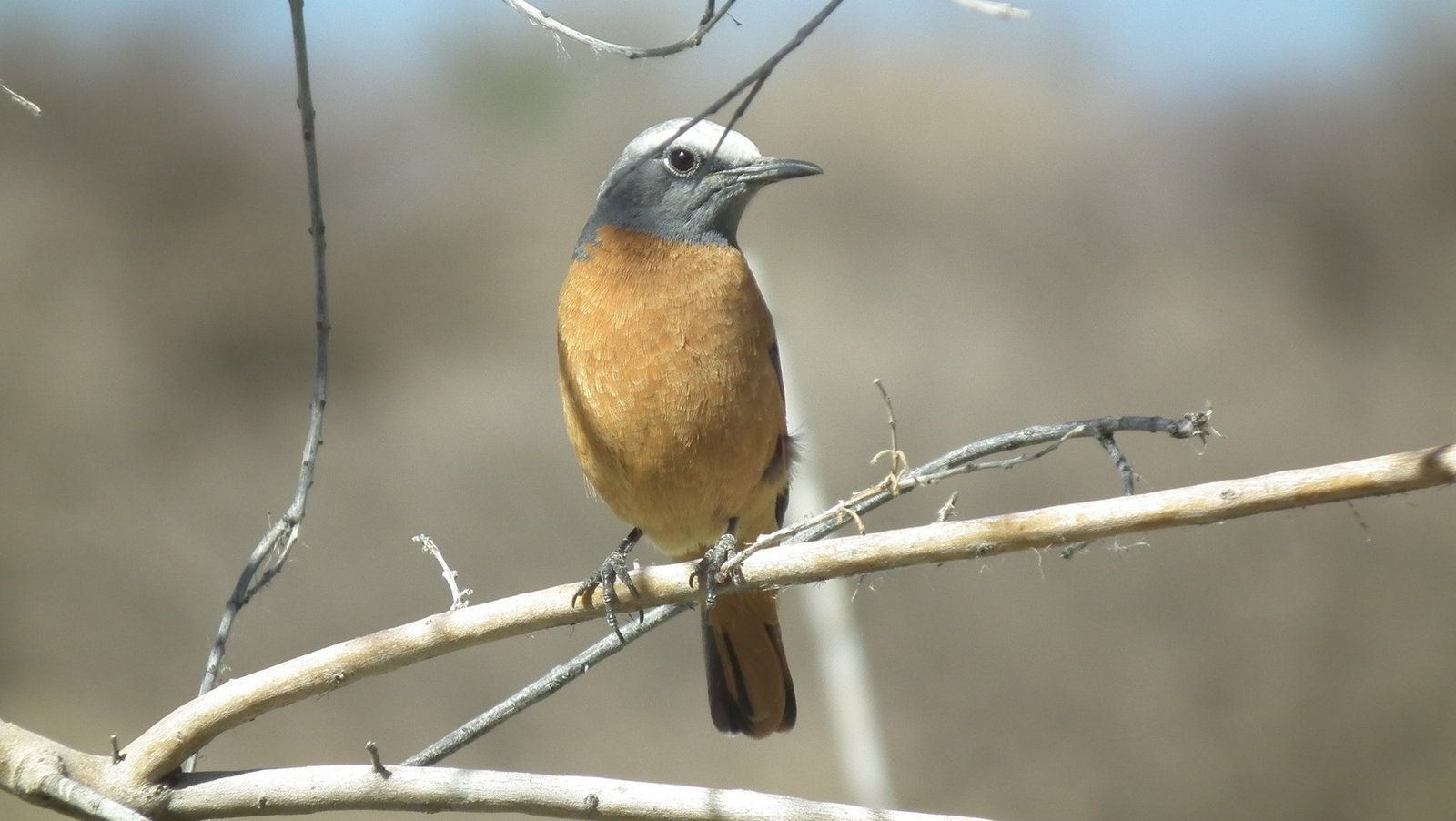
Short-Toed Rock Thrush
Monticola brevipes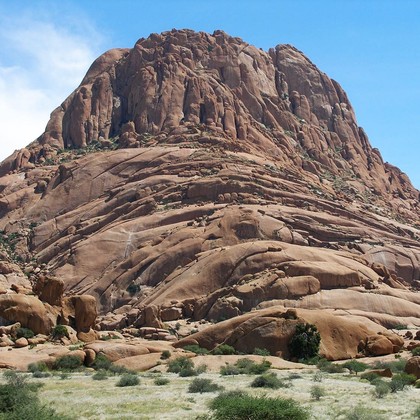 Mountains and rock outcrops
- Nama Karoo
- Acacia savanna and thornveld
-
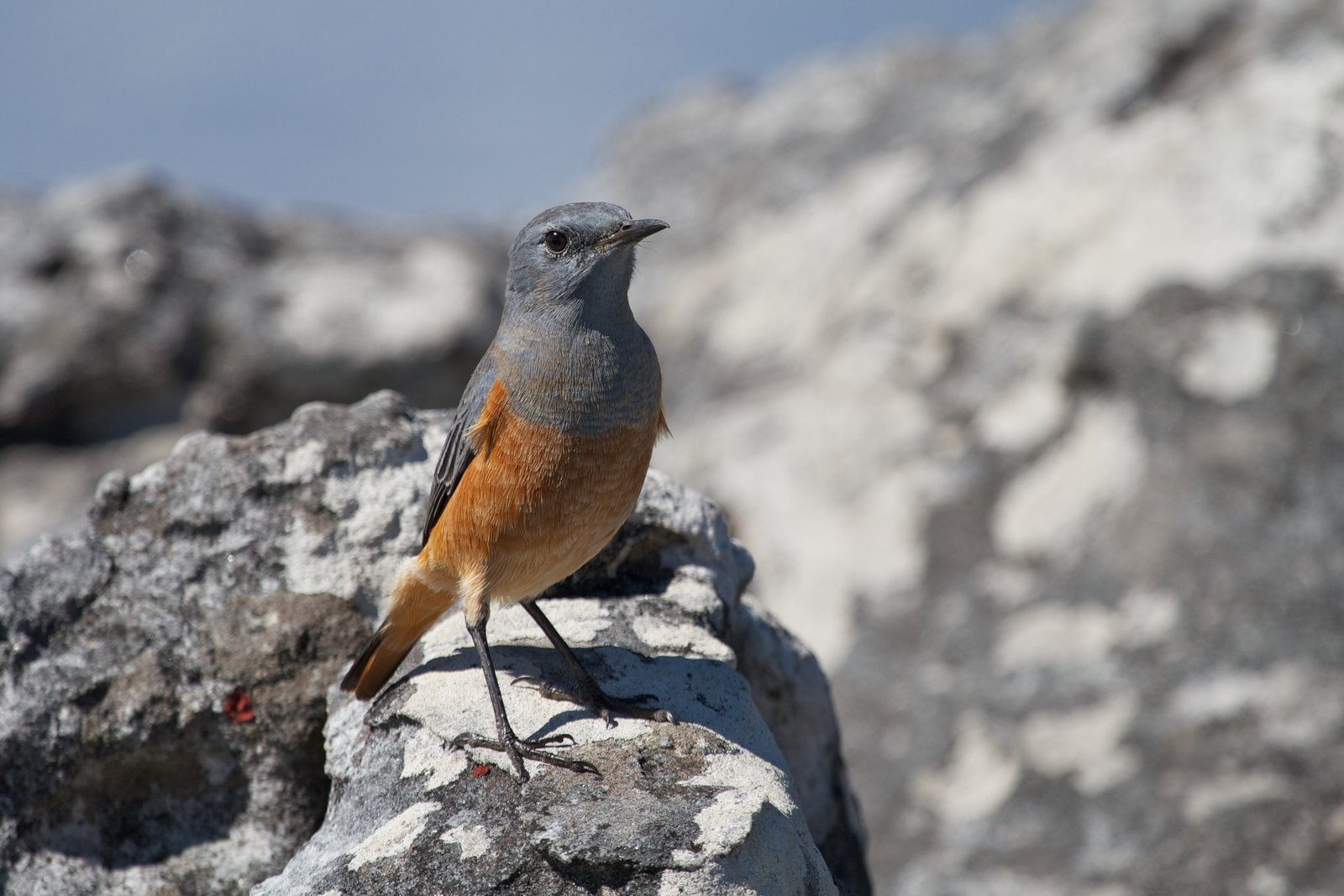
Sentinel Rock Thrush
Monticola explorator Drakensberg and montane grassland
 Fynbos
- Mountains and rock outcrops
-

Cape Rock Thrush
Monticola rupestris- Mountains and rock outcrops
- Fynbos
- Drakensberg and montane grassland
-
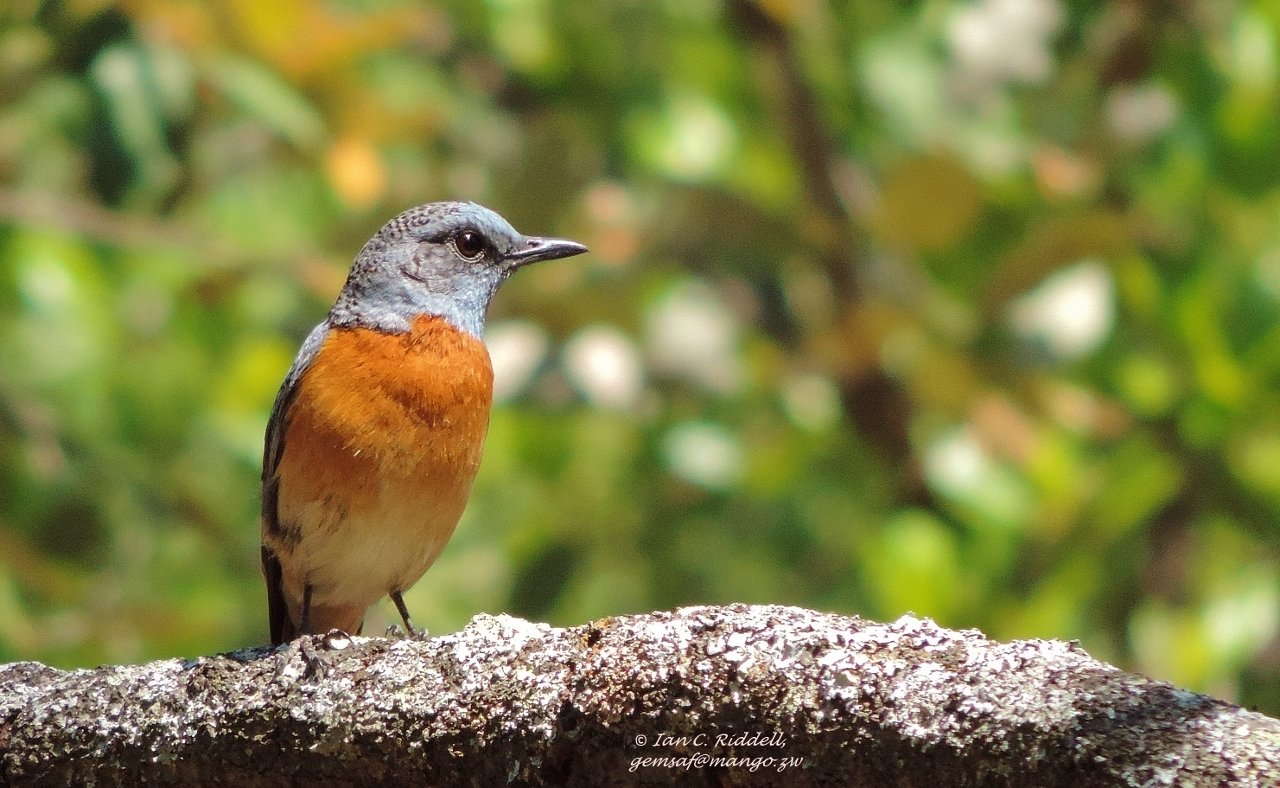
Miombo Rock Thrush
Monticola angolensis- Miombo woodland
- Mountains and rock outcrops
Oenanthe 2 species
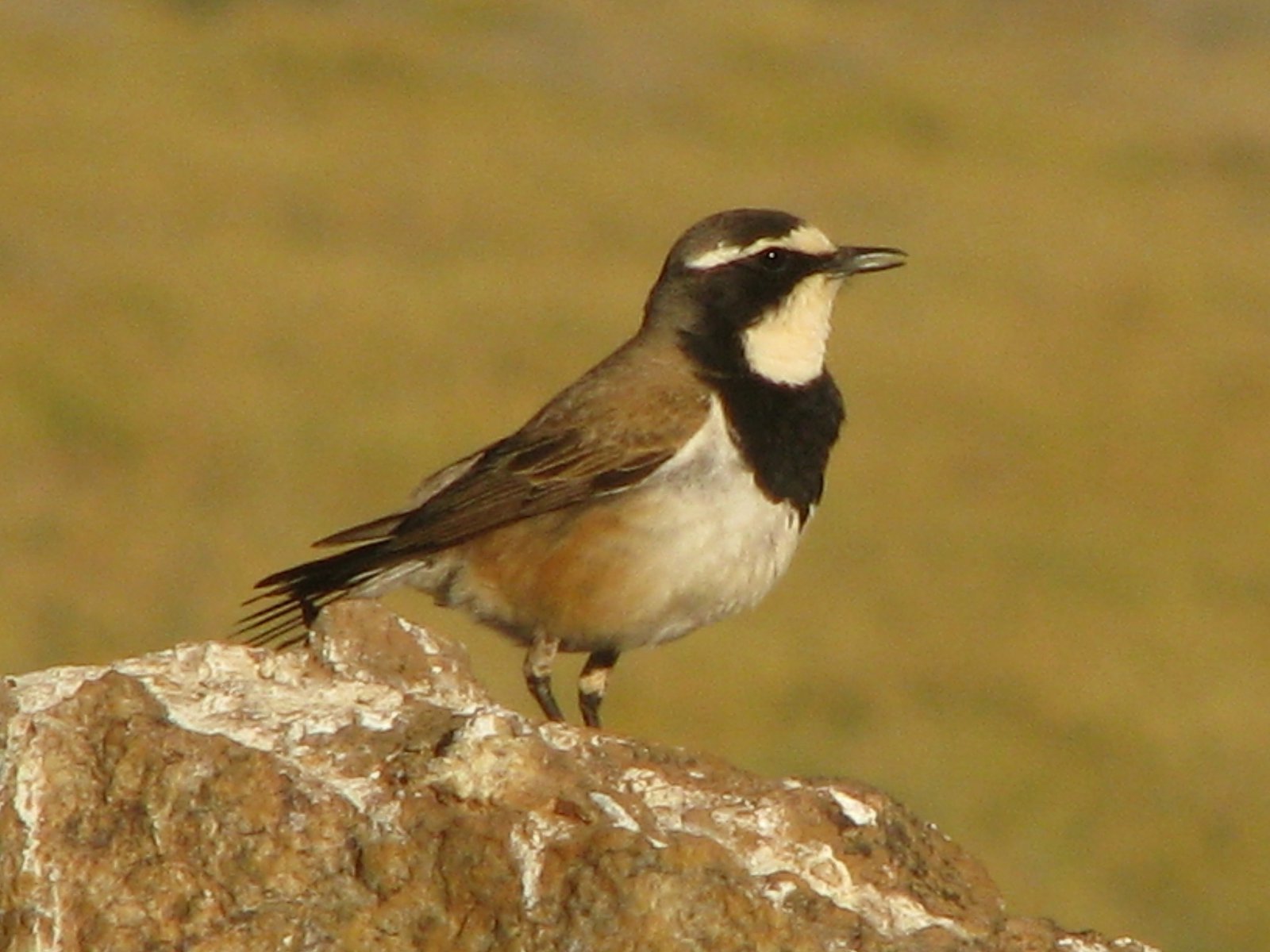
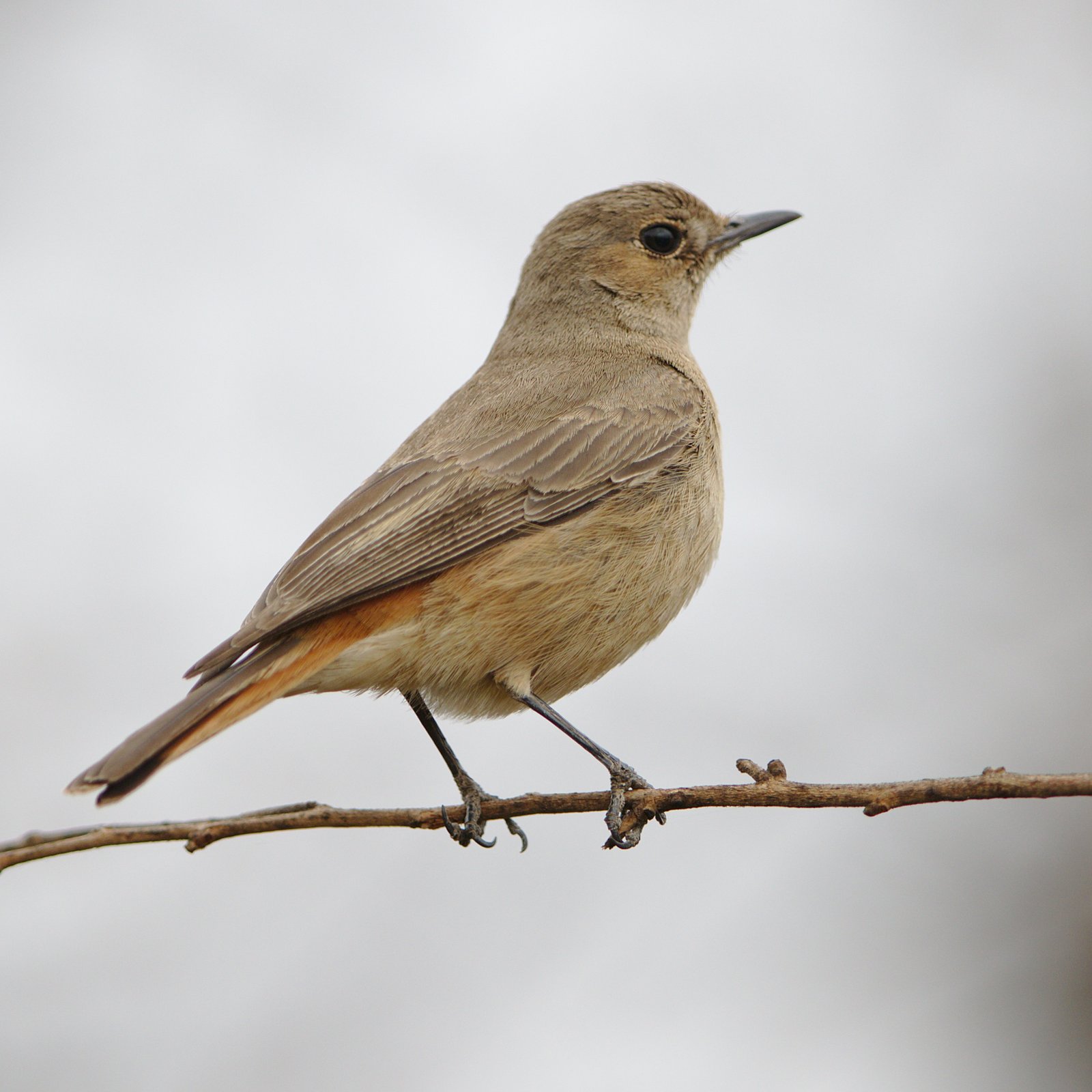
Emarginata 3 species

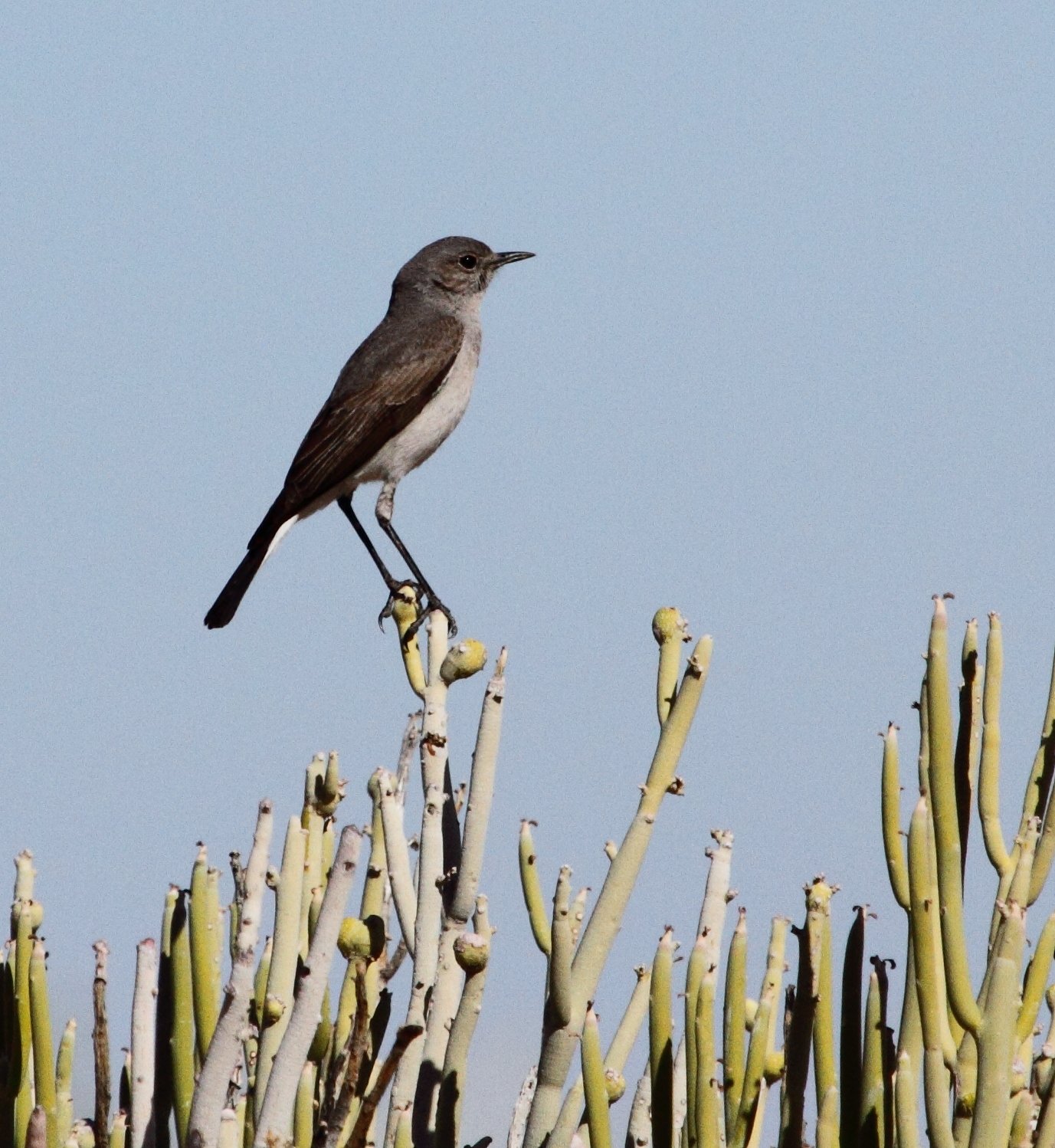

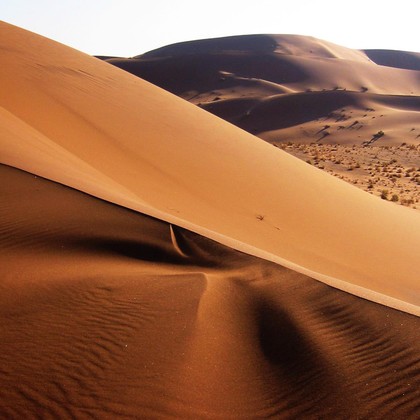
Myrmecocichla 5 species
-

Sooty Chat
Myrmecocichla nigra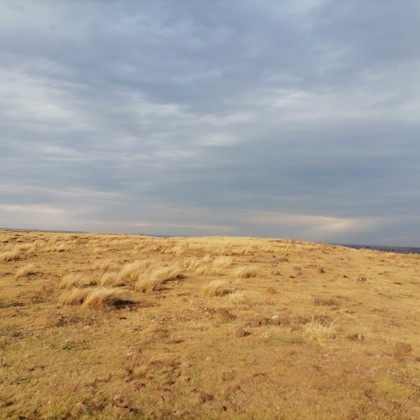 Highveld grassland
- Rivers, marshes and vleis
- Miombo woodland
-

Southern Anteater-Chat
Myrmecocichla formicivora Renosterveld
- Nama Karoo
-

Congo Moor Chat
Myrmecocichla tholloni- Highveld grassland
- Rivers, marshes and vleis
-

Mountain Chat
Myrmecocichla monticola- Mountains and rock outcrops
- Nama Karoo
-
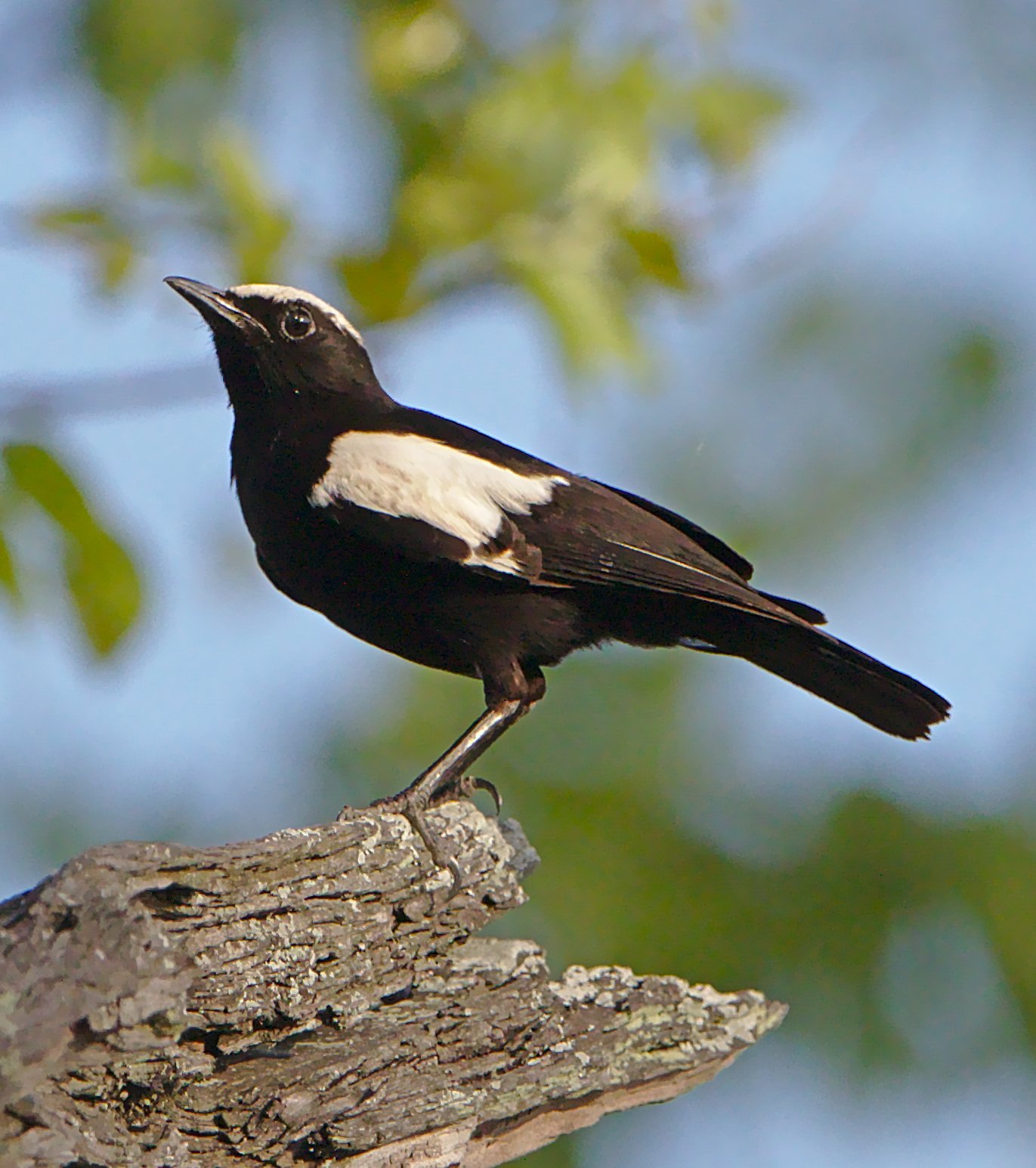
Arnot's Chat
Myrmecocichla arnotti- Mopane woodland
- Miombo woodland
Thamnolaea 1 species

Campicoloides 1 species
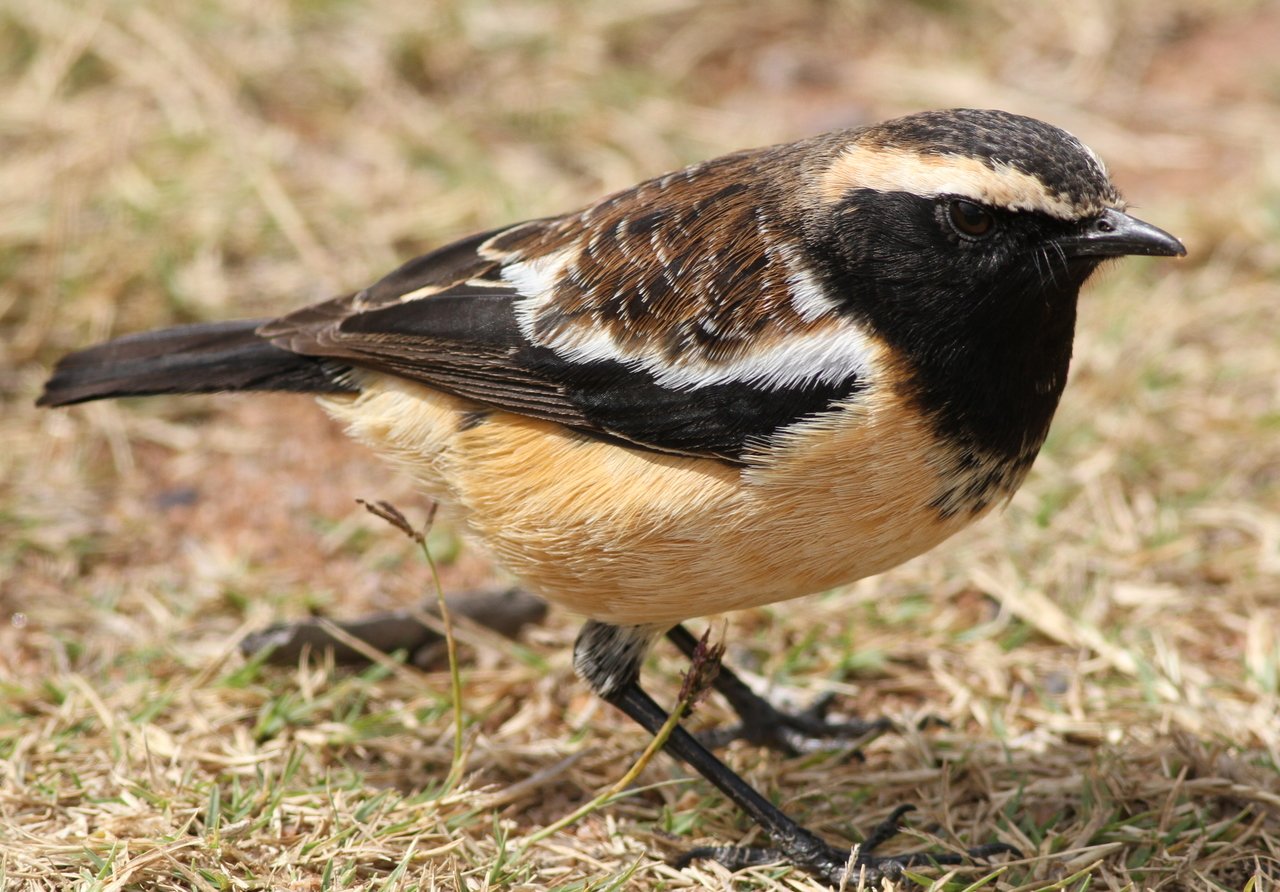
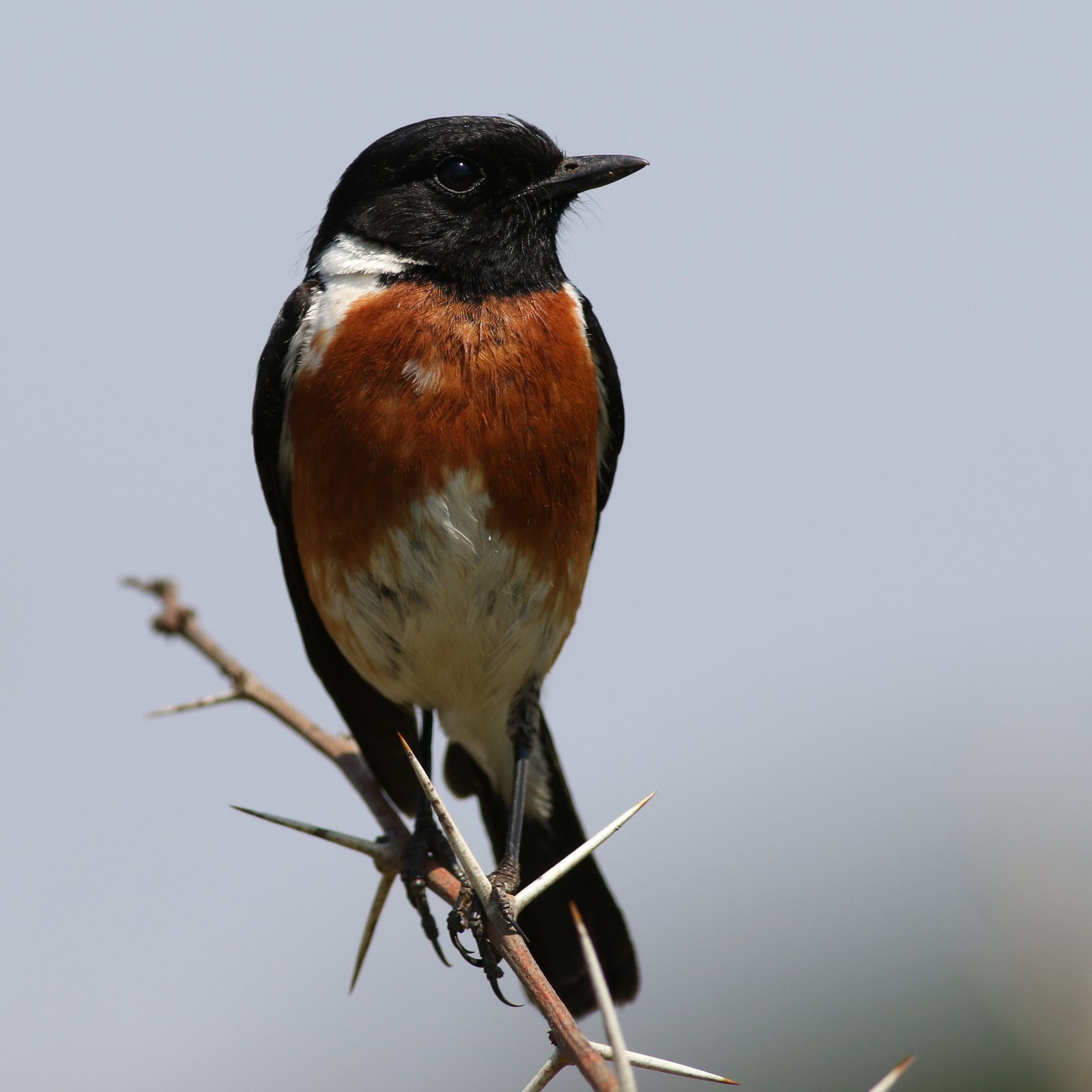
Saxicola 2 species

Tychaedon 5 species
-
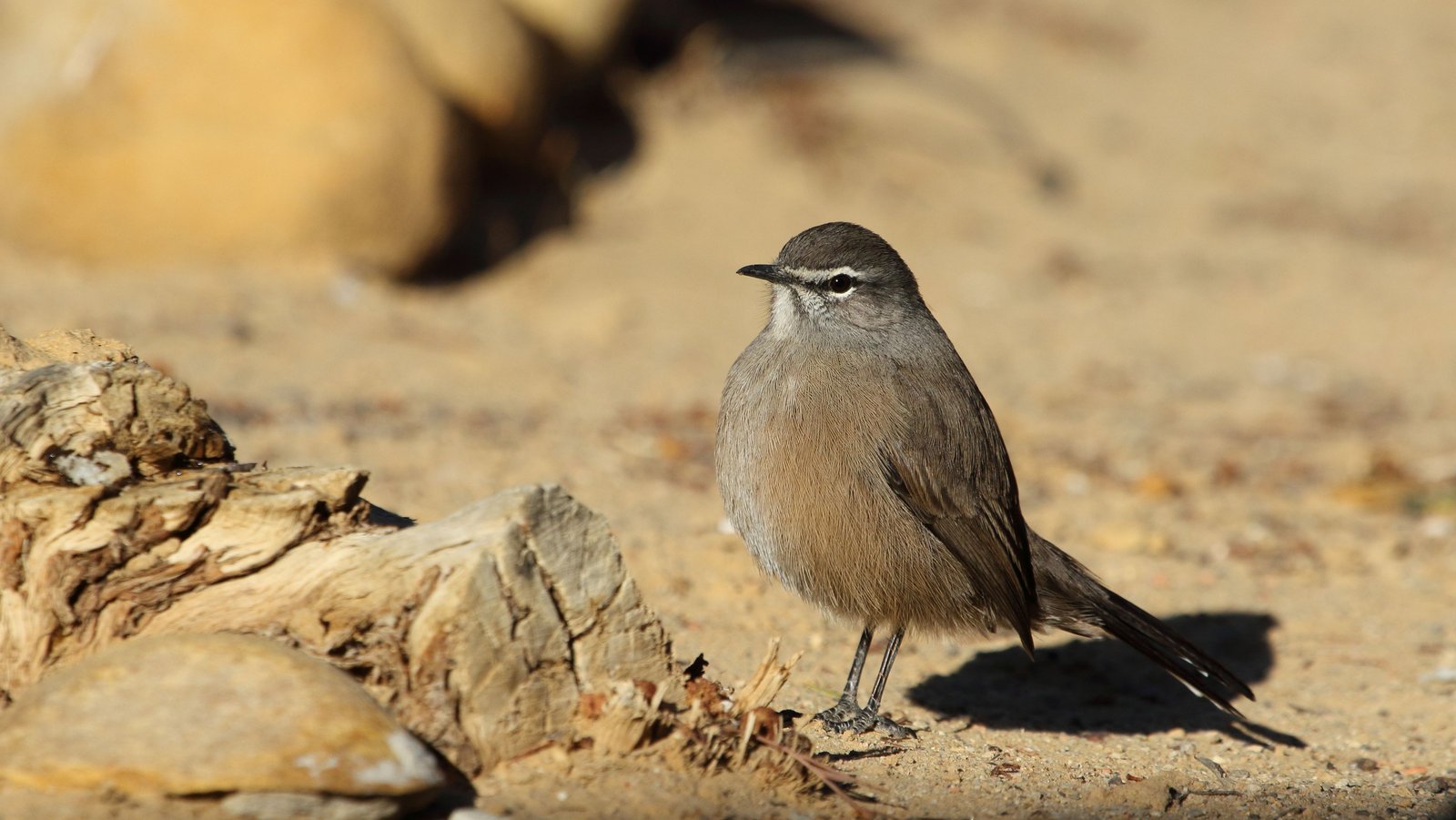
Karoo Scrub Robin
Tychaedon coryphoeus- Nama Karoo
 Succulent Karoo
- Renosterveld
-

Forest Scrub Robin
Tychaedon leucosticta- Subtropical lowland and coastal forest
-

Brown Scrub Robin
Tychaedon signata- Subtropical lowland and coastal forest
- Afromontane forest
-
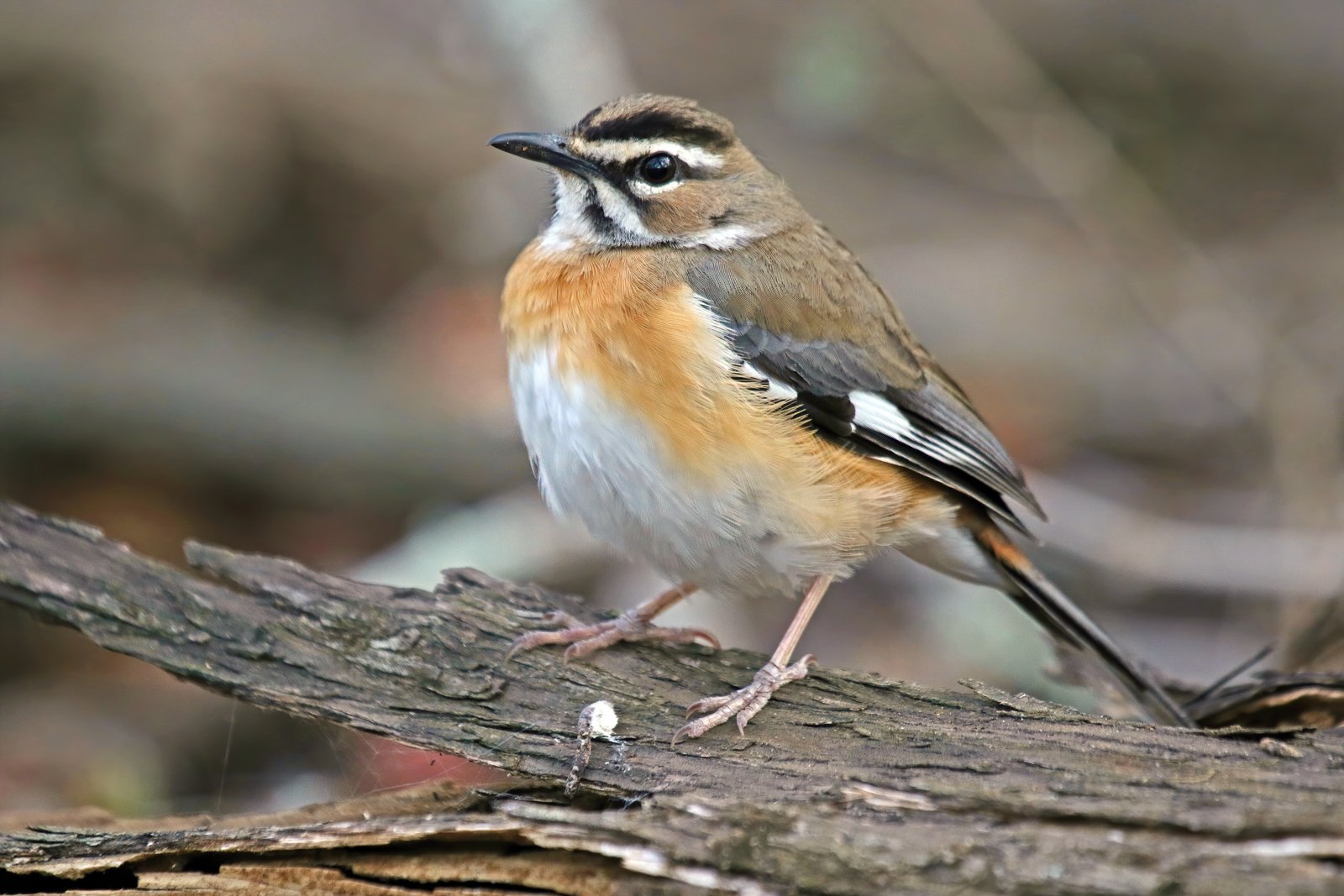
Bearded Scrub Robin
Tychaedon quadrivirgata- Subtropical lowland and coastal forest
- Riverine forest
- Mixed broadleaf woodland
-
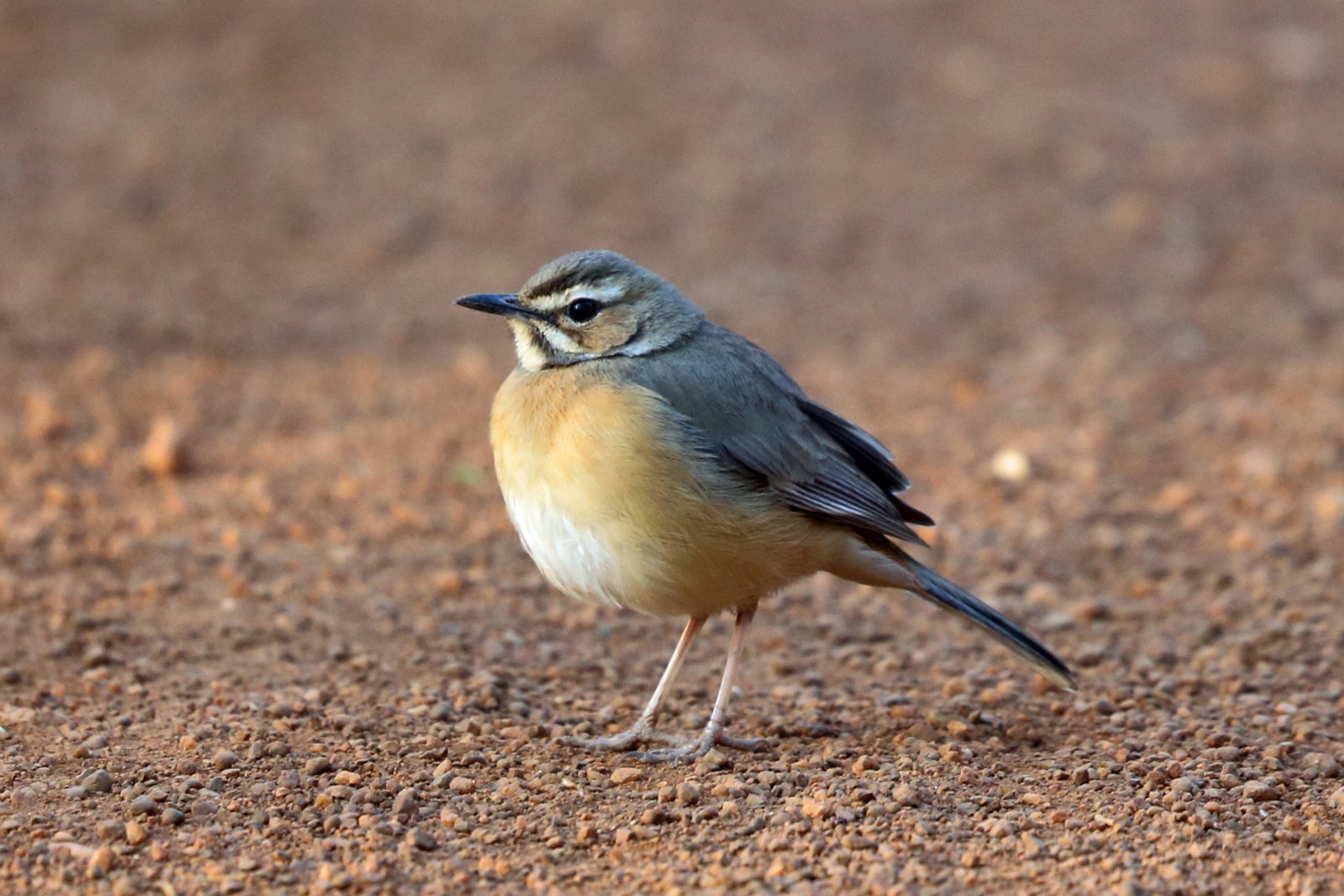
Miombo Scrub Robin
Tychaedon barbata- Miombo woodland
Agricola 2 species

Myopornis 1 species

Artomyias 1 species
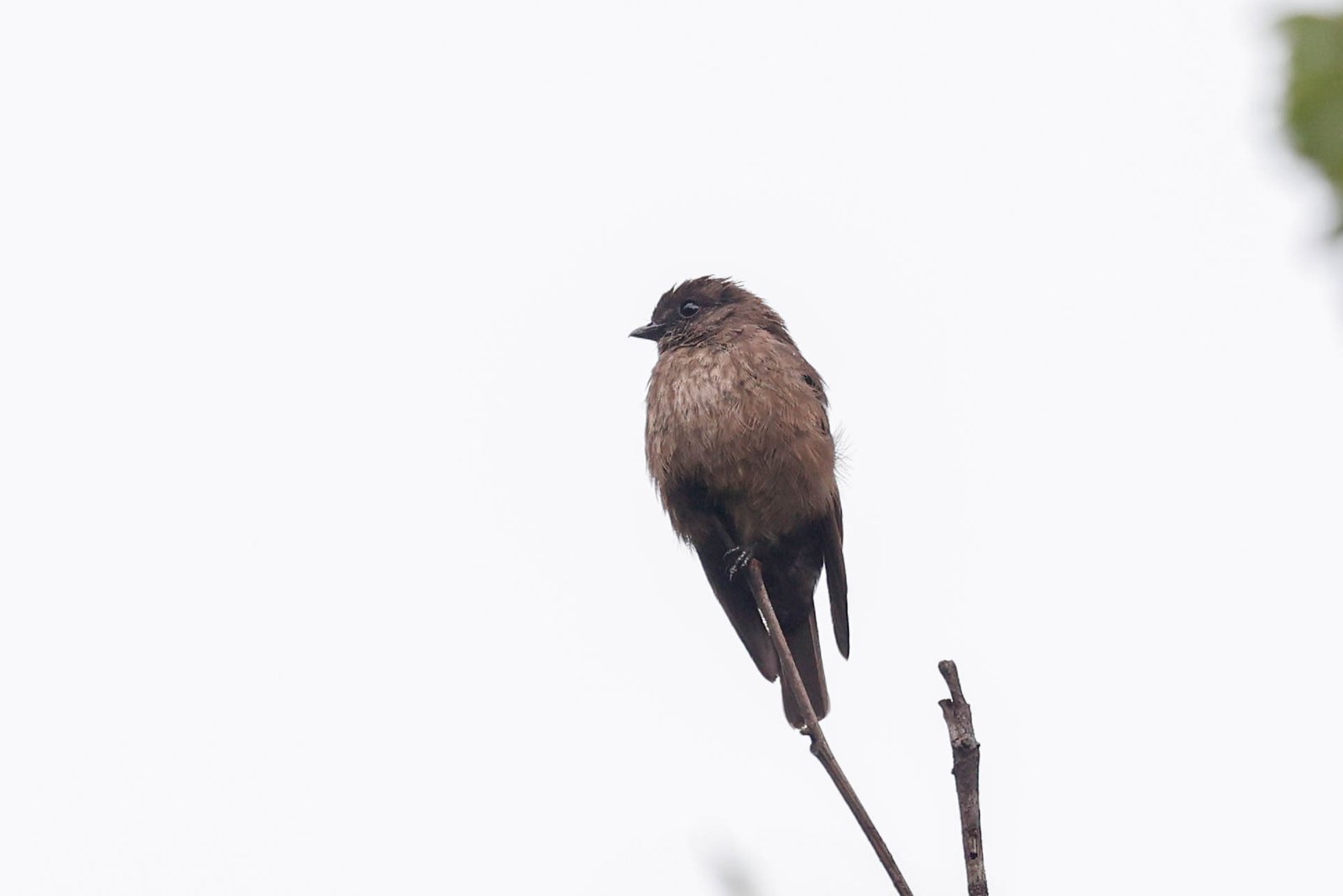
Swynnertonia 1 species
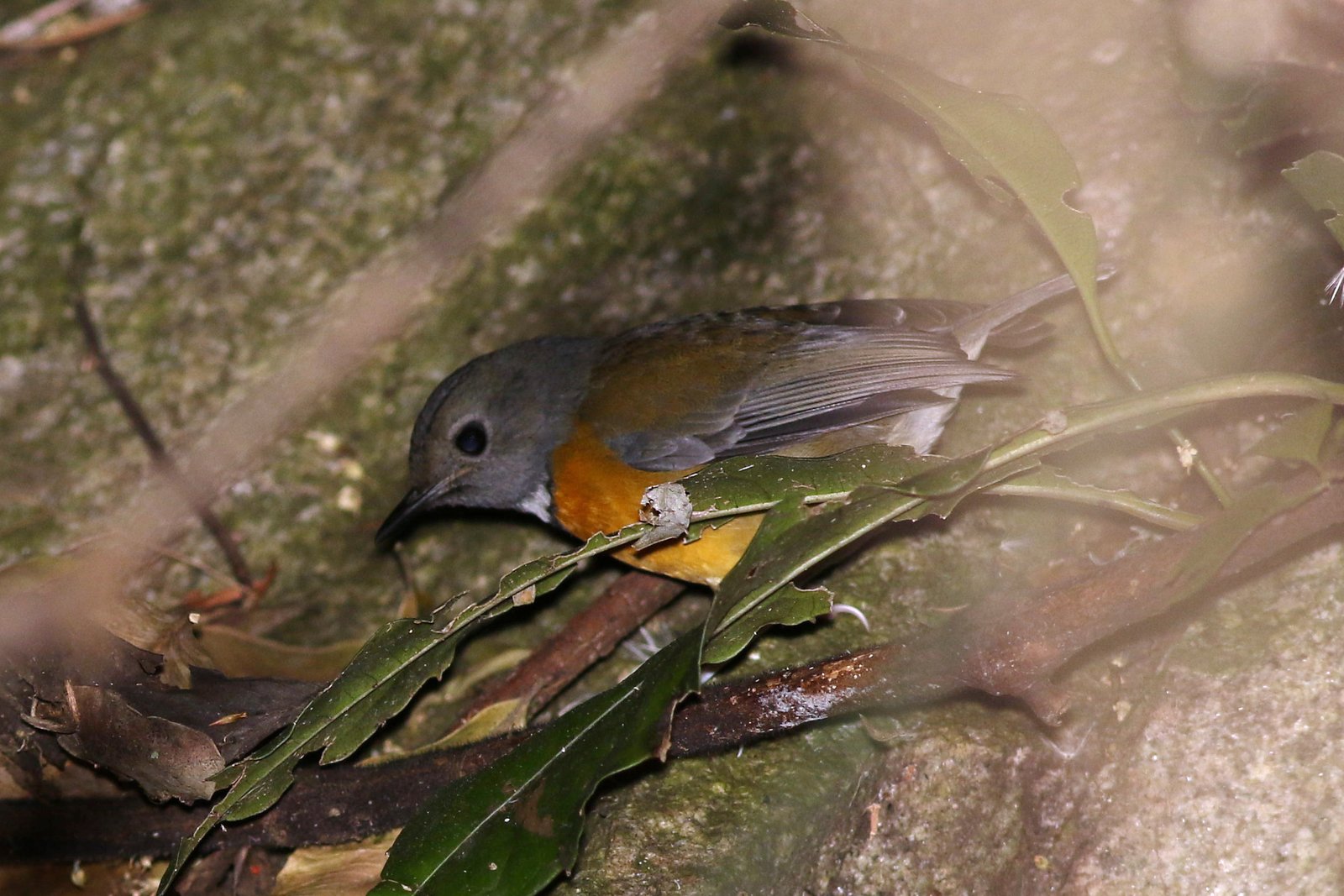
Chamaetylas 3 species
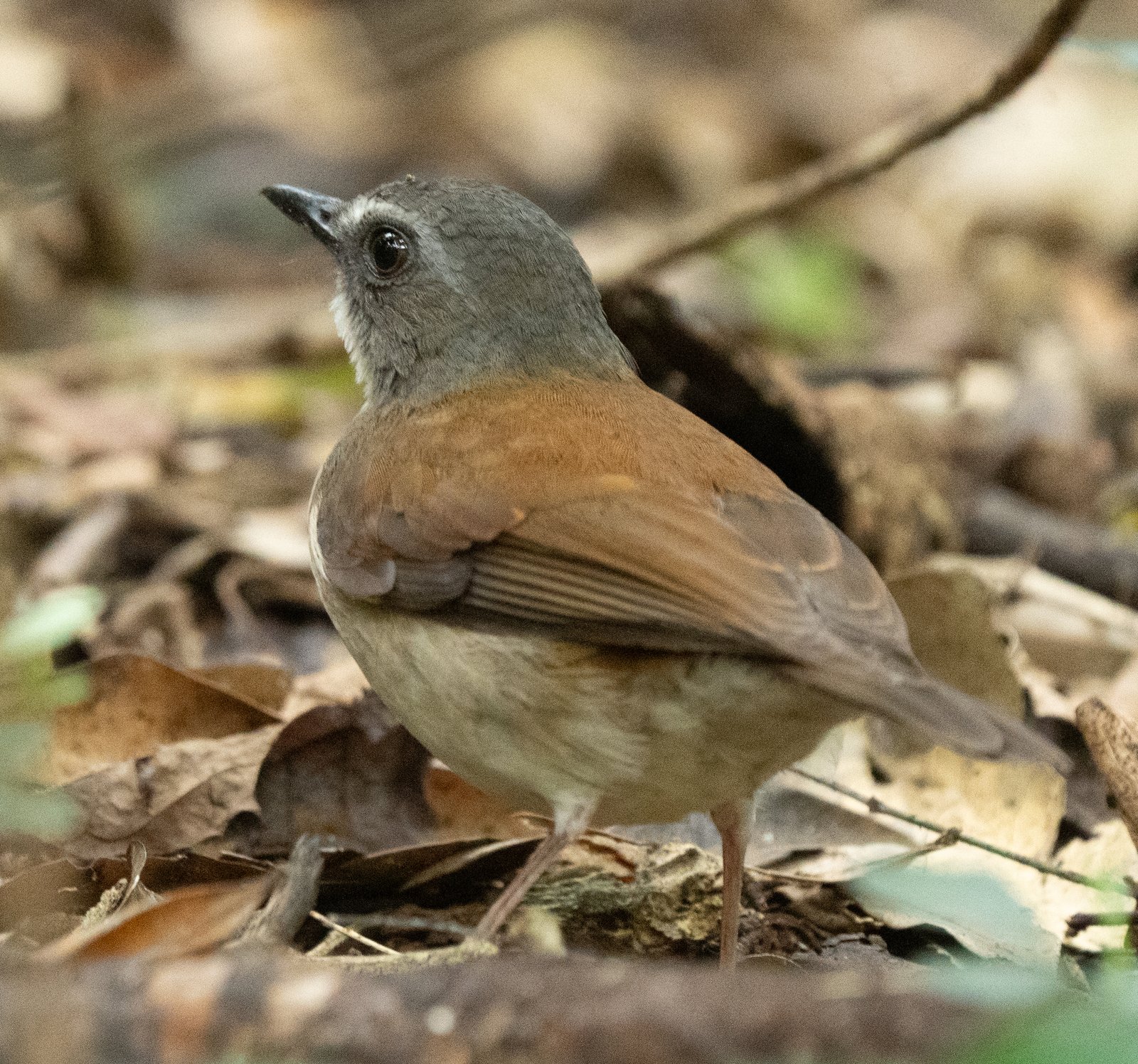


Cichladusa 2 species
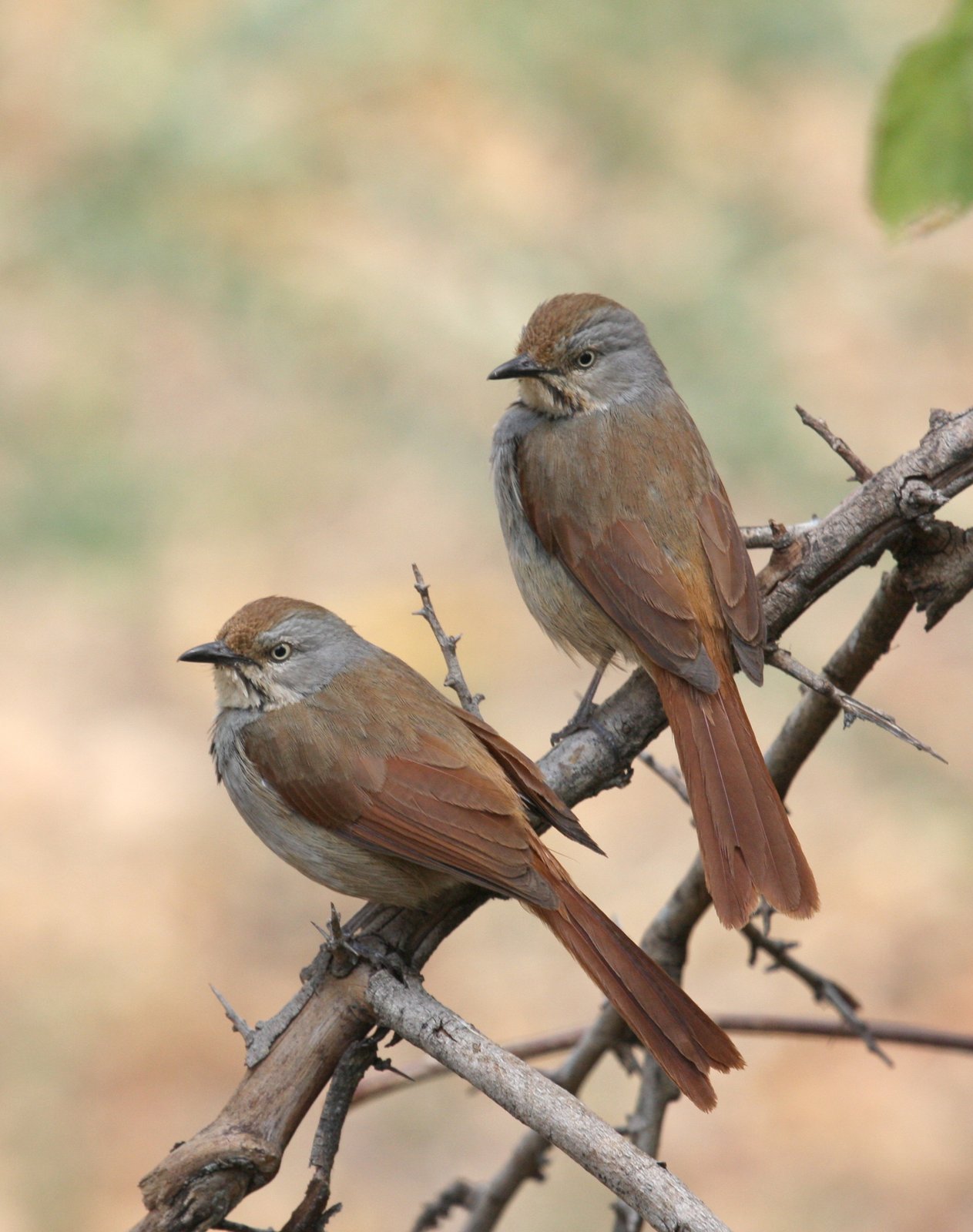
Xenocopsychus 1 species

Luscinia 1 species


Vagrants 3 species
Birds blown in from other continents. They have no range here, and so no distribution map.