All species › Passerines › New World warblers
New World warblers | Parulidae
Amerikaanse zangers | Reinitas | New World warblers
Small, short-billed insect-eaters of the foliage, nine to fifteen centimetres long and rarely heavier than fifteen grams. They work through a tree crown systematically, picking caterpillars and aphids from the undersides of leaves, hanging from a twig tip or catching an insect in a short sally. In the migratory species the plumage changes strongly with the season: in spring the males wear sharply defined patches of yellow, black, blue, orange or chestnut, and after the moult male, female and young bird often look greenish and vaguely marked, so that a wintering bird has to be identified on details such as undertail coverts, leg colour and wing bars. Part of these North American migrants winter in the northern Andes, such as Blackburnian Warbler and Canada Warbler, which from October to April travel with mixed flocks through the cloud forest. There are also many resident species, such as those of Basileuterus and Myiothlypis, the Myioborus species that flush insects with a spread tail, several of them found only in the Andes, and in the coastal mangroves and on the Galápagos the Yellow Warbler, there the only member of the family. The family is found only in the Americas.
Native species 51 species
Species that occur here by nature: breeding birds, winter visitors and passage migrants. They are arranged by genus, in the sequence of the list.
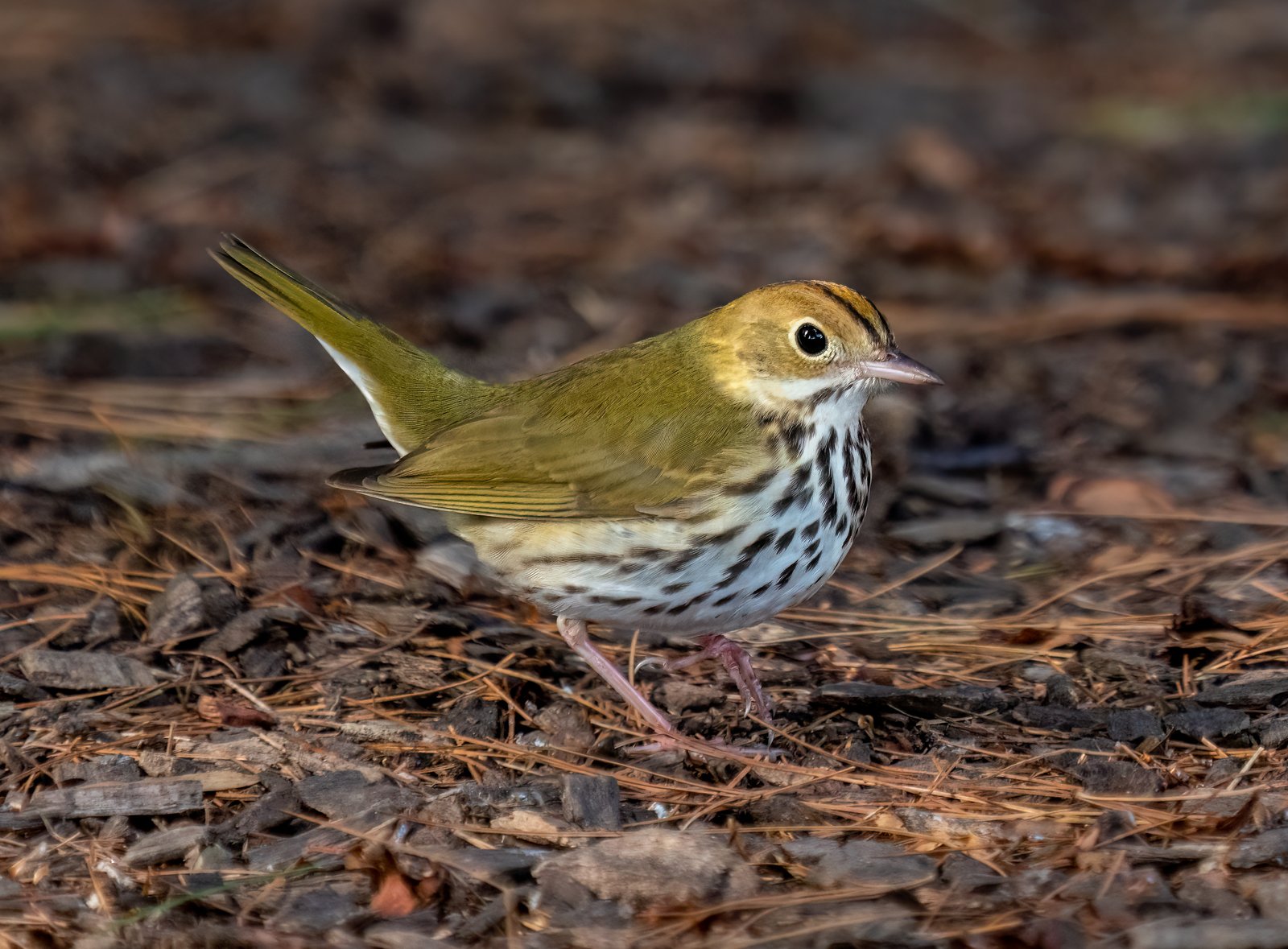
Parkesia 2 species
-
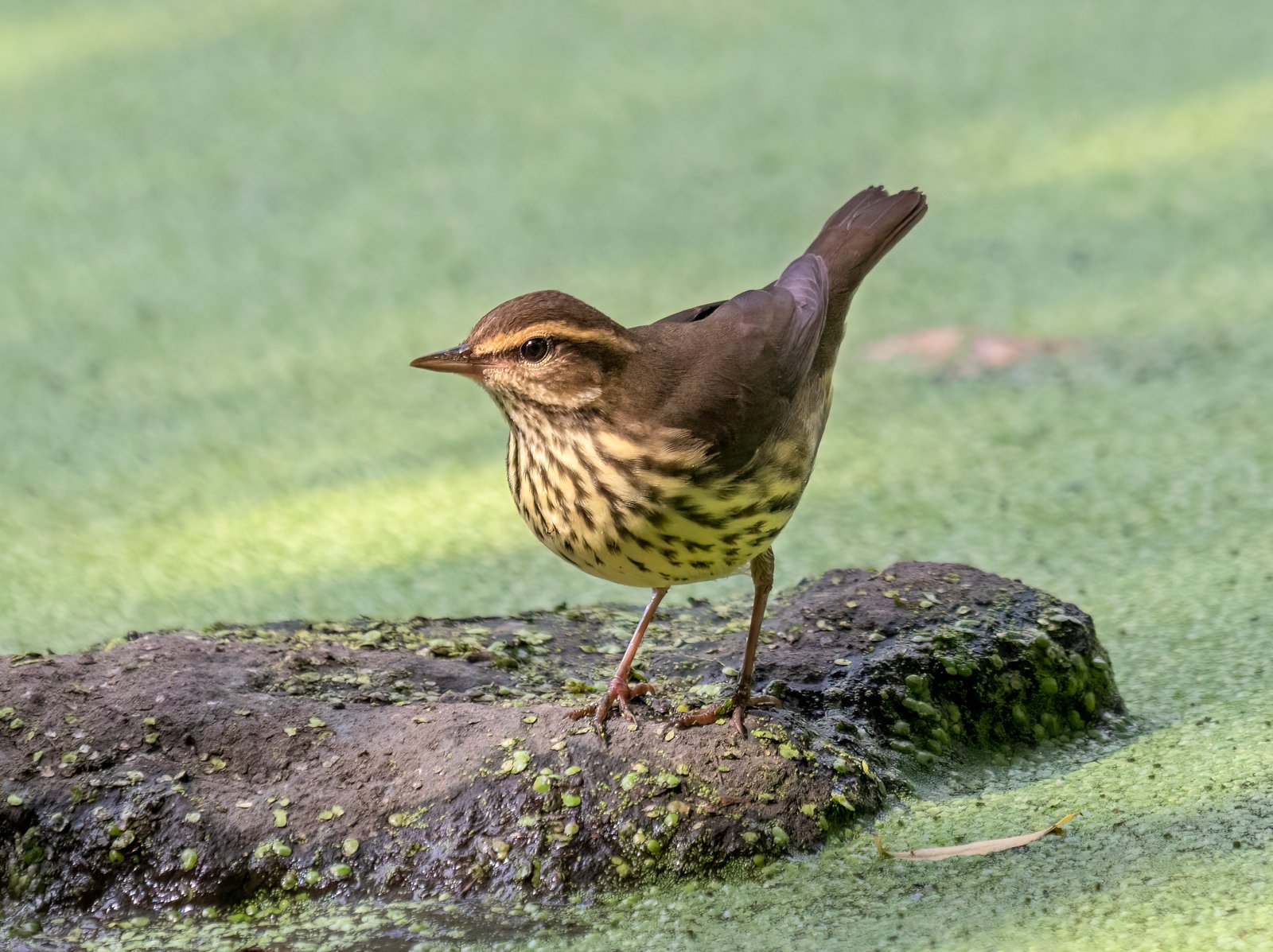
Northern Waterthrush
Parkesia noveboracensis Mangrove
 Palm swamps and swamp forest
 Lowland marshes and wet meadows
 Lowland lakes and oxbows
 Riparian woodland of the Andes and coastal valleys
 Secondary forest and forest edge
-
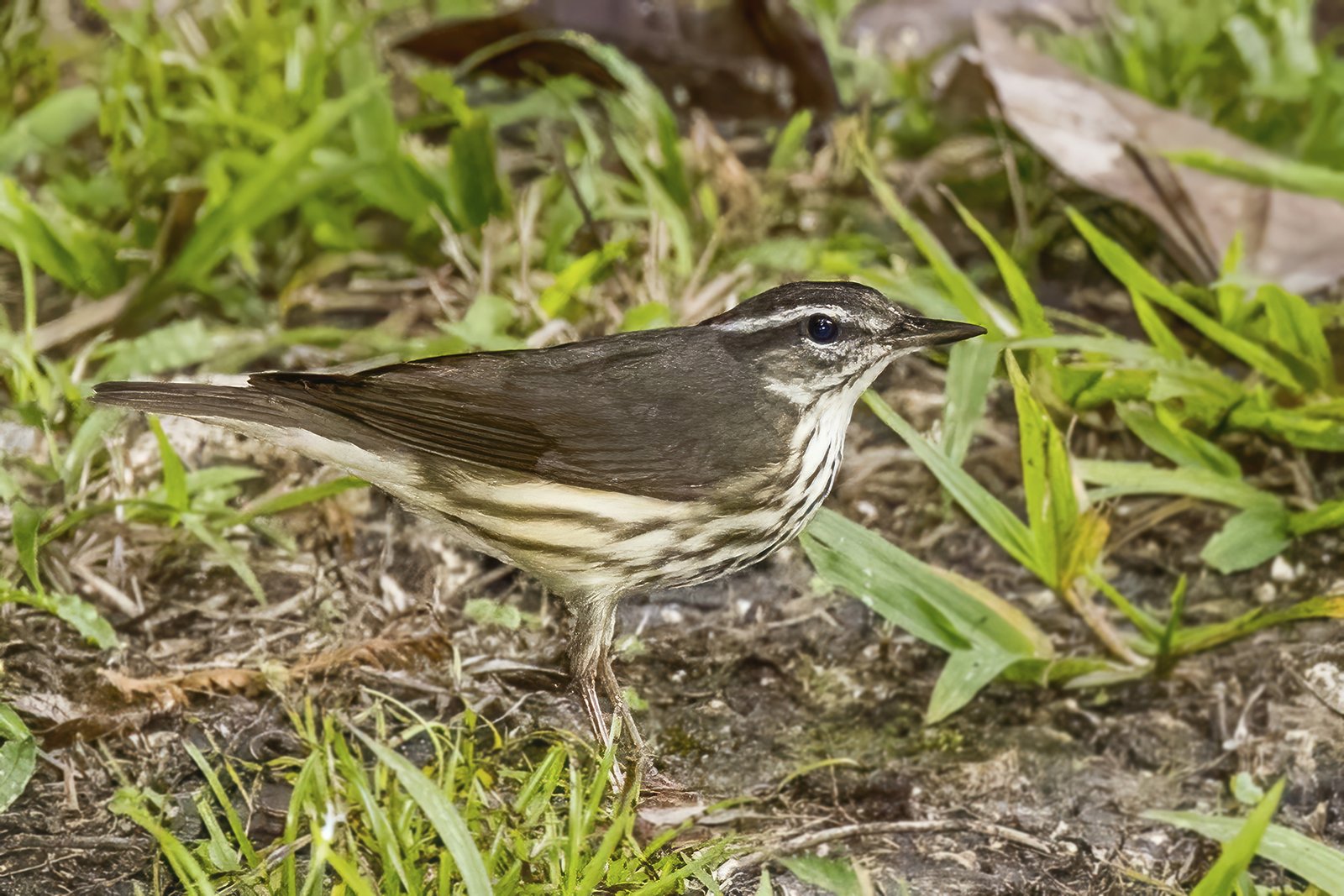
Louisiana Waterthrush
Parkesia motacilla Andean rivers and torrents
 Northern Andean subtropical forest
- Secondary forest and forest edge
 Eastern Andean foothill forest
- Riparian woodland of the Andes and coastal valleys
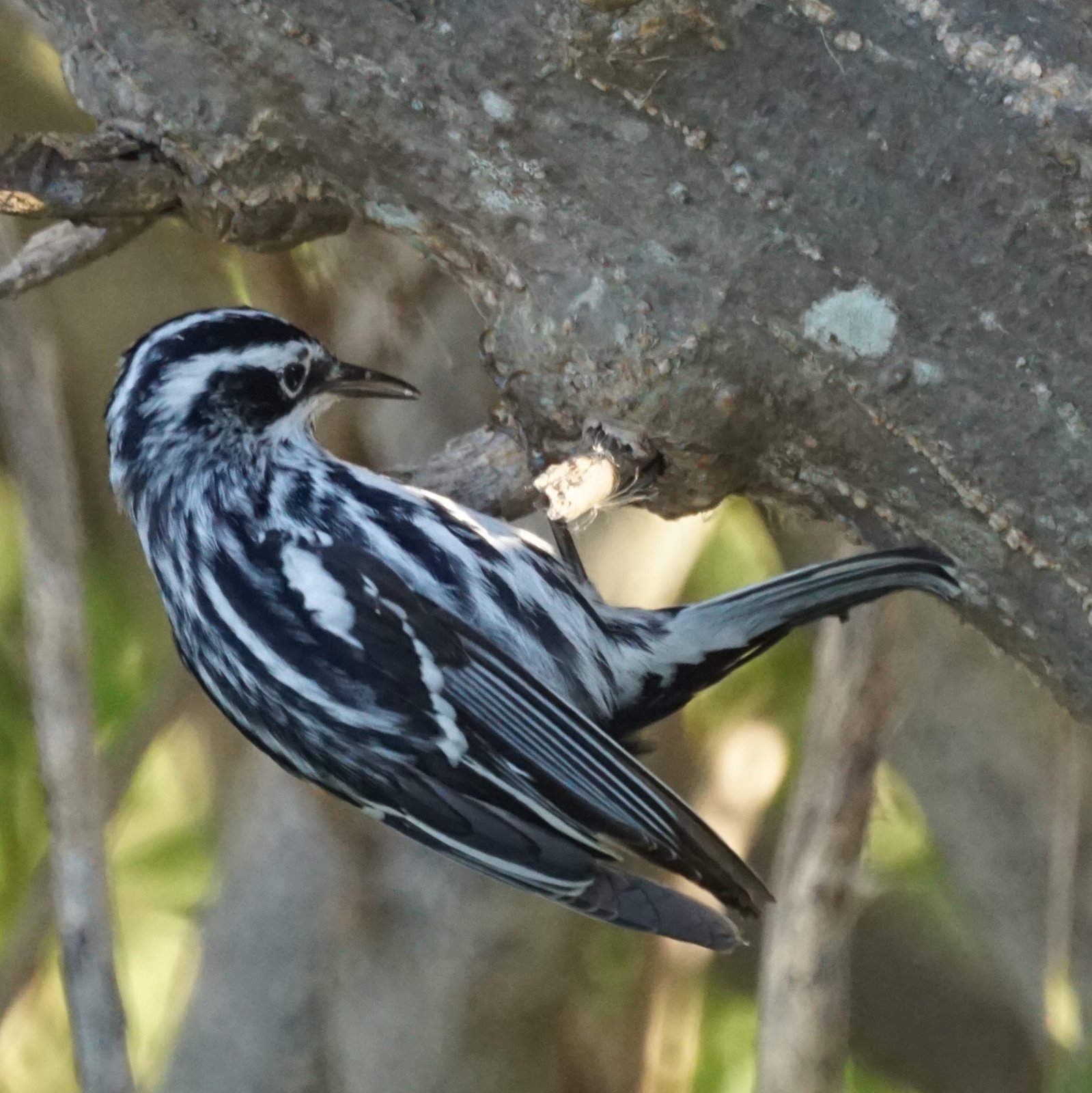
Helmitheros 1 species
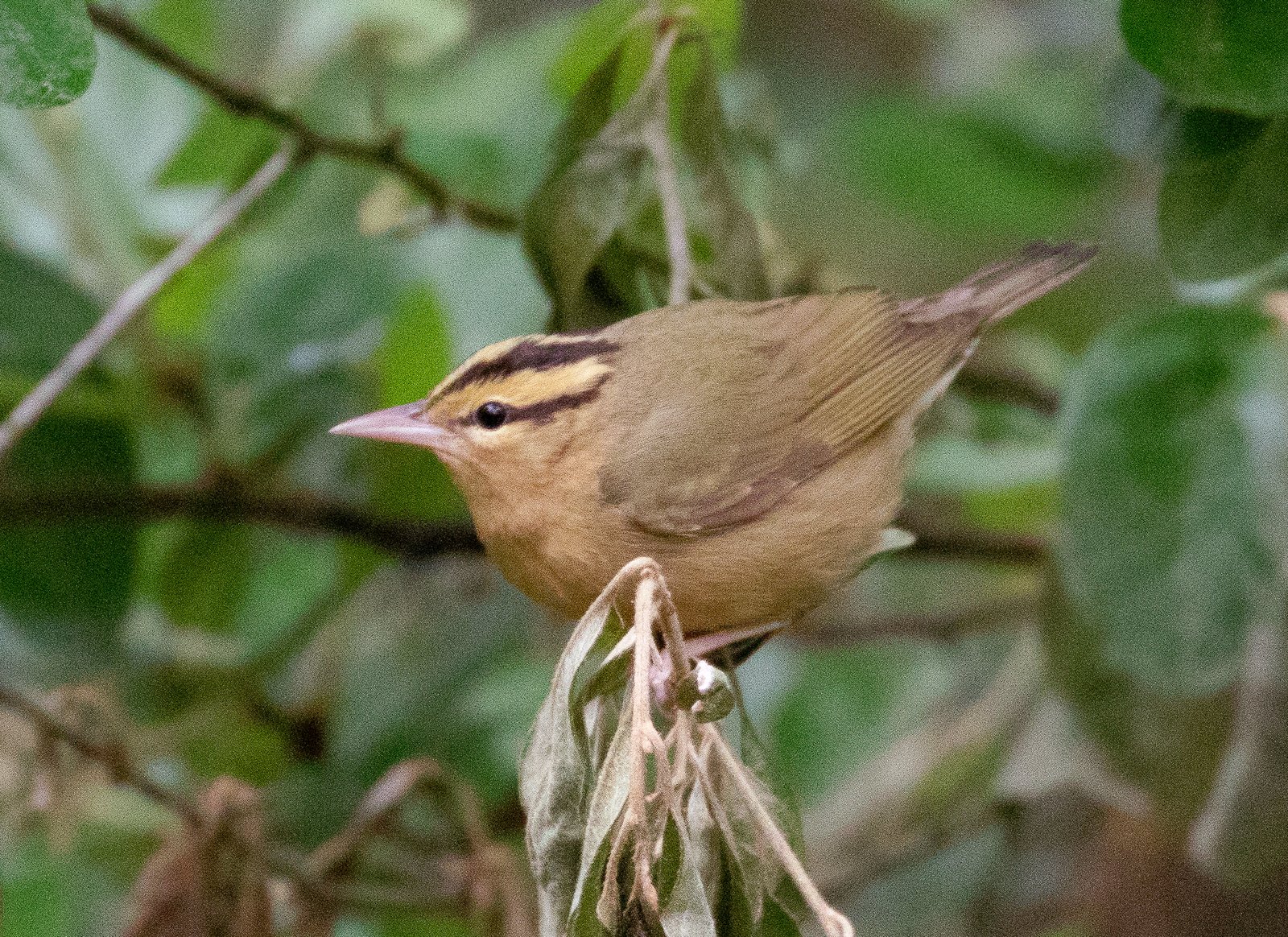
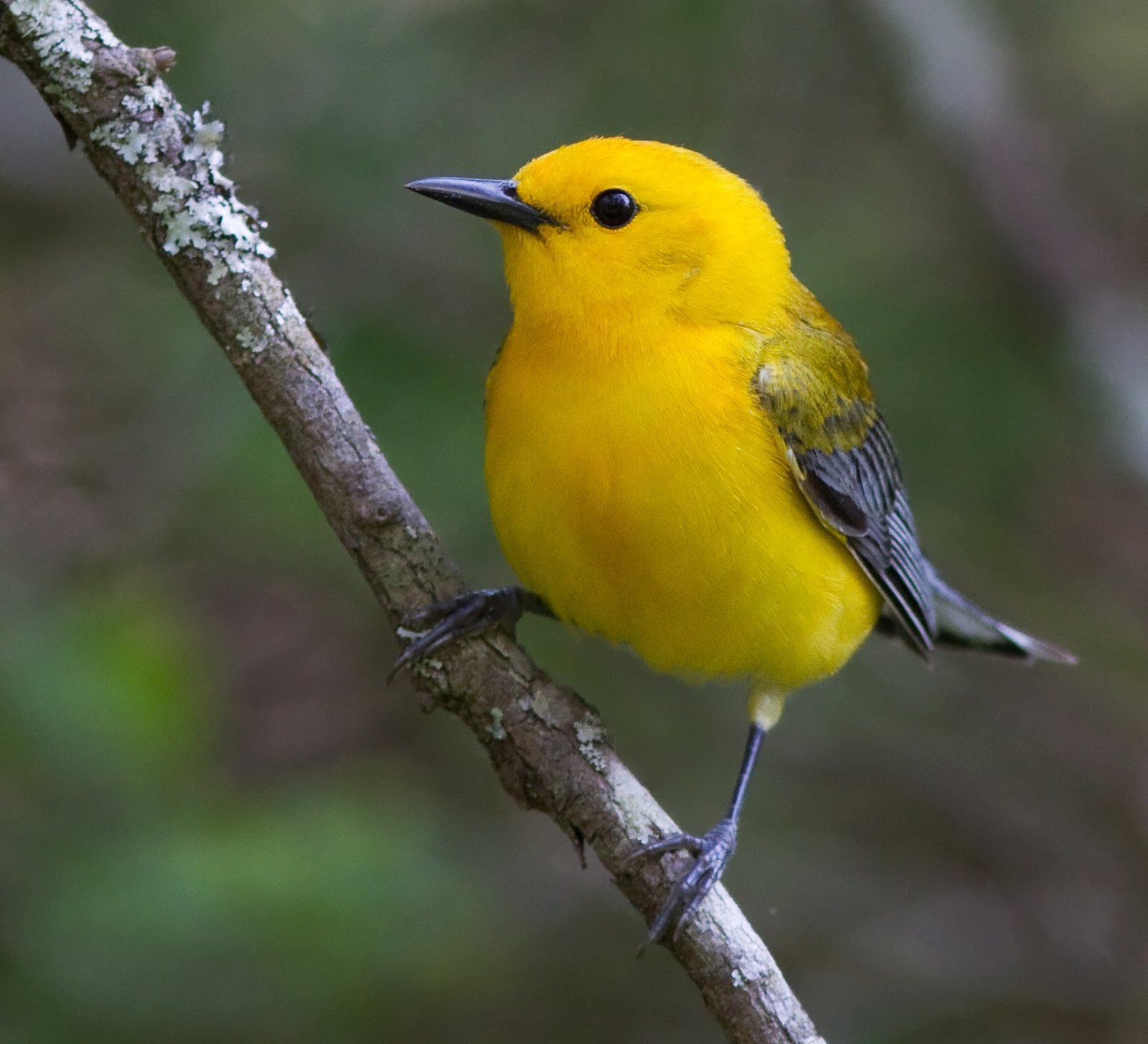
Protonotaria 1 species
Vermivora 2 species
-
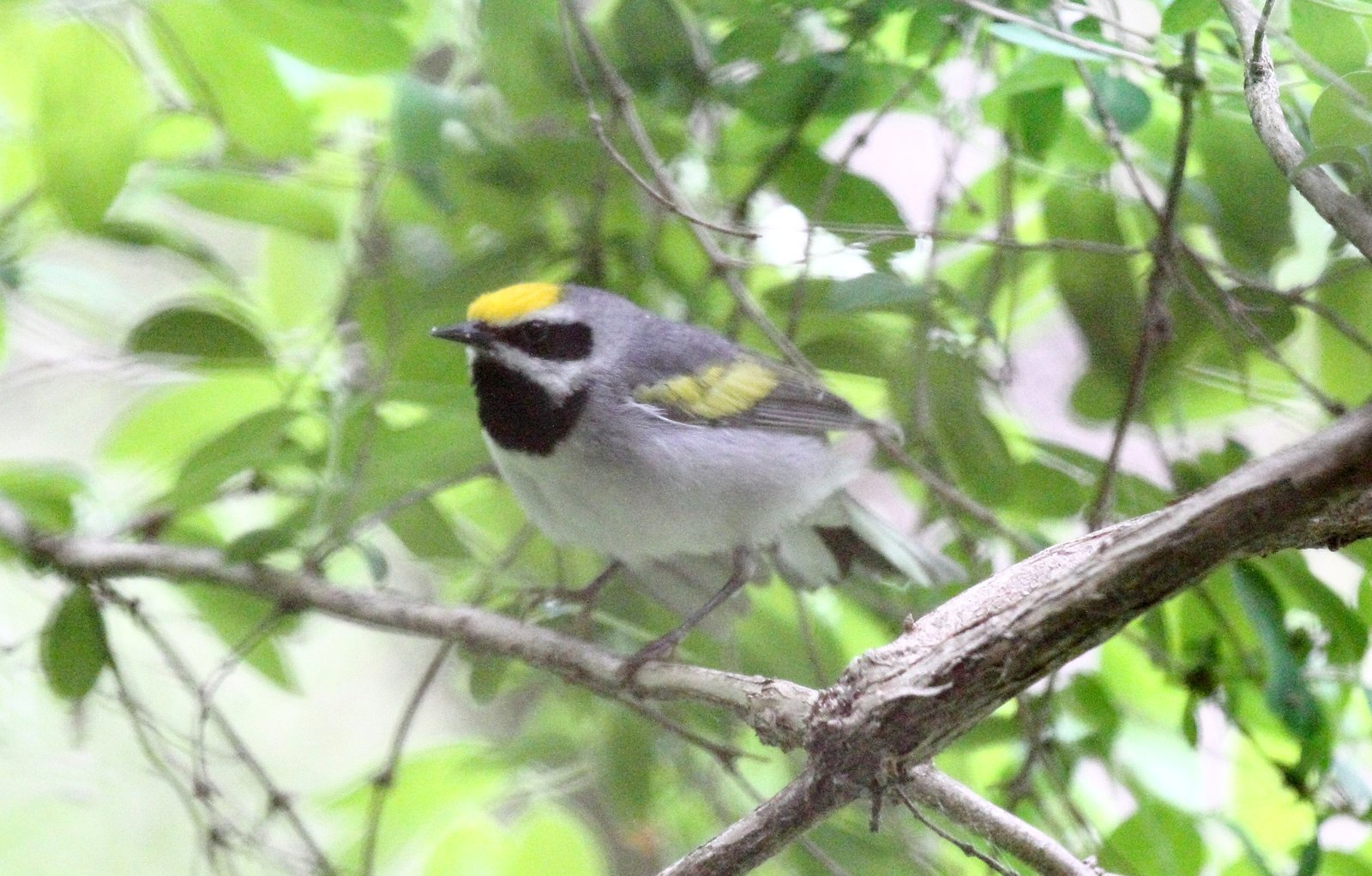
Golden-winged Warbler
Vermivora chrysoptera- Northern Andean subtropical forest
 Northern Andean cloud forest and temperate forest
- Secondary forest and forest edge
 Coffee, cacao and agroforestry
-
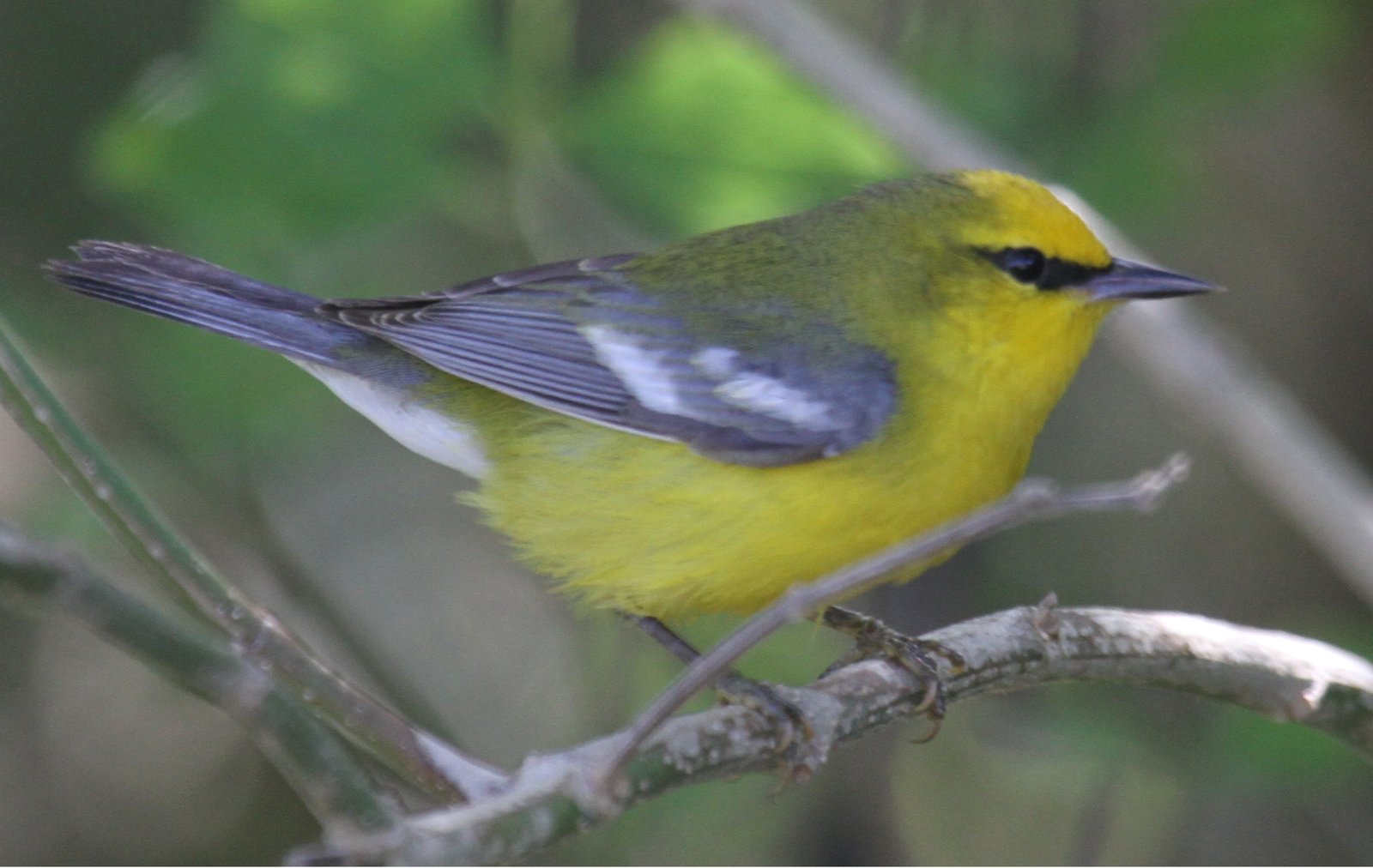
Blue-winged Warbler
Vermivora cyanoptera- Secondary forest and forest edge
- Northern Andean subtropical forest
- Coffee, cacao and agroforestry
 Chocó rainforest
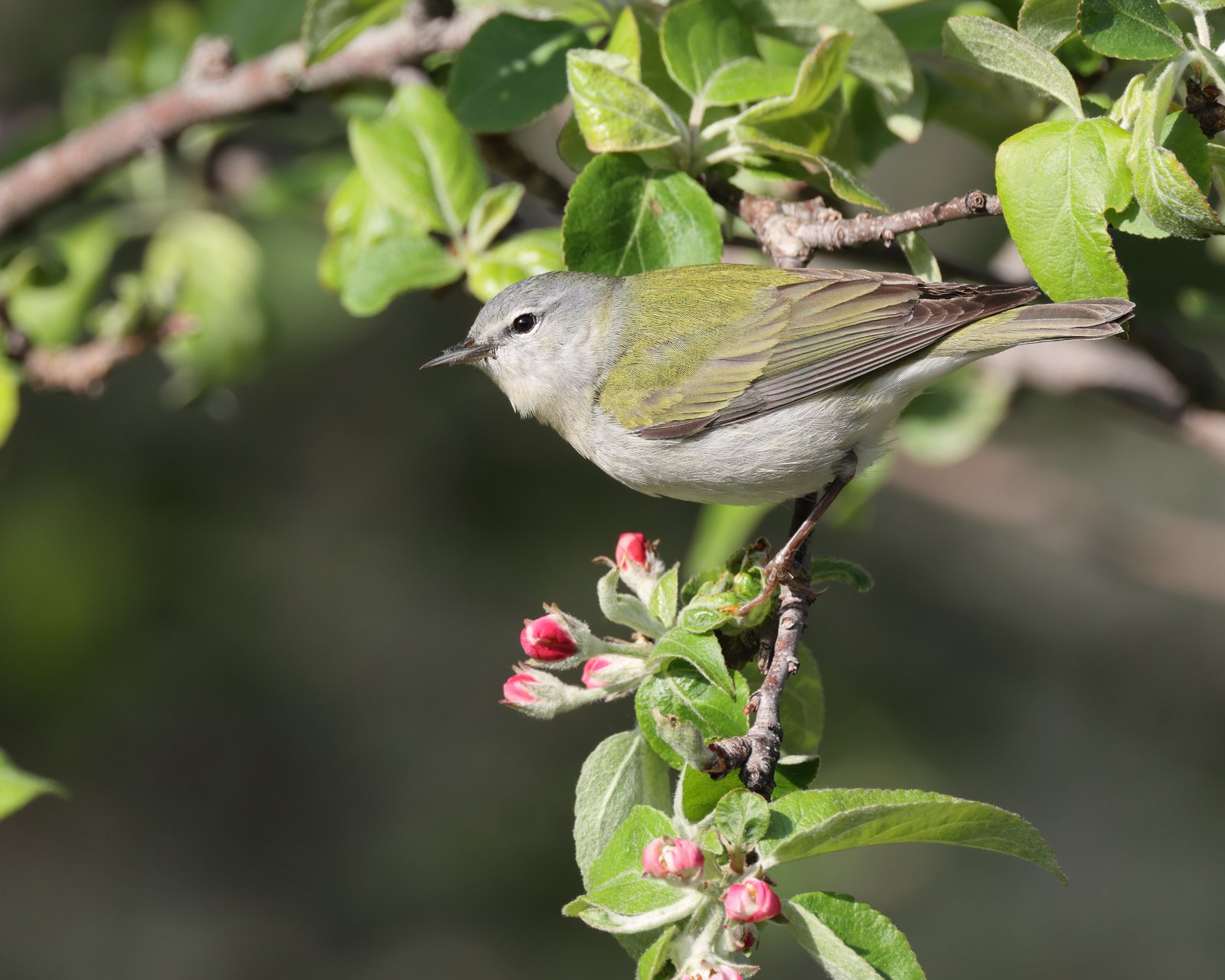
Oporornis 1 species
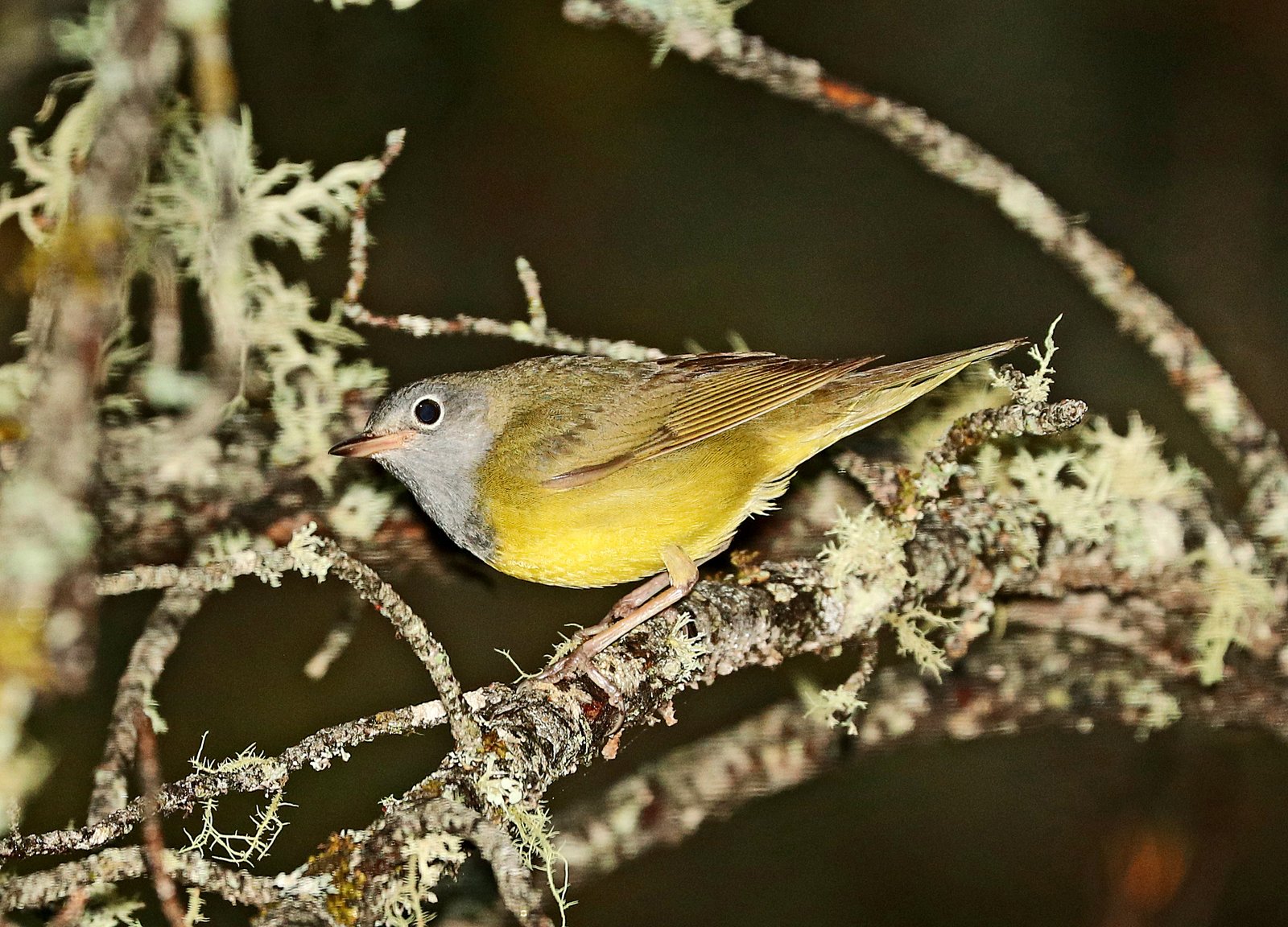
Geothlypis 7 species
-

Mourning Warbler
Geothlypis philadelphia- Secondary forest and forest edge
 Pasture and ranchland
- Northern Andean subtropical forest
- Coffee, cacao and agroforestry
- Eastern Andean foothill forest
-
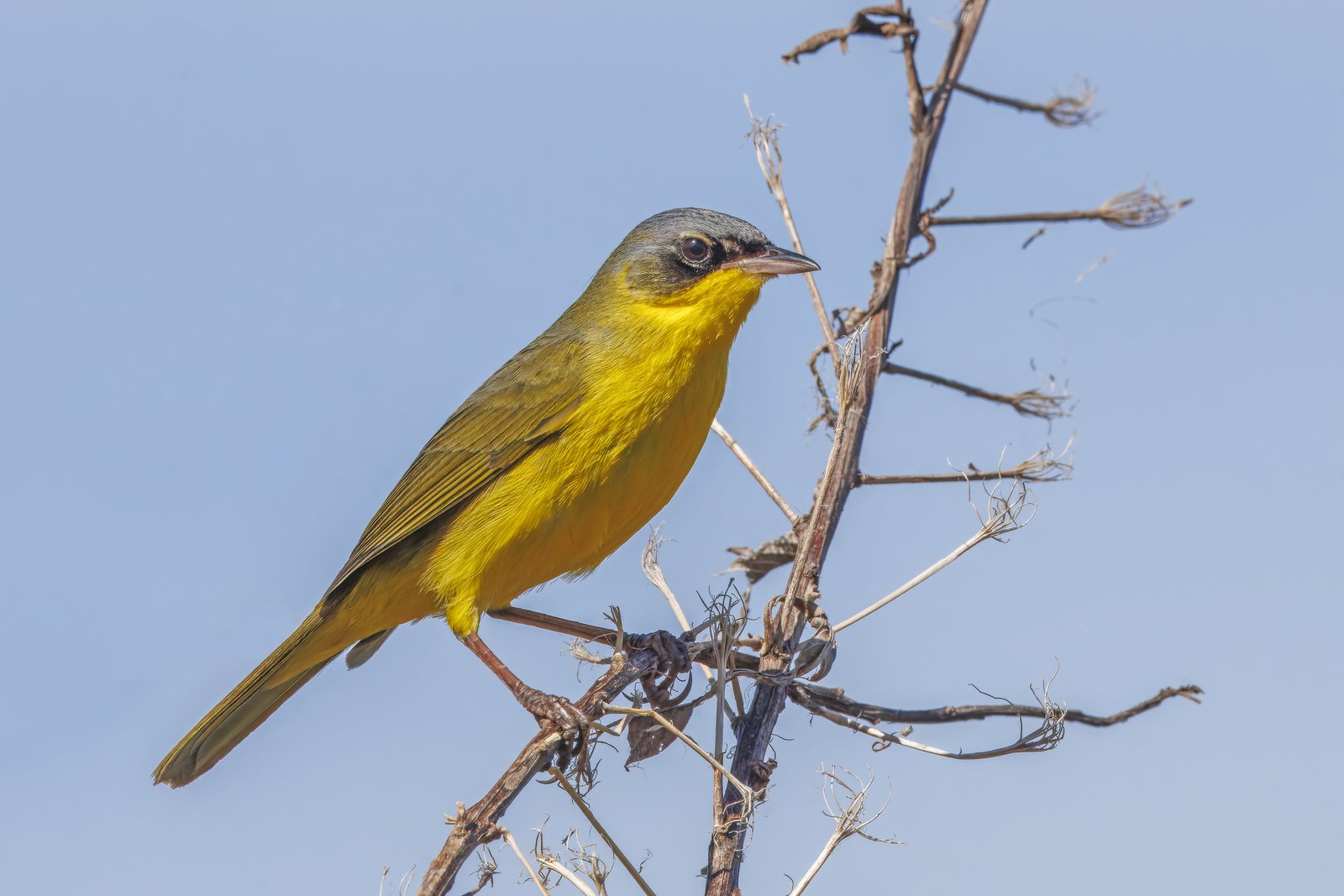
Southern Yellowthroat
Geothlypis velata- Lowland marshes and wet meadows
 Beni savanna and cerrado
- Pasture and ranchland
 Várzea, igapó and river islands
-
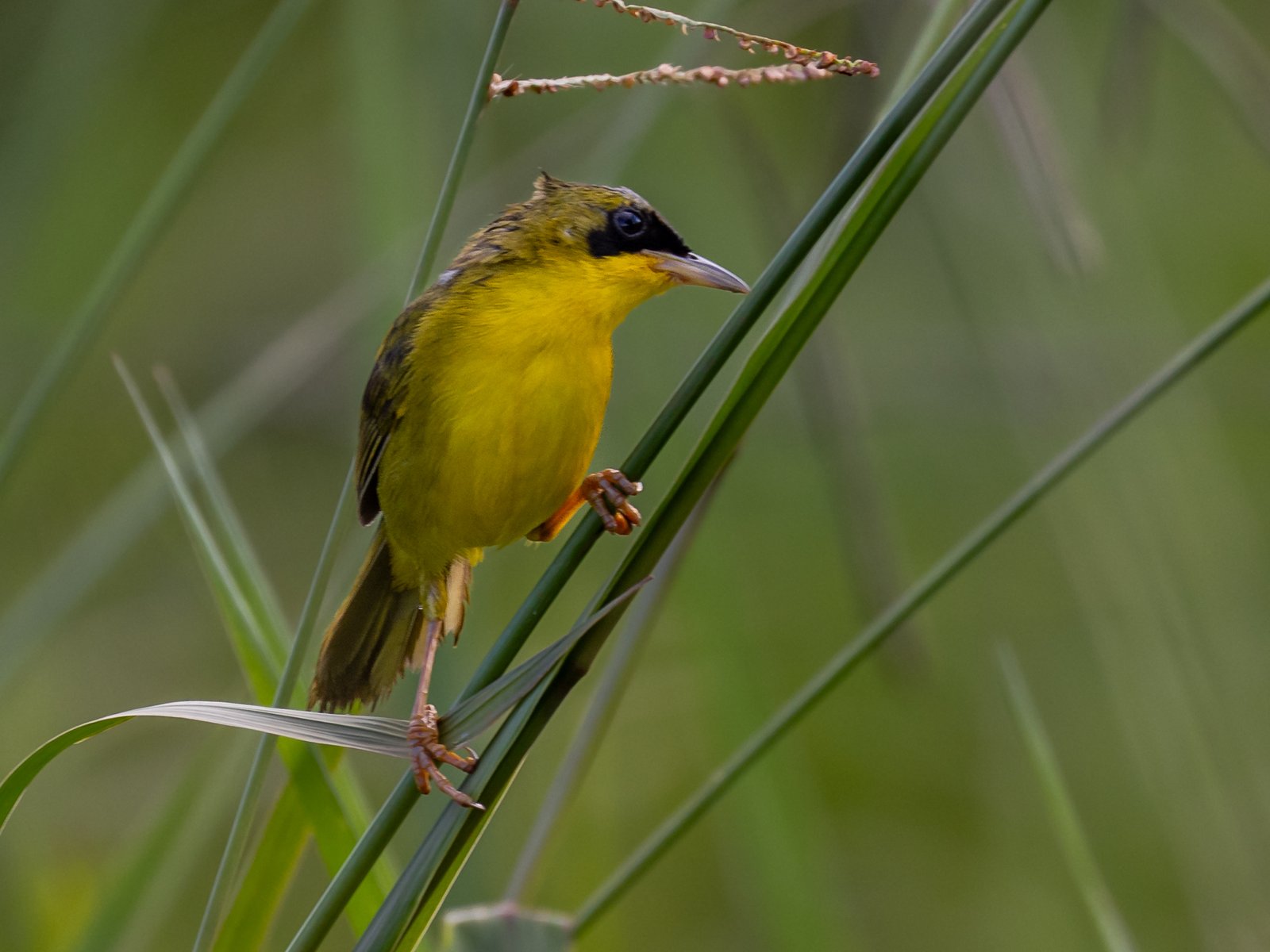
Masked Yellowthroat
Geothlypis aequinoctialis- Lowland marshes and wet meadows
 Llanos savanna
- Pasture and ranchland
 Irrigated farmland and rice fields
- Várzea, igapó and river islands
-
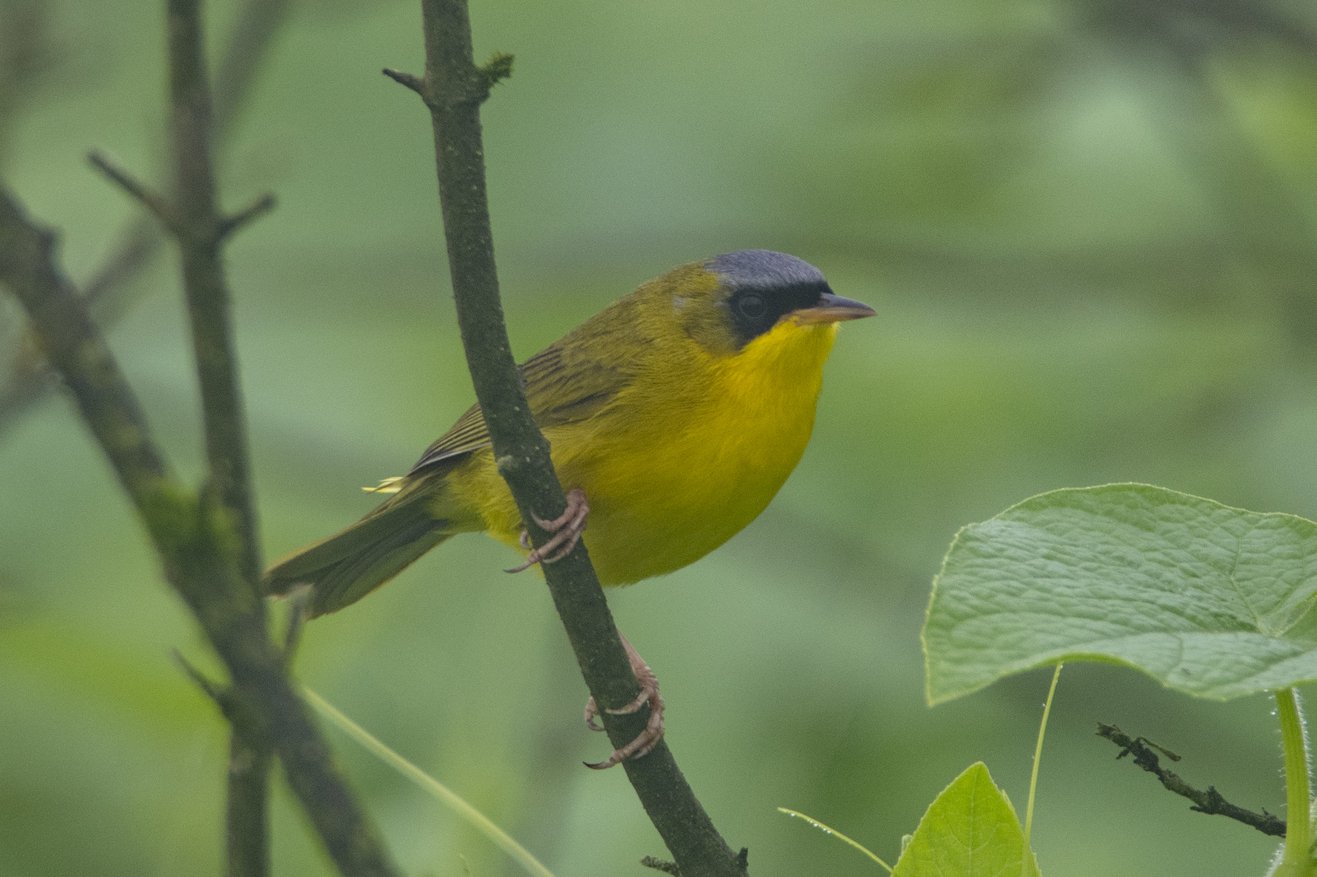
Black-lored Yellowthroat
Geothlypis auricularis- Lowland marshes and wet meadows
- Irrigated farmland and rice fields
- Riparian woodland of the Andes and coastal valleys
- Pasture and ranchland
 Salt marsh and salt pans
-
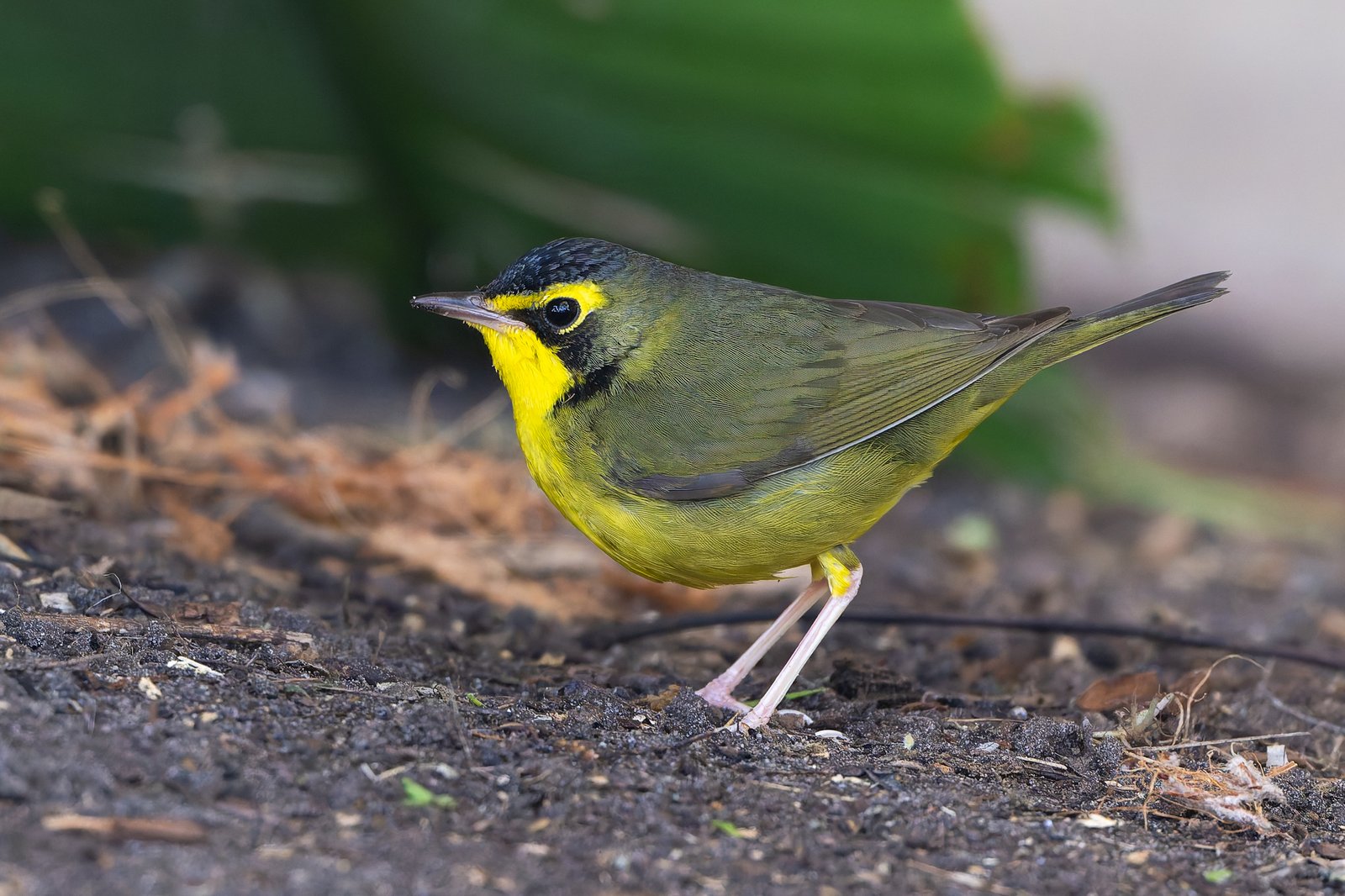
Kentucky Warbler
Geothlypis formosa- Secondary forest and forest edge
- Northern Andean subtropical forest
- Chocó rainforest
- Coffee, cacao and agroforestry
-
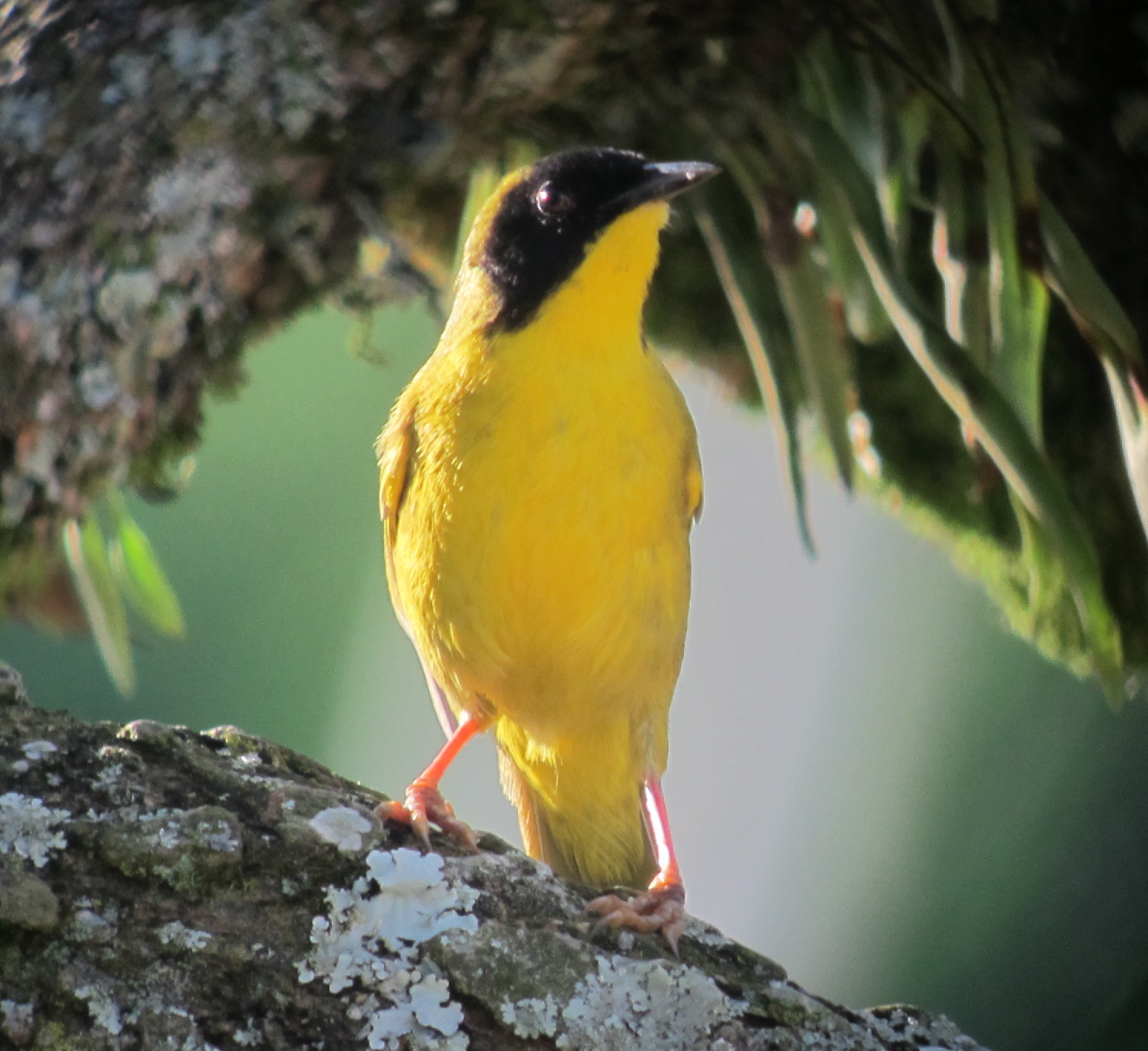
Olive-crowned Yellowthroat
Geothlypis semiflava- Lowland marshes and wet meadows
- Pasture and ranchland
- Secondary forest and forest edge
- Irrigated farmland and rice fields
- Riparian woodland of the Andes and coastal valleys
-

Common Yellowthroat
Geothlypis trichas- Lowland marshes and wet meadows
- Pasture and ranchland
- Secondary forest and forest edge
- Mangrove
Setophaga 9 species
-
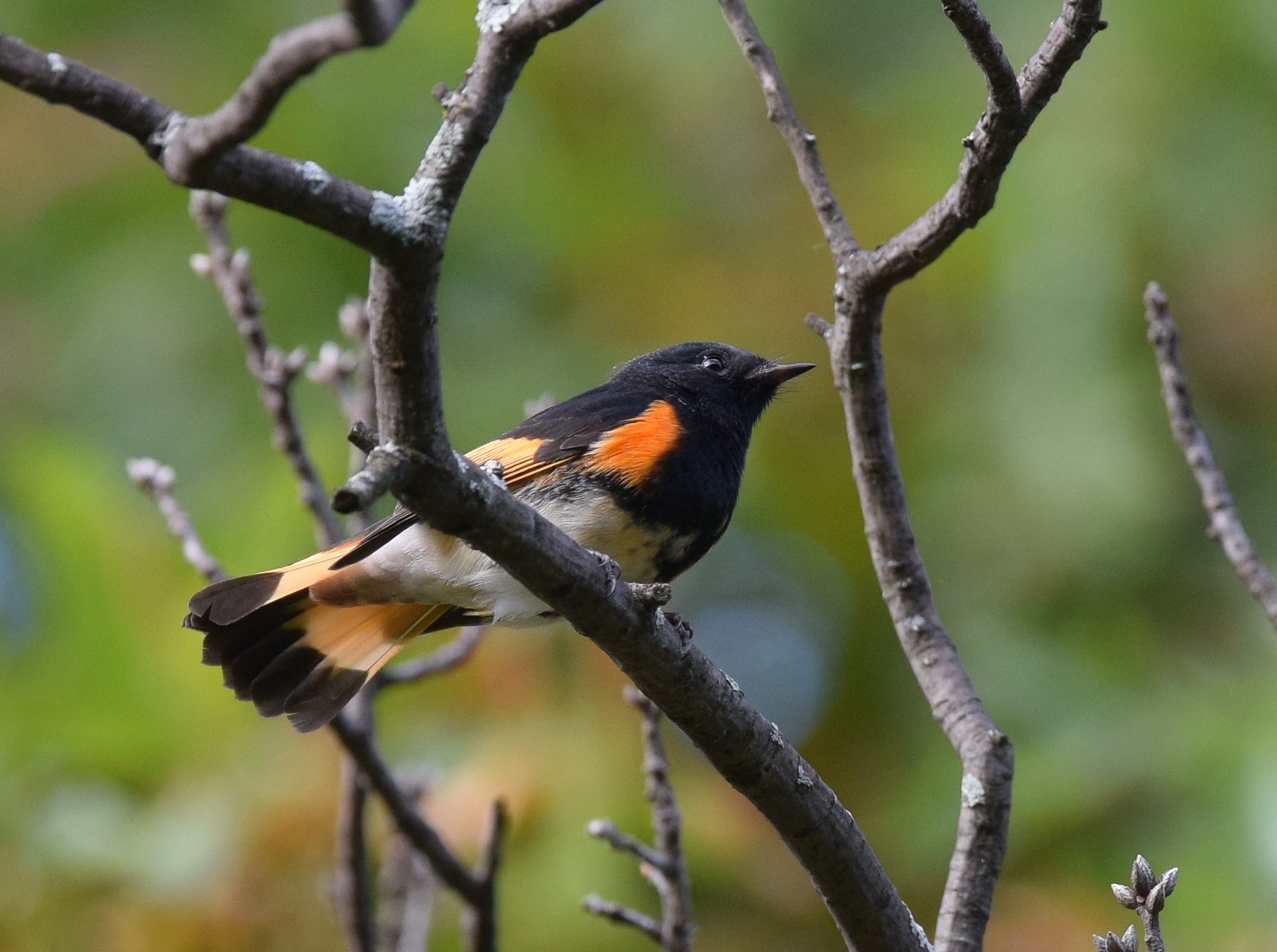
American Redstart
Setophaga ruticilla- Secondary forest and forest edge
- Coffee, cacao and agroforestry
- Northern Andean subtropical forest
- Riparian woodland of the Andes and coastal valleys
- Mangrove
 Tumbesian dry forest and thorn scrub
-
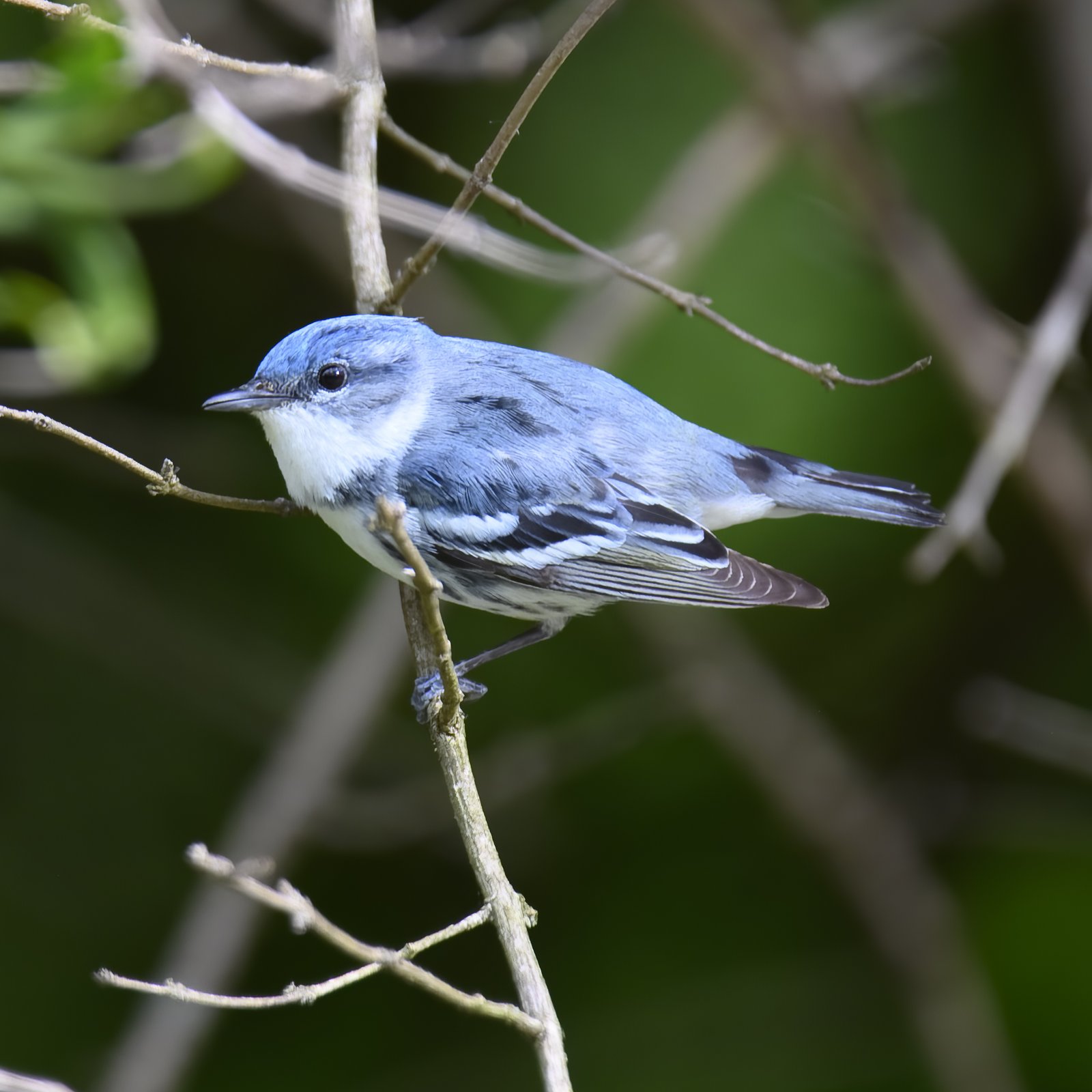
Cerulean Warbler
Setophaga cerulea- Northern Andean subtropical forest
- Eastern Andean foothill forest
 Lower Yungas forest
- Coffee, cacao and agroforestry
- Secondary forest and forest edge
-
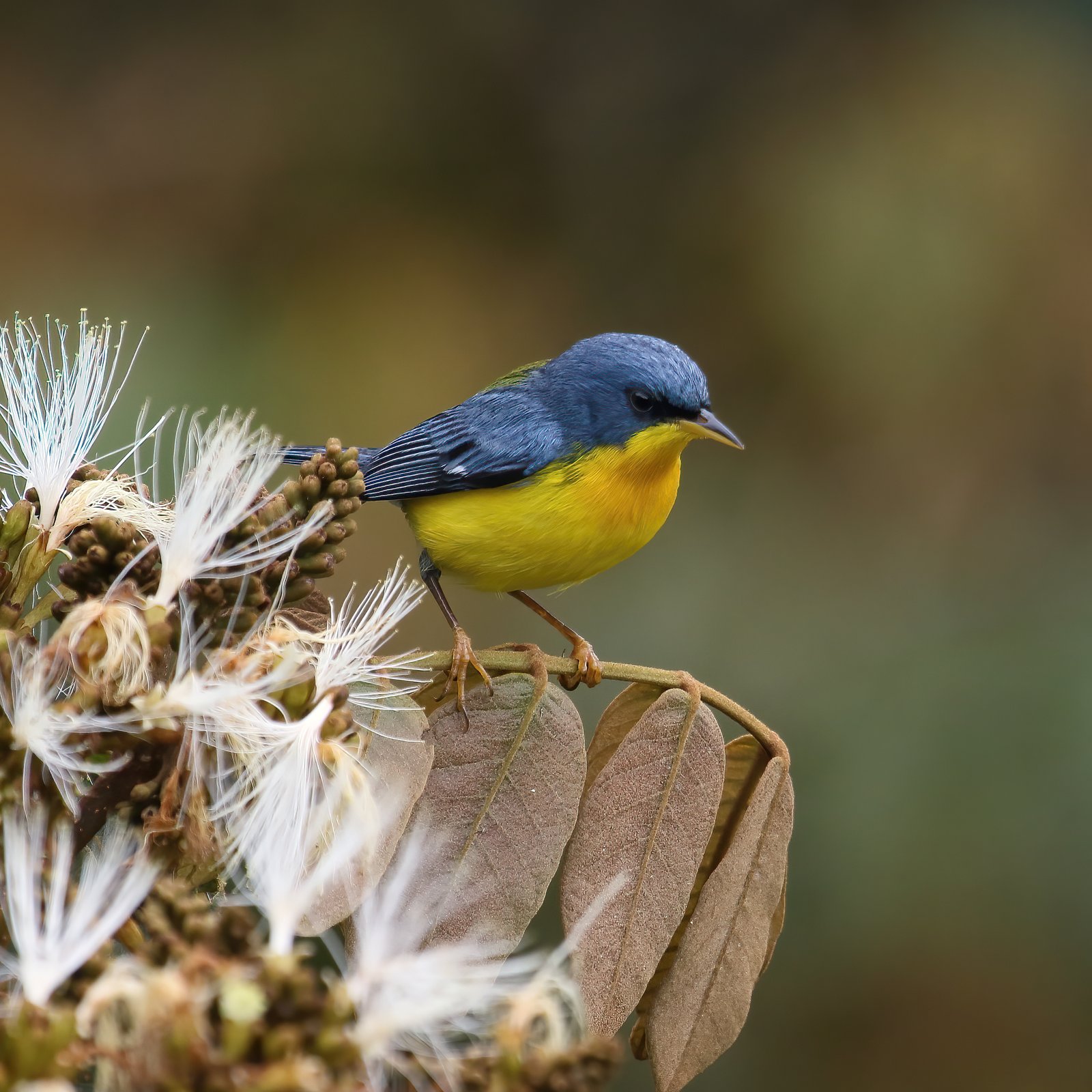
Tropical Parula
Setophaga pitiayumi- Northern Andean subtropical forest
- Lower Yungas forest
 Western Ecuador humid forest
- Eastern Andean foothill forest
- Northern Andean cloud forest and temperate forest
- Tumbesian dry forest and thorn scrub
- Secondary forest and forest edge
-
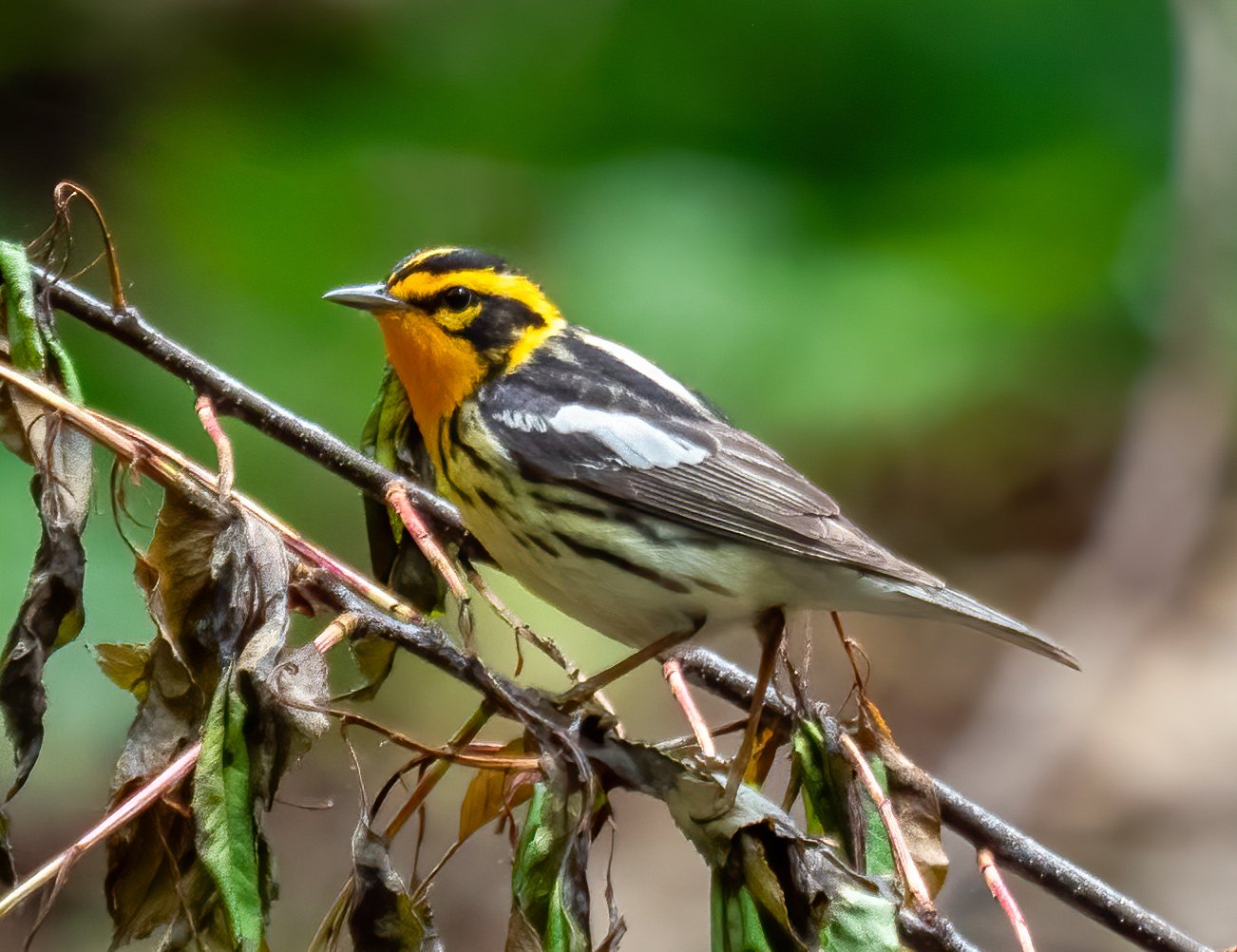
Blackburnian Warbler
Setophaga fusca- Northern Andean subtropical forest
- Northern Andean cloud forest and temperate forest
- Lower Yungas forest
 Upper Yungas cloud forest
- Eastern Andean foothill forest
- Coffee, cacao and agroforestry
- Secondary forest and forest edge
-
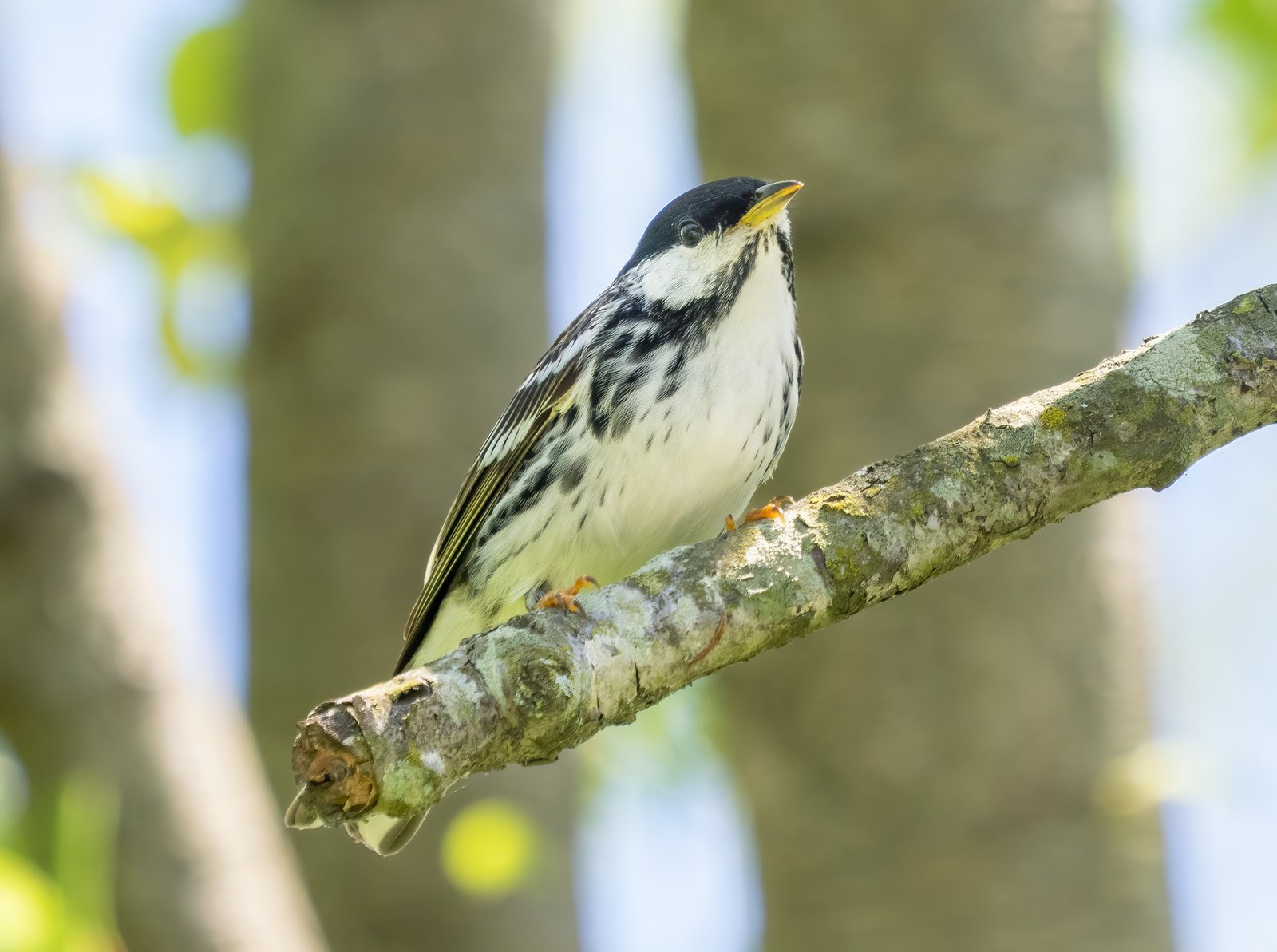
Blackpoll Warbler
Setophaga striata Amazonian terra firme rainforest
- Várzea, igapó and river islands
- Secondary forest and forest edge
- Eastern Andean foothill forest
- Northern Andean subtropical forest
-
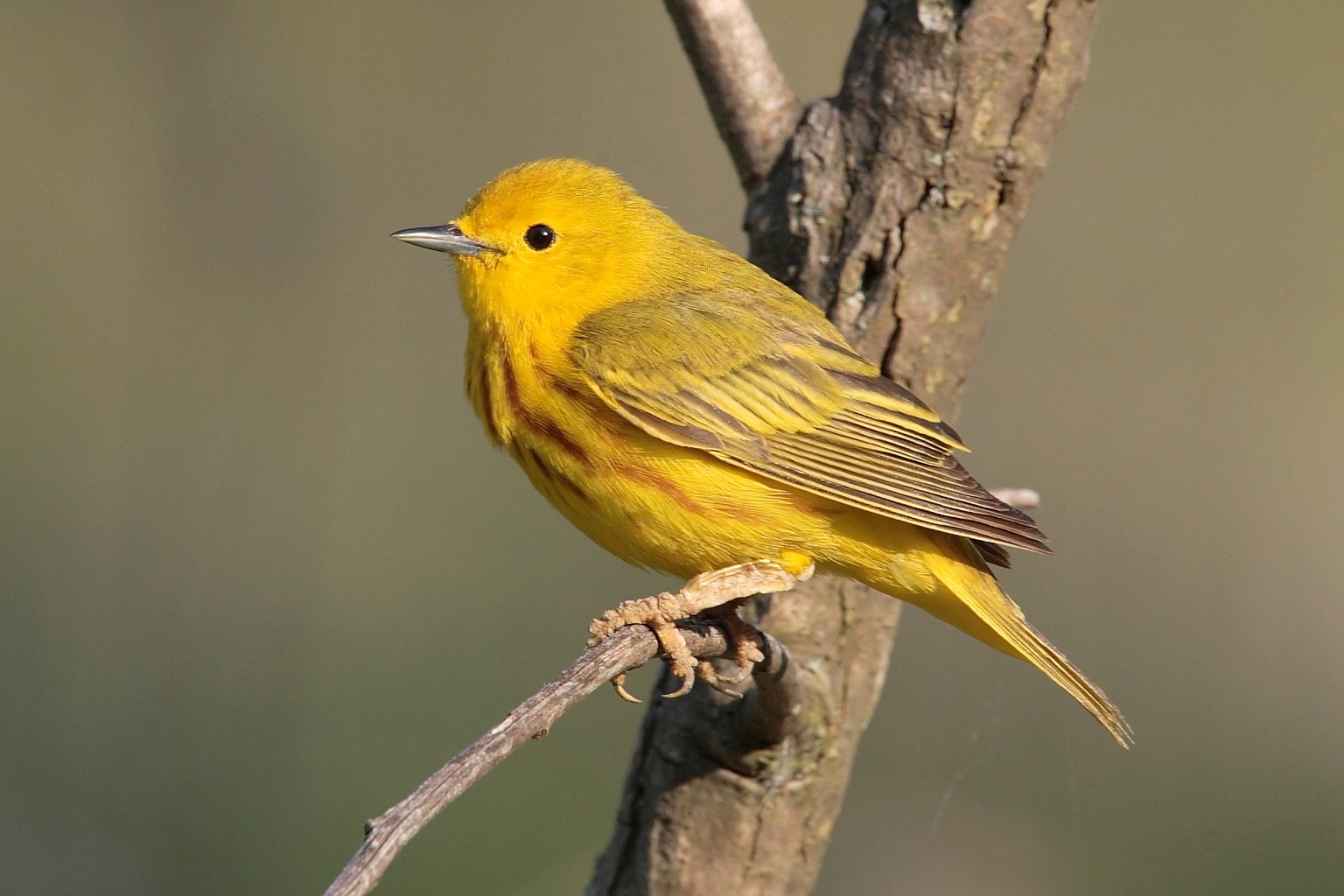
American Yellow Warbler
Setophaga aestiva- Secondary forest and forest edge
- Riparian woodland of the Andes and coastal valleys
- Pasture and ranchland
 Towns, cities and parks
- Mangrove
- Irrigated farmland and rice fields
-
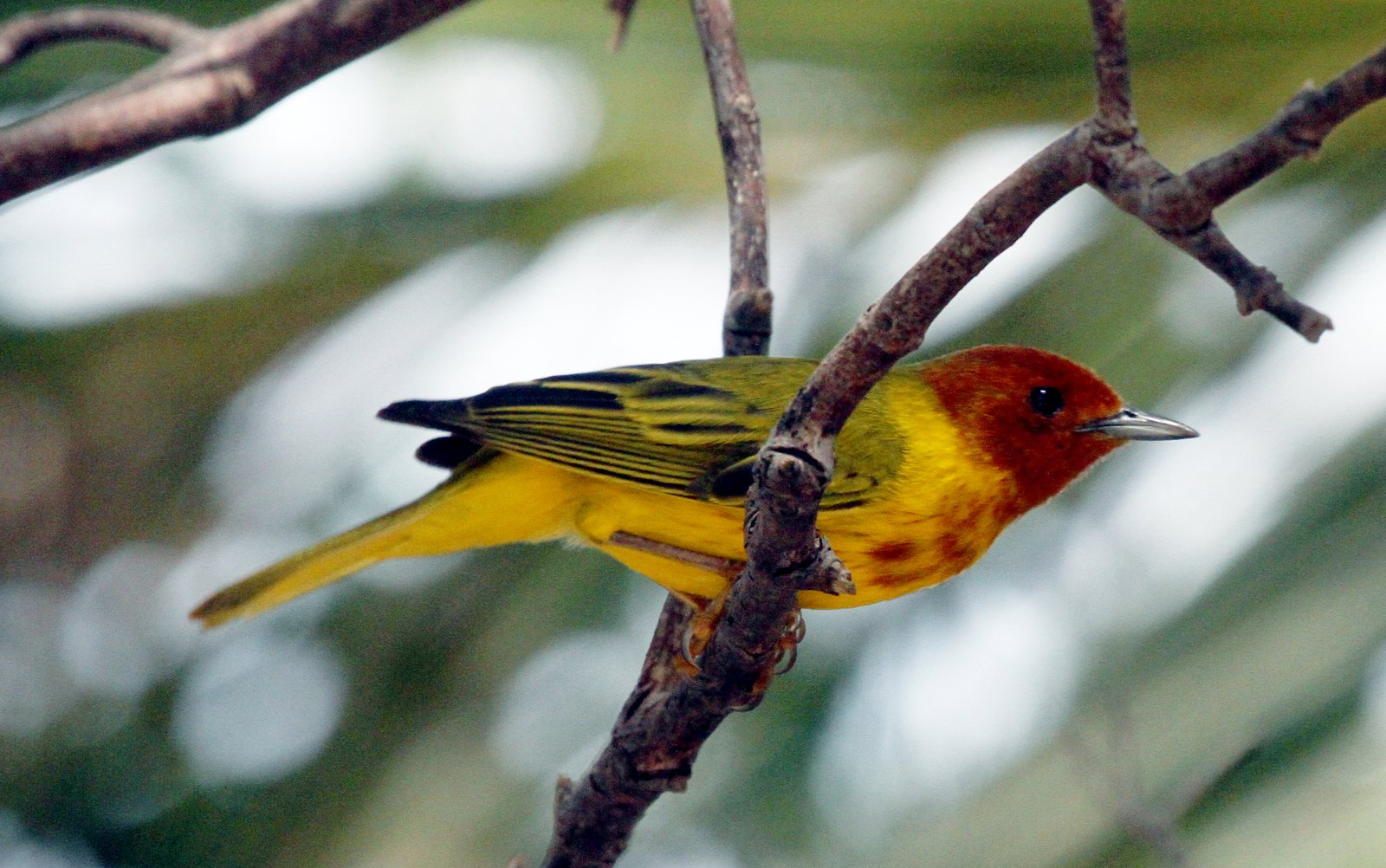
Mangrove Warbler
Setophaga petechia- Mangrove
 Galápagos arid zone
 Galápagos coast and lava fields
 Scalesia forest
 Galápagos humid highlands
 Tidal flats, lagoons and estuaries
-
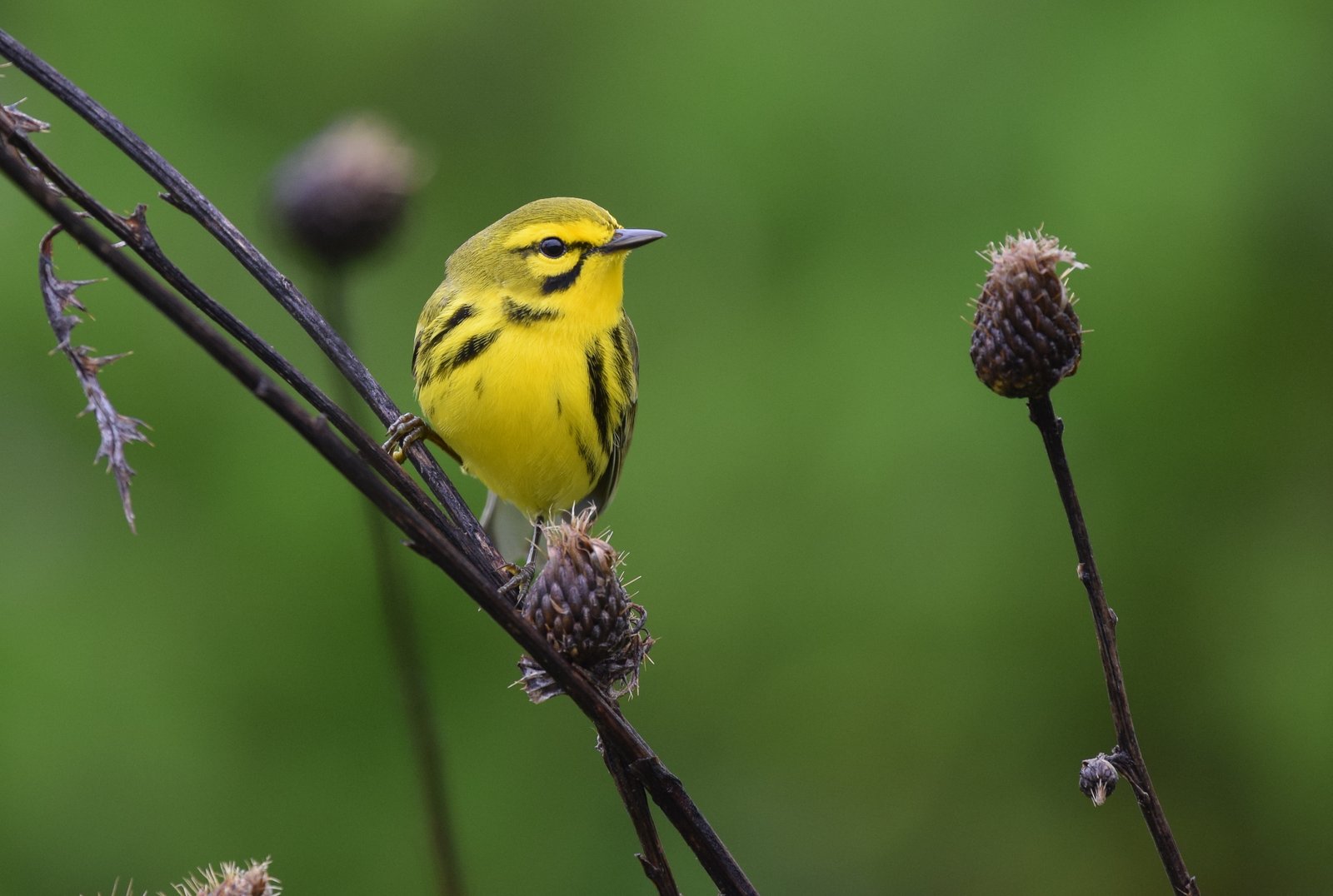
Prairie Warbler
Setophaga discolor- Towns, cities and parks
- Mangrove
- Tumbesian dry forest and thorn scrub
- Secondary forest and forest edge
-
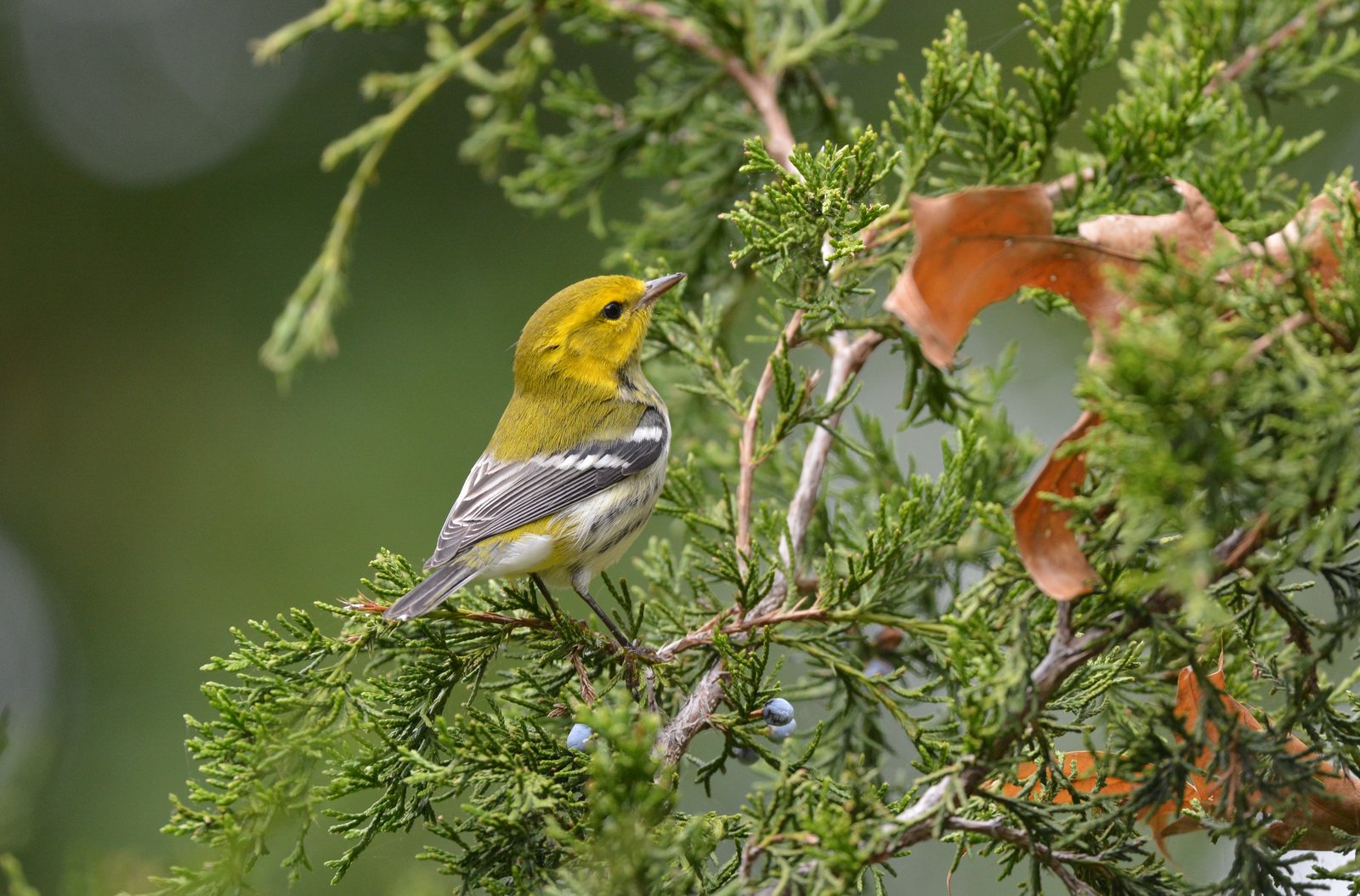
Black-throated Green Warbler
Setophaga virens- Northern Andean cloud forest and temperate forest
- Northern Andean subtropical forest
- Coffee, cacao and agroforestry
- Secondary forest and forest edge
Myiothlypis 14 species
-
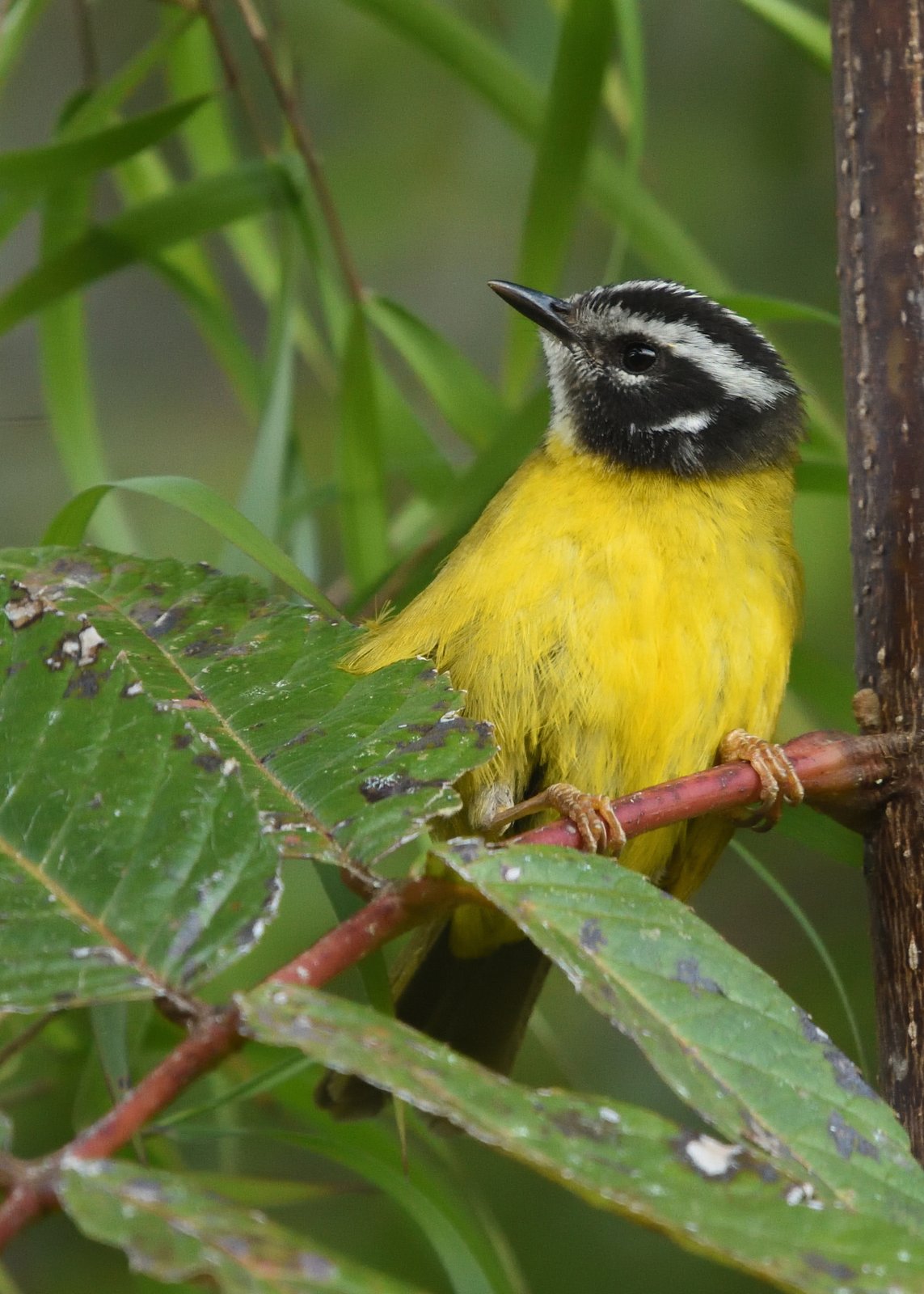
Santa Marta Warbler
Myiothlypis basilica- Northern Andean cloud forest and temperate forest
- Secondary forest and forest edge
- Northern Andean subtropical forest
-
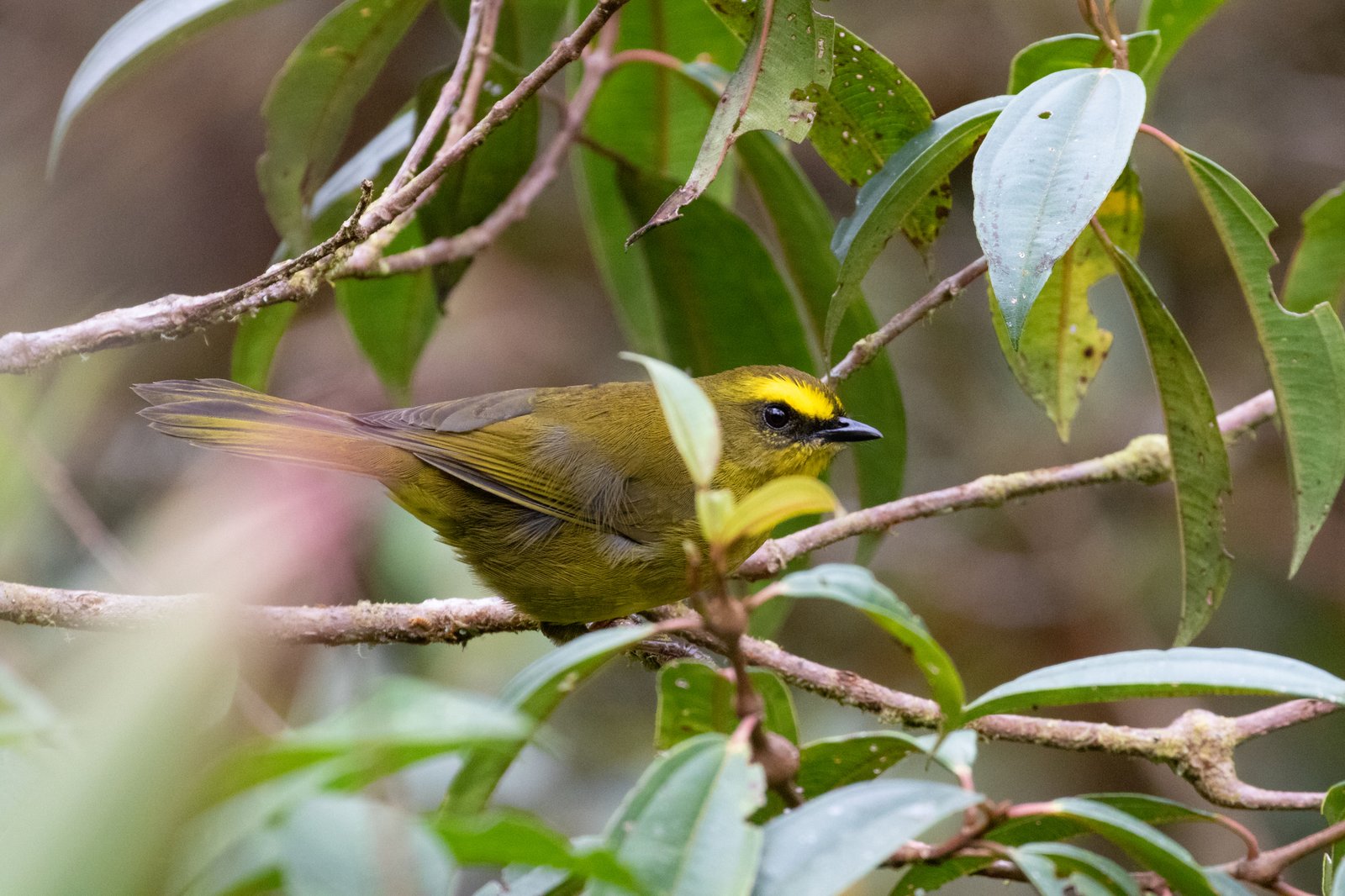
Citrine Warbler
Myiothlypis luteoviridis- Northern Andean cloud forest and temperate forest
- Upper Yungas cloud forest
- Secondary forest and forest edge
-
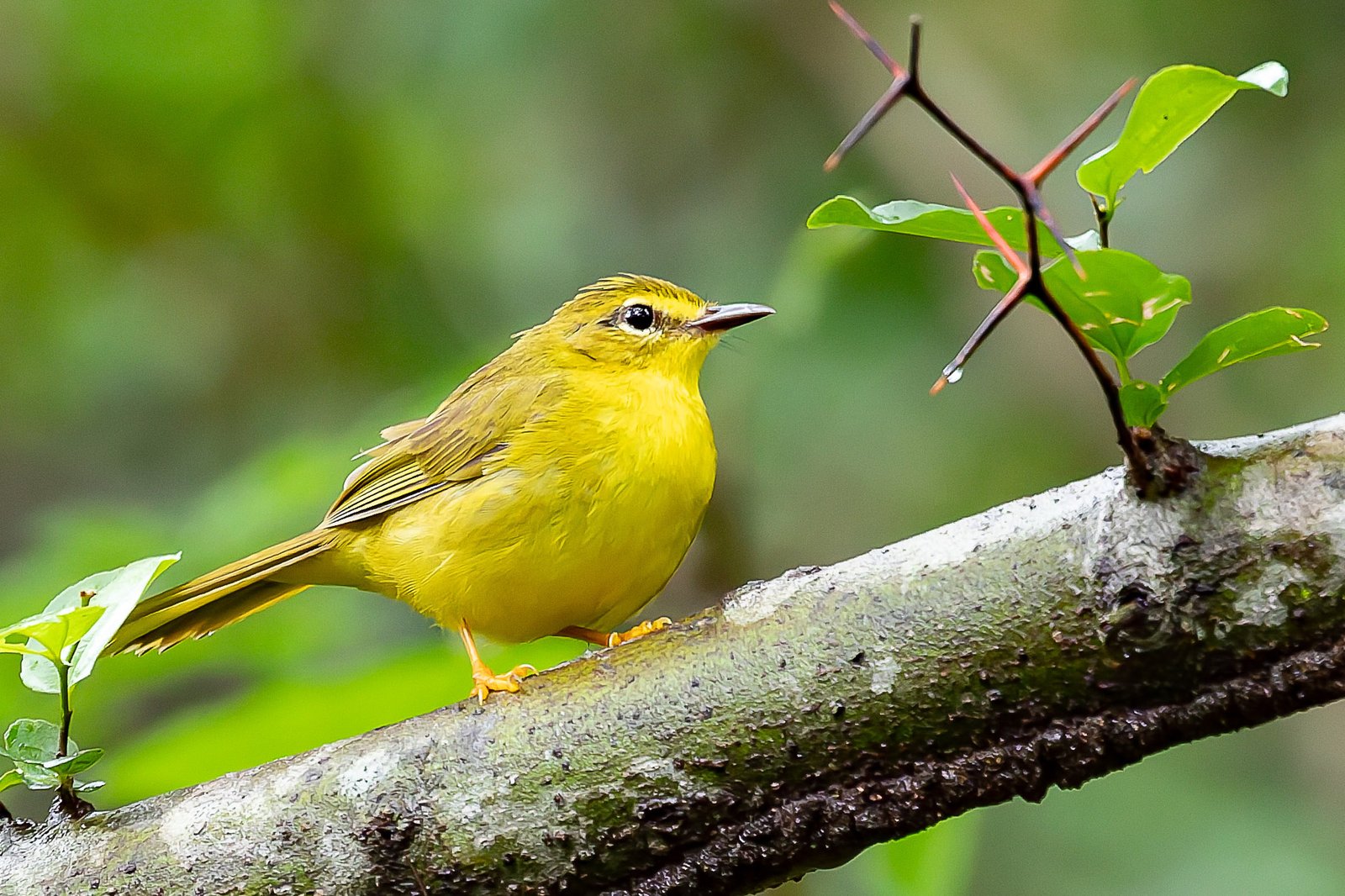
Flavescent Warbler
Myiothlypis flaveola Chiquitano dry forest and Chaco
- Riparian woodland of the Andes and coastal valleys
- Secondary forest and forest edge
- Llanos savanna
-
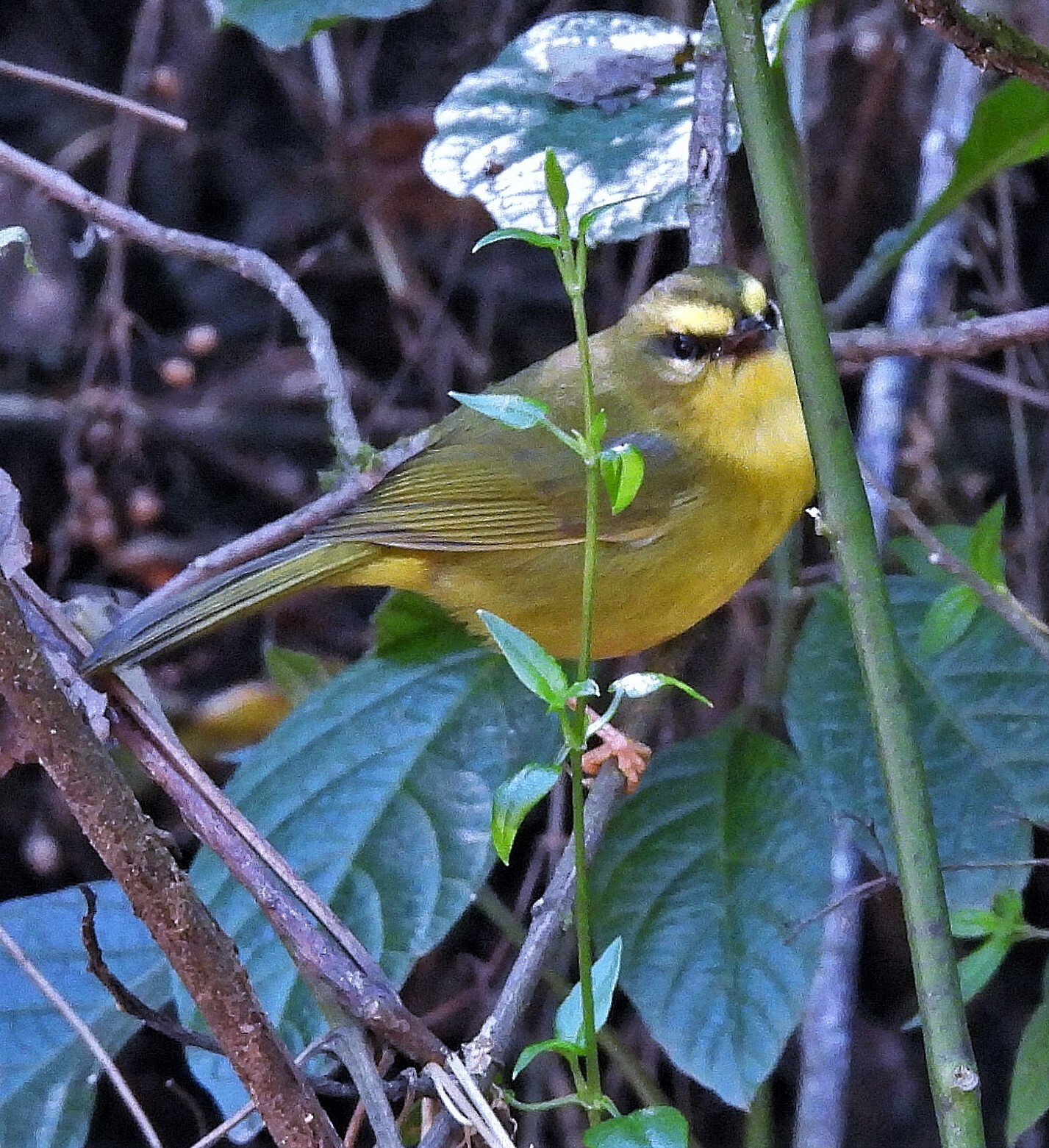
Pale-legged Warbler
Myiothlypis signata- Upper Yungas cloud forest
- Lower Yungas forest
- Secondary forest and forest edge
-
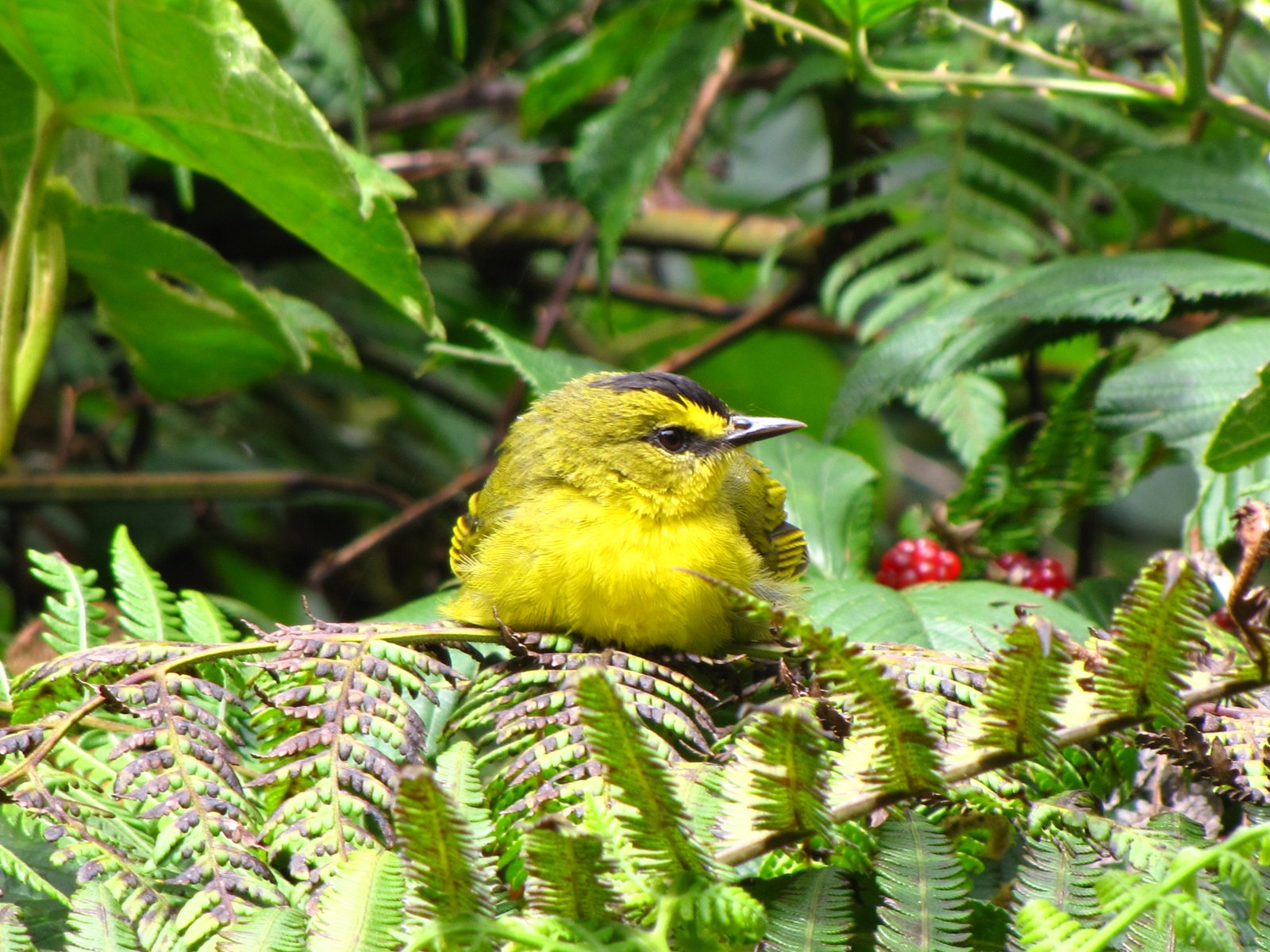
Black-crested Warbler
Myiothlypis nigrocristata- Northern Andean cloud forest and temperate forest
- Secondary forest and forest edge
 Páramo
-
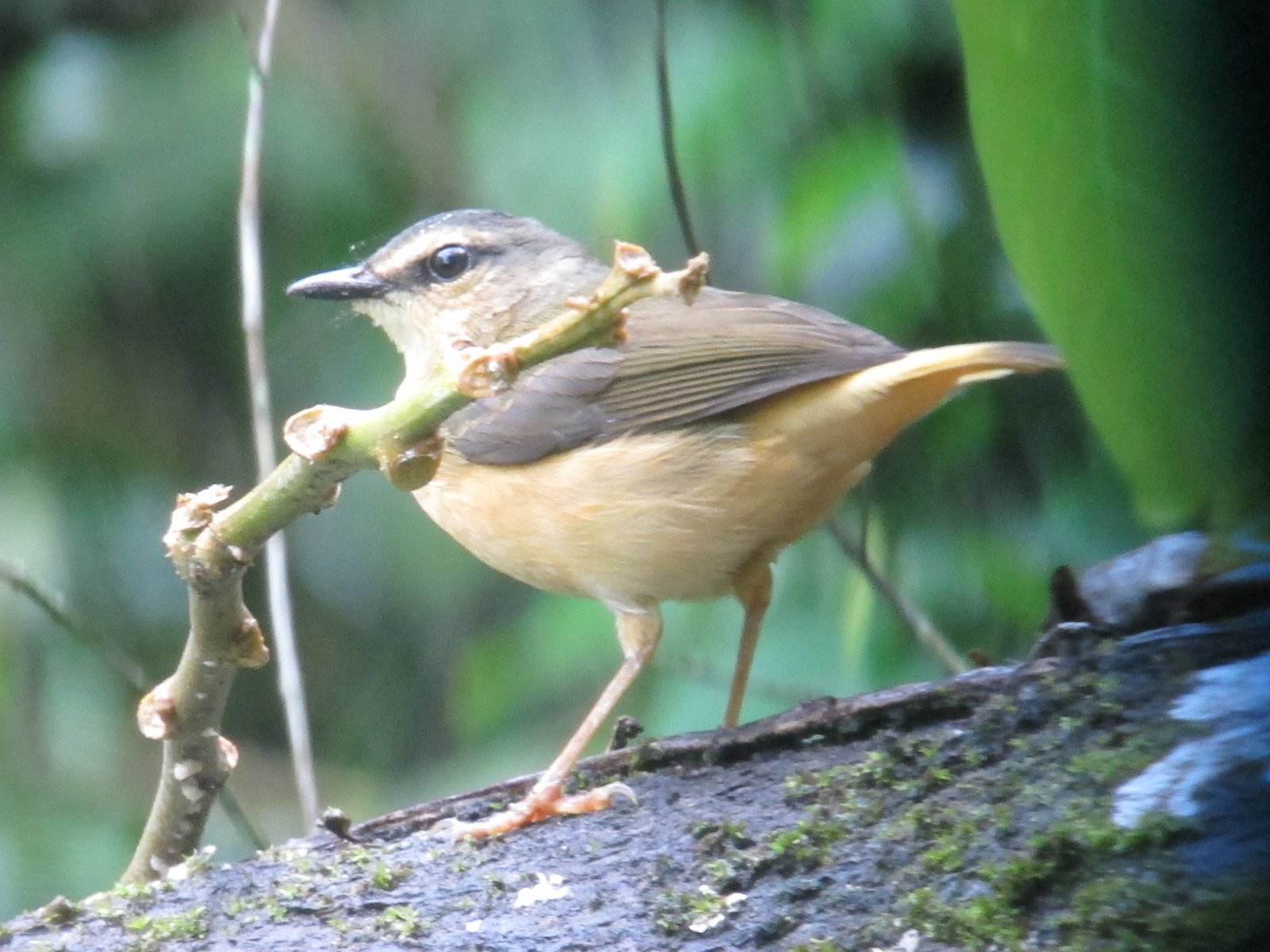
Buff-rumped Warbler
Myiothlypis fulvicauda- Andean rivers and torrents
- Riparian woodland of the Andes and coastal valleys
- Eastern Andean foothill forest
- Northern Andean subtropical forest
- Western Ecuador humid forest
- Chocó rainforest
-
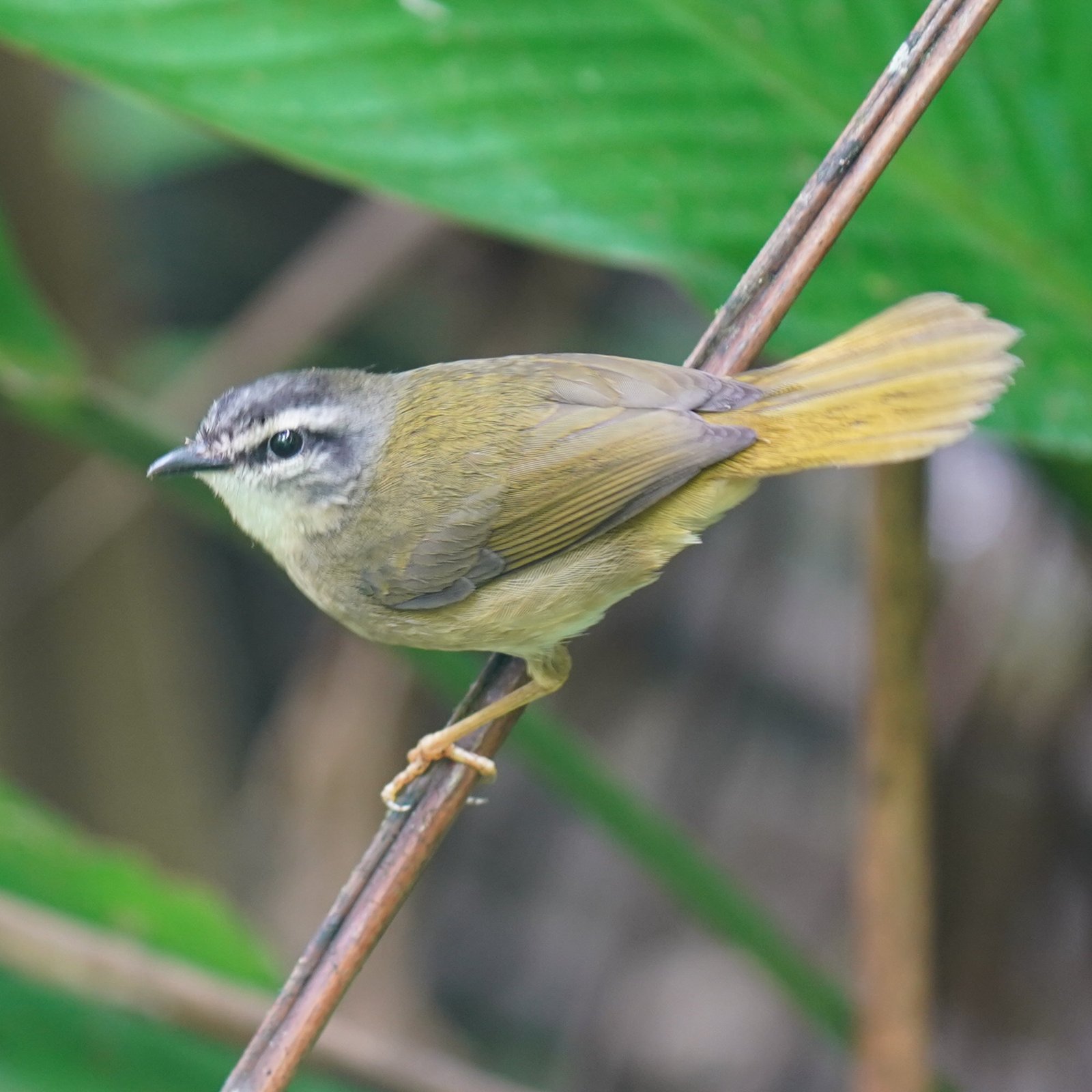
Riverbank Warbler
Myiothlypis rivularis- Andean rivers and torrents
- Riparian woodland of the Andes and coastal valleys
- Eastern Andean foothill forest
- Lower Yungas forest
-
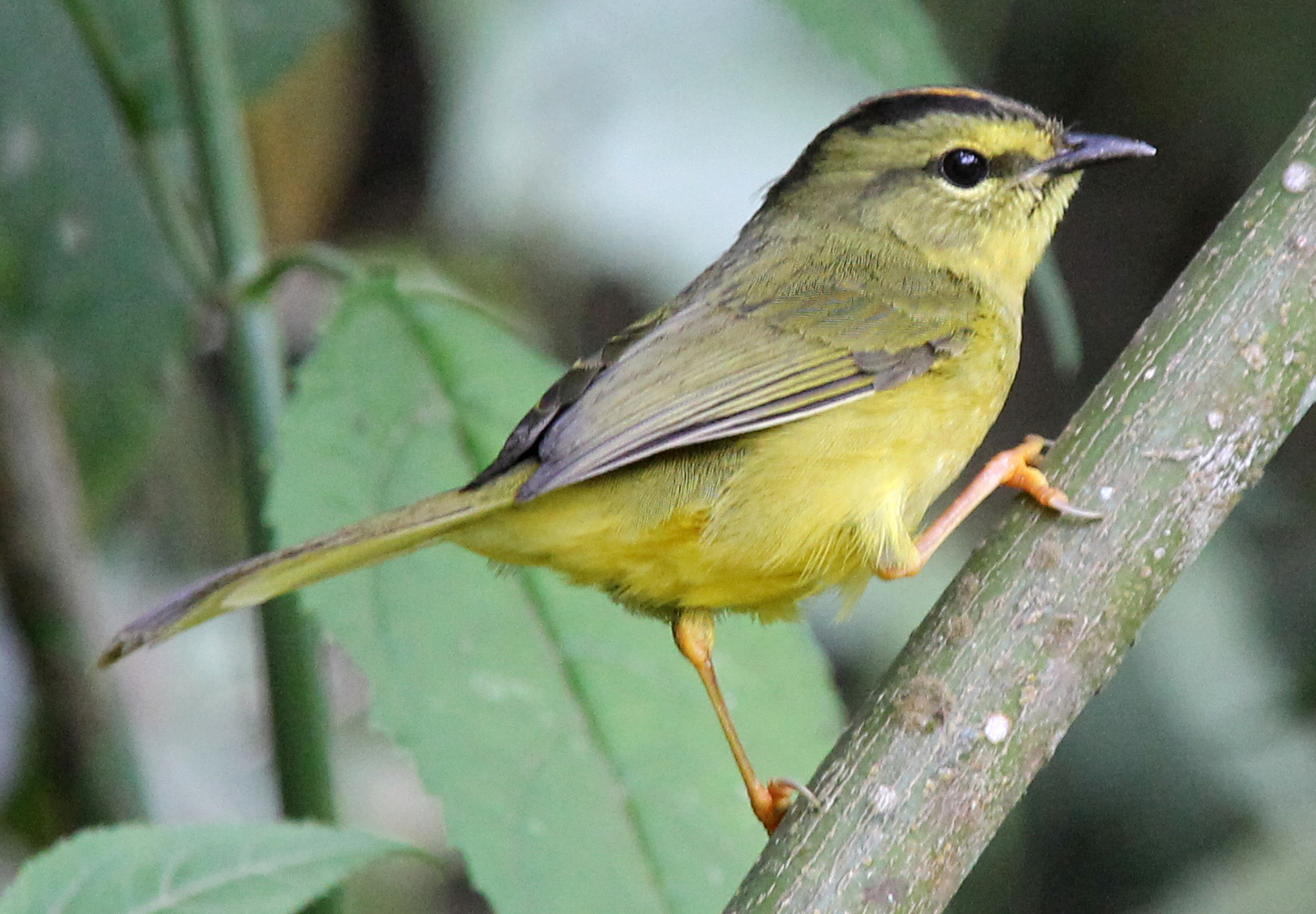
Two-banded Warbler
Myiothlypis bivittata- Lower Yungas forest
- Eastern Andean foothill forest
- Upper Yungas cloud forest
- Secondary forest and forest edge
-
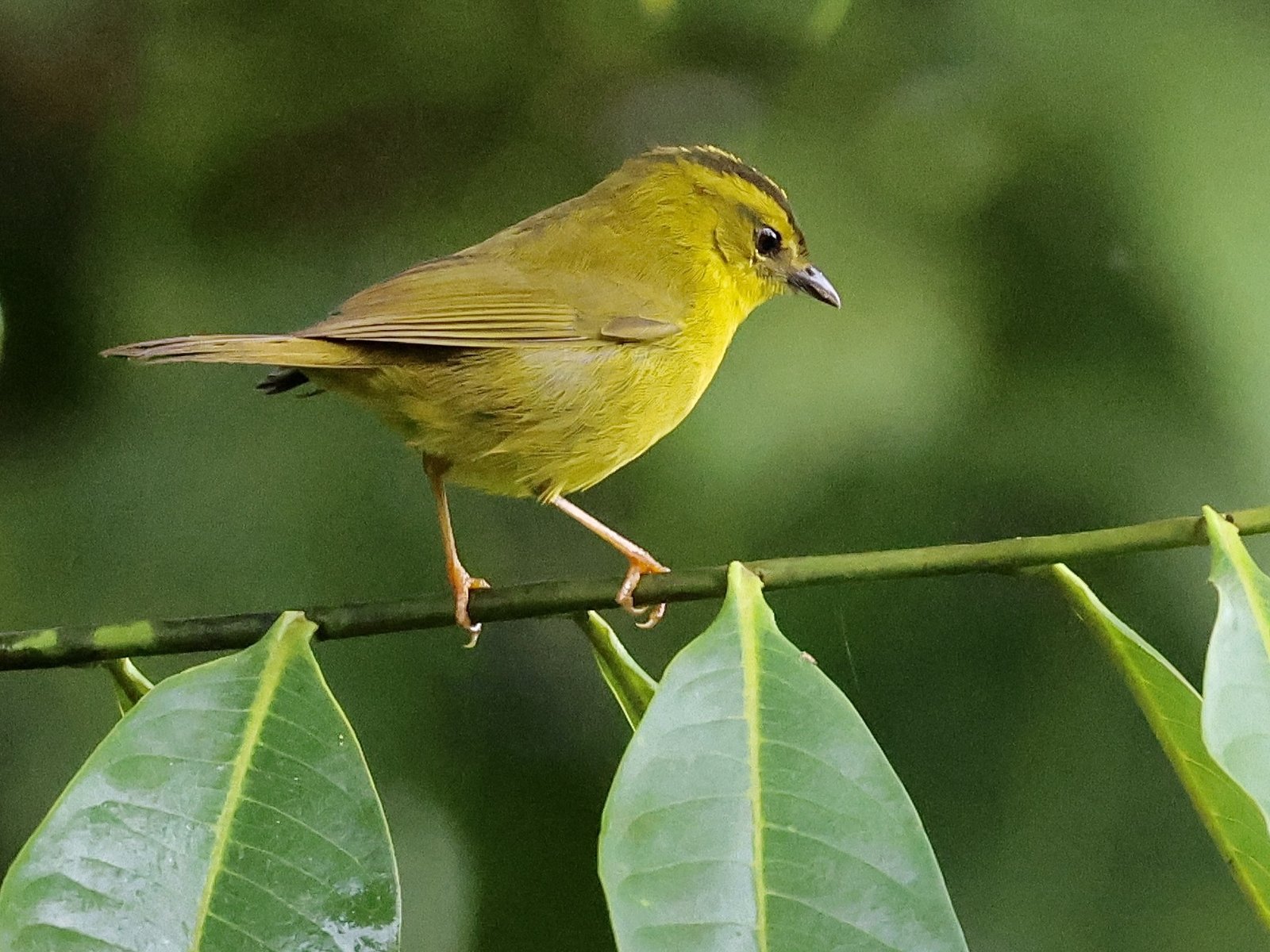
Choco Warbler
Myiothlypis chlorophrys- Chocó rainforest
- Northern Andean subtropical forest
- Secondary forest and forest edge
-
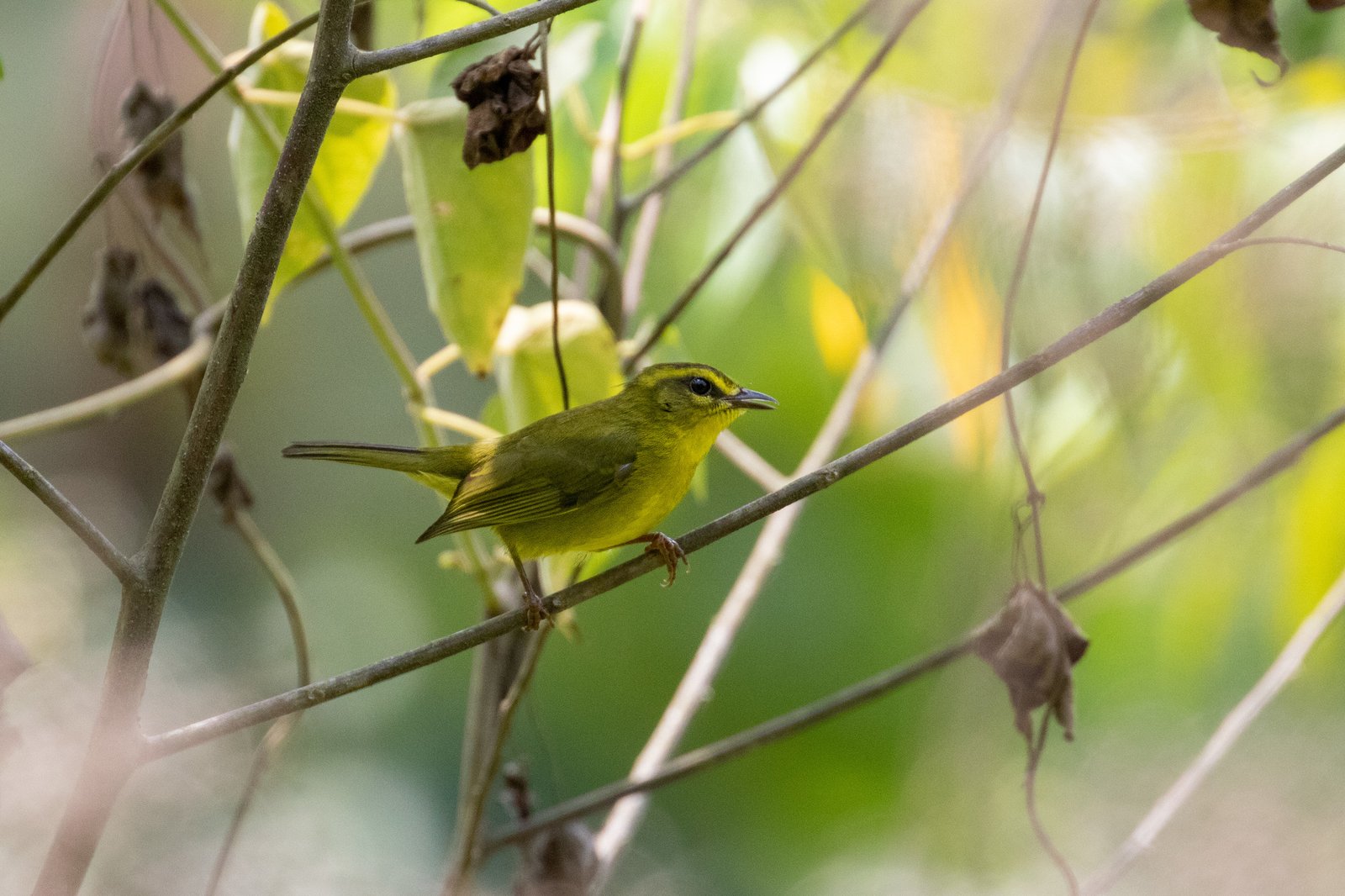
Cuzco Warbler
Myiothlypis chrysogaster- Eastern Andean foothill forest
- Lower Yungas forest
- Secondary forest and forest edge
-

Grey-throated Warbler
Myiothlypis cinereicollis- Northern Andean subtropical forest
- Secondary forest and forest edge
- Coffee, cacao and agroforestry
- Northern Andean cloud forest and temperate forest
-
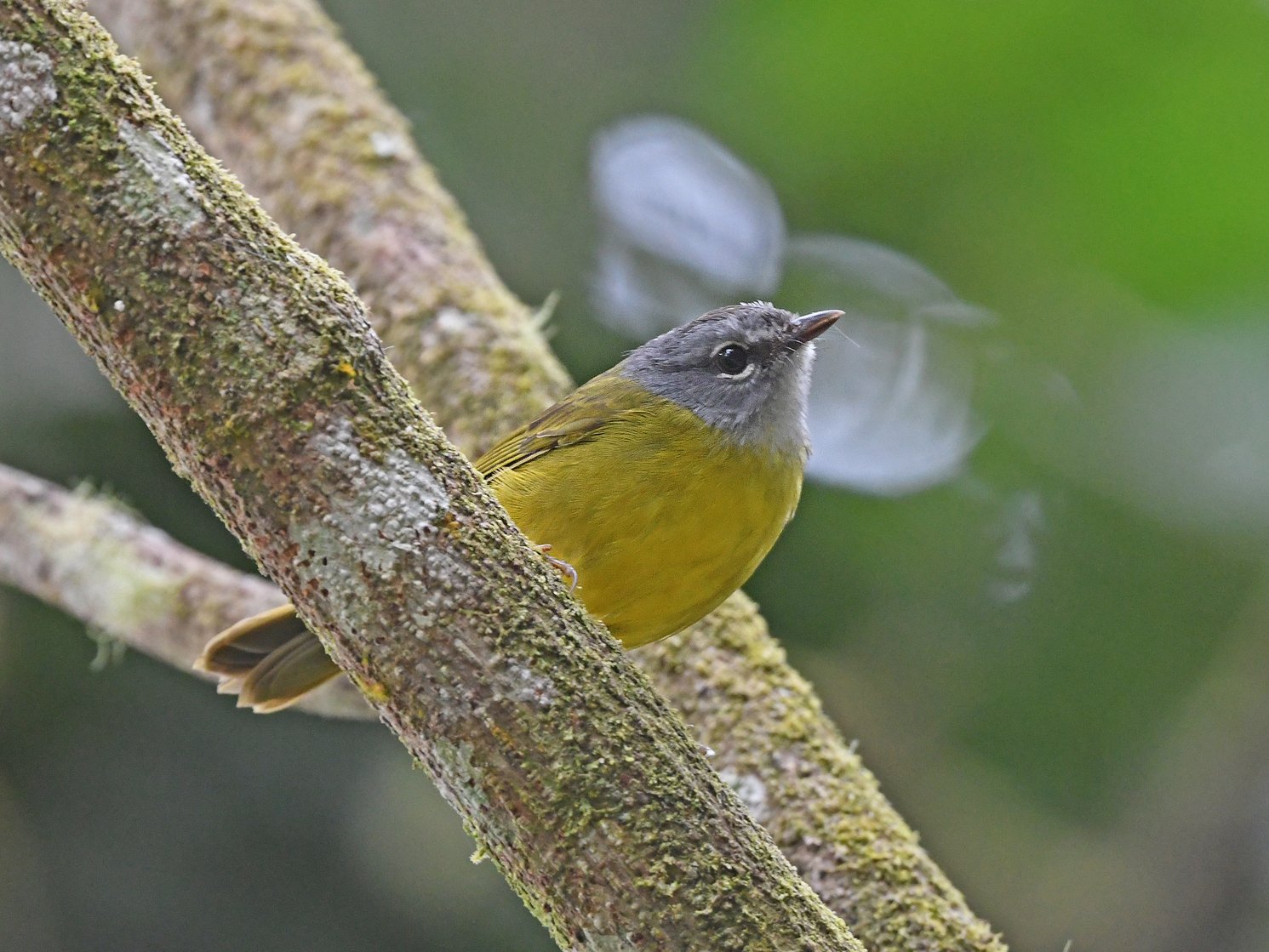
White-lored Warbler
Myiothlypis conspicillata- Northern Andean subtropical forest
- Northern Andean cloud forest and temperate forest
- Secondary forest and forest edge
- Coffee, cacao and agroforestry
-
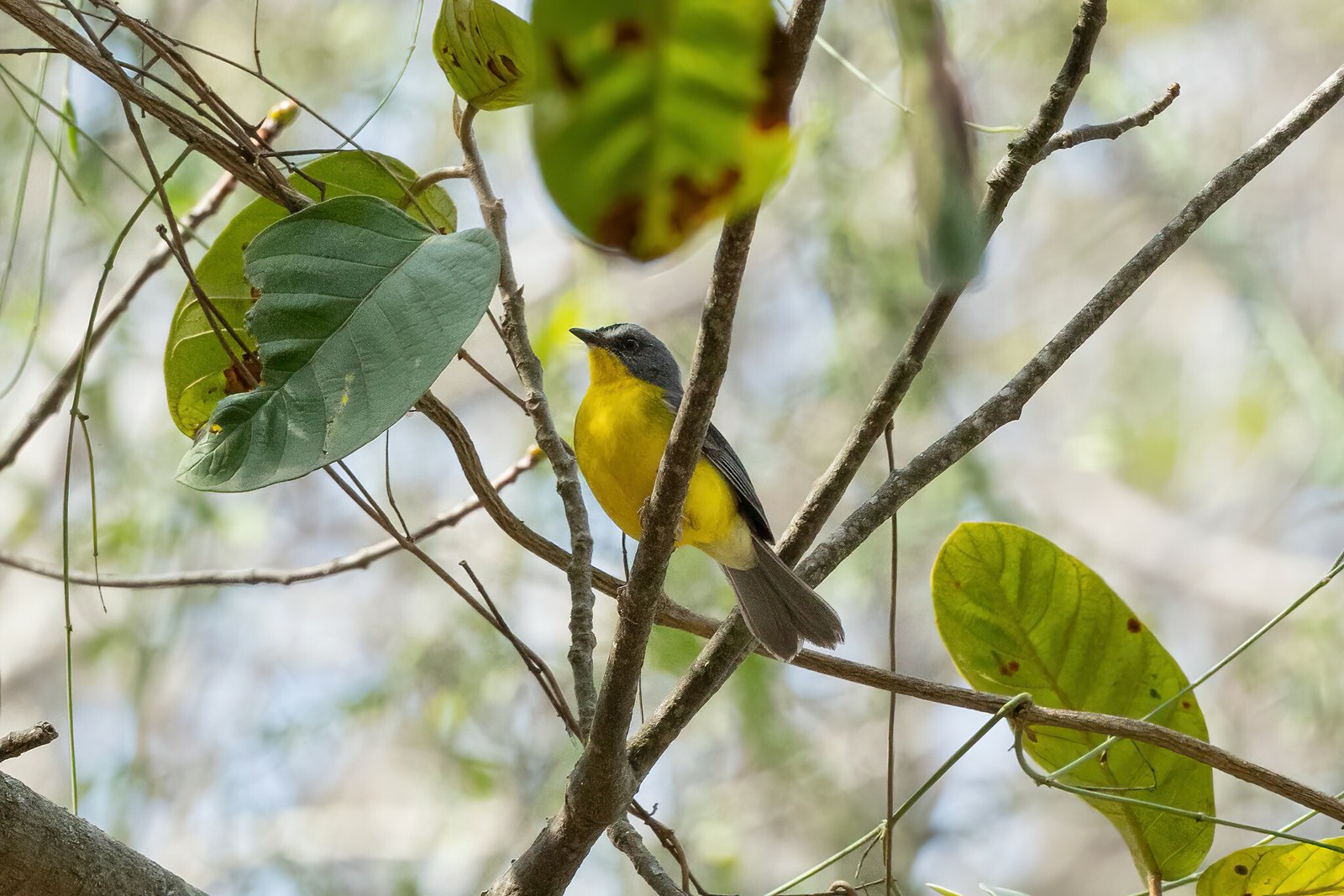
Grey-and-gold Warbler
Myiothlypis fraseri- Tumbesian dry forest and thorn scrub
- Western Ecuador humid forest
- Secondary forest and forest edge
- Coffee, cacao and agroforestry
-

Russet-crowned Warbler
Myiothlypis coronata- Northern Andean cloud forest and temperate forest
- Upper Yungas cloud forest
- Northern Andean subtropical forest
- Lower Yungas forest
- Secondary forest and forest edge
Basileuterus 5 species
-
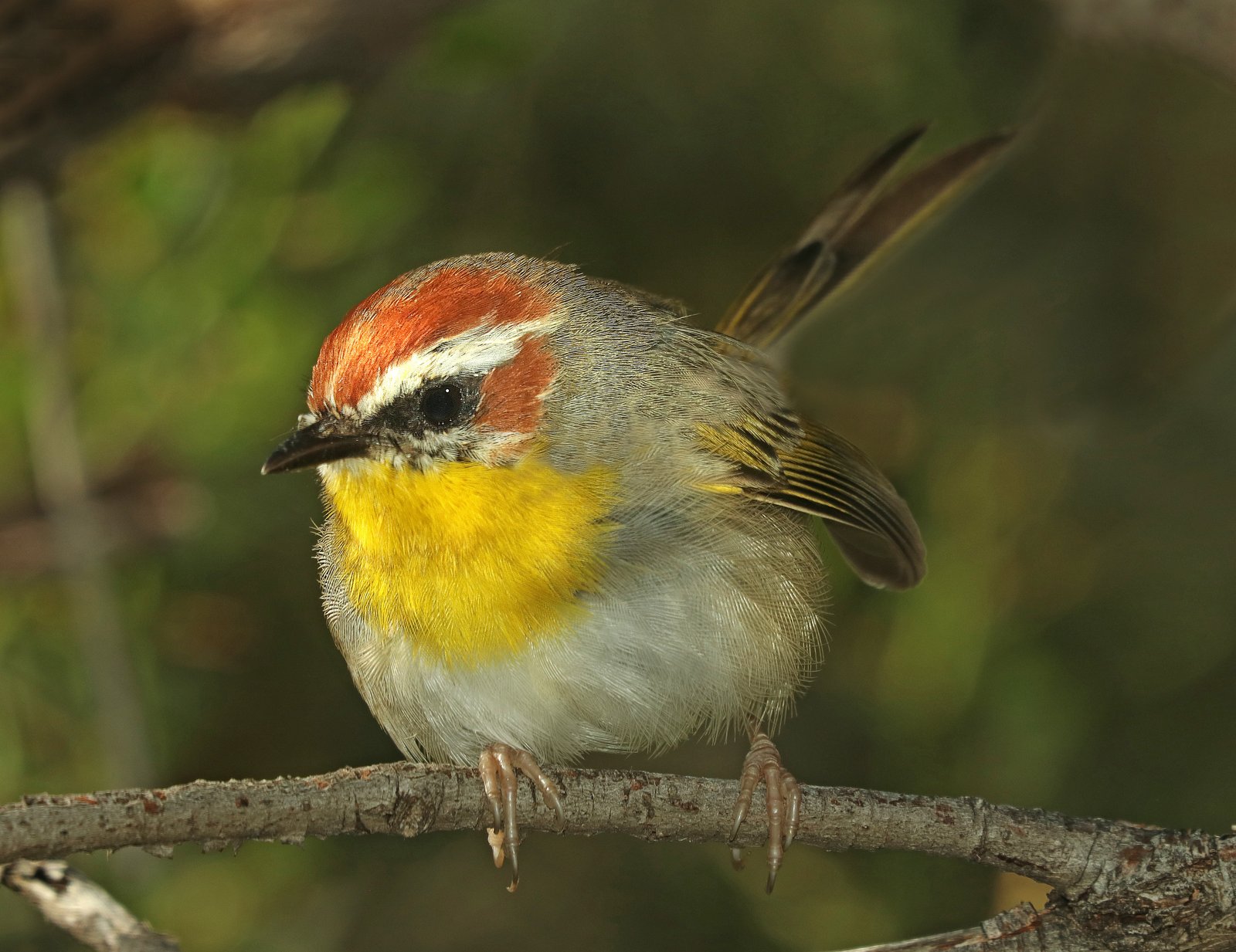
Rufous-capped Warbler
Basileuterus rufifrons- Secondary forest and forest edge
- Coffee, cacao and agroforestry
 Marañón and northern inter-Andean dry forest
- Northern Andean subtropical forest
-

Golden-crowned Warbler
Basileuterus culicivorus- Northern Andean subtropical forest
- Lower Yungas forest
- Secondary forest and forest edge
- Northern Andean cloud forest and temperate forest
-
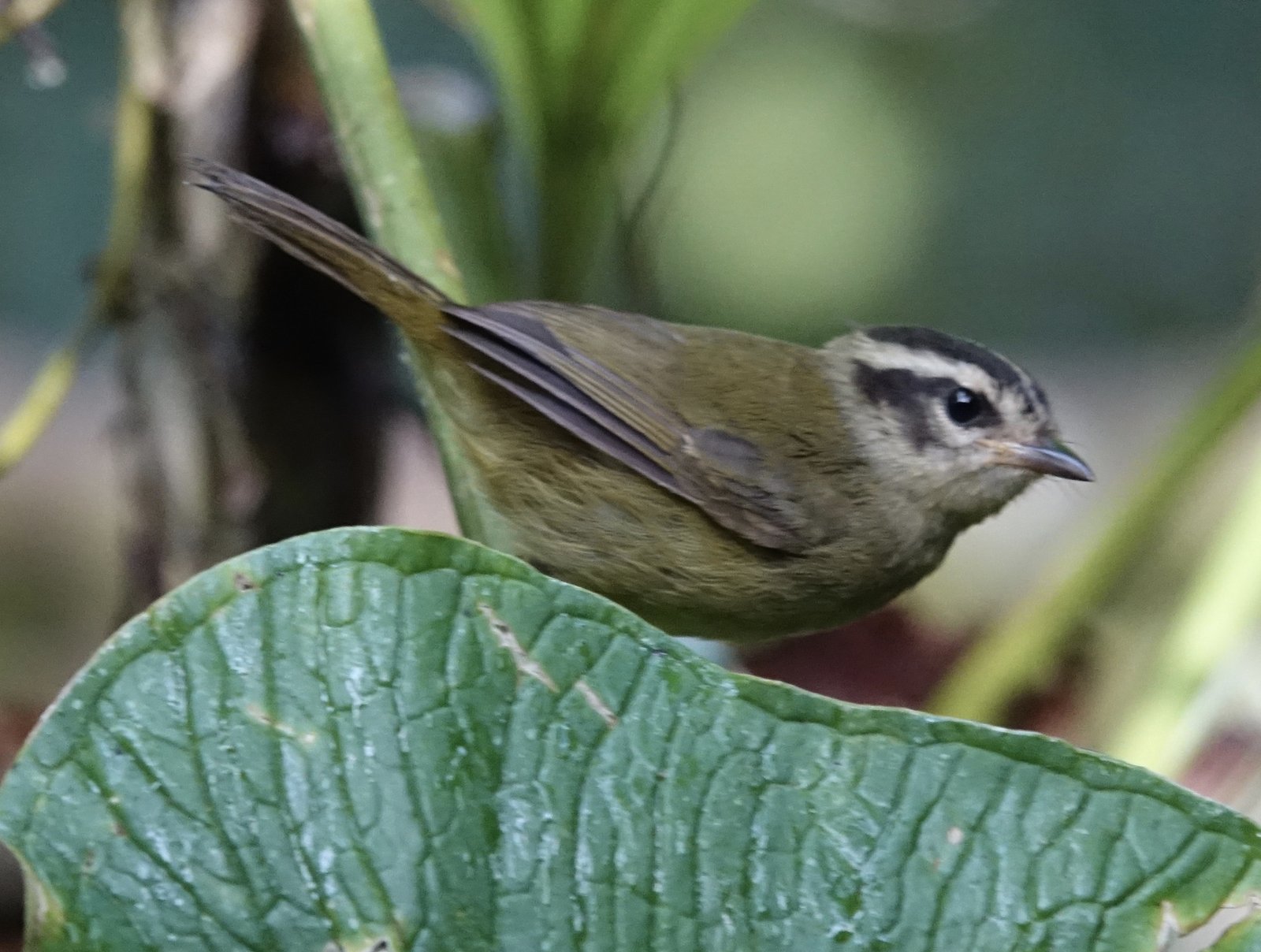
Three-striped Warbler
Basileuterus tristriatus- Northern Andean subtropical forest
- Northern Andean cloud forest and temperate forest
- Eastern Andean foothill forest
- Secondary forest and forest edge
-
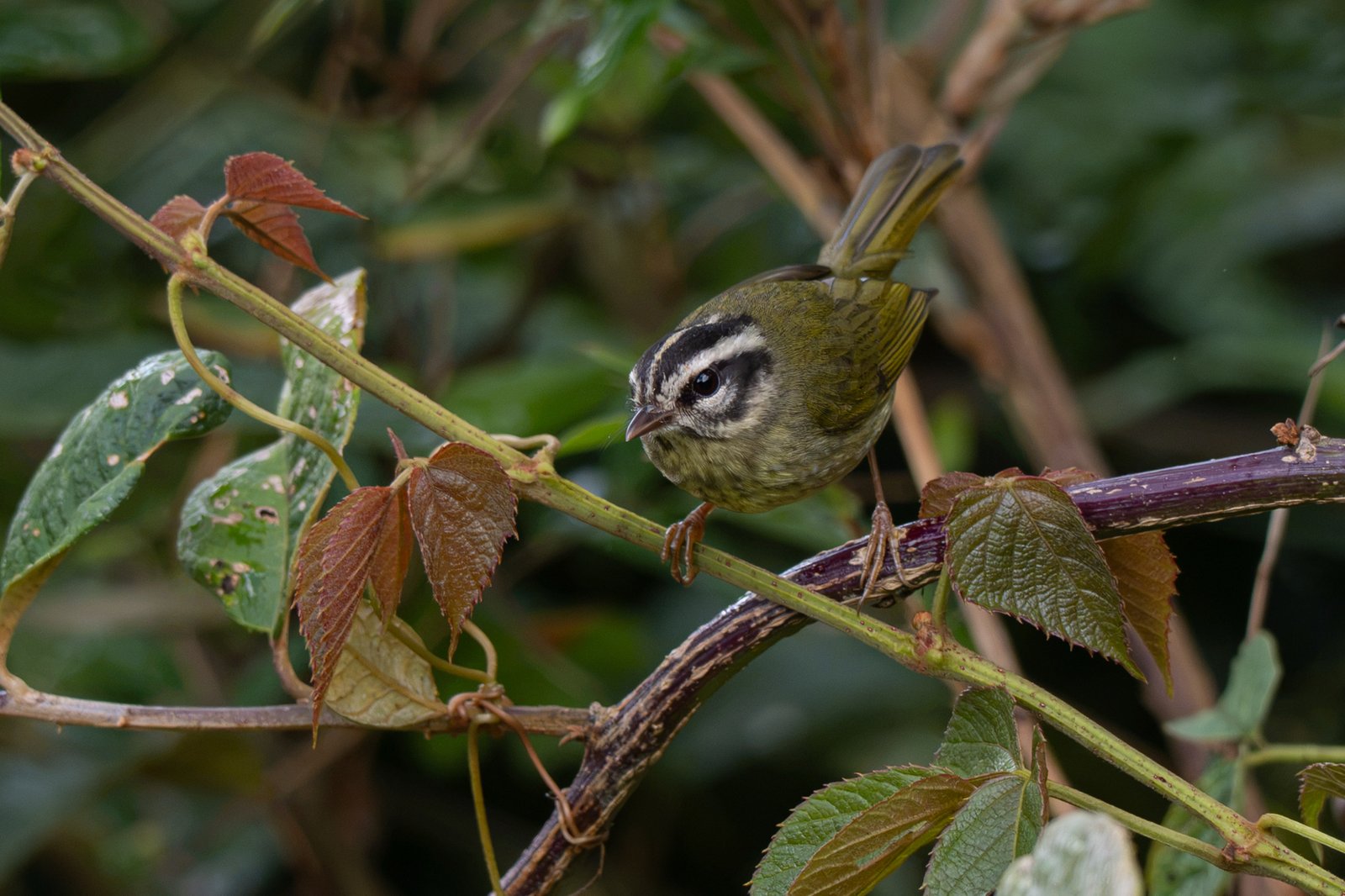
Yungas Warbler
Basileuterus punctipectus- Lower Yungas forest
- Upper Yungas cloud forest
- Eastern Andean foothill forest
- Secondary forest and forest edge
-
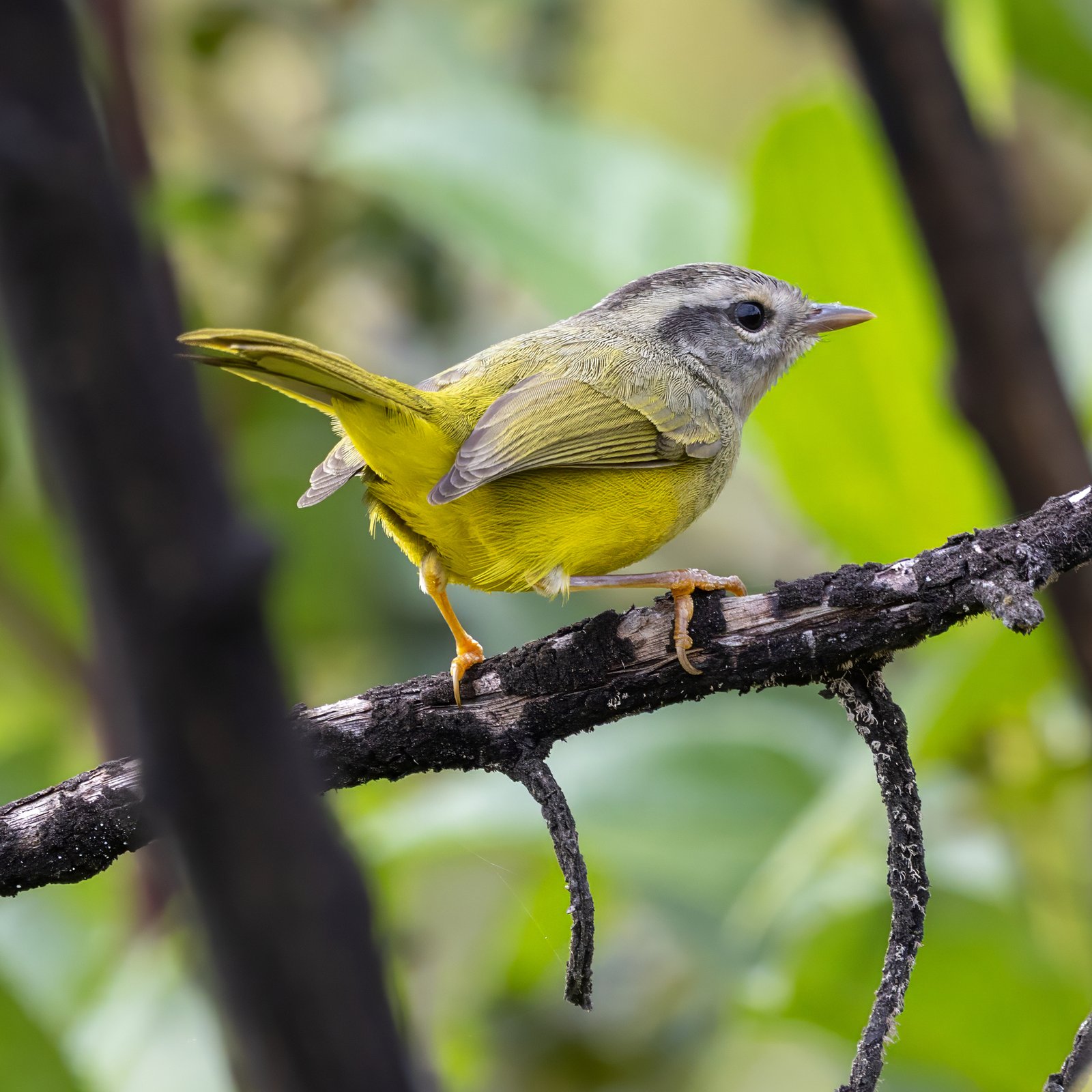
Three-banded Warbler
Basileuterus trifasciatus- Northern Andean subtropical forest
- Tumbesian dry forest and thorn scrub
- Secondary forest and forest edge
- Northern Andean cloud forest and temperate forest
Cardellina 1 species
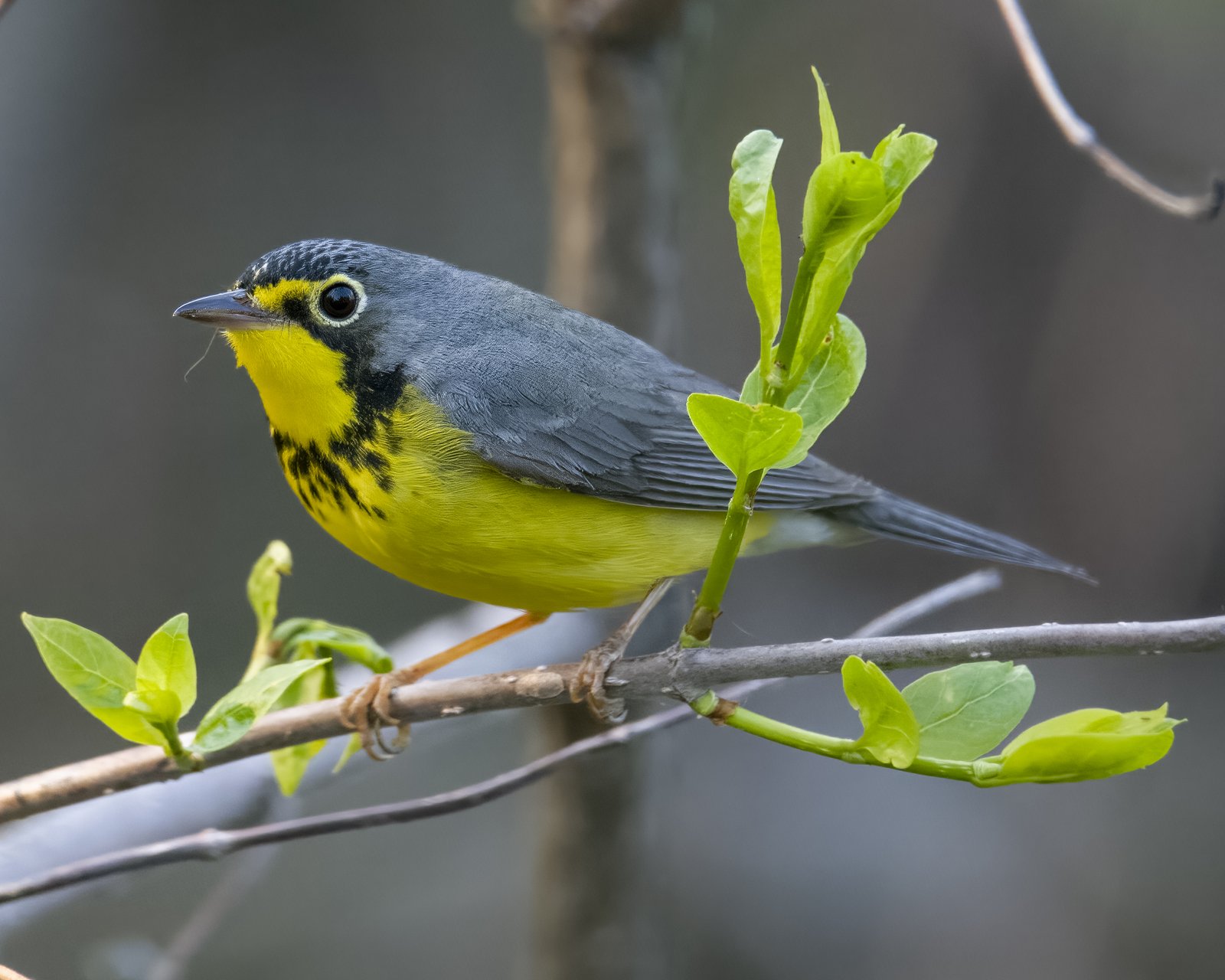
Myioborus 5 species
-
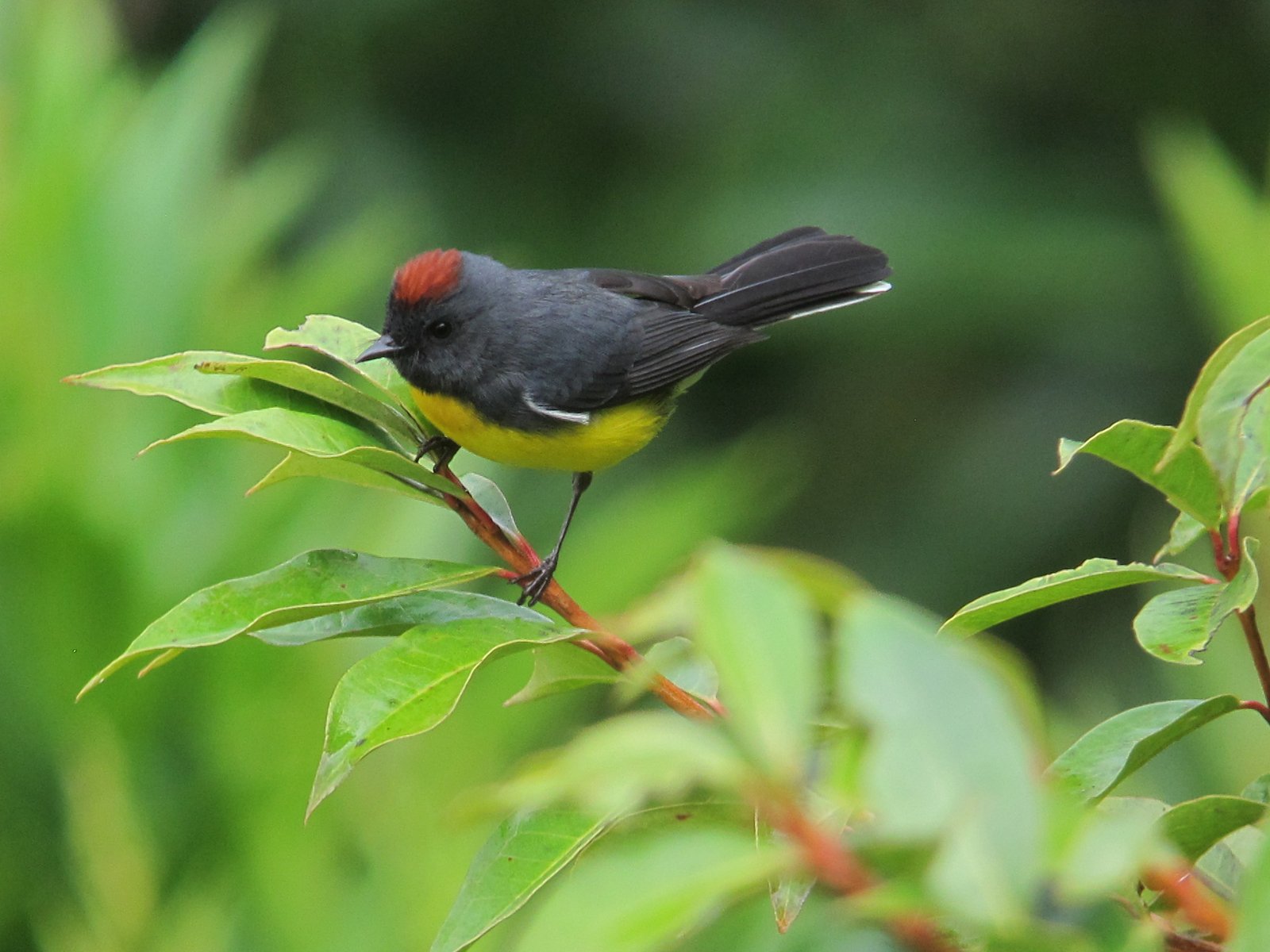
Slate-throated Whitestart
Myioborus miniatus- Northern Andean subtropical forest
- Eastern Andean foothill forest
- Lower Yungas forest
- Secondary forest and forest edge
- Western Ecuador humid forest
-
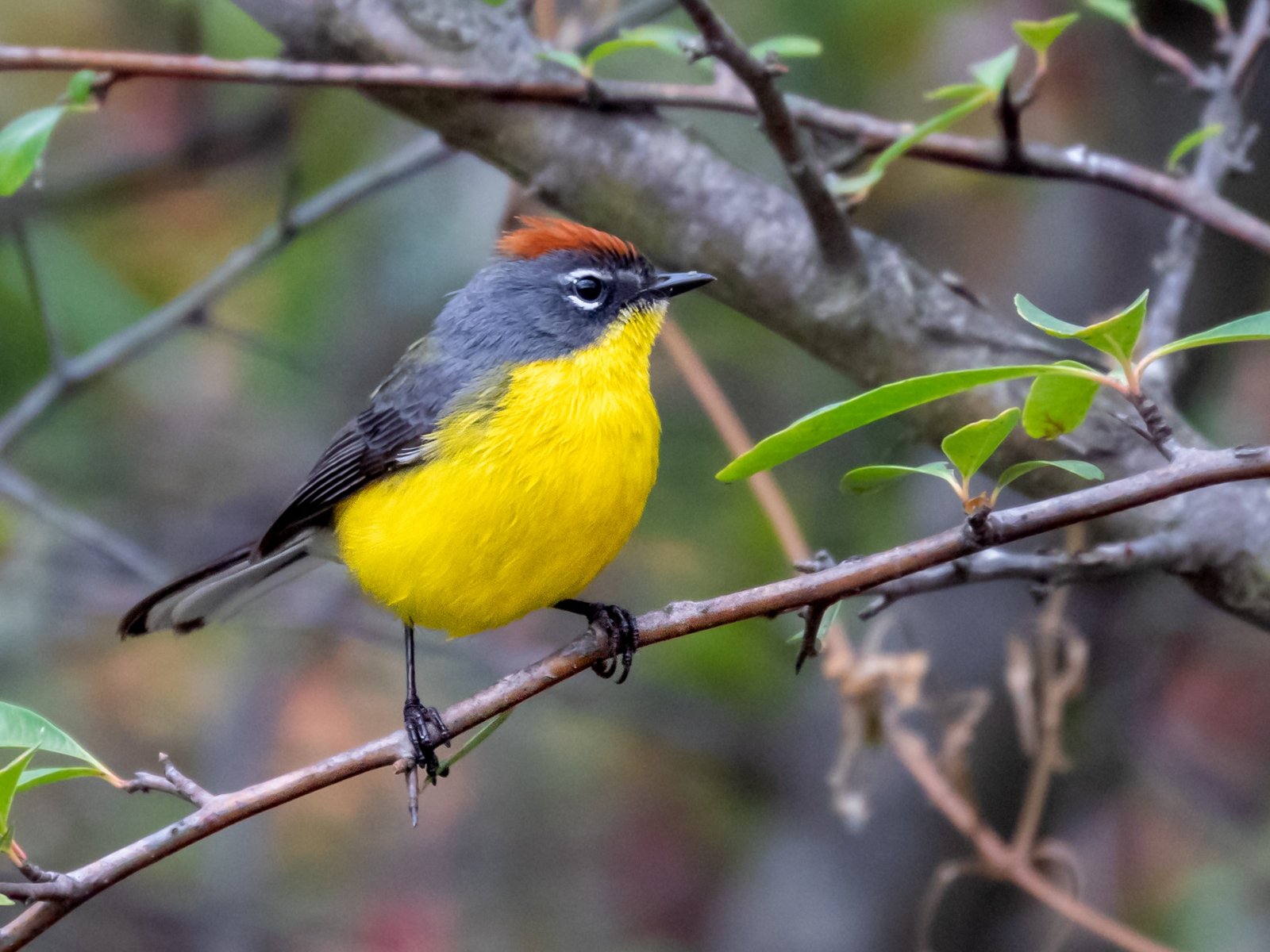
Brown-capped Whitestart
Myioborus brunniceps- Upper Yungas cloud forest
- Lower Yungas forest
 Polylepis woodland
- Riparian woodland of the Andes and coastal valleys
- Secondary forest and forest edge
-
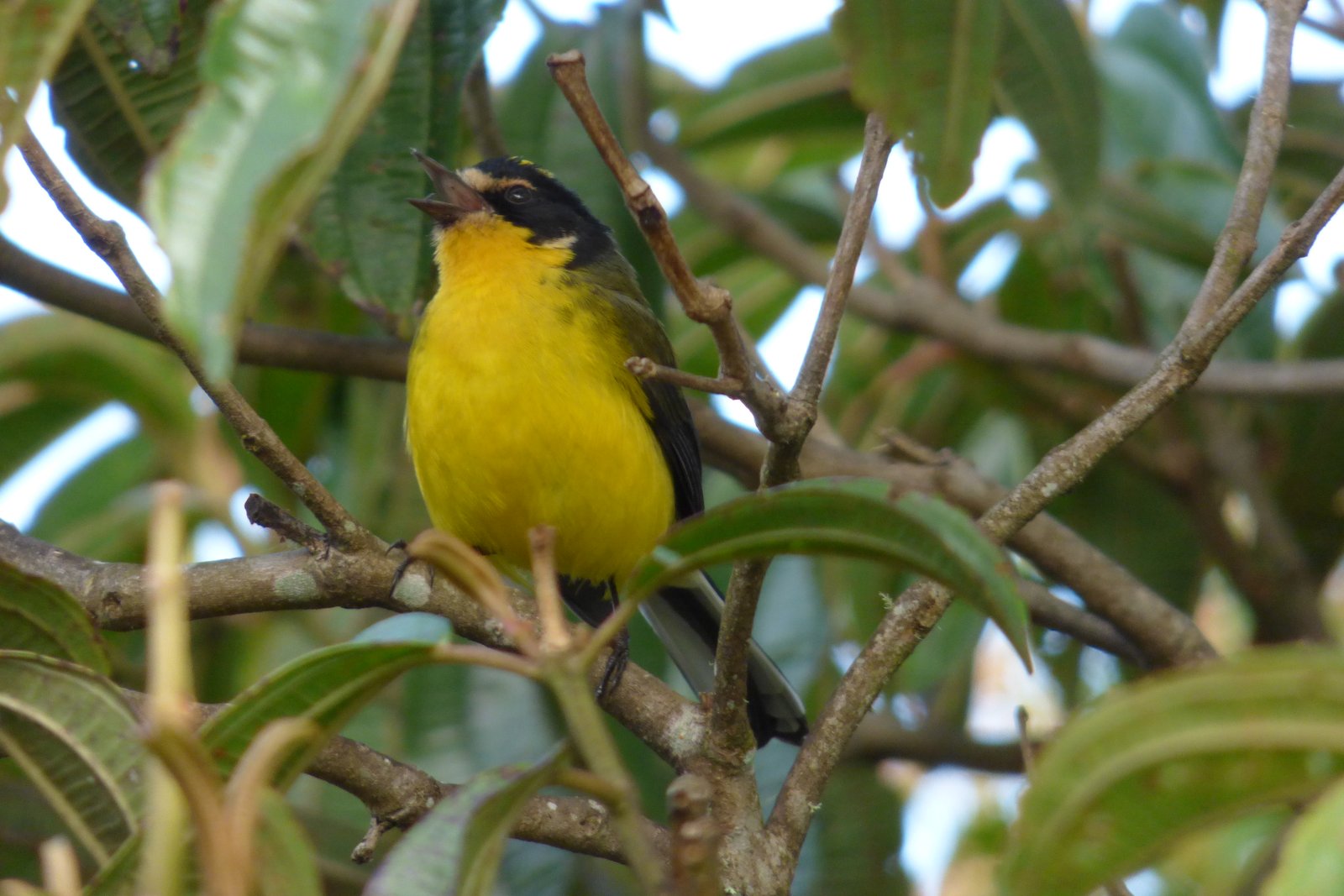
Yellow-crowned Whitestart
Myioborus flavivertex- Northern Andean cloud forest and temperate forest
- Northern Andean subtropical forest
- Secondary forest and forest edge
-
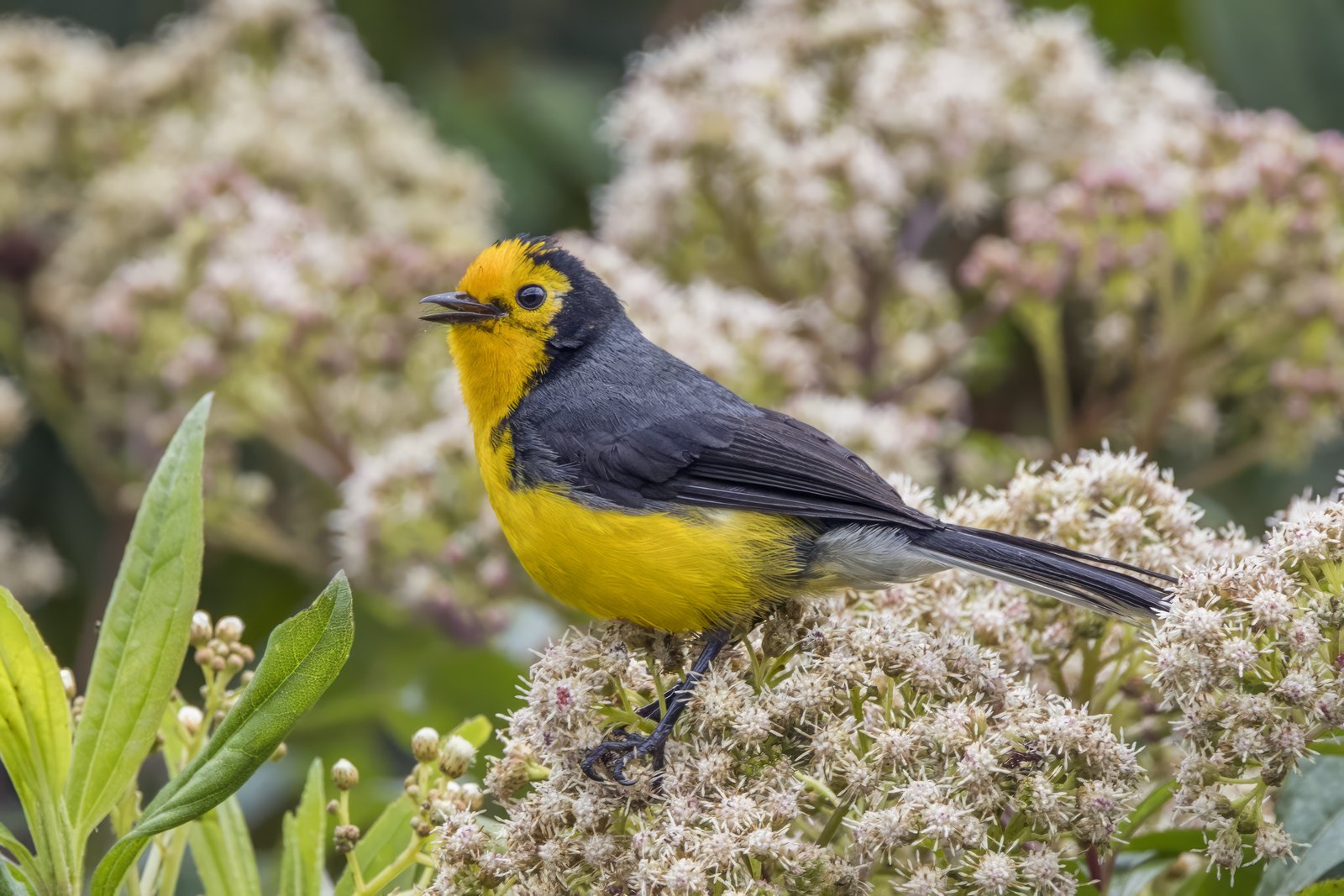
Golden-fronted Whitestart
Myioborus ornatus- Northern Andean cloud forest and temperate forest
- Secondary forest and forest edge
- Páramo
-
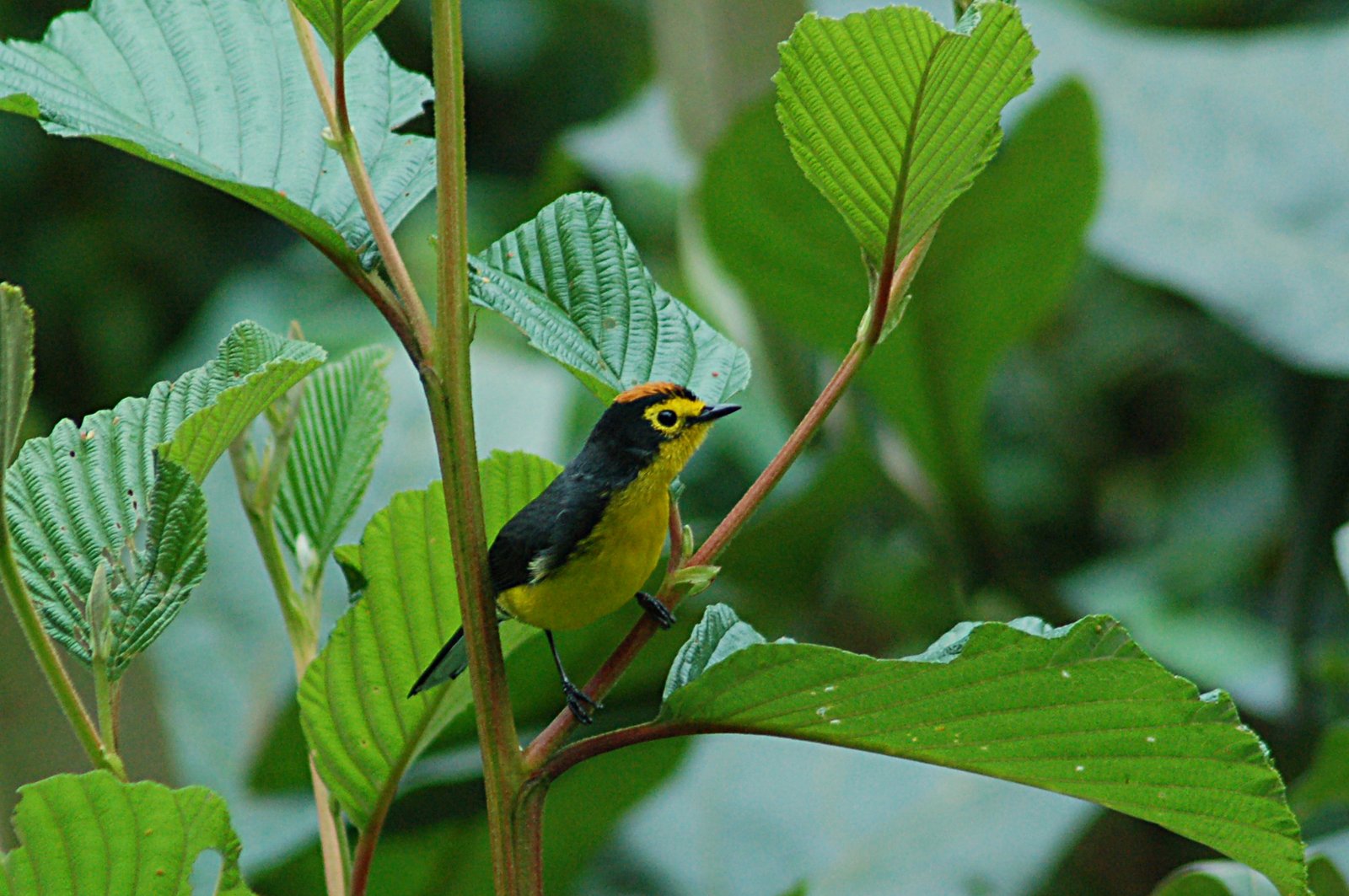
Spectacled Whitestart
Myioborus melanocephalus- Northern Andean cloud forest and temperate forest
- Upper Yungas cloud forest
- Polylepis woodland
- Secondary forest and forest edge
- Páramo
Vagrants 15 species
Birds blown in from other continents. They have no range here, and so no distribution map.
-
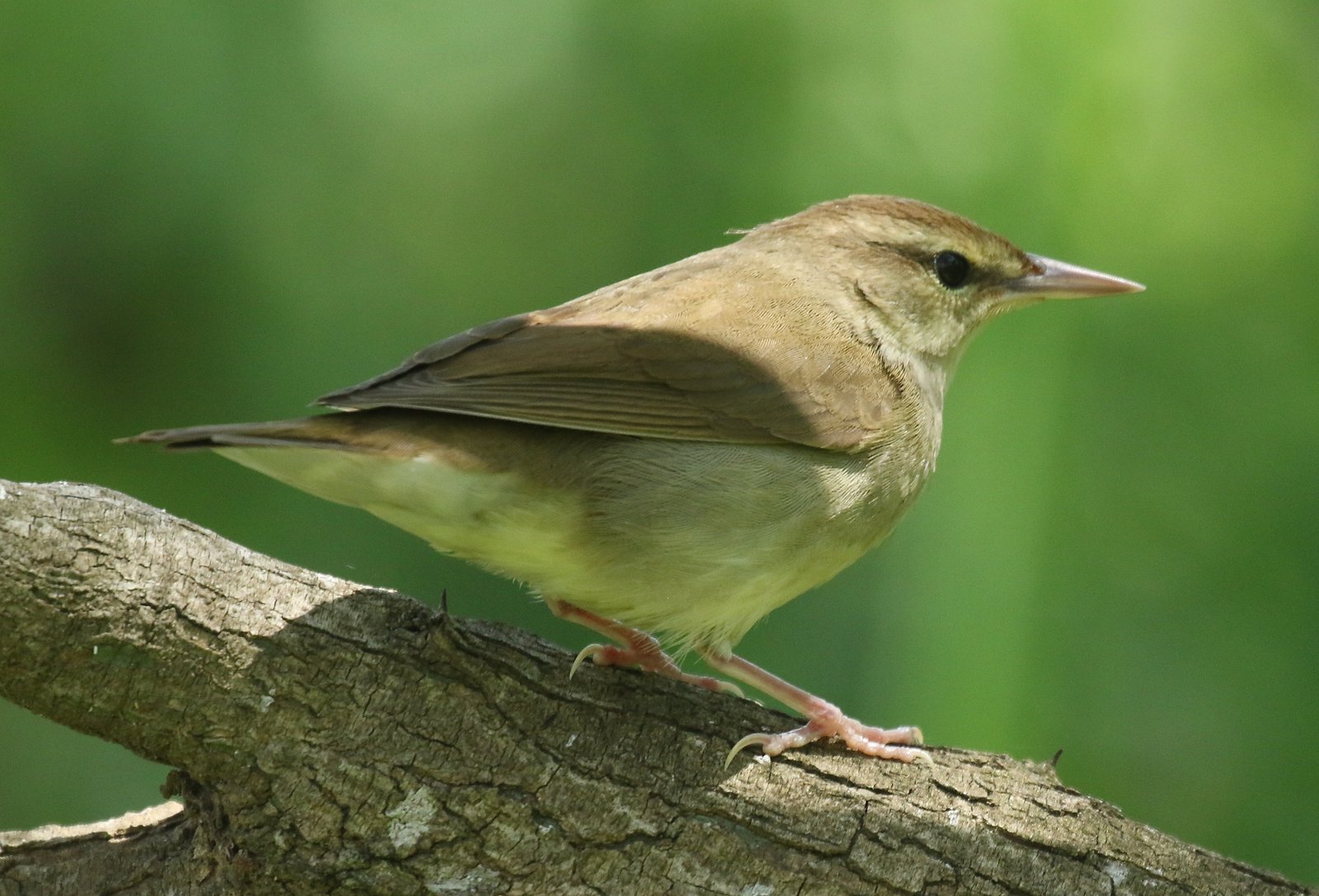
Swainson's Warbler
Limnothlypis swainsonii- Secondary forest and forest edge
- Palm swamps and swamp forest
- Lowland marshes and wet meadows
-
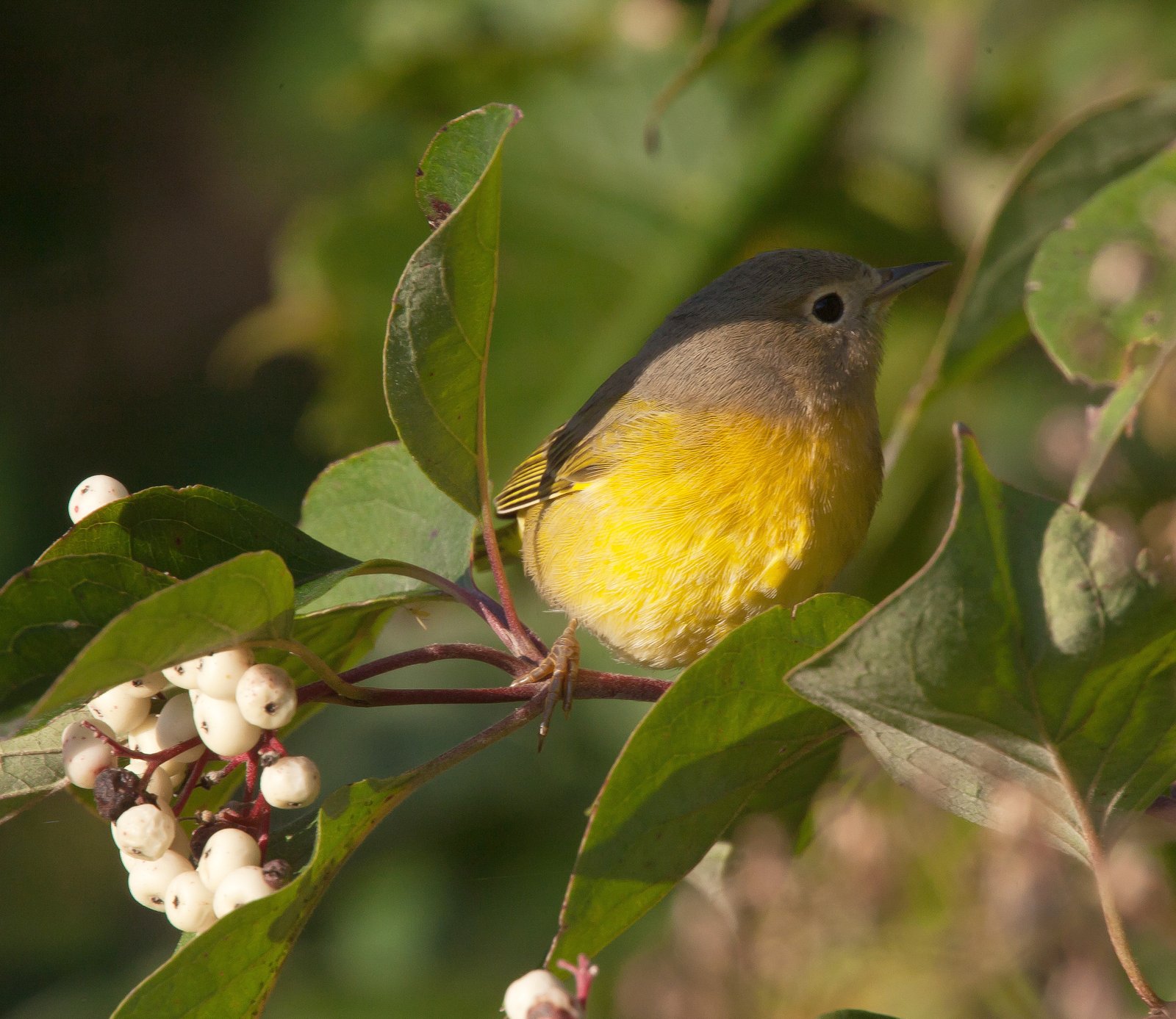
Nashville Warbler
Leiothlypis ruficapilla- Secondary forest and forest edge
- Northern Andean subtropical forest
- Towns, cities and parks
-
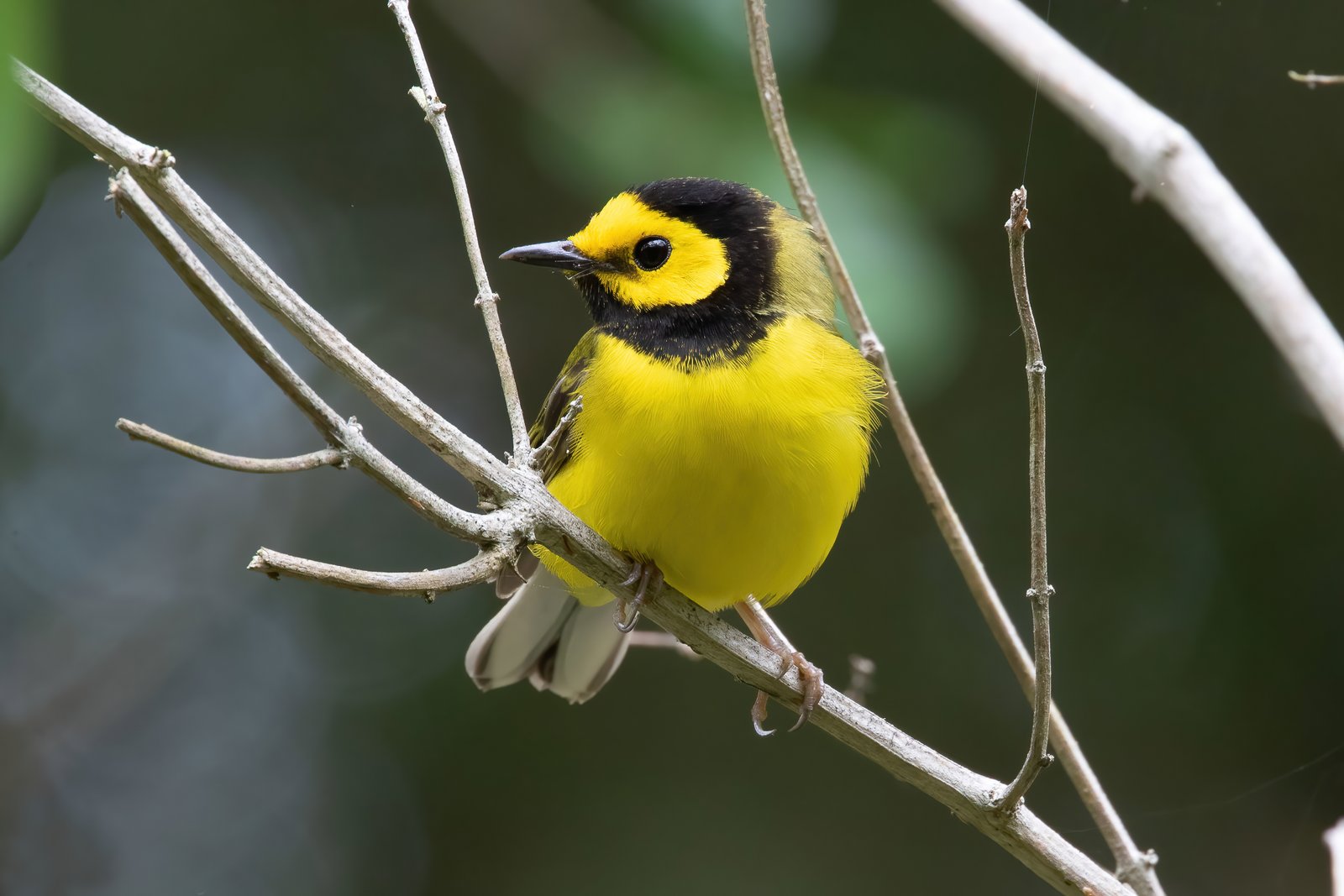
Hooded Warbler
Setophaga citrina- Secondary forest and forest edge
- Chocó rainforest
- Northern Andean subtropical forest
- Coffee, cacao and agroforestry
-
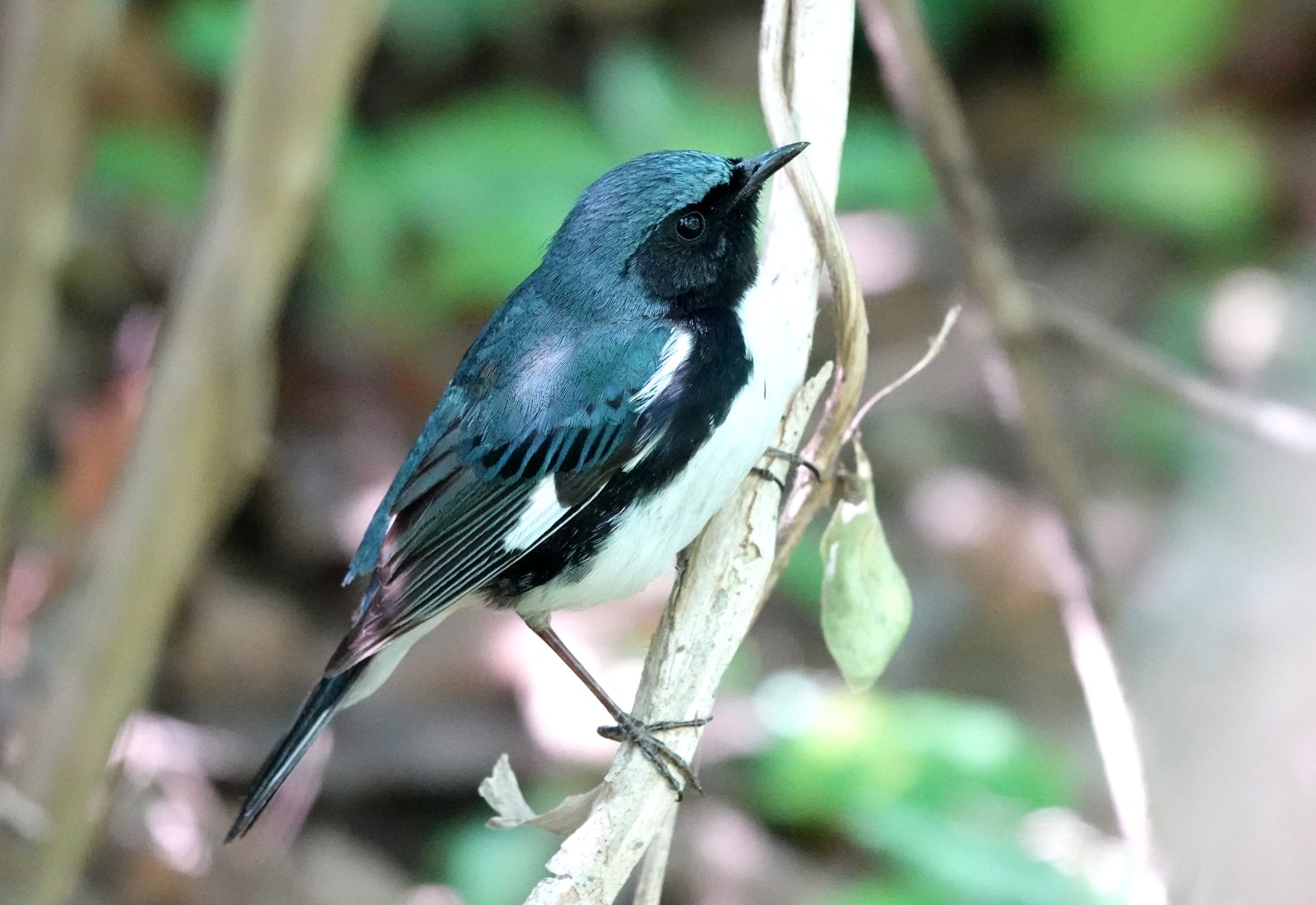
Black-throated Blue Warbler
Setophaga caerulescens- Northern Andean subtropical forest
- Secondary forest and forest edge
- Coffee, cacao and agroforestry
- Northern Andean cloud forest and temperate forest
-
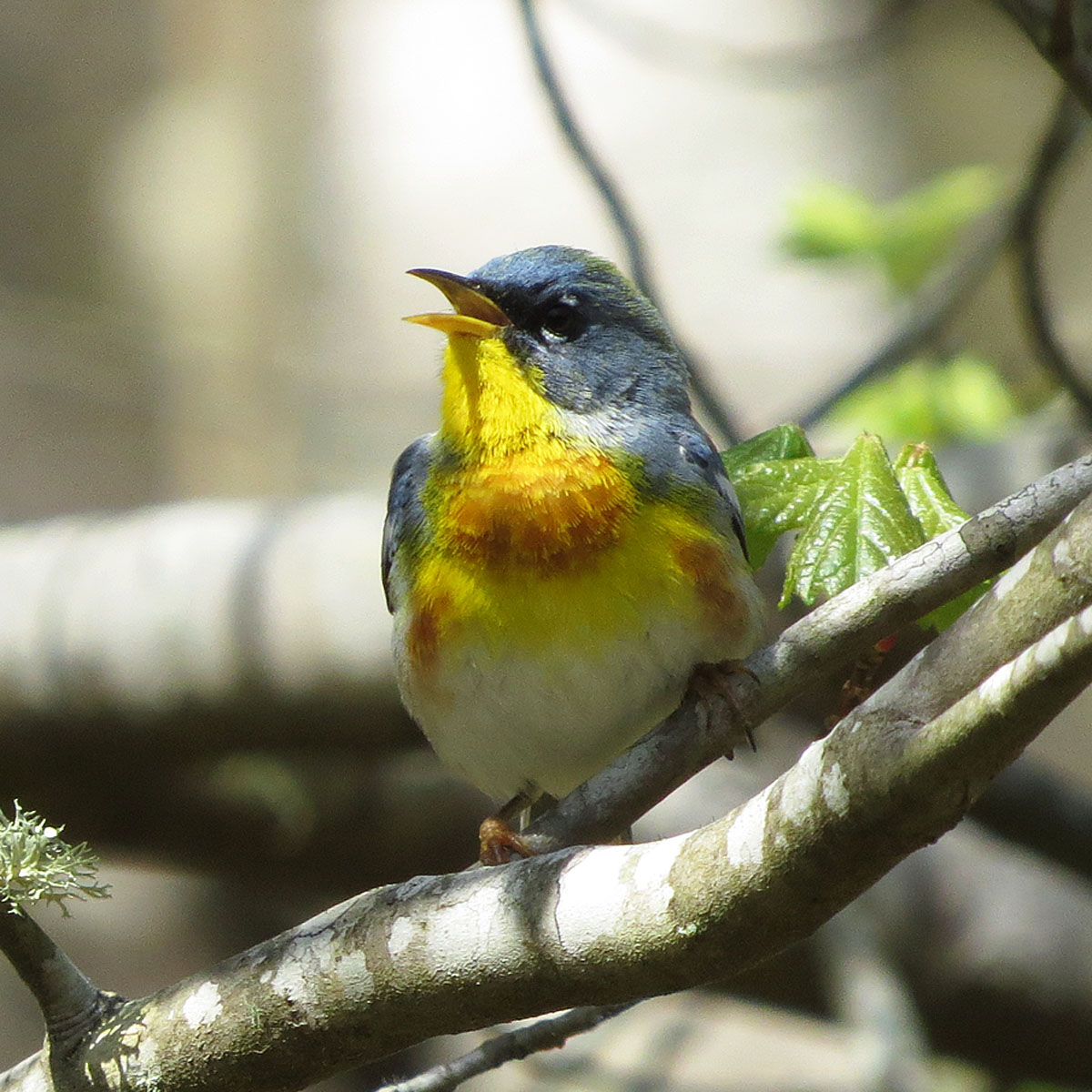
Northern Parula
Setophaga americana- Secondary forest and forest edge
- Mangrove
- Towns, cities and parks
- Coffee, cacao and agroforestry
- Tumbesian dry forest and thorn scrub
-
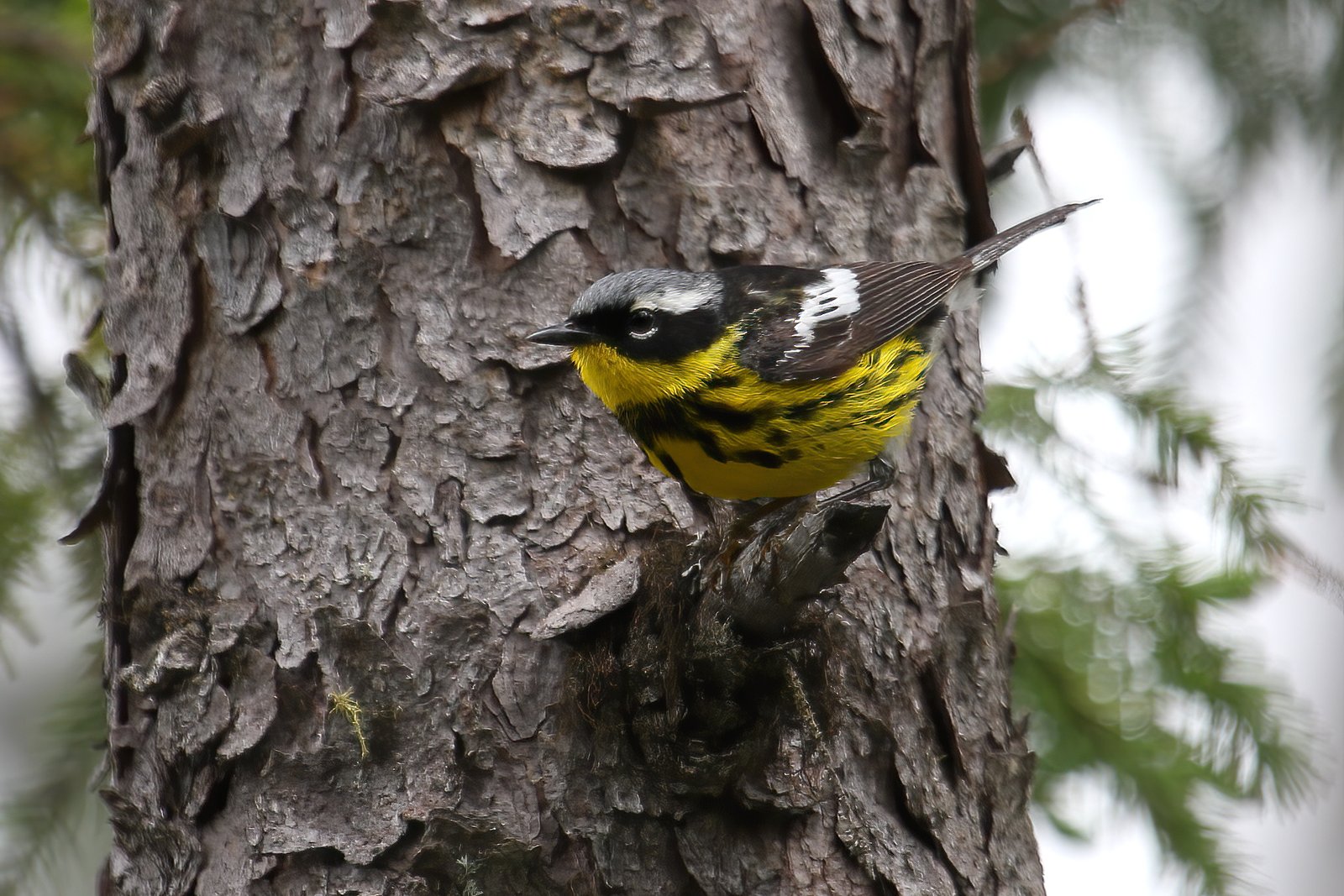
Magnolia Warbler
Setophaga magnolia- Secondary forest and forest edge
- Coffee, cacao and agroforestry
- Northern Andean subtropical forest
- Western Ecuador humid forest
- Towns, cities and parks
-
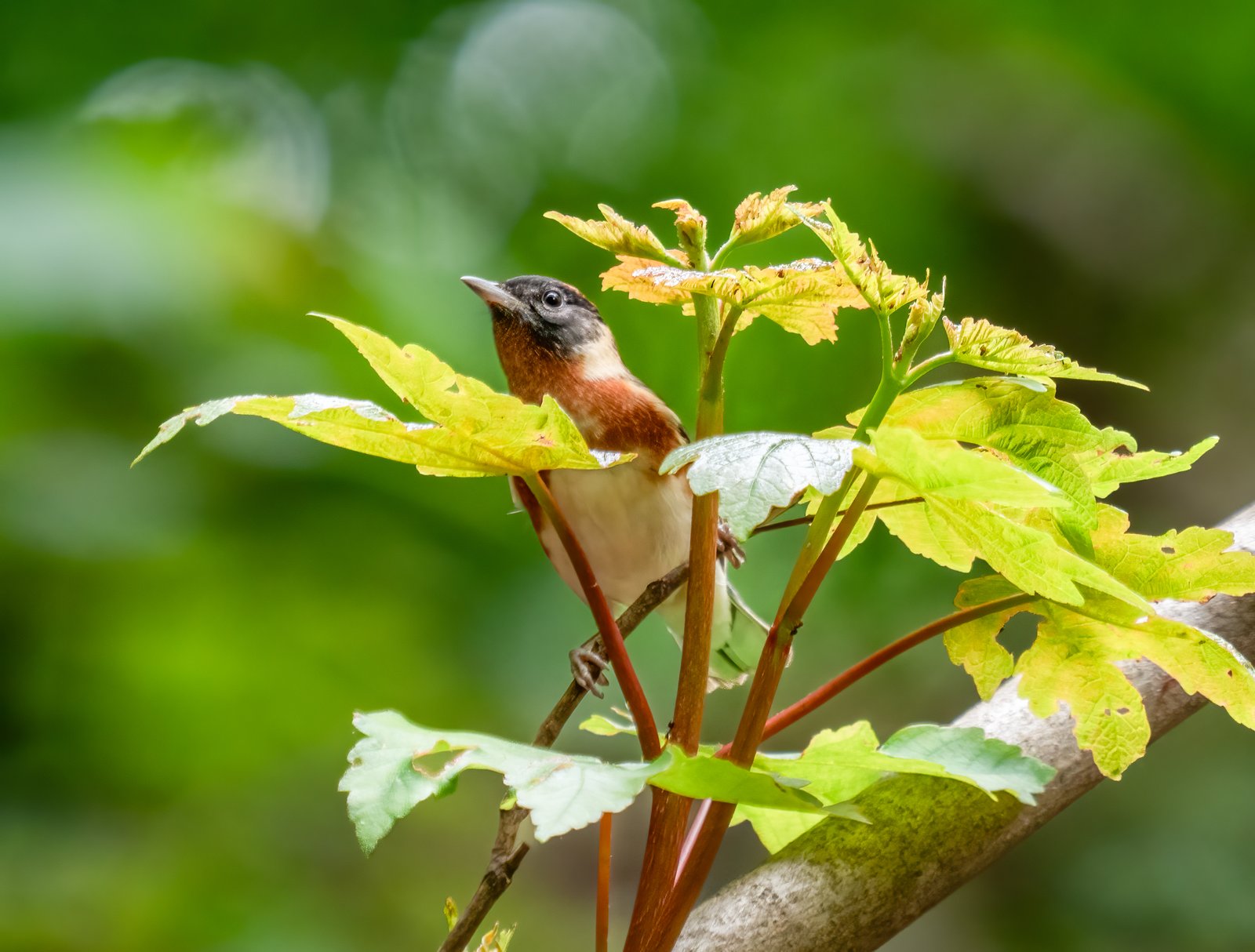
Bay-breasted Warbler
Setophaga castanea- Secondary forest and forest edge
- Chocó rainforest
- Western Ecuador humid forest
- Coffee, cacao and agroforestry
- Riparian woodland of the Andes and coastal valleys
-
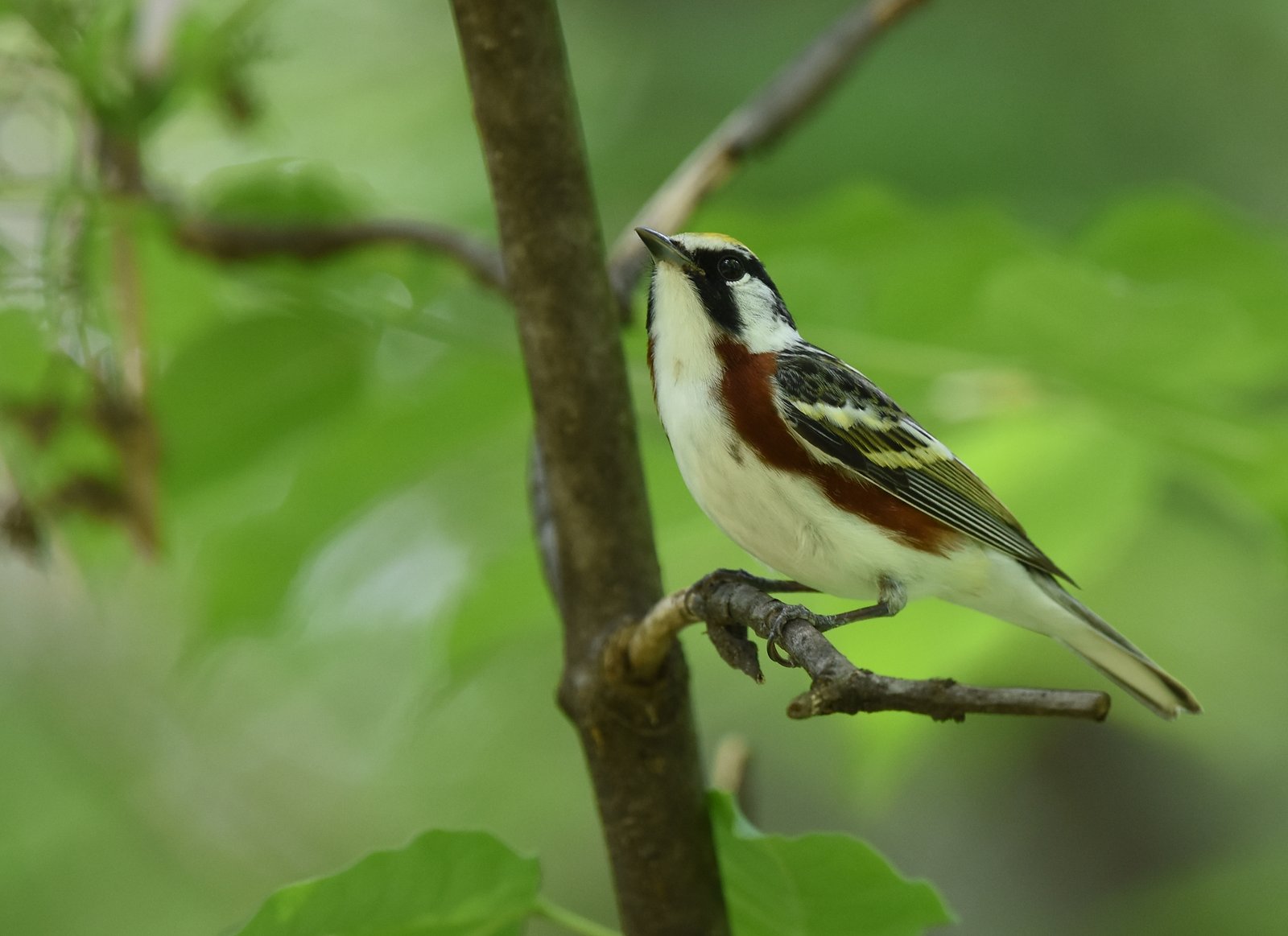
Chestnut-sided Warbler
Setophaga pensylvanica- Secondary forest and forest edge
- Chocó rainforest
- Coffee, cacao and agroforestry
- Northern Andean subtropical forest
- Western Ecuador humid forest
-
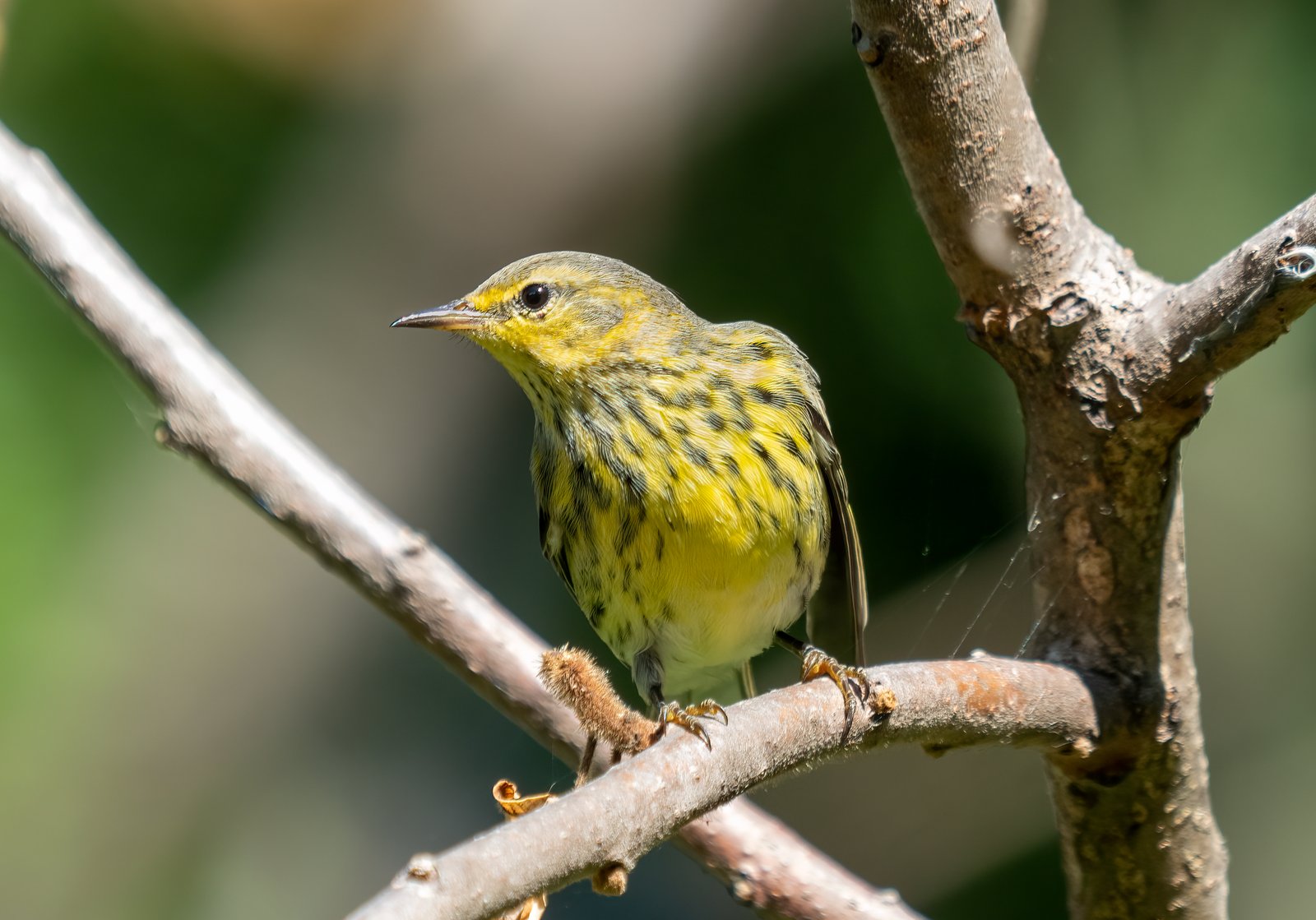
Cape May Warbler
Setophaga tigrina- Towns, cities and parks
- Secondary forest and forest edge
- Mangrove
- Coffee, cacao and agroforestry
-
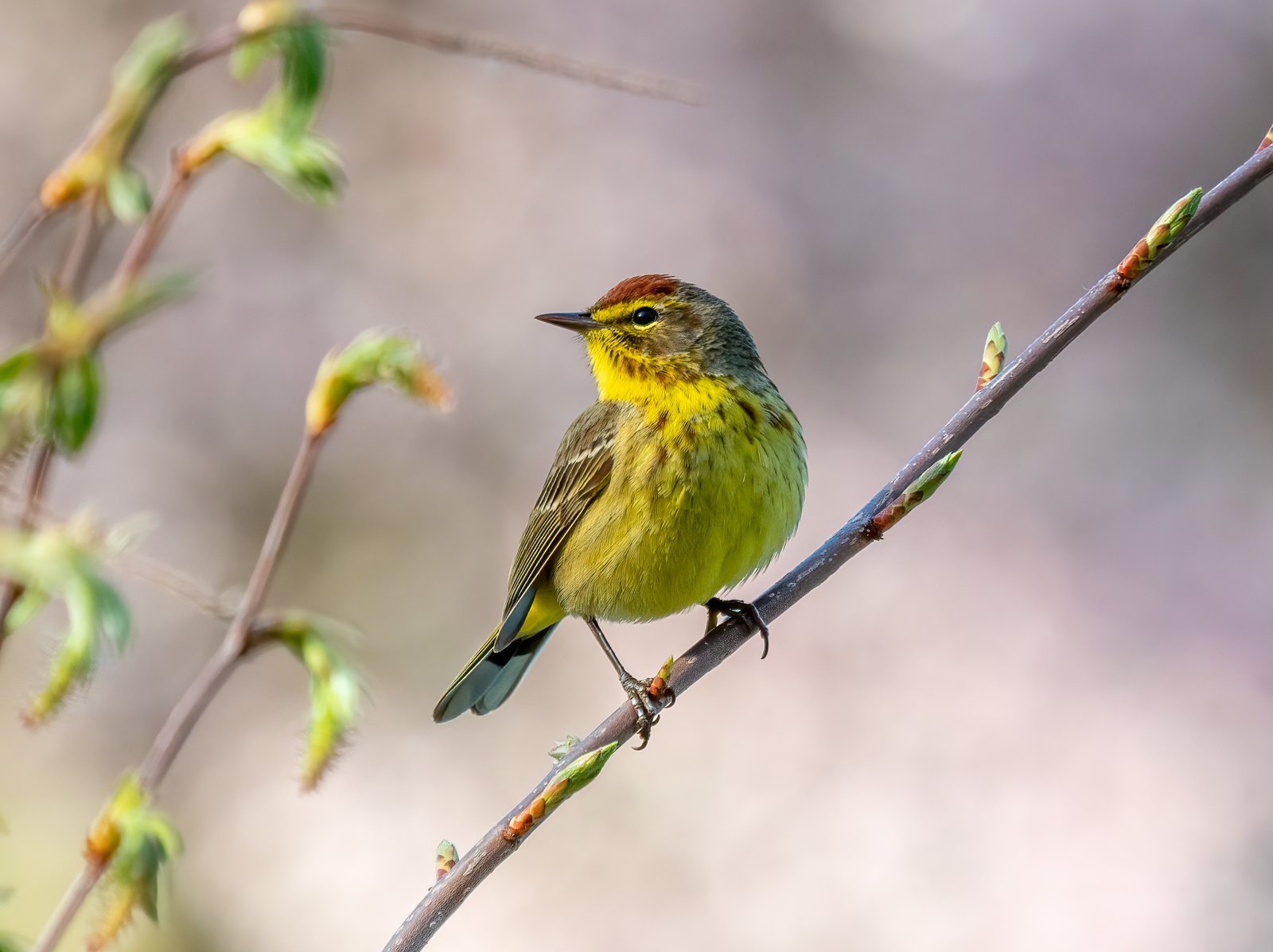
Palm Warbler
Setophaga palmarum- Towns, cities and parks
- Mangrove
- Pasture and ranchland
- Tumbesian dry forest and thorn scrub
-
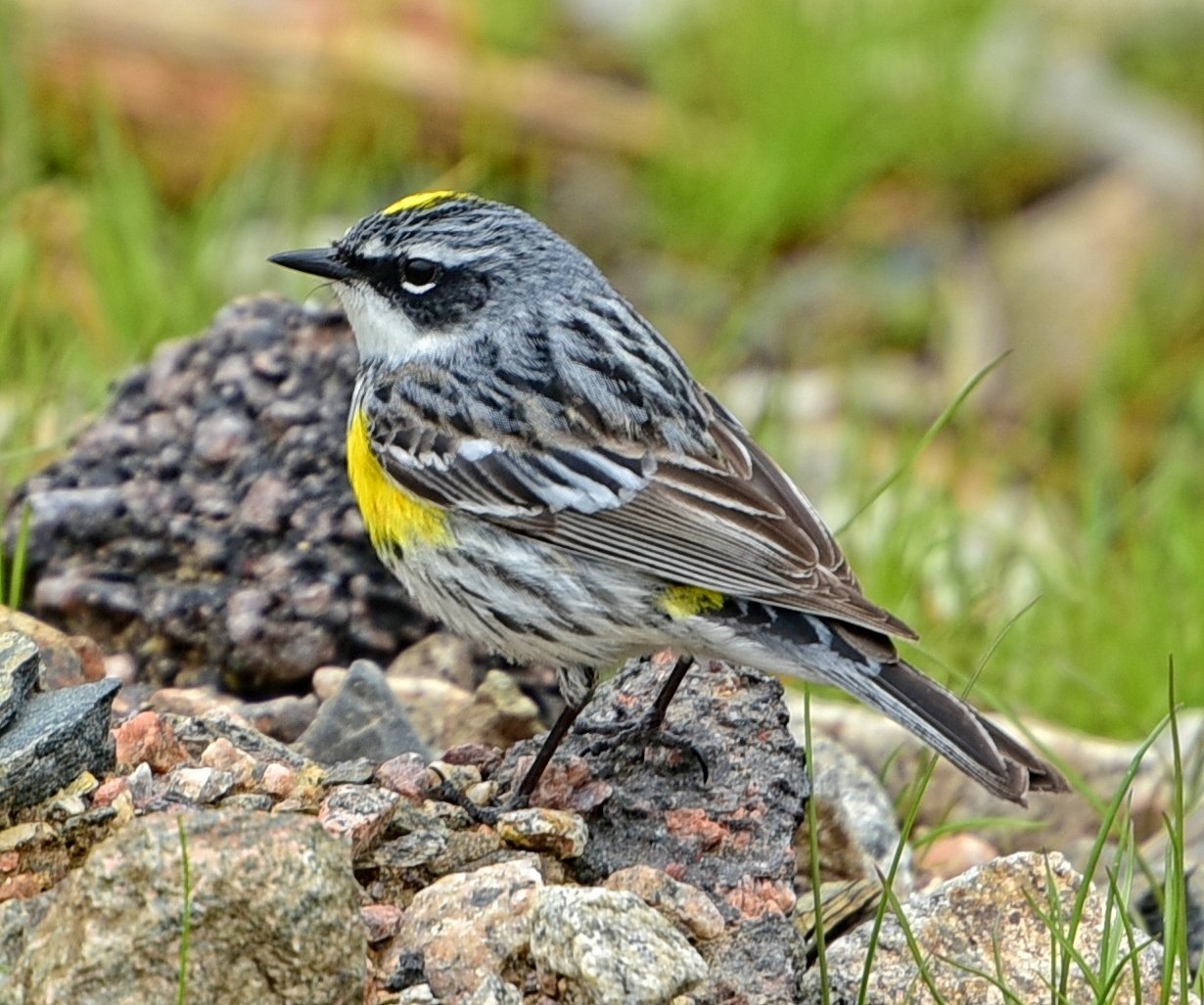
Yellow-rumped Warbler
Setophaga coronata- Secondary forest and forest edge
- Towns, cities and parks
- Northern Andean cloud forest and temperate forest
- Tumbesian dry forest and thorn scrub
- Mangrove
-
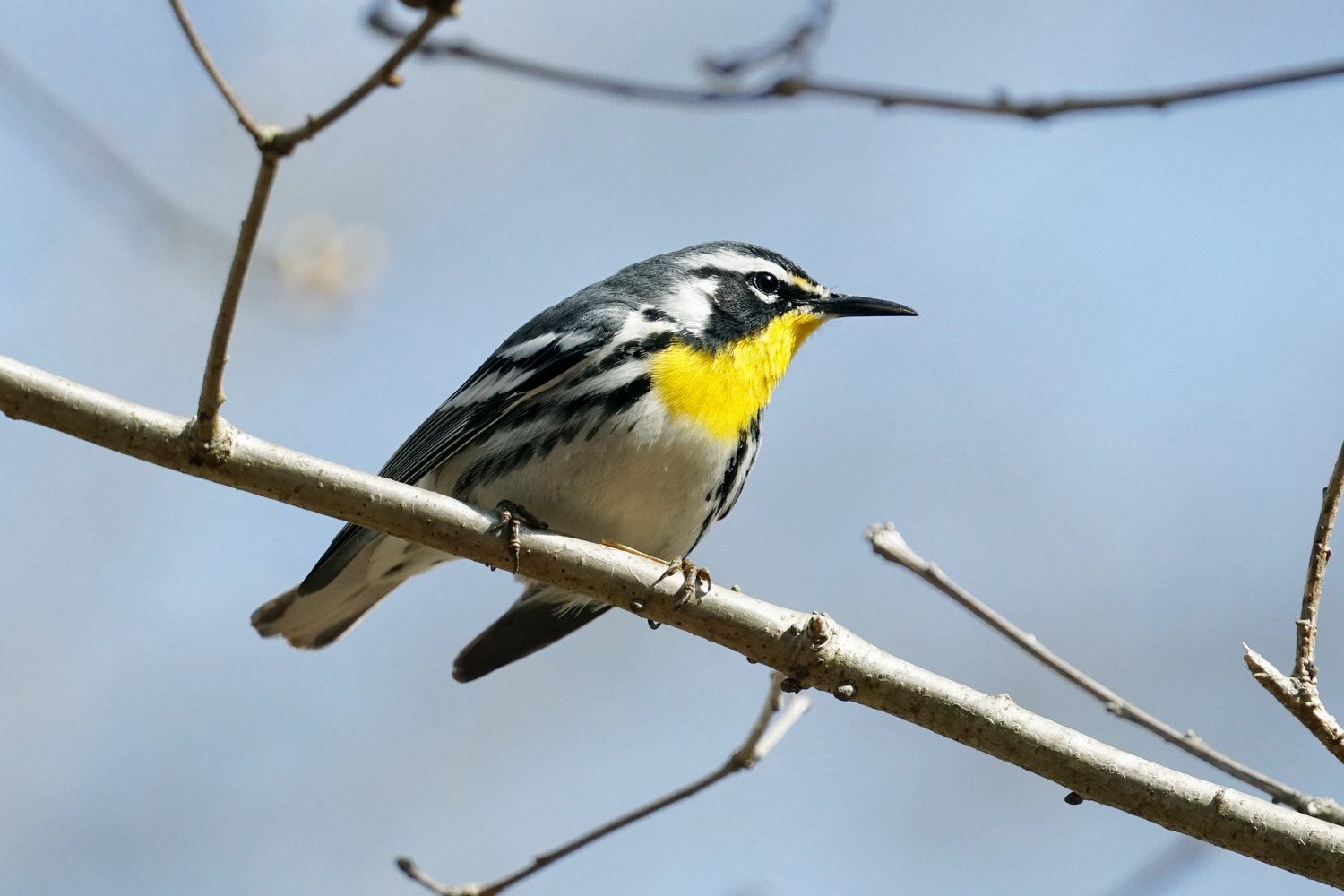
Yellow-throated Warbler
Setophaga dominica- Northern Andean cloud forest and temperate forest
- Northern Andean subtropical forest
- Secondary forest and forest edge
- Towns, cities and parks
-
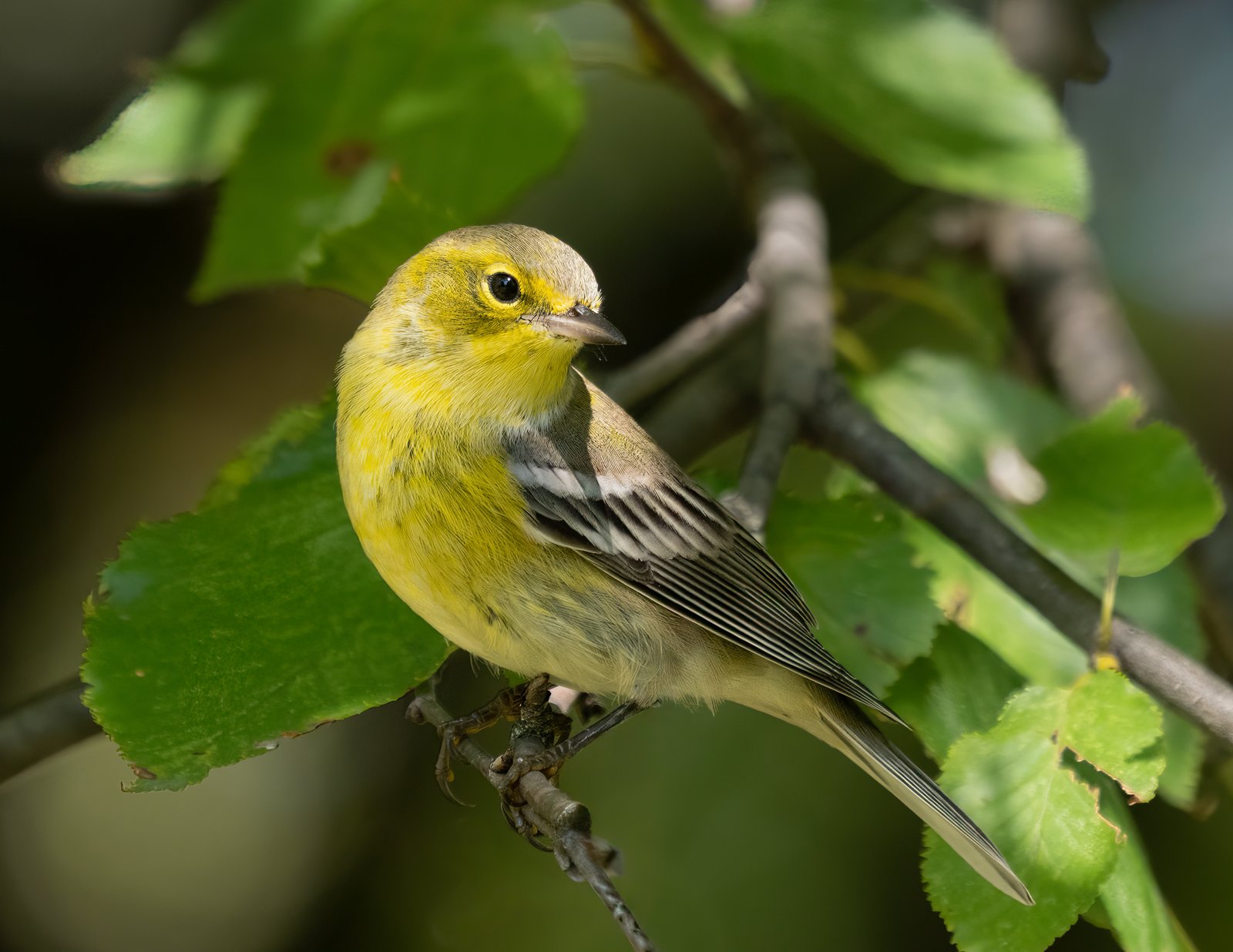
Pine Warbler
Setophaga pinus- Northern Andean cloud forest and temperate forest
- Northern Andean subtropical forest
- Secondary forest and forest edge
-
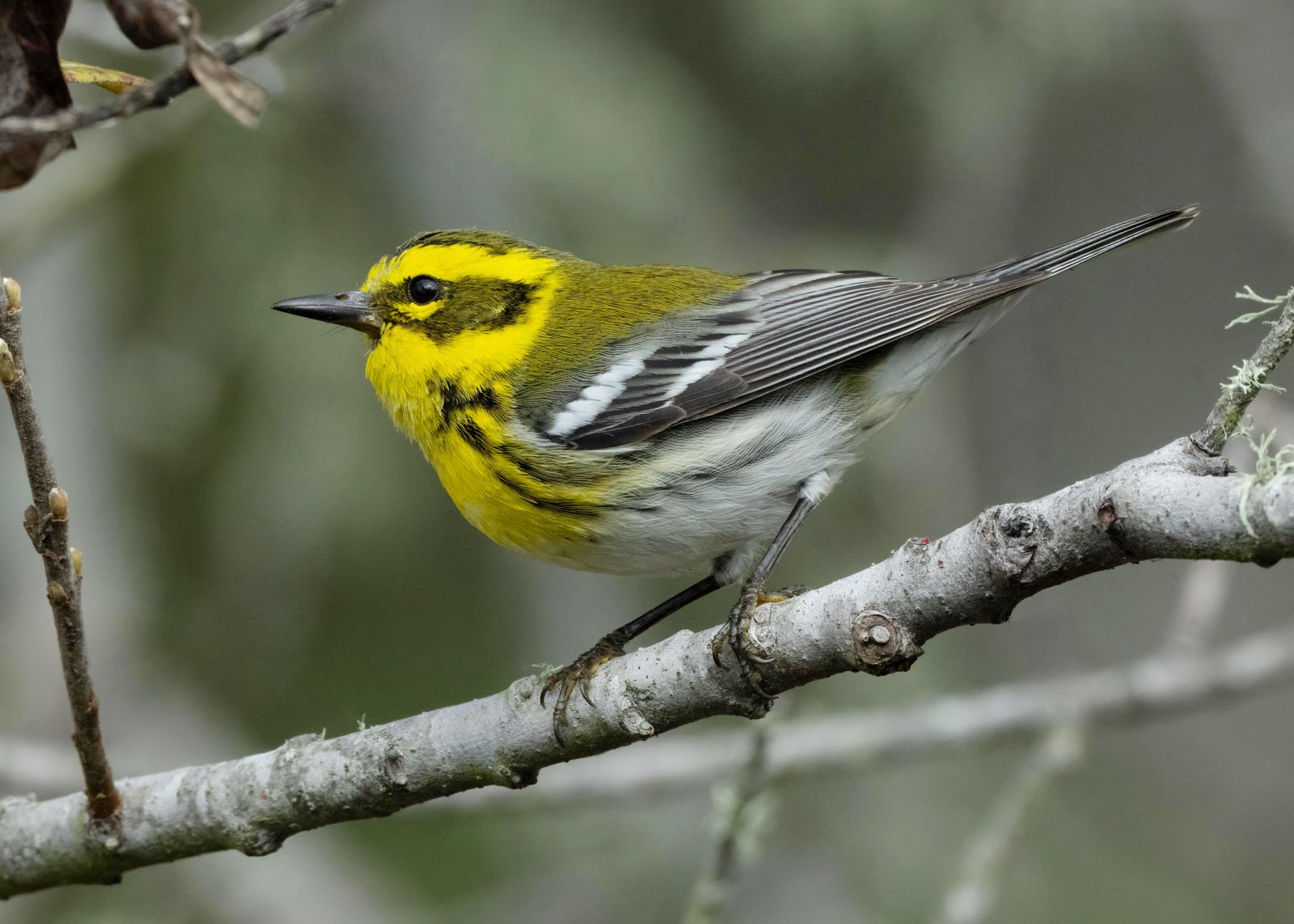
Townsend's Warbler
Setophaga townsendi- Northern Andean cloud forest and temperate forest
- Northern Andean subtropical forest
- Secondary forest and forest edge
-
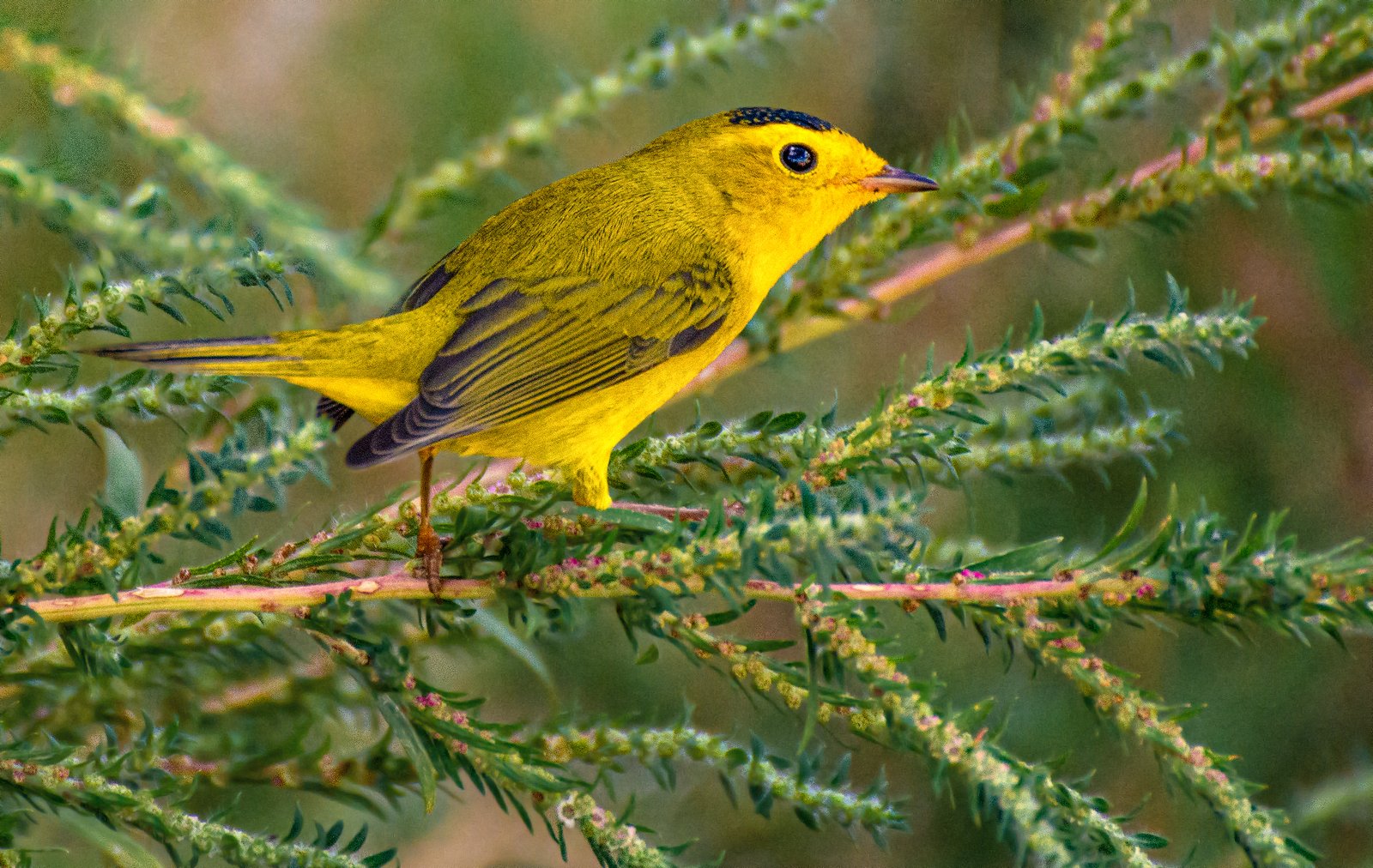
Wilson's Warbler
Cardellina pusilla- Secondary forest and forest edge
- Northern Andean subtropical forest
- Riparian woodland of the Andes and coastal valleys
- Coffee, cacao and agroforestry