All species › Passerines › Ovenbirds and woodcreepers
Ovenbirds and woodcreepers | Furnariidae
Ovenvogels en muisspechten | Horneros y trepatroncos | Ovenbirds and woodcreepers
A large family of tropical American suboscines, with two hundred and sixteen species in sixty genera in this guide, from dry forest and rainforest through cloud forest to páramo, puna and rocky coasts. The birds are mostly brown, rufous and cinnamon, often streaked or spotted, and the sexes look alike. Broadly they fall into two groups. The woodcreepers climb tree trunks like woodpeckers, supported by a tail with stiff, bare shaft tips, and use a straight or strongly curved bill to probe bark crevices, moss and epiphytes for insects and spiders; some follow army ant swarms to catch the animals fleeing ahead of them. The remaining species, such as leaftossers, foliage-gleaners, xenops, spinetails and canasteros, find their food by tossing leaf litter, searching dead leaves or clambering through foliage and scrub; in the open high mountains miners, earthcreepers and cinclodes walk on the ground, and cinclodes also forage along streams and on the rocky shore. The voice consists of rattles, trills and shrill series. Nesting habits vary widely: woodcreepers nest in tree cavities on a layer of bark flakes, others dig tunnels in earth banks, horneros of the genus Furnarius build an oven-shaped nest of mud, and spinetails build large, enclosed stick nests with a tubular entrance. The eggs are mostly white.
Native species 212 species
Species that occur here by nature: breeding birds, winter visitors and passage migrants. They are arranged by genus, in the sequence of the list.
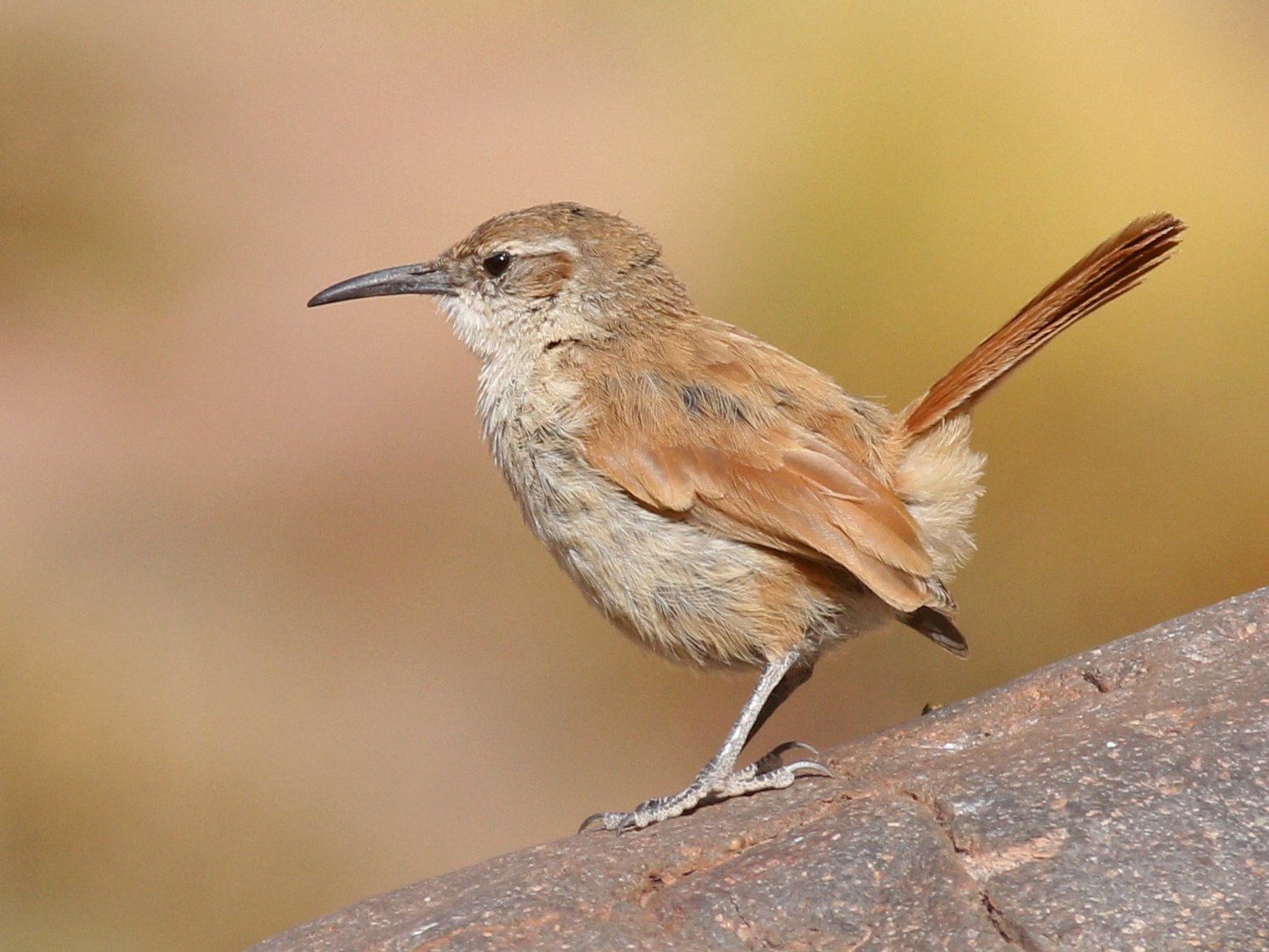
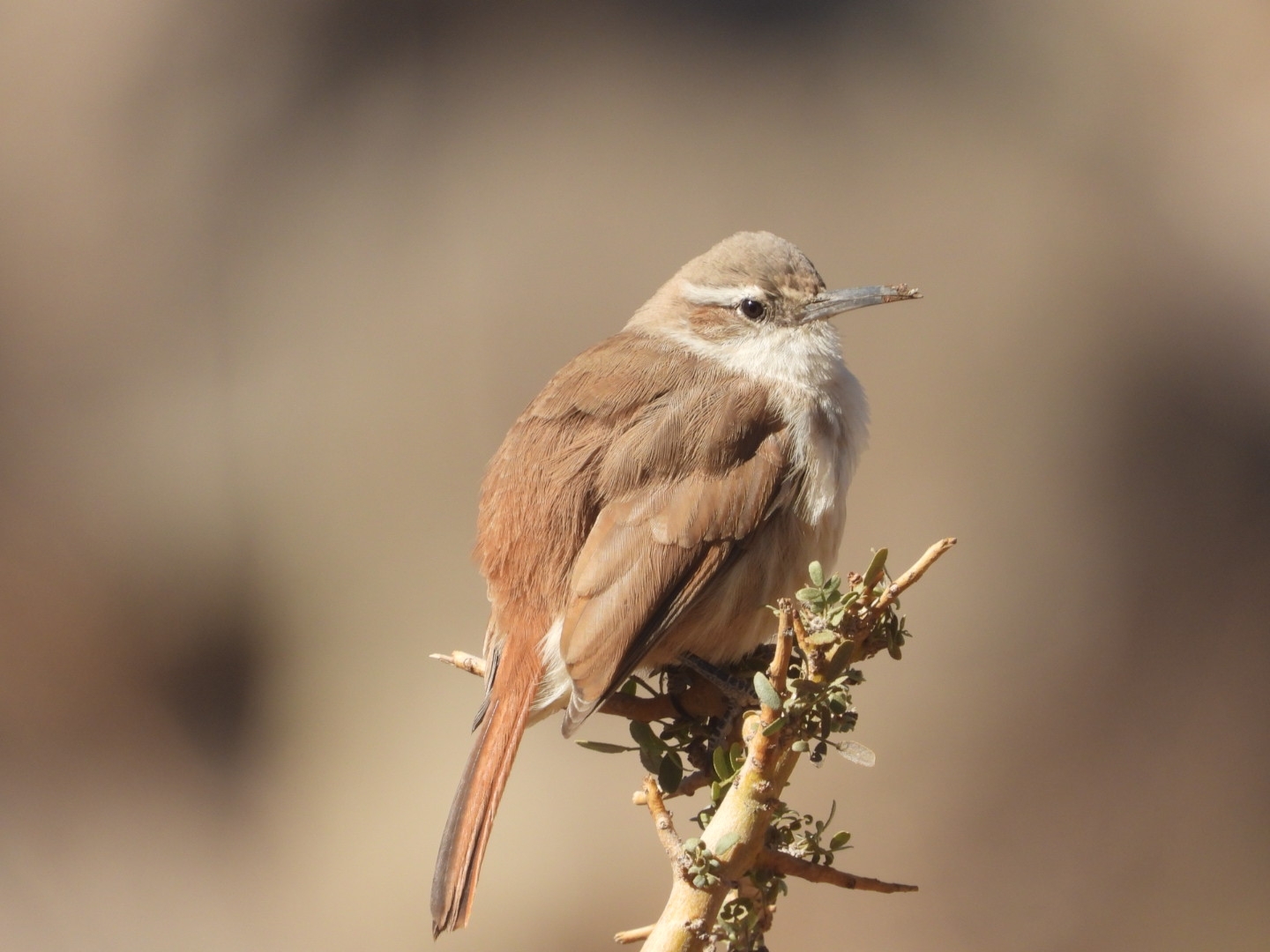
Ochetorhynchus 2 species
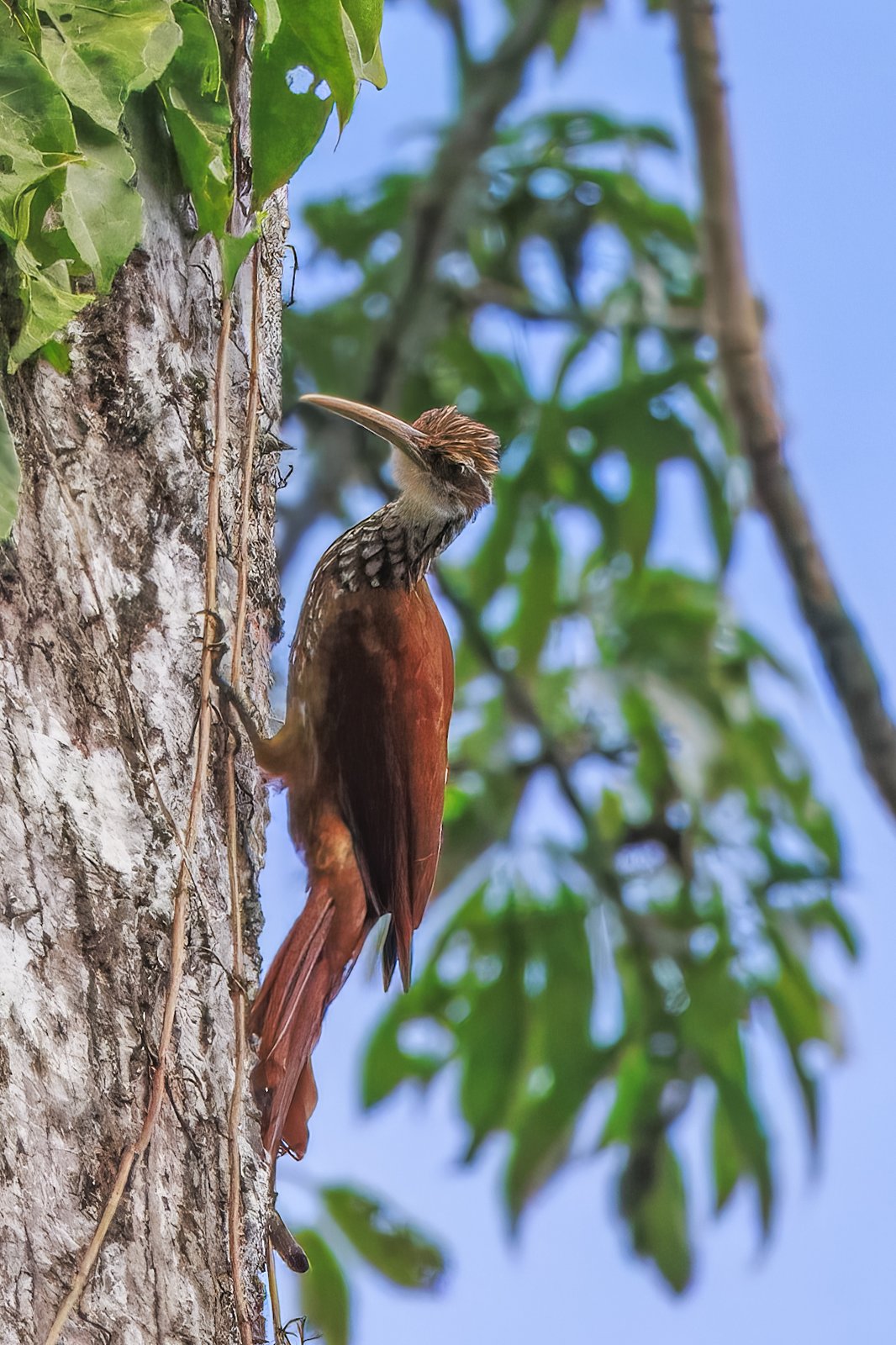
Campylorhamphus 3 species
-
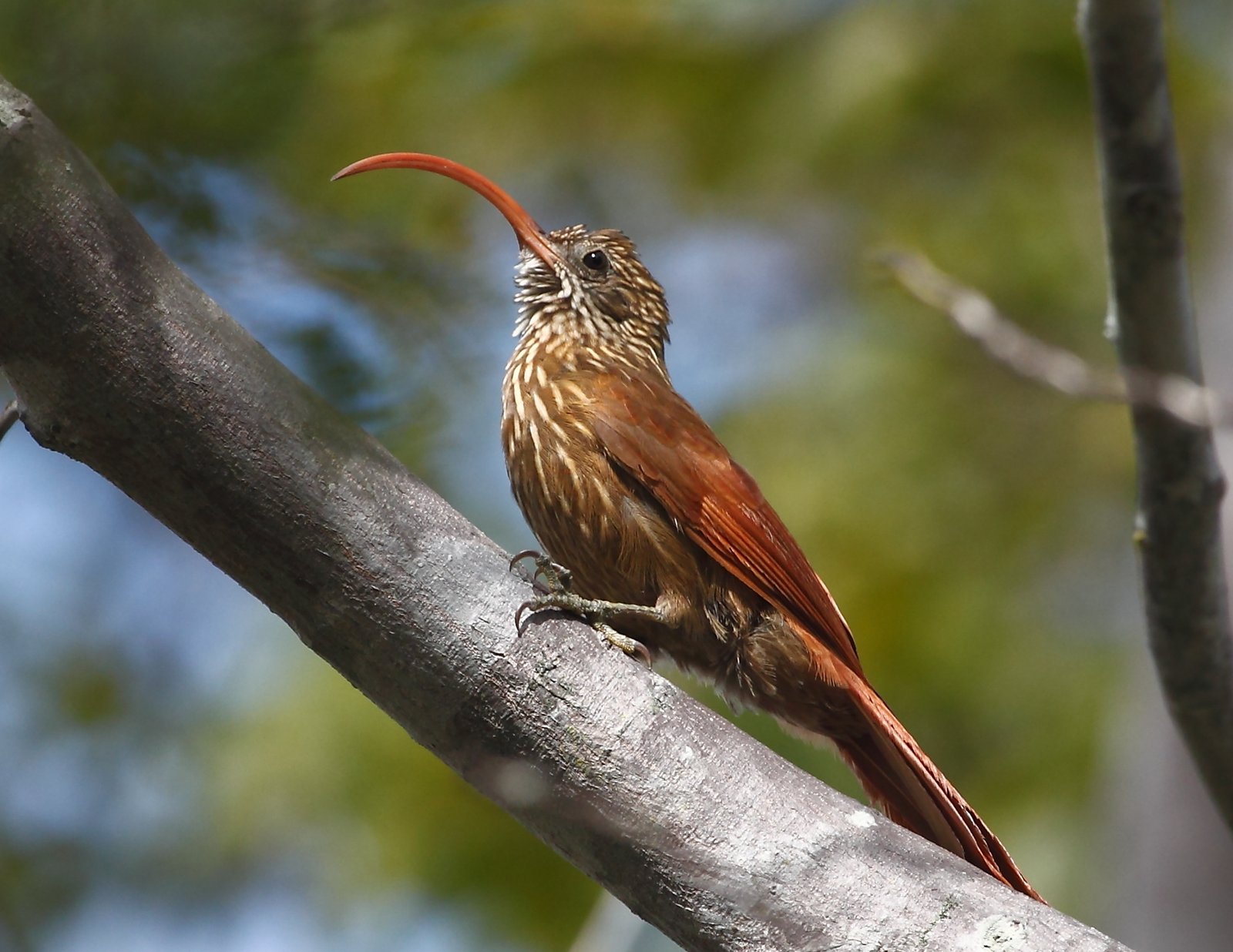
Red-billed Scythebill
Campylorhamphus trochilirostris Várzea, igapó and river islands
 Tumbesian dry forest and thorn scrub
 Amazonian terra firme rainforest
 Bamboo forest
 Chiquitano dry forest and Chaco
 Secondary forest and forest edge
-
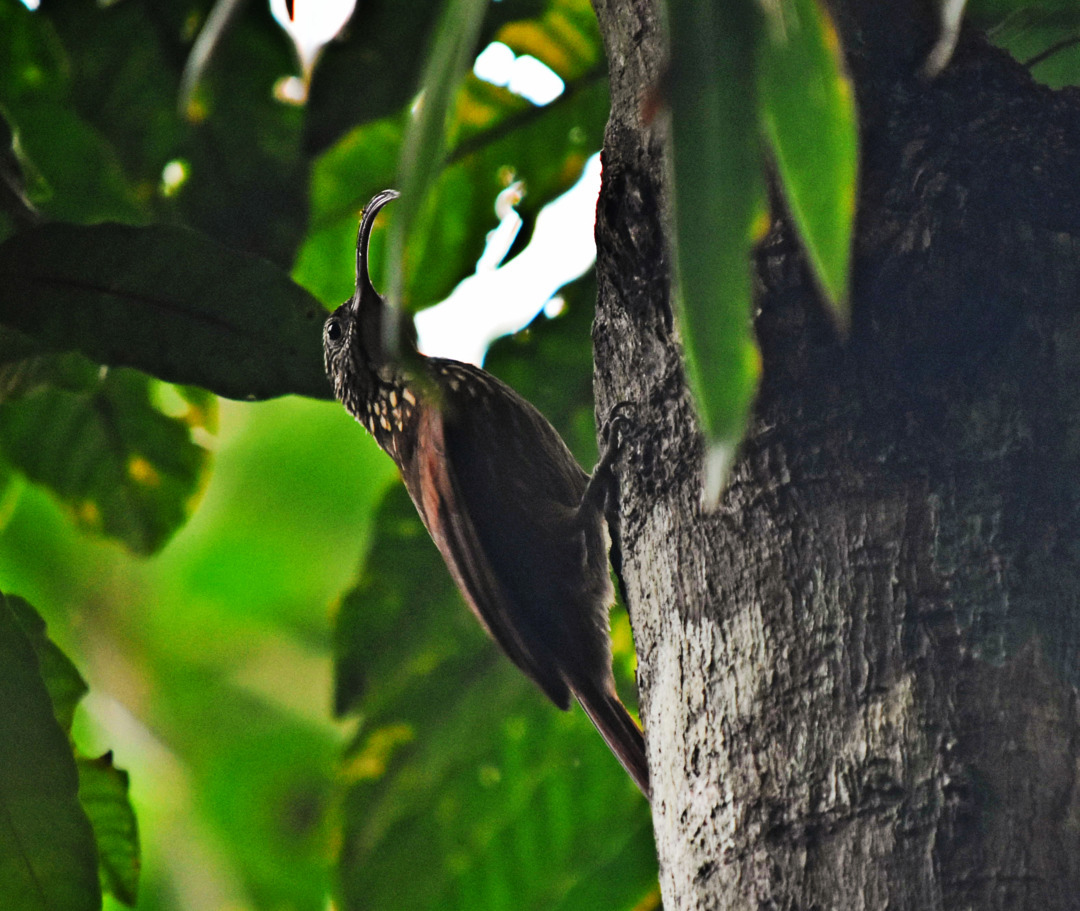
Curve-billed Scythebill
Campylorhamphus procurvoides- Amazonian terra firme rainforest
- Várzea, igapó and river islands
-
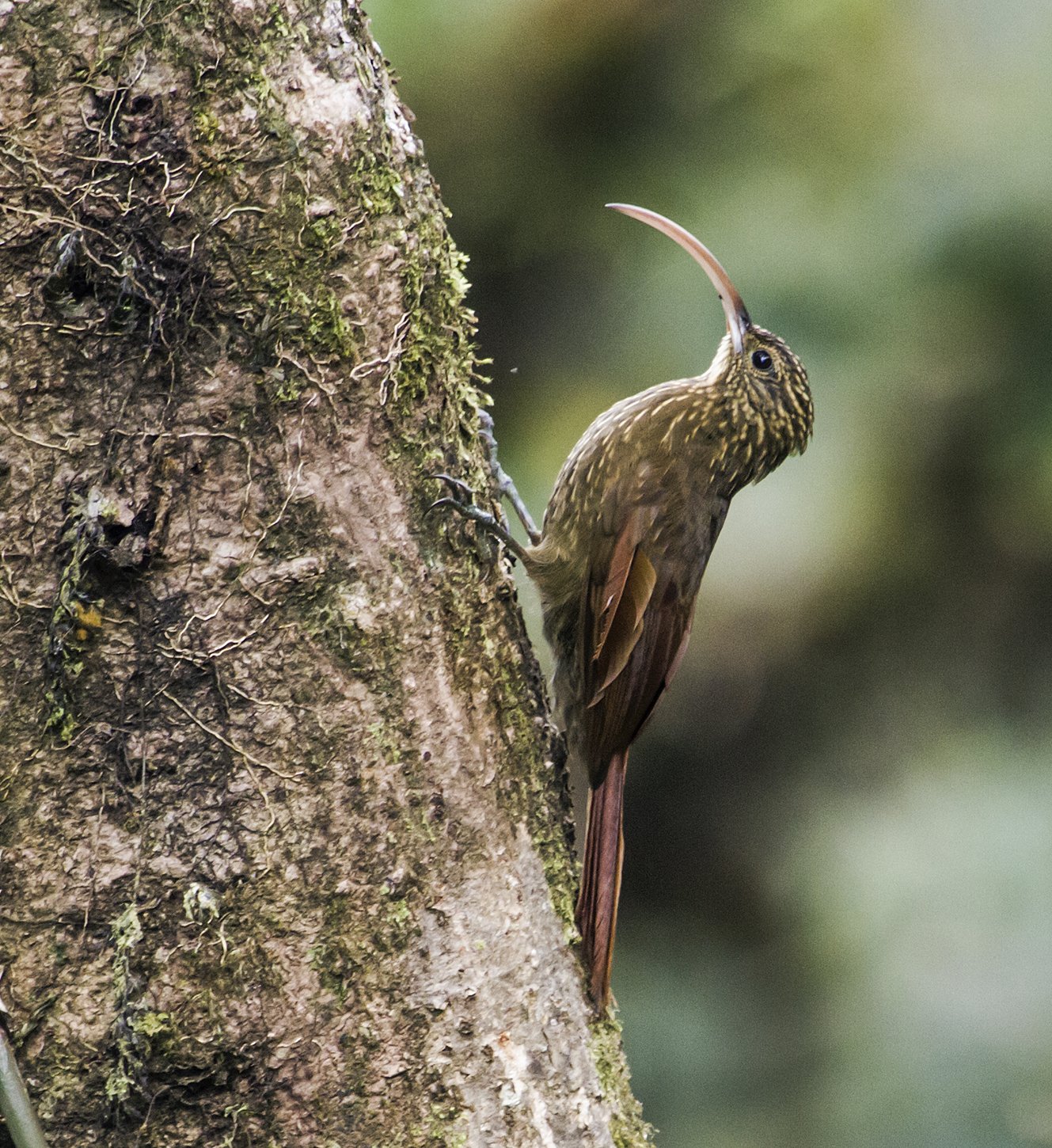
Brown-billed Scythebill
Campylorhamphus pusillus Northern Andean subtropical forest
 Northern Andean cloud forest and temperate forest
 Eastern Andean foothill forest
 Western Ecuador humid forest
Coryphistera 1 species
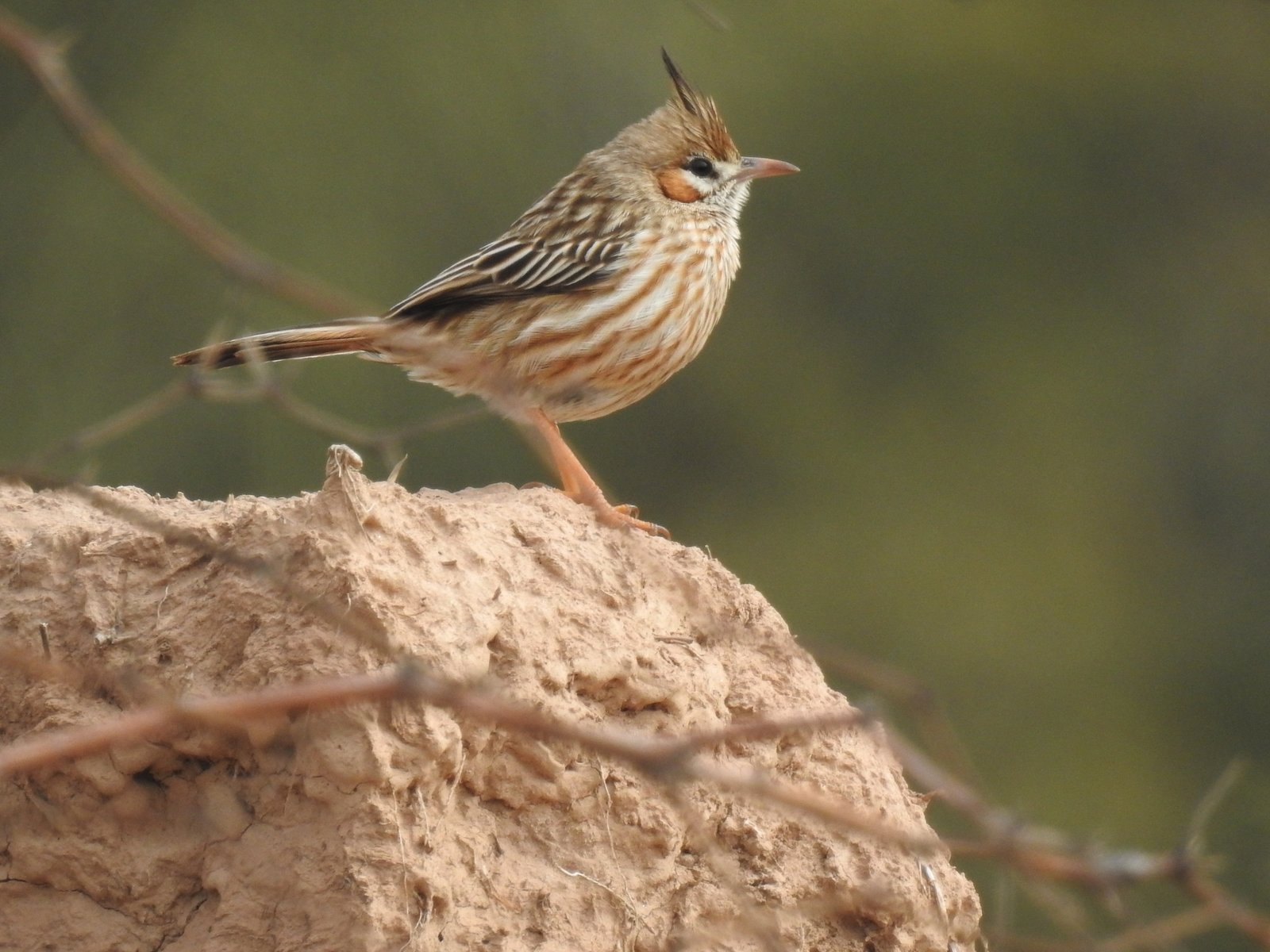
Microxenops 1 species
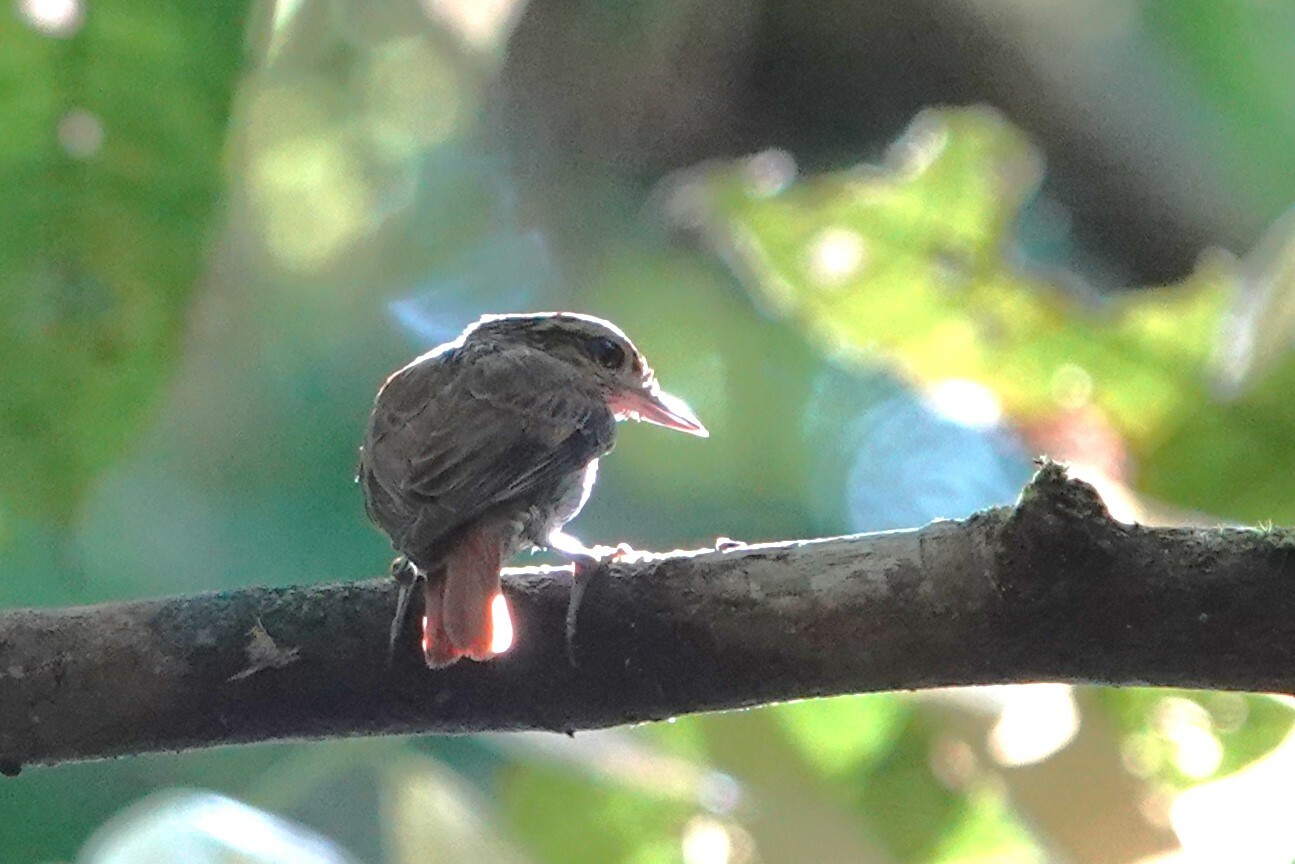
Premnoplex 1 species
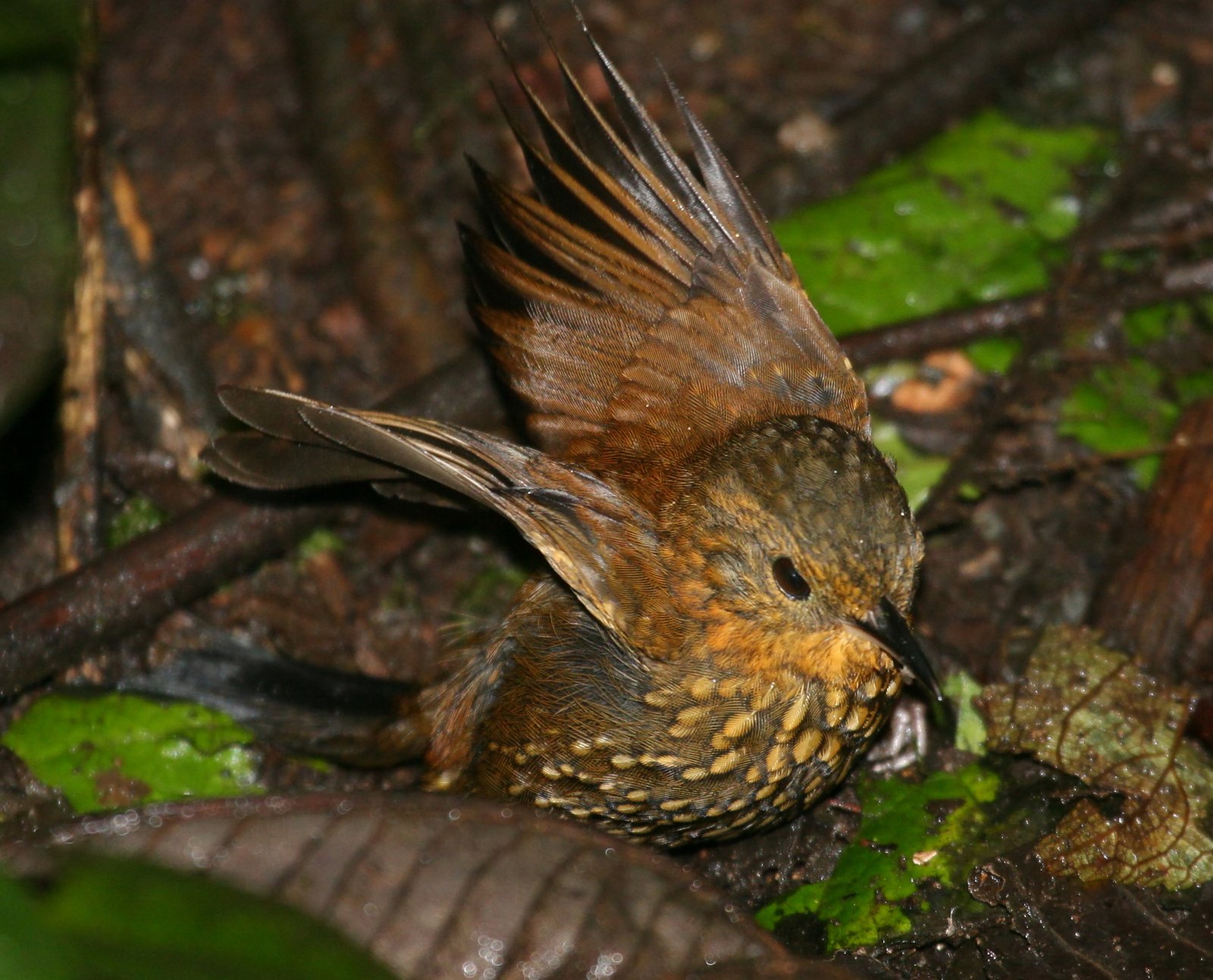
Lepidocolaptes 7 species
-
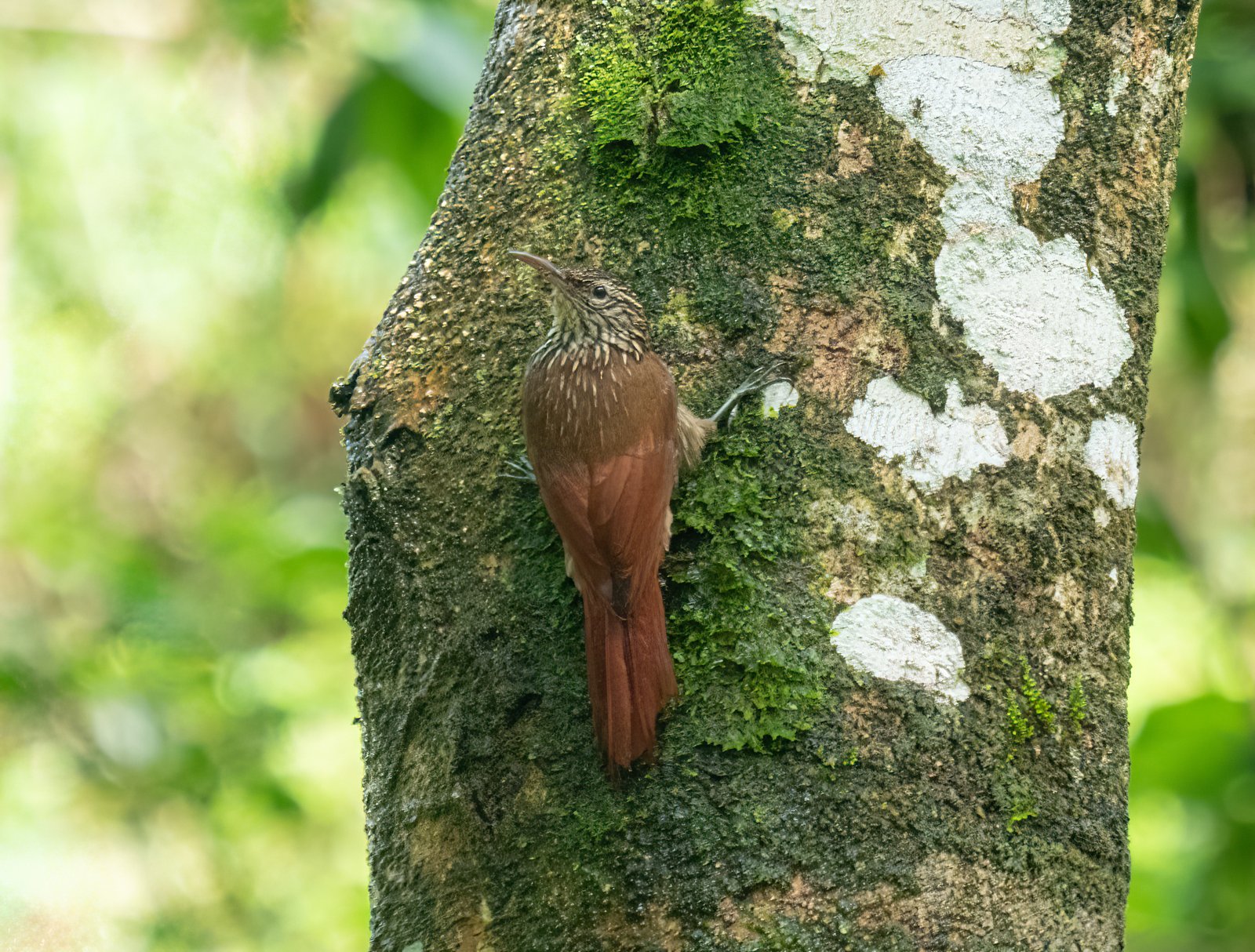
Streak-headed Woodcreeper
Lepidocolaptes souleyetii- Tumbesian dry forest and thorn scrub
- Secondary forest and forest edge
- Western Ecuador humid forest
 Coffee, cacao and agroforestry
 Llanos savanna
-
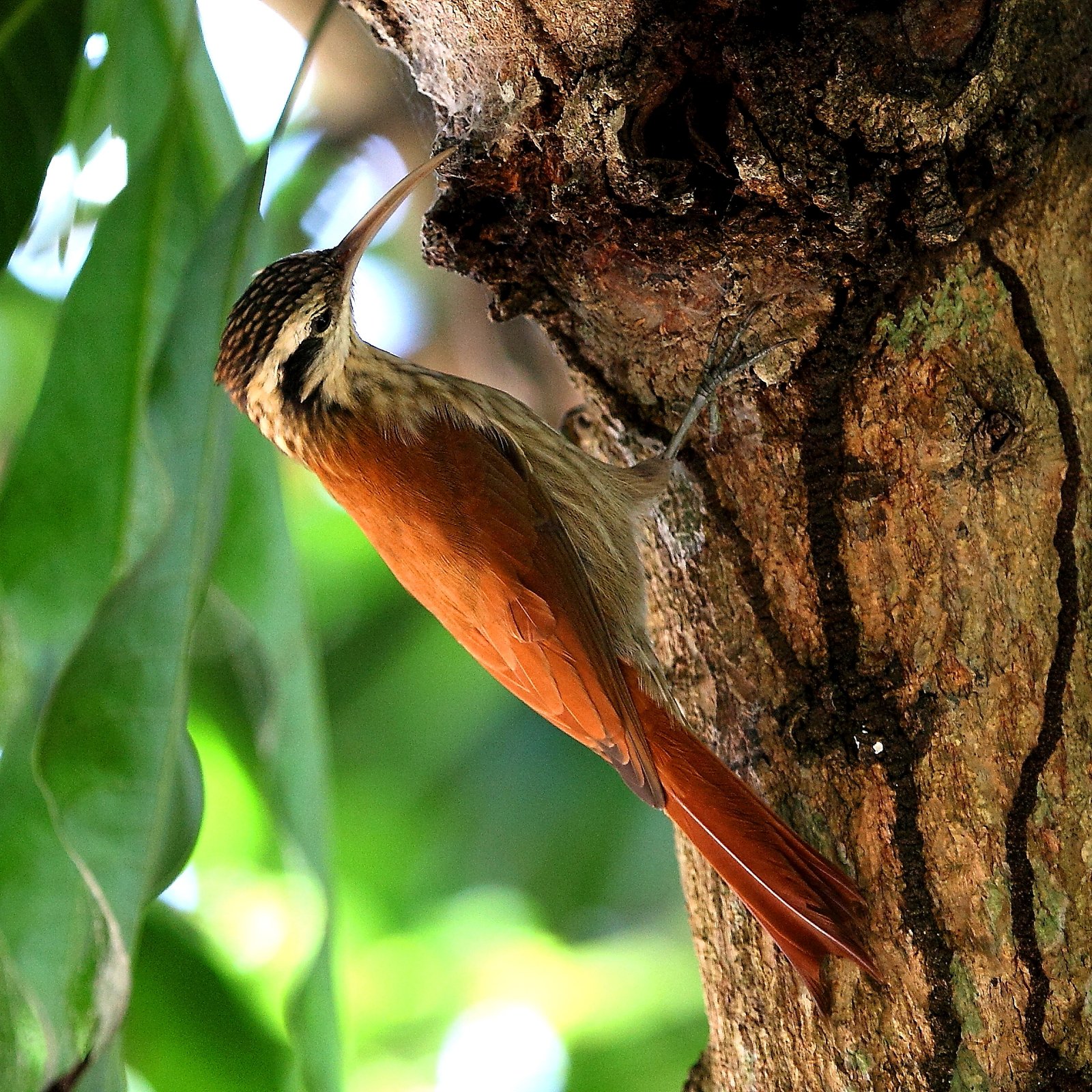
Narrow-billed Woodcreeper
Lepidocolaptes angustirostris- Chiquitano dry forest and Chaco
 Beni savanna and cerrado
 Central Andean dry valleys
- Secondary forest and forest edge
 Pasture and ranchland
-
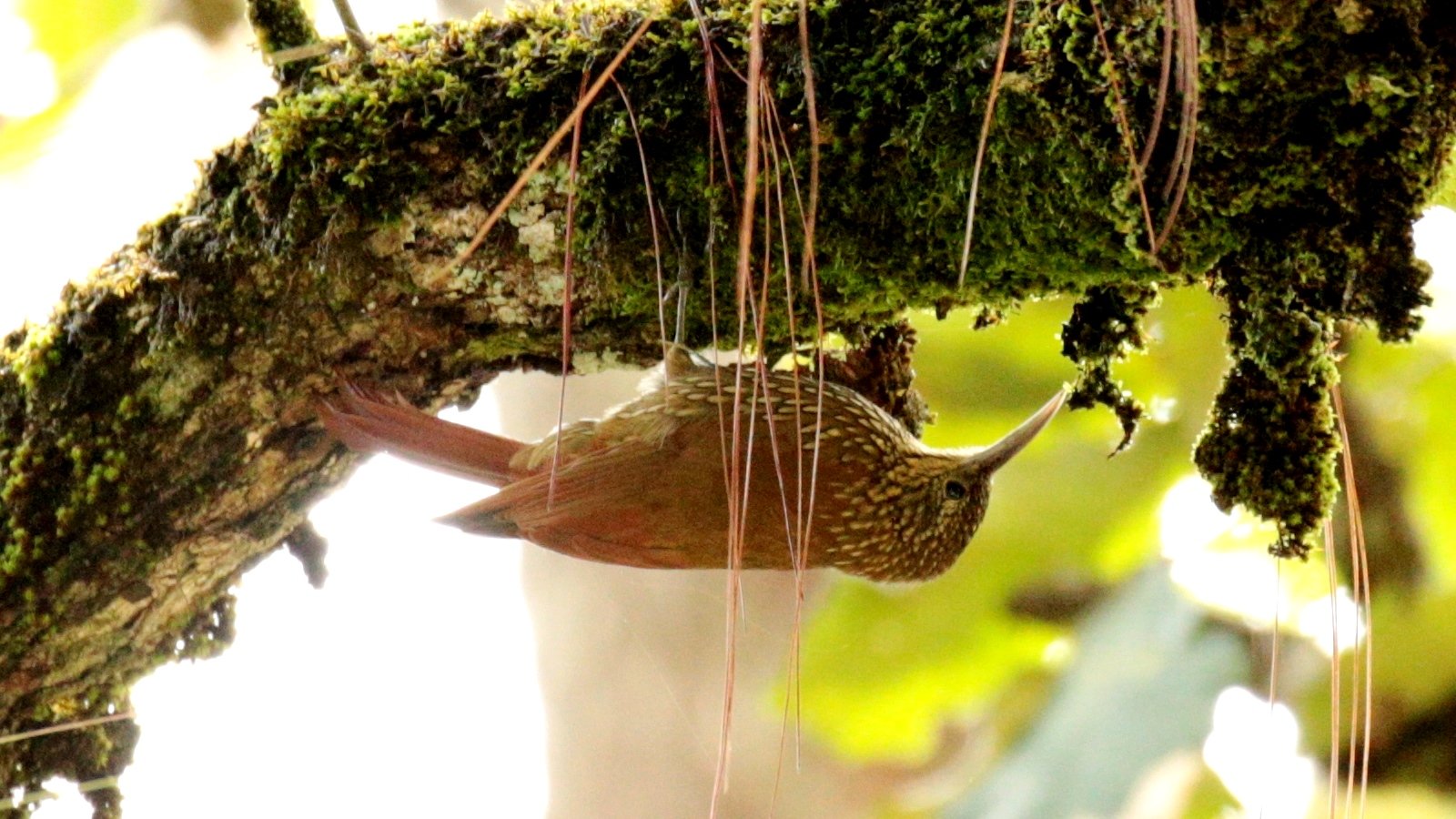
Spot-crowned Woodcreeper
Lepidocolaptes affinis- Northern Andean cloud forest and temperate forest
- Northern Andean subtropical forest
-
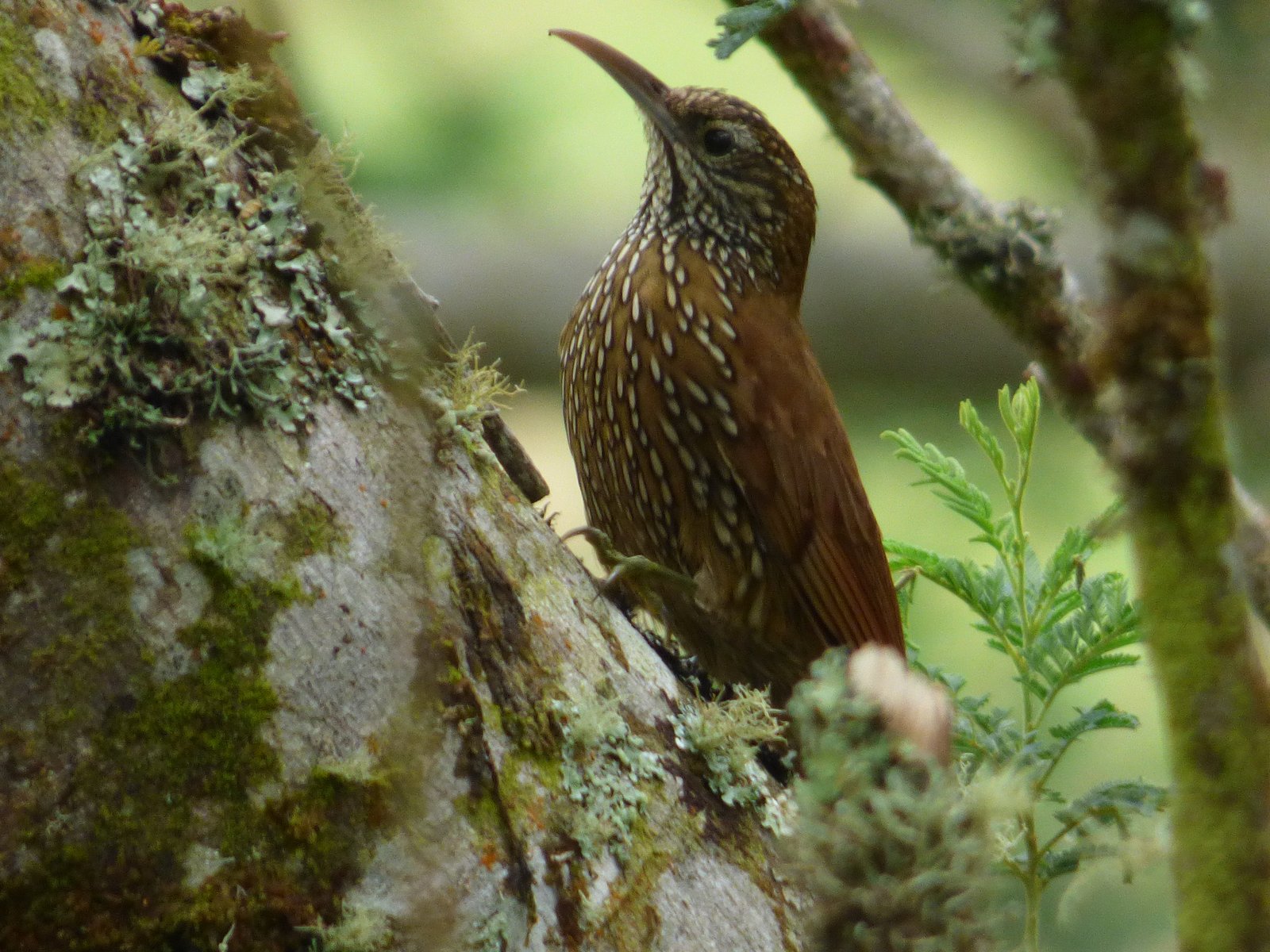
Montane Woodcreeper
Lepidocolaptes lacrymiger- Northern Andean cloud forest and temperate forest
- Northern Andean subtropical forest
 Upper Yungas cloud forest
 Lower Yungas forest
- Secondary forest and forest edge
-
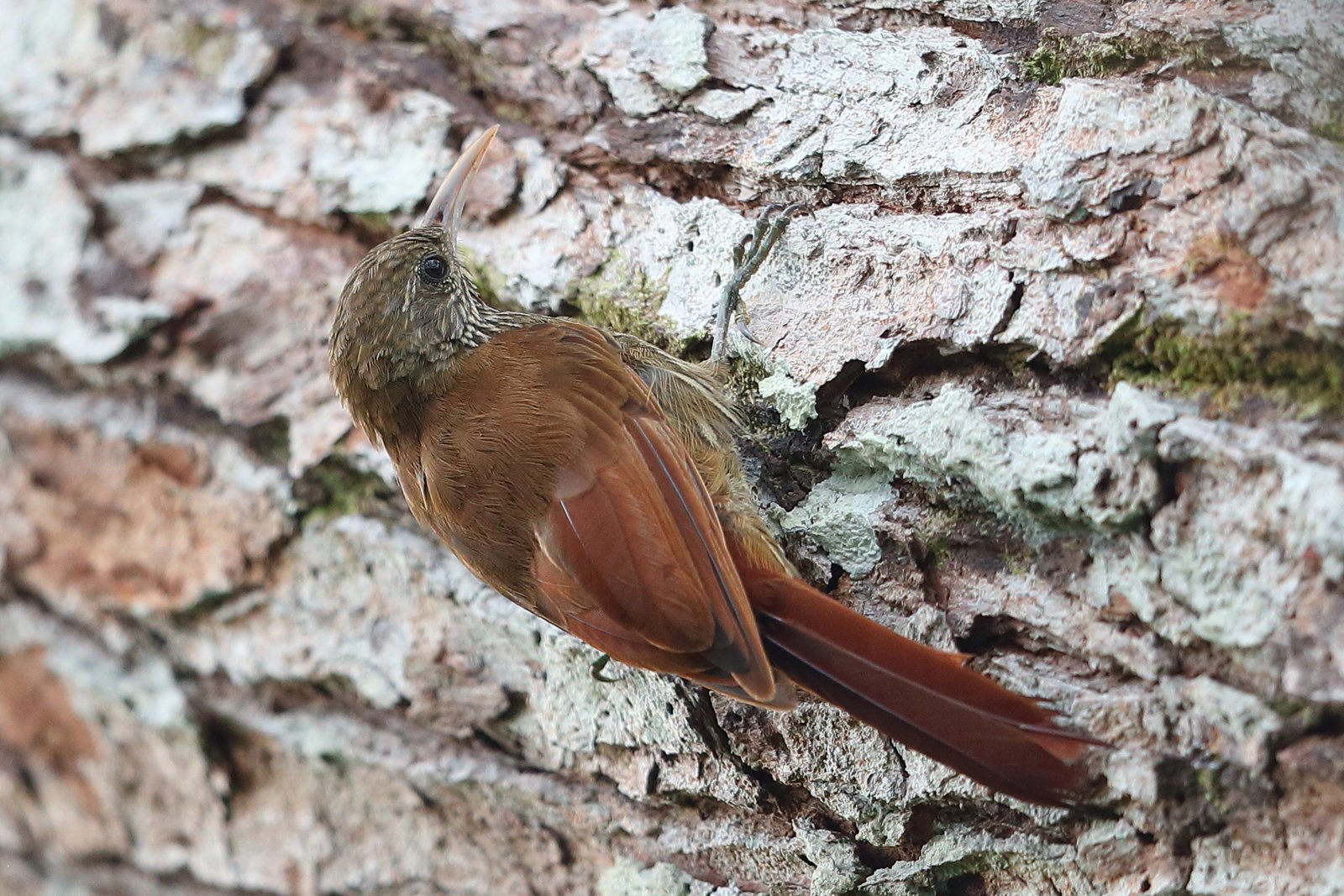
Duida Woodcreeper
Lepidocolaptes duidae- Amazonian terra firme rainforest
- Várzea, igapó and river islands
- Secondary forest and forest edge
-
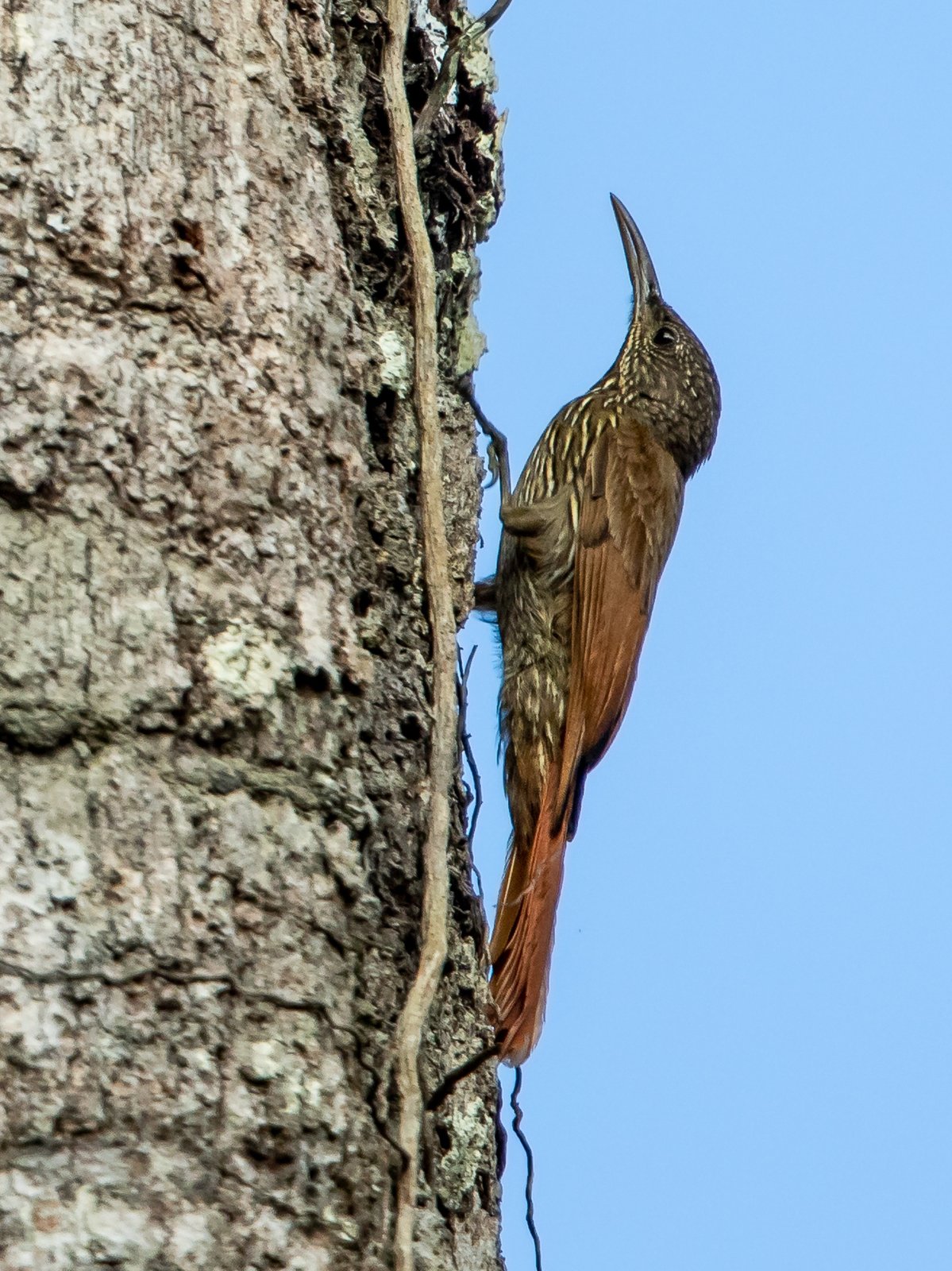
Guianan Woodcreeper
Lepidocolaptes albolineatus- Amazonian terra firme rainforest
- Secondary forest and forest edge
-
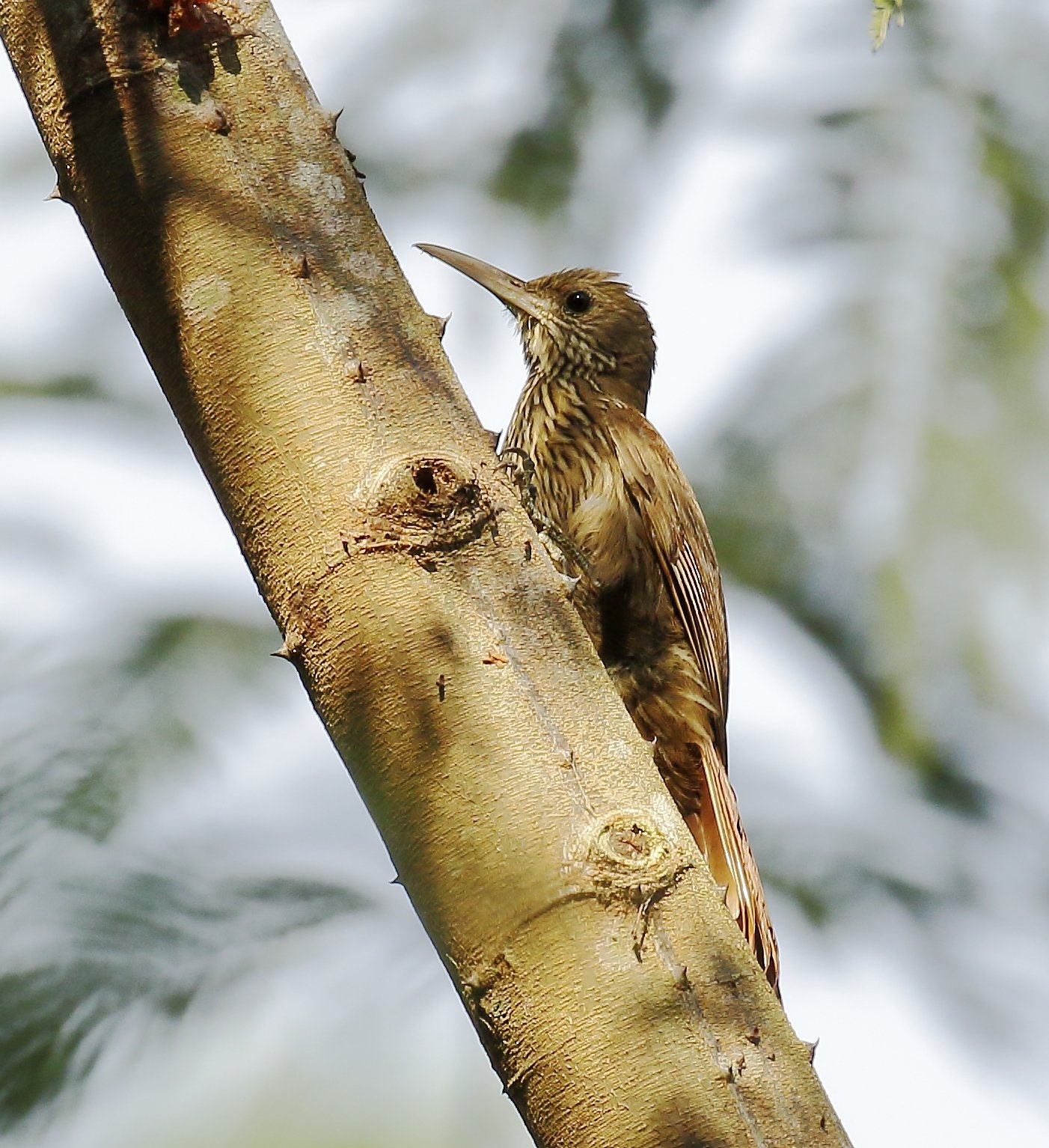
Inambari Woodcreeper
Lepidocolaptes fatimalimae- Amazonian terra firme rainforest
- Várzea, igapó and river islands
- Eastern Andean foothill forest
- Secondary forest and forest edge
- Coffee, cacao and agroforestry
Margarornis 2 species
-
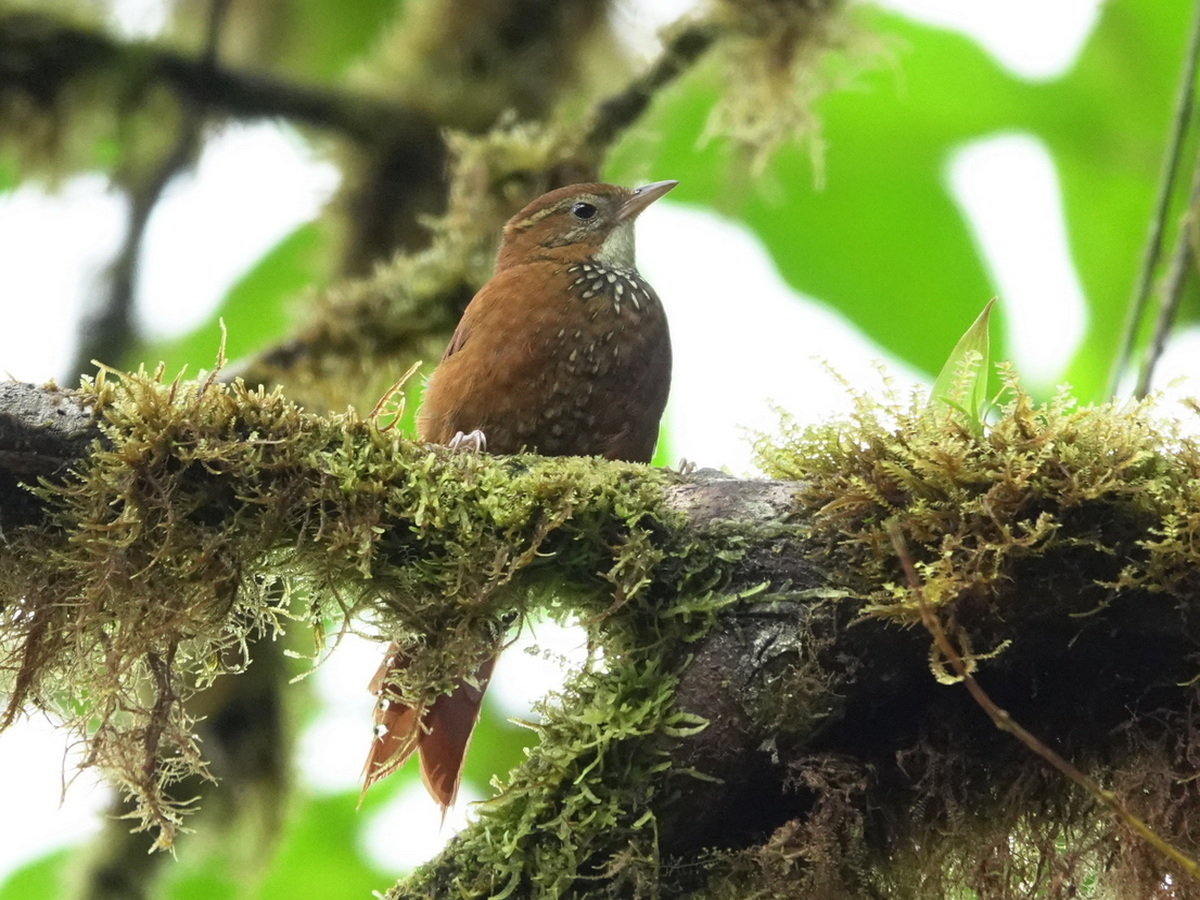
Star-chested Treerunner
Margarornis stellatus- Northern Andean subtropical forest
- Northern Andean cloud forest and temperate forest
-
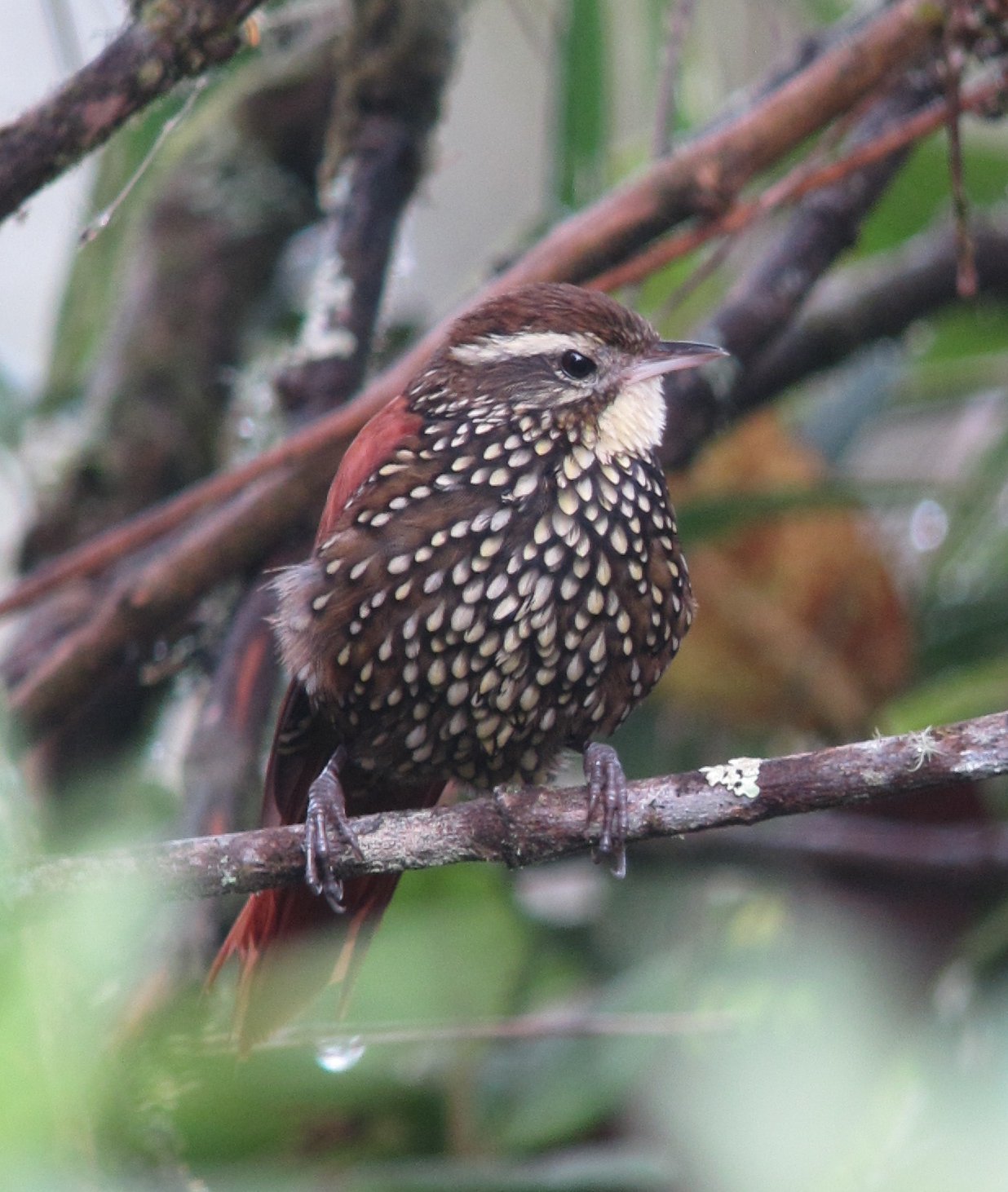
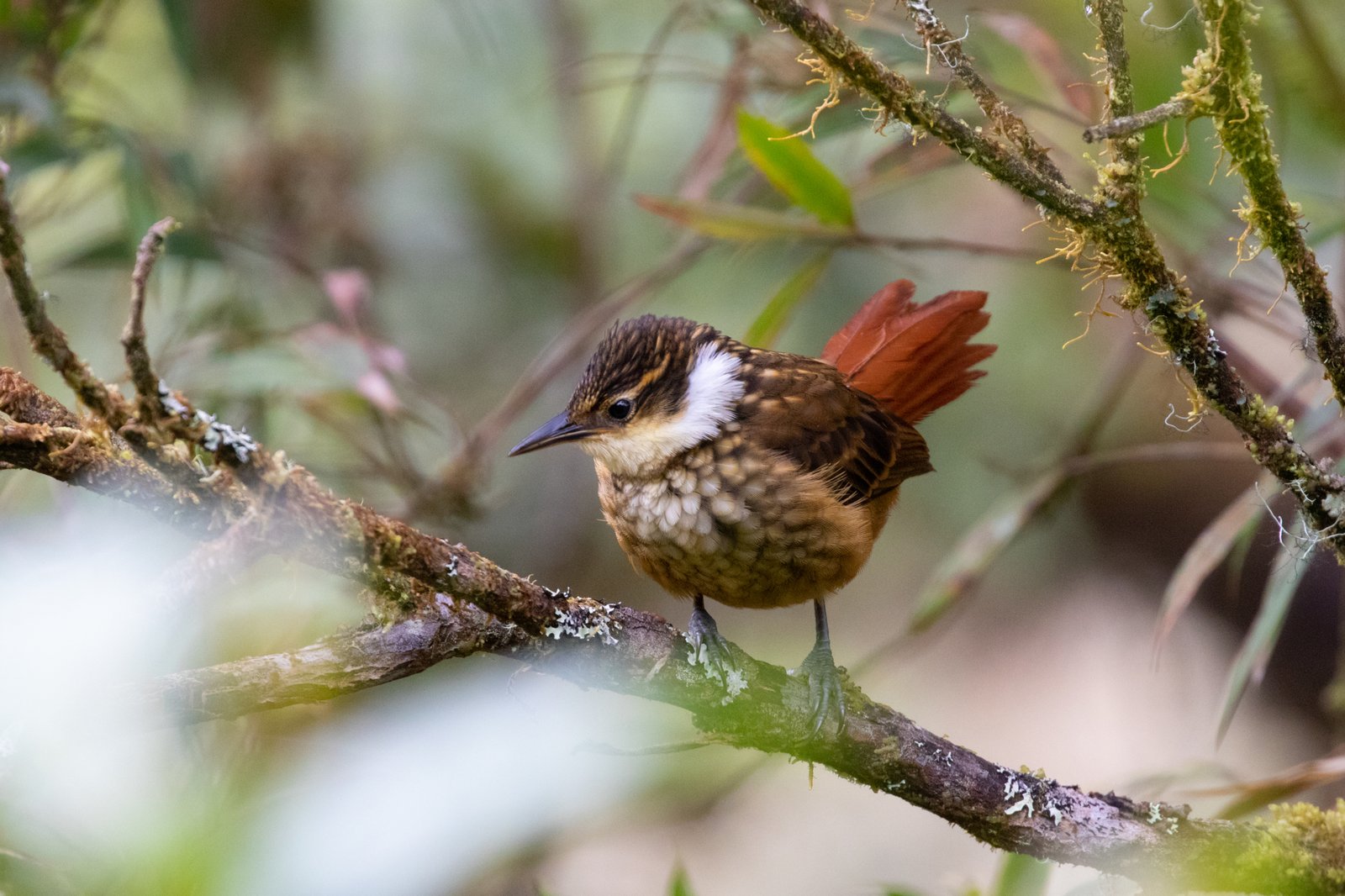
Pearled Treerunner
Margarornis squamiger- Northern Andean cloud forest and temperate forest
- Upper Yungas cloud forest
 Polylepis woodland
- Northern Andean subtropical forest
- Lower Yungas forest
Berlepschia 1 species
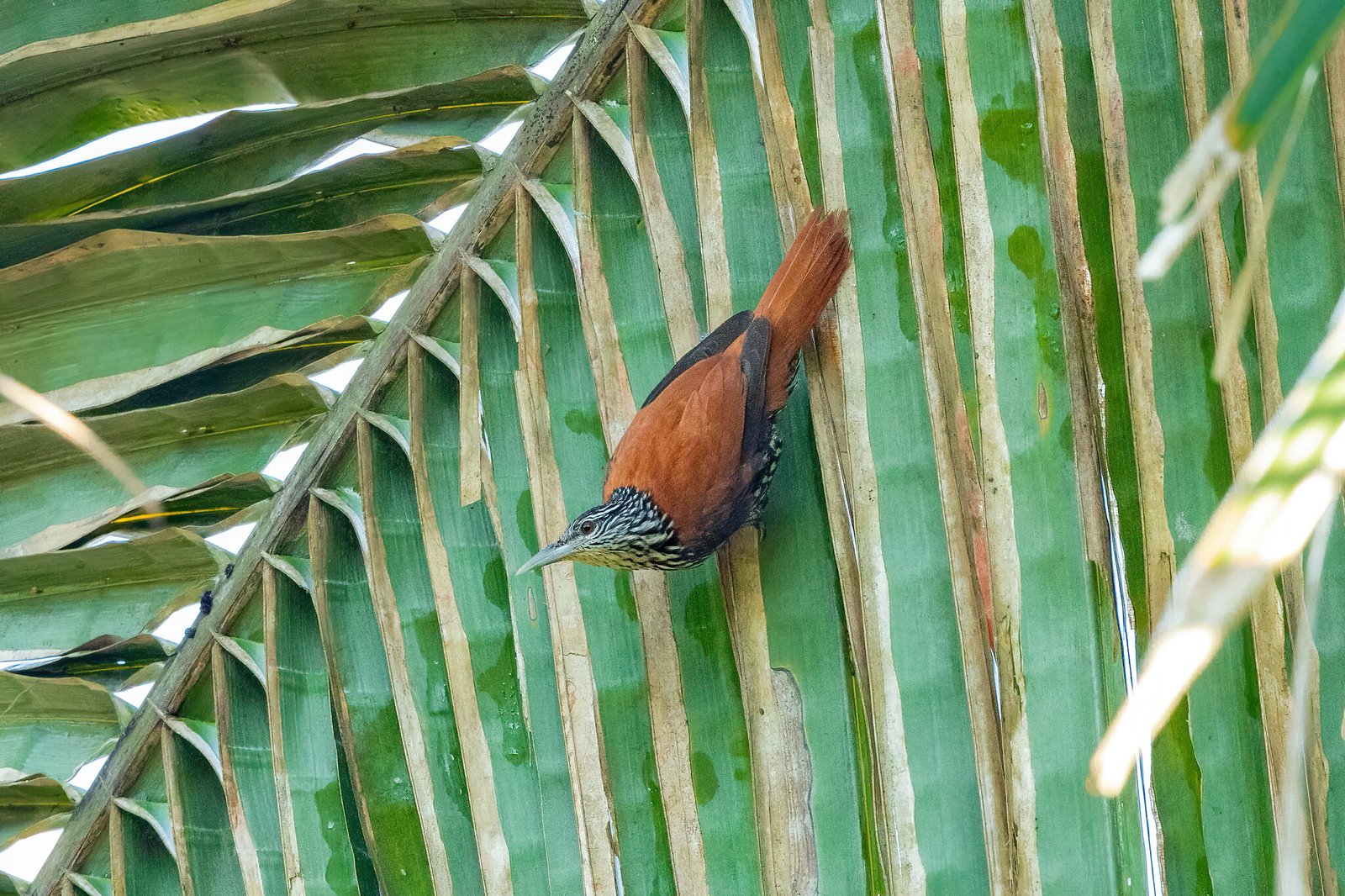
Furnarius 6 species
-
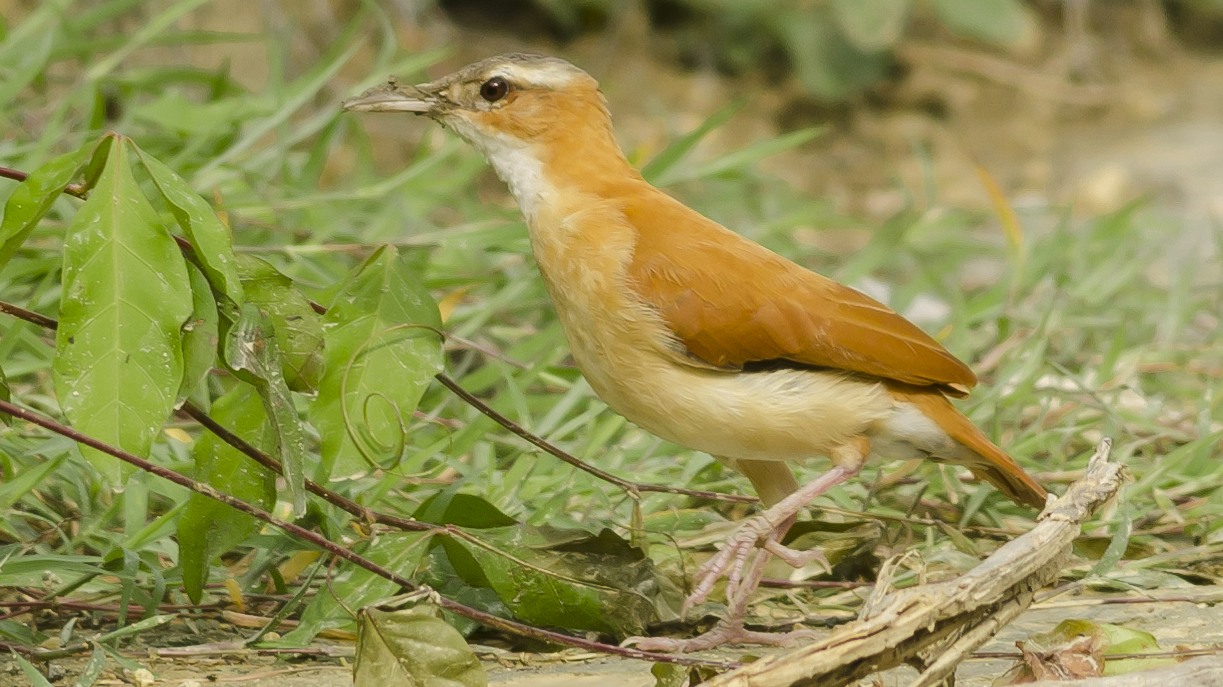
Caribbean Hornero
Furnarius longirostris- Pasture and ranchland
 Towns, cities and parks
 Lowland marshes and wet meadows
- Secondary forest and forest edge
 Lowland lakes and oxbows
-
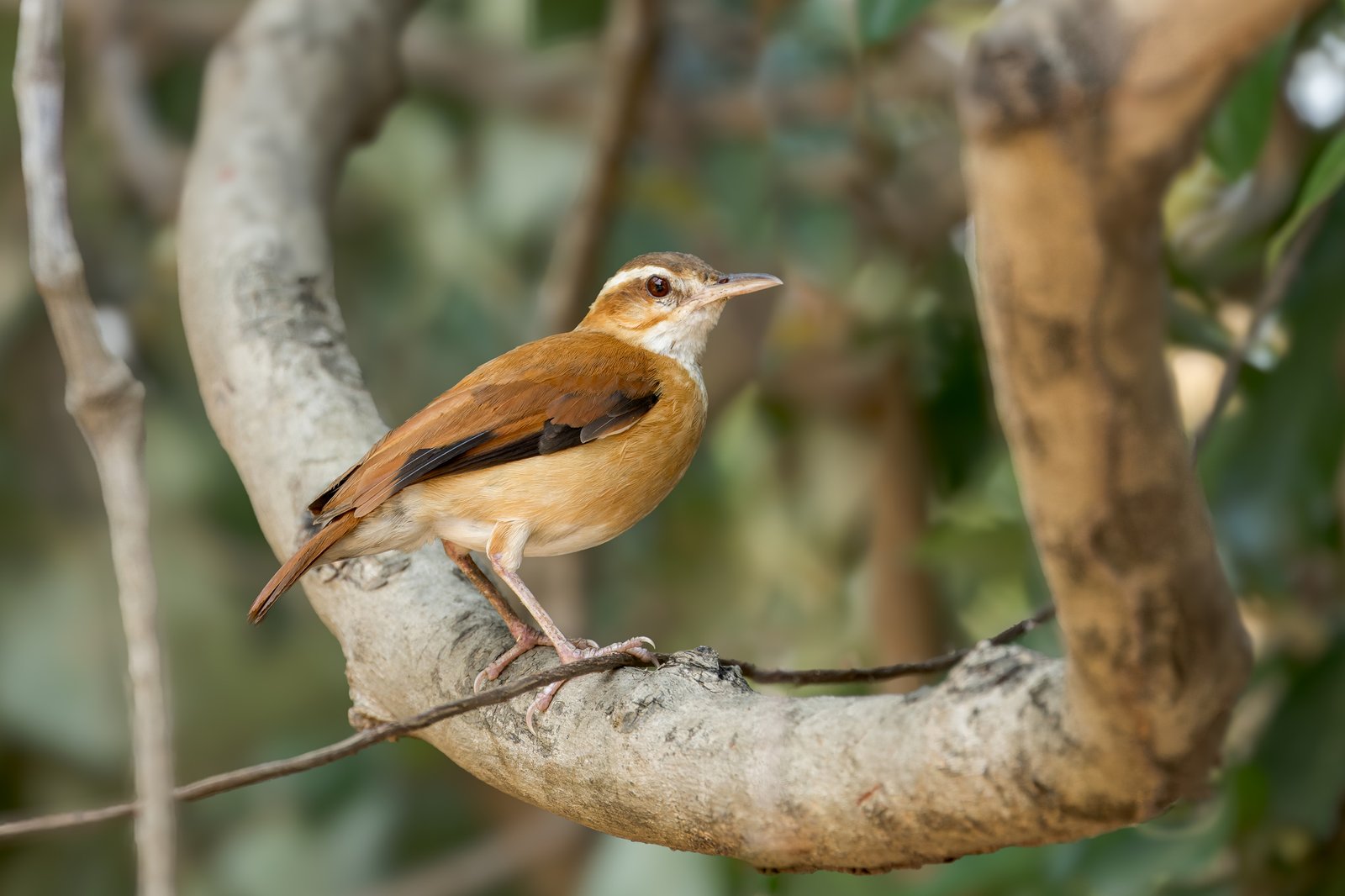
Pale-legged Hornero
Furnarius leucopus- Tumbesian dry forest and thorn scrub
- Várzea, igapó and river islands
 Lowland rivers and sandbars
- Pasture and ranchland
- Towns, cities and parks
 Marañón and northern inter-Andean dry forest
-
Bay Hornero
Furnarius torridus- Várzea, igapó and river islands
- Lowland rivers and sandbars
- Secondary forest and forest edge
-
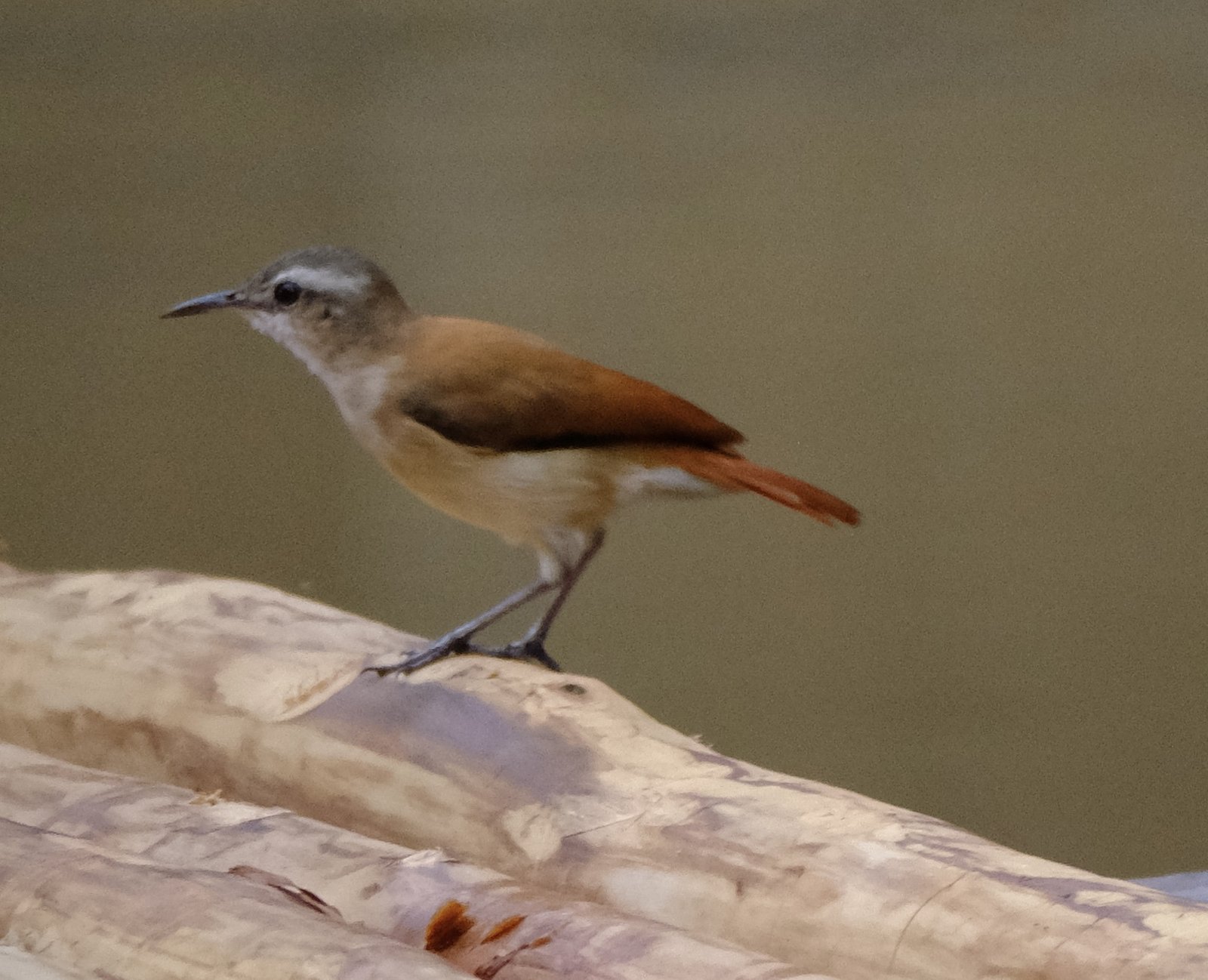
Lesser Hornero
Furnarius minor- Várzea, igapó and river islands
- Lowland rivers and sandbars
-
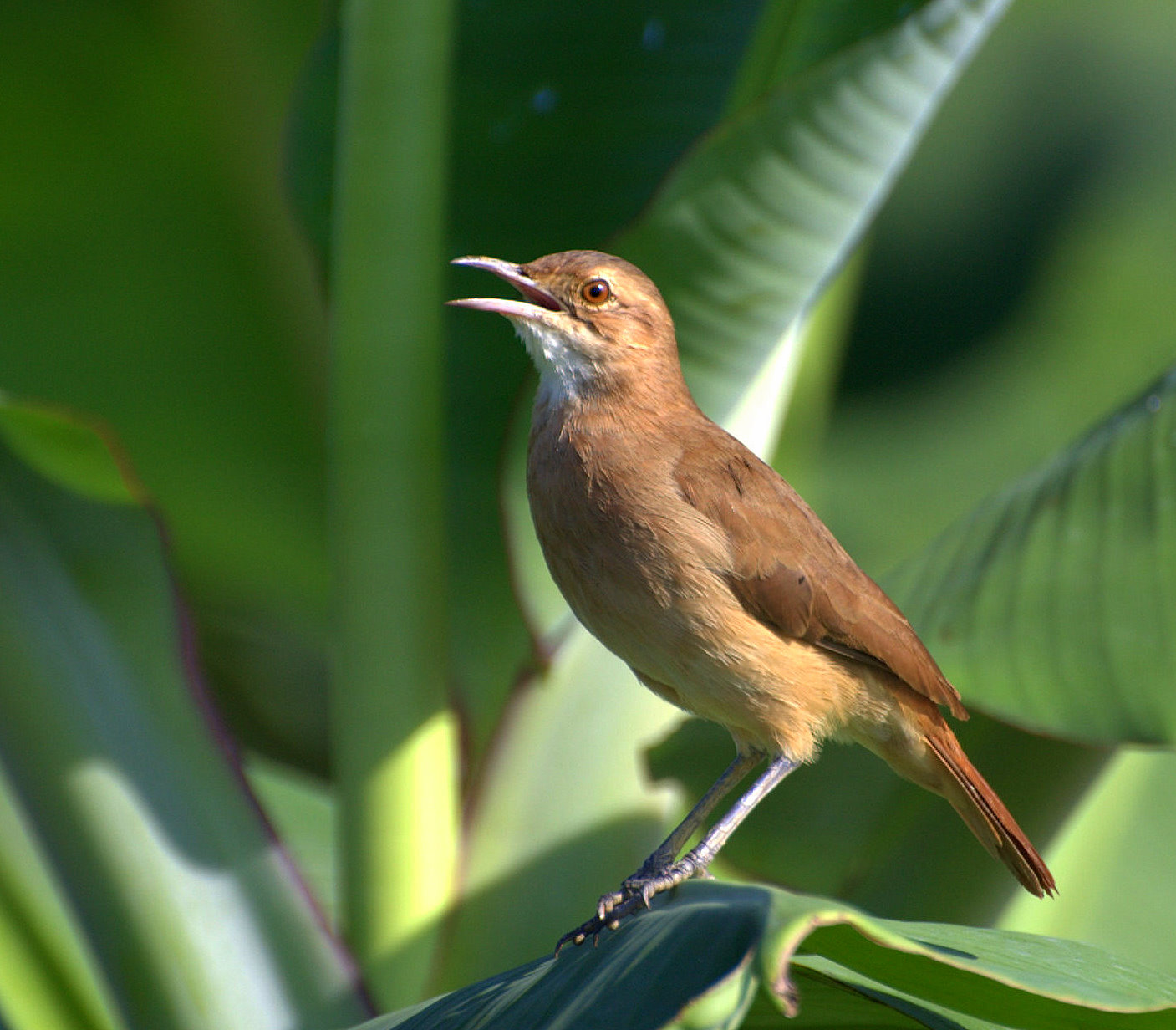
Rufous Hornero
Furnarius rufus- Pasture and ranchland
- Towns, cities and parks
- Beni savanna and cerrado
- Chiquitano dry forest and Chaco
- Central Andean dry valleys
 Riparian woodland of the Andes and coastal valleys
-
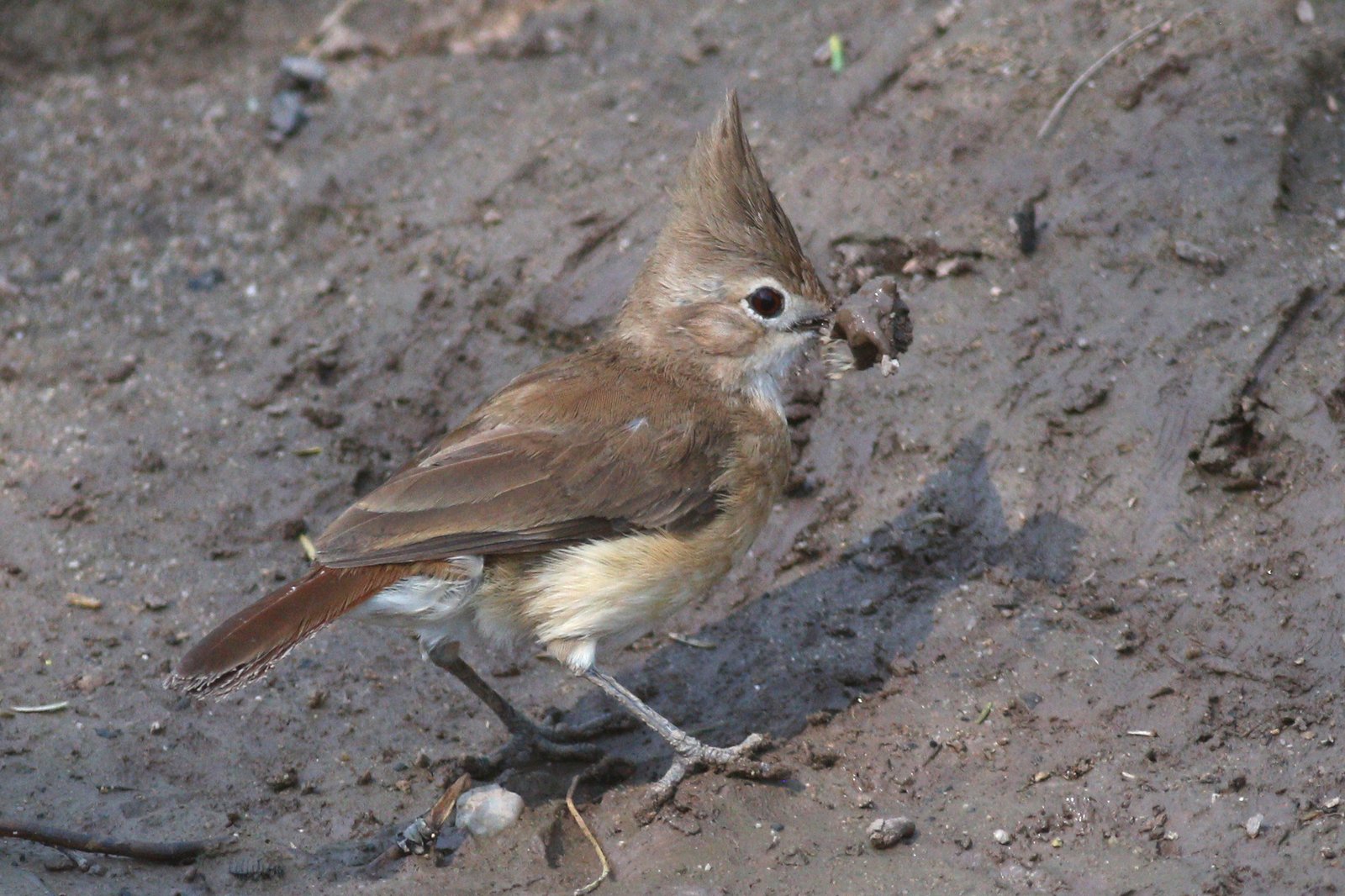
Crested Hornero
Furnarius cristatus- Chiquitano dry forest and Chaco
- Pasture and ranchland
- Towns, cities and parks
Xenerpestes 2 species
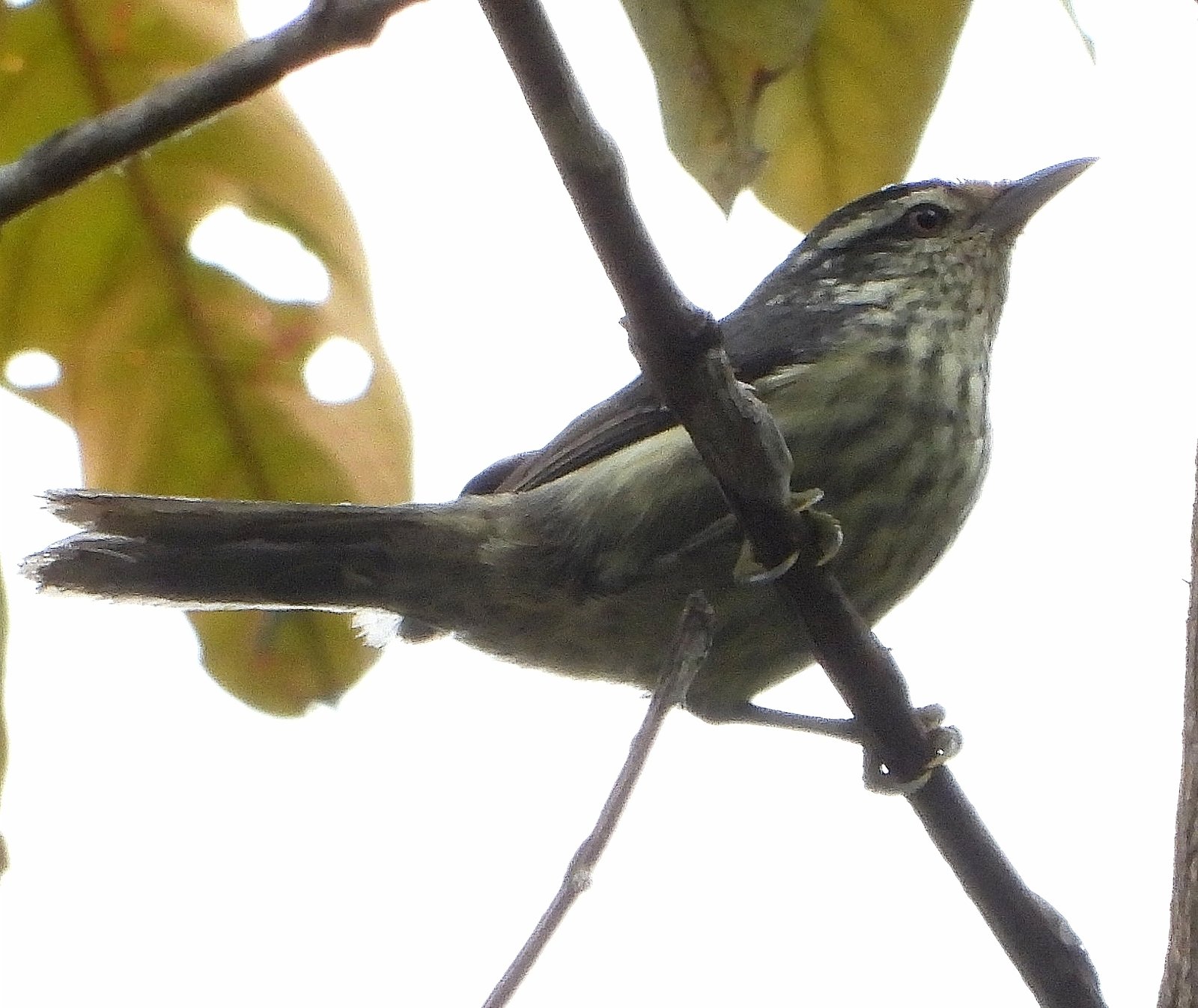
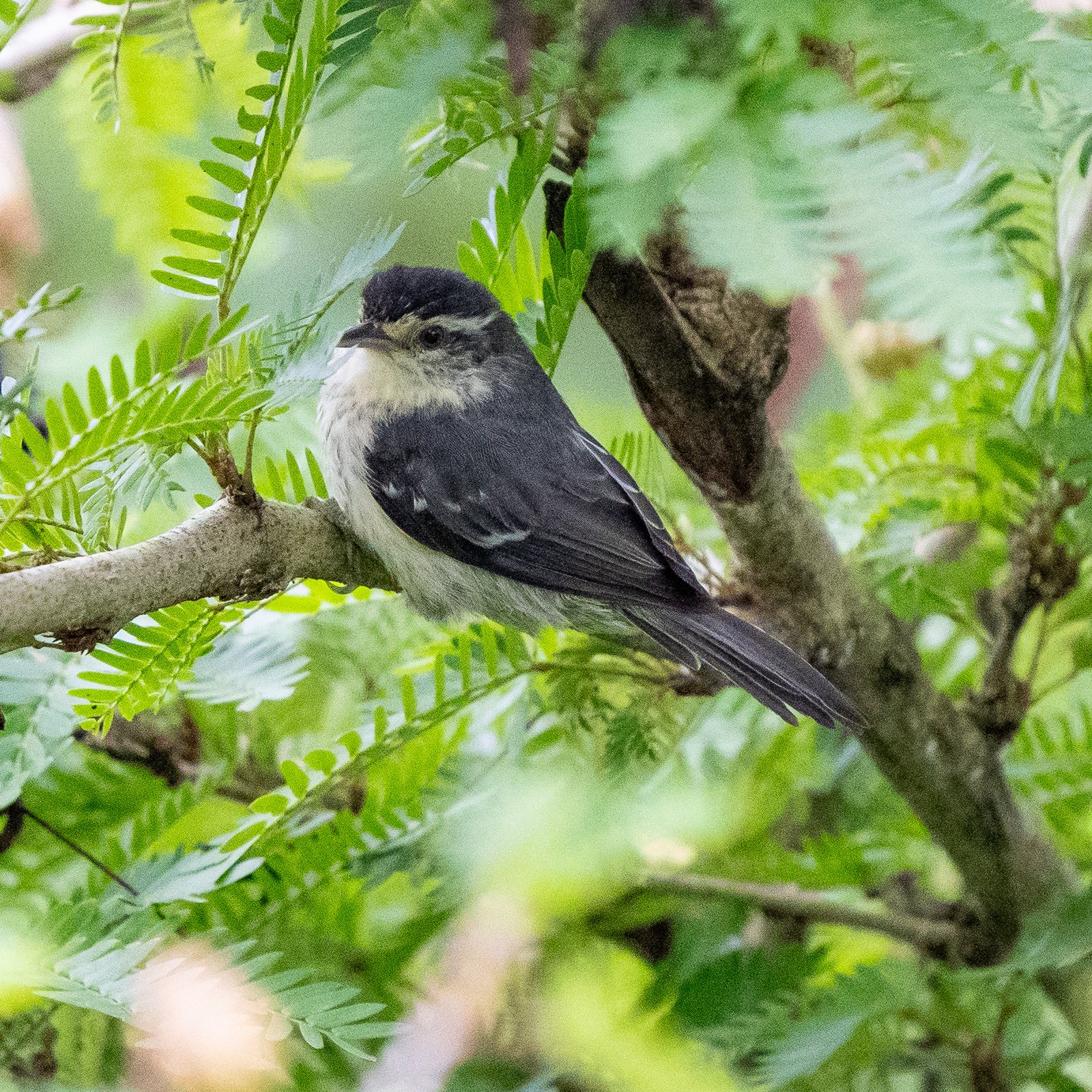
Neophilydor 2 species
-
Slaty-winged Foliage-Gleaner
Neophilydor fuscipenne Chocó rainforest
- Western Ecuador humid forest
- Northern Andean subtropical forest
- Secondary forest and forest edge
-
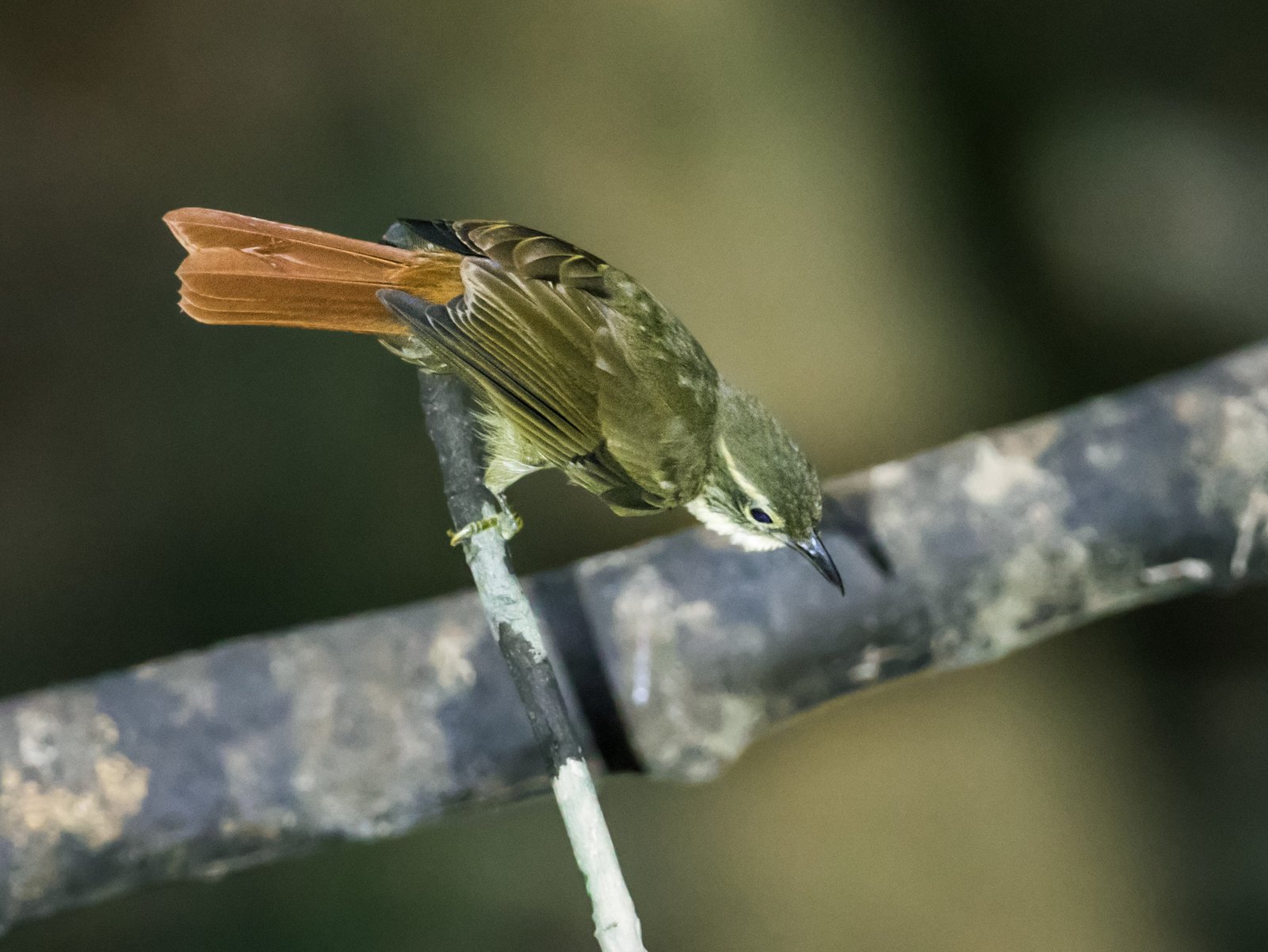
Rufous-rumped Foliage-Gleaner
Neophilydor erythrocercum- Amazonian terra firme rainforest
- Eastern Andean foothill forest
- Secondary forest and forest edge
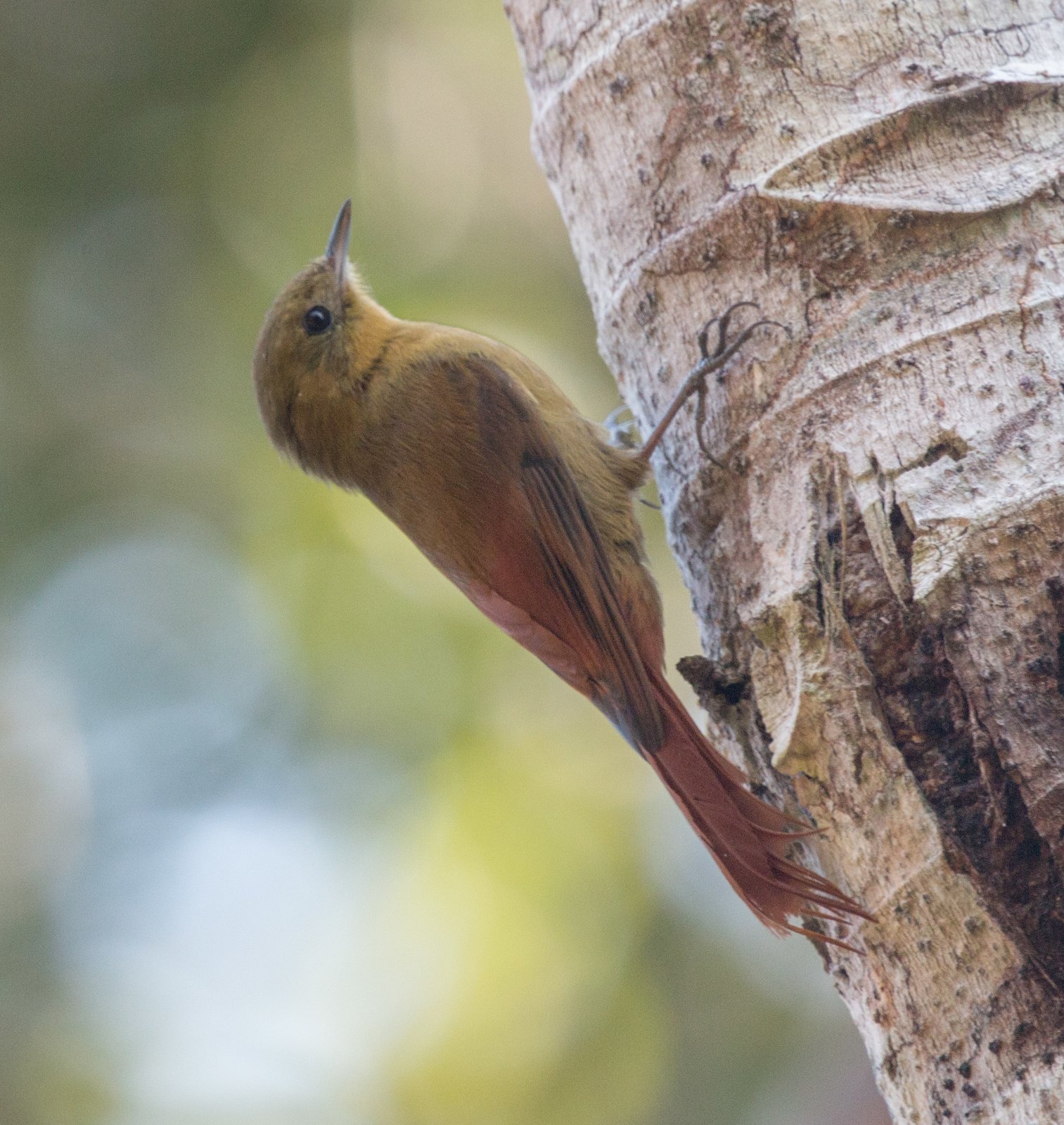
Dendroplex 2 species
-
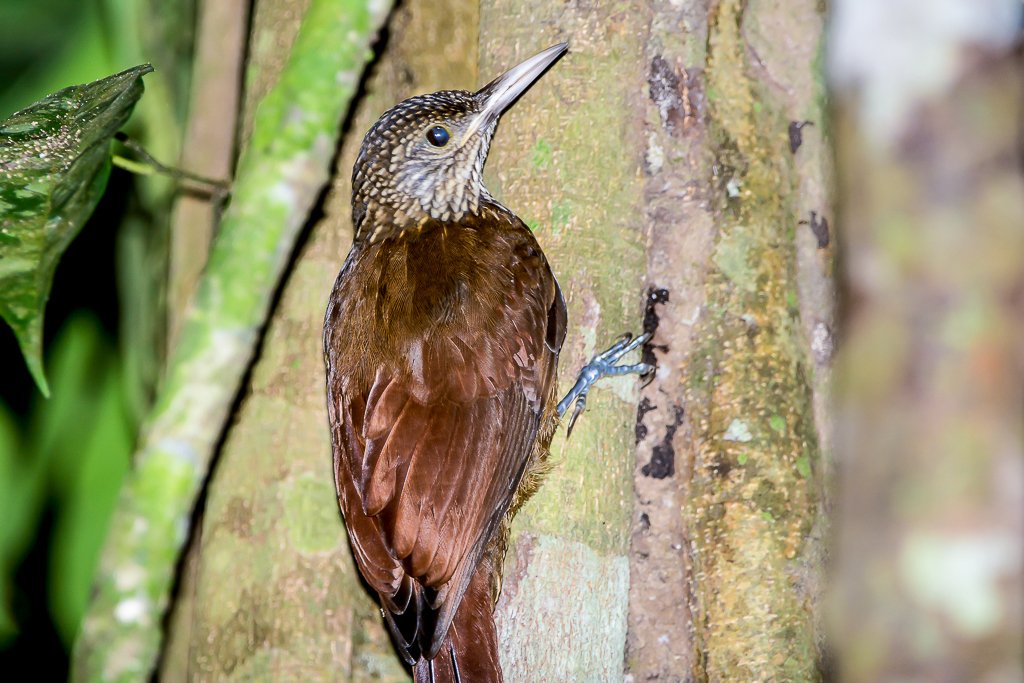
Zimmer's Woodcreeper
Dendroplex kienerii- Várzea, igapó and river islands
- Lowland rivers and sandbars
- Secondary forest and forest edge
-
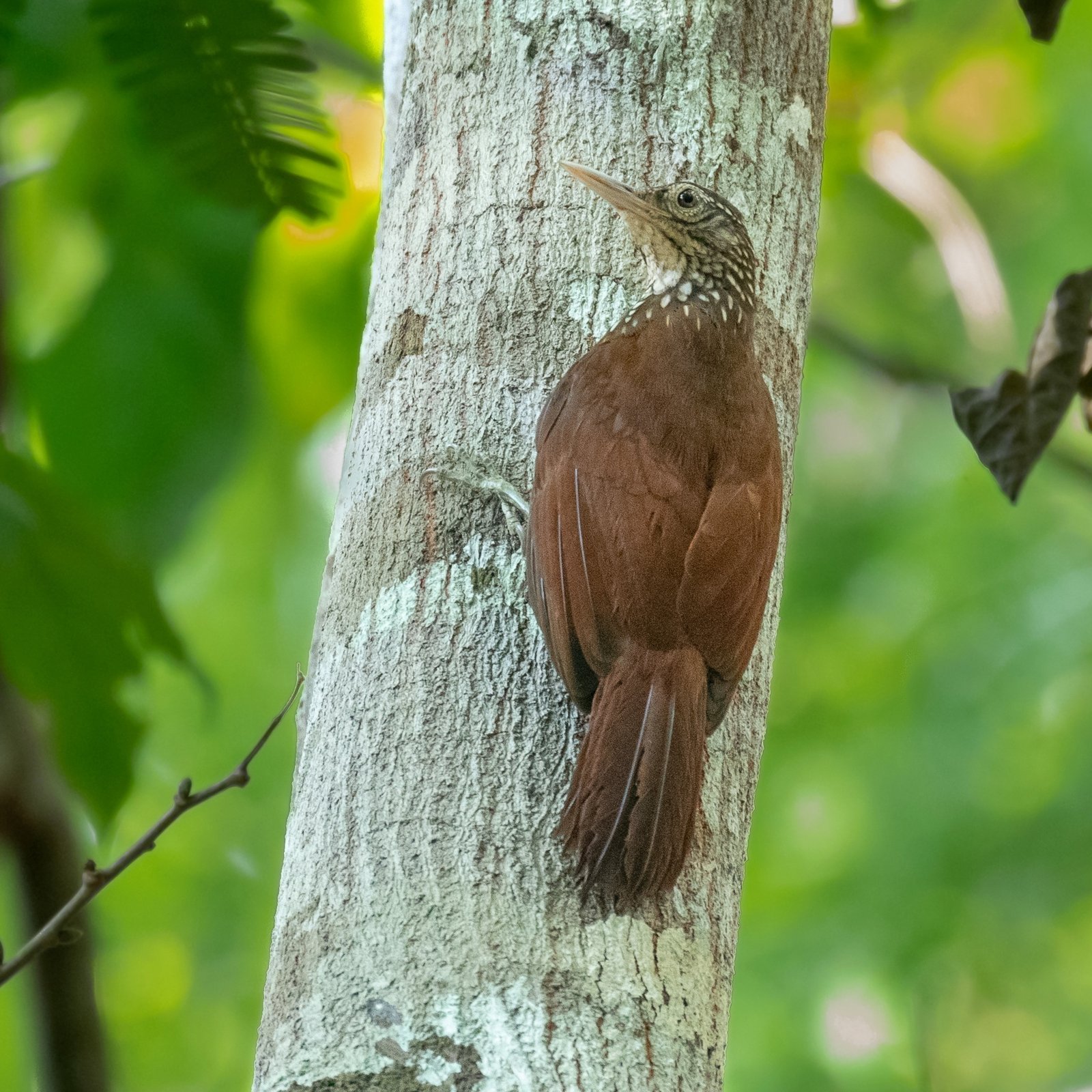
Straight-billed Woodcreeper
Dendroplex picus- Várzea, igapó and river islands
- Secondary forest and forest edge
- Llanos savanna
 Mangrove
- Riparian woodland of the Andes and coastal valleys
- Chiquitano dry forest and Chaco
Anabazenops 1 species
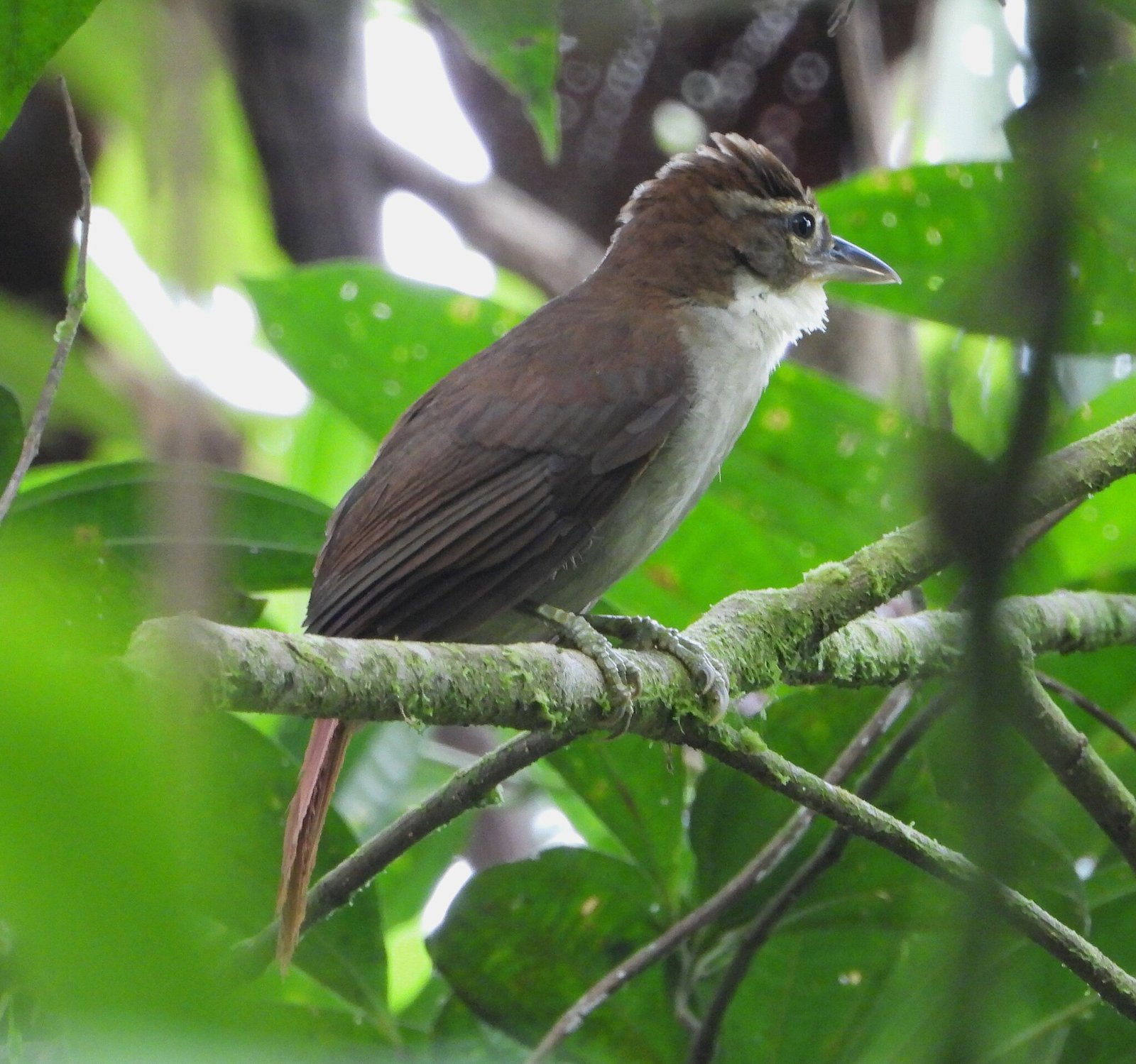
Mazaria 1 species
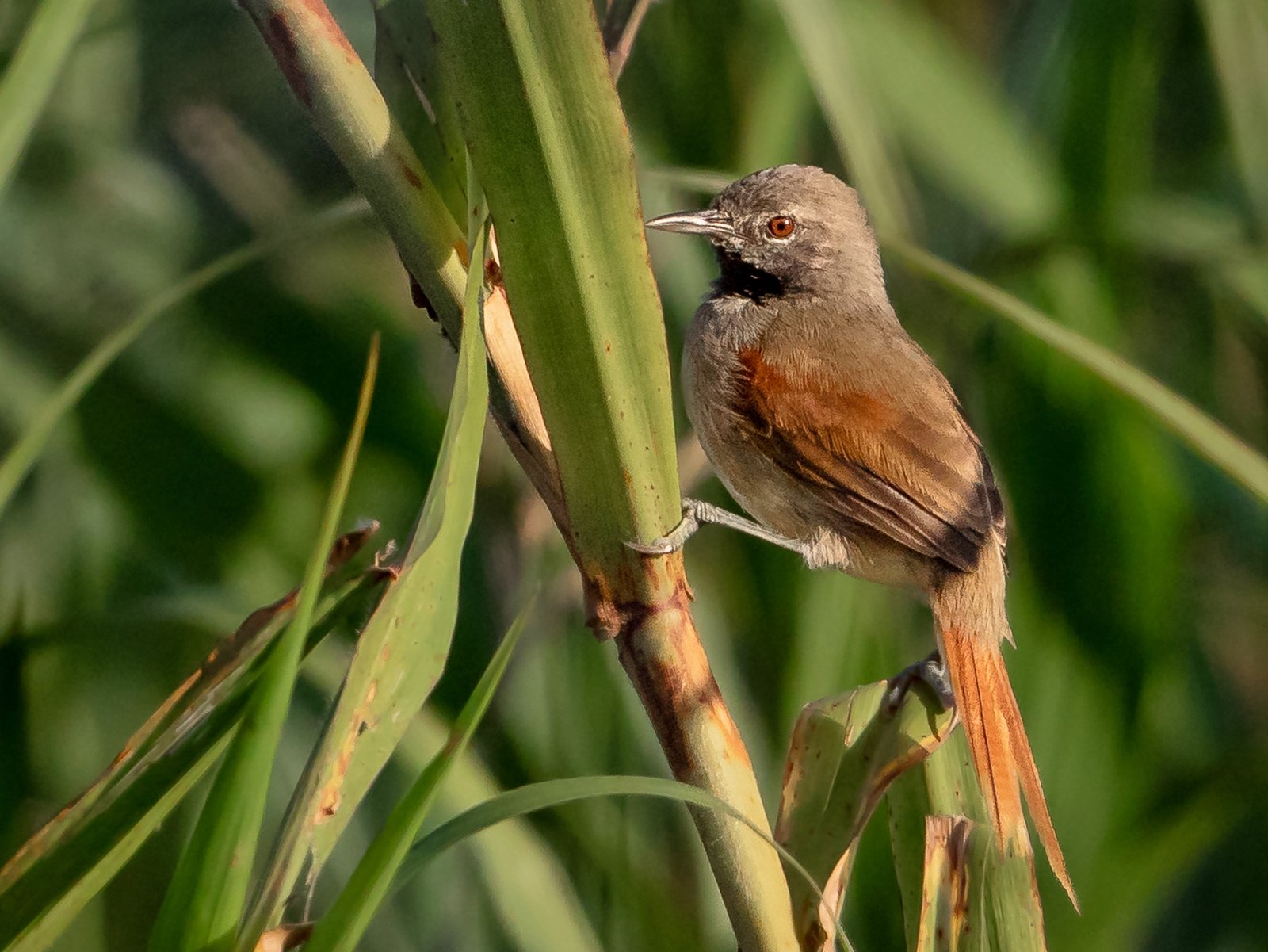
Drymotoxeres 1 species
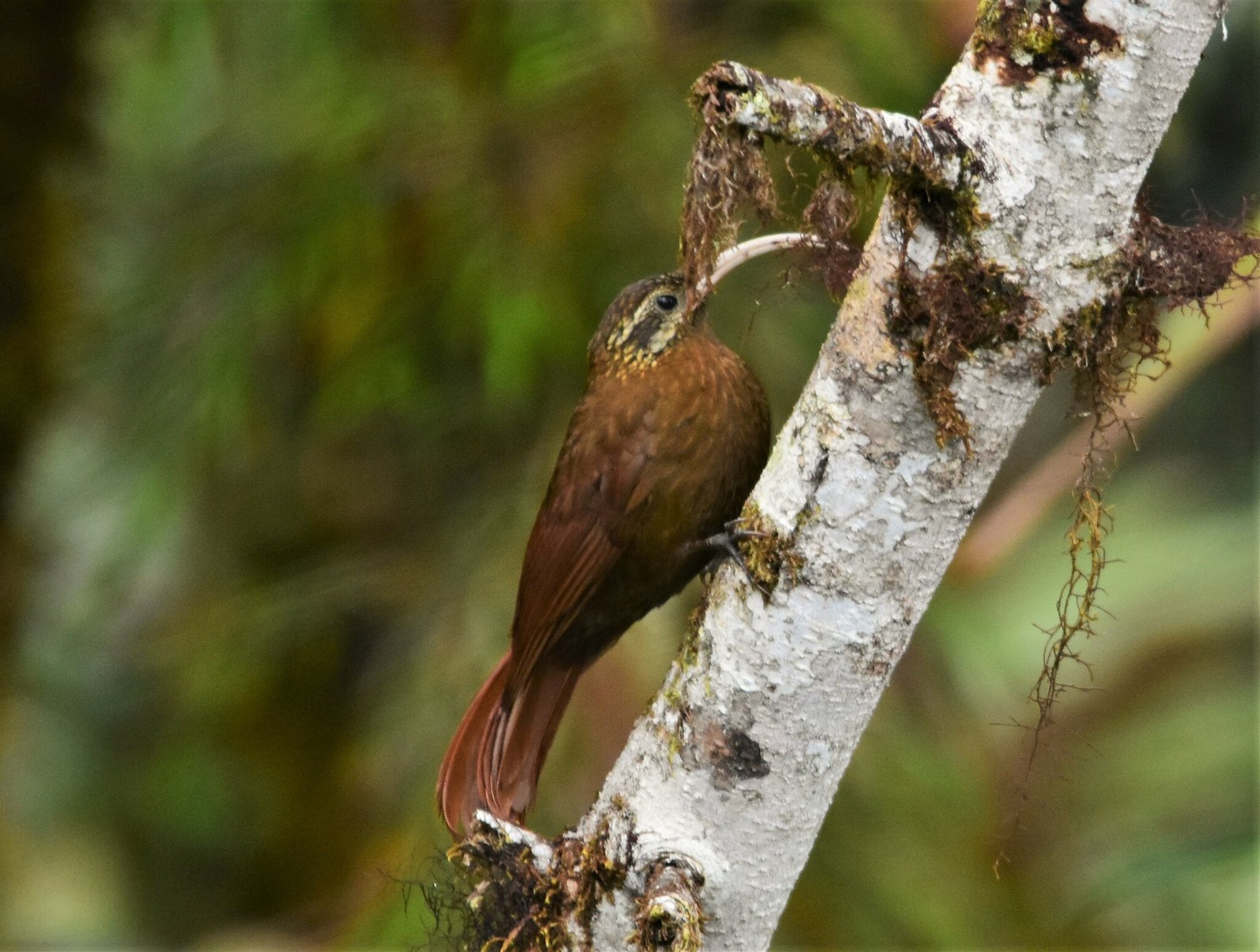
Phleocryptes 1 species
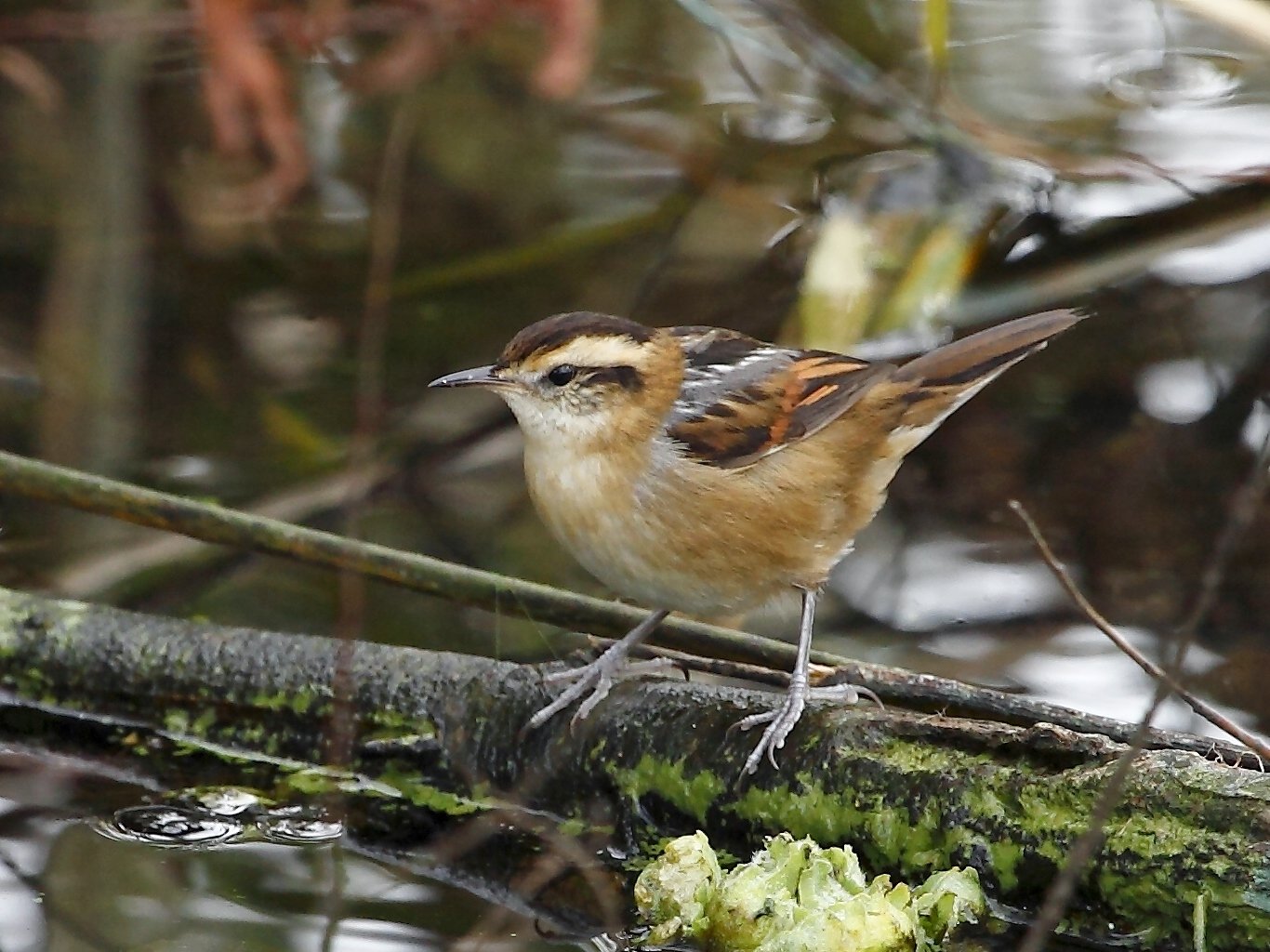
Phacellodomus 7 species
-
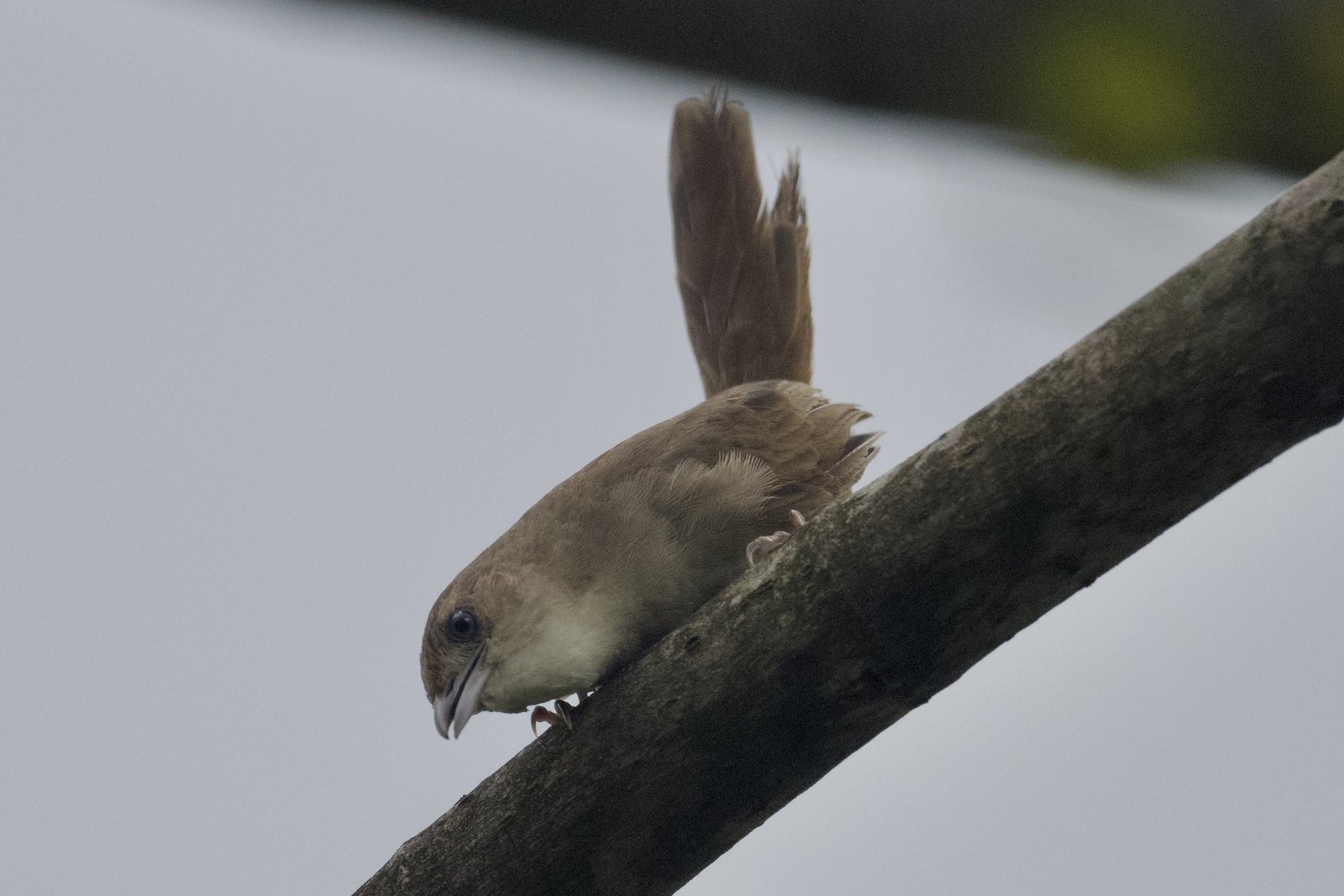
Plain Thornbird
Phacellodomus inornatus- Llanos savanna
- Secondary forest and forest edge
- Pasture and ranchland
- Riparian woodland of the Andes and coastal valleys
-
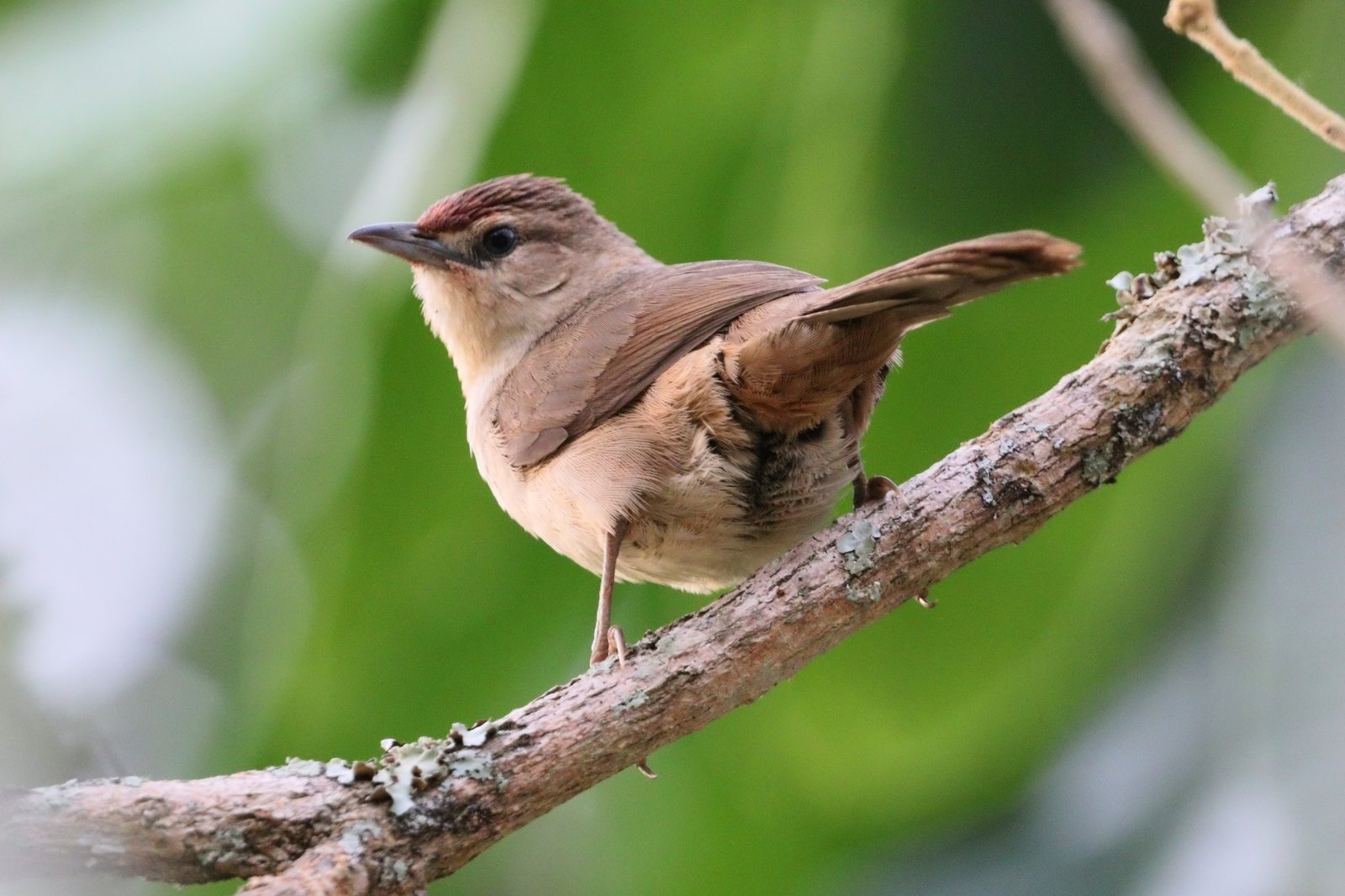
Rufous-fronted Thornbird
Phacellodomus rufifrons- Marañón and northern inter-Andean dry forest
- Chiquitano dry forest and Chaco
- Beni savanna and cerrado
- Secondary forest and forest edge
- Pasture and ranchland
-
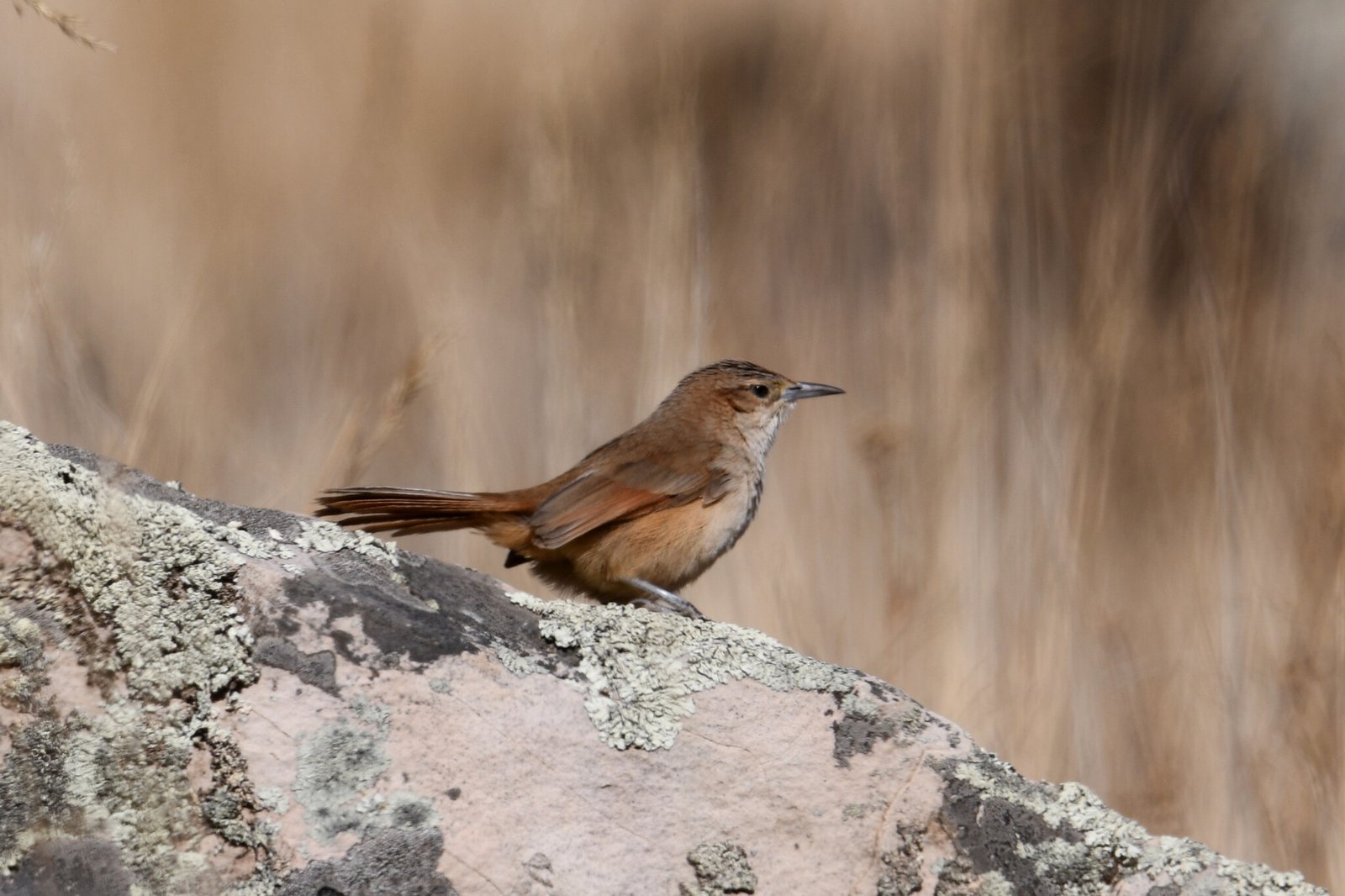
Streak-fronted Thornbird
Phacellodomus striaticeps- Central Andean dry valleys
- Polylepis woodland
 Dry puna and altiplano
 Andean fields and terraces
-
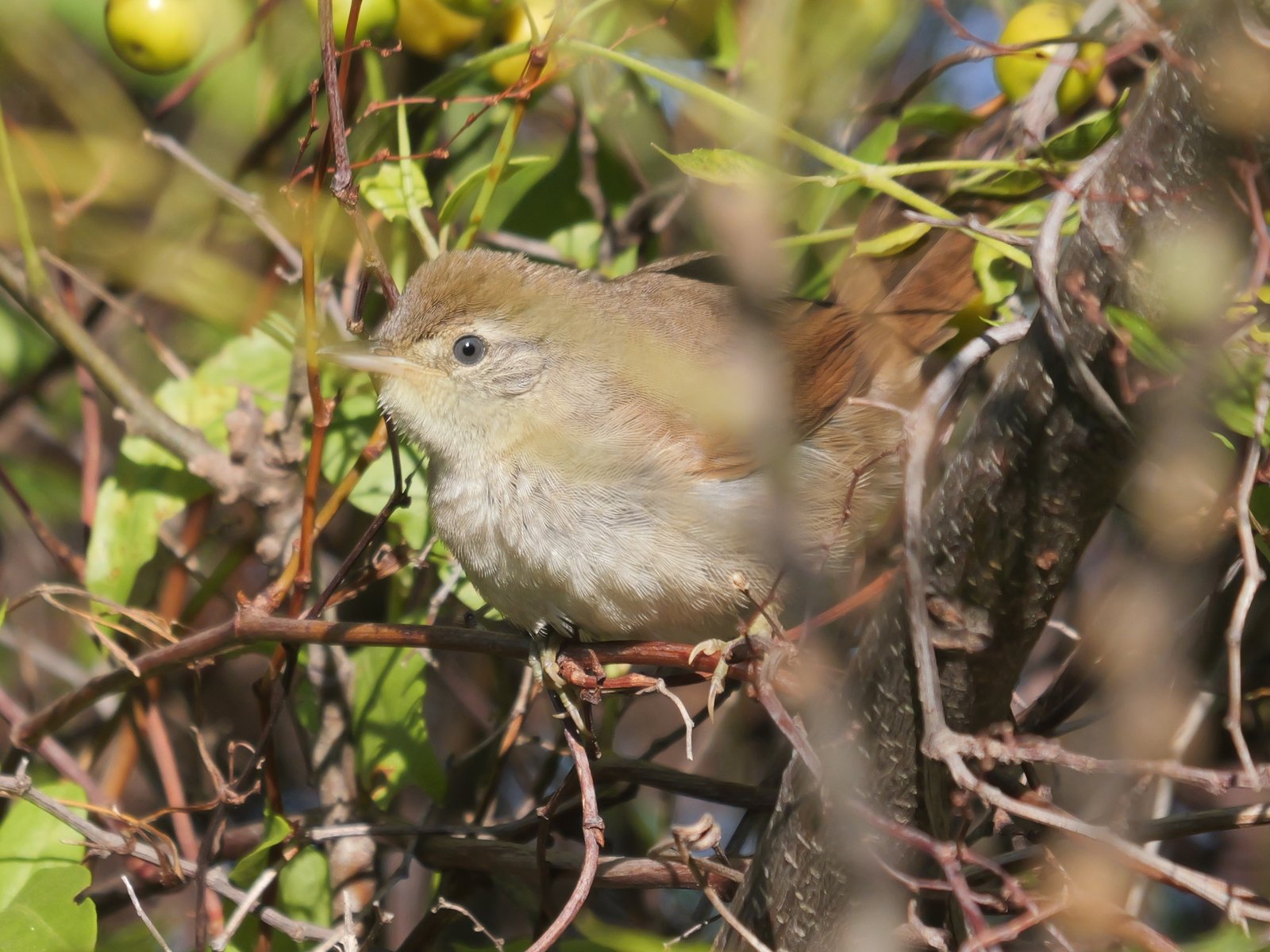
Little Thornbird
Phacellodomus sibilatrix- Chiquitano dry forest and Chaco
- Pasture and ranchland
-
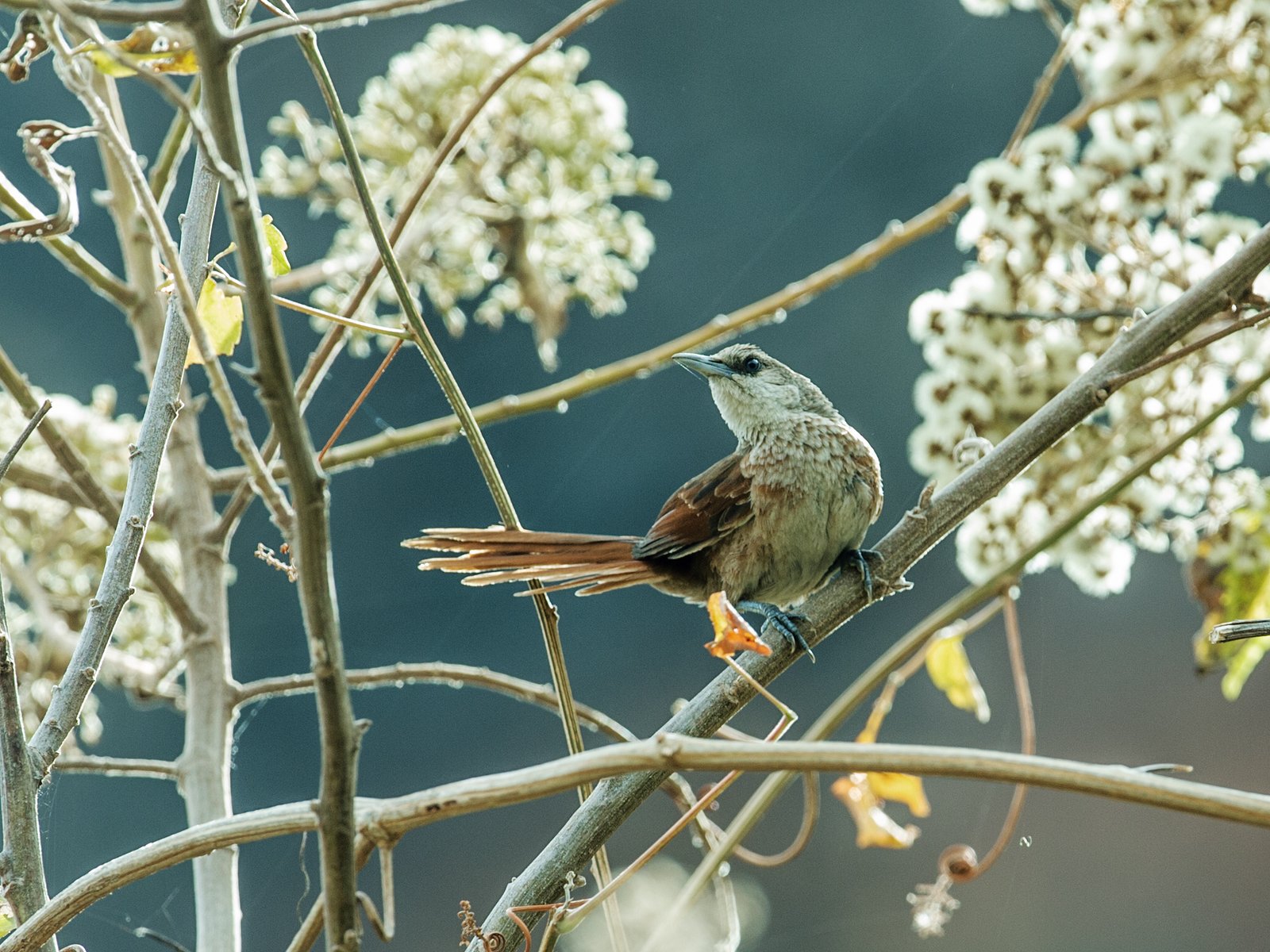
Chestnut-backed Thornbird
Phacellodomus dorsalis- Marañón and northern inter-Andean dry forest
- Andean fields and terraces
-
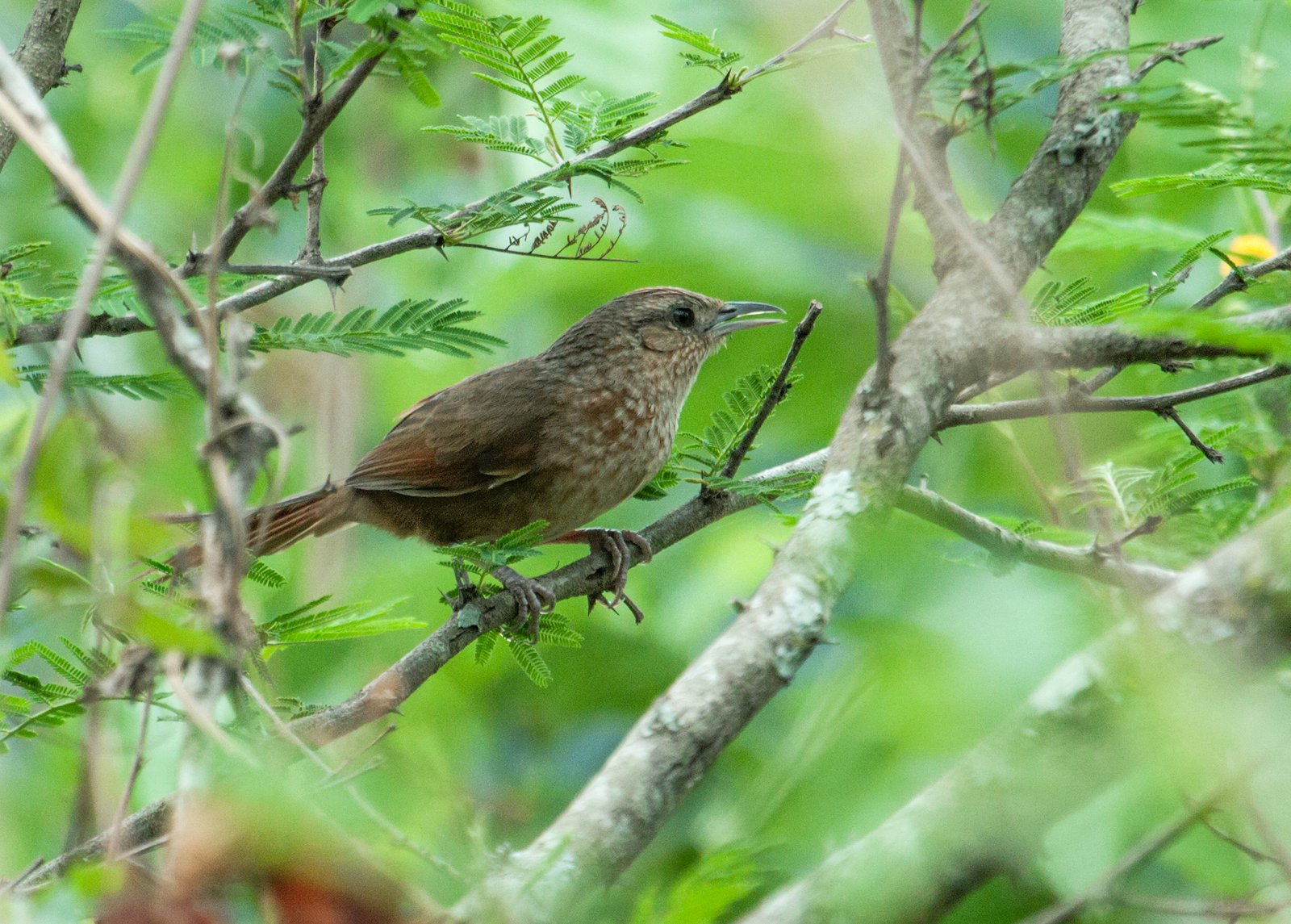
Spot-breasted Thornbird
Phacellodomus maculipectus- Upper Yungas cloud forest
- Lower Yungas forest
- Central Andean dry valleys
- Secondary forest and forest edge
-
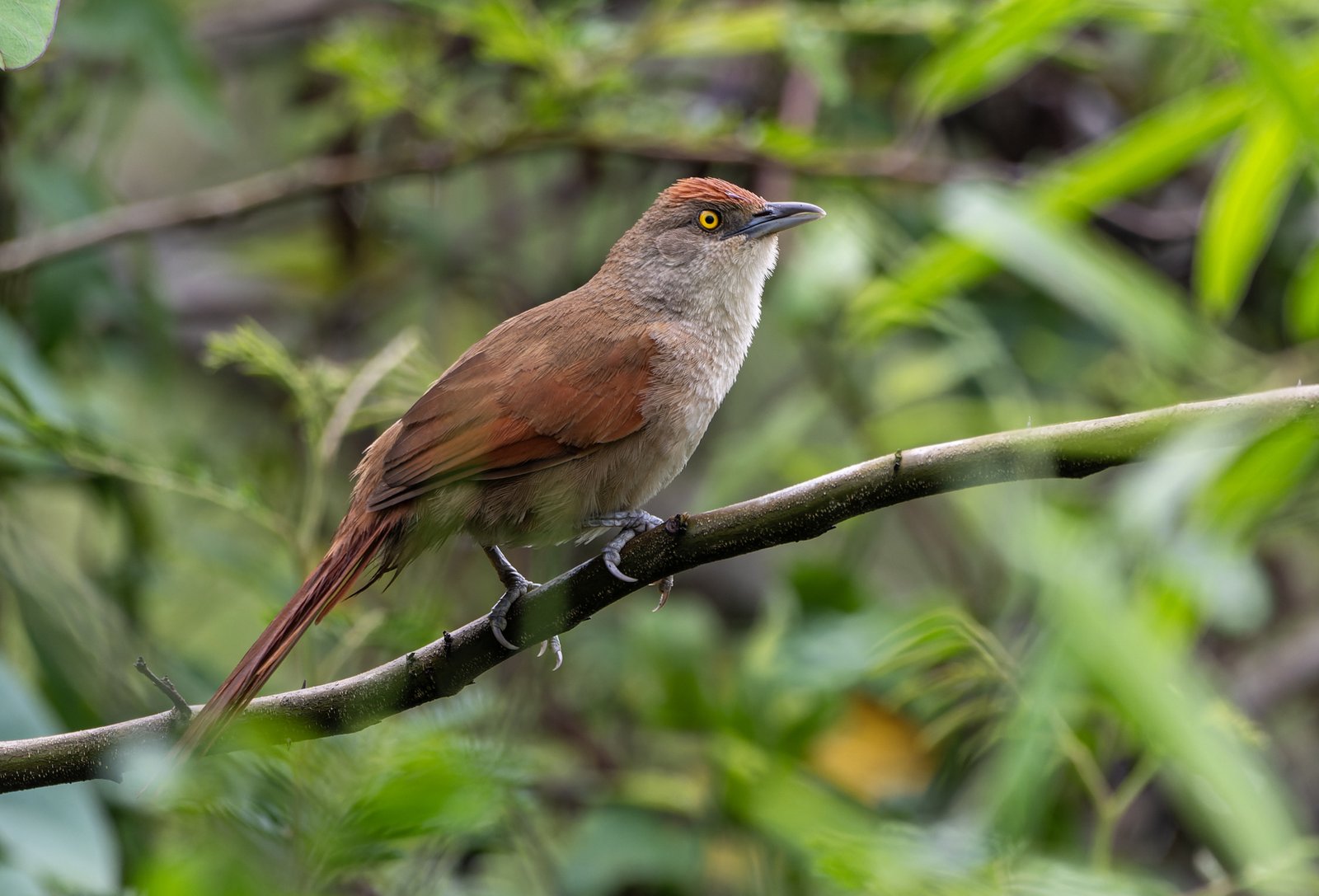
Greater Thornbird
Phacellodomus ruber- Lowland marshes and wet meadows
- Várzea, igapó and river islands
- Beni savanna and cerrado
- Secondary forest and forest edge
- Chiquitano dry forest and Chaco
Dendrocolaptes 3 species
-
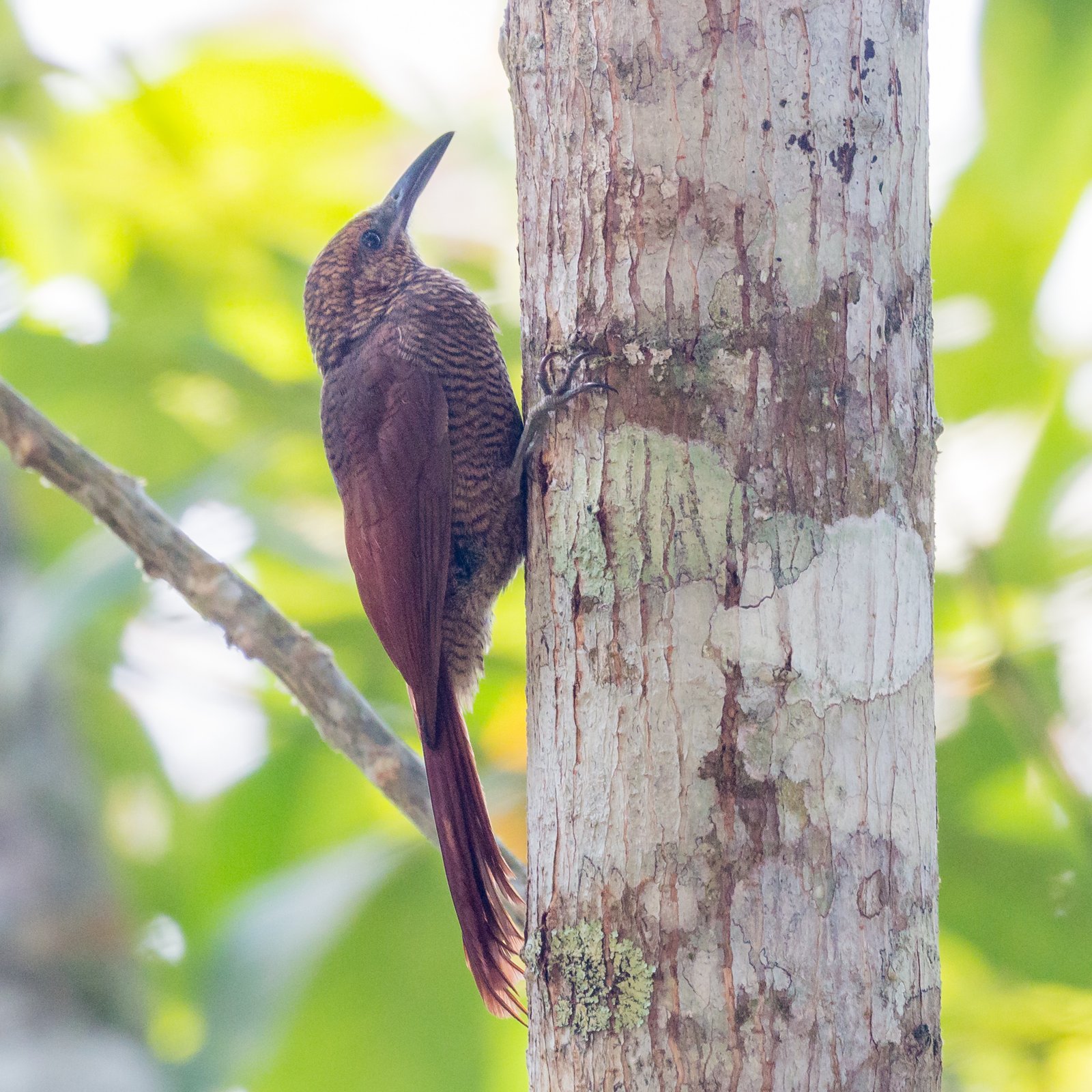
Northern Barred Woodcreeper
Dendrocolaptes sanctithomae- Chocó rainforest
- Western Ecuador humid forest
- Secondary forest and forest edge
- Northern Andean subtropical forest
-
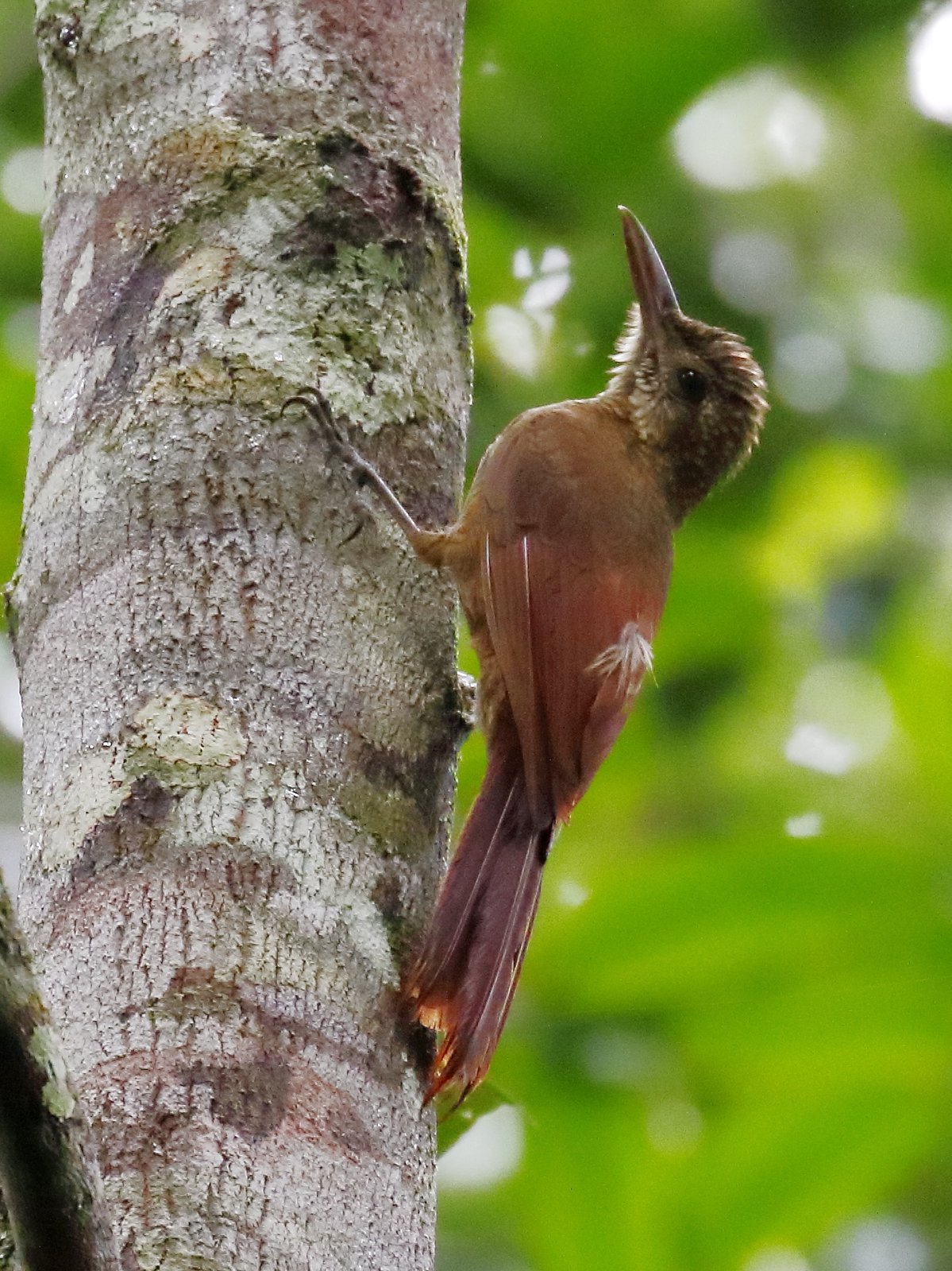
Amazonian Barred Woodcreeper
Dendrocolaptes certhia- Amazonian terra firme rainforest
- Várzea, igapó and river islands
- Eastern Andean foothill forest
- Secondary forest and forest edge
-
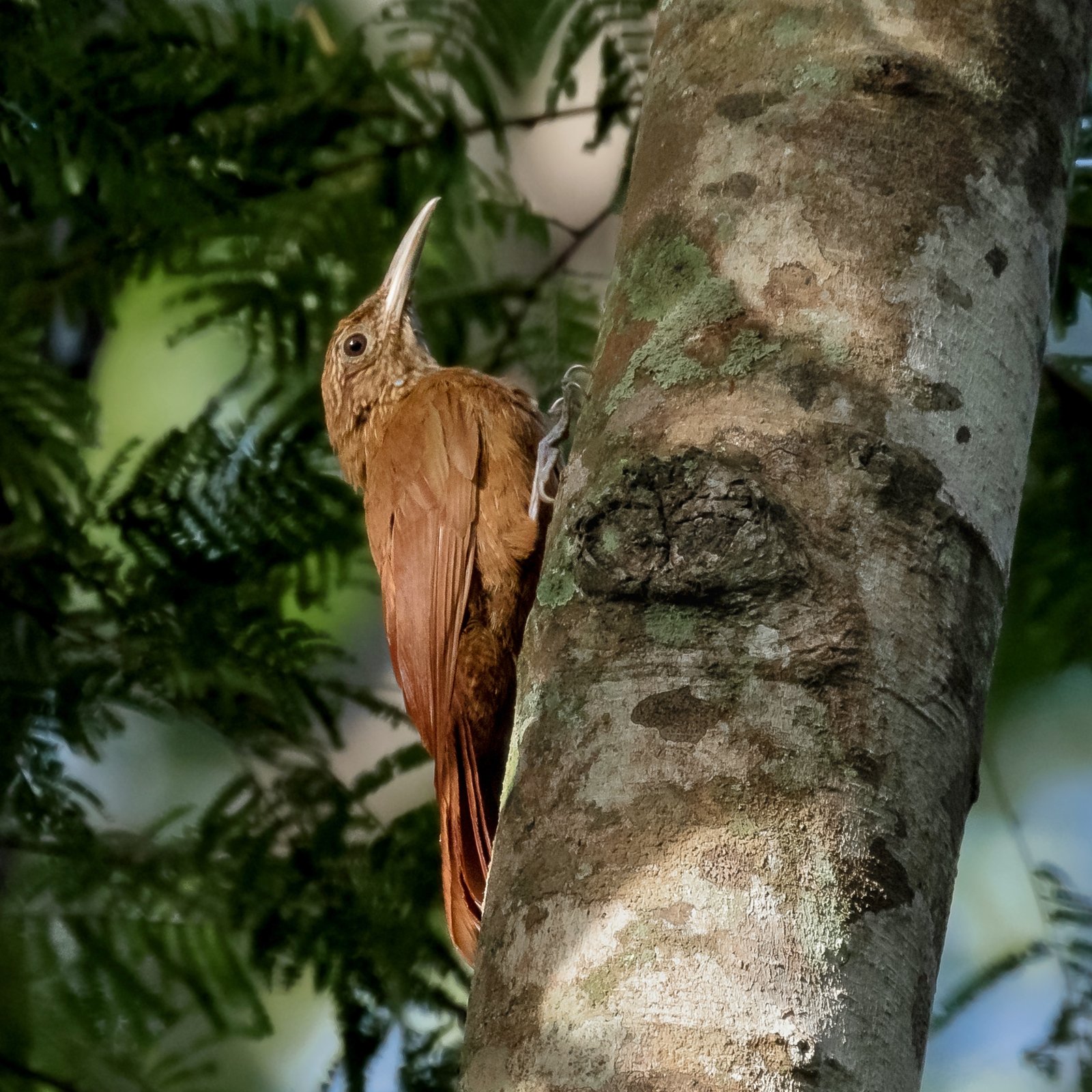
Black-banded Woodcreeper
Dendrocolaptes picumnus- Northern Andean subtropical forest
- Lower Yungas forest
- Eastern Andean foothill forest
- Northern Andean cloud forest and temperate forest
- Amazonian terra firme rainforest
- Chiquitano dry forest and Chaco
Certhiasomus 1 species
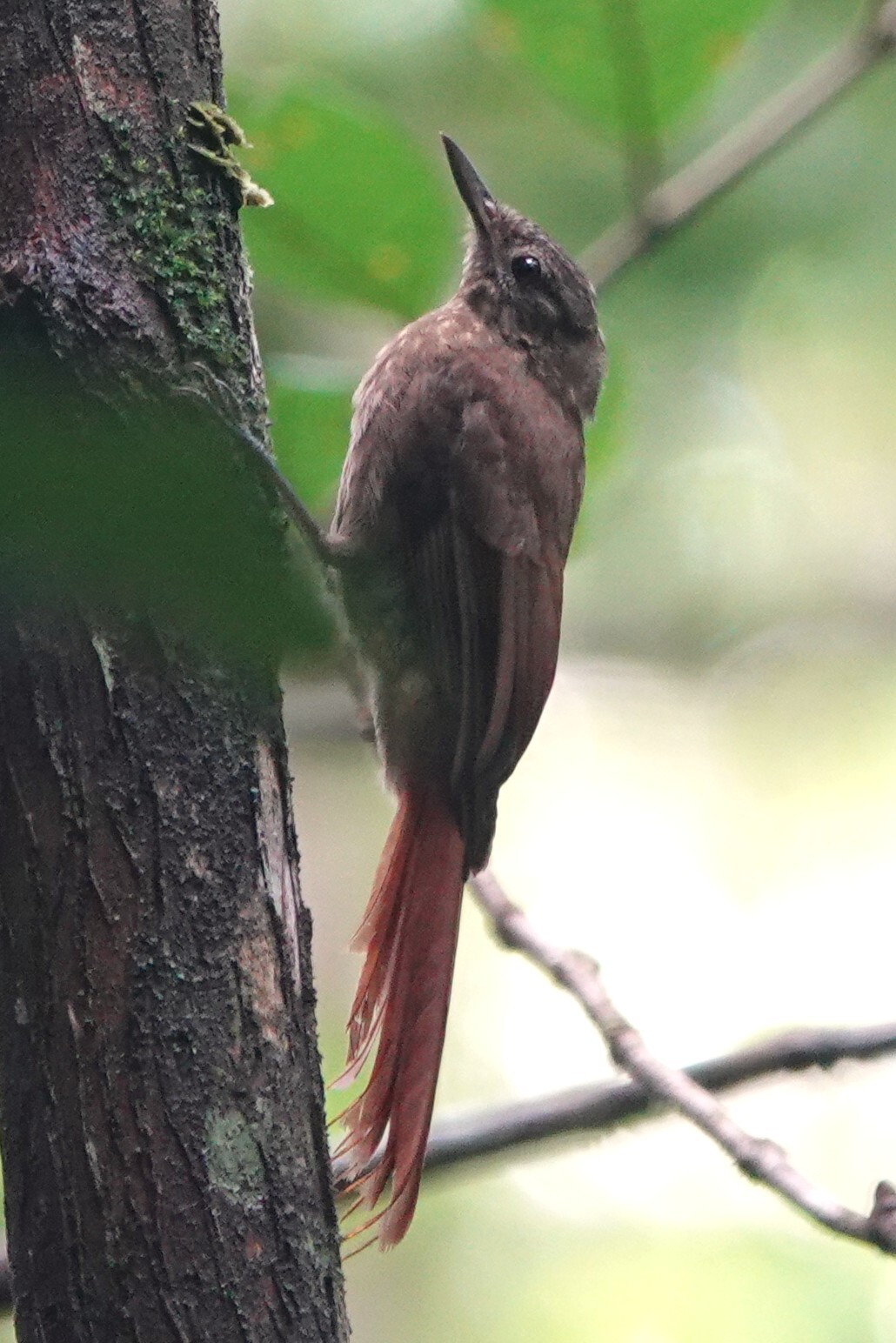
Pseudasthenes 1 species
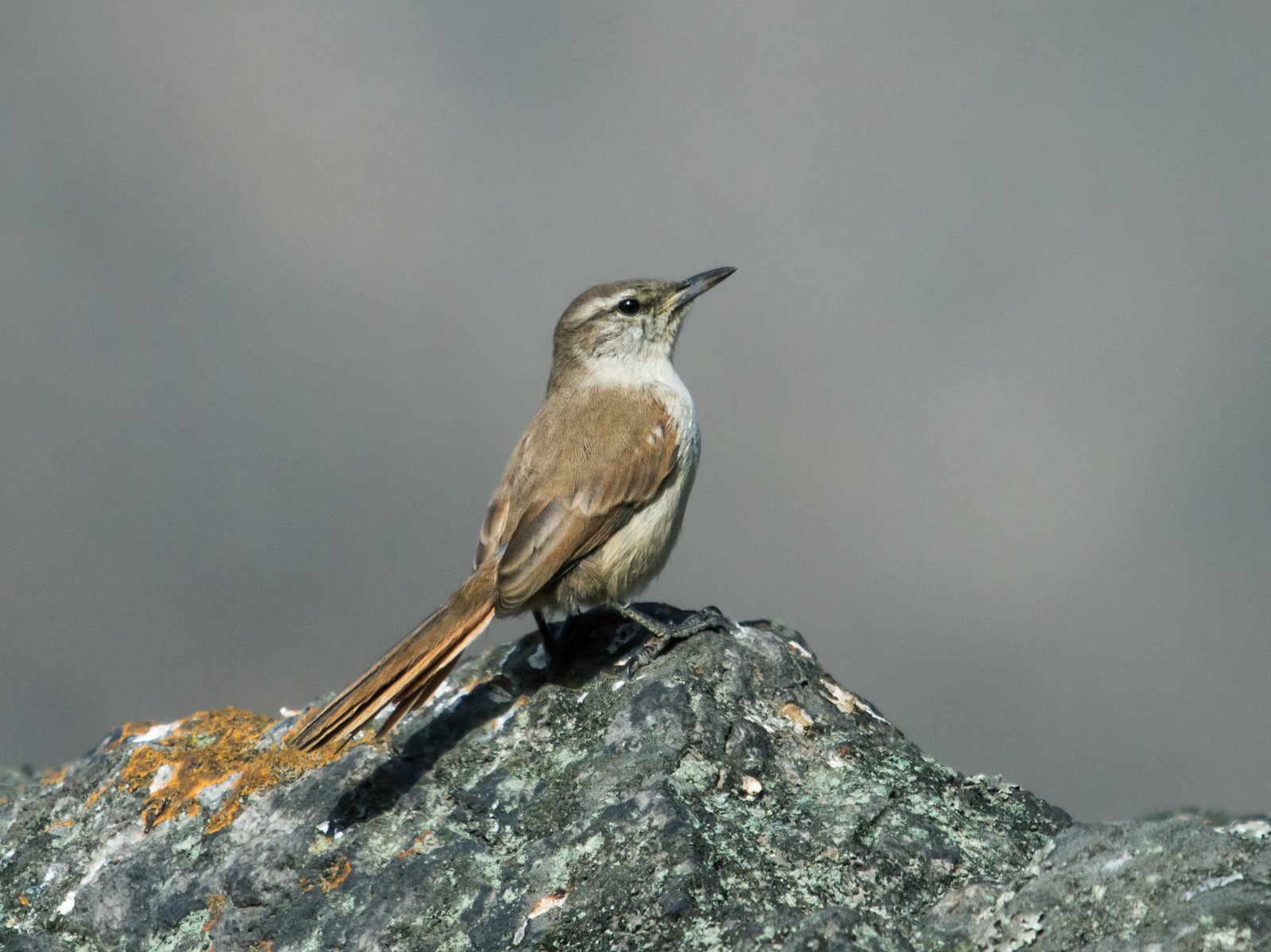
Premnornis 1 species
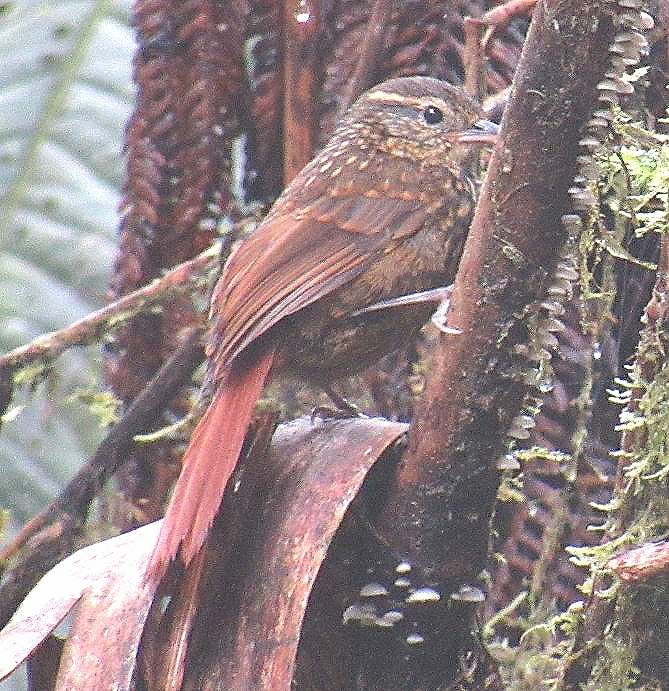
Geocerthia 1 species
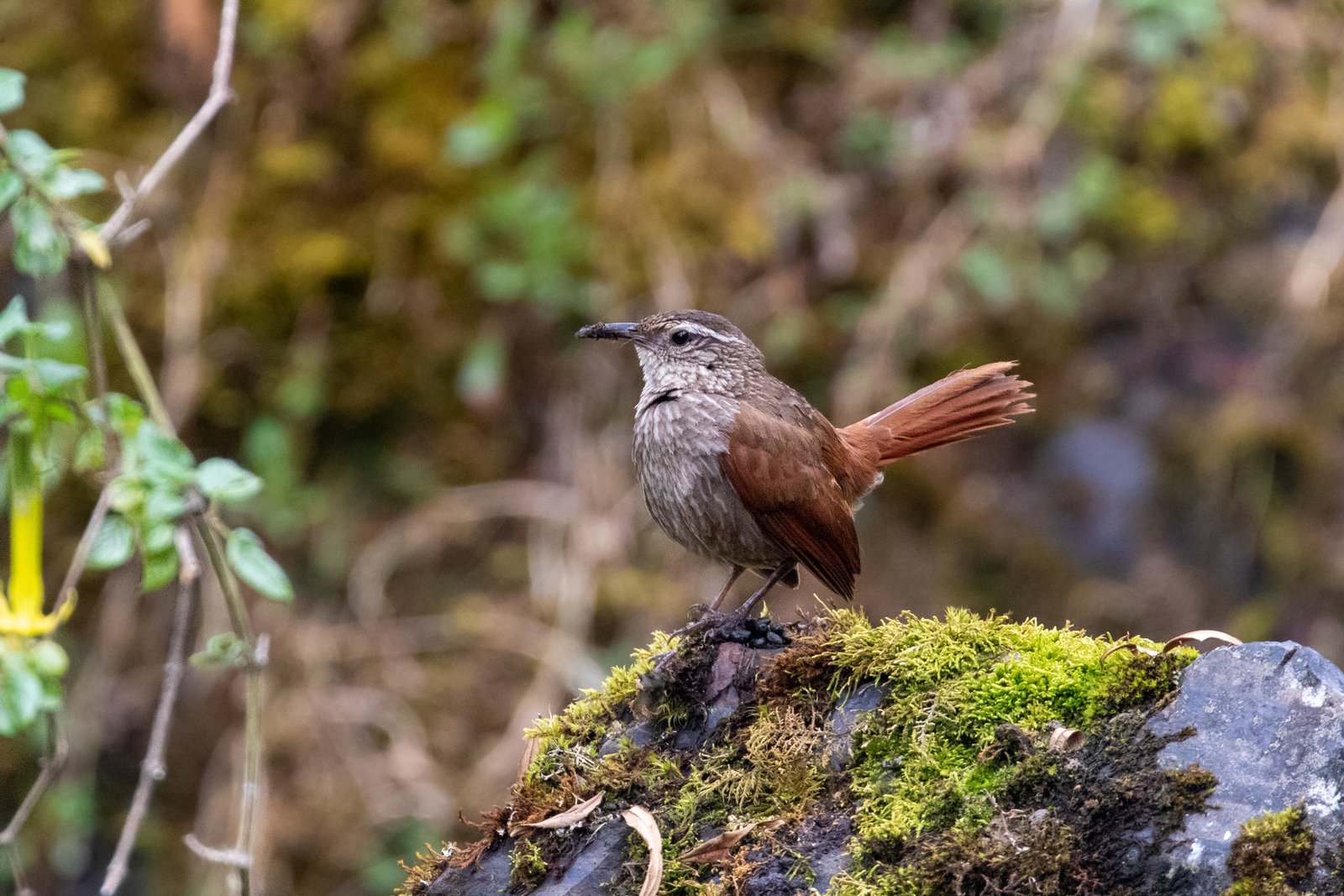
Sclerurus 6 species
-
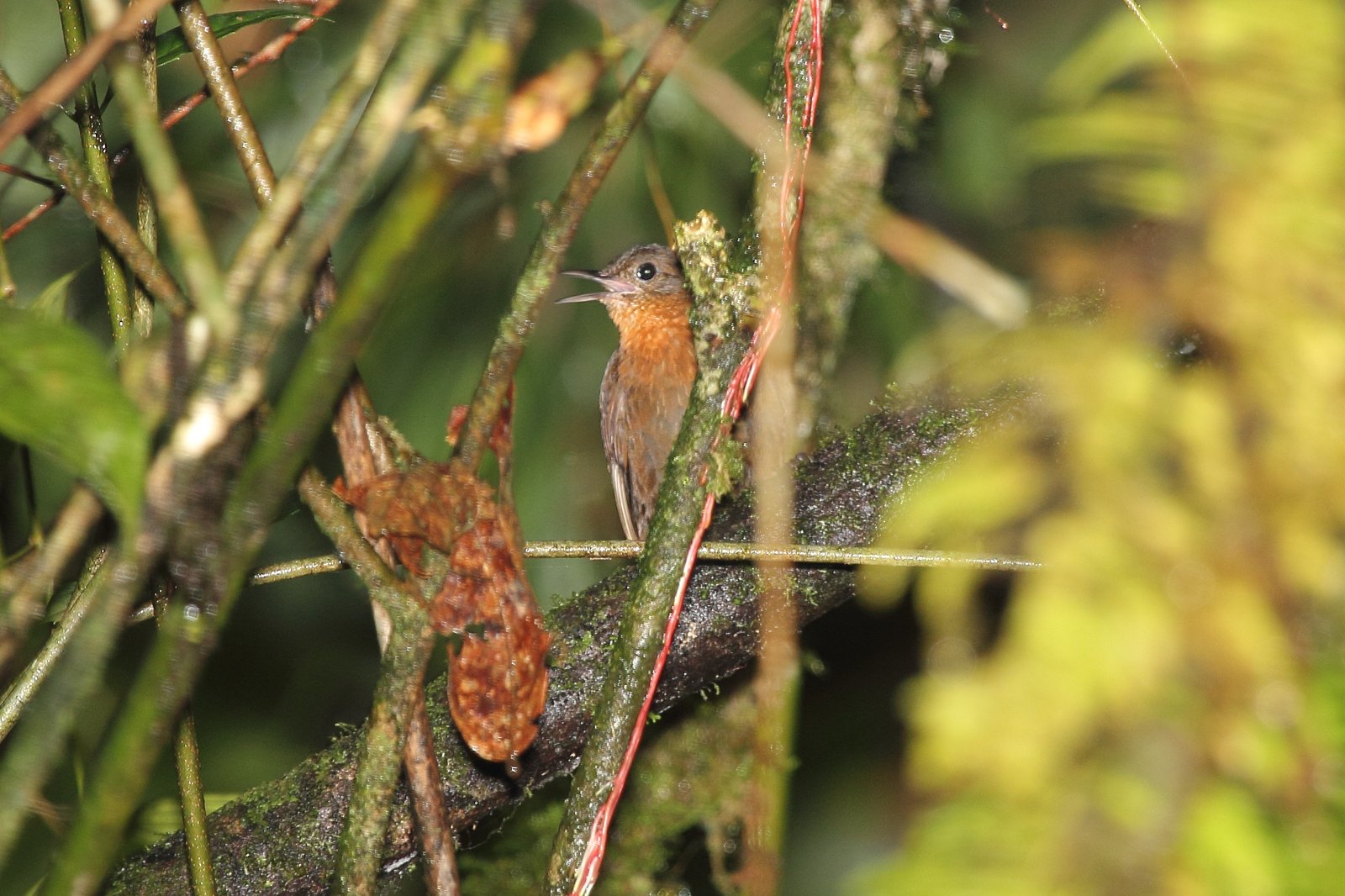
Tawny-throated Leaftosser
Sclerurus mexicanus- Chocó rainforest
- Western Ecuador humid forest
- Northern Andean subtropical forest
-
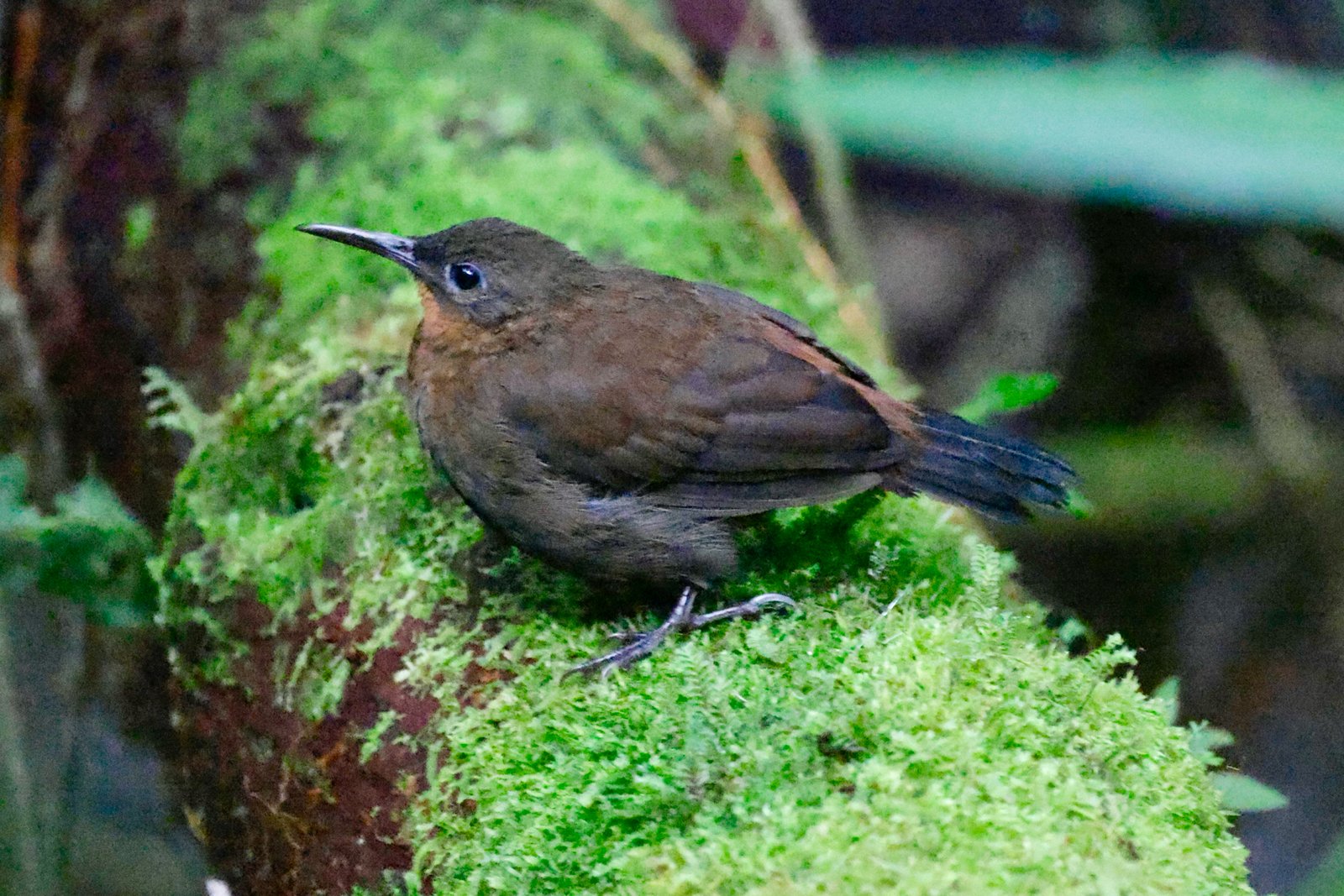
Dusky Leaftosser
Sclerurus obscurior- Eastern Andean foothill forest
- Chocó rainforest
- Western Ecuador humid forest
- Northern Andean subtropical forest
- Lower Yungas forest
- Amazonian terra firme rainforest
-
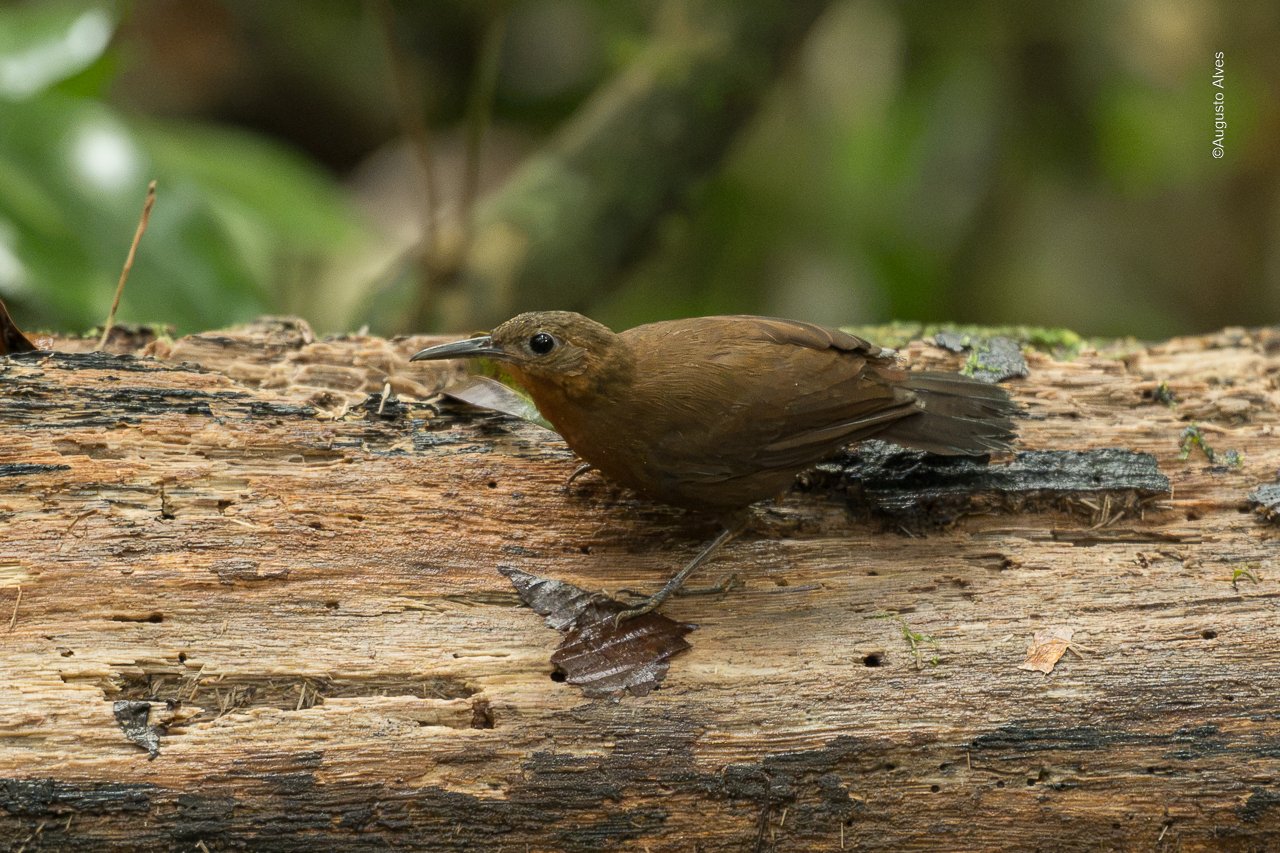
Short-billed Leaftosser
Sclerurus rufigularis- Amazonian terra firme rainforest
-
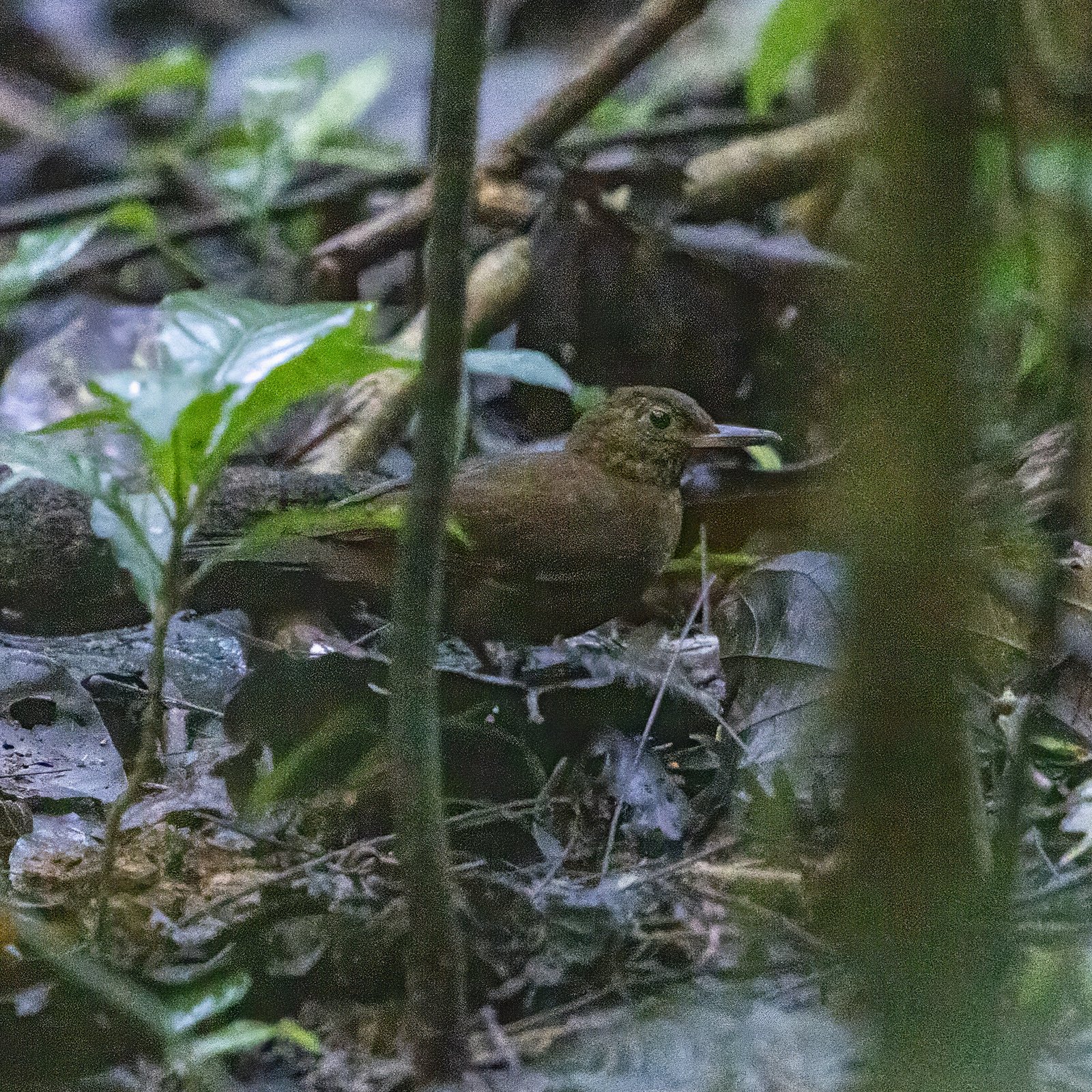
Scaly-throated Leaftosser
Sclerurus guatemalensis- Chocó rainforest
- Western Ecuador humid forest
- Northern Andean subtropical forest
-
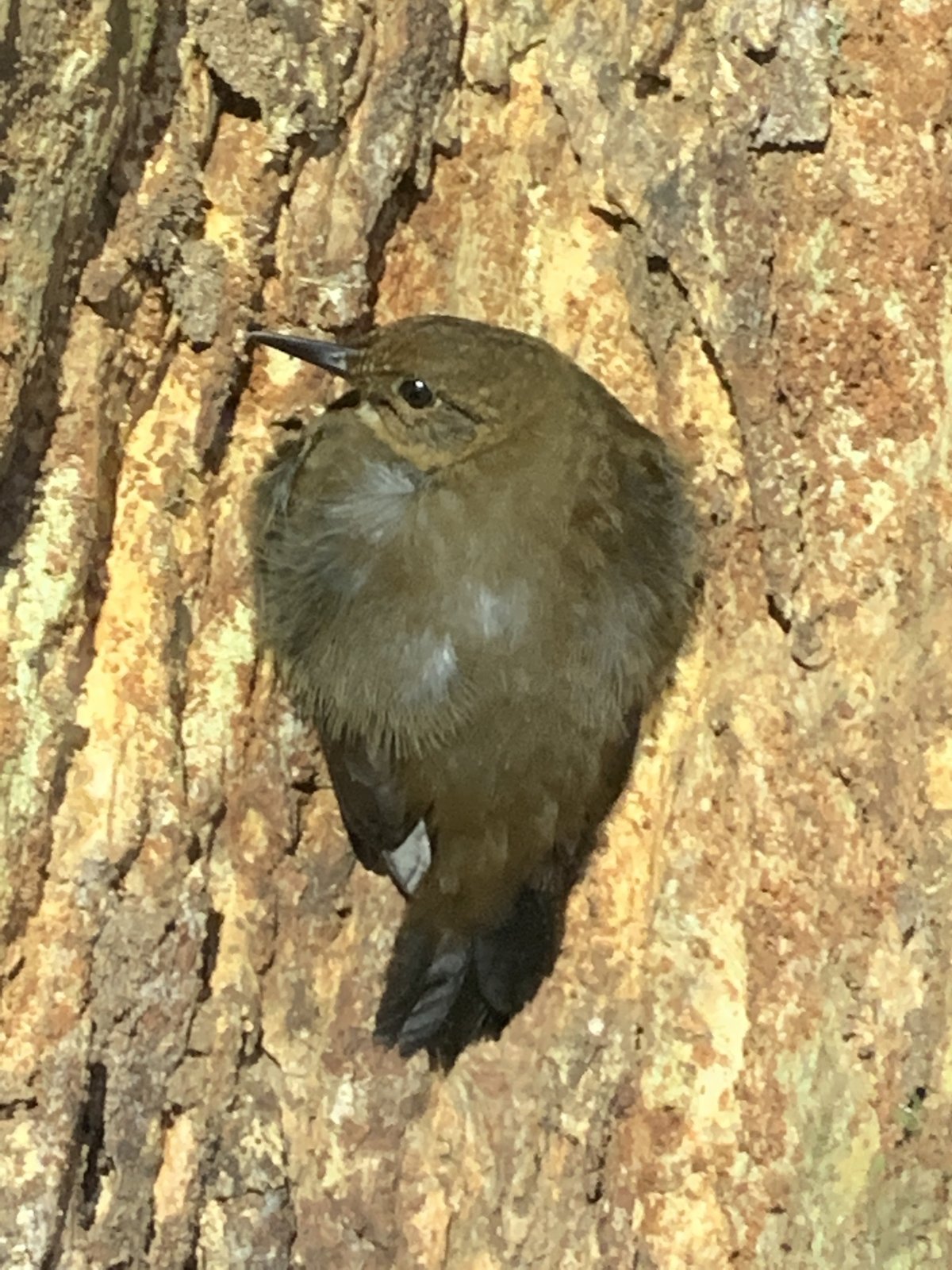
Black-tailed Leaftosser
Sclerurus caudacutus- Amazonian terra firme rainforest
- Eastern Andean foothill forest
-

Grey-throated Leaftosser
Sclerurus albigularis- Northern Andean subtropical forest
- Lower Yungas forest
- Eastern Andean foothill forest
Upucerthia 3 species
-
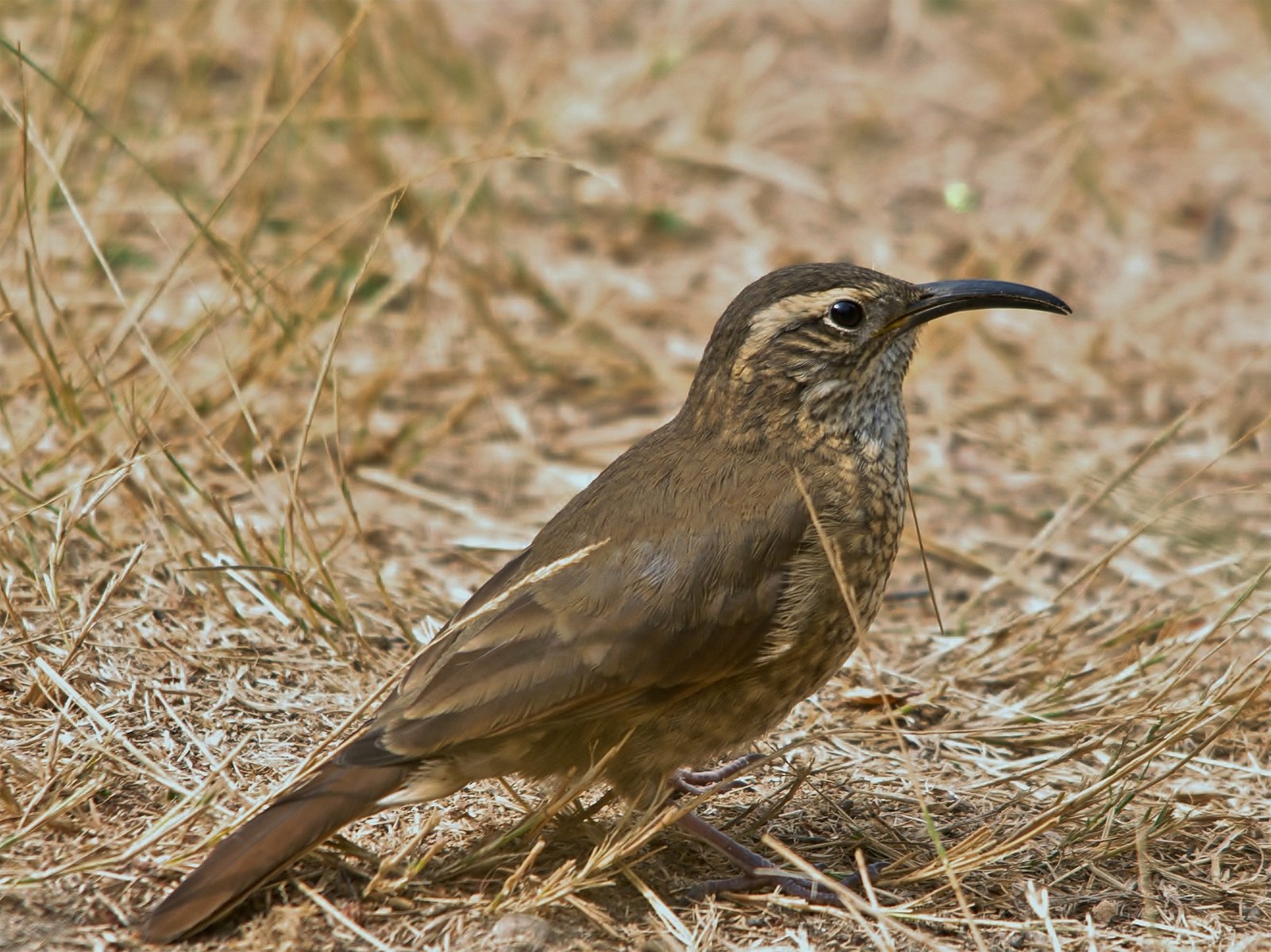
Scale-throated Earthcreeper
Upucerthia dumetaria- Dry puna and altiplano
- Central Andean dry valleys
 Humid puna
- Andean fields and terraces
-
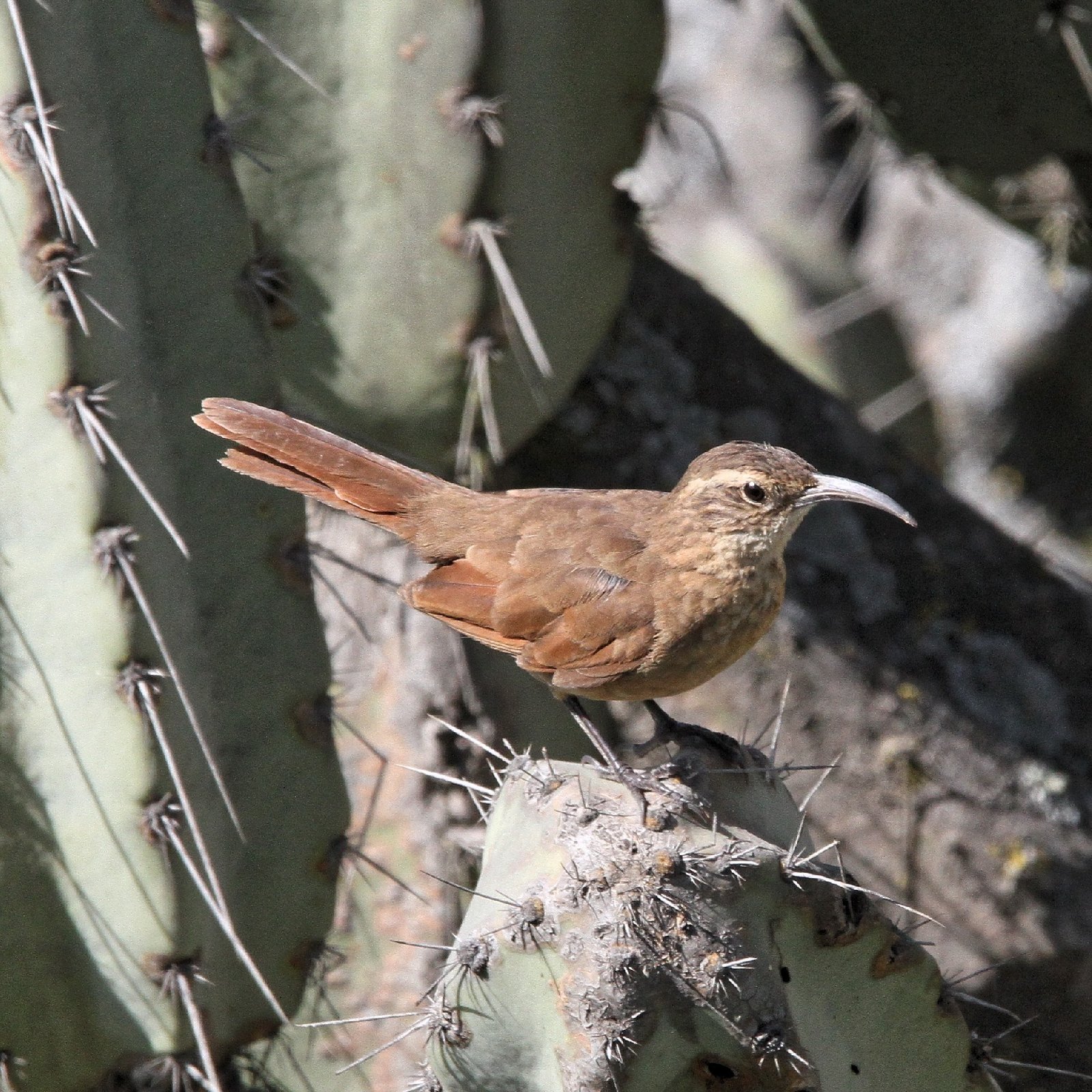
White-throated Earthcreeper
Upucerthia albigula- Central Andean dry valleys
 Cliffs, gorges and canyons
- Dry puna and altiplano
- Andean fields and terraces
-
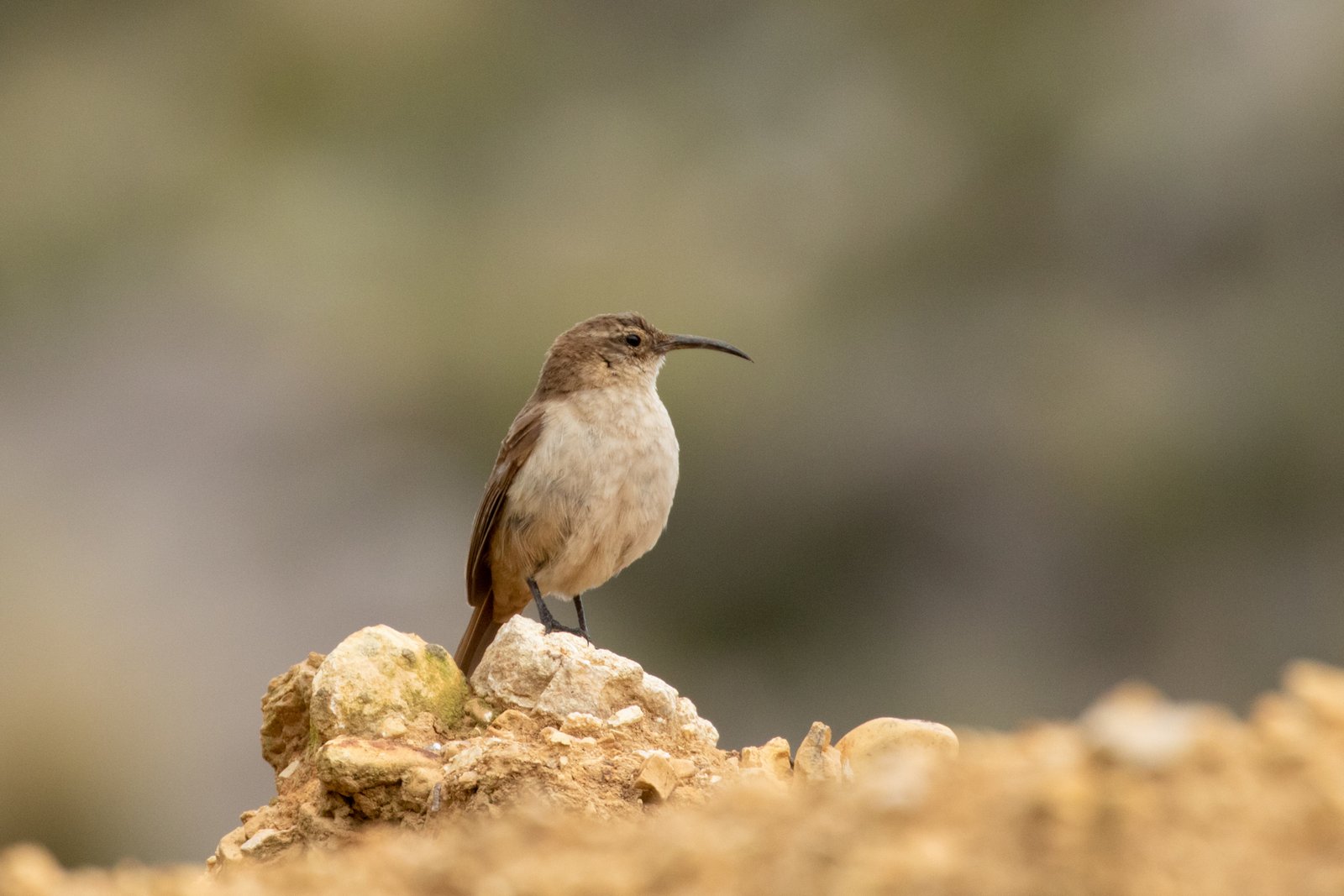
Buff-breasted Earthcreeper
Upucerthia validirostris- Dry puna and altiplano
- Humid puna
- Central Andean dry valleys
- Cliffs, gorges and canyons
- Andean fields and terraces
Clibanornis 3 species
-
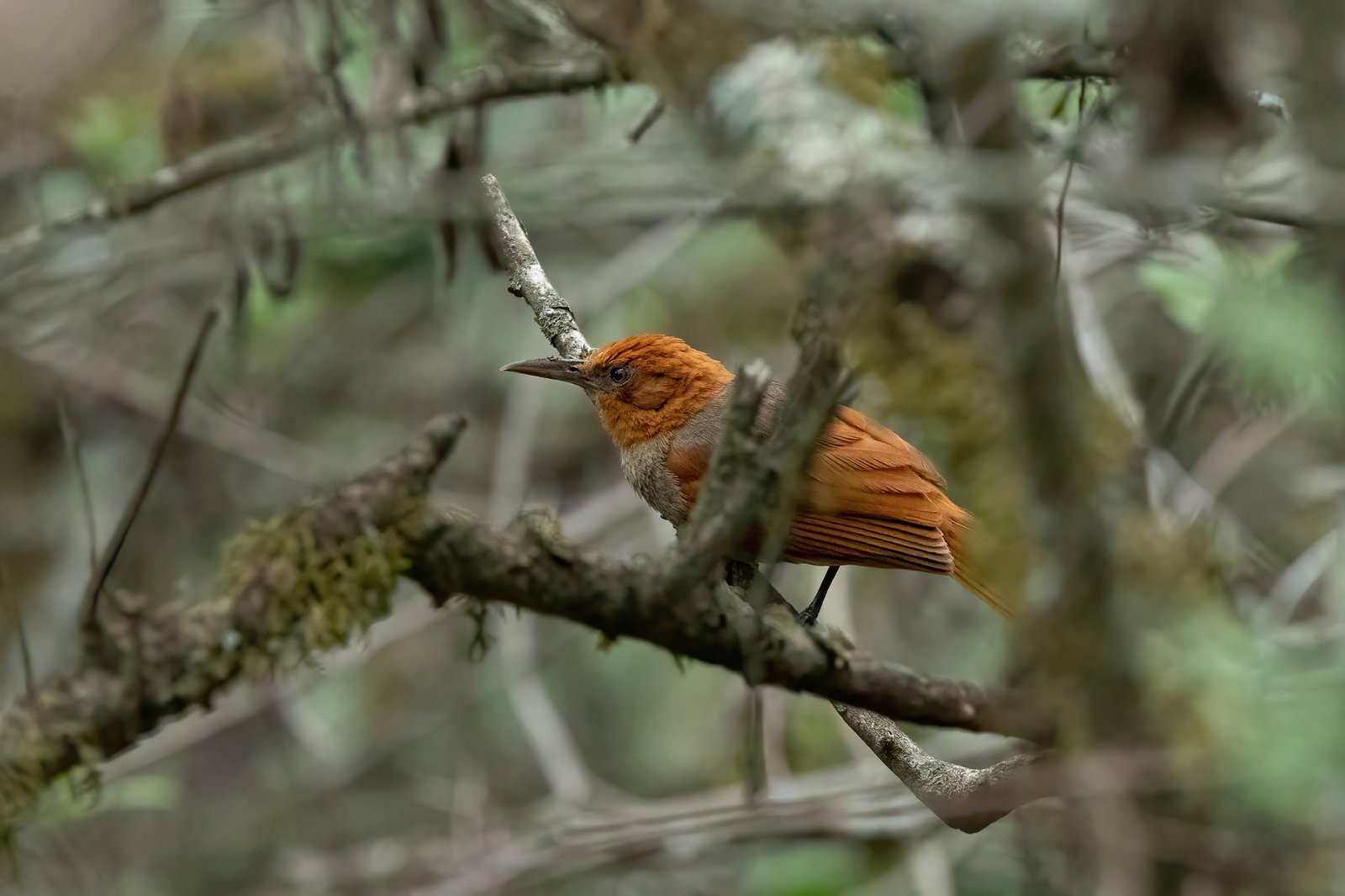
Henna-hooded Foliage-Gleaner
Clibanornis erythrocephalus- Tumbesian dry forest and thorn scrub
- Western Ecuador humid forest
- Riparian woodland of the Andes and coastal valleys
- Secondary forest and forest edge
-
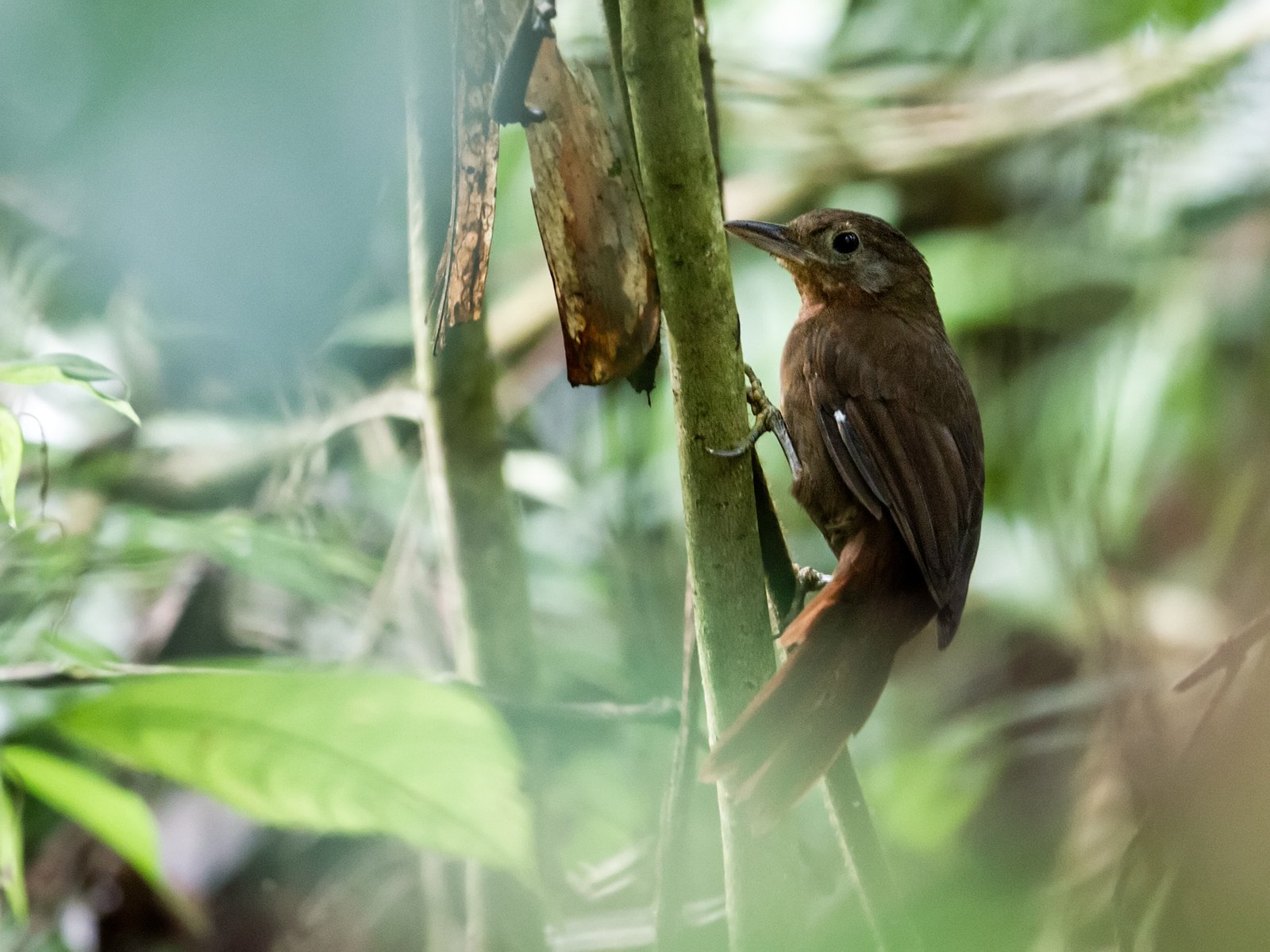
Ruddy Foliage-Gleaner
Clibanornis rubiginosus- Eastern Andean foothill forest
- Northern Andean subtropical forest
- Lower Yungas forest
- Chocó rainforest
- Western Ecuador humid forest
-
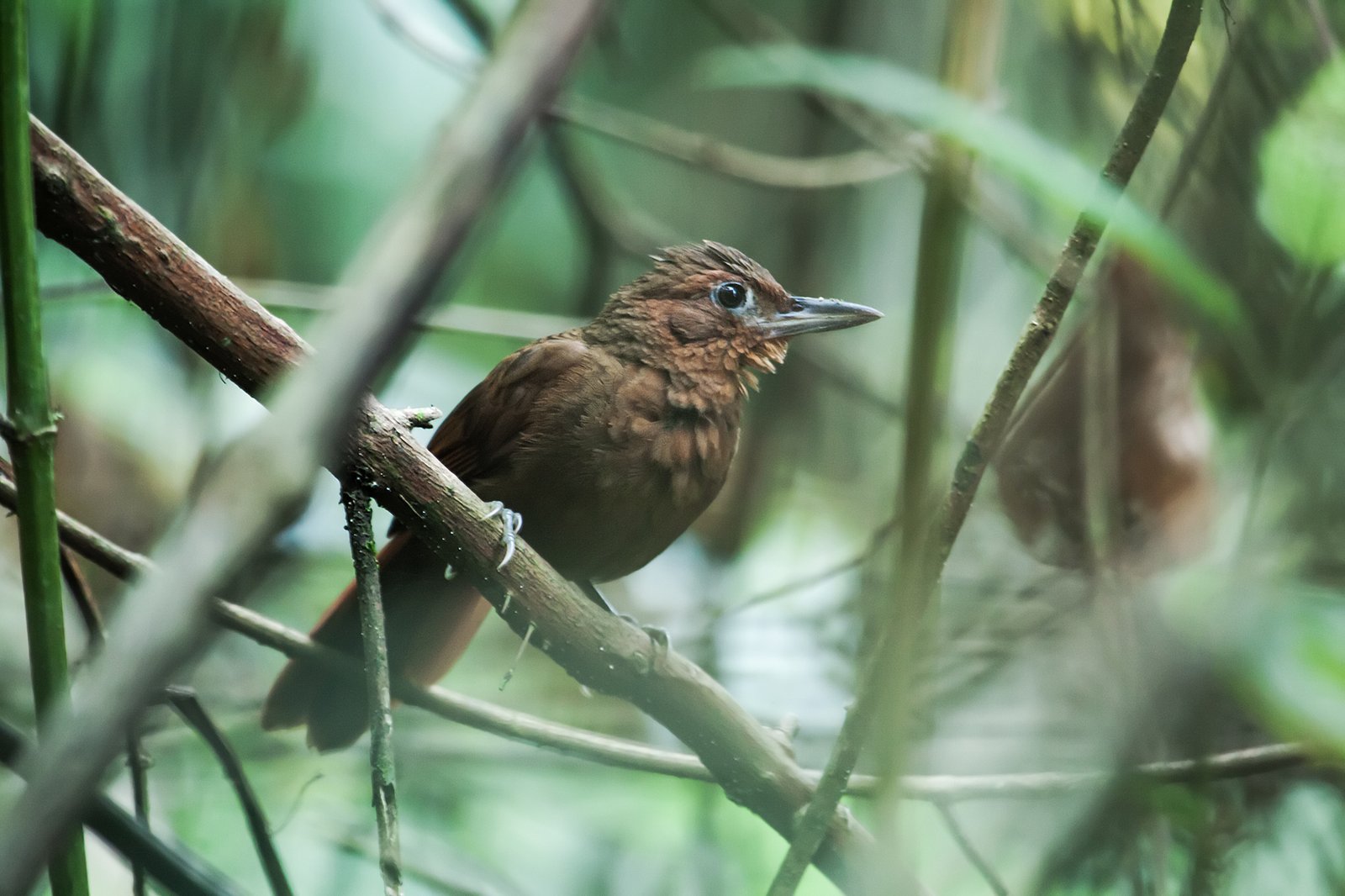
Santa Marta Foliage-Gleaner
Clibanornis rufipectus- Northern Andean subtropical forest
- Secondary forest and forest edge
- Coffee, cacao and agroforestry
Deconychura 3 species
-
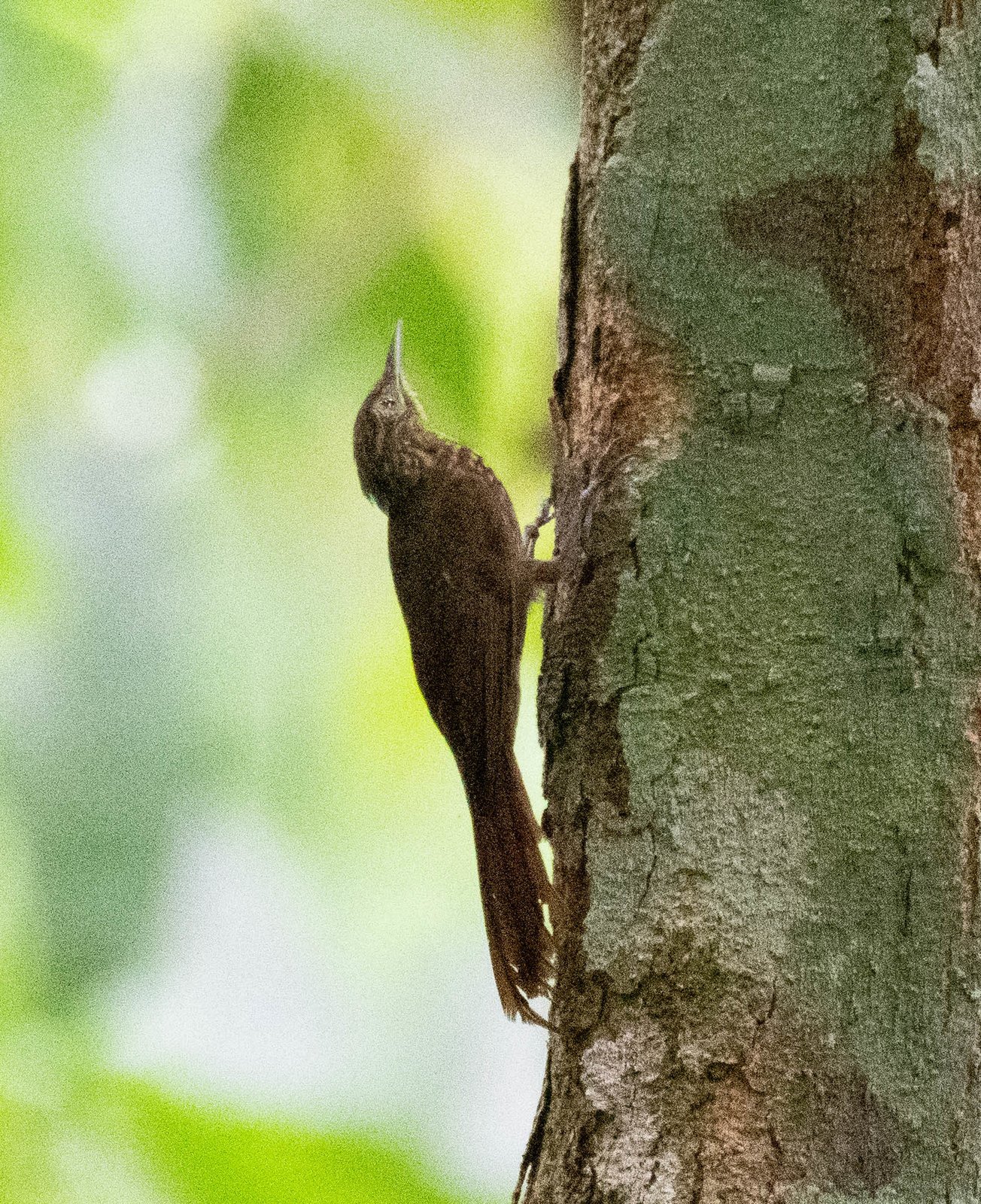
Piping Long-tailed Woodcreeper
Deconychura typica- Chocó rainforest
- Northern Andean subtropical forest
- Secondary forest and forest edge
-
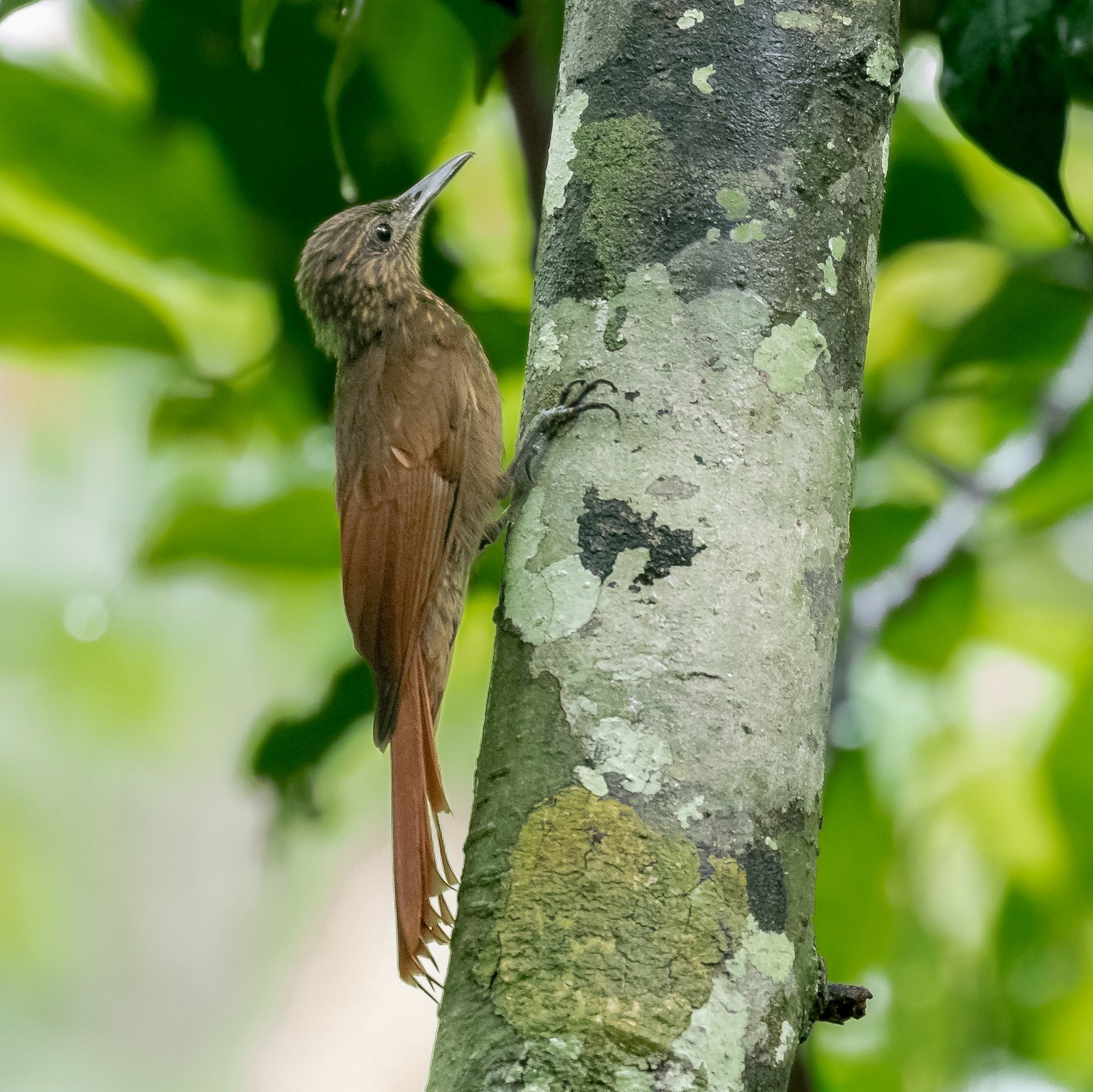
Whistling Long-tailed Woodcreeper
Deconychura longicauda- Amazonian terra firme rainforest
-
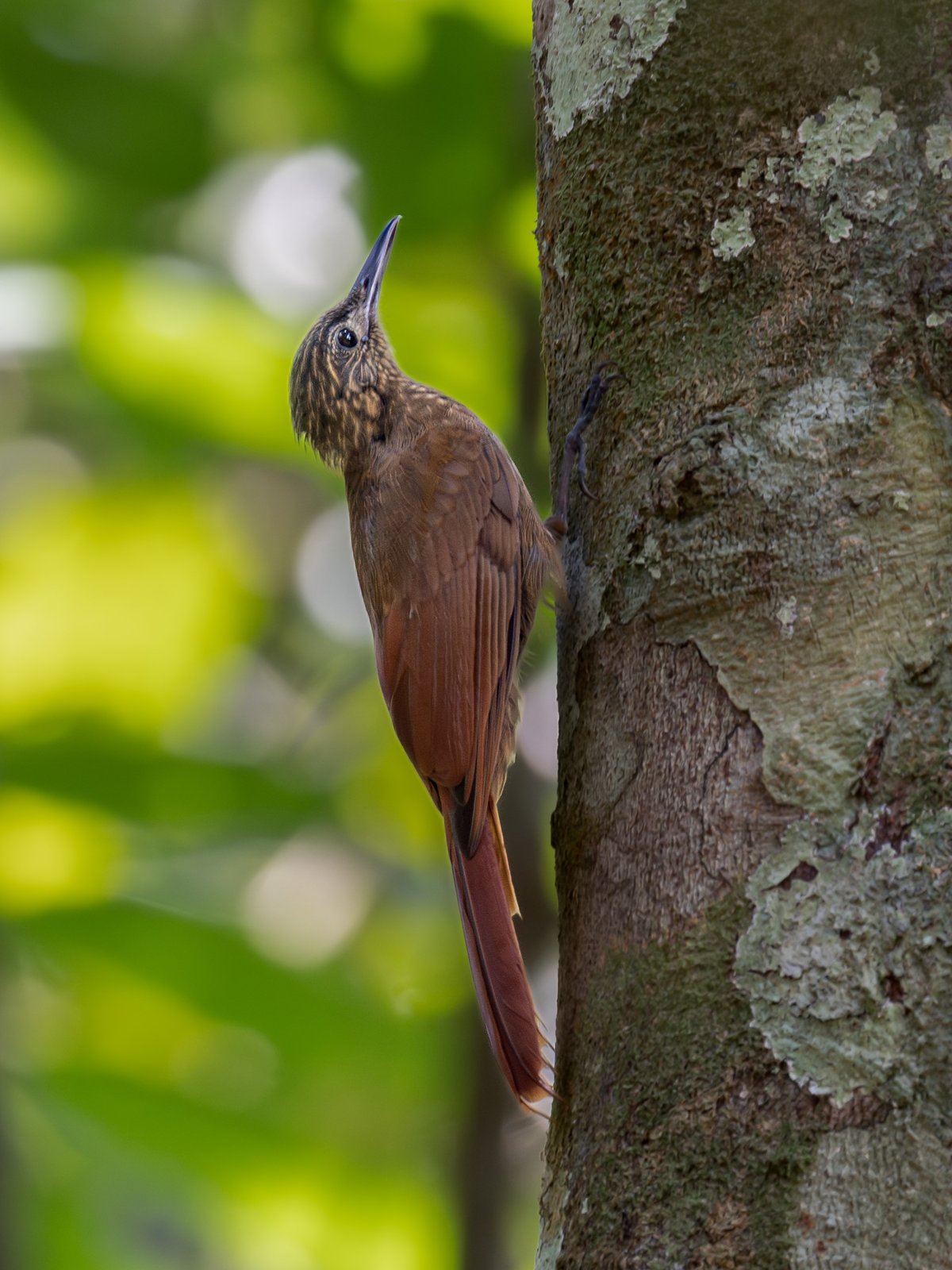
Mournful Long-tailed Woodcreeper
Deconychura pallida- Eastern Andean foothill forest
- Amazonian terra firme rainforest
- Lower Yungas forest
- Northern Andean subtropical forest
Tarphonomus 2 species
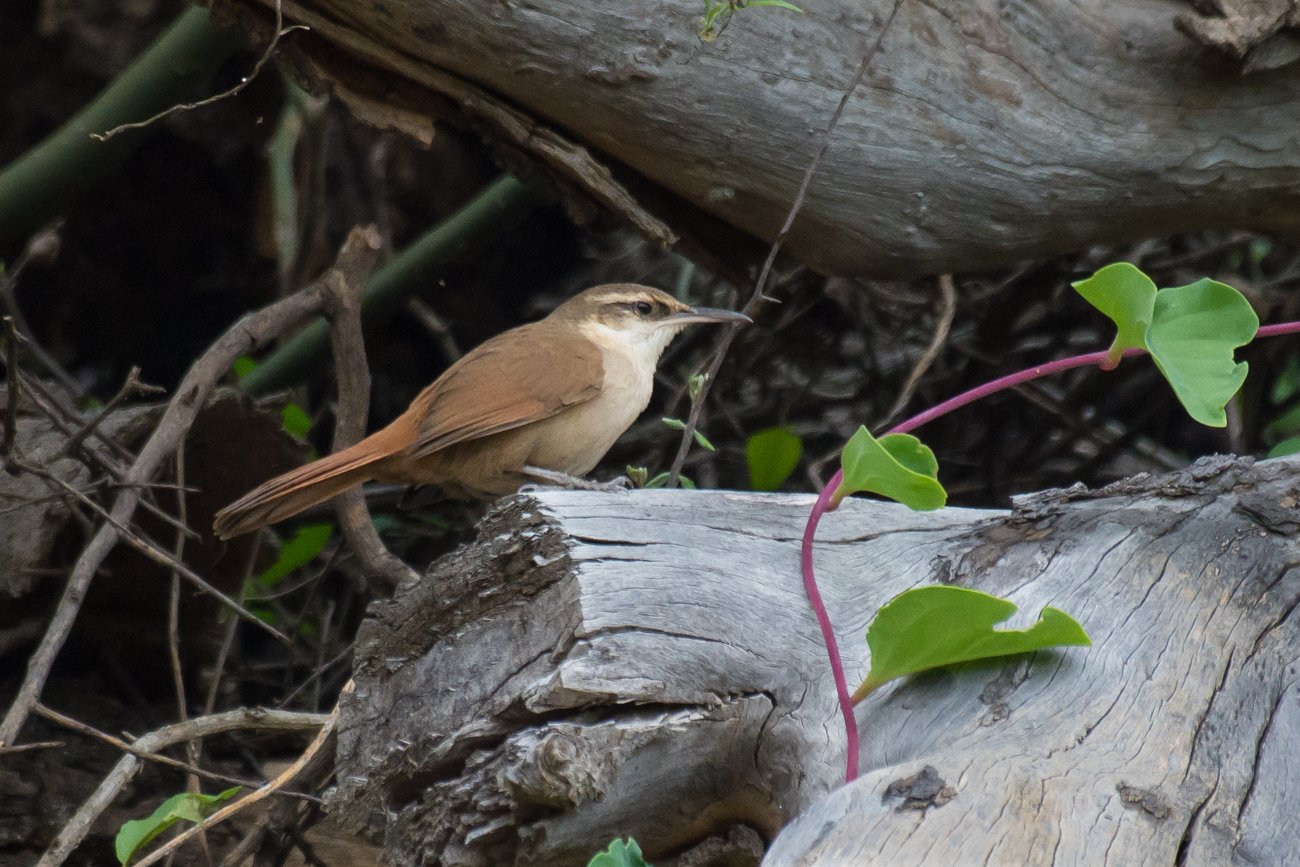
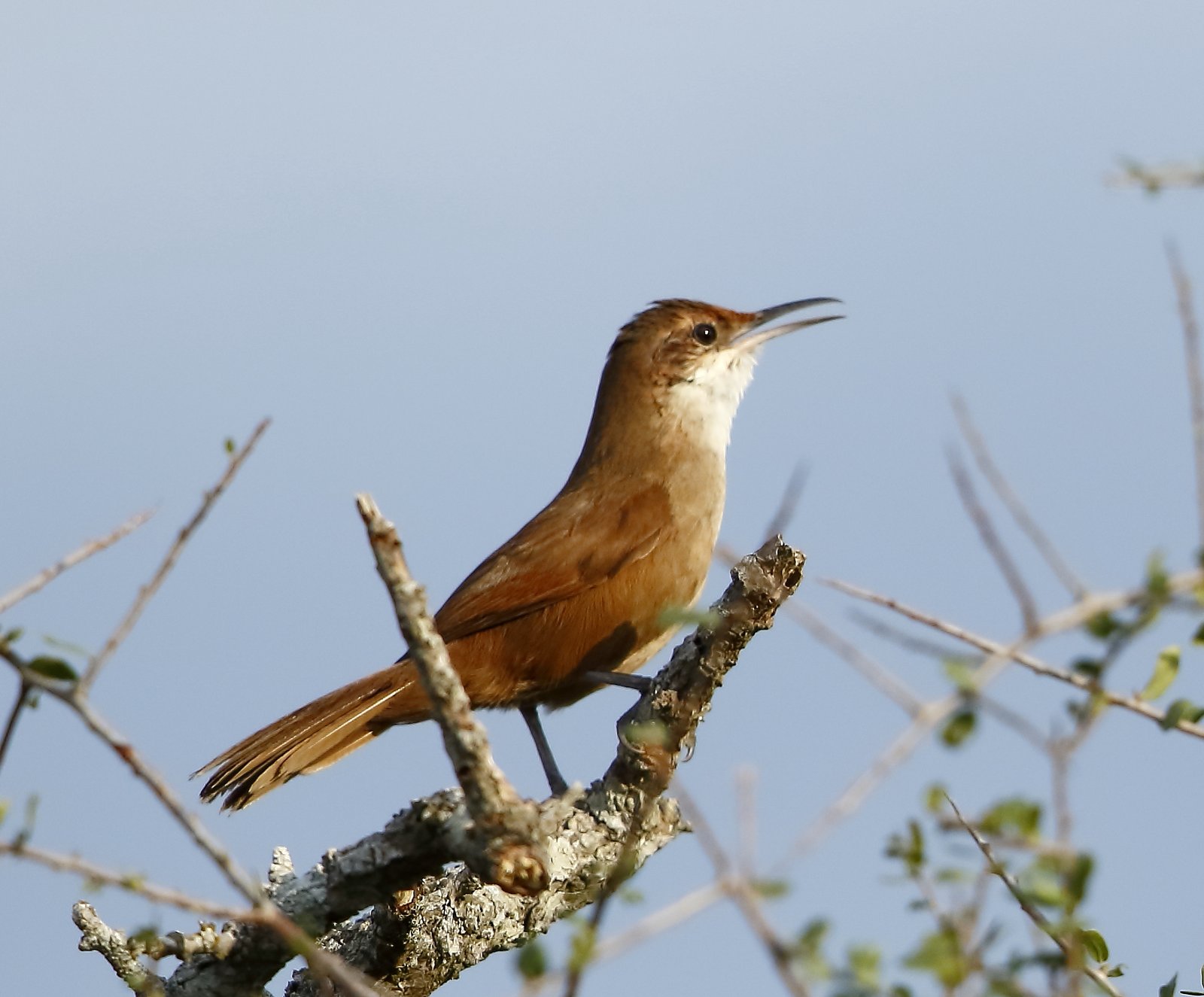
Lochmias 1 species
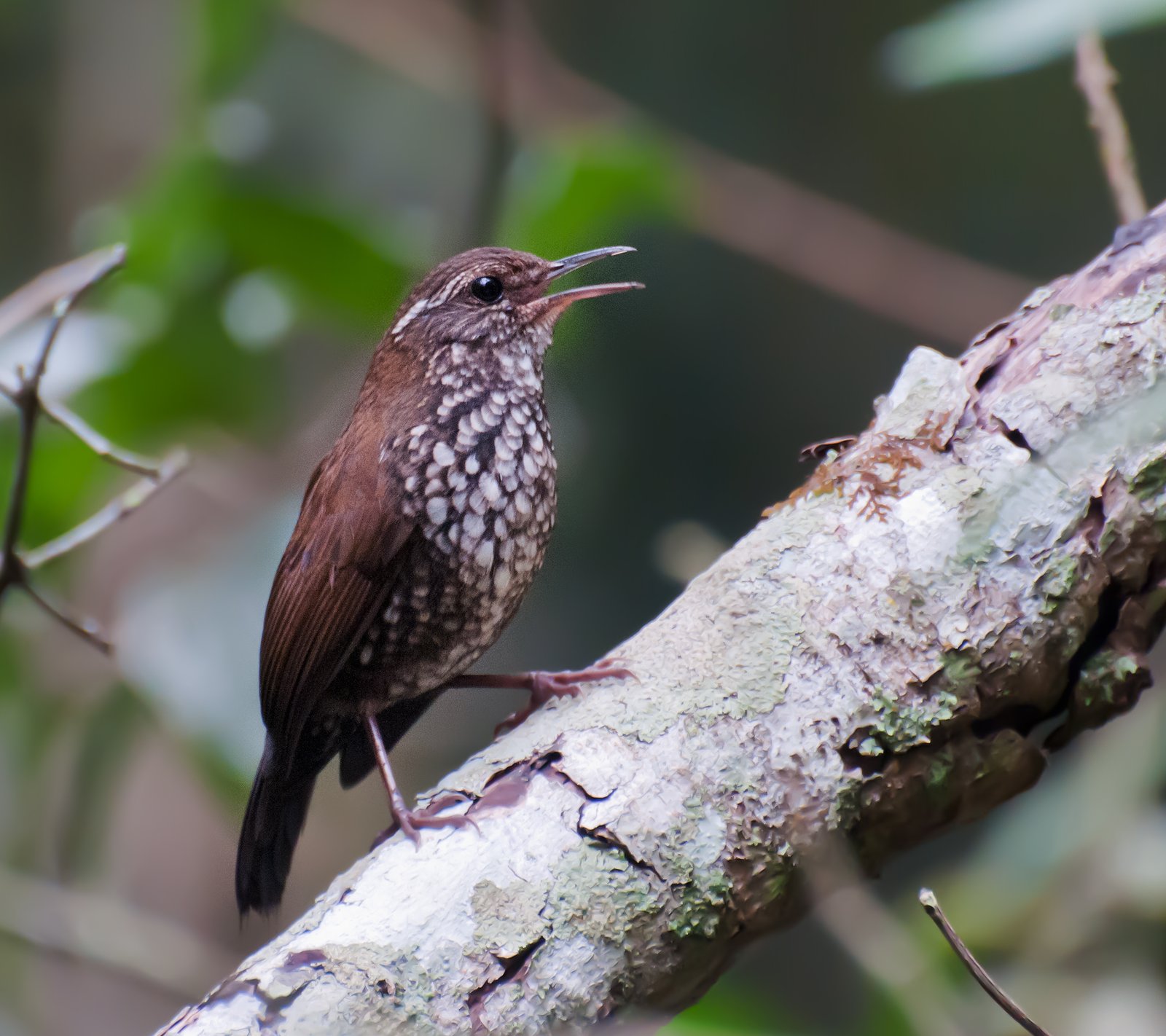
Dendroma 2 species
-
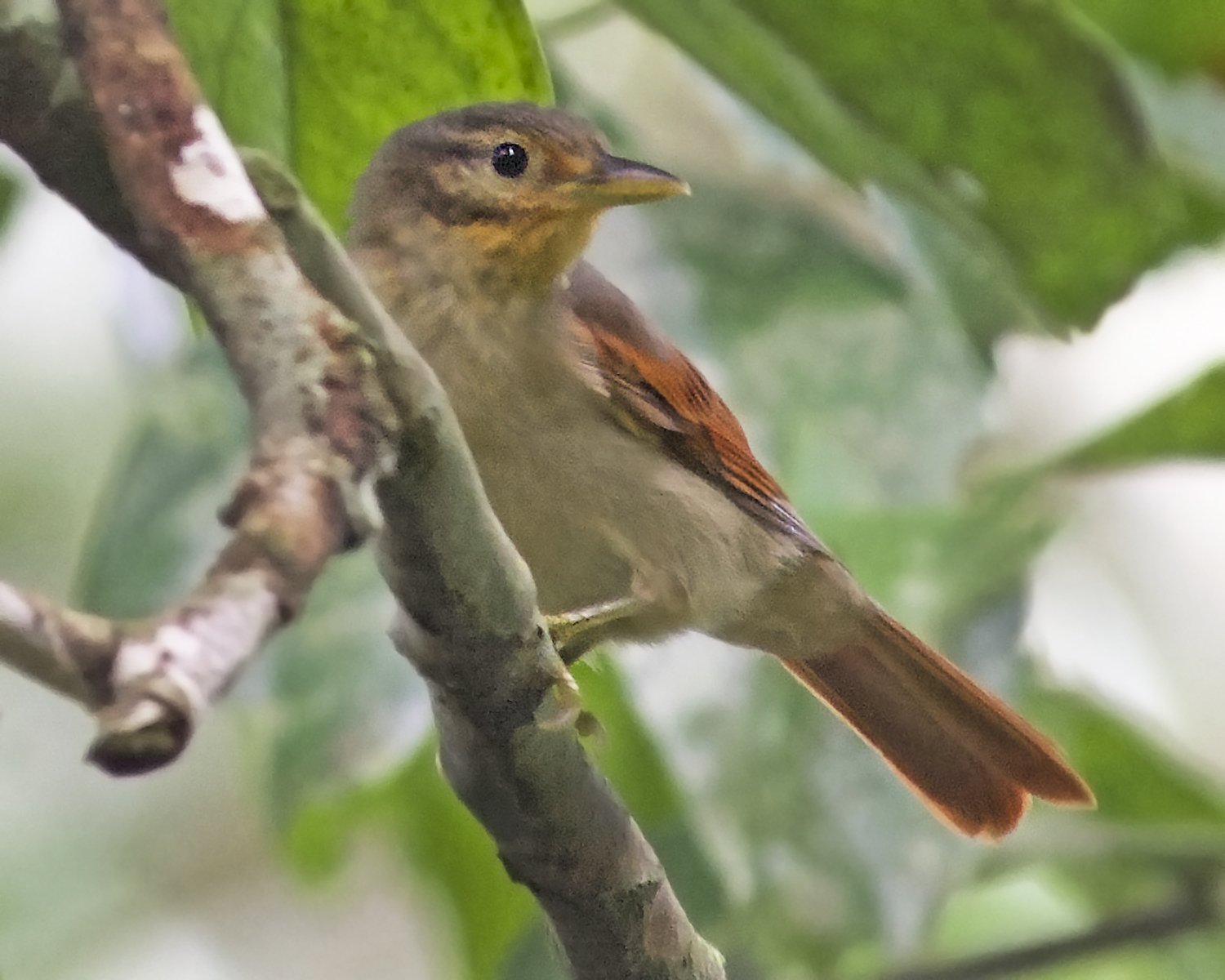
Chestnut-winged Foliage-Gleaner
Dendroma erythroptera- Amazonian terra firme rainforest
- Várzea, igapó and river islands
- Eastern Andean foothill forest
-
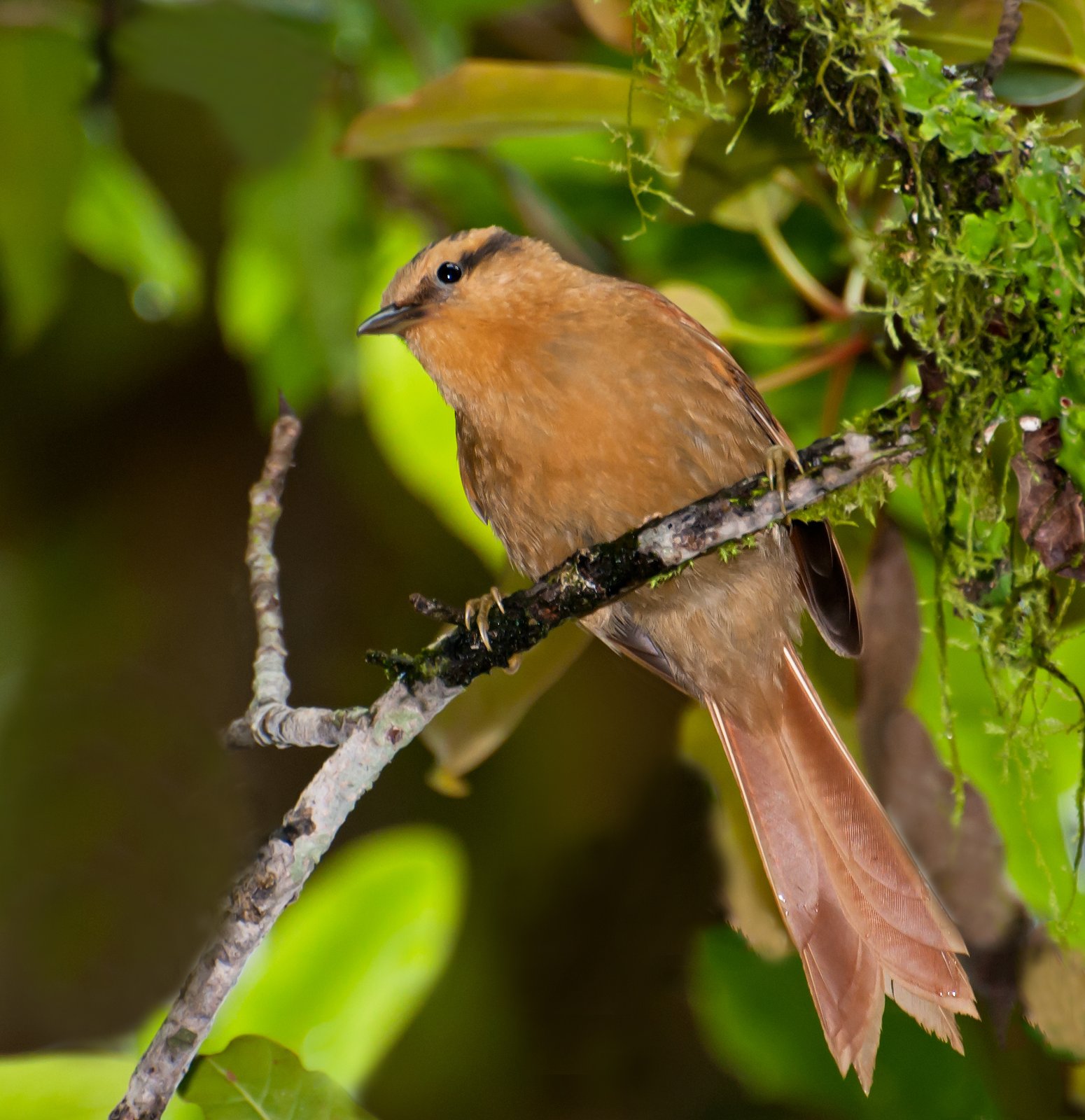
Buff-fronted Foliage-Gleaner
Dendroma rufa- Northern Andean subtropical forest
- Lower Yungas forest
- Eastern Andean foothill forest
- Western Ecuador humid forest
- Secondary forest and forest edge
Metopothrix 1 species
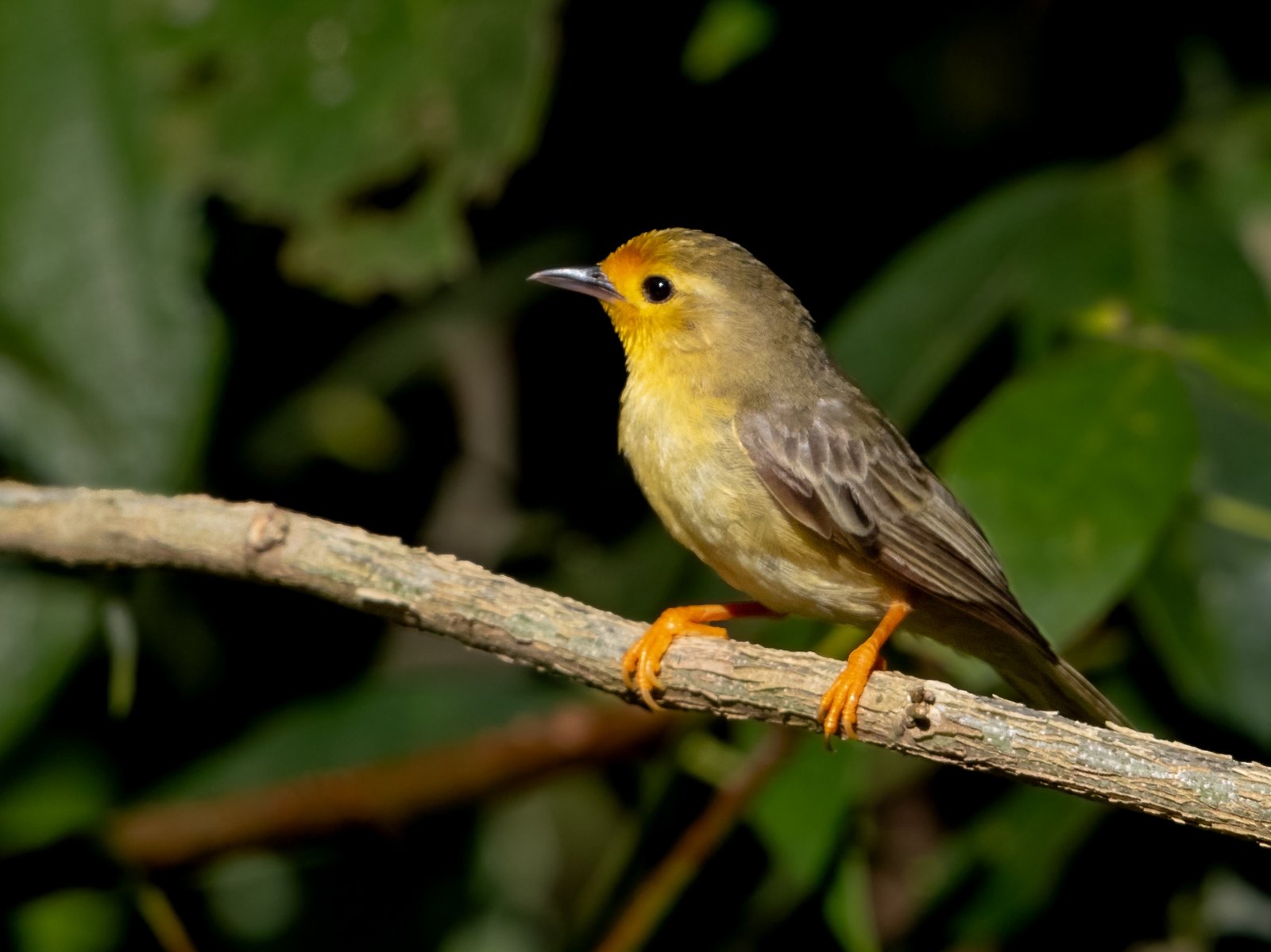
Thripophaga 3 species
-
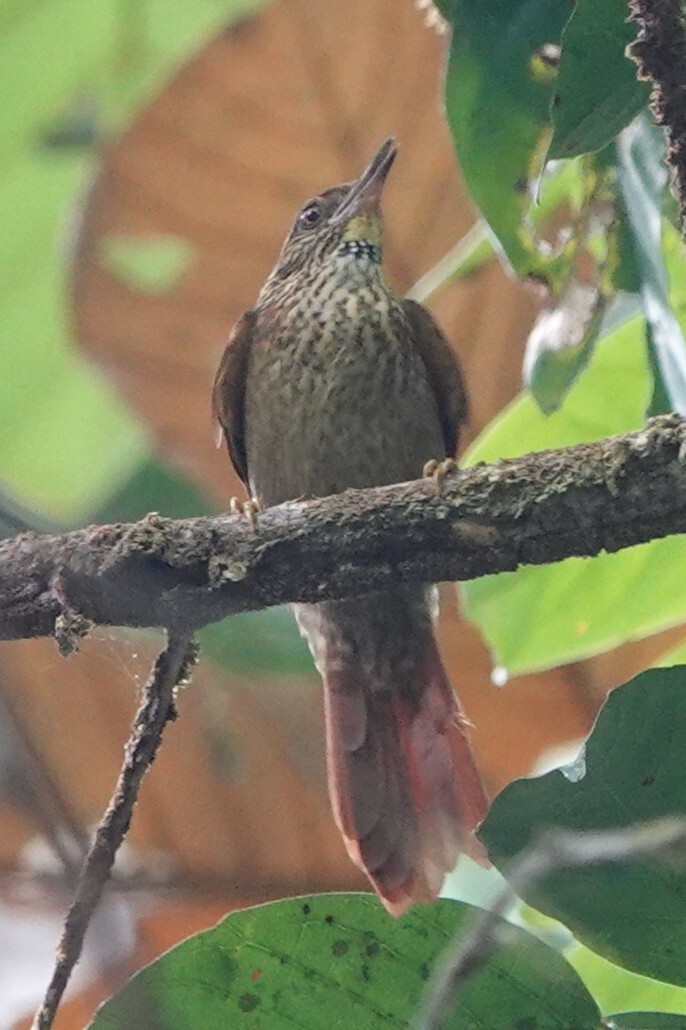
Speckled Spinetail
Thripophaga gutturata- Várzea, igapó and river islands
- Amazonian terra firme rainforest
 Palm swamps and swamp forest
- Secondary forest and forest edge
-
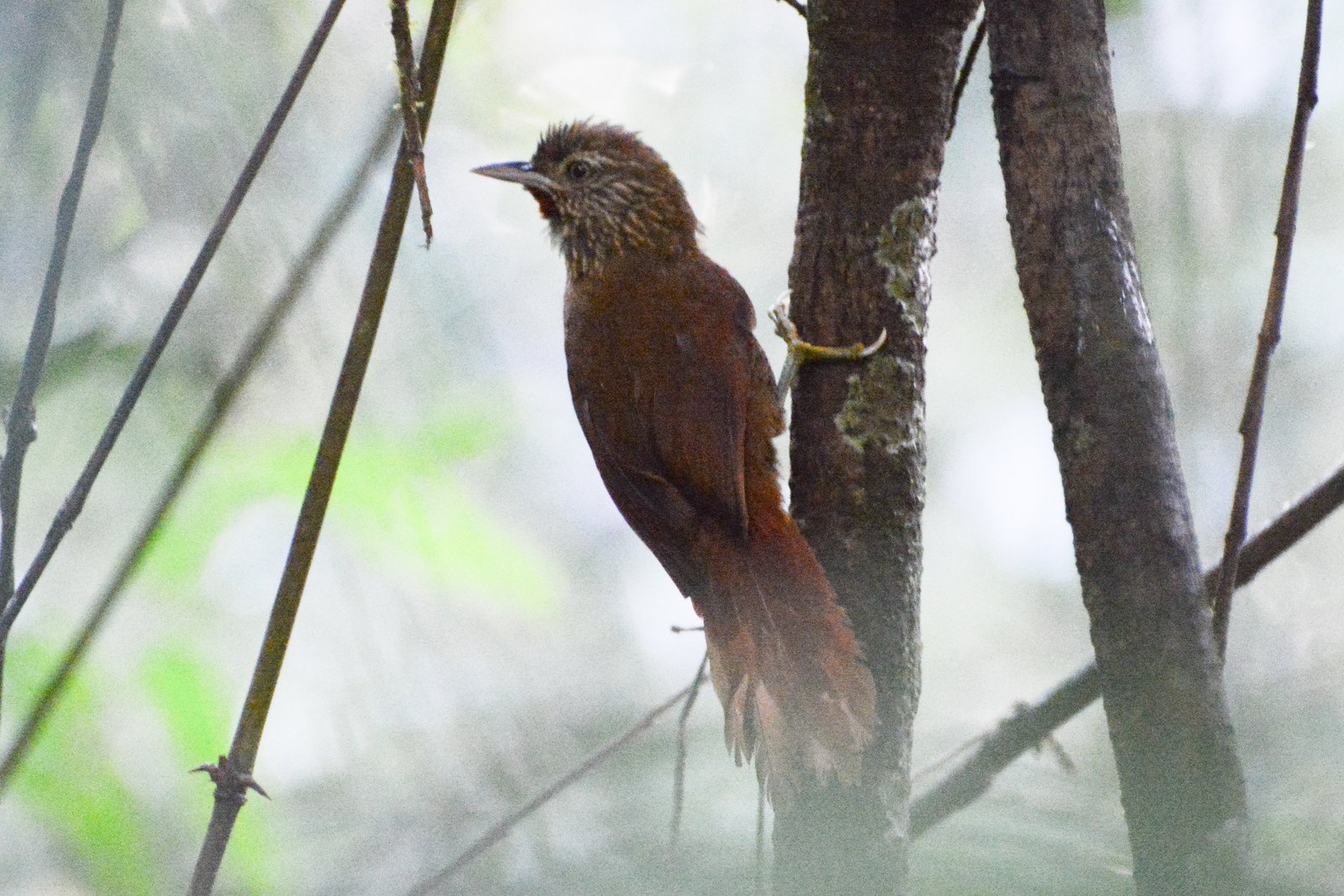
Orinoco Softtail
Thripophaga cherriei- Várzea, igapó and river islands
- Lowland rivers and sandbars
- Secondary forest and forest edge
-
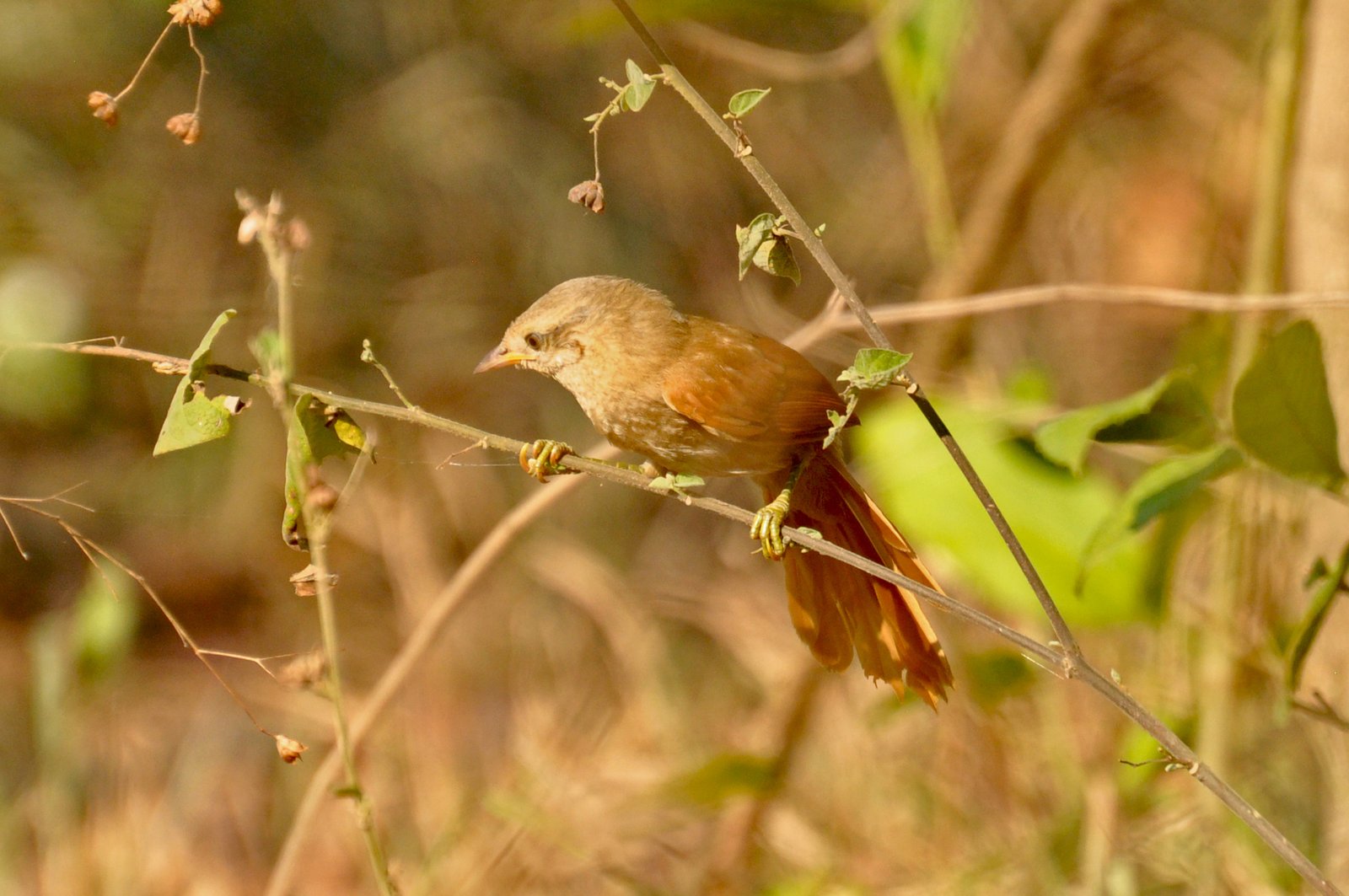
Plain Softtail
Thripophaga fusciceps- Várzea, igapó and river islands
- Secondary forest and forest edge
- Amazonian terra firme rainforest
Syndactyla 5 species
-
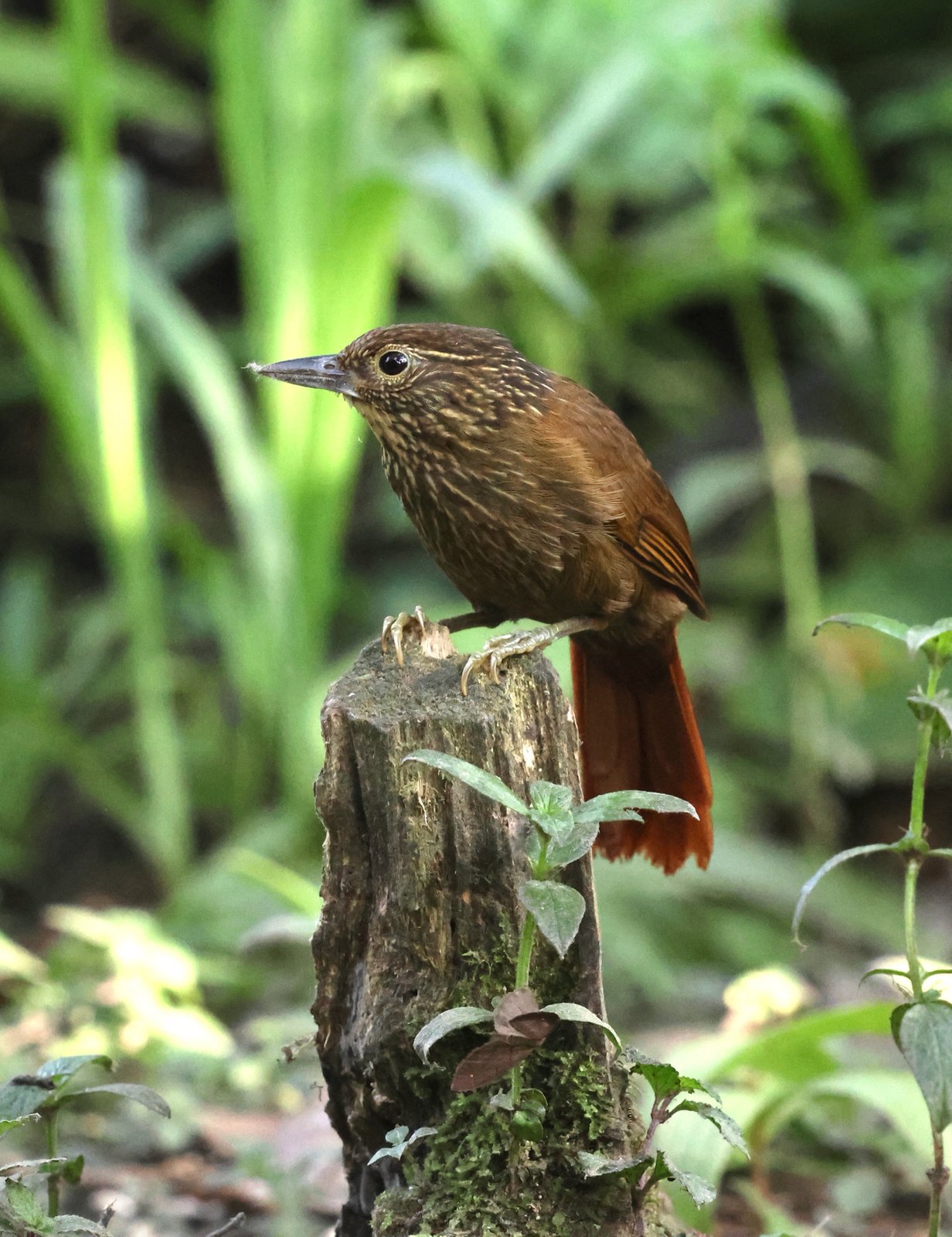
Lineated Foliage-Gleaner
Syndactyla subalaris- Northern Andean subtropical forest
- Northern Andean cloud forest and temperate forest
- Eastern Andean foothill forest
- Western Ecuador humid forest
-
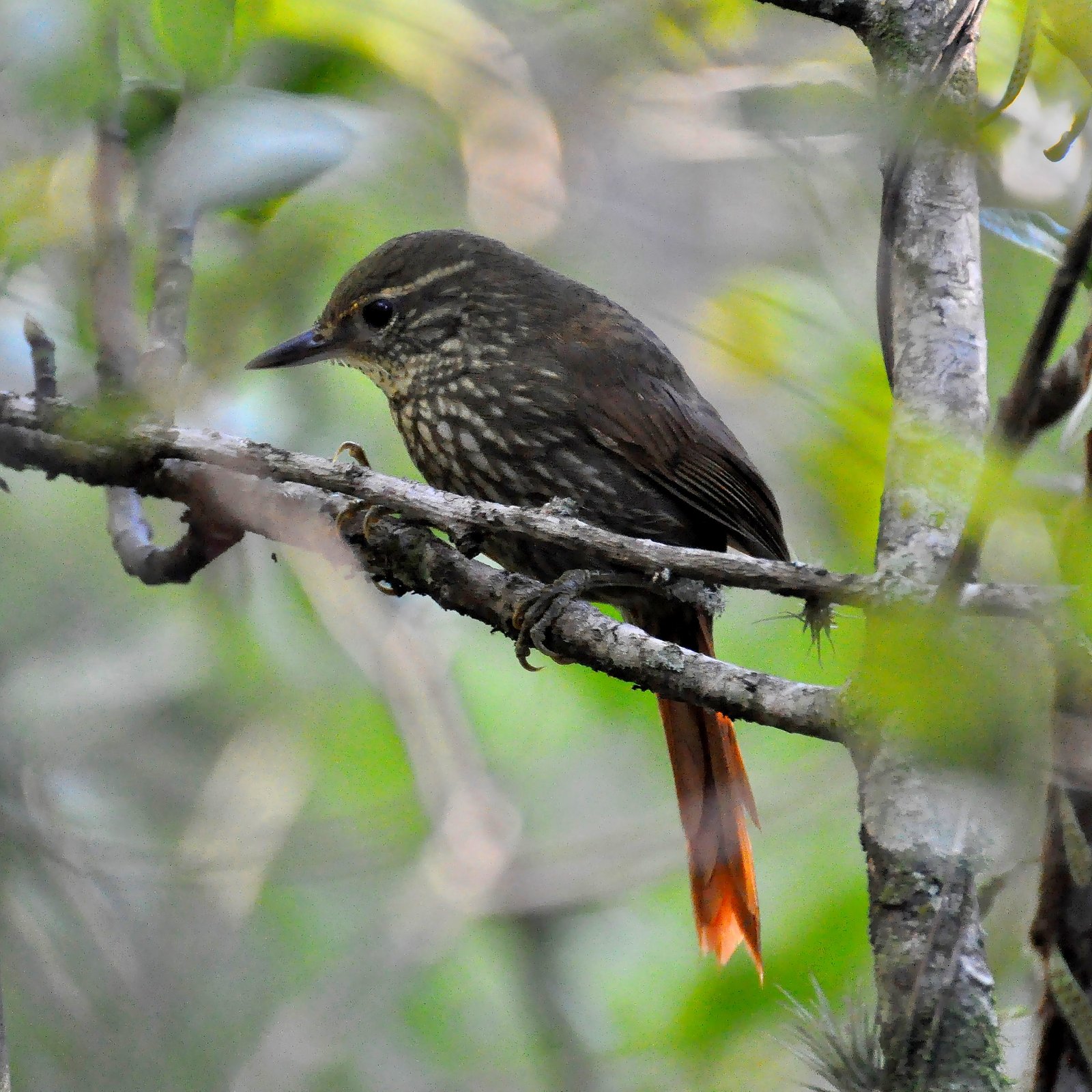
Buff-browed Foliage-Gleaner
Syndactyla rufosuperciliata- Upper Yungas cloud forest
- Lower Yungas forest
- Northern Andean cloud forest and temperate forest
-
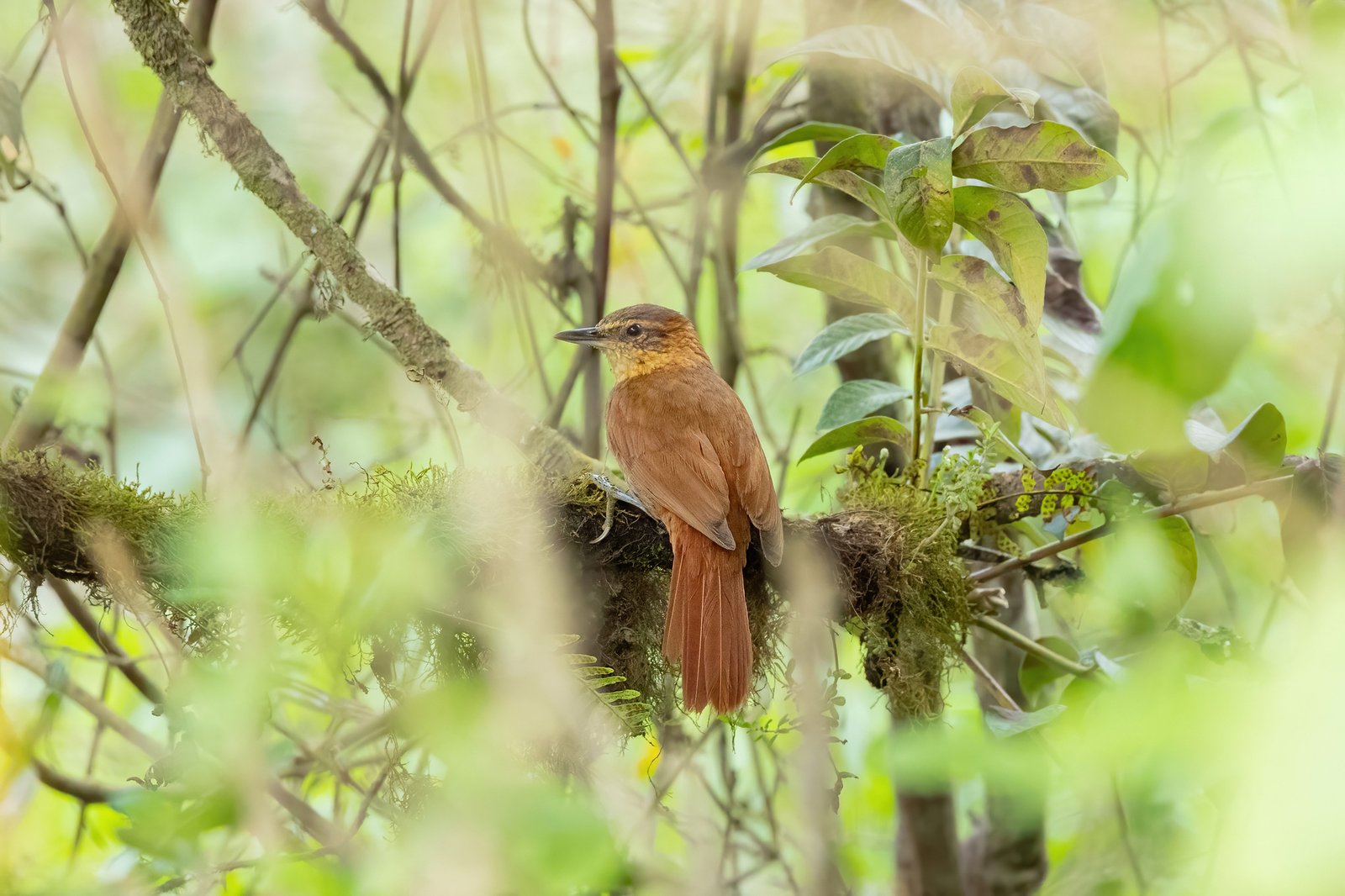
Rufous-necked Foliage-Gleaner
Syndactyla ruficollis- Northern Andean subtropical forest
- Tumbesian dry forest and thorn scrub
- Marañón and northern inter-Andean dry forest
- Riparian woodland of the Andes and coastal valleys
-
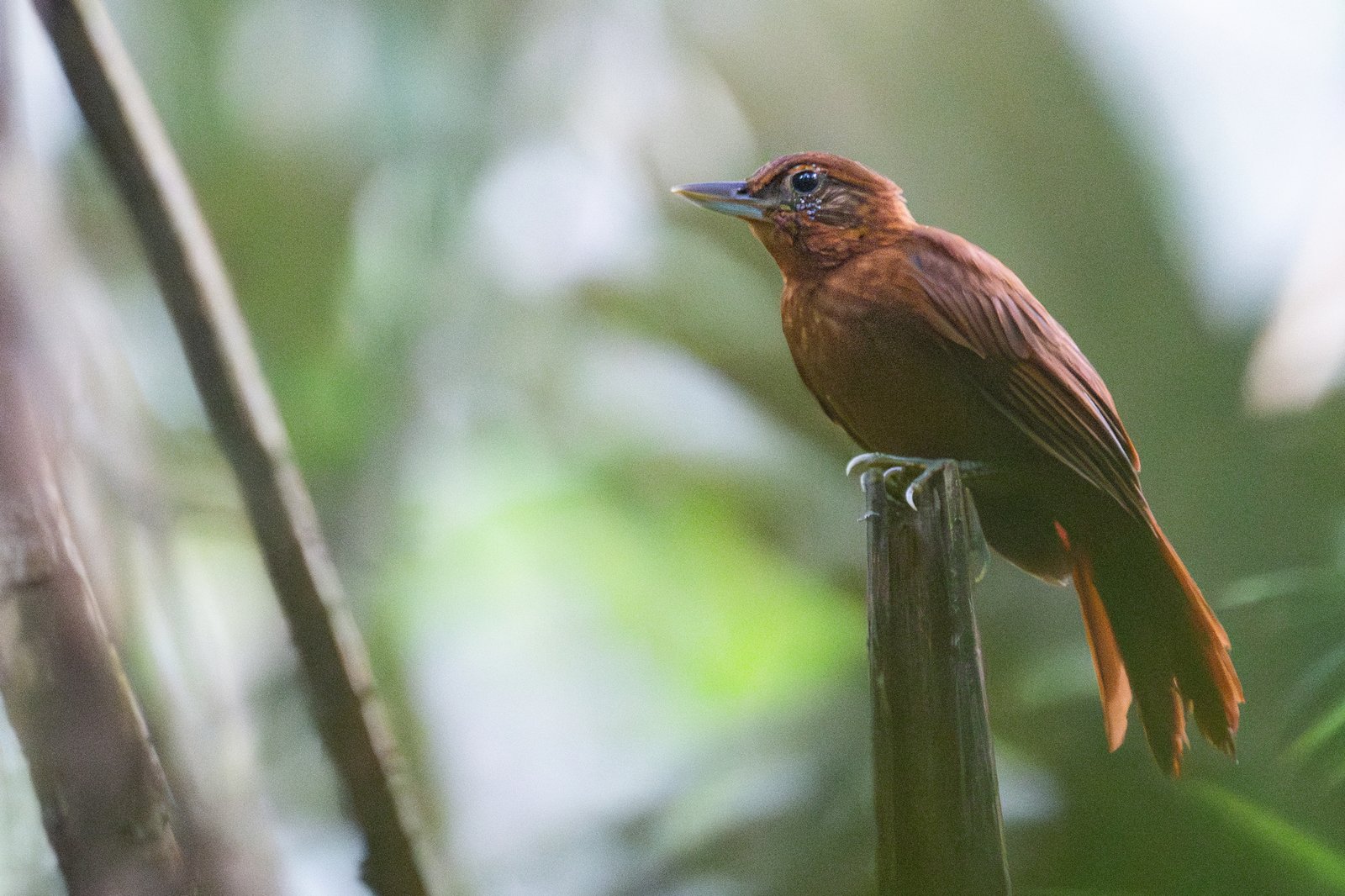
Peruvian Recurvebill
Syndactyla ucayalae- Bamboo forest
- Amazonian terra firme rainforest
- Várzea, igapó and river islands
- Secondary forest and forest edge
-
Bolivian Recurvebill
Syndactyla striata- Lower Yungas forest
- Eastern Andean foothill forest
- Bamboo forest
Synallaxis 26 species
-

Ochre-cheeked Spinetail
Synallaxis scutata- Chiquitano dry forest and Chaco
- Central Andean dry valleys
- Beni savanna and cerrado
- Secondary forest and forest edge
-
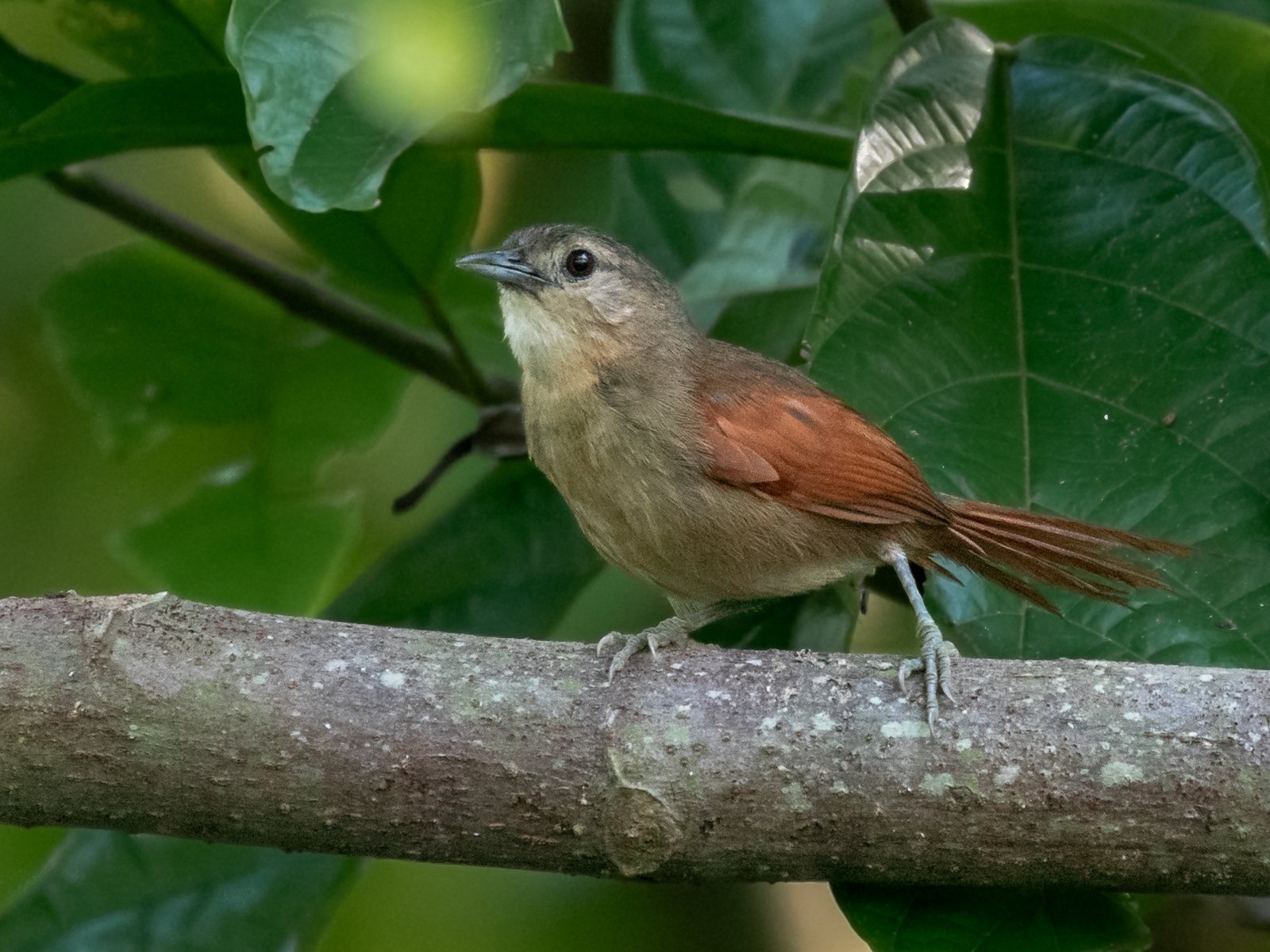
Plain-crowned Spinetail
Synallaxis gujanensis- Várzea, igapó and river islands
- Secondary forest and forest edge
- Lowland rivers and sandbars
- Pasture and ranchland
-
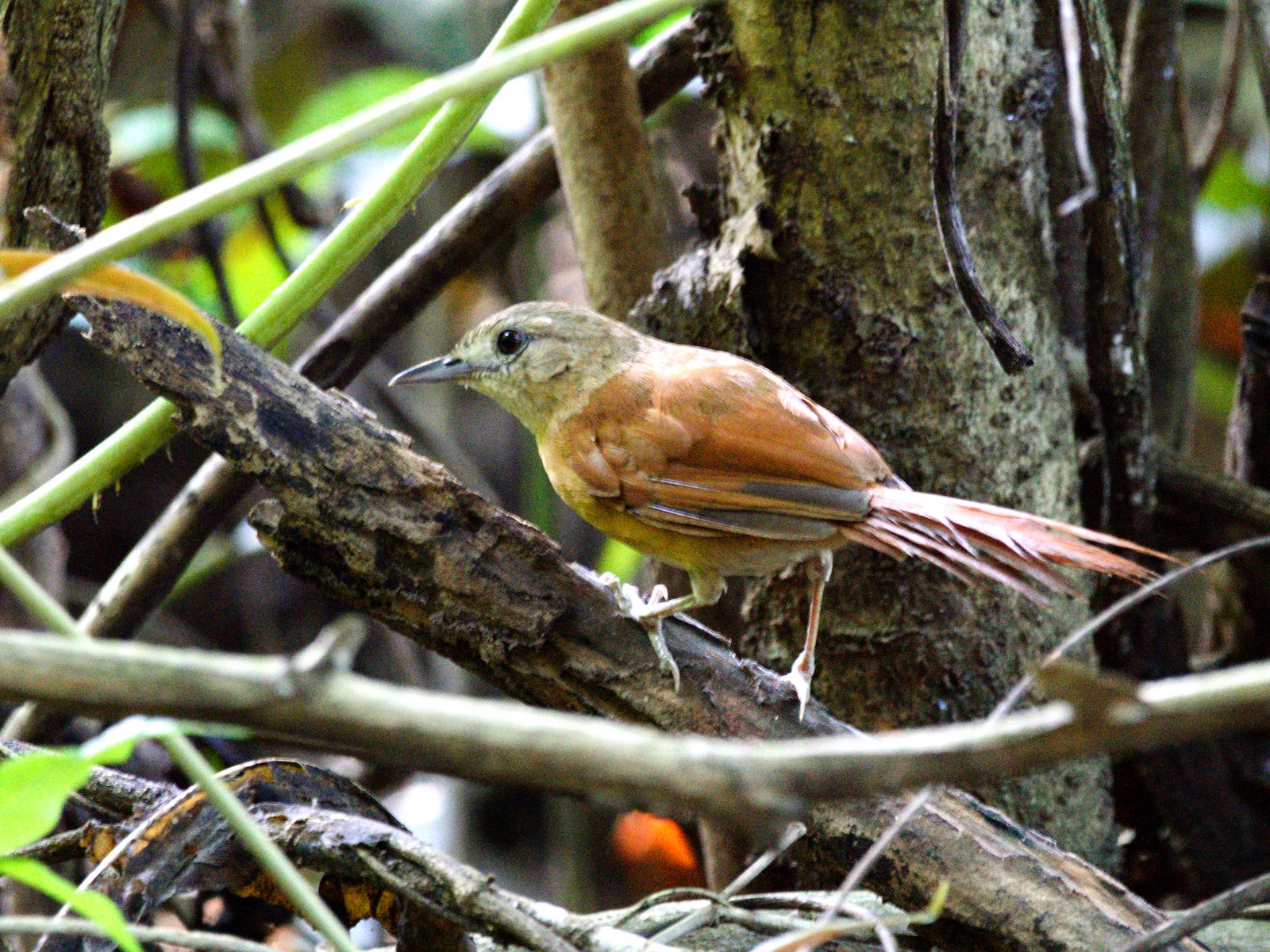
White-lored Spinetail
Synallaxis albilora- Beni savanna and cerrado
- Chiquitano dry forest and Chaco
- Secondary forest and forest edge
- Lowland marshes and wet meadows
-
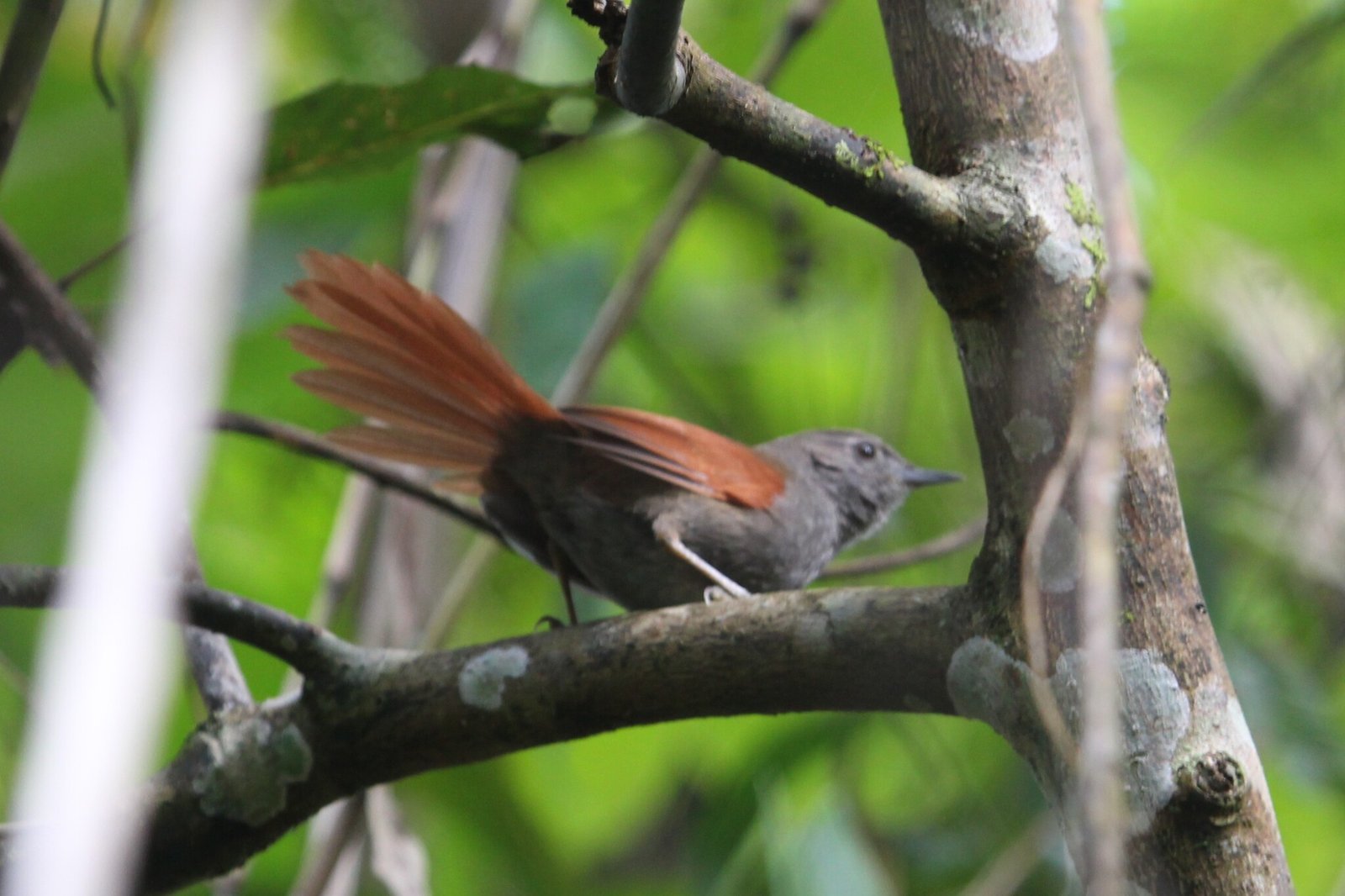
Maranon Spinetail
Synallaxis maranonica- Marañón and northern inter-Andean dry forest
- Riparian woodland of the Andes and coastal valleys
- Secondary forest and forest edge
-
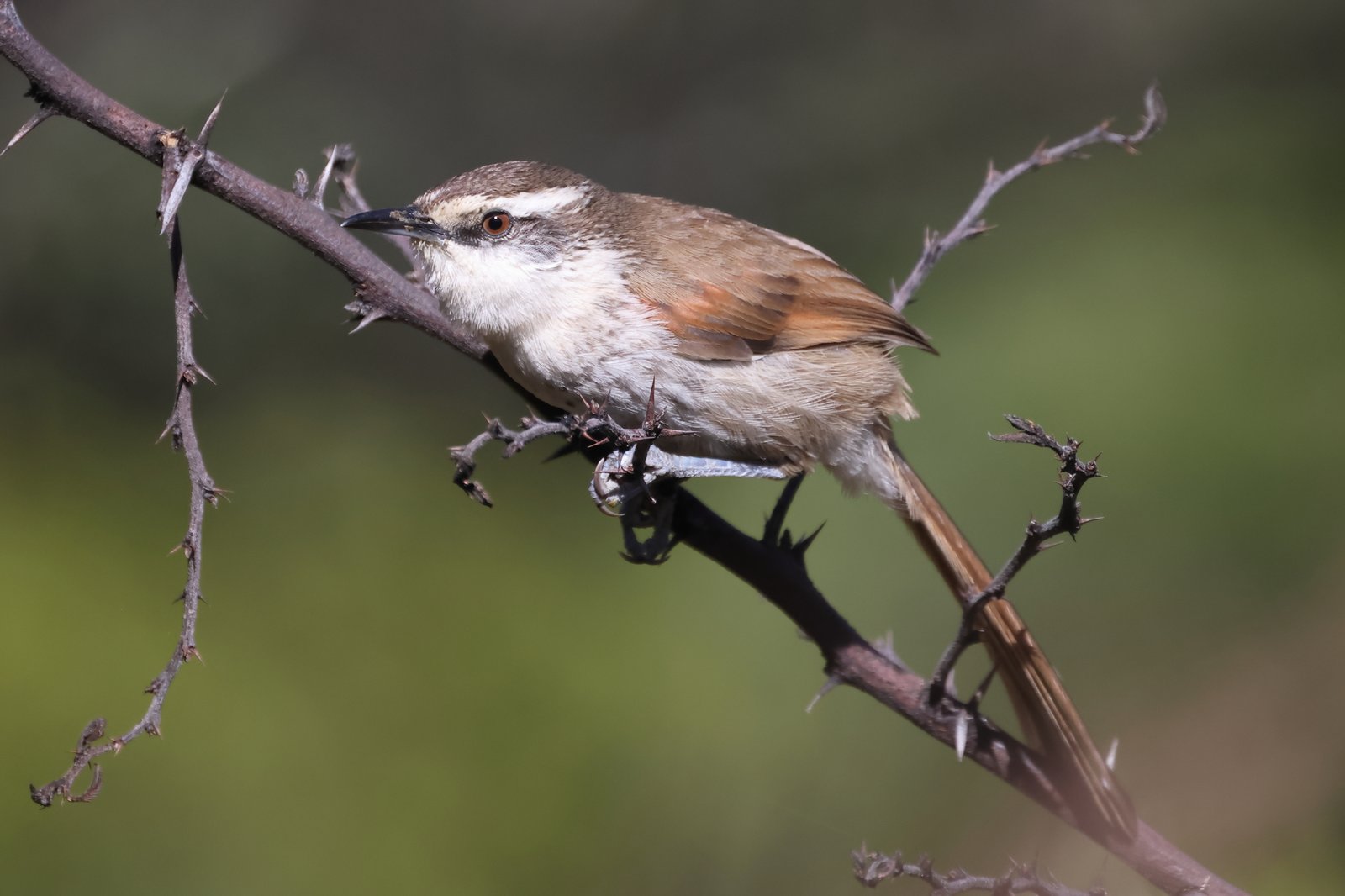
Great Spinetail
Synallaxis hypochondriaca- Marañón and northern inter-Andean dry forest
- Central Andean dry valleys
- Cliffs, gorges and canyons
-
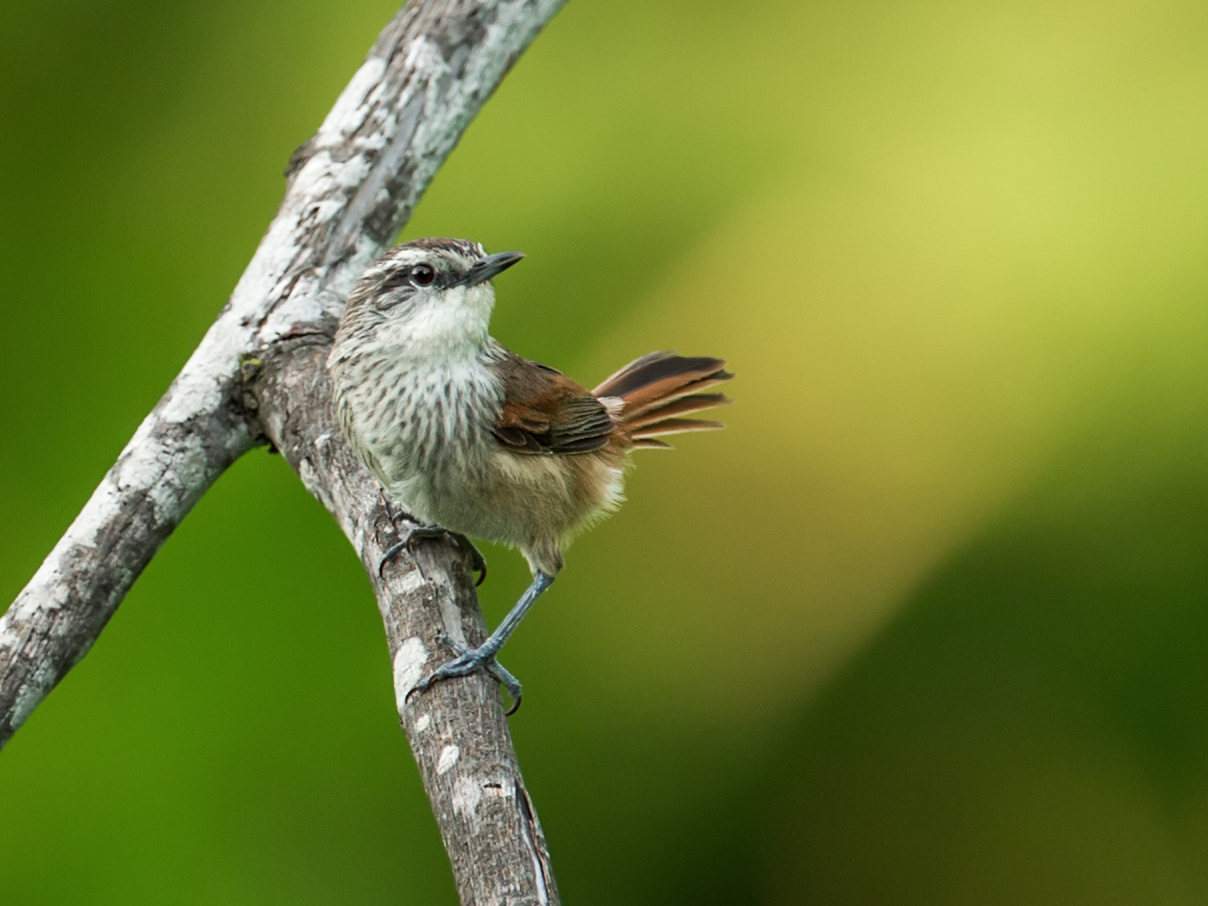
Necklaced Spinetail
Synallaxis stictothorax- Tumbesian dry forest and thorn scrub
- Secondary forest and forest edge
-
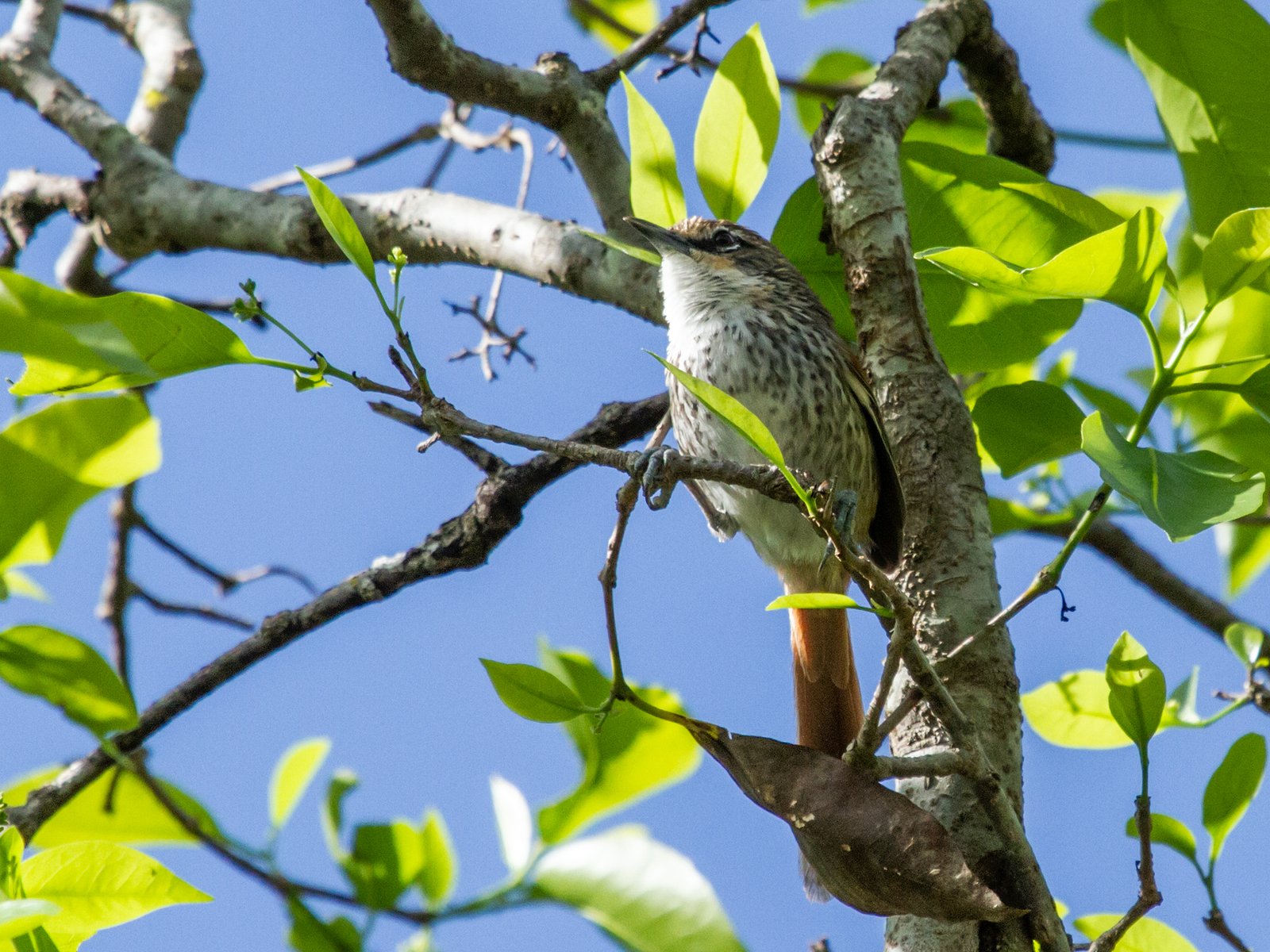
Chinchipe Spinetail
Synallaxis chinchipensis- Marañón and northern inter-Andean dry forest
- Secondary forest and forest edge
-
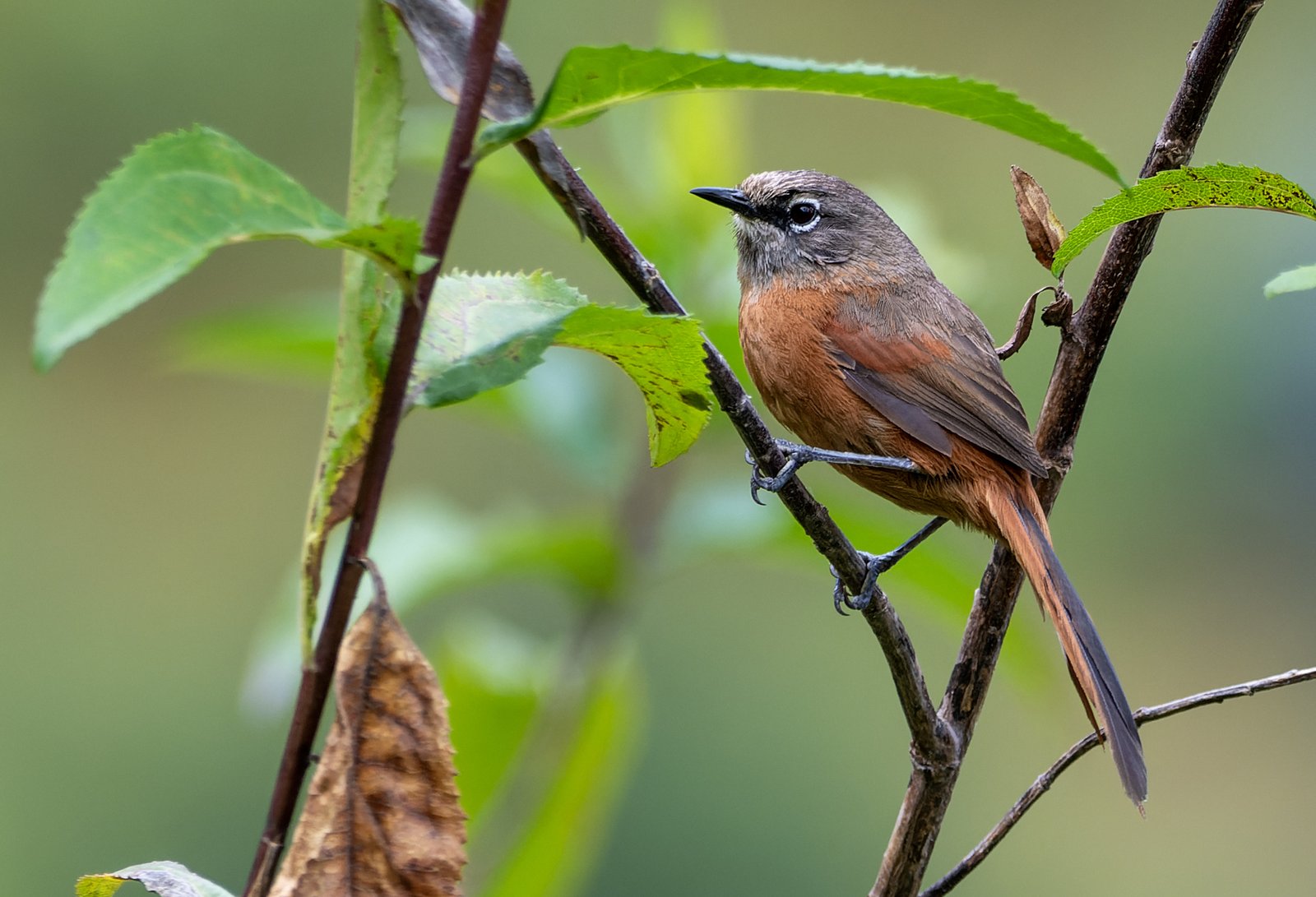
Russet-bellied Spinetail
Synallaxis zimmeri- Central Andean dry valleys
- Riparian woodland of the Andes and coastal valleys
- Cliffs, gorges and canyons
-
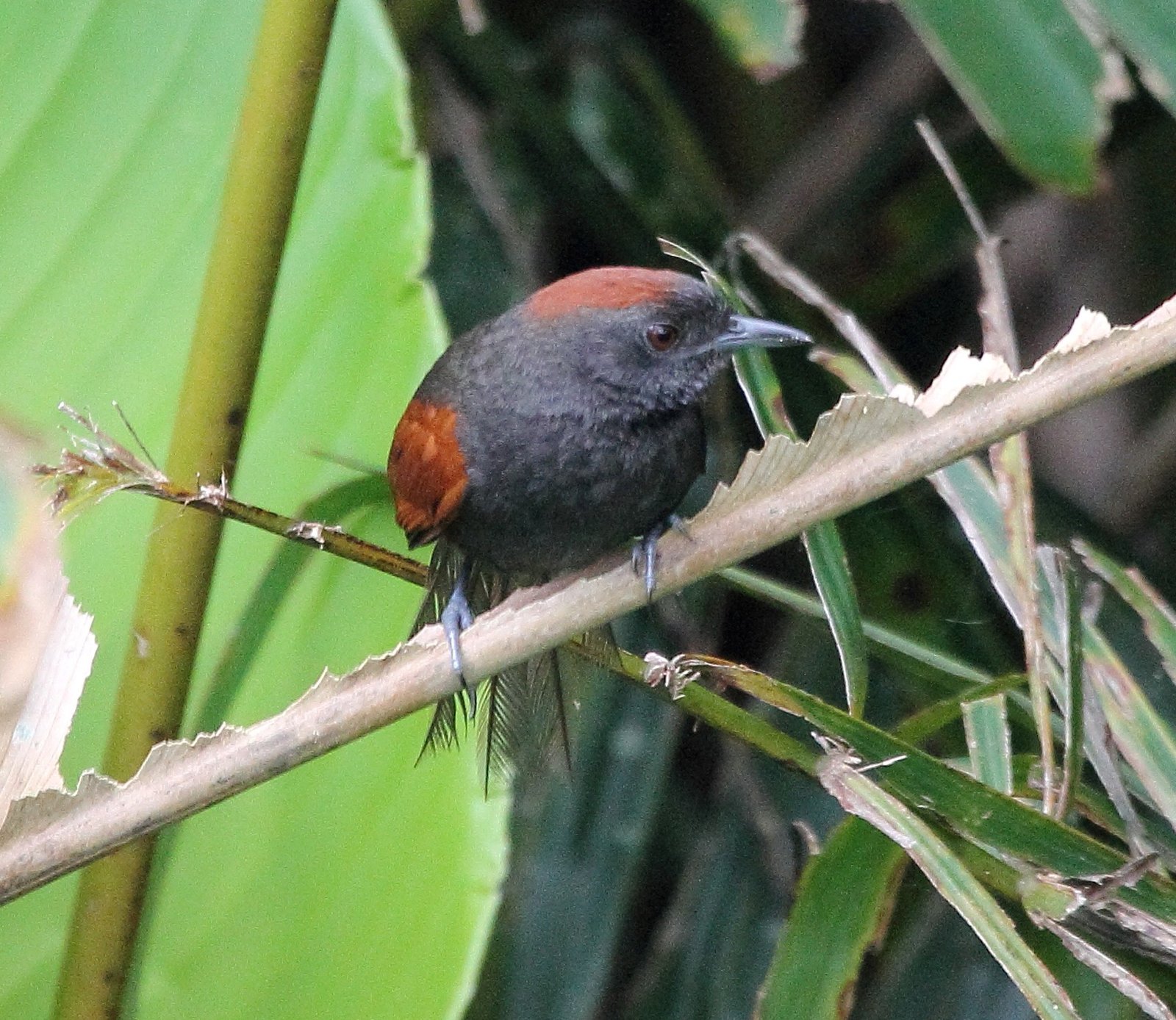
Slaty Spinetail
Synallaxis brachyura- Secondary forest and forest edge
- Western Ecuador humid forest
- Chocó rainforest
- Riparian woodland of the Andes and coastal valleys
- Coffee, cacao and agroforestry
-
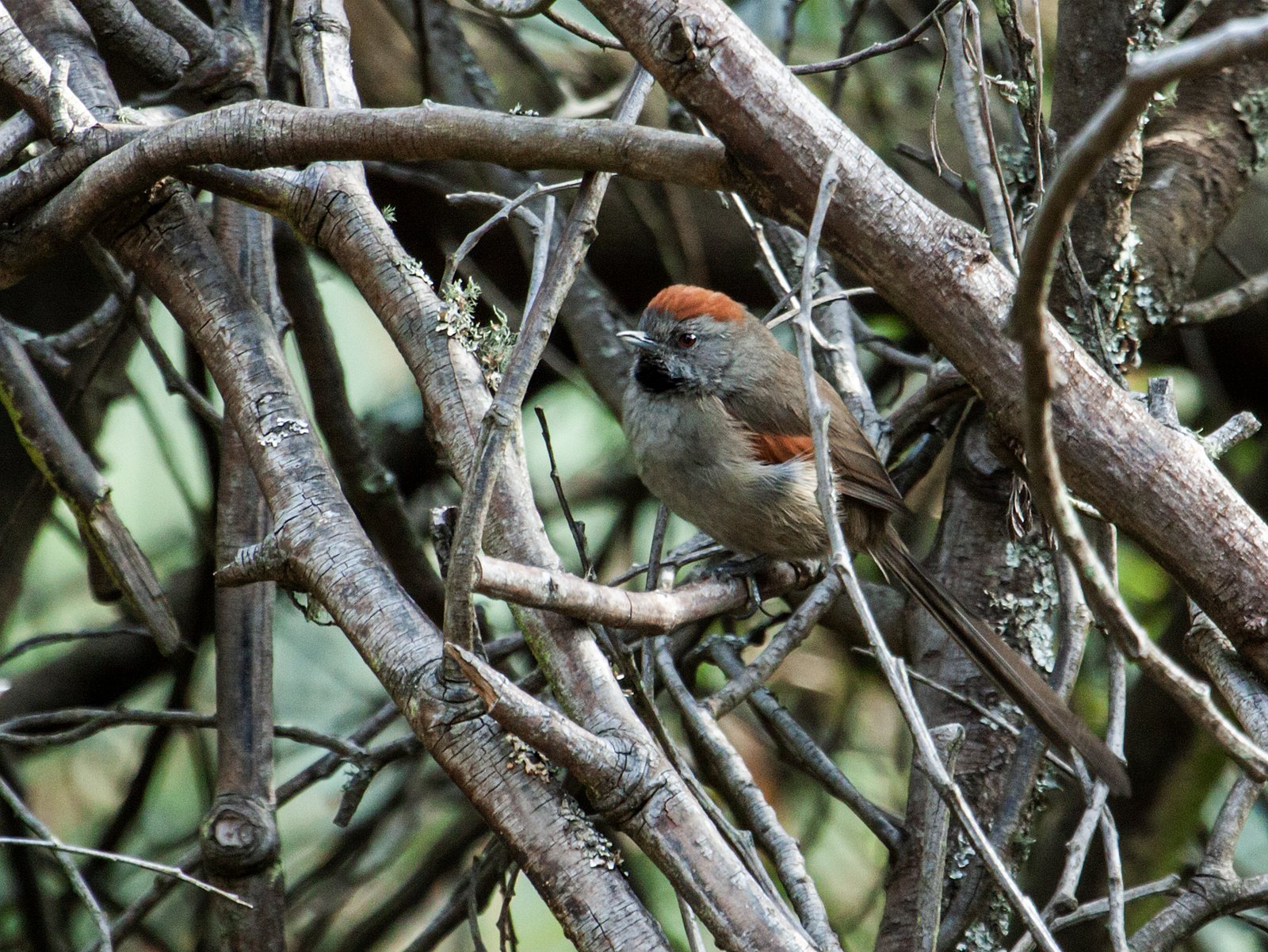
Silvery-throated Spinetail
Synallaxis subpudica- Northern Andean cloud forest and temperate forest
- Secondary forest and forest edge
- Northern Andean subtropical forest
- Pasture and ranchland
-
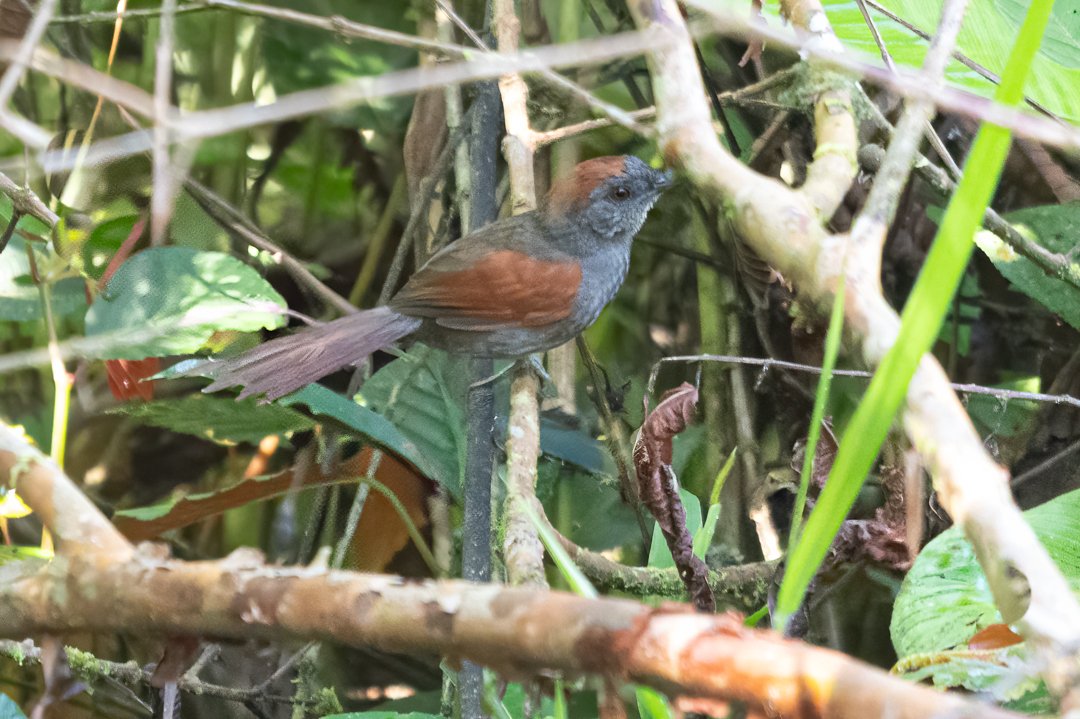
Dusky Spinetail
Synallaxis moesta- Eastern Andean foothill forest
- Secondary forest and forest edge
- Riparian woodland of the Andes and coastal valleys
- Bamboo forest
-
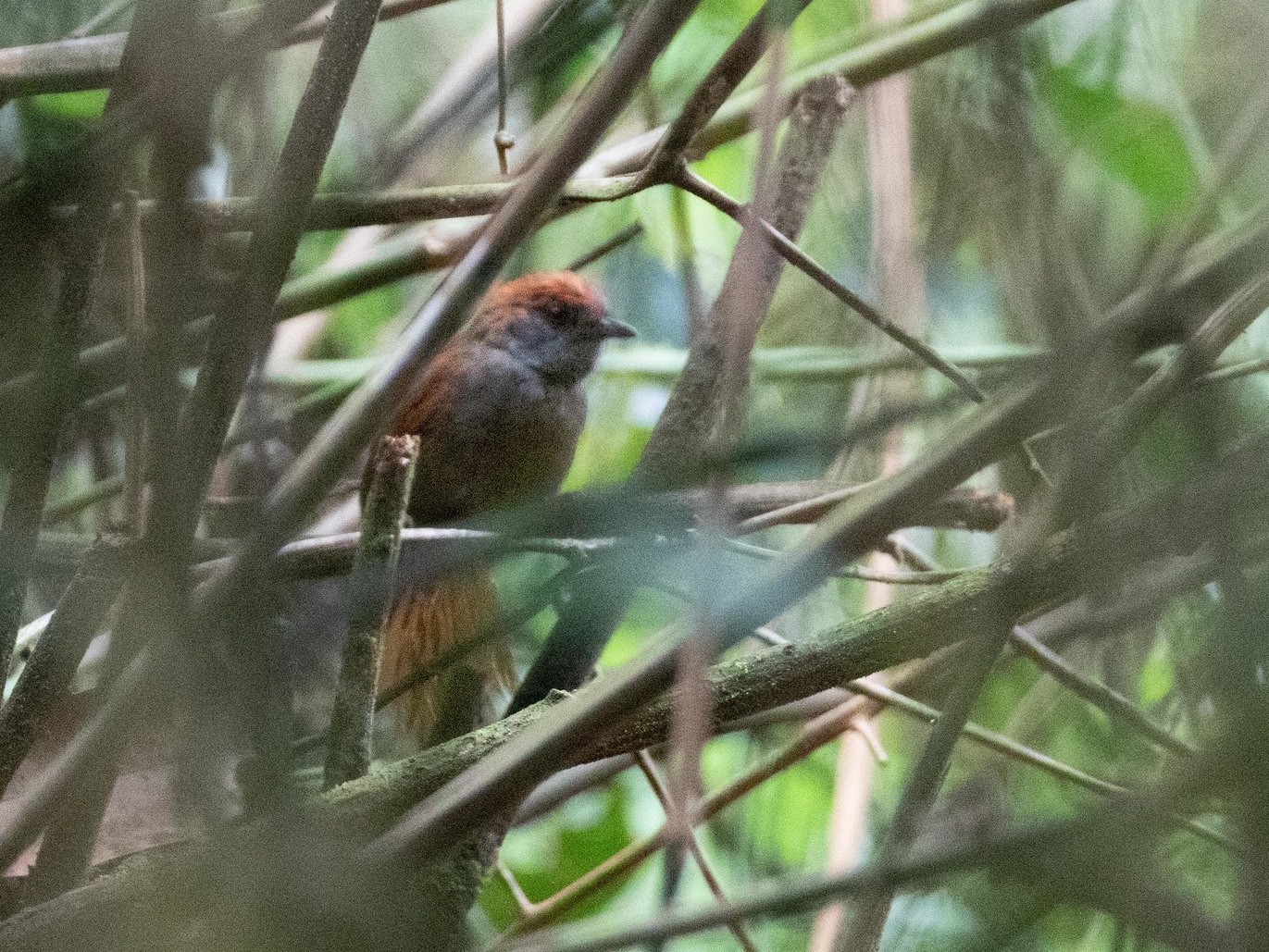
Cabanis's Spinetail
Synallaxis cabanisi- Secondary forest and forest edge
- Bamboo forest
- Eastern Andean foothill forest
- Várzea, igapó and river islands
-

Cinereous-breasted Spinetail
Synallaxis hypospodia- Beni savanna and cerrado
- Lowland marshes and wet meadows
-
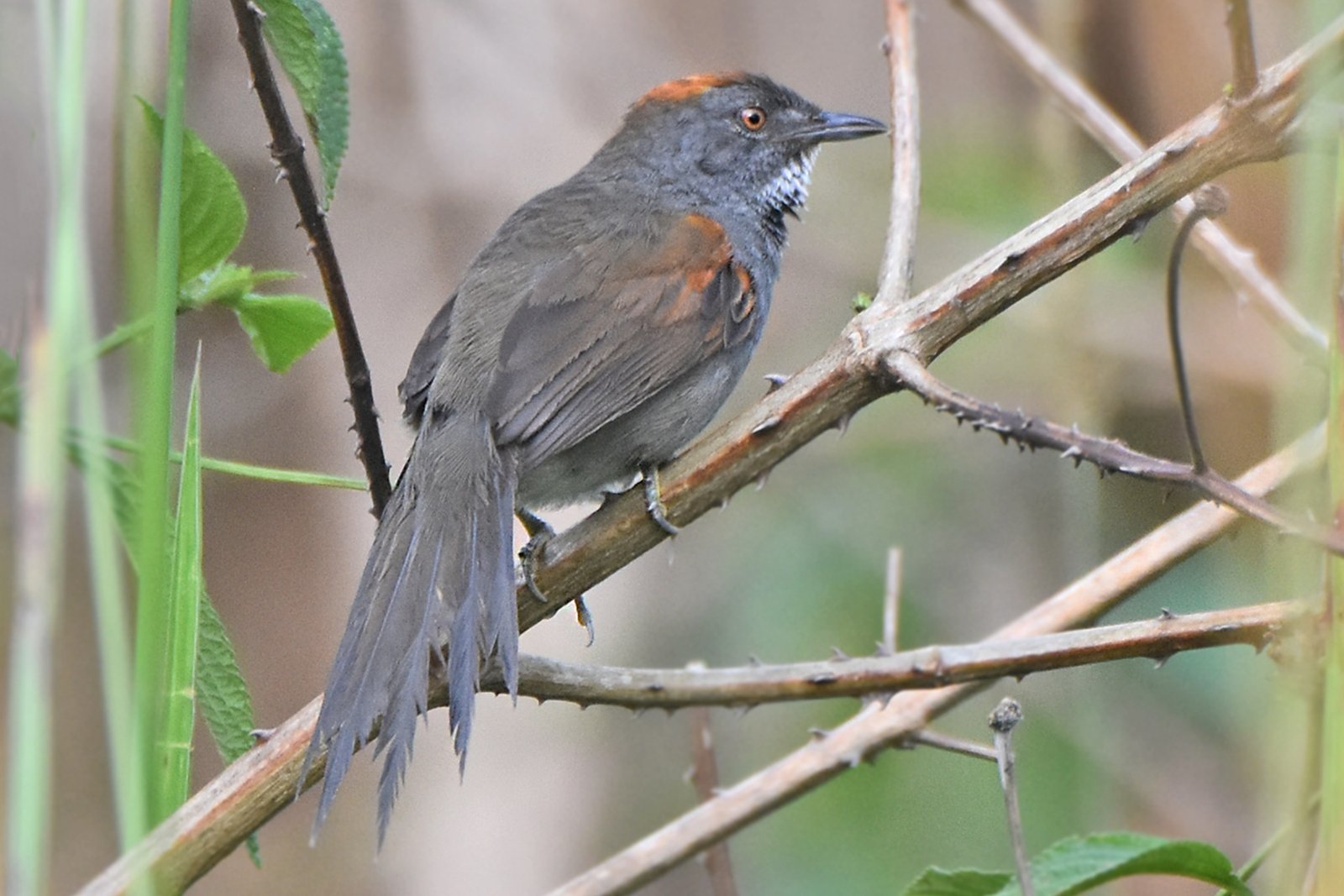
Dark-breasted Spinetail
Synallaxis albigularis- Várzea, igapó and river islands
- Secondary forest and forest edge
- Pasture and ranchland
-
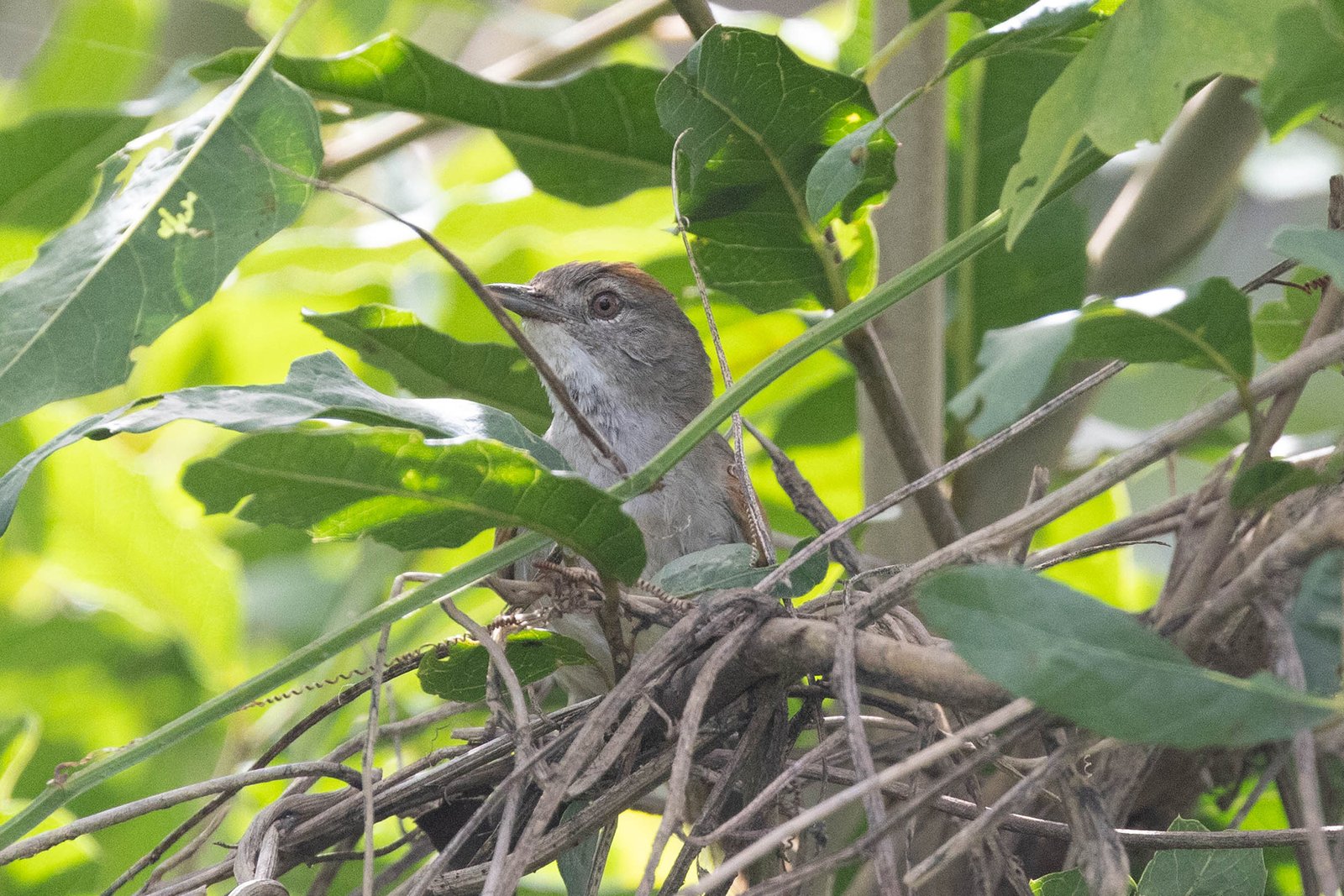
Rio Orinoco Spinetail
Synallaxis beverlyae- Várzea, igapó and river islands
- Lowland rivers and sandbars
-
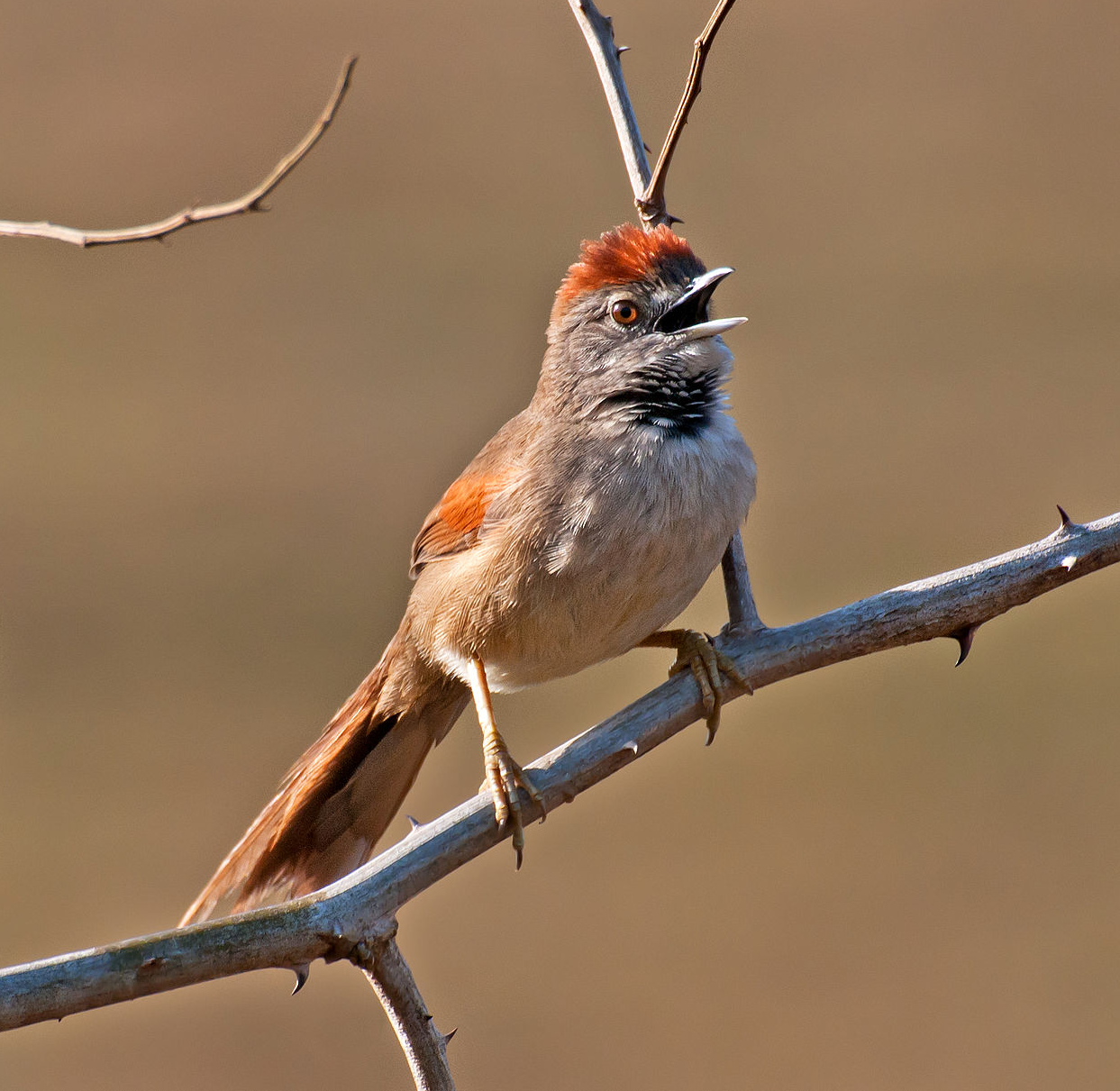
Pale-breasted Spinetail
Synallaxis albescens- Llanos savanna
- Pasture and ranchland
- Beni savanna and cerrado
- Lowland marshes and wet meadows
- Secondary forest and forest edge
-
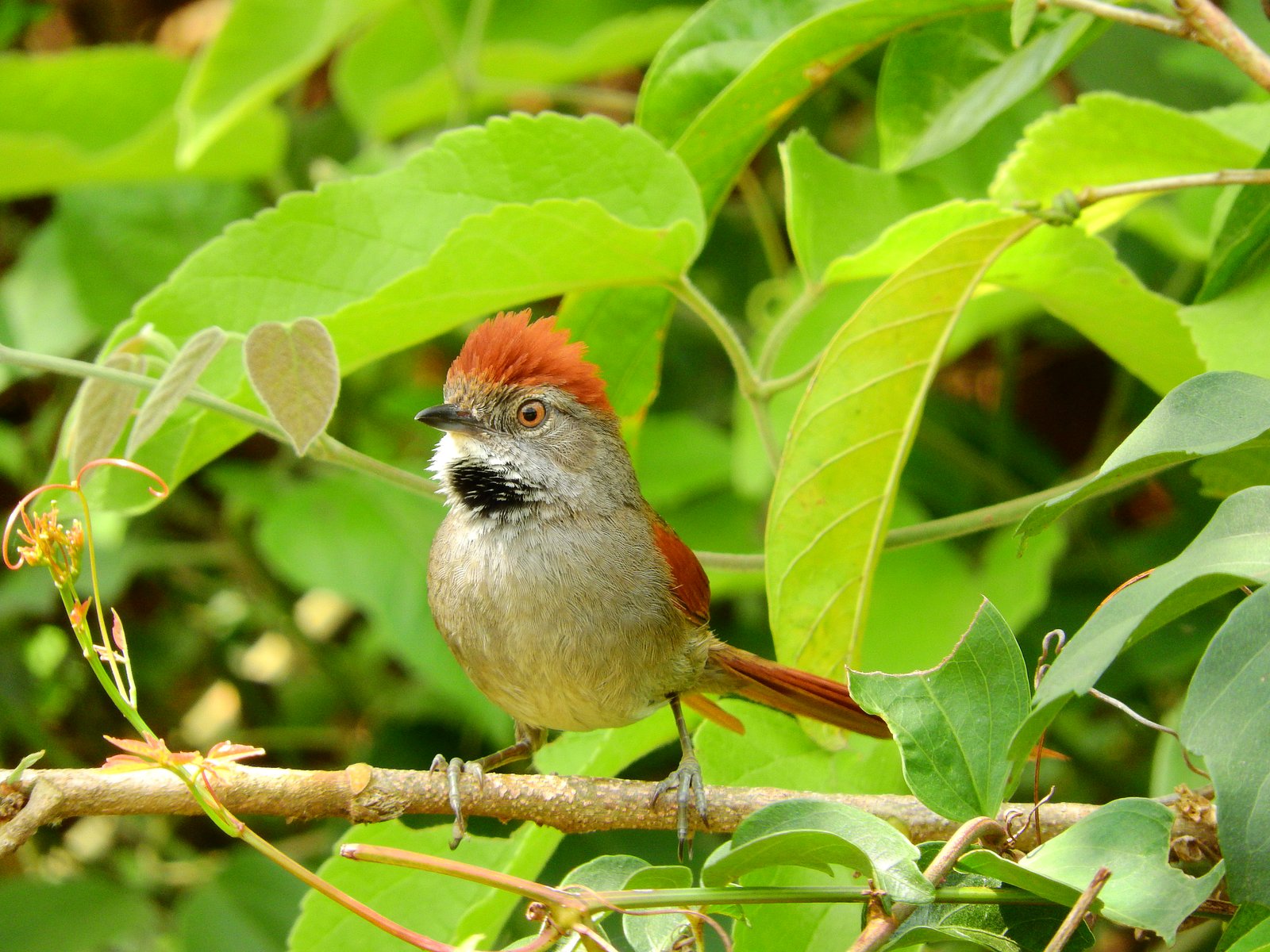
Sooty-fronted Spinetail
Synallaxis frontalis- Chiquitano dry forest and Chaco
- Secondary forest and forest edge
- Central Andean dry valleys
-
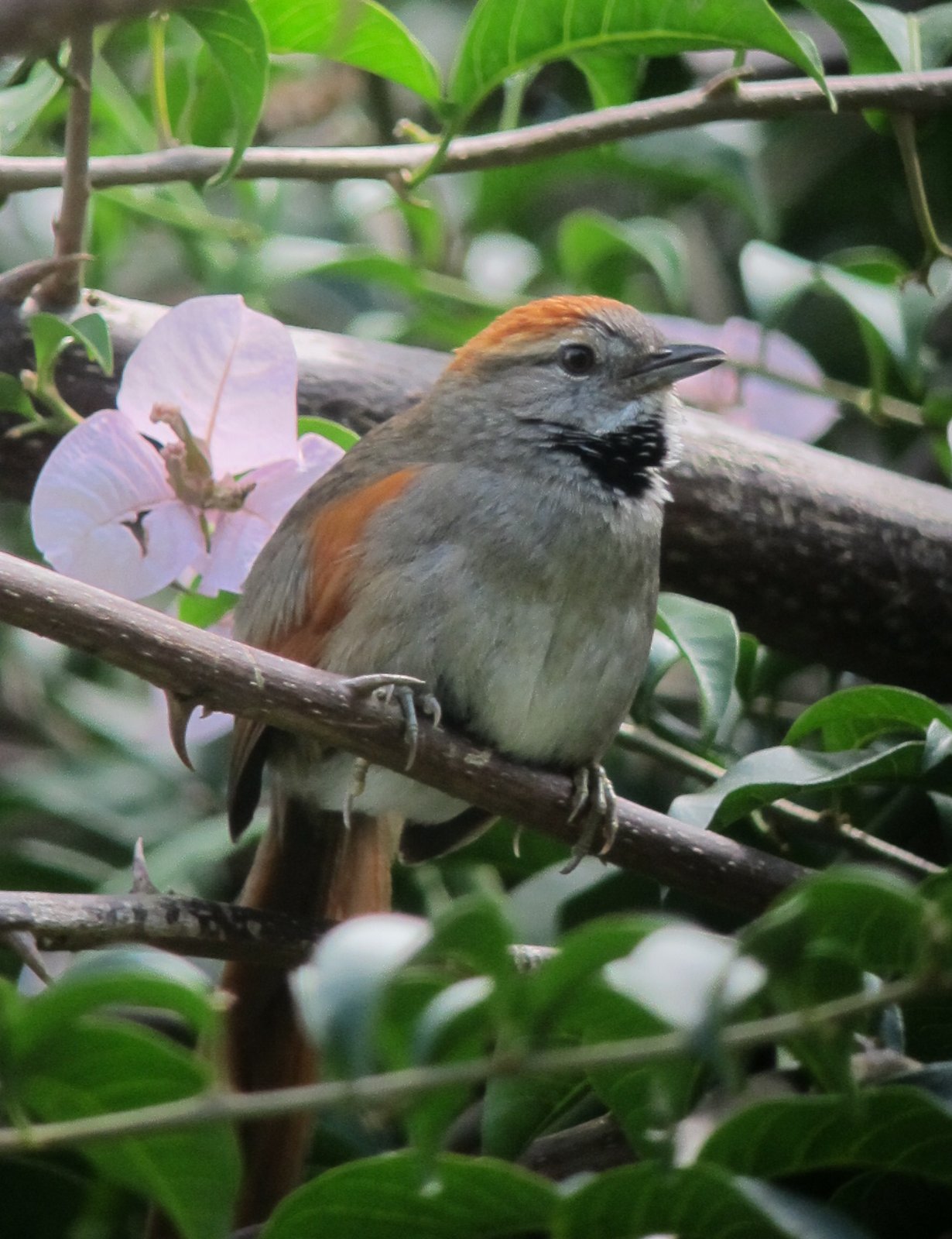
Azara's Spinetail
Synallaxis azarae- Secondary forest and forest edge
- Northern Andean cloud forest and temperate forest
- Upper Yungas cloud forest
- Northern Andean subtropical forest
- Lower Yungas forest
- Pasture and ranchland
-
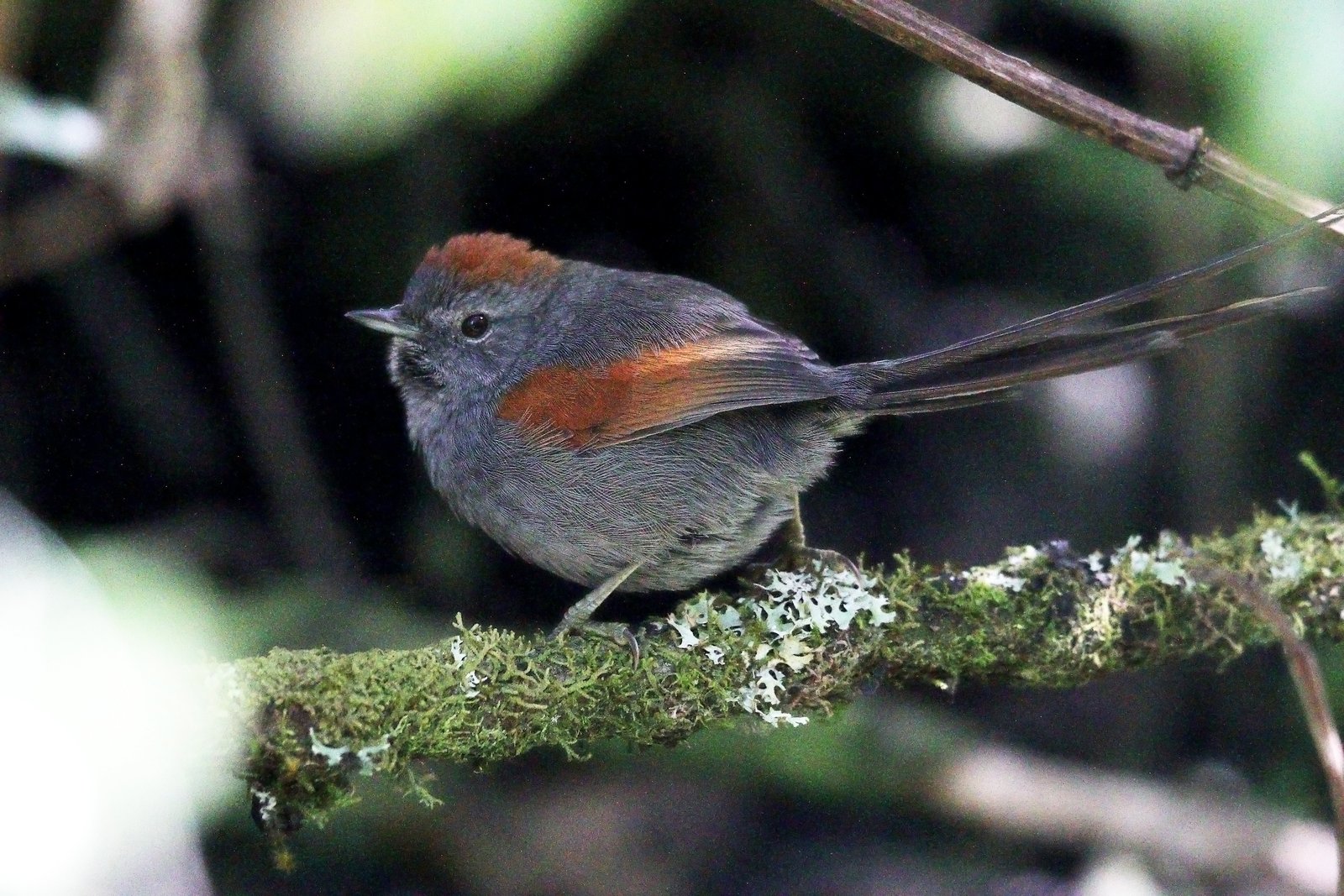
Apurimac Spinetail
Synallaxis courseni- Upper Yungas cloud forest
- Secondary forest and forest edge
-
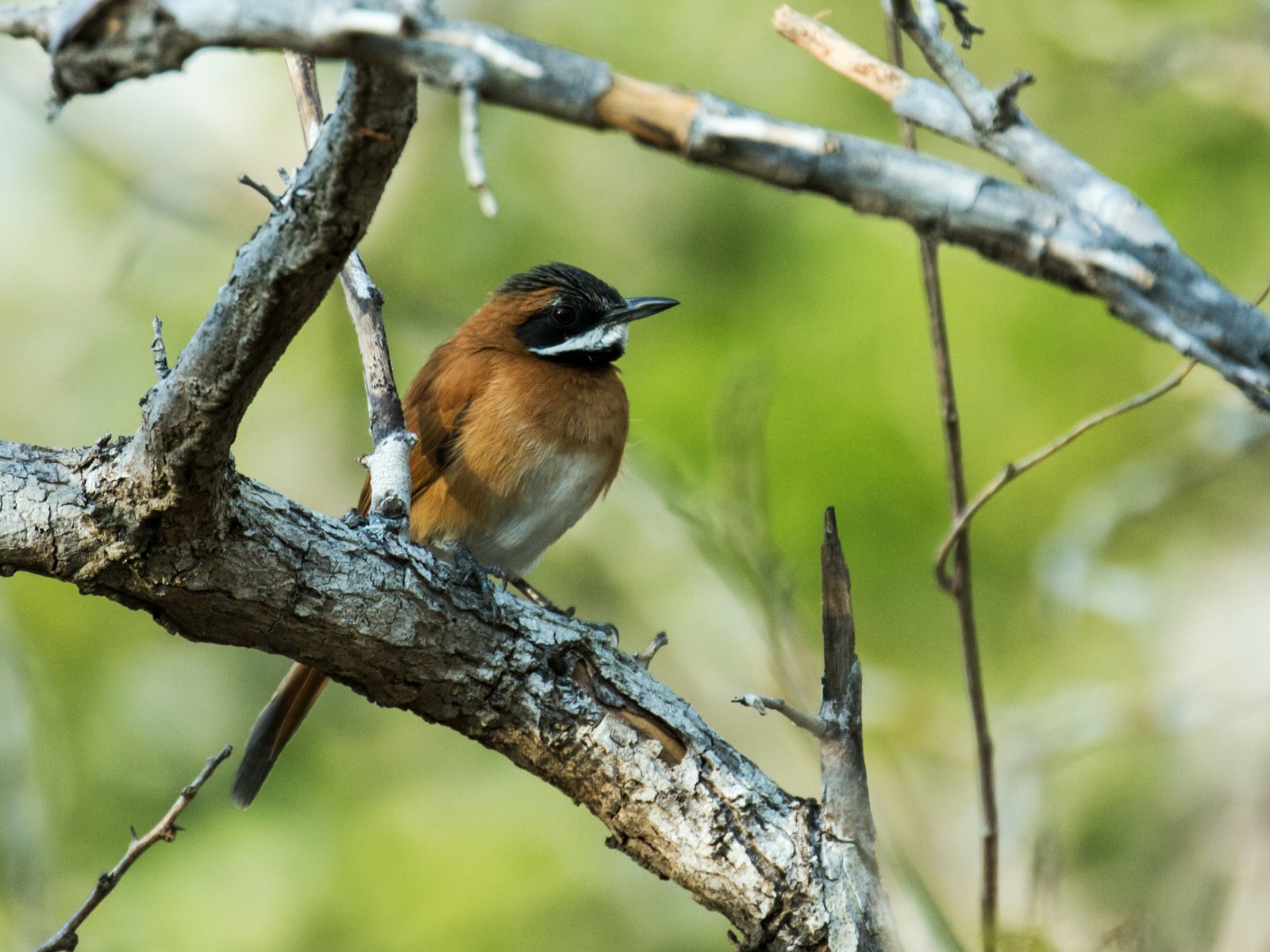
White-whiskered Spinetail
Synallaxis candei- Tumbesian dry forest and thorn scrub
- Secondary forest and forest edge
- Pasture and ranchland
- Mangrove
-
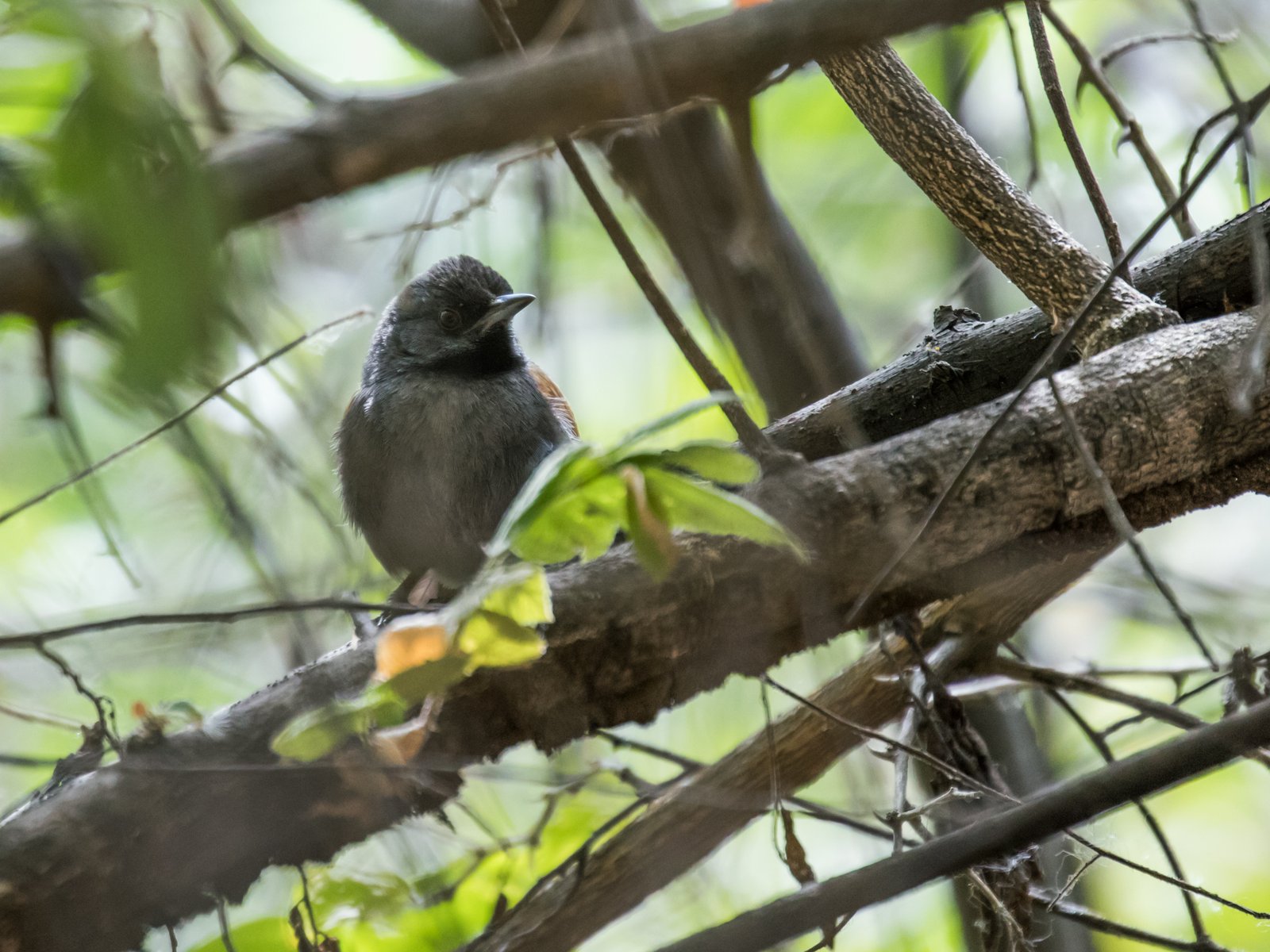
Blackish-headed Spinetail
Synallaxis tithys- Tumbesian dry forest and thorn scrub
- Secondary forest and forest edge
-
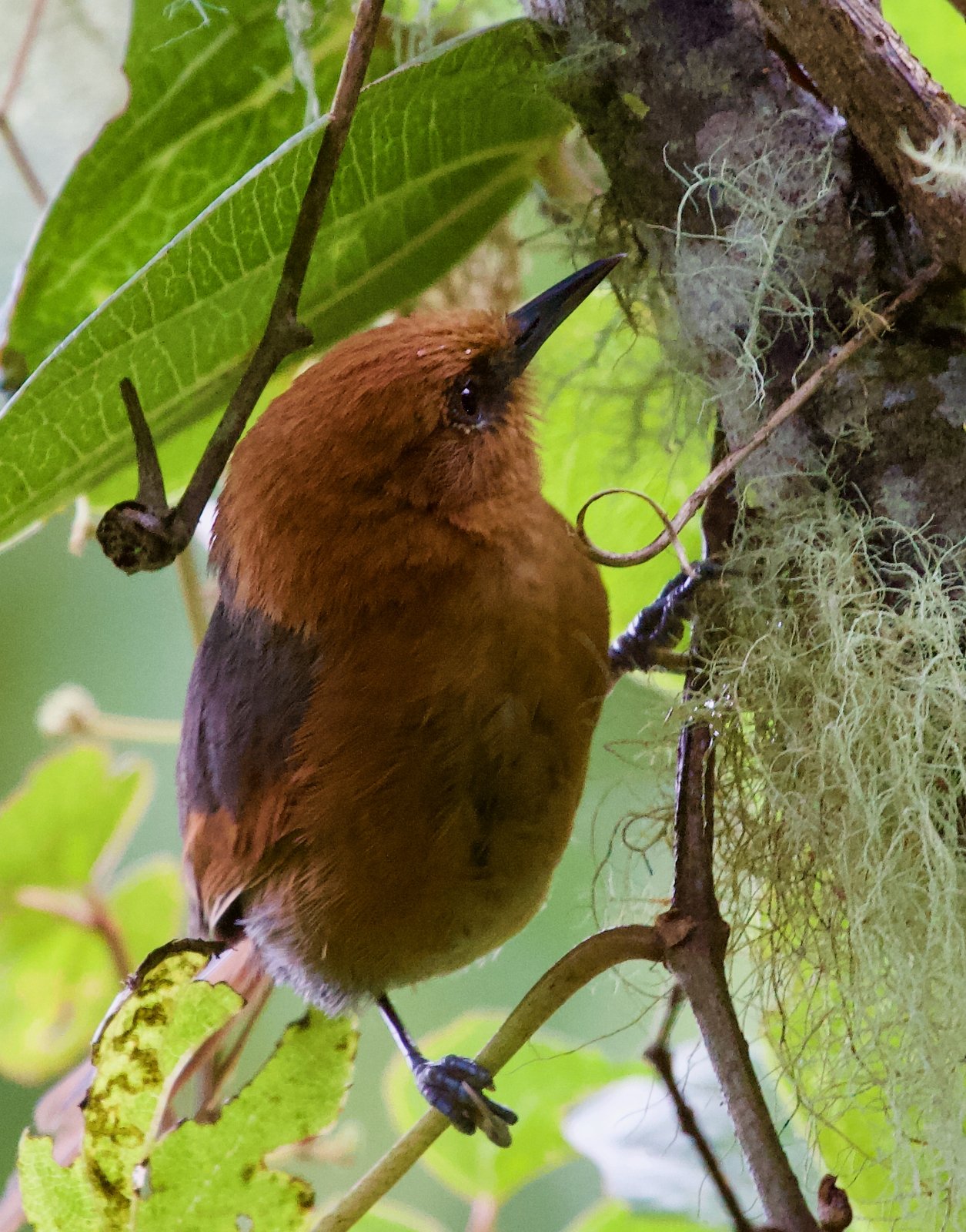
Rusty-headed Spinetail
Synallaxis fuscorufa- Northern Andean cloud forest and temperate forest
- Northern Andean subtropical forest
- Secondary forest and forest edge
-
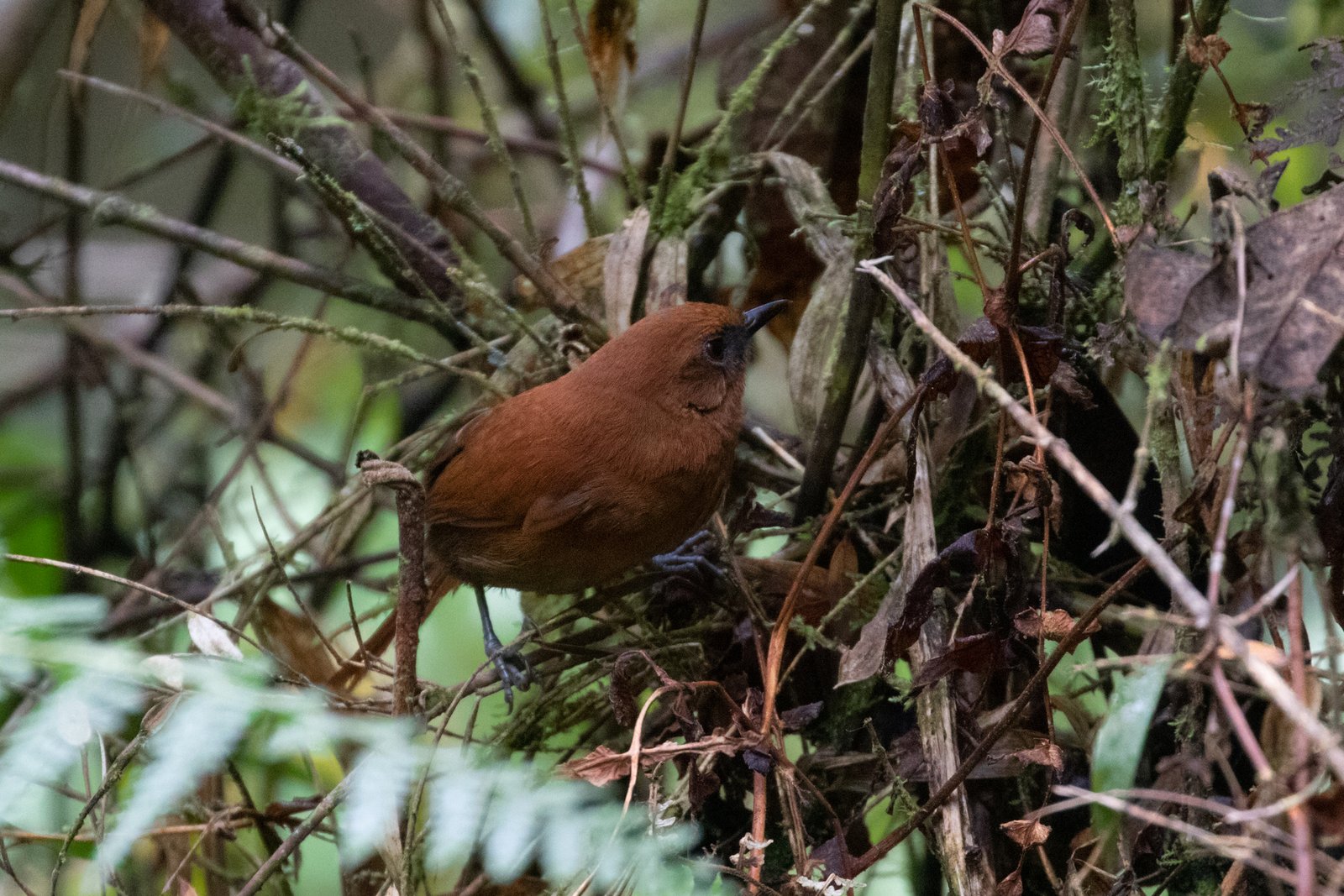
Rufous Spinetail
Synallaxis unirufa- Northern Andean cloud forest and temperate forest
- Upper Yungas cloud forest
- Secondary forest and forest edge
-
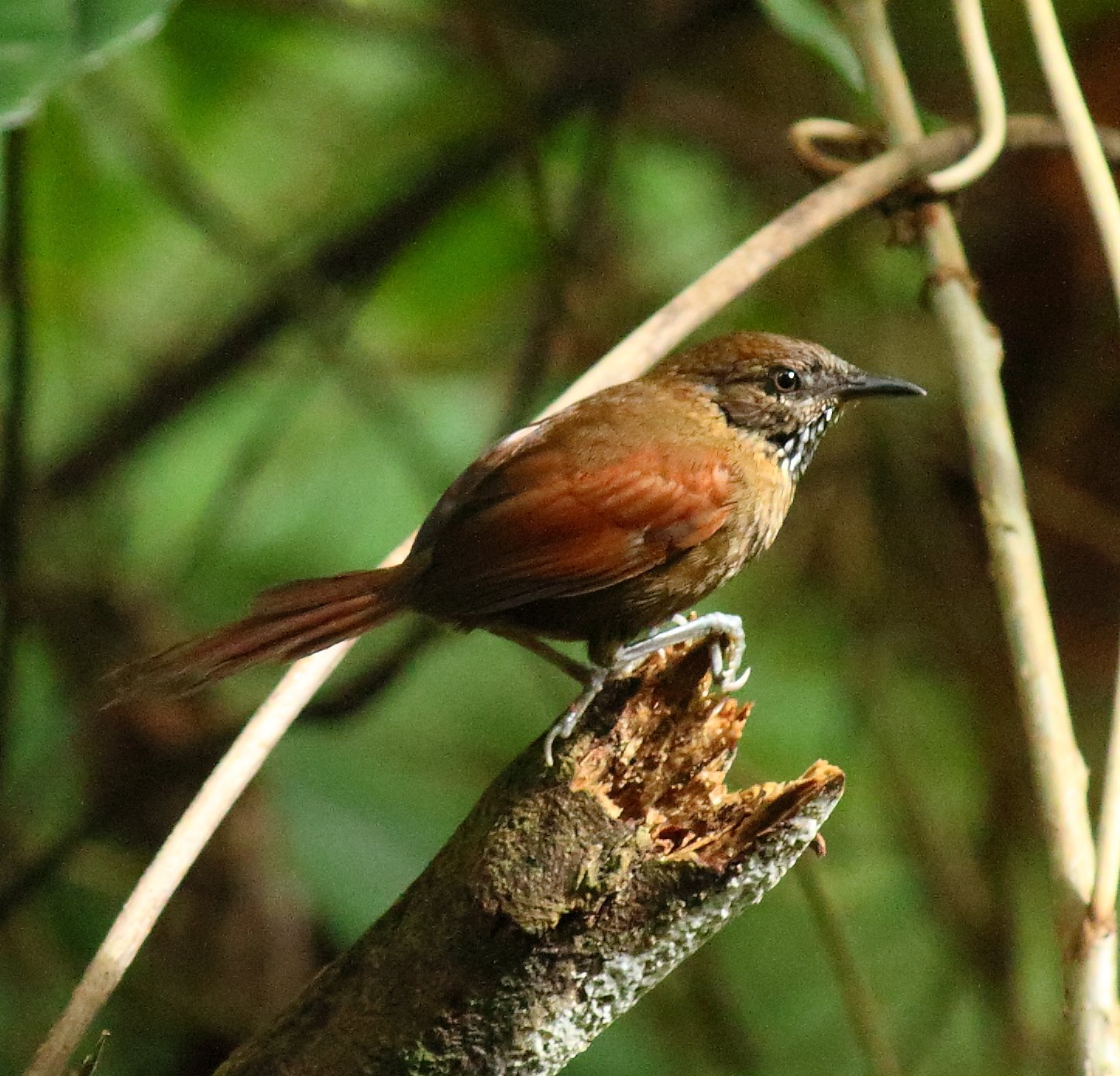
Stripe-breasted Spinetail
Synallaxis cinnamomea- Secondary forest and forest edge
- Northern Andean subtropical forest
- Marañón and northern inter-Andean dry forest
- Coffee, cacao and agroforestry
-
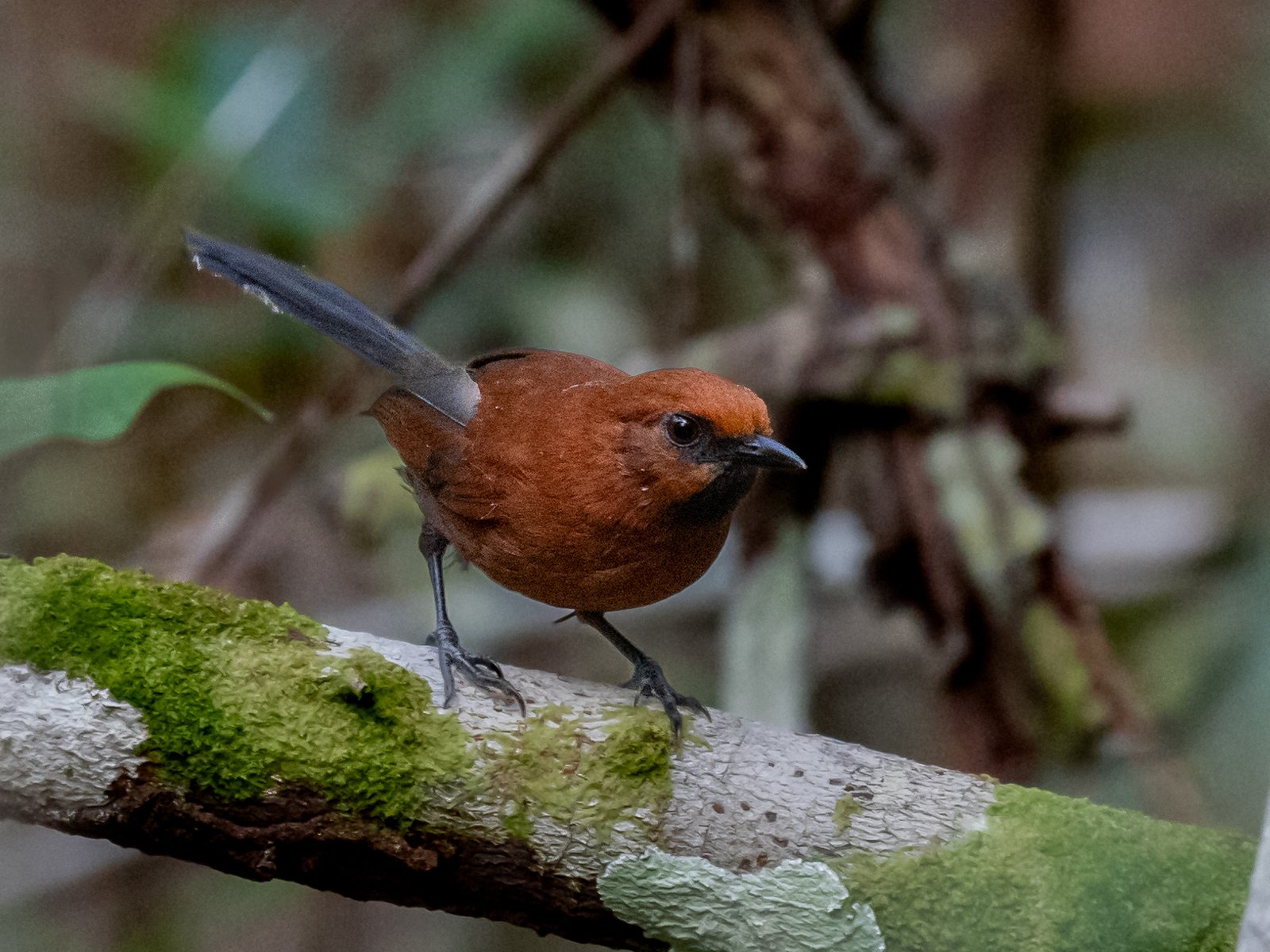
Ruddy Spinetail
Synallaxis rutilans- Amazonian terra firme rainforest
- Secondary forest and forest edge
- Eastern Andean foothill forest
-
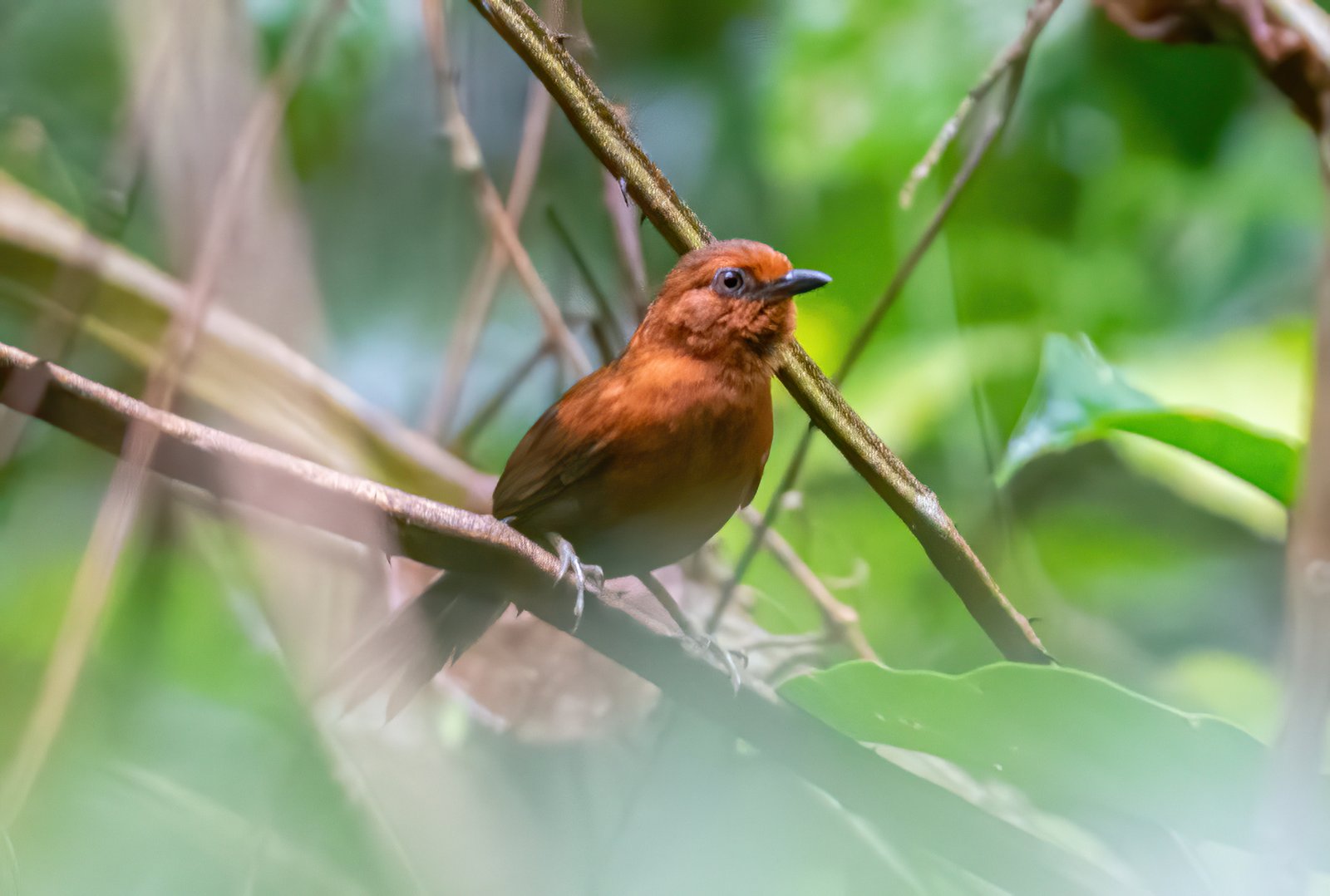
Chestnut-throated Spinetail
Synallaxis cherriei- Secondary forest and forest edge
- Eastern Andean foothill forest
- Amazonian terra firme rainforest
Certhiaxis 2 species
-
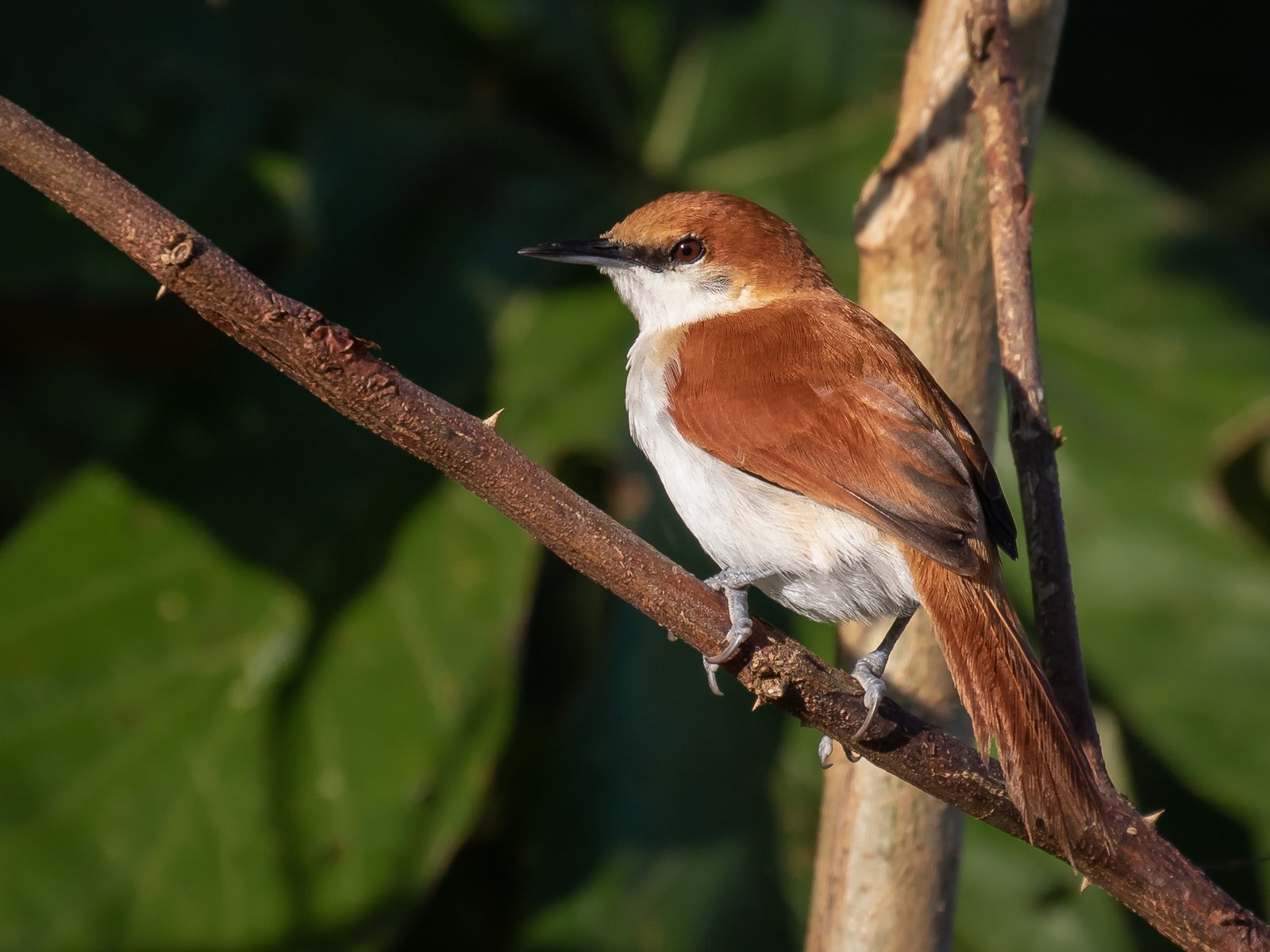
Red-and-white Spinetail
Certhiaxis mustelinus- Várzea, igapó and river islands
- Lowland marshes and wet meadows
- Lowland lakes and oxbows
- Lowland rivers and sandbars
-
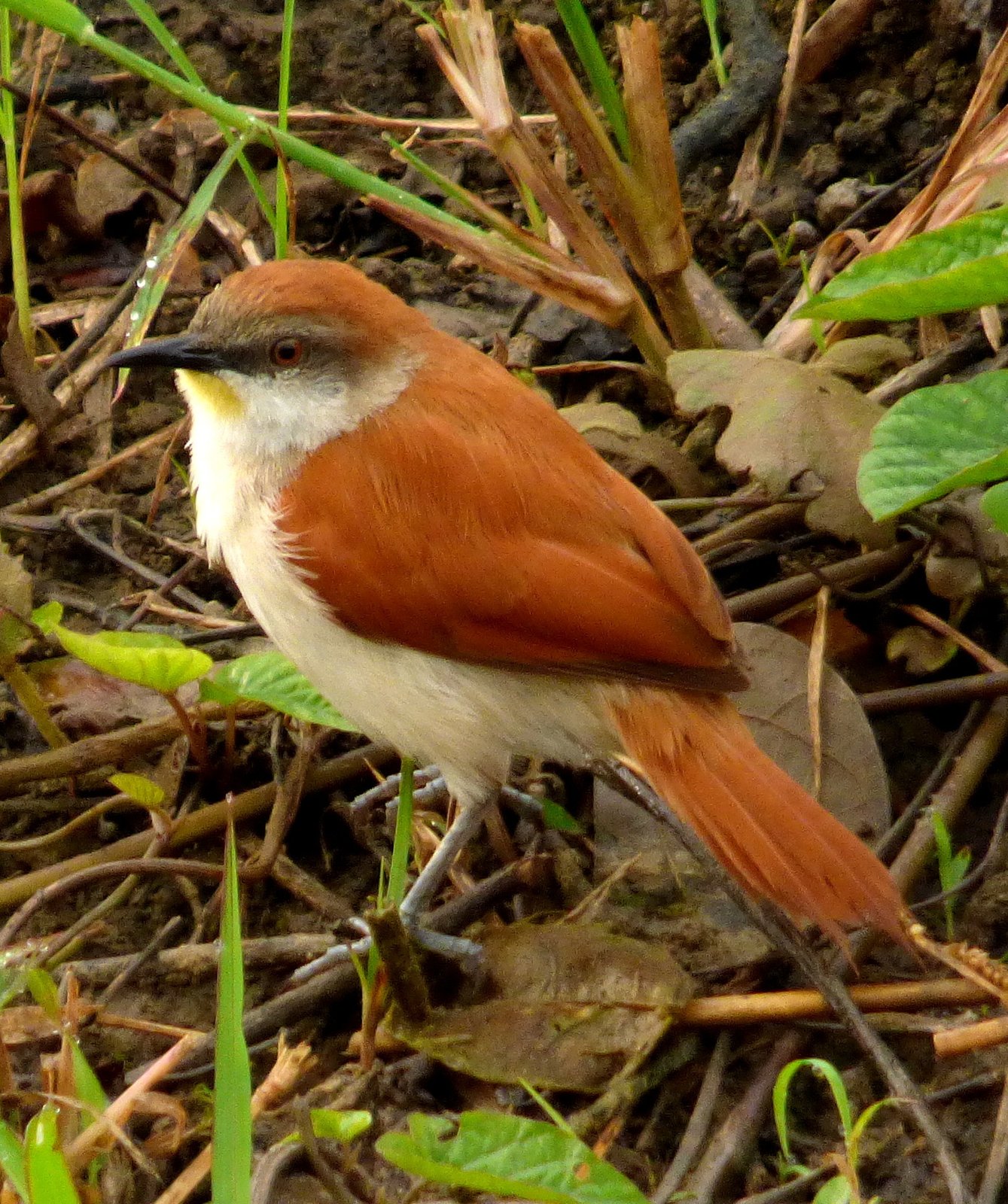
Yellow-chinned Spinetail
Certhiaxis cinnamomeus- Lowland marshes and wet meadows
- Lowland lakes and oxbows
 Irrigated farmland and rice fields
- Mangrove
- Llanos savanna
Hellmayrea 1 species
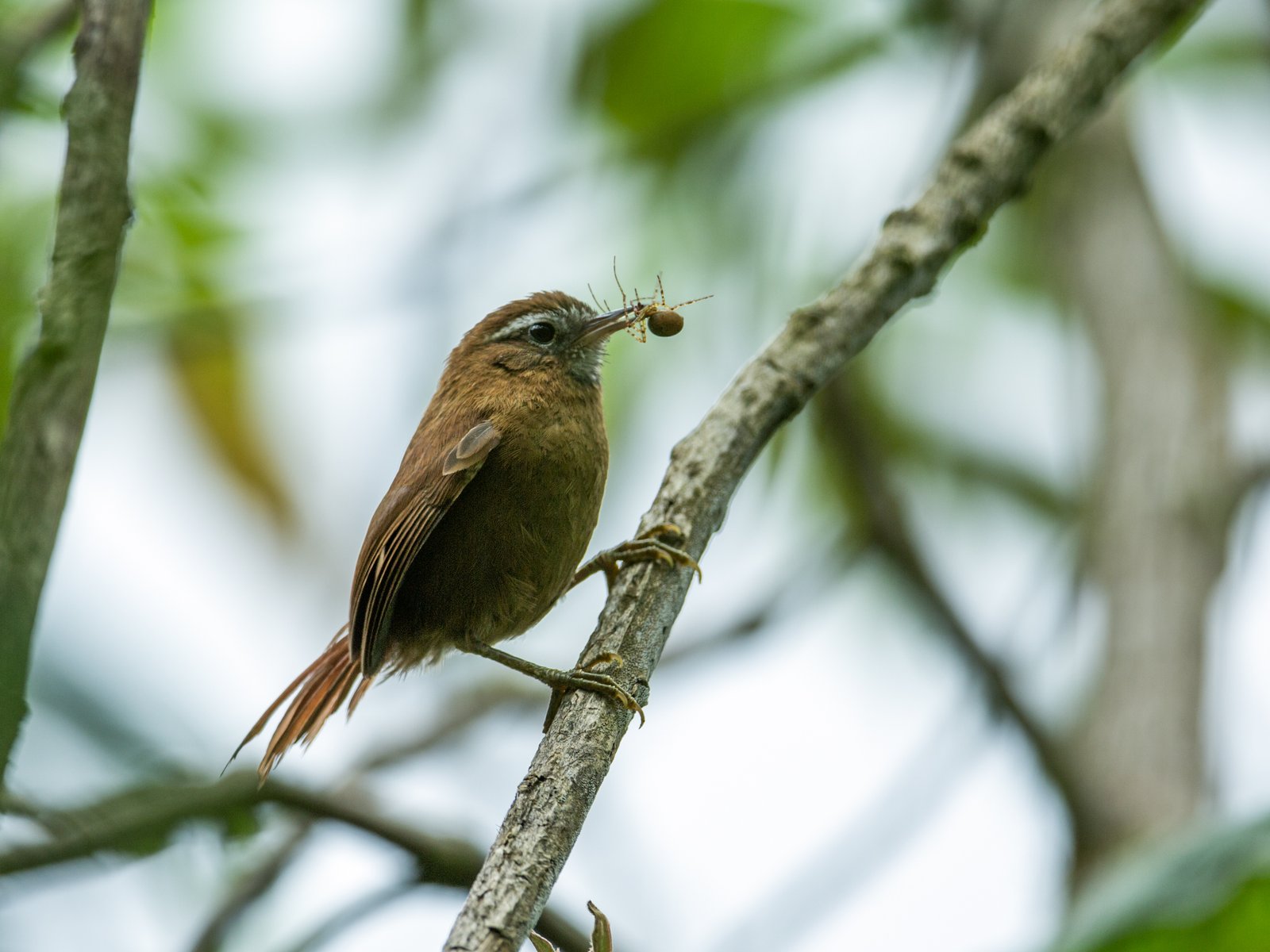
Cranioleuca 14 species
-
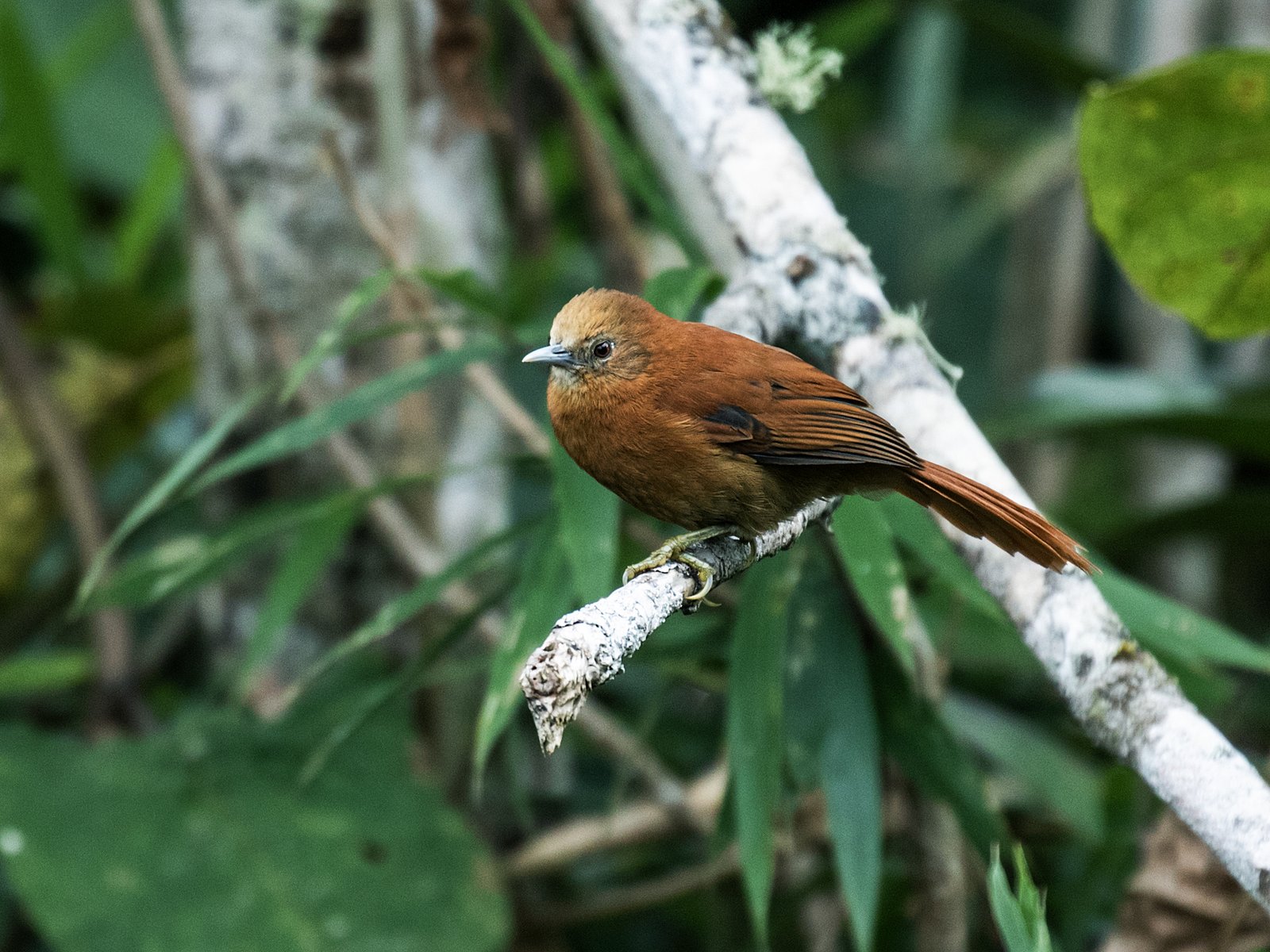
Russet-mantled Softtail
Cranioleuca berlepschi- Northern Andean cloud forest and temperate forest
- Bamboo forest
 Jalca
-
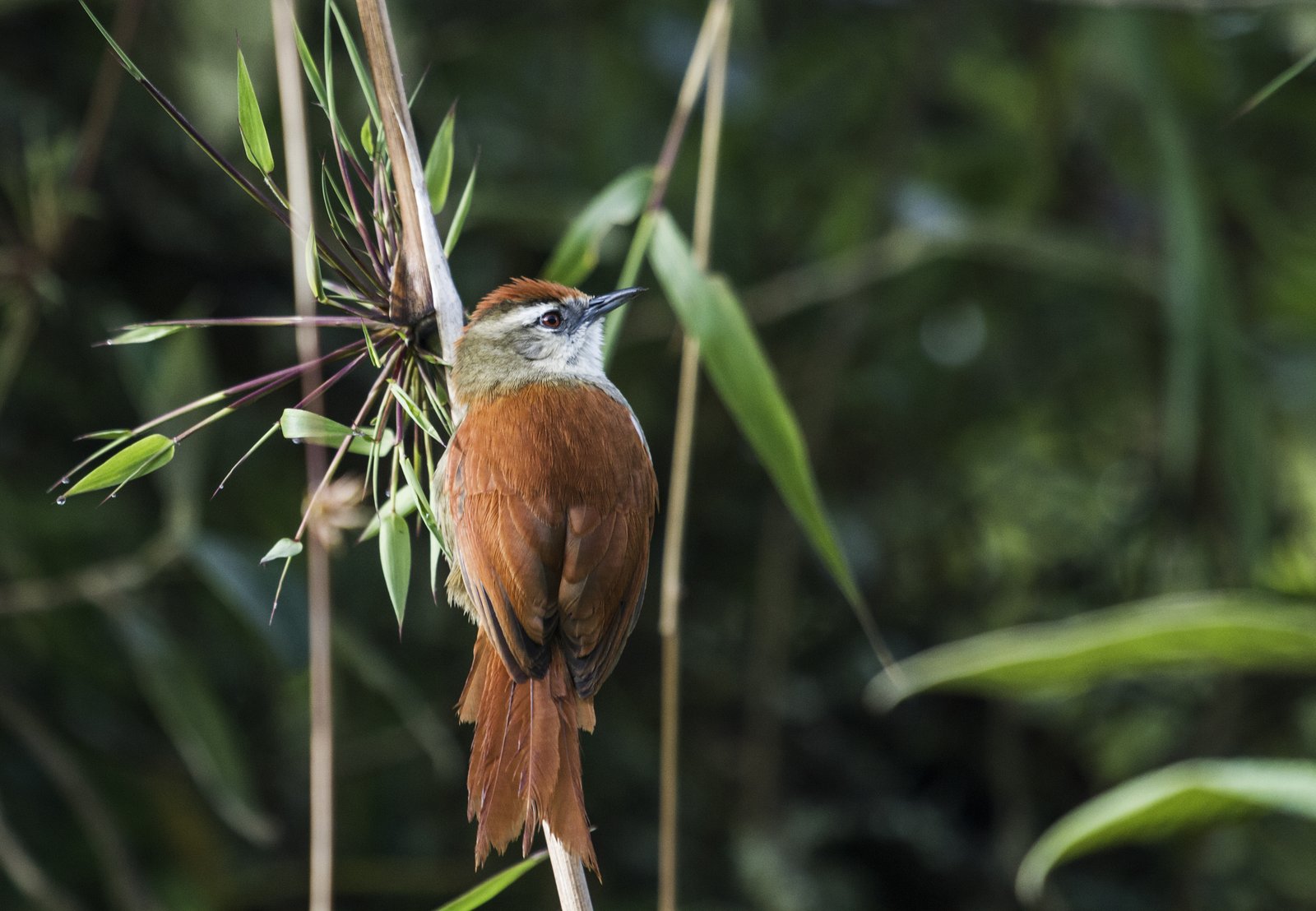
Marcapata Spinetail
Cranioleuca marcapatae- Upper Yungas cloud forest
- Bamboo forest
-
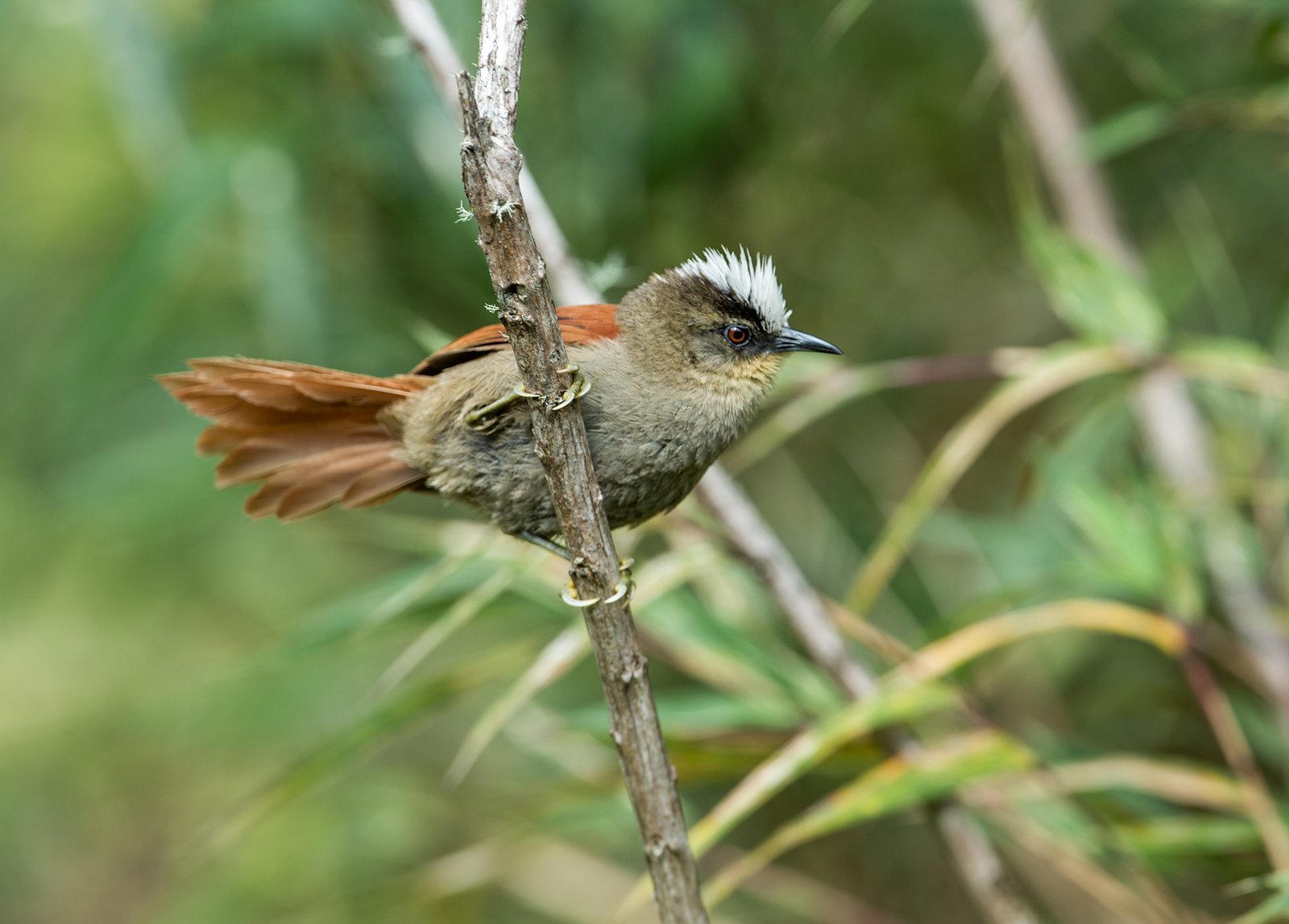
Vilcabamba Spinetail
Cranioleuca weskei- Upper Yungas cloud forest
- Bamboo forest
-
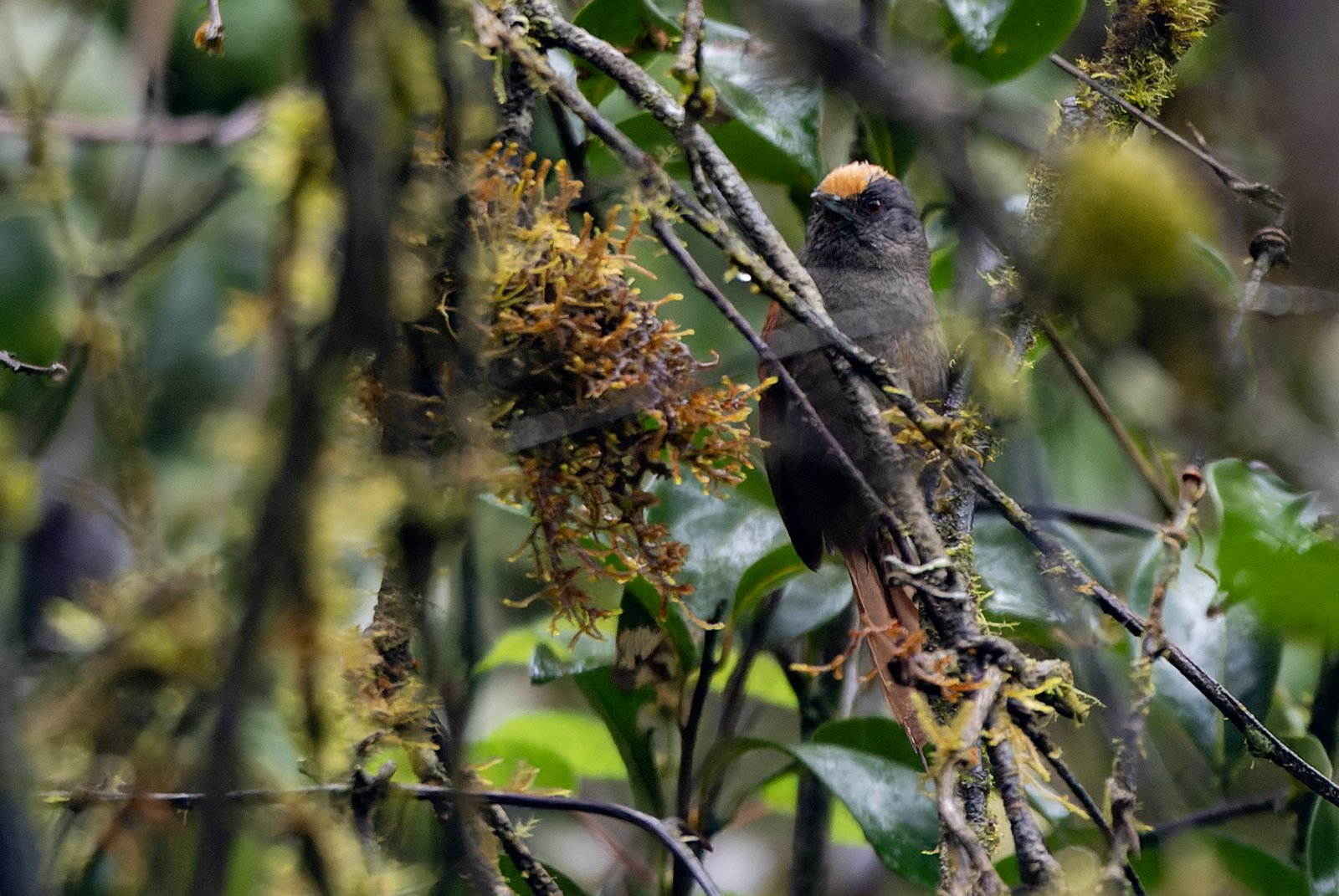
Light-crowned Spinetail
Cranioleuca albiceps- Upper Yungas cloud forest
- Bamboo forest
-
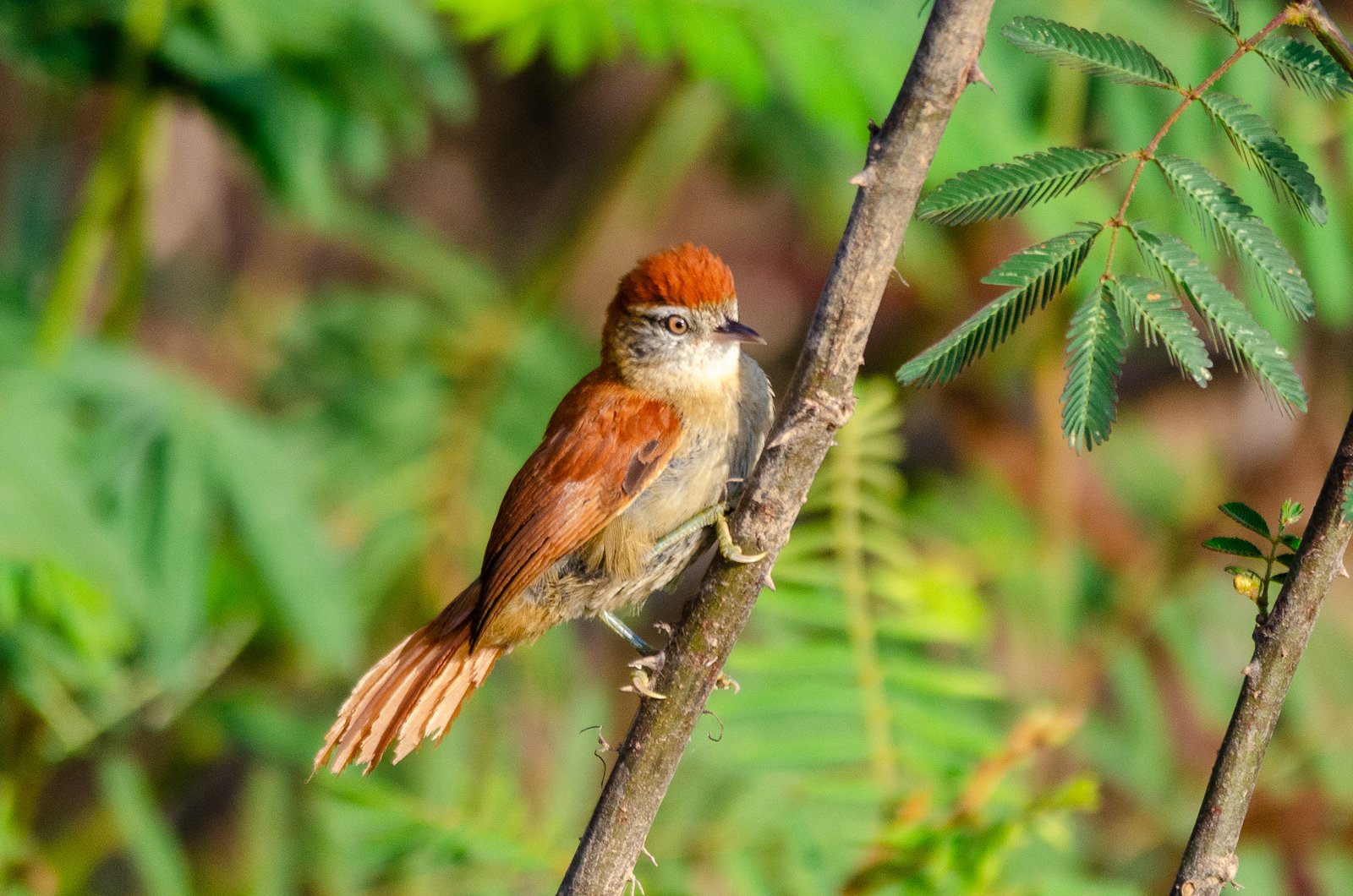
Rusty-backed Spinetail
Cranioleuca vulpina- Várzea, igapó and river islands
- Lowland rivers and sandbars
- Llanos savanna
- Beni savanna and cerrado
-
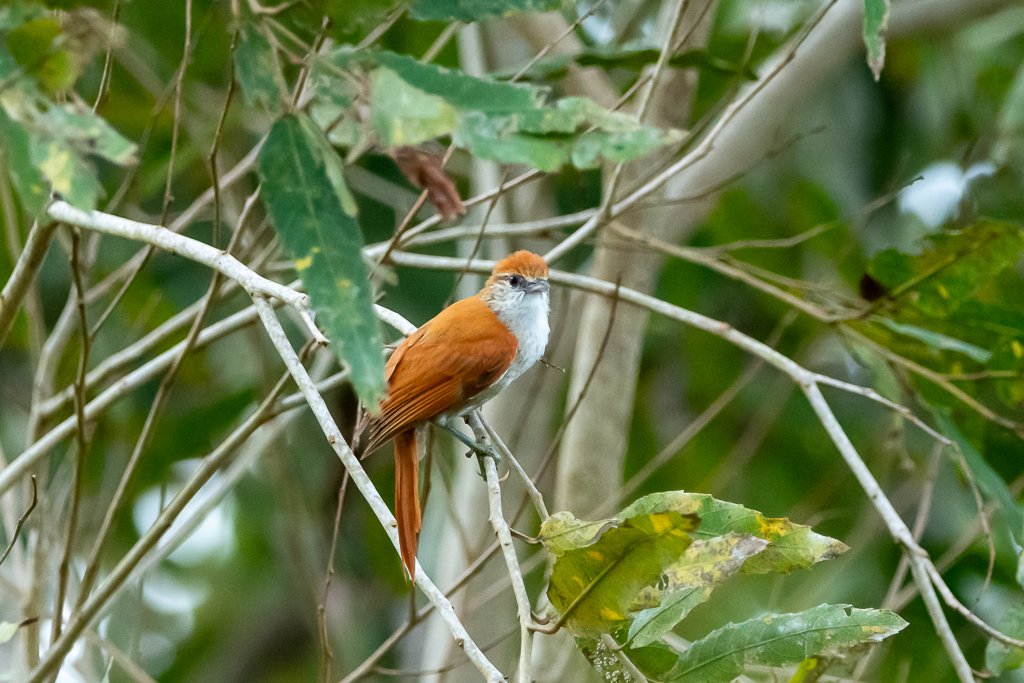
Parker's Spinetail
Cranioleuca vulpecula- Várzea, igapó and river islands
- Lowland rivers and sandbars
-
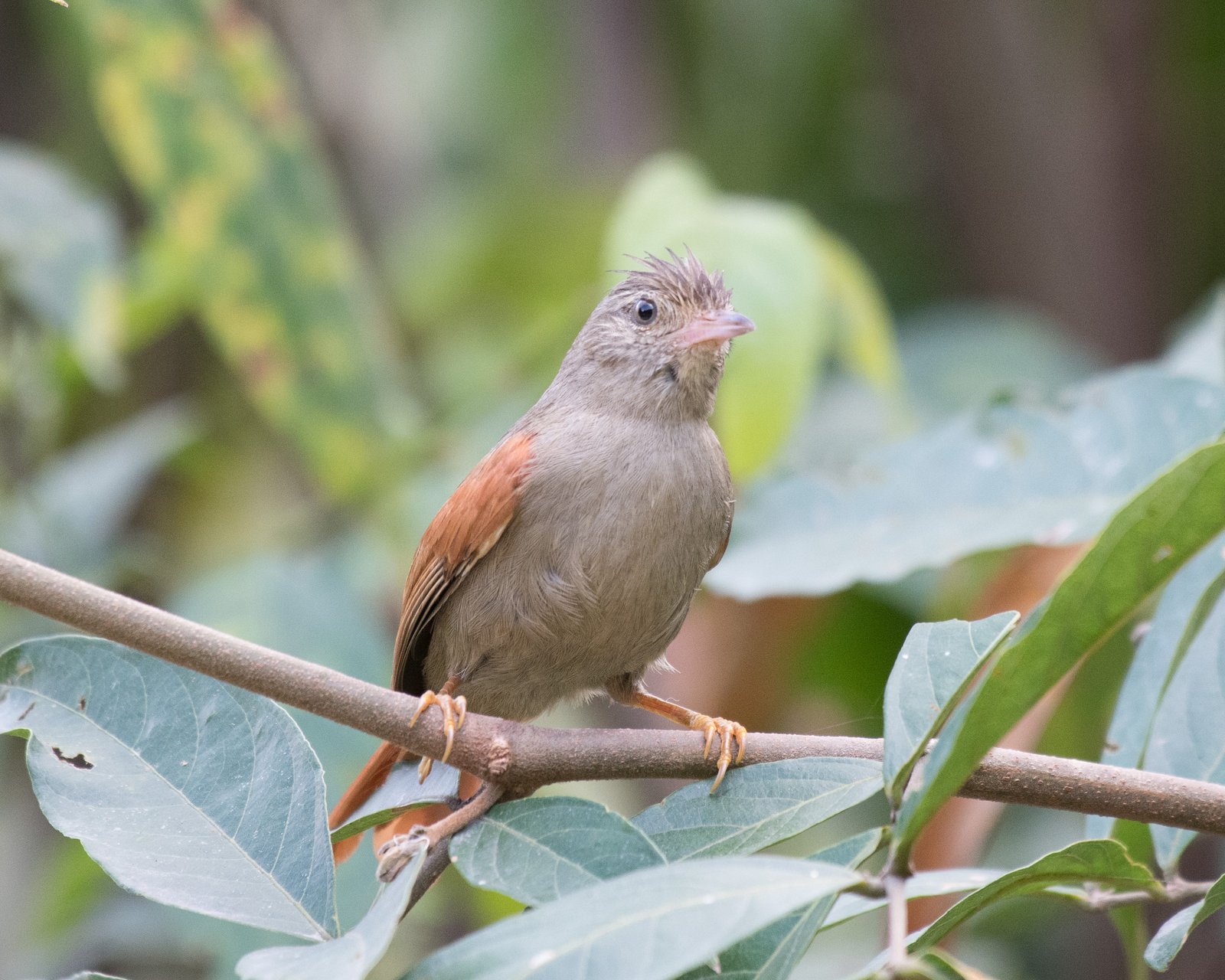
Crested Spinetail
Cranioleuca subcristata- Northern Andean subtropical forest
- Secondary forest and forest edge
- Coffee, cacao and agroforestry
-
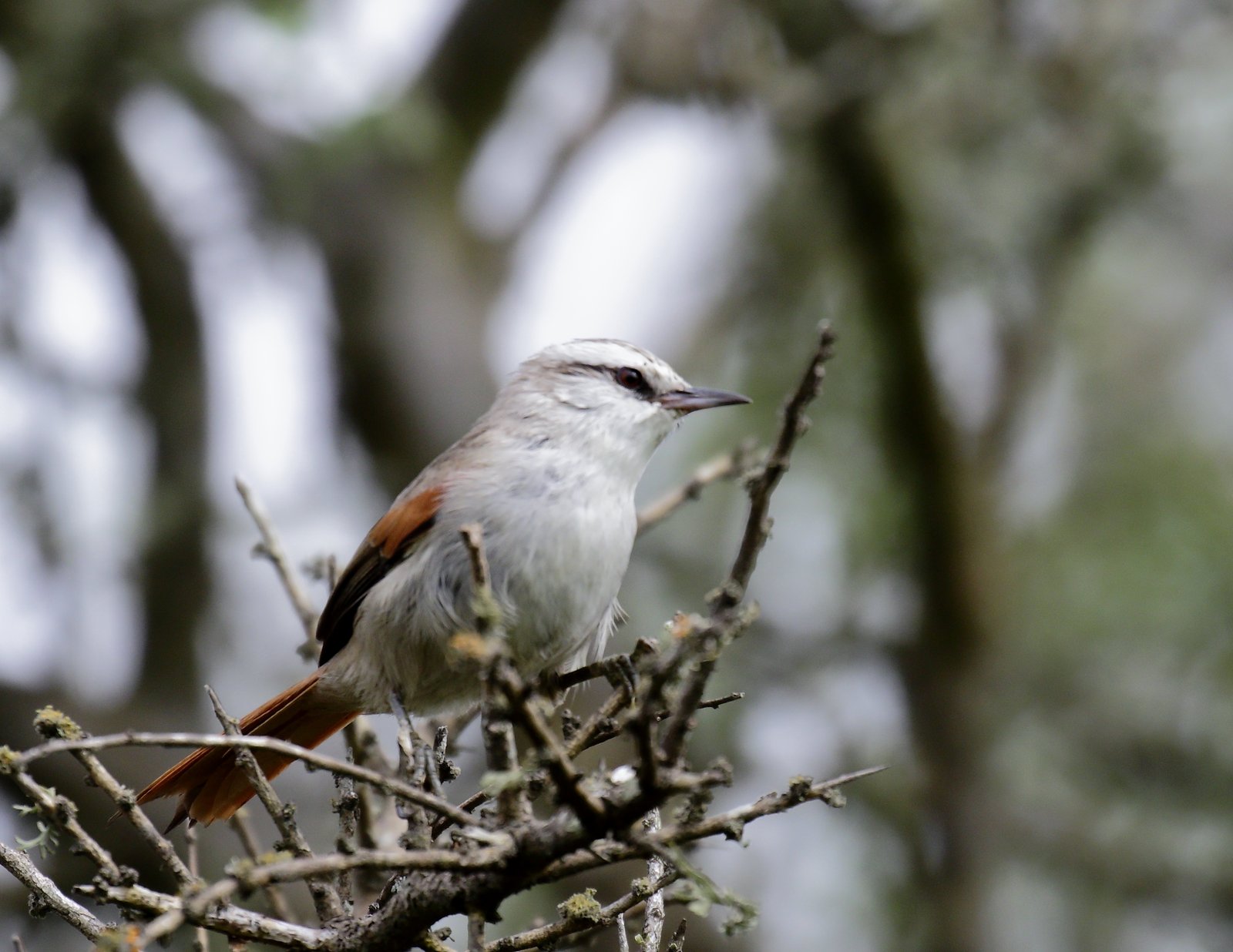
Stripe-crowned Spinetail
Cranioleuca pyrrhophia- Chiquitano dry forest and Chaco
- Central Andean dry valleys
- Riparian woodland of the Andes and coastal valleys
- Upper Yungas cloud forest
-
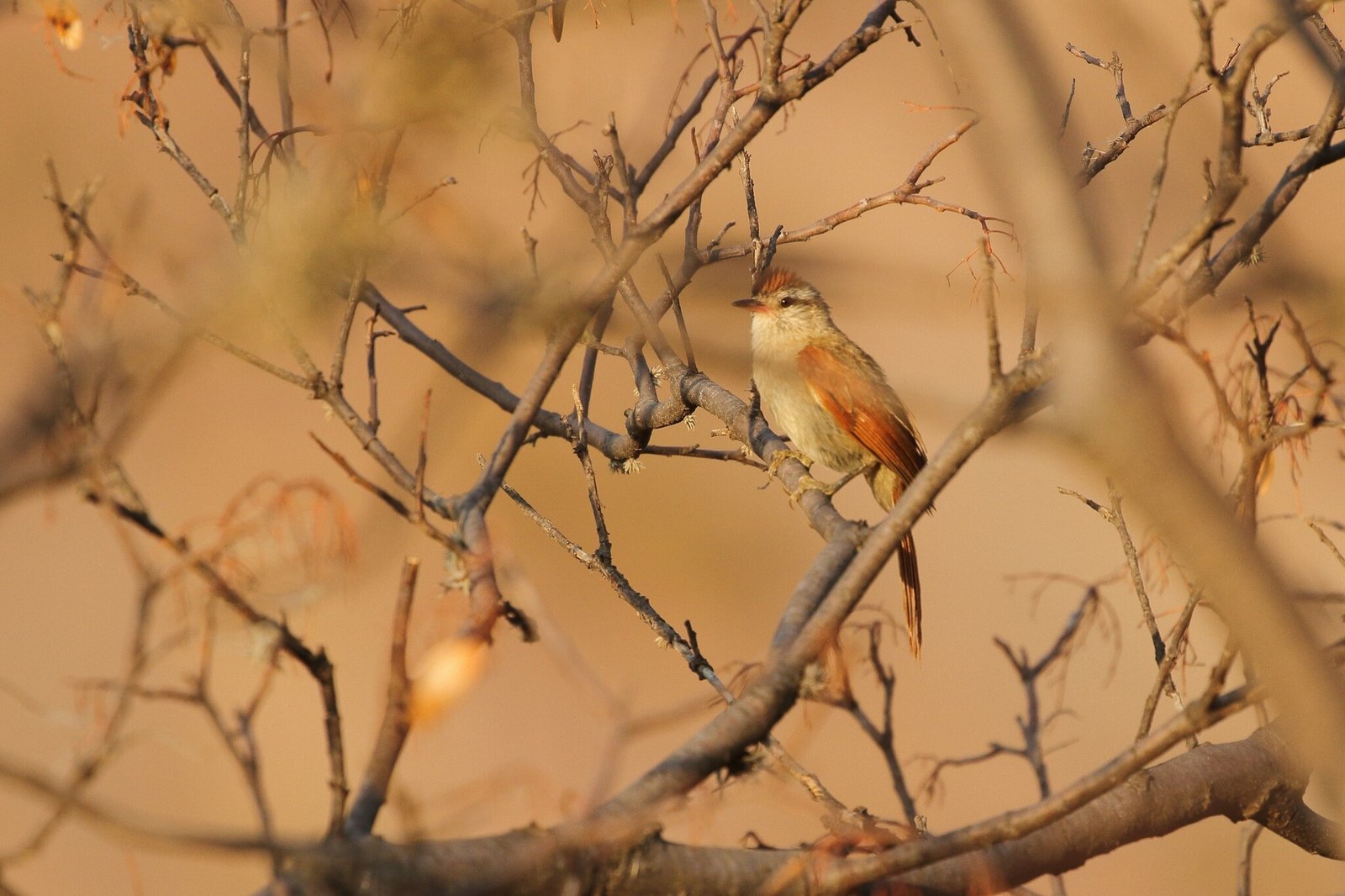
Bolivian Spinetail
Cranioleuca henricae- Central Andean dry valleys
- Riparian woodland of the Andes and coastal valleys
-
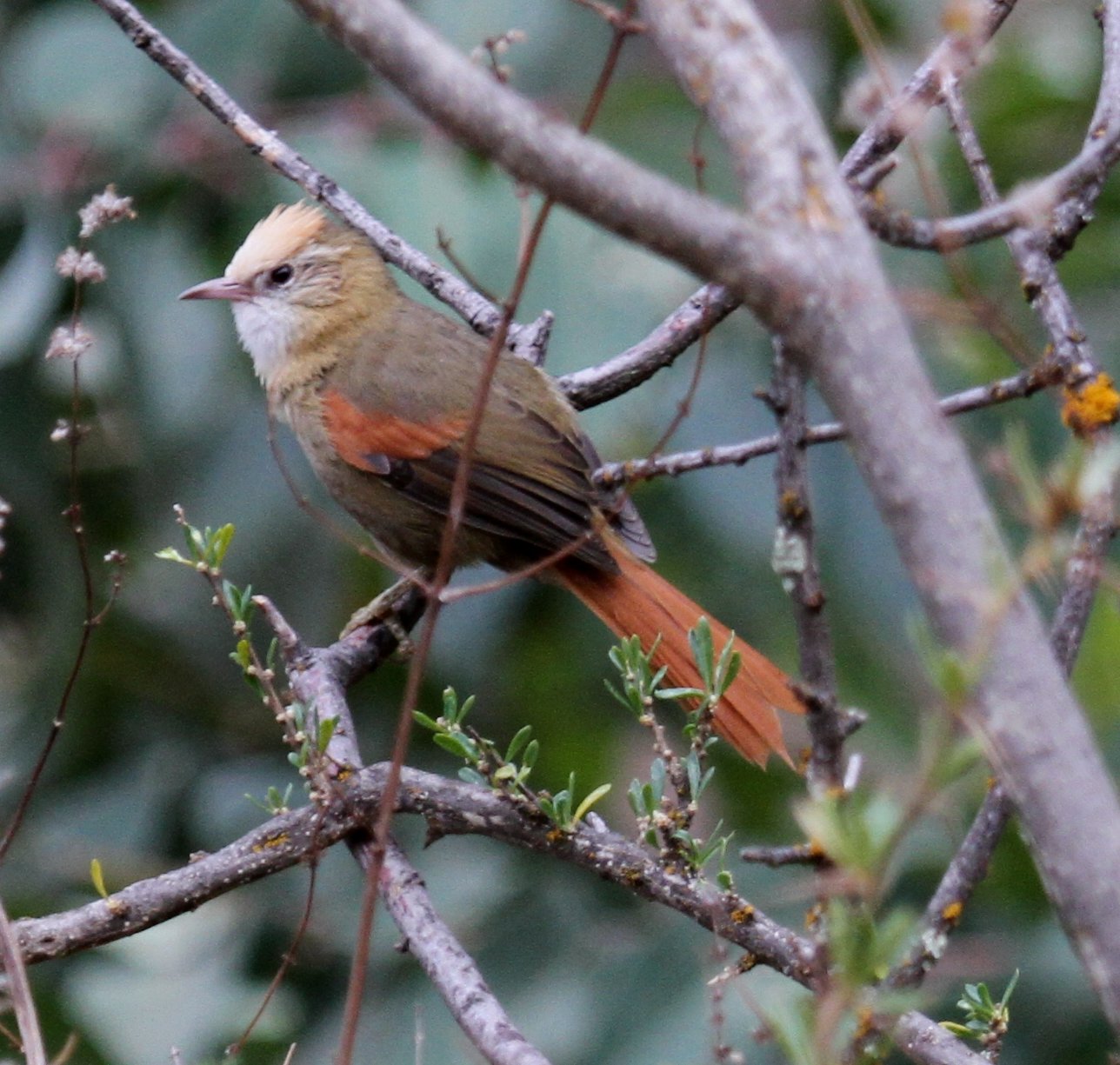
Creamy-crested Spinetail
Cranioleuca albicapilla- Upper Yungas cloud forest
- Polylepis woodland
- Central Andean dry valleys
-
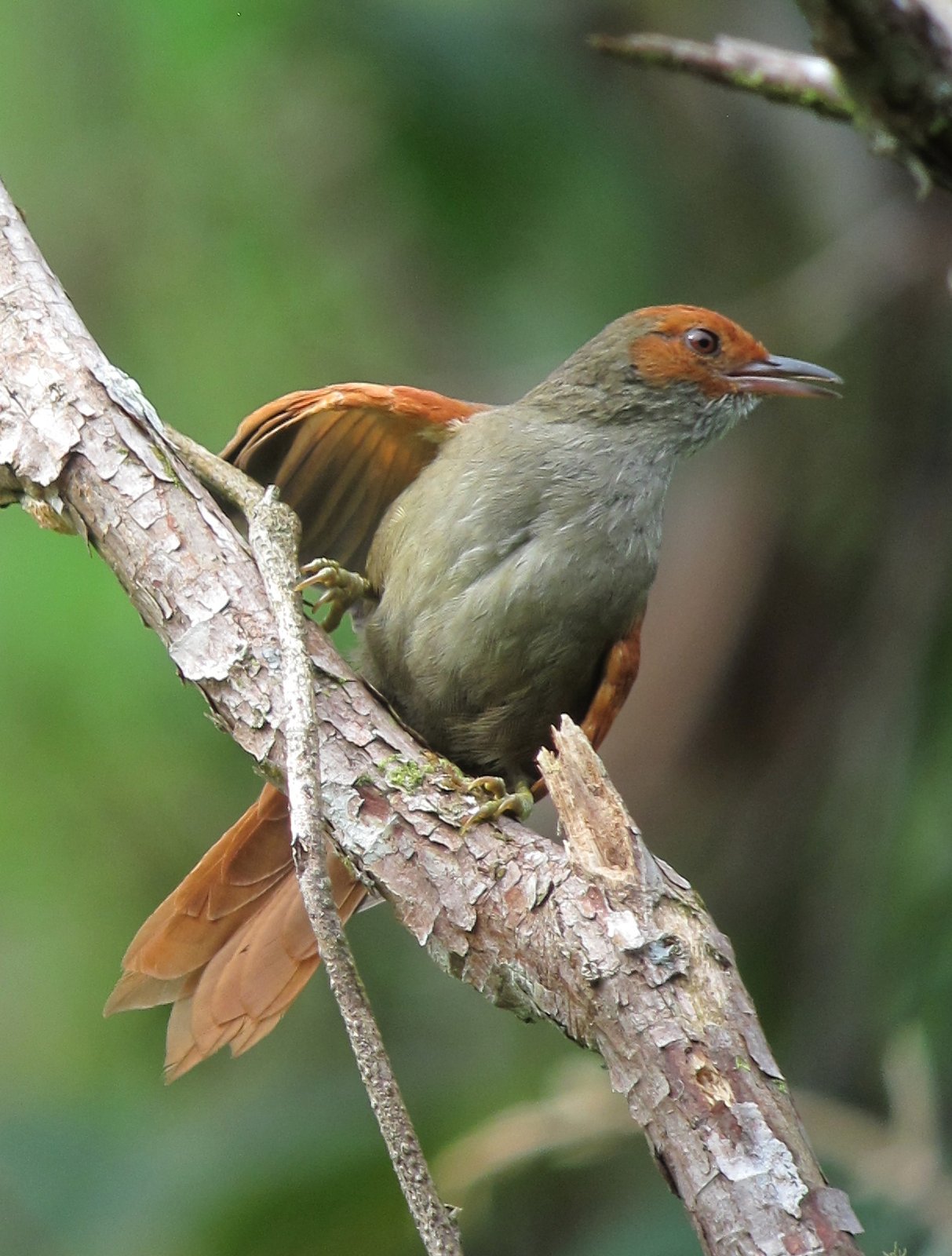
Red-faced Spinetail
Cranioleuca erythrops- Northern Andean subtropical forest
- Western Ecuador humid forest
- Secondary forest and forest edge
-
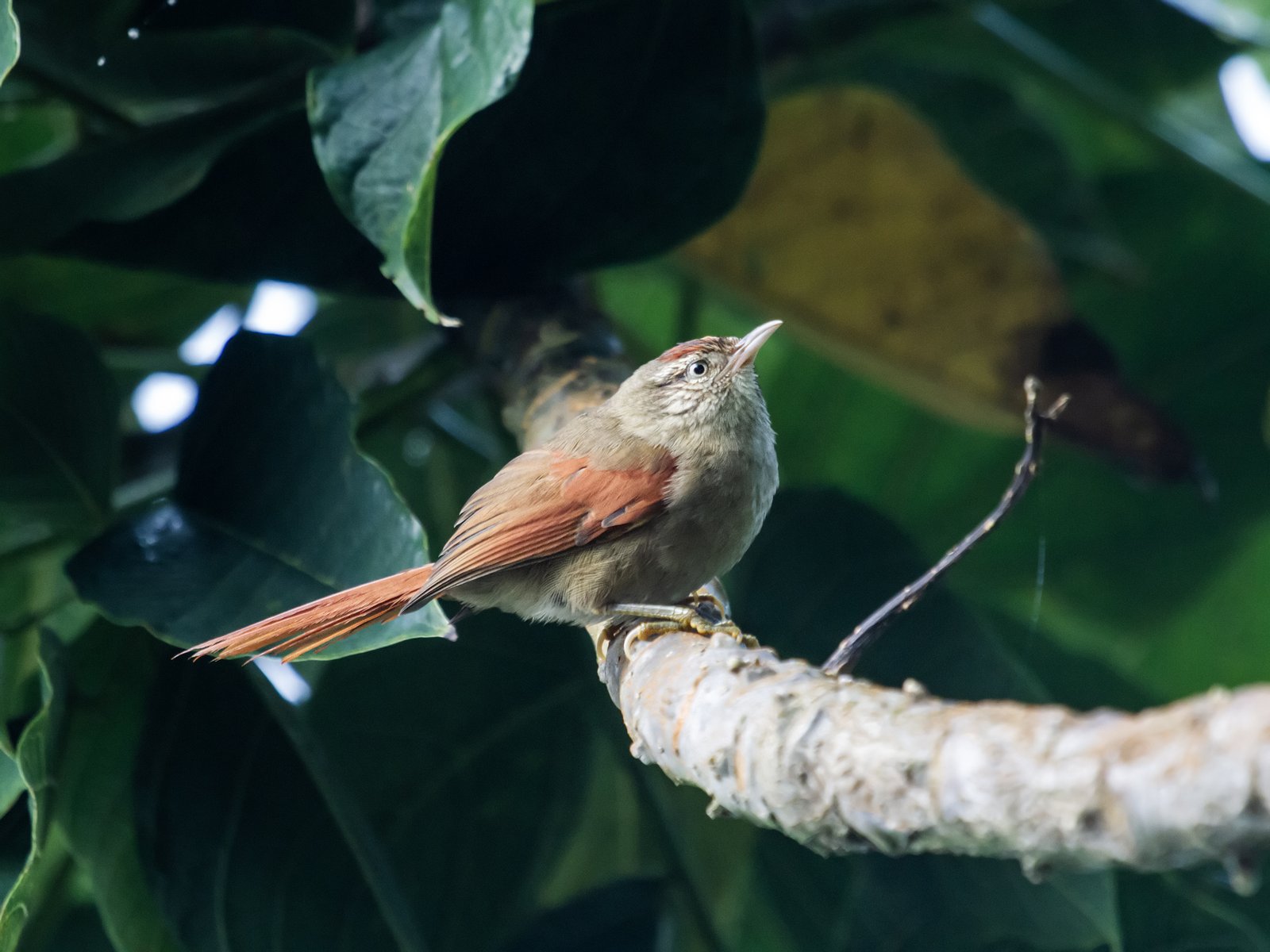
Streak-capped Spinetail
Cranioleuca hellmayri- Northern Andean cloud forest and temperate forest
- Northern Andean subtropical forest
- Secondary forest and forest edge
-

Ash-browed Spinetail
Cranioleuca curtata- Northern Andean subtropical forest
- Lower Yungas forest
- Eastern Andean foothill forest
- Secondary forest and forest edge
-
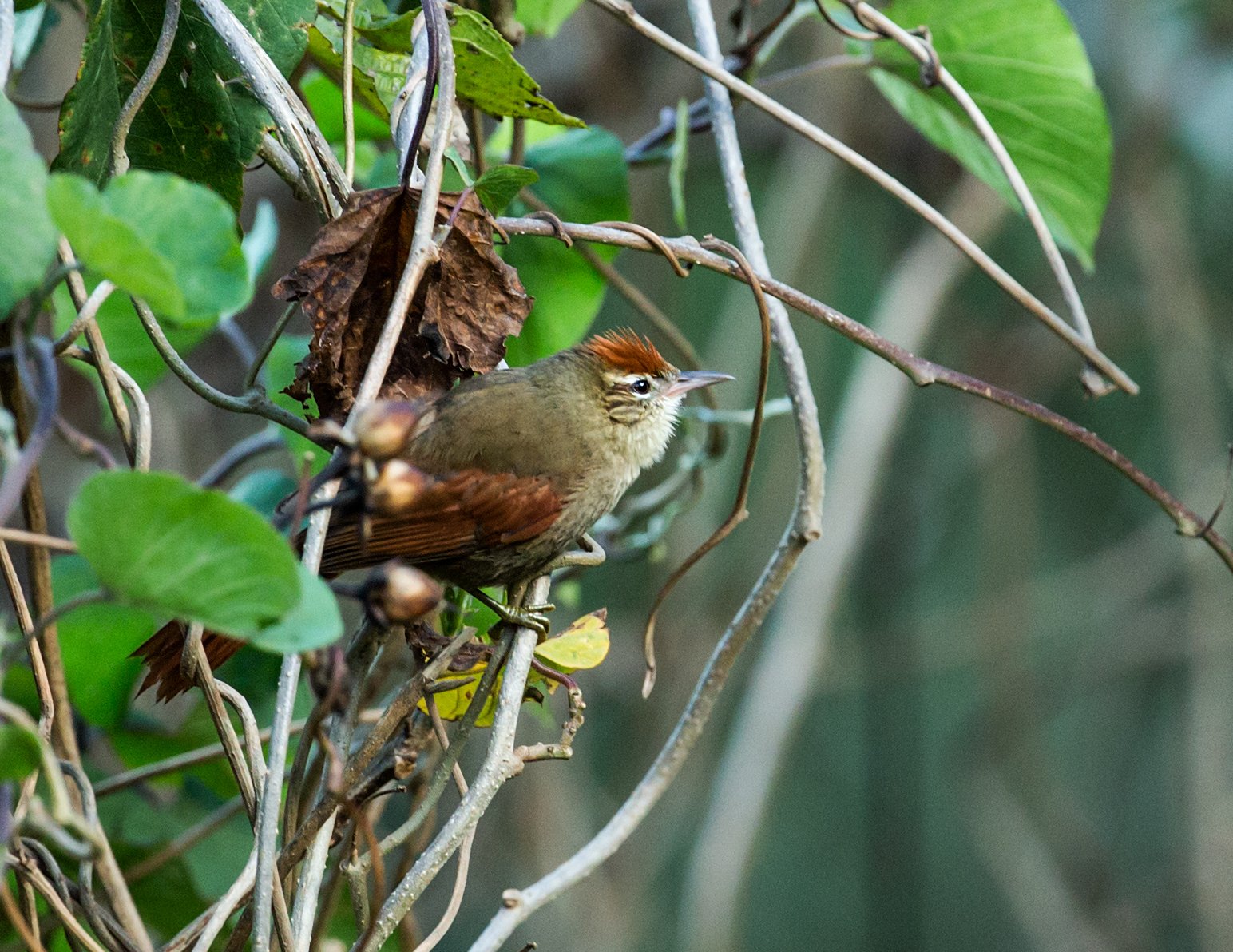
Line-cheeked Spinetail
Cranioleuca antisiensis- Northern Andean cloud forest and temperate forest
- Polylepis woodland
- Riparian woodland of the Andes and coastal valleys
- Marañón and northern inter-Andean dry forest
Pseudocolaptes 2 species
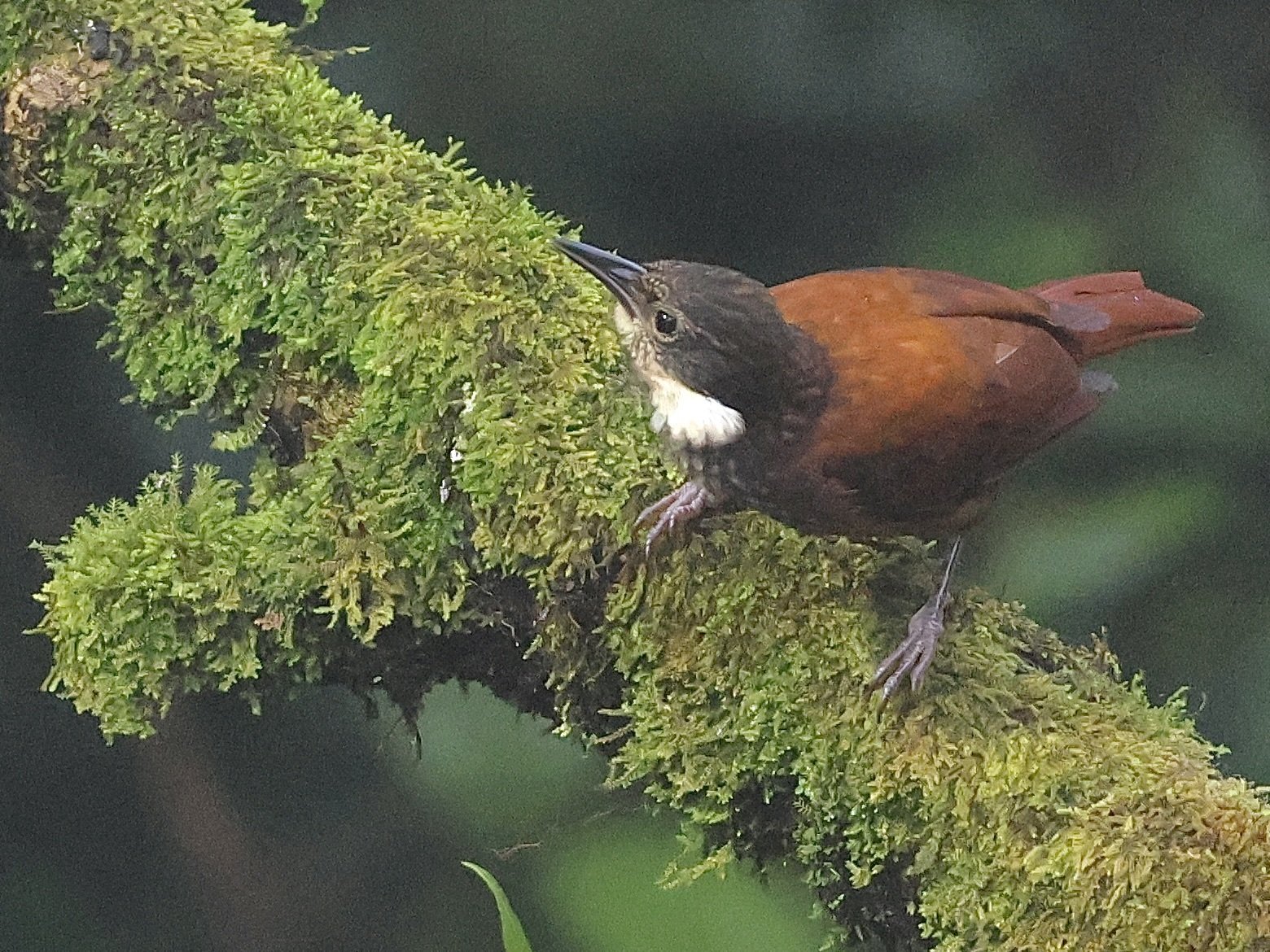
Pseudoseisura 2 species
-

Grey-crested Cacholote
Pseudoseisura unirufa- Beni savanna and cerrado
- Riparian woodland of the Andes and coastal valleys
- Chiquitano dry forest and Chaco
- Pasture and ranchland
-
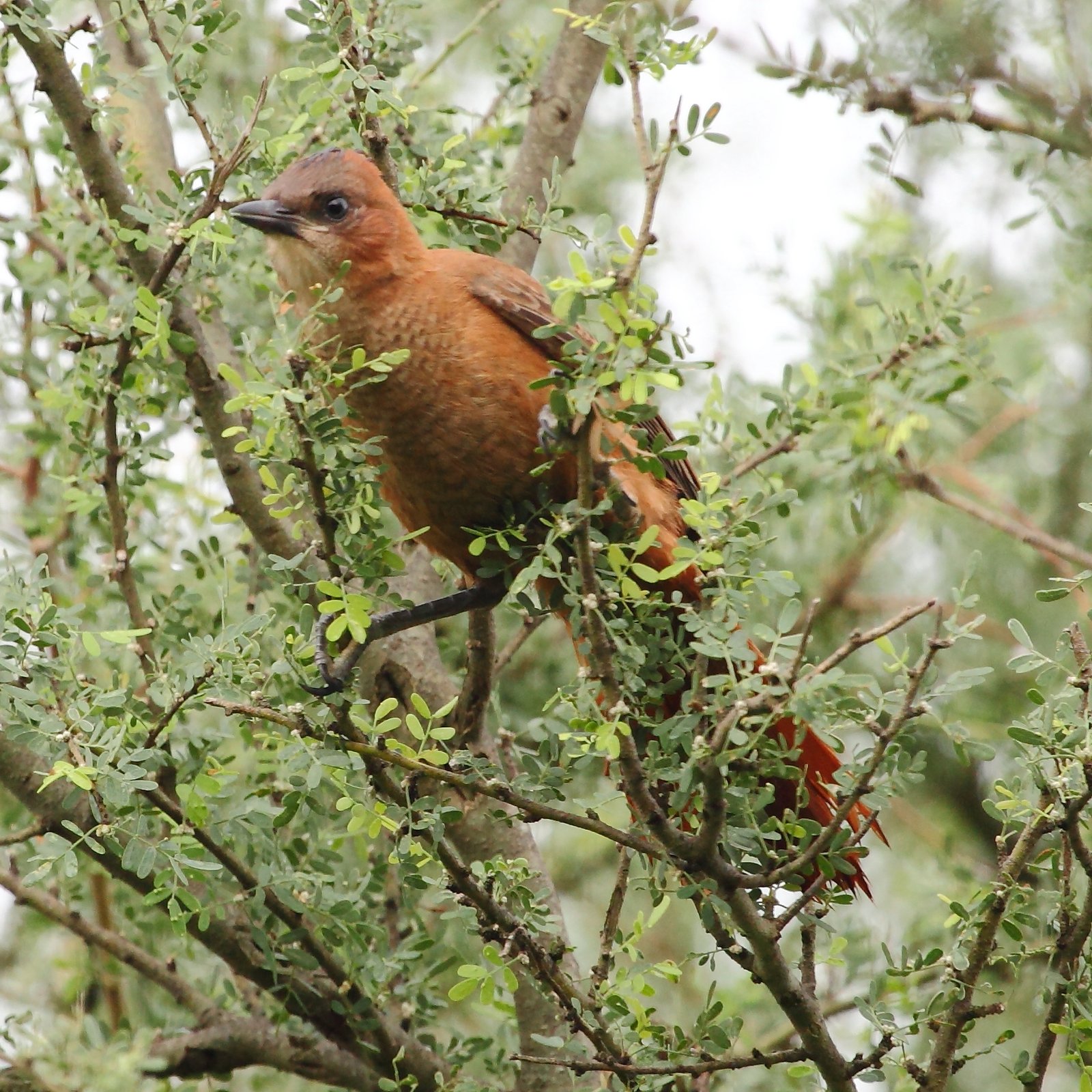
Brown Cacholote
Pseudoseisura lophotes- Chiquitano dry forest and Chaco
- Riparian woodland of the Andes and coastal valleys
- Central Andean dry valleys
- Pasture and ranchland
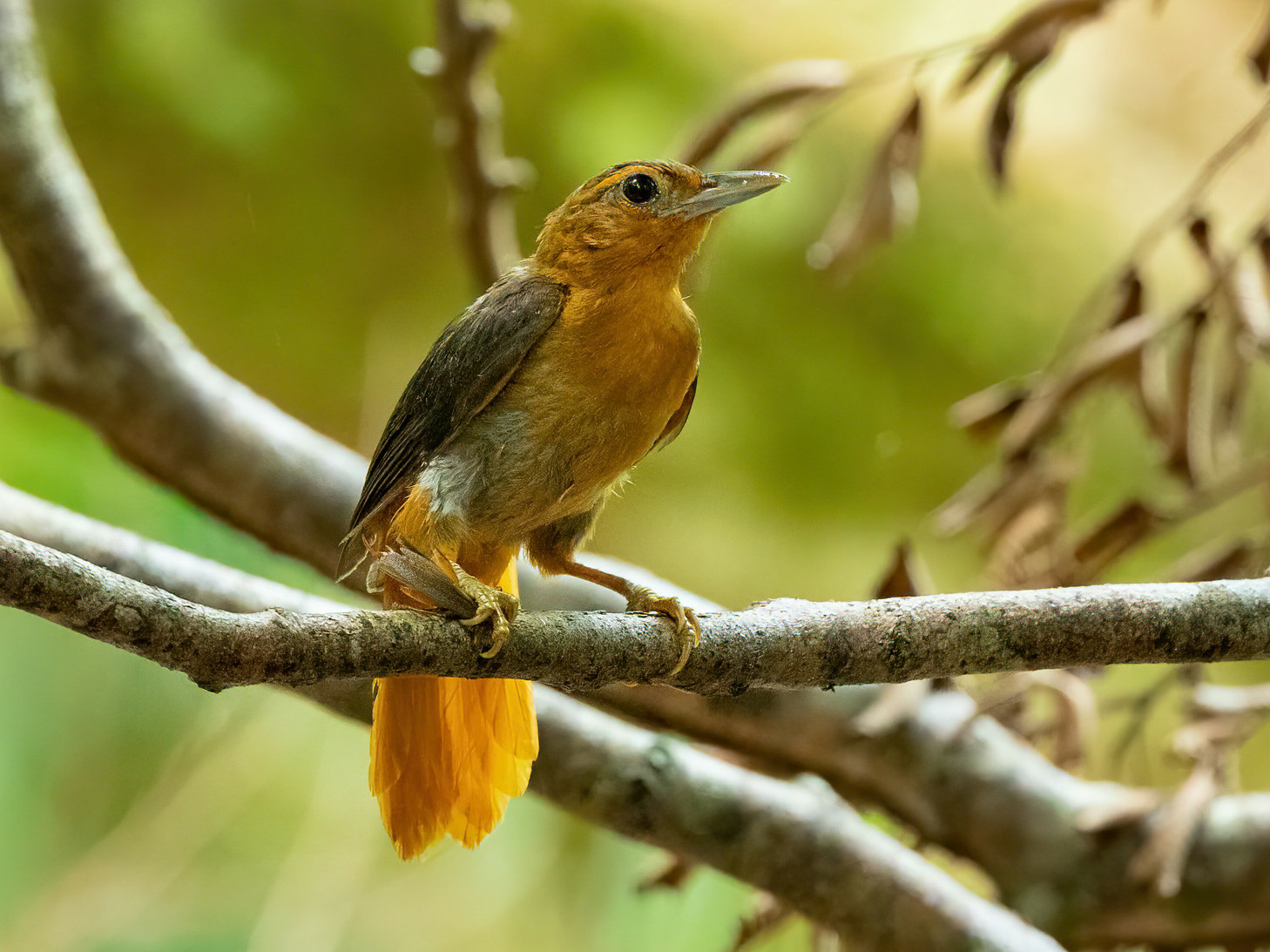
Leptasthenura 6 species
-
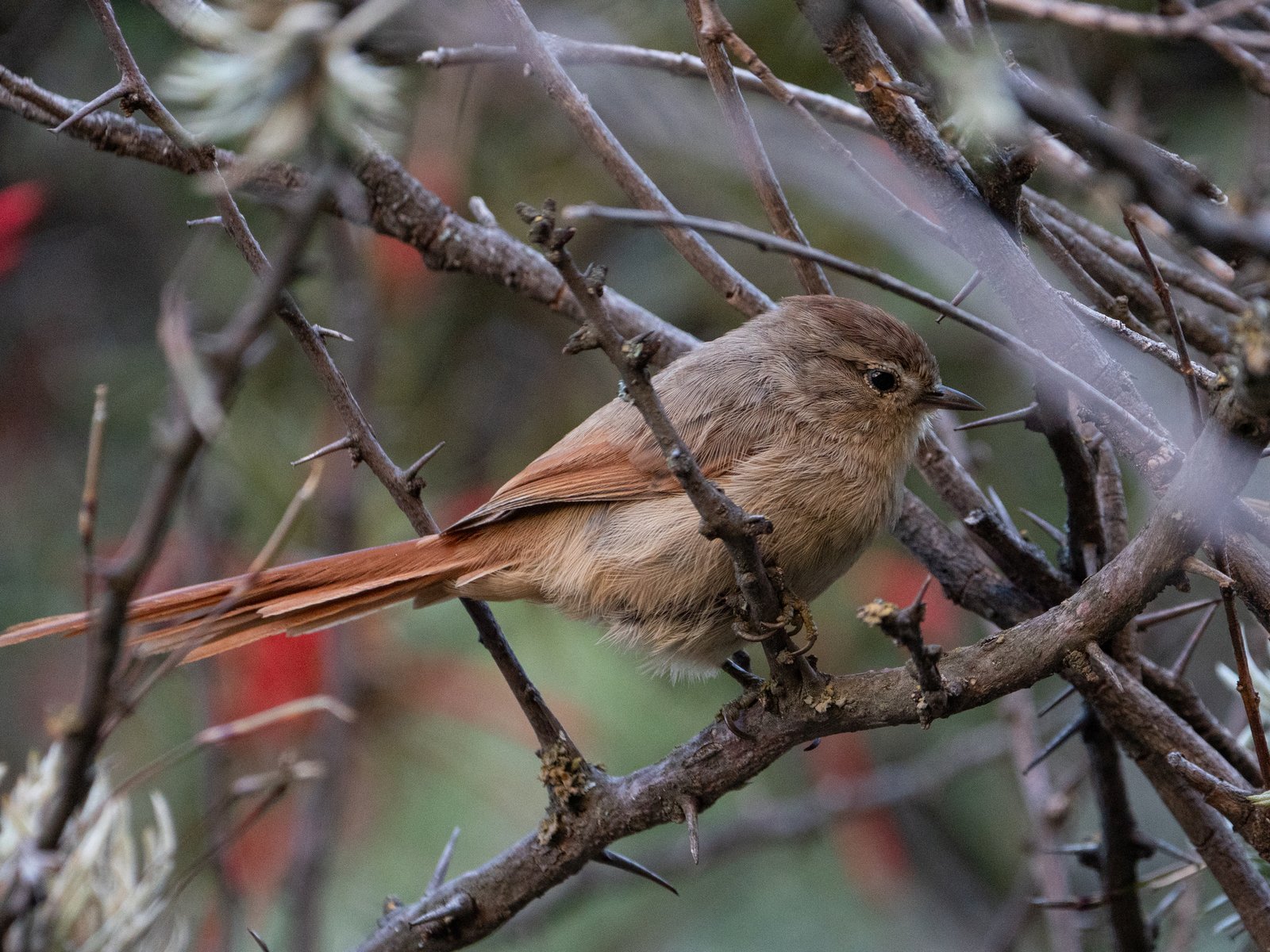
Brown-capped Tit-Spinetail
Leptasthenura fuliginiceps- Central Andean dry valleys
- Polylepis woodland
- Upper Yungas cloud forest
-
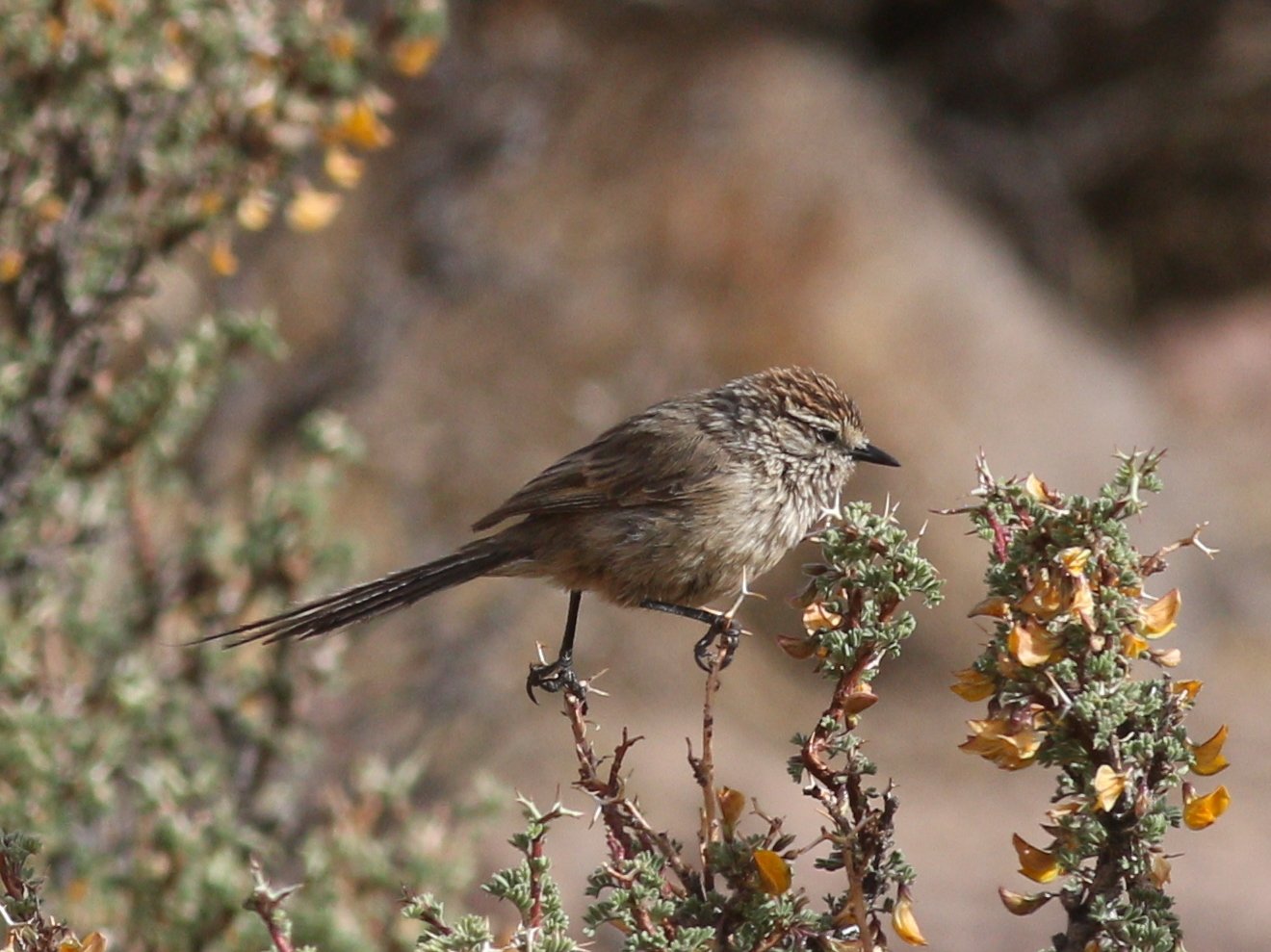
Plain-mantled Tit-Spinetail
Leptasthenura aegithaloides- Dry puna and altiplano
- Humid puna
 Lomas (fog oases)
 Coastal desert
-
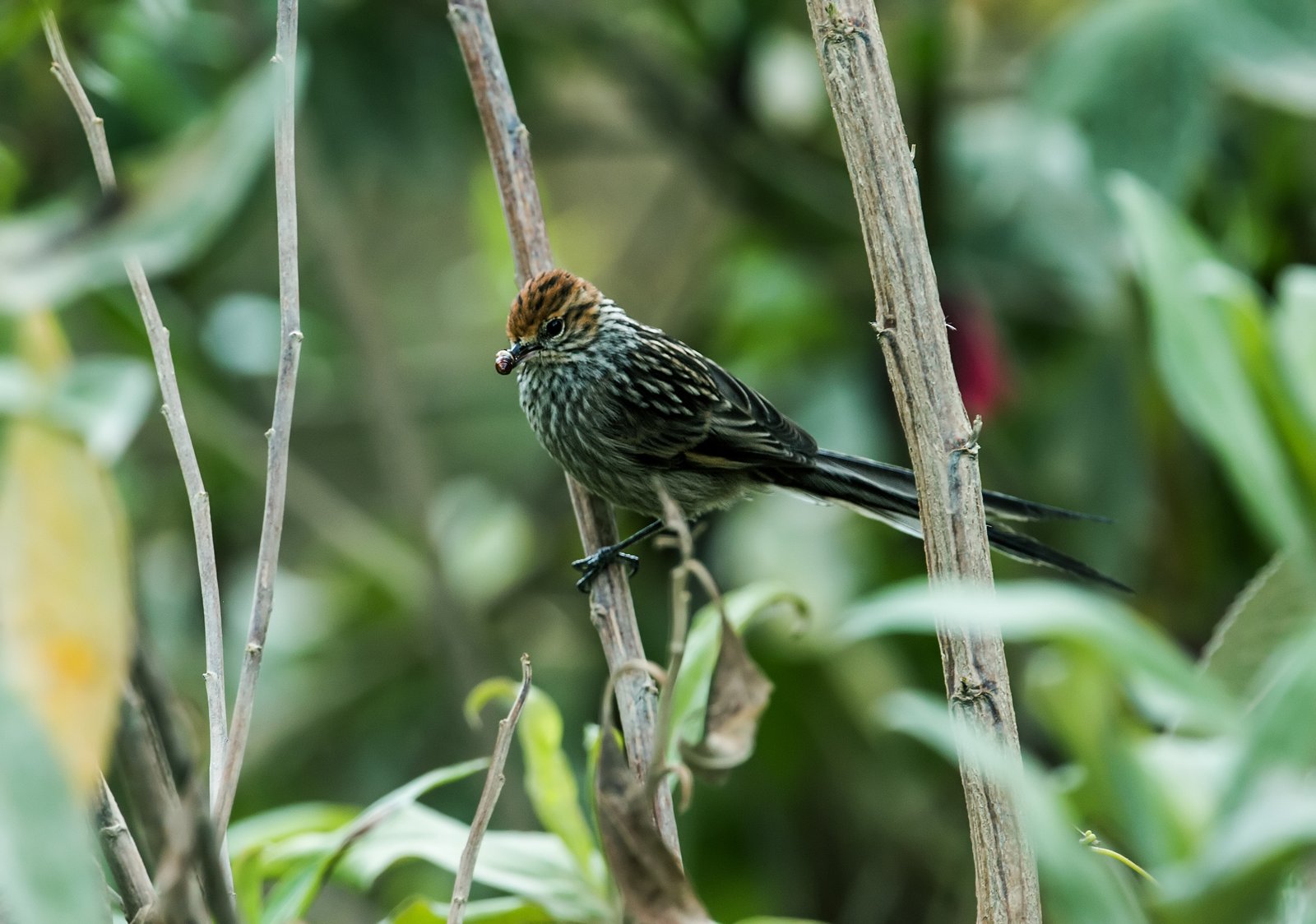
Rusty-crowned Tit-Spinetail
Leptasthenura pileata- Central Andean dry valleys
- Polylepis woodland
- Humid puna
-
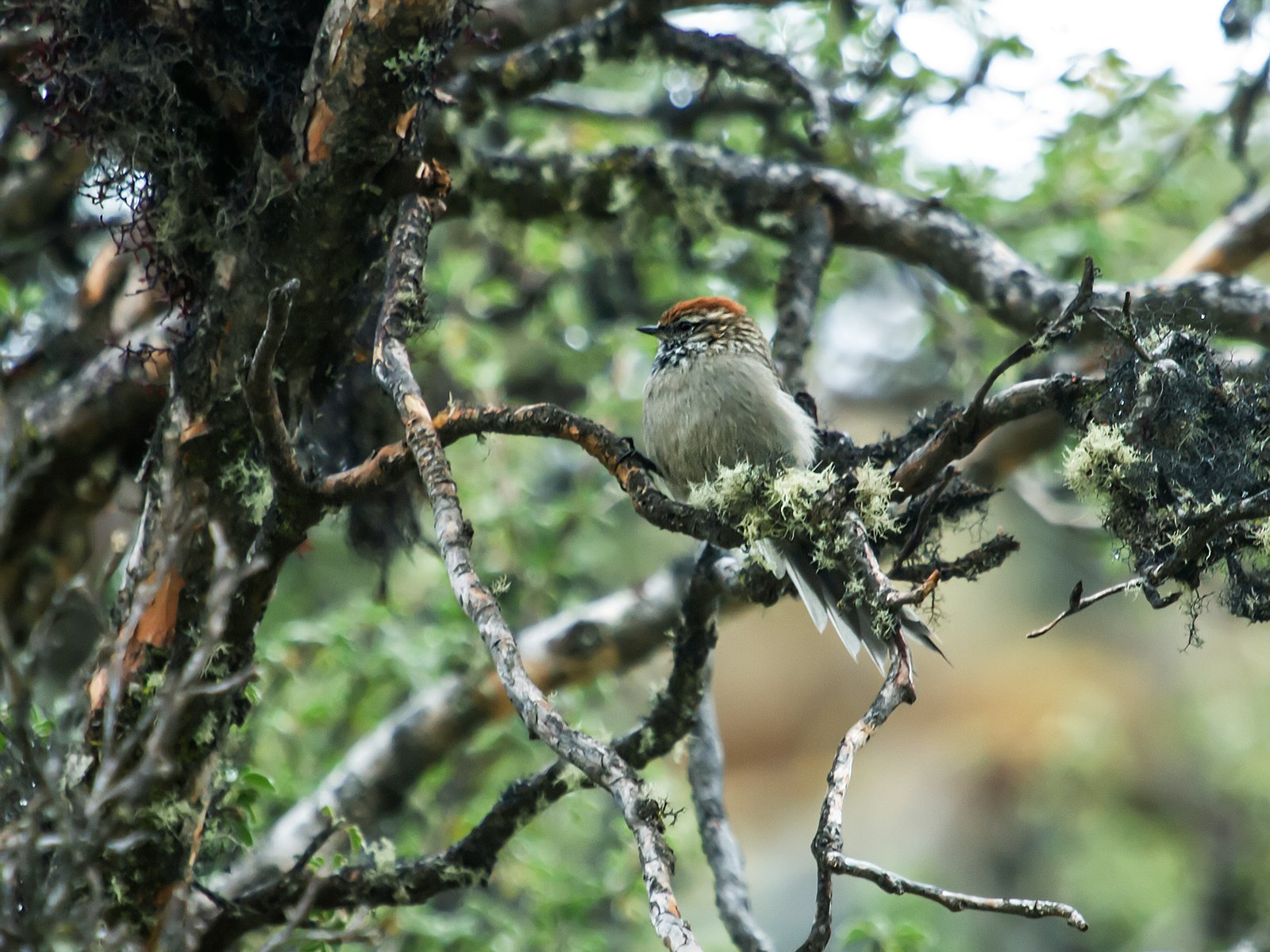
White-browed Tit-Spinetail
Leptasthenura xenothorax- Polylepis woodland
- Humid puna
-
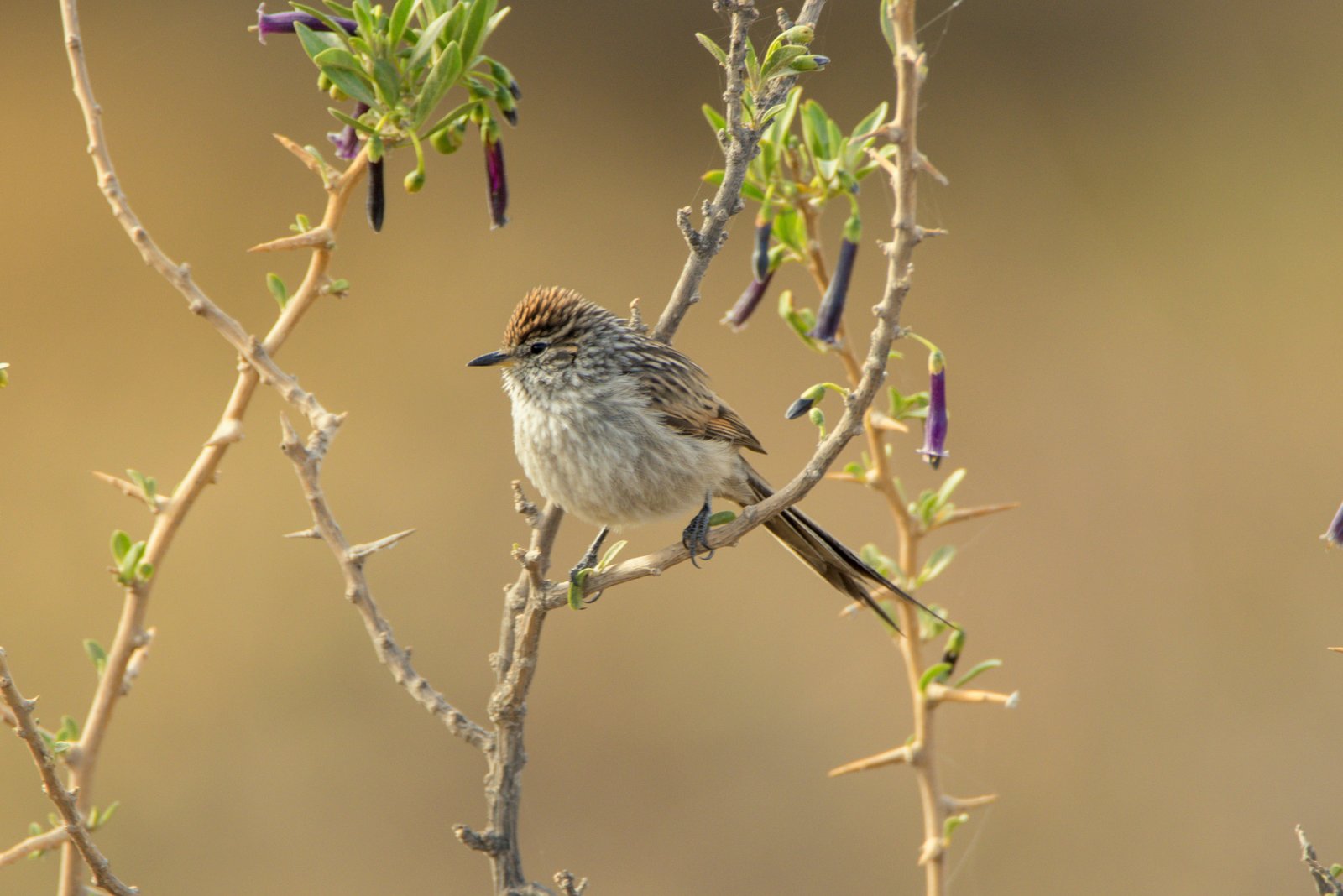
Streak-backed Tit-Spinetail
Leptasthenura striata- Central Andean dry valleys
- Polylepis woodland
- Dry puna and altiplano
-
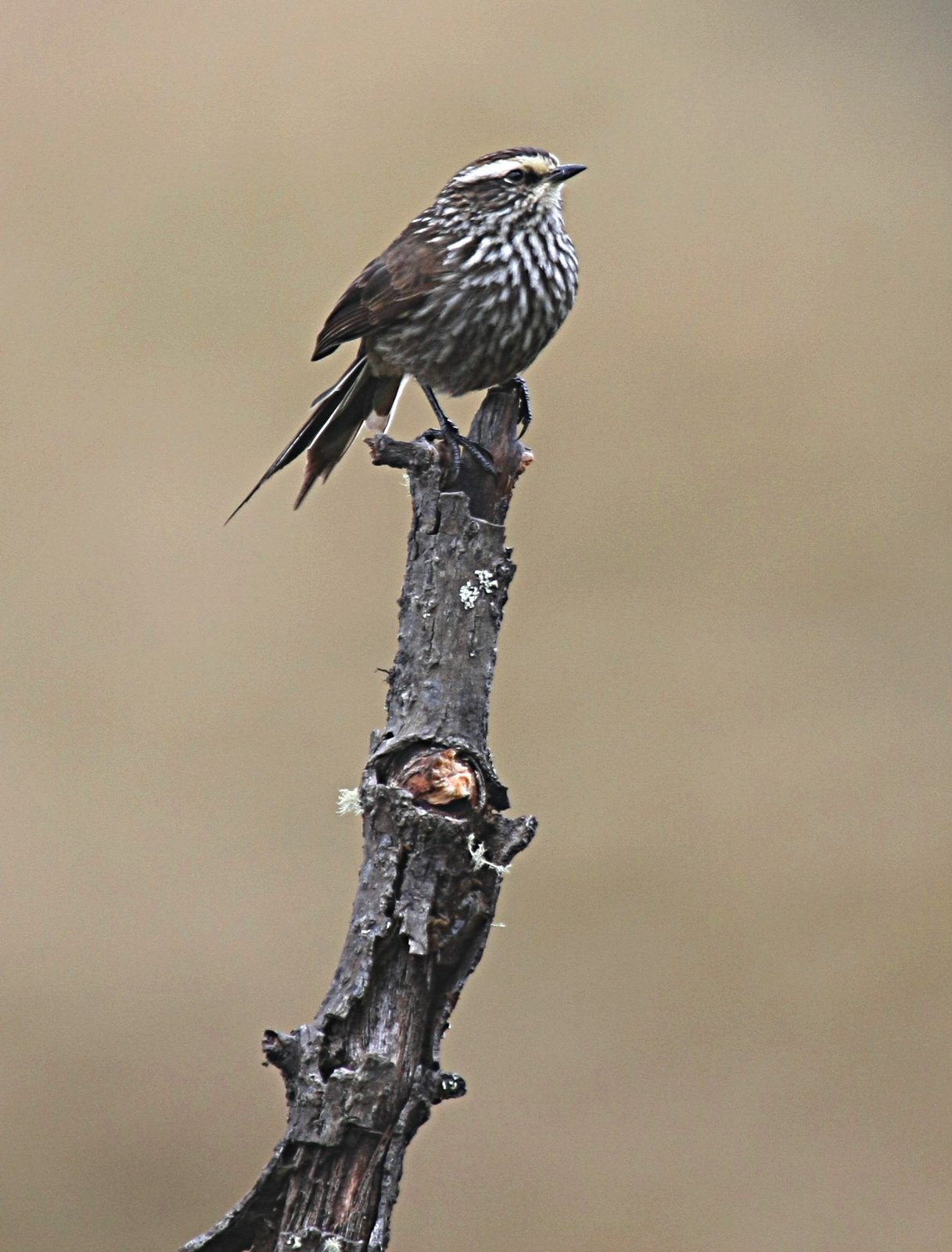
Andean Tit-Spinetail
Leptasthenura andicola Páramo
- Polylepis woodland
- Humid puna
- Jalca
Cinclodes 7 species
-
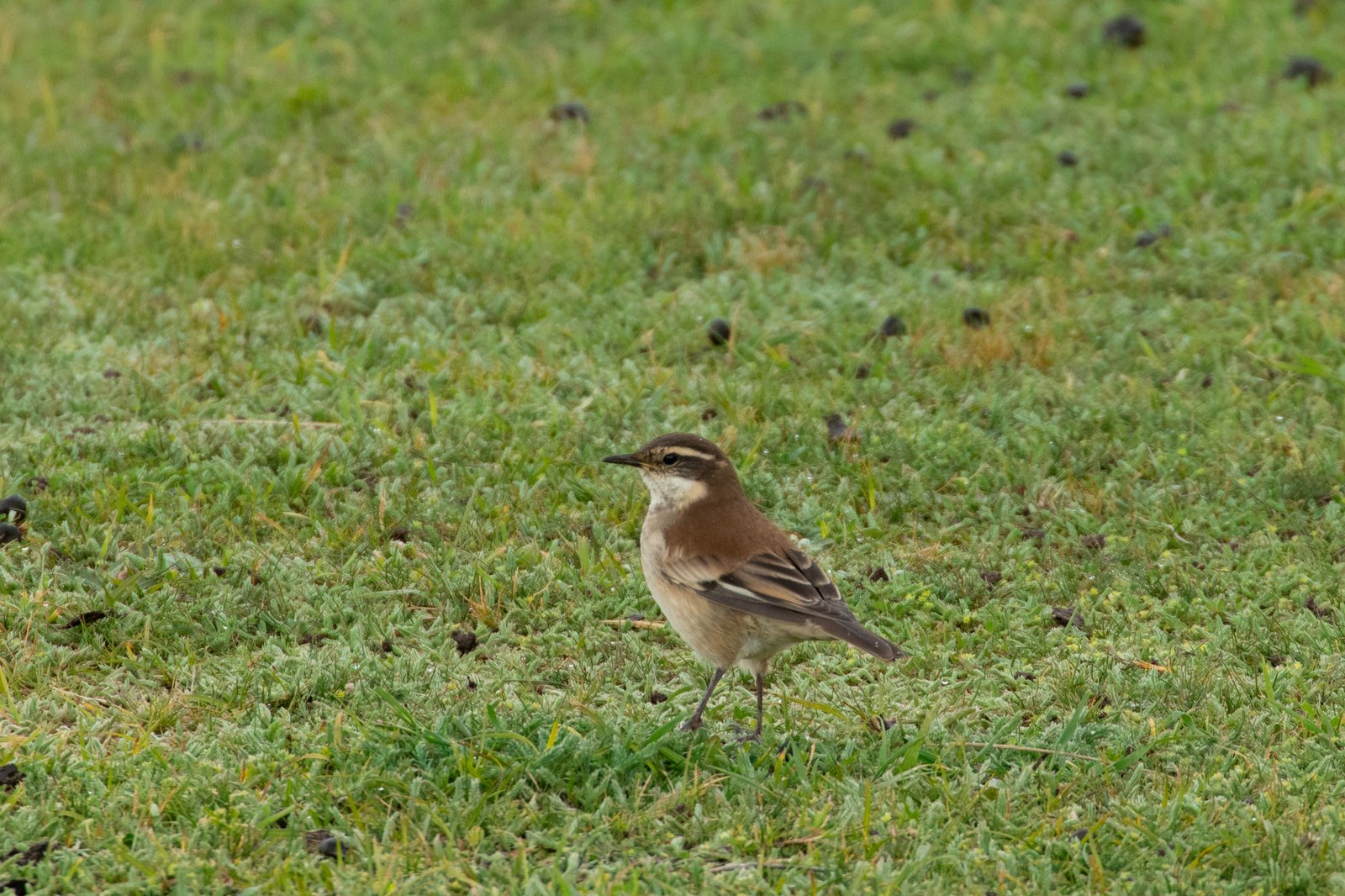
Buff-winged Cinclodes
Cinclodes fuscus- Humid puna
 Andean bogs and bofedales
- Dry puna and altiplano
 Andean and high-plateau lakes
- Andean fields and terraces
-
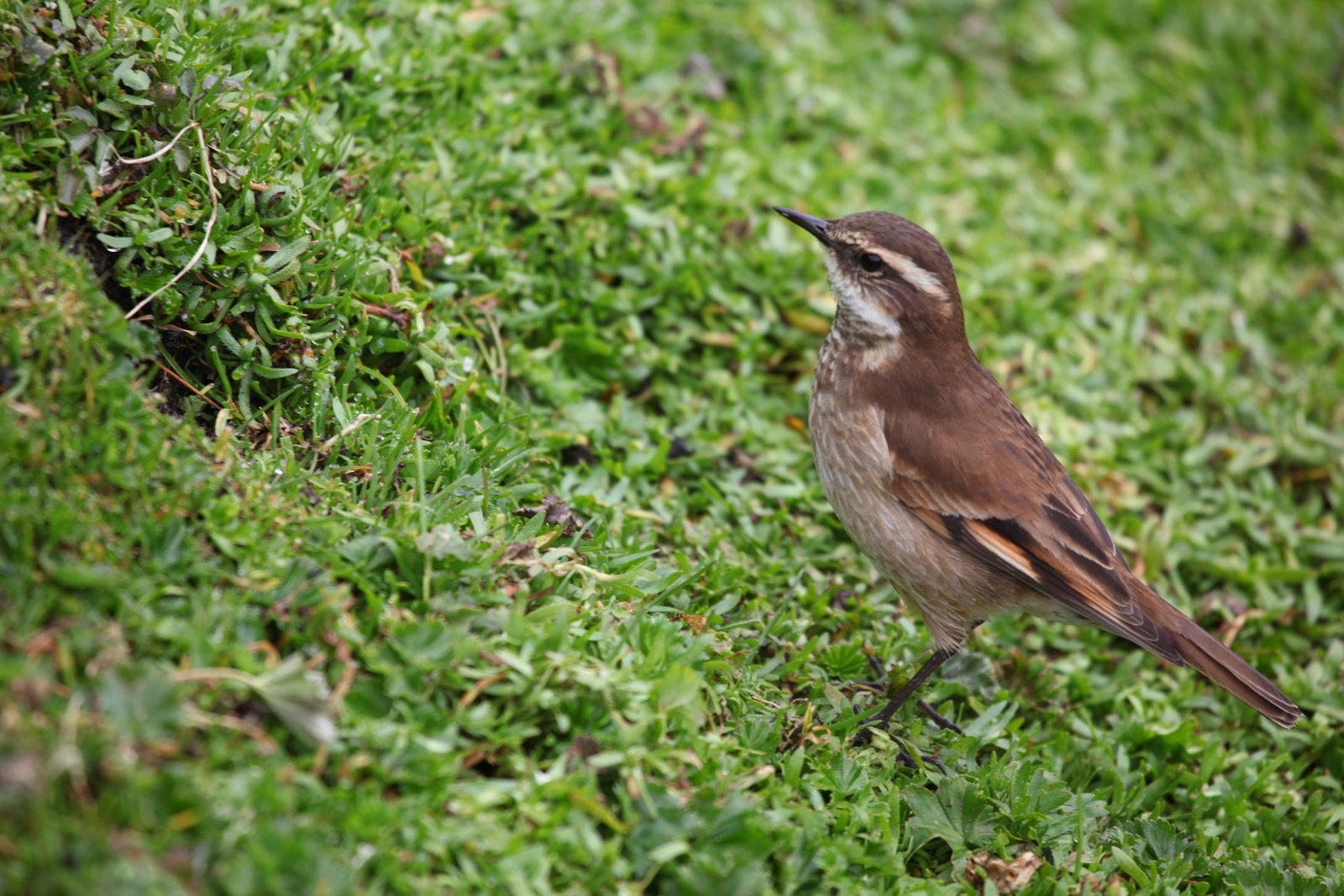
Chestnut-winged Cinclodes
Cinclodes albidiventris- Páramo
- Jalca
- Andean bogs and bofedales
 Andean rivers and torrents
- Pasture and ranchland
-
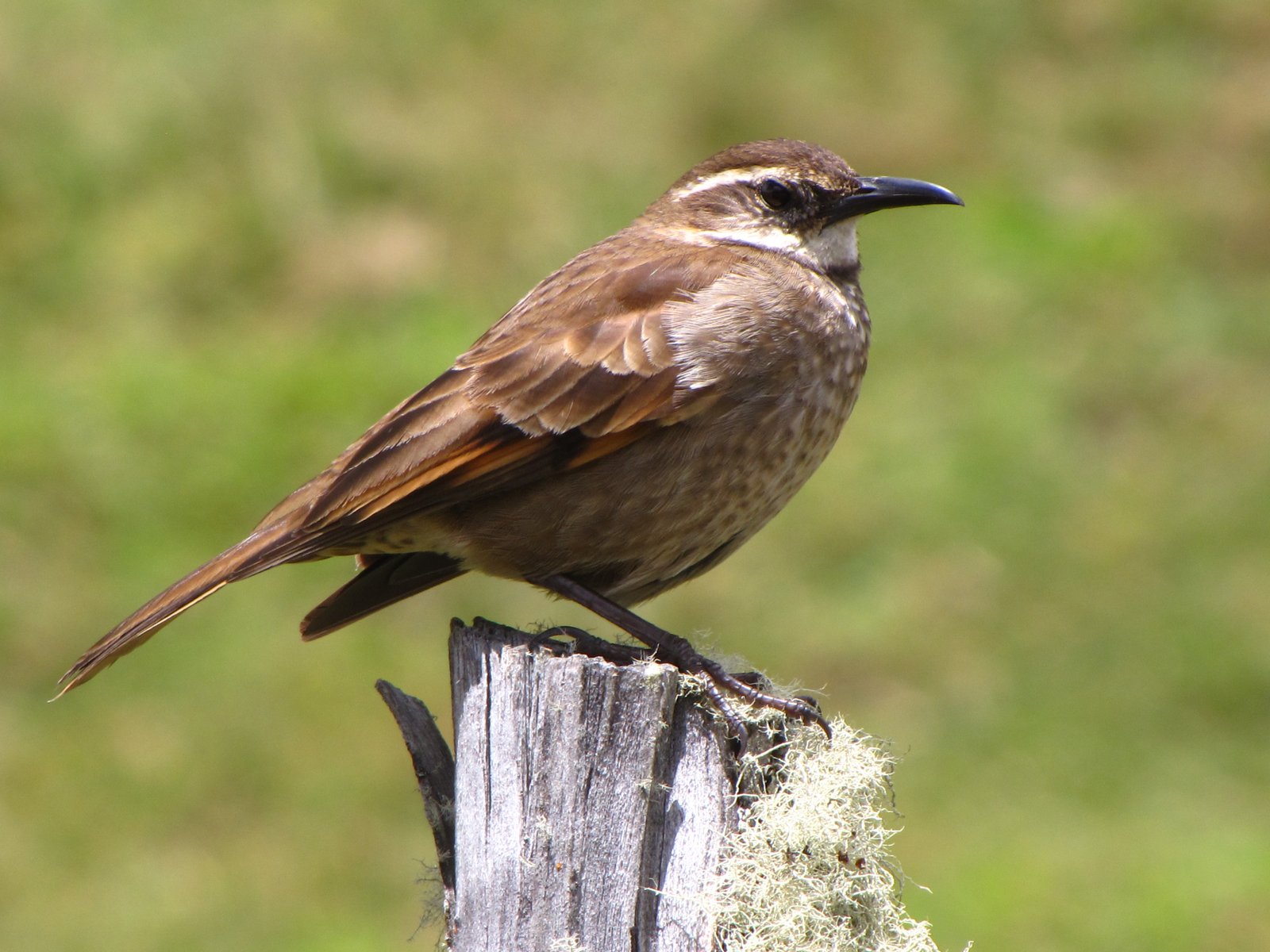
Stout-billed Cinclodes
Cinclodes excelsior- Páramo
- Andean bogs and bofedales
- Polylepis woodland
- Andean and high-plateau lakes
-
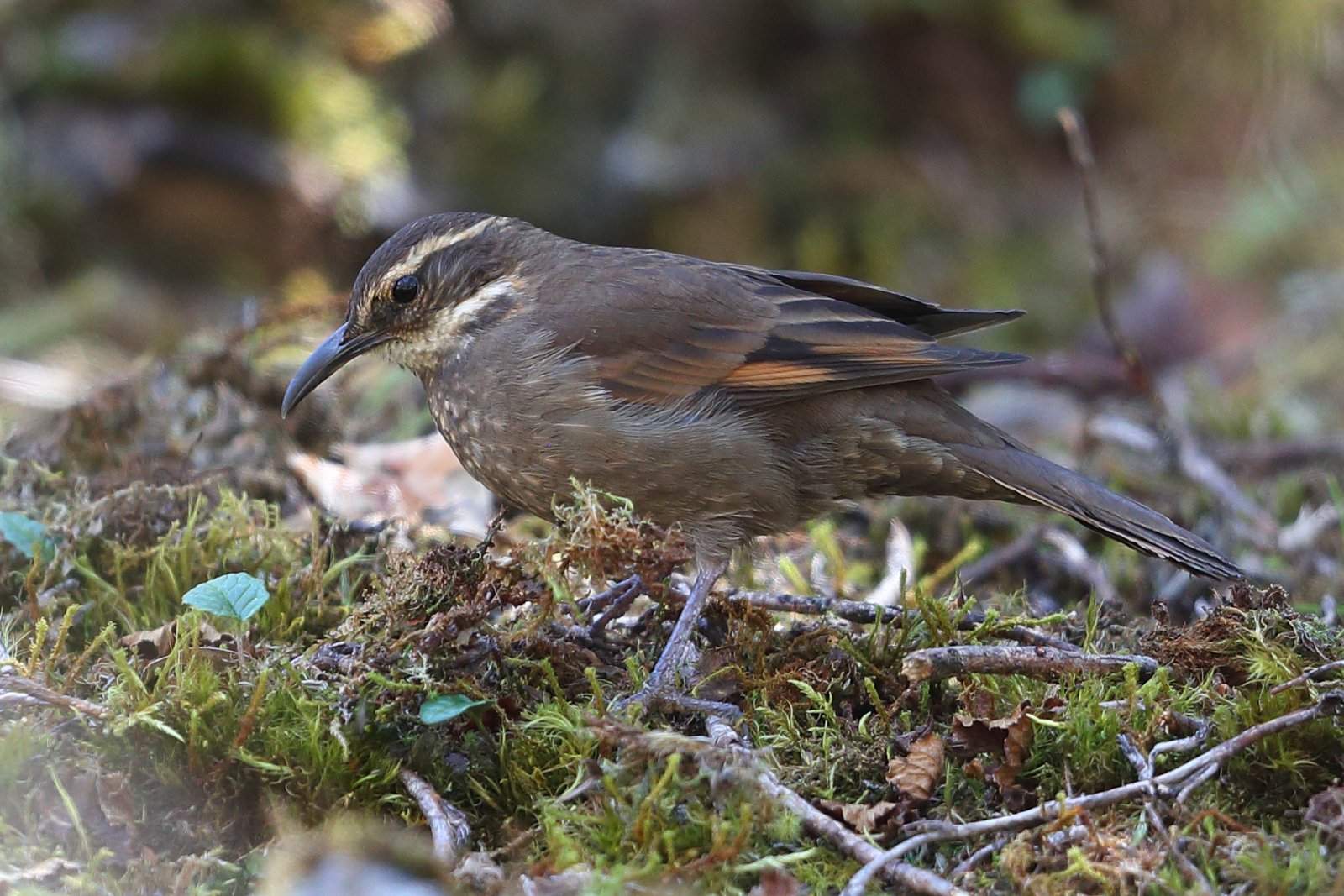
Royal Cinclodes
Cinclodes aricomae- Polylepis woodland
- Humid puna
- Cliffs, gorges and canyons
-
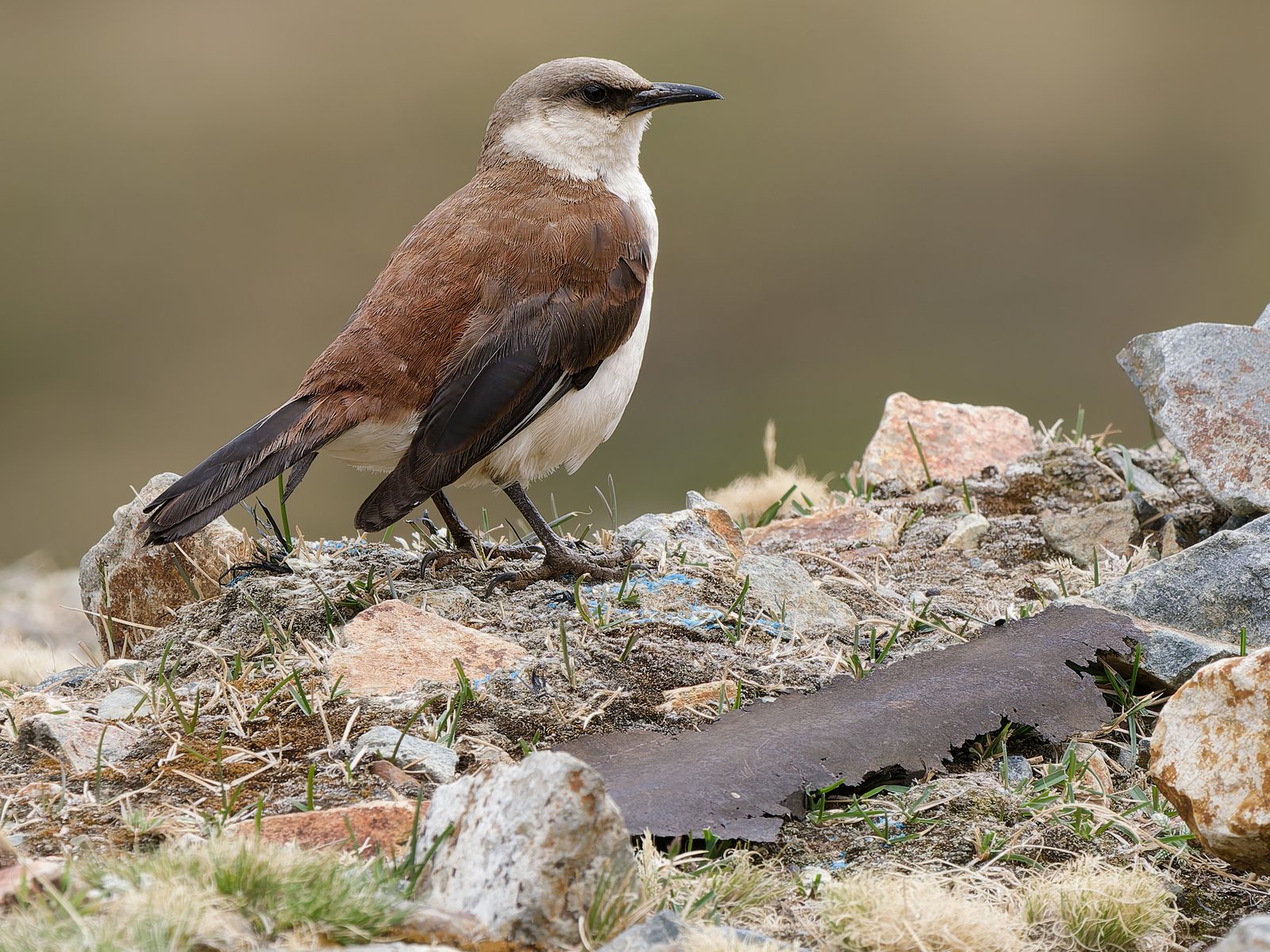
White-bellied Cinclodes
Cinclodes palliatus- Andean bogs and bofedales
 Glaciers, snowline and scree
- Humid puna
- Andean and high-plateau lakes
-
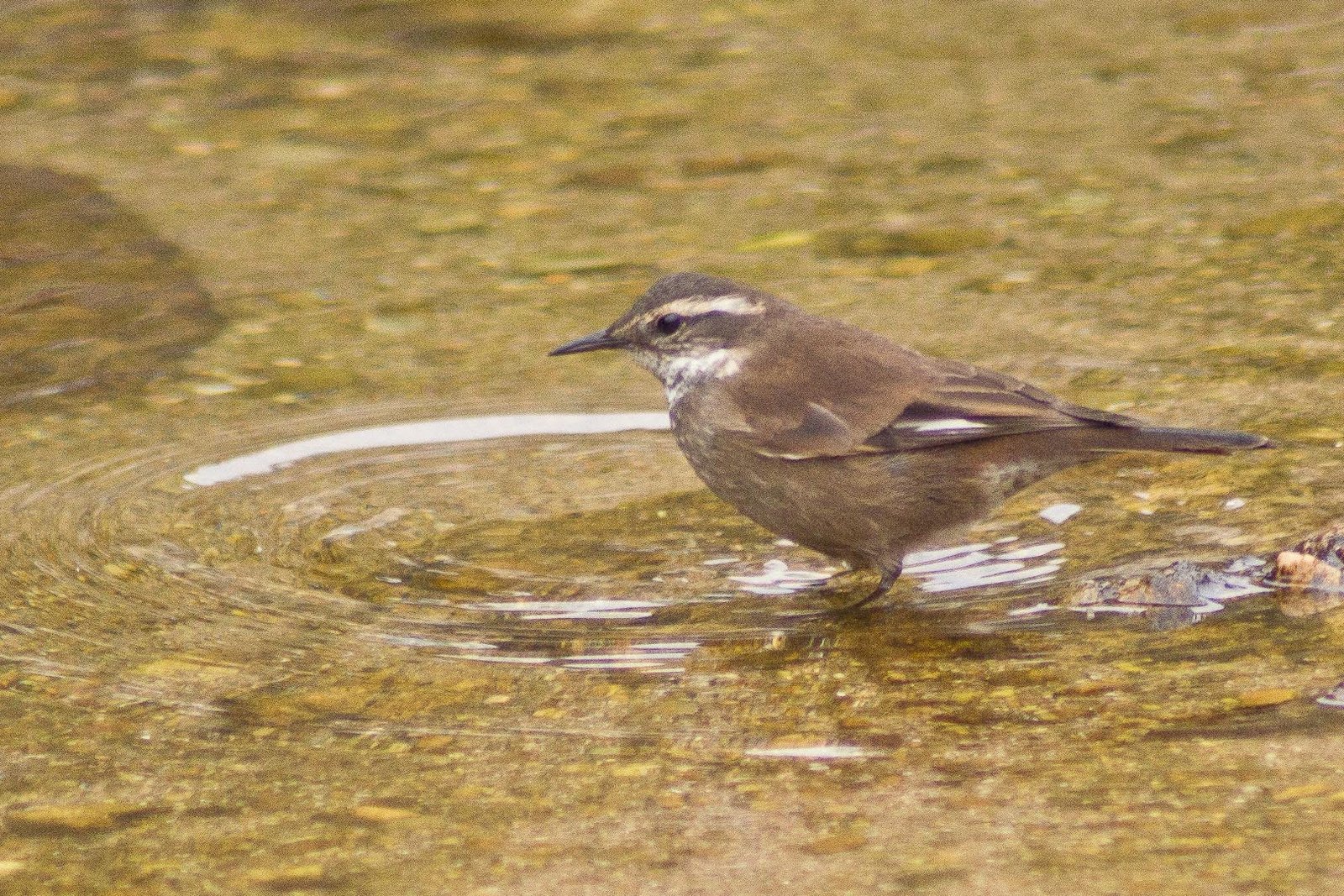
White-winged Cinclodes
Cinclodes atacamensis- Andean rivers and torrents
- Andean bogs and bofedales
- Dry puna and altiplano
- Humid puna
- Andean and high-plateau lakes
-
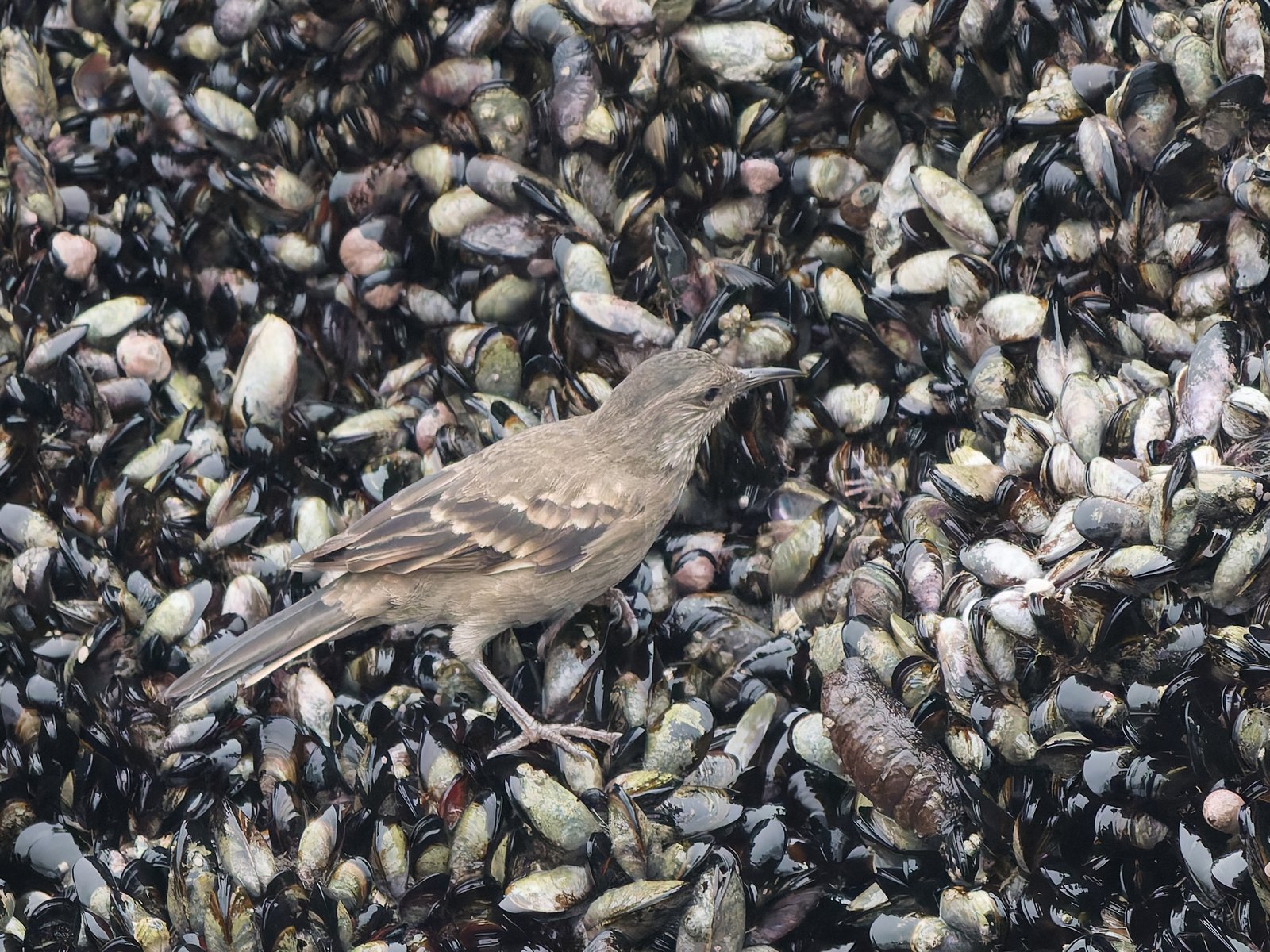
Peruvian Seaside Cinclodes
Cinclodes taczanowskii Rocky shore and sea cliffs
 Sandy beach and dunes
Ancistrops 1 species
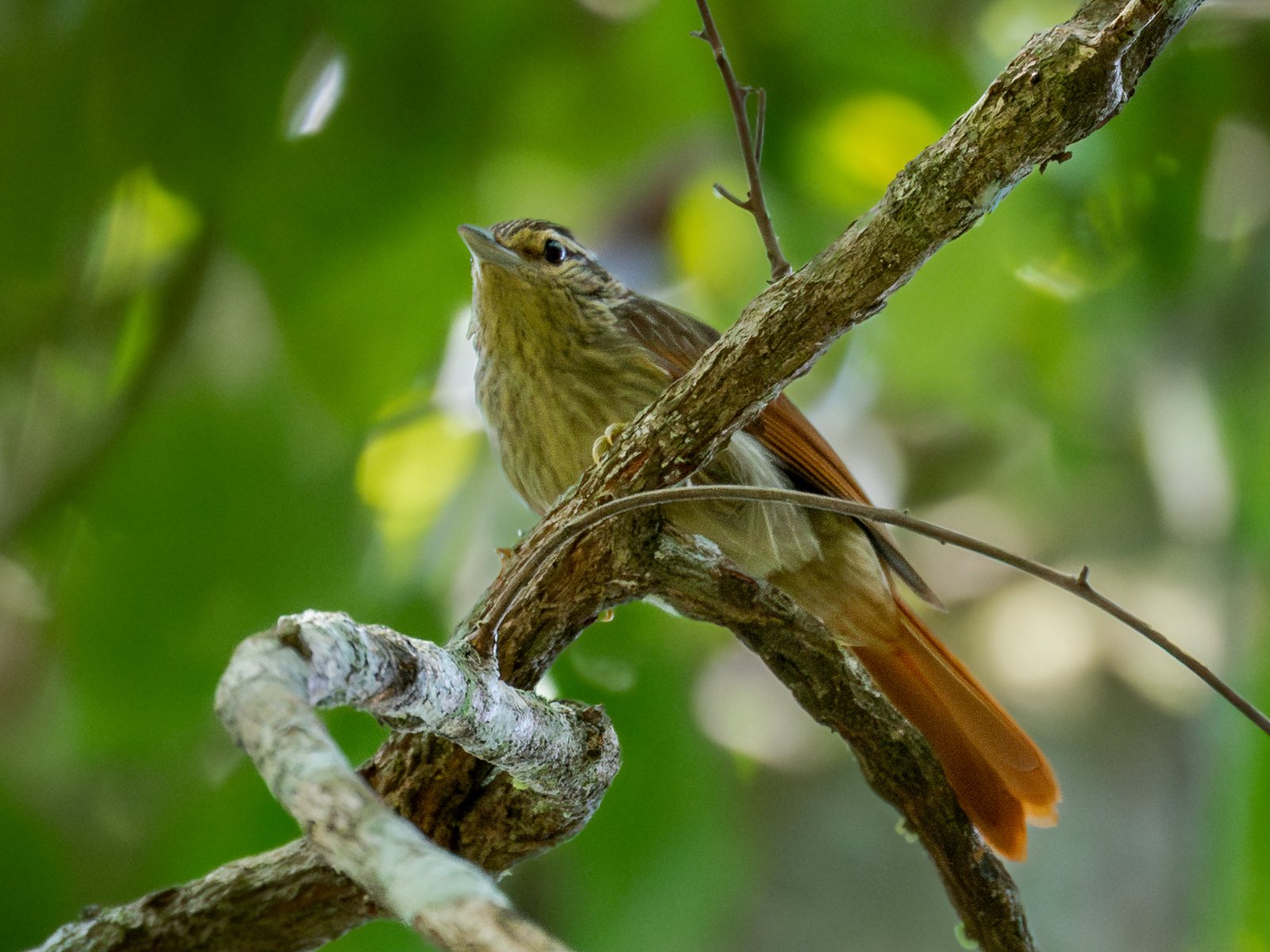
Automolus 5 species
-
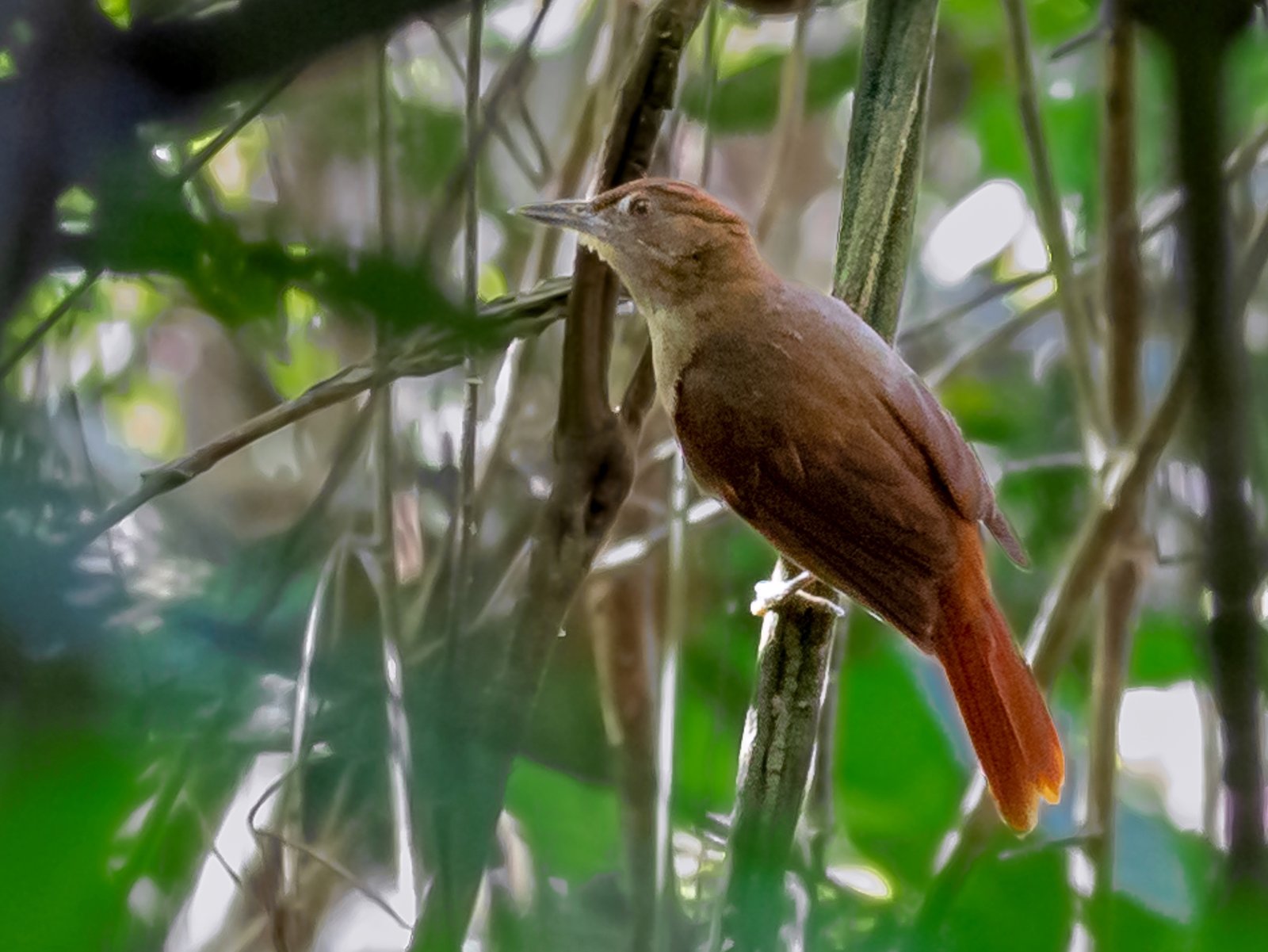
Chestnut-crowned Foliage-Gleaner
Automolus rufipileatus- Várzea, igapó and river islands
- Bamboo forest
- Amazonian terra firme rainforest
- Secondary forest and forest edge
-
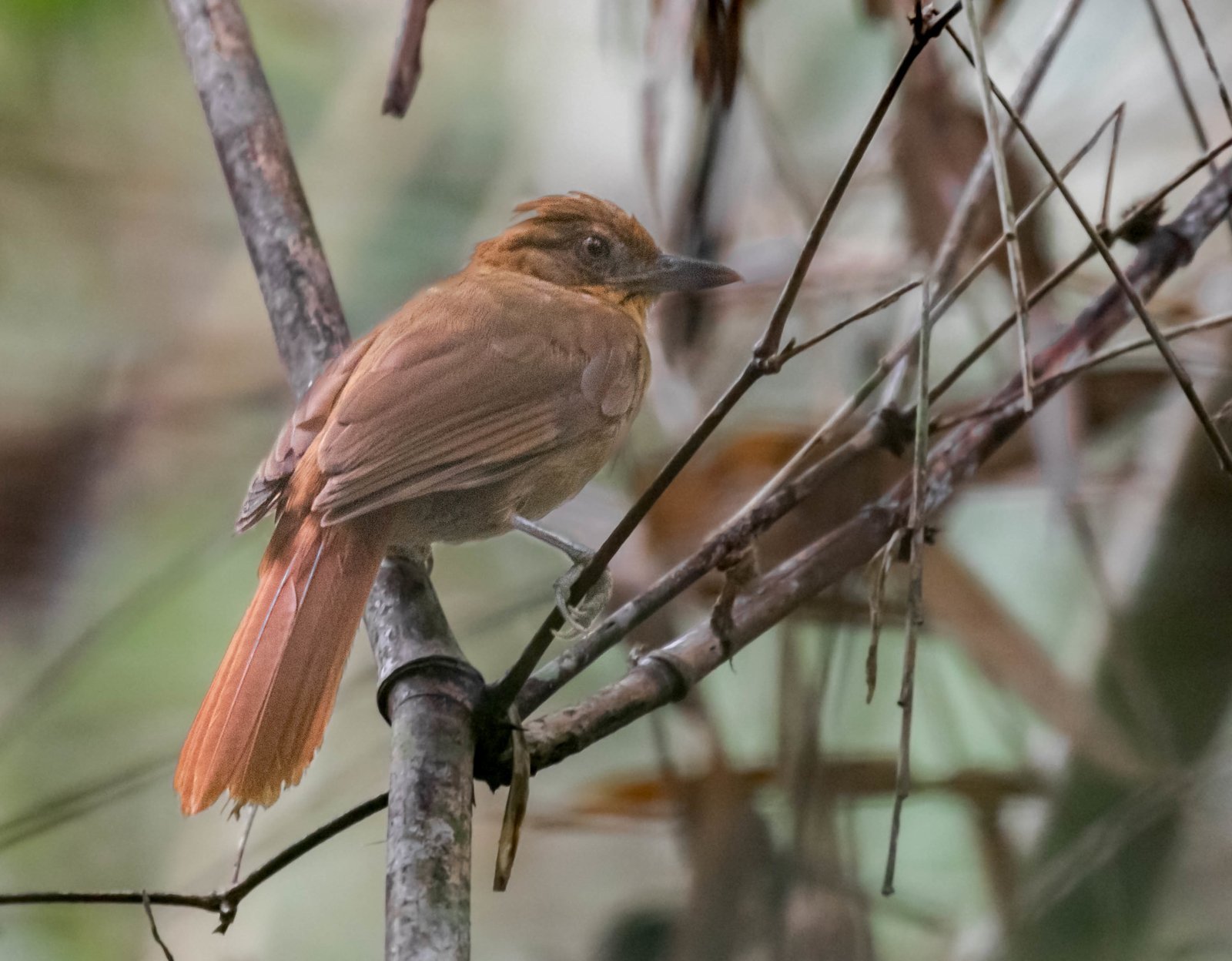
Brown-rumped Foliage-Gleaner
Automolus melanopezus- Bamboo forest
- Amazonian terra firme rainforest
- Eastern Andean foothill forest
-
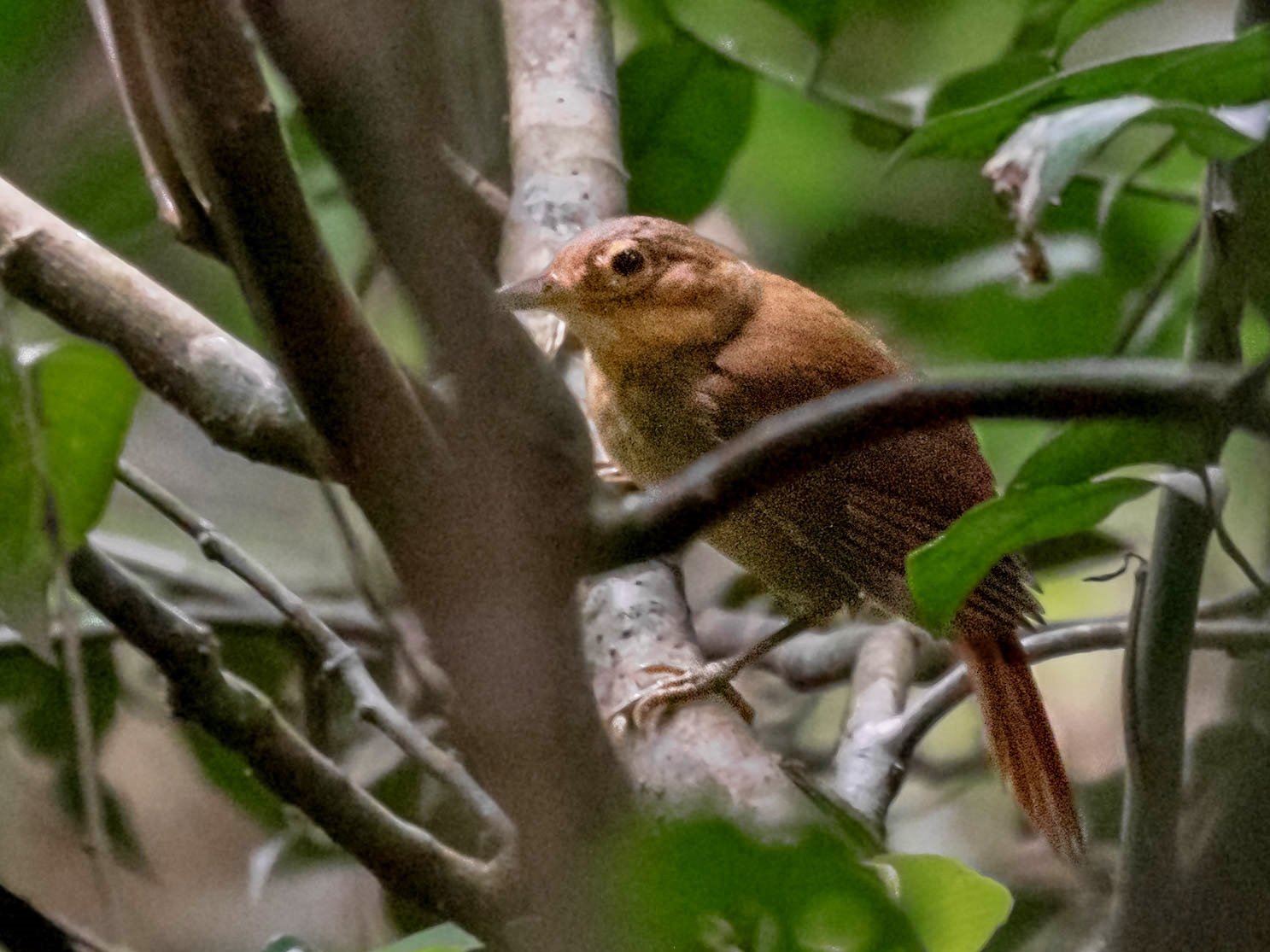
Ochre-throated Foliage-Gleaner
Automolus ochrolaemus- Amazonian terra firme rainforest
- Várzea, igapó and river islands
- Chocó rainforest
- Western Ecuador humid forest
- Secondary forest and forest edge
-
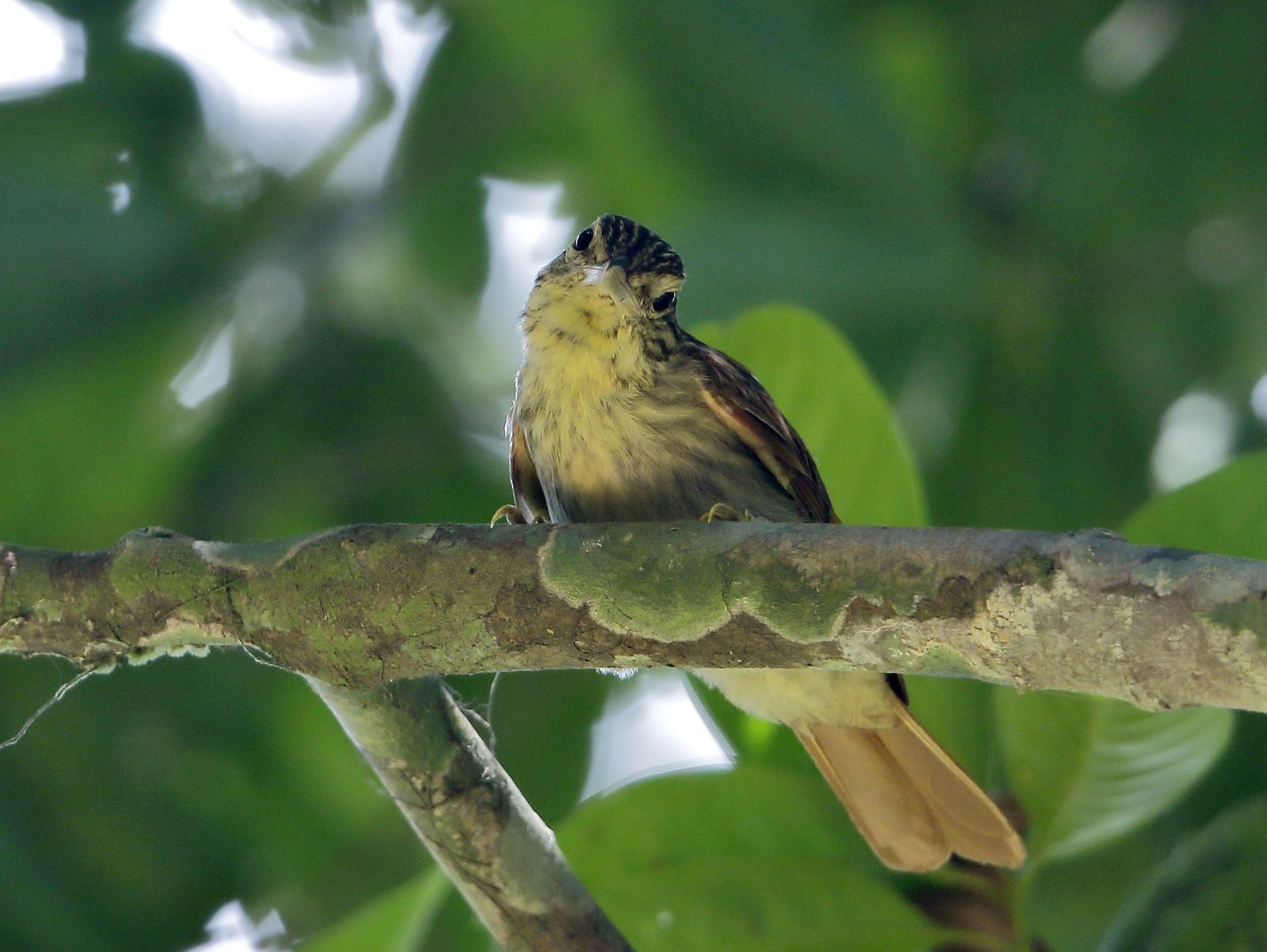
Eastern Woodhaunter
Automolus subulatus- Amazonian terra firme rainforest
- Eastern Andean foothill forest
- Secondary forest and forest edge
-
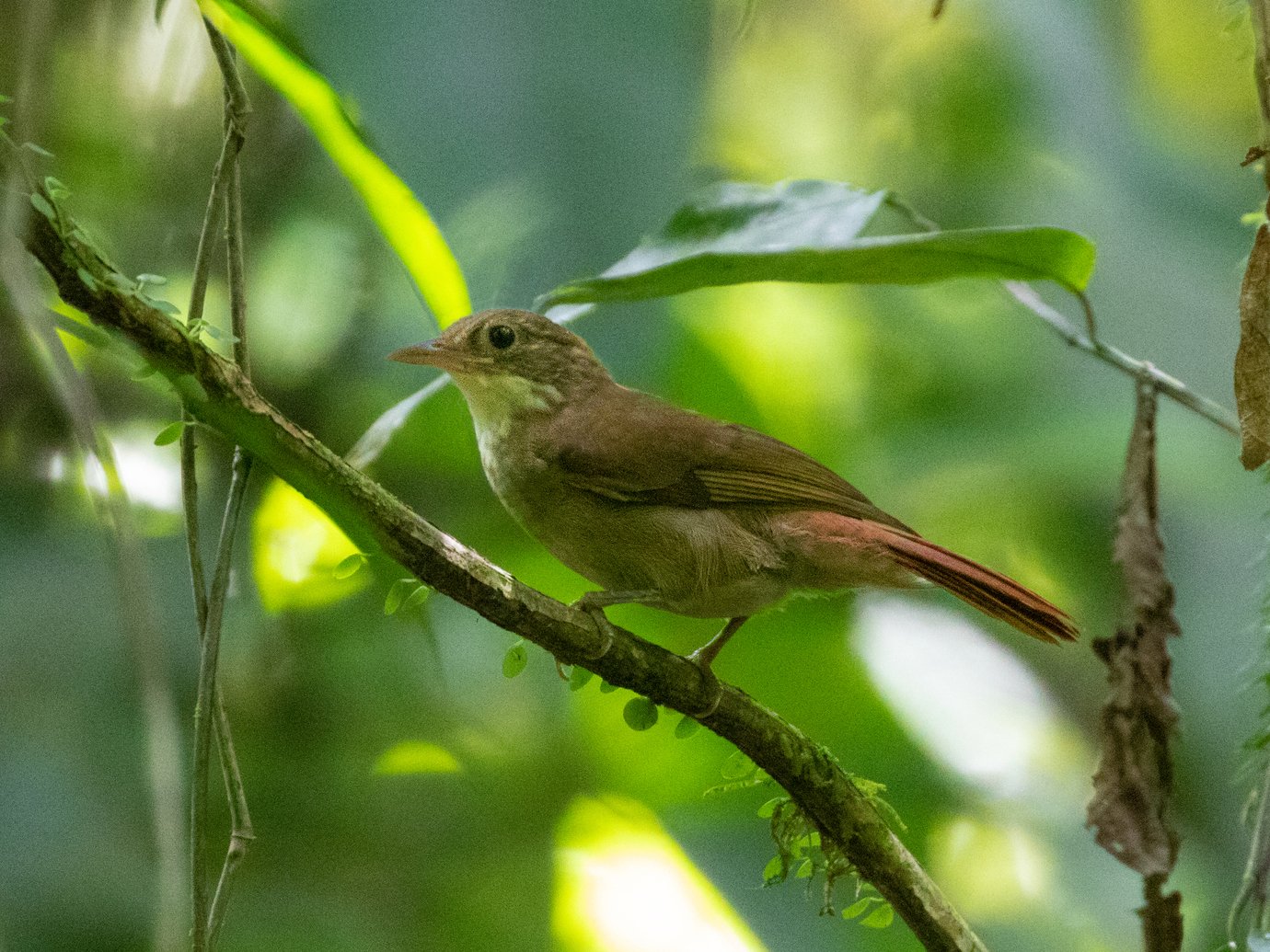
Olive-backed Foliage-Gleaner
Automolus infuscatus- Amazonian terra firme rainforest
- Eastern Andean foothill forest
- Secondary forest and forest edge
Xiphocolaptes 2 species
-
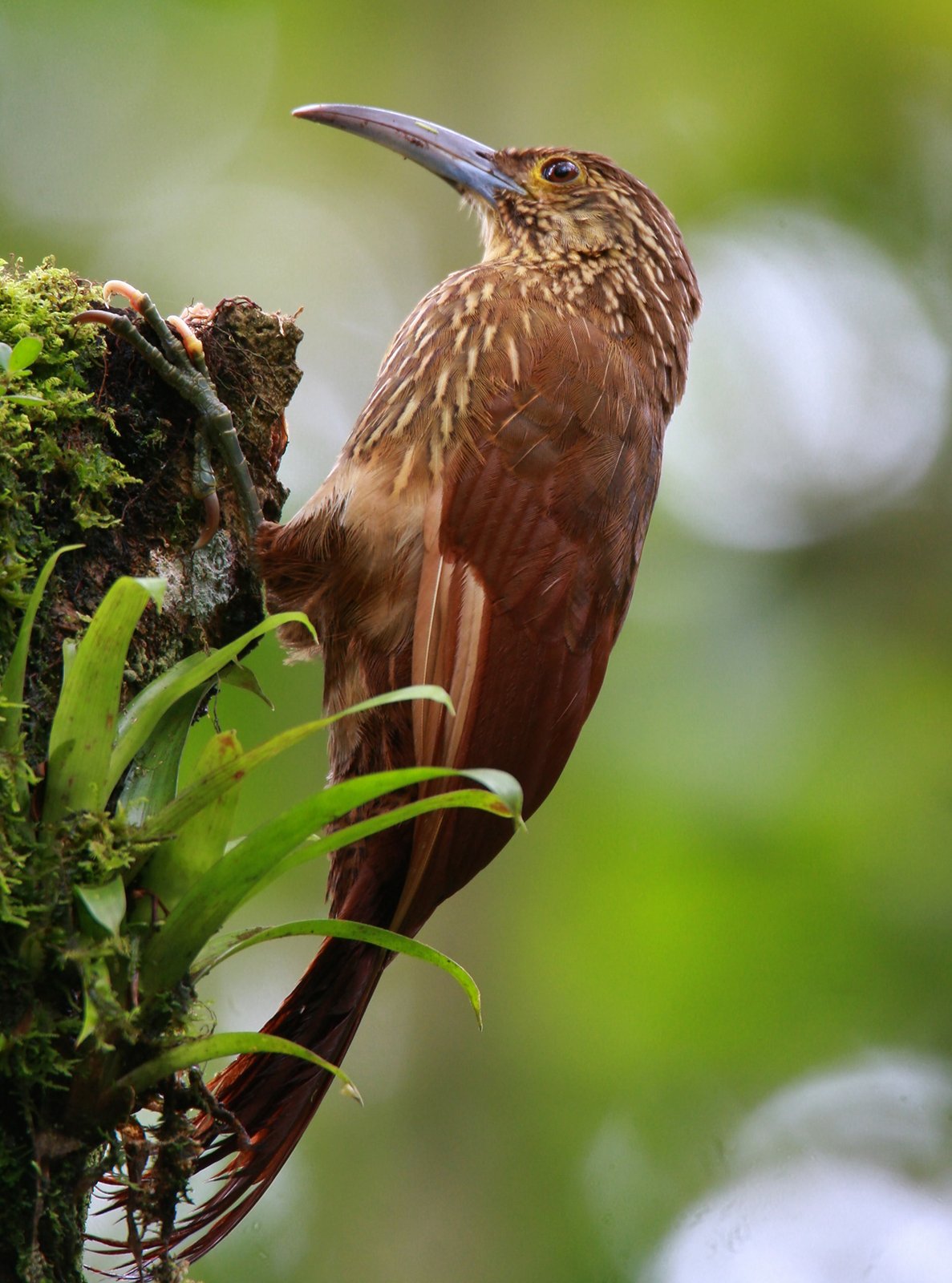
Strong-billed Woodcreeper
Xiphocolaptes promeropirhynchus- Northern Andean cloud forest and temperate forest
- Northern Andean subtropical forest
- Upper Yungas cloud forest
- Lower Yungas forest
- Eastern Andean foothill forest
-
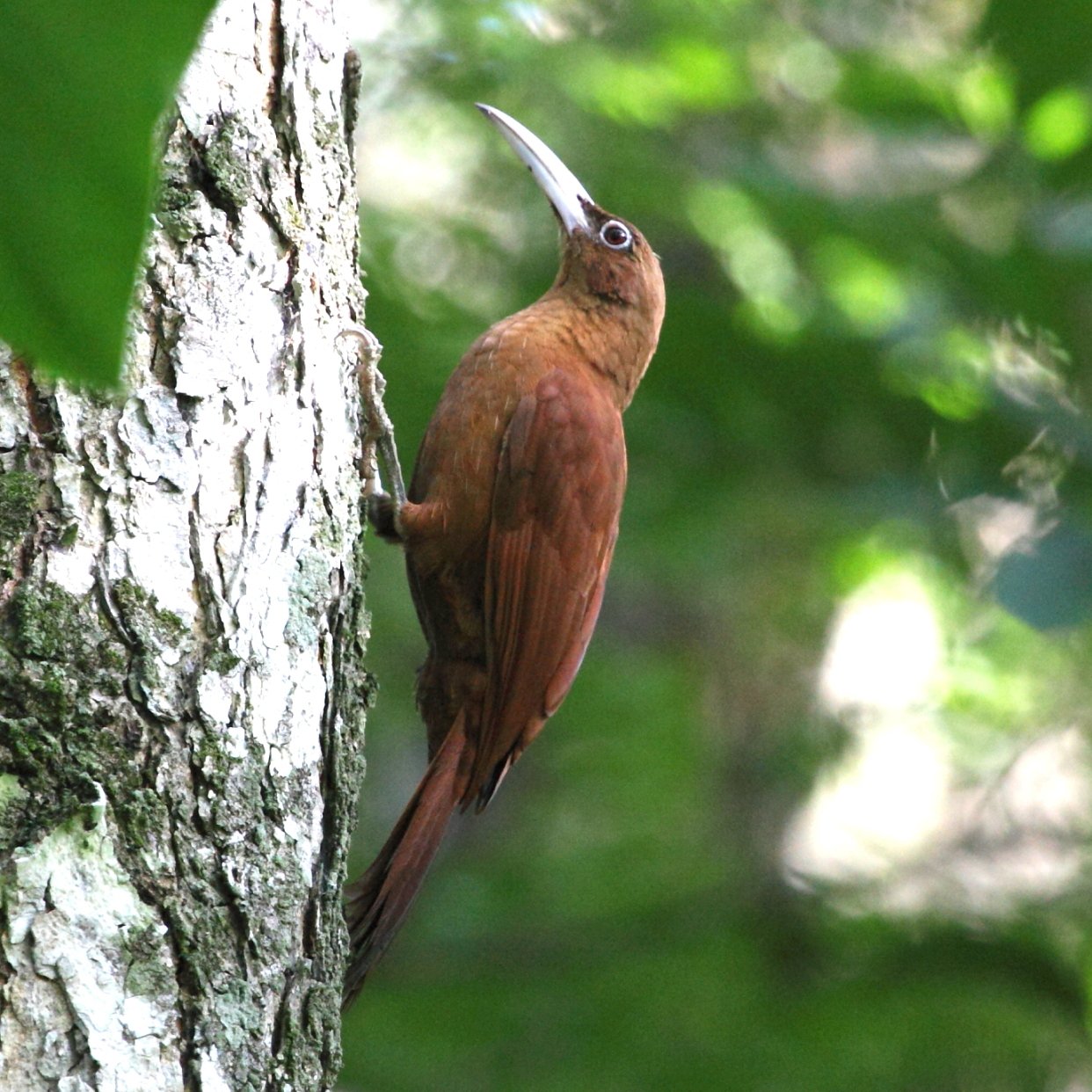
Great Rufous Woodcreeper
Xiphocolaptes major- Chiquitano dry forest and Chaco
- Beni savanna and cerrado
- Secondary forest and forest edge
Drymornis 1 species
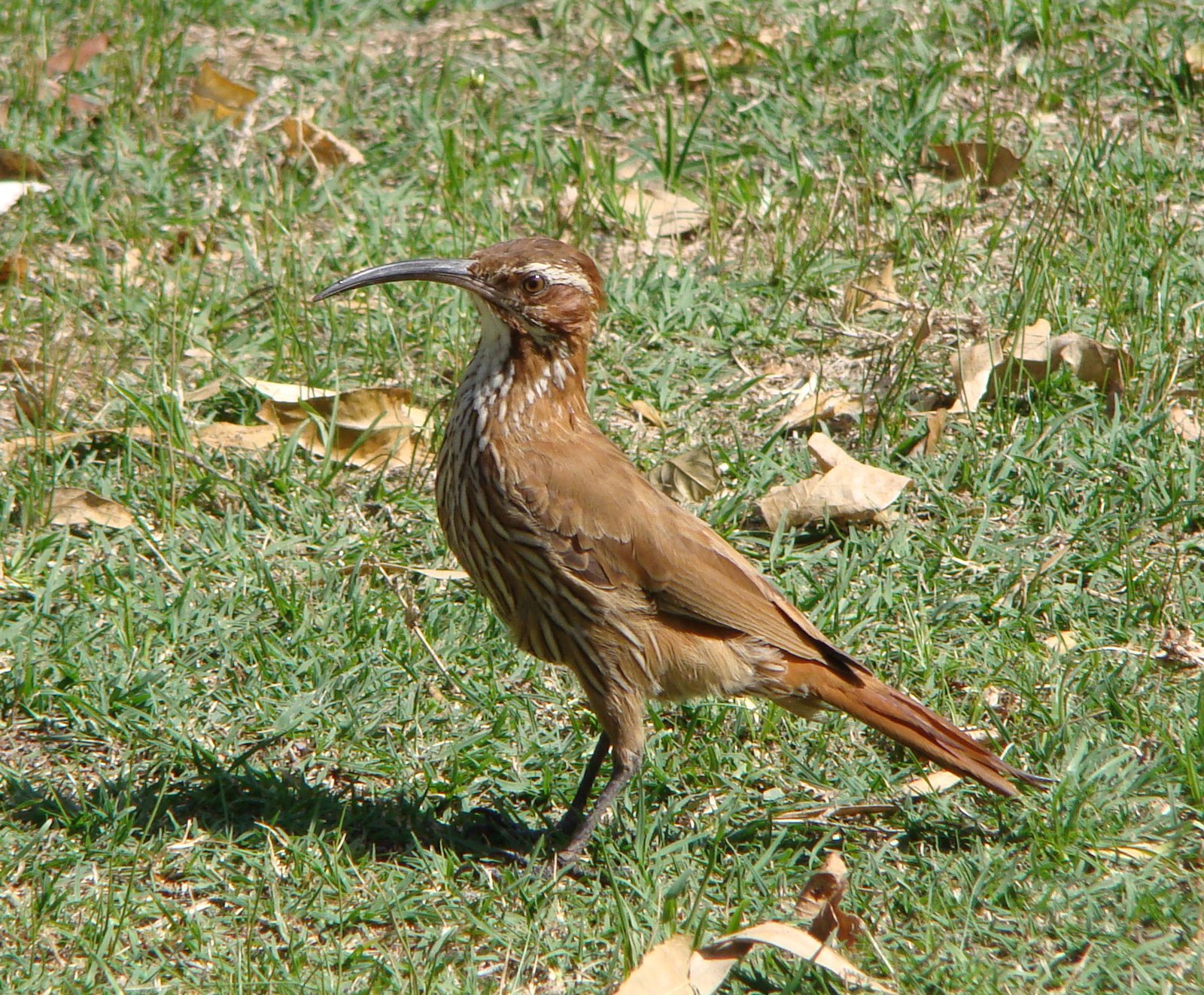
Xenops 4 species
-
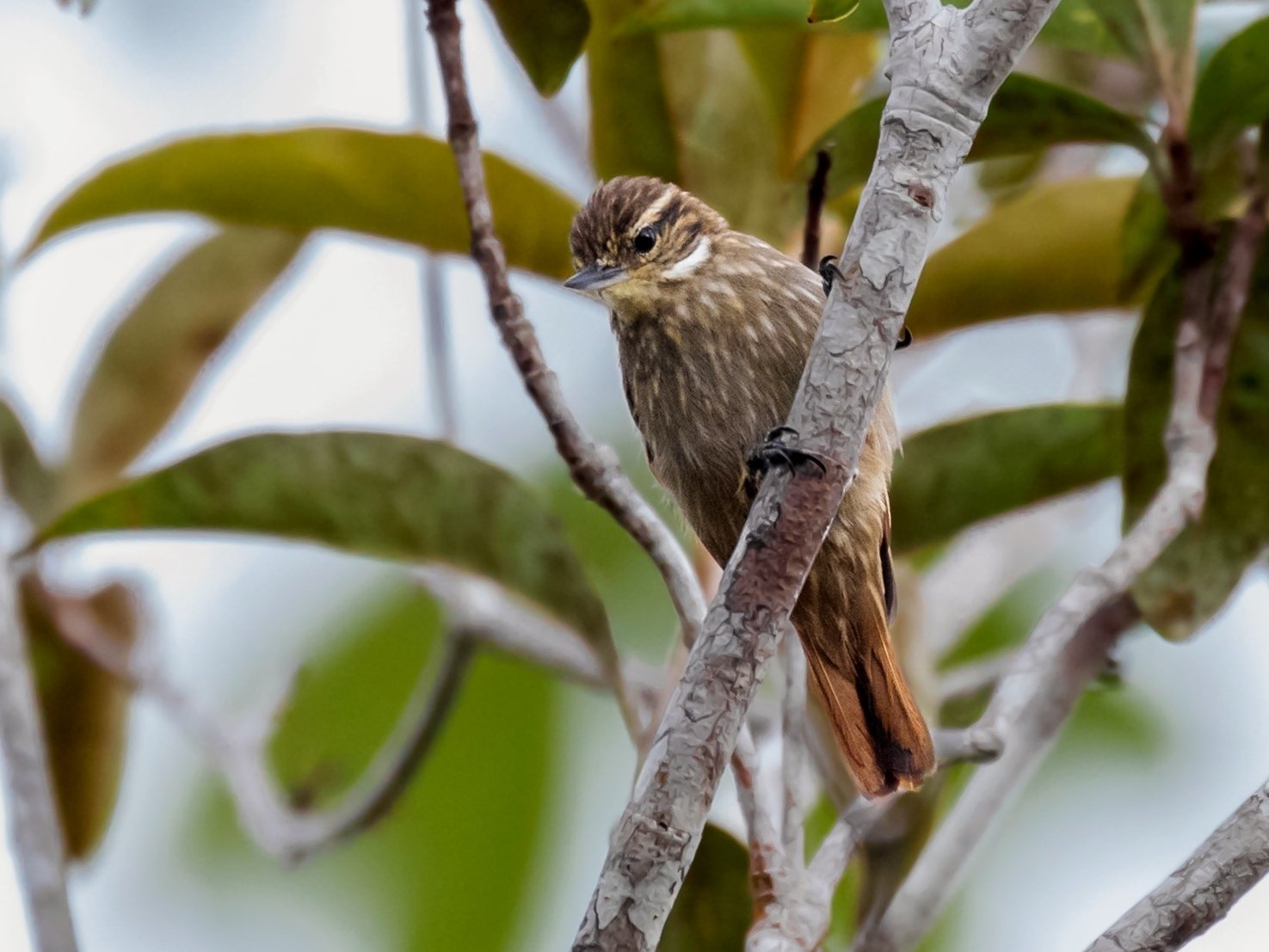
Slender-billed Xenops
Xenops tenuirostris- Amazonian terra firme rainforest
- Várzea, igapó and river islands
- Eastern Andean foothill forest
- Secondary forest and forest edge
-
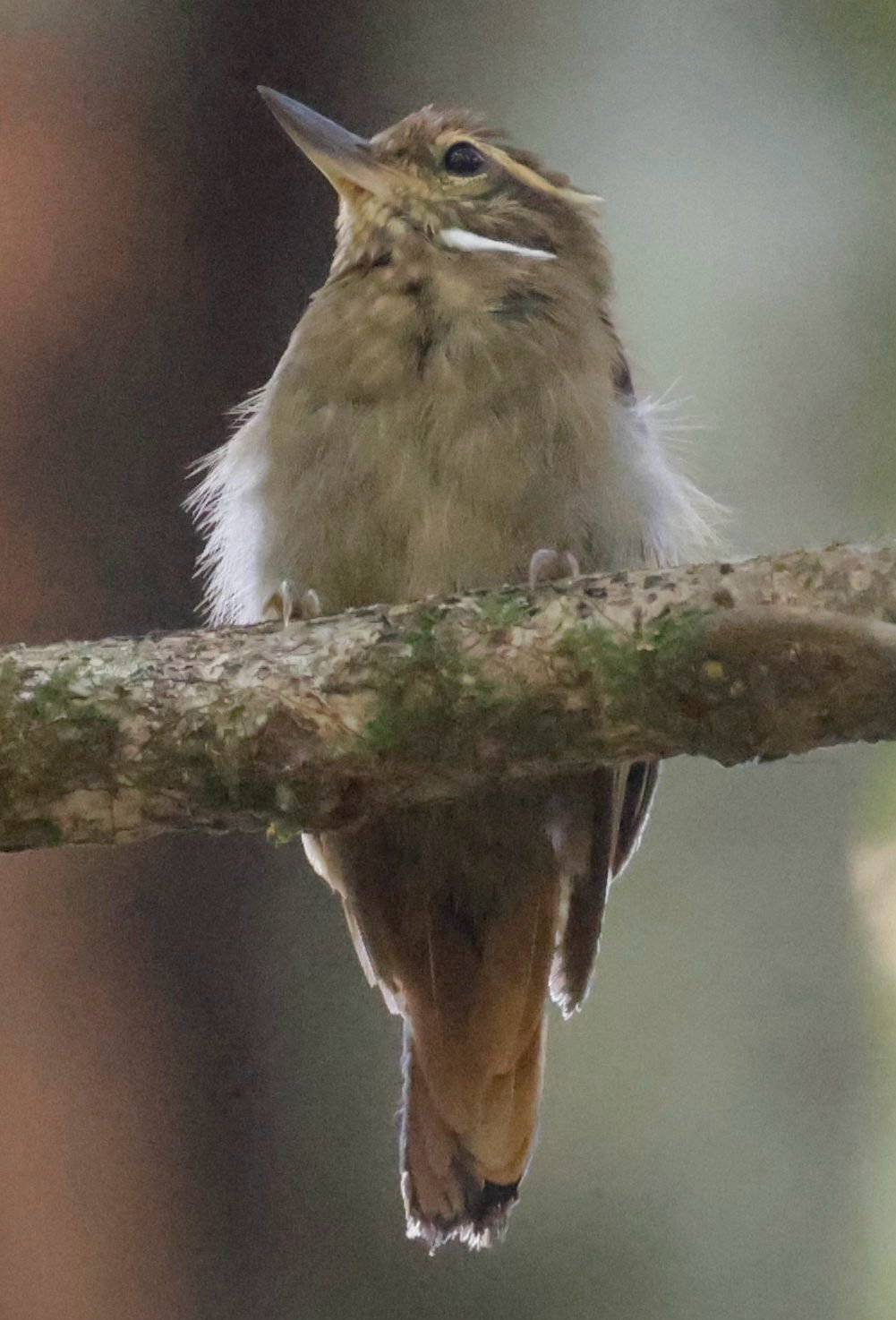
Amazonian Plain Xenops
Xenops genibarbis- Amazonian terra firme rainforest
- Eastern Andean foothill forest
- Secondary forest and forest edge
- Várzea, igapó and river islands
- Northern Andean subtropical forest
- Chocó rainforest
- Western Ecuador humid forest
-
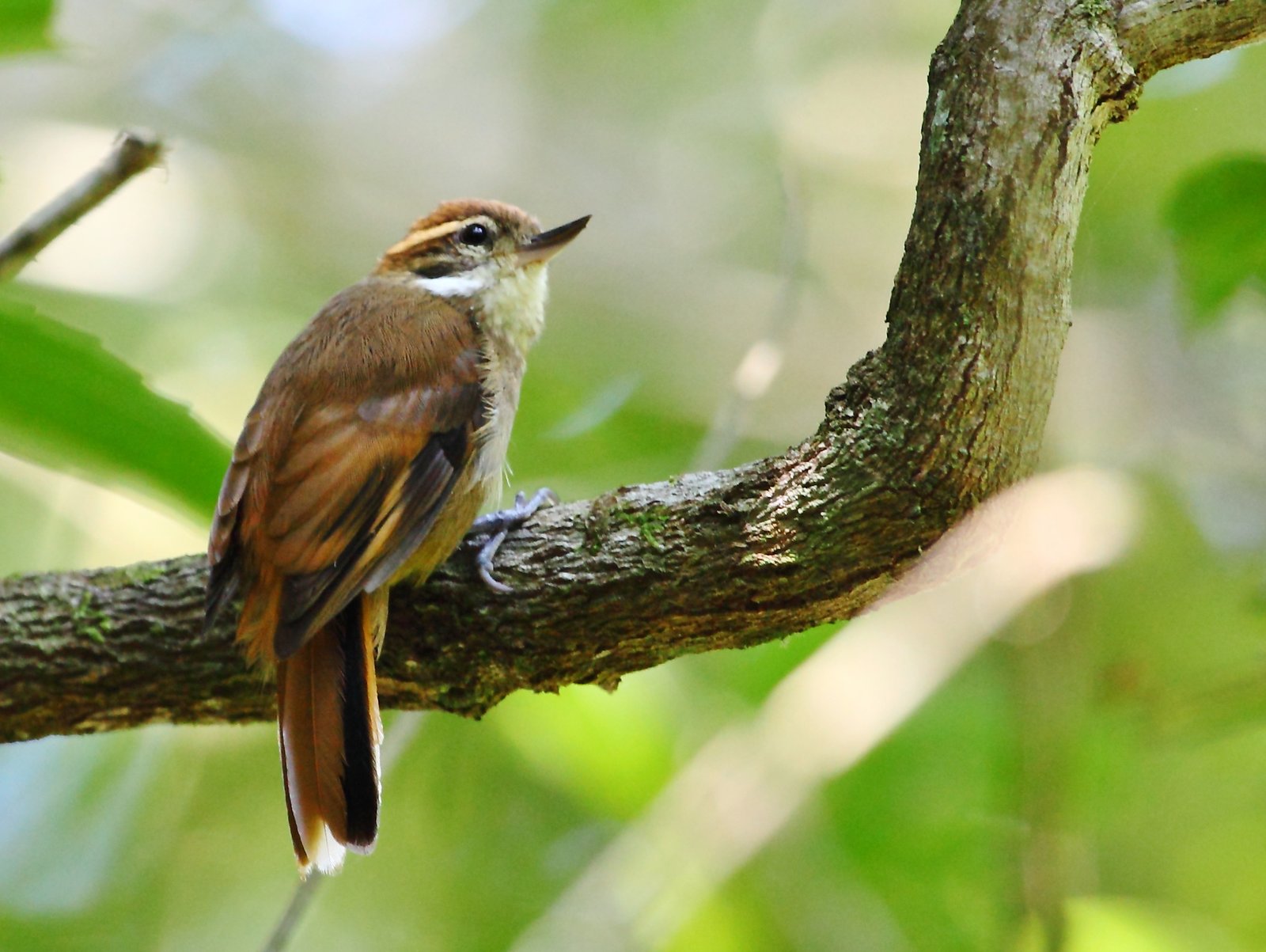
Atlantic Plain Xenops
Xenops minutus- Secondary forest and forest edge
- Coffee, cacao and agroforestry
-
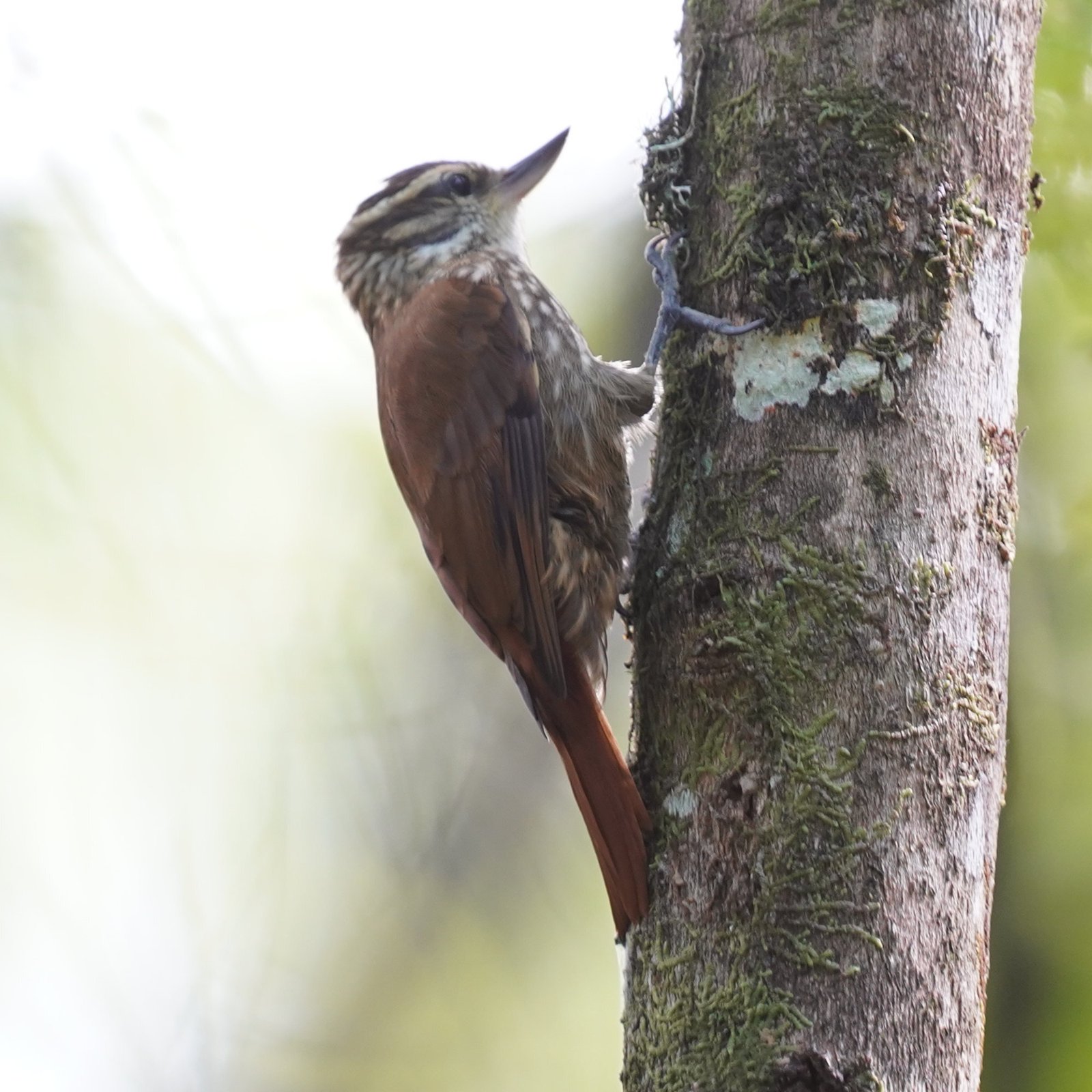
Streaked Xenops
Xenops rutilans- Northern Andean subtropical forest
- Lower Yungas forest
- Eastern Andean foothill forest
- Western Ecuador humid forest
- Tumbesian dry forest and thorn scrub
- Northern Andean cloud forest and temperate forest
- Secondary forest and forest edge
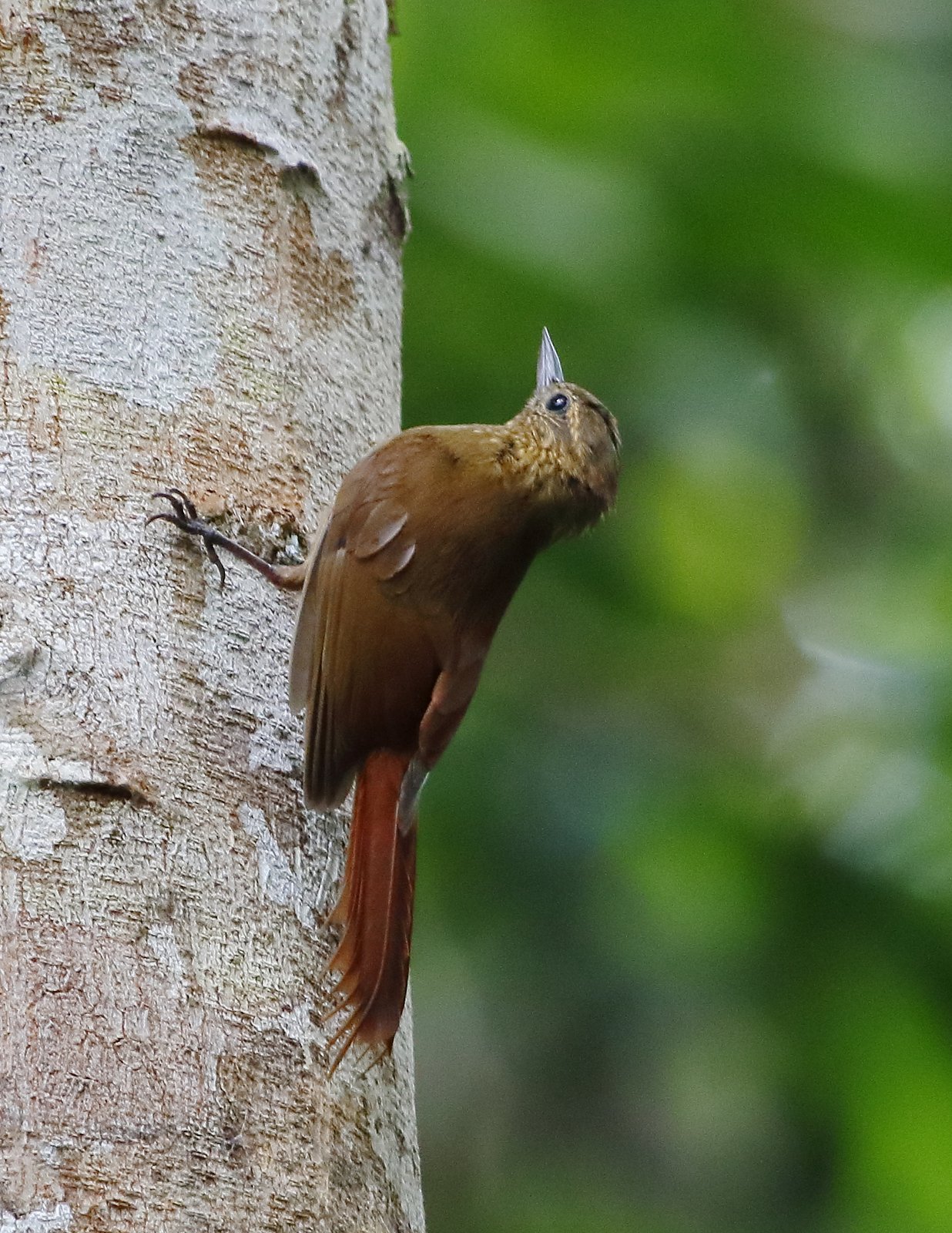
Geositta 9 species
-
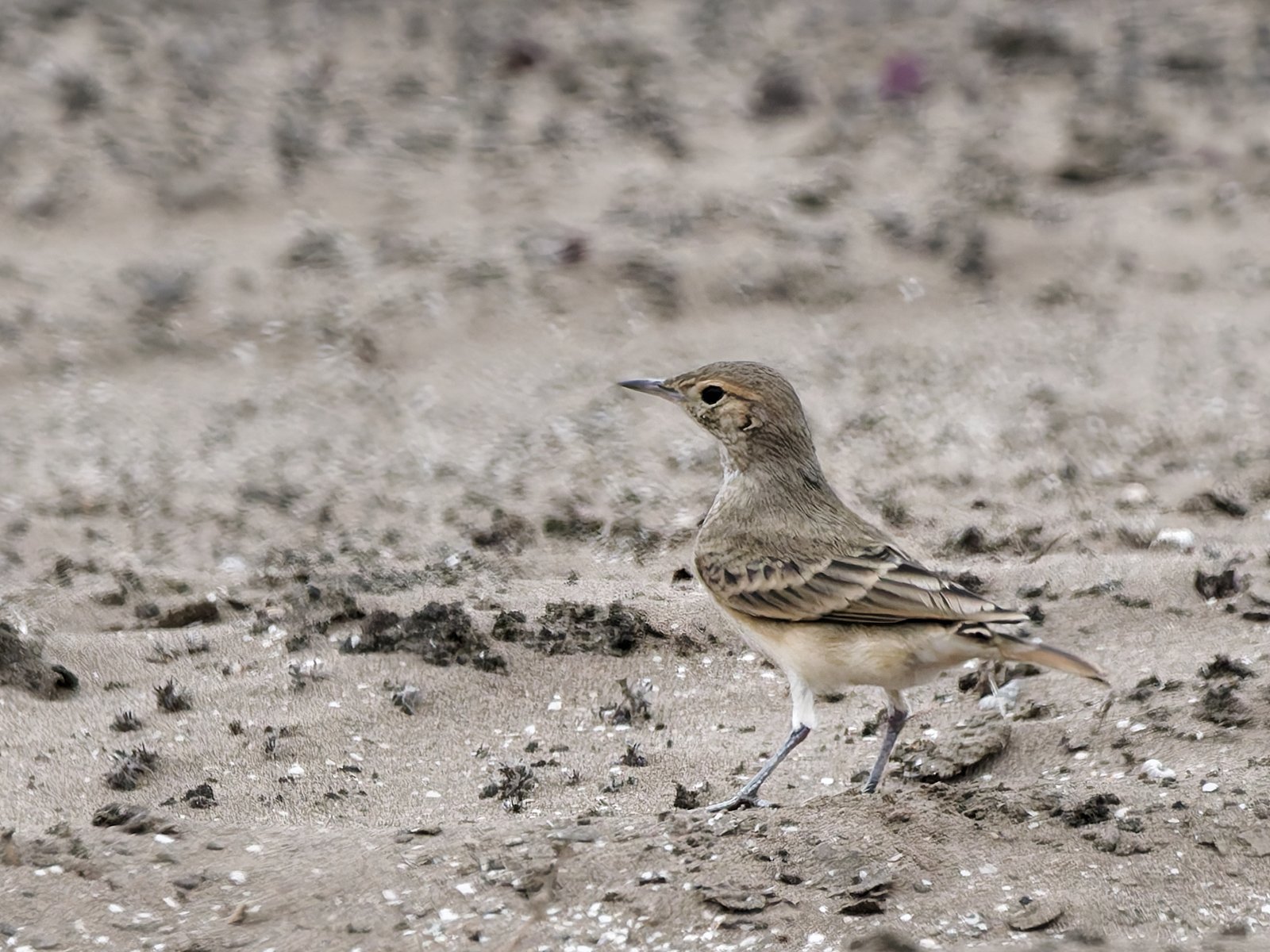
Coastal Miner
Geositta peruviana- Coastal desert
- Sandy beach and dunes
- Lomas (fog oases)
-
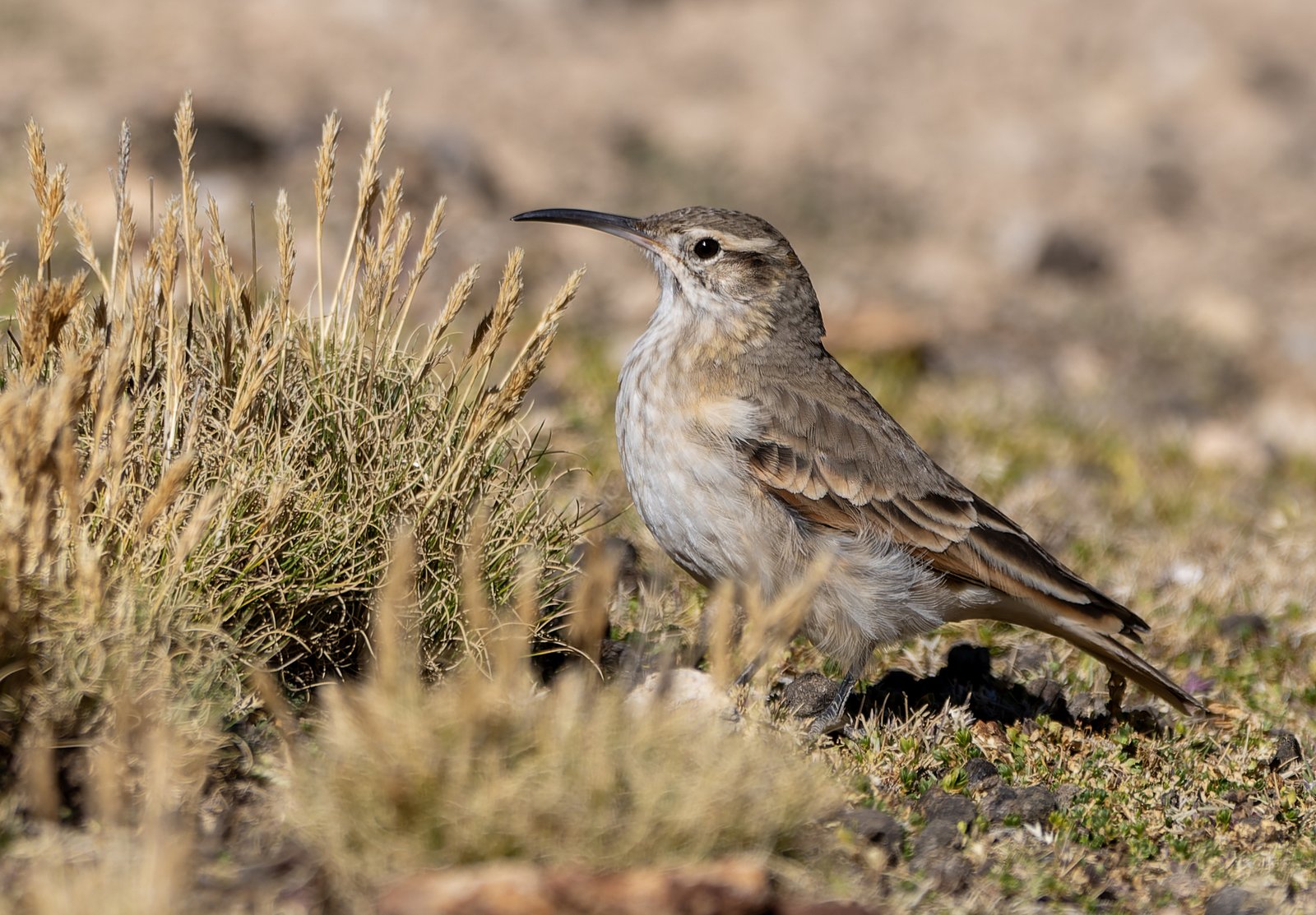
Slender-billed Miner
Geositta tenuirostris- Humid puna
- Dry puna and altiplano
- Andean fields and terraces
- Central Andean dry valleys
- Páramo
-

Common Miner
Geositta cunicularia- Dry puna and altiplano
- Humid puna
- Coastal desert
- Sandy beach and dunes
-
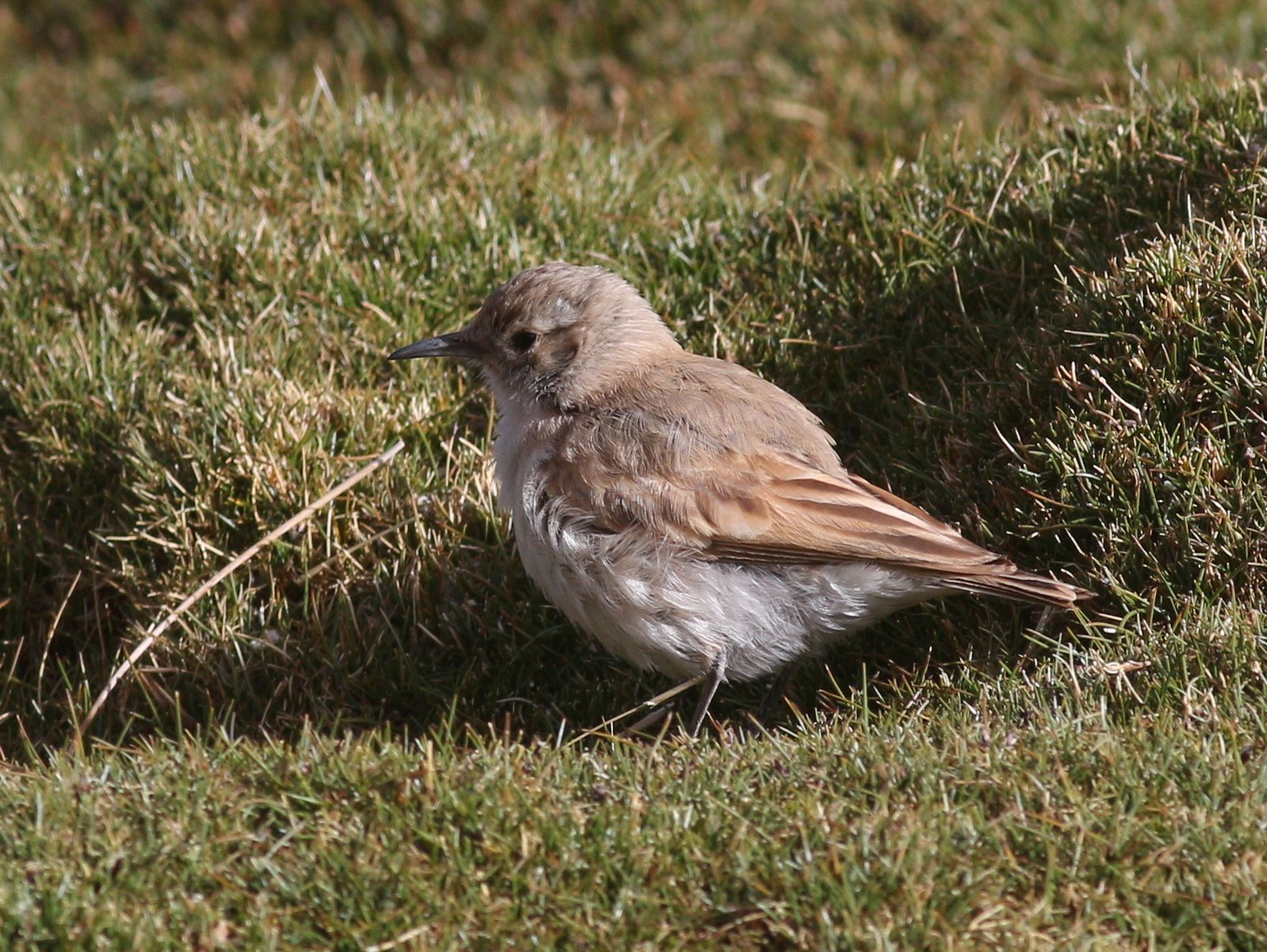
Puna Miner
Geositta punensis- Dry puna and altiplano
 Altiplano salt lakes and salt flats
- Humid puna
-
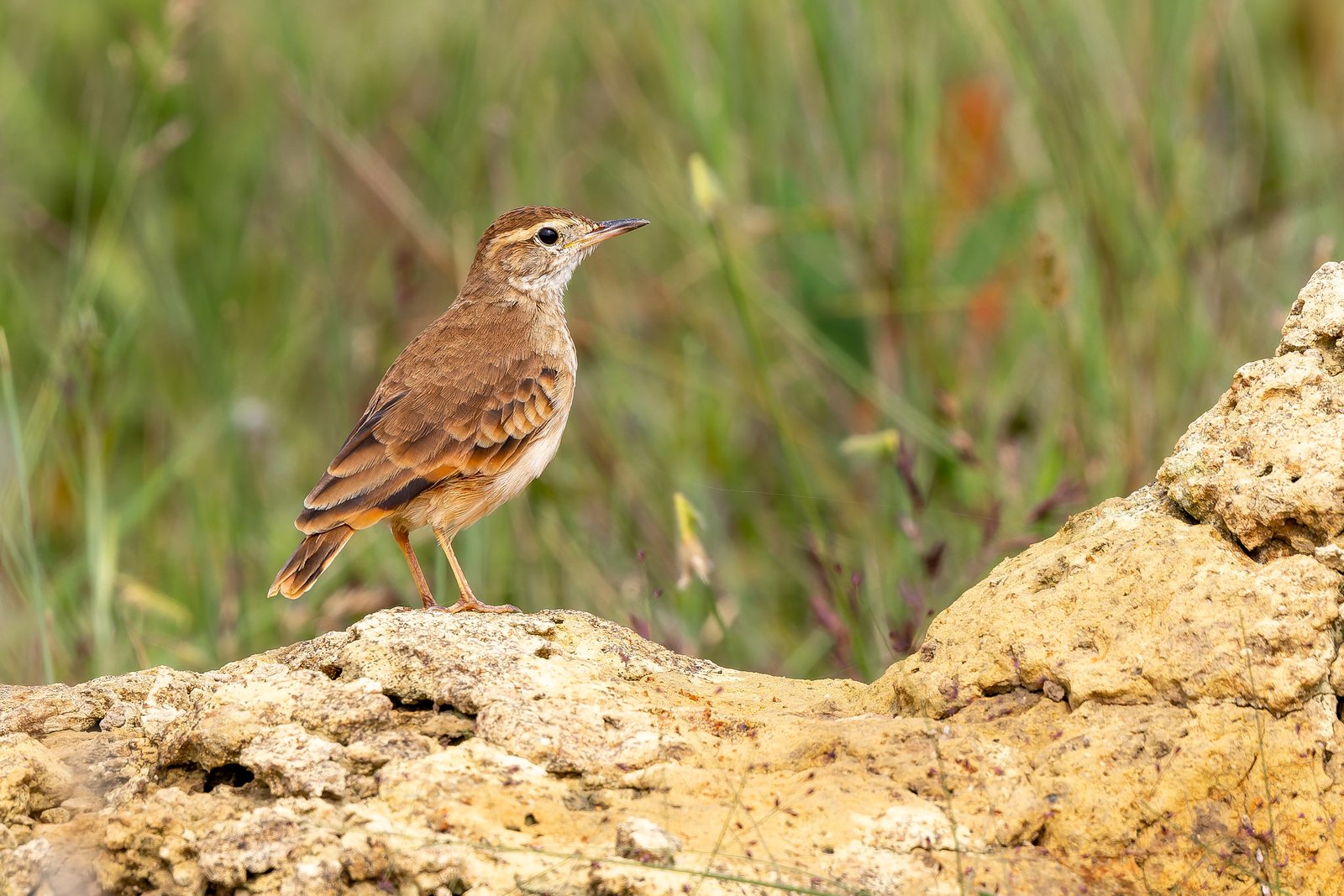
Campo Miner
Geositta poeciloptera- Beni savanna and cerrado
-
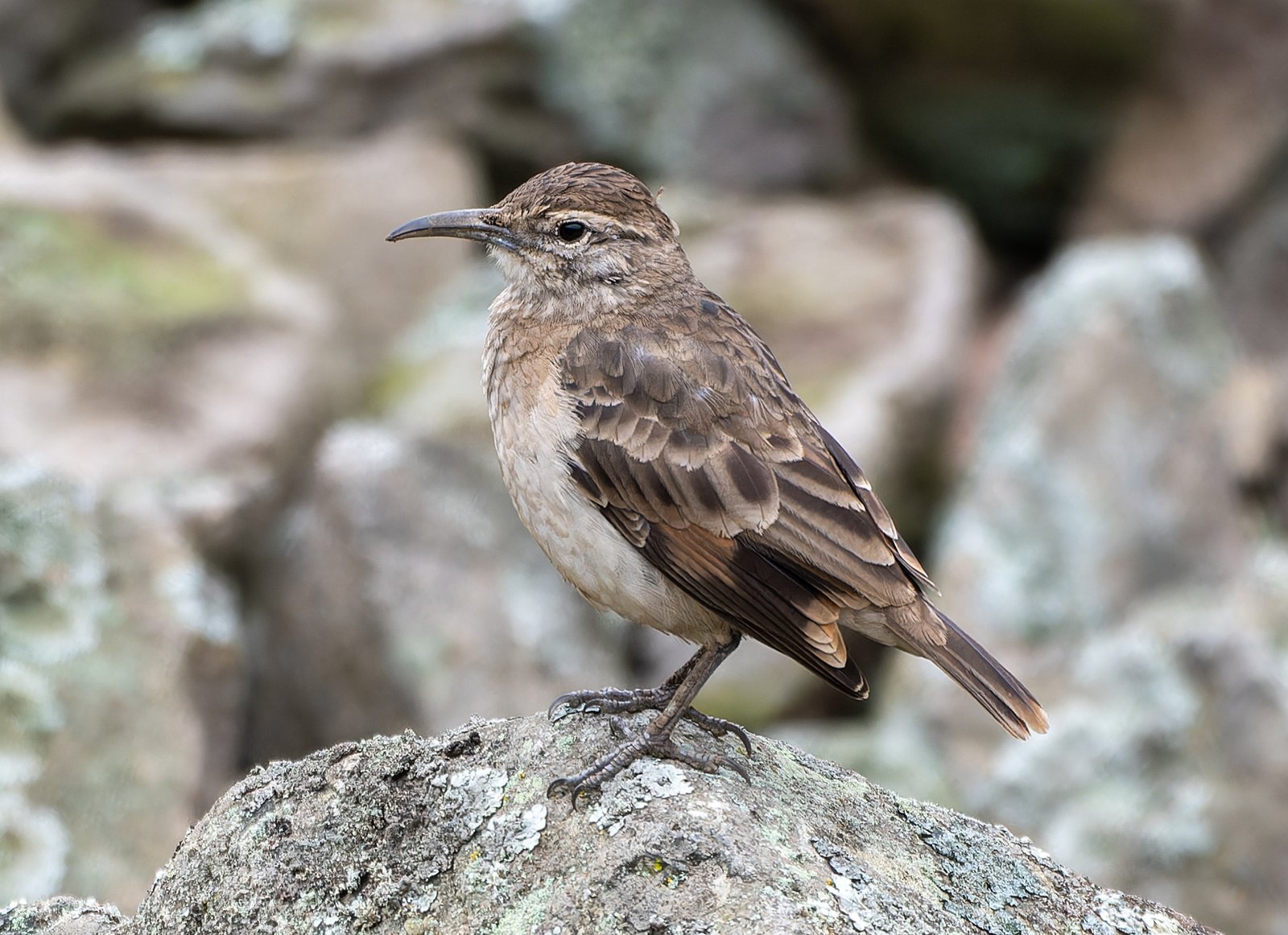
Thick-billed Miner
Geositta crassirostris- Central Andean dry valleys
- Lomas (fog oases)
- Cliffs, gorges and canyons
- Coastal desert
-
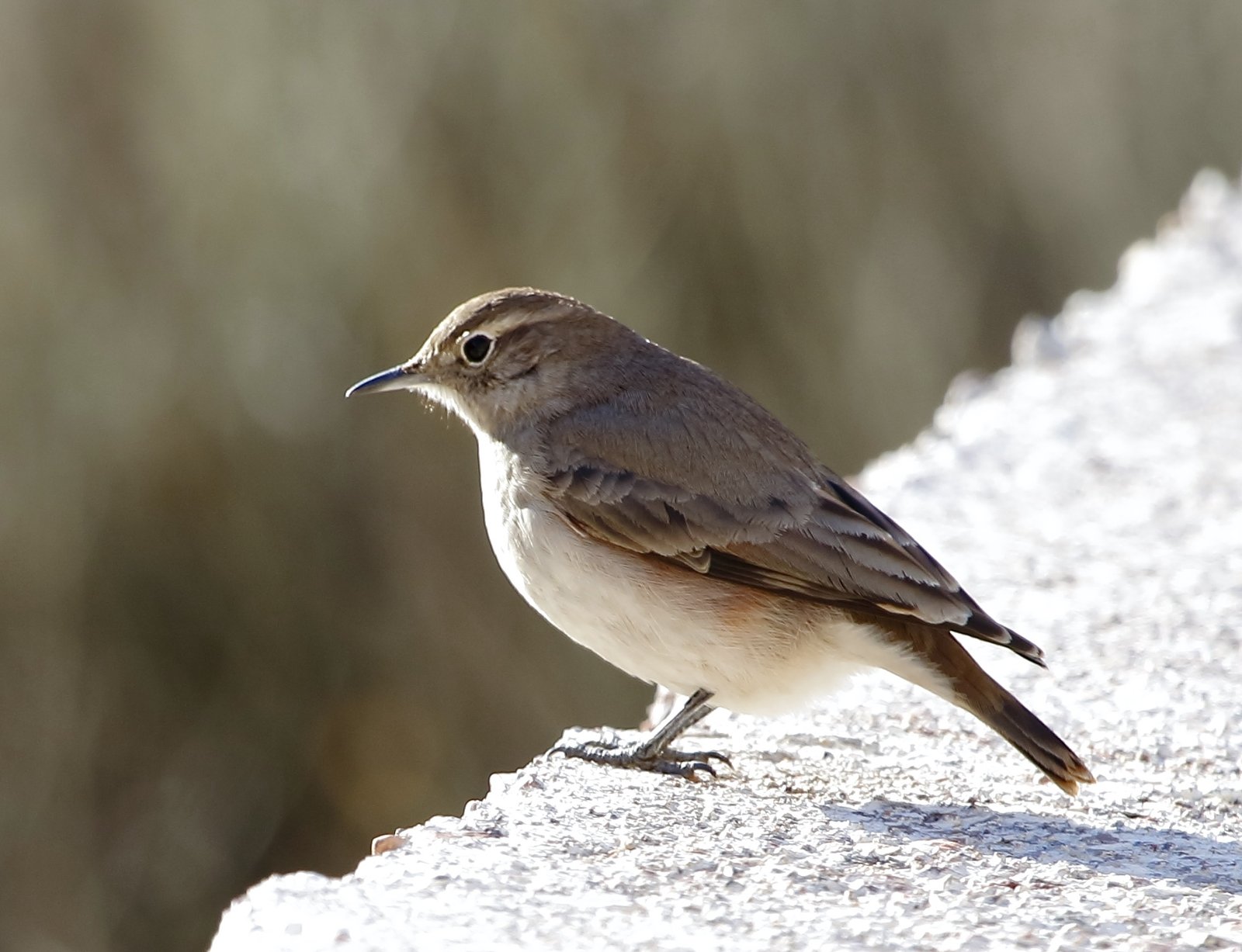
Rufous-banded Miner
Geositta rufipennis- Dry puna and altiplano
- Central Andean dry valleys
- Cliffs, gorges and canyons
- Humid puna
-
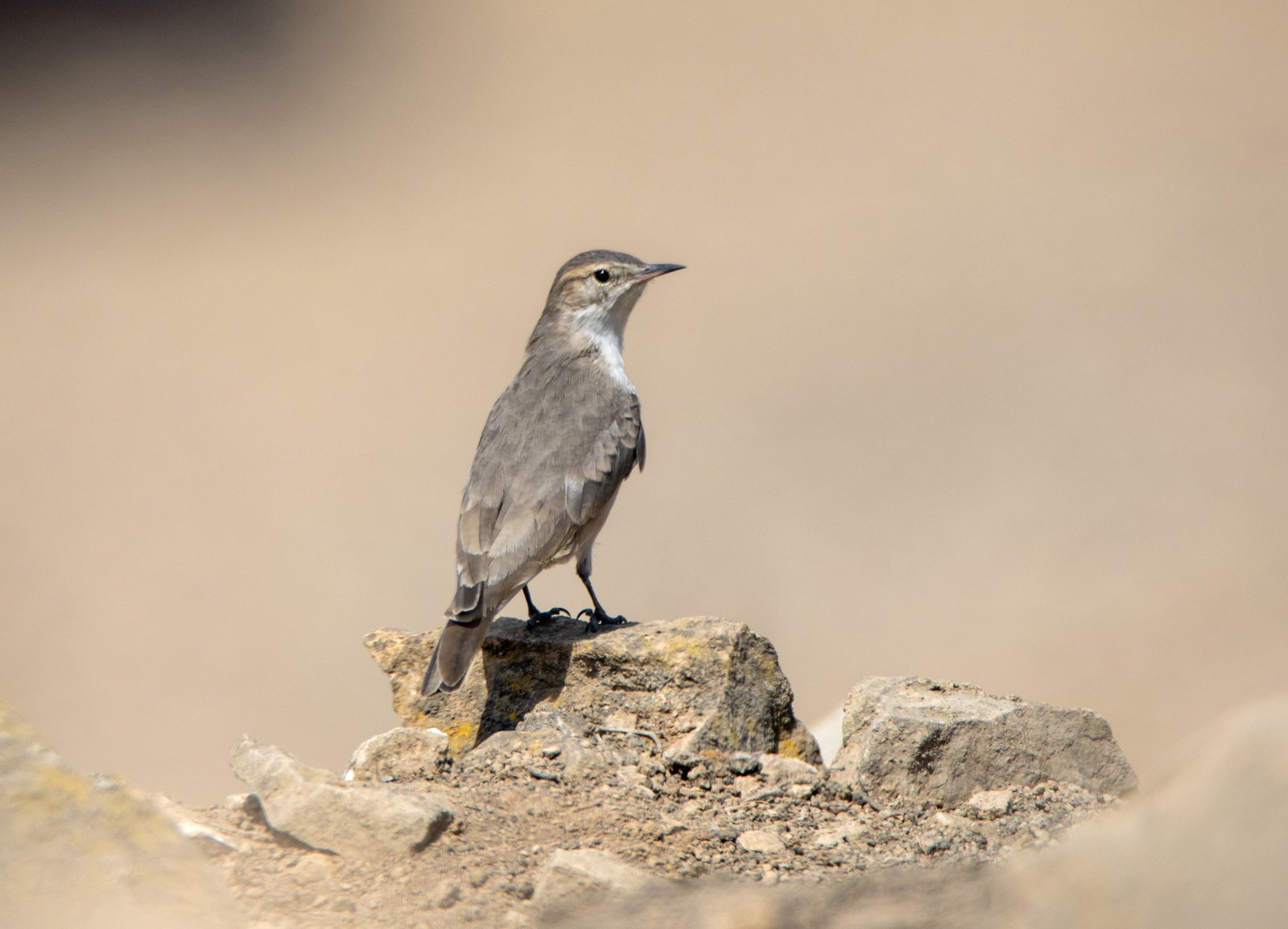
Greyish Miner
Geositta maritima- Coastal desert
- Central Andean dry valleys
- Sandy beach and dunes
-
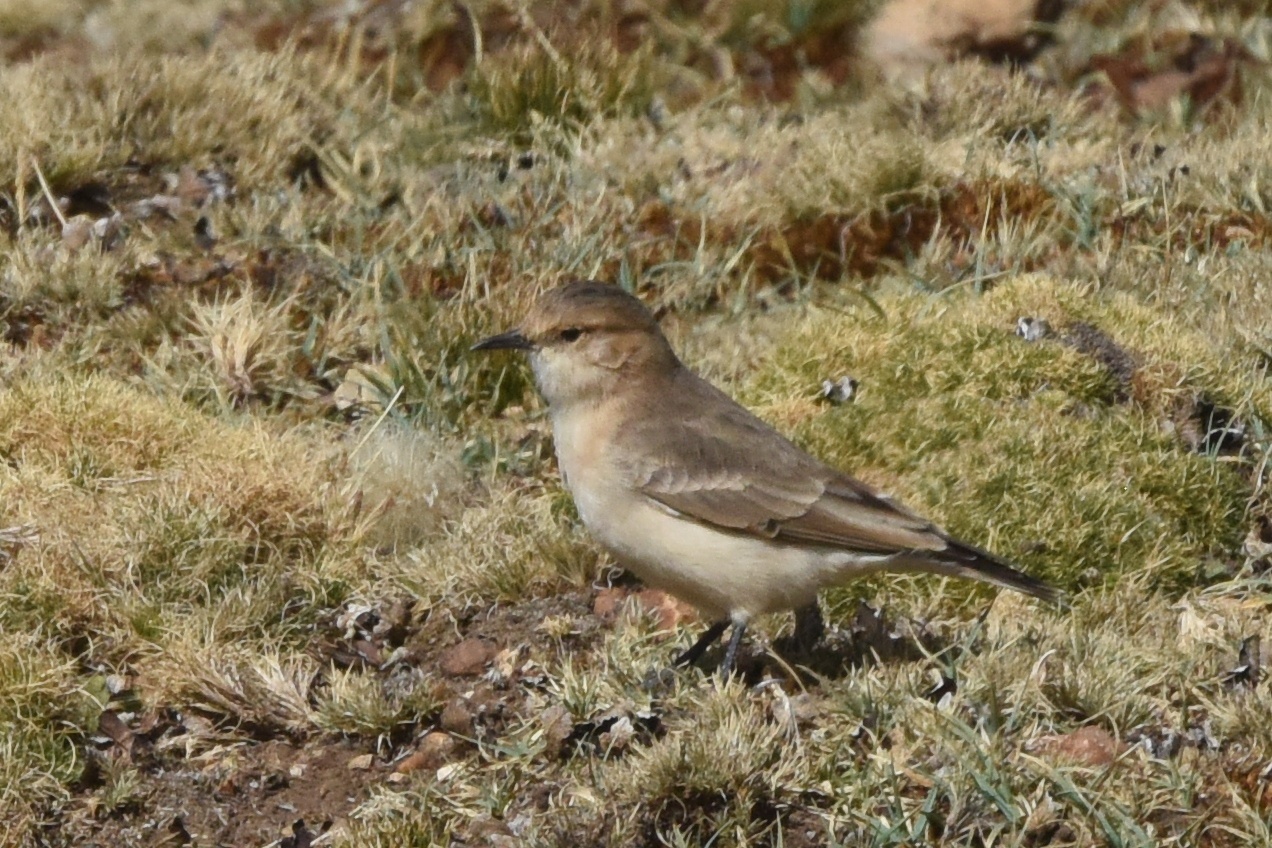
Dark-winged Miner
Geositta saxicolina- Humid puna
- Dry puna and altiplano
- Glaciers, snowline and scree
Asthenes 22 species
-
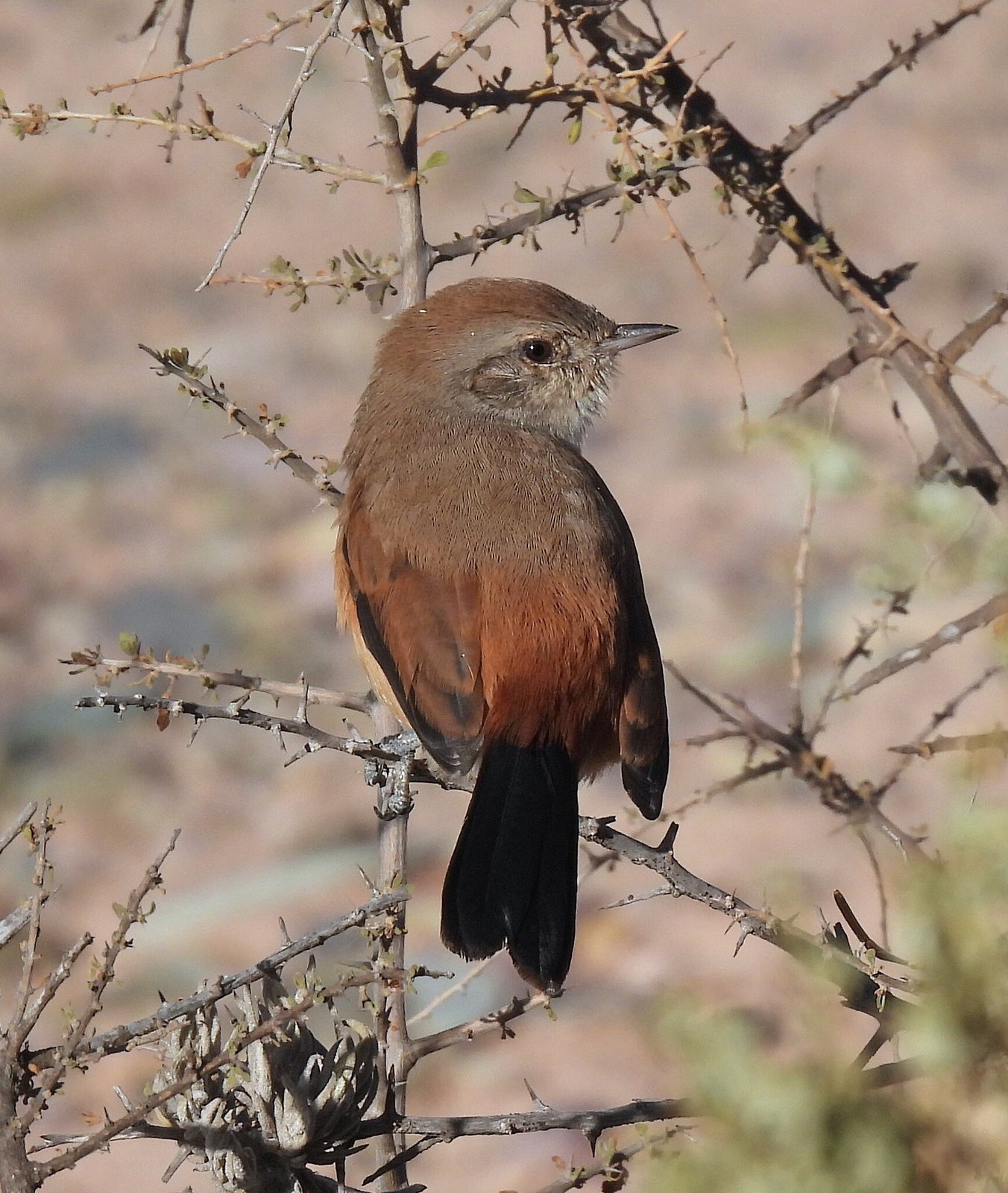
Rusty-vented Canastero
Asthenes dorbignyi- Central Andean dry valleys
- Polylepis woodland
- Dry puna and altiplano
- Cliffs, gorges and canyons
-
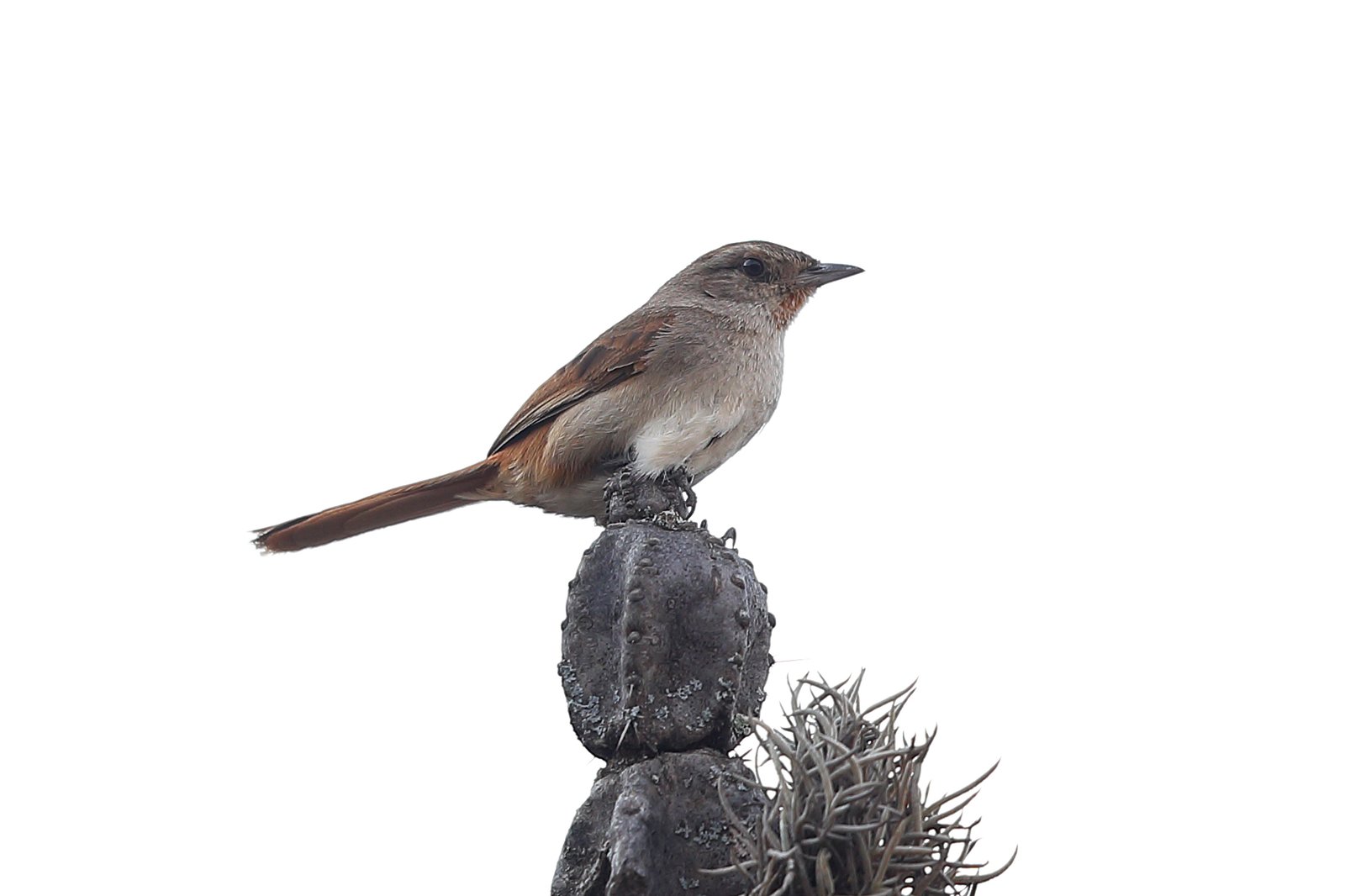
Pale-tailed Canastero
Asthenes huancavelicae- Central Andean dry valleys
- Cliffs, gorges and canyons
- Polylepis woodland
-
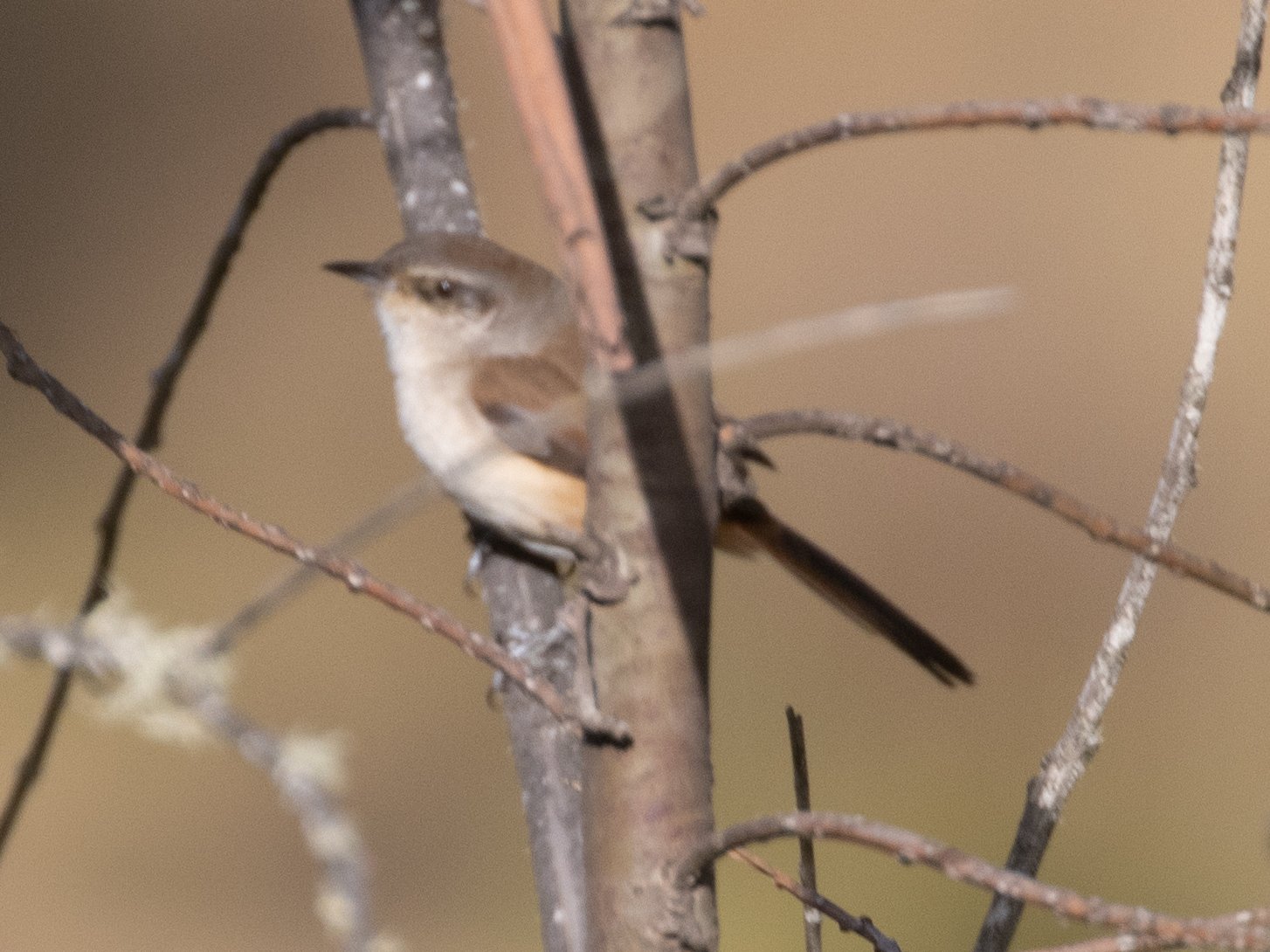
Berlepsch's Canastero
Asthenes berlepschi- Central Andean dry valleys
- Polylepis woodland
- Andean fields and terraces
-
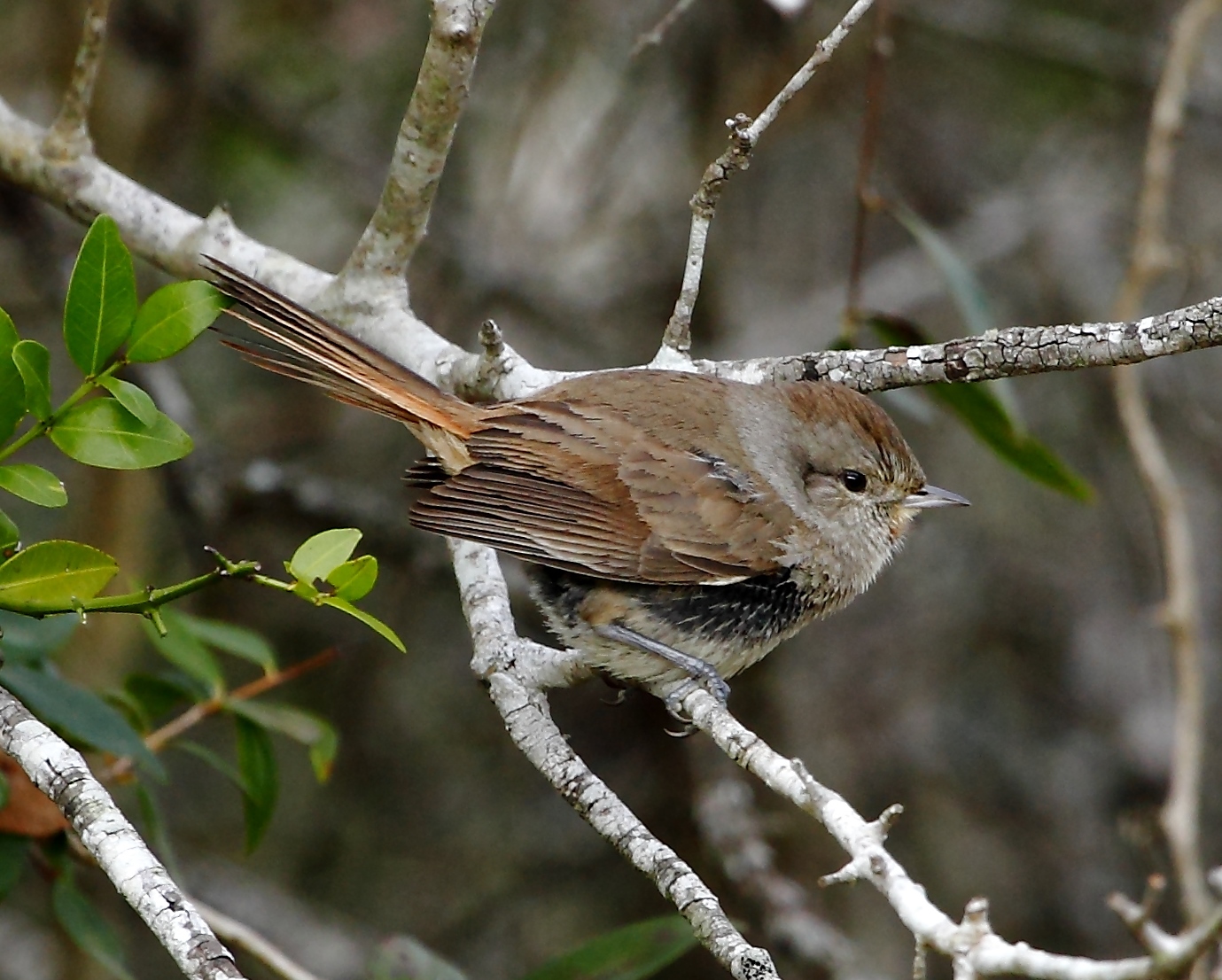
Short-billed Canastero
Asthenes baeri- Chiquitano dry forest and Chaco
- Central Andean dry valleys
-
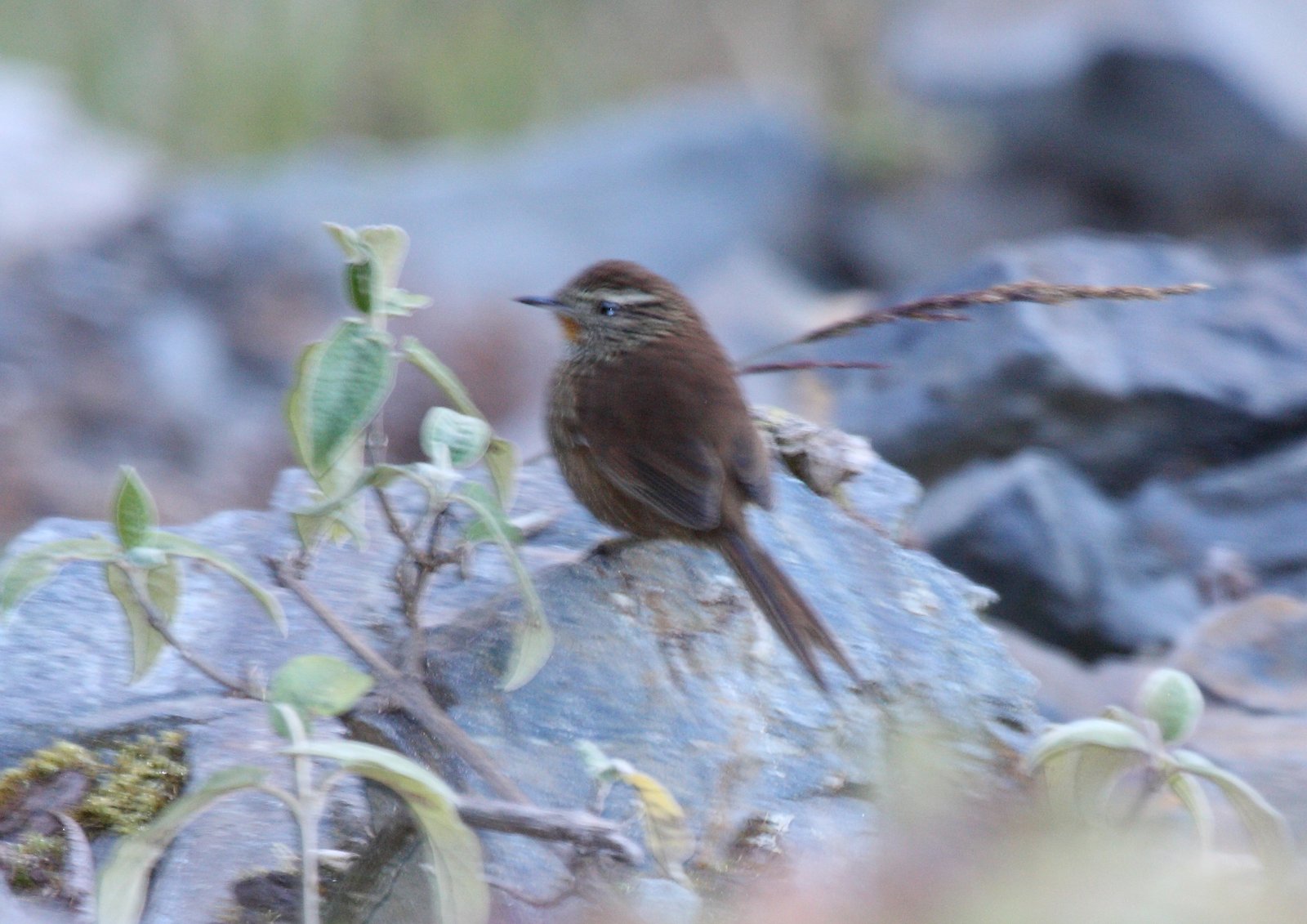
Line-fronted Canastero
Asthenes urubambensis- Polylepis woodland
- Upper Yungas cloud forest
- Humid puna
-
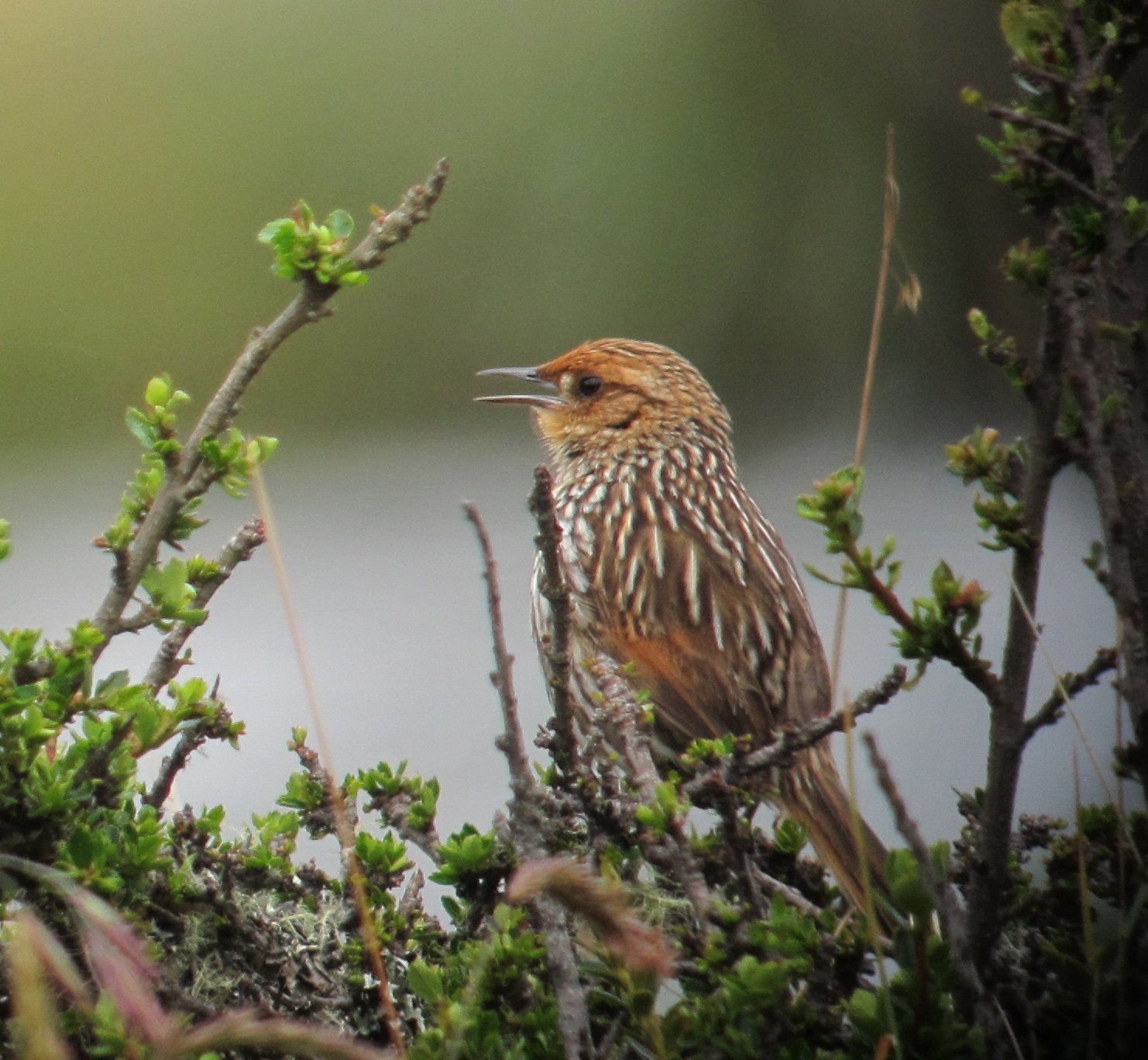
Many-striped Canastero
Asthenes flammulata- Páramo
- Jalca
- Humid puna
- Northern Andean cloud forest and temperate forest
-
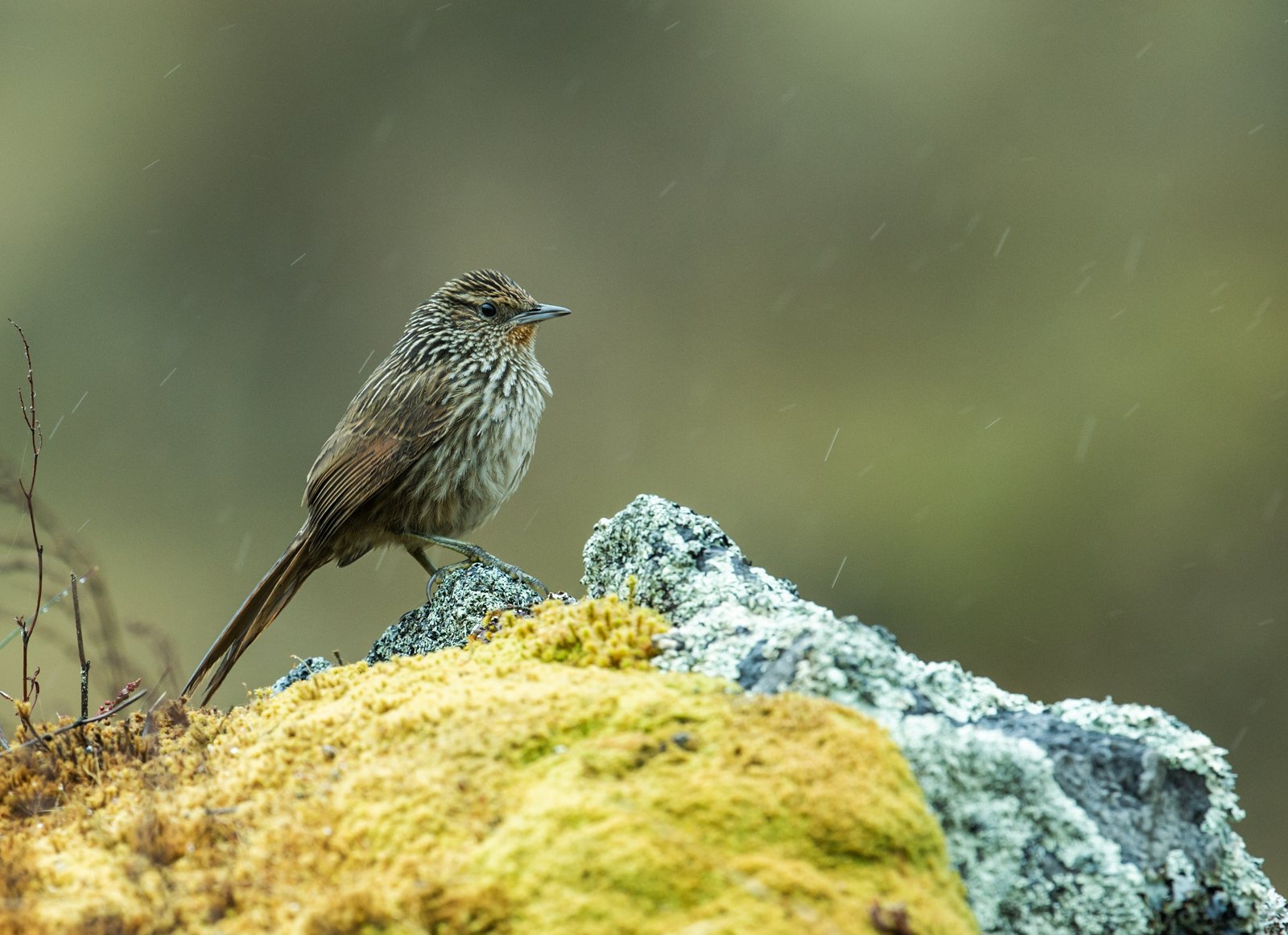
Junin Canastero
Asthenes virgata- Humid puna
- Polylepis woodland
- Dry puna and altiplano
-
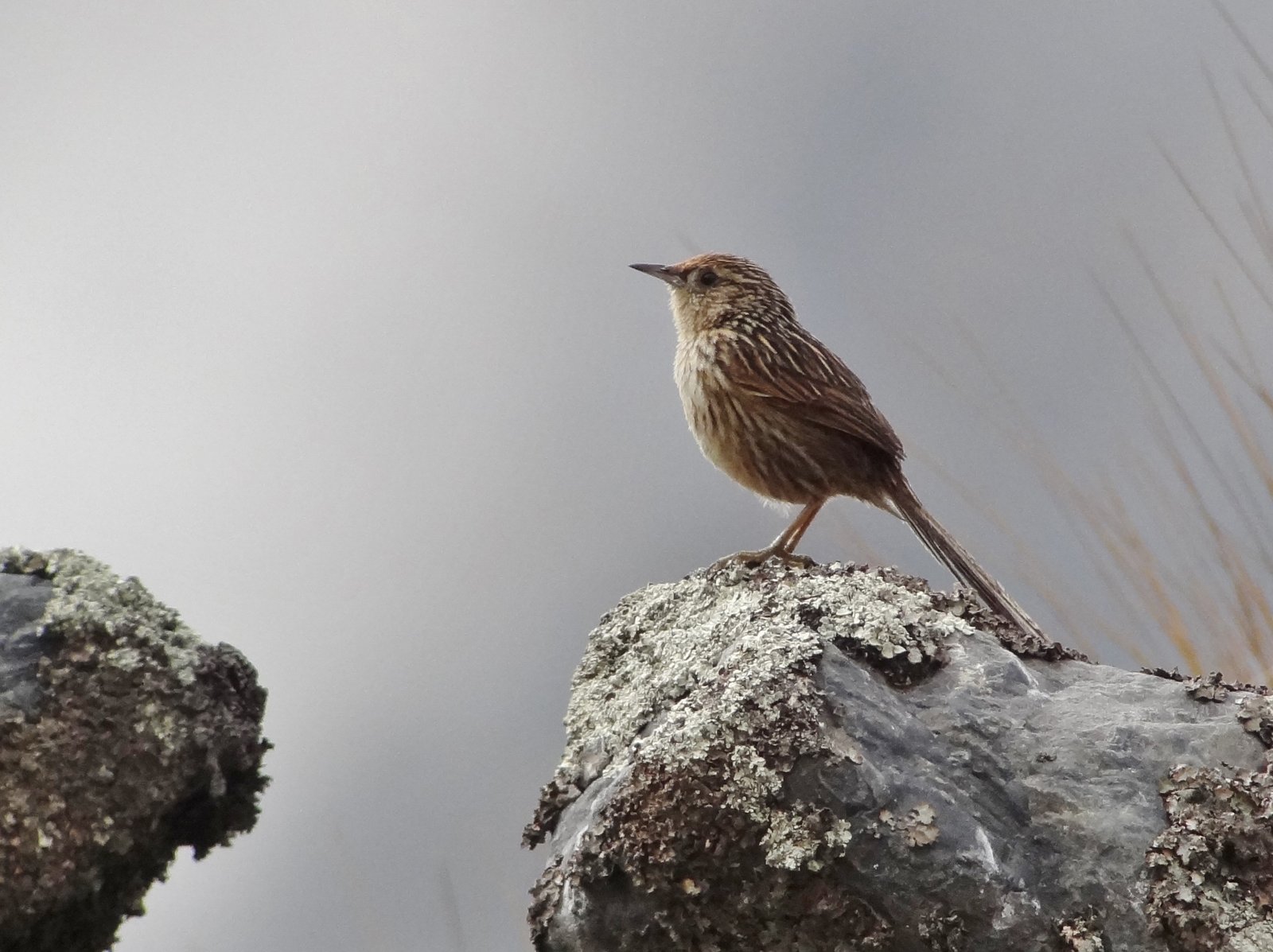
Scribble-tailed Canastero
Asthenes maculicauda- Humid puna
- Polylepis woodland
- Upper Yungas cloud forest
-
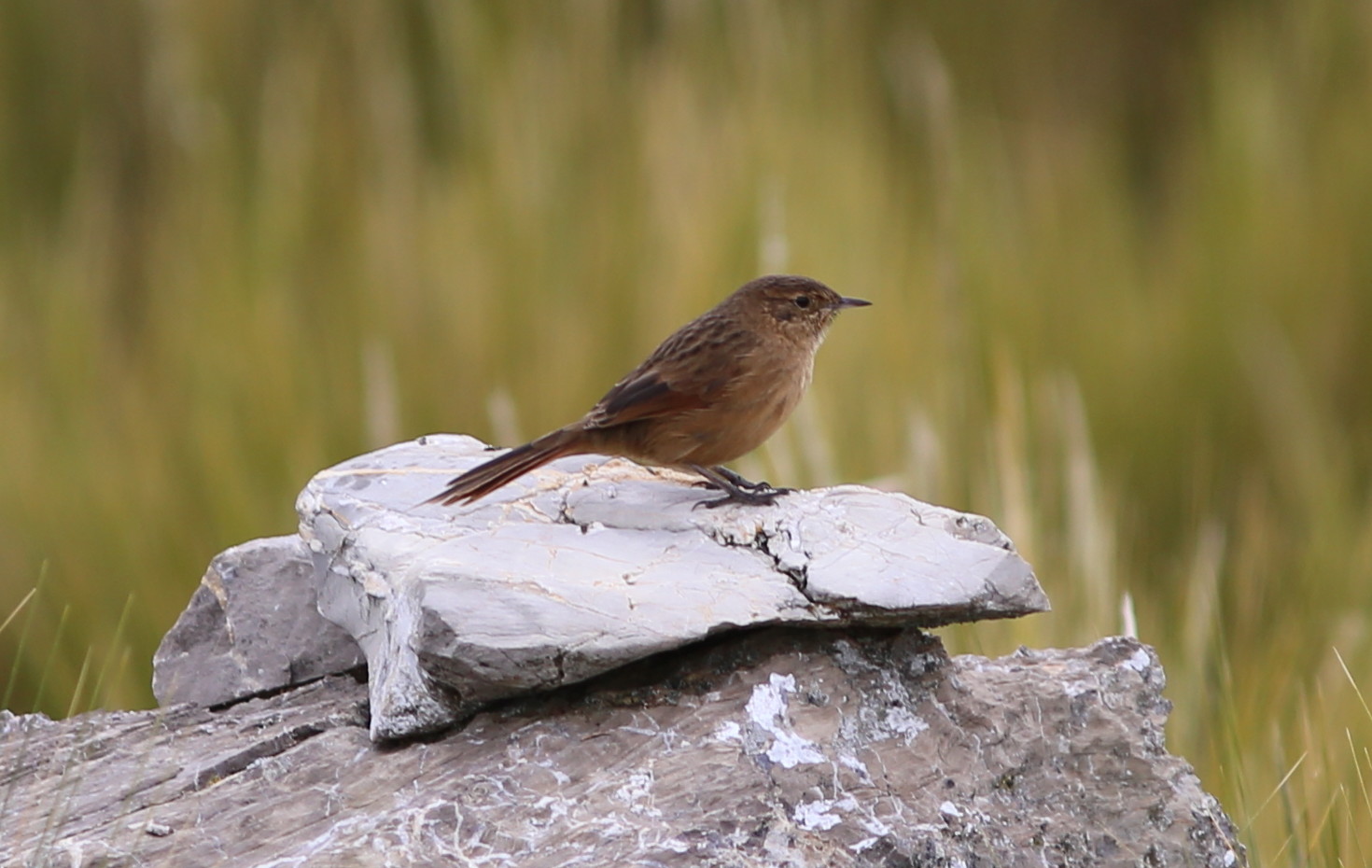
Streak-backed Canastero
Asthenes wyatti- Páramo
- Humid puna
- Dry puna and altiplano
- Jalca
- Polylepis woodland
-
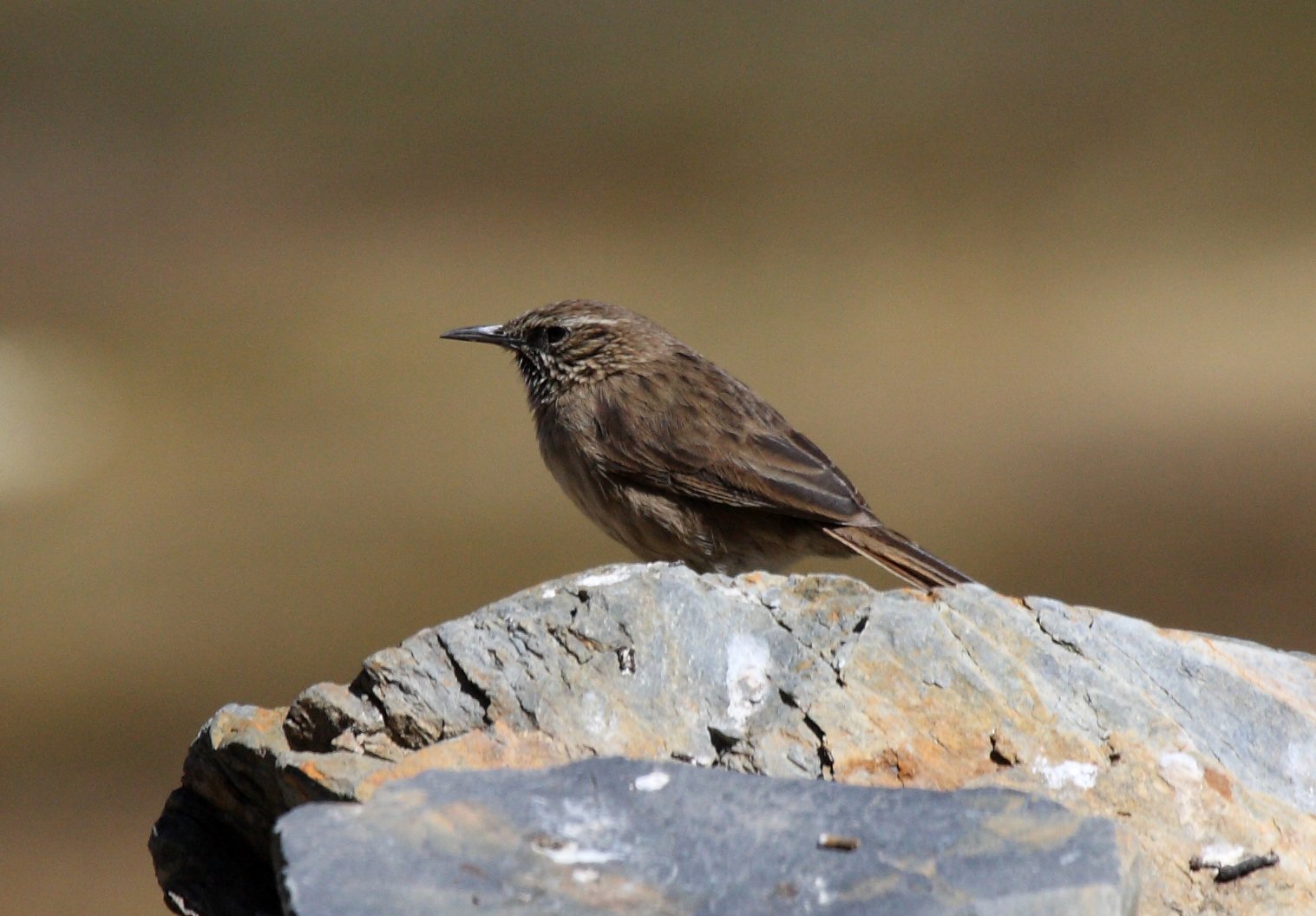
Streak-throated Canastero
Asthenes humilis- Humid puna
- Dry puna and altiplano
- Cliffs, gorges and canyons
-
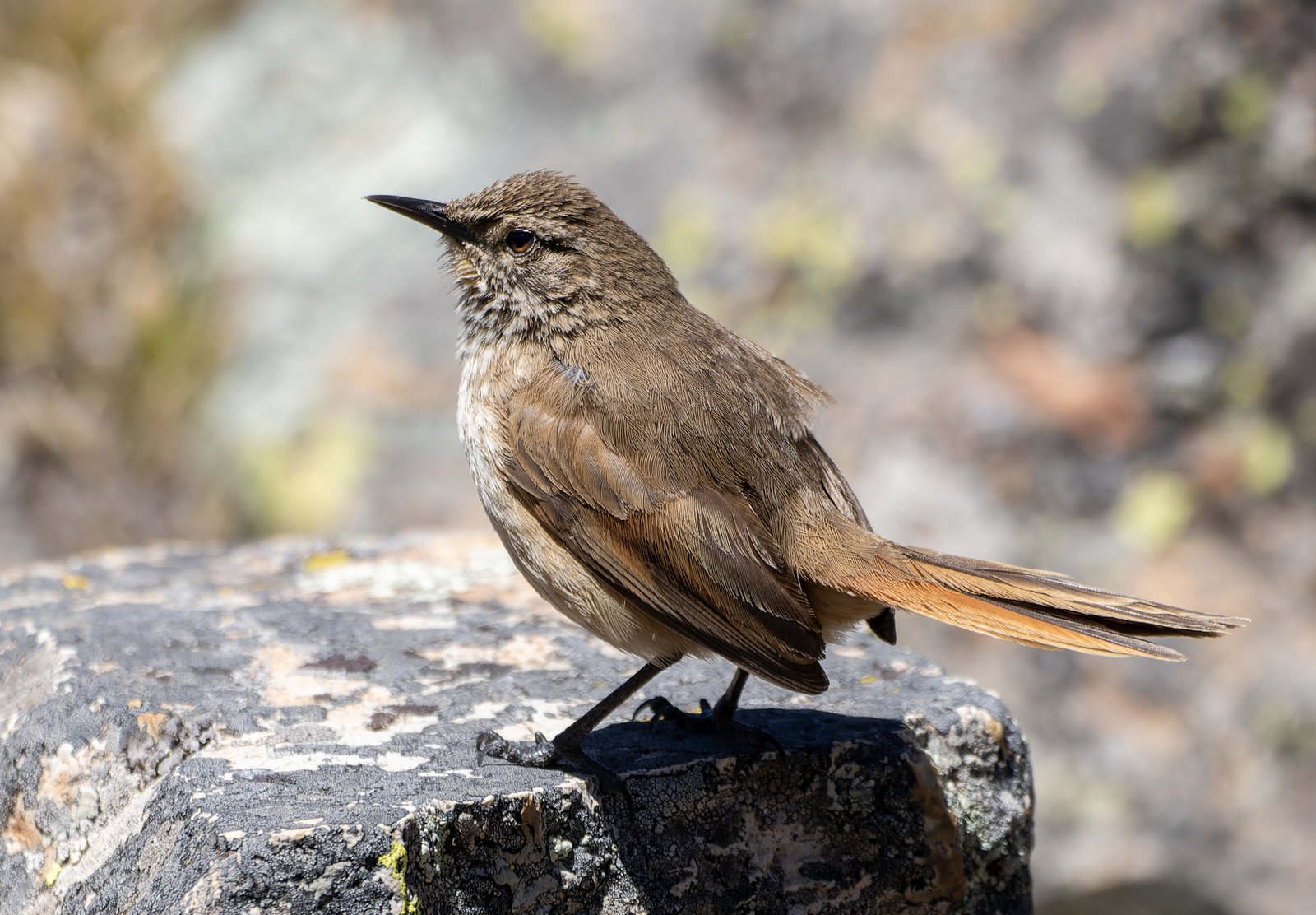
Cordilleran Canastero
Asthenes modesta- Dry puna and altiplano
- Humid puna
- Central Andean dry valleys
- Polylepis woodland
-
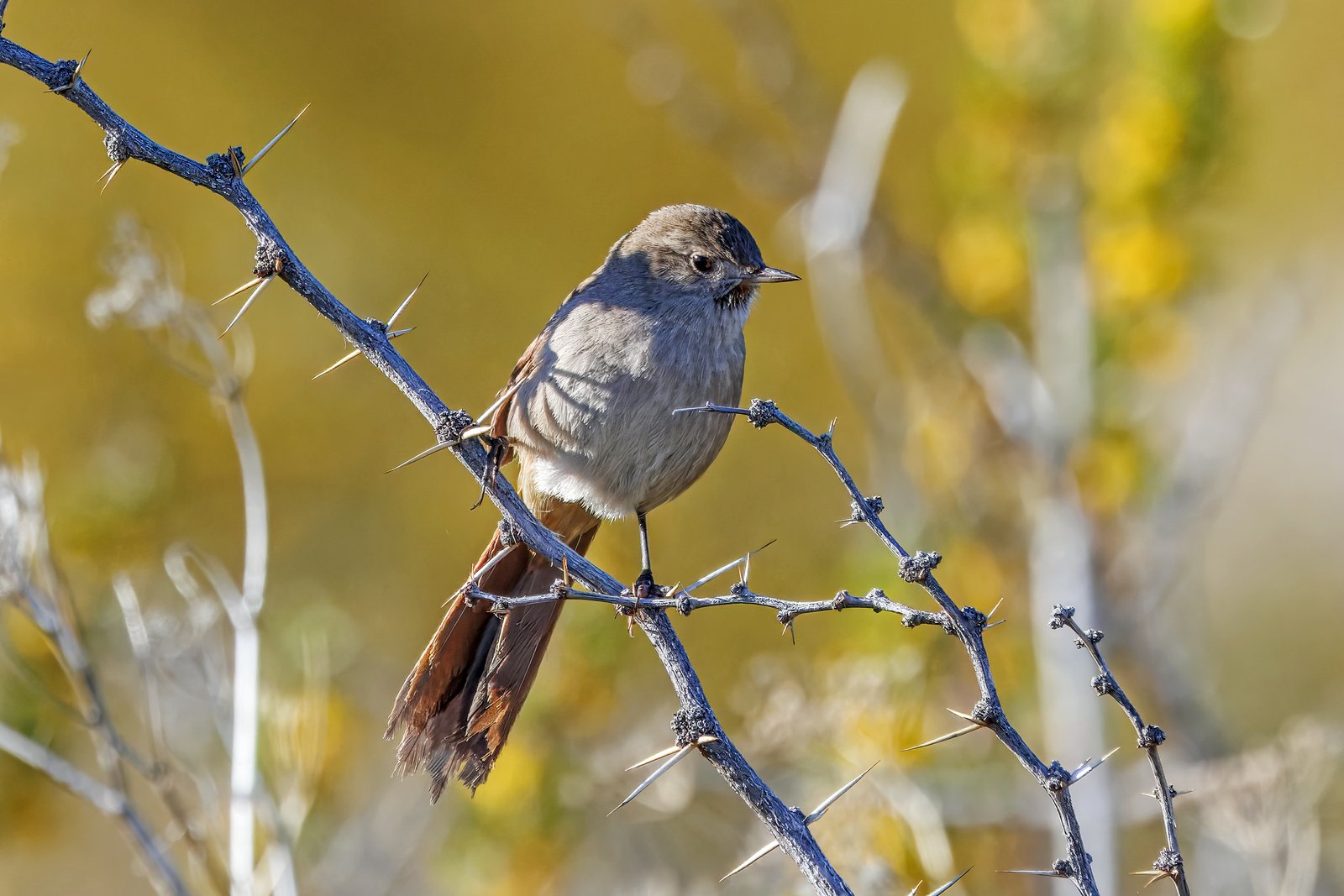
Sharp-billed Canastero
Asthenes pyrrholeuca- Chiquitano dry forest and Chaco
- Central Andean dry valleys
- Lowland marshes and wet meadows
-
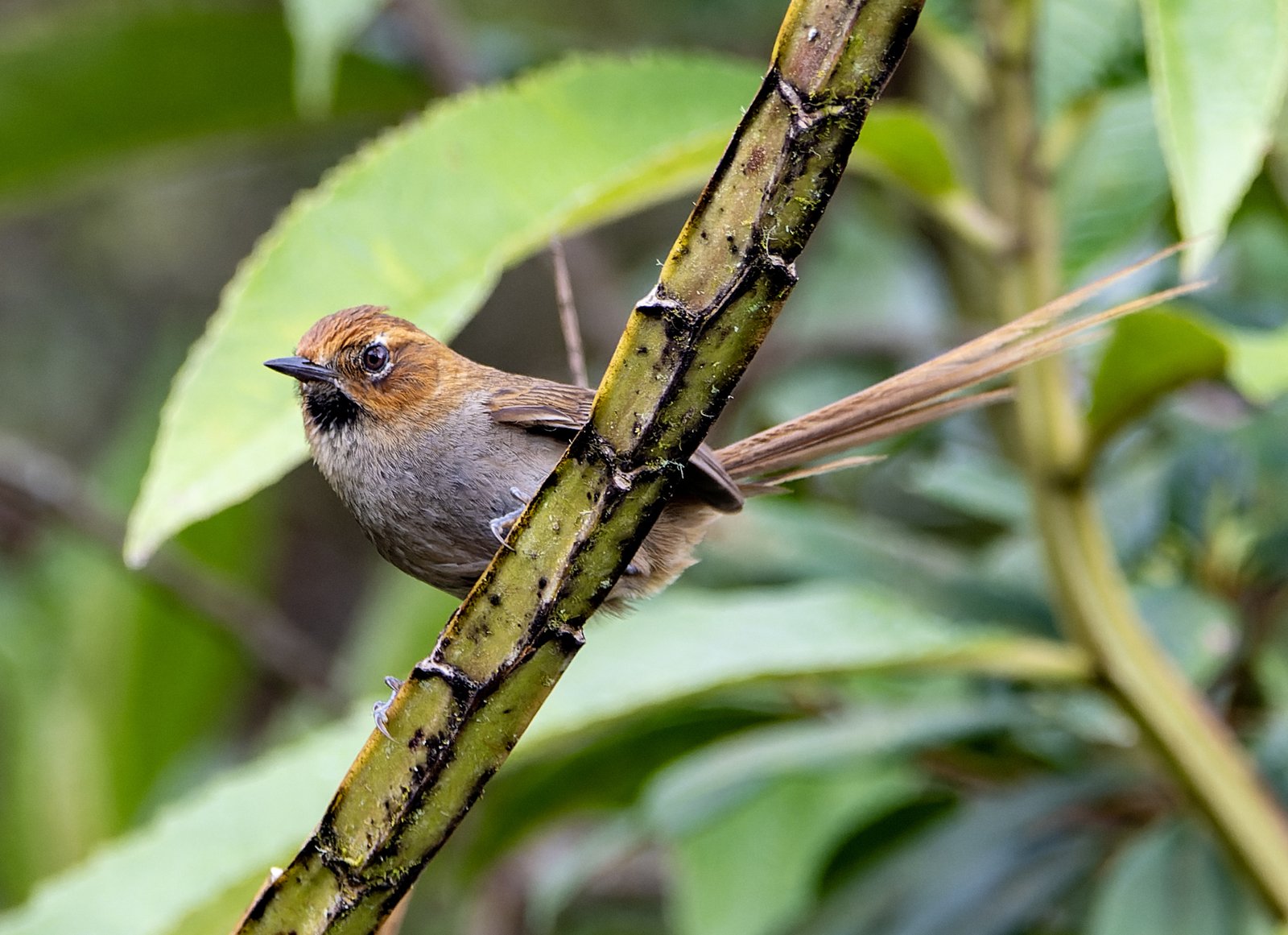
Black-throated Thistletail
Asthenes harterti- Upper Yungas cloud forest
- Humid puna
-
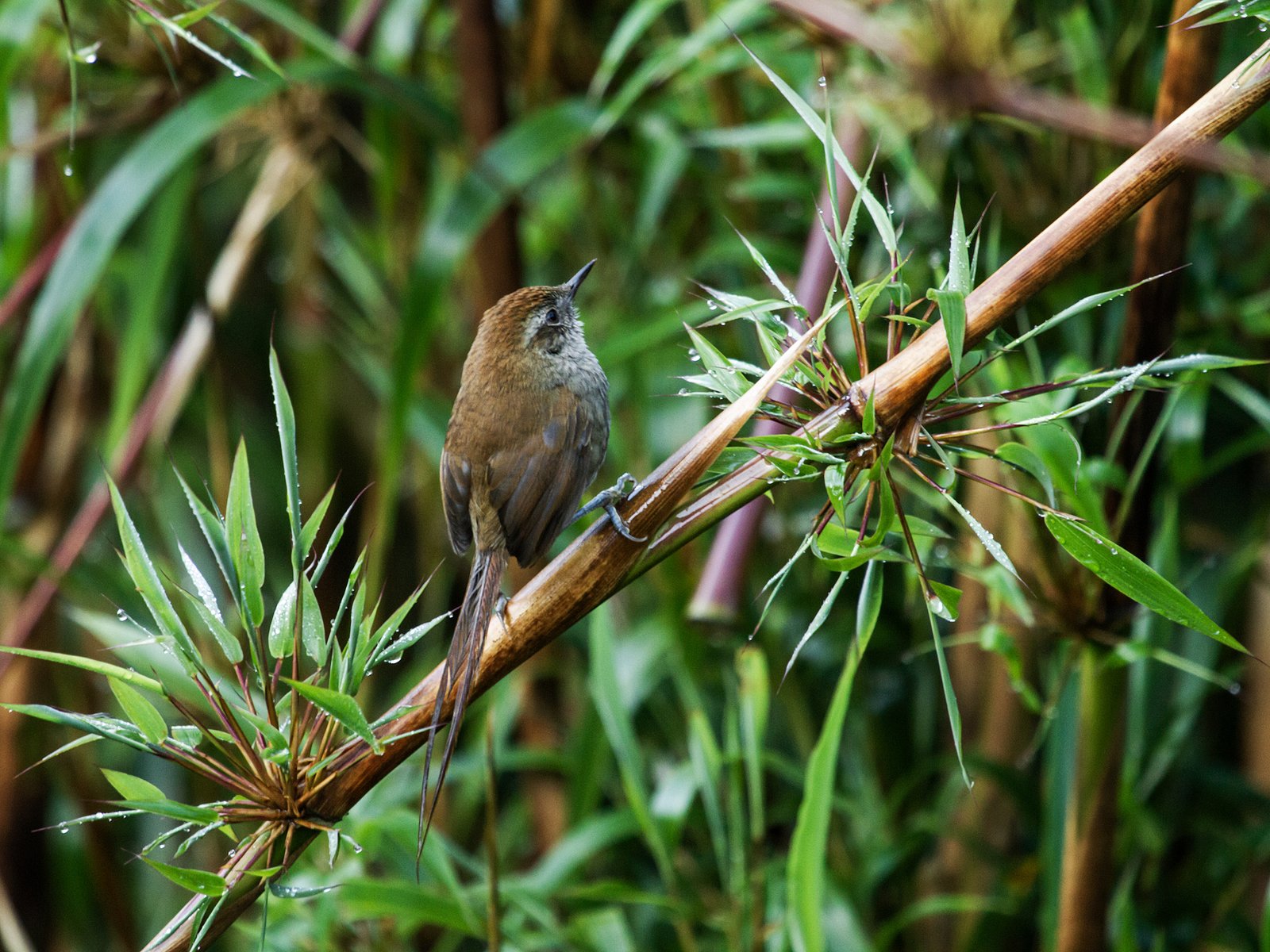
Puna Thistletail
Asthenes helleri- Upper Yungas cloud forest
- Humid puna
-
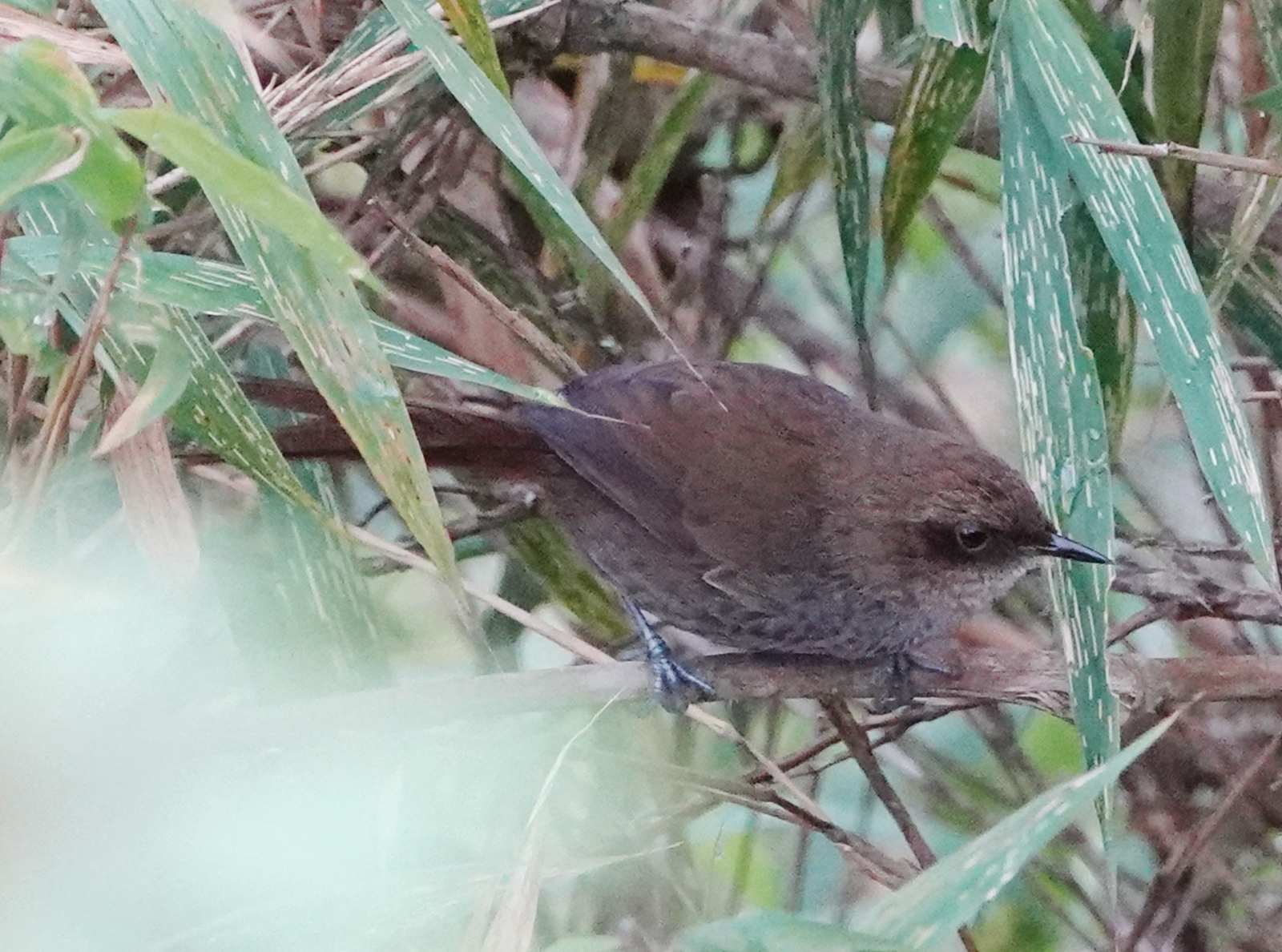
Vilcabamba Thistletail
Asthenes vilcabambae- Upper Yungas cloud forest
- Polylepis woodland
- Humid puna
-
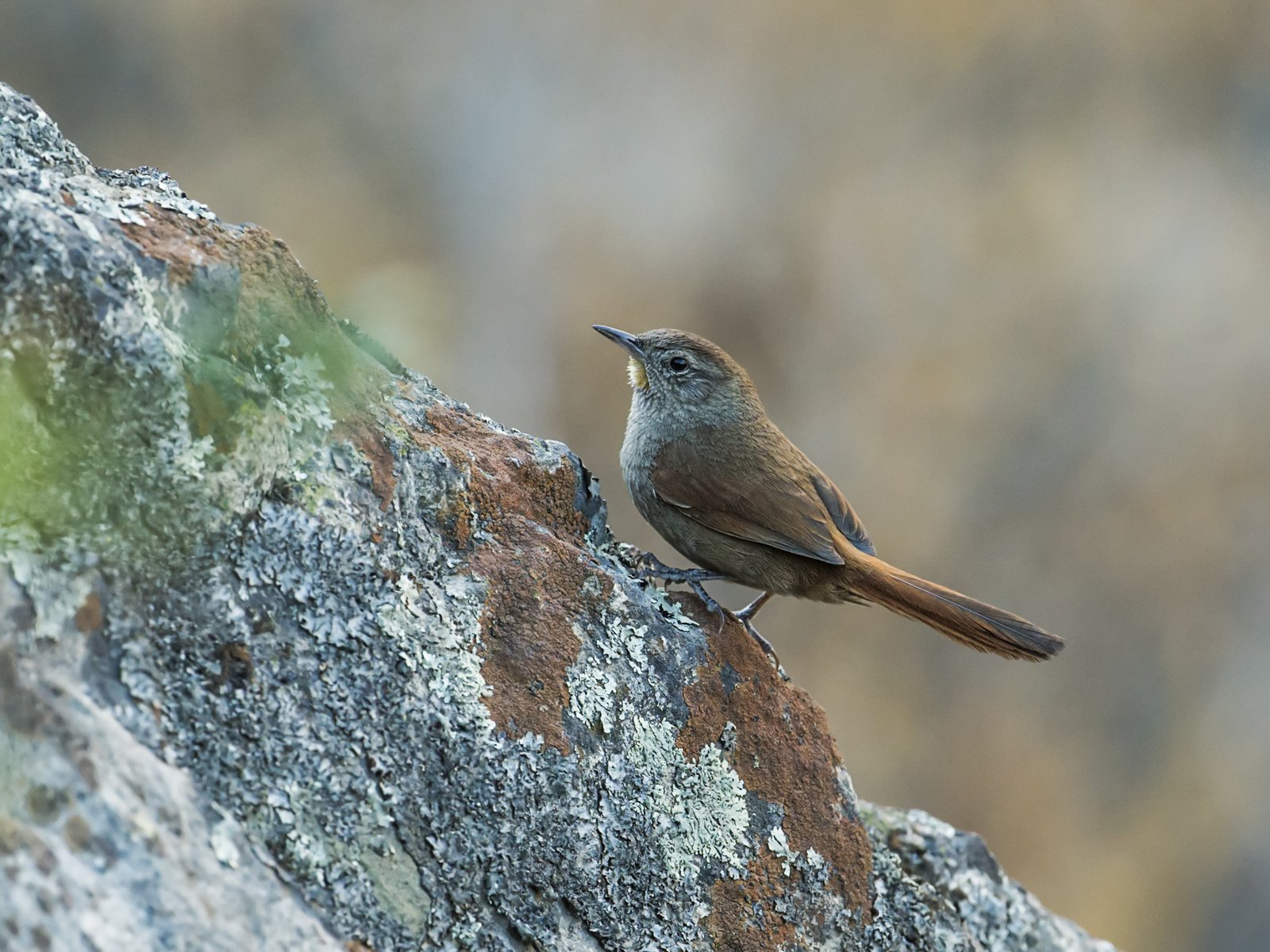
Canyon Canastero
Asthenes pudibunda- Central Andean dry valleys
- Cliffs, gorges and canyons
- Polylepis woodland
-
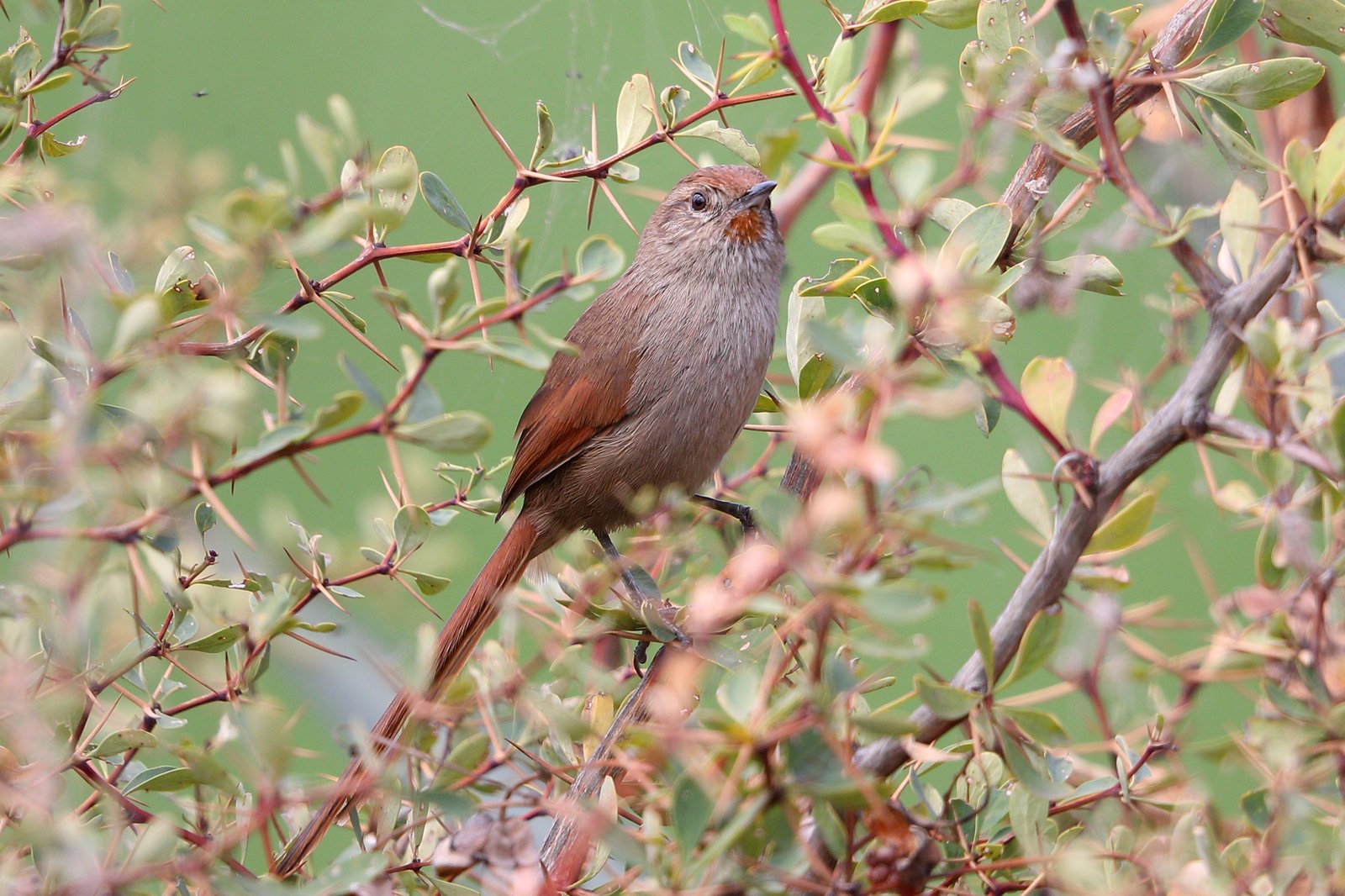
Rusty-fronted Canastero
Asthenes ottonis- Central Andean dry valleys
- Polylepis woodland
- Cliffs, gorges and canyons
- Andean fields and terraces
-
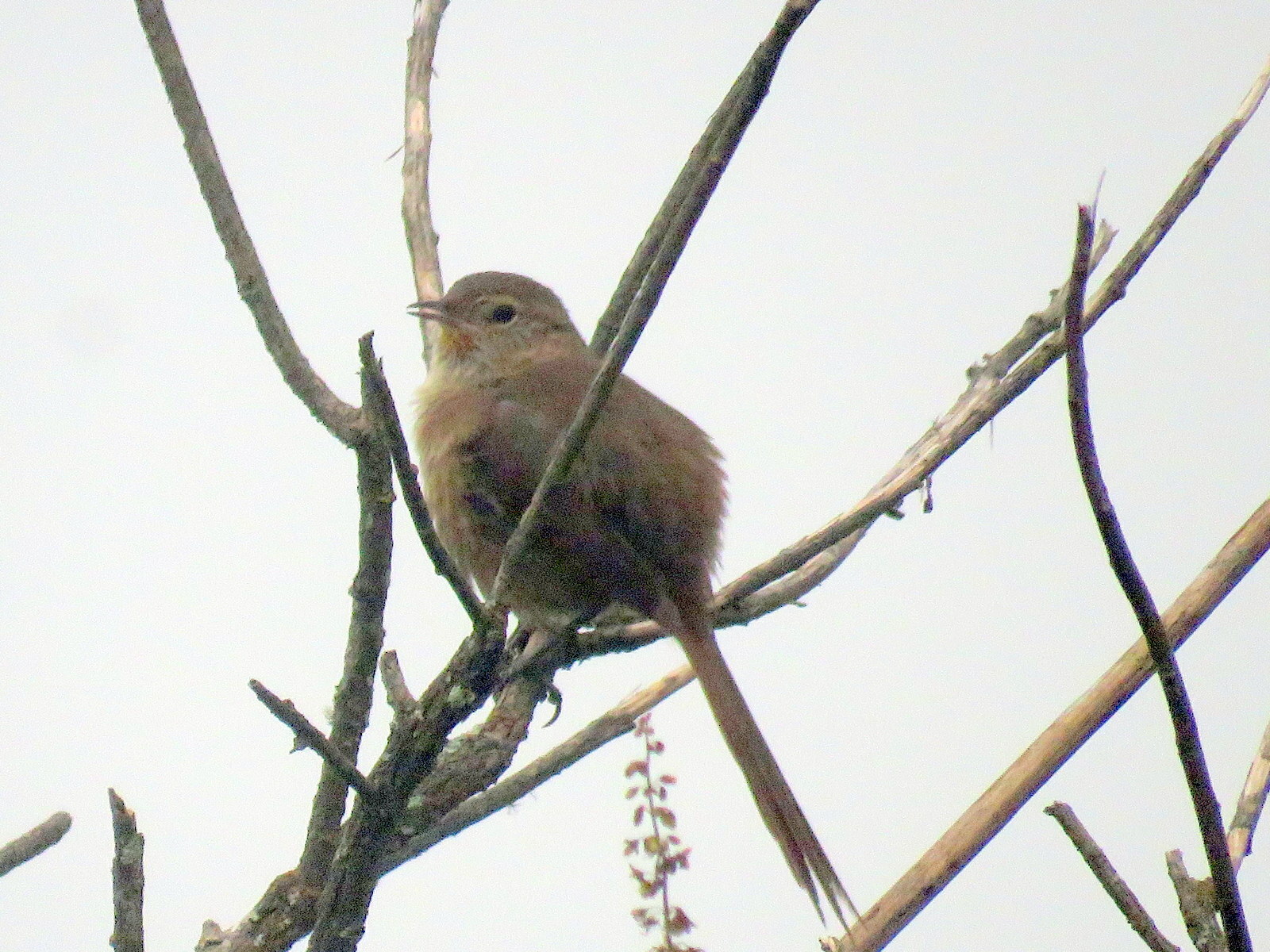
Maquis Canastero
Asthenes heterura- Central Andean dry valleys
- Polylepis woodland
- Humid puna
- Andean fields and terraces
-
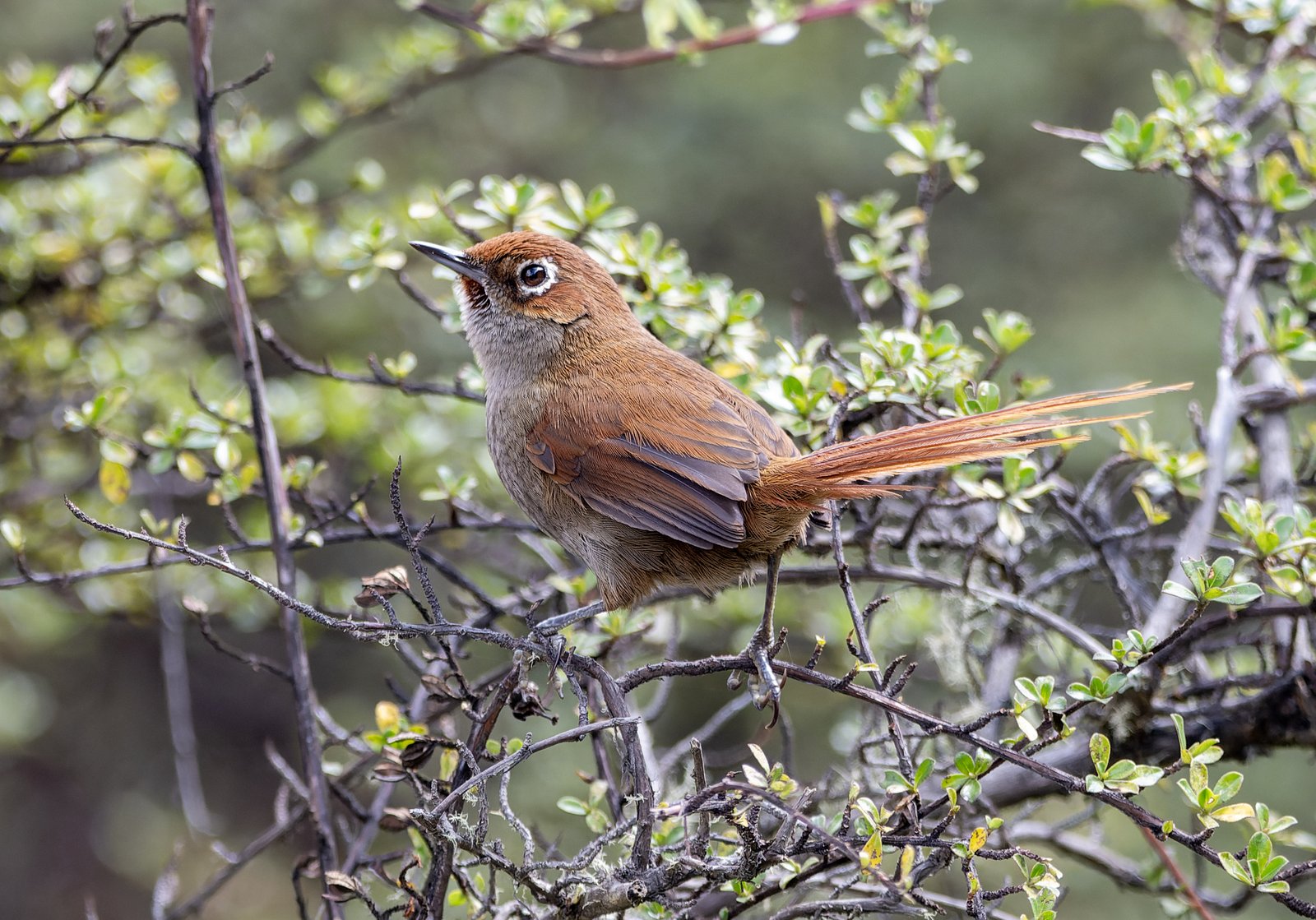
Eye-ringed Thistletail
Asthenes palpebralis- Upper Yungas cloud forest
- Humid puna
- Polylepis woodland
-
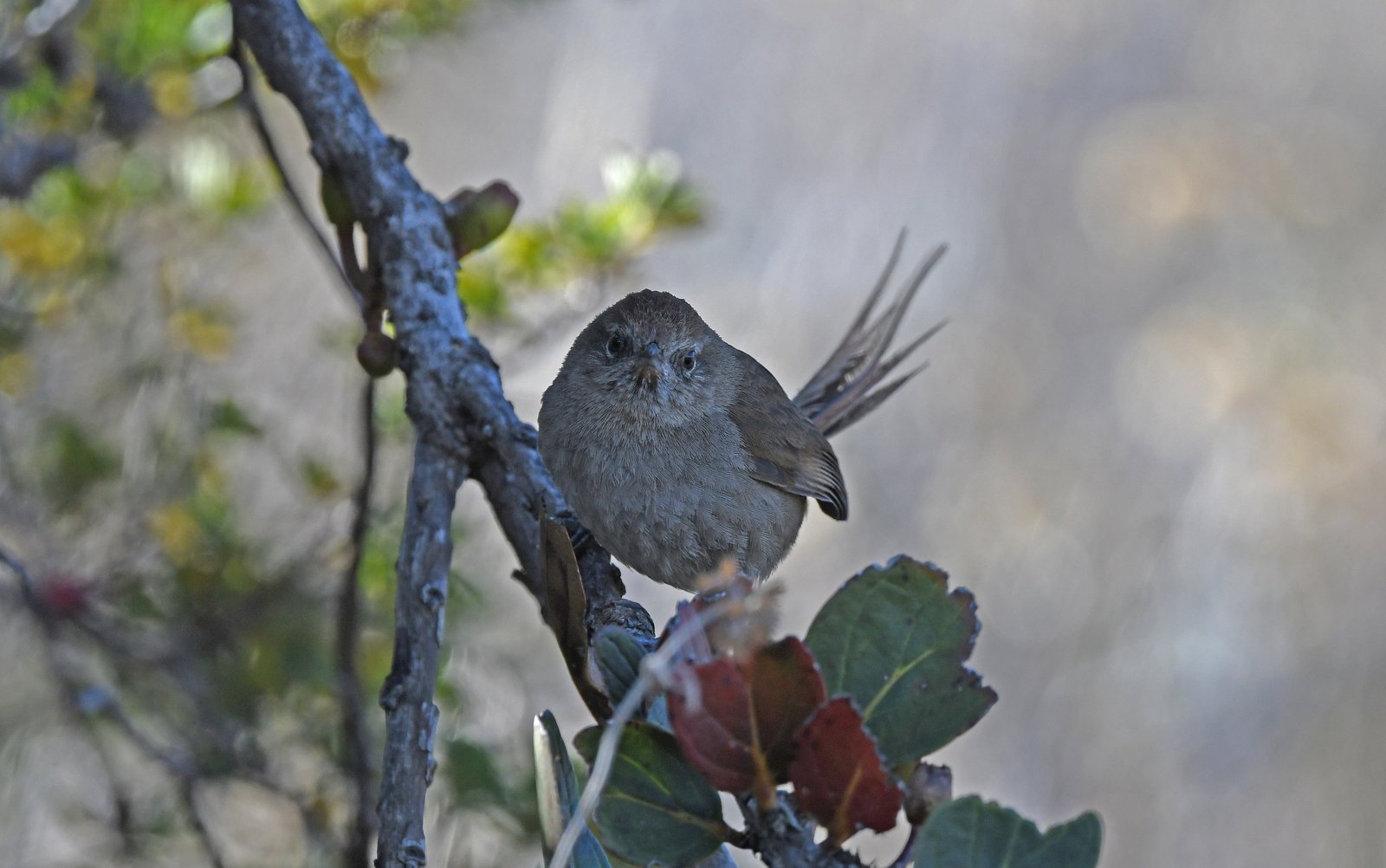
Perija Thistletail
Asthenes perijana- Páramo
- Northern Andean cloud forest and temperate forest
-
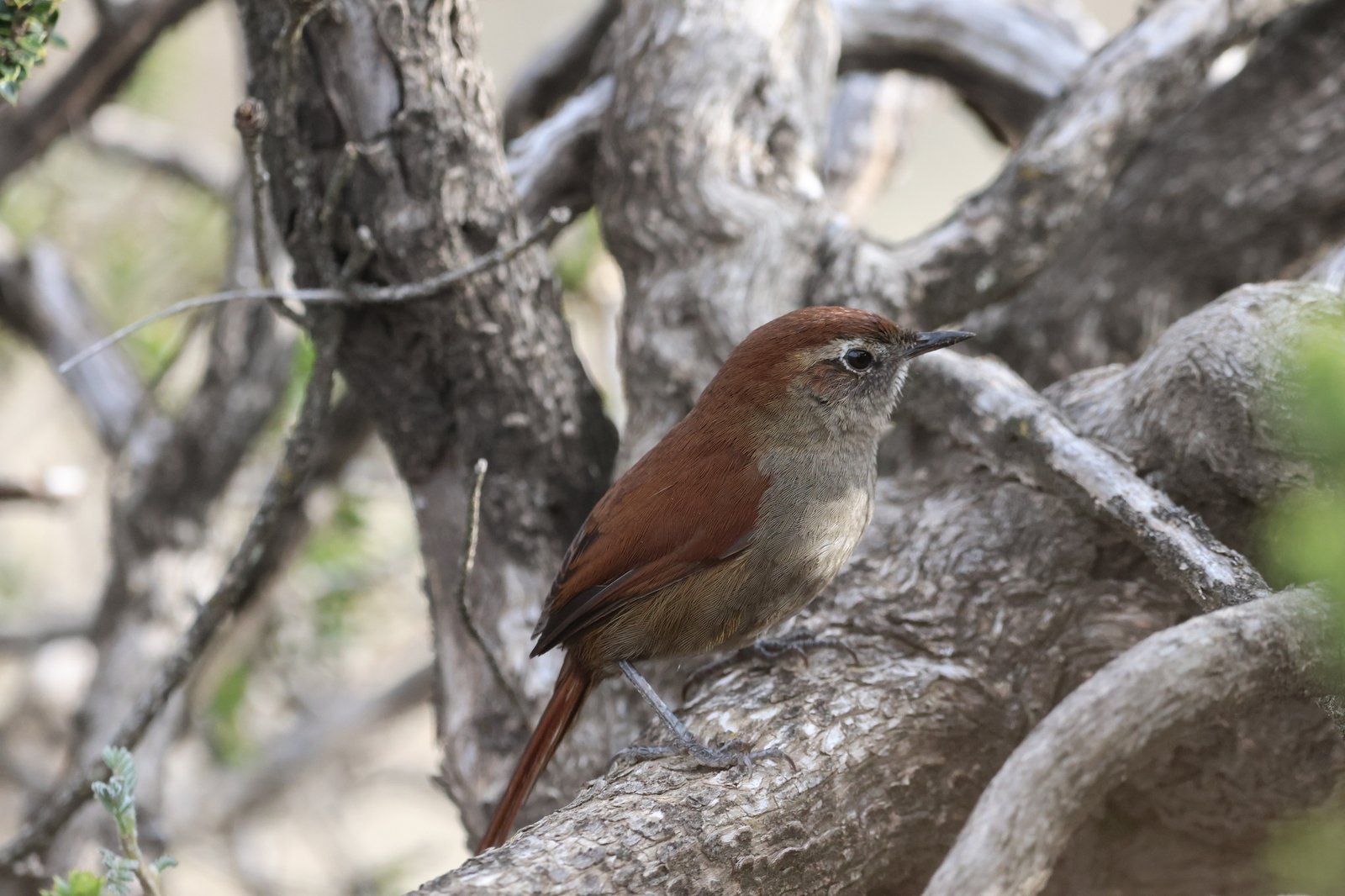
White-chinned Thistletail
Asthenes fuliginosa- Páramo
- Northern Andean cloud forest and temperate forest
- Upper Yungas cloud forest
- Jalca
- Polylepis woodland
-
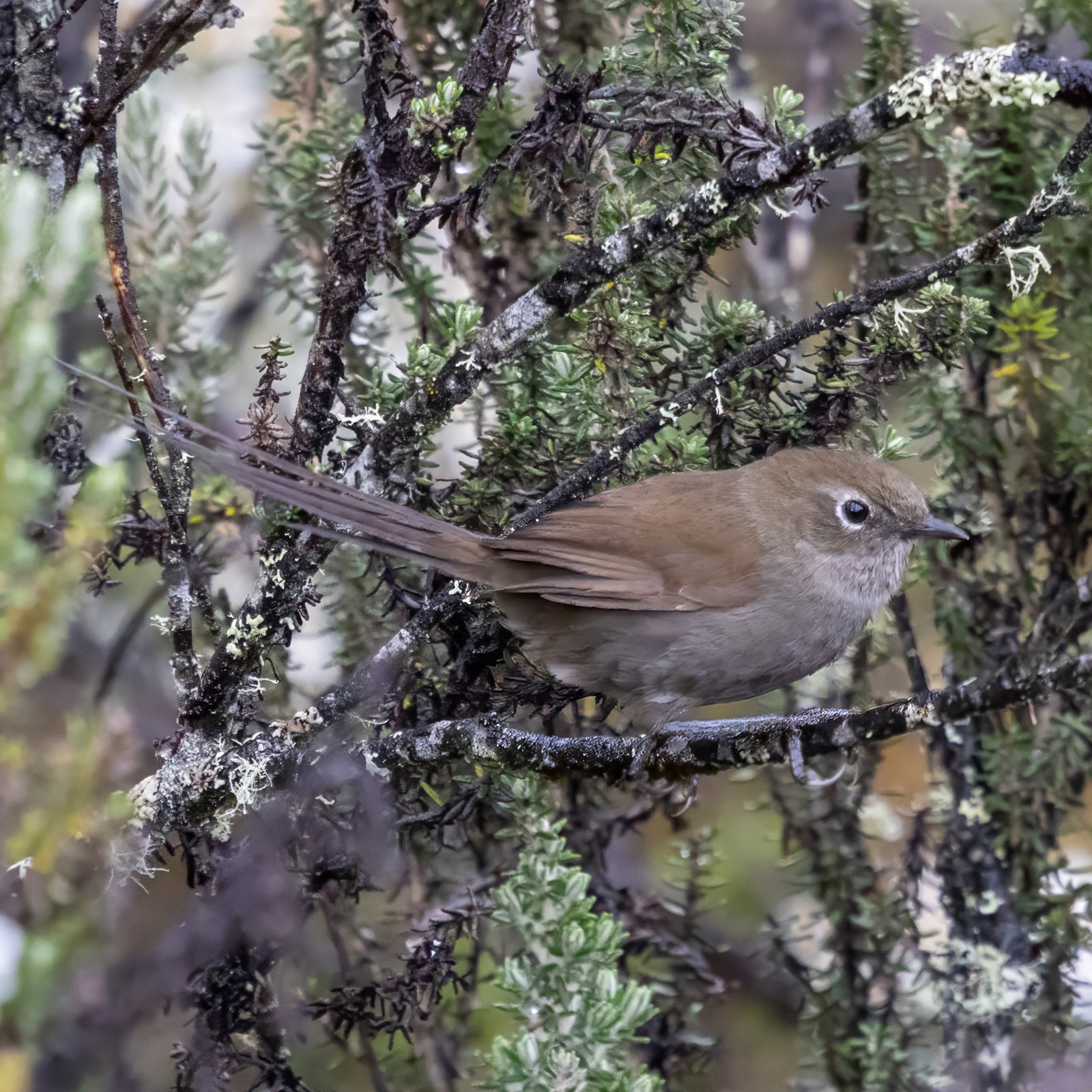
Mouse-colored Thistletail
Asthenes griseomurina- Páramo
- Northern Andean cloud forest and temperate forest
- Polylepis woodland
- Jalca
Hylexetastes 1 species
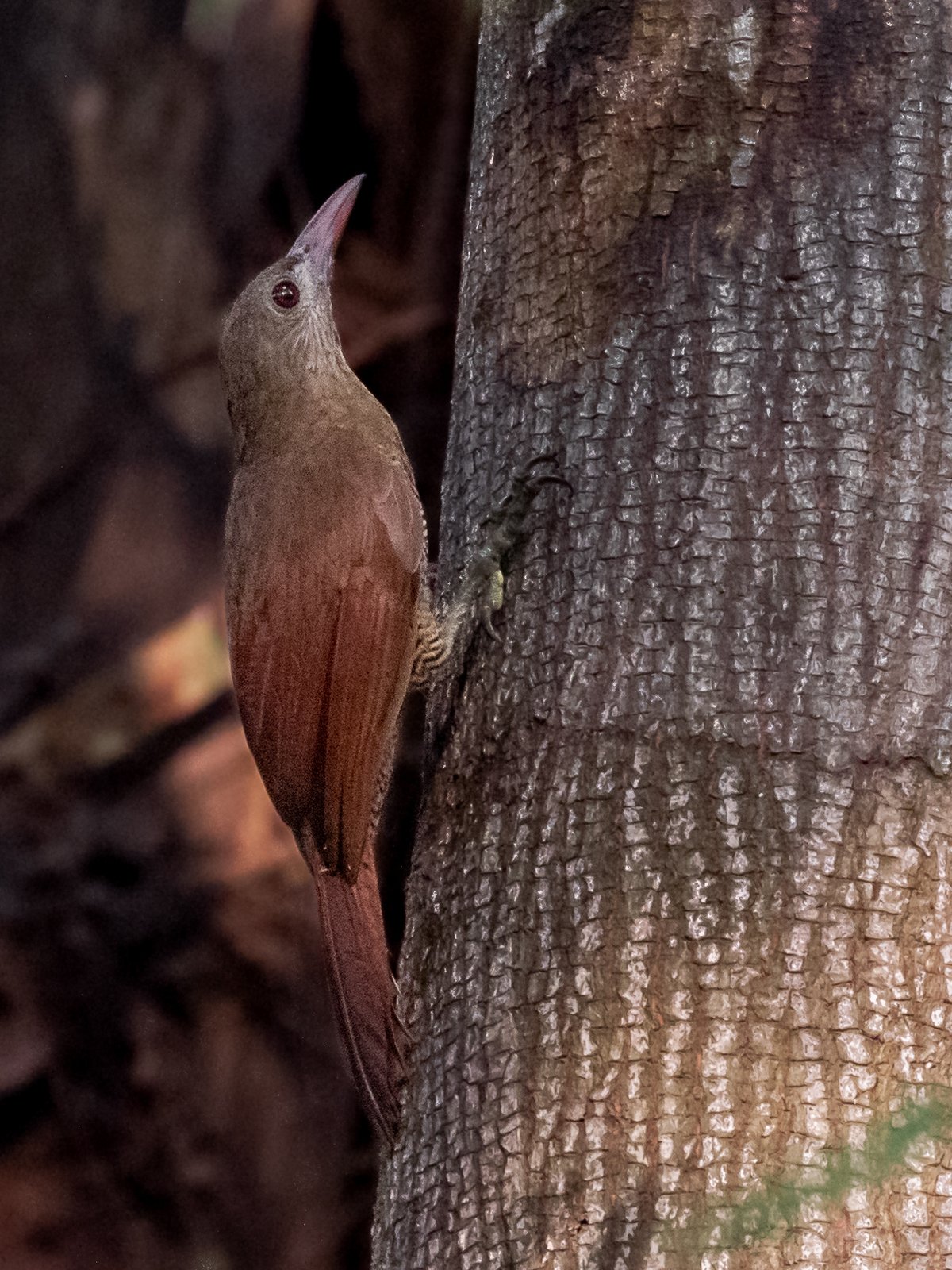
Anabacerthia 3 species
-
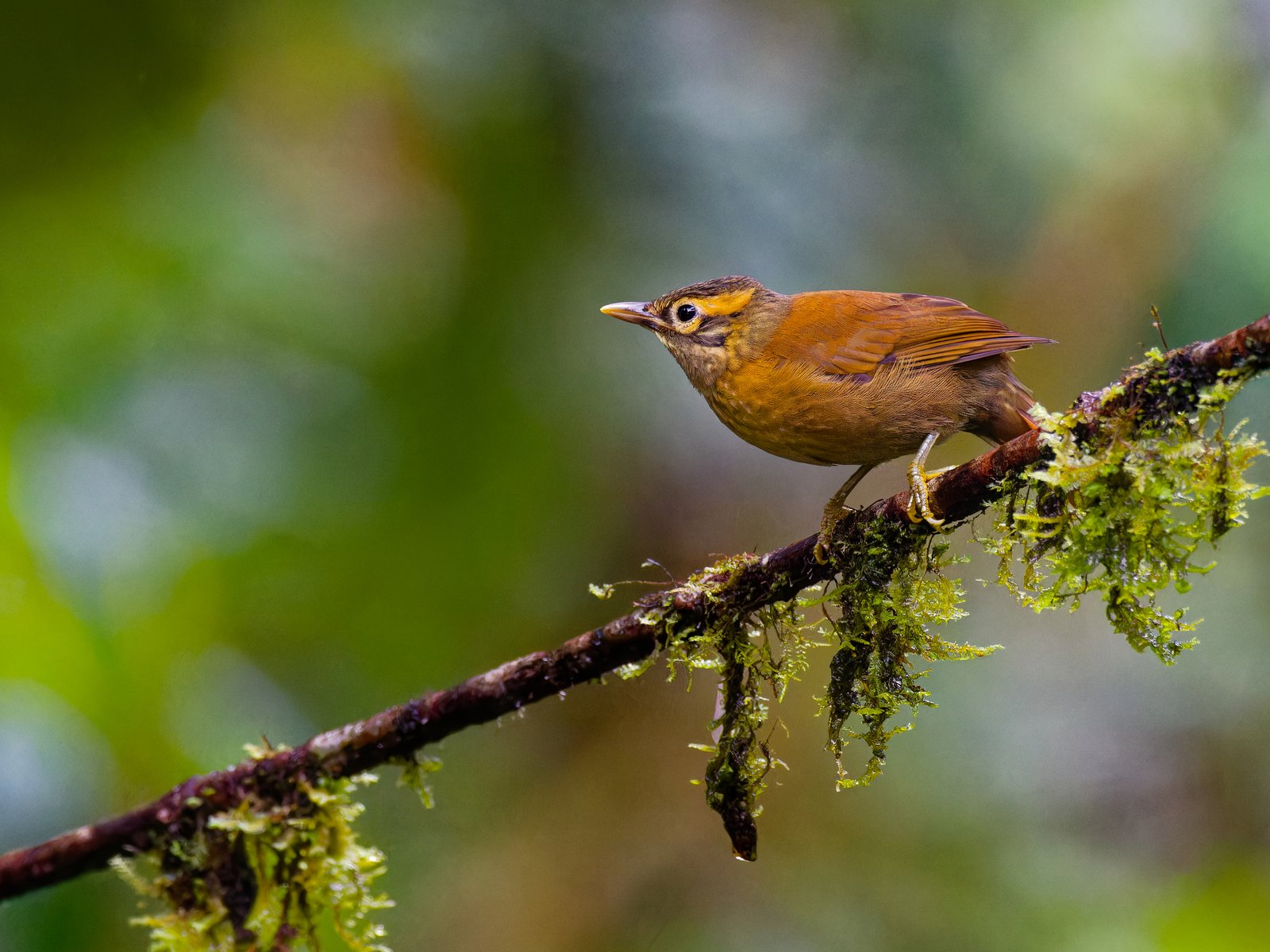
Scaly-throated Foliage-Gleaner
Anabacerthia variegaticeps- Northern Andean subtropical forest
- Western Ecuador humid forest
- Chocó rainforest
- Northern Andean cloud forest and temperate forest
-
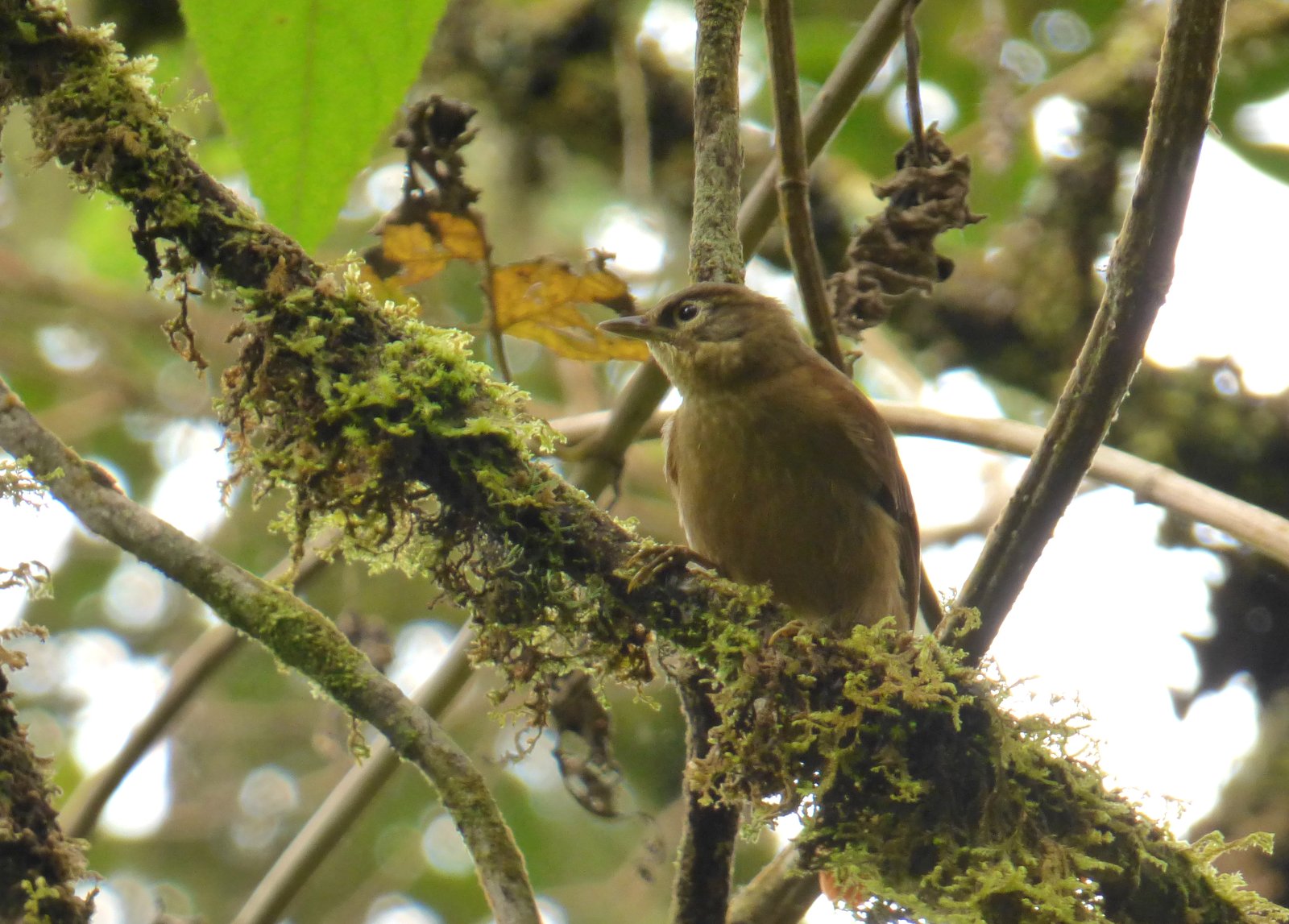
Montane Foliage-Gleaner
Anabacerthia striaticollis- Northern Andean cloud forest and temperate forest
- Northern Andean subtropical forest
- Upper Yungas cloud forest
- Lower Yungas forest
- Eastern Andean foothill forest
-
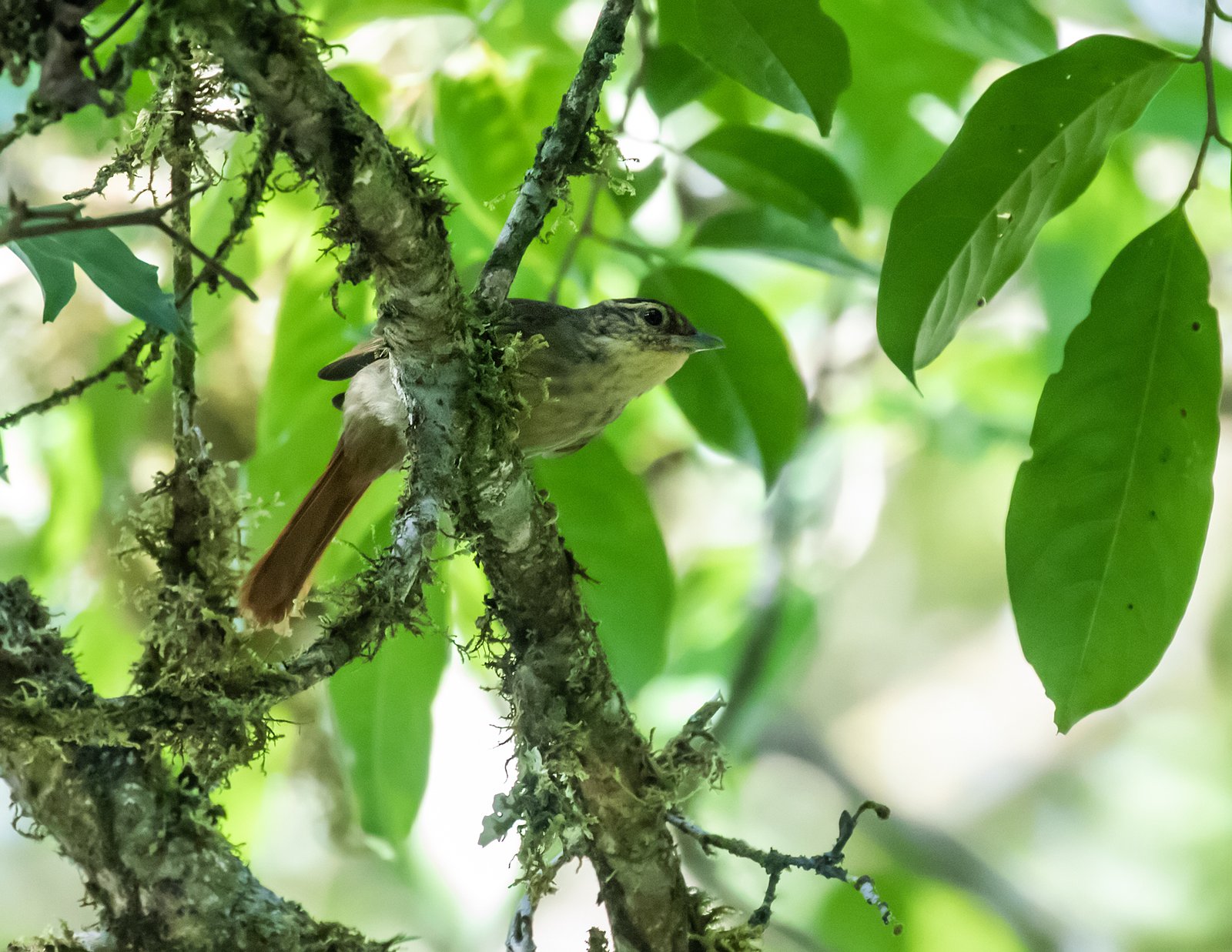
Rufous-tailed Foliage-Gleaner
Anabacerthia ruficaudata- Amazonian terra firme rainforest
- Eastern Andean foothill forest
- Várzea, igapó and river islands
- Secondary forest and forest edge
Thripadectes 6 species
-
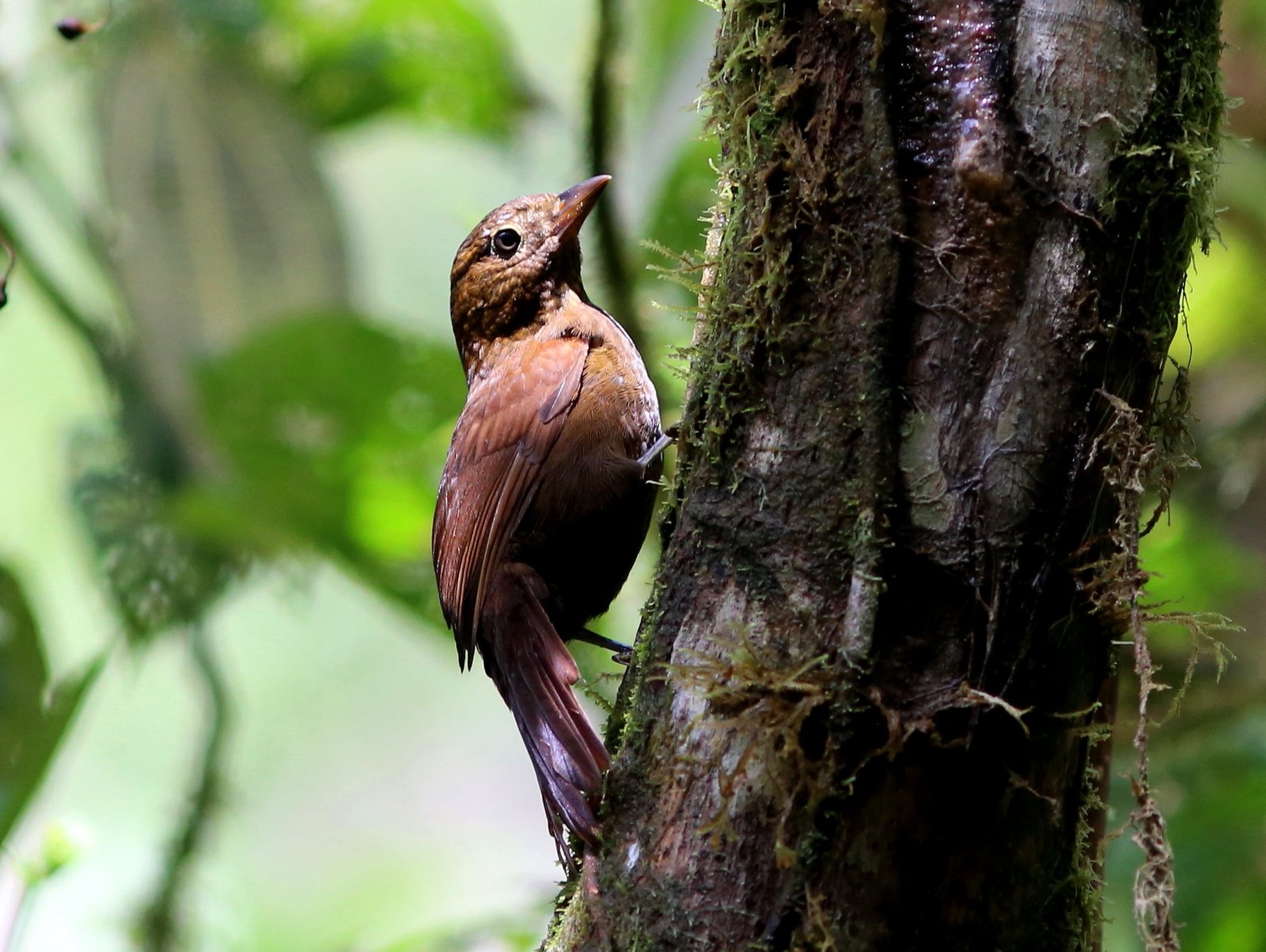
Uniform Treehunter
Thripadectes ignobilis- Northern Andean subtropical forest
- Chocó rainforest
- Western Ecuador humid forest
- Secondary forest and forest edge
-
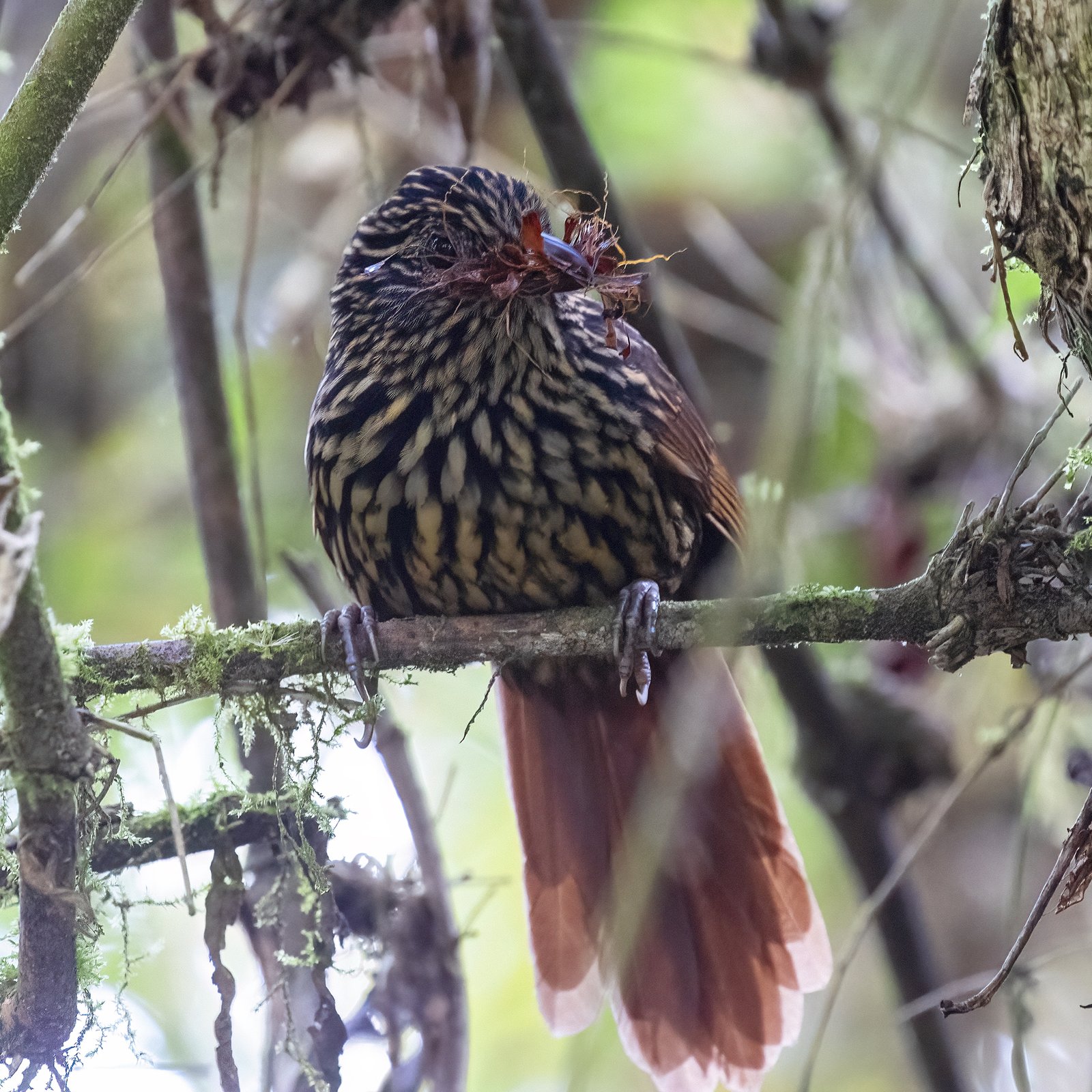
Flammulated Treehunter
Thripadectes flammulatus- Northern Andean cloud forest and temperate forest
- Northern Andean subtropical forest
- Secondary forest and forest edge
-
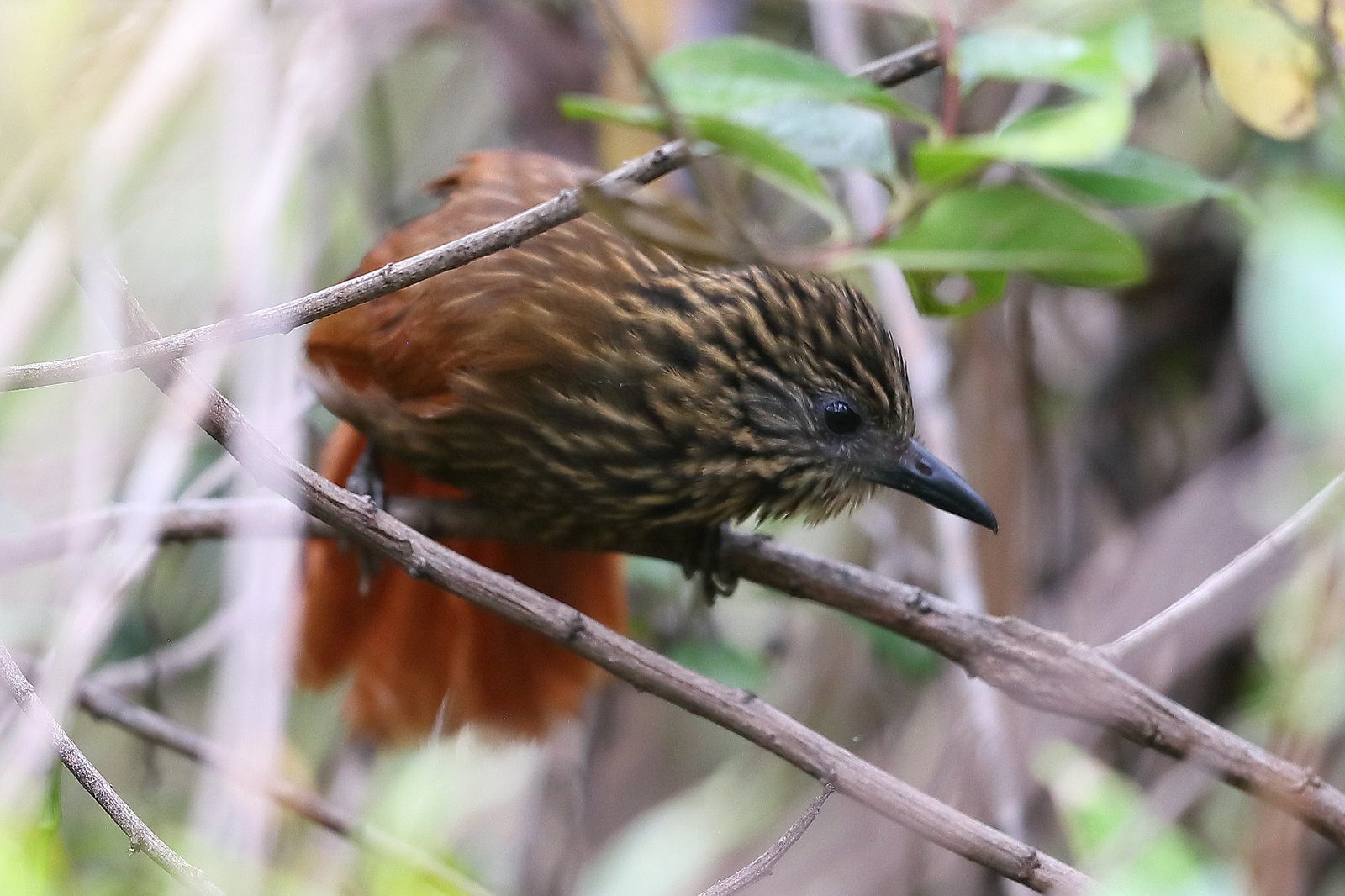
Peruvian Treehunter
Thripadectes scrutator- Upper Yungas cloud forest
- Northern Andean cloud forest and temperate forest
-
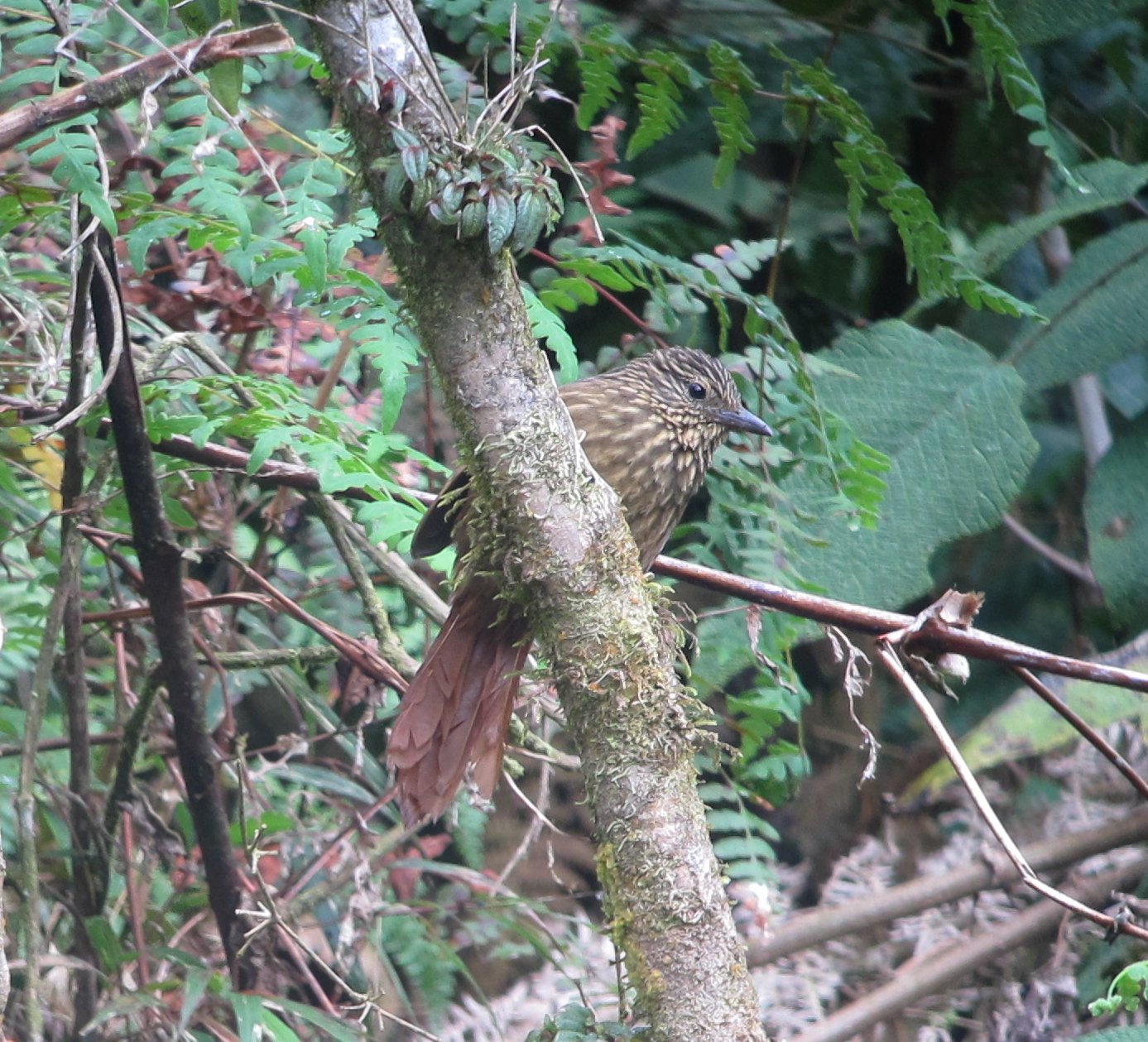
Striped Treehunter
Thripadectes holostictus- Northern Andean cloud forest and temperate forest
- Northern Andean subtropical forest
- Upper Yungas cloud forest
- Lower Yungas forest
- Secondary forest and forest edge
-
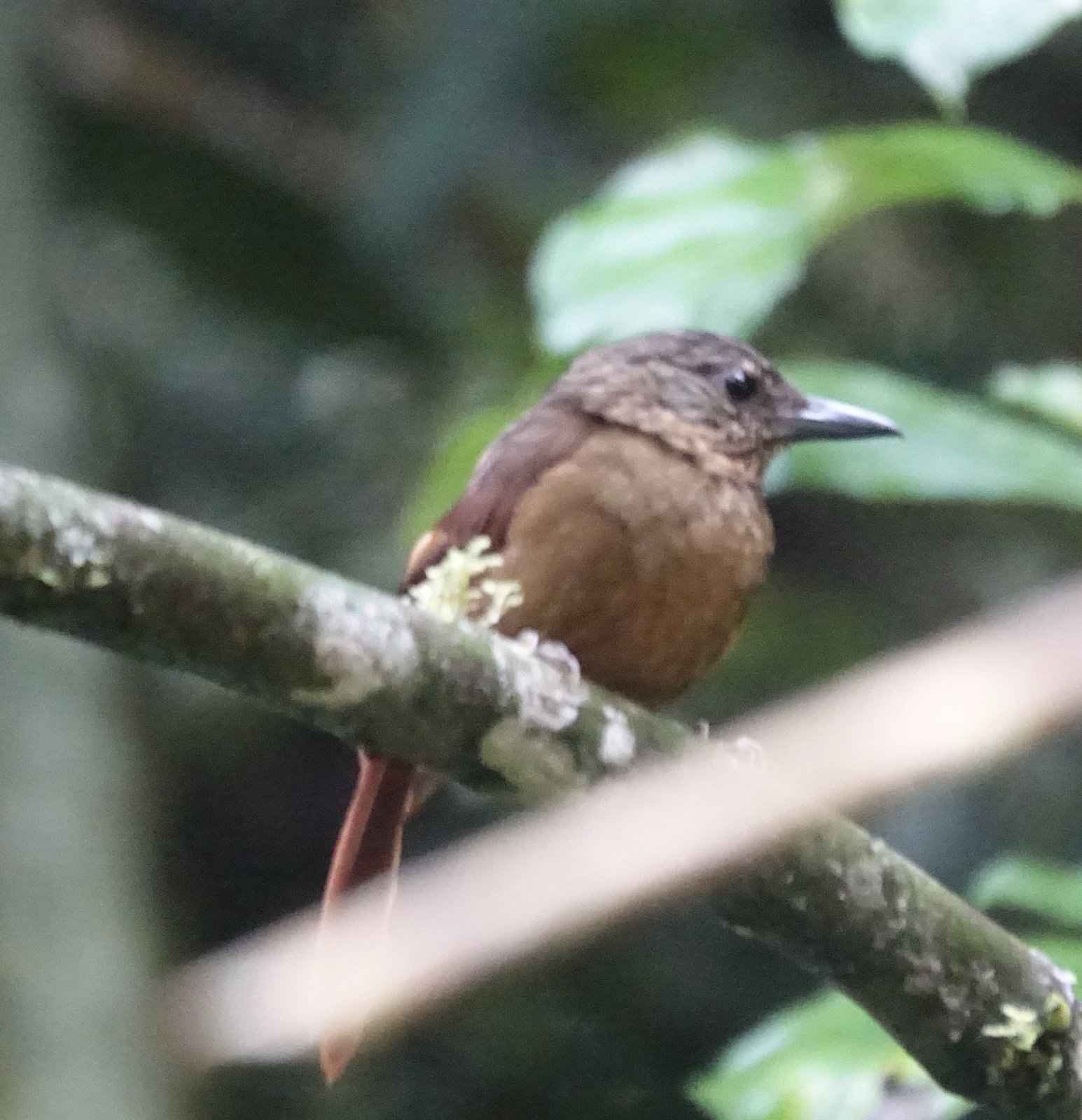
Streak-capped Treehunter
Thripadectes virgaticeps- Northern Andean subtropical forest
- Northern Andean cloud forest and temperate forest
- Secondary forest and forest edge
-
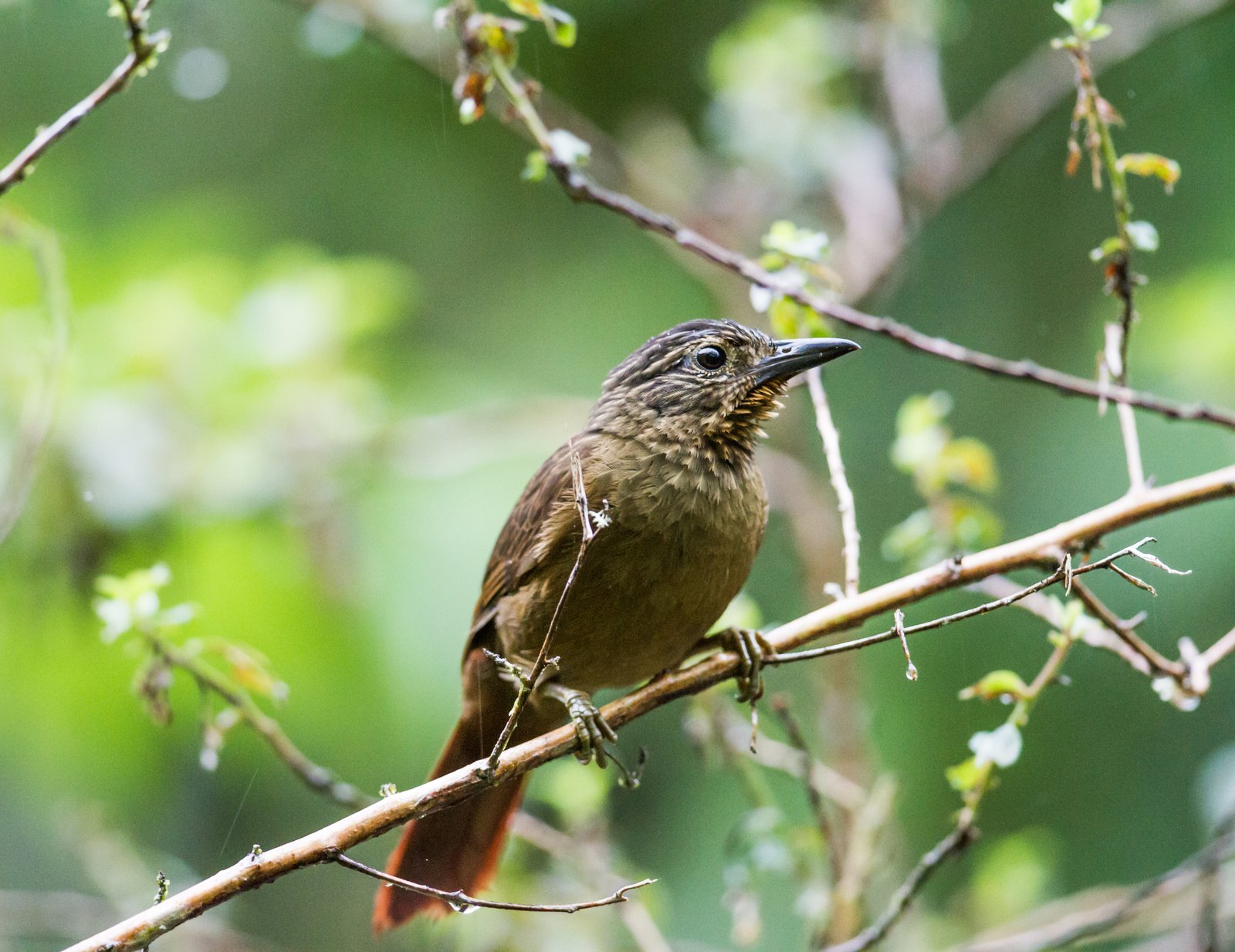
Black-billed Treehunter
Thripadectes melanorhynchus- Northern Andean subtropical forest
- Lower Yungas forest
- Eastern Andean foothill forest
Xiphorhynchus 9 species
-
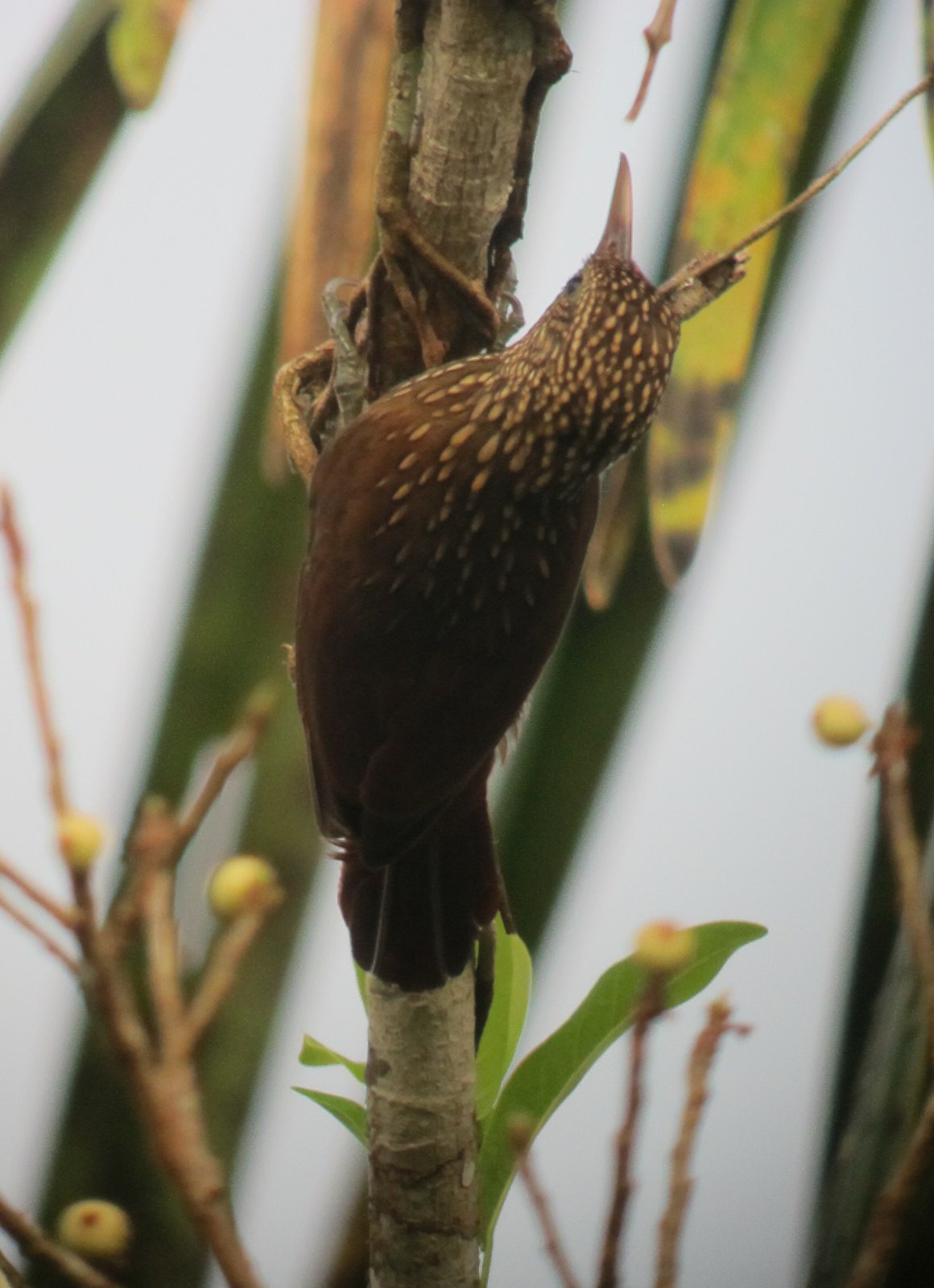
Striped Woodcreeper
Xiphorhynchus obsoletus- Várzea, igapó and river islands
- Palm swamps and swamp forest
- Secondary forest and forest edge
-
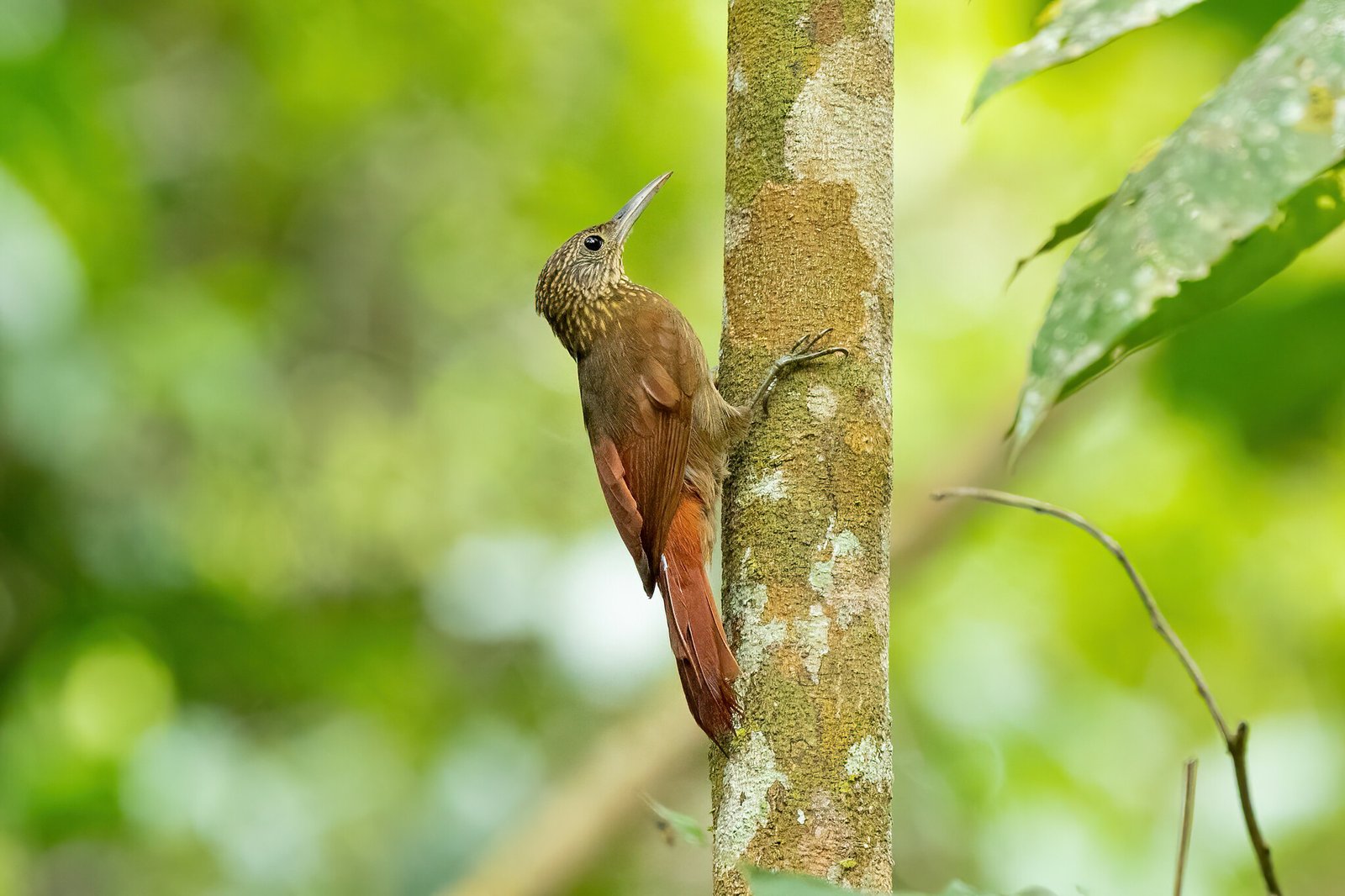
Ocellated Woodcreeper
Xiphorhynchus ocellatus- Amazonian terra firme rainforest
- Eastern Andean foothill forest
- Northern Andean subtropical forest
- Lower Yungas forest
- Secondary forest and forest edge
-
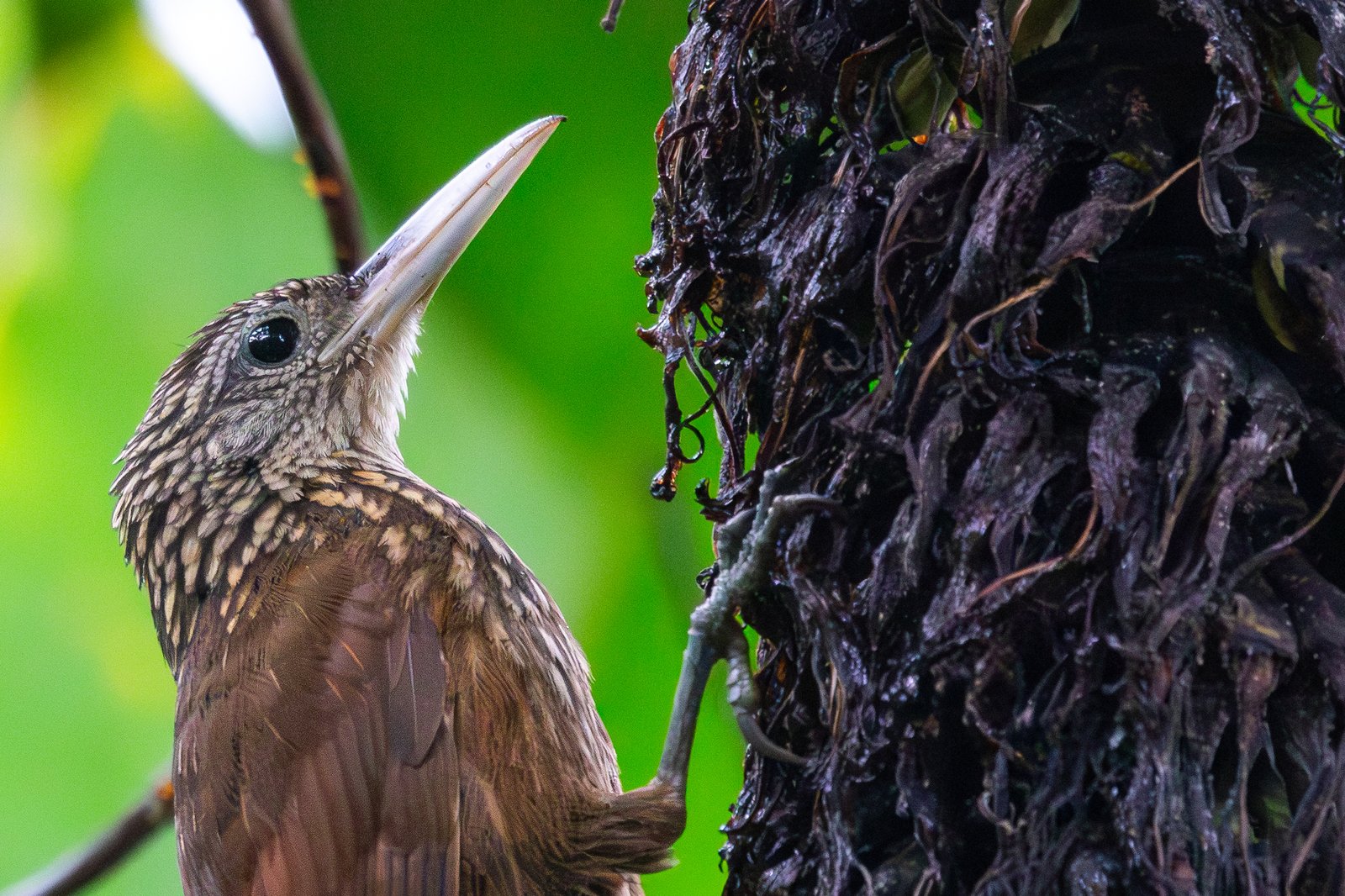
Elegant Woodcreeper
Xiphorhynchus elegans- Amazonian terra firme rainforest
- Eastern Andean foothill forest
- Várzea, igapó and river islands
- Secondary forest and forest edge
-
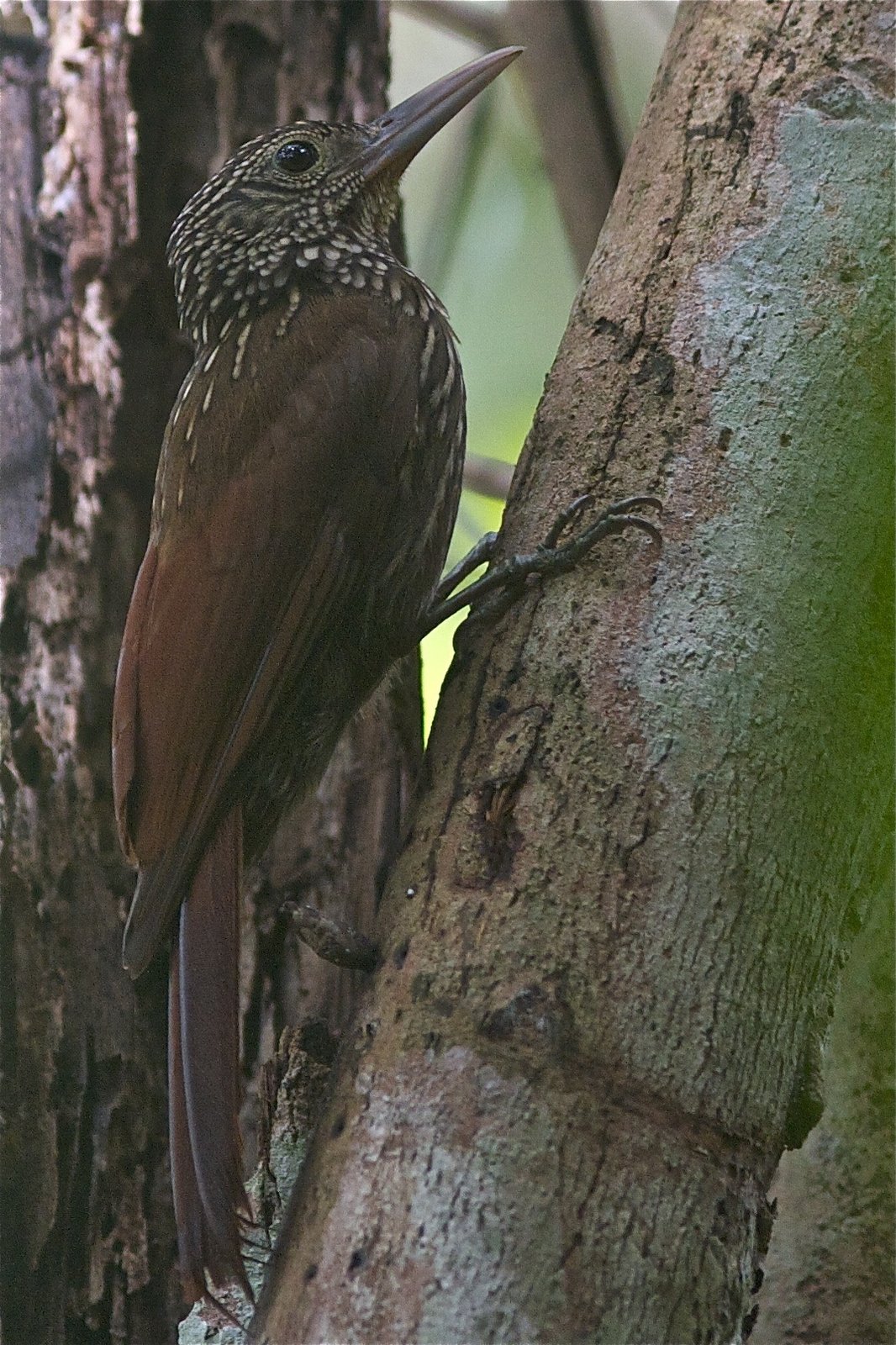
Spix's Woodcreeper
Xiphorhynchus spixii- Amazonian terra firme rainforest
- Várzea, igapó and river islands
- Secondary forest and forest edge
-
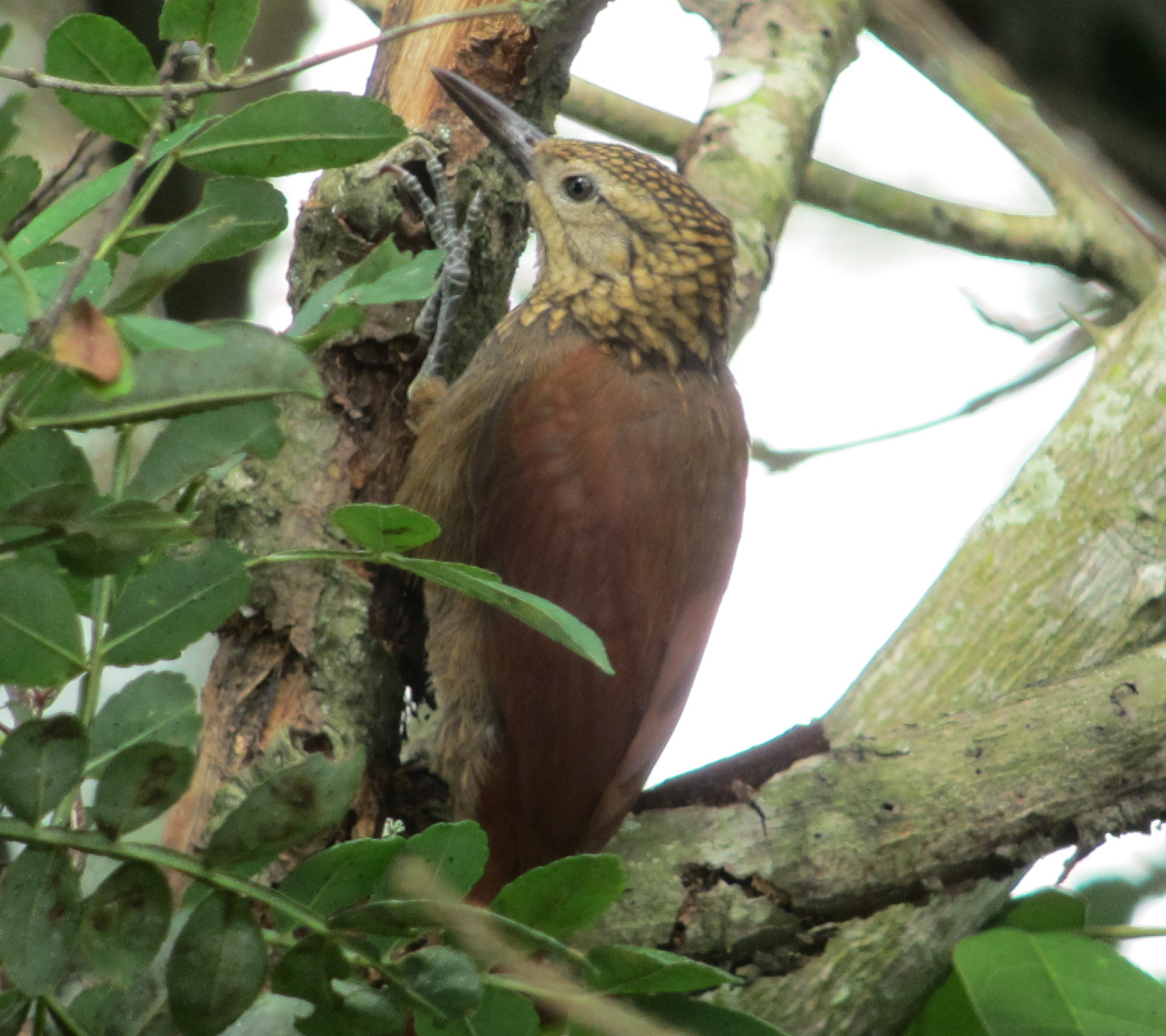
Cocoa Woodcreeper
Xiphorhynchus susurrans- Secondary forest and forest edge
- Chocó rainforest
- Riparian woodland of the Andes and coastal valleys
- Coffee, cacao and agroforestry
- Mangrove
-
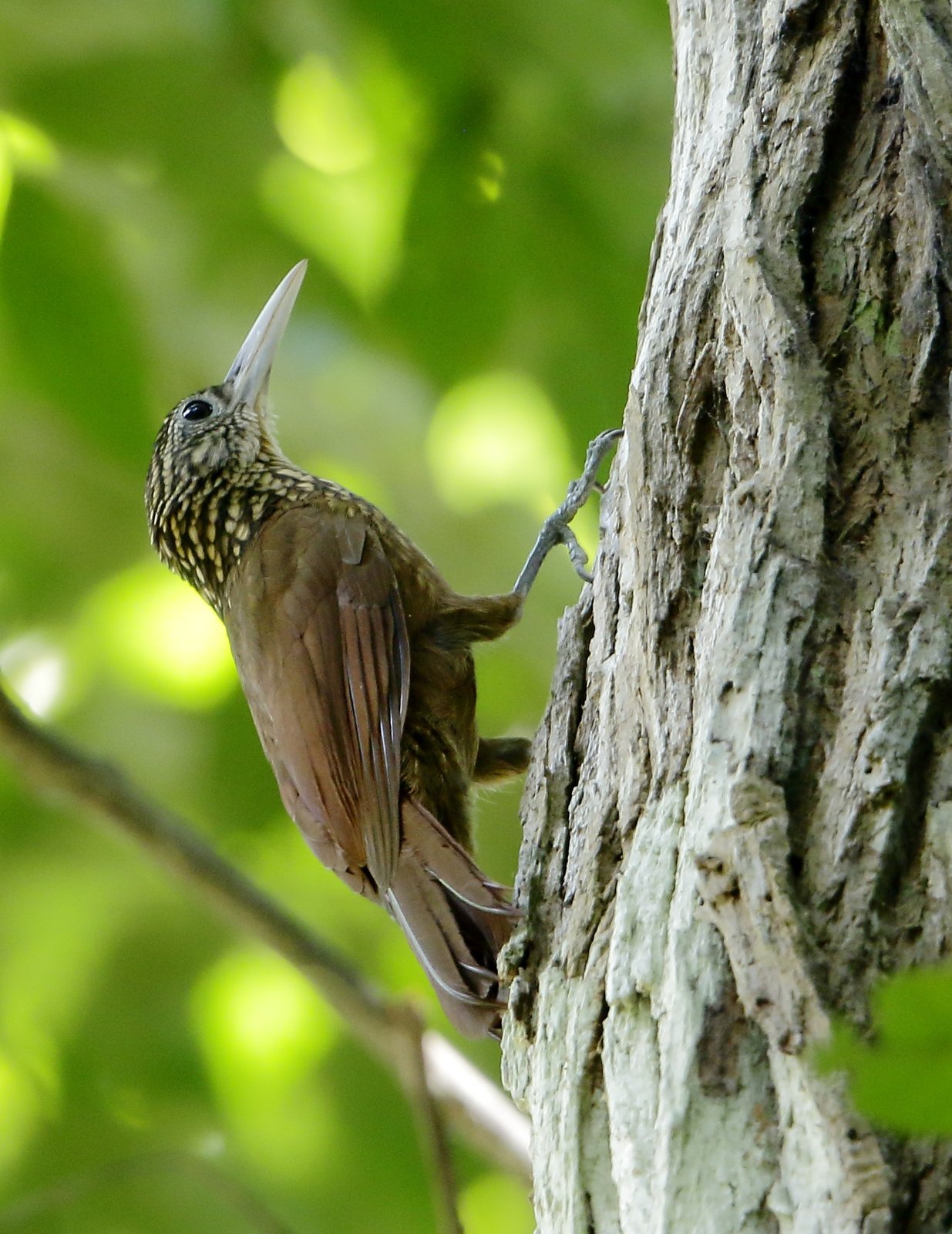
Buff-throated Woodcreeper
Xiphorhynchus guttatus- Amazonian terra firme rainforest
- Várzea, igapó and river islands
- Secondary forest and forest edge
- Eastern Andean foothill forest
-
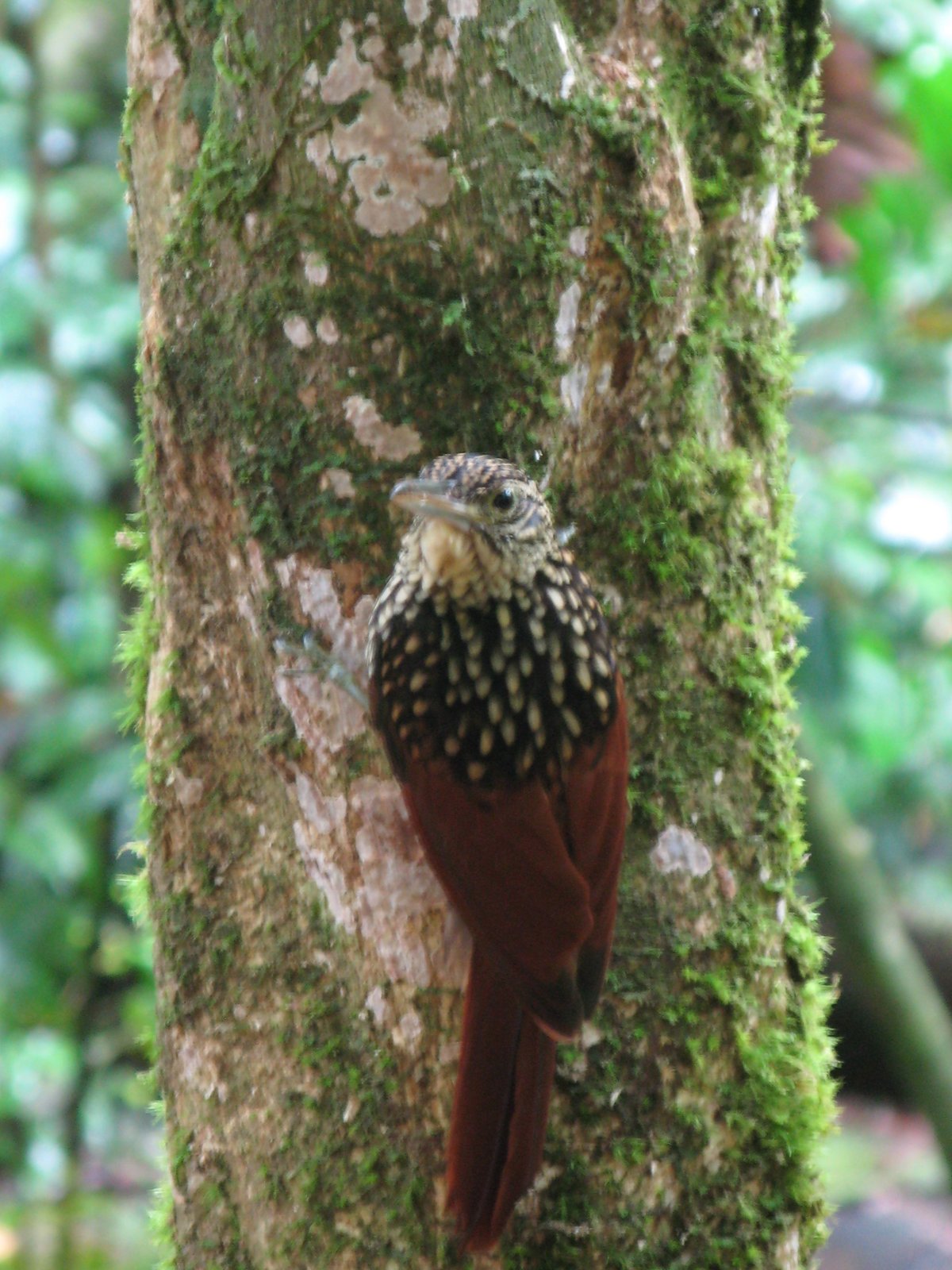
Black-striped Woodcreeper
Xiphorhynchus lachrymosus- Chocó rainforest
- Western Ecuador humid forest
- Secondary forest and forest edge
- Coffee, cacao and agroforestry
-
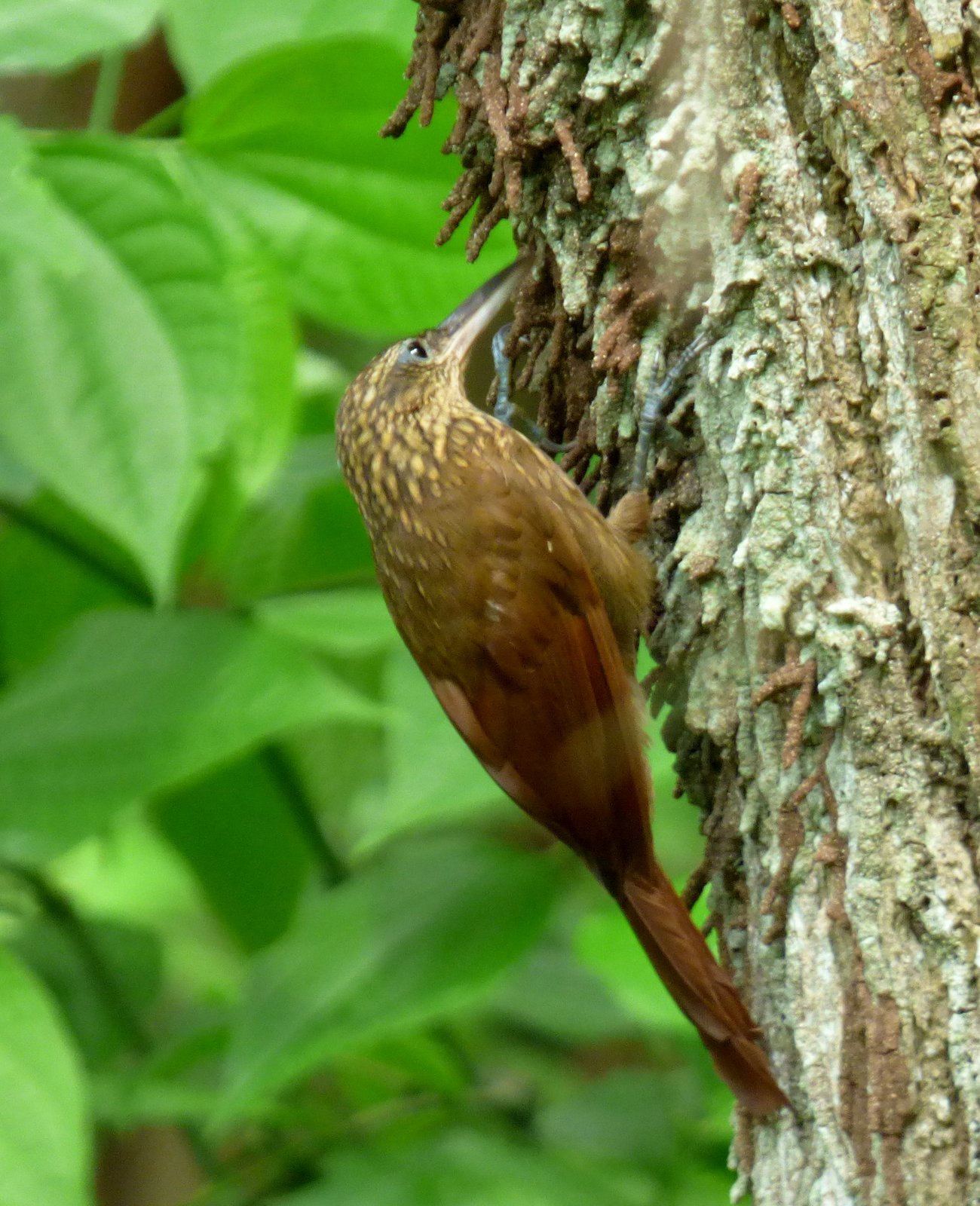
Spotted Woodcreeper
Xiphorhynchus erythropygius- Northern Andean subtropical forest
- Western Ecuador humid forest
- Chocó rainforest
- Secondary forest and forest edge
- Coffee, cacao and agroforestry
-
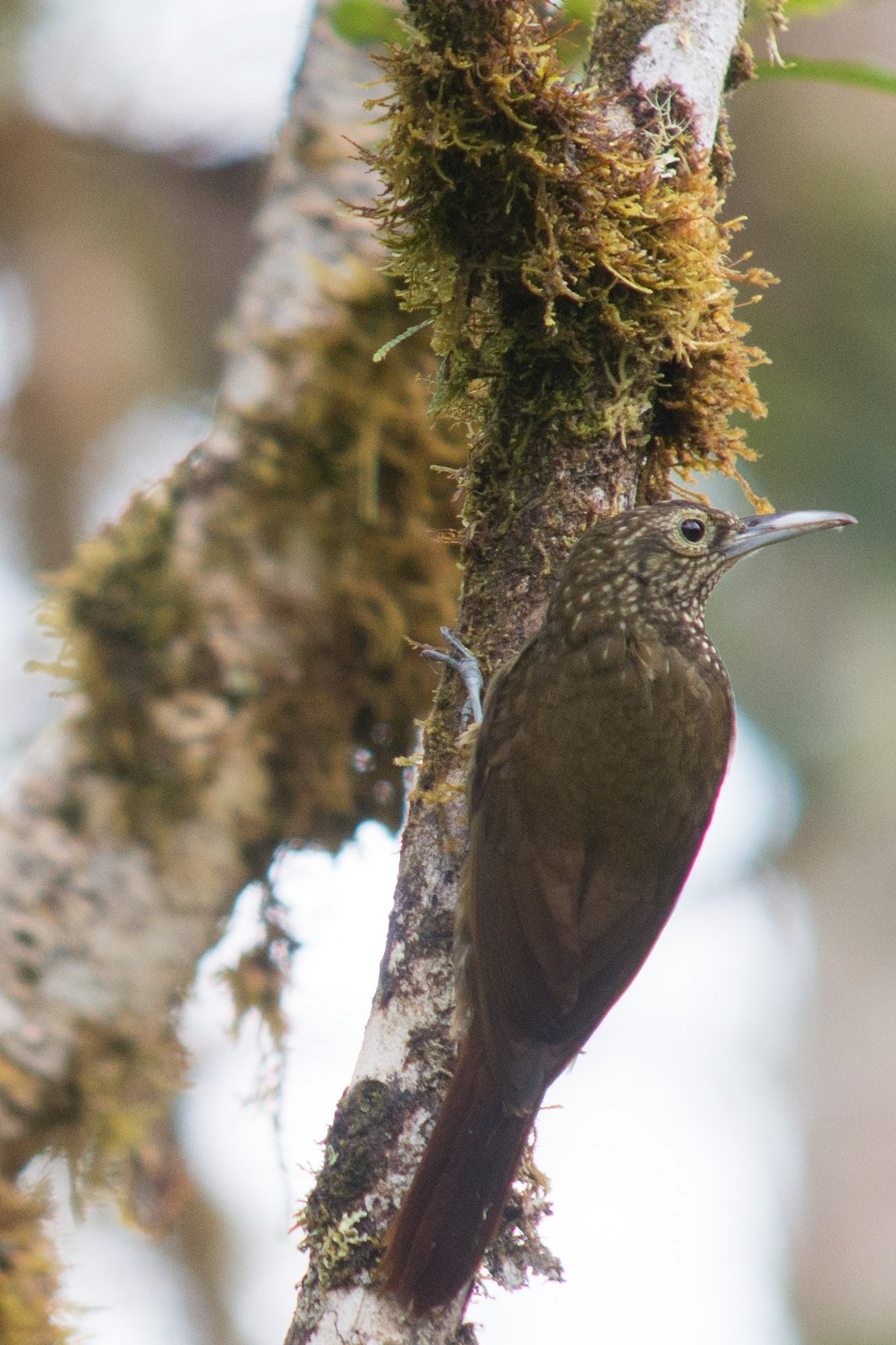
Olive-backed Woodcreeper
Xiphorhynchus triangularis- Northern Andean subtropical forest
- Northern Andean cloud forest and temperate forest
- Lower Yungas forest
- Upper Yungas cloud forest
- Eastern Andean foothill forest
Dendrexetastes 1 species
Sylviorthorhynchus 1 species
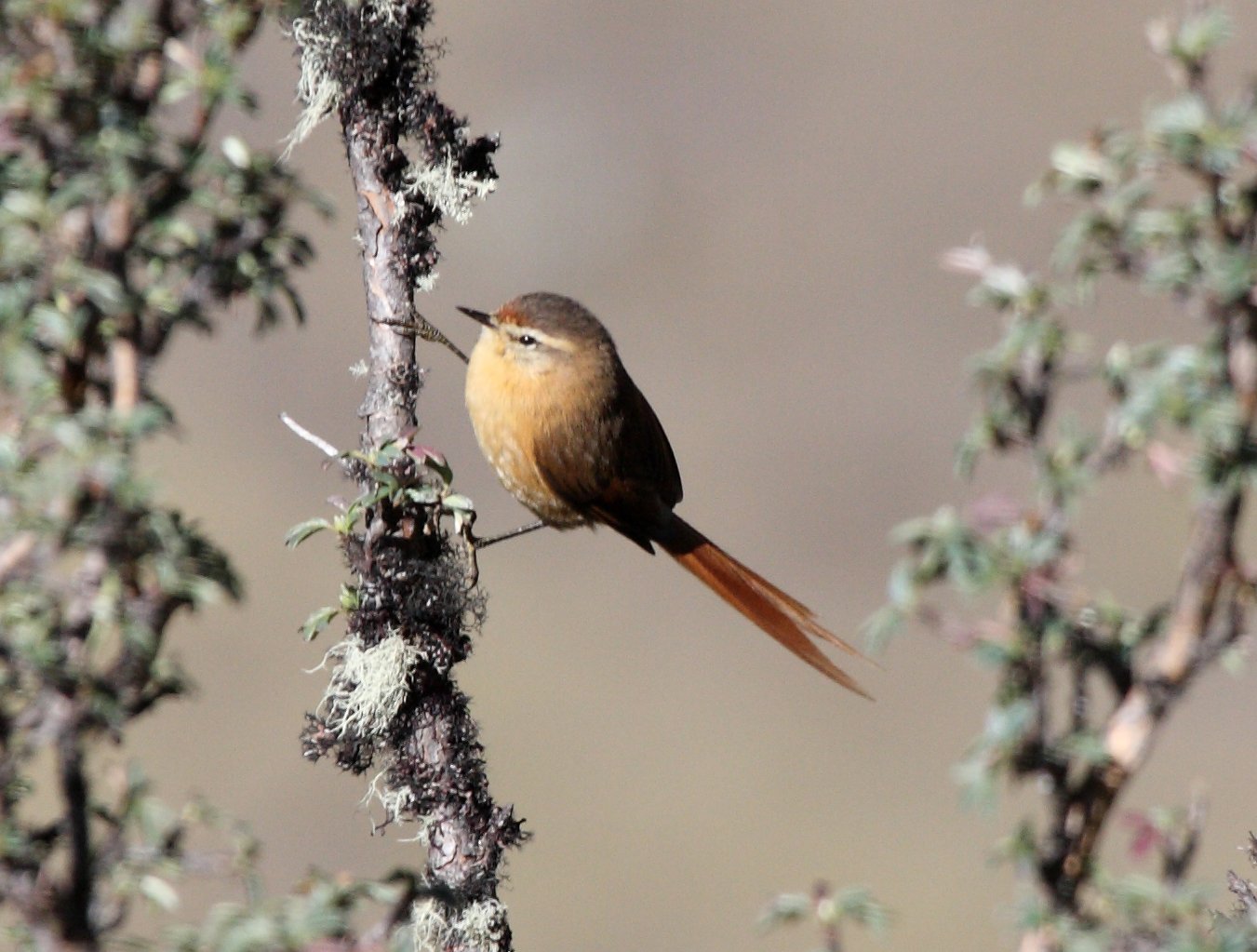
Siptornis 1 species
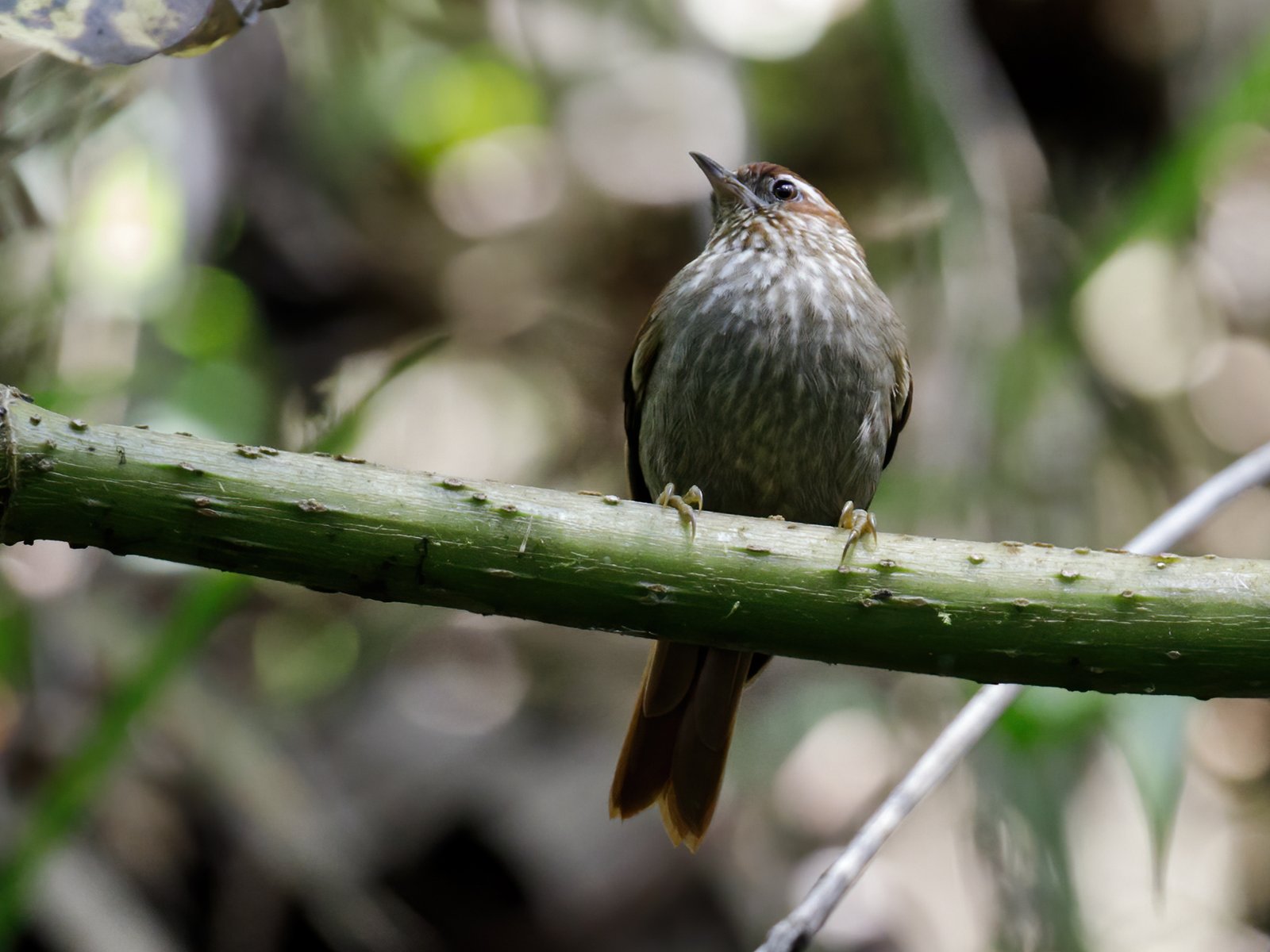
Dendrocincla 4 species
-
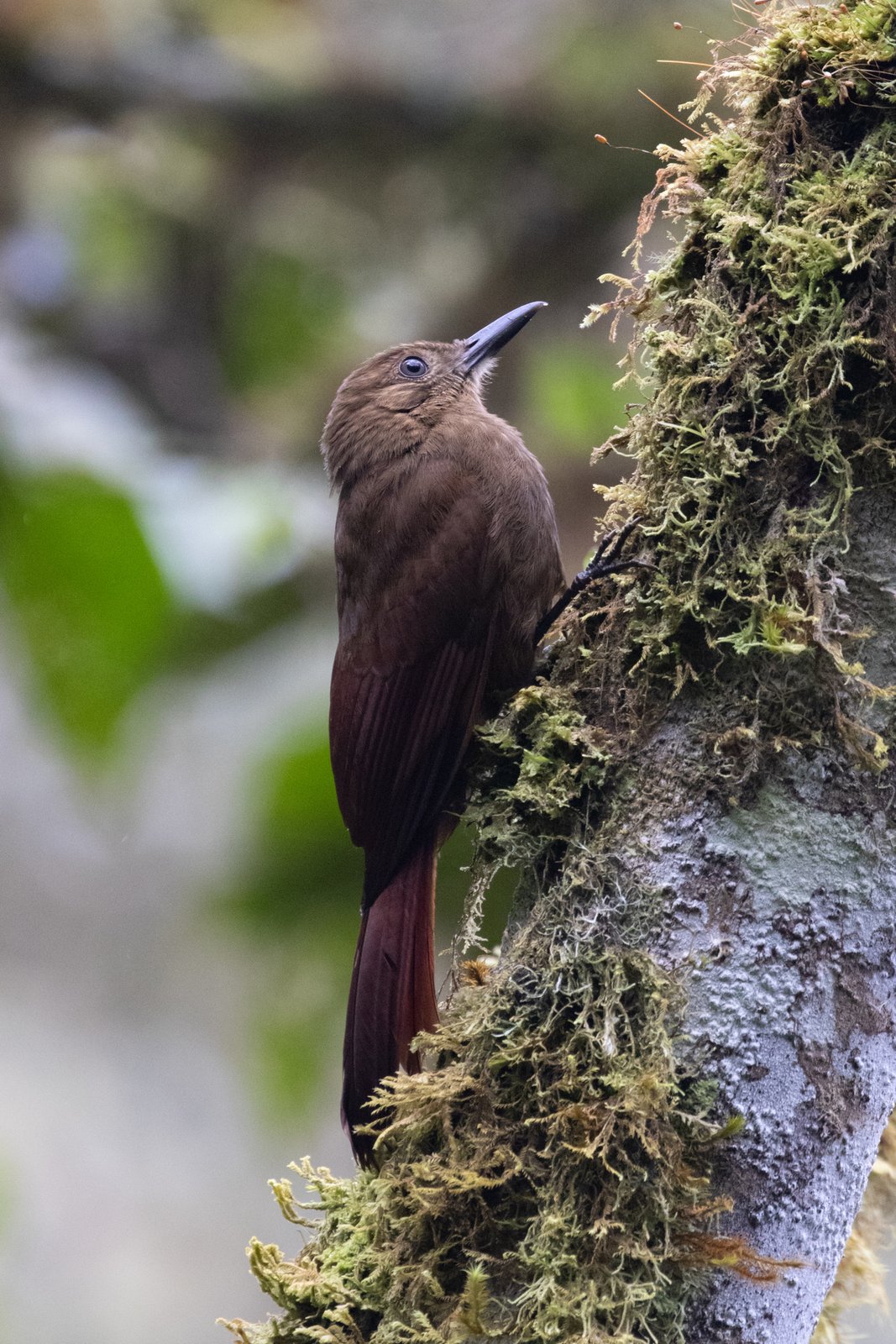
Tyrannine Woodcreeper
Dendrocincla tyrannina- Northern Andean cloud forest and temperate forest
- Northern Andean subtropical forest
- Upper Yungas cloud forest
- Lower Yungas forest
-
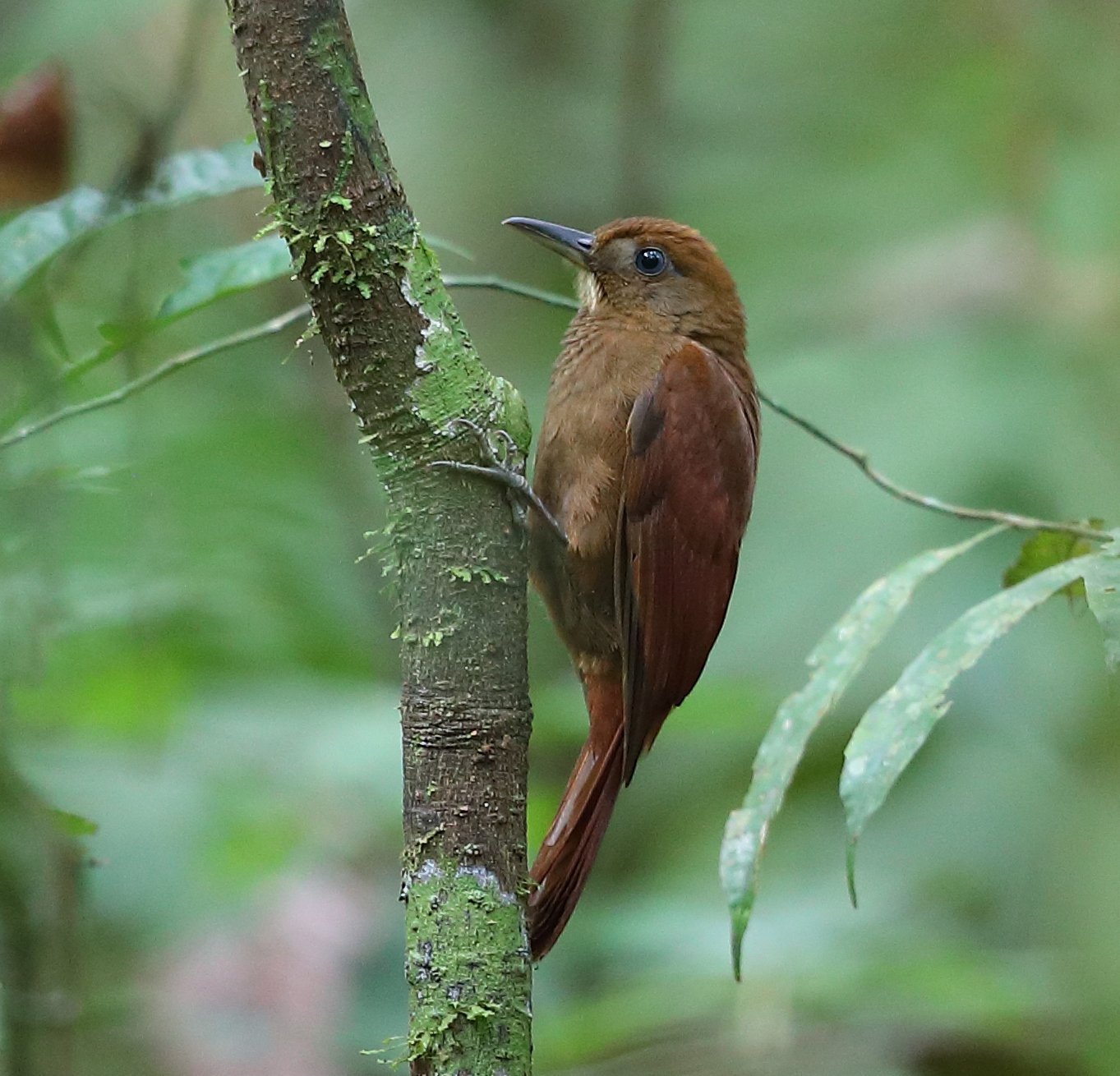
White-chinned Woodcreeper
Dendrocincla merula- Amazonian terra firme rainforest
- Várzea, igapó and river islands
- Eastern Andean foothill forest
-
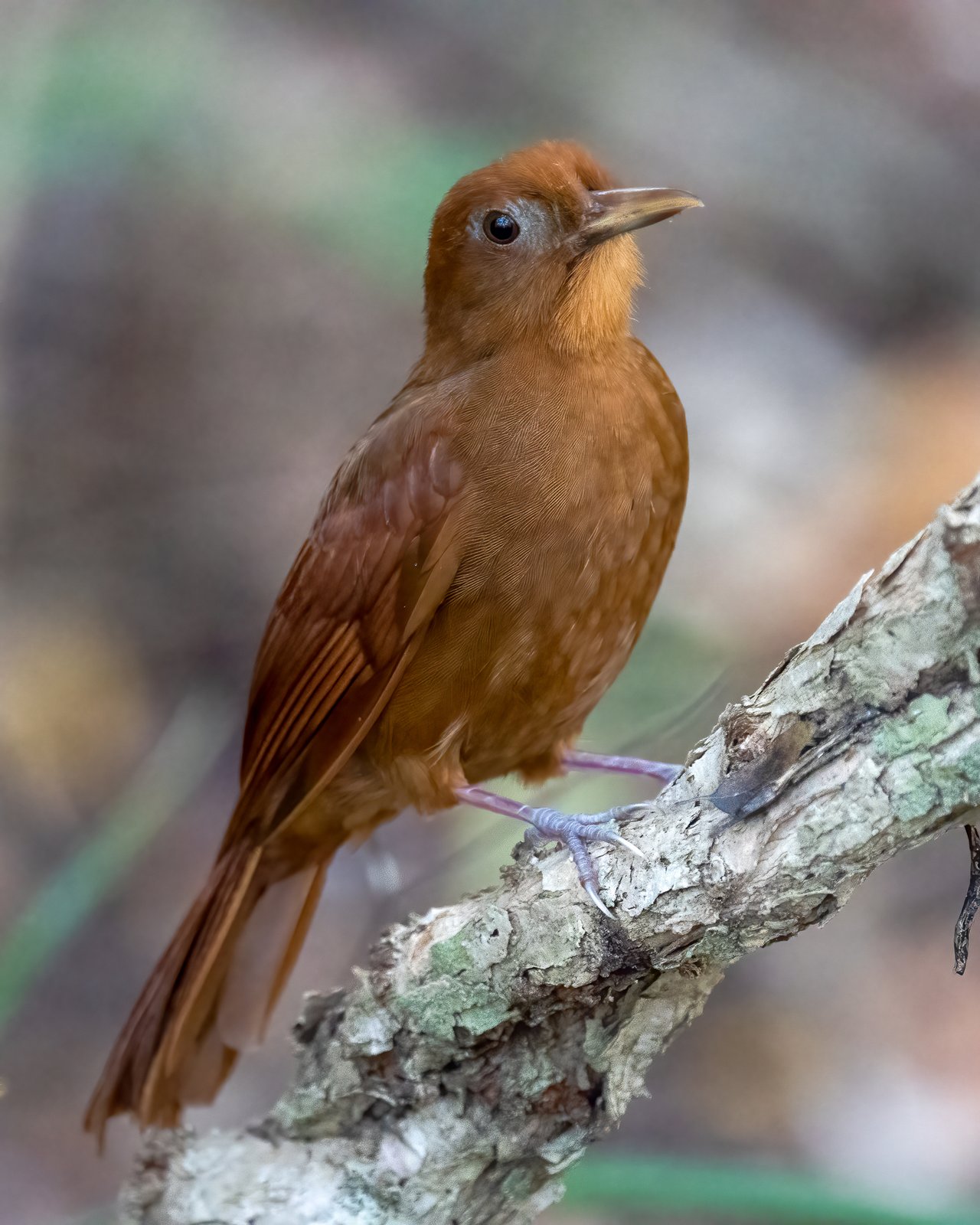
Ruddy Woodcreeper
Dendrocincla homochroa- Chocó rainforest
- Northern Andean subtropical forest
- Secondary forest and forest edge
-

Plain-brown Woodcreeper
Dendrocincla fuliginosa- Amazonian terra firme rainforest
- Eastern Andean foothill forest
- Chocó rainforest
- Western Ecuador humid forest
- Várzea, igapó and river islands
- Secondary forest and forest edge
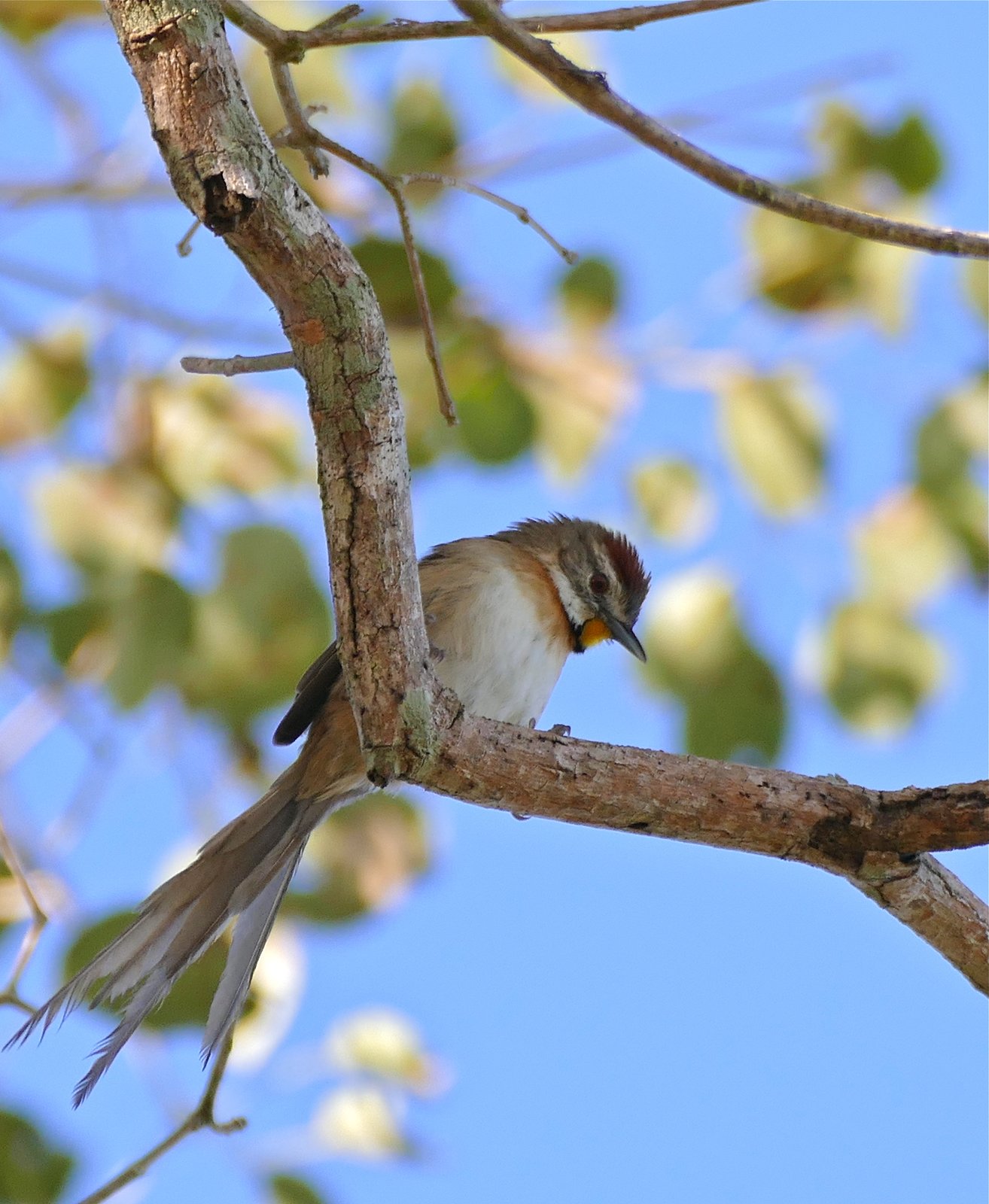
Vagrants 4 species
Birds blown in from other continents. They have no range here, and so no distribution map.
-
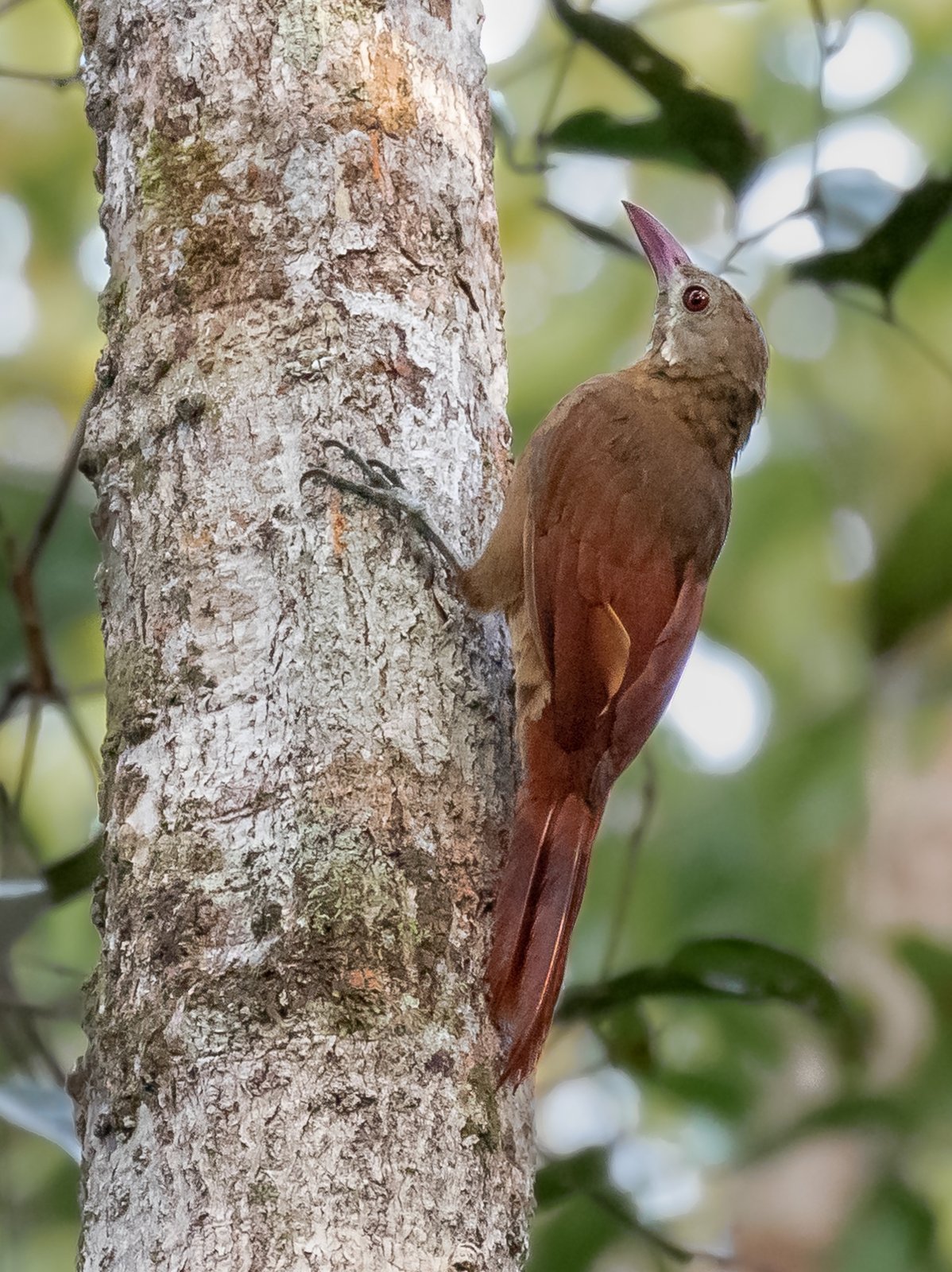
Red-billed Woodcreeper
Hylexetastes perrotii- Amazonian terra firme rainforest
-
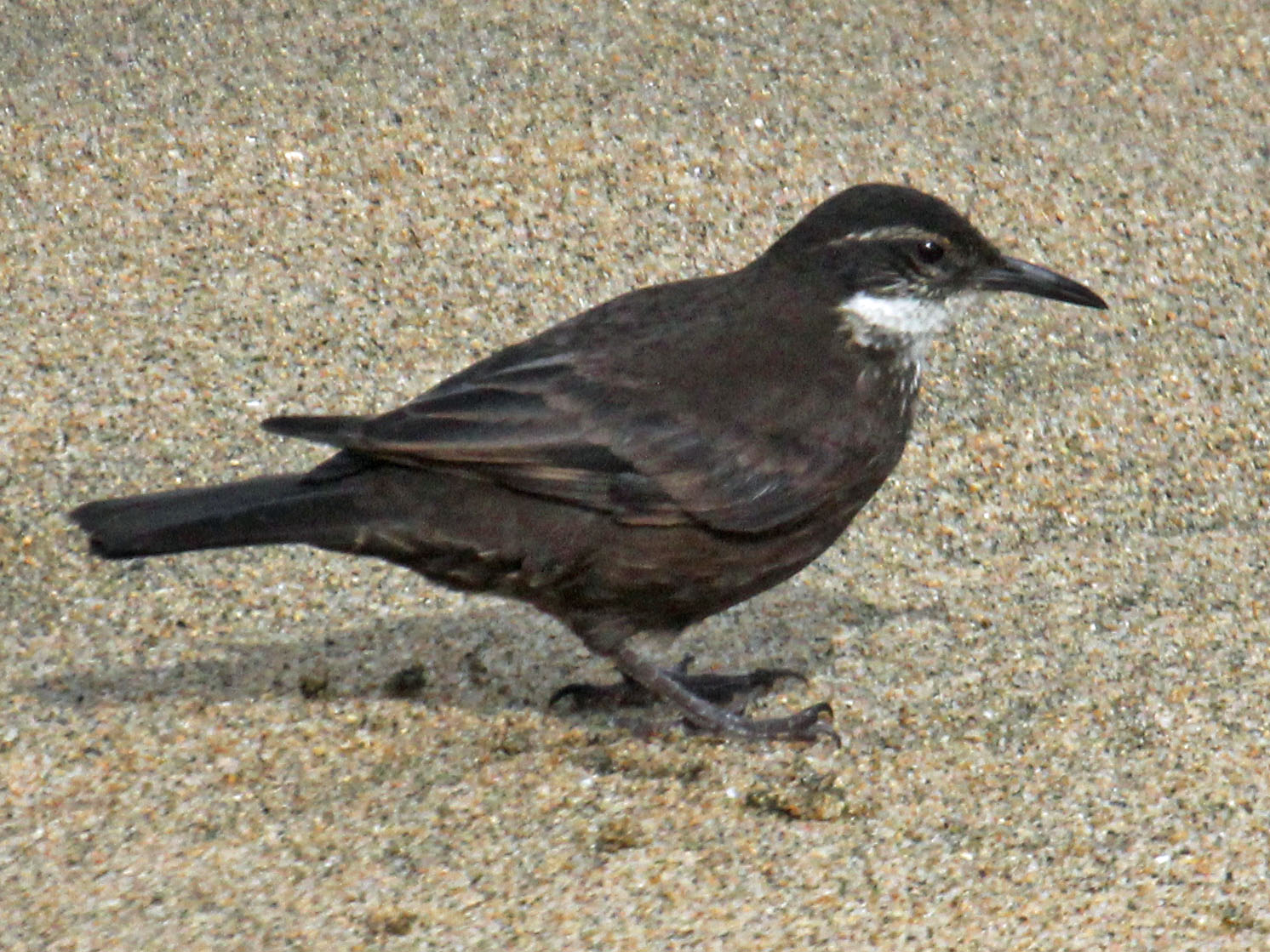
Chilean Seaside Cinclodes
Cinclodes nigrofumosus- Rocky shore and sea cliffs
- Sandy beach and dunes
-
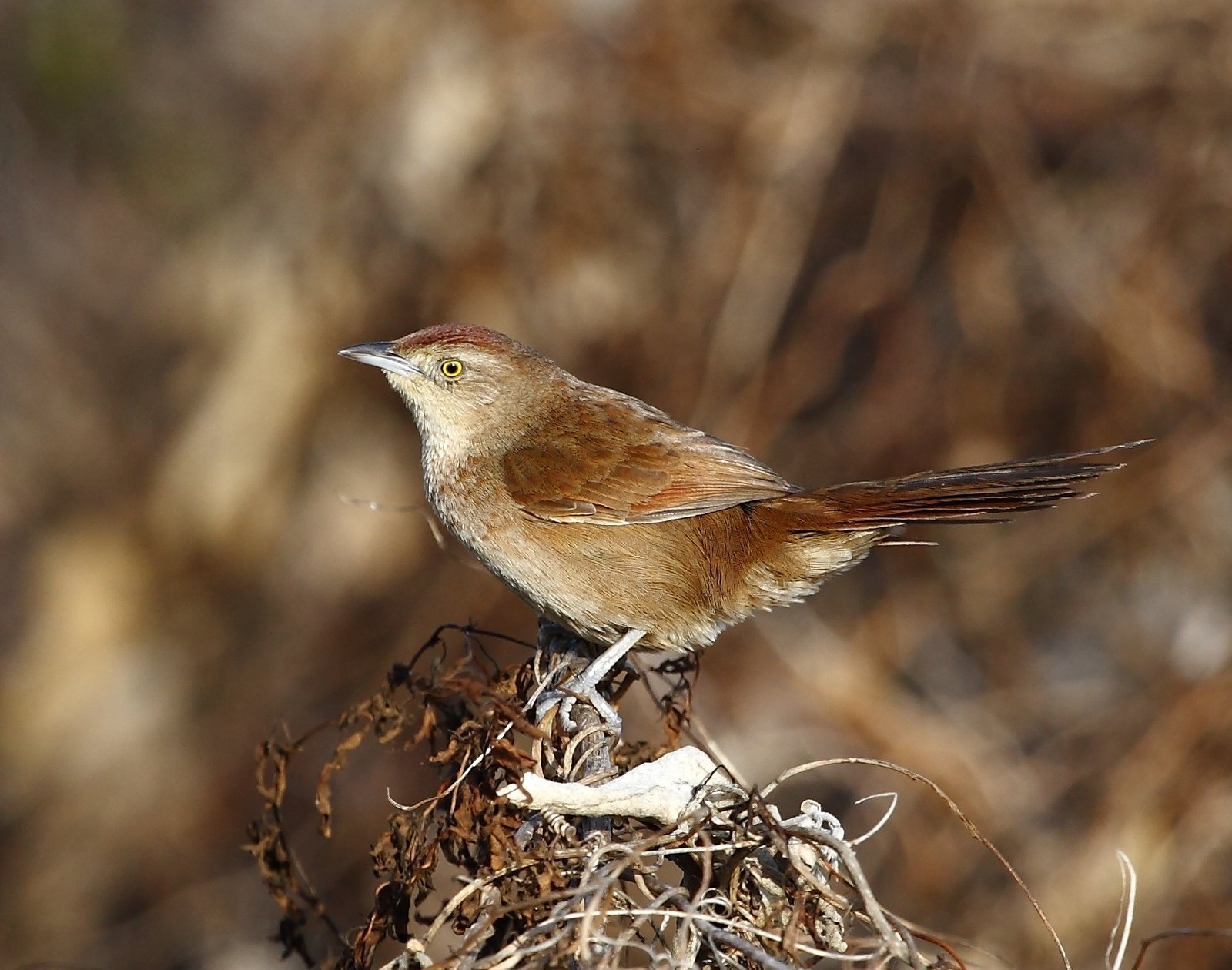
Freckle-breasted Thornbird
Phacellodomus striaticollis- Lowland marshes and wet meadows
- Riparian woodland of the Andes and coastal valleys
- Secondary forest and forest edge
-
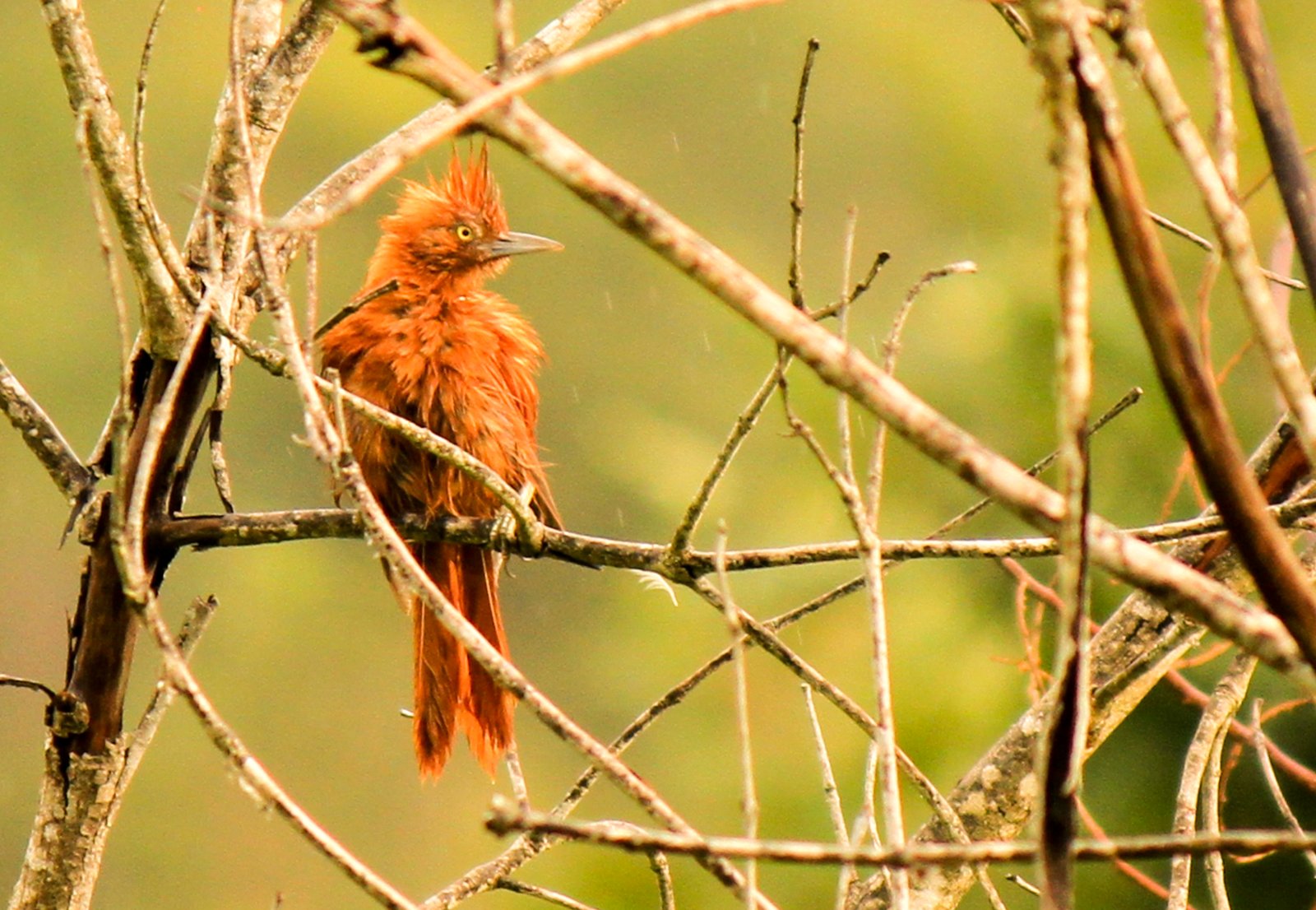
Caatinga Cacholote
Pseudoseisura cristata- Chiquitano dry forest and Chaco
- Beni savanna and cerrado